Blog

7 Best Generator Automatic Transfer Switches for Buyers

7 Best Generator Automatic Transfer Switches for Buyers

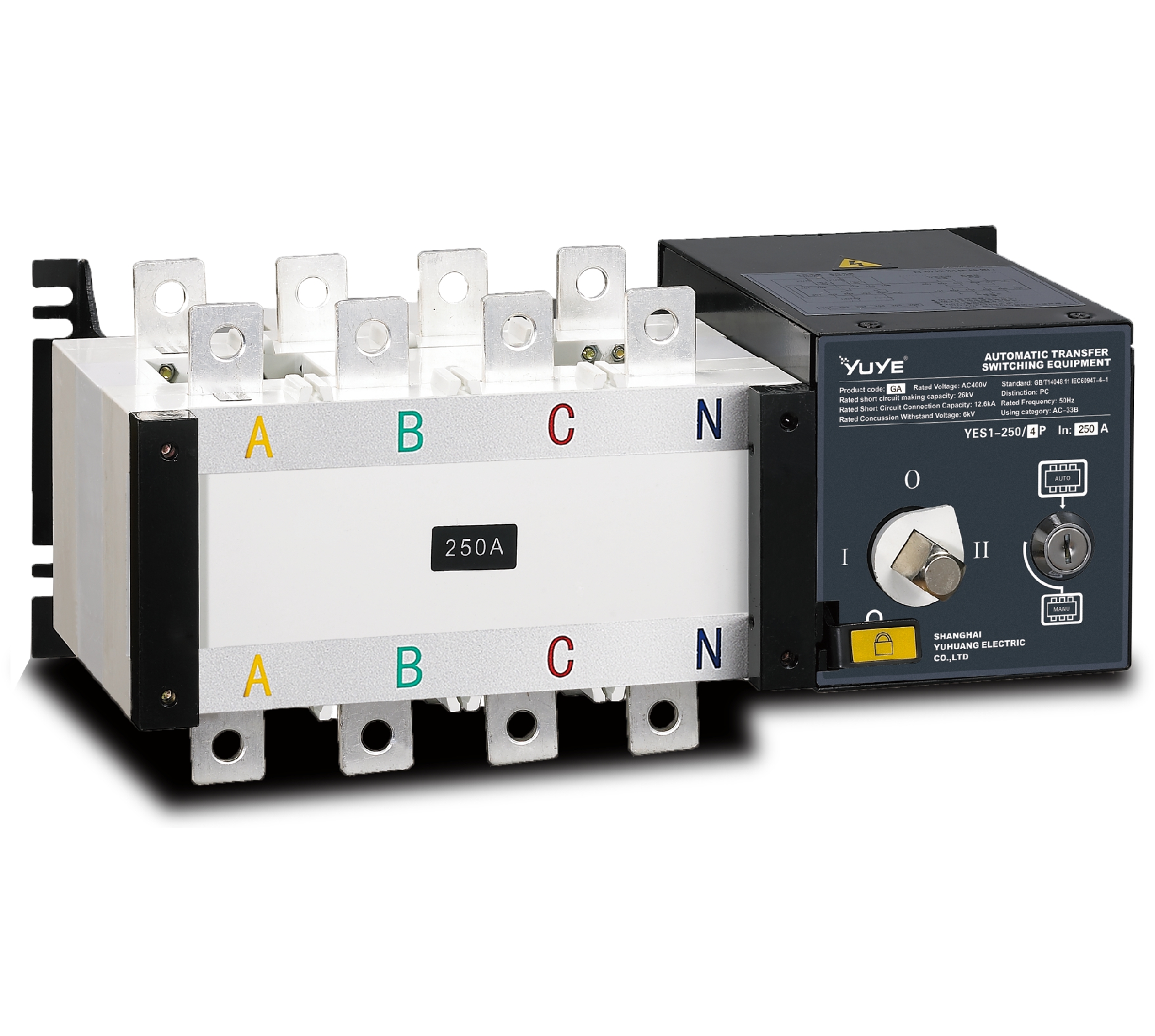
Picking a generator transfer switch isn't just about who has the lowest price. A dependable Generat Automat Transfer Switch has to do a few things without missing a beat: notice when utility power drops, kick the generator on, and transfer the load. Then, once the utility comes back and settles down, it needs to return the load safely. In the field, the little stuff tends to show up fast. A cabinet can look solid on paper, but the terminals feel cramped once you're actually wiring it. A controller can have a ton of settings, yet if the menus are confusing, emergency maintenance gets slower—not faster. This guide looks at seven automatic transfer switches for buyers who care about solid performance, straightforward installation, and a long service life. We'll weigh amperage ratings, phase options, switching mechanisms, enclosure protection, controller quality, compatibility, warranty support, and how easy the unit is to maintain. Brands like Generac, Cummins, Eaton, and Schneider Electric show up here because their products fit different jobs—not because one brand is the right answer for everybody. Mike Holt, a well-respected electrical safety educator, put it this way: "Safety is not expensive, it's priceless." That idea applies straight to transfer equipment. A cheaper price tag can get expensive in a hurry if bad sizing leads to nuisance transfers, overheating, or a troubleshooting headache. That said, no review can predict every site condition. Local wiring, generator capacity, environmental exposure, and professional installation still make the final call. So don't just look at the label. Buyers should check neutral switching, short-circuit ratings, service entrance approval, and generator communication requirements. And some specs deserve a little skepticism. Marketing copy can sound great while real-world support is thin. The best pick is the switch that matches the load, the installation environment, and the maintenance plan with fewer compromises. In this comparison, those compromises get the attention they deserve.
Read more »
Noah By:Noah - October 10, 2026
Why Use an AC Automatic Transfer Switch?

Why Use an AC Automatic Transfer Switch?

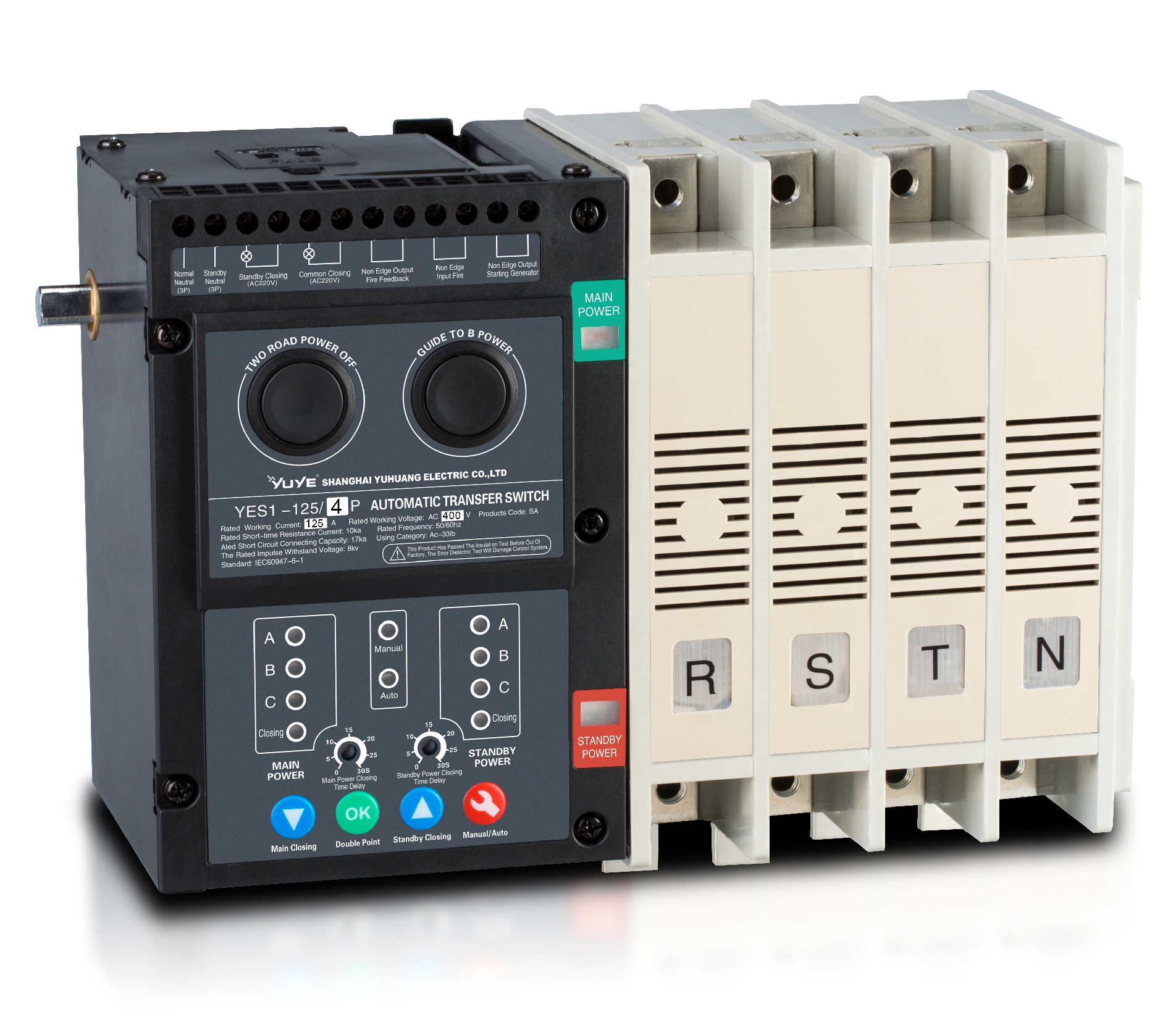
So, what does an Ac Automatic Transfer Switch actually do? In short, it keeps essential power moving when the normal supply drops out. It watches voltage, spots an outage, then moves the load over to a standby generator or another secondary source. And it does this automatically—often fast enough that people inside barely notice the lights blink. That's a big deal in hospitals, data centers, factories, retail stores, and homes with critical equipment. “An automatic transfer switch is only as dependable as the system around it,” says Mark A. Carlson, a power-systems engineer with Eaton. That point is worth sitting with. Even a reliable Ac Automatic Transfer Switch depends on correct sizing, suitable protection, proper wiring, and regular testing. It can’t fix a weak generator, an overloaded circuit, or a neglected battery. That’s the uncomfortable truth. A well-chosen switch can cut downtime, protect sensitive equipment, and give operators more confidence. It also means someone doesn’t have to stand next to energized equipment during an outage. Small details really matter here. A loose terminal can heat up. A delayed transfer can halt production. A wrong neutral configuration can lead to serious performance issues. This guide walks through why organizations use an Ac Automatic Transfer Switch, how the transfer sequence works, and where its limits show up. We’ll look at practical installation concerns, maintenance routines, and differences between applications. The device is useful—but it’s not magic. Good engineering still matters.
Read more »
Noah By:Noah - October 7, 2026
How to Choose a Dual Power Automatic Transfer Switch?

How to Choose a Dual Power Automatic Transfer Switch?

Choosing a Dual Power Automatic Transfer Switch isn’t just about matching up voltage and wallet size. It’s really about making sure it reacts safely and quickly when utility power goes out—then smoothly switches your load over to a generator or backup source. In real-world setups, just a few seconds can make a huge difference—think pumps, servers, fridges, or emergency lights. So, the right choice isn’t just what the product brochure says; it all starts with understanding your actual application. Take a close look at the ratings for both your main and backup sources. Make sure the phase configuration, current capacity, frequency, and neutral switching are all suitable. And don’t forget—if your loads include motors, compressors, medical tools, or sensitive electronics, they can draw a massive surge of starting current. A switch rated only for normal running current might not cut it during startup. Also, pay attention to how the transfer happens. Open transition is pretty standard, but closed transition can reduce power interruptions—though it needs more careful setup and isn’t automatically better. Then, dig into the details—check out the controller, the enclosure, bypass options, accuracy of sensing, and what status signals you can get. A reliable switch should allow for straightforward testing and easy maintenance. And if you’re an installer, it’s smart to verify terminal space and cable access before hitting ‘order.’ Little things like that really matter. But here’s something key—there’s no such thing as a perfect switch. One mistake people often make? They trust catalog ratings blindly without considering the whole system. Always compare manufacturer data with your site drawings, generator specs, and applicable electrical standards. It’s best to have a qualified professional review your final choice and setup plan. Even experienced engineers can overlook environmental factors like heat, dust, moisture, or limited access for maintenance. That’s why a practical, hands-on evaluation, documented testing, and honest review of your operating environment are so important.
Read more »
Noah By:Noah - October 5, 2026
What Is an Automatic Transfer Switch?

What Is an Automatic Transfer Switch?

Think of an Automatic Transfer Switch as that quiet hero inside a reliable backup power setup. It's the one keeping an eye on your utility power, ready to step in whenever there's a hiccup. When the grid fails, it quickly switches the loads over to a generator. And when normal power comes back? No worries—it's smart enough to switch everything back safely and smoothly. Now, at first glance, that all sounds pretty straightforward. But trust me, it’s not always so simple in practice. Things like timing, voltage levels, frequency, phase alignment, and which loads take priority really matter. Imagine you're in a hospital operating room, a data center, or even a factory—careless switching isn’t an option there. The switch has to respond fast when needed, but also avoid overlapping power sources that could cause damage. John Camara, a pro in power systems from ASCO Power Technologies, puts it nicely: he calls the device "the decision point between normal and emergency power." Honestly, that sums it up pretty well. The switch itself doesn’t produce electricity—it's just the control that decides when power switches from one source to another. To get a better grip on how it works, picture this: a generator kicks in next to the main panel during a nighttime outage. The switch picks up on the utility failure, fires up the generator, makes sure everything’s stable, and then transfers the power to the circuits that need it. So, the lights come back on, and critical equipment keeps running without interruption. But here’s the thing—good systems aren’t just about the switch cabinet and a control panel. Engineers also need to consider things like short-circuit ratings, installation conditions, how easy it is to service, and whether the generator can handle the load. Standards like NFPA 110 can help guide emergency backup plans, but local codes and requirements are just as important and need careful review. This article takes a closer look at how automatic transfer switches work, where they’re used, and what features you should pay attention to. Plus, it questions a common misconception: just because it’s automatic doesn’t mean it’s maintenance-free. Contacts wear out, batteries weaken over time, and testing can sometimes get overlooked. Keeping these systems reliable means choosing the right equipment, having professionals install it properly, scheduling routine inspections, and honestly evaluating how it’s performing in real-life conditions.
Read more »
Liam By:Liam - October 2, 2026
2026 Top Automatic Transfer Switch Manufacturers

2026 Top Automatic Transfer Switch Manufacturers

Looking into the 2026 Top Automatic Transfer Switch Manufacturers, this guide highlights the companies shaping reliable emergency power systems. Automatic transfer switches are a real lifesaver—they keep hospitals, data centers, factories, and commercial buildings up and running when the utility power suddenly cuts out. Sure, the switch changeover happens in just seconds, but the impact of that quick move can last for hours or more. According to MarketsandMarkets, the global market for automatic transfer switches is expected to keep growing steadily through 2030. That’s mainly driven by the rapid expansion of data centers, boosting industrial automation, and tighter requirements for power reliability. Meanwhile, Grand View Research notes a rising demand for both low-voltage and medium-voltage transfer equipment. Both reports are helpful, but they sometimes use different boundaries to define their markets, so it’s important to keep that in mind. The numbers aren’t always directly comparable, and that’s okay. Power-resilience expert Dr. Paul A. Schell once said, “A transfer switch only proves itself when it can transfer under load, again and again, without fail.” That straightforward test really shows what these switches are made of. A serious manufacturer of automatic transfer switches should be able to demonstrate fast switching, handle short circuits safely, provide bypass options, monitor functions, and have documented factory testing to back it up. And don’t overlook field service—imagine getting a controller failure at 2 a.m., right in the middle of the night. That’s when true support makes all the difference. This review takes a closer look at major players like Schneider Electric, Eaton, ABB, Vertiv, Generac, Cummins, ASCO Power Technologies, and Socomec. It compares their product ranges, certifications, customization options, digital monitoring, ease of installation, and after-sales support. The Uptime Institute’s annual data center research emphasizes that resilience isn’t just about hardware—it also depends on good maintenance, operational discipline, and human factors. If all you’re relying on is hardware, you’re missing a big part of the puzzle. And remember, the biggest manufacturer isn’t always the best choice. Sometimes local support and service can make all the difference. Mistakes can happen, so smart buyers should do their homework: double-check current specs, regional approvals, service coverage, and overall ownership costs before choosing a supplier. Picking the right partner is about more than just the size or brand—it’s about confidence and support in the long run.
Read more »
Noah By:Noah - September 30, 2026
How to Choose a Dualpower Automatic Transfer Switch?

How to Choose a Dualpower Automatic Transfer Switch?

Picking out a Dual Power Automatic Transfer Switch isn’t just about flipping through a catalog. It’s really about deciding how your vital equipment gets power when the main supply isn’t available. The right switch can smoothly shift a load over to a standby generator or another source, but choosing the wrong one could leave pumps, server racks, or production lines hanging in the air at the worst possible moment. And let’s be honest, this risk isn’t just about theory. According to Uptime Institute’s 2024 Annual Outage Analysis, more than half of the organizations they surveyed—54%, to be exact—said their last big data center outage cost them over $100,000. Now, I’m not saying a transfer switch alone can prevent all outages, but it really underscores why careful power planning is such a big deal. Every little detail counts. When you’re shopping around, double-check system voltage, phases, rated current, number of poles, fault current capacity, and what your generator can handle. Don’t forget to think about transfer time, whether it’s a quick or gradual switch, control methods, enclosure ratings, and how easy it is to access for inspections. Here’s the thing—application always comes before price. For example, a building with emergency lighting might need a different setup than a place with sensitive electronics or heavy motors. It’s a good idea to review everything — the one-line diagram, load schedules, generator specs — with a qualified electrician or an expert. Make sure the switch’s ratings line up with your installation and operational needs. Also, ask about testing procedures, alarms, and manual controls. No switch is a magic fix; a reliable system also depends on proper wiring, regular generator maintenance, and clear operating procedures. Often, those little details are the ones folks tend to overlook, but trust me, they’re worth giving a second thought to.”
Read more »
Noah By:Noah - September 27, 2026
How to Choose an Automatic Transfer Switch 220V?

How to Choose an Automatic Transfer Switch 220V?

Picking out the right 220V Automatic Transfer Switch isn't just about the specs—it starts with understanding what you need protected and how everything's gonna operate. Think about it—your home backup, a workshop, or a small business? They all have pretty different power needs. Before you even compare models, check things like how your supply’s configured, the rated voltage, current, number of poles, and frequency. Just because a switch is rated for 220V doesn’t mean it’s automatically the right fit; if its current capacity or switching setup don’t match your system, it could cause problems. Picture the whole changeover process for a sec: the utility power suddenly drops, your generator kicks in, and then the switch moves the power to your chosen circuits. That whole sequence relies on having the right equipment working together and correct control settings. It’s a good idea to double-check the generator’s output, the transfer switch’s transition type, and whether your essential loads—like the fridge, pump, or heater—might all try to start at once. Those startup demands can be way higher than what the appliance labels suggest. So yeah, paying attention to these little details really does matter. In this guide, I’ll walk you through practical tips for choosing the right switch, what to look for in the specs, and some important questions to ask a qualified electrician. It’s also worth considering things like enclosure conditions, available space for installation, how easy it’ll be to do maintenance, and clear labeling on the unit. Sometimes these details get overlooked when you’re just browsing a product page that’s focusing on price or flashy ratings. Remember, there’s no one-size-fits-all model—what works for one setup might not suit another. The specs can be pretty confusing, and a simple checklist won’t replace a professional assessment of your wiring. Always double-check ratings with manufacturer info and have a qualified electrician verify compatibility and installation details. Making a careful choice now means your transfer switch will do its job reliably, without just relying on voltage ratings as the main factor—because there’s more to it than just that.
Read more »
Noah By:Noah - September 25, 2026
What Is the Best Automatic Transfer Switch ATS 630A?

What Is the Best Automatic Transfer Switch ATS 630A?

Choosing the right Automatic Transfer Switch (ATS) particularly a 630A model isn’t just about comparing prices, enclosure sizes, or how fast they switch over. Honestly, depending on what you’re protecting—say, a hospital wing, a data center, a factory line, or a big commercial building—you need to think about more than just specs. Things like voltage levels, phase configurations, neutral switching options, short-circuit ratings, and compatibility with your generator are all super important. Even small details matter — a loose cable lug can cause heat buildup, and a controller that's not quite right might delay your power restoration when you really need it. When you're shopping around, it’s wise to start with some solid, verified technical info and practical experience. Look for clear test reports, trusted certifications, factory inspection records, and a good service plan backed by skilled technicians. The switch should perform reliably in simulated failure tests—think utility outages, generator start-ups, and switching back to mains. Features like manual operation, bypass isolation, alarm contacts, and how visible and accessible the controller is can really affect how safe and easy it is to maintain. Don’t just get dazzled by flashy claims — ask questions. How does it handle continuous loads? What's the procedure to get spare parts? And can local engineers handle the installation and commissioning without headaches? Here’s the thing—there's no one-size-fits-all ‘best’ model. That’s the tricky part. An ATS built for a data center might totally flop in a dusty manufacturing plant. The quality of installation can be just as important as the brand itself. So, it’s a balancing act—consider the electrical performance, how well it stands up in harsh environments, the total cost over its lifespan, and of course, how reliable it’s proven to be. This guide aims to walk you through those points, helping you find a 630A transfer switch that actually fits your real-world needs—not just what looks good on a spec sheet.
Read more »
Emma By:Emma - September 23, 2026
How to Choose the Right Automatic Transfer Switch 63A

How to Choose the Right Automatic Transfer Switch 63A

Picking the right 63A Automatic Transfer Switch isn’t just about matching a current rating. You gotta consider whether it fits your generator, the load it’s intended for, fault levels, the enclosure, and where you’re installing it. For example, a 63-amp switch might work just fine for a small commercial panel, a telecom cabinet, a clinic circuit, or a backup system—but watch out! If you’ve got a motor load that kicks off with a lot of inrush current, it could cause problems. Industry reports really drive home why this stuff matters. Grand View Research points out that demand for these switches is climbing in data centers, hospitals, and big commercial buildings. And the Uptime Institute’s Global Data Center Survey keeps highlighting power outages as a major risk—so, it’s pretty clear that reliability depends on more than just the product name on the box. It’s all about how you design the system. Pay attention to the little things. Honestly, reliability starts with really understanding your application—not just blindly picking a rating. Take Michael Chastain from Eaton, for example—he emphasizes that the key is to review everything thoroughly: switching capacity, short-circuit ratings, transition type, phase setup, controller features, and bypass options. Make sure the source voltages match what’s on your equipment’s label, and don’t forget to check the neutral configuration. The NFPA 110 standard from the National Fire Protection Association really stresses the importance of reliable emergency and standby power systems. Following their guidelines can influence your installation, testing, and maintenance plans. But here’s the catch—just because something looks good on paper doesn’t mean it’s enough. A neat spreadsheet with specs can be misleading if you don’t really know how the load will behave in real life. So, always measure the load. Think about your generator’s starting power, the ambient temperature, available space, and how easy it’ll be to perform maintenance. Then, compare that info with tested data from trusted manufacturers like Eaton, Schneider Electric, or ABB. Remember, the most expensive or feature-packed switch isn’t always the best choice. What really matters is finding one that performs reliably when the main power goes out—that’s what counts.
Read more »
Emma By:Emma - September 20, 2026
China Top 10 Automatic Transfer Switch 63A Suppliers?

China Top 10 Automatic Transfer Switch 63A Suppliers?

Picking a reliable supplier isn’t just about chasing after the cheapest quote out there. In this guide, we’re taking a close look at China’s top manufacturers of 63A Automatic Transfer Switches—these are used in all sorts of settings, from commercial to industrial, and for backup power. We’re diving into stuff like product design, how much experience they’ve got behind the scenes, their testing processes, and how solid their support services are after you’ve bought. A good 63A switch should switch power seamlessly between the grid and a generator, no hiccups. It should also keep sensitive loads safe during voltage fluctuations or quick power outages. Let’s be real—decisions aren’t made by reading a fancy brochure. Most of the time, they happen right in front of a crowded control panel. So, when you’re evaluating, don’t forget to check the quality of terminals, what the enclosure’s made of, how fast the switch operates, wiring diagrams, and how well manual operation works. And yes, you should carefully review certification documents, factory test reports, and whether they meet IEC standards. While certifications like ISO 9001 can give you some peace of mind, they’re not a substitute for actually verifying the product yourself. Also, communicated needs, like drawing adjustments, matter—don’t be shy to ask questions or clarify things with suppliers. Now, let’s be honest—any ranking or list has its limits. When we talk about the 'Top 10 China Suppliers for 63A Transfer Switches,' we’re basing this on real-world criteria rather than just marketing hype. Think: manufacturing capacity, ability to customize, how reliable their shipments are, warranty details, and how quickly they respond to tech questions. It’s a good idea to ask for samples and double-check that the 63A rating actually matches your load requirements. Things like installation environment, short-circuit protection, pole setup, and how often you need to transfer power can all influence what you really need. Some suppliers might look fantastic on their website but might not have the engineering proof to back it up—don’t overlook that. This intro is a helpful starting point, but your final choice should definitely be based on actual testing, a thorough understanding of your application, and direct conversations with the supplier.
Read more »
Noah By:Noah - September 18, 2026
Top 10 3P Automatic Transfer Switches for Global Buyers

Top 10 3P Automatic Transfer Switches for Global Buyers

Picking out a 3-pole Automatic Transfer Switch isn’t just about flipping through a catalog. It’s more like matching the right gear to the real-life conditions where it’ll actually run. Whether it’s a hospital, data center, factory, or remote pump station — each place faces its own quirks and risks. Some might deal with voltage imbalances, generator start delays, dust, heat, or limited access for maintenance. So, you can’t just rely on specs alone. Mike Holt, a well-known figure in the electrical safety world, often says, “Safety isn’t expensive — it’s priceless.” That’s a good reminder when you’re choosing transfer switches. A solid product should provide stable switching, easy-to-read status indicators, reliable mechanical interlocks, and simple testing. Plus, it’s important to check things like short-circuit ratings, control options, enclosure protection, quality of terminals, and how easy it is to get support. Little details really matter — for example, a confusingly labeled terminal can slow you down in an emergency. This guide highlights the top 10 three-pole automatic transfer switches for global buyers. We’ve looked at trusted manufacturers, how flexible they are for different applications, control precision, ease of installation, and long-term support. Brands like Schneider Electric, Eaton, ABB, Siemens — they all have options that might fit your project’s needs. But remember, no single model is perfect. Sometimes, a switch with great ratings might not perform well if its voltage range, frequency handling, neutral setup, or environmental ratings aren’t a good match for your site. That’s something to seriously think about. At the end of the day, making the right choice needs more than just specs and price tags. It’s about real-world experience, factory documentation, installation conditions, and your maintenance plans. Sometimes, choosing the cheapest model can cost you more later — maybe it’s harder to set up, or support takes longer when you need it. On the flip side, a fancy, high-end switch might be overkill for a small commercial setup. The smartest choice is one that’s balanced, traceable, and tested beforehand — because nobody wants to find out its weaknesses when you're already in a bind during an outage.
Read more »

Noah By:Noah - September 15, 2026
10 Tips to Choose a Generator Automatic Transfer Switch?

10 Tips to Choose a Generator Automatic Transfer Switch?

Picking out the right generator automatic transfer switch isn’t just about flipping through a catalog—it’s a decision that really impacts the reliability of your generator, emergency power readiness, and how confidently your equipment runs every day. Sometimes, a switch might look perfect on paper, but then fail miserably in real life when faced with heat, dust, vibration, or an unexpected power outage. Those little details? They matter more than you might think. In this guide, “10 Tips to Choose a Generator Automatic Transfer Switch,” I’m focusing on practical advice. We’ll look at things like voltage, current capacity, phase setup, transfer speed, controller features, enclosure ratings, bypass options, maintenance access, and whether it plays nicely with your generator. Plus, I’ll touch on how your installation experience factors in. Even if a product checks all the technical boxes, it might still cause headaches if the terminals are packed too tight or if maintenance folks can’t reach the controller easily. Electrical safety expert Mike Holt once said, “Safety is not expensive, it’s priceless.” That’s a truth that applies to every generator transfer switch project. Spending a bit more upfront on a quality switch can save you tons of trouble later—trouble like difficult testing or hunting for rare replacement parts. Always check out the manufacturer’s technical docs, verify ratings with a qualified electrician, and make sure you’re following local install rules before you buy. Sometimes, it’s the little things that tell you a product’s quality—like clearly marked terminals, easy-to-read indicator lights, manual operation options, or event logs that tell you what happened during an outage. Ask if the switch can connect to your generator controller or building management system; thinking about future needs is smart, too. Today’s office might become a server room tomorrow, after all. Now, no checklist is perfect. I’ve seen people choose switches just based on amps alone, which is pretty shortsighted. That kind of approach overlooks important stuff like enclosure conditions, maintenance access, and control compatibility. The best buyers don’t just go for shiny specs—they compare how things will actually work in your real-world situation. This article aims to give you a solid starting point for safer, more reliable choices that won’t let you down.
Read more »
Emma By:Emma - September 13, 2026
2026 Best Dualpower Automatic Transfer Switch Brands

2026 Best Dualpower Automatic Transfer Switch Brands

Picking out a DualPower Automatic Transfer Switch brand in 2026 isn't just about scanning price tags or flipping through product brochures. Trust me, reliability really hinges on the transfer mechanism—how accurately it senses changes—plus the quality of the enclosure and the support you get afterward. Whether it’s in a hospital, factory, data center, or commercial building, waiting just a few seconds can really throw a wrench in equipment, production lines, or critical communications. That’s why top brands need to stand up to heat, dust, voltage swings, and constant switching cycles without breaking a sweat. Power industry expert John W. Toigo hits the nail on the head when he says, “An automatic transfer switch is only as dependable as the system around it.” It’s a perfect reminder for anyone shopping in this space. Brands like Schneider Electric, Eaton, ABB, Siemens, Socomec, Generac, and Vertiv all bring their own strengths to the table. Some really shine in monitoring features, while others focus on rugged build quality, flexible setups, or having a solid global support network. When it comes to DualPower Automatic Transfer Switches, if you need straightforward controls, steady performance, and adaptable options, those solutions definitely deserve a closer look. Of course, no one brand is perfect for every situation. What works great in a big data center might not be the best fit for a small manufacturing plant. Things like local tech support, availability of replacement parts, controller compatibility, and the quality of installation can seriously impact how well these switches perform in real life. So, we’re not just relying on the specs on a brochure—we’ll dig into the actual field experience. Sometimes, a switch might look fantastic on paper but fall flat because of poor installation habits or overlooked details. This guide is here to help you weigh those factors, based on reliability, technical features, safety features, customer support, and value over the long haul.
Read more »
Emma By:Emma - September 10, 2026
Why Choose a 100A Automatic Transfer Switch?

Why Choose a 100A Automatic Transfer Switch?

Picking out a 100A Automatic Transfer Switch can really boost power reliability for your home, workshop, or small business setup. Basically, it keeps an eye on your main utility power and switches over to a backup generator quickly if the voltage drops or there's an outage. And the switch usually kicks in within seconds—giving you peace of mind. That quick changeover is super important, especially when you’ve got fridges, pumps, security systems, or network gear that can't handle long power interruptions. But here’s the thing — in real-world wiring, the 100A rating isn’t the only thing that matters. An experienced electrician or engineer should look at how the switch matches up with your actual load, your generator’s capacity, fault-current limits, and how your system is wired—like phase and neutral setup. Also, where you put the switch matters. If it’s in a dusty workshop or a clean indoor room, that affects how much protection it needs. Features like mechanical interlocks, clear terminal labels, and a visible status indicator make things easier and safer during inspections or troubleshooting. When choosing a 100A Automatic Transfer Switch, you also want to think about how it switches between power sources, how smooth the transition is, how easy it is to access for maintenance, and whether it plays nice with your generator controller. From real-world experience, rushing to install it or not sizing your cabling properly can really mess things up. It’s not always the perfect pick either—maybe your power needs will grow beyond 100 amps soon, or maybe an oversized switch would just add extra costs unnecessarily. Doing some testing—like simulating a power outage—can help spot issues like delayed switching, phase sensing problems, or loads behaving weirdly. And don’t forget to double-check that everything lines up with electrical standards and the manufacturer’s instructions. Remember, having a reliable backup system isn’t just about the switch itself; it’s about the whole setup working together smoothly. Sometimes, that’s easier said than done and easy to overlook.
Read more »
Liam By:Liam - September 7, 2026
Click For Inquiry