When you're on the hunt for a reliable power backup, the Automatic Transfer Switch 220v really stands out. In the world of electrical systems, it’s pretty much a crucial piece of the puzzle. A solid, dependable switch can make all the difference, especially when the power suddenly goes out. People want options that prioritize safety and work efficiently—that’s a no-brainer. With so many brands out there, figuring out which one’s the real deal can feel a bit overwhelming, but it’s totally worth the effort.
Honestly, a lot of folks tend to overlook just how important quality really is. Picking a cheap or subpar Automatic Transfer Switch 220v can lead to all sorts of trouble down the line—failures, damage, you name it. Reputation matters a lot here; brands that have been around the block, like Generac and Kohler, have earned trust because they deliver consistent performance over the years. But hey, don’t forget that newer models are popping up all the time, and they sometimes come with cool features or upgrades you might not find in the older brands. So, it’s really a good idea to check out all your options.
At the end of the day, your choice should really reflect what you actually need. Budget constraints, technical specs—yes, they can complicate things. My advice? Read reviews, maybe ask an expert if you can, and don’t rush it. Picking the right switch isn’t just about avoiding headaches down the line—it’s about protecting your whole setup and your investment. Take your time, weigh your options, and go with what feels right for you. You’ll thank yourself later.

Understanding Automatic Transfer Switches: Key Concepts
When considering an automatic transfer switch (ATS), understanding its key concepts is vital. ATS devices ensure uninterrupted power supply during outages. They automatically switch to a backup generator when the main power fails. This functionality is crucial for homes and businesses that rely on constant electricity.
The design and operation of an ATS involve several components. An essential aspect is the voltage rating. A 220V switch is standard for many residential and commercial applications. Another critical factor is the transfer time, which can vary between models. Faster switching can minimize disruptions. However, not all switches deliver equally fast performance, prompting consumers to research thoroughly.
Installation and maintenance also play a significant role in reliability. Improper setup can lead to failures when needed most. Regular maintenance checks are necessary yet often overlooked. Users must reflect on their specific needs and priorities. An automatic transfer switch can offer significant benefits, but it requires informed decisions to ensure effectiveness. It is essential to weigh all these aspects before making a purchase.
Benefits of Using a 220V Automatic Transfer Switch
Using a 220V automatic transfer switch (ATS) offers numerous advantages for homes and businesses. One key benefit is reliability. In case of a power outage, an ATS immediately transfers the load to a backup generator. This seamless transition helps maintain essential services. Whether it’s for a home during a storm or a business during a blackout, ensuring continuous power is vital for operations.
Another significant advantage is safety. Manual switching between power sources can be risky. An automatic system minimizes human error. This feature is especially beneficial for those who may lack technical expertise. However, even automatic systems may fail. Regular maintenance is crucial to ensure functionality. Ignoring this can lead to unexpected downtime.
Efficiency is also enhanced with an automatic transfer switch. It optimizes power usage by utilizing available resources effectively. Some users may not realize that investing in an ATS can reduce energy costs long-term. It is essential to consider this when evaluating overall expenses. Nonetheless, careful selection and installation are necessary to fully enjoy these benefits.
Factors to Consider When Buying an Automatic Transfer Switch
When considering an automatic transfer switch (ATS), it's crucial to evaluate several factors to ensure you make the right choice. An ATS needs to seamlessly switch power from the main source to a backup generator. Reliability is key. You want a switch that won't fail during a power outage. Look for models with high-quality materials and positive user reviews, which indicate their performance in real-life situations.
Another critical aspect is the power rating. Make sure to match the ATS's capacity with your home or business’s electrical needs. Consider the voltage requirements as well. For a 220V system, not all switches may be compatible, so double-check specifications. Installation complexity can also vary. Some systems may require professional installation, while others allow for DIY setups. Assess your skills and resources before buying.
Consider durability as well. The environment where the ATS will be installed affects its lifespan. Extreme temperatures or moisture can cause issues. Look for units that offer weatherproof features or robust housing. Keeping maintenance in mind is also essential. Regular checks and potential repairs are part of owning an ATS, so factor in the ease of access for servicing. Balancing these considerations will enhance your buying experience.
Top Brands of 220V Automatic Transfer Switches Reviewed
When considering the best automatic transfer switches (ATS) for 220V systems in 2026, it’s important to explore the top brands in the market. Many brands have gained a reputation for reliability and performance. Look for features like quick transfer times and user-friendly controls. These aspects can significantly enhance your power management.
Several brands have carved niches in the ATS sector. Some excel in residential applications, while others cater to industrial needs. It's crucial to assess your specific requirements before making a decision. Visit reviews from other users, but keep in mind that experiences can vary. Some users may praise certain functions, while others might highlight flaws, such as difficulty in installation or compatibility issues.
While some brands offer advanced features, a simpler model might suffice for basic needs. Don't overlook the importance of durability and warranty options. A good warranty can provide peace of mind, but interpreting warranty details can be confusing. Always read the fine print to understand what is covered. Keep your power needs in mind, as this ensures your choice aligns with your expectations. It's a balance of quality, price, and features you can genuinely rely on.
2026 Best Automatic Transfer Switch 220v Buying Guide
| Model |
Amperage |
Features |
Warranty |
Price ($) |
| ATS-200A |
200A |
LCD Display, Surge Protection |
2 Years |
2500 |
| ATS-100A |
100A |
Automatic Reset, Weatherproof |
1 Year |
1500 |
| ATS-50A |
50A |
Compact Design, LED Indicators |
1 Year |
800 |
| ATS-150A |
150A |
Remote Monitoring, Easy Installation |
3 Years |
2200 |
| ATS-300A |
300A |
Phase Monitoring, Heavy Duty |
2 Years |
3200 |
Installation Requirements for Automatic Transfer Switches
When considering the installation requirements for automatic transfer switches (ATS), it's crucial to understand the industry standards. The National Electrical Code (NEC) mandates specific guidelines. For residential installations, a dedicated circuit is essential. This ensures that the ATS functions correctly when transferring power sources. Reports indicate that approximately 70% of system failures can be attributed to improper installations.
Properly sizing the ATS is also key. The switch must match the generator's output capacity. An ATS that is too small may struggle during peak demand, leading to potential overloads. Current assessments by electrical engineers suggest that users should account for a 20% overcapacity. This precaution enhances reliability and minimizes the risk of failure during emergencies.
Grounding requirements shouldn't be overlooked. Proper grounding of the ATS is vital to prevent electrical hazards. Many installations fail due to inadequate grounding practices. Compliance with local codes is necessary for safety and efficacy. Yet, many users remain unaware of these requirements, putting their systems at risk. It’s important to consult with experts to ensure a safe and efficient setup.
Maintenance Tips for Long-lasting Performance
Maintenance is crucial for any automatic transfer switch (ATS) to ensure longevity. Regular inspections are essential. Check the connections for rust or corrosion every six months. Tighten loose wires promptly. This simple action can prevent potential electrical failures.
Keep the ATS clean. Dust and debris can accumulate inside, leading to overheating. Use a soft brush or compressed air to clear out any buildup. Pay attention to the cooling vents. They should be unobstructed to maintain efficient operation. Dirty vents can cause the system to fail when you need it most.
Testing the ATS occasionally is just as important. Perform a functional test under load conditions. This step confirms that the switch operates correctly during power outages. Document the test results for future reference. Remember, neglecting maintenance can lead to unforeseen issues. It's always better to address small problems early.
Common Issues and Troubleshooting for Automatic Transfer Switches
Automatic transfer switches (ATS) are crucial for ensuring uninterrupted power supply during outages. Common issues often arise when these devices are not properly maintained. According to industry reports, nearly 25% of ATS failures can be attributed to improper installation. This highlights the importance of following guidelines during setup. Regular inspections are vital. They help in identifying loose connections or corrosion that could lead to device failure.
Another significant problem is associated with inadequate load management. Overloading an ATS can lead to overheating. A report from the Electrical Safety Foundation highlights that around 30% of equipment failures are due to overload conditions. It's essential to evaluate the load requirements accurately. Users often overlook the need for proper documentation before adding new equipment.
Additionally, environmental factors can affect ATS performance. Dust and moisture can deteriorate internal components. Regular cleaning and proper housing are critical to prolonging the life of an automatic transfer switch. Observation of the operational status and response times can help in early identification of potential issues, ensuring a more reliable power transition.
Common Issues and Troubleshooting for Automatic Transfer Switches
Maximizing Efficiency in Automatic Transfer Switches: A Closer Look at Solenoid-type ATS YES1-32~125N in Industry Trends and Data
In today's fast-evolving industrial landscape, the demand for reliable and efficient power management solutions has led to the increasing adoption of automatic transfer switches. One notable development is the solenoid-type automatic transfer switch, specifically the model YES1-32~125N. This innovative product integrates advanced features designed to enhance operational efficiency while ensuring safety and reliability. With a rated voltage of AC230V and AC400V, and a rated current range between 16 to 125A, this model meets diverse industrial requirements, providing a robust solution for power distribution management.
The YES1-32~125N stands out due to its simplistic yet effective design, which includes a 2-position configuration without the need for an additional controller. This direct approach allows for quick setup and ease of use, while its excitation drive mode ensures prompt and consistent operation. Engineered for durability, this automatic transfer switch offers an impressive mechanical lifespan of 20,000 cycles and an electrical lifespan of 6,000 cycles, making it an excellent investment for industries seeking longevity in their power supply systems. Furthermore, compliance with international standards such as IEC 60947-6-1 and certifications including CE, CB, and CCC attest to its reliability and safety in various operational environments.
FAQS
Reliability ensures continuous power, especially during storms or blackouts. This helps maintain essential services.
An ATS minimizes human error during power switching. This feature is crucial for those without technical expertise.
Regular maintenance is necessary. Neglecting this can lead to unexpected failures and downtime in service.
A dedicated circuit is necessary according to industry standards. Proper sizing is essential to match generator capacity.
About 70% of ATS failures are due to improper installations. Following guidelines is vital to prevent these issues.
Overloading an ATS can lead to overheating and failure. It’s important to evaluate load requirements carefully.
Dust and moisture can harm internal components. Regular cleaning helps prolong the ATS’s life and reliability.
Proper documentation helps prevent overloads. Many users forget this step and risk damaging their systems.
Yes, consulting experts ensures compliance with local codes and safety standards, preventing hazards.
Conclusion
The "2026 Best Automatic Transfer Switch 220v Buying Guide" provides a comprehensive overview of automatic transfer switches, highlighting essential concepts that underpin their functionality. It emphasizes the advantages of utilizing a 220V automatic transfer switch, particularly in ensuring a seamless transition of power during outages, thereby enhancing reliability and safety in residential and commercial settings.
Additionally, the guide discusses crucial factors to consider when purchasing an automatic transfer switch, such as capacity, compatibility, and installation requirements. Maintenance tips are offered to ensure long-lasting performance of these devices, alongside advice for troubleshooting common issues. This structured approach equips potential buyers with the necessary knowledge to select the most suitable Automatic Transfer Switch 220v for their needs, ensuring a dependable power supply solution.

 PC ATS YECT1-2000G
 PC ATS YES2-63~250GN1
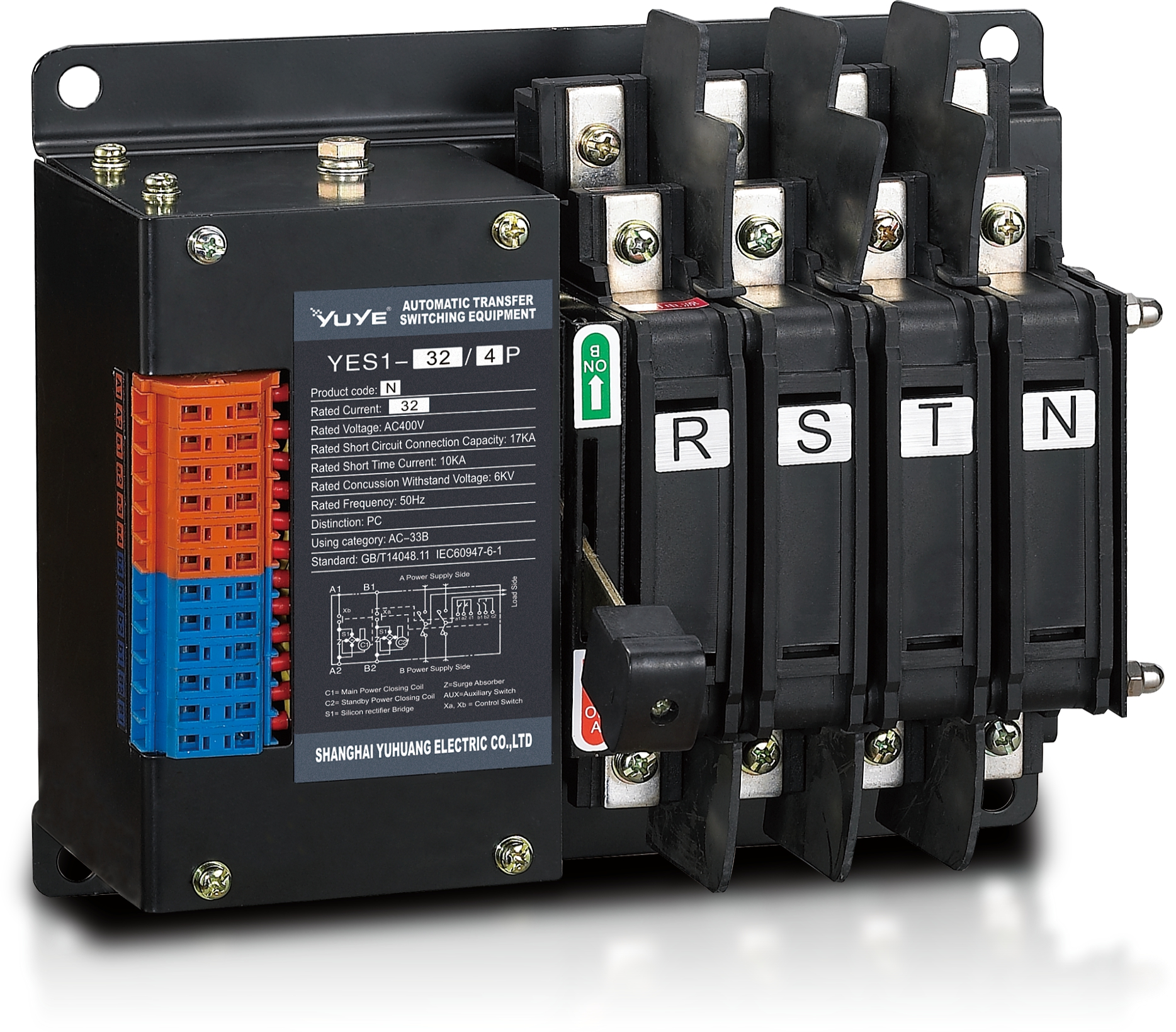 Solenoid-type ATS YES1-32~125N
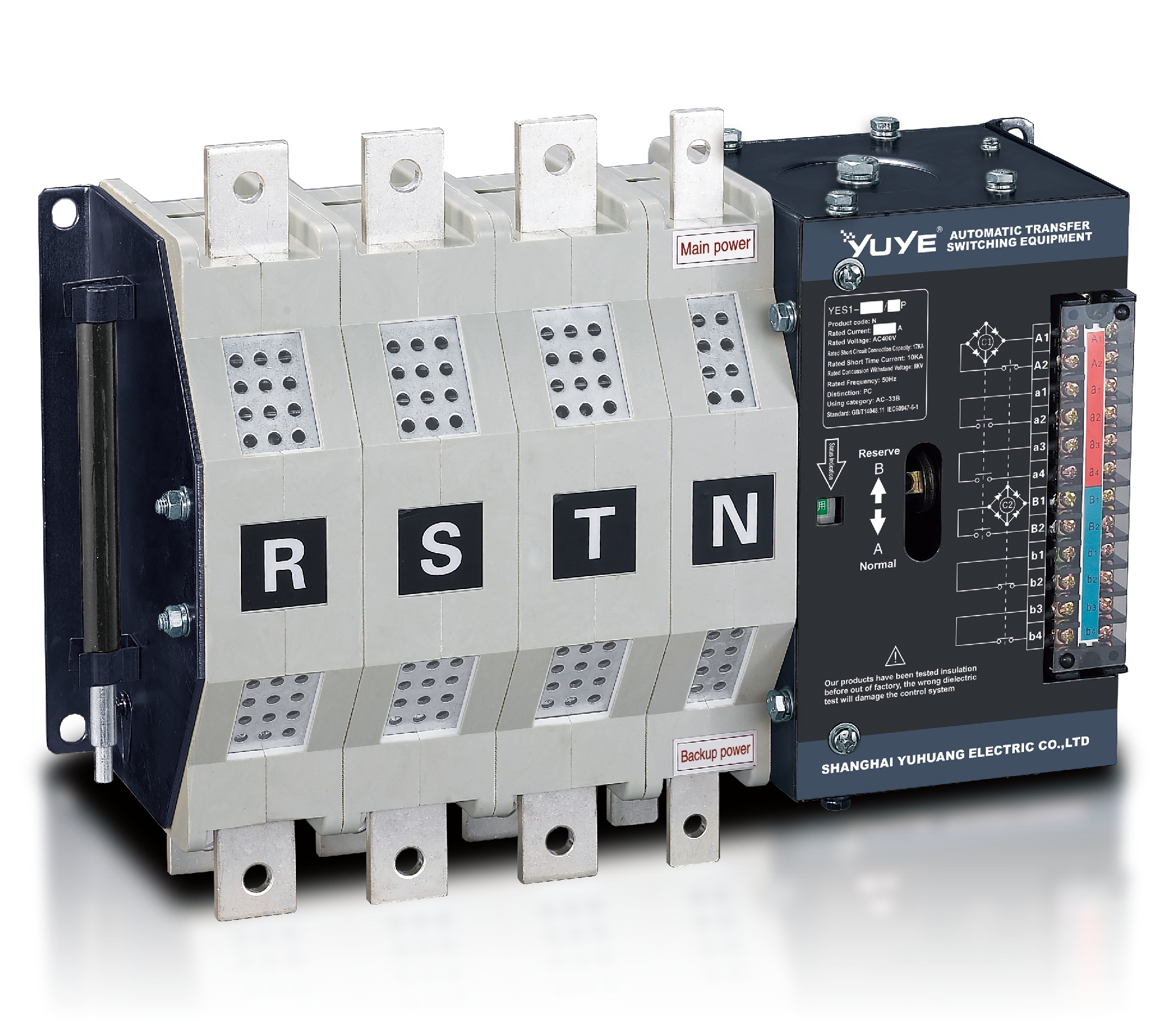 Solenoid-type ATS YES1-250~630N/NT
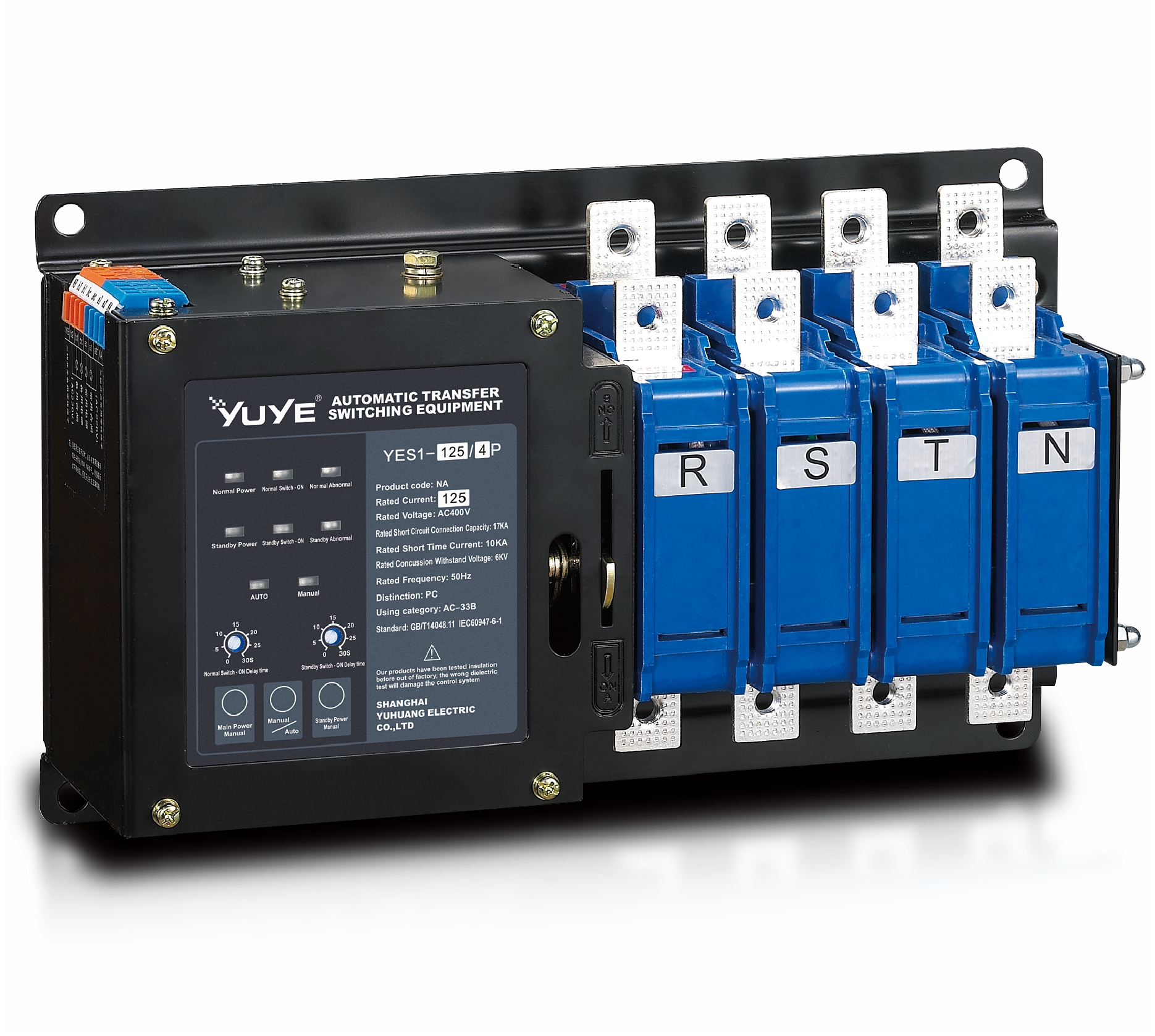 Solenoid-type ATS YES1-32~125NA
 Solenoid-type ATS YES1-63~630SN
 Solenoid-type ATS YES1-1250~4000SN
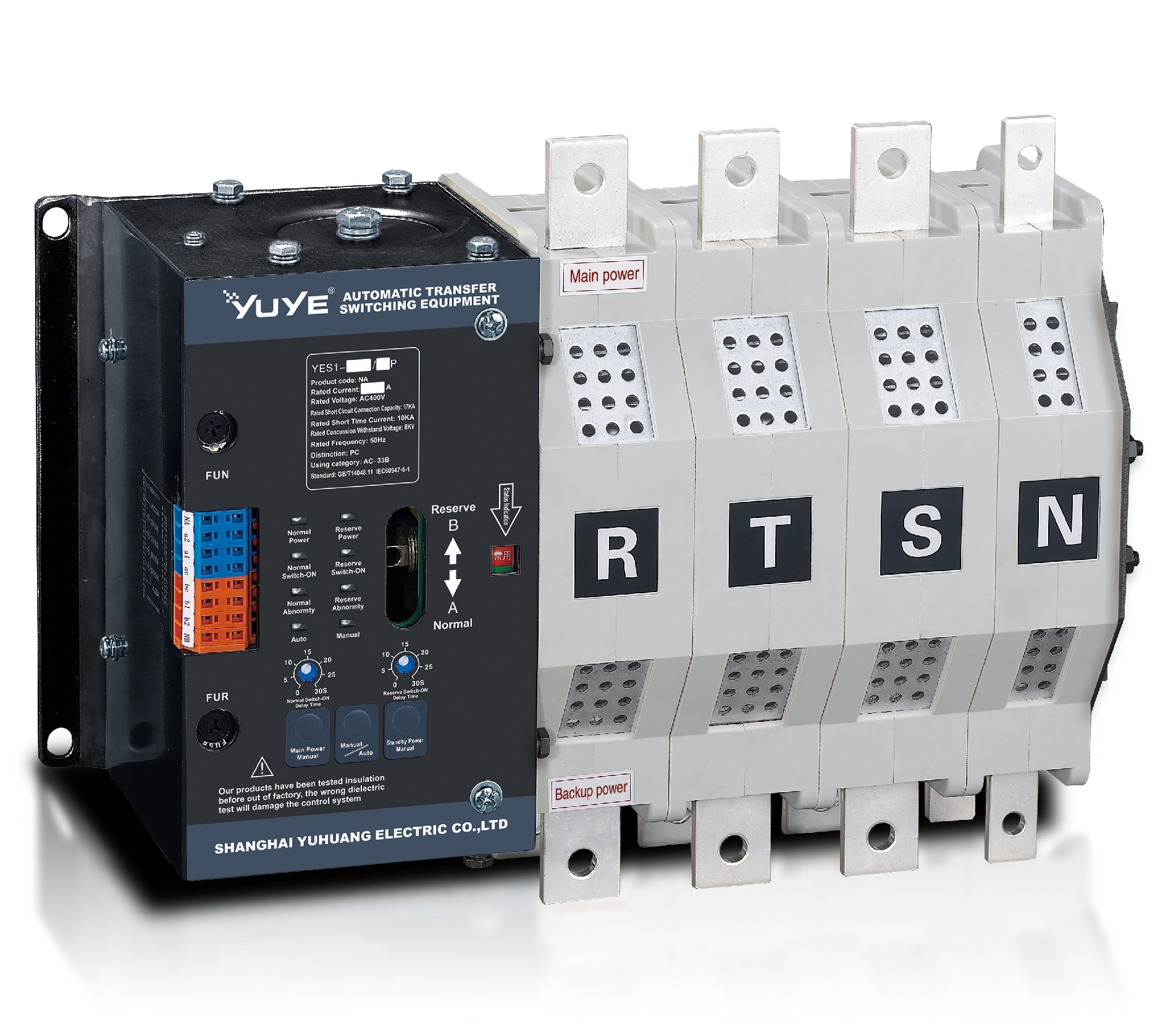 Solenoid-type ATS YES1-250~630NA/NAT
 Solenoid-type ATS YES1-63NJT
 PC ATS YES1-100~1600GN1/GN/GNF
 PC ATS YES1-2000~3200GN/GNF
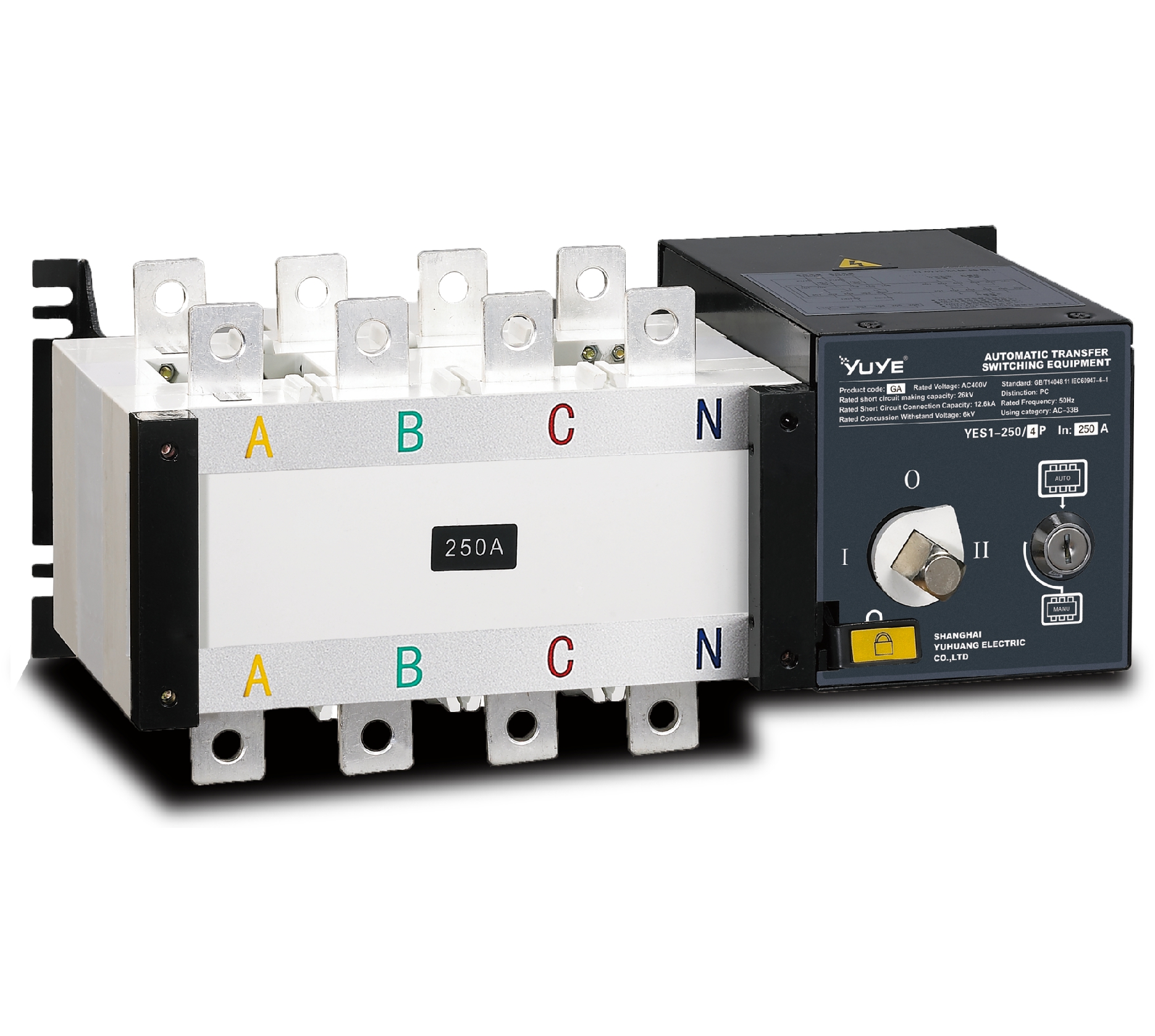 PC ATS YES1-100~3200GA1/GA
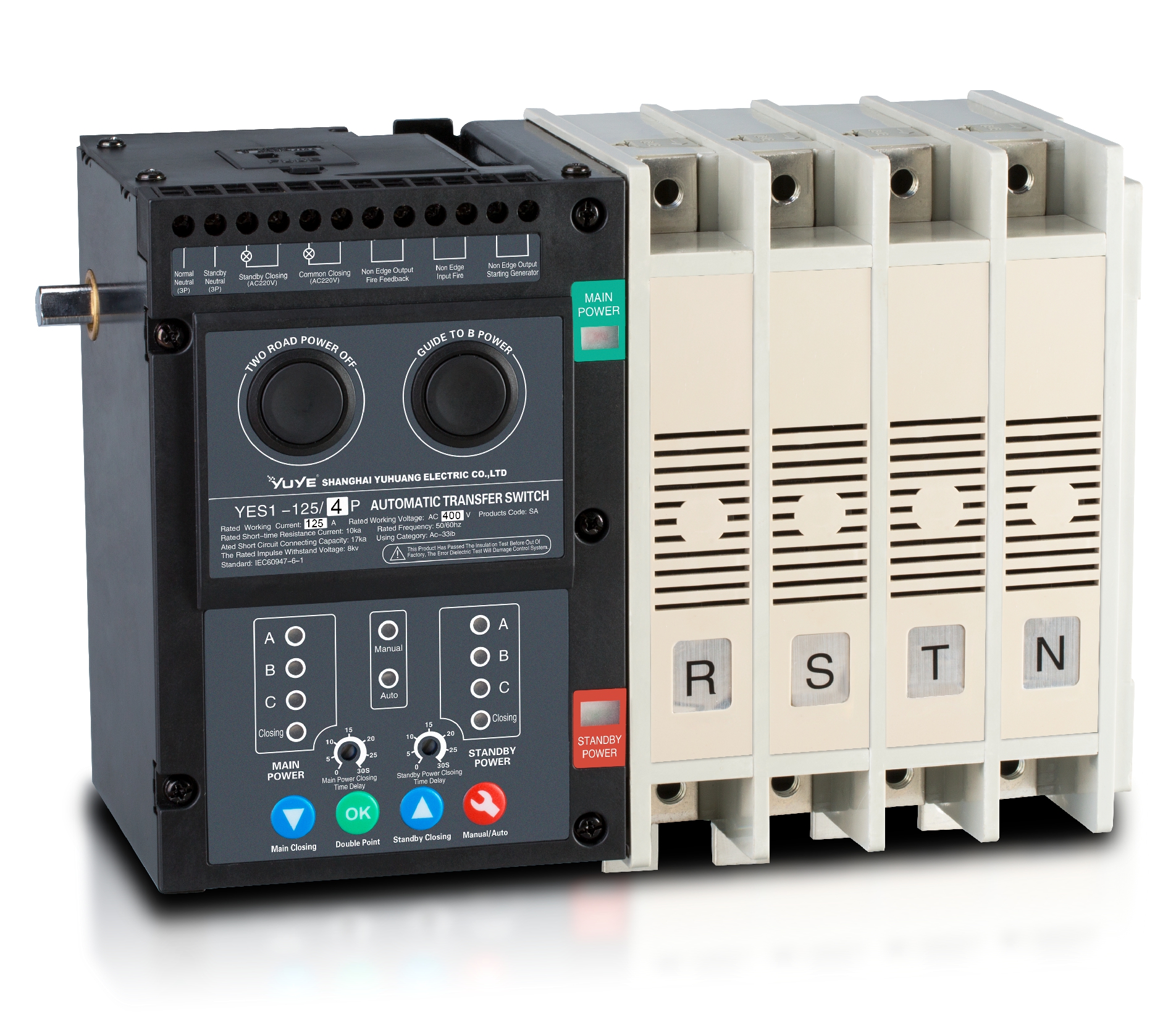 Solenoid-type ATS YES1-63~630SA
 Solenoid-type ATS YES1-63~630L/LA
 Solenoid-type ATS YES1-63~630LA3
 Solenoid-type ATS YES1-63MA
 PC ATS YES1-630~1600M
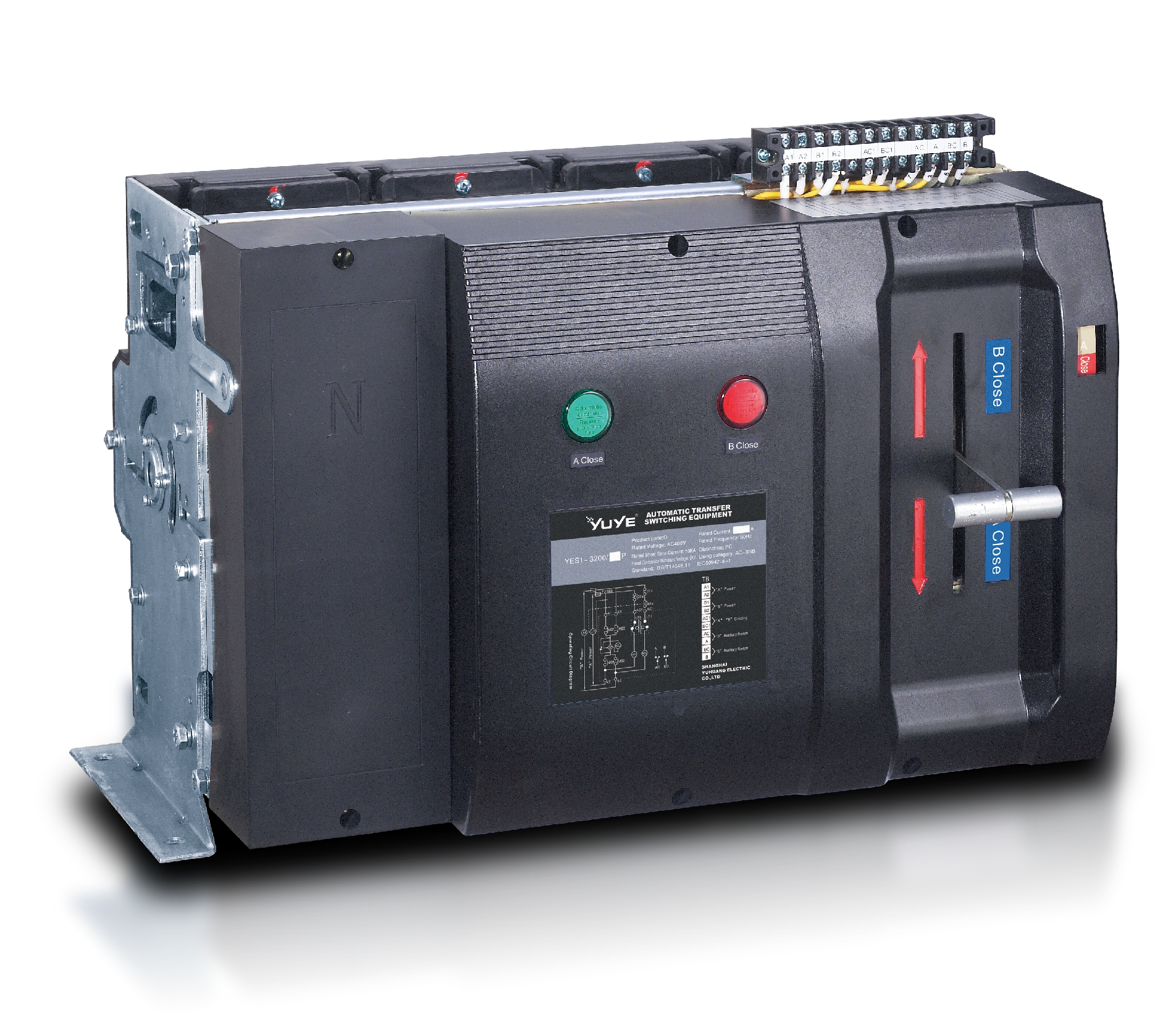 PC ATS YES1-3200Q
 Solenoid-type ATS YES1-4000~6300Q
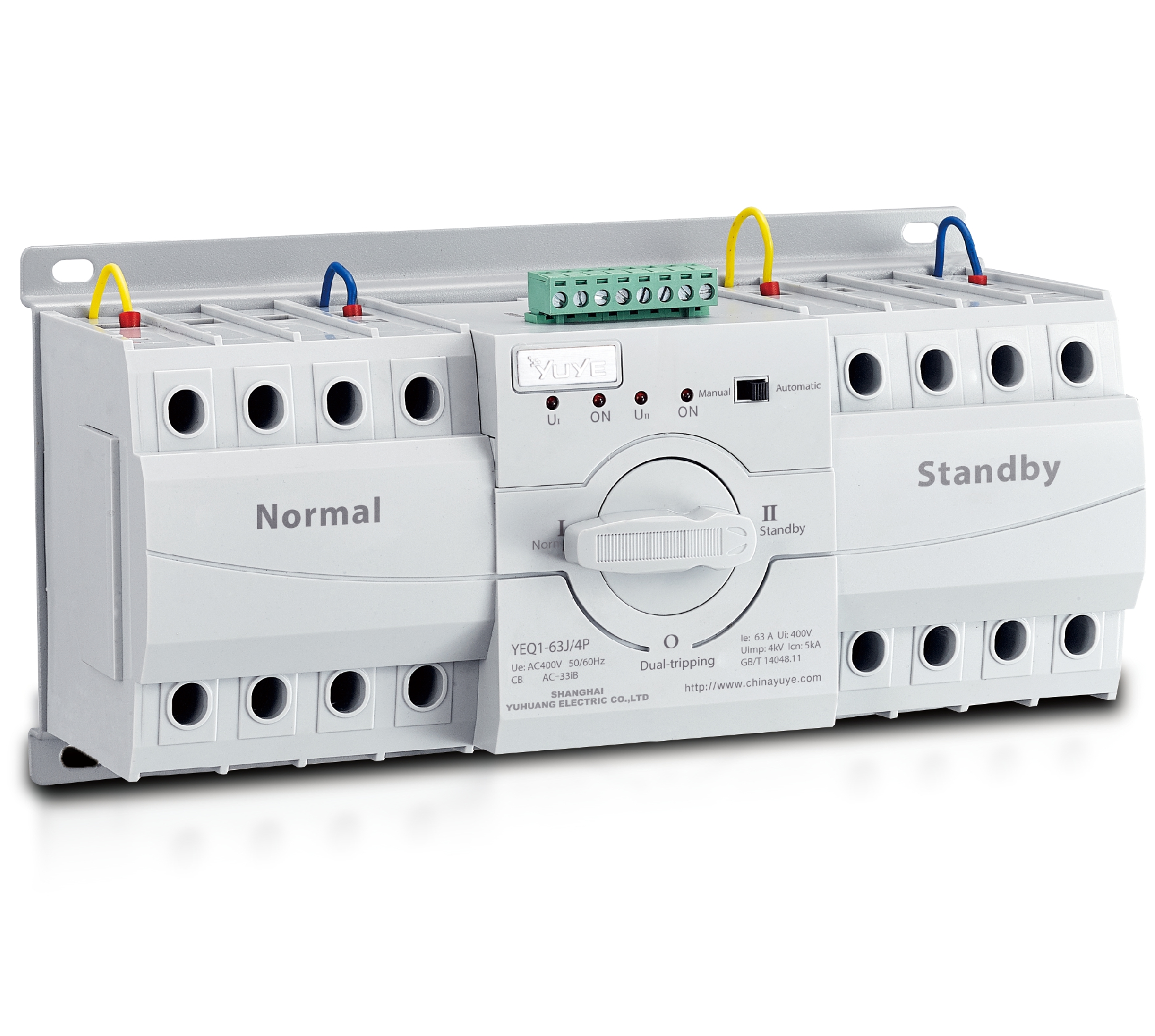 CB ATS YEQ1-63J
 CB ATS YEQ2Y-63
 CB ATS YEQ3-63W1
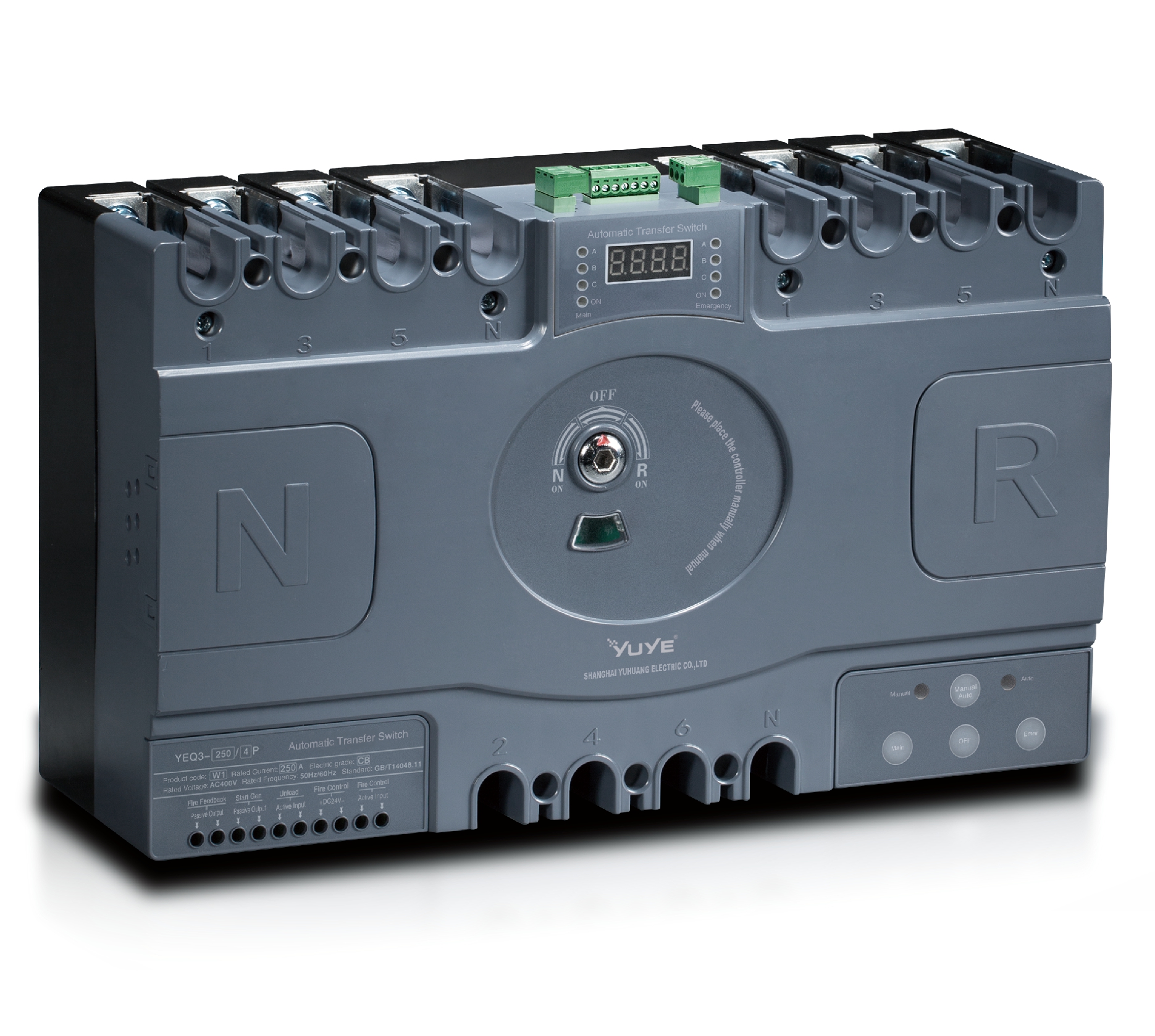 CB ATS YEQ3-125~630W1
 ATS controller Y-700
 ATS Controller Y-700N
 ATS Controller Y-701B
 ATS Controller Y-703N
 ATS Controller Y-800
 ATS Controller W2/W3 Series
 ATS switch Cabinet floor-to-ceiling
 ATS switch cabinet
 JXF-225A power Cbinet
 JXF-800A power Cbinet
 YEM3-125~800 Plastic Shell Type MCCB
 YEM3L-125~630 Leakage Type MCCB
 YEM3Z-125~800 Adjustable Type MCCB
 YEM1-63~1250 Plastic Shell Type MCCB
 YEM1E-100~800 Electronic Type MCCB
 YEM1L-100~630 Leakage Type MCCB
 Miniature circuit breaker YEMA2-6~100
 Miniature circuit breaker YEB1-3~63
 Miniature circuit breaker YEB1LE-3~63
 Miniature circuit breaker YEPN-3~32
 Miniature circuit breaker YEPNLE-3~32
 Miniature circuit breaker YENC-63~125
 Air Circuit Breaker YEW1-2000~6300
 Air Circuit Breaker YEW3-1600
 Load isolation switch YGL-63~3150
 Load Isolation Switch YGL2-63~3150
 Manual Changeover Switch YGL-100~630Z1A
 Manual Changeover Switch YGLZ1-100~3150
 YECPS2-45~125 LCD
 YECPS-45~125 Digital
 CNC Milling/Turning-OEM
 DC relay MDC-300M
 DC Isolation Switch YEGL3D-630


