0%

In the ever-changing world of power management, the 'Automat Transfer Switch Design' really plays a vital role. As John Anderson, one of the top experts in this field, puts it, 'A well-designed automatic transfer switch can really boost both reliability and efficiency.' That really highlights just how important good design is when it comes to making sure power transfers happen smoothly without any hiccups.

Now, designing an automatic transfer switch isn’t just about picking parts; there are a bunch of factors to consider. You need to think about what materials will hold up, how much load the system needs to handle, and making sure everything ticks the safety boxes. Companies like PowerTech Solutions pour a lot of resources into research to push this tech forward. Honestly, their dedication really stands out in an industry full of challenges.

That said, it’s not all smooth sailing. A lot of designs overlook how user-friendly they are, which can end up messing with efficiency. Plus, the quality isn’t always consistent between manufacturers—something that definitely raises eyebrows. Acknowledging these issues is super important if we want to see real progress. Looking ahead, the future of automatic transfer switch design is all about innovation and tightening up standards. Industry folks are taking a hard look at past practices to find ways to do better and build smarter solutions.

2026 Best Guide to Automat Transfer Switch Design Benefits?

Understanding Automatic Transfer Switch (ATS) Basics

Understanding Automatic Transfer Switch (ATS) Basics

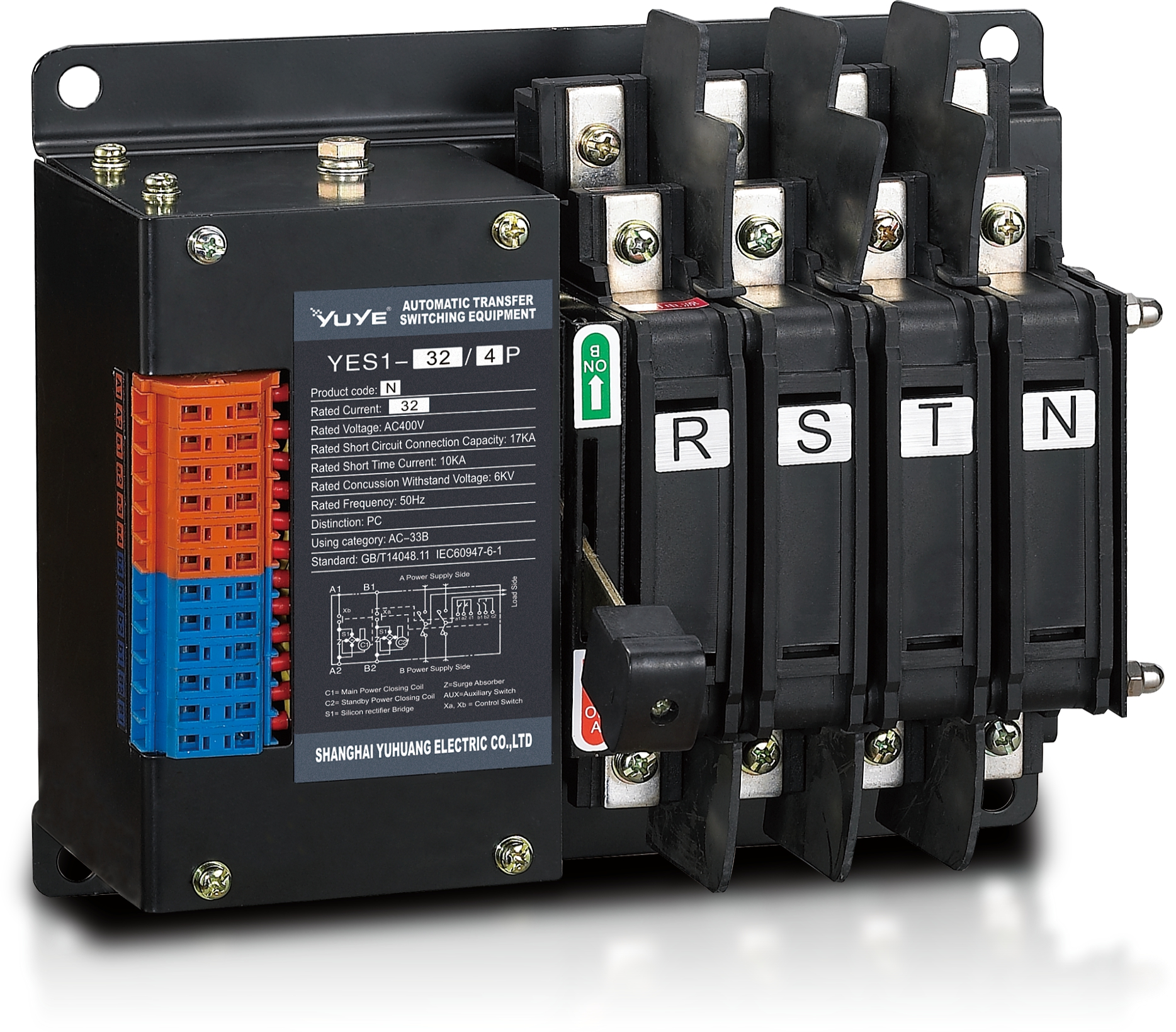
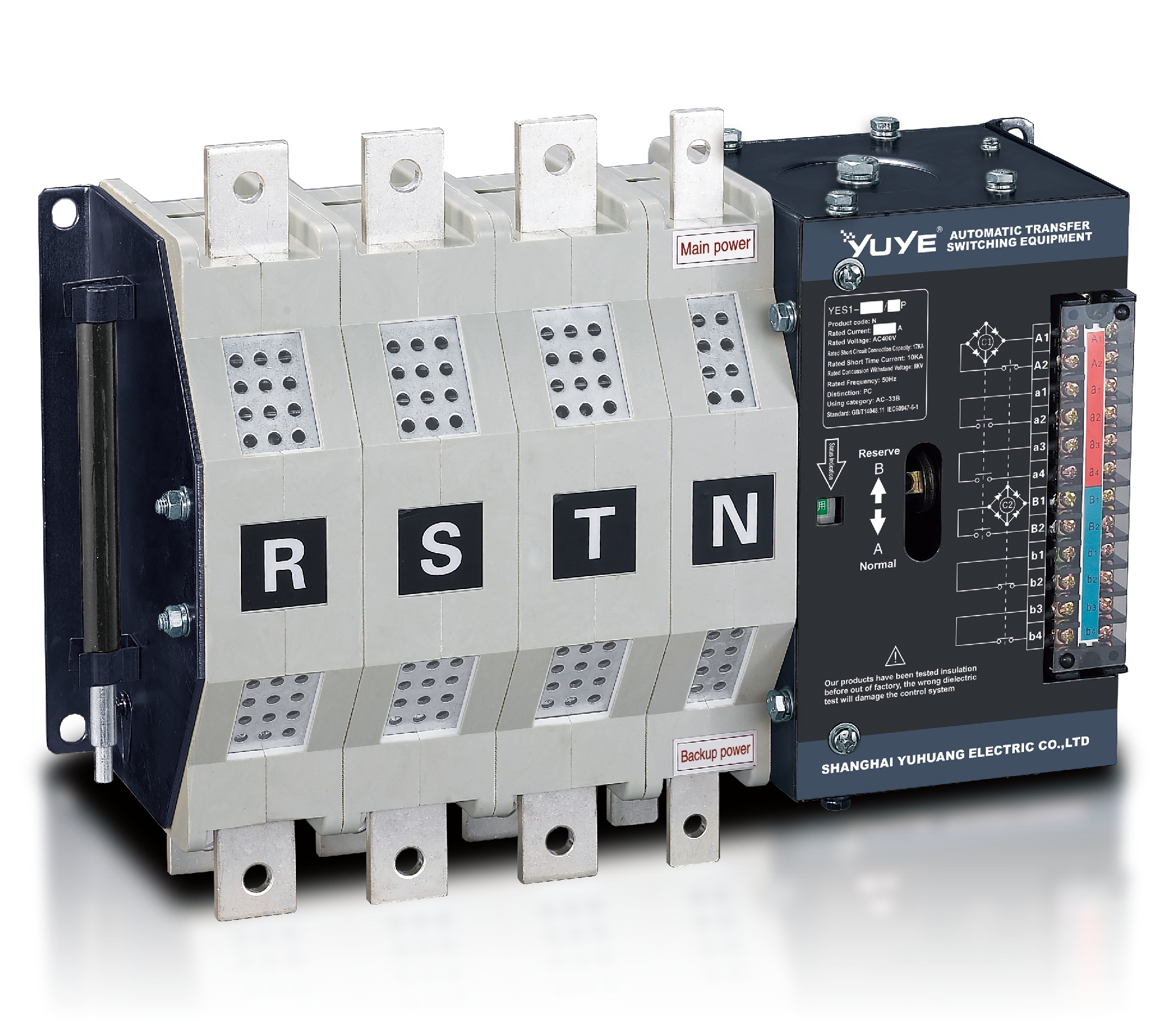
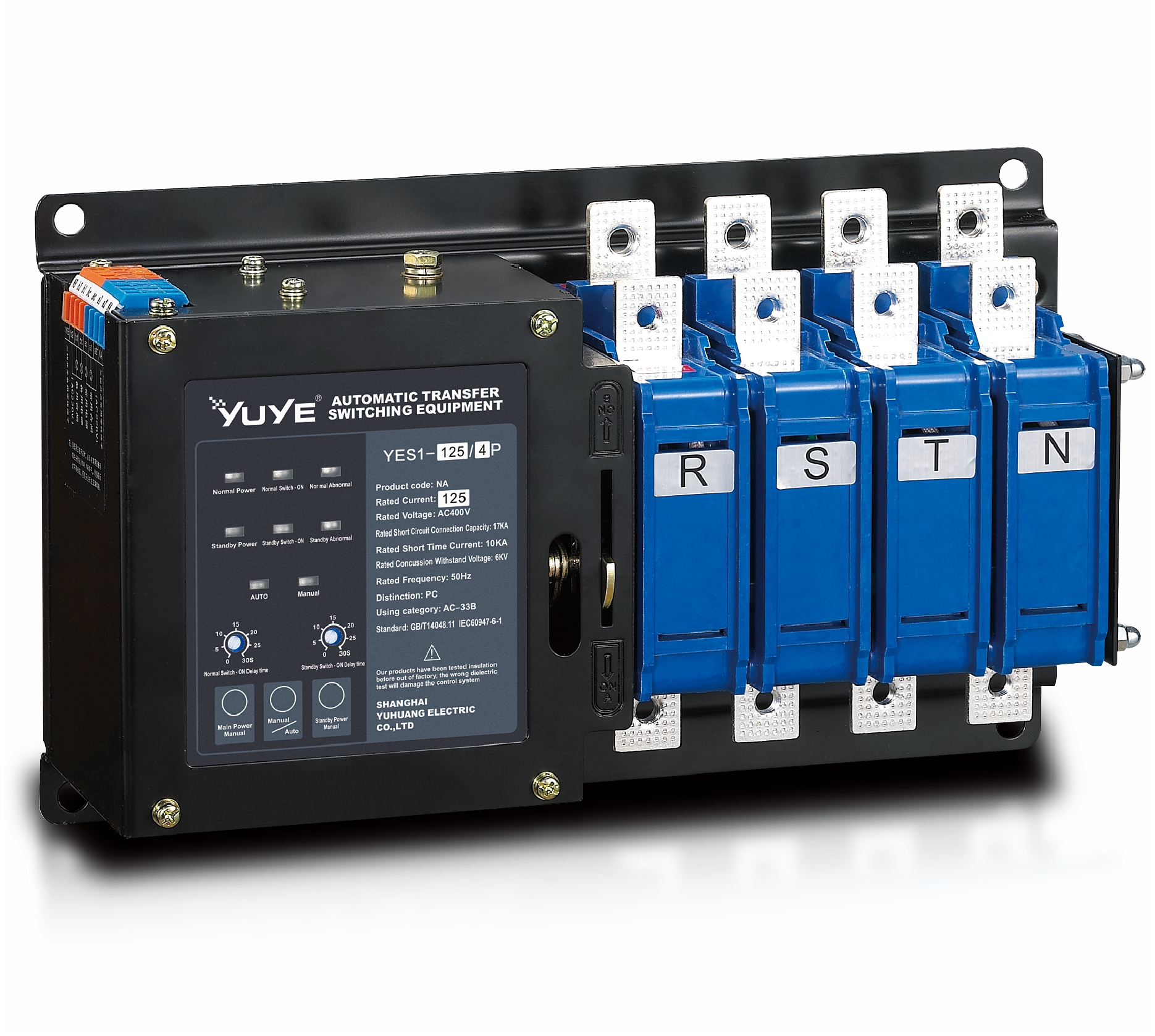
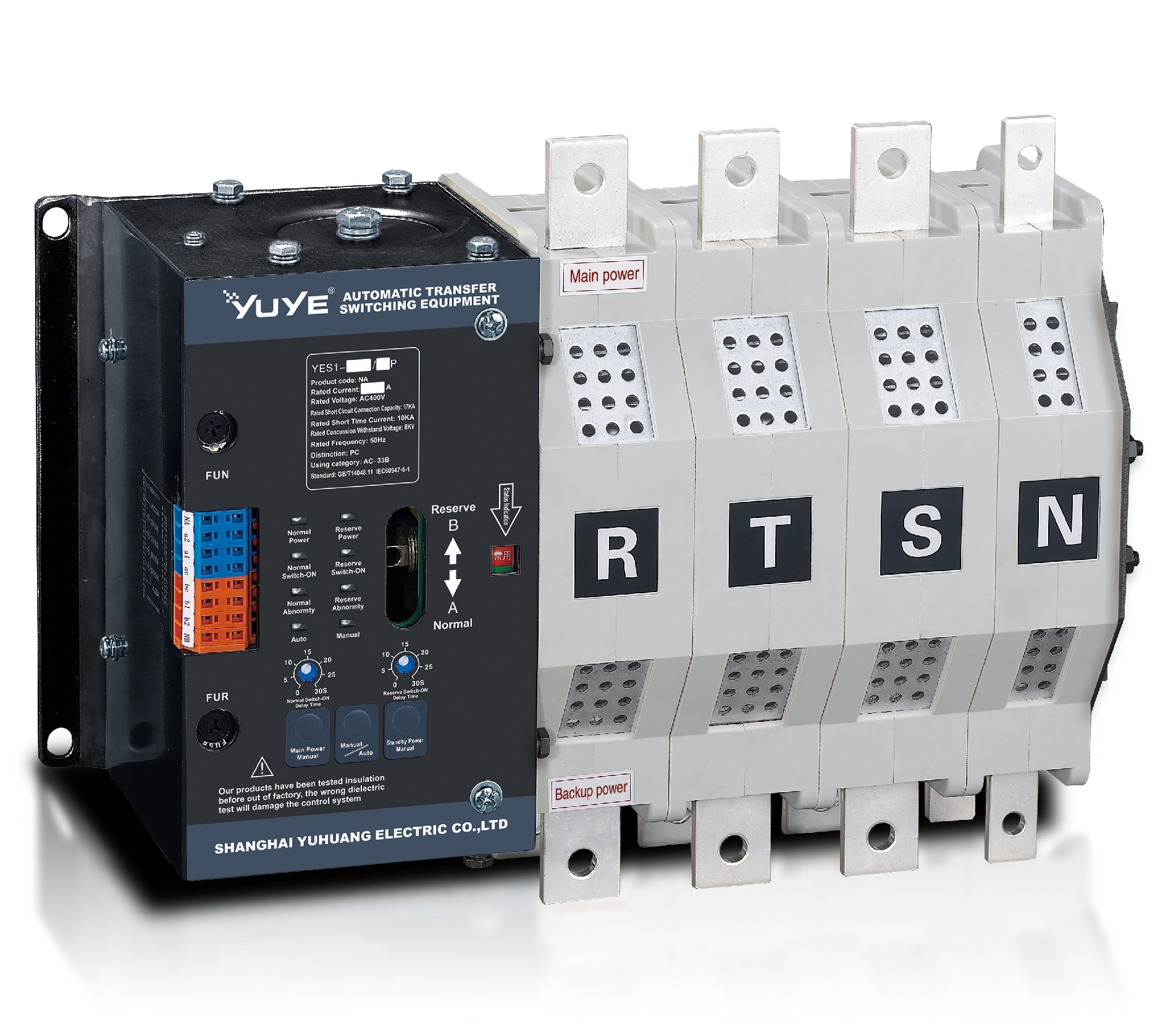
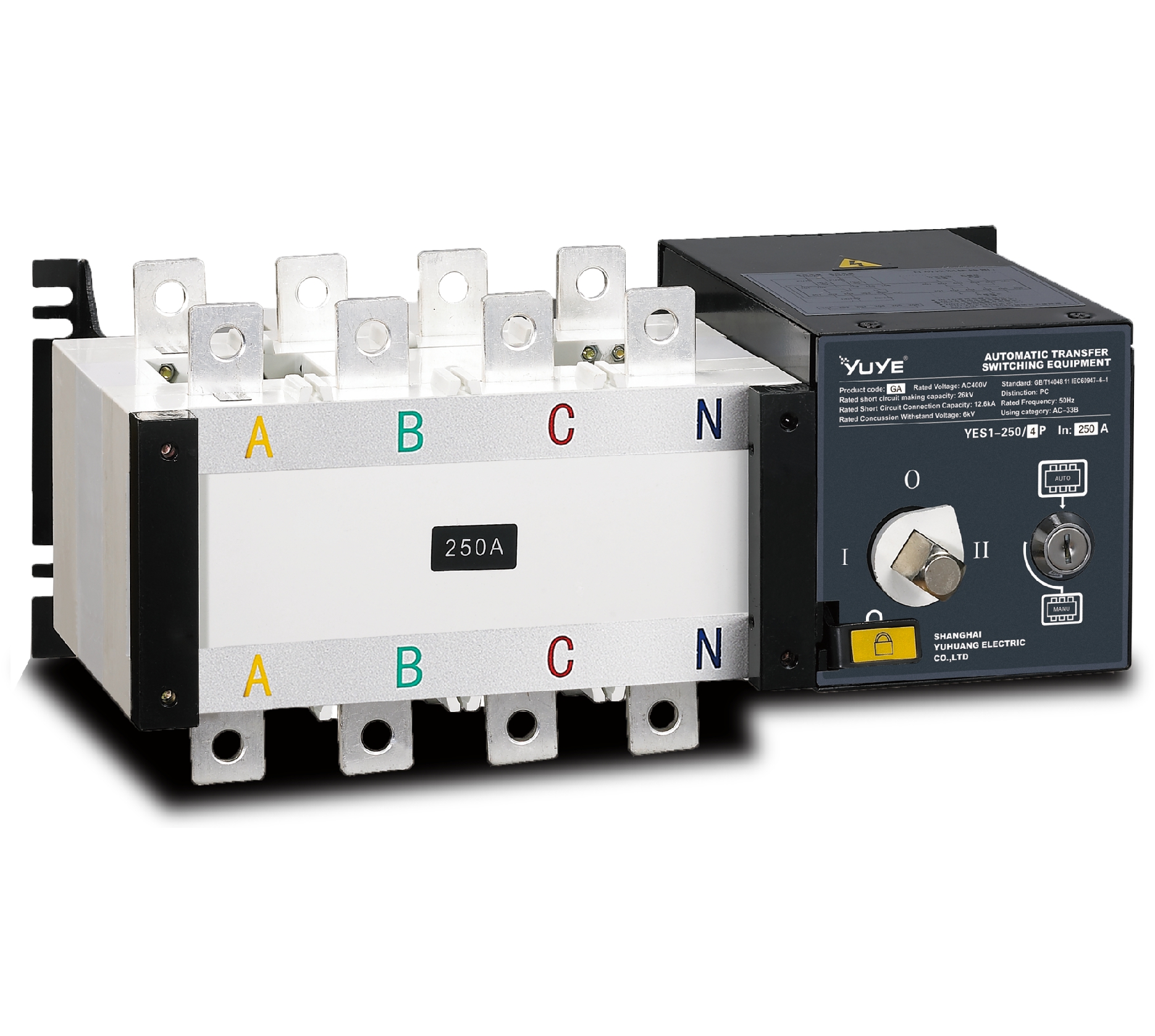
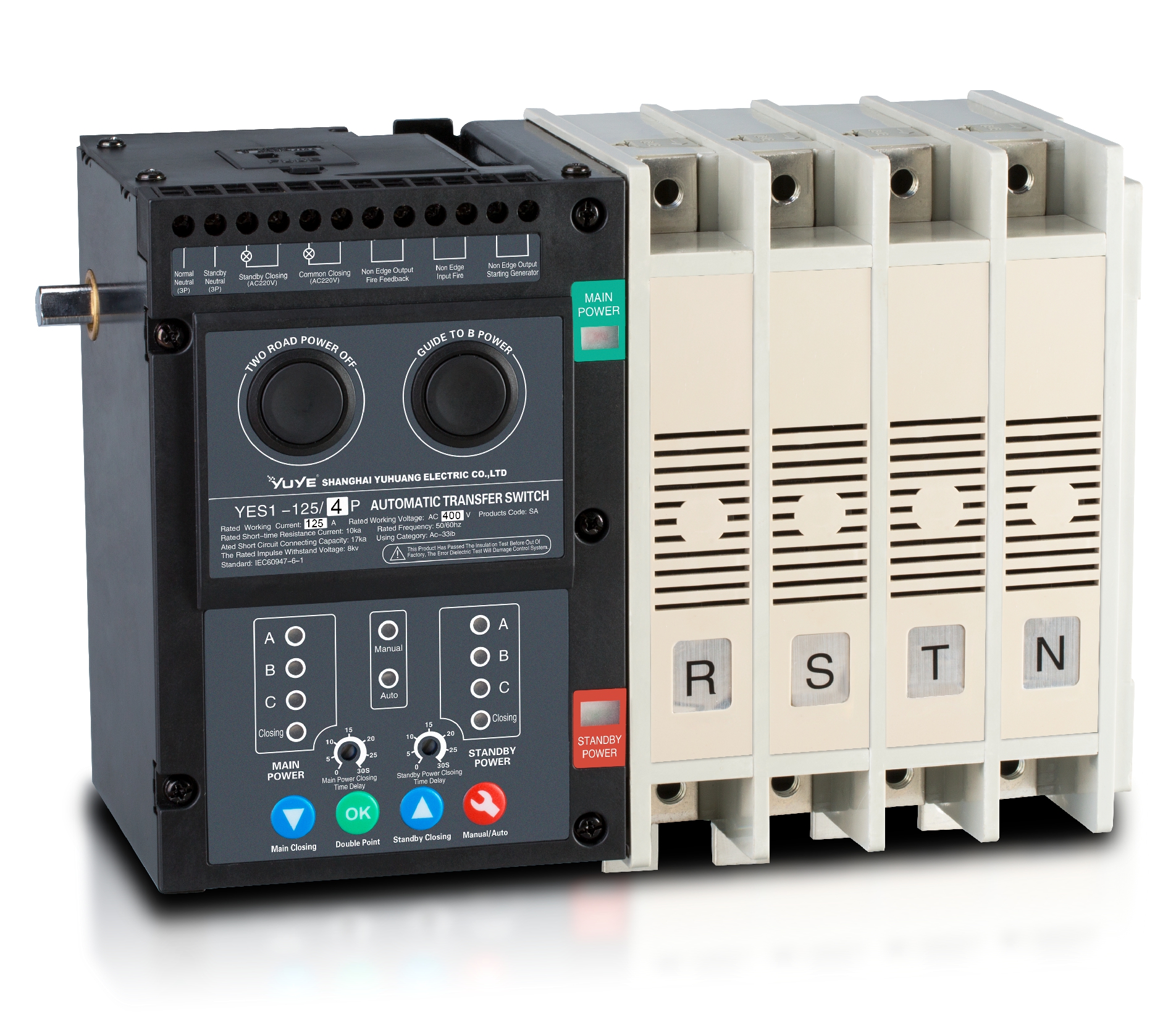
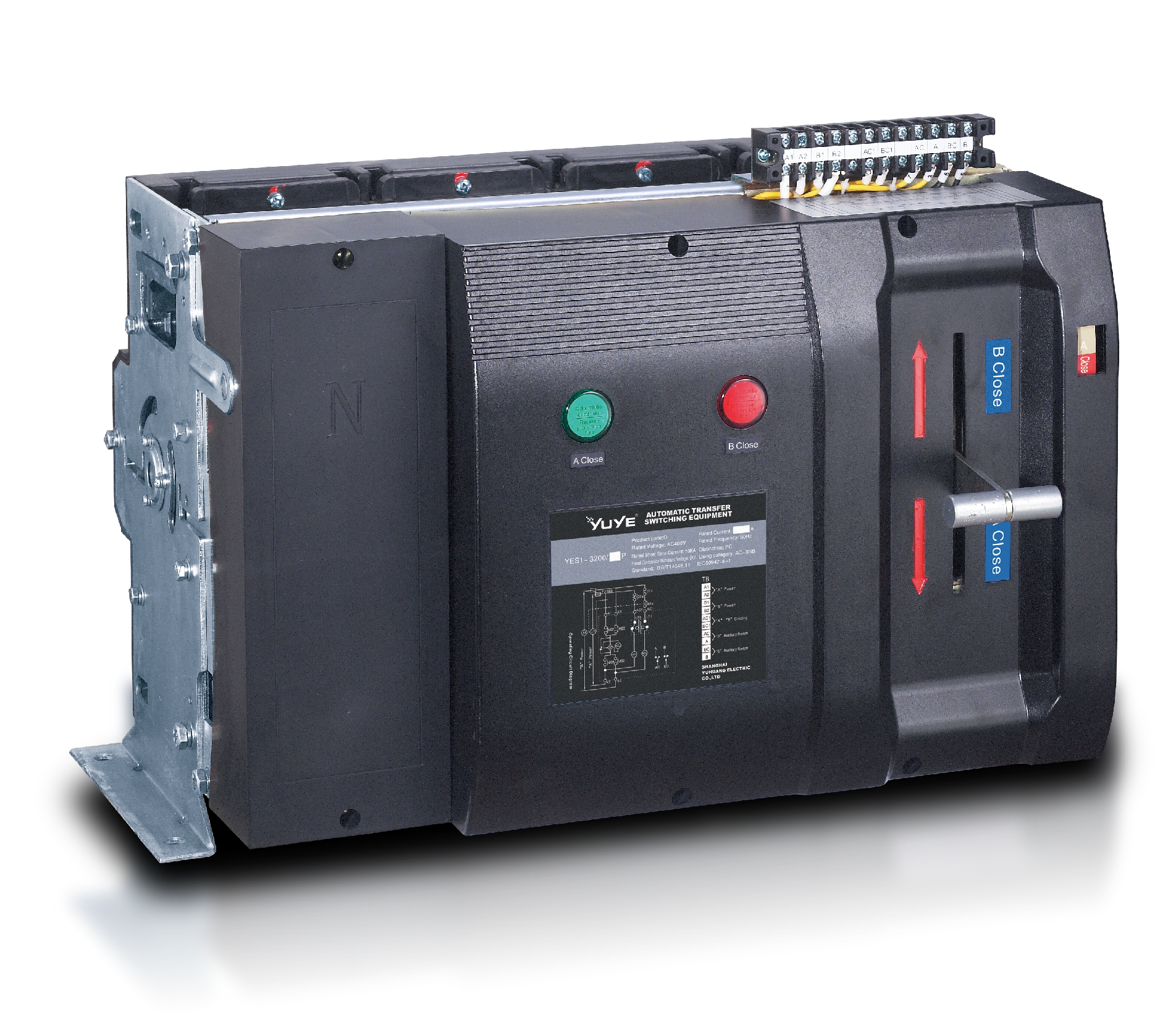
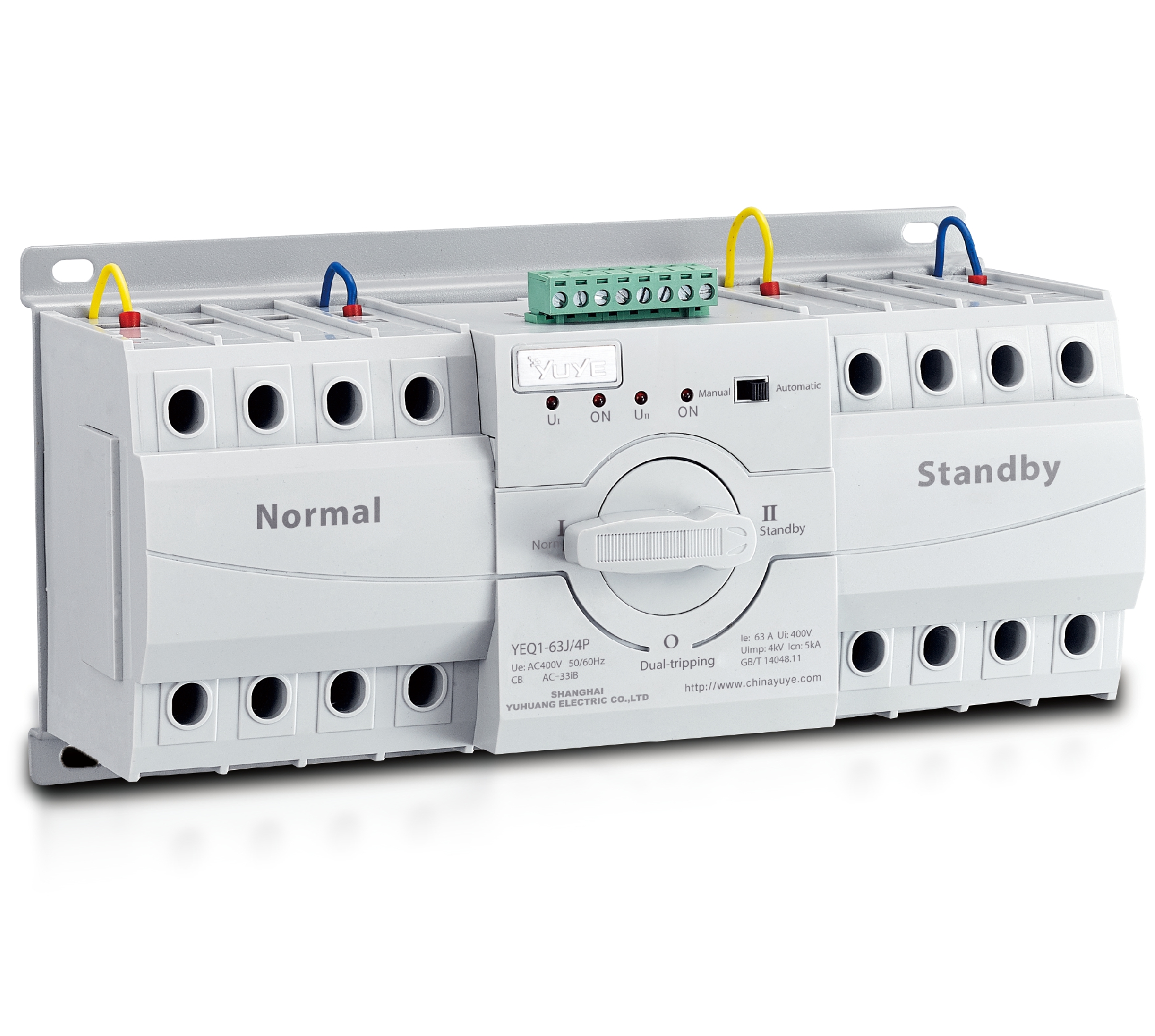
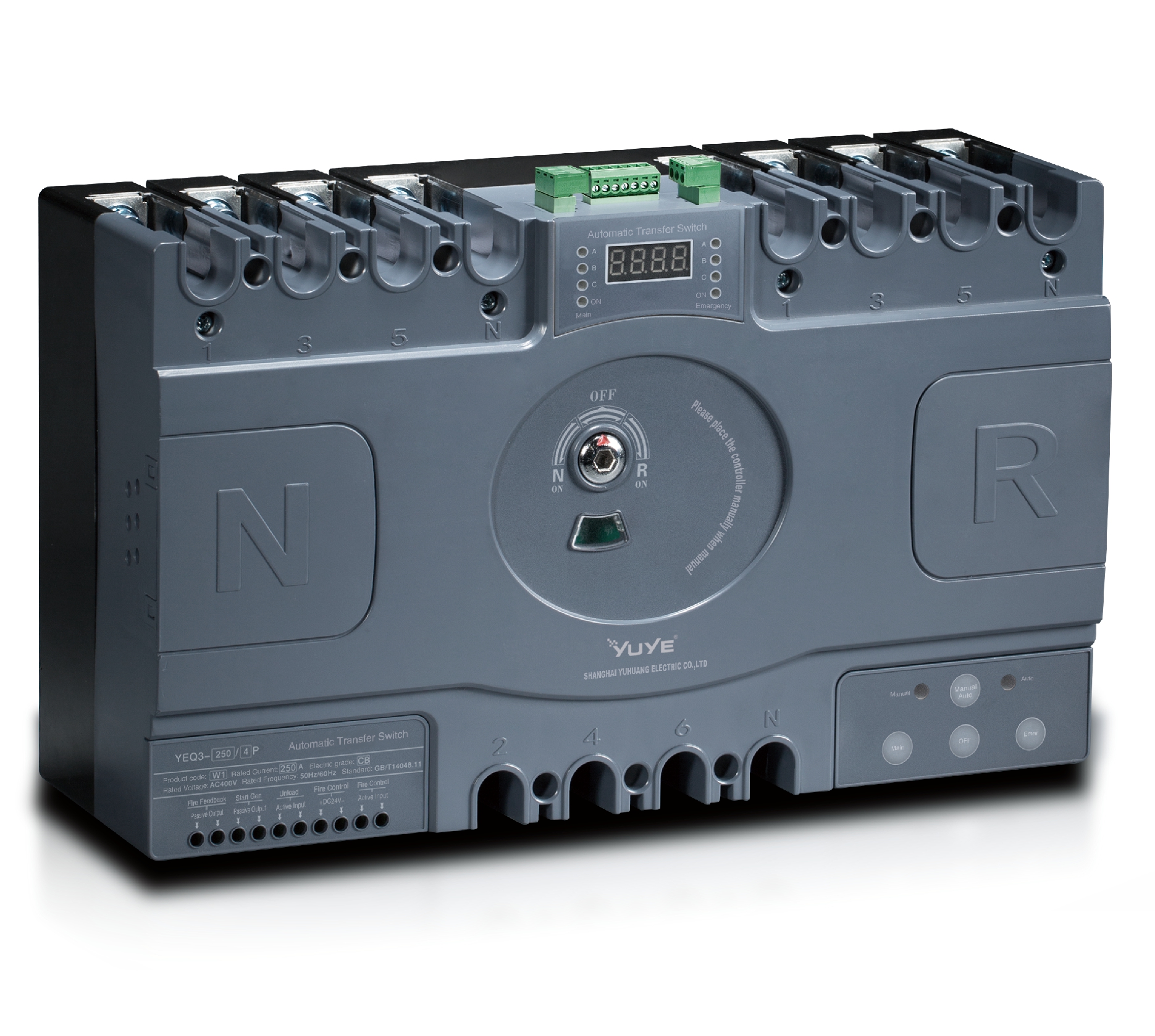
Automatic Transfer Switches (ATS) are essential for reliable power management. They engage automatically when the primary power source fails. In 2023, the market for ATS is projected to grow by 7% annually, reflecting rising demand for uninterrupted power supply solutions. This trend indicates an increasing reliance on ATS in various sectors—commercial buildings, healthcare, and critical infrastructure.

The design of ATS focuses on essential functionalities. An effective ATS must monitor power supply continuity and switch seamlessly to backup generators. According to the National Fire Protection Association, having an ATS can reduce downtime significantly. Studies reveal that ATS involvement can cut recovery time post-power disruptions by up to 80%. This is crucial in sectors where patient safety or data integrity is at risk.

Despite their advantages, ATS systems can encounter challenges. Proper sizing is vital to ensure efficiency. Oversized or undersized switches can lead to costly failures. Technical issues often arise from improper installation or maintenance. Data from industry audits reveal that 20% of ATS failures are due to inadequate upkeep. Organizations must place strong emphasis on regular inspections and align operational protocols accordingly.

2026 Best Guide to Automat Transfer Switch Design Benefits

Feature Description Benefits
Automatic Monitoring Continuous assessment of power supply status Ensures uninterrupted power supply during outages
Seamless Transfer Instant switches between power sources Maintains operational continuity without downtime
Safety Features Built-in circuit protection and failure monitoring Protects equipment from damage due to power surges
User Friendly Simple interface for operation and customization Eases management and operation for users
Maintenance Alerts Alerts for periodic checks and service requirements Ensures optimal performance and longevity of the system
Energy Efficiency Designed to minimize energy waste during transitions Reduces operational costs and energy consumption

Key Benefits of Using Automatic Transfer Switches

2026 Best Guide to Automat Transfer Switch Design Benefits?

Automatic Transfer Switches (ATS) offer numerous advantages for homes and businesses. One significant benefit is reliability. In times of power outages, an ATS swiftly transitions to backup power, maintaining essential operations. This reliability ensures that critical systems, like medical equipment or servers, remain functional.

Another key benefit is convenience. Manual switching can be cumbersome and risky during emergencies. An ATS operates automatically, eliminating the need for human intervention. This feature is particularly useful for remote locations where monitoring is challenging. It provides peace of mind, knowing that power sources will switch seamlessly.

Regarding costs, initial investments can raise eyebrows. However, the long-term savings through reduced downtime and maintenance are often overlooked. Businesses may lose revenue during outages or face costly equipment damage. Investing in an ATS could mitigate these risks. Yet, not every scenario justifies this purchase. A careful assessment of specific needs is essential to avoid unnecessary expenditures.

How Automatic Transfer Switches Enhance Power Reliability

Automatic transfer switches (ATS) play a crucial role in enhancing power reliability across various industries. These devices automatically switch power sources during outages or fluctuations, ensuring that essential equipment remains operational. According to a recent industry report, around 30% of businesses experience significant downtime due to power interruptions. ATS systems can reduce this risk by rapidly transferring power, minimizing disruption.

The reliability of power supply is paramount. In healthcare, for instance, even a momentary power loss can jeopardize patient safety. A study by the Department of Energy found that proper use of ATS can improve power continuity by up to 99.9%. This statistic underscores the importance of having a robust switching mechanism in place. Without it, facilities face increased operational costs and even legal liabilities.

However, not all ATS systems are created equal. Some may lack the necessary features to handle complex electrical loads. Experts recommend conducting a thorough needs assessment before selecting a system. This ensures that it aligns with the specific power requirements of the facility. Continuous evaluation and adjustments are vital for maintaining peak performance. In the fast-evolving energy landscape, proactive measures are indispensable.

Comparative Analysis: Manual vs. Automatic Transfer Switches

When considering power management systems, the decision between manual and automatic transfer switches (ATS) is critical. Manual transfer switches require human intervention to switch power sources. This means operators must be present and ready to respond during outages. While this can save costs, it introduces risks. Power interruptions can occur at any moment, and human error can delay recovery time.

In contrast, automatic transfer switches provide a seamless transfer of power. They detect outages and switch sources without human intervention. This reliability is vital for critical facilities like hospitals or data centers. However, ATS systems can be more complex and costly to install. Proper maintenance is essential to ensure functionality. Users must weigh the upfront investment against the potential dangers of power loss.

Both systems have merits and drawbacks. Manual switches may seem simple, but they demand constant vigilance and skilled operators. Automatic switches offer convenience but require thoughtful planning and budgeting. Understanding the specific needs of your facility will help guide this important choice.

2026 Best Guide to Automatic Transfer Switch Design Benefits

The above chart illustrates the comparative analysis between Manual and Automatic Transfer Switches based on various performance metrics such as reliability, cost efficiency, ease of use, installation time, maintenance, and safety. It highlights the advantages of automatic transfer switches in several key areas, showcasing their overall benefits in modern applications.

Design Considerations for Automatic Transfer Switch Systems

When designing automatic transfer switch (ATS) systems, several critical factors influence efficacy. One study shows that nearly 70% of businesses experience power interruptions at least once a year. Inadequate switching design can lead to costly downtime. Hence, ensuring seamless transitions between power sources is paramount. Key design considerations include system capacity and load management. An incorrectly sized ATS may overload, causing system failure.

Reliability is another vital aspect. The National Fire Protection Association (NFPA) emphasizes that well-designed ATS can enhance safety and operational continuity. Regular maintenance checks, including testing for ground faults, are necessary. Neglecting these elements may lead to equipment failure. Integrating monitoring technology can provide real-time data, improving reliability.

Moreover, user training is often overlooked. Staff must understand the ATS operation and emergency procedures. A report noted that 40% of staff were unprepared for power failures, undermining ATS effectiveness. Focusing on comprehensive design and operational strategies is essential for successful ATS implementation.

Maintenance Best Practices for Automatic Transfer Switches

Automatic transfer switches (ATS) are essential for maintaining power reliability. Regular maintenance ensures that these systems function effectively when needed. A recent industry report indicates that improper maintenance can lead to failures in up to 30% of ATS units during critical situations. This statistic underscores the importance of adhering to best practices.

Routine inspections play a crucial role in ATS upkeep. Engineers recommend checking battery connections, exercising the switch monthly, and ensuring proper load calculations. Overloading can lead to premature failures. One study found that 25% of ATS failures stem from incorrect load management. This emphasizes the need for accurate assessments in system design.

Documentation of maintenance activities is also vital. Keeping detailed records helps identify trends and potential issues. A well-maintained ATS can last for over 15 years, but only if it is cared for properly. Neglecting these duties can lead to costly outages. Power outages cost businesses an average of $150,000 per incident, highlighting the need for reliable ATS management.

Future Trends in Automatic Transfer Switch Design and Technology

The future of Automatic Transfer Switch (ATS) design is witnessing significant advancements driven by technological innovations. As per a recent report by Global Market Insights, the ATS market is expected to reach $3.5 billion by 2026, marking a substantial growth trajectory. This surge is largely attributed to the increasing demand for reliable power backup systems across various sectors, including healthcare, telecommunications, and data centers.

Emerging trends indicate a shift towards smarter, more efficient ATS designs. Integration with IoT technology allows for real-time monitoring and automation. A report by MarketsandMarkets reveals that the adoption of IoT-enabled devices in power systems could enhance efficiency by over 30%. Furthermore, advancements in microgrid technology are enabling ATS to support renewable energy sources, a critical step as sustainability becomes a focal point for future power systems. However, challenges remain in terms of ensuring cybersecurity and maintaining system integrity in these interconnected environments.

As ATS technology evolves, the need for user-friendly interfaces and enhanced functionality becomes apparent. Users often report difficulty in managing complex systems, emphasizing the importance of intuitive design. Continuous feedback from operators is essential to refine these systems further. Overall, while the future of ATS is promising, it requires critical evaluation and responsiveness to users’ needs and emerging threats.

FAQS

: What is an automatic transfer switch (

TS)?

How does an ATS improve reliability during power outages?

It quickly transitions to backup power, minimizing downtime and allowing critical systems to function without interruption.

Are there any downsides to installing an ATS?

Initial costs can be high, and not all systems handle complex electrical loads effectively. Careful assessment is required.

Why is convenience important in power management?

An ATS operates automatically, reducing risks associated with manual switching, especially in emergencies or remote locations.

How do manual transfer switches differ from ATS?

Manual switches require human intervention to operate, introducing risks like delays caused by human error during outages.

What should users consider before purchasing an ATS?

Users should assess their specific power needs and evaluate the potential risks of power loss to make informed decisions.

Can ATS systems reduce operational costs?

Yes, by minimizing downtime and equipment damage, ATS systems can lead to substantial long-term savings for businesses.

Is ongoing maintenance necessary for ATS systems?

Yes, regular maintenance is vital to keep ATS systems functional and to ensure they meet specific power requirements.

What industries benefit most from using ATS?

Critical facilities like healthcare, hospitals, and data centers benefit significantly due to their need for reliable power sources.

How can ATS help in emergencies?

By ensuring immediate power source switching, an ATS provides peace of mind and reduces the burden of manual monitoring.

Conclusion

The article "2026 Best Guide to Automat Transfer Switch Design Benefits" provides an in-depth exploration of Automatic Transfer Switch (ATS) systems. It begins with a foundational understanding of ATS, detailing how these devices play a crucial role in maintaining power reliability during outages. Key benefits outlined include improved efficiency and reduced downtime, highlighting the essential nature of Automat Transfer Switch Design in both residential and commercial settings.

The article further compares manual and automatic transfer switches to illustrate the advantages of automation. It delves into design considerations essential for effective ATS systems, along with maintenance best practices to ensure longevity and optimal performance. Finally, it discusses emerging trends in technology and design, emphasizing the continual evolution and enhancement of Automat Transfer Switch Design to meet future power demands.

Liam

Liam

Liam is a dedicated marketing professional at One Two Three Electric Co., Ltd., a leading manufacturer specializing in the development and production of high-quality moulded case circuit breakers and air circuit breakers. With a profound understanding of the electrical engineering industry, Liam......
Previous 2026 Best Power Automatic Transfer Switch Ats for Global Buyers?