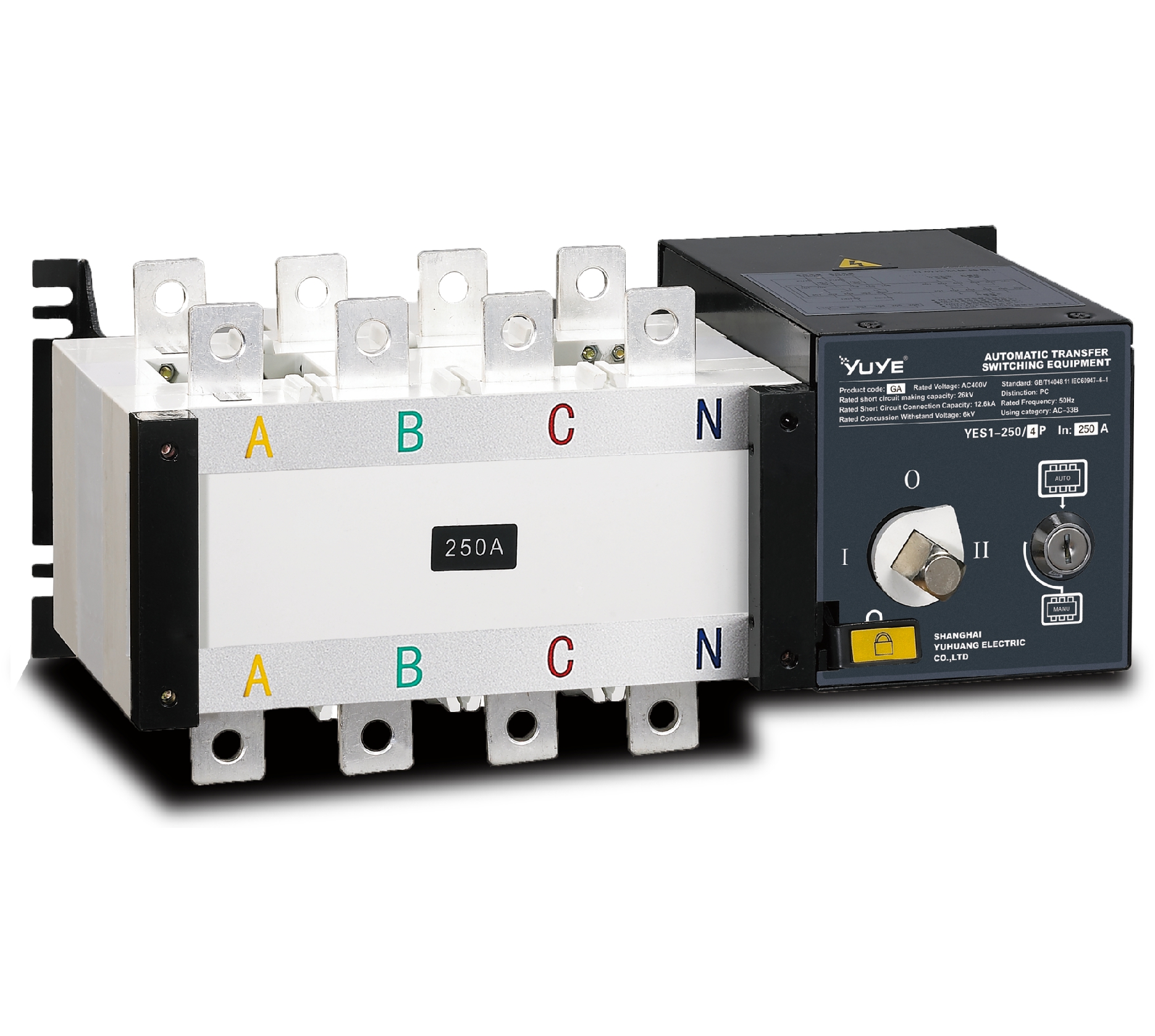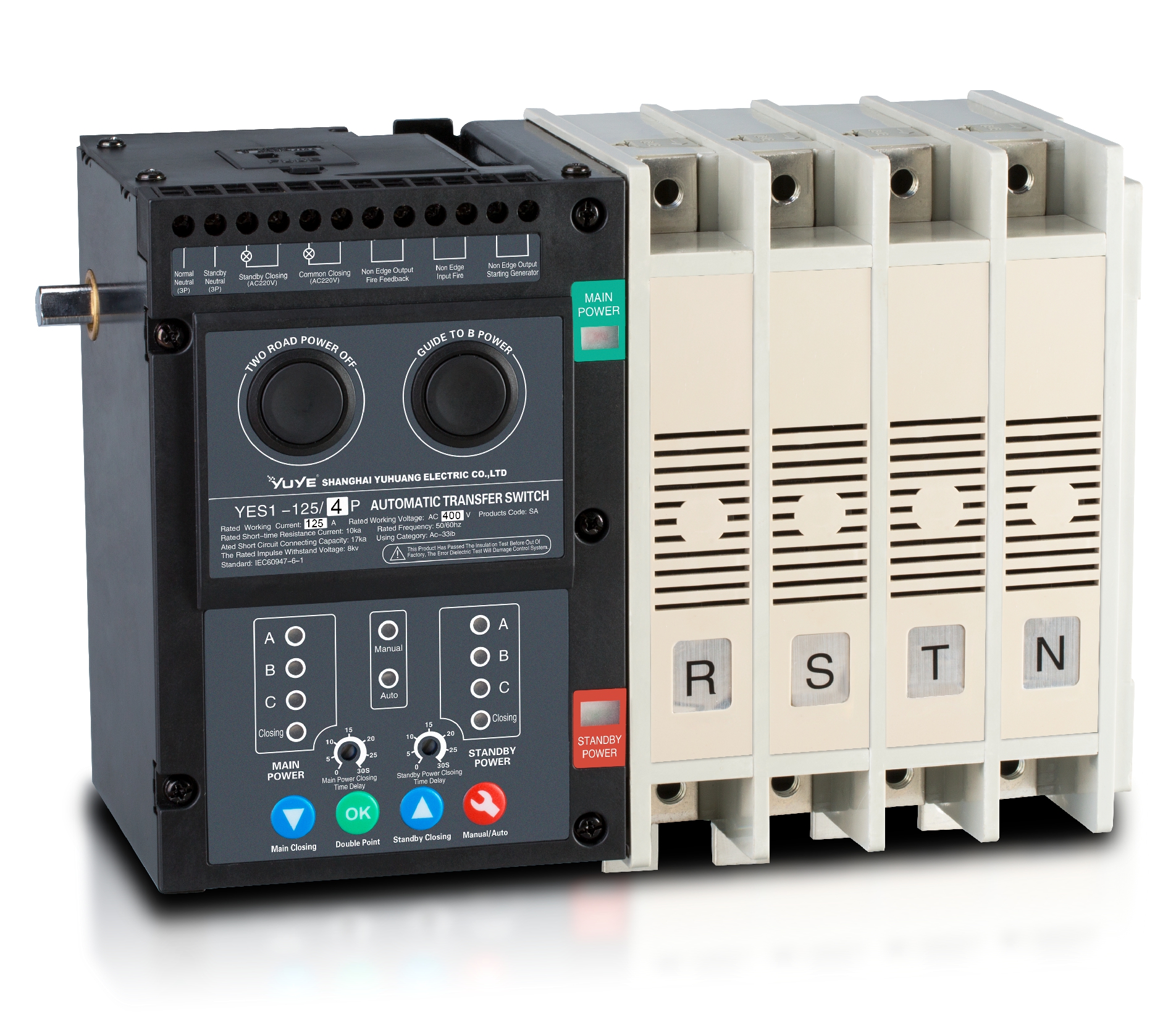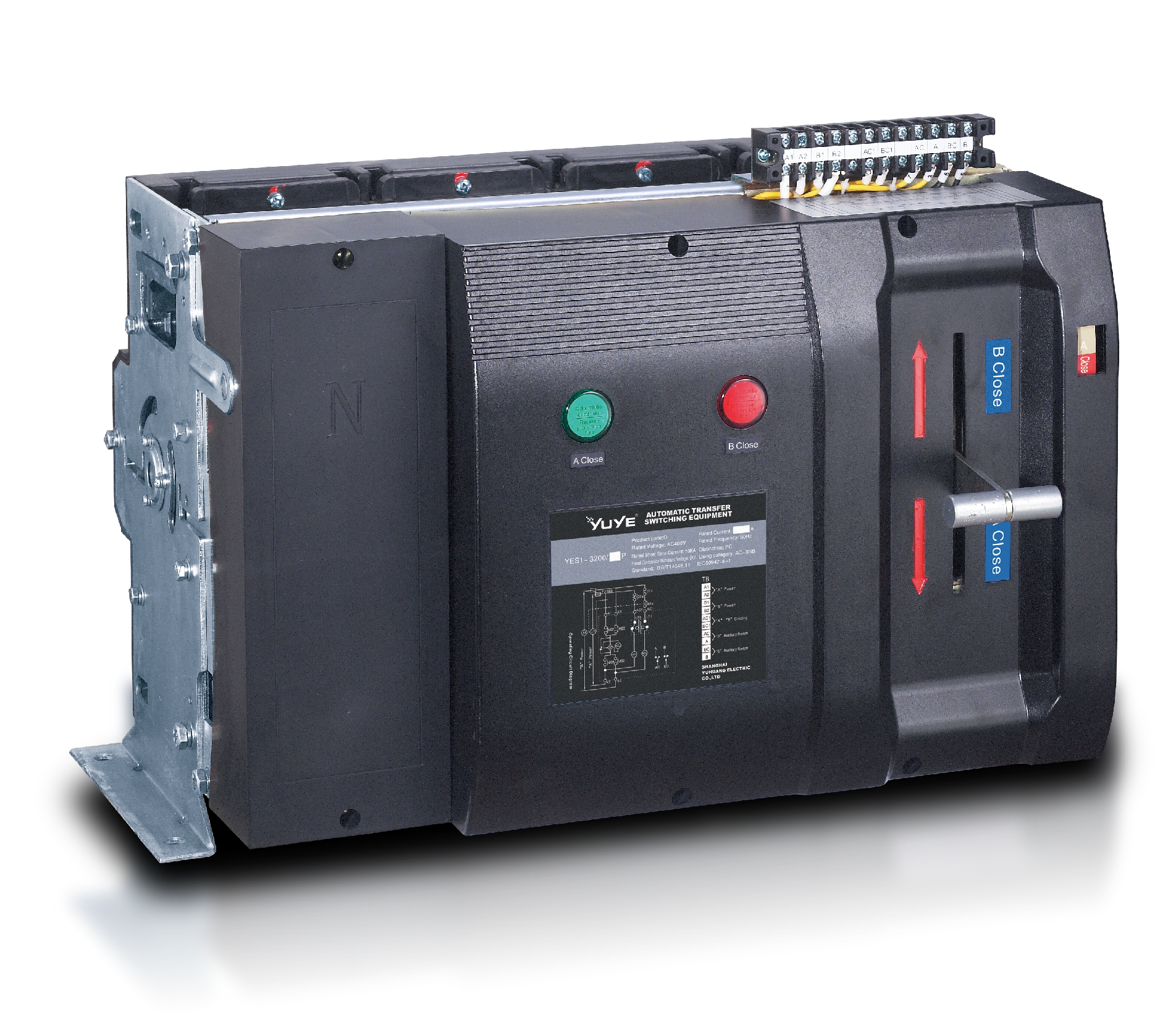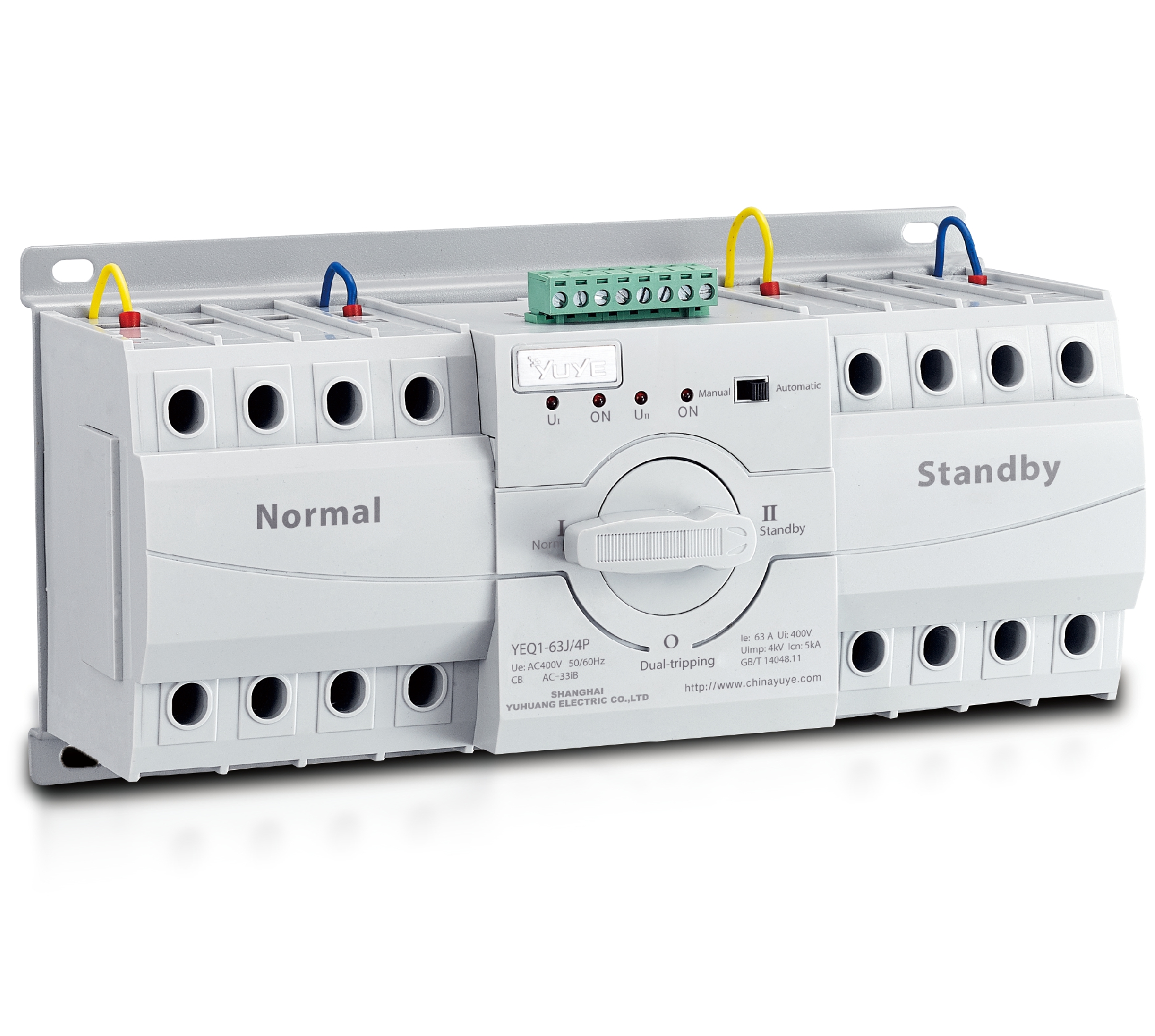
PC ATS YECT1-2000G
PC ATS YES2-63~250GN1
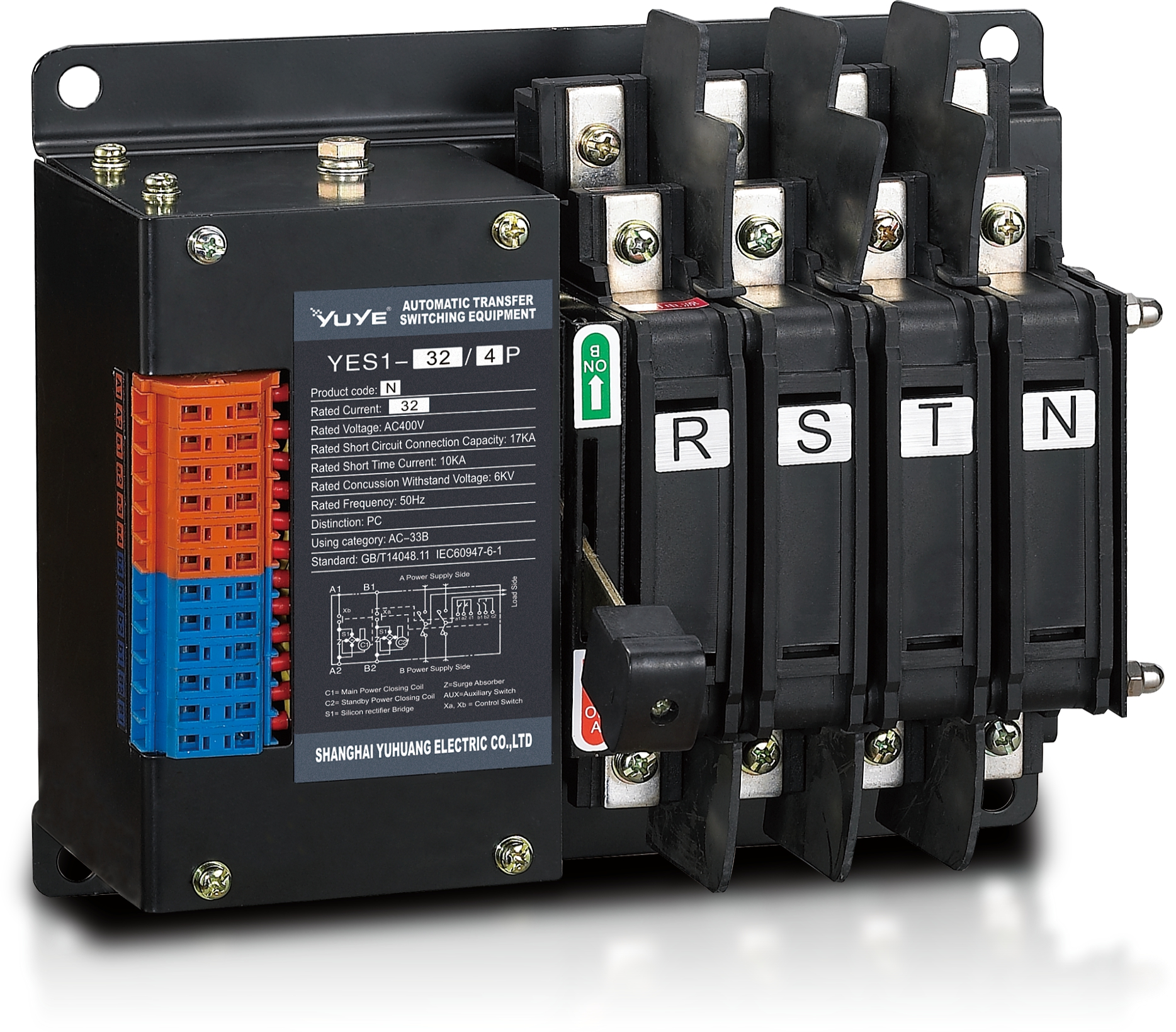
Solenoid-type ATS YES1-32~125N
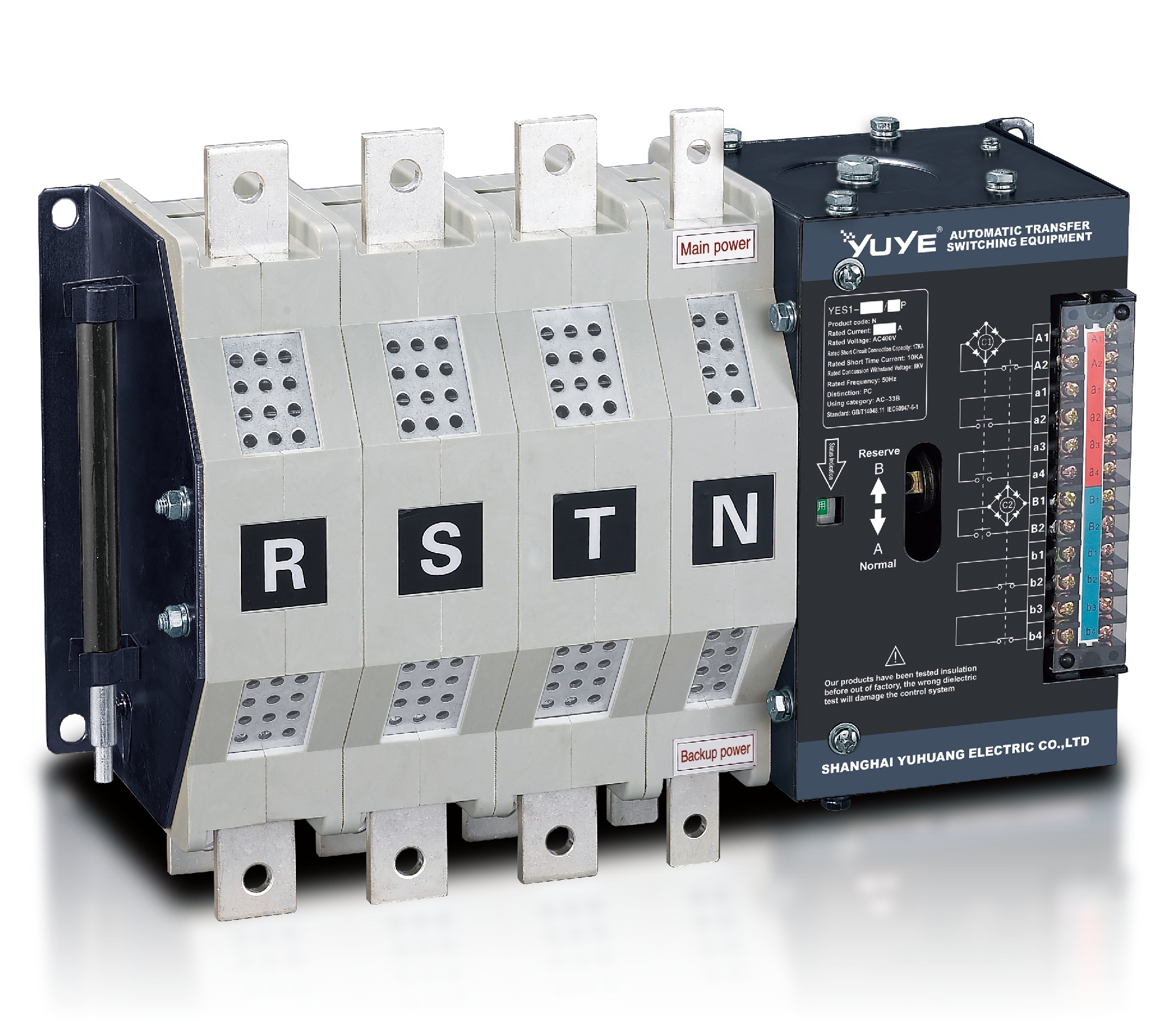
Solenoid-type ATS YES1-250~630N/NT
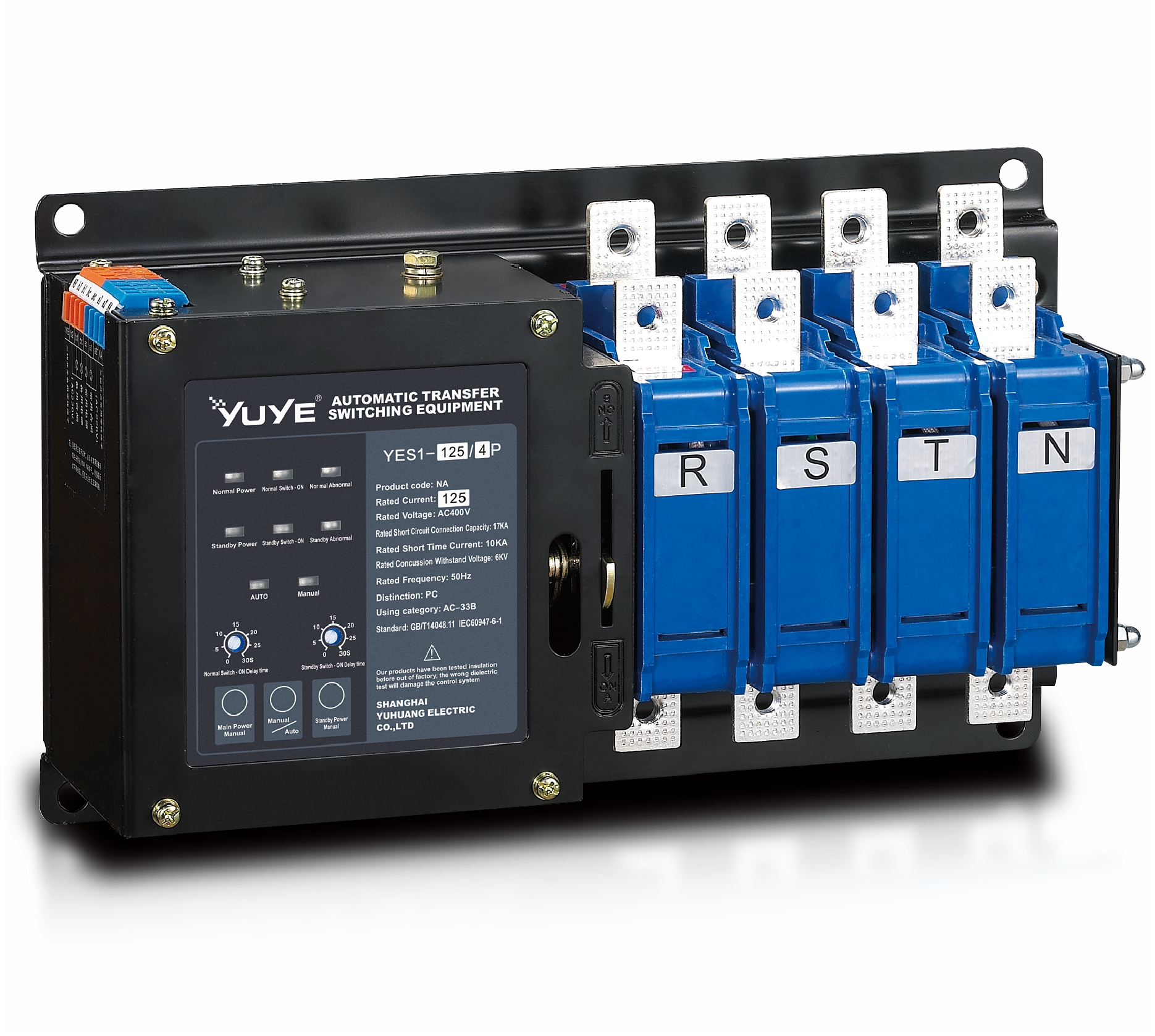
Solenoid-type ATS YES1-32~125NA
Solenoid-type ATS YES1-63~630SN
Solenoid-type ATS YES1-1250~4000SN
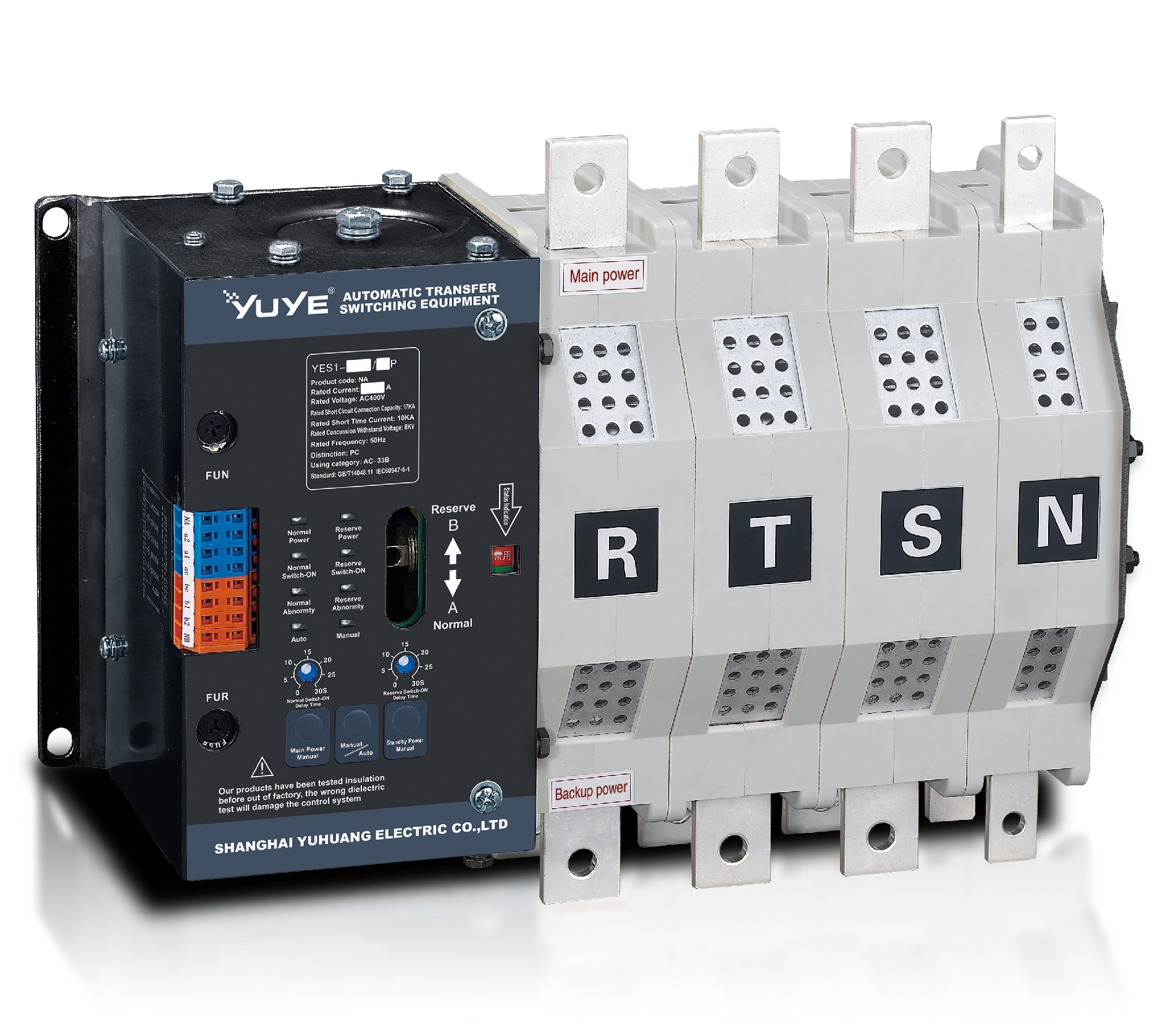
Solenoid-type ATS YES1-250~630NA/NAT
Solenoid-type ATS YES1-63NJT
PC ATS YES1-100~1600GN1/GN/GNF
PC ATS YES1-2000~3200GN/GNF
PC ATS YES1-100~3200GA1/GA
Solenoid-type ATS YES1-63~630SA
Solenoid-type ATS YES1-63~630L/LA
Solenoid-type ATS YES1-63~630LA3
Solenoid-type ATS YES1-63MA
PC ATS YES1-630~1600M
PC ATS YES1-3200Q
Solenoid-type ATS YES1-4000~6300Q
CB ATS YEQ1-63J
CB ATS YEQ2Y-63
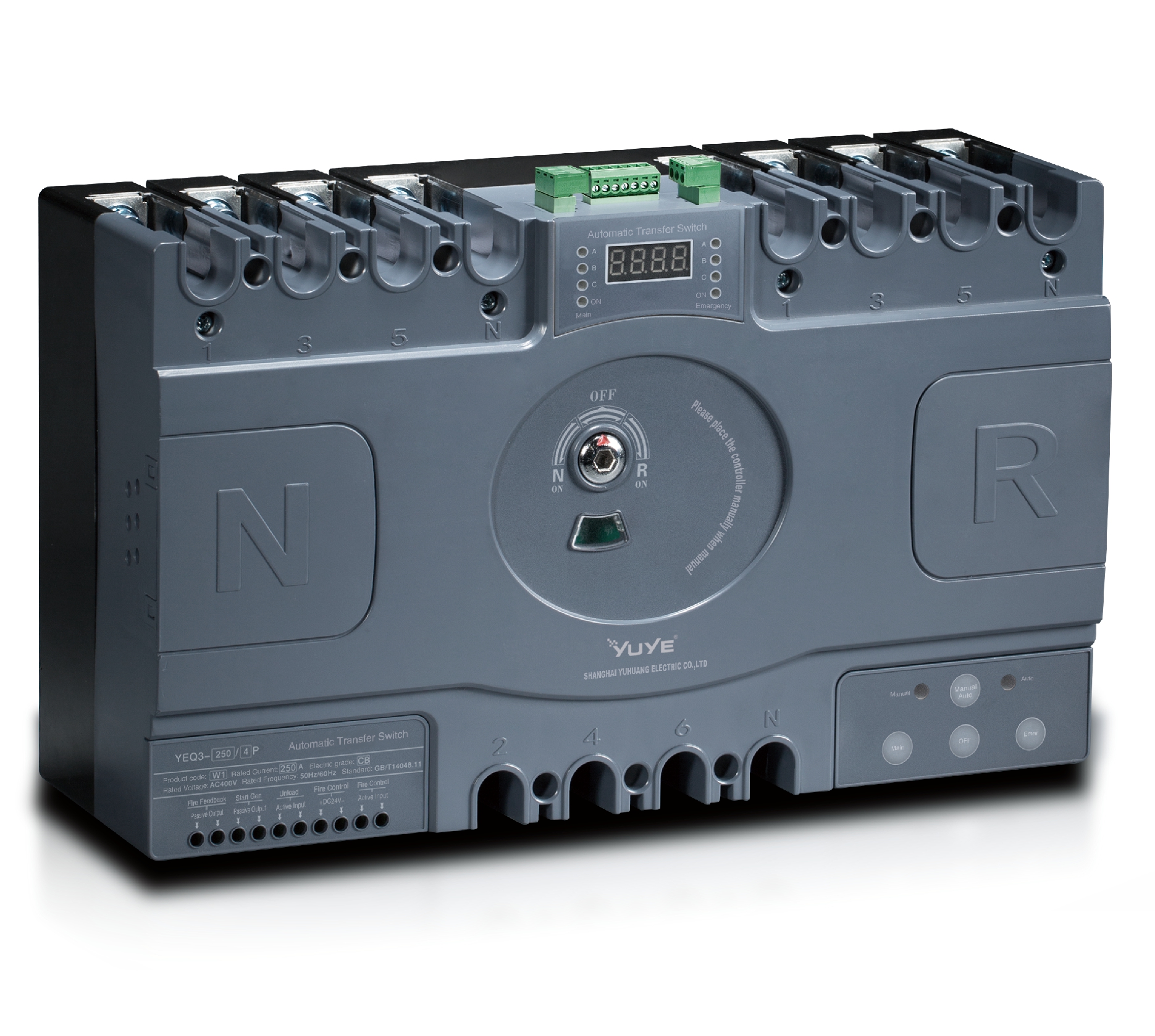
CB ATS YEQ3-63W1
CB ATS YEQ3-125~630W1
ATS controller Y-700
ATS Controller Y-700N
ATS Controller Y-701B
ATS Controller Y-703N
ATS Controller Y-800
ATS Controller W2/W3 Series
ATS switch Cabinet floor-to-ceiling
ATS switch cabinet
JXF-225A power Cbinet
JXF-800A power Cbinet
YEM3-125~800 Plastic Shell Type MCCB
YEM3L-125~630 Leakage Type MCCB
YEM3Z-125~800 Adjustable Type MCCB
YEM1-63~1250 Plastic Shell Type MCCB
YEM1E-100~800 Electronic Type MCCB
YEM1L-100~630 Leakage Type MCCB
Miniature circuit breaker YEMA2-6~100
Miniature circuit breaker YEB1-3~63
Miniature circuit breaker YEB1LE-3~63
Miniature circuit breaker YEPN-3~32
Miniature circuit breaker YEPNLE-3~32
Miniature circuit breaker YENC-63~125Picking the right Automatic Transfer Switch (ATS) — especially that 800A model — is kinda like finding the perfect fit for your power setup. Did you know, a recent report from the Electrical Power Research Institute (EPRI) suggests that good switching solutions can cut down downtime by almost 30%? That’s a pretty big deal, especially for businesses that can’t afford to be offline during a blackout. A solid ATS ensures you get smooth power transitions without throwing your operations into chaos.
When choosing an ATS, it’s super important to match it up with your actual power needs. Companies like Schneider Electric and Eaton emphasize how crucial proper sizing is. The 800A switch should be able to handle your peak loads AND keep safety in check. Surprisingly, many organizations overlook how vital regular maintenance is—skipping inspections can lead to costly failures down the line.
Getting to know what makes different ATS models tick is also a big help. For example, features like remote monitoring and control can seriously boost reliability. According to the International Electrotechnical Commission (IEC), newer ATS units offer real-time data that helps you keep tabs on power loads and react quickly if needed. Making a smart choice here really pays off in terms of keeping your operations running smoothly, so take some time to explore your options and pick what’s best for you.
Automatic Transfer Switches (ATS) are critical for ensuring uninterrupted power supply. They automatically switch power sources during outages. A reliable ATS minimizes downtime. According to industry reports, around 30% of businesses experience significant losses due to power interruptions. An effective ATS reduces this risk significantly.
Understanding the basics of ATS is essential. They typically operate in two modes: automatic and manual. In automatic mode, the switch detects a power failure. It quickly transitions to a backup power source. This response often occurs within seconds. Manual operation requires human intervention. This can lead to delays, which could be catastrophic during emergencies.
Choosing the right ATS involves assessing your power requirements. Consider the load it needs to handle. Reports suggest that systems with a capacity of at least 800A are common for commercial setups. Proper sizing is crucial. Oversizing can lead to inefficiencies. Undersizing may cause failures. Always evaluate the system's reliability and maintenance needs. Regular testing is also a necessary aspect. Lack of maintenance can lead to unexpected failures.
When selecting an 800A Automatic Transfer Switch (ATS), understanding key specifications is crucial. One of the most important factors is the switch's voltage rating. Ensure your ATS is compatible with the system's voltage. Choosing the right voltage rating helps to avoid unexpected failures.
Another essential specification is the switching mechanism. An ATS with a reliable switching mechanism minimizes downtime during power outages. Look for options that provide seamless transitions. A smooth changeover is critical in environments where power interruptions could lead to significant losses.
**Tips:** Consider the environment where the ATS will be installed. Harsh conditions may require additional features like weatherproof enclosures. Always assess the load requirements carefully. Underestimating the capacity can lead to malfunctions or reduced efficiency.
Lastly, check the control features. Simple user interfaces enhance operational ease. Advanced monitoring features can alert you to potential issues before they become critical. If you’re unsure about specific needs, consult with an expert. Getting the right advice can save time and prevent costly mistakes. Remember, clarity in understanding your requirements leads to better decisions.
When selecting an 800A automatic transfer switch (ATS), evaluating load requirements is vital. Determine your essential loads first. This could range from critical lighting to HVAC systems. Explore the total wattage and amperage your equipment needs. Understanding these specifics can prevent under-sizing or over-sizing the switch.
Consider future growth too. Businesses often expand. What may suffice today might not suffice tomorrow. Analyzing historical data can provide insight into load variations over time. Seasonal changes may also impact your requirements. A switch that accommodates future loads can save costs long-term.
Assessing the environment is also essential. The installation location may influence performance. Dusty or humid areas may require additional considerations for longevity. Depending on specific conditions, choose components that withstand environmental stressors. Such evaluations enhance reliability and minimize maintenance needs. Remember, taking these steps ensures a more informed choice for your switch.
When choosing an 800A automatic transfer switch (ATS), switching speed plays a crucial role. A fast switching speed minimizes downtime during a power outage. Ideally, an ATS should activate within milliseconds. This quick response protects sensitive equipment and ensures uninterrupted power supply. Businesses relying on electrical continuity greatly benefit from rapid transfer times.
A slower switching speed might seem acceptable at first glance. However, it can lead to challenges. Delays during power loss can disrupt operations. For example, essential systems may experience hiccups, causing data loss or equipment damage. Therefore, assessing the ATS's performance specifications is vital. Each application has its unique requirements, and what works for one might not suit another.
Individuals often overlook the importance of routine maintenance. Ignoring it can lead to unexpected failures. Periodic checks ensure the ATS operates at peak performance. This preventative approach minimizes risks associated with power restoration. Efforts made in these areas can significantly enhance reliability. Investing time in understanding switching speeds and their implications will pay off in the long run.
When comparing manual and automatic transfer switches, it's crucial to understand their core functionalities.
Automatic transfer switches (ATS) are designed to shift power sources seamlessly during outages. A study by the Institute of Electrical and Electronics Engineers (IEEE) indicates that ATS can reduce power recovery time by up to 80%. This feature is vital for critical systems, where downtime can lead to significant losses.
Manual transfer switches require human intervention, which may lead to delays. Reports suggest that over 60% of power outages occur unexpectedly. In these situations, relying solely on manual switches can be risky. Users may overlook the necessity of regular maintenance, which could lead to malfunctioning when they are needed most. An automatic system ensures resilience and reliability, particularly in mission-critical environments.
It's imperative to consider the specific needs of your operation. ATS is excellent for non-negotiable energy demands, but they are costlier. Conversely, manual switches are more budget-friendly but lack speed. Users should assess their priorities carefully. A balance between cost, efficiency, and operational demands is essential for optimal performance.
Choosing the right 800A automatic transfer switch (ATS) requires careful consideration of its reliability and maintenance needs. Reliability is crucial in any power system. A dependable ATS ensures a seamless power transition during outages. Look for features that enhance performance. These include automatic diagnostics and real-time monitoring capabilities. A switch that regularly checks its own function reduces the risk of failure when you need it most.
Maintenance is another essential aspect. Routine checks can prevent unplanned downtime and costly repairs. ATS units should be easy to access for service work. Consider how often you'll perform maintenance tasks. Some users might overlook minor issues until they become significant. Regularly scheduled inspections can catch problems early. This vigilance promotes a longer lifespan for the equipment.
Evaluating performance metrics is vital. Some switches perform well under specific conditions but falter otherwise. Understanding your operational environment helps in selecting the right equipment. Balancing reliability and maintenance needs will lead to optimal performance. A proactive approach can prevent many headaches in the future. Remember, even the best devices require attention and care. Reflect on your system's demands before making a decision.
When considering an 800A automatic transfer switch (ATS), budgeting is crucial. The initial purchase price is just one factor. Installation costs can vary significantly based on location and complexity. A skilled electrician needs to install the ATS correctly. This may add to your costs.
Ongoing maintenance is another aspect to consider. Routine checks and service can prevent costly breakdowns. Factor this into your total ownership cost. Neglecting maintenance may lead to failures that disrupt operations. These disruptions can result in missed revenue and increased downtime.
Evaluate your specific needs before making a decision. Not all ATS units are created equal. Research various models and specifications. Understanding power loads and transfer speeds is key to selecting the right unit. This will help ensure that you invest wisely. Always weigh the pros and cons of each option and reflect on your long-term needs.
| Feature | Description | Cost Range ($) |
|---|---|---|
| Automatic Transfer Switch Type | Open Transition, Closed Transition, Soft Load Transition | 1,000 - 3,000 |
| Control Mechanism | Electromechanical vs. Digital Control | 500 - 1,500 |
| Installation | Labor and accessories for setup | 2,000 - 5,000 |
| Maintenance Costs | Annual inspection and component replacement | 300 - 800 |
| Warranty | Standard 1-3 years warranty options | Included in purchase |
| Additional Features | Remote monitoring, communication ports, touch screen | 100 - 1,000 |
: Determine your essential loads, such as lighting and HVAC systems.
Future changes may require more power. Analyzing load variations helps in making informed decisions.
Dusty or humid areas may affect longevity. Choose components that can withstand specific environmental stressors.
Automatic switches handle power shifts automatically, while manual ones require human action, which might delay response.
Users often forget the need for regular checks, risking malfunction during critical moments.
Look for automatic diagnostics and real-time monitoring to reduce risks of failure.
Regular inspections can prevent costly repairs and unplanned downtime by catching issues early.
Some switches work well in specific situations but may struggle otherwise. Know your operational environment.
Understand your system's demands and balance reliability with maintenance needs for optimal performance.
Regular attention and care can prevent many issues, promoting a longer equipment lifespan.
Choosing the right 800A Automatic Transfer Switch (ATS) requires a thorough understanding of its fundamentals and specifications. An ATS is crucial for managing power supply transitions, particularly during outages. Key specifications to consider include load requirements, switching speed, reliability, and maintenance needs. Evaluating load requirements ensures that the selected ATS can handle the necessary power without compromise.
Additionally, comparing the features of manual and automatic transfer switches is crucial, as automatic options often provide enhanced efficiency and reliability. Budgeting for your ATS purchase should also include considerations for installation and ongoing maintenance costs. Ultimately, making an informed decision about an Automatic Transfer Switch ATS 800A involves assessing both technical specifications and practical needs to ensure reliable operation in critical power situations.