When you're looking into getting an Automatic Transfer Switch, it’s pretty important to have a good sense of how much it might cost. Prices can really vary a lot depending on the brand, the capacity, and the features you're after. Brands like Generac and Kohler, for example, offer a bunch of options that range in price. You might find a basic model for around 500 bucks, but if you want something more high-tech or with extra features, it could easily go over $5,000.
Things that impact the price include how complicated the installation is and what kind of features the switch has. Like, if it comes with remote monitoring or some smart capabilities, you’ll probably pay a bit more. It’s a good idea to think about these features against your budget—sometimes, going for the cheapest option might mean sacrificing durability or efficiency in the long run.
But here’s the thing—picking the right Automatic Transfer Switch isn’t just about how much it costs upfront. You really want to do your homework and consider what makes sense in the long run. Understanding what you actually need will help you make smarter choices and avoid regrets down the road. After all, a little investment now can save you a lot of trouble (and money) later on.

Understanding Automatic Transfer Switches
Automatic transfer switches (ATS) are crucial for ensuring electrical continuity during power outages. They automatically switch to a backup power source when the primary source fails. In critical facilities, such as hospitals and data centers, this reliability is essential. Understanding how these switches function helps in appreciating their value.
The primary function of an ATS is to monitor power supply inconsistencies. When a disruption occurs, it isolates the faulty circuit and switches the load to a standby generator. This process happens within seconds, minimizing downtime. However, not all systems handle these transitions seamlessly. Poorly maintained switches may fail at crucial moments, underscoring the need for regular inspections.
Installation and ongoing maintenance of ATS require specialized knowledge. While many users may think these systems operate flawlessly, unexpected issues can arise. Proper training ensures technicians can troubleshoot effectively. It's also vital to consider the specific needs of each application. Every environment presents unique challenges, making a one-size-fits-all solution ineffective. Adapting to these differences can significantly enhance performance and reliability.
Average Price of an Automatic Transfer Switch
| Type |
Power Rating (kW) |
Average Price (USD) |
Common Applications |
| Residential |
7.5 - 10 |
$1,000 - $2,500 |
Home backup power |
| Commercial |
20 - 100 |
$5,000 - $15,000 |
Office buildings, retail |
| Industrial |
150 - 300 |
$15,000 - $30,000 |
Manufacturing plants |
| Portable |
5 - 15 |
$500 - $1,500 |
Construction sites, events |
Factors Influencing the Price of Automatic Transfer Switches
When considering the average price of an automatic transfer switch (ATS), several factors come into play. The type of switch significantly impacts pricing. For instance, manual switches may cost around $300, while fully automatic models can start at $1,000 and exceed $10,000 based on features. A report by the Electrical Safety Foundation International indicates that demand for reliable power sources increases the need for ATS systems in both residential and industrial settings.
Installation expenses also shape overall costs. If professional installation is required, labor can add another $100 to $500. The complexity of the installation varies, influencing time and materials needed. Furthermore, environmental conditions play a role. For instance, switches rated for extreme temperatures or harsh conditions can be more expensive—as they require enhanced materials and technology. A 2022 industry analysis highlights the rising trend of integrating smart technology, which can lead to higher initial costs of up to 20% but offers long-term savings.
Market demand creates fluctuations in pricing as well. Economic conditions can drive costs up or down. In a booming market, the prices for high-quality switches can rise due to increased demand. On the other hand, recession periods may lead to price competition among suppliers, affecting affordability. Buyers must consider all these elements when budgeting for an automatic transfer switch.
Average Price Range for Different Sizes of Automatic Transfer Switches
When considering the average price range for automatic transfer switches (ATS), it’s essential to understand that costs can vary significantly based on size and capacity. Smaller ATS units suitable for residential applications may range from $500 to $2,000. In contrast, larger commercial systems can cost between $3,000 and $10,000 or more. Data from industry reports indicate that the price often correlates with the amperage rating and additional features, such as remote monitoring capabilities.
Installation costs can also impact the overall budget. Hiring a certified electrician ensures compliance with local codes. Installation can add an extra $1,000 to $4,000, depending on the complexity of the setup. Some users overlook these additional costs, which can lead to budget overruns. It's critical to assess both upfront and associated long-term expenses to avoid surprises later.
Maintenance should not be ignored, as it can influence operational efficiency. Regular servicing helps in identifying issues early, thereby prolonging the switch's lifespan. Some reports emphasize that neglecting maintenance can lead to unexpected failures, costly repairs, and potentially an emergency power outage. The balance between upfront investment and ongoing costs is vital for both homes and businesses considering an ATS.
Average Price of Automatic Transfer Switches
This bar chart represents the average prices of automatic transfer switches (ATS) based on their sizes. The data reflects market trends for small, medium, and large ATS units.
Comparison of Residential vs. Commercial Automatic Transfer Switch Prices
When comparing residential and commercial automatic transfer switch (ATS) prices, the variations can be striking. Residential models typically range from $300 to $2,500. These units usually handle power needs during outages for smaller homes. In contrast, commercial ATS units often start around $2,000 and can exceed $15,000, depending on their capacity and features. This price difference is influenced by power demands, installation complexity, and additional functionalities.
In a 2022 industry report, it was noted that commercial ATS are engineered for higher loads and durability. They often include advanced monitoring and control features that are not found in residential units. Additionally, the market for commercial ATS is growing, reflecting increased business reliance on uninterrupted power. However, this comes with higher initial costs that can warrant a thorough cost-benefit analysis.
Tips: Always consider the power requirements of your household or business. Evaluate how often you face power outages and the critical systems that need backup. This will guide you in selecting the right ATS without overspending. Don’t forget to consult with certified electricians for accurate installation estimates. An improper setup can lead to significant safety hazards and financial loss.
Additional Costs Associated with Installation and Maintenance
The installation and maintenance of an automatic transfer switch (ATS) involve various additional costs beyond the initial purchase price. According to industry reports, installation can range from $500 to $2,000, depending on complexity and local labor rates. This expense often varies based on the existing electrical setup and the required permits.
Maintenance costs should not be overlooked. Regular inspections are essential to ensure the ATS operates efficiently. Professional servicing typically costs around $150 to $300 per visit, with recommendations for semi-annual checks. Neglecting maintenance may lead to costly failures during power outages.
Tip: Always request multiple quotes from licensed electricians to find the best value for your installation.
Moreover, users should consider potential upgrades, such as adding monitoring systems. These systems enhance performance but can significantly add to the upfront costs. Equipment lifespan is another factor. An ATS's life expectancy is approximately 20-30 years. This longevity makes proactive maintenance even more critical.
Tip: Document maintenance records to keep track of service history and identify patterns over time.
Where to Purchase Automatic Transfer Switches and Price Variability
When considering an automatic transfer switch (ATS), potential buyers often focus on the price variability and where to purchase.
Research indicates that ATS prices can range significantly based on factors such as capacity, features, and manufacturer reputation.
Typically, smaller units for residential use may start around $200, while larger, more complex systems for commercial applications can exceed $2,000.
According to industry reports, the average price for a mid-range automatic transfer switch is approximately $1,000.
Where to buy these systems plays a critical role in pricing. Options include online retailers, local electrical supply stores, and specialized electrical equipment vendors.
Availability may influence prices as well. For instance, online sources occasionally offer discounts but could have higher shipping costs.
Local suppliers might provide immediate availability but at a slightly higher price. Furthermore, seasonal promotions may create price fluctuations throughout the year, potentially benefiting informed buyers.
Buyers must also consider additional installation costs, which can impact the overall budget.
The installation may require skilled electricians, and labor fees vary widely. According to a recent industry analysis, installation costs can add an extra 30% to 50% to the initial equipment price.
Understanding all these aspects can help purchasers make informed decisions about their investments in automatic transfer switches.
Tips for Choosing the Right Automatic Transfer Switch for Your Needs
Choosing the right automatic transfer switch (ATS) can be quite overwhelming. With numerous options available, it's crucial to know what to consider. First, you'll want to assess your power needs. According to industry reports, the size of the ATS should match your electricity load. For residential use, a transfer switch rated for 30 to 50 amps is often sufficient. Larger businesses may require switches exceeding 200 amps.
Next, consider the control mechanisms. There are manual and automatic switches. Manual transfer switches are typically less expensive. However, automatic switches provide convenience by detecting power interruptions and switching on backup power without human intervention. Reports indicate that about 70% of households with backup generators prefer automatic options for peace of mind.
Installation is another vital aspect. It’s essential to have a licensed electrician handle the installation. Improper setup can lead to equipment damage or safety issues. Research shows that nearly 15% of ATS failures in commercial settings stem from installation errors. Evaluating potential electricians' experience and reliability should remain a priority.
Lastly, be aware of the costs involved. The average price of an ATS can range significantly based on capacity and features. A basic model might start around $500, while more advanced systems can cost upwards of $3,000. Budgeting for both the purchase and installation is recommended.
FAQS
: An ATS switches to a backup power source during outages. It ensures electrical continuity.
They minimize downtime during power failures, making them essential for hospitals and data centers.
It can switch within seconds, though some systems may not perform as expected.
Poor maintenance and lack of regular inspections can lead to failures at crucial times.
Yes, residential ATS range from $300 to $2,500, while commercial units can exceed $15,000.
Factors include power demands, installation complexity, and advanced functionalities.
Regular maintenance ensures performance reliability and prevents unexpected issues during operations.
Yes, consulting certified electricians helps ensure proper installation and safety.
Analyze your power requirements and critical systems. This assessment will guide your decision-making.
No, each environment has unique challenges. Adapting to those differences improves performance significantly.
Conclusion
The article "What is the Average Price of an Automatic Transfer Switch?" provides a comprehensive overview of factors influencing the Automatic Transfer Switch price, including size and application. Understanding the differences between residential and commercial models is crucial, as prices can vary significantly; residential switches tend to be less expensive compared to their commercial counterparts.
Additionally, the article outlines average price ranges for different sizes of automatic transfer switches and discusses additional costs associated with installation and maintenance that can affect the overall investment. It concludes by offering guidance on where to purchase these switches and highlights the importance of choosing the right switch based on individual needs and budget considerations, ensuring that the buyer is well-informed about the total Automatic Transfer Switch price and related expenditures.

 PC ATS YECT1-2000G
 PC ATS YES2-63~250GN1
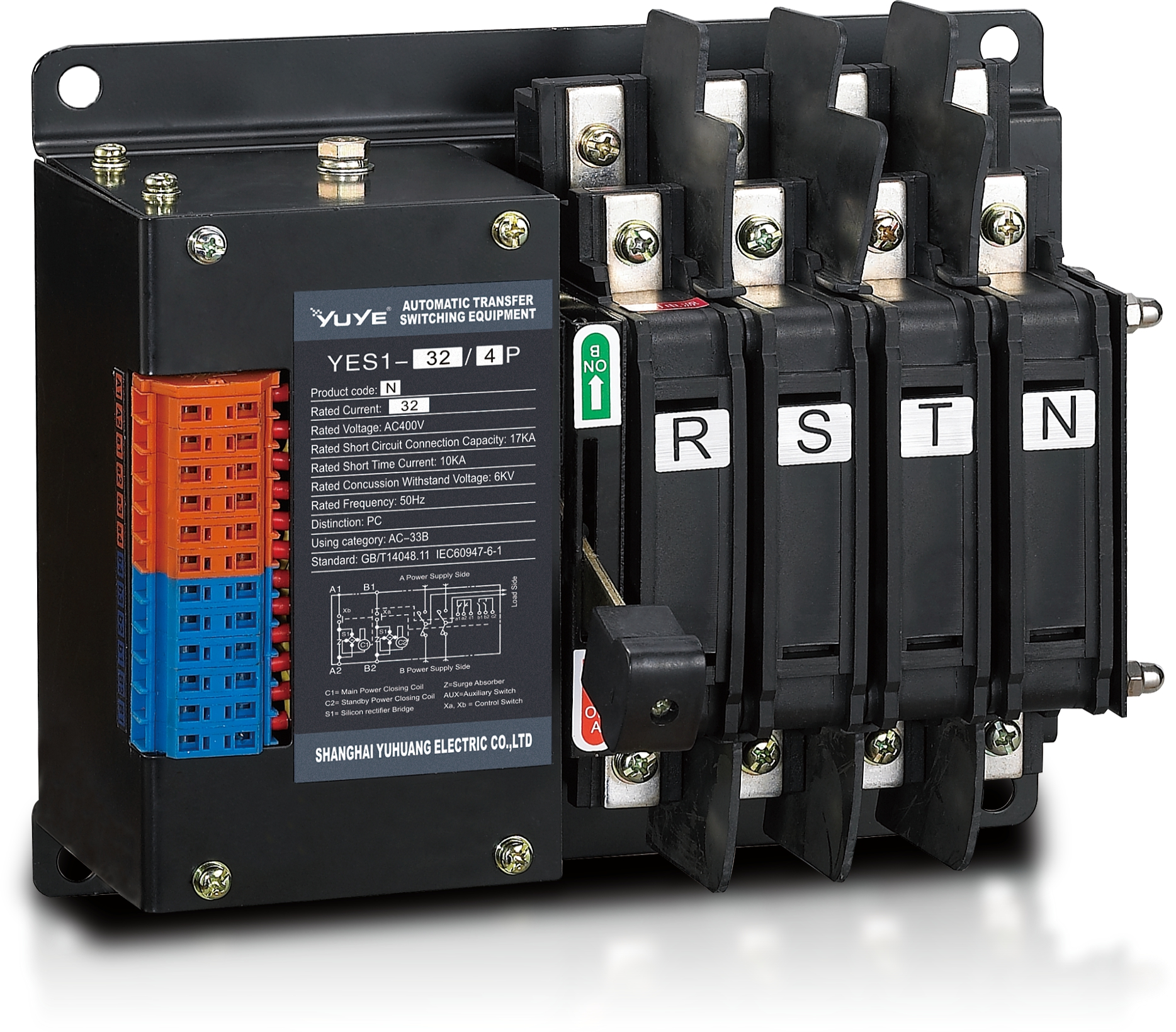 Solenoid-type ATS YES1-32~125N
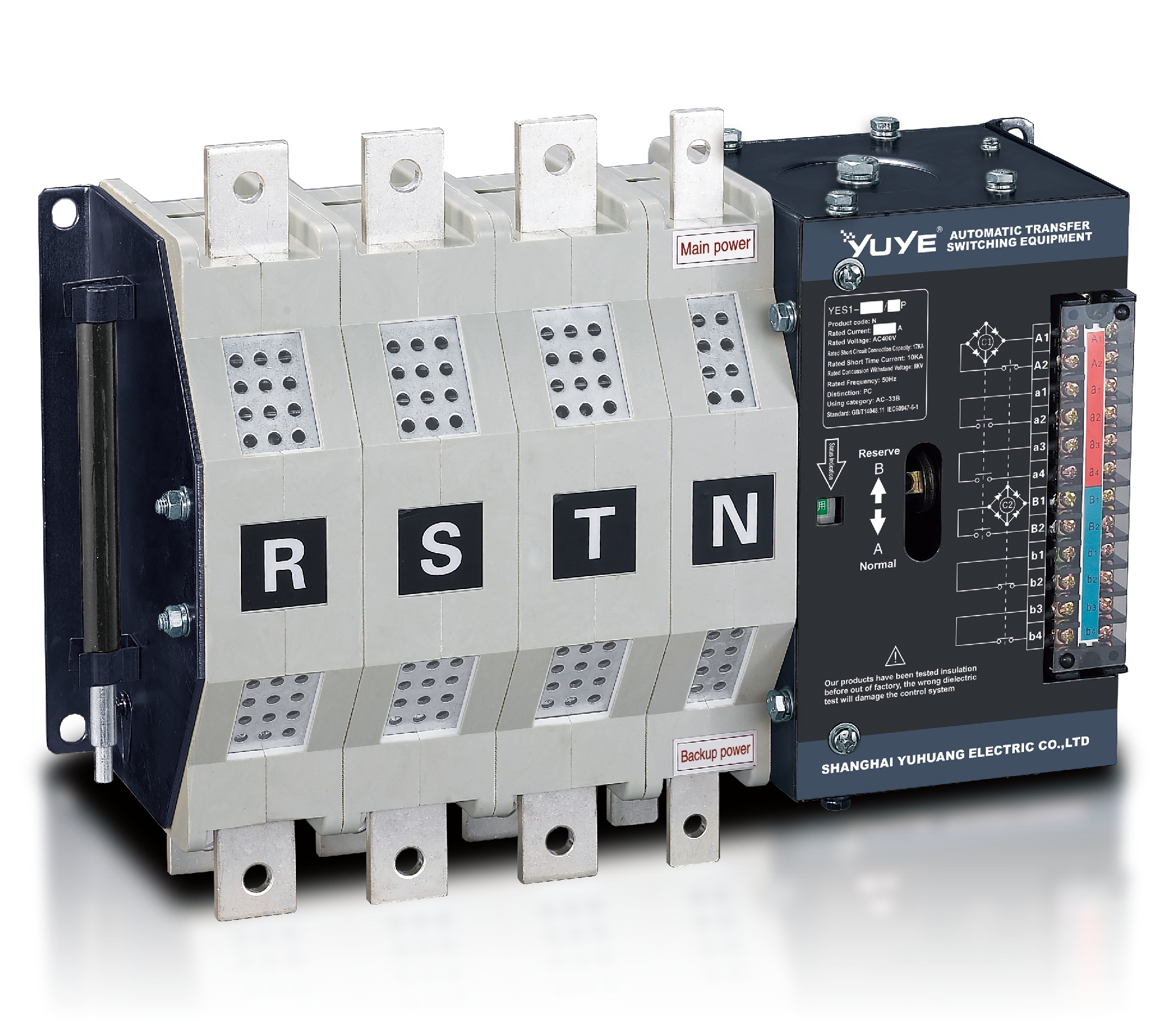 Solenoid-type ATS YES1-250~630N/NT
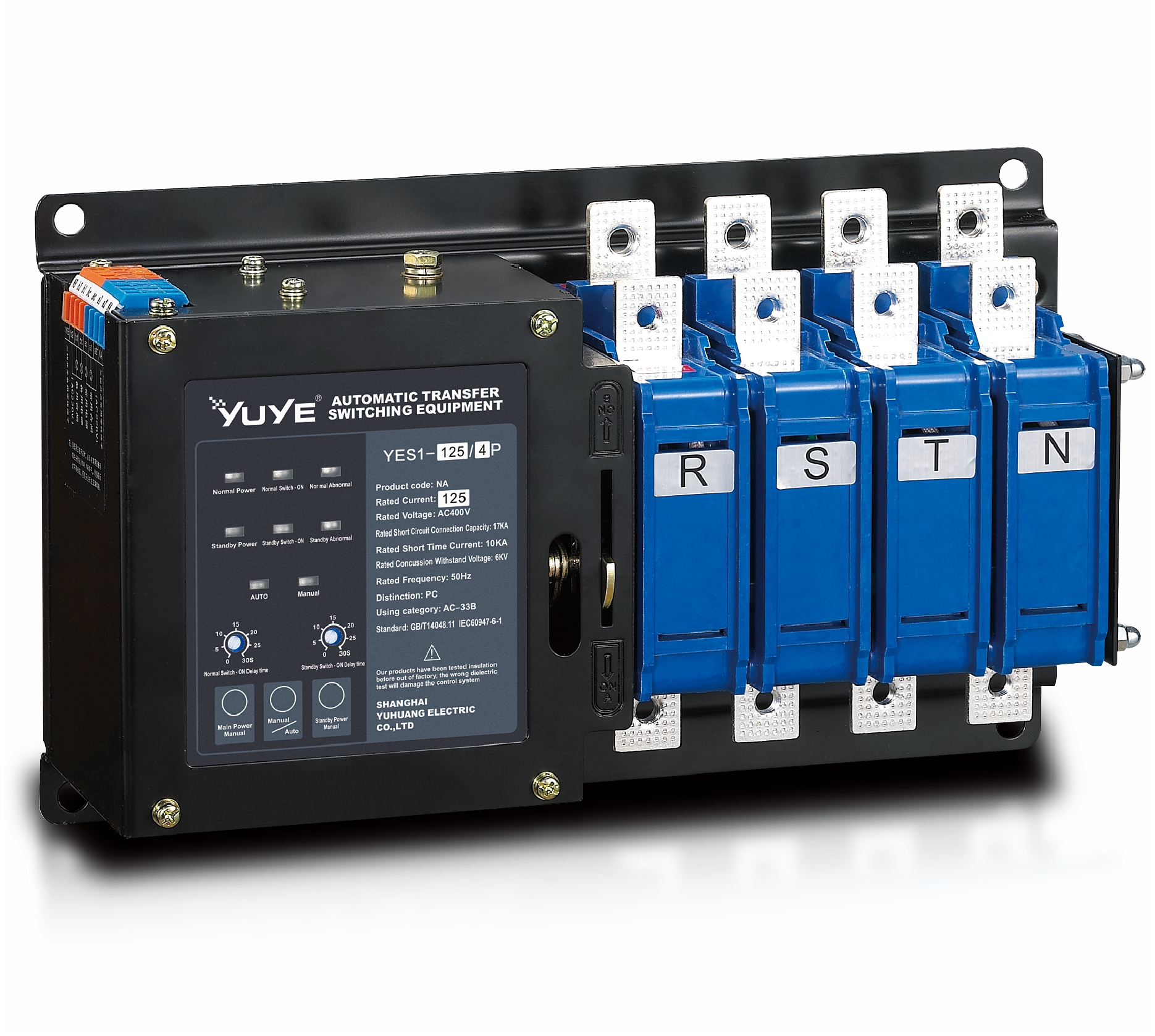 Solenoid-type ATS YES1-32~125NA
 Solenoid-type ATS YES1-63~630SN
 Solenoid-type ATS YES1-1250~4000SN
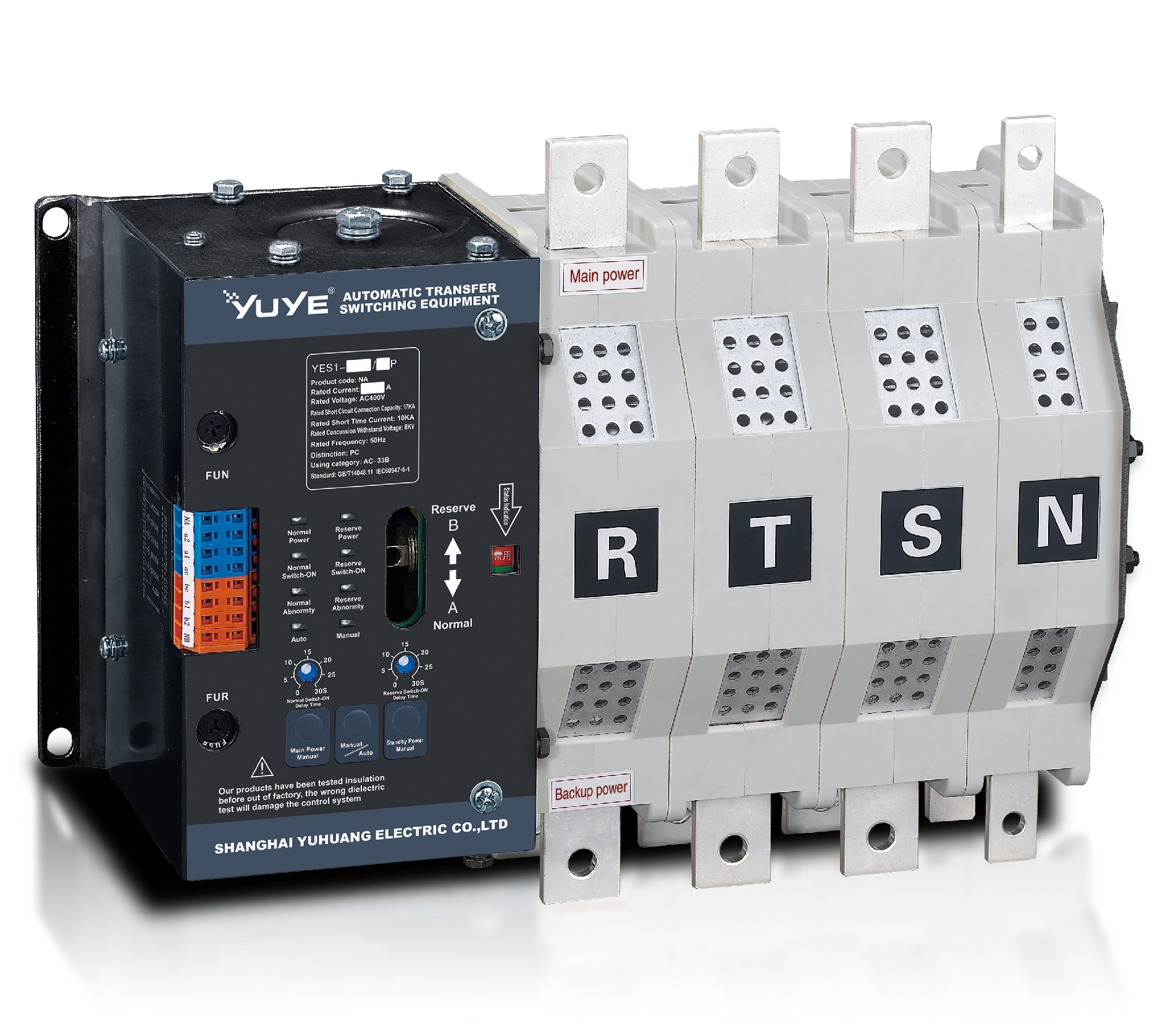 Solenoid-type ATS YES1-250~630NA/NAT
 Solenoid-type ATS YES1-63NJT
 PC ATS YES1-100~1600GN1/GN/GNF
 PC ATS YES1-2000~3200GN/GNF
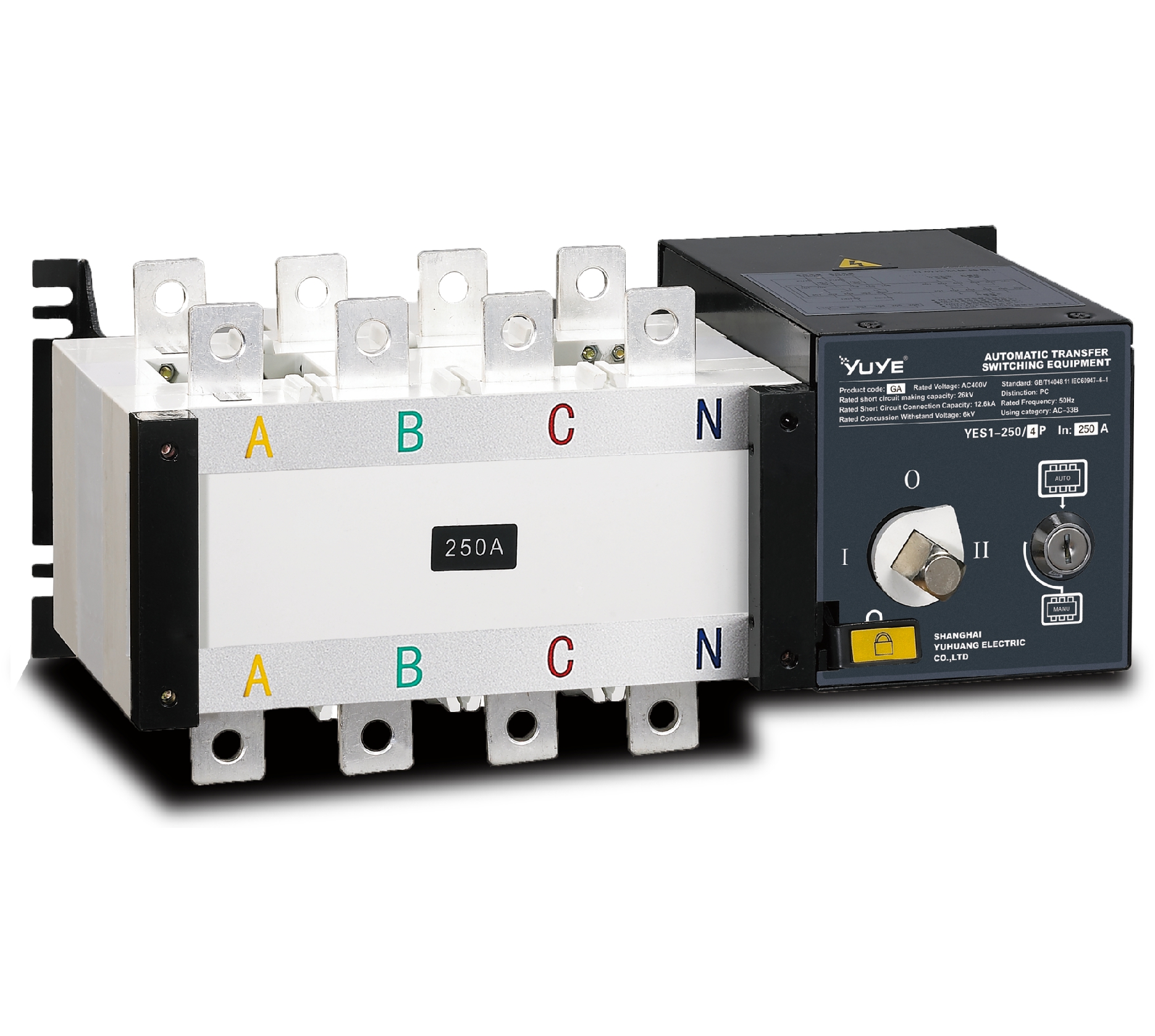 PC ATS YES1-100~3200GA1/GA
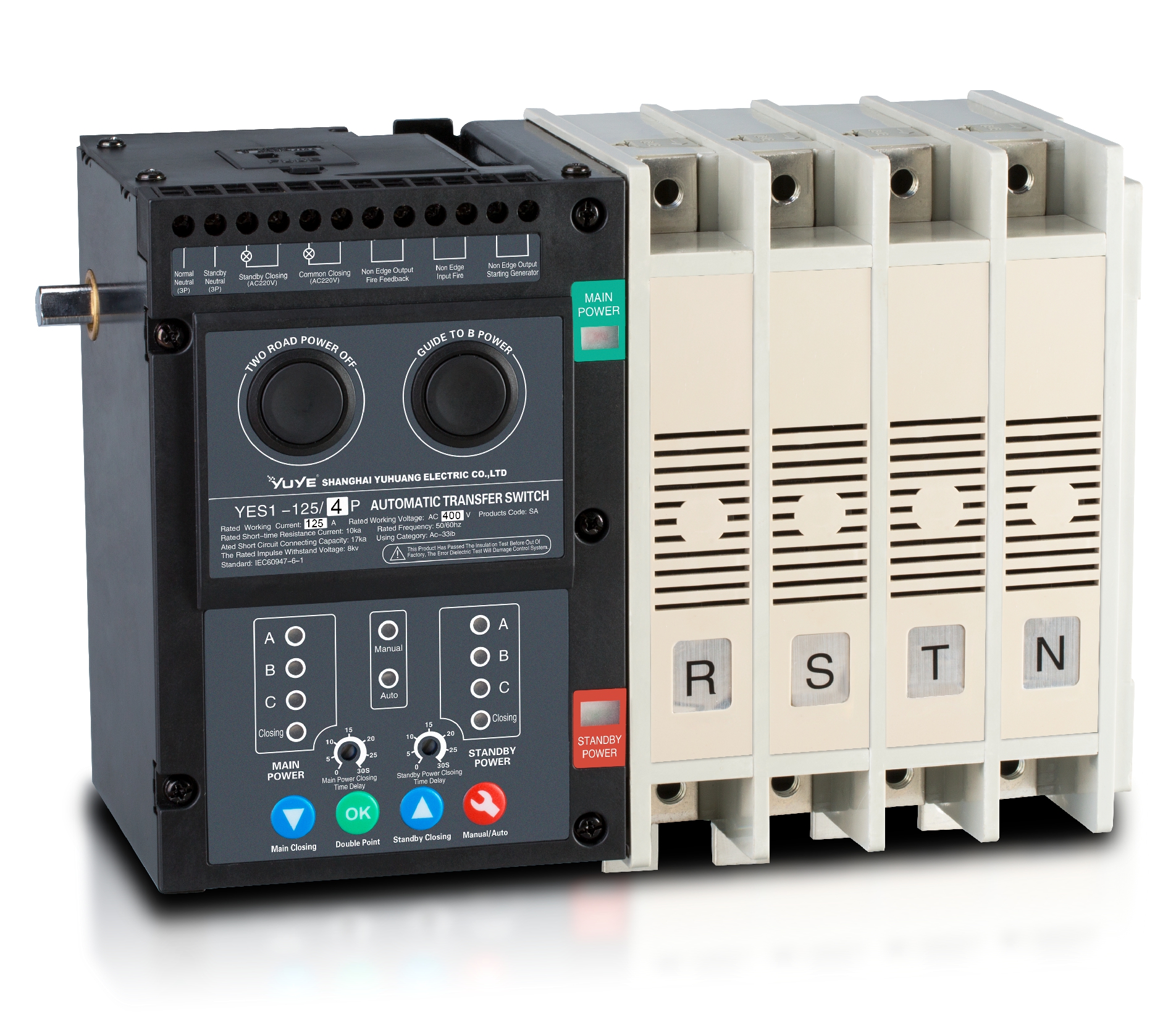 Solenoid-type ATS YES1-63~630SA
 Solenoid-type ATS YES1-63~630L/LA
 Solenoid-type ATS YES1-63~630LA3
 Solenoid-type ATS YES1-63MA
 PC ATS YES1-630~1600M
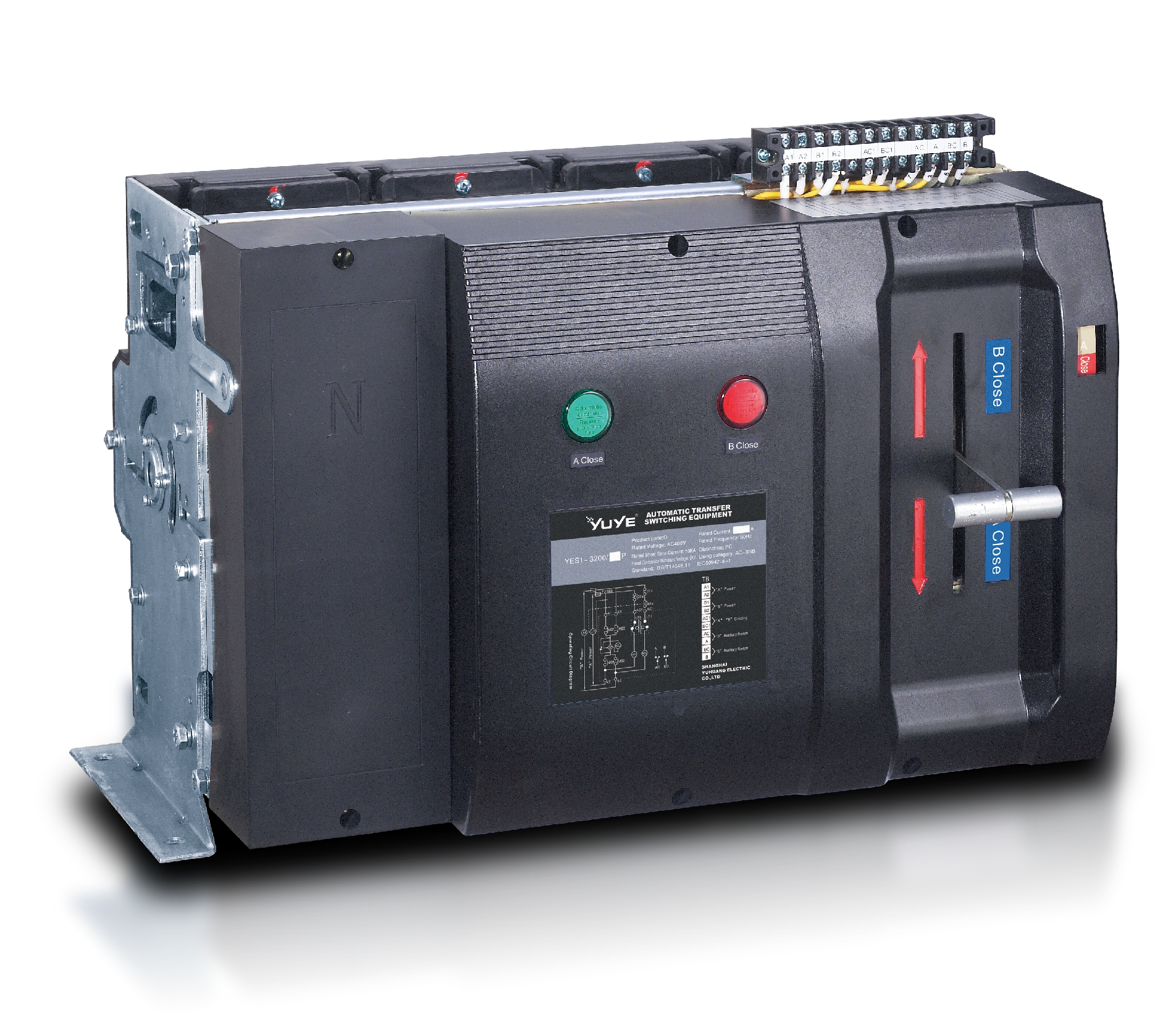 PC ATS YES1-3200Q
 Solenoid-type ATS YES1-4000~6300Q
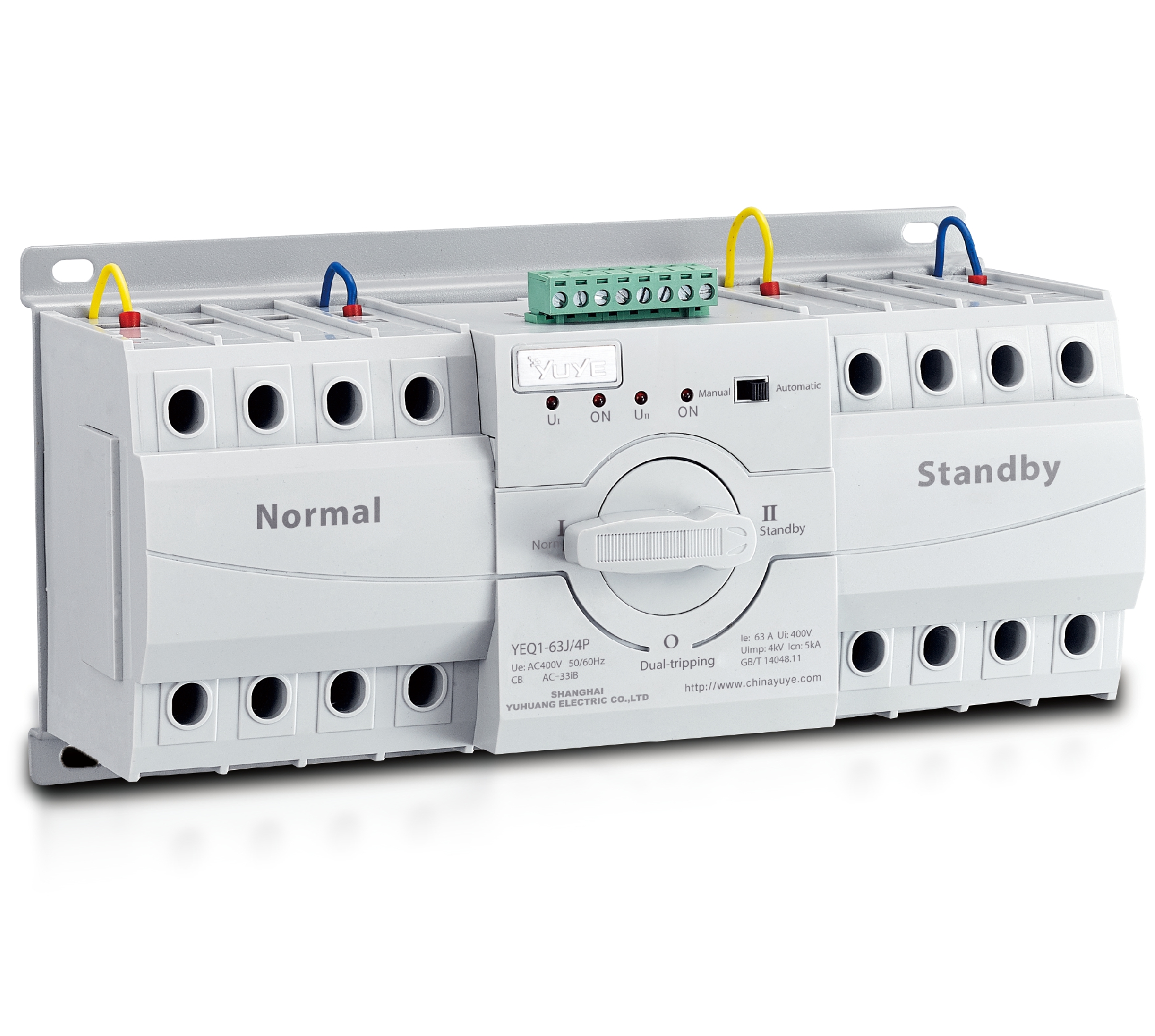 CB ATS YEQ1-63J
 CB ATS YEQ2Y-63
 CB ATS YEQ3-63W1
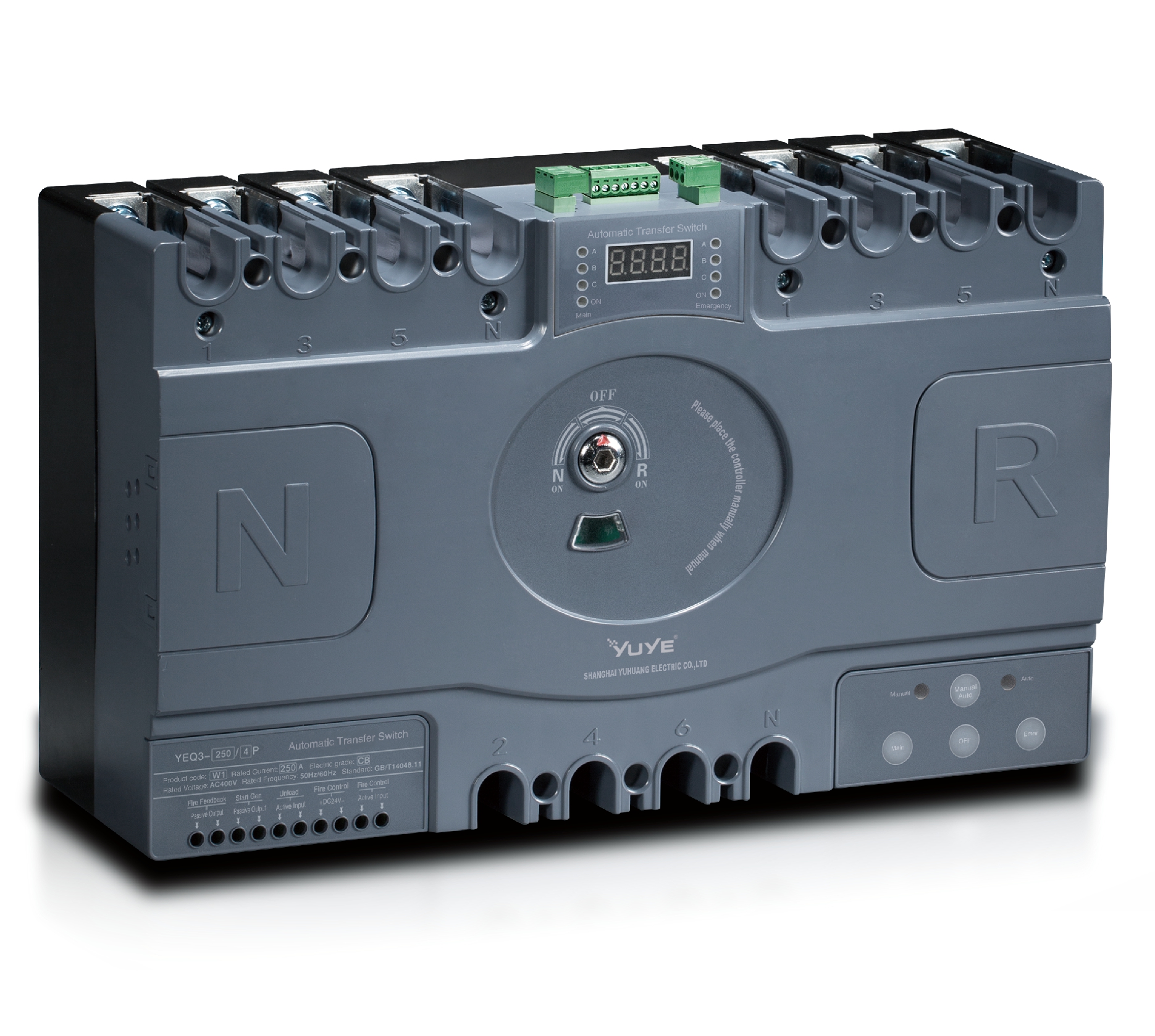 CB ATS YEQ3-125~630W1
 ATS controller Y-700
 ATS Controller Y-700N
 ATS Controller Y-701B
 ATS Controller Y-703N
 ATS Controller Y-800
 ATS Controller W2/W3 Series
 ATS switch Cabinet floor-to-ceiling
 ATS switch cabinet
 JXF-225A power Cbinet
 JXF-800A power Cbinet
 YEM3-125~800 Plastic Shell Type MCCB
 YEM3L-125~630 Leakage Type MCCB
 YEM3Z-125~800 Adjustable Type MCCB
 YEM1-63~1250 Plastic Shell Type MCCB
 YEM1E-100~800 Electronic Type MCCB
 YEM1L-100~630 Leakage Type MCCB
 Miniature circuit breaker YEMA2-6~100
 Miniature circuit breaker YEB1-3~63
 Miniature circuit breaker YEB1LE-3~63
 Miniature circuit breaker YEPN-3~32
 Miniature circuit breaker YEPNLE-3~32
 Miniature circuit breaker YENC-63~125
 Air Circuit Breaker YEW1-2000~6300
 Air Circuit Breaker YEW3-1600
 Load isolation switch YGL-63~3150
 Load Isolation Switch YGL2-63~3150
 YECPS2-45~125 LCD
 YECPS-45~125 Digital
 Manual Changeover Switch YGL-100~630Z1A
 Manual Changeover Switch YGLZ1-100~3150
 CNC Milling/Turning-OEM
 DC relay MDC-300M
 DC Isolation Switch YEGL3D-630


