Managing power efficiently is pretty important, whether you're dealing with a home setup or running a business. And that's where an Automatic Transfer Switch (ATS) really comes in handy. It kicks in automatically to switch over power during outages, making sure everything keeps running smoothly. Picking the right ATS can actually make a big difference in keeping things reliable and avoiding hiccups.
There are tons of manufacturers out there making ATS units, each with their own set of features. But honestly, not all of them are built to the highest standards of efficiency. Sometimes, folks struggle to find the perfect match for their needs. And if you're not careful or don’t have the right advice, picking the wrong one could lead to surprises like failures when you least expect them. Looking back at past choices can definitely help us do better next time.
In today’s world, having dependable power systems is more crucial than ever. Big names like Generac and Eaton have really earned their stripes—they’re known for quality and reliability. That kind of reputation builds trust. When you’re shopping for an ATS, being well-informed helps you make the best choice, which ultimately means less downtime and better power management overall.

Understanding Automatic Transfer Switches: Definition and Functionality
Automatic Transfer Switches (ATS) (ATS) play a vital role in power management systems.
These devices automatically switch electrical loads between primary and backup power sources during outages.
By doing so, they ensure minimal disruption to essential services.
Their functionality is rooted in monitoring the primary power supply.
When a failure occurs, the ATS instantly activates the backup generator.
This seamless transfer is crucial for maintaining operations in critical environments, like hospitals and data centers.
Tips: Regular maintenance of your ATS is essential.
Check for dust buildup and worn components.
Schedule inspections annually to avoid unexpected failures.
Understanding the intricacies of ATS can enhance your energy management.
Proper sizing and installation of the device are critical.
An improperly sized ATS may lead to inefficiencies.
Furthermore, it's necessary to evaluate the load requirements regularly.
As energy needs change, so should your equipment.
Tips: Document any changes to your power configuration.
This includes new equipment installations.
Keeping accurate records aids in effective ATS performance.
Failing to appreciate the capabilities of an ATS can result in power inefficiency.
Learning about their operational limits helps in making informed decisions.
It is essential to stay updated on new technologies to improve reliability.
Key Characteristics of Efficient Automatic Transfer Switches
Efficient automatic transfer switches (ATS) are essential for reliable power management. Their primary role is to switch the load from the main power source to a backup source during outages. Effective ATS should ideally respond within seconds to minimize disruption. Research shows that an ATS can reduce downtime by up to 60%. This is crucial for businesses that depend on constant power supply.
Key characteristics of efficient ATS include fast switching speed, robust build quality, and user-friendly interfaces. Fast switching speeds, typically under 30 seconds, ensure that sensitive equipment remains operational. Durable components may increase reliability and longevity. ATS with smart monitoring capabilities can alert users to potential issues before they escalate, providing a proactive approach to power management.
Another critical aspect is the ATS’s ability to handle load variations. Many systems are designed to manage up to 200% of the normal load during a transfer event. However, users often overlook the importance of regular maintenance. Neglecting this can lead to unexpected failures. An informed approach to installation and upkeep can enhance the ATS's effectiveness significantly. This ensures your power management strategy remains efficient and reliable over time.
Industry Standards and Certifications for Automatic Transfer Switches
When it comes to automatic transfer switches (ATS), understanding industry standards is crucial. These standards ensure that ATS devices meet safety and reliability benchmarks. In North America, the NEMA and UL provide essential guidance. Their certifications indicate that the ATS has undergone rigorous testing.
Compliance with standard ratings is not just about safety; it impacts performance. An ATS must handle the expected load. Ensure it meets specific requirements regarding voltage and current ratings. The switch should also have a clear user manual that adheres to these standards. However, even with certifications, some models may experience operational mishaps. Regular maintenance is essential to catch potential failures.
Testing and verification are important components of ATS reliability. Look for devices that undergo frequent real-world testing. Transparency in performance data is vital. If an ATS doesn't perform as expected in the field, it requires further investigation. User feedback and real operations often reveal hidden flaws. Addressing these shortcomings can lead to improved power management solutions.
Comparative Analysis of Leading Automatic Transfer Switch Brands
When choosing an automatic transfer switch (ATS), examining leading brands is paramount. The efficiency of an ATS directly impacts power management in residential and commercial setups. Many consumers face challenges in understanding which options suit their needs best. A close look at features and performance metrics can clarify choices.
Brand reputation shows consistent performance and reliability. However, not every top brand may align with your specific requirements. Some models may focus more on speed, others on durability. Understanding these nuances is essential for effective power management.
Tips: Look for user reviews and testing results to gauge real-world performance.
Consider how often you experience power outages.
Make sure the selected ATS can handle your unique power loads.
Evaluate the installation process. A complicated setup can lead to frustration and increased costs.
Ultimately, familiarity with various brands empowers informed decisions. Insufficient research may lead to selecting an inadequate model. Balancing efficiency, operation ease, and robust features is vital for optimal power management.
Costs and ROI: Evaluating the Economic Impact of ATS Solutions
When considering the economic impact of Automatic Transfer Switches (ATS), several factors come into play. These devices ensure a seamless power supply during outages, reducing downtime for businesses. However, the initial costs can be significant. It's crucial to evaluate how quickly an ATS can pay for itself by minimizing losses during power disruptions.
The ROI from ATS solutions often comes down to careful analysis. Businesses need to assess potential downtime costs. Calculate the average revenue lost per hour of outage. Compare this with the cost of the ATS and its installation. A thorough financial evaluation will reveal whether the investment makes sense for your operations.
**Tips:**
Investing in an ATS can save money in the long run. Ensure your ATS is sized correctly for your needs. Regular maintenance of the system will enhance efficiency and longevity. Don't overlook the value of training staff on its operation to avoid costly mistakes.
Best Automatic Transfer Switch for Efficient Power Management
This chart illustrates the economic impact of Automatic Transfer Switch (ATS) solutions, comparing installation costs, annual maintenance costs, annual savings on downtime, and return on investment (ROI). The data suggests that while installation and maintenance incur costs, the savings from reduced downtime can lead to a significant ROI.
Maintenance Best Practices for Long-lasting Automatic Transfer Switches
Automatic transfer switches (ATS) are crucial for maintaining power efficiency in various settings, be it in commercial buildings or industrial applications. Proper maintenance of these systems can significantly extend their lifespan. Studies indicate that around 30% of ATS failures arise from inadequate upkeep. Simple tasks, like regular inspections, can identify issues before they escalate, preventing costly downtime.
Experts recommend a schedule for maintenance checks, ideally every six months. These checks should include visual inspections of connections, cleaning of terminals, and testing the functionality of the switch. A consistent examination of battery health is also necessary. A report from the Electrical Generating Systems Association (EGSA) highlights that neglecting these aspects can reduce an ATS’s reliability by up to 45%.
Moreover, understanding the wear indicators on your switches is key. Regularly monitoring performance metrics and analyzing operational logs can reveal patterns that indicate an underlying issue. It’s essential to document each maintenance visit. Such records can provide insights into the switch's operation over time. Engaging professionals for advanced diagnostic tests can reveal issues that preventive measures might miss. This approach ensures long-term efficiency and reliability.
Future Trends in Automatic Transfer Switch Technology and Smart Systems
The landscape of power management is evolving rapidly with advancements in automatic transfer switch (ATS) technology. Smart systems are at the forefront of this transformation. These systems integrate IoT capabilities, enabling real-time data monitoring and remote management. This connectivity enhances efficiency and allows for predictive maintenance, reducing unexpected downtimes.
As we look to the future, several trends stand out. Firstly, energy resilience is becoming a key focus. With climate change affecting energy sources, it's essential to have robust solutions that ensure power continuity. Smart ATS systems can automatically switch to backup power, giving users peace of mind during outages. Additionally, integration with renewable energy sources is crucial. As more homes and businesses shift to solar and wind energy, ATS must adapt to manage these fluctuating inputs effectively.
However, challenges remain. Users may struggle with understanding the complexity of these systems. There is often a gap between technology availability and user experience. Not everyone is equipped to handle technological changes. Proper education and training are necessary to maximize the benefits of smart ATS technologies. Fostering a culture of adaptation will be vital for success in the energy management sector.
Understanding Load Isolation Switches: Key Features and Applications of YGL-63~3150 Series
Load isolation switches, particularly the YGL-63~3150 series, serve as essential components in modern electrical systems. Designed to operate effectively at a frequency of 50Hz and with a rated voltage of up to 400V, these isolators are engineered for connecting and breaking infrequent electrical circuits or providing reliable electrical isolation. With a remarkable rated current range of 63A to 3150A, they are versatile enough to accommodate various power system needs. This flexibility makes them indispensable across multiple applications, from industrial settings to commercial infrastructures.
Notably, the YGL series adheres to the IEC 60947-3 standard, ensuring that they meet rigorous international safety and performance criteria. They come in both 3-pole and 4-pole configurations, allowing for tailored solutions that can effectively handle specific circuit requirements. The ability to isolate electrical circuits not only enhances operational safety but also aids in maintenance activities, minimizing downtime and reducing the risk of hazardous electrical incidents. As energy demands continue to escalate globally, switching technologies like the YGL-63~3150 series are pivotal in improving system reliability and efficiency.
In line with industry trends, the growing emphasis on energy management and sustainability necessitates effective isolation solutions to manage load effectively. According to recent market analysis reports, the demand for load isolation switches is projected to rise significantly, driven by advancements in electrical infrastructure and increased regulatory requirements. As organizations seek to enhance their energy efficiency and safety protocols, products like the YGL series will play a crucial role in facilitating these critical operational objectives.
FAQS
An efficient ATS should ideally respond within seconds, typically under 30 seconds, to minimize disruptions.
Regular maintenance can prevent failures. Studies show 30% of ATS failures result from inadequate upkeep.
Consider fast switching speeds, robust build quality, and smart monitoring capabilities to enhance reliability.
Experts recommend maintenance checks every six months to ensure proper functionality and identify potential issues.
Industry standards ensure ATS devices meet safety and reliability benchmarks, affecting performance and compliance.
Monitoring metrics reveals patterns that indicate underlying issues, helping maintain efficiency and prevent failure.
Documenting each maintenance visit provides insights into the switch's operation and performance over time.
A clear user manual helps users understand compliance with standards, ensuring safe operation.
User feedback can reveal operational flaws not detected during testing, guiding improvements for better efficiency.
Conclusion
Automatic Transfer Switch (ATS) plays a crucial role in ensuring reliable power management by seamlessly switching between the primary power source and backup generators during outages. Understanding its definition and functionality is essential, as efficient ATS systems are characterized by rapid response times, robustness, and compatibility with various power sources. Compliance with industry standards and certifications further enhances their reliability and efficiency.
A comparative analysis of leading ATS brands reveals various strengths, highlighting factors like performance, durability, and technology integration. Evaluating the costs and return on investment (ROI) associated with ATS solutions is vital for businesses looking to optimize their energy management. Additionally, adopting maintenance best practices can extend the lifespan of these switches. As technology evolves, future trends point toward smarter systems that offer enhanced automation and connectivity, paving the way for more efficient power management solutions.

 PC ATS YECT1-2000G
 PC ATS YES2-63~250GN1
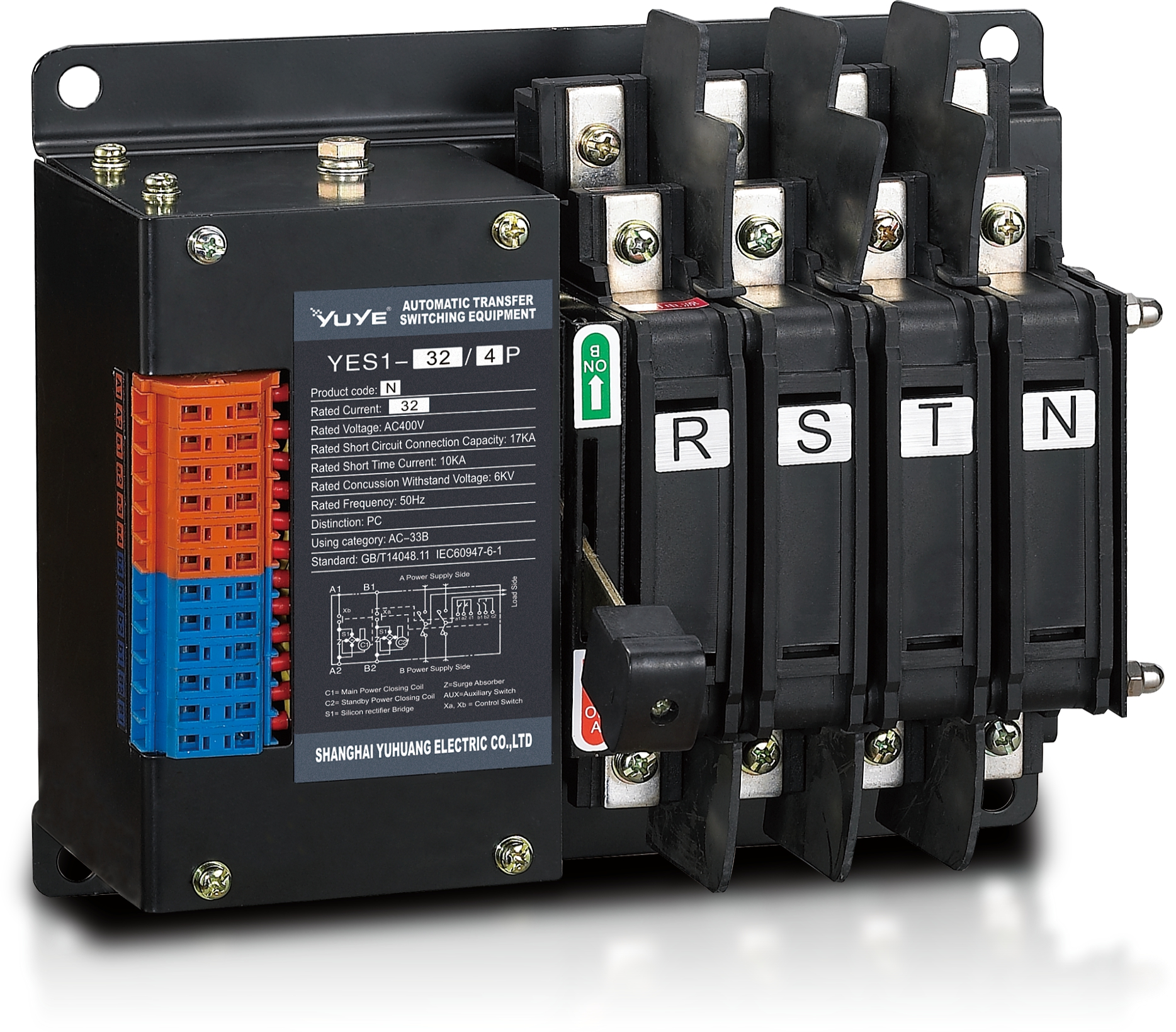 Solenoid-type ATS YES1-32~125N
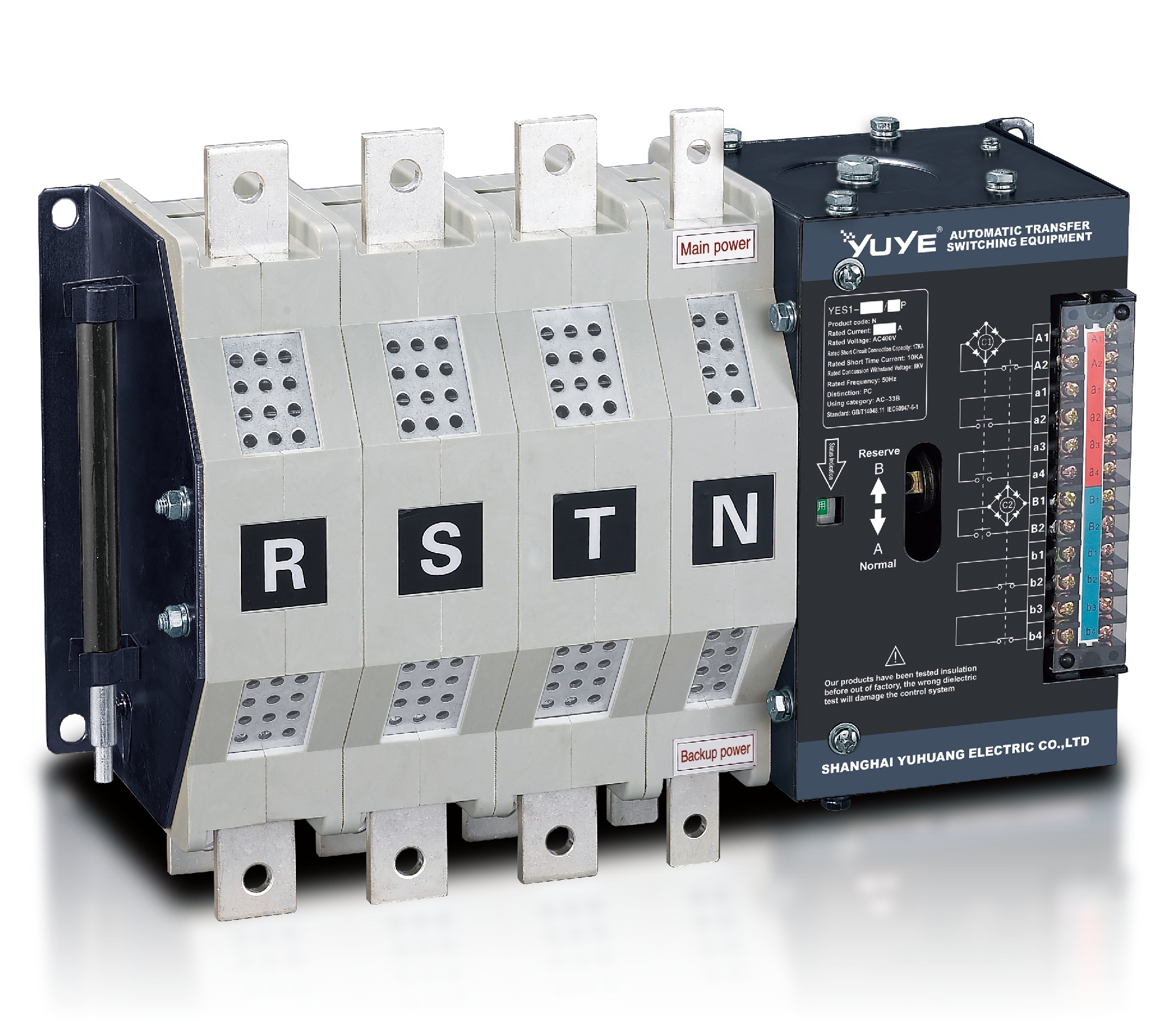 Solenoid-type ATS YES1-250~630N/NT
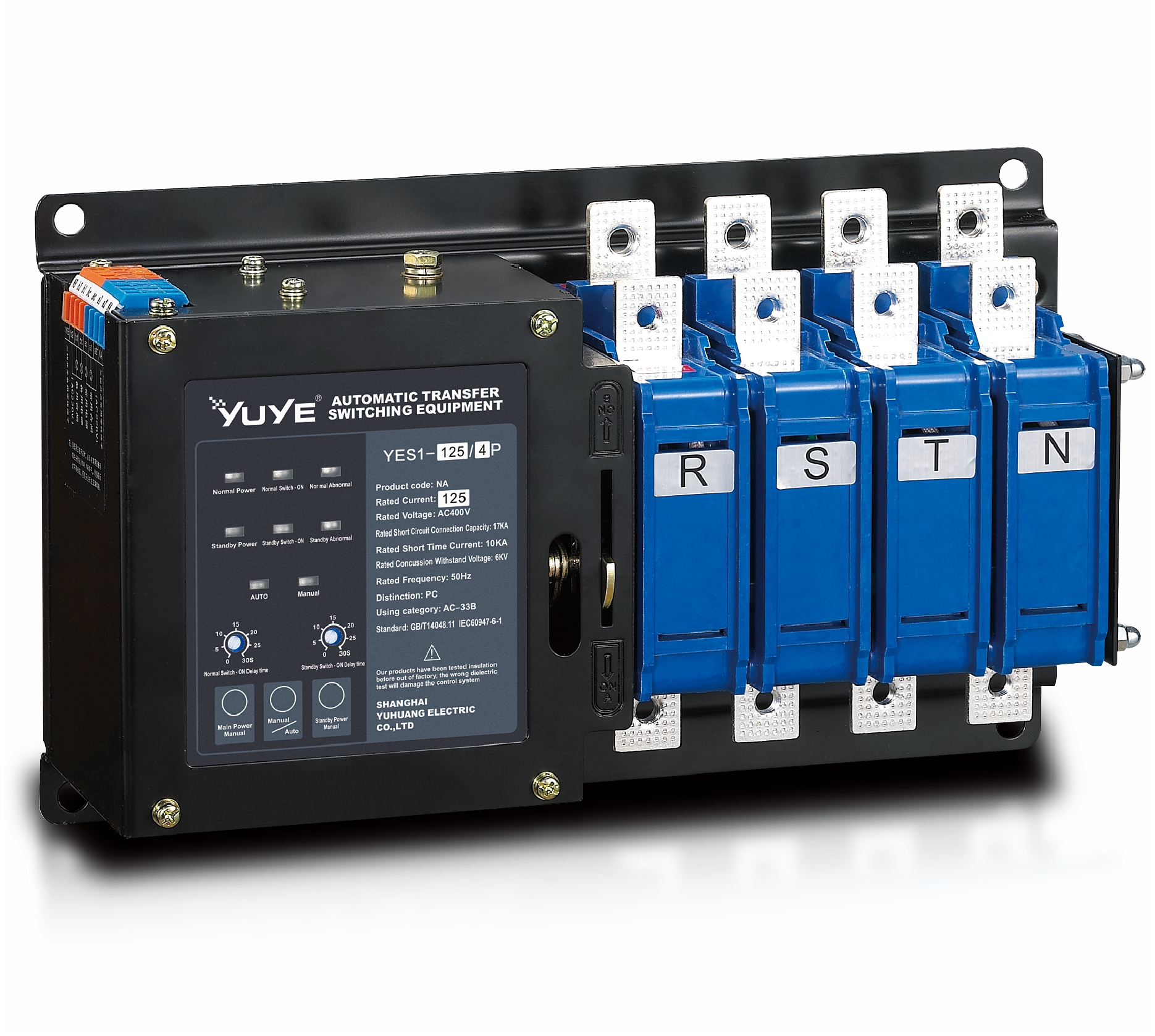 Solenoid-type ATS YES1-32~125NA
 Solenoid-type ATS YES1-63~630SN
 Solenoid-type ATS YES1-1250~4000SN
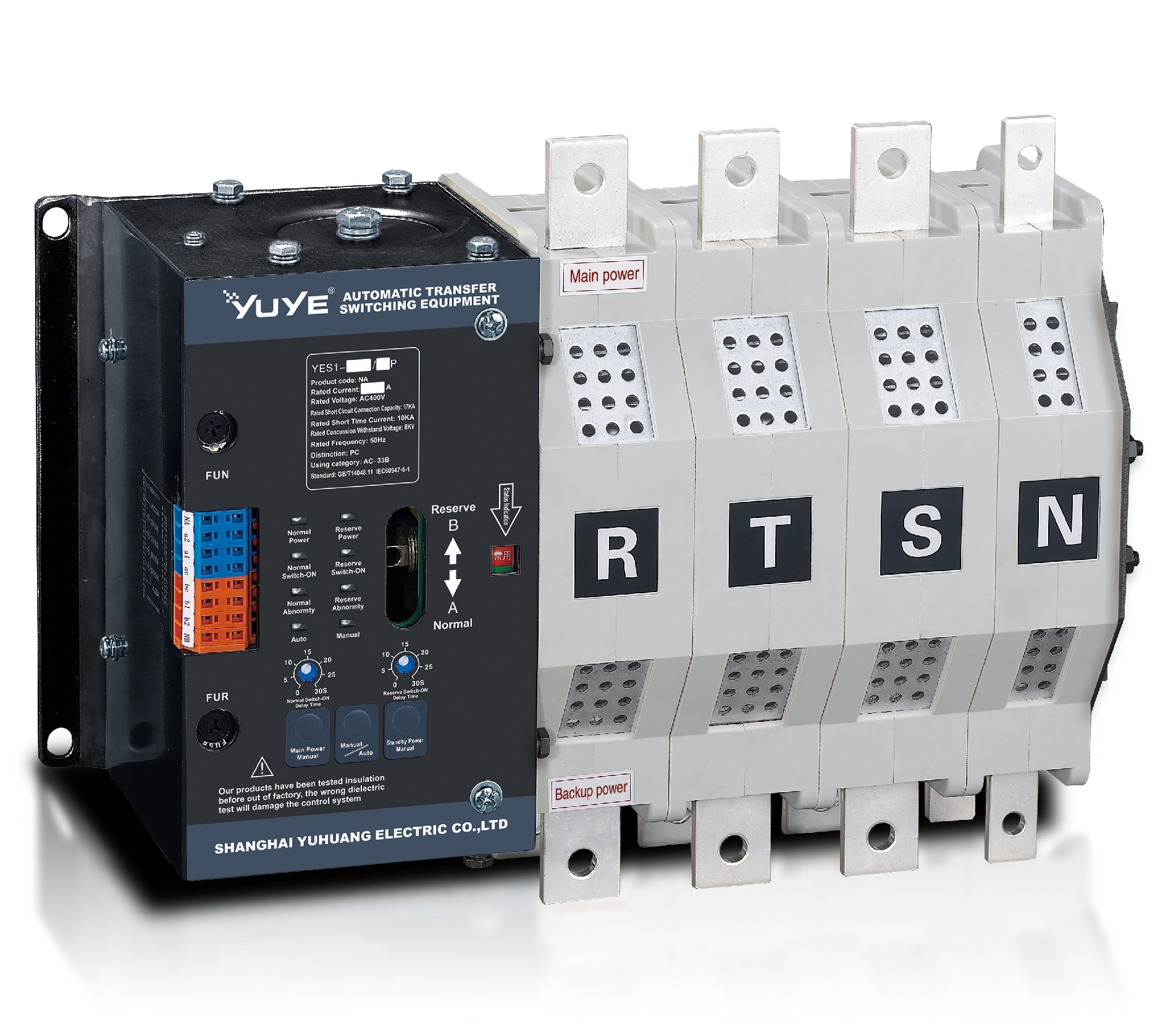 Solenoid-type ATS YES1-250~630NA/NAT
 Solenoid-type ATS YES1-63NJT
 PC ATS YES1-100~1600GN1/GN/GNF
 PC ATS YES1-2000~3200GN/GNF
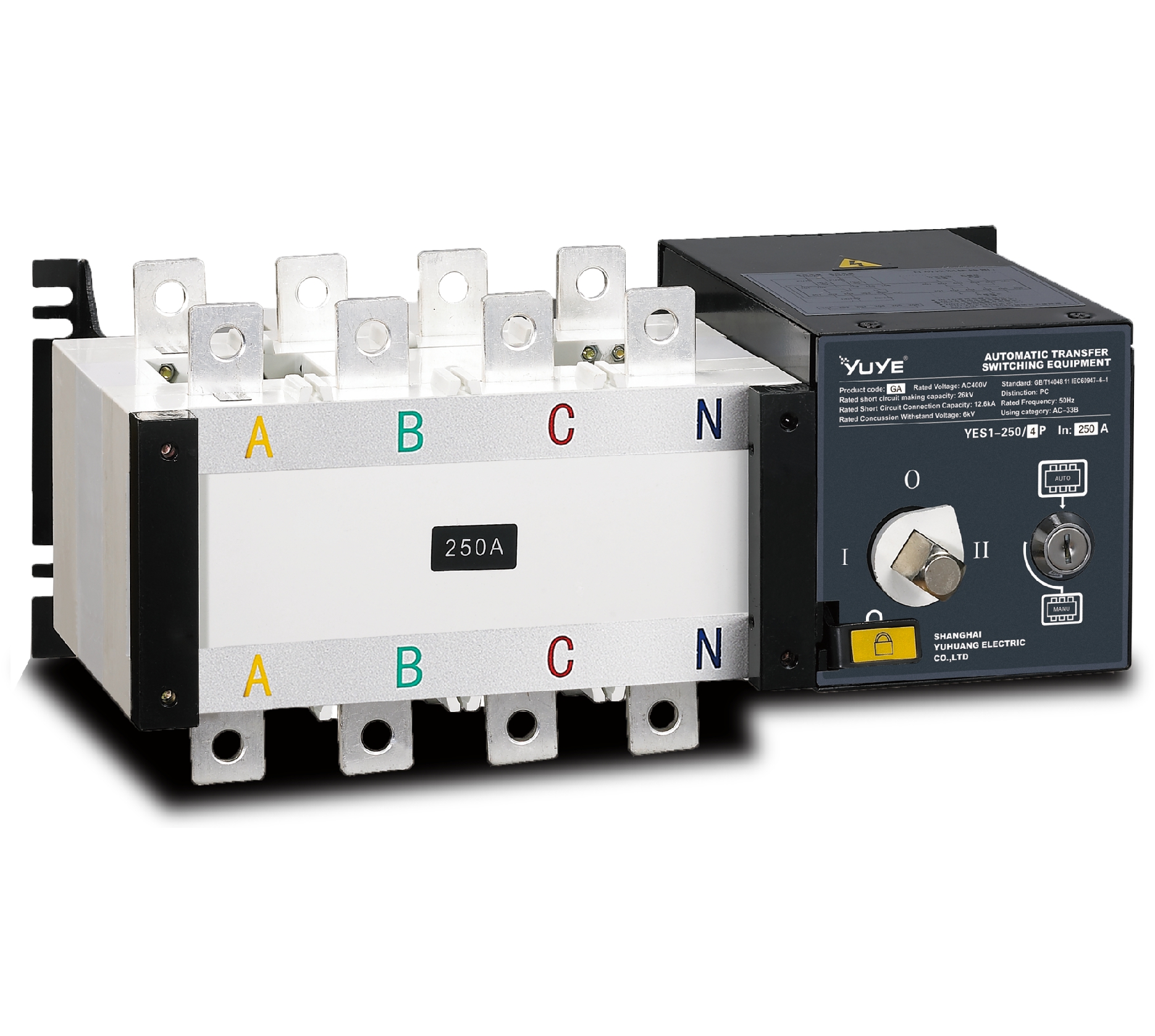 PC ATS YES1-100~3200GA1/GA
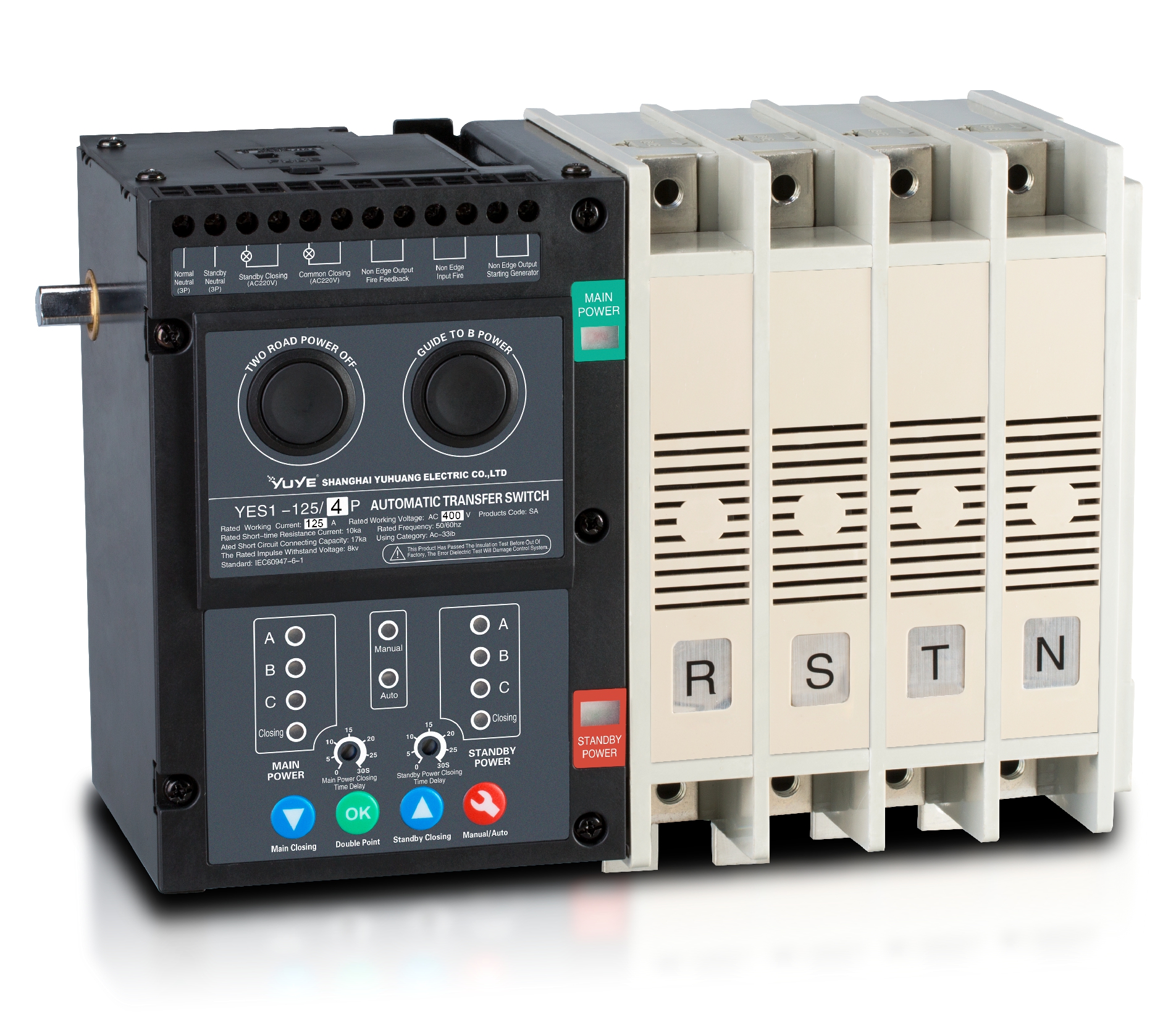 Solenoid-type ATS YES1-63~630SA
 Solenoid-type ATS YES1-63~630L/LA
 Solenoid-type ATS YES1-63~630LA3
 Solenoid-type ATS YES1-63MA
 PC ATS YES1-630~1600M
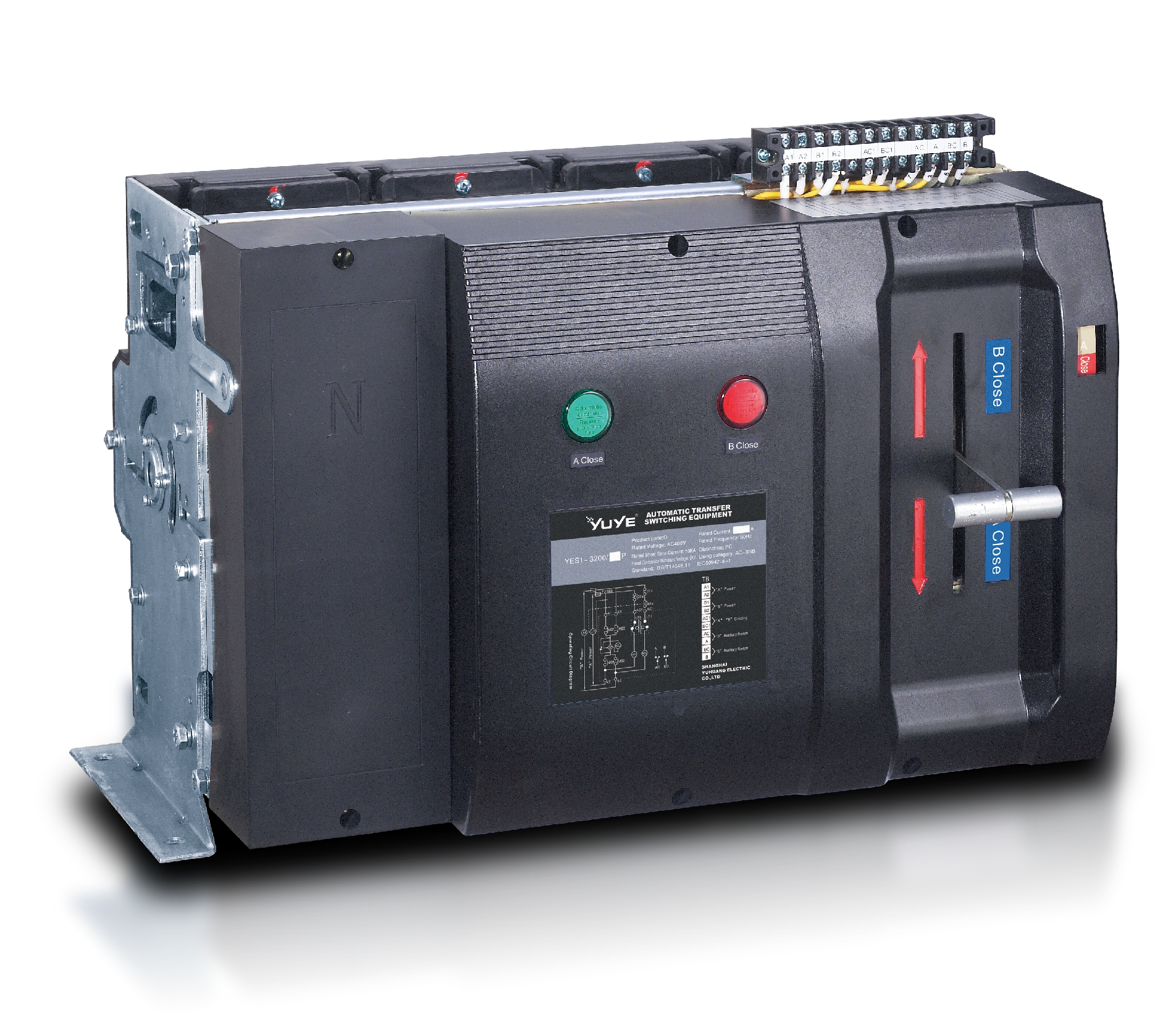 PC ATS YES1-3200Q
 Solenoid-type ATS YES1-4000~6300Q
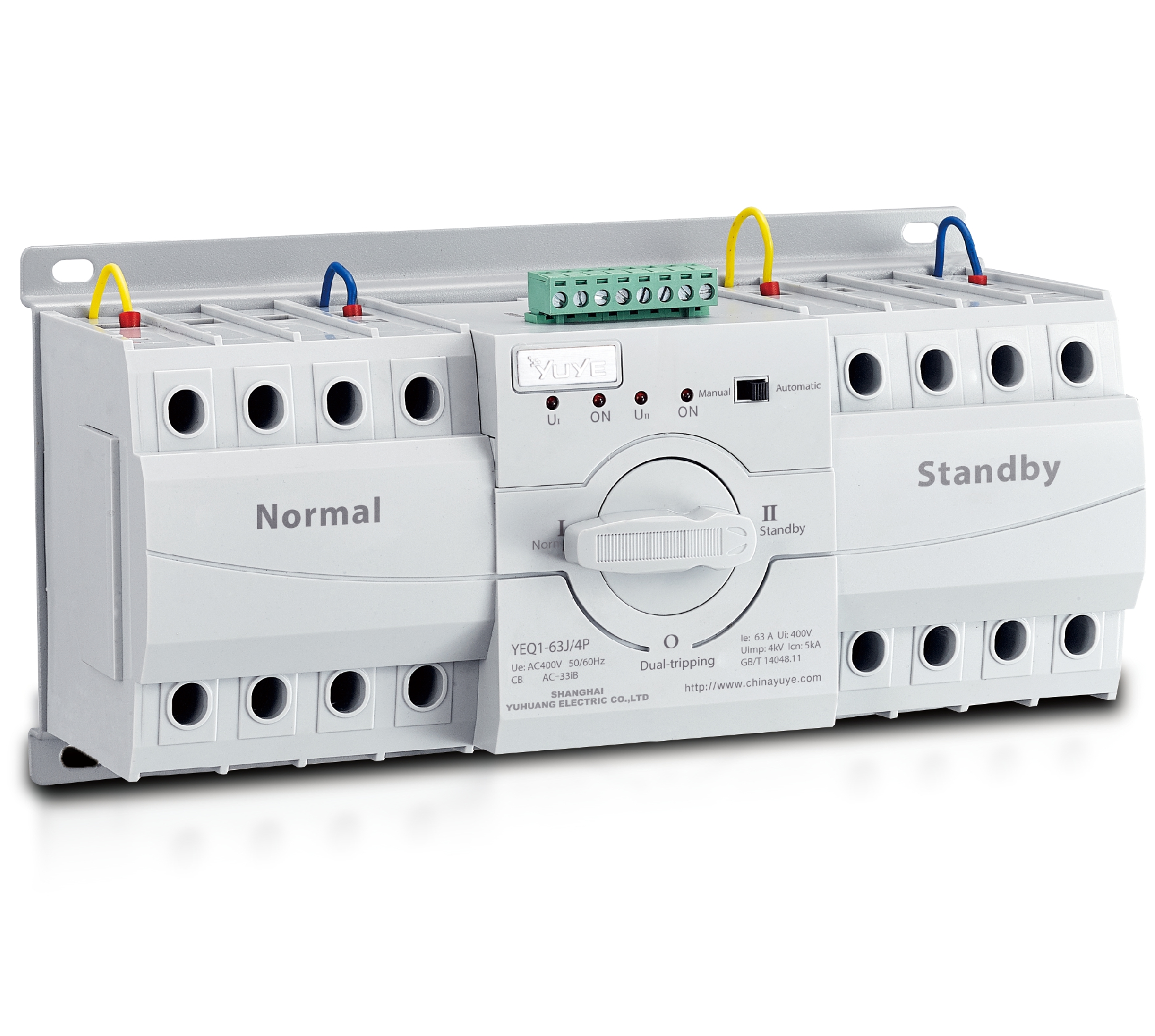 CB ATS YEQ1-63J
 CB ATS YEQ2Y-63
 CB ATS YEQ3-63W1
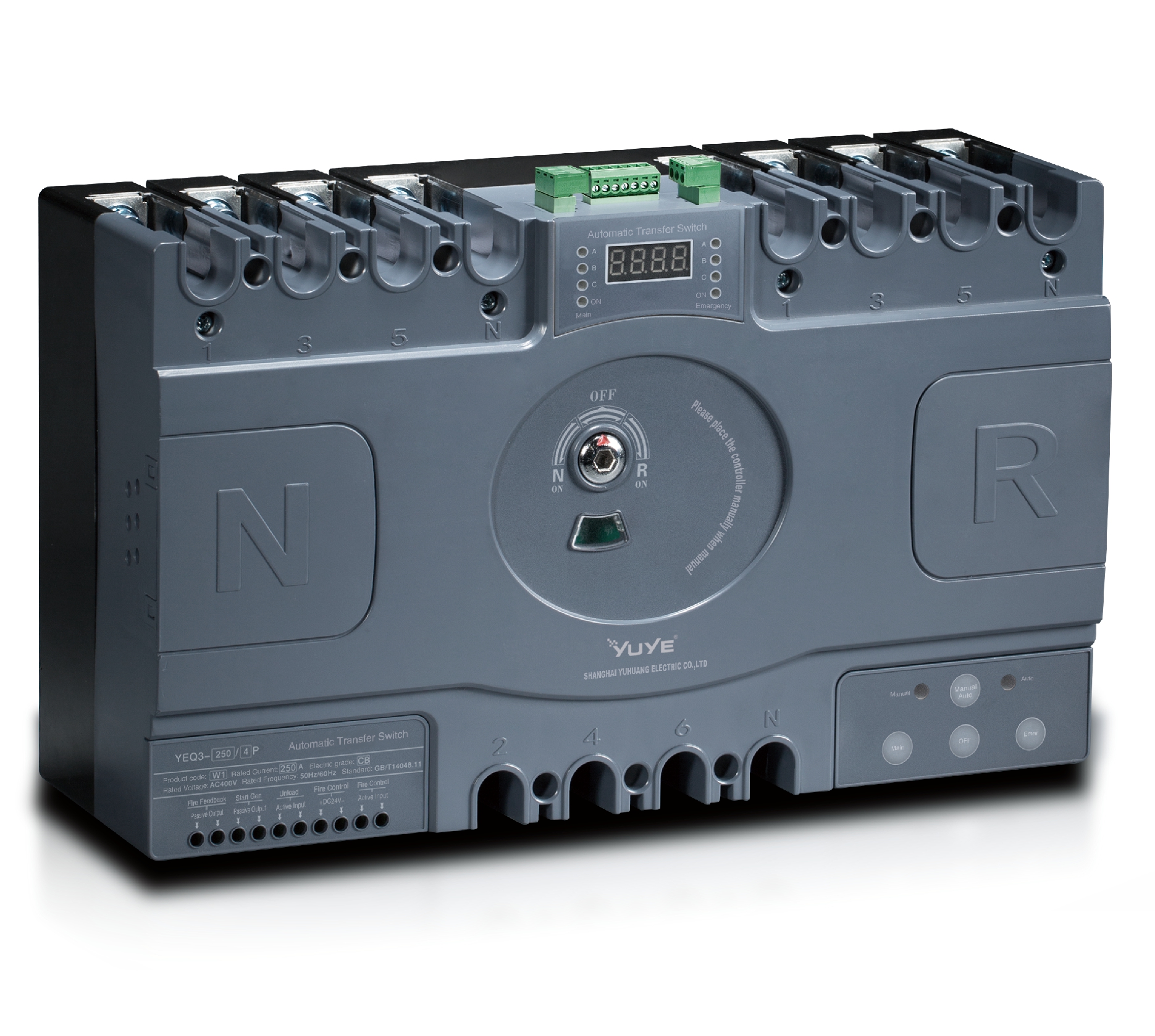 CB ATS YEQ3-125~630W1
 ATS controller Y-700
 ATS Controller Y-700N
 ATS Controller Y-701B
 ATS Controller Y-703N
 ATS Controller Y-800
 ATS Controller W2/W3 Series
 ATS switch Cabinet floor-to-ceiling
 ATS switch cabinet
 JXF-225A power Cbinet
 JXF-800A power Cbinet
 YEM3-125~800 Plastic Shell Type MCCB
 YEM3L-125~630 Leakage Type MCCB
 YEM3Z-125~800 Adjustable Type MCCB
 YEM1-63~1250 Plastic Shell Type MCCB
 YEM1E-100~800 Electronic Type MCCB
 YEM1L-100~630 Leakage Type MCCB
 Miniature circuit breaker YEMA2-6~100
 Miniature circuit breaker YEB1-3~63
 Miniature circuit breaker YEB1LE-3~63
 Miniature circuit breaker YEPN-3~32
 Miniature circuit breaker YEPNLE-3~32
 Miniature circuit breaker YENC-63~125
 Air Circuit Breaker YEW1-2000~6300
 Air Circuit Breaker YEW3-1600
 Load isolation switch YGL-63~3150
 Load Isolation Switch YGL2-63~3150
 DC relay MDC-300M
 DC Isolation Switch YEGL3D-630
 YECPS2-45~125 LCD
 YECPS-45~125 Digital
 CNC Milling/Turning-OEM


