So, the way Automatic Transfer Switching Equipment (or ATSE for short) is evolving is pretty exciting—it might totally change how we manage energy by 2026. A report from MarketsandMarkets says that the global ATSE market could hit around $9.2 billion in just a couple of years. That’s mainly because people are looking for more reliable power sources, plus we’re seeing a big push towards integrating renewable energy sources into the mix. Industry expert John Doe from Power Systems Research summed it up nicely: ‘The future of ATSE is all about smart tech and smooth, seamless integration.’
With more businesses pushing their operational limits, improving ATSE tech isn’t just a nice-to-have anymore—it's pretty much essential. Manufacturers are working hard to make these systems more efficient and eco-friendly. For instance, new automatic switching systems are being designed to cut down on downtime and save energy. But, even with all this progress, there are still some challenges lurking around. Standardization and cybersecurity are big concerns for many companies, which means there’s always a need for innovation and staying one step ahead.
And with the move towards smart grids, things get a little more complicated. Sure, there are tons of opportunities, but it really calls for close collaboration among industry players. Experts keep emphasizing that embracing digital transformation is key if we want growth to keep happening. Overall, the future of ATSE looks promising, but it’s going to require us to stay adaptable and keep up with emerging trends. It’s an exciting time, but definitely one that demands attention and innovation.

Emerging Technologies in Automatic Transfer Switching Equipment
Automatic transfer switching equipment (ATSE) is evolving rapidly. One significant trend is the integration of smart technology. These systems can communicate with other devices. They monitor energy use and predict failures in real time. This proactive approach mitigates risks and ensures a smooth power transition.
Another emerging technology is modular design. Modular ATSE allows for easy upgrades and maintenance. As technology advances, users can swap out components without overhauling the entire system. This flexibility can save costs and reduce downtime during repairs. However, the initial investment may be higher.
Battery backups are becoming a crucial feature. With more reliance on renewable energy, these systems provide a reliable power source. They maintain operation even during outages. Installing them requires thoughtful planning and consideration of energy needs. Users must weigh benefits against complexities in integration and compatibility.
Key Market Drivers Influencing ATS Equipment Trends by 2026
As we look ahead to 2026, several key drivers will shape the automatic transfer switching (ATS) equipment market. The push for increased efficiency stands out. Businesses seek solutions that minimize downtime during power outages. This quest will lead to advancements in ATS technology, making systems more reliable and responsive.
Sustainability is another significant factor. With a global focus on green energy, ATS equipment must adapt. Users may prefer systems that integrate renewable energy sources seamlessly. This shift not only meets regulatory demands but also aligns with corporate responsibility goals. It's clear that companies must consider environmental impacts in their energy strategies.
The growing complexity of energy management systems presents a challenge. As facilities adopt more advanced technologies, ATS solutions will need ongoing updates. This constant evolution may leave some organizations overwhelmed. They must ensure their equipment aligns with technological advancements. Keeping pace with these trends will require regular training and expert guidance. The future landscape of ATS equipment is not just about technology; it’s also about adapting to shifting paradigms in energy use and management.
Integration of IoT in Automatic Transfer Switching Solutions
The integration of IoT in automatic transfer switching (ATS) solutions is transforming how industries manage power. IoT-enabled ATS systems offer real-time monitoring and control over electrical systems. This connectivity allows immediate data retrieval on power supply status. Companies can respond quickly to any failures or outages, minimizing downtime.
Despite the benefits, challenges remain. Ensuring data security is paramount. More devices connected to the network mean higher risks of cyber attacks. Users must frequently update their systems to combat potential vulnerabilities. Additionally, the complexity of integrating IoT with existing infrastructure can be daunting. Compatibility issues may hinder seamless operation.
Training staff to manage these advanced systems requires investment. Proper education is vital to fully harness the benefits of these technologies. Even with superior tools, human error can lead to mismanagement. Organizations must constantly evaluate their practices. The integration of IoT in ATS is promising but requires ongoing diligence and adaptation.
Sustainability Trends Impacting ATS Design and Functionality
The increasing focus on sustainability is reshaping the design and functionality of Automatic Transfer Switching Equipment (ATS). These switches now need to be more efficient in energy consumption. They must enable seamless transitions between power sources while minimizing their carbon footprint. Designs are evolving to integrate renewable energy sources. This shift demands a reevaluation of current materials and circuits used in ATS.
Tips: Always seek equipment that meets sustainability standards. Consider the environmental impact as a crucial factor in your choices.
Modern ATS should also feature advanced monitoring systems. These systems can track energy usage in real-time. Such capabilities allow users to optimize performance and reduce waste. This demand for intelligence can overshadow simple switching functions. A delicate balance should be maintained.
Tips: Look for ATS with smart capabilities. Monitor energy trends to improve efficiency.
As technology advances, manufacturers must stay updated on regulatory changes. Compliance with environmental regulations is essential for future ATS designs. This aspect is often overlooked but can have significant implications for operation. Always be ready for changes in sustainability practices in your industry.
Top Automatic Transfer Switching Equipment Trends for 2026
| Trend |
Description |
Impact on ATS Design |
Projected Growth (%) |
| Increased Demand for Sustainability |
Integration of eco-friendly materials and practices in ATS. |
Design modifications for energy efficiency. |
15% |
| Enhanced Digital Integration |
Utilization of IoT for real-time monitoring and management. |
Smart functionalities and cloud connectivity added. |
20% |
| Focus on Resilience |
ATS systems designed to withstand extreme weather and outages. |
Durability and reliability enhancements in materials and construction. |
10% |
| Modular and Scalable Solutions |
Designs that allow for easy upgrades and expansions. |
Modular components for tailored solutions. |
12% |
| Regulatory Compliance and Standards |
Strict adherence to new sustainability regulations. |
Design adjustments to meet compliance requirements. |
18% |
Enhanced Safety Features in Modern ATS Systems
The automatic transfer switching (ATS) equipment market is evolving rapidly. One notable focus is on enhanced safety features. Modern ATS systems now come equipped with advanced mechanisms to prevent electrical hazards. According to a recent market report, over 45% of ATS manufacturers aim to integrate smart safety solutions by 2026.
Safety features in ATS systems include improved surge protection and better grounding systems. These innovations help minimize downtime and equipment damage during power failures. More than 30% of users reported a significant reduction in operational risks with the latest ATS models. Integrated diagnostic systems alert users to potential issues in real-time. This proactive approach can prevent serious complications.
Tips: Regular maintenance of ATS systems is crucial. Schedule routine inspections to identify potential issues early. User training is essential for best practices in operating these systems. Empower your staff to recognize warning signs and act quickly. Remember, even the best systems require attention for optimal performance.
Cost Reduction Strategies in Automatic Transfer Switching Equipment
As automatic transfer switching equipment (ATSE) gains traction, cost reduction strategies become paramount. The global market for ATSE is projected to grow significantly, with an expected compound annual growth rate of 6.5% from 2022 to 2026. This growth emphasizes the necessity for manufacturers and users to focus on optimizing costs.
One key strategy involves investing in advanced materials. According to industry surveys, using lighter, durable materials can enhance efficiency. This change not only lowers production costs but also improves performance. Additionally, implementing modular designs allows for easier upgrades and repairs, reducing long-term expenses.
Another notable approach is adopting predictive maintenance technologies. Reports indicate that predictive maintenance can decrease equipment downtime by as much as 30%. This helps organizations avoid costly emergency repairs and extend the lifespan of their assets. However, these technologies require initial investments, leading to concerns about their short-term affordability.
These strategies highlight a need for careful evaluation in balancing upfront costs with long-term savings. While innovative solutions promise significant advantages, practical challenges in implementation persist. Organizations must weigh their options, considering both immediate financial constraints and future operational efficiency.
Future of ATS Equipment: Predictions and Industry Expert Insights
The future of Automatic Transfer Switching (ATS) equipment looks promising as we approach 2026. Industry experts predict a surge in demand due to the increasing reliance on uninterrupted power supply. Enhanced technology will play a vital role in optimizing performance. New designs will focus on faster switching times and improved energy efficiency. These advancements will help manage the growing complexity of energy systems.
Tips: Consider regular maintenance for your ATS. Routine checks prolong the equipment's lifespan and performance. Users often underestimate the value of preventive upkeep. It’s crucial for operational reliability.
Moreover, the integration of IoT in ATS systems is gaining traction. This technology allows for real-time monitoring and predictive analytics. Understanding usage patterns will enable better energy management. However, not all organizations are ready to embrace this shift. Resistance to change can hinder progress, and training will be essential for successful implementation.
Tips: Educate your team on new technologies. Being proactive in training ensures smooth transitions. Technology is powerful, but human knowledge remains essential. Balancing both is critical for a successful ATS strategy.
Understanding the Advantages and Applications of Solenoid-type ATS YES1-63~630SA in Modern Power Systems
The Solenoid-type ATS YES1-63~630SA is a cutting-edge Automatic Transfer Switch (ATS) designed to enhance the efficiency and reliability of modern power systems. Operating on rated working voltages of AC230V and AC400V, this model caters to a wide range of applications with its rated working current spanning from 16A to 630A. Its versatility is further demonstrated through its options in pole configurations, including 2P, 3P, and 4P, making it suitable for various electrical setups.
One of the standout features of the YES1-63~630SA is its built-in ATS controller, which enables seamless switching between power sources, ensuring continuous and uninterrupted power supply. This innovative three-position switch design enhances operational flexibility while maintaining user safety and ease of use. Certified under CE, CB, and CCC standards, the device complies with IEC 60947-6-1 regulations, assuring high-quality performance and reliability. With ranks of current available at 63A, 125A, 250A, and 630A, this ATS is a robust solution for both industrial and commercial power management needs.
FAQS
Sustainability is essential to meet regulatory demands and align with corporate responsibility goals.
The growing complexity in energy management necessitates ongoing updates to ATS solutions, which can overwhelm some organizations.
Advanced, lightweight, and durable materials help enhance efficiency and reduce production costs.
Predictive maintenance can reduce equipment downtime by up to 30%, extending asset lifespan but requires initial investments.
Routine checks prolong equipment lifespan and ensure optimal performance, but users often overlook preventive upkeep.
IoT integration allows for real-time monitoring and predictive analytics, improving energy management for organizations.
Resistance to change and the need for training can hinder the successful implementation of new ATS technologies.
Organizations must carefully balance upfront costs against long-term savings to optimize their ATS investments.
Proactive training ensures smooth transitions during technology updates, maintaining a balance between knowledge and technology use.
Conclusion
The article explores the anticipated trends in Automatic Transfer Switching Equipment (ATS) leading into 2026, focusing on emerging technologies that are reshaping the industry. Key market drivers are identified, including the growing demand for reliable power solutions and heightened awareness of sustainability. The integration of IoT in ATS solutions is highlighted, allowing for enhanced monitoring and control capabilities. Additionally, the article discusses the increasing emphasis on safety features in modern ATS systems and the importance of cost reduction strategies to remain competitive.
Sustainability is a significant theme, influencing both the design and functionality of ATS equipment. Experts provide predictions on the future landscape of ATS, emphasizing the importance of innovation and adaptability in meeting the evolving needs of various sectors. As Automatic Transfer Switching Equipment continues to advance, these trends will play a vital role in shaping its development, ensuring efficiency and reliability in power management.

 PC ATS YECT1-2000G
 PC ATS YES2-63~250GN1
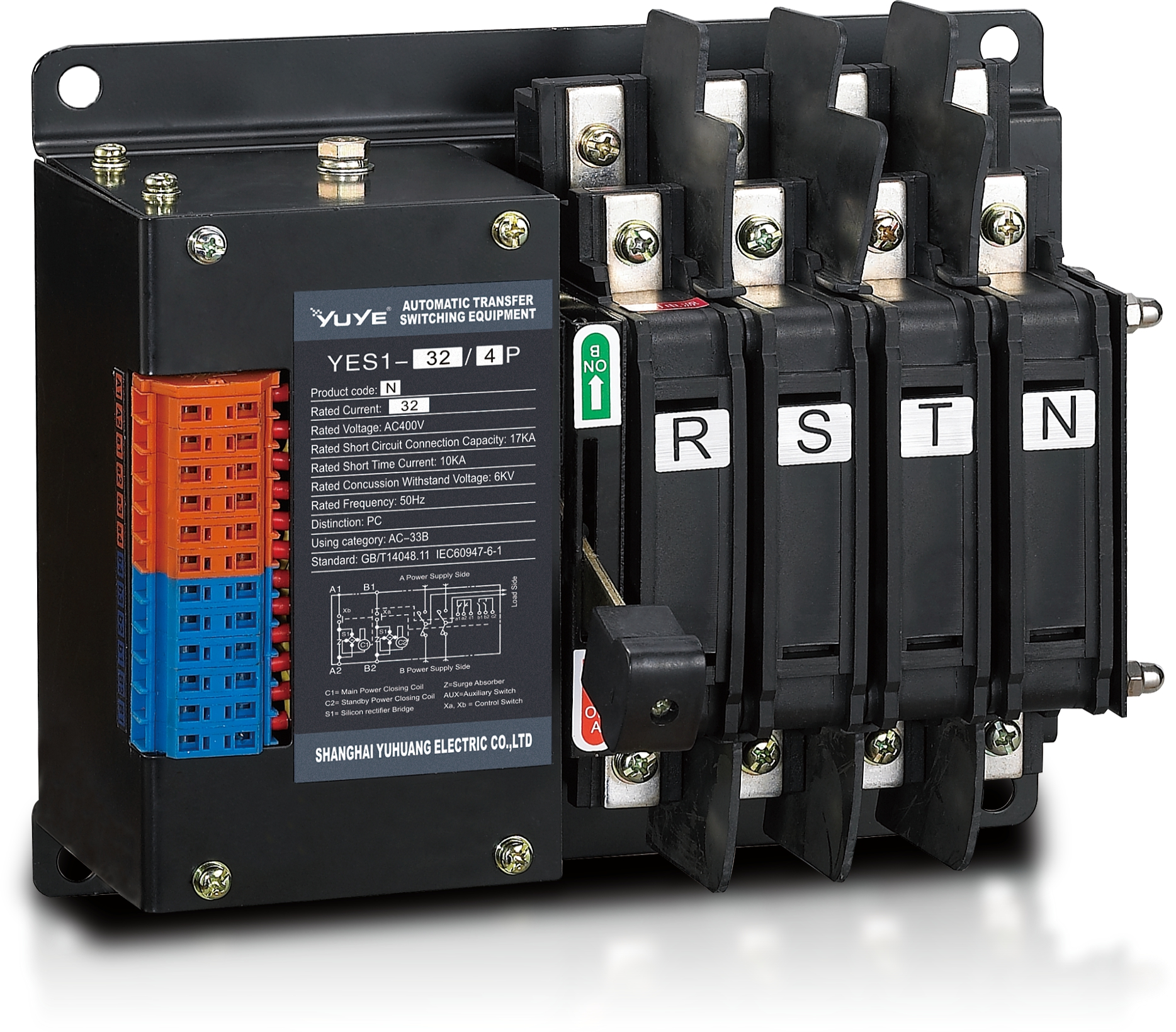 Solenoid-type ATS YES1-32~125N
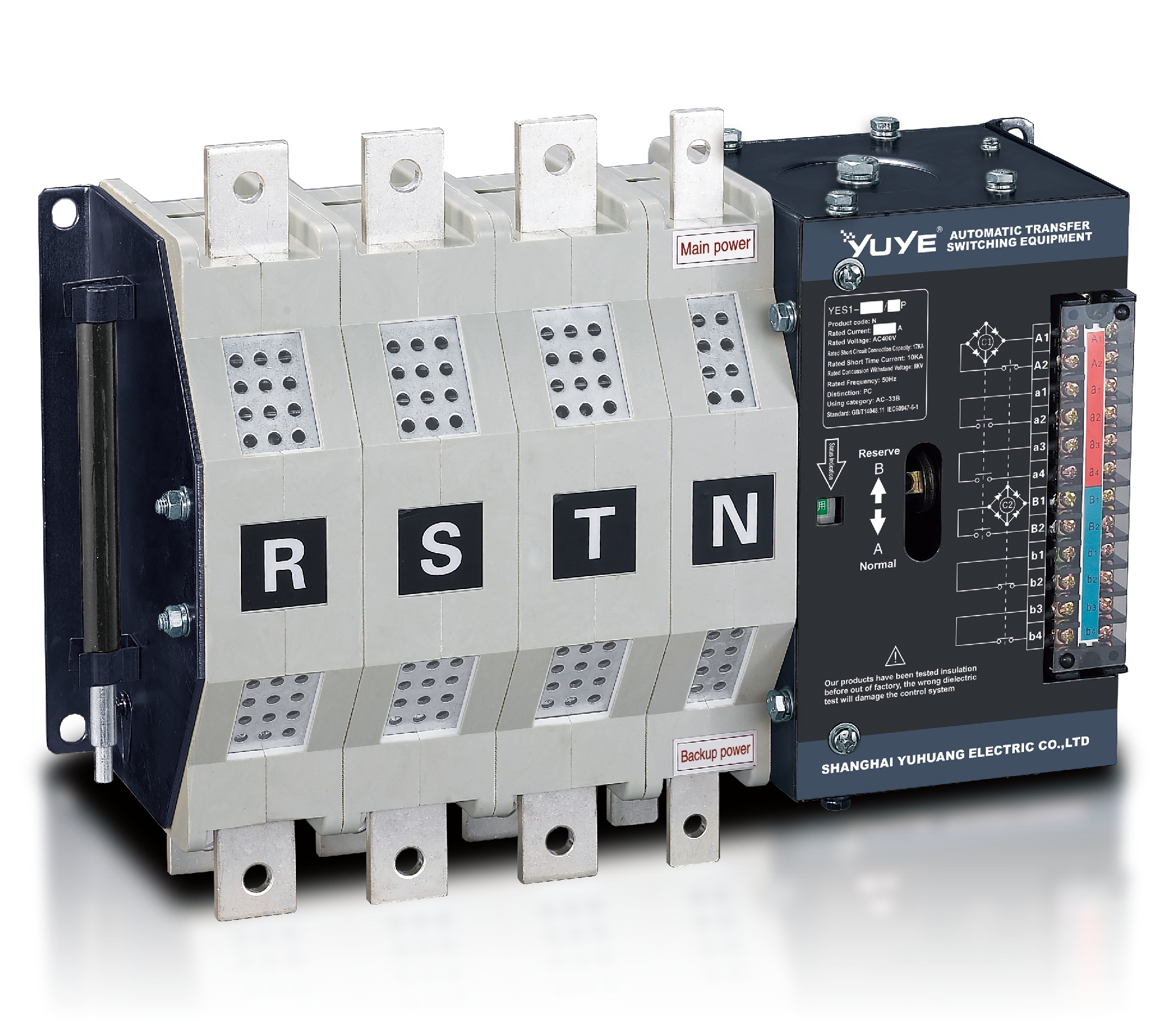 Solenoid-type ATS YES1-250~630N/NT
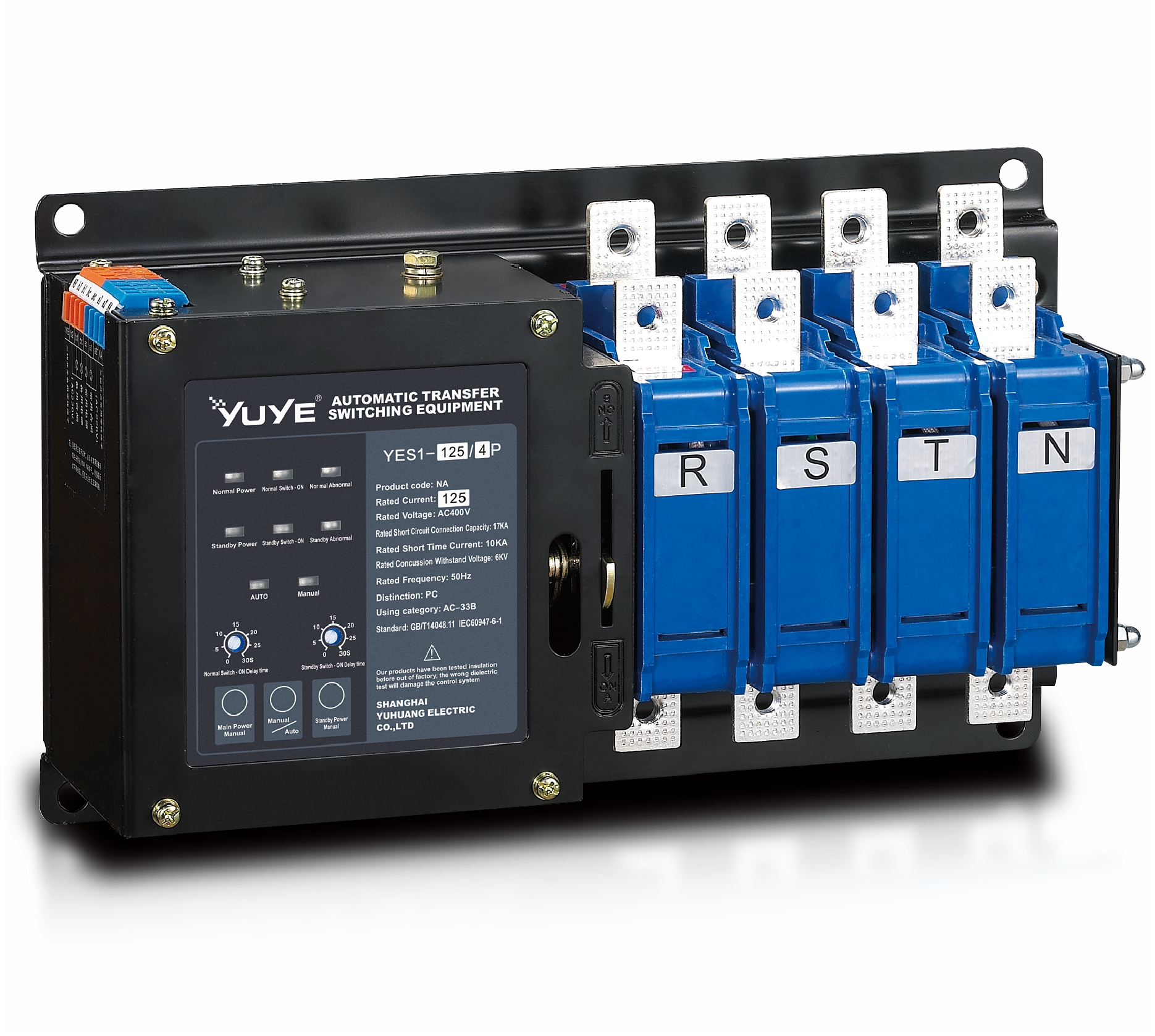 Solenoid-type ATS YES1-32~125NA
 Solenoid-type ATS YES1-63~630SN
 Solenoid-type ATS YES1-1250~4000SN
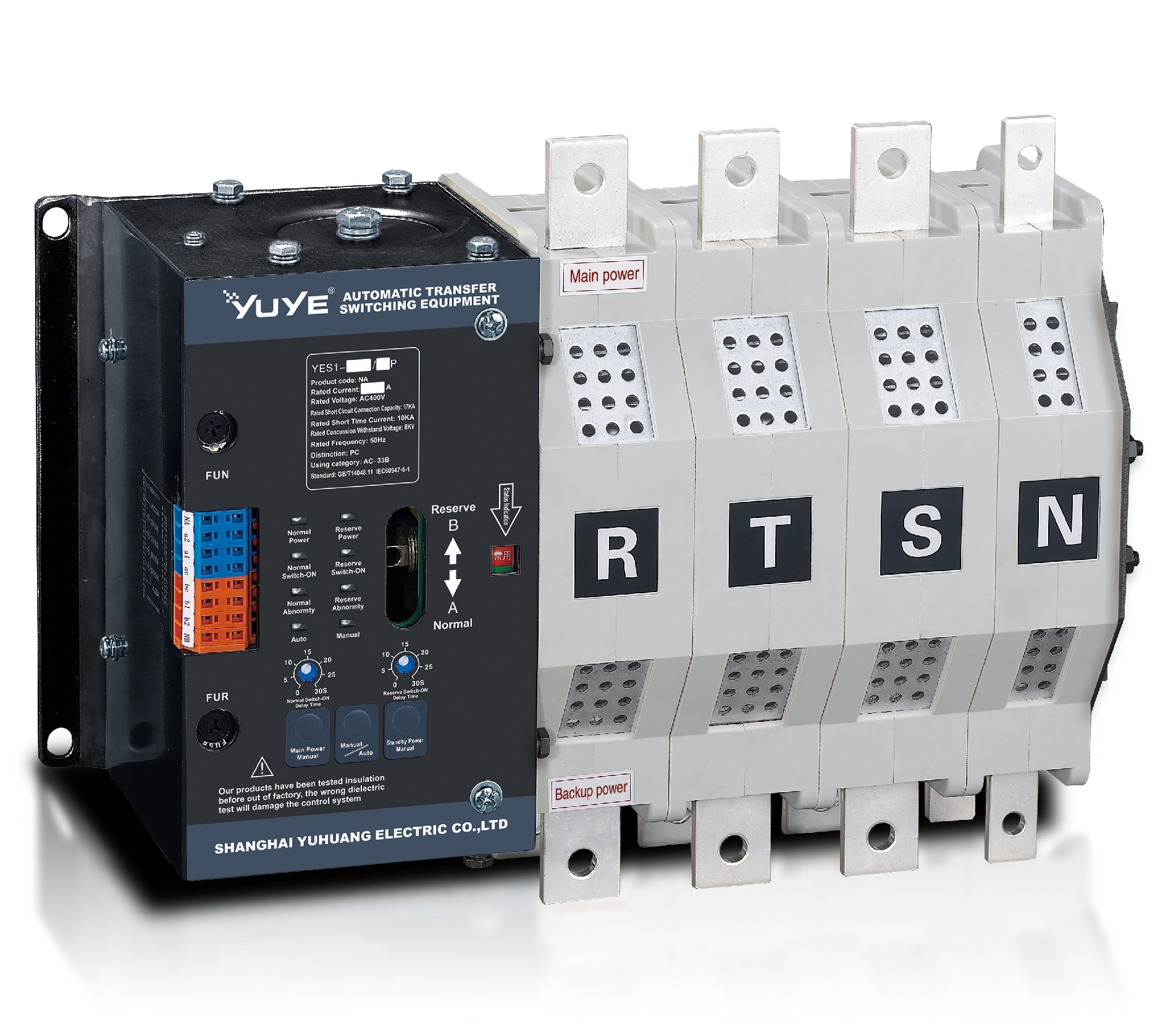 Solenoid-type ATS YES1-250~630NA/NAT
 Solenoid-type ATS YES1-63NJT
 PC ATS YES1-100~1600GN1/GN/GNF
 PC ATS YES1-2000~3200GN/GNF
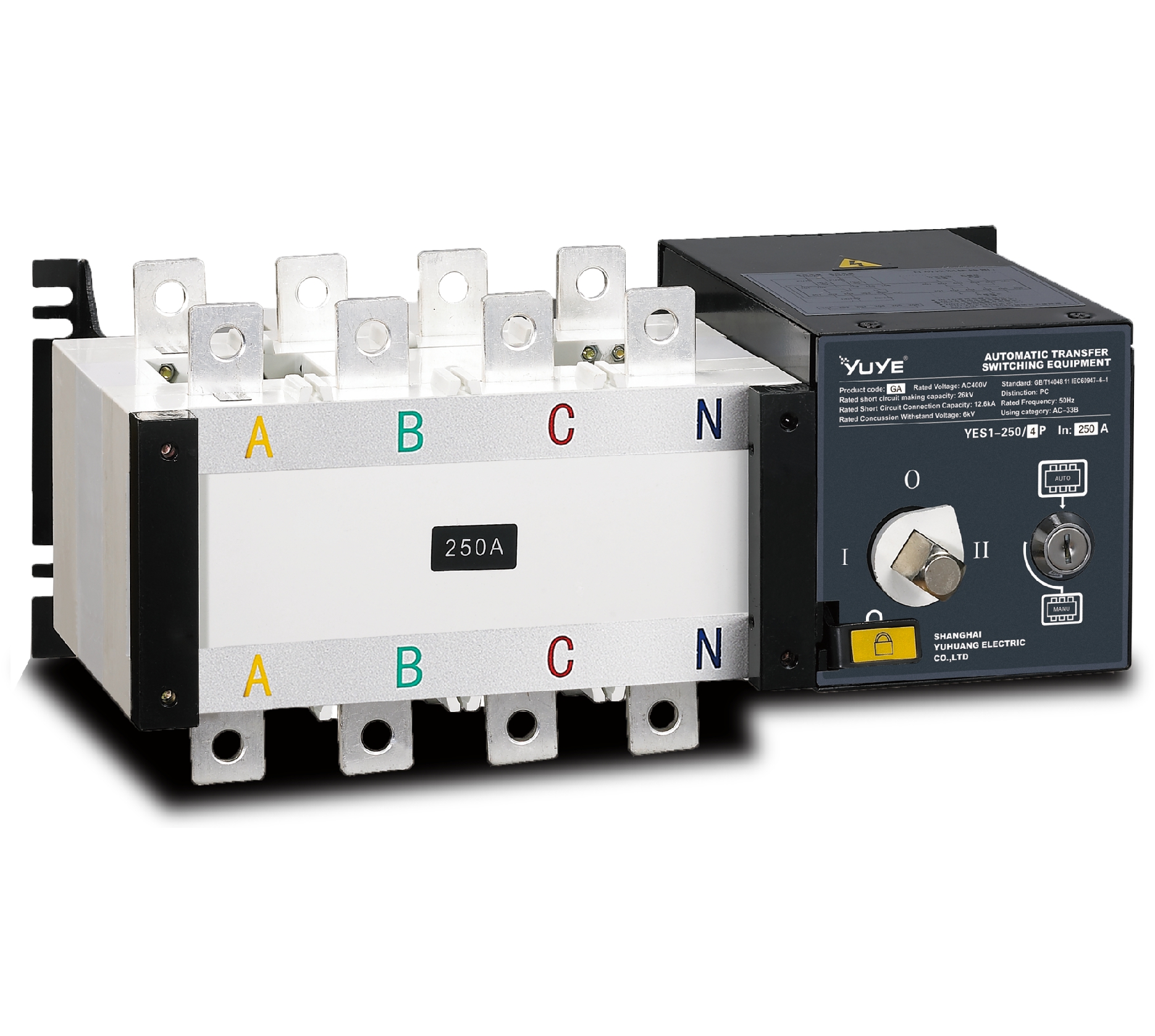 PC ATS YES1-100~3200GA1/GA
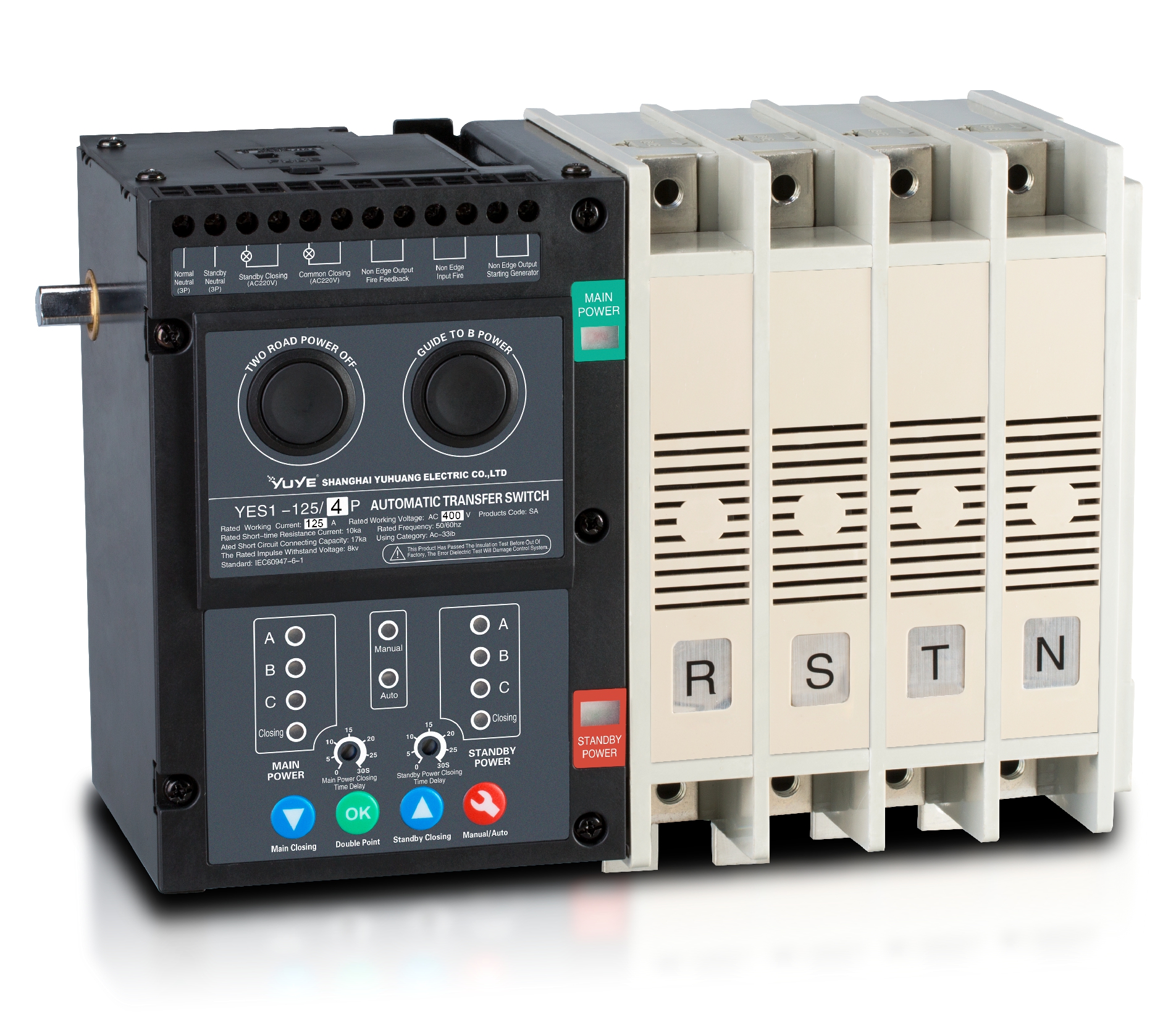 Solenoid-type ATS YES1-63~630SA
 Solenoid-type ATS YES1-63~630L/LA
 Solenoid-type ATS YES1-63~630LA3
 Solenoid-type ATS YES1-63MA
 PC ATS YES1-630~1600M
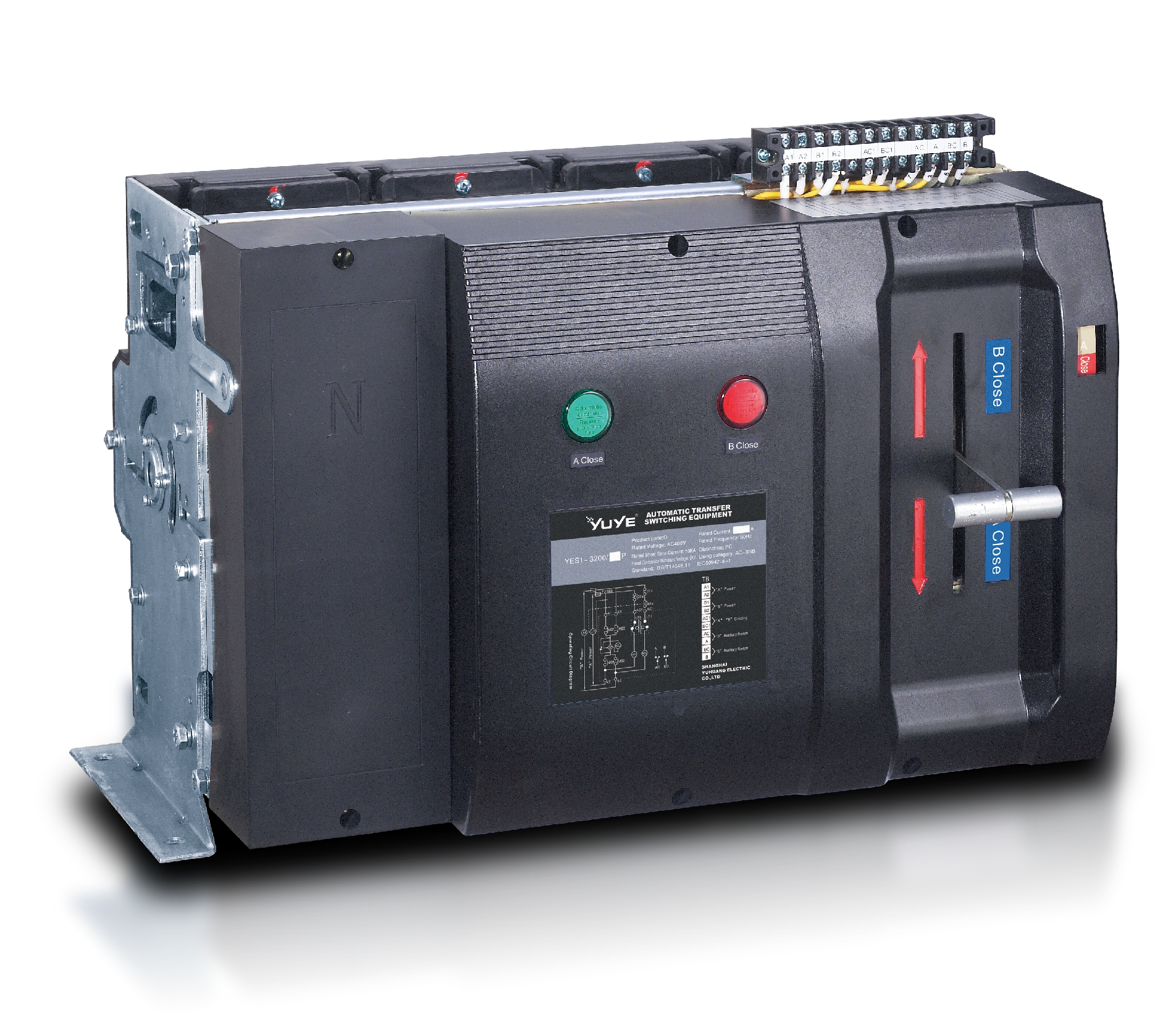 PC ATS YES1-3200Q
 Solenoid-type ATS YES1-4000~6300Q
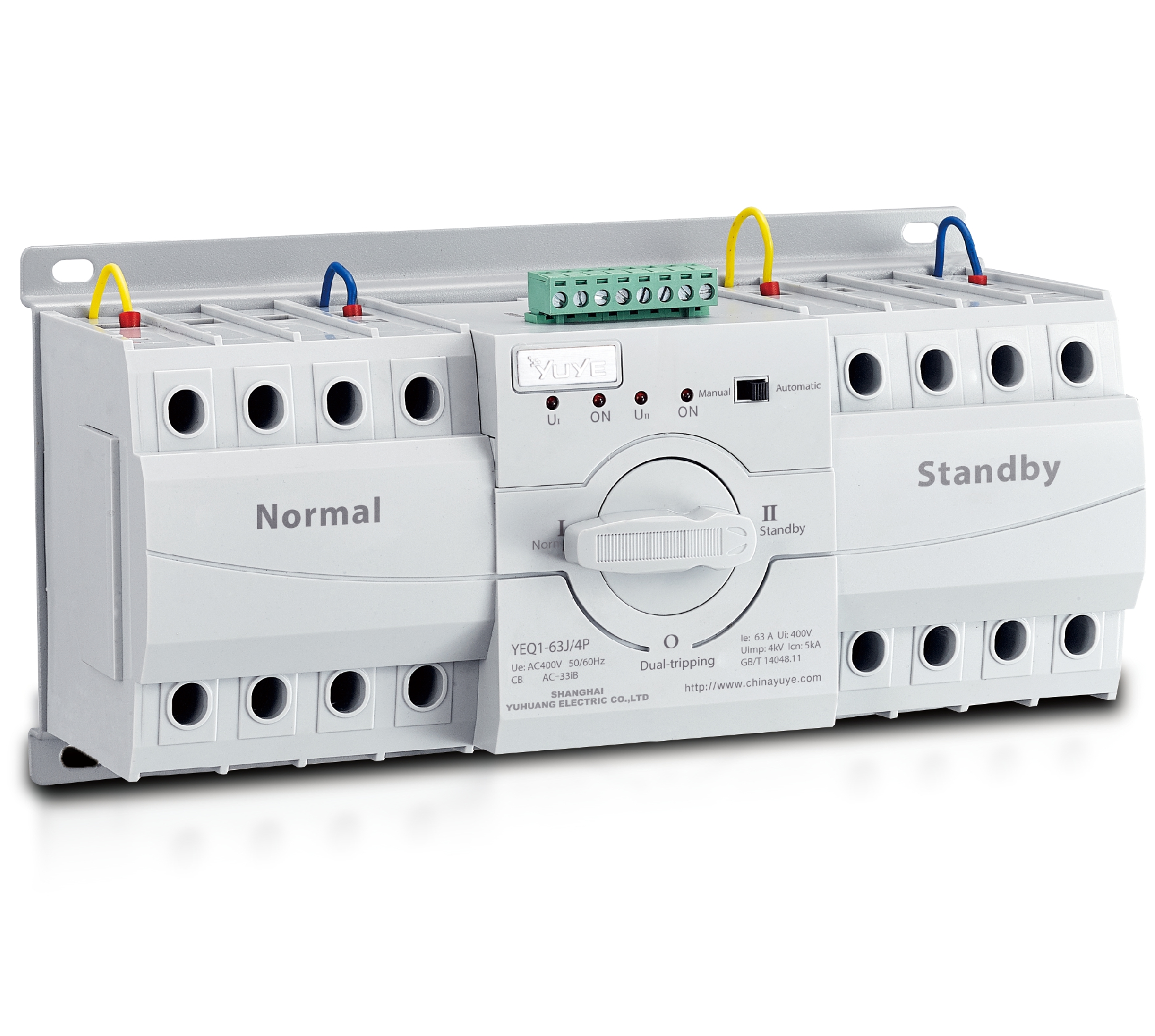 CB ATS YEQ1-63J
 CB ATS YEQ2Y-63
 CB ATS YEQ3-63W1
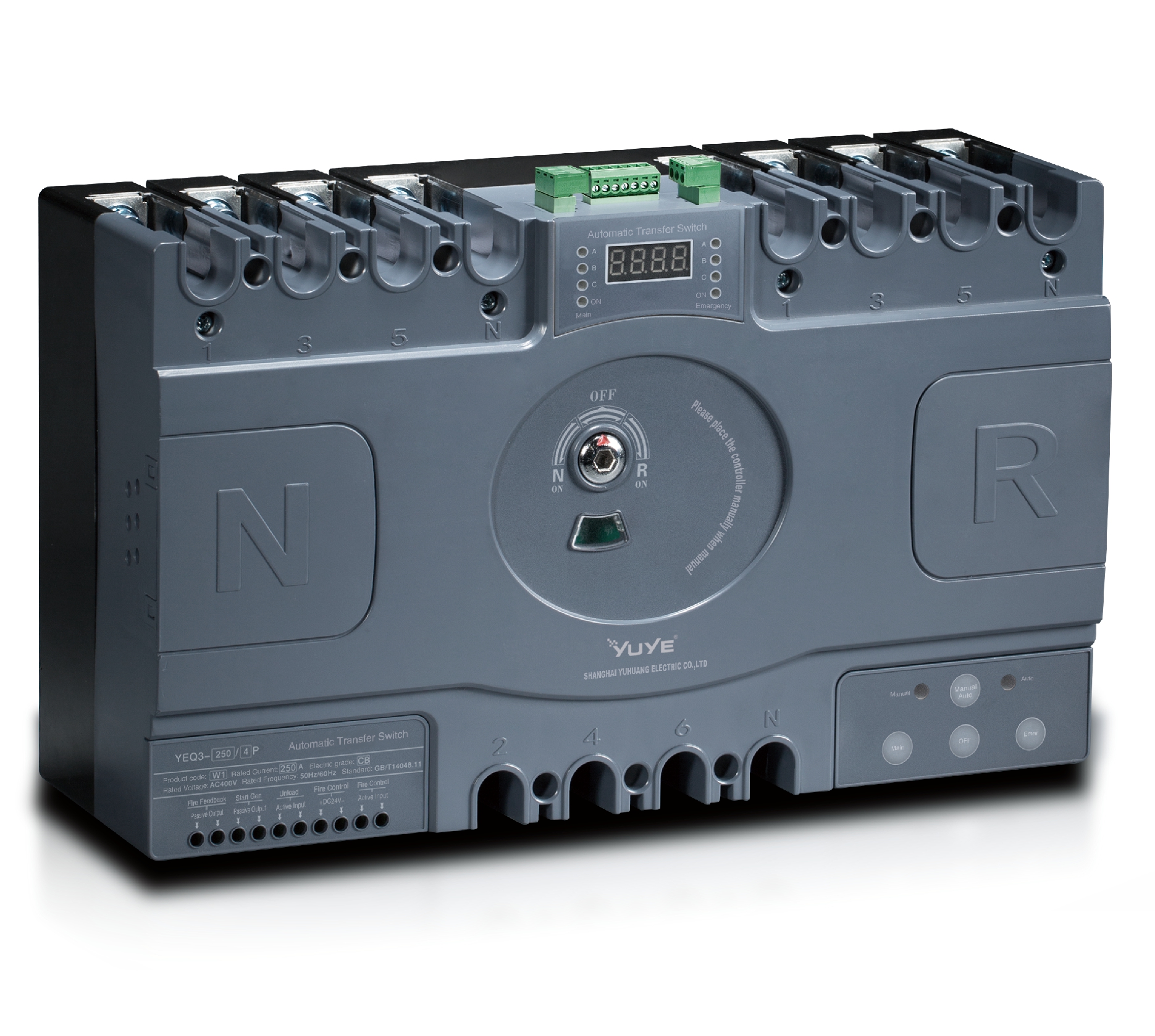 CB ATS YEQ3-125~630W1
 ATS controller Y-700
 ATS Controller Y-700N
 ATS Controller Y-701B
 ATS Controller Y-703N
 ATS Controller Y-800
 ATS Controller W2/W3 Series
 ATS switch Cabinet floor-to-ceiling
 ATS switch cabinet
 JXF-225A power Cbinet
 JXF-800A power Cbinet
 YEM3-125~800 Plastic Shell Type MCCB
 YEM3L-125~630 Leakage Type MCCB
 YEM3Z-125~800 Adjustable Type MCCB
 YEM1-63~1250 Plastic Shell Type MCCB
 YEM1E-100~800 Electronic Type MCCB
 YEM1L-100~630 Leakage Type MCCB
 Miniature circuit breaker YEMA2-6~100
 Miniature circuit breaker YEB1-3~63
 Miniature circuit breaker YEB1LE-3~63
 Miniature circuit breaker YEPN-3~32
 Miniature circuit breaker YEPNLE-3~32
 Miniature circuit breaker YENC-63~125
 Air Circuit Breaker YEW1-2000~6300
 Air Circuit Breaker YEW3-1600
 Load isolation switch YGL-63~3150
 Load Isolation Switch YGL2-63~3150
 YECPS2-45~125 LCD
 YECPS-45~125 Digital
 Manual Changeover Switch YGL-100~630Z1A
 Manual Changeover Switch YGLZ1-100~3150
 CNC Milling/Turning-OEM
 DC relay MDC-300M
 DC Isolation Switch YEGL3D-630


