In today’s fast-changing energy world, having dependable power solutions really can’t be emphasized enough. Take the 32a Automatic Transfer Switch (or ATS for short) — it’s an essential piece of the puzzle when it comes to making sure your power stays on without a hitch. According to a report from the International Energy Agency, about 30% of issues in commercial setups happen because of power failures. That really drives home how important it is to have a good transfer switch system in place.
John Smith, who’s pretty well-known in the power solutions space, mentions, “Getting a reliable 32a Automatic Transfer Switch can make a huge difference in cutting down downtime.” His point really hits home — picking the right ATS isn’t just a technical thing, it directly affects how smooth things run, whether for homes or businesses. As companies push to be more efficient and dependable, understanding what a 32a ATS offers and what options are out there becomes super important.
That said, a lot of folks tend to overlook some of the finer details when choosing the right switch. The specs can get pretty confusing, and that sometimes leads to choices that aren’t exactly ideal. Things like load types and how quickly the switch can engage are really worth paying attention to. Honestly, figuring out the best ATS isn’t always a walk in the park — the market’s full of options, and it can be overwhelming. But hey, the key is to be informed. The more you know, the better you’ll be at managing your energy needs effectively.

Top Factors to Consider When Choosing an Automatic Transfer Switch
Choosing the right automatic transfer switch (ATS) is crucial for seamless power management. You must consider various factors to make an informed decision. Start with the amperage rating of the switch. It's essential to match the switch's capacity with your electrical load. An undersized switch can overheat and fail. This miscalculation can lead to unexpected outages.
Next, evaluate the switch's configuration. Some systems require three-phase power, while others operate on single-phase. Understanding your home or business’s requirements can prevent unnecessary complications. The transfer switch's speed is another critical aspect. Fast transfer times minimize the disruption during power failure. Look for options that provide a reliable response.
Additionally, assess environmental factors. Will your ATS be outside? Choose a model rated for weather resistance. Some switches handle extreme temperatures better than others. Finally, consider features like remote monitoring. This can be beneficial but may also add complexity. You might need to learn new technology, which can be a challenge. Remember, it's a balance between needs and preferences. Take your time to weigh your options carefully.
Understanding the Working Principles of Automatic Transfer Switches
Automatic Transfer Switches (ATS) are crucial for maintaining power reliability. They seamlessly switch the electricity supply from the main grid to a backup generator during a power outage. According to industry reports, about 15% of businesses experience power outages annually, which can lead to significant financial losses. This underscores the importance of understanding ATS working principles.
ATS operates by monitoring the incoming power supply. When there’s a disruption, it activates a backup generator in seconds. This quick response is vital for critical operations, especially in hospitals and data centers. The switch's design includes components like relays and sensors, ensuring smooth transitions. However, some could argue that regular maintenance and testing of these systems are often neglected.
Yet, issues arise. Not all ATS are compatible with every generator type. Some systems may require manual overrides during emergency situations, which can be cumbersome. Furthermore, a study showed that improper installation is a common pitfall. Proper education and annual reviews are essential for optimal performance. Understanding these intricacies helps users make informed decisions when selecting their ideal ATS.
Comparison of Different Types of 32A Automatic Transfer Switches
When selecting a 32A automatic transfer switch (ATS), it’s vital to understand the different types available. The primary types include open transition, closed transition, and soft loading switches. Each serves a specific function. Industry reports indicate that the open transition type is the most commonly used due to its simplicity and lower cost. However, it can cause a brief outage during the switching process.
Closed transition switches minimize disruptions. They transition without dropping the load. This type is ideal for critical applications, such as hospitals or data centers. According to the latest market data, closed transition switches are gaining popularity. They reduce glitches, providing a seamless power supply.
Tips: Always evaluate your load requirements before choosing a switch. Consider local regulations too. Remember, not every switch suits every application. Reflect on your specific needs. Planning is crucial for optimal performance.
Key Brands and Manufacturers in the Automatic Transfer Switch Market
In the automatic transfer switch market, several key brands and manufacturers stand out. They offer a range of products designed to meet diverse needs. Customers often seek reliable options that ensure seamless power transitions during outages. The design of these switches is crucial. They must be robust yet user-friendly.
Many manufacturers focus on durability and advanced features. They've integrated technology to improve efficiency and response times. This approach can benefit both residential and commercial users. However, sometimes it can lead to complexity. Users may find themselves overwhelmed with features they don't fully understand.
Quality is vital in this market, but not every product meets high standards. Some switches may fail during critical moments. Cost-effectiveness should not outweigh performance reliability. Therefore, careful evaluation is essential. Potential buyers should always seek reviews and testimonials to gauge real-world performance before making a decision.
Installation Requirements and Guidelines for 32A Automatic Transfer Switches
When installing a 32A automatic transfer switch (ATS), focus on several key guidelines. The switch must be installed in a dry, well-ventilated location. Ensure the area is free from dust and moisture. Remember, safety first; use insulated tools and wear appropriate gear. The power source should be off during installation. This prevents unexpected electric shocks while you work.
Wiring is another critical step. Following the manufacturer’s instructions is essential, but also pay attention to general wiring codes. Color codes for wiring must be respected. Each wire serves a specific purpose. Misconnections can lead to malfunctions or damage. After wiring, check all connections for tightness. Loose connections can cause flickering lights or worse.
Testing the ATS is crucial before finalizing the installation. Turn the power back on and observe the system's response. It's normal for some uncertainties to arise during this phase. Document any irregular behavior. This can help in future troubleshooting. If the switch does not operate as expected, revisit your wiring and connections. Always ensure that the ATS is compatible with your system's requirements. Ignoring compatibility can lead to performance issues. Every step in this process is vital for a successful installation.
Maintenance Tips for Ensuring Longevity of Your Automatic Transfer Switch
Maintaining an automatic transfer switch (ATS) is vital for its longevity and performance. Regular inspections can help identify issues before they escalate. Check for loose connections and signs of wear. Corrosion can also affect the switch, so look out for discoloration. Cleaning the switch routinely ensures it operates smoothly. Dust and debris can accumulate and lead to failures.
Test the ATS periodically to ensure it switches without problems. This includes simulating power outages. Proper testing can reveal potential issues that might not be visible during visual inspections. It is crucial to replace any worn or damaged components immediately. Neglect can lead to bigger problems down the line.
Remember to monitor the environment around the ATS. Excessive heat or humidity can reduce its lifespan. If possible, install the switch in a climate-controlled area. That can prevent premature failure. Addressing these factors now will save time and money later. Regular maintenance is not just a task; it's an investment in reliability.
Real-world Applications and Use Cases for 32A Automatic Transfer Switches
32A automatic transfer switches are vital in various settings. They ensure a seamless power supply during outages. In residential areas, these switches automatically engage a backup generator. This action protects homeowners from inconveniences, allowing for uninterrupted service. Hospitals and critical facilities also rely on them. A power failure can be detrimental in these spaces. Therefore, the swift response of a 32A switch is crucial.
Businesses benefit significantly from these switches too. Small offices can avoid downtimes. Large organizations that depend on data centers find these switches essential. Imagine a server going down due to a power cut. The losses could be substantial. Investing in reliable transfer switches is a wise decision for any business concerned with operational continuity.
Real-world applications extend to different environments. In remote areas, where reliable mains power is scarce, these switches provide a lifeline. They create a robust backup system. Yet, one must reflect on their installation. Correct placement and maintenance are vital. It's easy to overlook the importance of routine checks. A neglected switch can fail when it’s needed the most. This reflects the need for diligence in our power management strategies.
2026 Best 32A Automatic Transfer Switch Options for Your Needs
| Model |
Power Rating (A) |
Voltage (V) |
Switching Time (s) |
Application |
Features |
| Model A |
32 |
230 |
0.5 |
Residential |
Compact design, LED indicators |
| Model B |
32 |
400 |
0.7 |
Commercial |
Automatic overload protection, IP65 rated |
| Model C |
32 |
230 |
1.0 |
Industrial |
Durable housing, remote monitoring capability |
| Model D |
32 |
480 |
0.8 |
Data Center |
Smart logic control, high efficiency |
| Model E |
32 |
220 |
0.6 |
Healthcare |
Surge protection, easy installation |
Exploring the Benefits and Features of the Solenoid-type ATS YES1-63~630LA3: A Comprehensive Guide for Users
The Solenoid-type ATS YES1-63~630LA3 is a remarkable advancement in automatic transfer switch technology, designed for efficiency and reliability in various applications. With a rated working voltage of AC230V and AC400V and a rated working current spanning from 16A to 630A, this model accommodates diverse operational needs, making it suitable for both residential and industrial environments. The device is available in 2P, 3P, and 4P configurations, ensuring compatibility with a wide range of electrical systems.
Enhancing its functionality, the YES1-63~630LA3 features a built-in ATS controller that provides seamless transitioning between power sources. The drive mode employs excitation technology, facilitating rapid response and minimizing downtime during power outages. With a rated insulation voltage of AC 690V and compliance with IEC 60947-6-1 standards, this model guarantees operational safety and reliability. Furthermore, its certification by CE, CB, and CCC reinforces its credibility in the market.
Market research indicates a growing demand for solenoid-type automatic transfer switches, particularly in the context of increasing dependency on uninterrupted power supply systems. The focus on energy efficiency and reliable power management solutions is driving innovations like the YES1-63~630LA3, which aligns with trends toward smarter electrical infrastructure. This makes the ATS an essential component for businesses aiming to enhance their operational resilience while maintaining compliance with international electrical safety standards.
FAQS
: Look for durability, usability, and design. These features impact overall satisfaction.
Research reviews and compare alternatives. Check long-term value versus initial cost.
Ensure a secure payment option. Read return policies carefully to avoid issues.
Good support can help resolve issues quickly. It enhances the overall experience.
Refurbished items can save money. However, check warranty details and seller reputation.
Take time to consider the purchase. Reflect on whether it meets your needs.
Impulse buying is risky. Also, ignoring product specifications can lead to disappointment.
Reviews provide insights from real users. They highlight pros and cons you may overlook.
New models often have advanced features. However, older versions may still suffice for your needs.
Report the issue immediately. Document and contact customer service for a resolution.
Conclusion
When selecting a 32A Automatic Transfer Switch (ATS), several key factors must be considered to ensure it meets your specific needs. Understanding the working principles of ATS is essential, as they automatically switch to a backup power source during outages, providing seamless power continuity. Additionally, comparing different types of 32A ATS available in the market can help users identify the most suitable option based on their application requirements.
Proper installation is critical for the optimal performance of a 32A Automatic Transfer Switch, and adhering to installation guidelines is essential. To maximize the lifespan of your ATS, regular maintenance practices should be put in place. These practices can prevent potential issues and ensure reliable operation. Lastly, exploring real-world applications will illustrate how a 32A ATS can be effectively utilized in various scenarios, showcasing its importance in modern power systems.

 PC ATS YECT1-2000G
 PC ATS YES2-63~250GN1
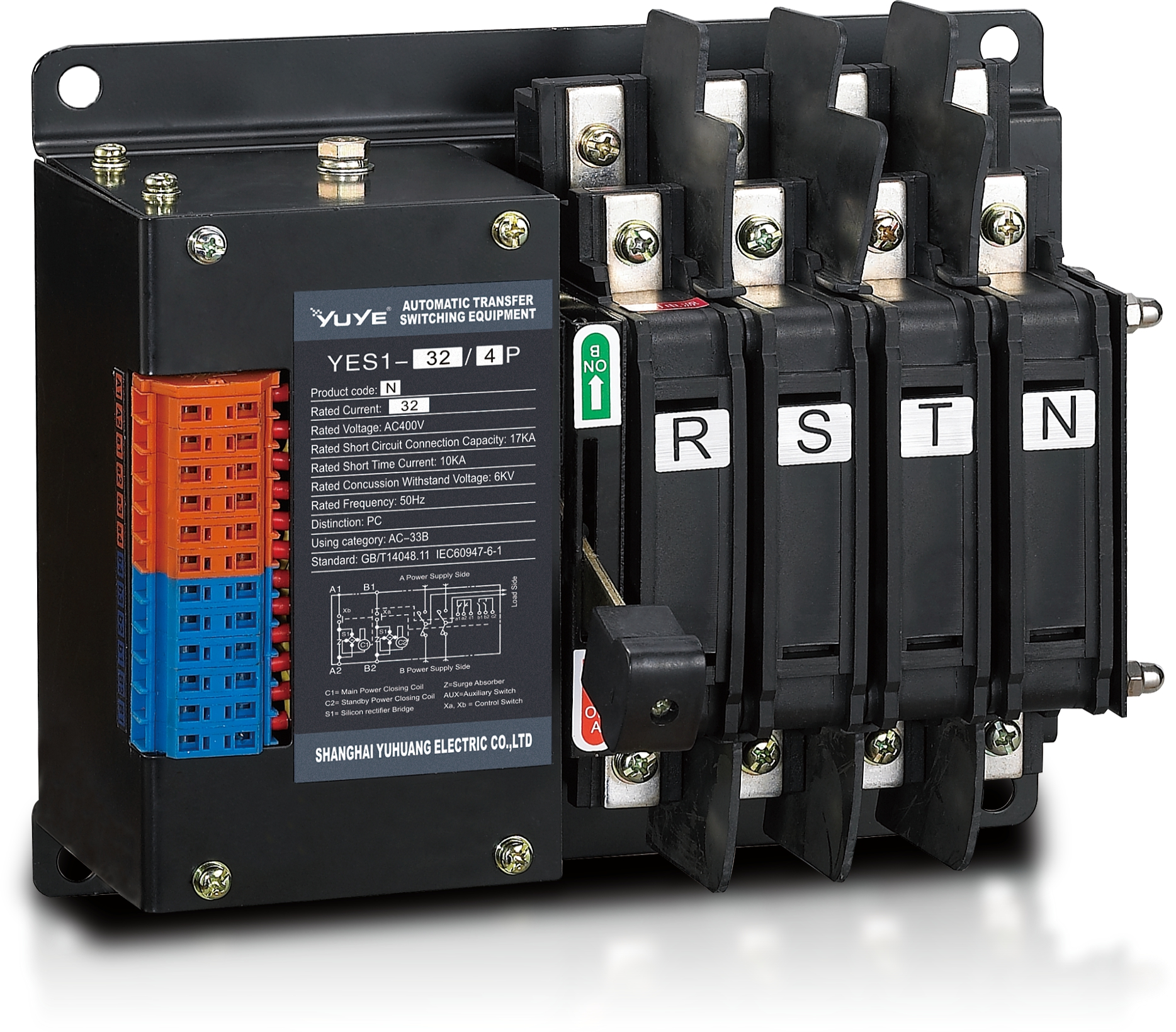 Solenoid-type ATS YES1-32~125N
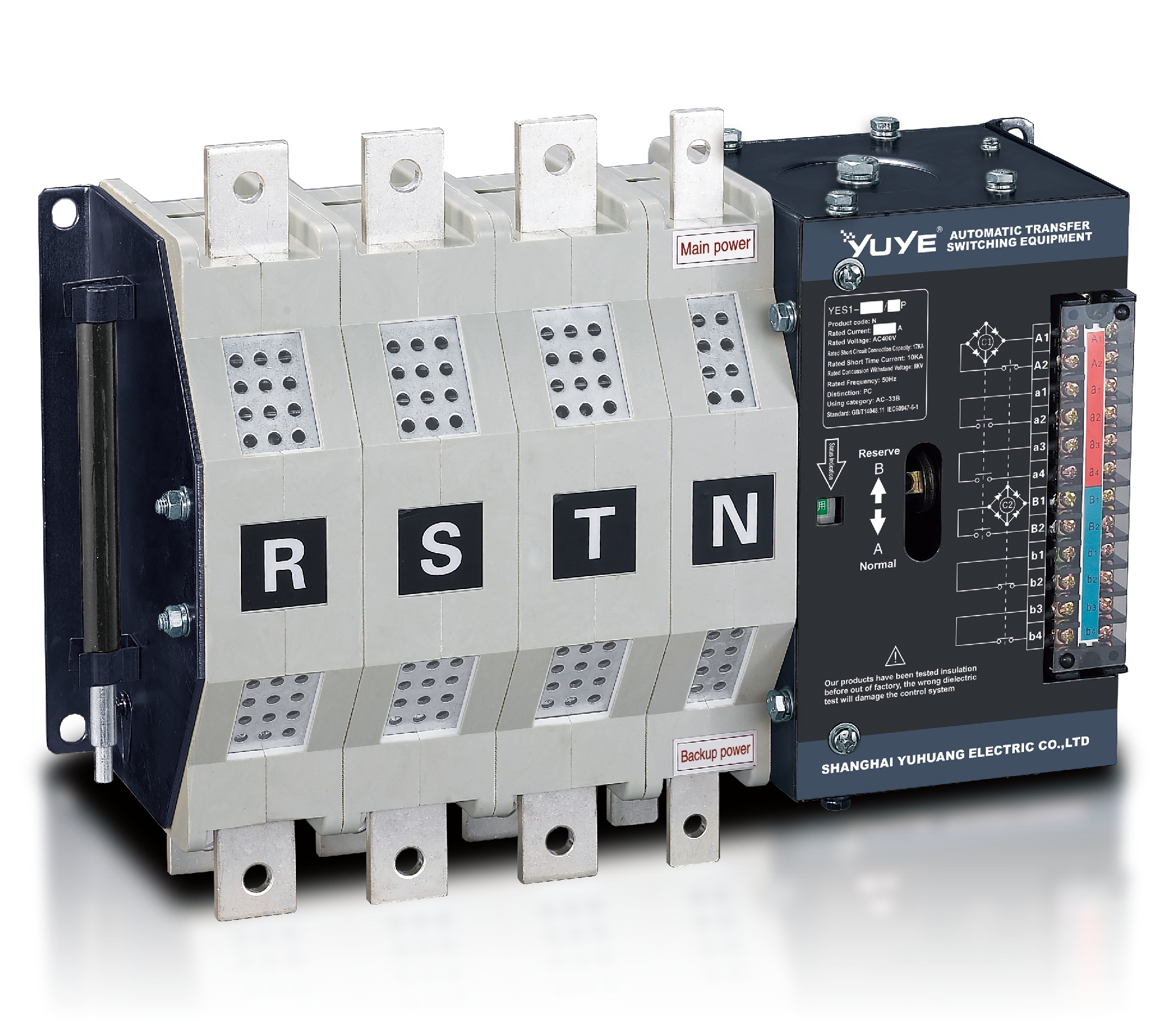 Solenoid-type ATS YES1-250~630N/NT
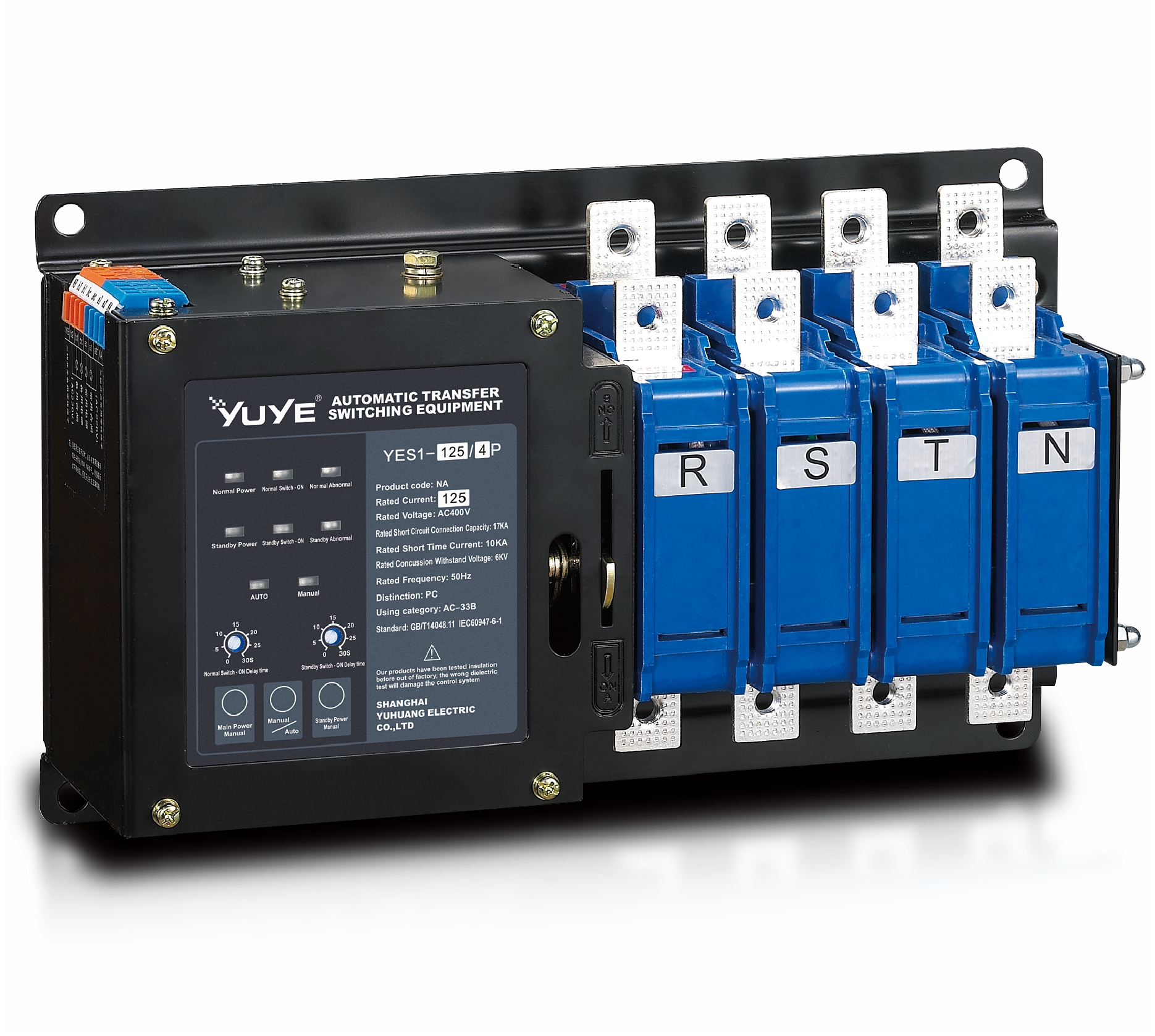 Solenoid-type ATS YES1-32~125NA
 Solenoid-type ATS YES1-63~630SN
 Solenoid-type ATS YES1-1250~4000SN
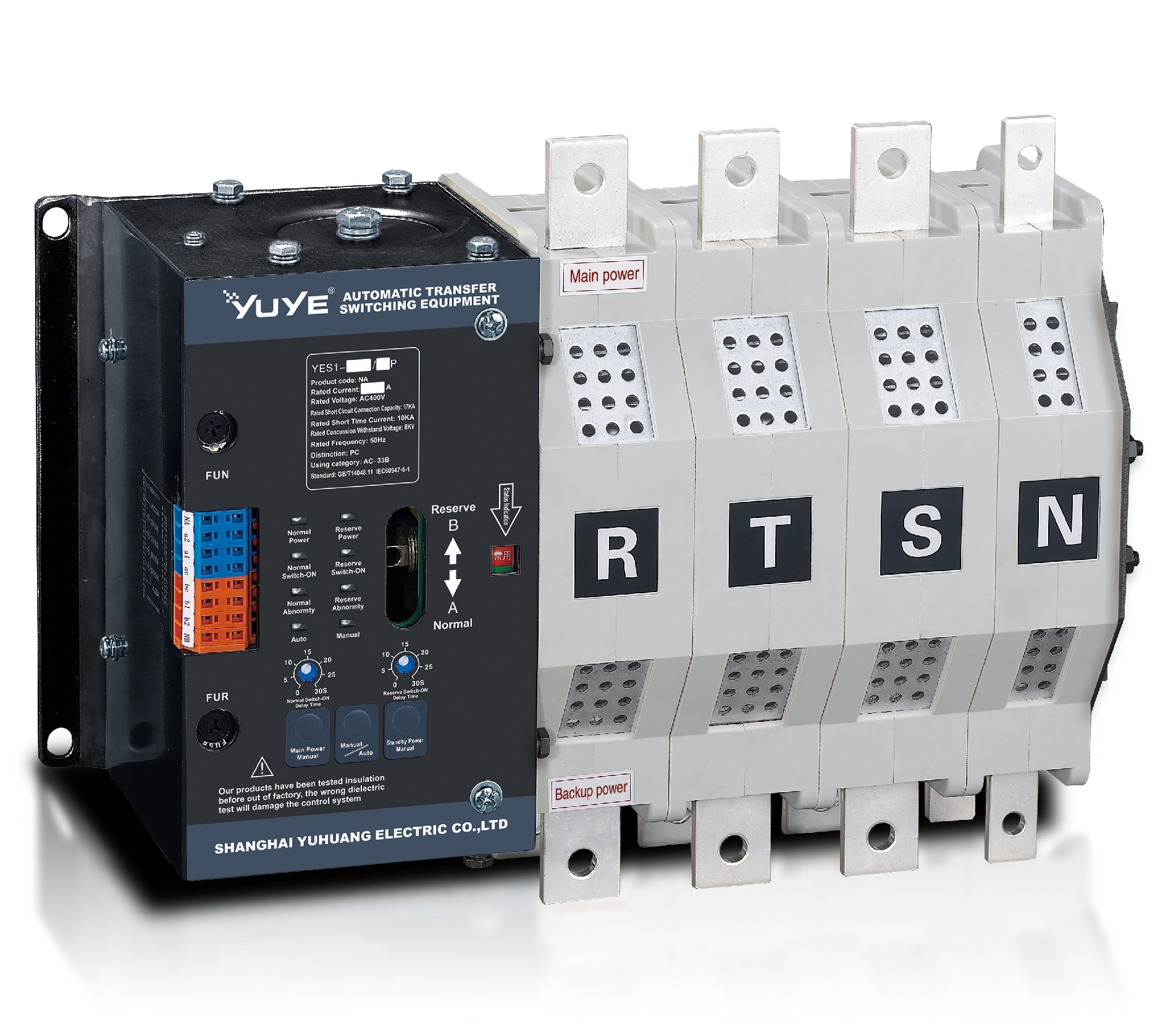 Solenoid-type ATS YES1-250~630NA/NAT
 Solenoid-type ATS YES1-63NJT
 PC ATS YES1-100~1600GN1/GN/GNF
 PC ATS YES1-2000~3200GN/GNF
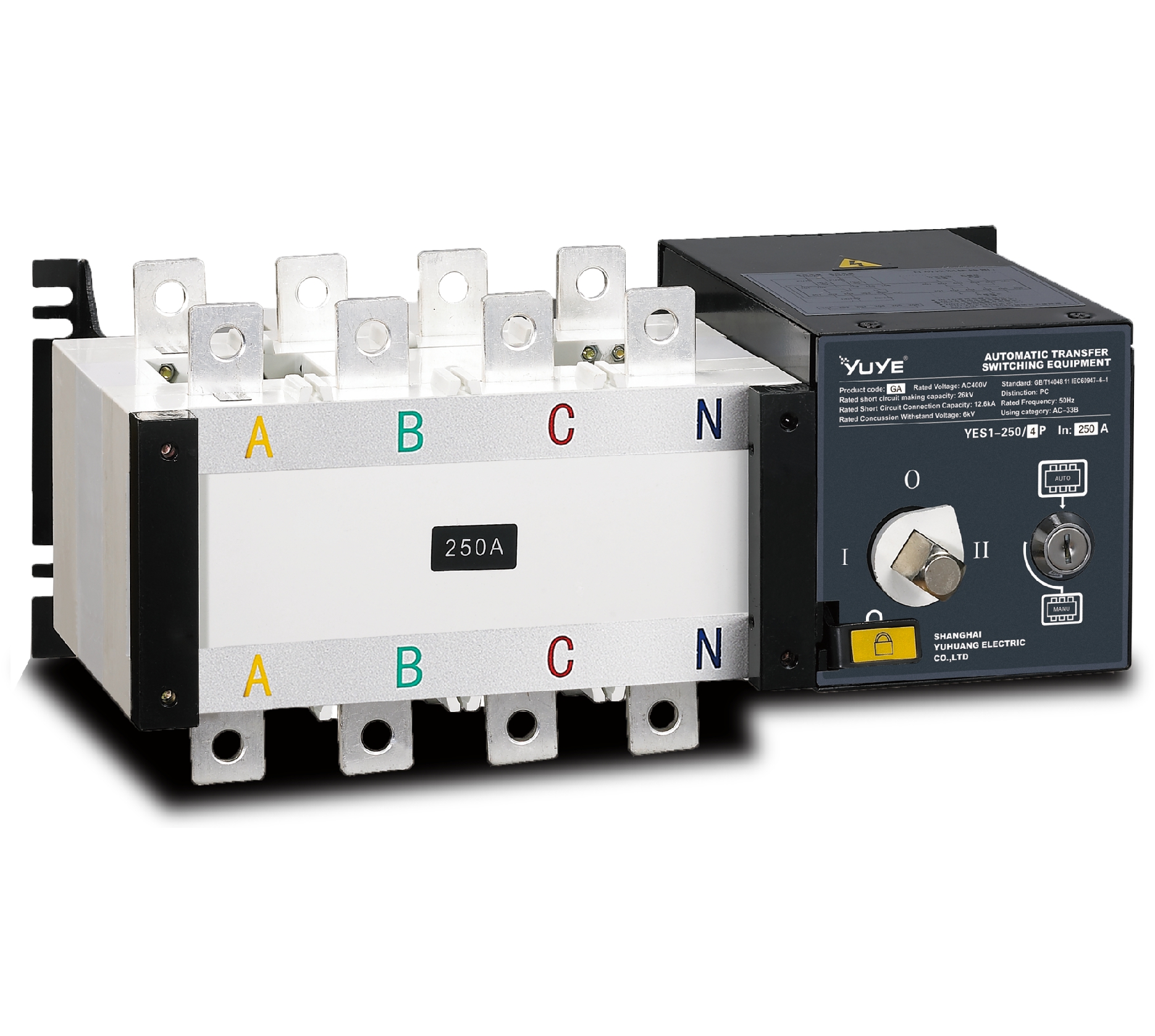 PC ATS YES1-100~3200GA1/GA
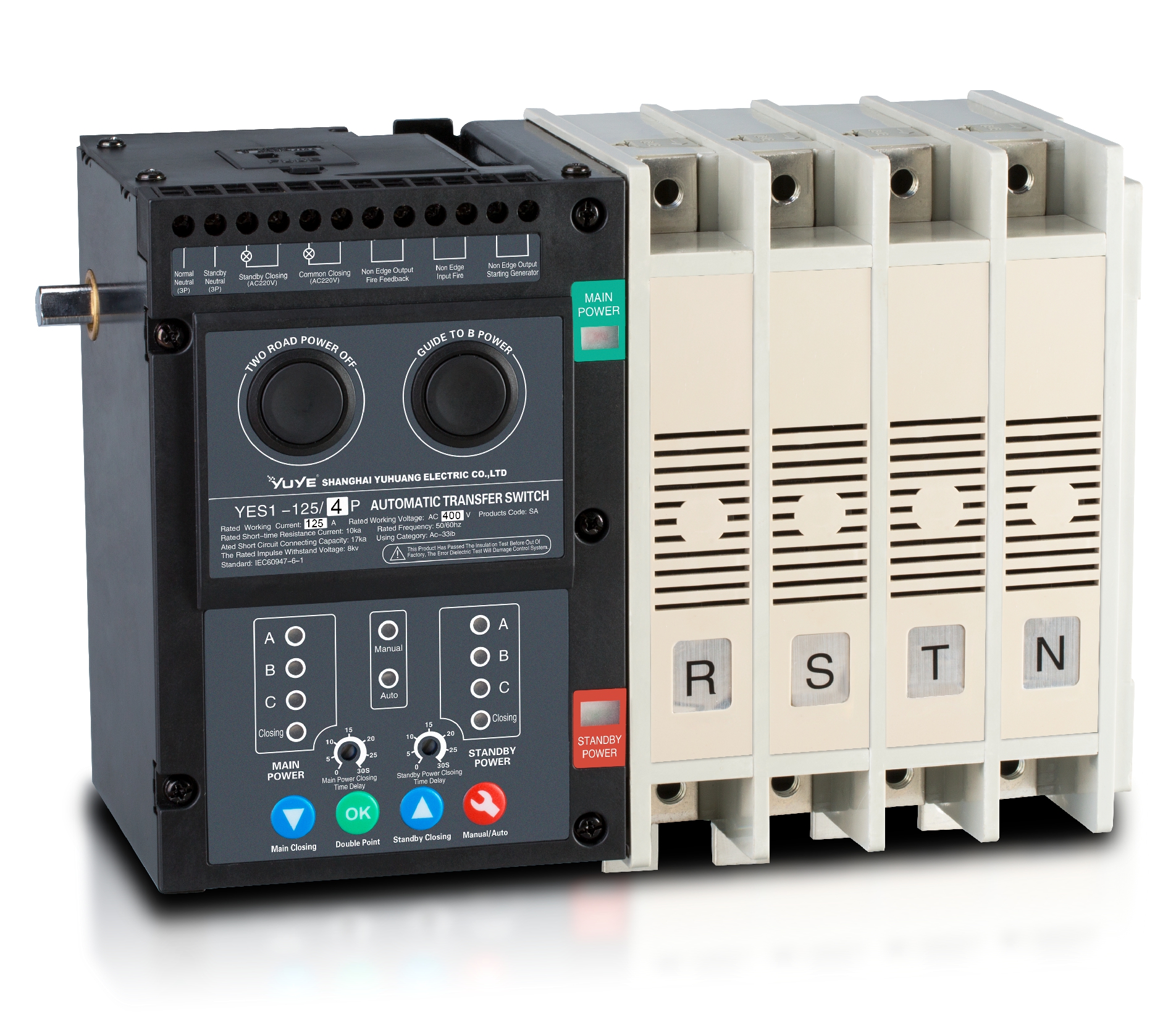 Solenoid-type ATS YES1-63~630SA
 Solenoid-type ATS YES1-63~630L/LA
 Solenoid-type ATS YES1-63~630LA3
 Solenoid-type ATS YES1-63MA
 PC ATS YES1-630~1600M
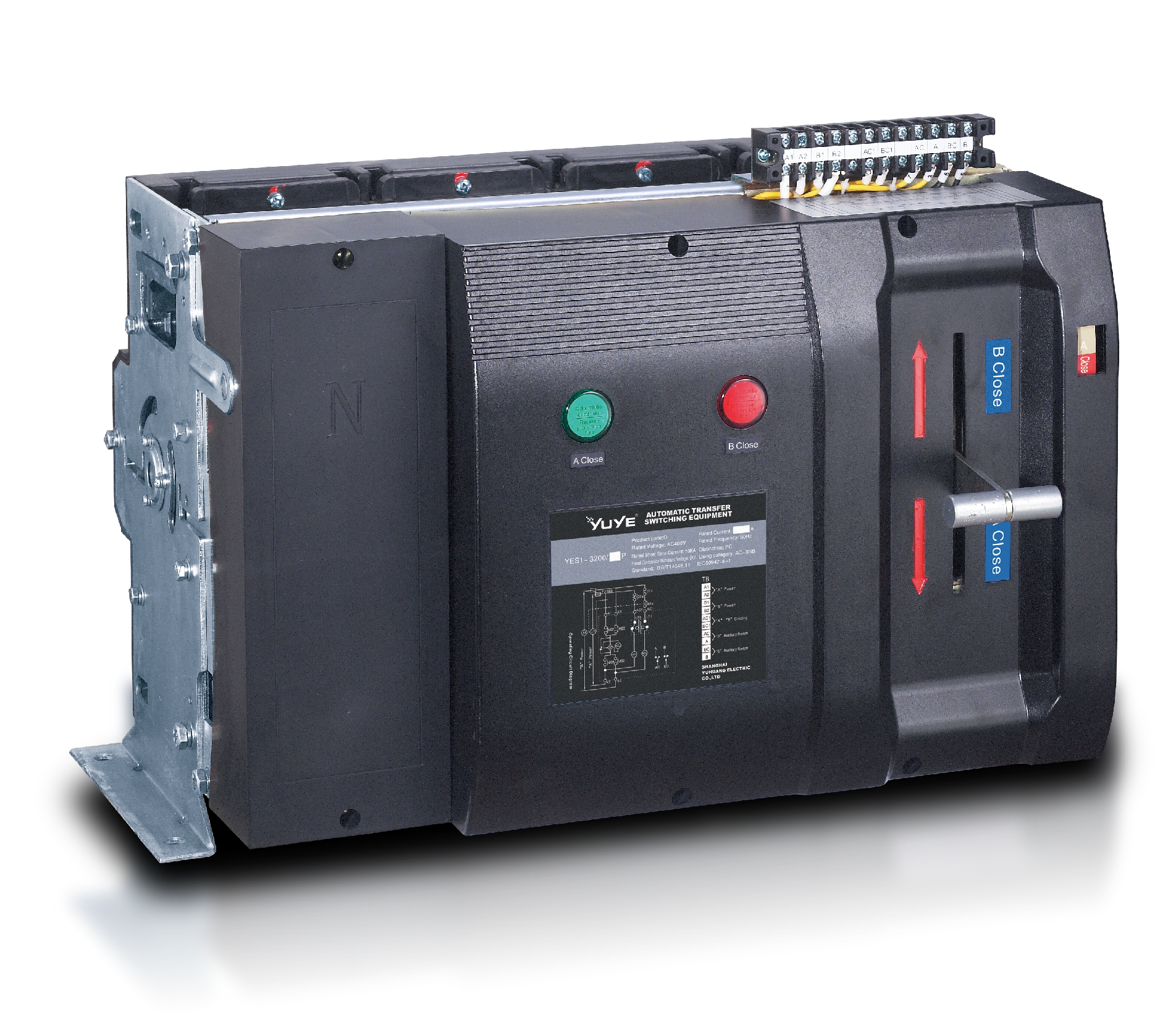 PC ATS YES1-3200Q
 Solenoid-type ATS YES1-4000~6300Q
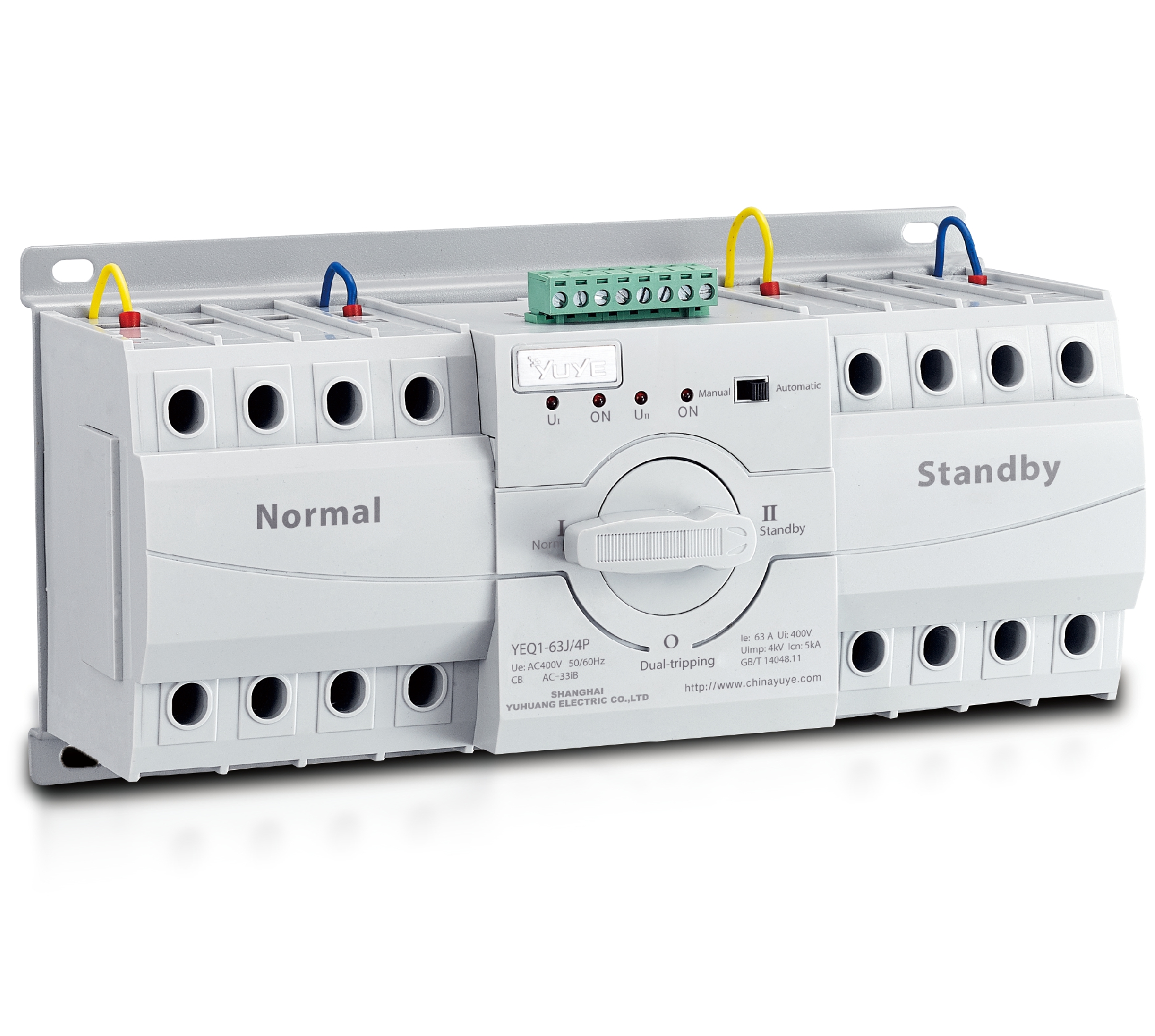 CB ATS YEQ1-63J
 CB ATS YEQ2Y-63
 CB ATS YEQ3-63W1
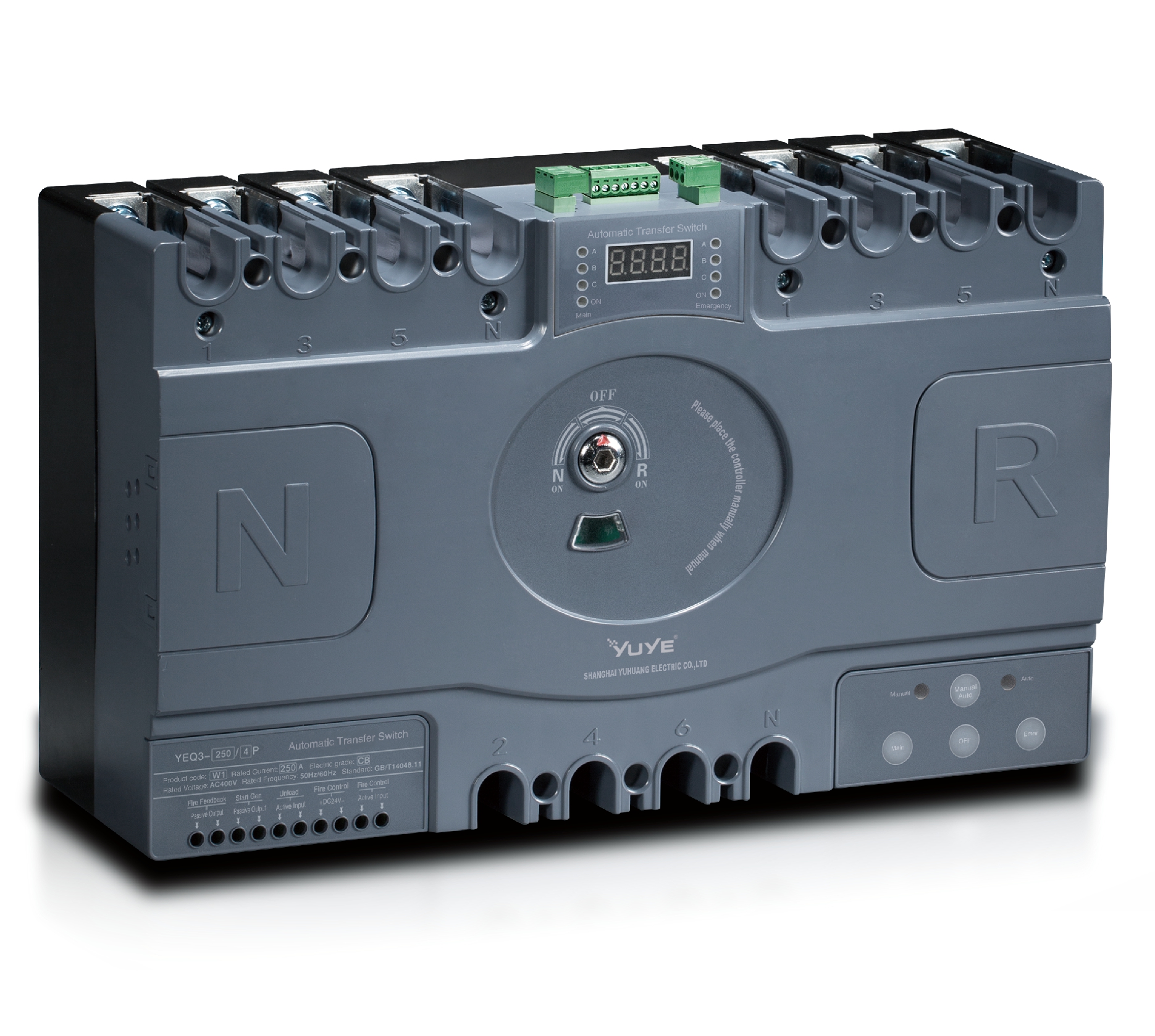 CB ATS YEQ3-125~630W1
 ATS controller Y-700
 ATS Controller Y-700N
 ATS Controller Y-701B
 ATS Controller Y-703N
 ATS Controller Y-800
 ATS Controller W2/W3 Series
 ATS switch Cabinet floor-to-ceiling
 ATS switch cabinet
 JXF-225A power Cbinet
 JXF-800A power Cbinet
 YEM3-125~800 Plastic Shell Type MCCB
 YEM3L-125~630 Leakage Type MCCB
 YEM3Z-125~800 Adjustable Type MCCB
 YEM1-63~1250 Plastic Shell Type MCCB
 YEM1E-100~800 Electronic Type MCCB
 YEM1L-100~630 Leakage Type MCCB
 Miniature circuit breaker YEMA2-6~100
 Miniature circuit breaker YEB1-3~63
 Miniature circuit breaker YEB1LE-3~63
 Miniature circuit breaker YEPN-3~32
 Miniature circuit breaker YEPNLE-3~32
 Miniature circuit breaker YENC-63~125
 Air Circuit Breaker YEW1-2000~6300
 Air Circuit Breaker YEW3-1600
 Load isolation switch YGL-63~3150
 Load Isolation Switch YGL2-63~3150
 Manual Changeover Switch YGL-100~630Z1A
 Manual Changeover Switch YGLZ1-100~3150
 YECPS2-45~125 LCD
 YECPS-45~125 Digital
 CNC Milling/Turning-OEM
 DC relay MDC-300M
 DC Isolation Switch YEGL3D-630


