Looking for a reliable way to keep your home powered during outages? Finding the right Automatic Transfer Switch (ATS) 220V can be a game-changer. It’s the kind of device that makes sure you’re not left in the dark when the power goes out. There are quite a few options out there, and the best one really depends on your personal needs. You know, what works perfectly for one household might not be ideal for another.
Brands like Generac and Kohler are pretty popular, but that means you’ve got tons of choices. Not every model fits everyone’s situation, and honestly, figuring out your energy needs can sometimes feel a bit overwhelming. Plus, it’s easy to overlook some important features that are crucial for safe and smooth operation. And don’t forget—the installation part is just as critical as picking the right switch. A good setup prevents headaches later on.
Of course, budget can also be a factor. It’s tempting to go for the cheapest option out there, but honestly, investing a little more upfront usually pays off. A solid, high-quality ATS 220V isn’t just about safety; it’s about reliability and peace of mind in the long run. Taking some time to think through your choices makes all the difference. After all, power outages can happen when you least expect them, and having a dependable solution means you won’t be caught off guard. Your comfort and convenience depend on it.

What is an Automatic Transfer Switch (ATS)?
An Automatic Transfer Switch (ATS) is a crucial device for homes with backup power systems. It automatically transfers the power supply from the utility to a generator during power outages. This ensures an uninterrupted power source, which is vital in emergency situations. Homeowners often rely on these systems to maintain essential functions like heating, cooling, and refrigeration.
The ATS monitors the utility power and detects outages promptly. When the main power fails, the switch quickly kicks in. This transition usually takes a few seconds. However, the installation of an ATS requires careful planning. Not everyone understands its complexities. Choosing the right switch can be daunting. It’s important to assess your power needs thoroughly before making a decision.
Sometimes, homeowners underestimate their requirements. They might choose an ATS that’s too small, leading to failures during crucial moments. Regular maintenance is also necessary. Some people forget this essential step, which can lead to unexpected malfunctions. Installing an ATS is a step in the right direction, but it isn’t a one-time solution. Reflecting on its importance and limitations can enhance your power management strategy at home.
Advantages of Using an ATS for Home Power Management
Automatic Transfer Switches (ATS) play a crucial role in home power management. They ensure a seamless transition between utility power and backup generators. This feature is particularly valuable during power outages. When the grid fails, the ATS steps in without manual intervention. Homeowners can remain comfortable and secure, as essential appliances continue to operate.
One advantage of using an ATS is efficiency in managing power supply. It minimizes downtime and protects important devices from damage. However, it’s important to note that installation can vary significantly. Not every home setup is the same, leading to potential challenges. For instance, improperly sized switches might lead to performance issues. Regular maintenance is also necessary, which can be overlooked.
Another benefit is the automation aspect. With an ATS, you won’t have to worry about switching power sources yourself. Imagine a storm hitting and lights flickering. The system kicks in automatically. However, it requires a reliable generator, which not all homes have. The idea of relying solely on technology should be approached cautiously. Backup plans are crucial.
Key Features to Look for in a 220V ATS
When choosing a 220V automatic transfer switch (ATS) for home use, there are key features to consider. Reliable performance is essential. A study showed that 30% of home power outages occur during adverse weather conditions. An ATS must efficiently detect outages and switch power sources seamlessly. Look for an ATS that has a fast transfer time, ideally under 5 seconds. This minimizes downtime and keeps critical appliances running.
Safety features cannot be overlooked. A good ATS should include surge protection and short-circuit safeguards. The National Electrical Manufacturers Association reports that over 2,000 electrical fires occur annually due to faulty switches. Therefore, investing in an ATS with robust safety ratings is vital. Additionally, monitoring capabilities can help prevent malfunctions. Some models offer real-time monitoring through apps, sending alerts directly to your smartphone.
Installation is also a significant factor. A complex setup might require professional help. DIY enthusiasts might prefer straightforward options that are easy to install. Some ATS units come with clear instructions, guiding users through the process. Yet, many users find they still struggle, reflecting the need for user-friendly designs. Identifying the right balance of features will help ensure a dependable power backup solution.
Installation Considerations for Home Use of ATS
When considering an automatic transfer switch (ATS) for home use, installation is critical. Proper placement is necessary to ensure functionality. Choose a location near the main electrical panel. This proximity minimizes wiring issues and reduces installation time. It also ensures that the ATS can promptly detect power outages. A weatherproof enclosure is essential if installation is outdoors, protecting the unit from elements like rain and snow.
Wiring presents challenges that require careful planning. Ensure that the wiring gauge meets the recommended standards. Using the wrong gauge can lead to overheating and damage. Grounding is another important factor. Proper grounding helps prevent electrical shocks and improves safety. The installation should comply with local codes. It may be wise to consult a licensed electrician. DIY installations can lead to mistakes. Not all homeowners have the expertise.
Testing the ATS after installation is necessary. Many homeowners overlook this step. Regular maintenance checks are essential for long-term reliability. It’s easy to forget these checks amid daily life. A malfunctioning ATS can leave you unprotected during power outages. Set reminders to perform these checks. Ignoring maintenance can lead to costly repairs down the road.
Maintenance Tips for Longevity of Your ATS
Automatic Transfer Switches (ATS) are essential for seamless power management in homes. To ensure longevity and optimal performance, regular maintenance is crucial. Below are some tips to keep your ATS running smoothly for years.
Check connections frequently. Loose wires can cause overheating or malfunction. Conduct visual inspections every few months. Ensure that the switch is clean and free of dust. Dust can interfere with electronic components over time. Use a soft cloth to gently wipe the exterior.
Test the ATS at least quarterly. Simulate a power outage to ensure it functions properly. Turn off the main power and observe the switch's response. Listening for unusual sounds can be insightful. If it struggles, seek professional help. Waiting may lead to larger issues.
Keep an eye on the environment. Humidity and temperature can affect the ATS. Ensure it’s installed in a dry, ventilated area. High temperatures can damage internal circuitry. Enduring conditions could shorten its lifespan. Take the time to reevaluate the placement if needed.
Common Issues and Troubleshooting for ATS Devices
Automatic Transfer Switches (ATS) are essential for maintaining power during outages. However, users often face common issues. One frequent problem is improper installation. This can lead to the ATS not switching correctly. It's vital to follow installation guidelines carefully. If the ATS does not function, double-check connections.
Another common issue is failure to test the transfer switch regularly. Many users neglect this step. Routine testing ensures the system works when needed. Ignoring this can result in surprises during a power outage. Look for abnormal sounds or flickering lights as signs of trouble. Additionally, consult the user manual for specific troubleshooting techniques.
Overheating is also a concern. It may happen due to excessive load or insufficient ventilation. This can cause long-term damage. Monitor the temperature and load on the ATS. If it feels hot, investigate immediately. Sometimes, it’s worth reflecting on these aspects to improve reliability. Regular maintenance can lead to better performance and fewer surprises.
Conclusion
An Automatic Transfer Switch (ATS) 220v is an essential device for homeowners looking to manage power efficiently during outages. This switch automatically transitions power supply from the main grid to a backup generator, ensuring uninterrupted electricity flow. The advantages of using an ATS include enhanced reliability, improved safety, and convenience. When selecting an ATS for home use, key features to consider include load capacity, response time, and ease of installation.
For optimal performance, homeowners should also pay attention to installation considerations and regular maintenance tips to ensure longevity. Common issues may arise, and understanding troubleshooting techniques can help address these problems effectively. Overall, investing in an Automatic Transfer Switch ATS 220v can significantly improve home power management and provide peace of mind during unexpected power interruptions.

 PC ATS YECT1-2000G
 PC ATS YES2-63~250GN1
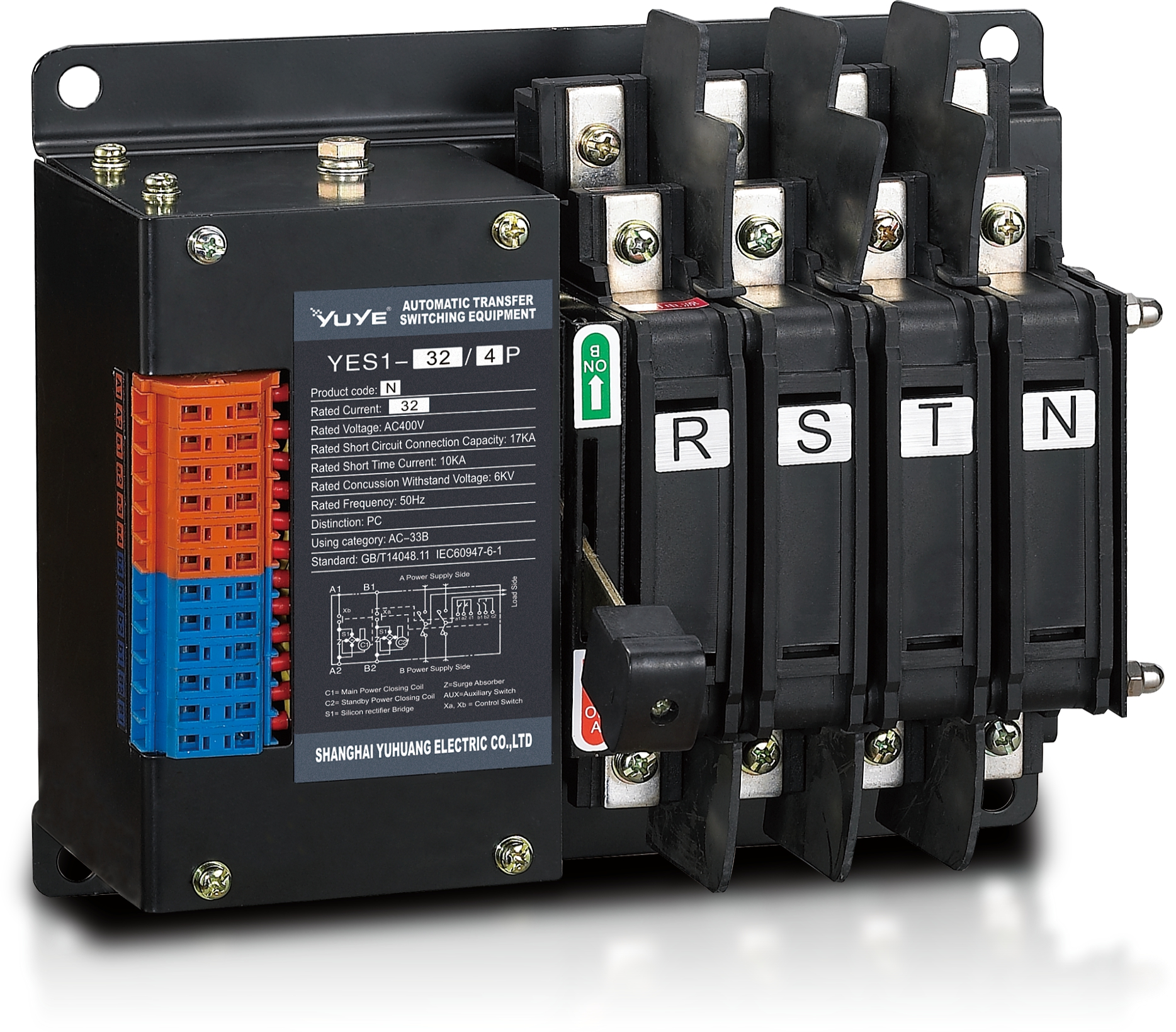 Solenoid-type ATS YES1-32~125N
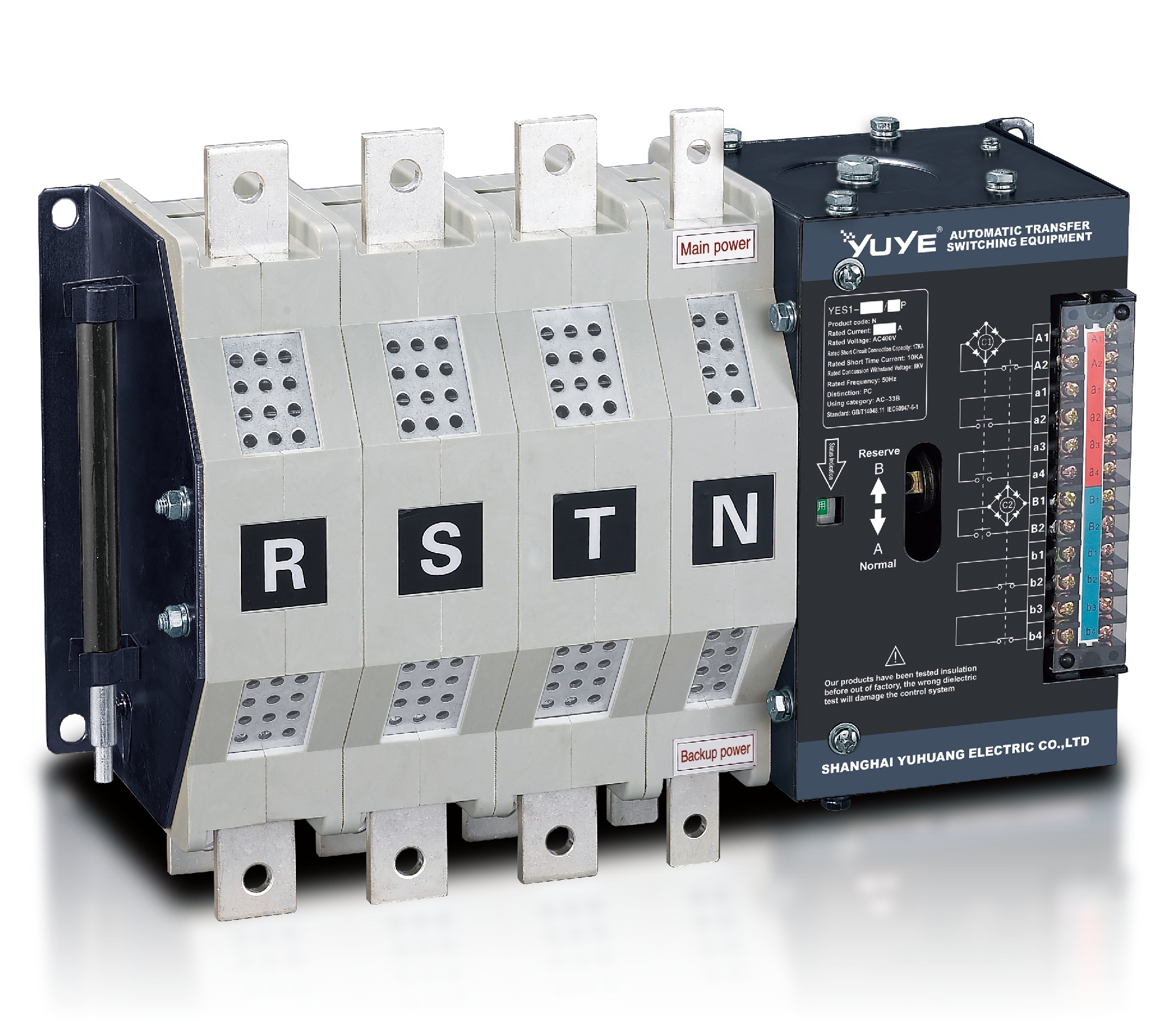 Solenoid-type ATS YES1-250~630N/NT
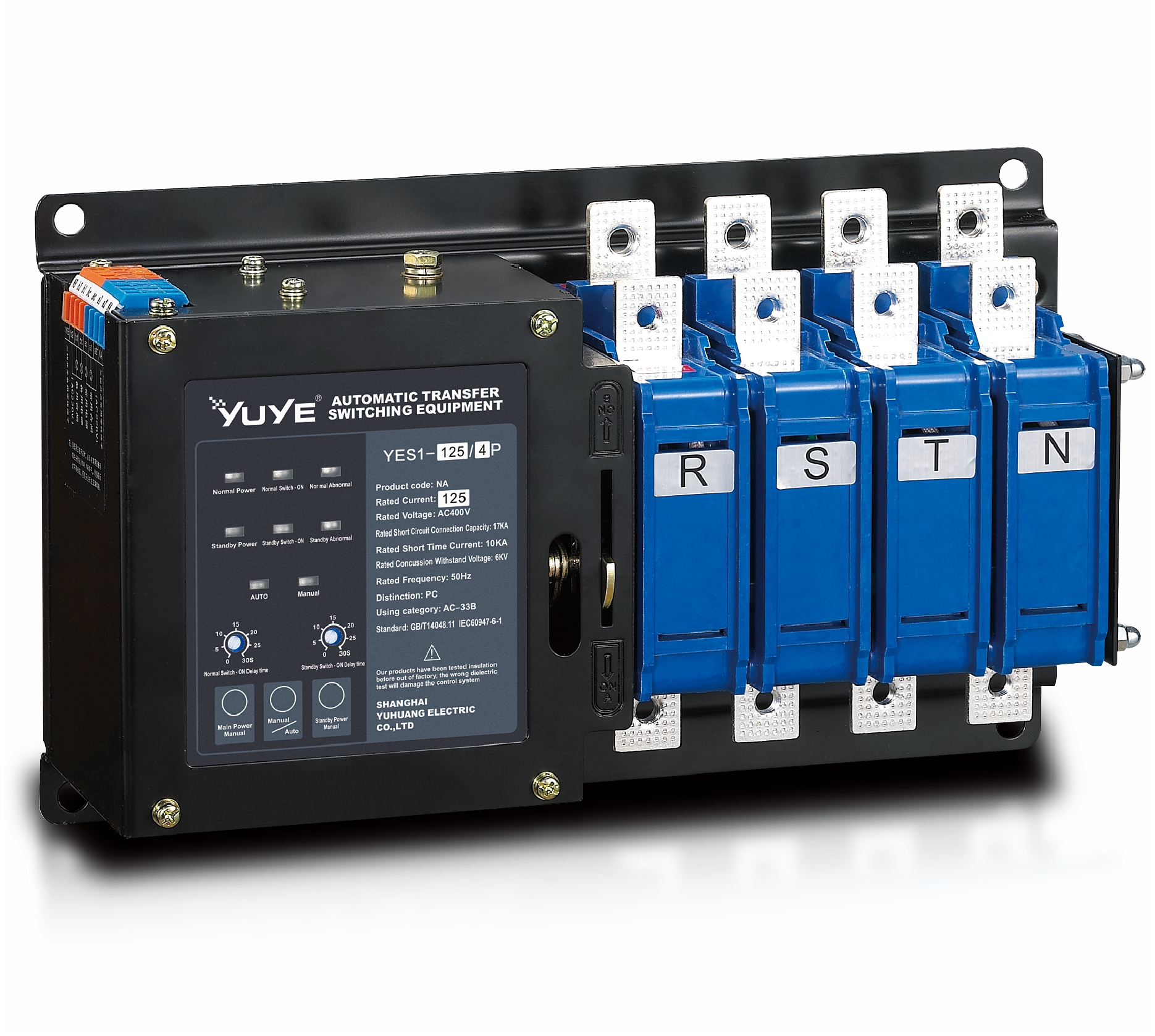 Solenoid-type ATS YES1-32~125NA
 Solenoid-type ATS YES1-63~630SN
 Solenoid-type ATS YES1-1250~4000SN
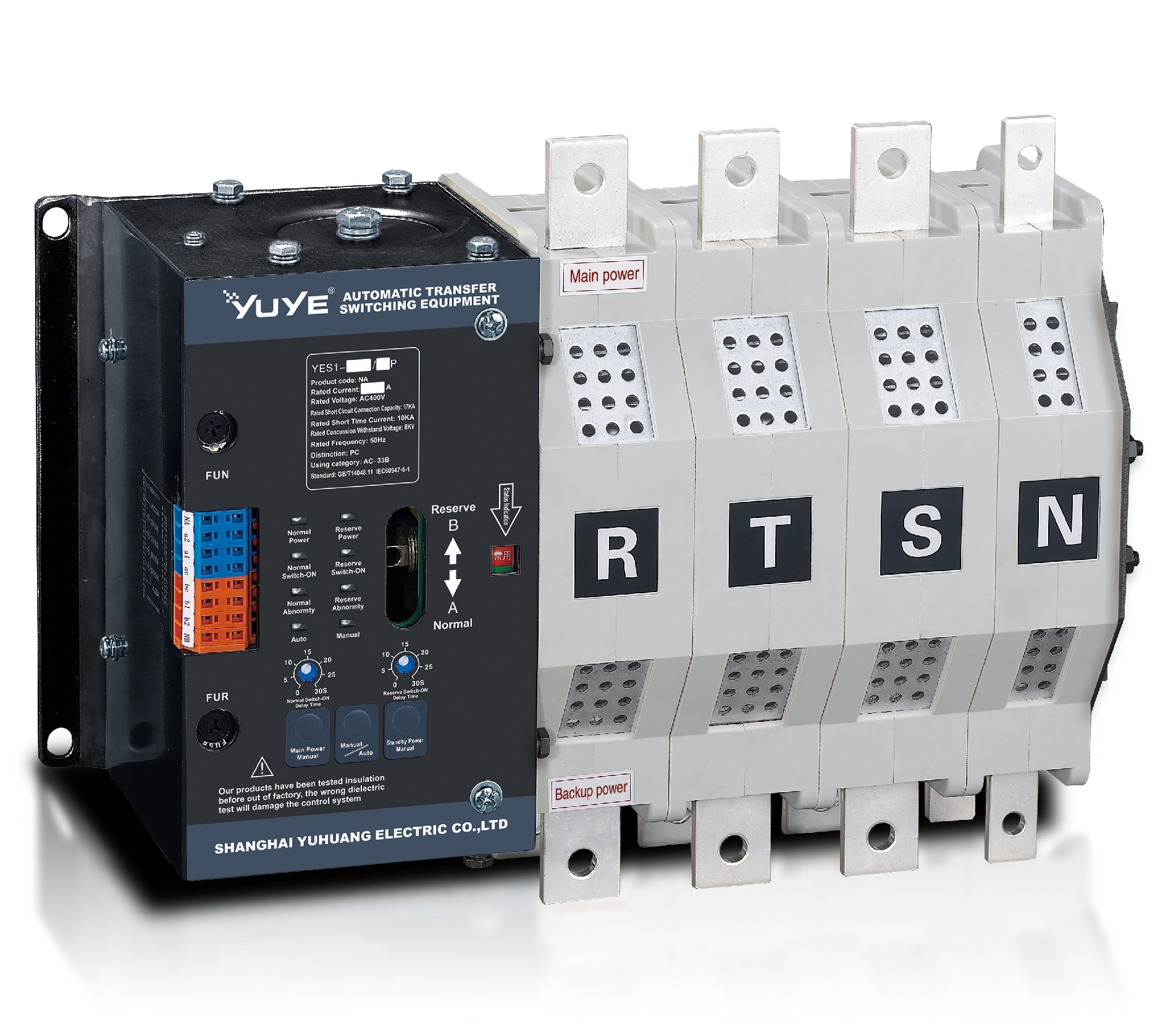 Solenoid-type ATS YES1-250~630NA/NAT
 Solenoid-type ATS YES1-63NJT
 PC ATS YES1-100~1600GN1/GN/GNF
 PC ATS YES1-2000~3200GN/GNF
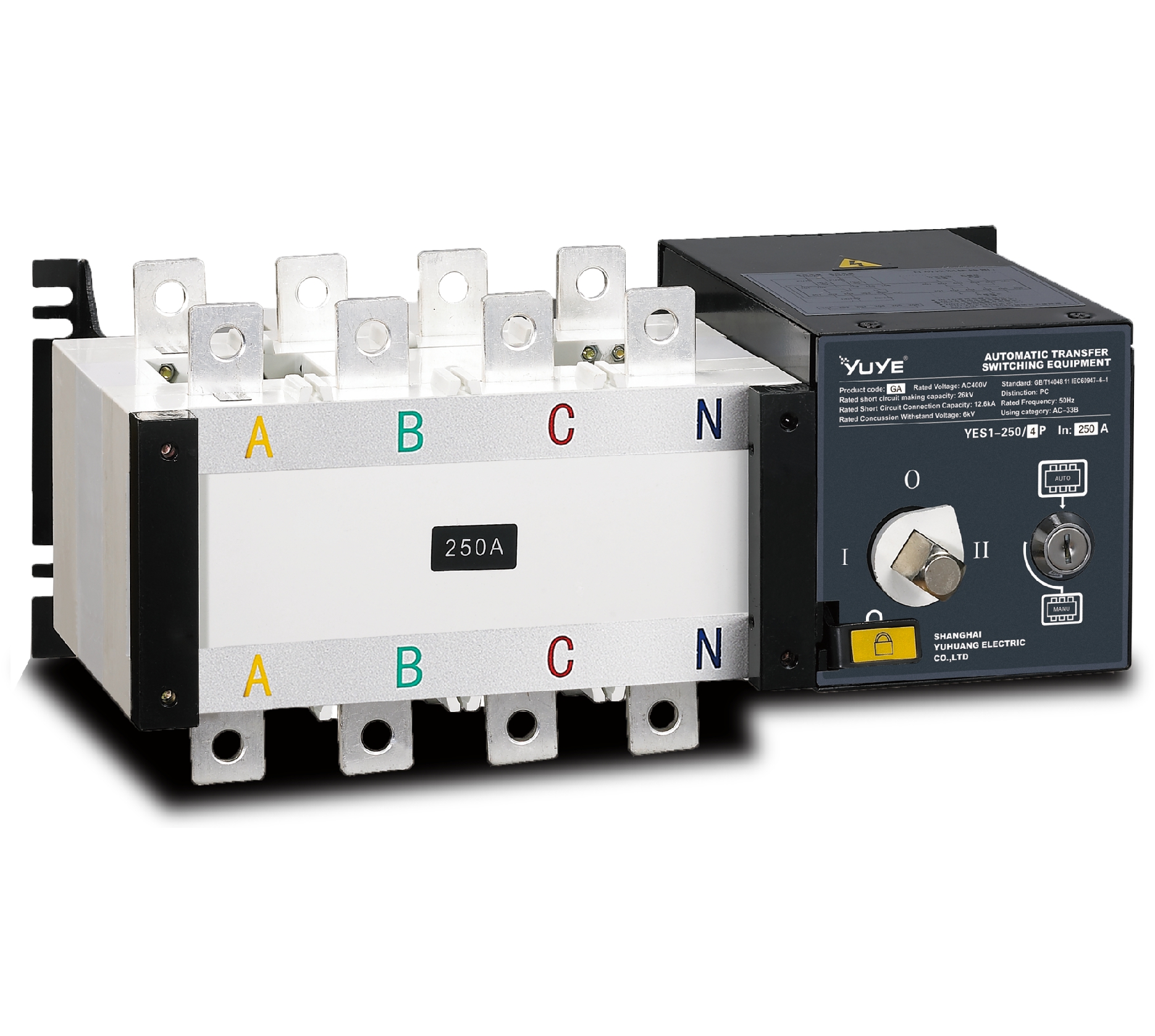 PC ATS YES1-100~3200GA1/GA
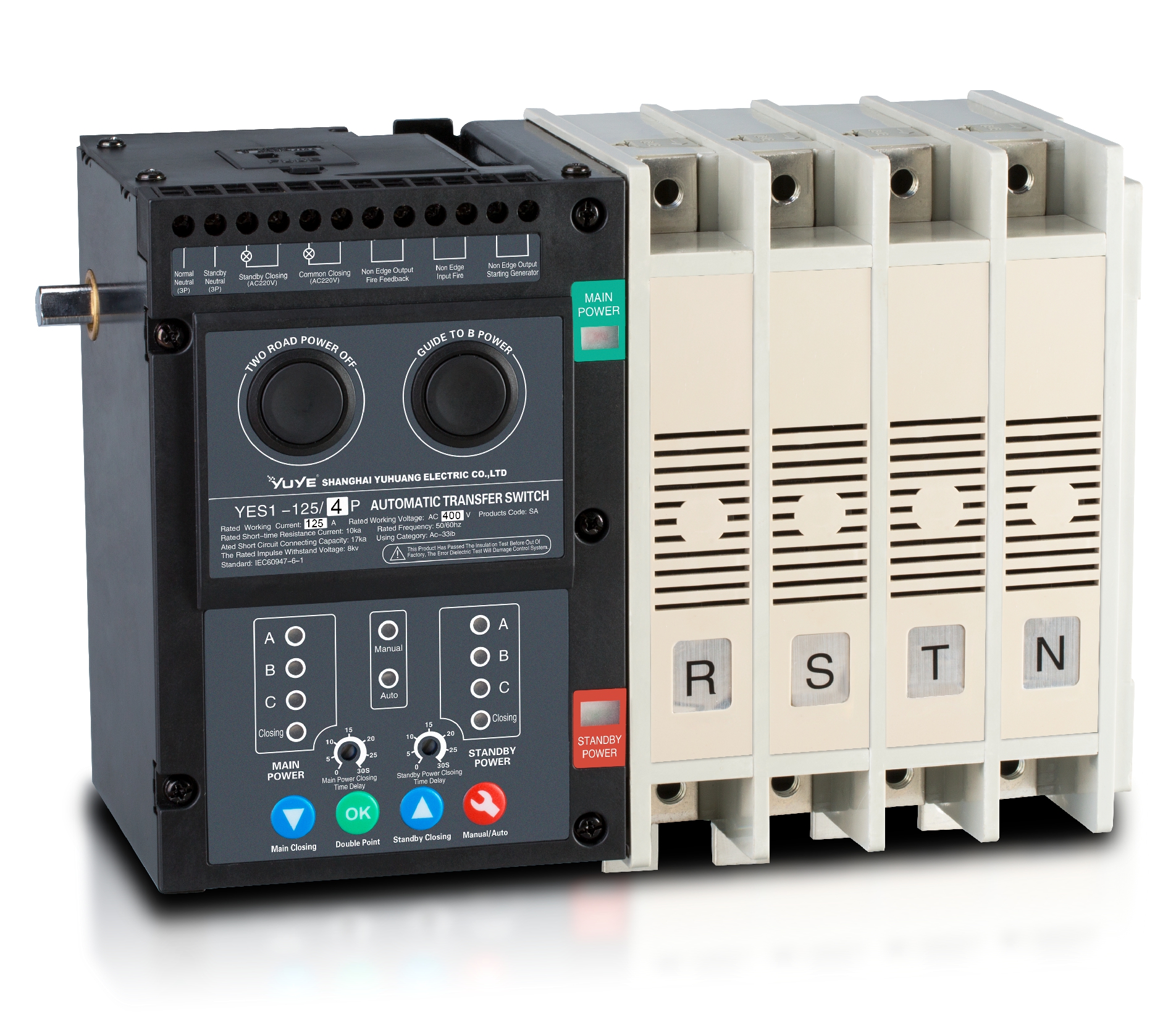 Solenoid-type ATS YES1-63~630SA
 Solenoid-type ATS YES1-63~630L/LA
 Solenoid-type ATS YES1-63~630LA3
 Solenoid-type ATS YES1-63MA
 PC ATS YES1-630~1600M
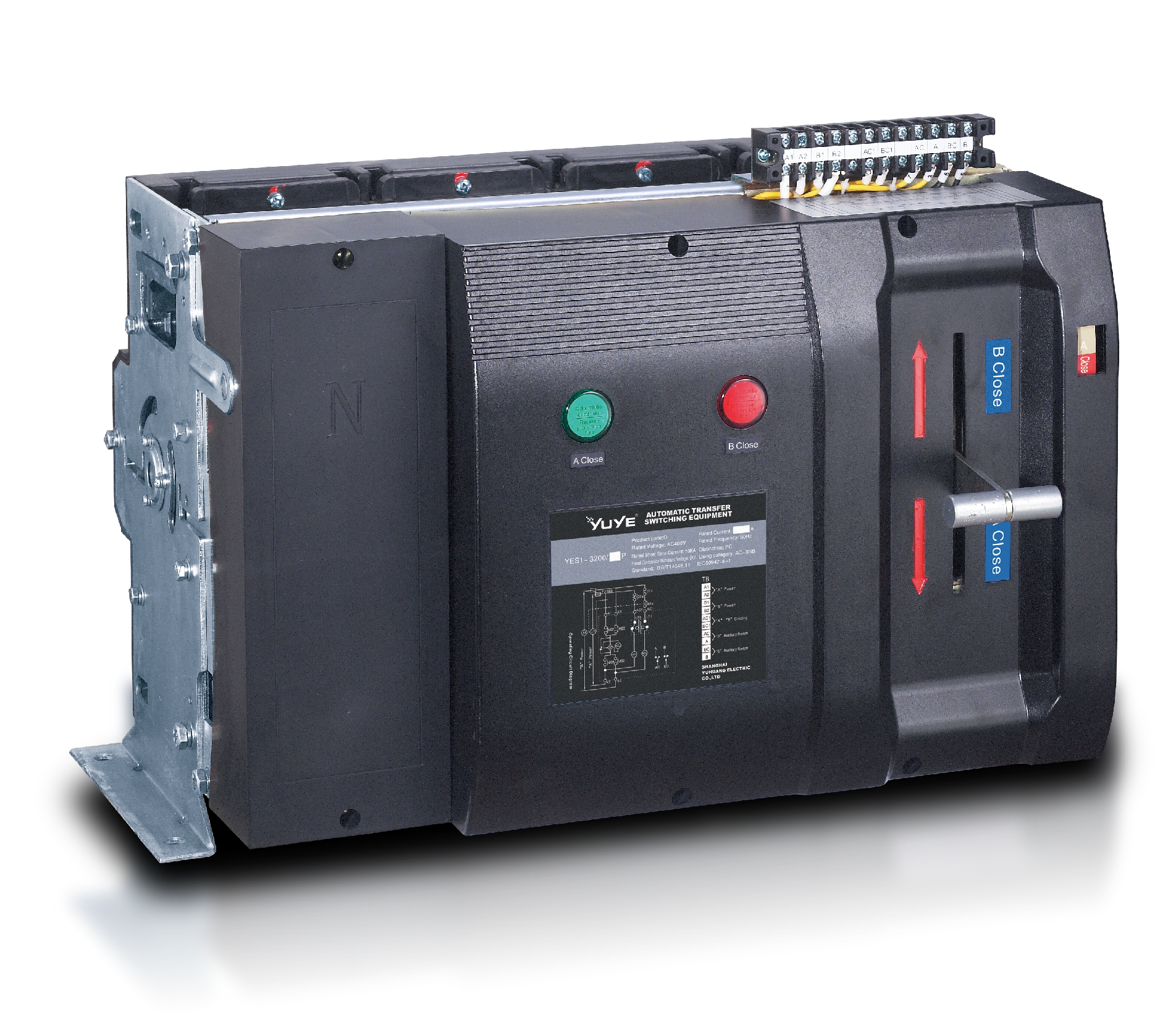 PC ATS YES1-3200Q
 Solenoid-type ATS YES1-4000~6300Q
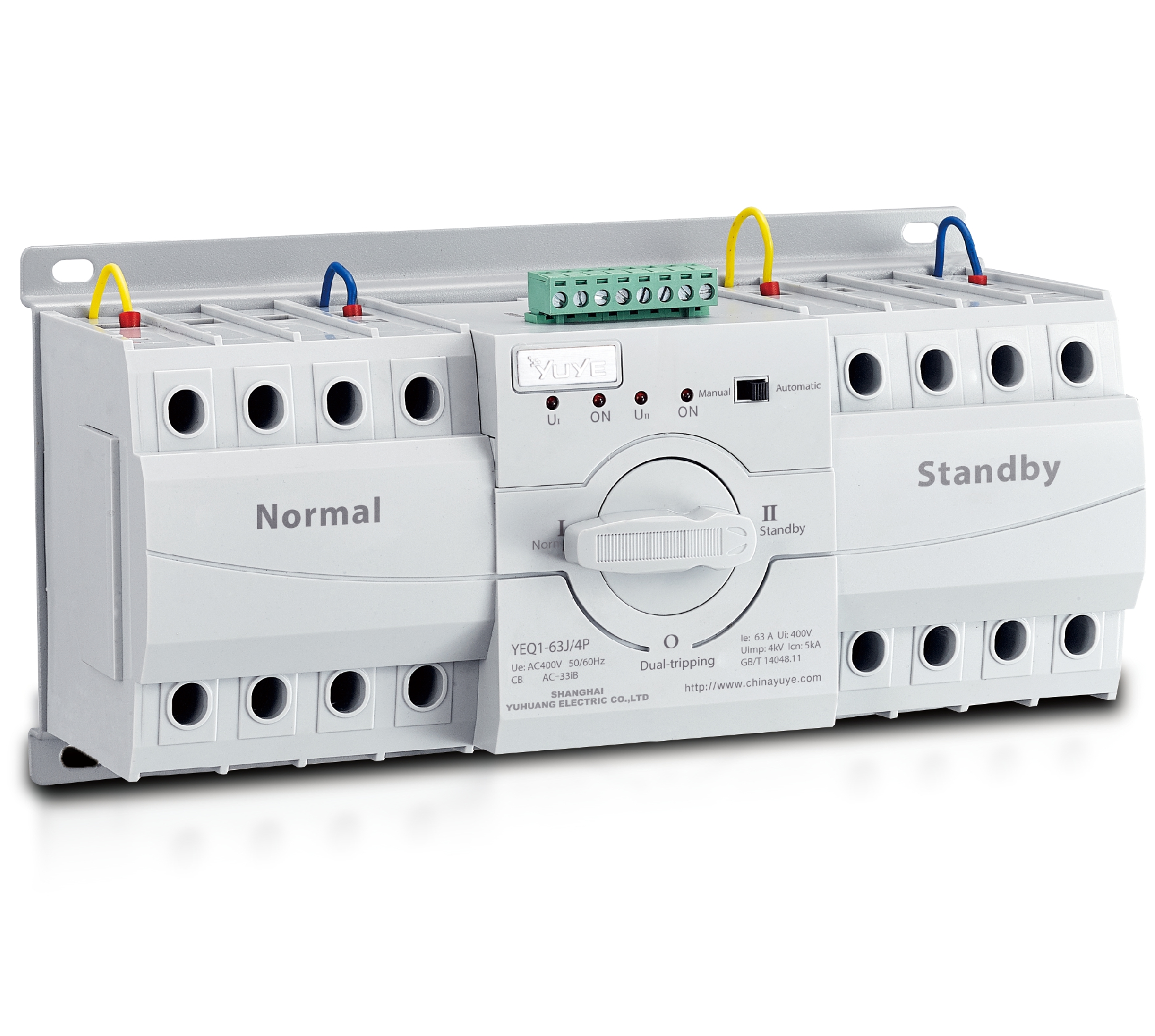 CB ATS YEQ1-63J
 CB ATS YEQ2Y-63
 CB ATS YEQ3-63W1
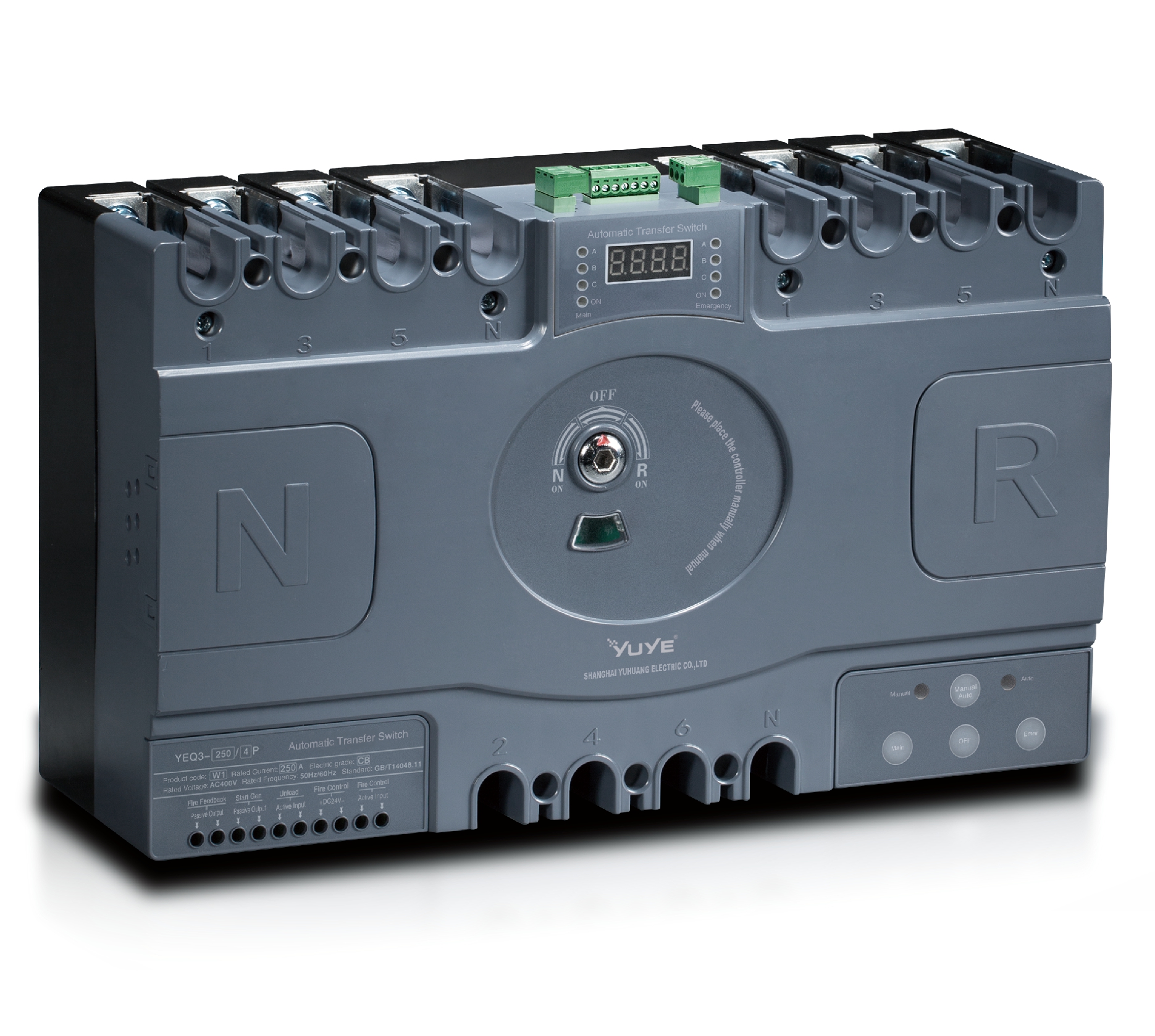 CB ATS YEQ3-125~630W1
 ATS controller Y-700
 ATS Controller Y-700N
 ATS Controller Y-701B
 ATS Controller Y-703N
 ATS Controller Y-800
 ATS Controller W2/W3 Series
 ATS switch Cabinet floor-to-ceiling
 ATS switch cabinet
 JXF-225A power Cbinet
 JXF-800A power Cbinet
 YEM3-125~800 Plastic Shell Type MCCB
 YEM3L-125~630 Leakage Type MCCB
 YEM3Z-125~800 Adjustable Type MCCB
 YEM1-63~1250 Plastic Shell Type MCCB
 YEM1E-100~800 Electronic Type MCCB
 YEM1L-100~630 Leakage Type MCCB
 Miniature circuit breaker YEMA2-6~100
 Miniature circuit breaker YEB1-3~63
 Miniature circuit breaker YEB1LE-3~63
 Miniature circuit breaker YEPN-3~32
 Miniature circuit breaker YEPNLE-3~32
 Miniature circuit breaker YENC-63~125
 Air Circuit Breaker YEW1-2000~6300
 Air Circuit Breaker YEW3-1600
 Load isolation switch YGL-63~3150
 Load Isolation Switch YGL2-63~3150
 Manual Changeover Switch YGL-100~630Z1A
 Manual Changeover Switch YGLZ1-100~3150
 YECPS2-45~125 LCD
 YECPS-45~125 Digital
 CNC Milling/Turning-OEM
 DC relay MDC-300M
 DC Isolation Switch YEGL3D-630


