When it comes to keeping your power running smoothly during outages, you really can’t underestimate how important an Automatic Transfer Switch (ATS) is. I mean, as John Smith from Power Solutions Inc. puts it, 'An ATS is absolutely essential if you want your operations to keep going without a hitch.' Believe me, the reliability of this little device can make a huge difference—whether it’s your home or your business.
Picking the right Automatic Transfer Switch isn’t just about going for the fanciest or most expensive one. You’ve gotta think about things like voltage compatibility, how quickly it can switch over, and how much load it can handle. Sometimes, folks jump to the pricier models without really checking these details, only to end up with something that doesn’t perform as expected when it really matters. It happens more often than you’d think.
And let’s not forget, installation isn’t always a walk in the park. If it’s not done properly, you could end up facing even more headaches down the line. Speaking from experience, a lot of homeowners say they wish they’d done a bit more homework before buying. That’s why I put together this guide—to give you some useful tips and help you make smarter choices. At the end of the day, it's all about peace of mind, especially when the power suddenly goes out.

Understanding Automatic Transfer Switches: Function and Importance
Automatic transfer switches (ATS) are crucial for ensuring a continuous power supply. When there is a power failure, an ATS detects the outage. It switches the load to a backup power source, usually a generator. This process happens automatically and quickly, often in just seconds. A reliable ATS can prevent service interruptions in critical situations, such as in hospitals or data centers.
Understanding how an ATS works is essential for anyone considering this technology. The switch continuously monitors the utility power. When it fails, the transfer switch springs into action. While simple in concept, the actual setup can be quite complex. Installation can be tricky, with potential for error. Unsuitable settings can lead to power glitches. It's essential to consider the power needs carefully before proceeding. If not, it may result in frustration down the line.
An ATS plays a vital role in modern power management. However, improper maintenance can diminish its effectiveness. Periodic checks and system updates are necessary. Users should always reflect on their ATS’s performance and reliability. This will help ensure that it meets their needs effectively. Choosing the right ATS is not just about features; it's about trust in your backup power strategy.
2026 Best Automatic Transfer Switch Performance Comparison
This chart compares the performance metrics of different automatic transfer switches in terms of transfer speed, efficiency, and reliability. These key attributes are crucial for selecting the best automatic transfer switch for your needs.
Key Features to Consider When Choosing an Automatic Transfer Switch
When selecting an automatic transfer switch (ATS), several key features are essential to consider. One vital aspect is the switch's transfer speed. A rapid transfer can prevent power interruptions when switching from the main supply to a backup generator. This is especially important in emergencies. Delays may affect sensitive electronics. Consider the switching method as well; whether it’s mechanical or solid-state can impact reliability and cost.
Another important factor is the load capacity. Understanding your power needs helps you choose an ATS that can handle your appliances and devices. A unit that cannot meet the load may fail, causing unwanted downtime. User-friendly control panels are also a must. They should allow easy monitoring and adjustment. Complexity can lead to misuse.
Lastly, think about safety features. Ground fault protection and surge protection are crucial. These features ensure that the ATS functions safely under various conditions. Maintenance requirements matter, too. An ATS that needs frequent upkeep can add to your costs. Assessing these features carefully can lead to better decision-making, preventing future headaches.
Top Brands and Models of Automatic Transfer Switches in 2026
When considering automatic transfer switches (ATS) in 2026, several top models stand out. They are designed for reliability and efficiency, which is crucial for energy management. Many models feature user-friendly interfaces and robust construction. This ensures they can handle the demands of both residential and commercial applications.
Not every model is perfect, though. Some setups may require complex wiring, which can be daunting for novices. Furthermore, the noise level of certain switches can be bothersome. It’s essential to investigate specifications carefully. Ensure that the chosen switch aligns with the power requirements and intended use.
In 2026, versatility is key. Many manufacturers are focusing on connectivity and smart features. These advancements can boost functionality, but they may also introduce new challenges. Users should reflect on their unique needs before making a decision. Researching user reviews can help illuminate potential flaws in specific models.
Installation Guidelines for Automatic Transfer Switches
When installing an automatic transfer switch (ATS), careful planning is essential. Begin by assessing the load requirements of your home or business.
Understand the total wattage of the appliances and systems you need to power during an outage. This knowledge helps determine the appropriate size and rating of the ATS.
Next, location matters significantly. The ATS should be installed close to your main electrical panel. Ensure that it's easily accessible for maintenance.
Follow electrical codes and regulations meticulously to avoid future complications. You may find that what seems like a straightforward decision can lead to unexpected challenges down the road.
Wiring requires special attention. Use appropriate gauge wire to handle the load safely. Double-check all connections and ensure they are secure.
Overlooking details during installation can lead to investment loss or hazardous situations. Remember, an ATS is a critical safety device. The installation must be done right, and sometimes, that means asking for help from a skilled professional.
Maintenance Tips for Ensuring Optimal Performance
Maintaining an automatic transfer switch (ATS) is crucial for ensuring its optimal performance.
Regular maintenance can prevent unexpected power outages and prolong the life of the device. According to industry data, around
30% of all ATS failures are due to inadequate maintenance. Regular inspections can help identify issues early.
One key maintenance tip is to perform visual inspections monthly. Look for signs of wear or loose connections.
Dust and debris can accumulate, causing overheating. Clean the ATS regularly, especially around ventilation areas. This reduces the risk of failure.
Testing the switch is another important task. Run the transfer switch under load at least twice a year. This ensures it functions correctly when needed.
Some data suggests that one in five switches may fail during a test if not properly maintained.
Keeping a log of tests and inspections can help track the condition of the switch. This reflection ensures you won’t overlook
minor issues that could become major problems.
Comparative Overview of Pricing and Warranty Options
When choosing the best automatic transfer switch, pricing and warranty options play a crucial role. Prices vary based on features and specifications. Typically, switches range from affordable models to higher-end variants. It’s essential to know what you need before making a decision. Sometimes, a lower price can lead to corner-cutting in quality.
Warranties can differ significantly among products. Most switches come with a basic warranty of at least one year. However, some offer extended warranties that last longer. A longer warranty may indicate better build quality and reliability. It often raises the question, how much should you invest based on warranty duration? Think about the long-term commitment.
Reflecting on these factors can be challenging. You may wish to prioritize price over quality, but this could backfire. Balancing cost and warranty requires careful thought and research. Evaluate your needs and potential maintenance issues. An ideal switch should offer both value and peace of mind.
Customer Reviews and Feedback on Popular Automatic Transfer Switches
When choosing an automatic transfer switch (ATS), customer feedback is invaluable. Many users highlight the importance of reliability and performance. A survey by the Electric Power Research Institute found that 75% of customers prioritize these factors. However, not all ATS systems meet these expectations. Some reviews reveal issues with installation and operational errors. Users often express frustration when the switch fails during a power outage.
Tip: Always check installation requirements before purchasing. Proper installation ensures long-term effectiveness.
In terms of safety, many users recommend models with built-in surge protection. Reports indicate that devices without this feature can lead to equipment damage. A review by the National Electrical Manufacturer Association cited a 20% increase in equipment failures due to inadequate protection. These findings stress the need for caution when selecting an ATS.
Tip: Look for user feedback focusing on maintenance and support. Engaging with those who have firsthand experience can save you time and money. Remember, not all reviews reflect the full story. It’s essential to weigh both positive and negative feedback carefully.
Exploring the Benefits and Applications of the YGL-100~630Z1A Manual Changeover Switch in Electrical Systems
The YGL-100~630Z1A manual changeover switch is an essential component in electrical systems, particularly suitable for applications with AC power frequencies of 50Hz and rated voltages up to 660V. With a robust rated current range of 100A to 630A, it effectively facilitates the reliable and safe transfer of electrical circuits, ensuring necessary isolation when switching between different power sources. This capability is crucial for maintaining system stability and safety in various industrial and commercial electrical setups.
In accordance with IEC60947-3 standards, the YGL-100~630Z1A manual transfer switch is designed to handle infrequent electric circuit connection and disconnection tasks. Its operational categories, specifically AC-22B, signify that it is optimized for non-continuous operation, ideal for machinery and systems where versatile switching is required. The switch boasts a mechanical lifespan of 20,000 cycles and an impressive electrical lifespan of 1,500 cycles, affirming its durability and reliability in demanding environments.
With the increasing reliance on automated systems and the push for enhanced power management solutions, the significance of effective manual changeover switches like the YGL-100~630Z1A cannot be overstated. Industry reports indicate that the demand for such switches will continue to rise, reflecting a growing inclination towards ensuring uninterrupted power supply and operational security in modern electrical infrastructure. The versatility and performance of this switch position it as a valuable investment for enhancing the efficiency and reliability of electrical systems.
FAQS
: The article aims to inform and educate readers about important topics.
It's recommended to engage regularly, perhaps weekly. Consistent engagement helps retention.
Yes, the article offers practical tips that readers can apply immediately.
Yes, content may evolve as new information becomes available. Staying updated is crucial.
Reflect on your own experiences and consider how it aligns with the article's insights.
Some tips may be difficult to apply initially. It requires patience and practice.
Yes, readers can share their thoughts or challenges faced while following the tips.
Yes, critical thinking is essential. Not all advice suits every situation or individual.
It’s okay to disagree. Consider alternate perspectives and assess their validity.
Results may vary. Some changes take time to manifest. Reflect on your progress regularly.
Conclusion
In the realm of power management, the Automatic Transfer Switch (ATS) plays a crucial role in ensuring seamless power supply during outages. This article delves into the function and significance of ATS, emphasizing its importance in residential and commercial setups. When selecting an Automatic Transfer Switch, key features such as load capacity, switching speed, and safety mechanisms must be considered to meet specific needs.
The guide also provides insights into various top brands and models available in 2026, along with essential installation guidelines to ensure proper functionality. To maintain optimal performance, regular maintenance tips are discussed, alongside a comparative overview of pricing and warranty options, helping consumers make informed decisions. Finally, customer reviews highlight the real-world experiences with popular Automatic Transfer Switch models, providing valuable feedback for prospective buyers.

 PC ATS YECT1-2000G
 PC ATS YES2-63~250GN1
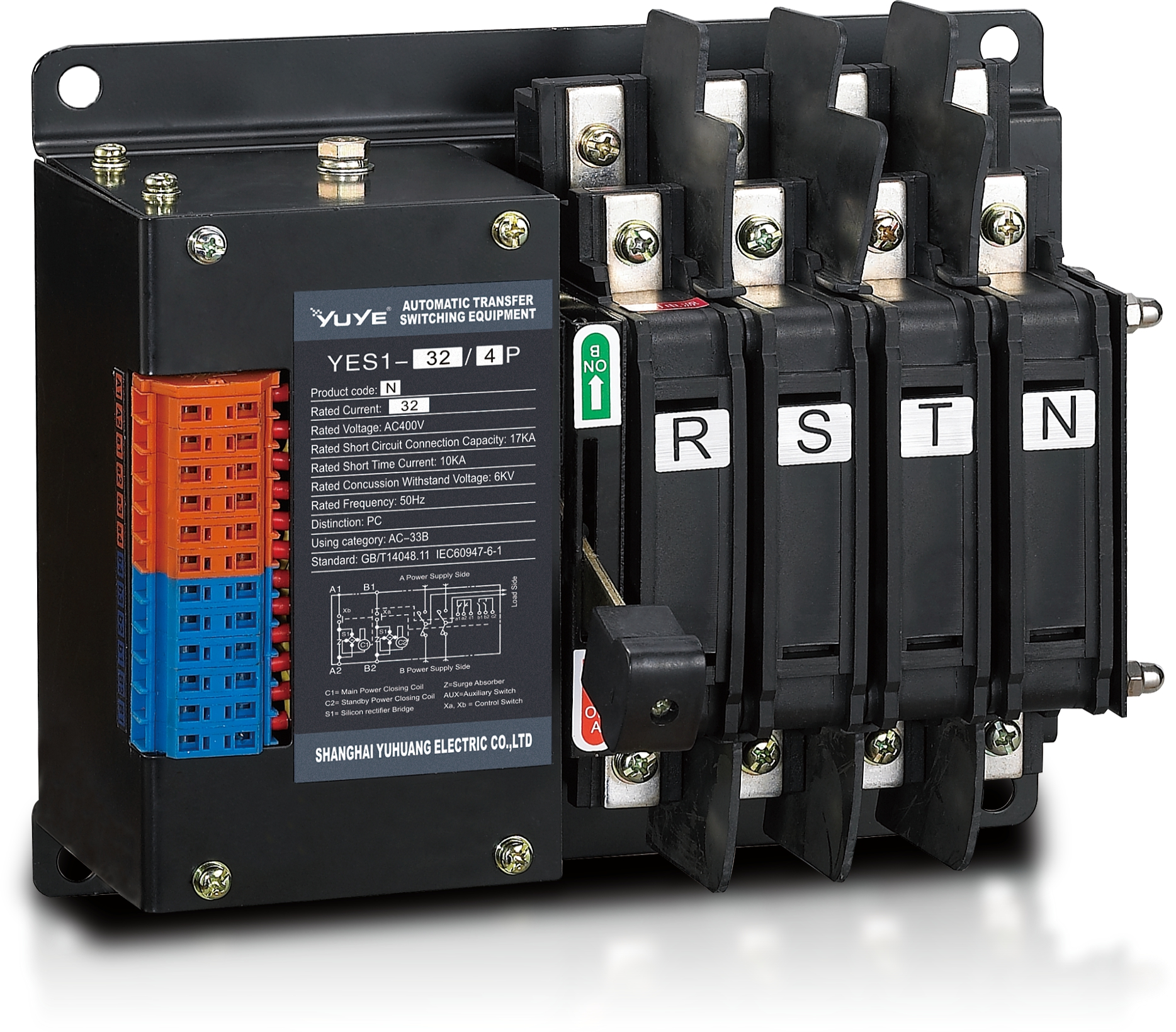 Solenoid-type ATS YES1-32~125N
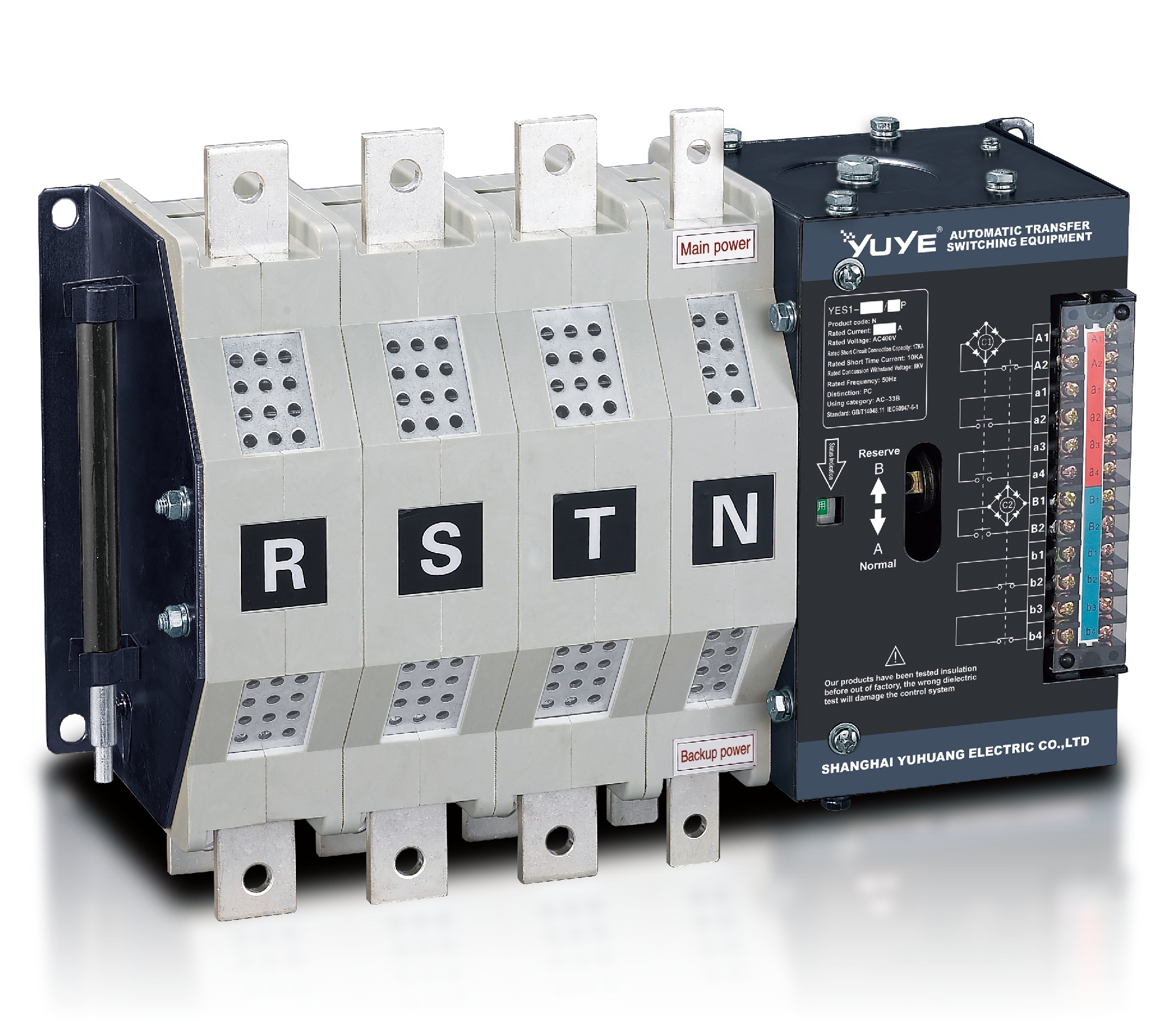 Solenoid-type ATS YES1-250~630N/NT
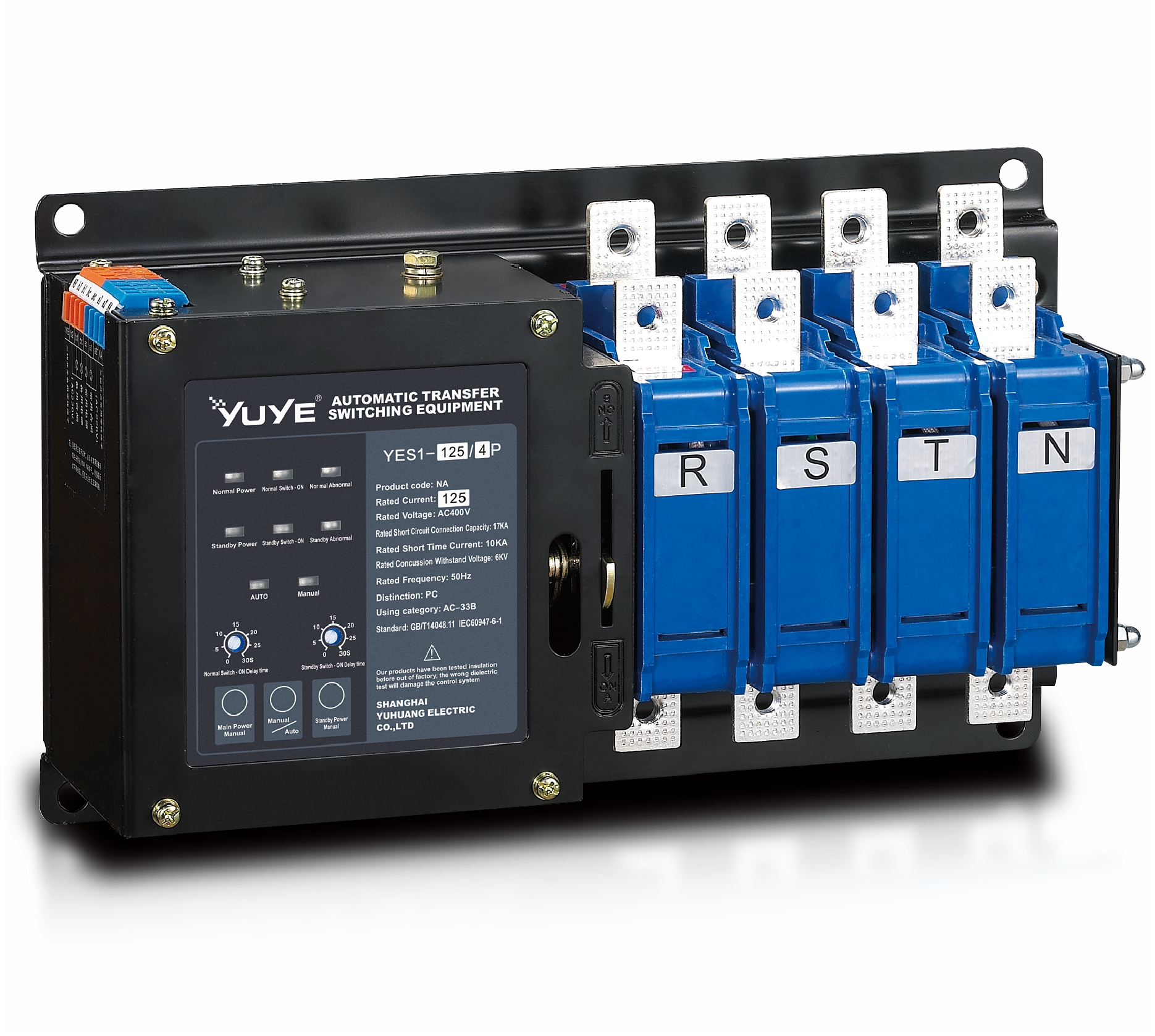 Solenoid-type ATS YES1-32~125NA
 Solenoid-type ATS YES1-63~630SN
 Solenoid-type ATS YES1-1250~4000SN
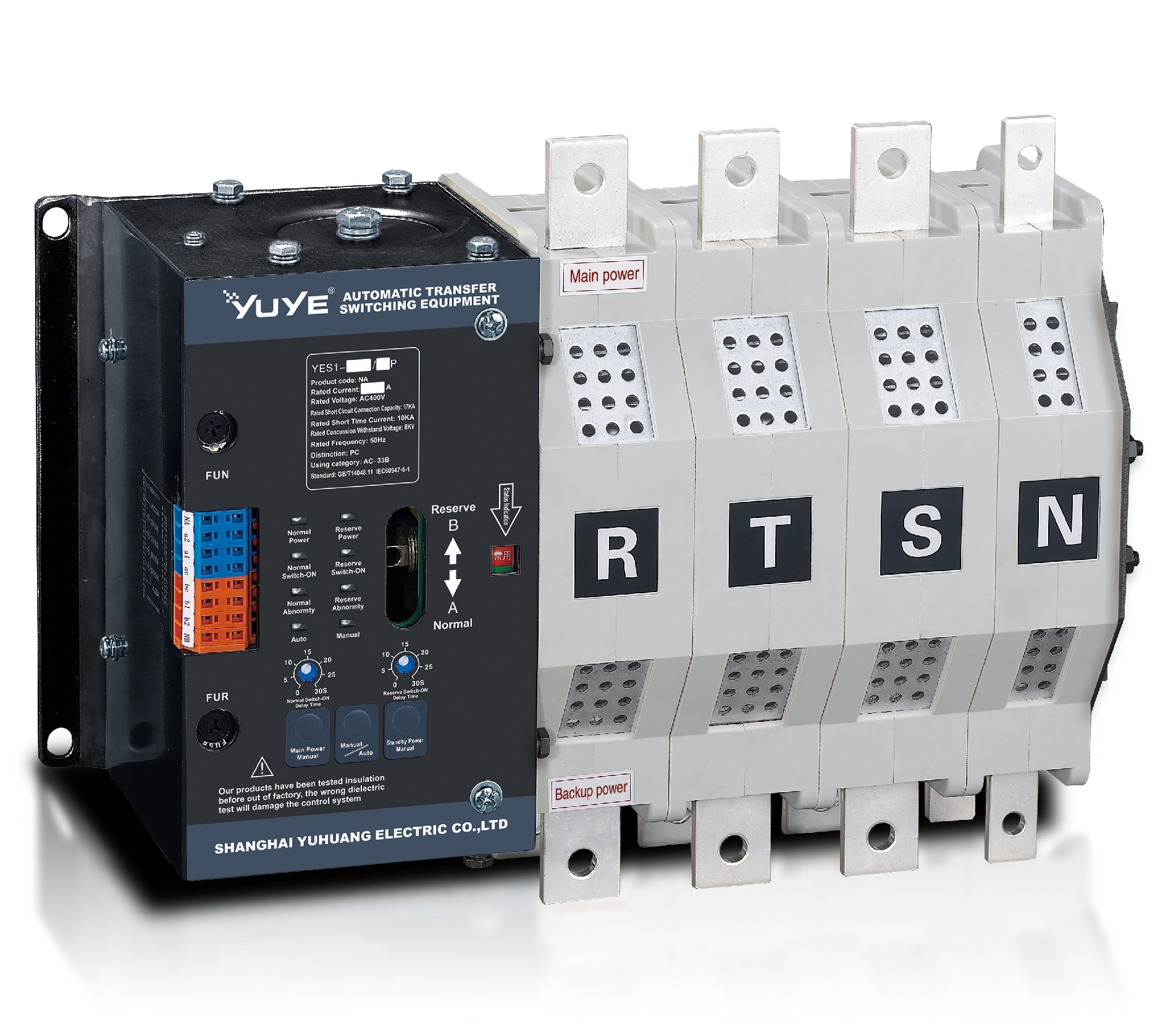 Solenoid-type ATS YES1-250~630NA/NAT
 Solenoid-type ATS YES1-63NJT
 PC ATS YES1-100~1600GN1/GN/GNF
 PC ATS YES1-2000~3200GN/GNF
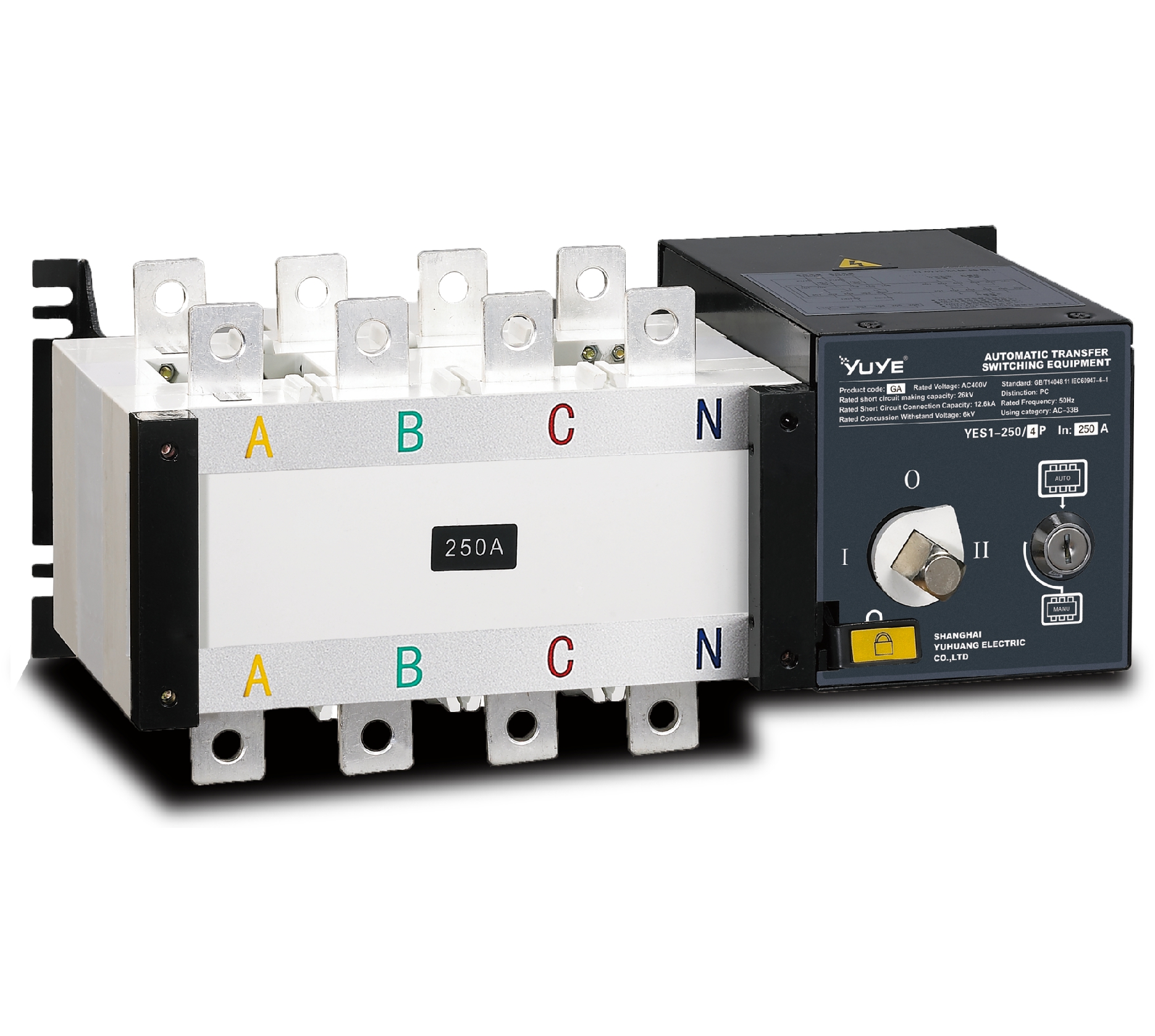 PC ATS YES1-100~3200GA1/GA
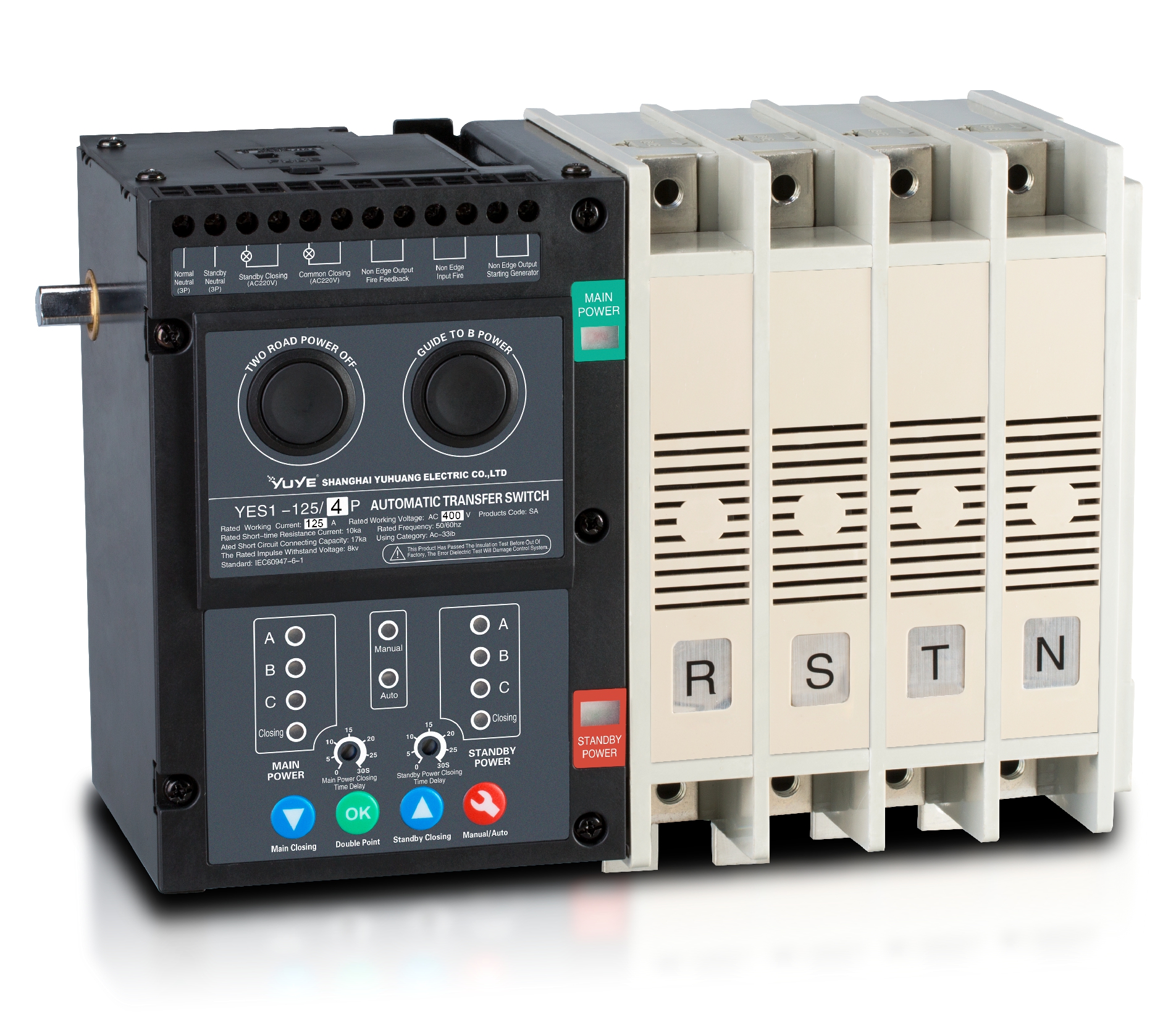 Solenoid-type ATS YES1-63~630SA
 Solenoid-type ATS YES1-63~630L/LA
 Solenoid-type ATS YES1-63~630LA3
 Solenoid-type ATS YES1-63MA
 PC ATS YES1-630~1600M
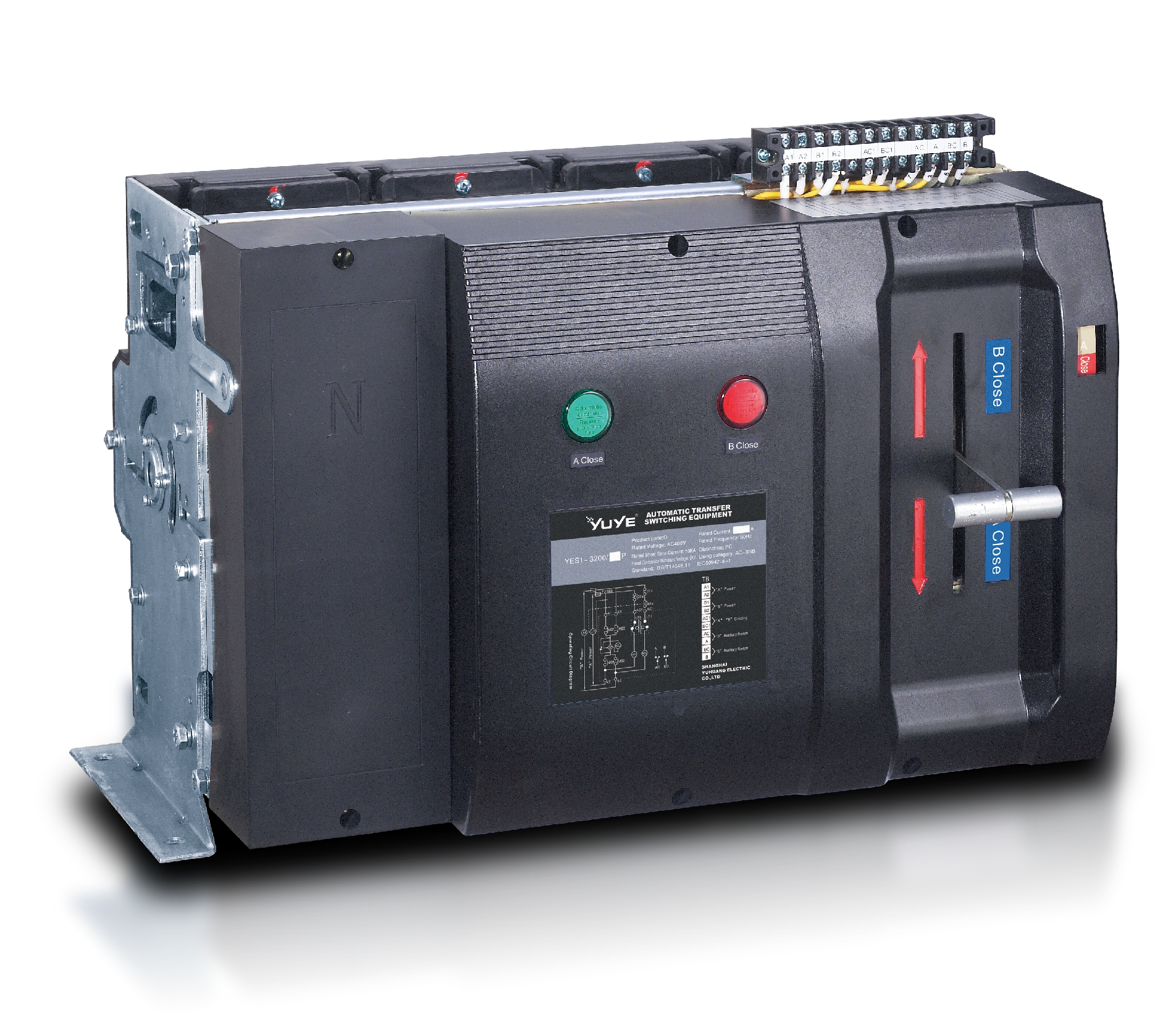 PC ATS YES1-3200Q
 Solenoid-type ATS YES1-4000~6300Q
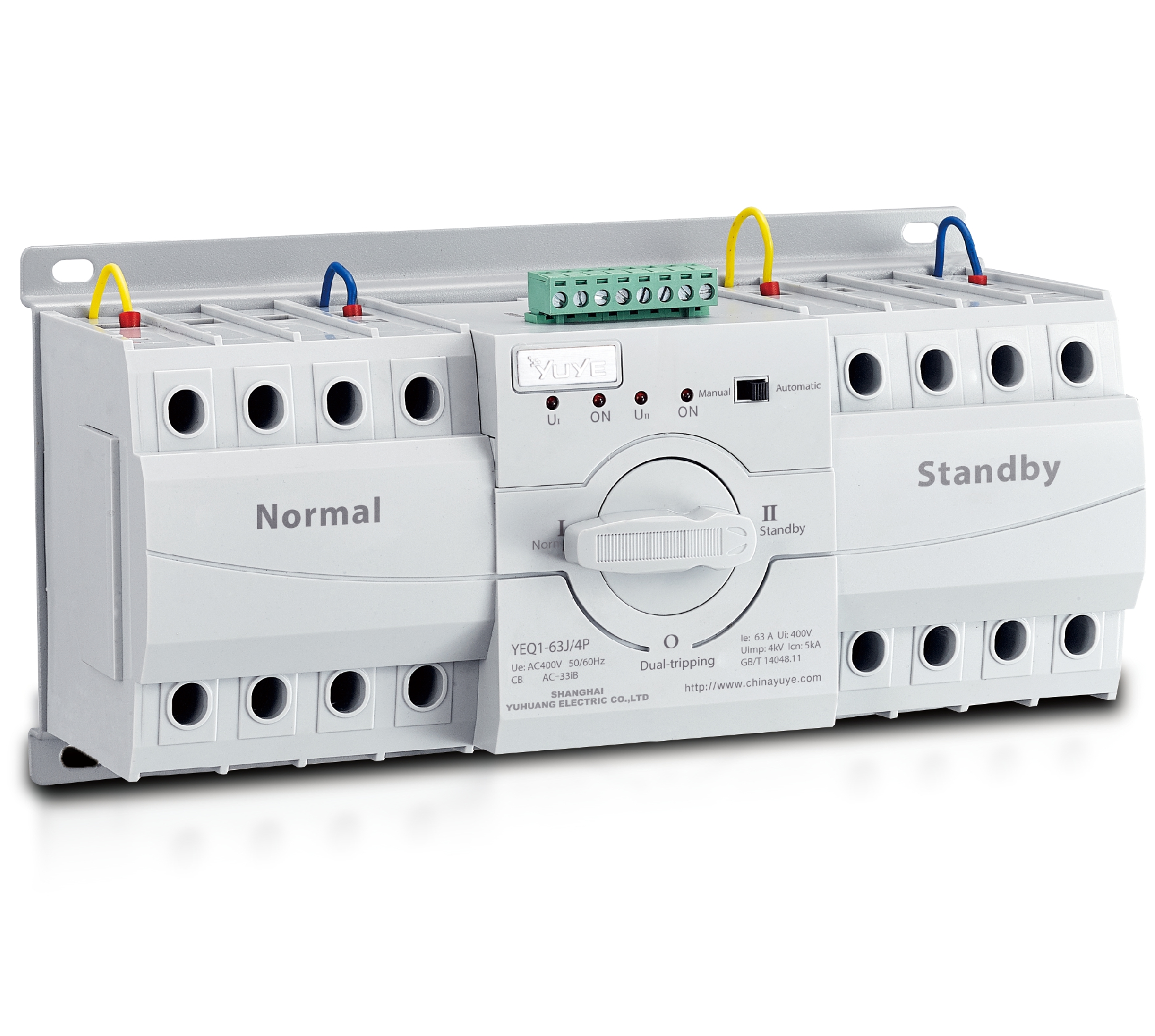 CB ATS YEQ1-63J
 CB ATS YEQ2Y-63
 CB ATS YEQ3-63W1
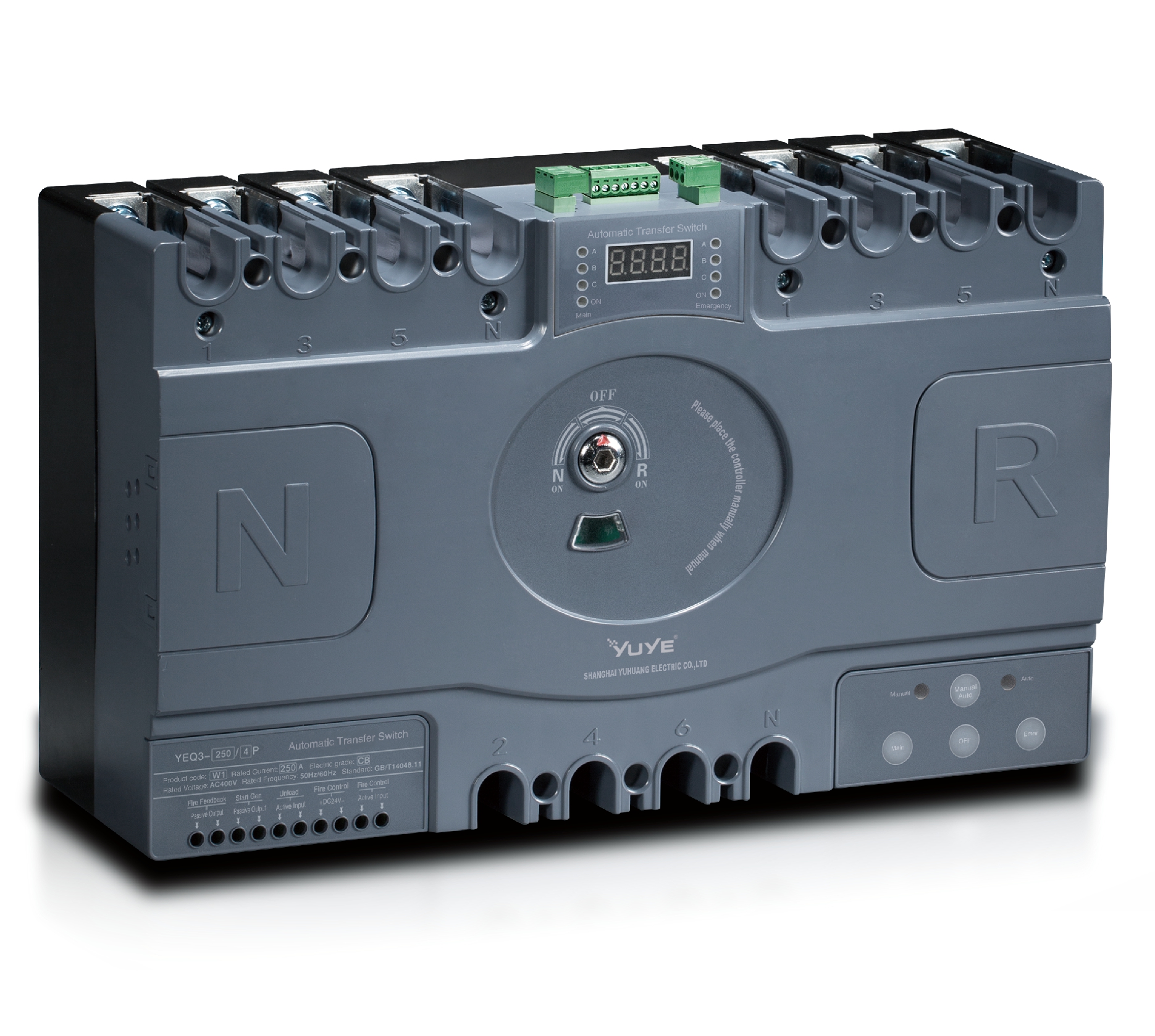 CB ATS YEQ3-125~630W1
 ATS controller Y-700
 ATS Controller Y-700N
 ATS Controller Y-701B
 ATS Controller Y-703N
 ATS Controller Y-800
 ATS Controller W2/W3 Series
 ATS switch Cabinet floor-to-ceiling
 ATS switch cabinet
 JXF-225A power Cbinet
 JXF-800A power Cbinet
 YEM3-125~800 Plastic Shell Type MCCB
 YEM3L-125~630 Leakage Type MCCB
 YEM3Z-125~800 Adjustable Type MCCB
 YEM1-63~1250 Plastic Shell Type MCCB
 YEM1E-100~800 Electronic Type MCCB
 YEM1L-100~630 Leakage Type MCCB
 Miniature circuit breaker YEMA2-6~100
 Miniature circuit breaker YEB1-3~63
 Miniature circuit breaker YEB1LE-3~63
 Miniature circuit breaker YEPN-3~32
 Miniature circuit breaker YEPNLE-3~32
 Miniature circuit breaker YENC-63~125
 Air Circuit Breaker YEW1-2000~6300
 Air Circuit Breaker YEW3-1600
 Load isolation switch YGL-63~3150
 Load Isolation Switch YGL2-63~3150
 Manual Changeover Switch YGL-100~630Z1A
 Manual Changeover Switch YGLZ1-100~3150
 YECPS2-45~125 LCD
 YECPS-45~125 Digital
 CNC Milling/Turning-OEM
 DC relay MDC-300M
 DC Isolation Switch YEGL3D-630


