Hey, so in today’s fast-changing energy world, having dependable systems is more important than ever. Power Automatic Transfer Switch (ATS) tech is really key in making sure there's no power interruptions. I came across a report from Research and Markets that actually predicts the global ATS market will shoot up to around $3.33 billion by 2026. That’s quite a jump, and honestly, it shows just how much we depend on uninterrupted power, especially in critical places like hospitals and data centers.
Basically, these Power ATS systems smoothly switch power sources, so there’s no annoying downtime. For example, in a hospital, if the main power goes out, the system kicks in and switches to backup generators within seconds — pretty impressive, right? But let’s be honest, not all systems are created equal. Some companies have run into issues with reliability or responsiveness, which makes folks question their infrastructure choices. And that’s led to industry talks about what standards should really be in place and what the best practices are.
Investing in a good quality Power ATS is definitely important — but it’s not just about spending more; companies need to think carefully about what they actually need. Sometimes, going for the cheapest option might backfire, and that’s something to watch out for. While the technology can work wonders, it’s also crucial to keep an eye on how well it performs over time to keep things running smoothly and maintain trust with clients. It’s all about finding that sweet spot, you know?

Benefits of Power Automatic Transfer Switches (ATS) for Businesses
In today's fast-paced business environment, reliability is essential. An Automatic Transfer Switch (ATS) provides a seamless transition between main power and backup generators. This ensures that operations continue without disruption during power outages. Such reliability can prevent costly downtime and protect critical data.
Businesses can benefit from enhanced safety features. ATS units are engineered to detect power failures quickly. Once a failure is identified, the switch engages automatically. This swift response minimizes risks such as equipment damage or data loss. However, not all businesses understand these protective features. Some may overlook the importance of regular maintenance, which is crucial for optimal performance.
Integrating an ATS into business infrastructure may seem complex. Initial installation can require a significant investment. Yet, the long-term savings in operational efficiency are significant. Companies must weigh these costs against potential losses from power interruptions. Reflecting on these aspects helps leaders make informed decisions about adopting ATS technology.
2026 Top Power Automatic Transfer Switch Ats Benefits Explained
| Benefit |
Description |
Applicable Industries |
Potential Savings |
| Minimized Downtime |
Automatic switchover to backup power reduces service interruptions. |
Healthcare, Data Centers, Manufacturing |
Up to 30% reduction in downtime costs |
| Enhanced Reliability |
Ensures continuous power supply through automatic transfer. |
Telecommunications, Retail, Critical Infrastructure |
Increased reliability can save tens of thousands annually |
| Cost Efficiency |
Reduces need for manual intervention and maintenance costs. |
Distribution Centers, Manufacturing, Commercial |
Potential savings of 15-20% on maintenance |
| Simplified Operations |
Automated systems can operate with less manual oversight. |
Warehousing, Food Production |
Reduced labor costs associated with power management |
| Improved Safety |
Automatic switching mitigates risks associated with manual processes. |
Manufacturing, Pharmaceuticals |
Lower insurance premiums due to reduced risks |
Understanding the Functionality of ATS in Power Management Systems
Automatic Transfer Switches (ATS) play a crucial role in modern power management systems. They serve as the connection points between the primary power source and a backup generator. In the event of a power outage, the ATS detects the failure and automatically switches to the generator. This seamless transition is vital for maintaining operations, especially in critical sectors like healthcare and data centers.
Data from the National Electric Code indicates that proper installation of ATS can reduce downtime by up to 90%. This efficiency ensures that hospitals remain functional during outages, which can be a matter of life and death. Similarly, critical infrastructure like telecommunications relies heavily on uninterrupted power supply, which ATS provides. However, the complexity of ATS systems can lead to potential mistakes in installation or maintenance that could negate their benefits.
Moreover, the accuracy in monitoring and reporting is sometimes lacking in older systems. Sometimes, checks are not done regularly. This can lead to failures during critical moments. Reports suggest that 25% of ATS-related failures stem from inadequate testing. It's essential for facilities to invest in regular audits and training for personnel. This oversight can significantly improve reliability and efficiency in power management.
Key Features of 2026 Top Power ATS Models and Their Advantages
Automatic Transfer Switches (ATS) are crucial for seamless power management in various applications. The 2026 Top Power ATS models come with innovative features. They offer rapid switching between power sources. This ensures minimal downtime during outages, an essential benefit for businesses.
One key feature of these ATS models is their enhanced monitoring capabilities. Users can track power usage in real-time. This helps in identifying inefficiencies quickly. Many models also boast user-friendly interfaces. These interfaces simplify operation, making them accessible for various skill levels. However, not all users may feel comfortable with technology, leading to potential mismanagement.
Here’s a
tip: Regular maintenance is vital. Check connections and functionality biannually for optimal performance. Another important aspect is
understanding your power needs. Assess the total load before selection to avoid overloading.
Moreover, consider the
installation environment. Factors like humidity and temperature can affect performance. Some units may require extra protection against dust or moisture. Failing to address these aspects may lead to poor outcomes. Always reflect on how these elements can impact your reliability. The benefits of ATS are profound, yet
awareness is crucial for effectiveness.
Industry Data: The Impact of ATS on Downtime Reduction and Cost Efficiency
Automatic Transfer Switches (ATS) play a critical role in industrial settings. They automatically switch power sources when the primary source fails. This mechanism significantly minimizes downtime. In environments where uninterrupted power is crucial, the ATS can save businesses from severe losses. The speed and efficiency of an ATS can be a game-changer.
Industry data shows notable trends in downtime reduction. Companies using ATS experience up to 50% less downtime during power outages. This efficiency leads to improved operational continuity. Fewer interruptions mean clients receive consistent service, enhancing trust and satisfaction. However, implementation may present challenges. There can be upfront costs and training needs. Organizations must weigh these factors carefully.
Cost efficiency is another compelling aspect. Reduced downtime translates directly into savings. Companies can forecast revenue more accurately. Yet, not all organizations achieve these benefits. Some may fail to maintain their systems properly. Regular inspections and timely upgrades are essential to ensure optimal performance. Without commitment, the advantages of ATS might not be fully realized.
Comparative Analysis of ATS: Manual vs. Automatic Transfer Switches
When considering power systems, the choice between manual and automatic transfer switches (ATS) is crucial.
Automatic transfer switches provide seamless switching between power sources. They enhance reliability by reducing the downtime during outages.
In contrast, manual switches demand human intervention, which can lead to delays. This can be risky in emergencies where every second counts.
Understanding your specific needs can help you make an informed choice. For critical infrastructure, an automatic switch is vital.
These systems can detect power loss and switch in a matter of seconds. They also offer convenience, as they don't require constant supervision.
Tip: Evaluate the power demands of your facility before choosing. It's easy to overlook this, but not all systems require automation.
Price differences can be significant. Automatic systems generally cost more upfront. However, consider the long-term savings from reduced downtime.
Manual switches might save money, but their potential risks could outweigh initial savings.
Tip: Factor in maintenance costs when deciding. Sometimes, cheaper solutions lead to higher expenses later.
Always assess how each option aligns with your operational priorities. A thorough comparison can prevent missteps that lead to power failures.
Collect data on your power needs and response times to make the best decision.
ATS Compliance Standards and Regulatory Requirements for 2026
Automatic Transfer Switches (ATS) are crucial for reliable power management. In 2026, compliance with ATS standards and regulatory requirements will be more important than ever. These requirements ensure that systems operate safely and efficiently. They promote standards for installation, maintenance, and performance testing.
Understanding the regulatory landscape is vital. Various organizations set standards for ATS, emphasizing safety, environmental impact, and efficiency. They focus on functions like automatic switching and load management. However, some users may struggle to keep up with the latest updates. This can lead to outdated systems, which might pose risks. Regular training and updates can help mitigate these concerns.
As we move toward 2026, assessing compliance will be essential for all facilities. The emphasis on sustainability and energy efficiency cannot be overlooked. Yet, as regulations evolve, not all stakeholders are prepared. Constant vigilance is necessary to ensure systems are aligned with current standards. This creates room for improvement and reflection on existing practices.
Future Trends: Innovations in ATS Technology and Their Benefits
The automatic transfer switch (ATS) technology is evolving rapidly. Recent reports show that the market for ATS is expected to grow by 6.2% annually through 2026. This growth stems from increasing demands for uninterrupted power supply. Businesses now rely on ATS systems to minimize downtime and protect costly equipment.
Innovations in ATS technology introduce features like smart monitoring and real-time diagnostics. These advancements enhance system performance and reliability. A 2022 study revealed that companies adopting smart ATS solutions reported a 35% reduction in power-related outages. However, the integration of such technologies can present challenges. Companies must ensure staff are trained to manage new systems effectively.
Moreover, the trend toward renewable energy sources also influences ATS design. Modern ATS solutions are adapting to incorporate solar and wind energy seamlessly. This shift can be complex, as transitioning to a hybrid system involves significant planning. Not all businesses are prepared for this change. Some still struggle with legacy systems that lack flexibility. Implementing ATS technology is essential, yet requires careful consideration of existing infrastructure to realize its full potential.
Optimizing Power Distribution with ATS Switch Cabinets: Key Benefits and Best Practices
Optimizing power distribution is crucial for enhancing the efficiency, reliability, and safety of electrical systems, and ATS switch cabinets play a pivotal role in this process. A wall-mounted ATS cabinet offers dual circuit power input with automatic detection and switch functionalities, enabling seamless transitions and operation under various conditions. This flexibility supports different switching modes to cater to specific operational needs, which significantly enhances overall system reliability.
These cabinets feature a wide capacity range of 63-4000A, allowing for customized configuration based on the load requirements of the backend systems. This adaptability simplifies the management of power resources, ensuring that energy distribution is both effective and efficient. In addition, these ATS cabinets are equipped with high-quality switch devices and lightning protection features, ensuring electrical performance is rigorously monitored and inspected at the factory level.
Moreover, intelligent monitoring capabilities further simplify operations. With a built-in 4.3-inch touch screen or smart meter, users can easily track current levels, power usage, and consumption trends in real-time. This feature not only supports proactive maintenance but also facilitates a more efficient energy management strategy. The design includes provisions for convenient maintenance from both the front and back sides, ensuring user accessibility while minimizing downtime. The complete quality certification assures compliance with industry standards, thus reinforcing the trust in the performance and safety of these ATS switch cabinets.
FAQS
utomatic Transfer Switch (ATS)?
ATS units quickly detect power failures. They switch power automatically, minimizing risks like equipment damage or data loss.
Installation can be complex and may require a significant investment. However, it leads to long-term efficiency savings.
Regular maintenance is vital for optimal performance. Overlooking it can lead to system failures during critical moments.
Automatic switches provide seamless transitions, while manual switches require human intervention which can cause delays in emergencies.
Assess your facility's power demands. Not every system requires automation, and understanding needs can prevent costly mistakes.
Compliance ensures systems operate safely and efficiently. Regular updates and training are needed to adhere to evolving regulations.
Automatic systems often have a higher upfront cost. However, consider long-term savings from preventing downtime and associated losses.
Yes, compliance standards for ATS will likely evolve. Staying updated is crucial to avoid outdated systems and ensure safety.
Regular training and system assessments are necessary. Continuous vigilance can help align your facilities with current regulatory standards.
Conclusion
The article "2026 Top Power Automatic Transfer Switch Ats Benefits Explained" delves into the critical role of Power Automatic Transfer Switches (ATS) in enhancing business operations. ATS technology ensures seamless transitions between power sources, significantly reducing downtime and improving overall cost efficiency. It highlights the functionality of ATS in power management systems, showcasing key features of the top models of 2026 and their advantages.
Furthermore, the article discusses the compliance standards and regulatory requirements surrounding ATS, ensuring that businesses adhere to industry norms. It also presents a comparative analysis of manual versus automatic transfer switches, underscoring the benefits of automation. Finally, the piece explores future trends in ATS technology, emphasizing innovations that promise to further enhance their effectiveness in power management solutions.

 PC ATS YECT1-2000G
 PC ATS YES2-63~250GN1
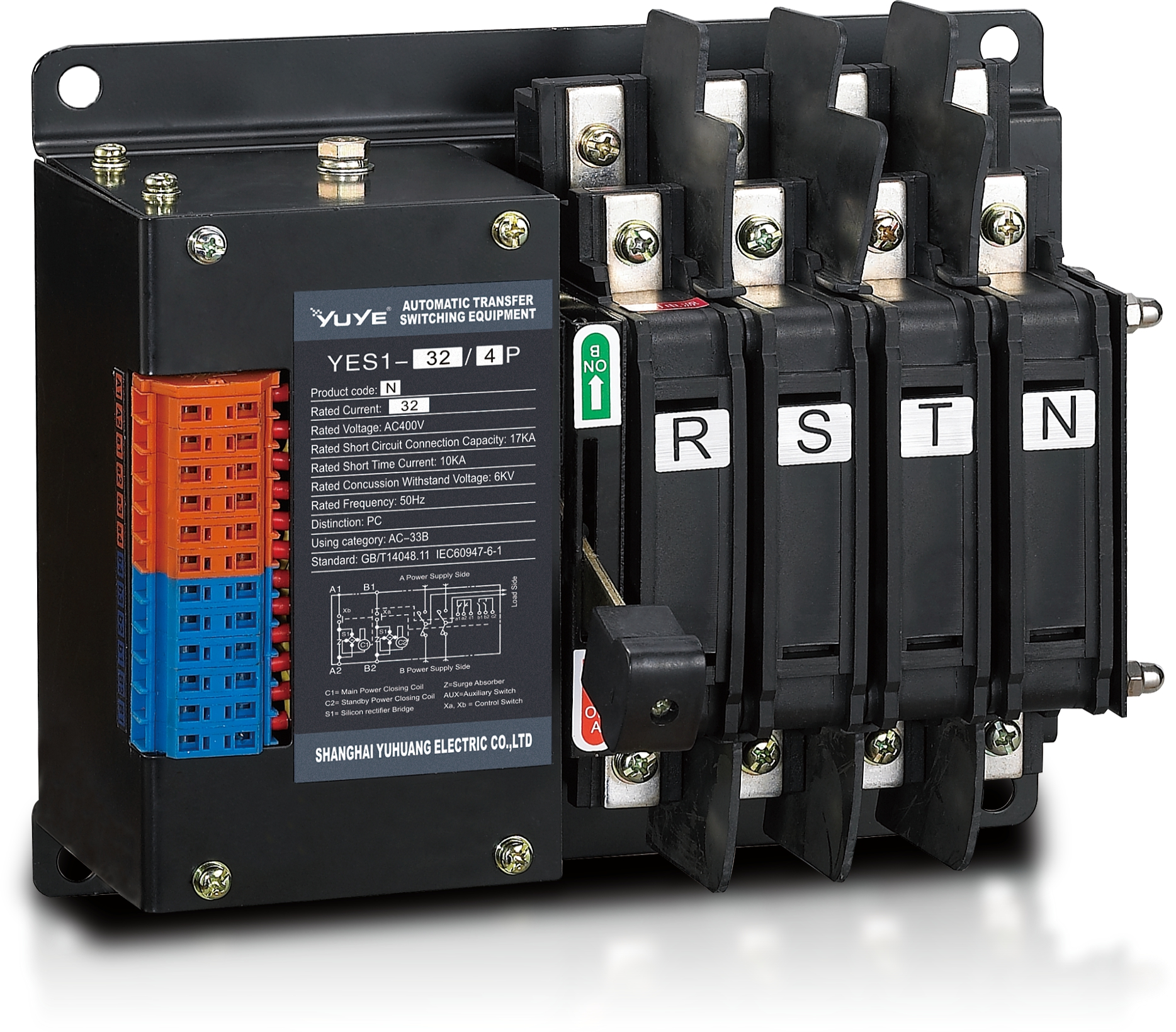 Solenoid-type ATS YES1-32~125N
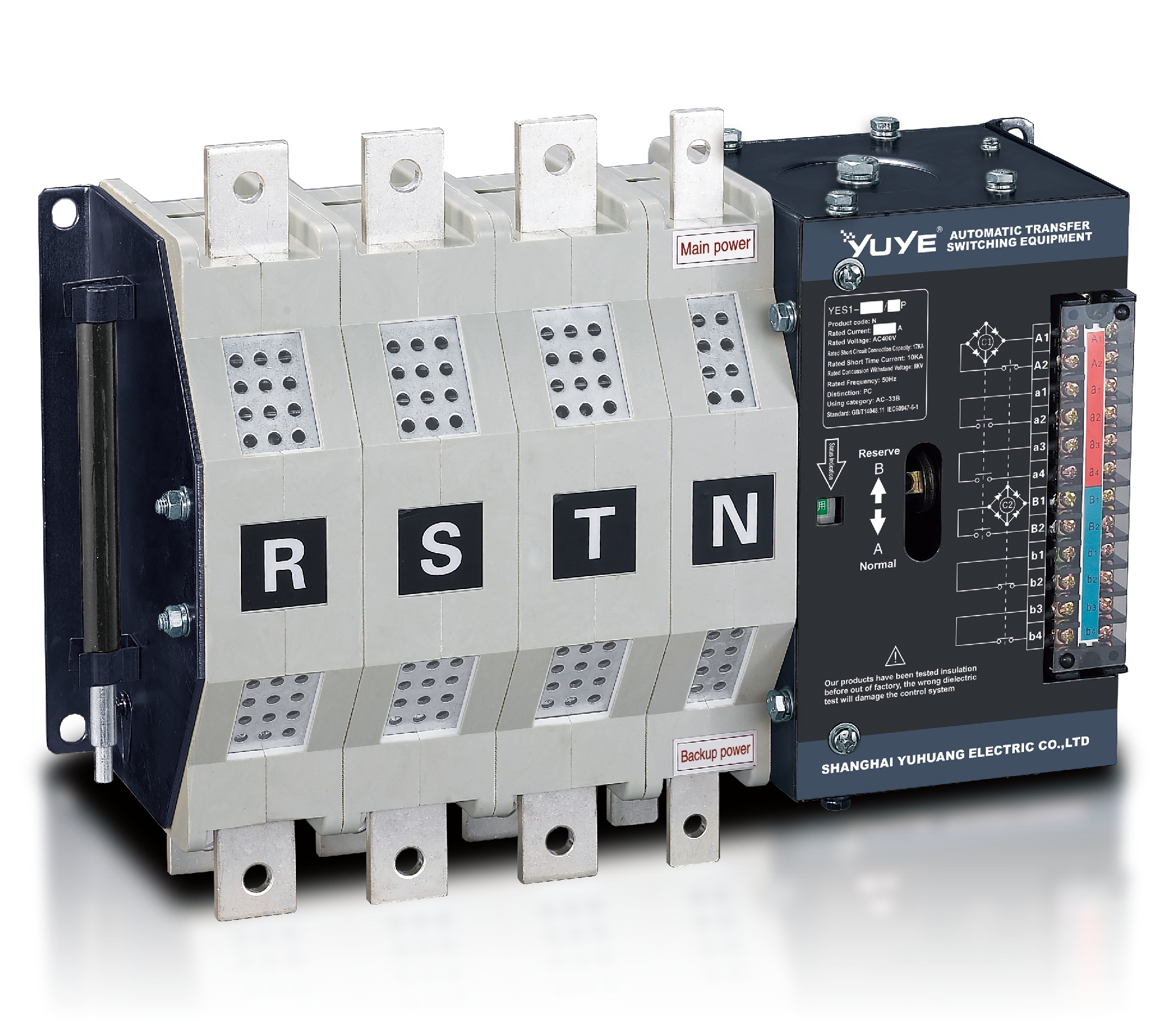 Solenoid-type ATS YES1-250~630N/NT
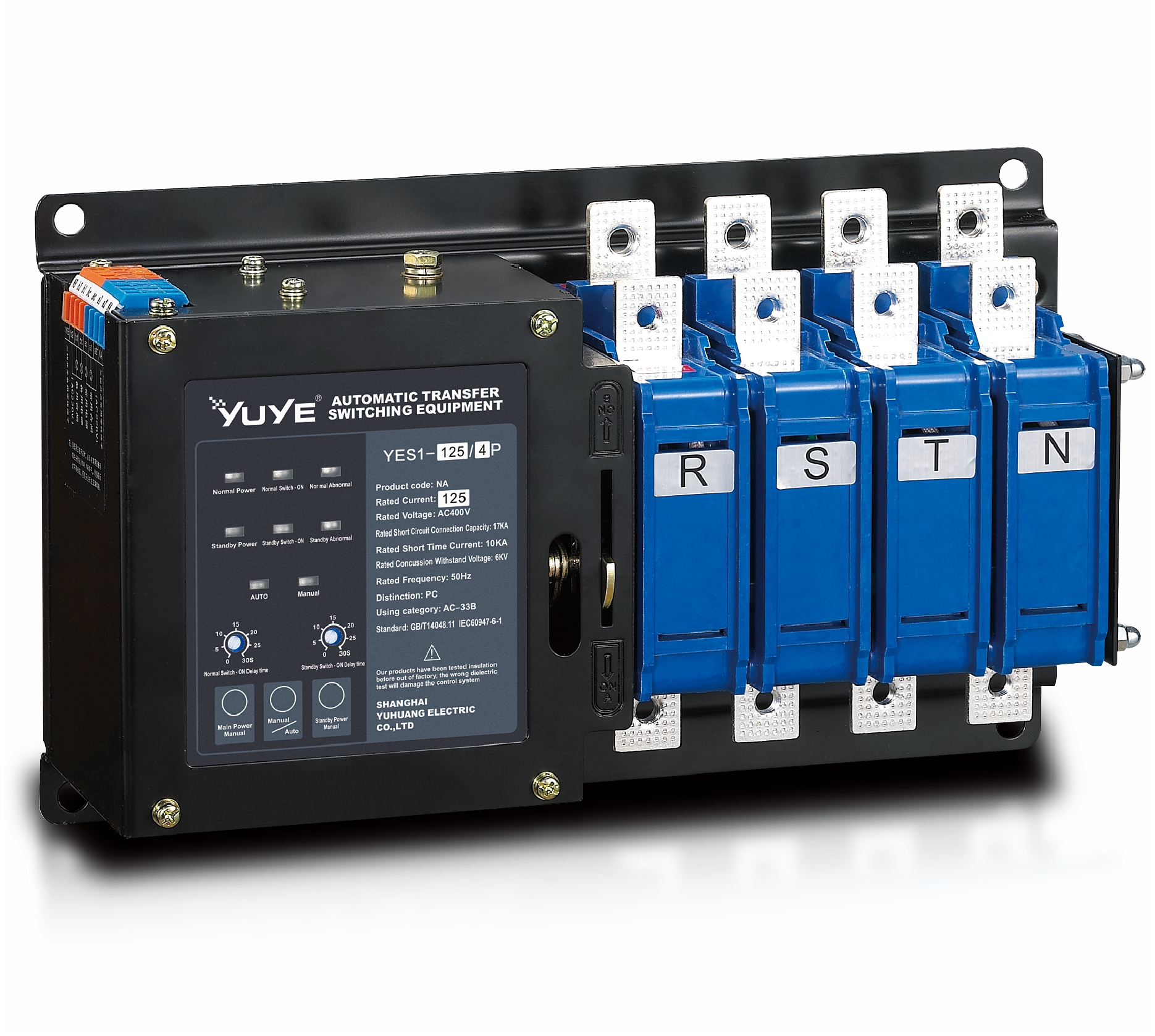 Solenoid-type ATS YES1-32~125NA
 Solenoid-type ATS YES1-63~630SN
 Solenoid-type ATS YES1-1250~4000SN
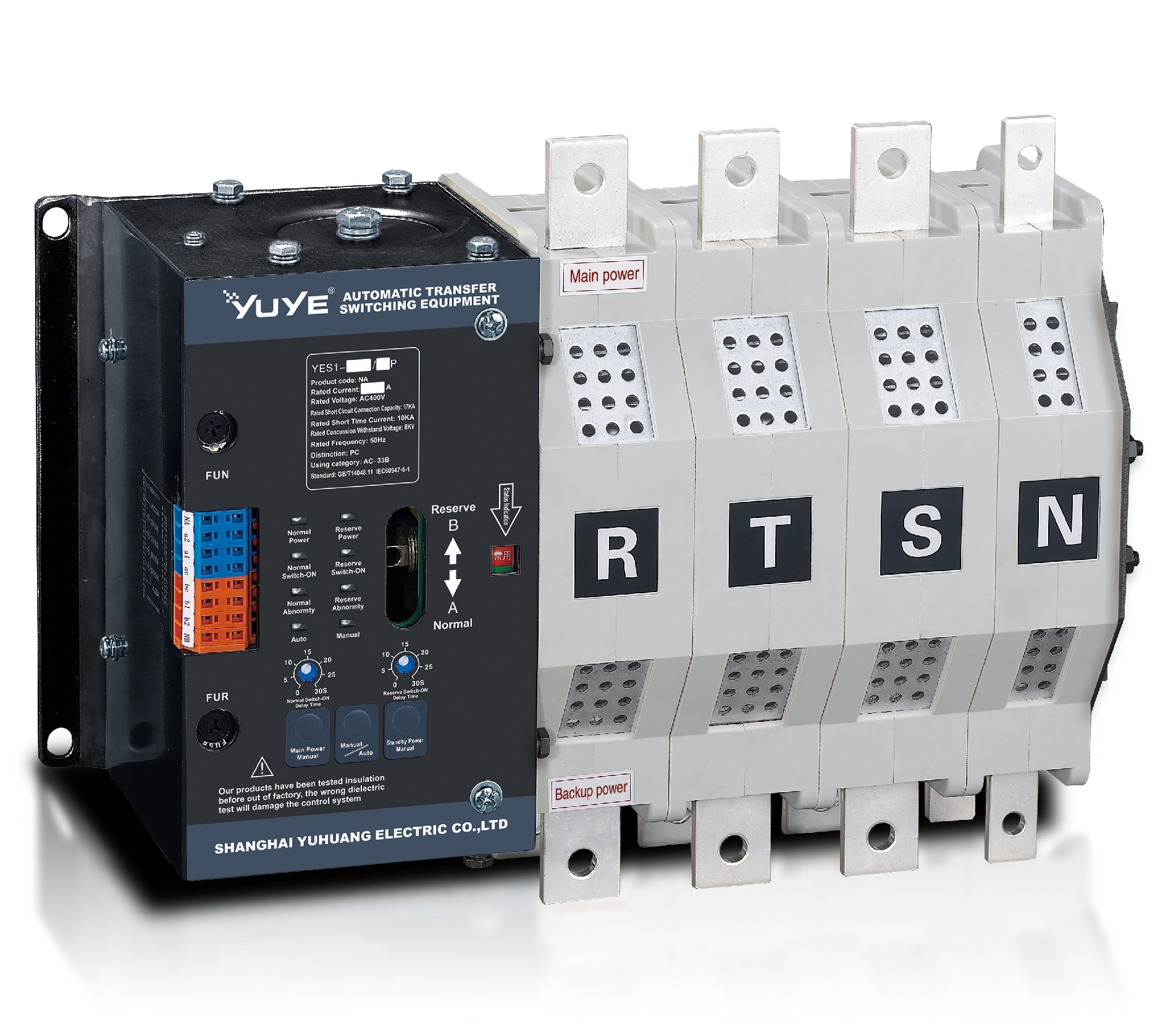 Solenoid-type ATS YES1-250~630NA/NAT
 Solenoid-type ATS YES1-63NJT
 PC ATS YES1-100~1600GN1/GN/GNF
 PC ATS YES1-2000~3200GN/GNF
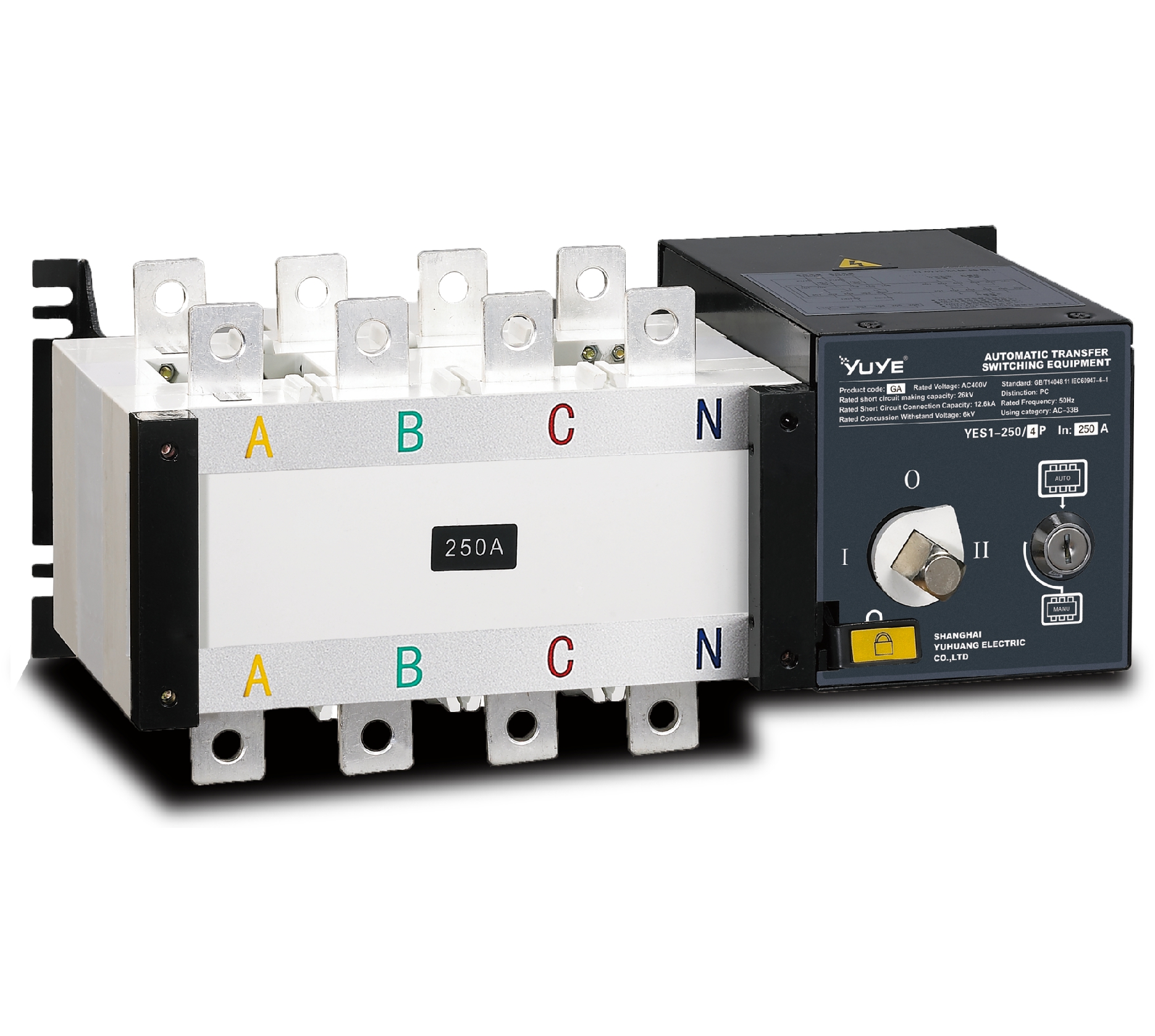 PC ATS YES1-100~3200GA1/GA
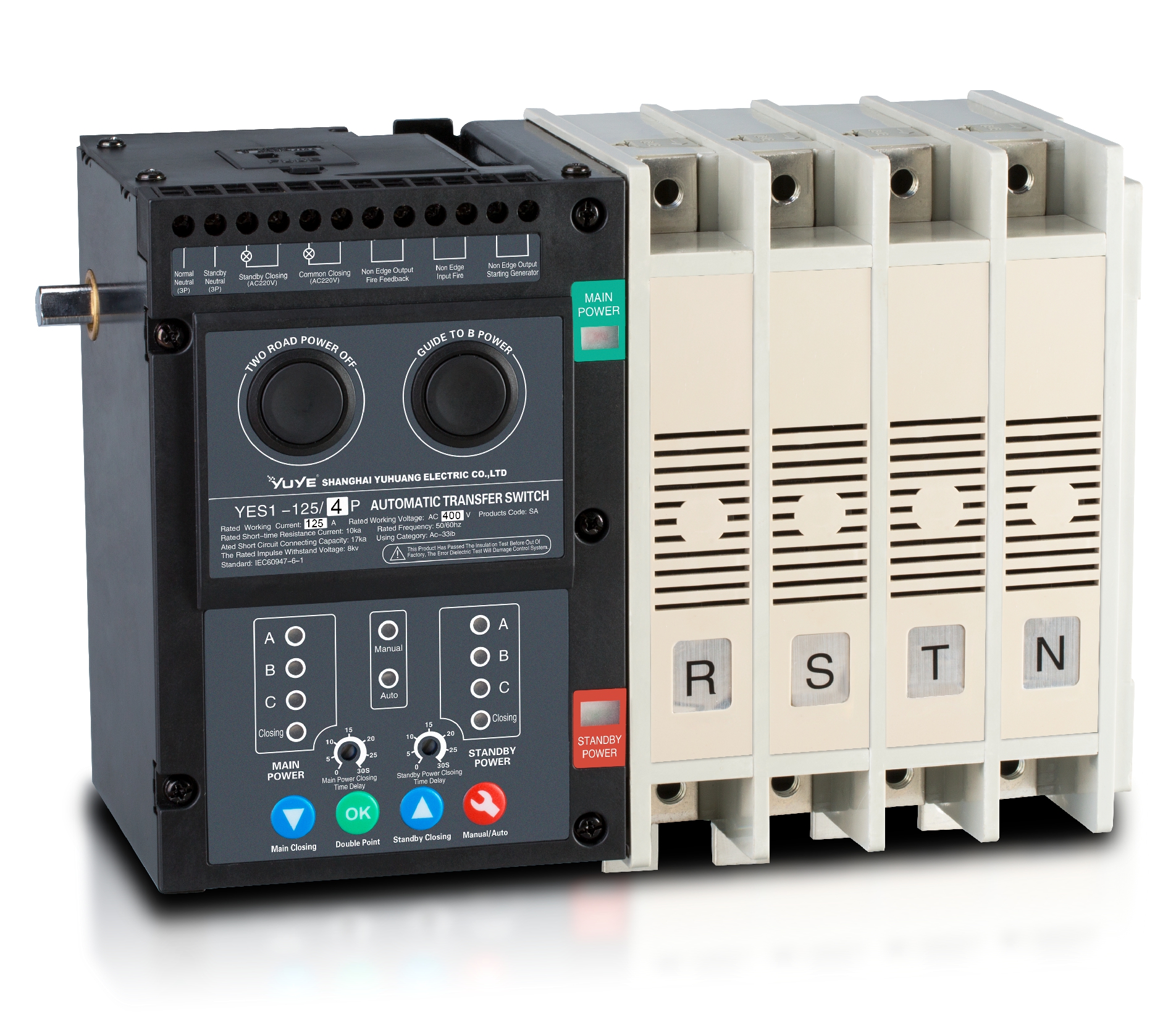 Solenoid-type ATS YES1-63~630SA
 Solenoid-type ATS YES1-63~630L/LA
 Solenoid-type ATS YES1-63~630LA3
 Solenoid-type ATS YES1-63MA
 PC ATS YES1-630~1600M
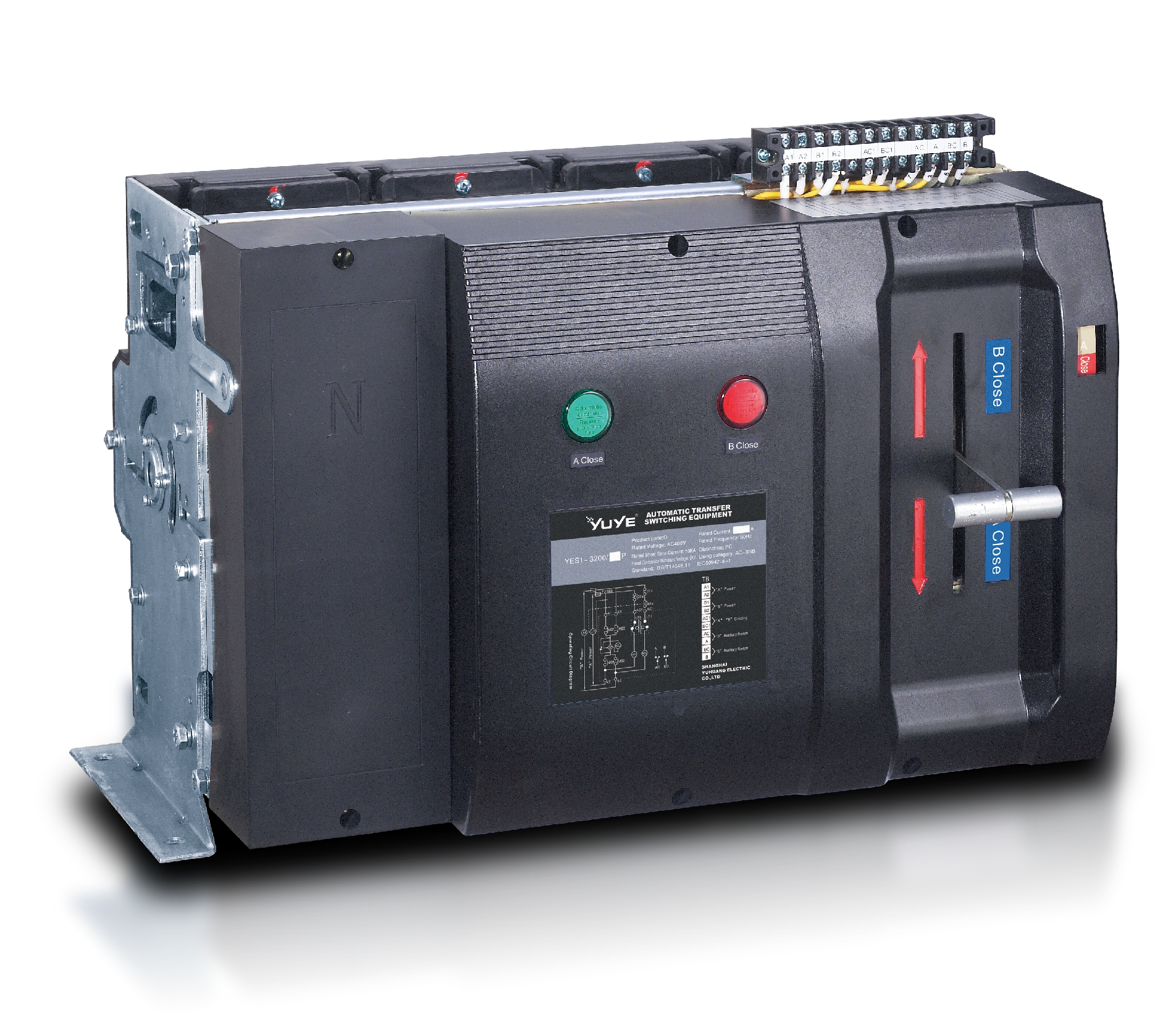 PC ATS YES1-3200Q
 Solenoid-type ATS YES1-4000~6300Q
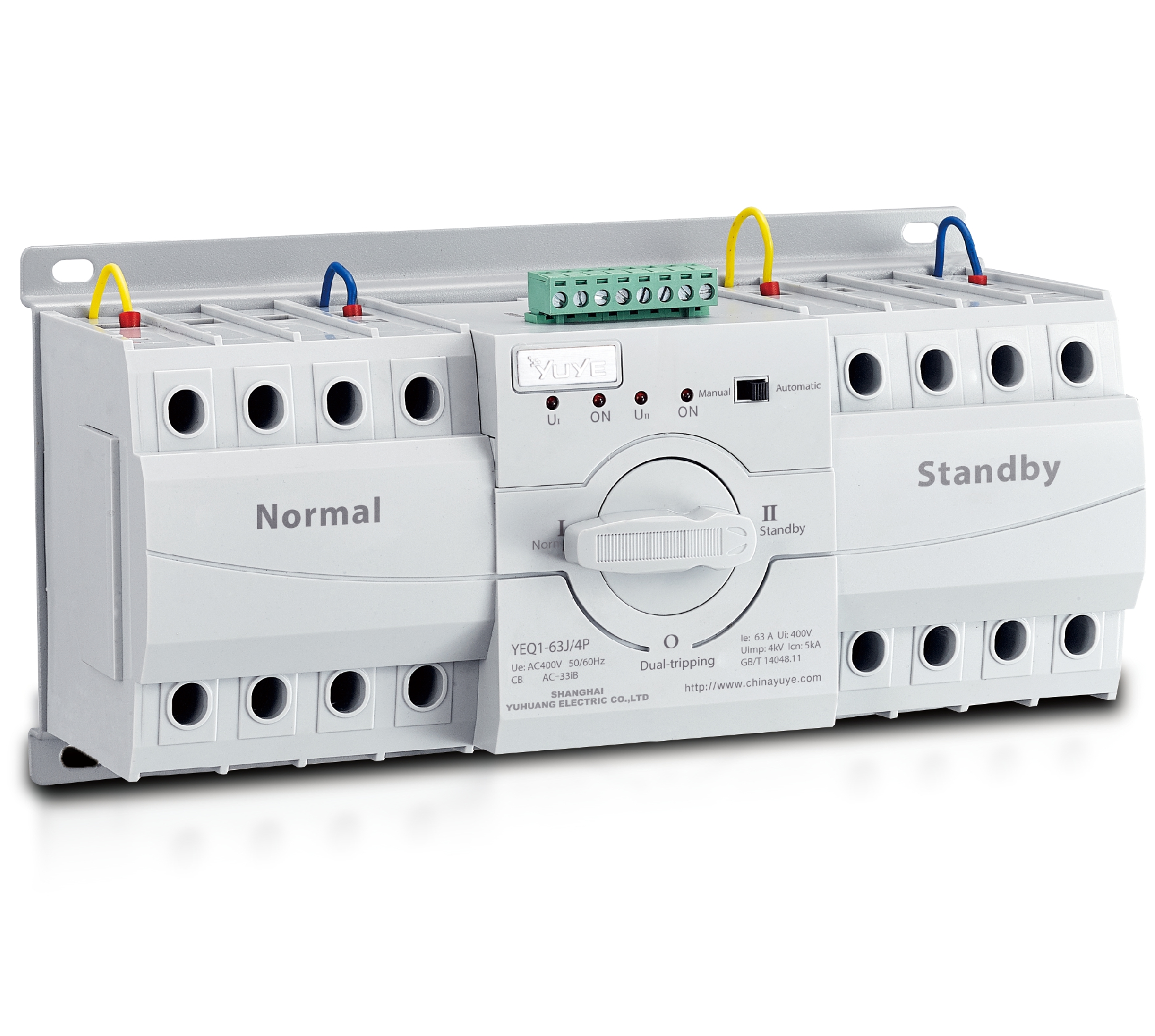 CB ATS YEQ1-63J
 CB ATS YEQ2Y-63
 CB ATS YEQ3-63W1
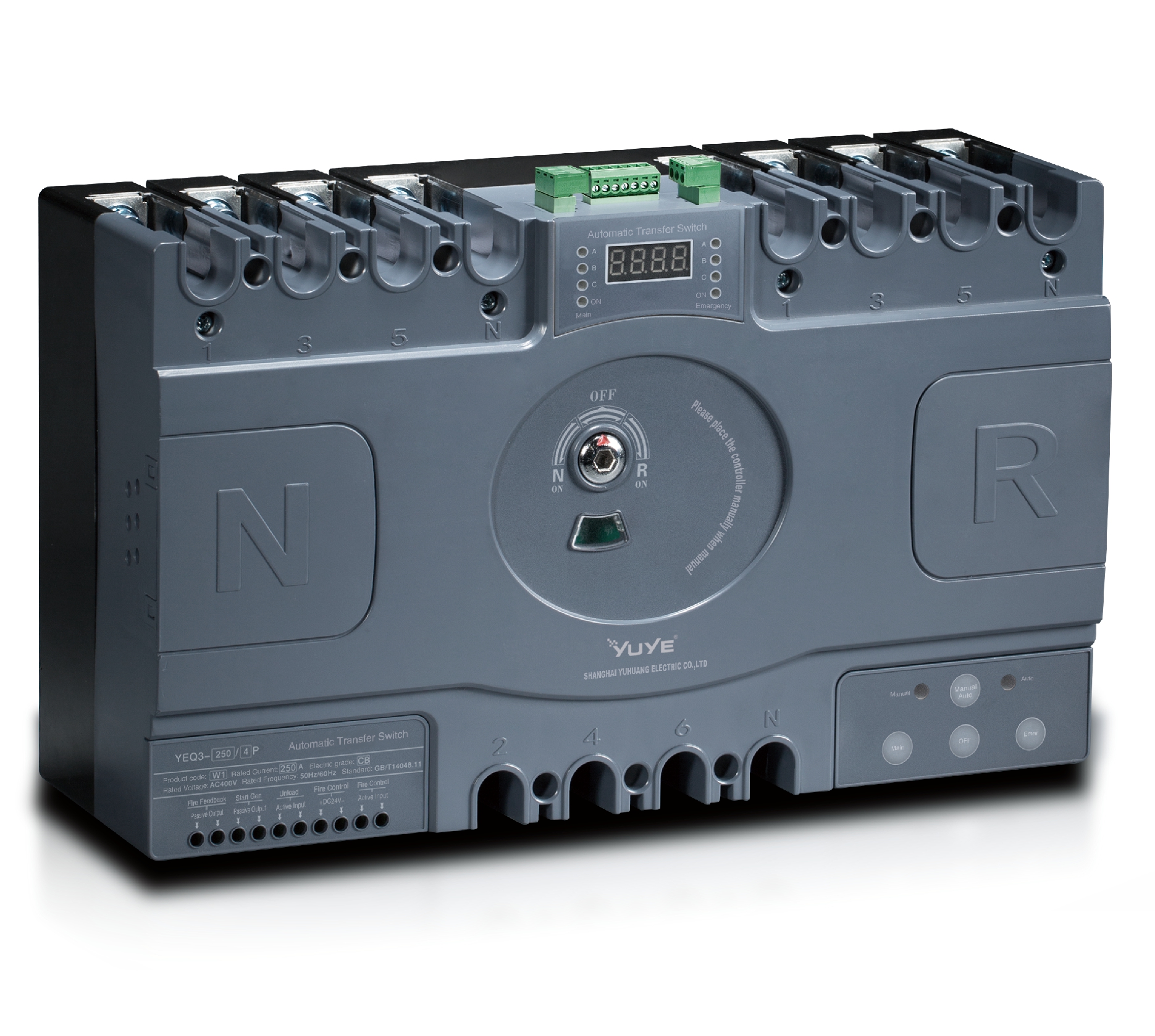 CB ATS YEQ3-125~630W1
 ATS controller Y-700
 ATS Controller Y-700N
 ATS Controller Y-701B
 ATS Controller Y-703N
 ATS Controller Y-800
 ATS Controller W2/W3 Series
 ATS switch Cabinet floor-to-ceiling
 ATS switch cabinet
 JXF-225A power Cbinet
 JXF-800A power Cbinet
 YEM3-125~800 Plastic Shell Type MCCB
 YEM3L-125~630 Leakage Type MCCB
 YEM3Z-125~800 Adjustable Type MCCB
 YEM1-63~1250 Plastic Shell Type MCCB
 YEM1E-100~800 Electronic Type MCCB
 YEM1L-100~630 Leakage Type MCCB
 Miniature circuit breaker YEMA2-6~100
 Miniature circuit breaker YEB1-3~63
 Miniature circuit breaker YEB1LE-3~63
 Miniature circuit breaker YEPN-3~32
 Miniature circuit breaker YEPNLE-3~32
 Miniature circuit breaker YENC-63~125
 Air Circuit Breaker YEW1-2000~6300
 Air Circuit Breaker YEW3-1600
 Load isolation switch YGL-63~3150
 Load Isolation Switch YGL2-63~3150
 Manual Changeover Switch YGL-100~630Z1A
 Manual Changeover Switch YGLZ1-100~3150
 YECPS2-45~125 LCD
 YECPS-45~125 Digital
 CNC Milling/Turning-OEM
 DC relay MDC-300M
 DC Isolation Switch YEGL3D-630


