In today’s world, having a reliable power supply is pretty much essential for both homes and businesses. A 3-phase Automatic Transfer Switch is a pretty smart solution to keep the lights on and things running smoothly. Basically, it makes sure there’s a seamless switch between your main power source and a backup generator when needed.
Lots of companies, like Power Solutions Inc., offer top-notch 3-phase Automatic Transfer Switches. They’ve got models for all kinds of setups, so you can count on them to keep your power steady no matter where you are. This means you can avoid those annoying unexpected outages and keep your operations going without a hitch. That said, not all options are the same — some are easier to install and maintain than others.
Honestly, some switches can be a bit tricky to set up or keep in good shape, which might cause some headaches if you’re not careful. It’s really important to think about what you actually need and pick the right model for your specific situation. Taking the time to do that can save you a lot of trouble down the line. All in all, investing in a good 3-phase Automatic Transfer Switch is a smart move to dodge power failures and keep things running efficiently.

Introduction to Automatic Transfer Switches
Automatic Transfer Switches (ATS) play a vital role in ensuring a seamless power supply. They automatically switch power sources when one fails. This feature is crucial for homes and businesses alike. The process happens quickly, minimizing downtime. An ATS monitors the main power line constantly. If it detects an outage, it activates the backup power source immediately. This swift action provides peace of mind.
Choosing a 3p (three-phase) Automatic Transfer Switch offers additional benefits. A three-phase system is common in commercial settings. It supports higher loads and enhances reliability. With a 3p ATS, the risk of overload diminishes. However, not all setups require three-phase switches. Assessing needs is essential. Choosing the wrong switch can lead to inefficiencies.
While ATS units are dependable, they are not infallible. Regular maintenance is necessary to ensure optimal performance. Neglecting this aspect can lead to unexpected failures. Users might overlook the importance of routine checks. It’s crucial to be proactive rather than reactive. The complexity of electrical systems demands careful attention. Understanding the workings of an ATS aids in making informed decisions. A little knowledge can prevent costly mistakes.
Understanding the Functionality of 3p Automatic Transfer Switches
A 3p automatic transfer switch (ATS) plays a crucial role in ensuring reliable power supply during outages. It connects two power sources: a primary source and a backup generator. When the primary source fails, the ATS automatically switches to the backup. This seamless transition can prevent costly downtimes. It’s essential for businesses that depend on continuous power.
Understanding the functionality of a 3p ATS goes beyond simple mechanics. These devices monitor the power levels and detect interruptions. They respond quickly, often within seconds. This speed is vital for sensitive equipment. Imagine a hospital or a data center. Any delay can lead to dire consequences. However, ATS systems are not flawless; they require regular maintenance. Neglecting this can lead to unexpected failures, which is something to think about.
It’s also worth noting the complexity of installation. While some may assume it's a straightforward process, it often demands specialized knowledge. Improper setup can result in safety hazards or equipment damage. Users should always prioritize working with professionals who understand these systems deeply. An ATS is a powerful tool, but its effectiveness hinges on proper care and attention.
Power Source Reliability: Understanding the 3p Automatic Transfer Switch Advantages
Key Benefits of Using a 3p Automatic Transfer Switch
A 3p Automatic Transfer Switch (ATS) plays a vital role in ensuring continuous power supply. One key benefit is its ability to make quick decisions. When a power outage occurs, the ATS instantly detects it. It then switches to a backup source, often without any delay. This minimizes downtime for homes and businesses alike. Imagine a hospital. An ATS can provide seamless power to critical equipment, which can save lives.
Another advantage is the ease of use. Most 3p ATS systems operate automatically. This means there is less dependence on human intervention. Furthermore, they typically feature user-friendly interfaces. Users can monitor power status at a glance, making maintenance easier and more effective. However, there is still room for improvement. Some systems might require regular checks to ensure they function properly. A simple oversight could lead to problems during emergencies.
Reliability is an essential characteristic of a 3p ATS. Many users report fewer outages when using this technology. The combination of speed and reliability makes it a valuable asset. Yet, installation can prove tricky. Many people find the process complicated and might question their choices if issues arise. Proper installation and routine upkeep are crucial for maximum effectiveness.
Comparison with Manual Transfer Switches
When it comes to power reliability, the choice between a
3p automatic transfer switch (ATS) and a
manual transfer switch can be significant.
Automatic transfer switches offer seamless transitions during outages.
They detect power loss and switch to backup power without user intervention. This is crucial for
businesses. A manual transfer switch, however, requires someone to operate it. This serves as a
point of delay. In urgent power outages, every second counts.
Using a manual switch may save money initially, but it can lead to costly downtime.
Human error is a risk factor. The operator may not switch over quickly enough, or they might miss
the warning signs of a power failure entirely. Conversely, an automatic switch confidently triggers
backup systems. It enhances safety and reliability. It reduces the burden on staff. Employees can
focus on their tasks rather than dealing with power issues.
Also, consider maintenance. Manual transfer switches often neglect regular checks. Owners rely on
memory and schedules. This can lead to unexpected failures. An automatic switch typically includes
built-in diagnostics. These features help to ensure the system works when it is most needed. In
short, while both options have their places, the advantages of an automatic switch often outweigh
the simplicity of manual ones in critical situations.
Applications and Industries Utilizing 3p ATS
In many industries, consistent power supply is crucial. A 3p Automatic Transfer Switch (ATS) plays a vital role in ensuring that power remains uninterrupted. Hospitals, for example, depend on these systems. A brief outage can lead to dire consequences. According to a study by the Electric Power Research Institute, over 80% of hospitals face disruptions due to power failures. 3p ATS ensures that backup generators kick in instantly, thus maintaining critical operations.
Data centers and telecommunications also benefit significantly from 3p ATS. Downtime in these sectors can lead to substantial financial losses. A report from the Uptime Institute revealed that major outages could cost businesses up to $5,600 per minute. The flexibility of a 3p ATS allows these facilities to switch power sources seamlessly, reducing risks associated with power failure. However, installation and maintenance can be challenging. Proper planning and adherence to codes are necessary to ensure reliability.
Manufacturing facilities utilize 3p ATS as well. Machines require constant power to avoid production downtime, which can impact output. An industry survey found that 25% of manufacturers experienced unexpected power failures last year. This statistic highlights the need for reliable power solutions. Although 3p ATS provides clarity and reliability, neglecting regular maintenance can lead to vulnerabilities. Reflecting on these aspects is crucial for making informed decisions.
Factors to Consider When Choosing a 3p ATS
When selecting a 3-phase (3p) Automatic Transfer Switch (ATS), several key factors must be considered to ensure reliable power supply. The National Electrical Manufacturers Association (NEMA) reports that nearly 30% of power outages are caused by equipment failures. Thus, choosing a robust ATS is critical. Look for switches that can handle specific load requirements. A switch rated for higher amperage ensures it won’t fail under peak loads, which can be vital during emergencies.
Another important factor is the switch's response time. According to a utility industry survey, a response time of less than 30 seconds significantly reduces the risk of system downtime. Many businesses utilize backup generators, and a delay can lead to data loss or equipment damage. Evaluate the performance specifications. They should ideally provide a seamless transition process.
Durability and maintenance are also essential. The Electrical Power Research Institute (EPRI) suggests that regular maintenance reports can identify potential failures early. An ATS that is difficult to service could lead to longer downtimes. Ensure warranties and support are adequate. Small inefficiencies can compound. Choosing wisely now can save larger expenses later.
Maintenance and Reliability of 3p Automatic Transfer Switches
Automatic transfer switches (ATS) are crucial for maintaining power reliability. A 3-phase (3p) automatic transfer switch plays a significant role in this process. It smoothly transfers power from the main supply to backup generators during outages or disruptions. But how reliable are these devices?
Regular maintenance of 3p ATS is vital for optimal performance. According to industry reports, well-maintained switches can last over 20 years. In contrast, neglect can lead to costly failures. Some studies indicate that up to 30% of ATS failures result from poor maintenance practices. Regular inspections and testing are essential to identify potential issues early.
**Tips:** Schedule routine maintenance every six months. This includes testing battery levels and checking connection integrity. Small issues can escalate quickly. Brushing off warnings can lead to power loss.
Understanding failure rates is also crucial. Many facilities replace their ATS units far too late. The average lifespan of an ATS, according to data, is about 15 years. After that, reliability decreases significantly. Always plan for replacements proactively. This practice prevents unexpected downtimes and maintains operational efficiency.
**Tips:** Monitor the age of your ATS closely. If it's nearing 15 years, start looking for a replacement. Preventive measures are often more cost-effective than emergency repairs.
Comprehensive Guide to the Manual Changeover Switch YGLZ1-100~3150: Features, Applications, and Benefits
The manual changeover switch YGLZ1-100~3150 stands out for its versatility in various electrical applications, offering reliable performance and significant advantages to users. Designed to facilitate the transition between different power sources, this switch ensures a seamless power supply in both residential and industrial settings. Its robust construction and compliance with IEC60947-3 standards underline its commitment to safety and efficiency, making it a crucial component for managing electrical circuits effectively.
The YGL series, within which the YGLZ1-100~3150 operates, features isolators that are specifically tailored for AC systems with a frequency of 50Hz and a maximum rated voltage of 400V. With a rated current capacity of up to 3150A, these load isolation switches are ideal for connecting and disconnecting circuits, significantly reducing the risk of electrical overloads and enhancing system reliability. This capability is particularly beneficial in power systems where infrequent circuit interruptions are necessary to maintain consistent operations and prevent potential hazards.
In addition to its operational efficiency, the manual changeover switch provides users with the flexibility to manage electrical resources intelligently. The switch's use categories, such as AC-22B and AC-21B, allow for varied application scenarios, meeting diverse demands across different sectors. By implementing the YGLZ1-100~3150, users can enjoy enhanced control over their electrical systems, contributing to overall operational effectiveness while ensuring safety and compliance with industry standards.
FAQS
: It offers convenience and efficiency. You can save time and reduce effort.
You submit your request online. Then, a team reviews and acts on it. Clarity in details helps.
Yes, there may be various fees. Check the specific service details for transparency.
You’ll receive notifications via email or through the website. Timely updates are provided.
Contact customer support for assistance. They are usually responsive and helpful.
There may be restrictions. Review the terms to understand any limits you may face.
Changes can be challenging. It’s better to check before final submission.
Follow up if you don’t hear back. Sometimes, requests can fall through the cracks.
Satisfaction varies. Some experiences may need improvement. Reflect on your expectations clearly.
Conclusion
The article "Why Choose a 3p Automatic Transfer Switch for Reliable Power?" provides an insightful exploration of the functionality and advantages of 3p Automatic Transfer Switches (ATS). It begins with an introduction to automatic transfer switches, explaining their critical role in maintaining power reliability during outages. The functionality of 3p ATS is highlighted, showcasing how it seamlessly transitions between power sources, ensuring continuous operation for essential systems.
Key benefits of utilizing a 3p Automatic Transfer Switch include enhanced reliability, increased safety, and reduced downtime compared to manual transfer switches. Various applications across industries such as healthcare, data centers, and manufacturing are discussed, emphasizing the versatility of 3p ATS. The article also outlines important factors to consider when selecting a 3p ATS, including capacity and maintenance needs, further reinforcing its reliability in power management. Overall, a 3p Automatic Transfer Switch emerges as a crucial component for organizations seeking dependable power solutions.

 PC ATS YECT1-2000G
 PC ATS YES2-63~250GN1
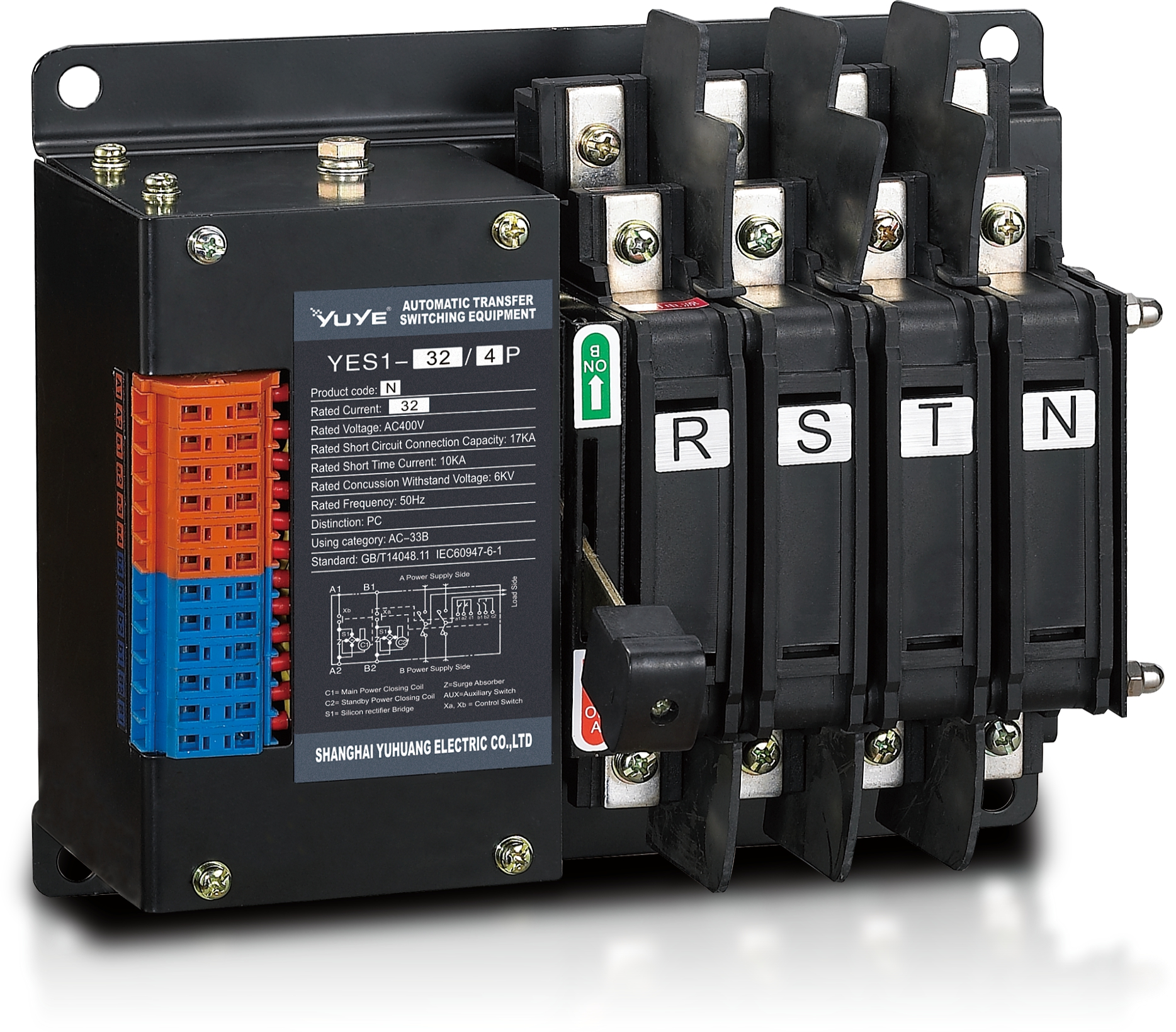 Solenoid-type ATS YES1-32~125N
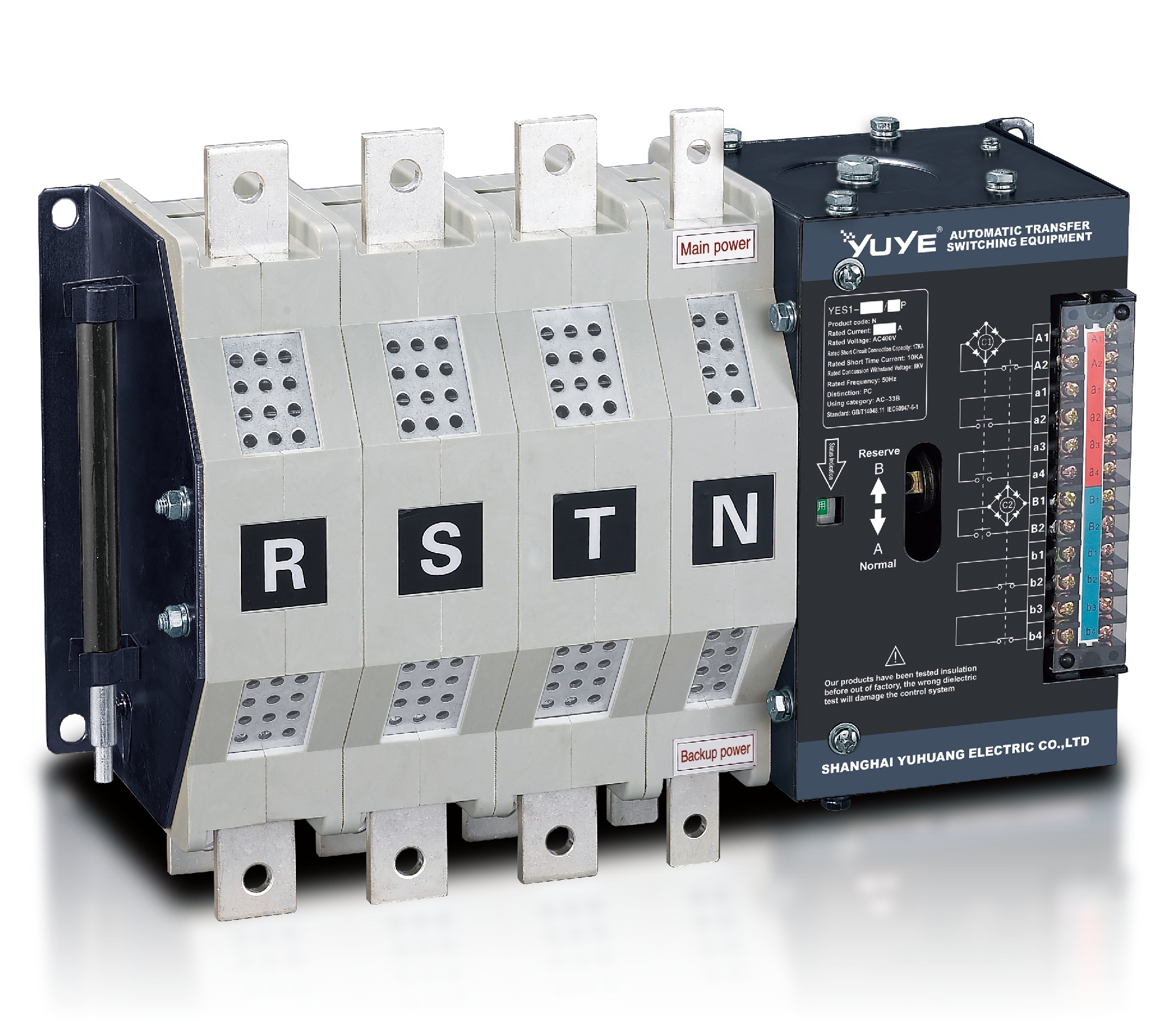 Solenoid-type ATS YES1-250~630N/NT
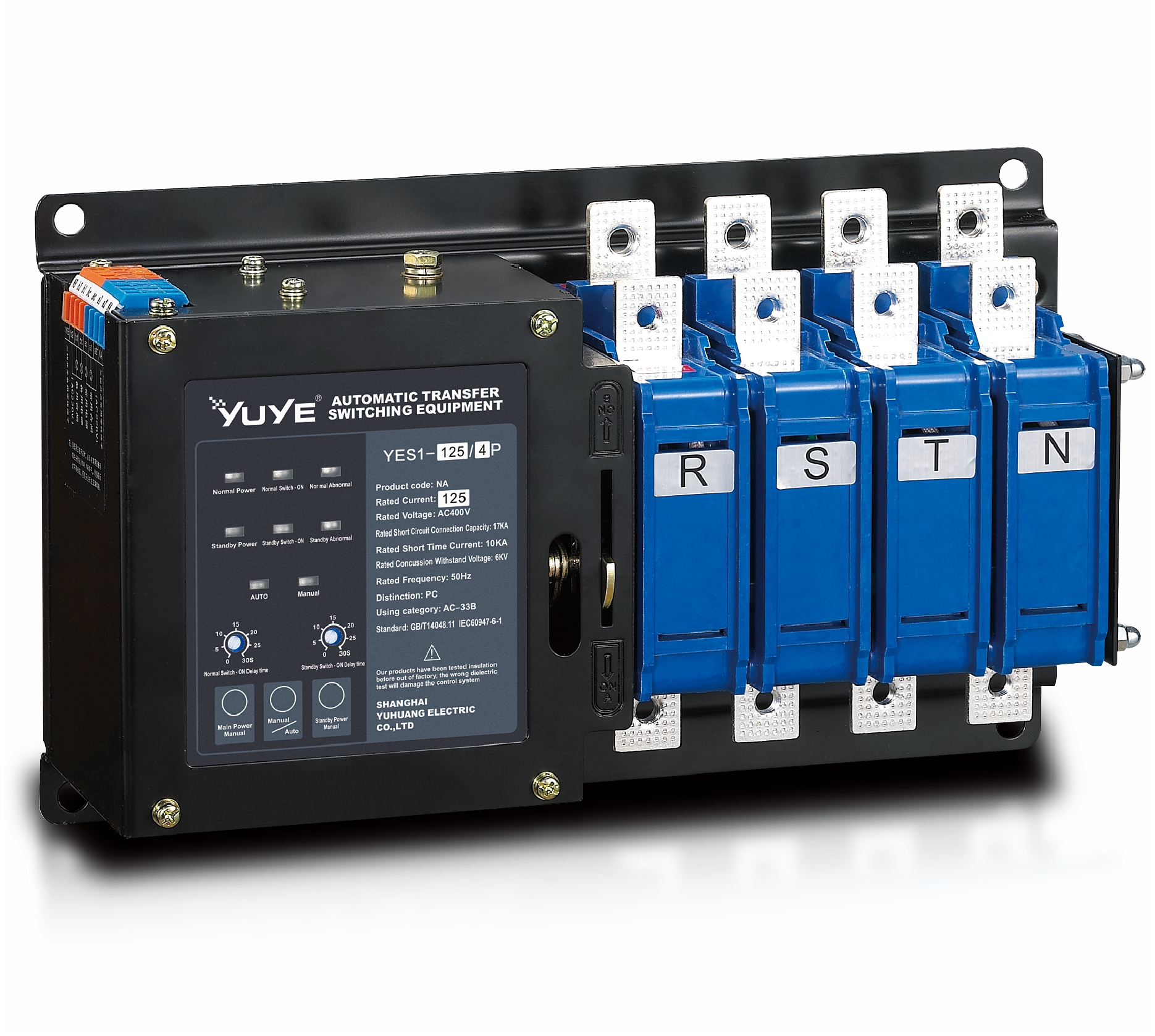 Solenoid-type ATS YES1-32~125NA
 Solenoid-type ATS YES1-63~630SN
 Solenoid-type ATS YES1-1250~4000SN
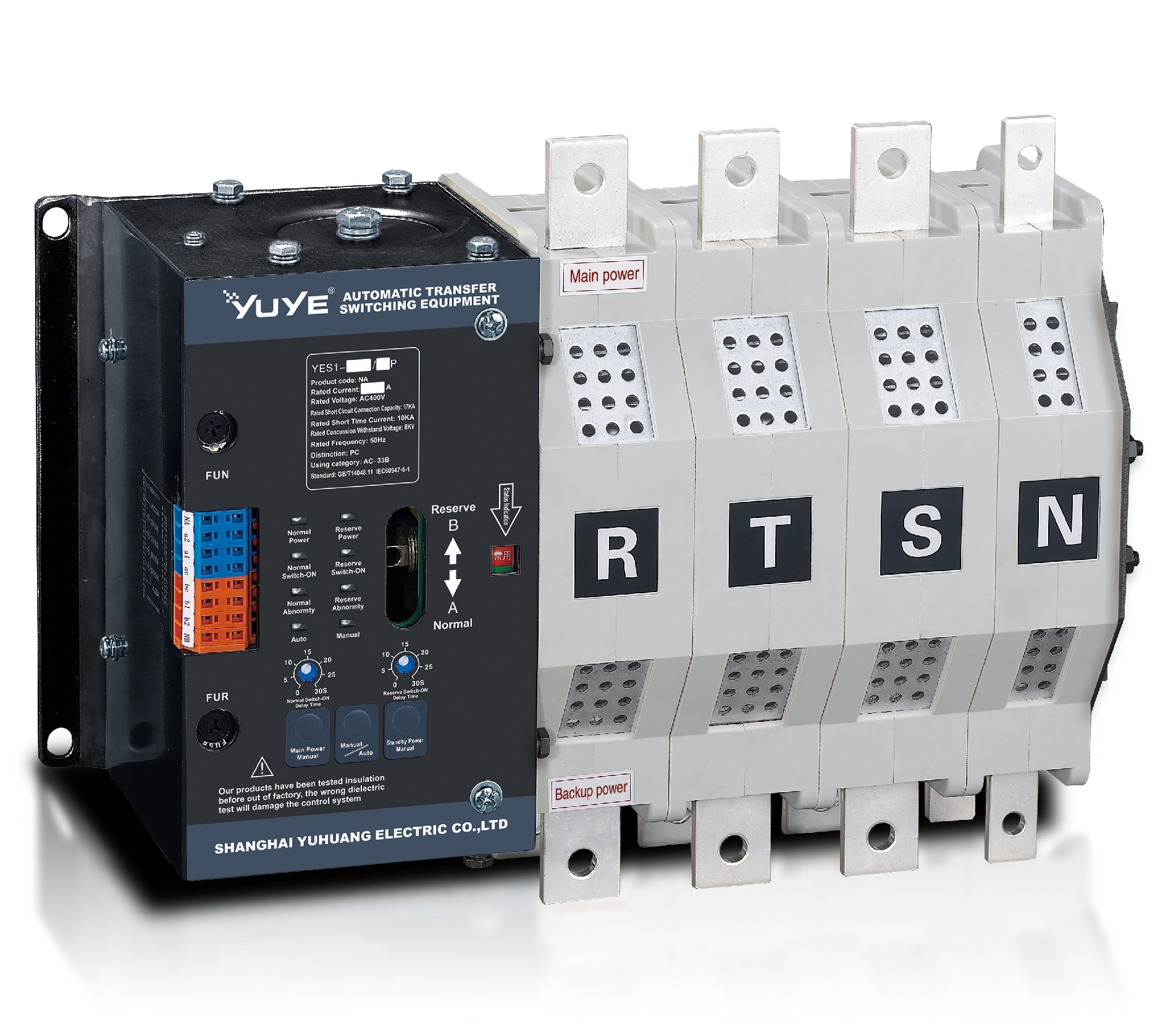 Solenoid-type ATS YES1-250~630NA/NAT
 Solenoid-type ATS YES1-63NJT
 PC ATS YES1-100~1600GN1/GN/GNF
 PC ATS YES1-2000~3200GN/GNF
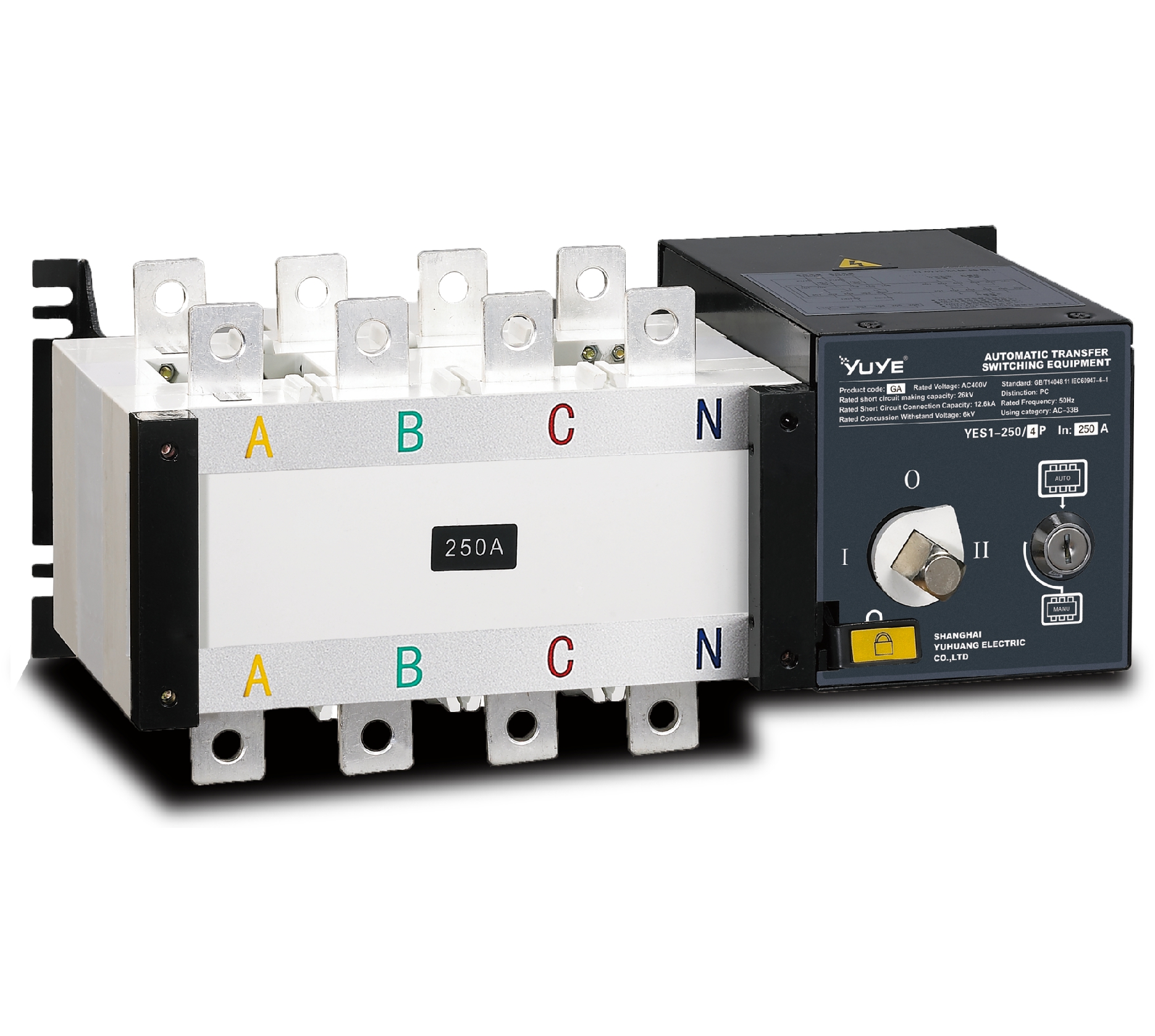 PC ATS YES1-100~3200GA1/GA
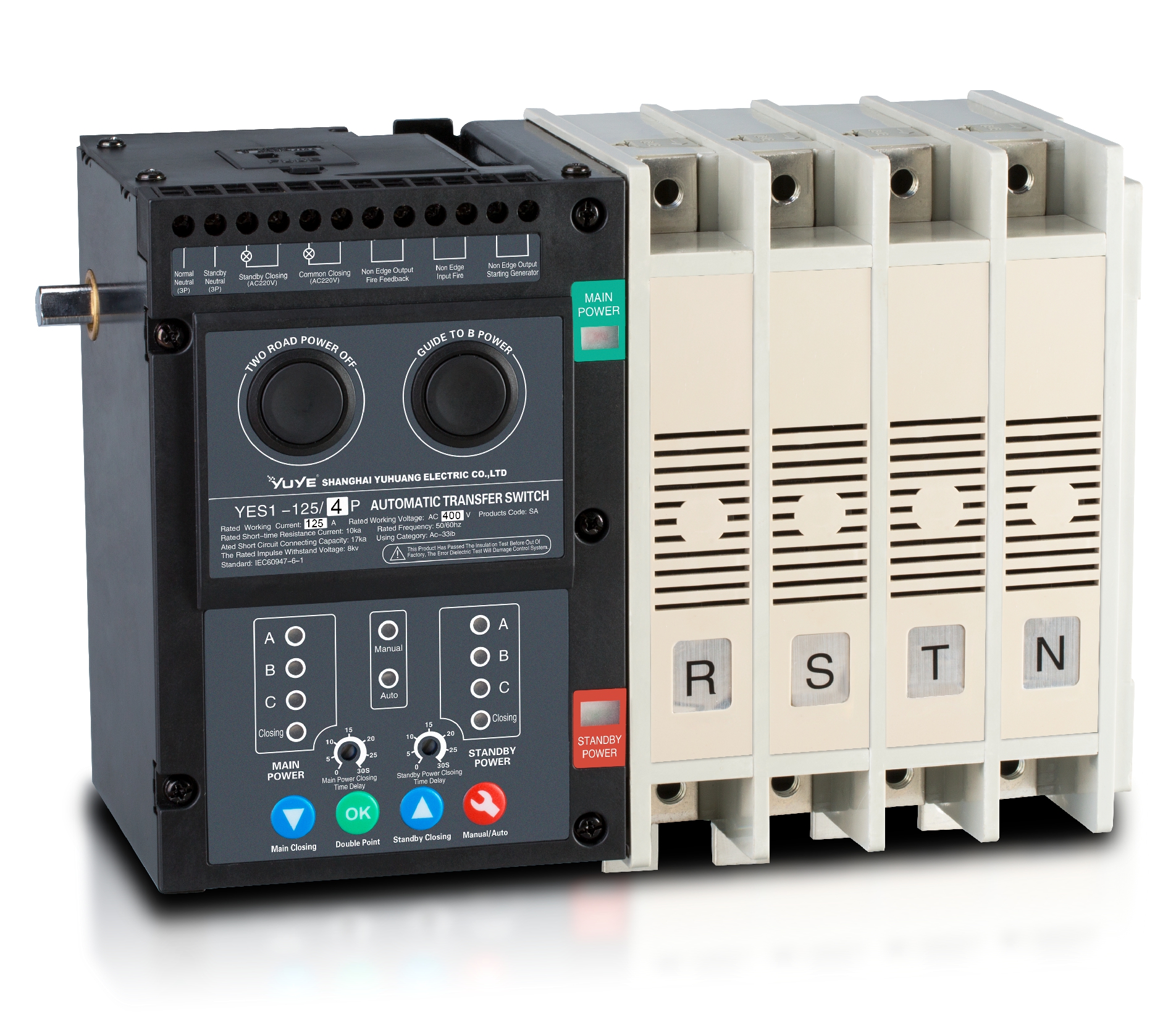 Solenoid-type ATS YES1-63~630SA
 Solenoid-type ATS YES1-63~630L/LA
 Solenoid-type ATS YES1-63~630LA3
 Solenoid-type ATS YES1-63MA
 PC ATS YES1-630~1600M
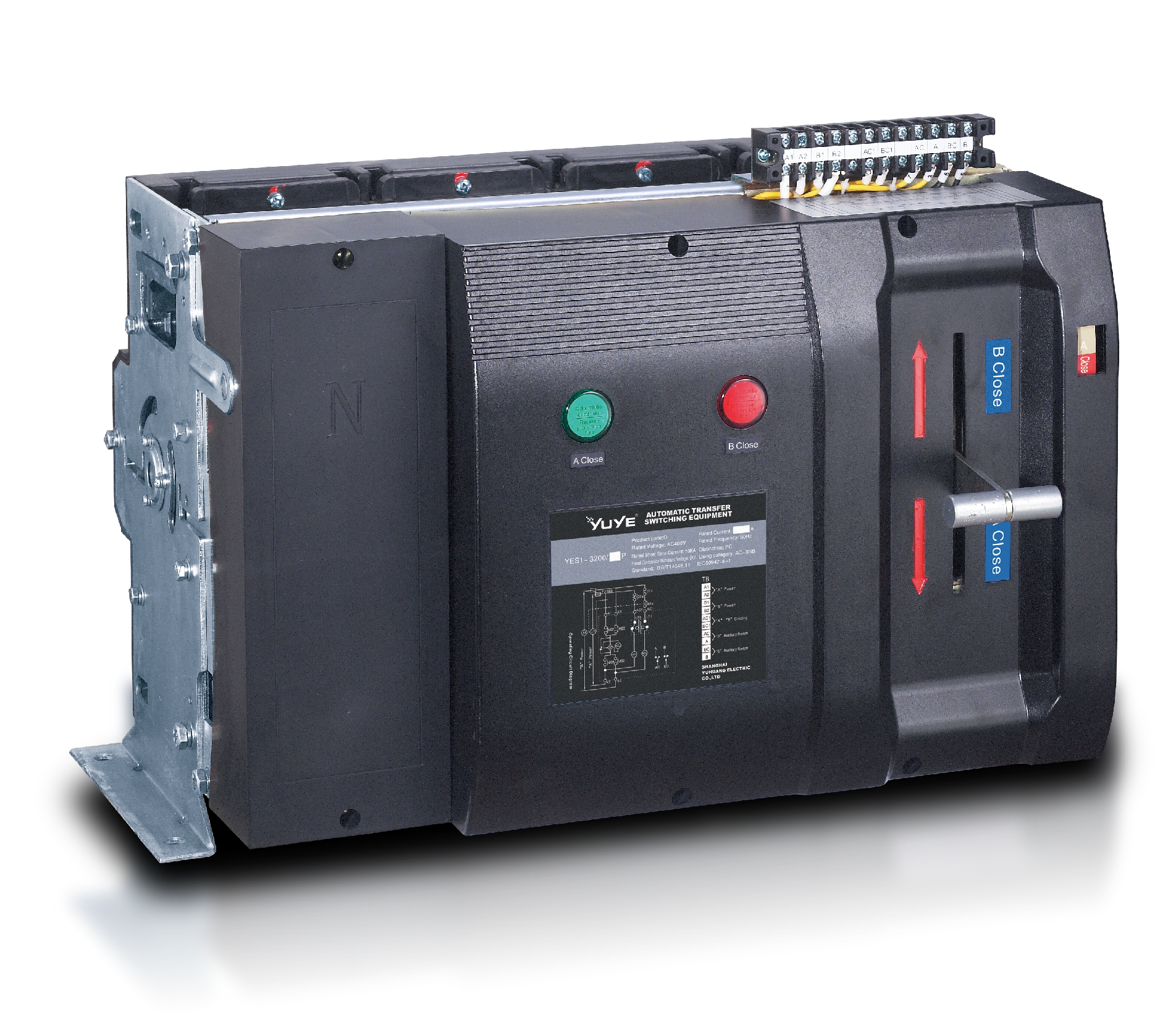 PC ATS YES1-3200Q
 Solenoid-type ATS YES1-4000~6300Q
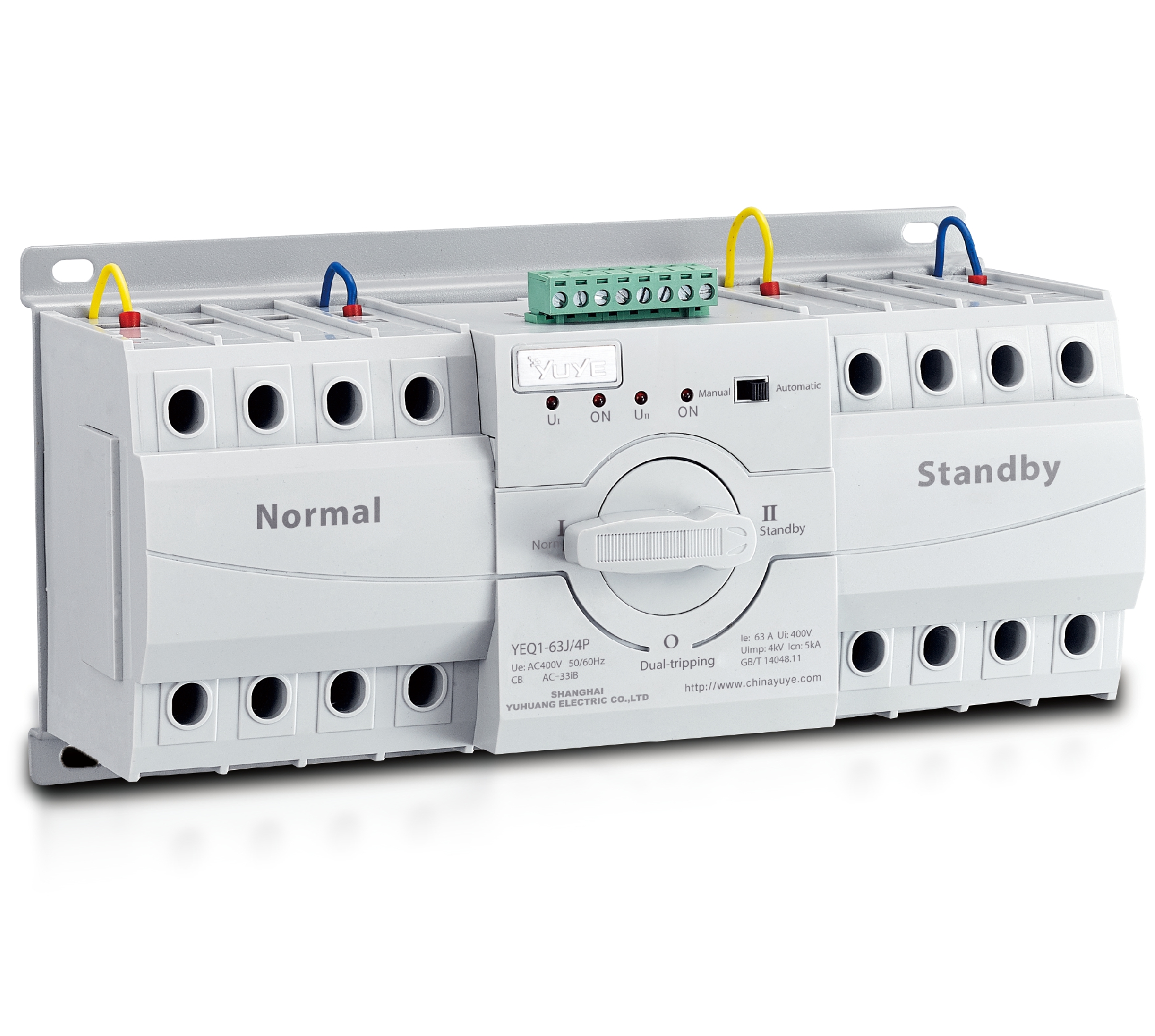 CB ATS YEQ1-63J
 CB ATS YEQ2Y-63
 CB ATS YEQ3-63W1
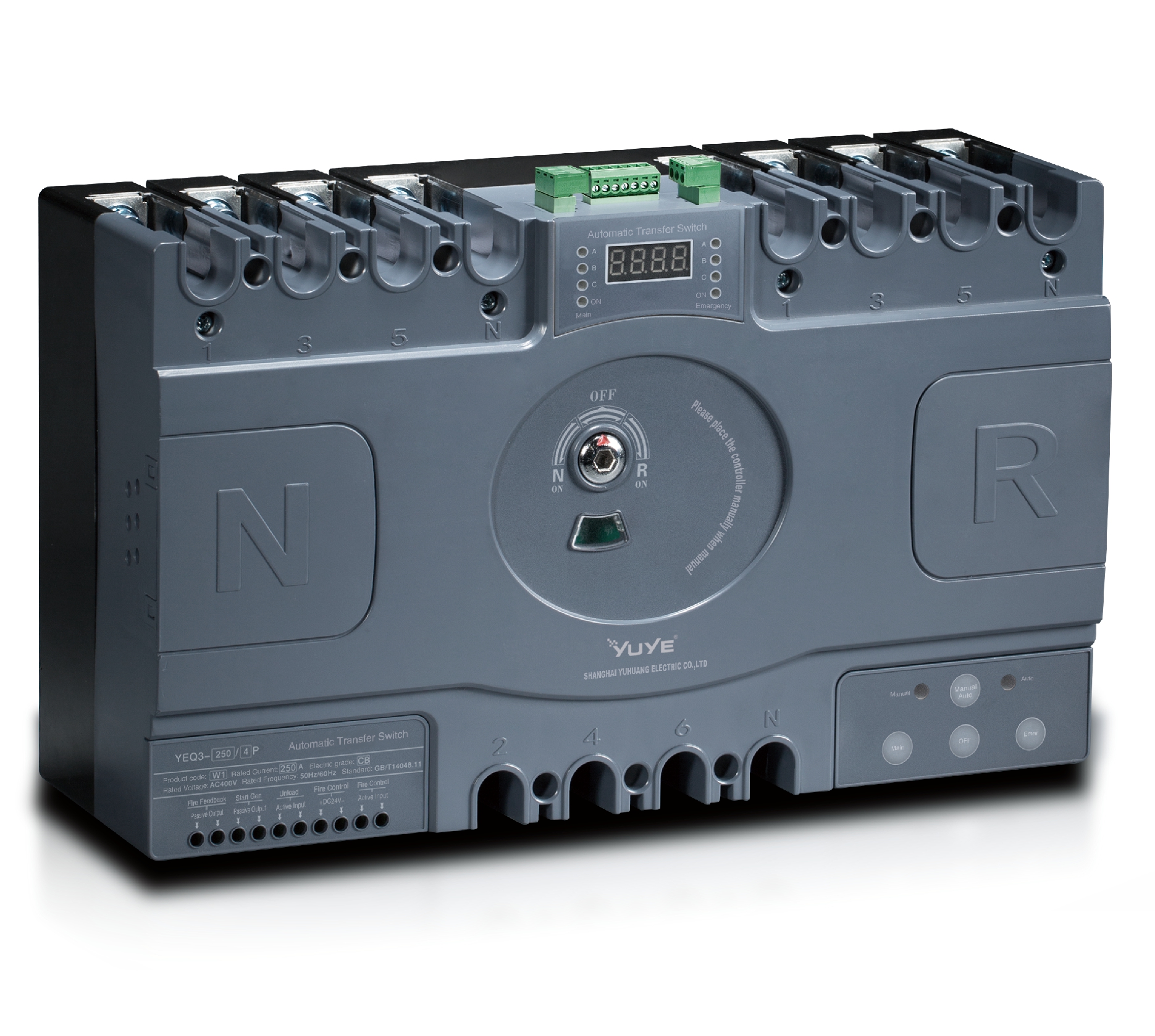 CB ATS YEQ3-125~630W1
 ATS controller Y-700
 ATS Controller Y-700N
 ATS Controller Y-701B
 ATS Controller Y-703N
 ATS Controller Y-800
 ATS Controller W2/W3 Series
 ATS switch Cabinet floor-to-ceiling
 ATS switch cabinet
 JXF-225A power Cbinet
 JXF-800A power Cbinet
 YEM3-125~800 Plastic Shell Type MCCB
 YEM3L-125~630 Leakage Type MCCB
 YEM3Z-125~800 Adjustable Type MCCB
 YEM1-63~1250 Plastic Shell Type MCCB
 YEM1E-100~800 Electronic Type MCCB
 YEM1L-100~630 Leakage Type MCCB
 Miniature circuit breaker YEMA2-6~100
 Miniature circuit breaker YEB1-3~63
 Miniature circuit breaker YEB1LE-3~63
 Miniature circuit breaker YEPN-3~32
 Miniature circuit breaker YEPNLE-3~32
 Miniature circuit breaker YENC-63~125
 Air Circuit Breaker YEW1-2000~6300
 Air Circuit Breaker YEW3-1600
 Load isolation switch YGL-63~3150
 Load Isolation Switch YGL2-63~3150
 Manual Changeover Switch YGL-100~630Z1A
 Manual Changeover Switch YGLZ1-100~3150
 YECPS2-45~125 LCD
 YECPS-45~125 Digital
 CNC Milling/Turning-OEM
 DC relay MDC-300M
 DC Isolation Switch YEGL3D-630


