0%

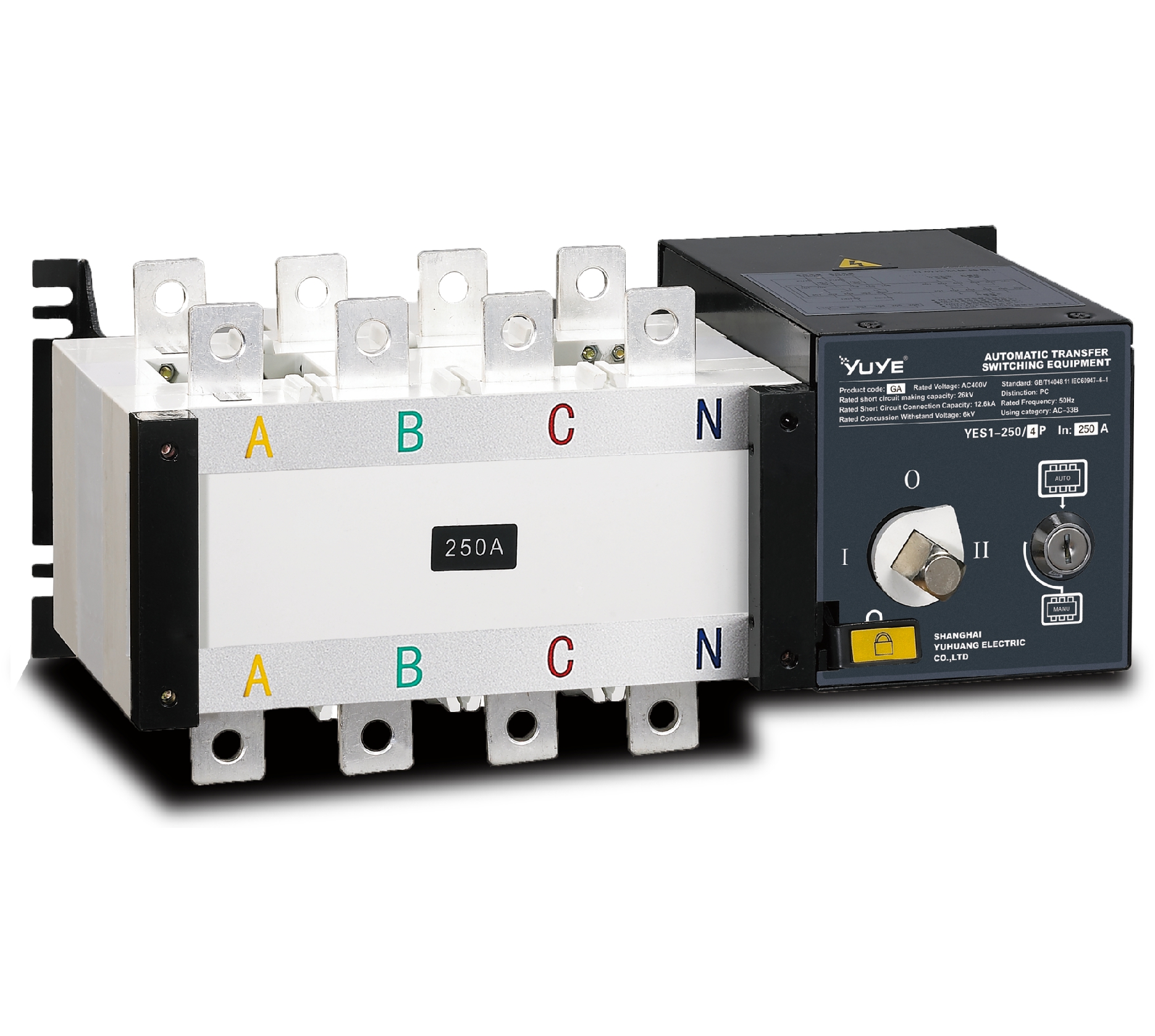
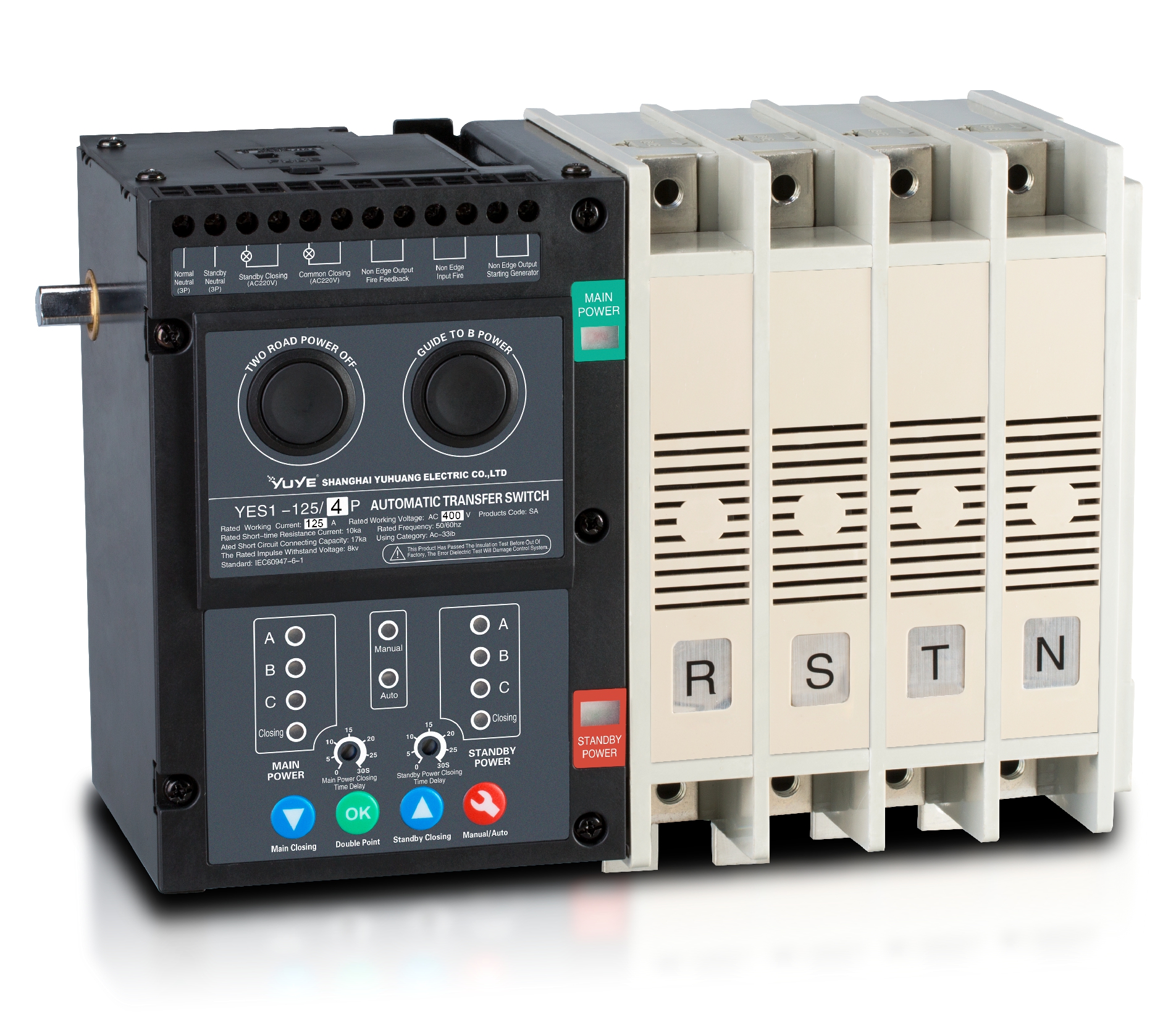
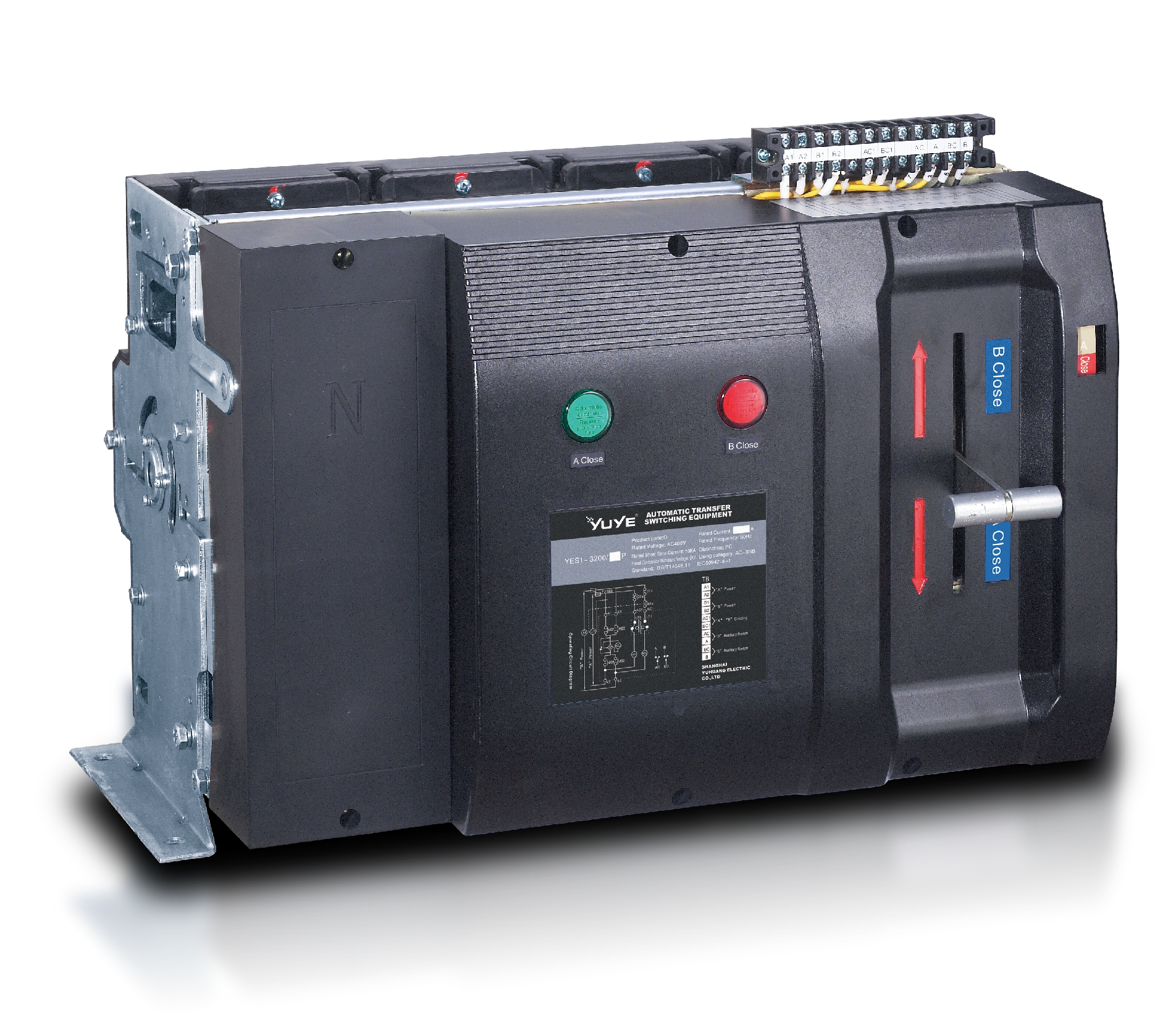
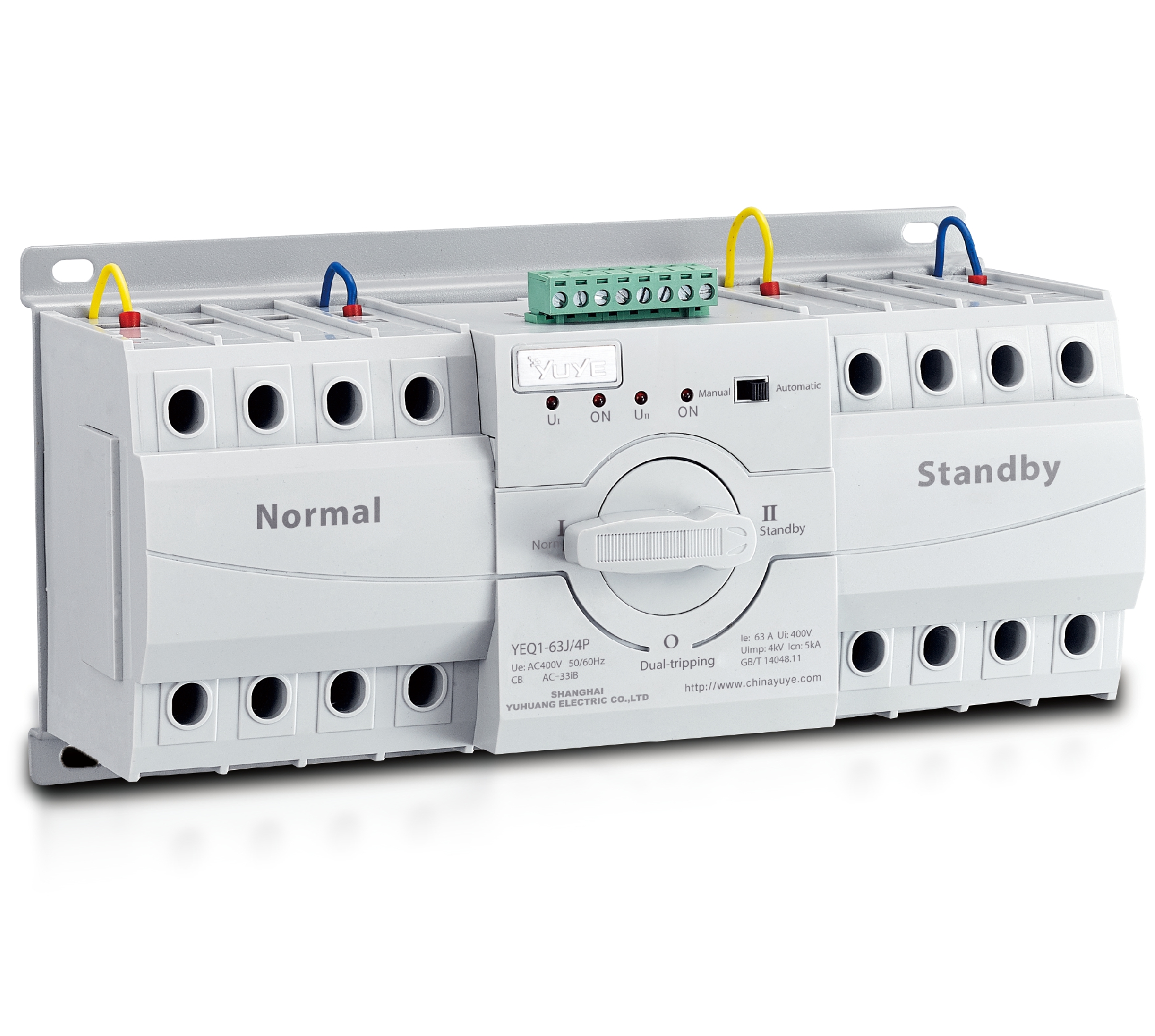
When times are uncertain, having dependable power is more important than ever. That’s where an AC Automatic Transfer Switch (often called an ATS) really comes in handy—think of it as a lifesaver for your backup power setup. John Smith, a pro in power management, puts it nicely: “An ATS makes switching between different power sources smooth and hassle-free.”

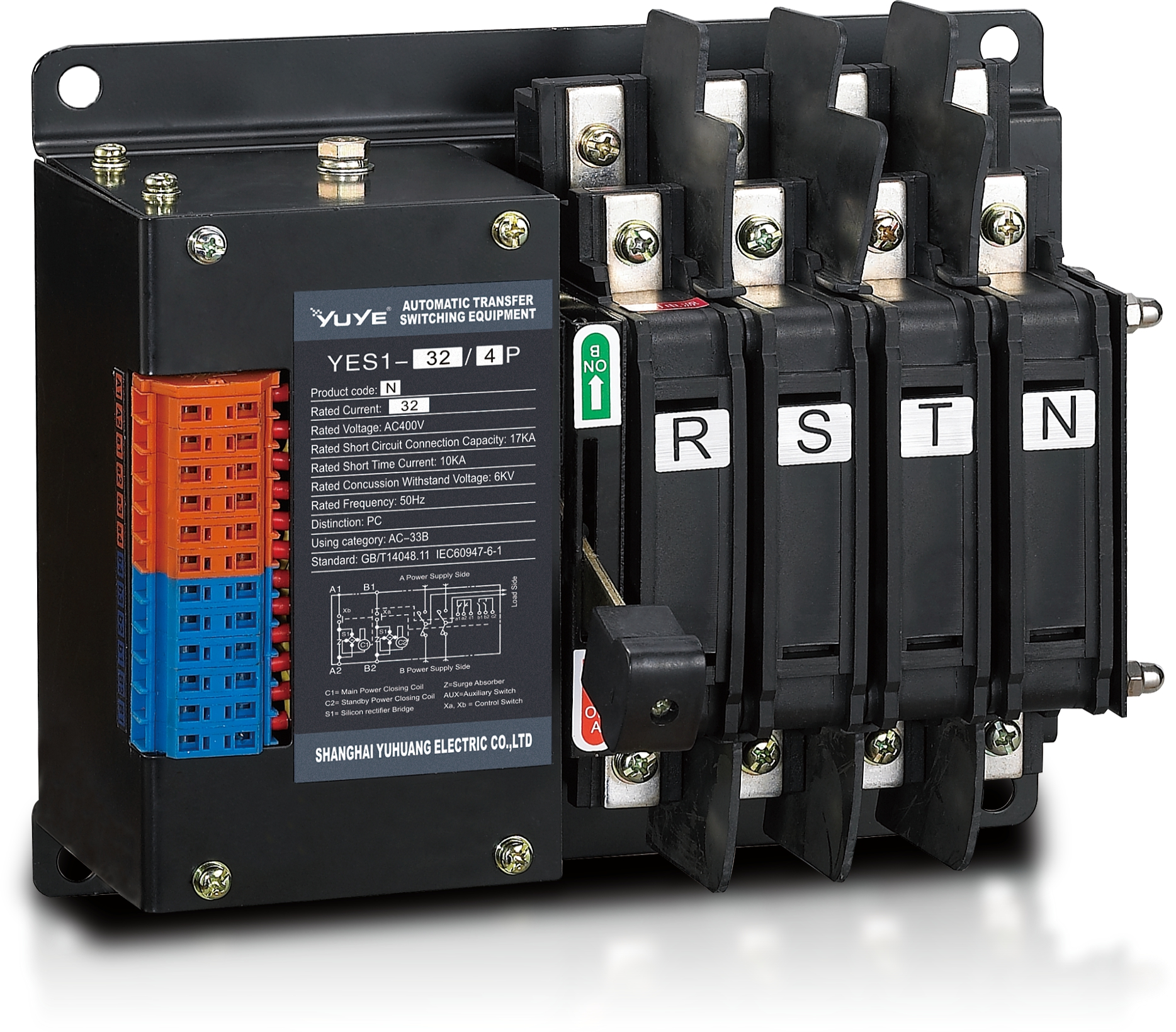
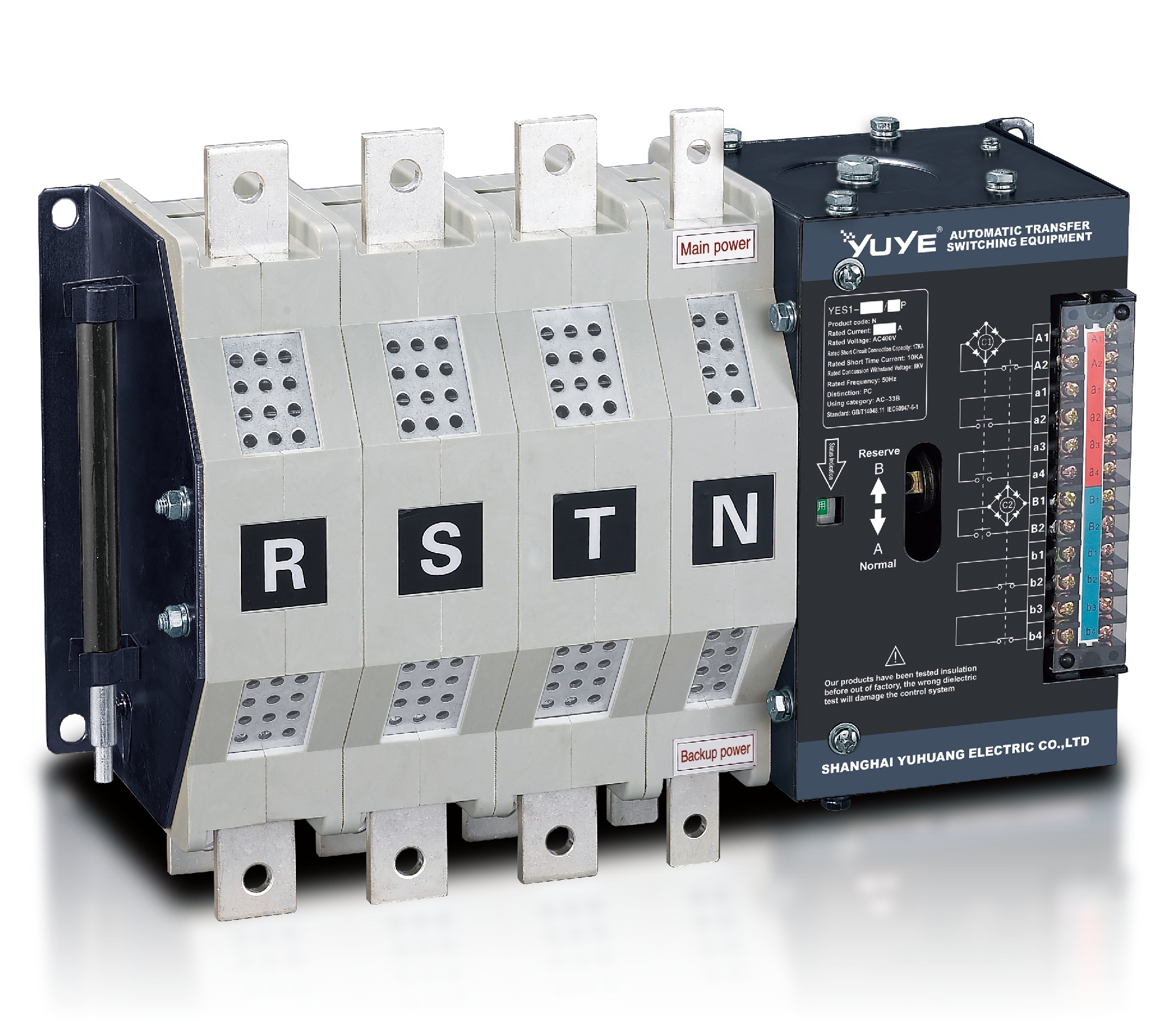
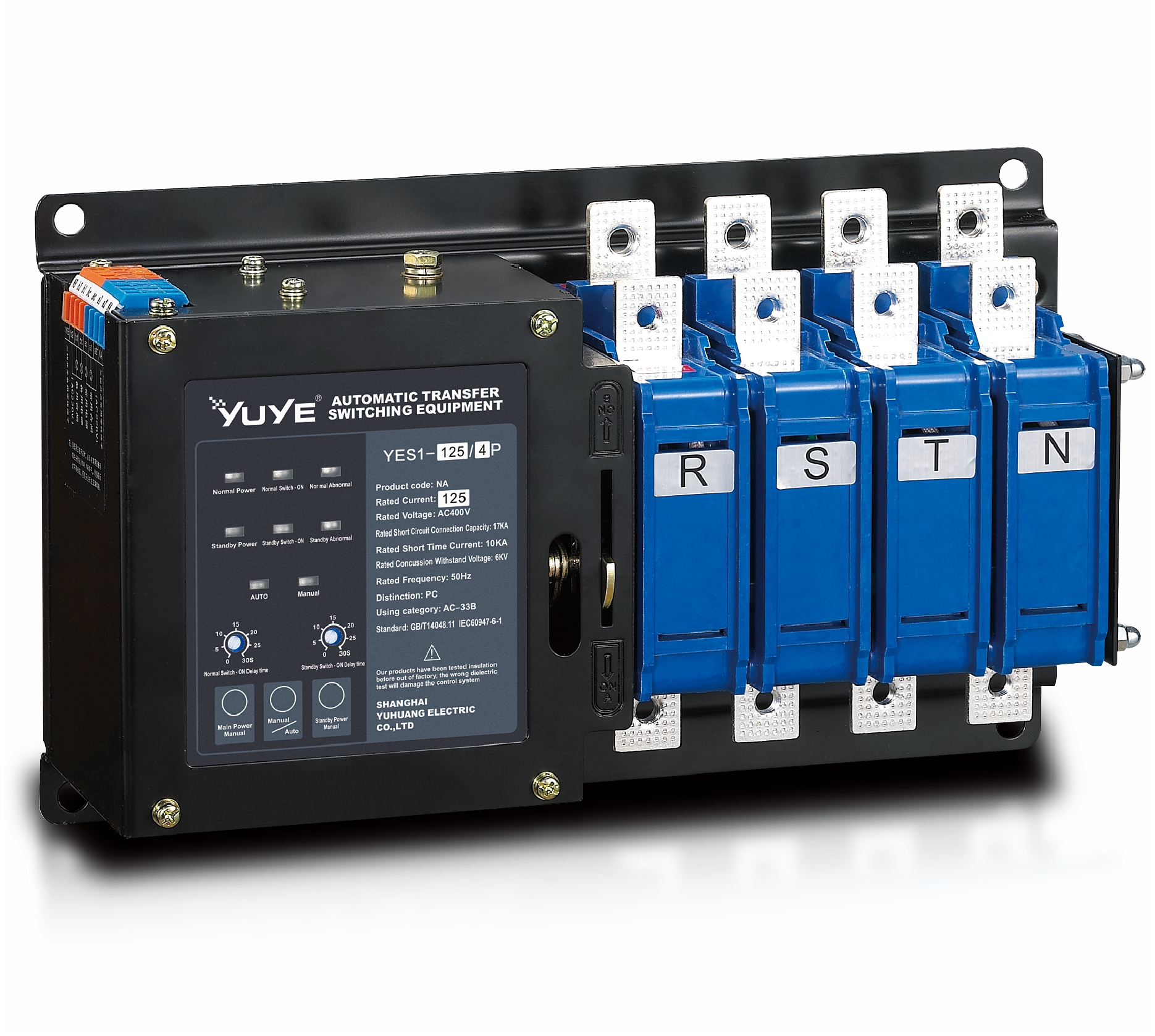
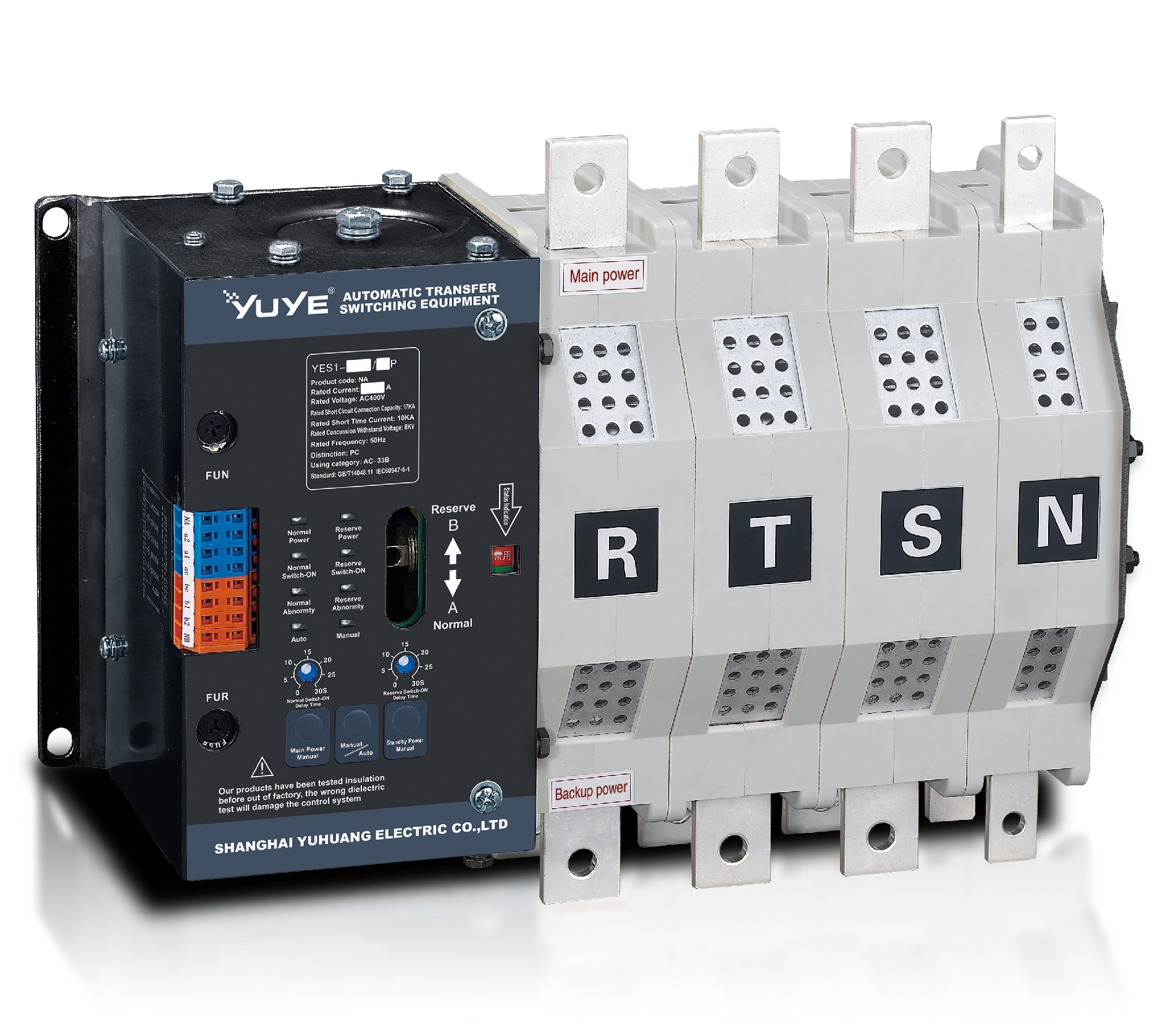
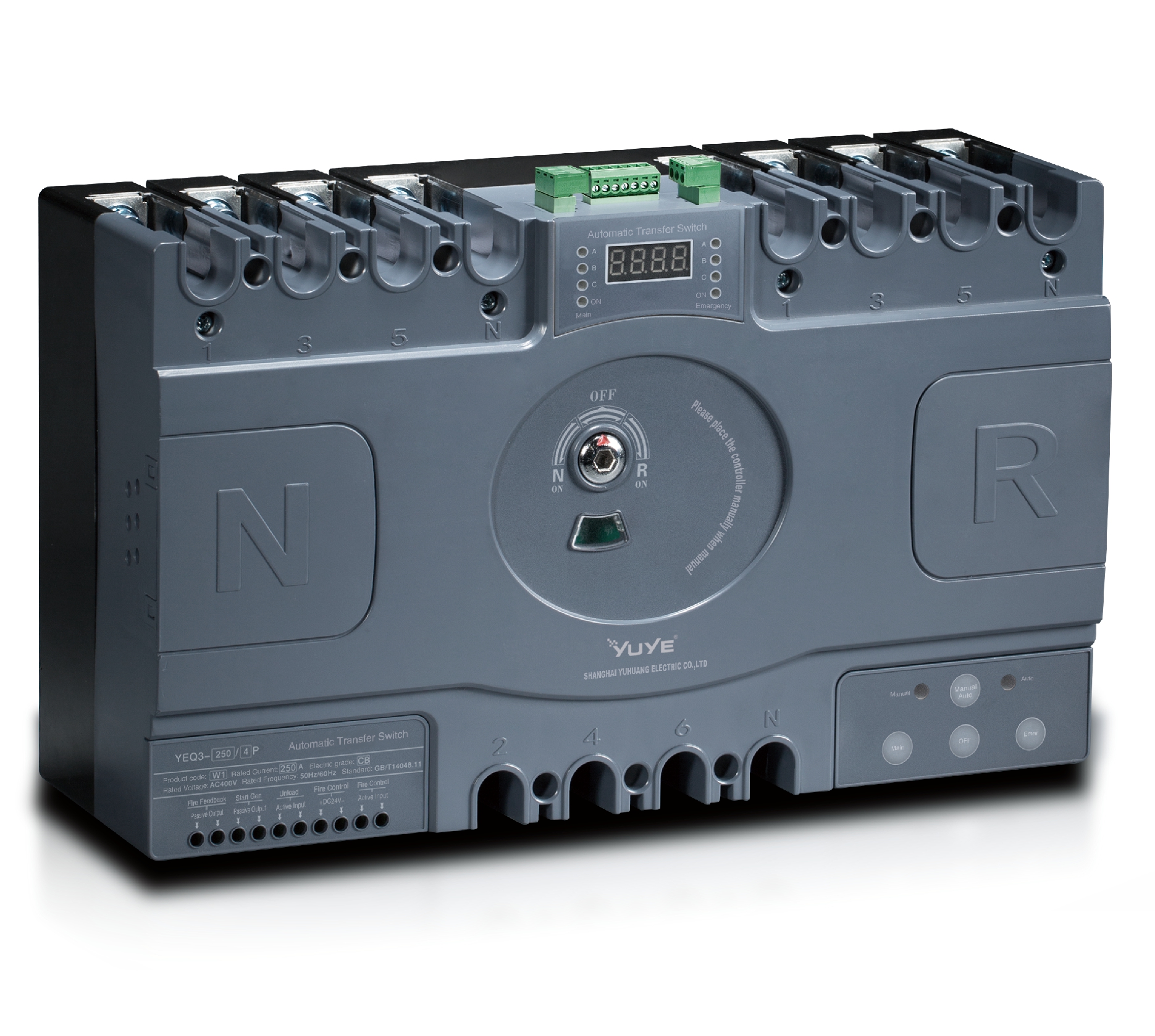
Choosing the right AC Automatic Transfer Switch can really take your whole power management game up a notch. It kicks in instantly when the power goes out, so you’re not left in the dark. This little device helps keep downtime to a minimum, whether you’re at home or running a business. Honestly though, a lot of folks overlook how important it is—picking the wrong switch can cause all sorts of problems, like inefficiencies and costly repairs.

It’s super important to really understand what you need before making a choice. Take your time—don’t rush it. Carefully analyze your power needs so the switch can adapt as those needs change. It’s also a smart move to chat with industry folks—they can give you some really good insights that help you make smarter decisions in the long run.

Why Choose an AC Automatic Transfer Switch for Your Backup Power Needs

Benefits of Using an AC Automatic Transfer Switch for Backup Power

An AC Automatic Transfer Switch (ATS) can be a game changer for those seeking reliable backup power solutions. One significant benefit is its speed in switching power sources. According to industry reports, ATS systems can transfer power within seconds of detecting a failure. This rapid response can prevent damage to essential equipment during outages.

Additionally, ATS systems simplify the management of power sources. Users can seamlessly switch between utility power and generators. This capability reduces manual intervention, minimizing human error. Studies show that up to 30% of power disruptions could be less severe with an ATS in place.

Moreover, these switches enhance safety. They are designed with features that prevent backfeeding, which can pose serious risks during power restoration. However, investing in an ATS may initially seem costly, and some users might overlook regular maintenance. It’s vital to reflect on when and how often maintenance is performed. Neglecting upkeep can lead to unexpected failures. Balancing investment with long-term reliability is crucial for ensuring continuous power supply.

Understanding the Functionality of Automatic Transfer Switches

Automatic Transfer Switches (ATS) play a crucial role in backup power systems. They are designed to ensure a seamless transition between the primary power source and a backup generator. According to a report by MarketsandMarkets, the global ATS market is expected to reach $3.64 billion by 2025, highlighting their rising importance.

These switches operate by monitoring the utility power continuously. When a power failure occurs, the ATS sends a signal to activate the backup generator. This process happens within seconds, which is essential for critical applications in healthcare and data centers. However, improper installation or maintenance can lead to failures, which many businesses overlook. It’s a startling reality that over 15% of critical power failures stem from equipment malfunction, often due to neglected ATS systems.

Routine testing of ATS is essential. Yet, a survey shows that only about 30% of companies conduct regular inspections. Employees often think their systems are fail-safe. In contrast, experts emphasize that without regular checks, even the most sophisticated equipment can fail when needed most. This gap between assumption and reality is a wake-up call for organizations. They must prioritize the reliability of their automatic transfer switches to ensure uninterrupted power supply during emergencies.

Comparative Analysis: Manual vs. Automatic Transfer Switches

Why Choose an AC Automatic Transfer Switch for Your Backup Power Needs

When considering power backup solutions, the choice between manual and automatic transfer switches (ATS) is crucial. A manual transfer switch requires human action to switch the power source. This can be a slower process. In contrast, an automatic transfer switch activates immediately upon detecting a power outage. According to a 2022 report by the Power Reliability Institute, automatic systems can reduce downtime by up to 80% compared to manual switches. This efficiency is essential for critical operations like hospitals and data centers.

Deciding which switch to use involves risk assessment. Manual switches can be less expensive upfront but demand prompt human response during outages. Hence, they may lead to errors or delays. In a study by the National Electrical Manufacturers Association, over 30% of businesses reported significant losses due to prolonged outages caused by manual transfer errors. Conversely, ATS systems often come with built-in safety features, which help in mitigating such risks.

Yet, the transition to automatic systems isn't without challenges. Initial costs can be higher, and installation may require specialized skills. Some users find it difficult to adapt to the technology, leading to confusion. In a growing tech landscape, user training becomes essential. Despite these hurdles, the reliability of automatic transfer switches stands out. They promise to keep operations running smoothly, even when faced with unexpected power interruptions.

Key Features to Look for in AC Automatic Transfer Switches

When selecting an AC automatic transfer switch (ATS) for backup power, several key features matter. Automatic transfer switches are vital for seamless power transitions. Look for a model with a reliable and fast response time. This ensures your home or business remains powered without interruption during an outage. A switch that activates in seconds is essential for critical systems.

Another important feature is load management capability. You want a switch that can prioritize power distribution. It allows you to manage energy use effectively during an outage. Some models offer programmable settings. This lets you customize which devices receive power first. Keep in mind, not every switch has this option, so research is key.

Durability is also crucial. An automatic transfer switch should withstand harsh conditions. Choose a unit that is weather-resistant and built for longevity. Installation can be tricky. Improper setup might lead to failures in emergencies. Make sure to plan accordingly and consult experts if needed. A reliable ATS is an investment, but it requires thoughtful consideration and understanding.

Power Reliability Comparison of AC Automatic Transfer Switches

This chart illustrates the power reliability percentages of different types of AC Automatic Transfer Switches. Understanding these metrics can help you choose the right switch for your backup power needs.

Industry Standards and Compliance for Transfer Switches

Why Choose an AC Automatic Transfer Switch for Your Backup Power Needs

When considering an AC automatic transfer switch (ATS) for backup power, compliance with industry standards is critical. ATS devices must meet regulations set by organizations such as the National Electrical Manufacturers Association (NEMA) and the Institute of Electrical and Electronics Engineers (IEEE). These standards ensure the reliability and safety of electrical systems. For instance, NEMA clearly outlines performance criteria that transfer switches must adhere to, which can help users avoid costly failures.

A report from the Electrical Reliability Council of Texas (ERCOT) indicates that non-compliance can lead to severe operational risks. Inadequate transfer switches may not handle unexpected power surges properly. This situation can result in damaged equipment. Moreover, recent studies show that only 55% of facilities meet all regulatory requirements for ATS. This shortcoming highlights the need for better awareness and implementation of standards in backup power systems.

Properly selecting an ATS can prevent significant downtime. However, many users overlook routine maintenance and testing schedules. Without these steps, even compliant switches may fail during critical moments. Reliable data suggests that regular inspections can enhance performance by up to 30%. Ensuring compliance shouldn't be an afterthought; it's vital for operational integrity and safety.

Cost-Benefit Analysis of AC Automatic Transfer Switches

AC Automatic Transfer Switches (ATS) are crucial for ensuring uninterrupted power. They automatically switch to backup generators when primary sources fail. This critical technology is essential for both residential and commercial applications. According to a recent industry study, nearly 40% of businesses experience severe disruptions due to power outages. This shows the value of investing in reliable backup solutions.

The cost-benefit analysis of AC ATS reveals significant savings. Research indicates that the average cost of downtime for businesses can exceed $200,000 per hour. Implementing an ATS mitigates this risk, reducing potential losses. An upfront investment is required, but the long-term savings are considerable. AC ATS typically last over ten years, providing dependable service. The initial costs can be recouped in less than two years through avoided losses and operational stability.

However, some may hesitate due to upfront costs. It's important to reflect on the potential consequences of prolonged outages. Savings are not just in dollars; they include maintaining reputations and customer trust. Inadequate preparedness can lead to long-term damage. Investing in an AC ATS is not merely a technical decision; it’s a strategic one. Aligning financial stability with operational resilience should not be overlooked.

Real-World Applications and Case Studies of Backup Power Systems

In various industries, the importance of reliable backup power is clear. A 2021 report by the International Energy Agency highlighted that nearly 30% of businesses experience power outages annually. These interruptions can result in significant financial losses and operational disruptions. Companies employing AC automatic transfer switches (ATS) report a smoother transition to backup power. This technology ensures that facilities continue operating seamlessly during outages.

Consider healthcare settings, where every second counts. A case study from a major hospital revealed that, without an ATS, they faced critical system failures during a power outage. The installation of an ATS reduced downtime by 80%. This enabled medical devices to function continuously, underscoring the necessity of reliable systems. Additionally, data centers, which rely heavily on 24/7 uptime, have seen a 40% increase in efficiency when using ATS solutions versus manual methods.

However, not all implementations have been flawless. Some facilities noted installation challenges and maintenance issues. The complexity of integrating ATS into existing power systems led to unexpected costs. Reflecting on these instances, it’s clear that while ATS provides significant benefits, careful planning and execution are vital for success. These stories illuminate the need for robust backup power solutions.

Why Choose an AC Automatic Transfer Switch for Your Backup Power Needs - Real-World Applications and Case Studies of Backup Power Systems

Application Area Backup Power System Type Capacity (kW) Transfer Time (seconds) Case Study Reference
Healthcare Facilities Diesel Generator 150 5 Case Study 1
Data Centers UPS System 200 2 Case Study 2
Retail Outlets Natural Gas Generator 75 10 Case Study 3
Telecommunications Battery Backup 50 1 Case Study 4
Manufacturing Plants Hybrid System 300 3 Case Study 5

Advantages and Applications of the YGL-100~630Z1A Manual Changeover Switch in Modern Electrical Systems

The YGL-100~630Z1A Manual Changeover Switch is a crucial component in modern electrical systems, offering several advantages that enhance the efficiency and safety of power distribution. Designed for AC applications at 50Hz and rated voltage up to 400V, this switch can handle a robust rated current range of 100A to 630A. Its versatility makes it suitable for both connecting and isolating electrical circuits, ensuring effective management of power systems while complying with international standards such as IEC60947-3.

One of the notable features of the YGL-100~630Z1A switch is its operational longevity, boasting a mechanical life of 20,000 cycles and an electrical life of 1,500 cycles. These durability metrics not only ensure reliable performance in demanding environments but also result in reduced maintenance costs over time. Moreover, the switch's use category of AC-22B indicates its capability for frequent switching applications, making it an ideal choice for various industries that require robust and dependable electrical control solutions. The integration of such a manual transfer switch empowers facilities to manage power distribution efficiently, thereby supporting the growing demands of contemporary electrical infrastructures.

FAQS

: What is the purpose of the article?

: The article aims to inform readers about a specific topic. It offers insights and advice for better understanding.

How can I improve my knowledge on this subject?

Reading more articles and books can help. Joining online forums or courses is also beneficial.

Are there any common misconceptions addressed?

Yes, the article highlights several misconceptions people often have. It explains the realities behind these myths.

What are some practical tips mentioned?

Practical tips include regular practice and seeking feedback. Engaging with experts can also enhance learning.

How important is personal reflection in this process?

Personal reflection is crucial. It allows for recognizing areas of improvement and acknowledging mistakes.

What do I do if I feel overwhelmed?

Take a break and reassess your approach. It's okay to step back and seek support from others.

How can I stay motivated during challenges?

Set small, achievable goals. Celebrate minor victories to maintain motivation along the way.

Are there recommended resources for deeper exploration?

Yes, the article suggests several resources. Online platforms and local libraries are good places to start.

What role does community play in learning?

Community can provide support and accountability. Sharing experiences often leads to new insights and growth.

Conclusion

An AC Automatic Transfer Switch (ATS) is essential for ensuring seamless backup power during outages. The benefits of using an ATS include increased reliability and automation, which eliminates the need for manual intervention. This article delves into the functionality of ATS, highlighting how it quickly switches the power source from the main grid to a backup generator, thereby minimizing downtime.

Additionally, the comparative analysis of manual versus automatic transfer switches emphasizes the advantages of automation in enhancing efficiency and safety. Key features to look for in an AC Automatic Transfer Switch include durability, load capacity, and compliance with industry standards, ensuring that your backup power systems operate effectively. A cost-benefit analysis reveals that investing in an ATS can lead to significant long-term savings, making it a wise choice for various real-world applications in residential, commercial, and industrial settings.

Liam

Liam

Liam is a dedicated marketing professional at One Two Three Electric Co., Ltd., a leading manufacturer specializing in the development and production of high-quality moulded case circuit breakers and air circuit breakers. With a profound understanding of the electrical engineering industry, Liam......
Previous Exploring Innovative Alternatives to Automatic Transfer Switch Ats in Modern Power Solutions