In our fast-moving industrial world today, having a reliable power supply isn’t just nice to have — it’s absolutely essential. That’s where the Automatic Transfer Switch (ATS) 630A really makes a difference. It’s like the unsung hero that keeps things running smoothly when the power flickers or goes out, making sure operations don’t grind to a halt. According to the folks at the International Electrotechnical Commission (IEC), power fluctuations can cause really costly downtime — nobody wants that. A good ATS 630A steps in silently in the background, switching power seamlessly between the main source and a backup generator so everything keeps humming along without a hitch.
Most industries get just how critical automatic transfer switches are. For example, a report from MarketsandMarkets says that the worldwide ATS market is expected to hit around $2.5 billion by 2024 — that’s a lot of demand, and it’s growing at about 6.3% annually. Clearly, businesses are craving more reliable power systems these days. The ATS 630A stands out because it can handle pretty hefty loads while still keeping safety top-notch. But, fair warning — things aren’t always perfect. If you don’t install it properly or skip regular maintenance, problems can pop up. So, it’s really important to stay on top of the setup and upkeep if you want to get the most out of your ATS 630A.
As companies focus more on efficiency and robustness, the ATS 630A has become a pretty key player in their power management game. Still, its true value depends on regular testing and proper oversight. Basically, combining smart tech with attentive human care is what keeps everything running smoothly in the long run.

What is an Automatic Transfer Switch (ATS) 630A?
An Automatic Transfer Switch (ATS) 630A is a crucial component for many electrical systems. It automatically switches power from a primary source to a backup source during outages. This ensures continuous power supply, which is essential for critical systems. The 630A rating indicates its capacity to handle a substantial load, making it suitable for commercial and industrial applications.
When selecting an ATS, consider the environment. Dust, moisture, and temperature can affect its performance. Placement is key. A well-ventilated area prevents overheating. Regular maintenance can enhance the reliability of the ATS. This maintenance can be overlooked, leading to potential failures when power is most needed.
Tips: Always test your ATS regularly. Check the transfer mechanism often. A silent failure can occur if it's left unchecked. Use a monitoring system to track its performance continuously. Power interruptions can be unpredictable. Preparing for them is essential. Consider reviewing your ATS setup periodically to ensure it's still the best choice for your needs.
Key Components of the ATS 630A
An Automatic Transfer Switch (ATS) 630A is crucial for seamless power management. Its key components include the transfer mechanism, control panel, and safety features. The transfer mechanism automatically switches the power source from the main grid to a backup generator. This ensures an uninterrupted power supply during outages.
The control panel is the brain of the ATS 630A. It monitors voltage levels and detects failures swiftly. When a main power failure occurs, the control panel triggers the switch to the emergency source. Safety features such as overload protection help prevent damage. Without these, risks escalate.
Tips: Regularly inspect your ATS for wear and tear. Check connections frequently to ensure optimal performance. Schedule routine maintenance for all components. Neglecting these steps could lead to unexpected failures or longer downtime. It’s essential to maintain awareness of your system's health.
Power Requirements of ATS 630A Over Time
How the ATS 630A Operates in Power Failures
An Automatic Transfer Switch (ATS) 630A plays a vital role during power failures. It ensures a smooth transition between the main power source and a backup generator. When a power outage occurs, the ATS 630A detects the loss of electricity. It then automatically disconnects the main supply and starts the backup generator without any manual intervention. This process prevents any downtime.
The operation of the ATS 630A can involve brief delays. During those moments, some devices may lose power briefly. It’s crucial to prepare for this. Think about using equipment with built-in power backup. This can bridge the gap during switchover. The switch helps maintain essential services like lighting and refrigeration.
Here are a few tips for effective usage. Regularly test the ATS to ensure reliability. Maintenance is key to prevent unexpected failures. Inspect the wiring and connections often. Avoid overloading the generator. Ensure it has enough capacity to handle the load. Planning is essential for a seamless experience during outages. Ultimately, understanding how the ATS 630A operates can provide peace of mind.
Benefits of Using an ATS 630A for Power Management
An Automatic Transfer Switch (ATS) 630A is essential for reliable power management. It seamlessly transfers power between the main supply and a backup generator. This switch is crucial during outages, ensuring continuous operation for critical systems.
Using an ATS 630A provides significant benefits. It minimizes downtime, ensuring that businesses remain operational. The automatic nature of the switch reduces the need for manual intervention. This can help prevent costly interruptions. In some cases, businesses have reported reduced operational stress when using an ATS. However, it is important to regularly maintain the system for optimal performance.
Power management with an ATS is not without challenges. Improper installation can lead to failures. Regular checks are necessary to ensure both the ATS and the backup power source are functional. Some users may overlook this aspect, leading to potential risks during outages. Clear understanding and maintenance can mitigate these risks effectively.
Common Applications of the ATS 630A in Various Industries
Automatic Transfer Switches (ATS) 630A are essential in various sectors. They help in switching between power sources. This capability is crucial for uninterrupted operations. In hospitals, ATS units ensure that emergency generators activate instantly during outages. Patients’ lives may depend on this reliability.
Data centers also rely on ATS 630A. They need constant power for servers to function. Any interruption can lead to significant data loss. Here, quick switching is vital. The system detects power issues and engages backup systems immediately. This ensures minimal downtime.
Manufacturing facilities use ATS for equipment stability. Unplanned outages can disrupt production lines. An ATS minimizes risks by allowing seamless transitions. However, maintenance should be a priority. Neglecting inspections could lead to failures. A well-functioning ATS is not just a safeguard; it’s a necessity that demands constant attention and care.
Installation and Maintenance Considerations for ATS 630A
When installing an Automatic Transfer Switch (ATS) 630A, several key considerations come into play. Proper placement is crucial. The ATS should be mounted securely and positioned for easy access. Ensure that the surrounding area is clear of obstructions. This promotes safety during operation and maintenance tasks. Always follow local codes and standards during installation. This helps prevent issues that may arise from improper setup.
Maintenance is another essential aspect. Regular inspections are necessary to ensure reliability. Check for dirt or debris that might block ventilation. Inspect the connections and wiring for signs of wear. Replacing worn components promptly can prevent larger issues. It’s also vital to keep the ATS updated with software or firmware upgrades. This can enhance performance but may be overlooked during routine checks.
Lastly, consider training for personnel involved with the ATS. They should understand its operation and troubleshooting. This is not always prioritized. Without proper knowledge, issues may linger, leading to complications. Reflecting on these maintenance considerations will help ensure the ATS operates smoothly and efficiently over time. Regular attention can significantly enhance its longevity.
Troubleshooting Common Issues with ATS 630A Systems
Automatic Transfer Switch (ATS) 630A systems are crucial in maintaining power continuity. However, they can encounter common issues that require troubleshooting. One prevalent issue is failure to switch. This can happen due to wiring problems or a malfunctioning control panel. In a recent industry report, it was noted that nearly 30% of ATS failures are attributed to wiring errors. It’s vital to inspect wiring connections regularly, especially in high-demand environments.
Another issue involves improper load management. If the ATS is overloaded, it may fail to transfer power. Experts recommend a careful assessment of the connected load. Load imbalances can lead to overheating, significantly reducing system lifespan. Research indicates that systems operating above 80% of their capacity are 60% more likely to suffer from malfunction. Regular load testing can help identify potential risks before they escalate.
Sometimes, mechanical wear and tear occurs. Regular maintenance is often overlooked, leading to significant issues. Regular checks can prevent unexpected failures. In one study, over 40% of ATS systems showed signs of neglect in maintenance. Scheduled inspections and timely repairs are essential for optimal operation and longevity. Identifying and addressing these common issues can enhance reliability significantly.
What is an Automatic Transfer Switch ATS 630A and How Does It Work?
| Dimension |
Details |
| Voltage Rating |
3 Phase, 400V |
| Current Rating |
630A |
| Frequency |
50/60 Hz |
| Control Voltage |
220V AC / 24V DC |
| Transfer Time |
|
| Dimensions (HxWxD) |
1500mm x 600mm x 400mm |
| Weight |
Approx. 120 kg |
| Common Issues |
Failure to transfer, alarm signals, false positives |
| Troubleshooting Steps |
Check power sources, inspect connections, test control circuits |
| Maintenance Frequency |
Every 6 months |
Enhancing Energy Efficiency: Insights from the 2023 Global Switchgear Market Analysis on ATS Switch Cabinets
In today's rapidly evolving energy landscape, enhancing energy efficiency is of paramount importance. An insightful analysis of the 2023 global switchgear market emphasizes the growing relevance of Automatic Transfer Switch (ATS) cabinets in this pursuit. These wall-mounted systems are designed to optimize power distribution, featuring dual circuit power inputs that allow for automatic detection and seamless switching among various operational modes. This flexibility is essential for adapting to diverse load capacities, accommodating settings from 63A to an impressive 4000A.
ATS cabinets not only offer high reliability through the use of renowned switch devices and built-in lightning protection but also integrate intelligent monitoring systems. Equipped with a user-friendly 4.3-inch touch screen, these cabinets provide real-time insights into electrical performance, including current, power, and overall power consumption. Such advanced monitoring capabilities facilitate proactive maintenance and efficiency improvements, allowing users to optimize their energy use effectively. Moreover, the design of these cabinets supports convenient maintenance from both the front and back sides, ensuring that operational efficiency is maintained with minimal disruption.
FAQS
TS 630A play during power failures?
It automatically monitors the main power supply and identifies outages promptly.
Some devices might lose power briefly. It's important to have equipment with built-in power backup.
Using devices with power backup can bridge the gap and maintain essential services.
Common issues include failure to switch, wiring problems, and improper load management. Regular checks can help.
Neglecting maintenance can lead to significant failures. Regular inspections can prevent unexpected outages.
Overloading the ATS can lead to failure to transfer power and overheating, reducing its lifespan.
Regular testing, inspections, and avoiding overloading are key steps to ensure optimal operation.
Improper load management can cause malfunctions. Assess your connected load frequently to avoid risks.
Addressing common issues with timely maintenance and inspections can significantly enhance reliability and performance.
Conclusion
The Automatic Transfer Switch ATS 630A is a critical device designed for managing power supply efficiently during outages. It acts as an intermediary that automatically switches the source of electrical power from the primary utility line to a backup generator when a power failure occurs. Key components such as the control circuit, transfer mechanism, and monitoring system ensure reliable operation and safety during these transitions.
The operation of the ATS 630A not only enhances power reliability but also offers significant benefits in various applications across industries, from healthcare facilities to data centers. Its installation and maintenance are vital for optimal performance, and understanding common troubleshooting techniques can help address issues promptly. Overall, the Automatic Transfer Switch ATS 630A is essential for effective power management, providing peace of mind in uncertain power situations.

 PC ATS YECT1-2000G
 PC ATS YES2-63~250GN1
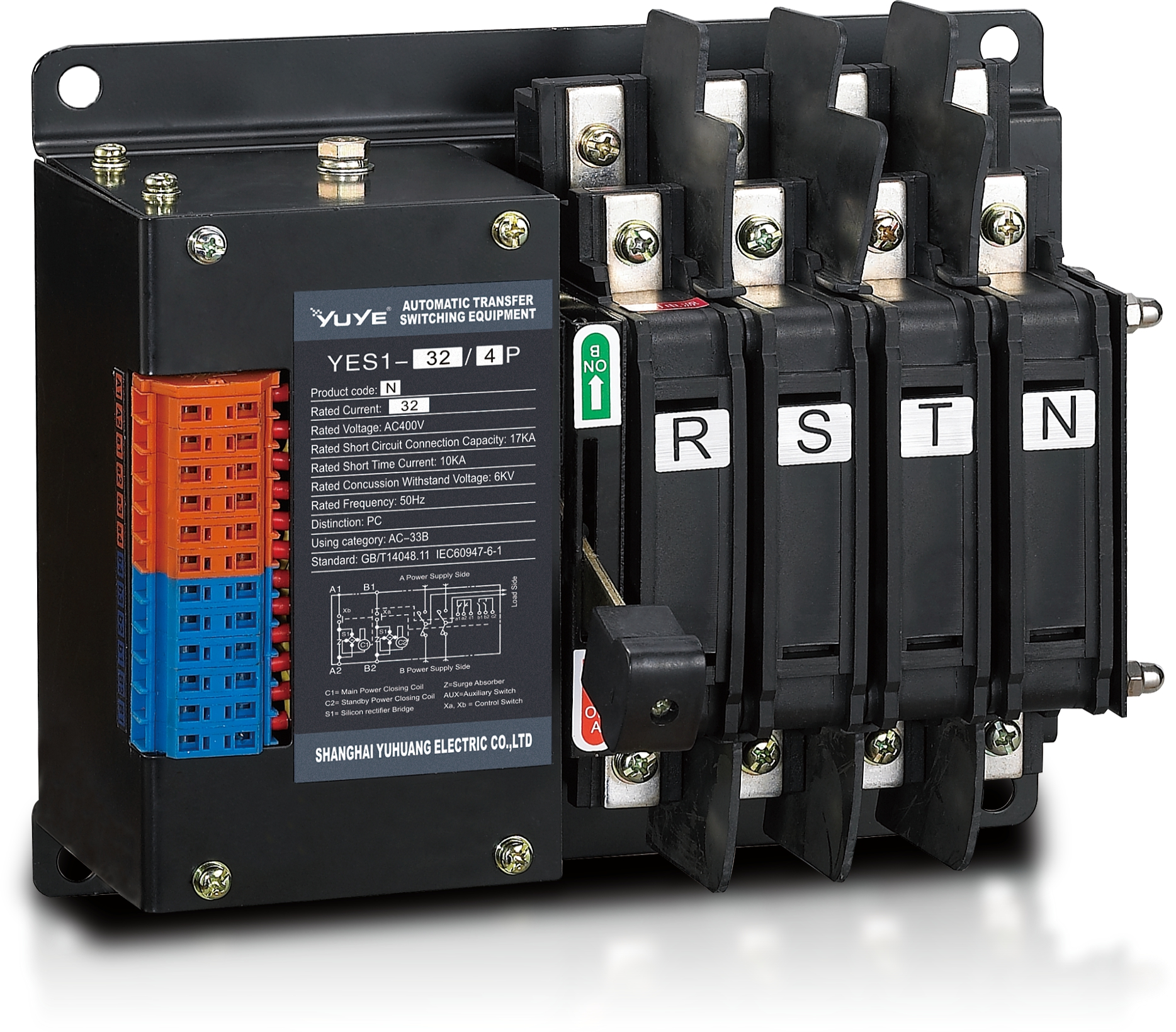 Solenoid-type ATS YES1-32~125N
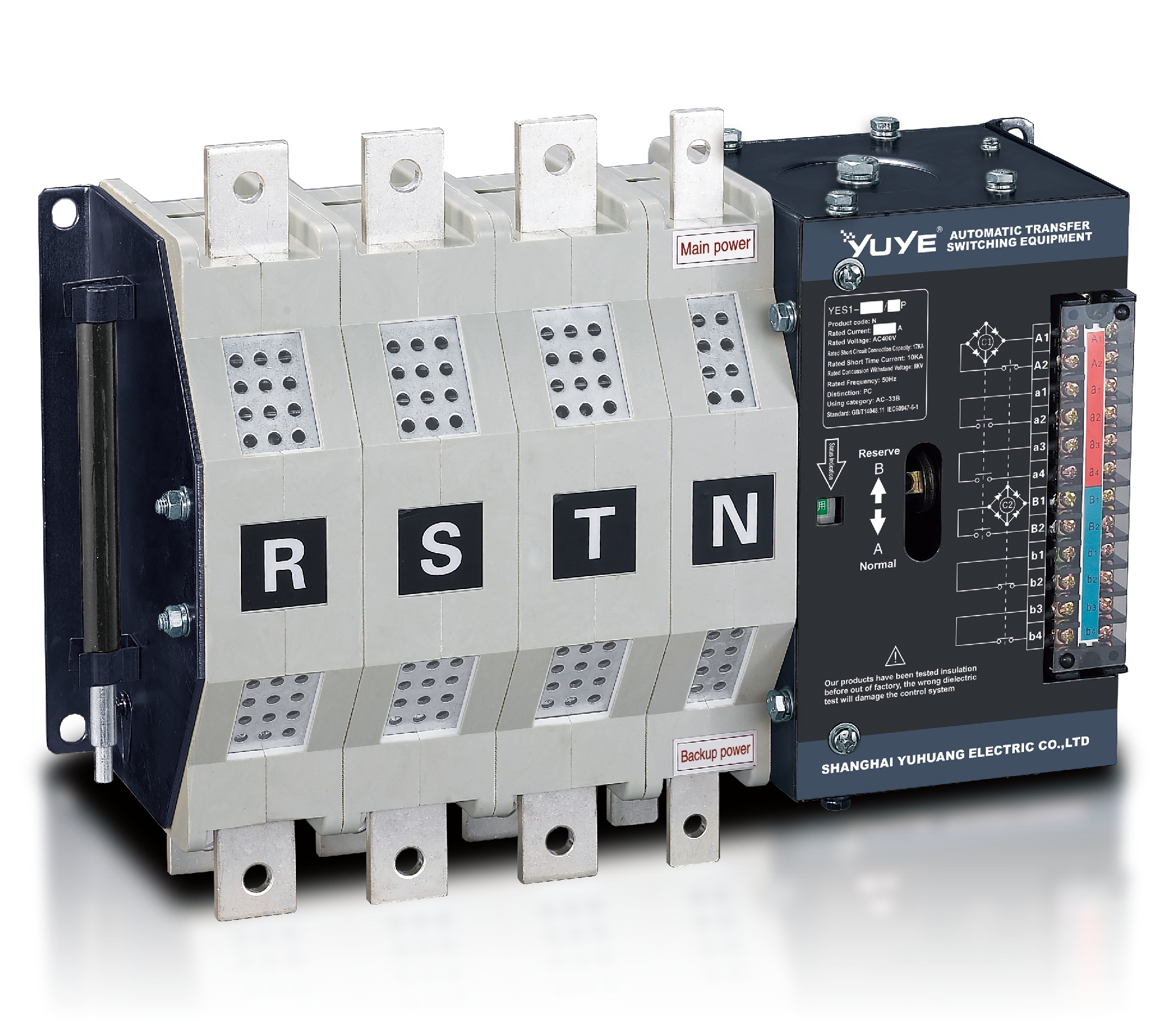 Solenoid-type ATS YES1-250~630N/NT
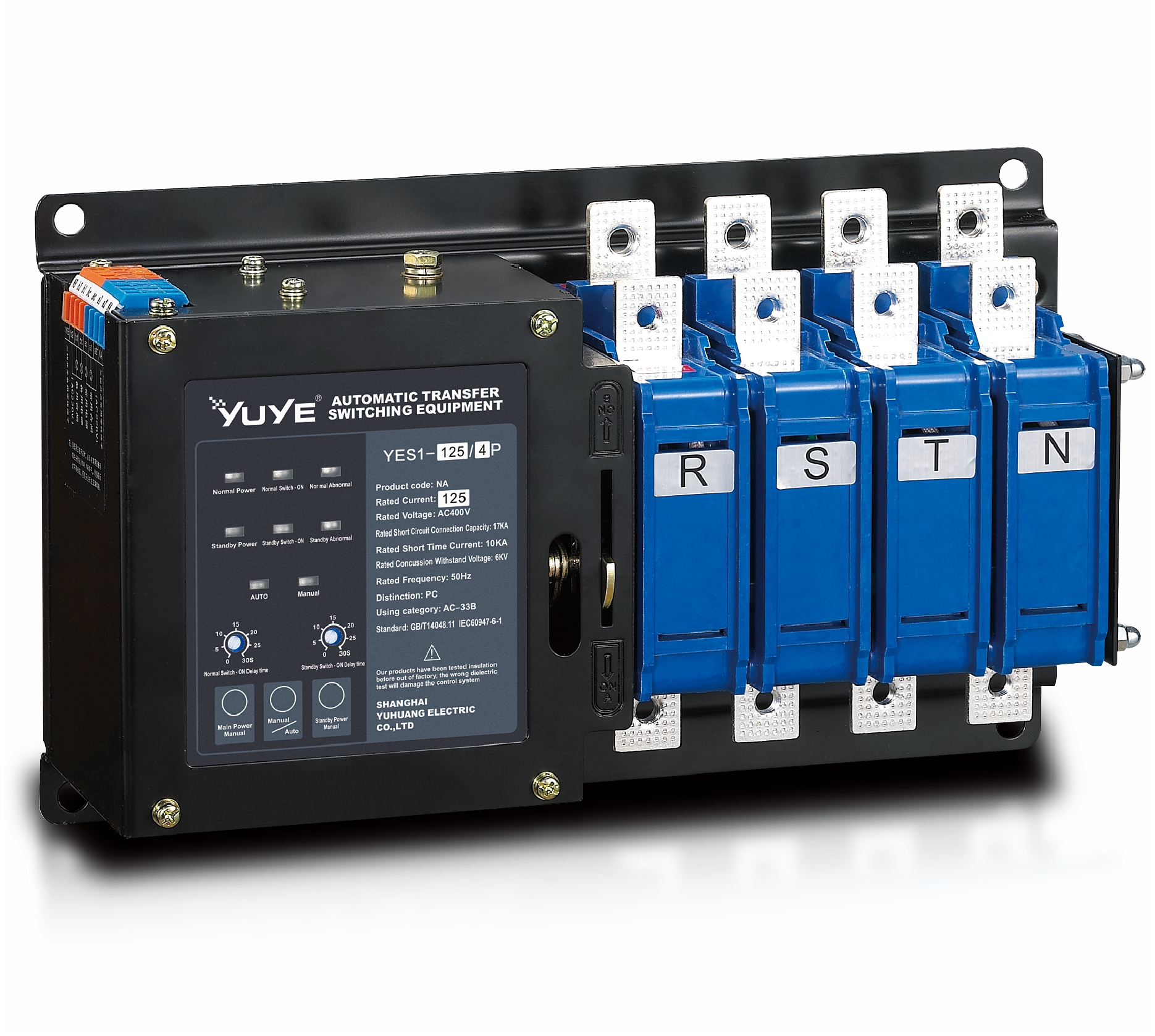 Solenoid-type ATS YES1-32~125NA
 Solenoid-type ATS YES1-63~630SN
 Solenoid-type ATS YES1-1250~4000SN
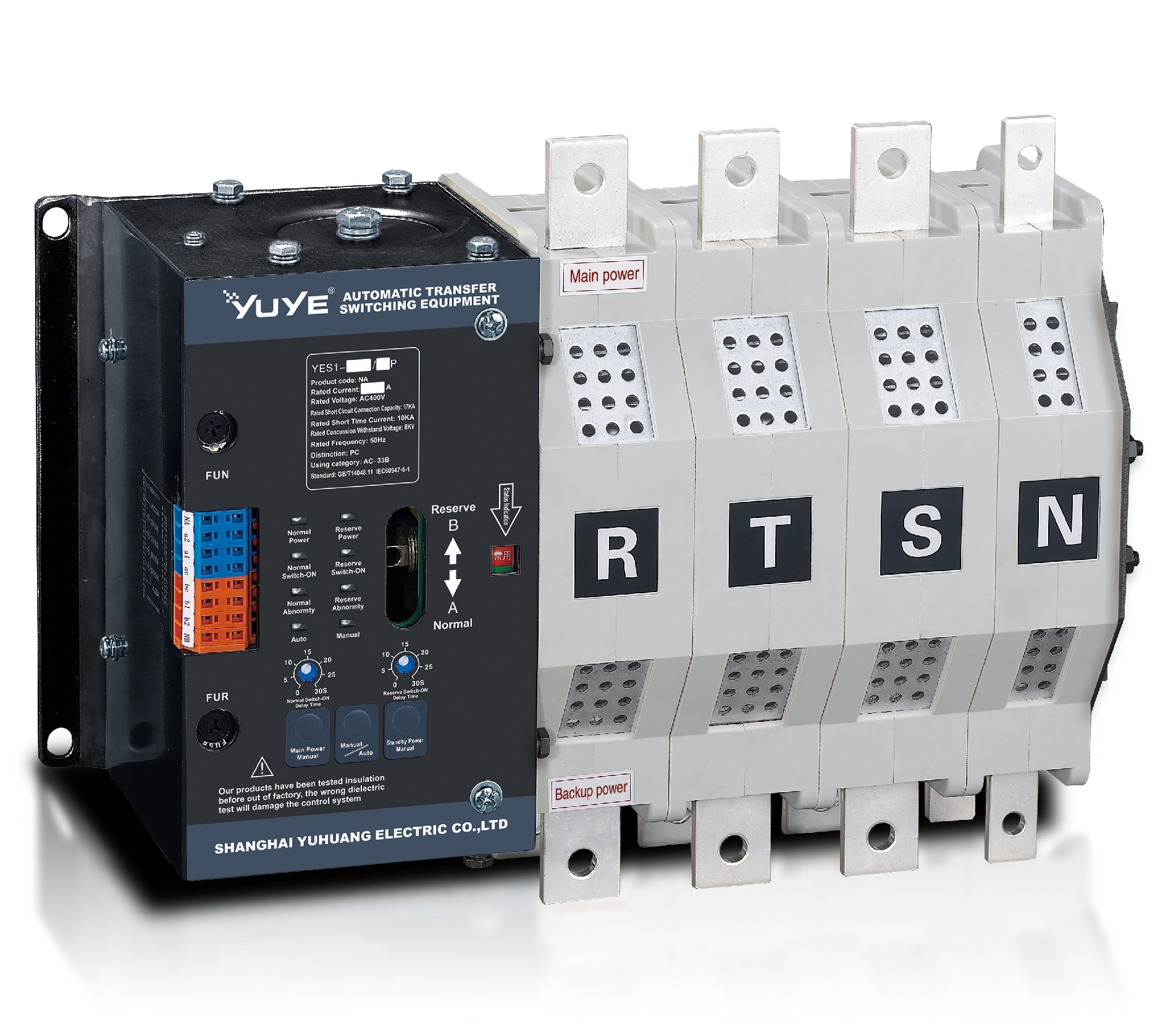 Solenoid-type ATS YES1-250~630NA/NAT
 Solenoid-type ATS YES1-63NJT
 PC ATS YES1-100~1600GN1/GN/GNF
 PC ATS YES1-2000~3200GN/GNF
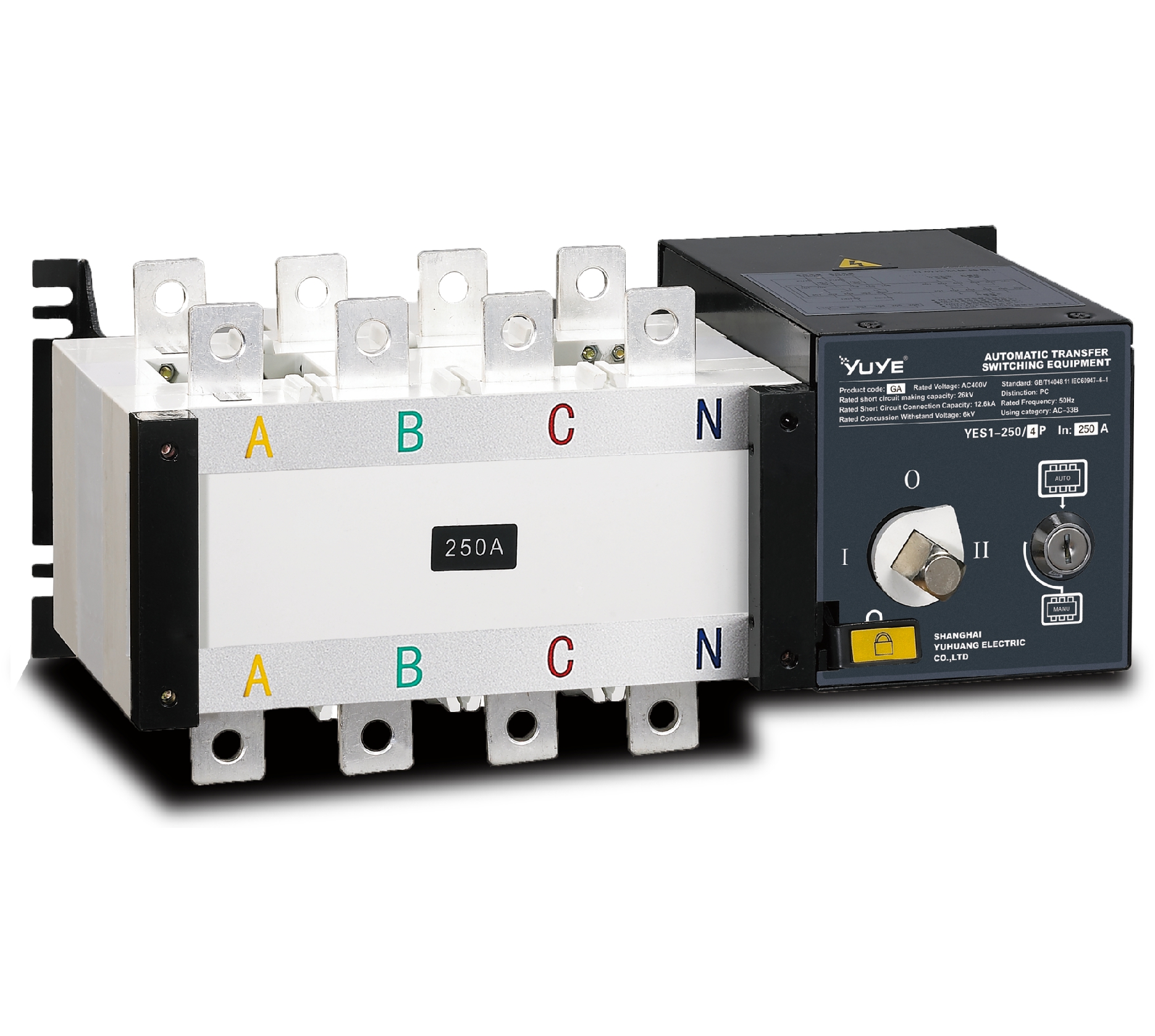 PC ATS YES1-100~3200GA1/GA
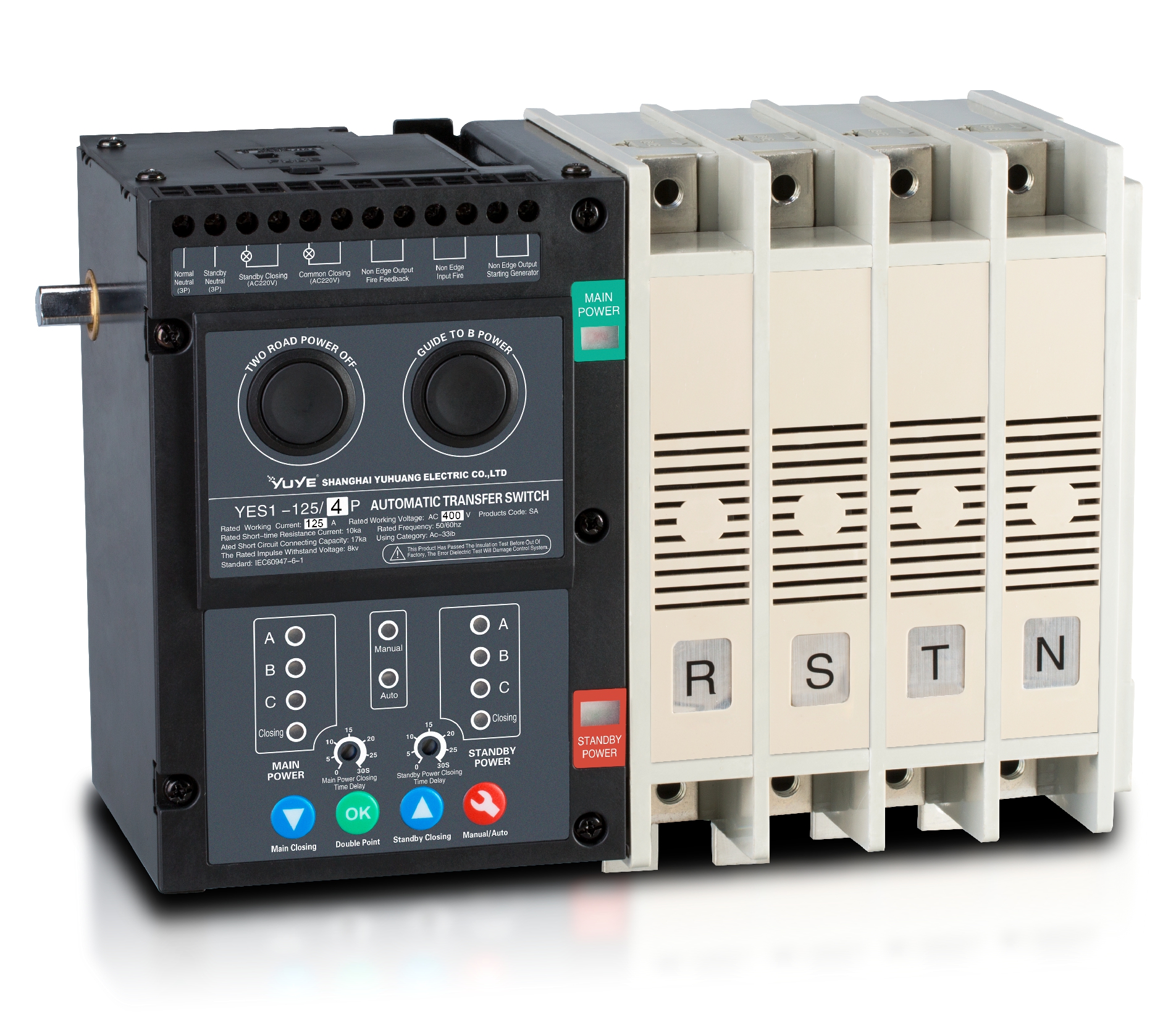 Solenoid-type ATS YES1-63~630SA
 Solenoid-type ATS YES1-63~630L/LA
 Solenoid-type ATS YES1-63~630LA3
 Solenoid-type ATS YES1-63MA
 PC ATS YES1-630~1600M
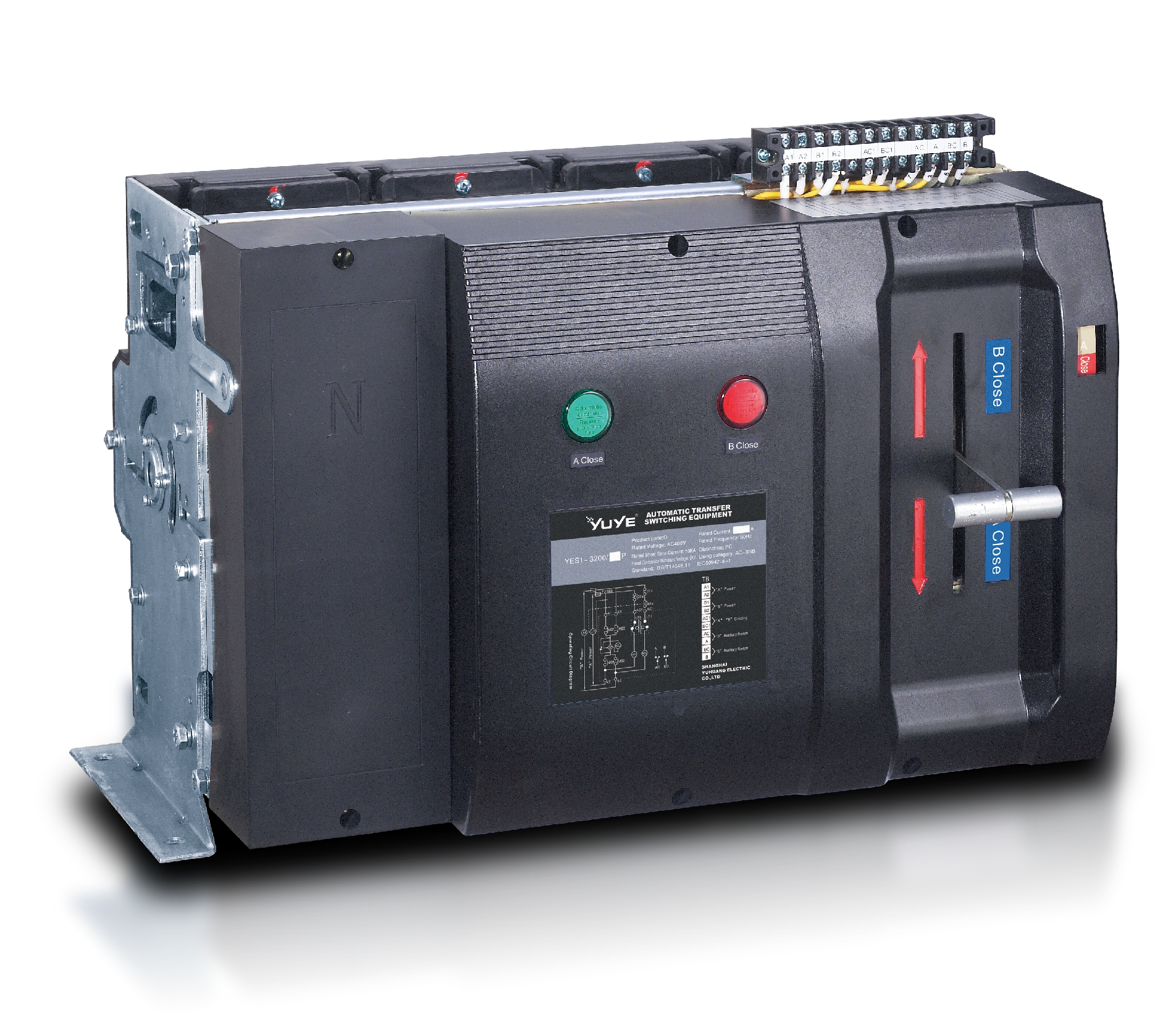 PC ATS YES1-3200Q
 Solenoid-type ATS YES1-4000~6300Q
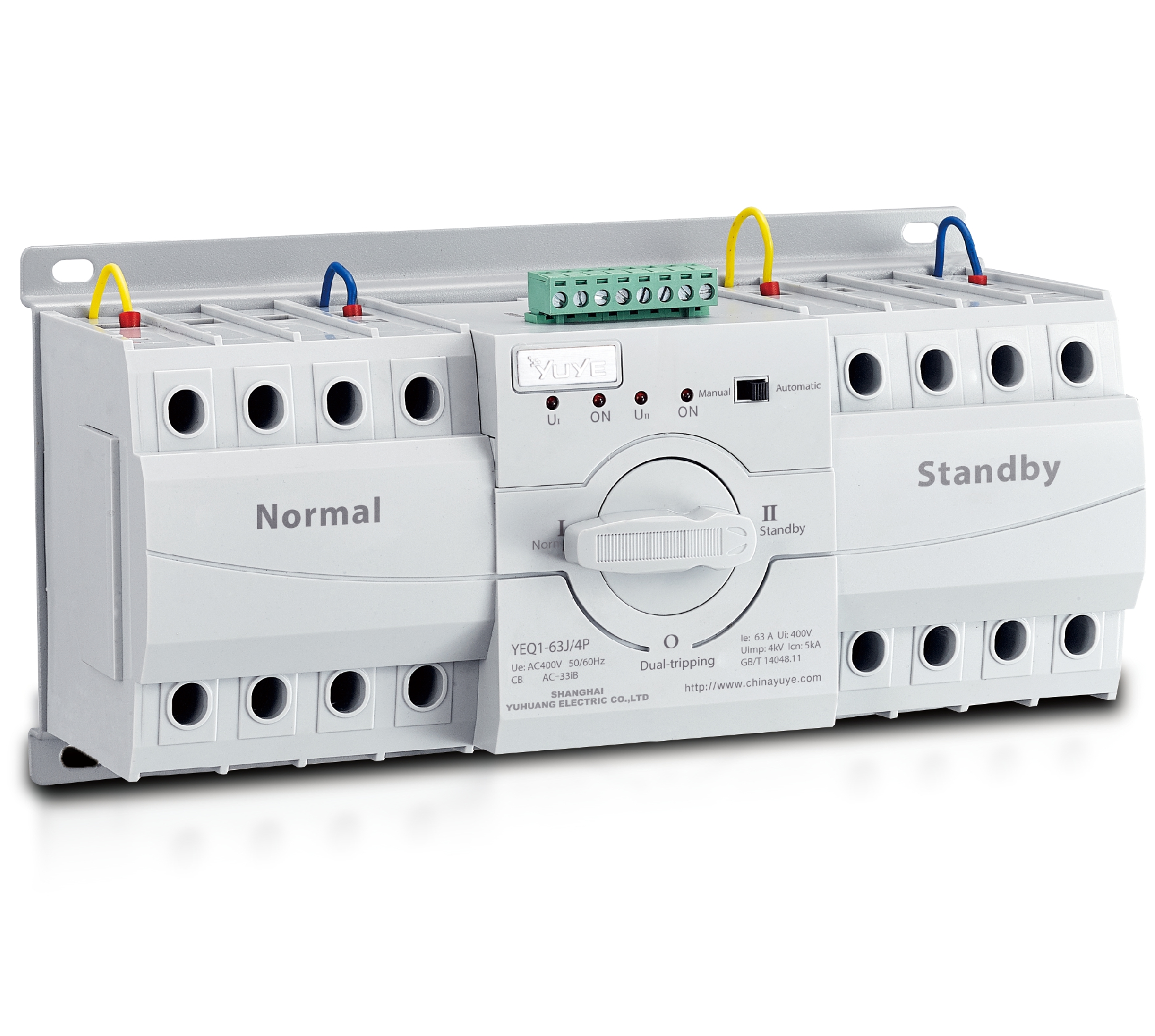 CB ATS YEQ1-63J
 CB ATS YEQ2Y-63
 CB ATS YEQ3-63W1
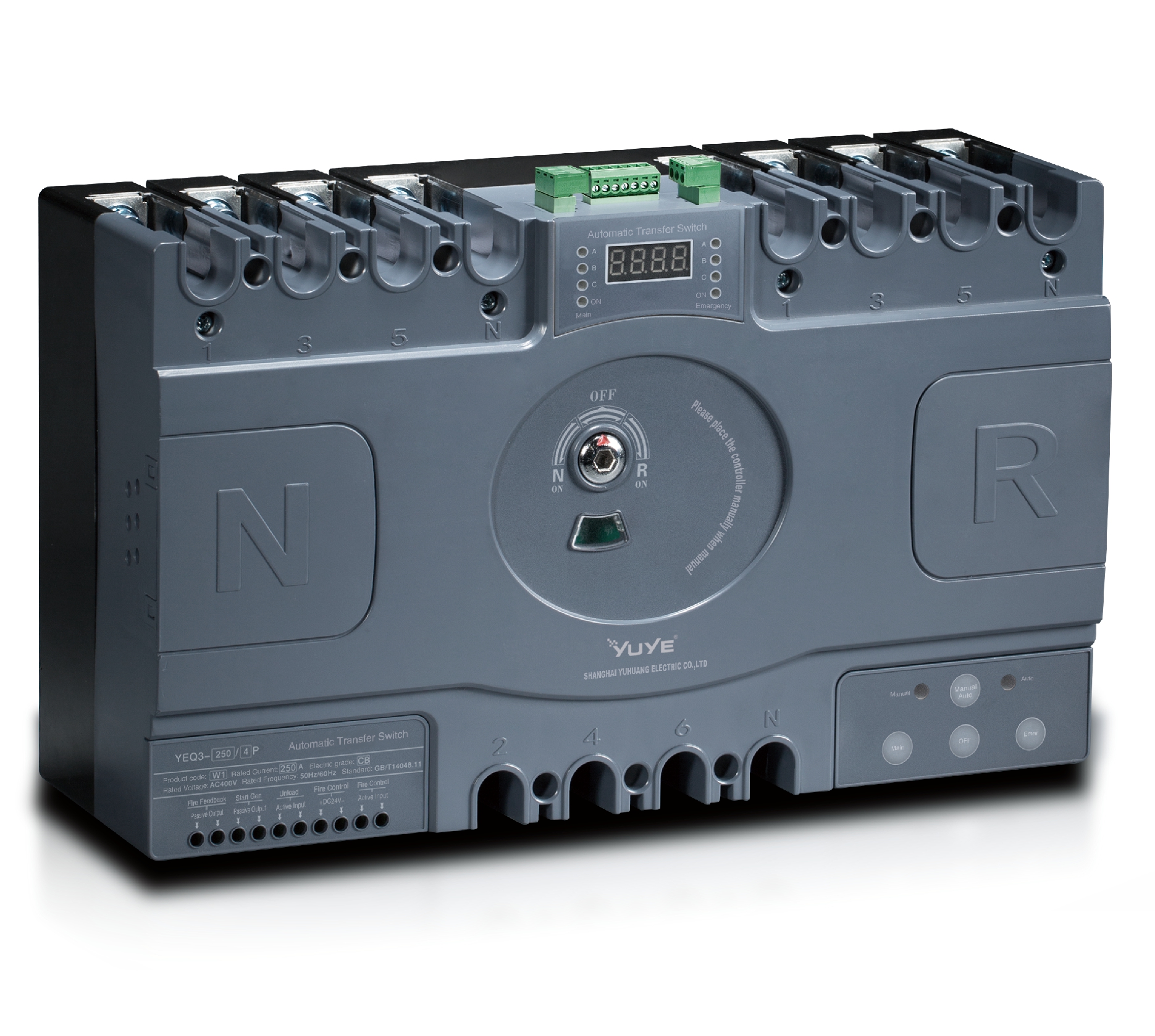 CB ATS YEQ3-125~630W1
 ATS controller Y-700
 ATS Controller Y-700N
 ATS Controller Y-701B
 ATS Controller Y-703N
 ATS Controller Y-800
 ATS Controller W2/W3 Series
 ATS switch Cabinet floor-to-ceiling
 ATS switch cabinet
 JXF-225A power Cbinet
 JXF-800A power Cbinet
 YEM3-125~800 Plastic Shell Type MCCB
 YEM3L-125~630 Leakage Type MCCB
 YEM3Z-125~800 Adjustable Type MCCB
 YEM1-63~1250 Plastic Shell Type MCCB
 YEM1E-100~800 Electronic Type MCCB
 YEM1L-100~630 Leakage Type MCCB
 Miniature circuit breaker YEMA2-6~100
 Miniature circuit breaker YEB1-3~63
 Miniature circuit breaker YEB1LE-3~63
 Miniature circuit breaker YEPN-3~32
 Miniature circuit breaker YEPNLE-3~32
 Miniature circuit breaker YENC-63~125
 Air Circuit Breaker YEW1-2000~6300
 Air Circuit Breaker YEW3-1600
 Load isolation switch YGL-63~3150
 Load Isolation Switch YGL2-63~3150
 Manual Changeover Switch YGL-100~630Z1A
 Manual Changeover Switch YGLZ1-100~3150
 YECPS2-45~125 LCD
 YECPS-45~125 Digital
 CNC Milling/Turning-OEM
 DC relay MDC-300M
 DC Isolation Switch YEGL3D-630


