When it comes to modern energy management, reliable power distribution is a big deal — you really can't overstate how important it is. One key piece of this puzzle is the Automatic Transfer Switch (or ATS for short). It’s the device that kicks in to keep things running smoothly when there’s a power outage. As more and more businesses and industries depend on having a continuous power supply, the ATS becomes pretty much essential for boosting energy reliability and efficiency.
Now, companies like One Two Three Electric Co., Ltd. really get how important these systems are. They’re a top-notch manufacturer specializing in Moulded Case Circuit Breakers and Air Circuit Breakers, and they’re dedicated to integrating cutting-edge tech into their products. This way, they’re helping make ATS devices better and, ultimately, building a stronger, more resilient energy system.
In this article, I’ll walk you through why the Automatic Transfer Switch (or ATS) really matters — what it does, the benefits it brings, and some handy tips for making sure you get the most out of your energy management setup.
Understanding the Functionality of Automatic Transfer Switches in Energy Systems
Automatic Transfer Switches, or ATS for short, are pretty much a cornerstone in today's energy management systems. They’re super important for keeping the power steady across different sectors. Basically, an ATS automatically switches between your main power source and a backup one if something goes wrong — like during an outage — so your critical systems stay up and running without missing a beat. As our dependence on reliable power grows, so does the need for these systems. In fact, experts predict that the global market for automatic transfer switches and switchgears will hit around USD 10.9 billion by 2035. That’s a huge number, but it really highlights just how vital ATS devices are, especially for data centers and other essential operations.
Thanks to some pretty cool tech upgrades, ATS units are now more effective than ever. For example, new innovations let these systems connect to networks and monitor performance in real time. That means maintenance can be more proactive, and problems can be spotted early — a big help to avoid unexpected failures. Some of the latest all-in-one ATS solutions are designed to handle critical power needs faster and more efficiently, reducing those stressful response times when power hiccups happen. As energy systems get more complex and the need for uninterrupted power is more critical than ever, ATS devices are becoming a must-have in strategic energy planning. They help businesses reduce the risks tied to power failures and keep things running smoothly.
All in all, ATS are a key piece of the puzzle when it comes to reliable energy, especially as we move into an era where constant power is pretty much non-negotiable.
Key Components and Technologies Behind Automatic Transfer Switches
Automatic Transfer Switches, or ATS for short, are pretty important when it comes to managing energy these days. Especially in places where losing power isn't really an option — you know, hospitals, data centers, that kind of thing — ATS helps make sure everything keeps running smoothly. Basically, they switch the power source seamlessly from the main power line to a backup generator whenever there's an outage. And get this — industry experts are saying the market for these switches is gonna grow quite a lot. By 2034, it’s expected to hit an extra USD 248.77 million, with the Asia-Pacific region making up about 37% of that growth. Pretty impressive, huh?
So, what’s inside these things? Well, they usually rely on relays and timers, which are super critical for detecting when the power goes out and switching over automatically. These days, advanced switching mechanisms are making sure that transition happens super fast — almost instant — so users don’t even notice the switch. The market’s also looking into different features, like how much current the switches can handle and different switching methods, which means more customized solutions are popping up for various industries. Basically, understanding these parts isn’t just about keeping things efficient — it’s about making our infrastructure more resilient in a world that depends more and more on reliable electricity.
Energy Management and Reliability of Automatic Transfer Switches (ATS)
Benefits of Implementing ATS for Enhanced Energy Reliability
Automatic Transfer Switches, or ATS for short, are pretty much essential when it comes to managing energy in today's world. They make life a lot easier by smoothly switching the power source from your main line to a backup generator whenever there's a blackout. This quick switch helps keep things running smoothly without major hiccups. For stuff like data centers or hospitals, where even a tiny outage can cause real headaches or safety issues, having an ATS is a total game-changer.
If you're thinking about installing one, a good starting point is to figure out what your power needs are. Make sure the ATS can handle any surprises—like sudden spikes in load—without breaking a sweat. It's also smart to set up routine maintenance a few times a year, so you know everything's working fine. Getting your team familiar with how it all works is definitely a plus—just in case there's ever a need to take manual control during an emergency. And if you really want to stay ahead of the game, consider hooking your ATS up with some smart monitoring systems. That way, you can see live data on how your power is doing, and catch problems before they become big issues.
One more thing worth mentioning is that ATS not only keeps things running smoothly, but it also helps protect your equipment. By switching over to backup power instantly, it shields your sensitive electronics and machinery from the jumps and drops that happen during outages. Of course, training your staff about how to handle and maintain the ATS is super important—it’s all about making sure the whole system runs reliably and efficiently when it counts most.
Best Practices for Integrating ATS into Modern Energy Management Systems
Automatic Transfer Switches, or ATS for short, are pretty much a key part of today’s energy management systems. They ensure that when the power from your main source suddenly drops or falters, the switch over to backup power happens seamlessly — as smoothly as possible. But to get the most out of an ATS, it’s good to follow some best practices. First off, you want to make sure it’s compatible with your existing electrical setup. That means checking out the power loads, voltage levels, and what your equipment actually needs. Doing a thorough assessment here can save you headaches down the line — nobody wants surprises during a power outage, right?
Next up, regular maintenance is crucial. Testing the ATS regularly, keeping up with inspections, and updating firmware when needed can really make a difference. Trust me, a well-maintained switch is much less likely to fail when you rely on it most. Also, training your team on how to operate and manage the ATS is super helpful — it’s better to catch early signs of wear or potential issues before they become real problems. If you stick to these simple but important tips, your organization can keep the ATS running smoothly, which means more reliable power, fewer surprises, and better overall energy efficiency.
Understanding the Role of Automatic Transfer Switch ATS in Modern Energy Management and Reliability
| Dimension |
Description |
Best Practices |
Impact on Reliability |
| Operational Efficiency |
Switching power supply seamlessly during outages |
Regular maintenance checks and testing |
Minimizes downtime and enhances productivity |
| Integration with Renewable Energy |
Facilitates the use of solar and wind energy |
Incorporate ATS with solar inverters |
Improves energy independence and sustainability |
| Load Management |
Distributes power efficiently to various systems |
Utilize smart ATS solutions with monitoring |
Enhances overall system reliability |
| Safety Features |
Ensures safe operation during transfers |
Implement interlock systems and surge protection |
Reduces risks of electrical failures |
| Remote Monitoring |
Allows real-time oversight of ATS performance |
Use IoT-enabled ATS for data analysis |
Early detection of issues and proactive maintenance |
Common Challenges and Solutions when Using Automatic Transfer Switches
 Automatic Transfer Switches (ATS) are pretty important in today’s energy management scene, especially when it comes to keeping things running smoothly during power outages or fluctuations. That said, there are a few hurdles that come up when trying to integrate ATS into existing electrical setups. One of the main issues is how complicated installation and setup can be—if not done right, it might lead to failures and downtime. That’s a big deal, especially considering a 2022 report from the Energy Management Association pointing out that bad installation of ATS could cost businesses around $150,000 per hour in lost productivity.
Another thing to watch out for is maintenance. As ATS tech keeps getting better, regular check-ups and updates are a must to keep everything running at peak performance. For example, manufacturers like One Two Three Electric Co., Ltd. really stress the importance of quality production—like their molded case circuit breakers, which work hand-in-hand with ATS by offering solid protection against overloads and short circuits.
Tip: Make it a habit to do quarterly inspections on your ATS and its components—that’s a good move to keep things reliable.
And let’s not forget about compatibility. Sometimes, fitting an ATS into your existing power system can be tricky. It’s a smart idea to do a thorough assessment first to make sure the ATS specs match up with what you’ve already got. With proper planning and the right choices, tackling these challenges can really boost your energy reliability.
Tip: Don’t hesitate to reach out to manufacturers or use their resources—they can help you pick the right ATS model to fit your setup and ensure everything runs smoothly.
Future Trends in ATS Technology and Its Impact on Energy Resilience
Looking ahead, the future of Automatic Transfer Switch (ATS) tech is really exciting, especially with how much energy resilience is becoming a top priority across different industries. I mean, a report from the International Energy Agency (IEA) was saying that global energy needs are expected to jump by around 30% by 2040. That kind of growth pushes us to find smarter, more reliable ways to manage energy — and that’s where ATS systems come in. They’re key players here, making sure the power switches smoothly from one source to another, so there are no interruptions.

And here’s the cool part—tech like smart ATS systems is starting to use IoT tech, which means they can be monitored in real time and even predict maintenance needs. This can cut down downtime by up to 40%, which is huge. Plus, with renewable sources like solar and wind gaining more traction, ATS systems are going to need to get a lot smarter. According to the U.S. Department of Energy, by 2030, renewable energy sources could make up more than half of the power generation. So, ATS has to be ready to handle these changing energy inputs to keep everything stable and reliable.
All in all, as these systems become more advanced, their ability to adapt to the shifting energy landscape will be critical in building a more resilient infrastructure. Essentially, it’s about staying one step ahead and making sure we’re prepared for whatever comes next.
Maximizing Power Reliability: The Benefits of the CB Automatic Transfer Switch YEQ3-63EW1
The importance of power reliability in today’s fast-paced world cannot be overstated. The recent industry reports indicate that businesses suffer significant losses due to power interruptions, with the average cost of downtime reaching over $5,600 per minute for data centers alone. To mitigate these risks, the CB Automatic Transfer Switch YEQ3-63EW1 emerges as a stalwart solution, offering seamless transition between power sources and ensuring uninterrupted power supply.
As China’s largest manufacturer of Automatic Transfer Switches (ATS), our commitment to quality and innovation positions us as a trusted supplier in the industry. Our professional team is devoted to research and development, design, and production, thereby ensuring that the YEQ3-63EW1 meets high quality standards. With quickly lead times of just 7 days for orders up to 100 pieces, we understand that "time is gold,” and we provide 7*20 hours of online service for prompt support.
Customization is also a key aspect of our offerings. Businesses can benefit from tailored solutions, including customized logos, packaging, and graphic designs, with minimum orders starting at just 100 pieces. This level of customization allows companies to maintain their branding while enhancing their operational efficiency, making the YEQ3-63EW1 not just a purchase, but a strategic investment in power reliability.
FAQS
utomatic Transfer Switches (ATS) in energy management systems?
Ensuring compatibility prevents potential issues during the switching process and ensures the ATS operates within optimal parameters tailored to the specific requirements of connected equipment.
Regular maintenance should include inspections, operational testing, and firmware updates to guarantee functionality and reduce the risk of failure during power outages.
Personnel should be trained in the operation and management of ATS to help them recognize signs of wear or malfunction early and facilitate timely interventions.
Installation and configuration complexity can lead to operational failures, resulting in significant downtime and potential financial losses for businesses.
Regular updates and checks are necessary, and organizations should schedule routine inspections, ideally quarterly, to ensure optimal performance of their ATS systems.
A 2022 report from the Energy Management Association indicated that improper setup can cost businesses approximately $150,000 per hour in downtime.
Organizations can enhance reliability by conducting thorough assessments to match ATS specifications with existing power systems and utilizing manufacturers’ resources to select the right ATS model.
Moulded case circuit breakers represent a product that can complement ATS systems by providing reliable protection against overloads and short circuits.
Organizations should utilize manufacturers’ resources to ensure compatibility and optimal performance when selecting an ATS model.
Conclusion
So, I recently read an article called "Understanding the Role of Automatic Transfer Switch (ATS) in Today’s Energy Management and Reliability," and honestly, it’s pretty insightful. It dives into how ATS actually works and why it’s such a big deal in modern energy systems. The article walks through the main parts and tech behind ATS, really stressing how crucial it is for keeping the power reliable. When companies bring ATS into their energy setups, it’s a game-changer – they get fewer outages and a more efficient system overall.
Of course, it doesn’t shy away from the common hurdles folks face when trying to implement ATS. But it also offers some practical tips on how to tackle those issues. Plus, it even talks about what’s coming next in ATS tech and how it might boost energy resilience in the future. Overall, it makes a pretty strong case for why more organizations should consider adopting ATS as part of their energy strategies. By the way, since One Two Three Electric Co., Ltd. is a leader in circuit breakers, they truly get how important ATS is for improving energy management and keeping the power steady and dependable.

 PC ATS YECT1-2000G
 PC ATS YES2-63~250GN1
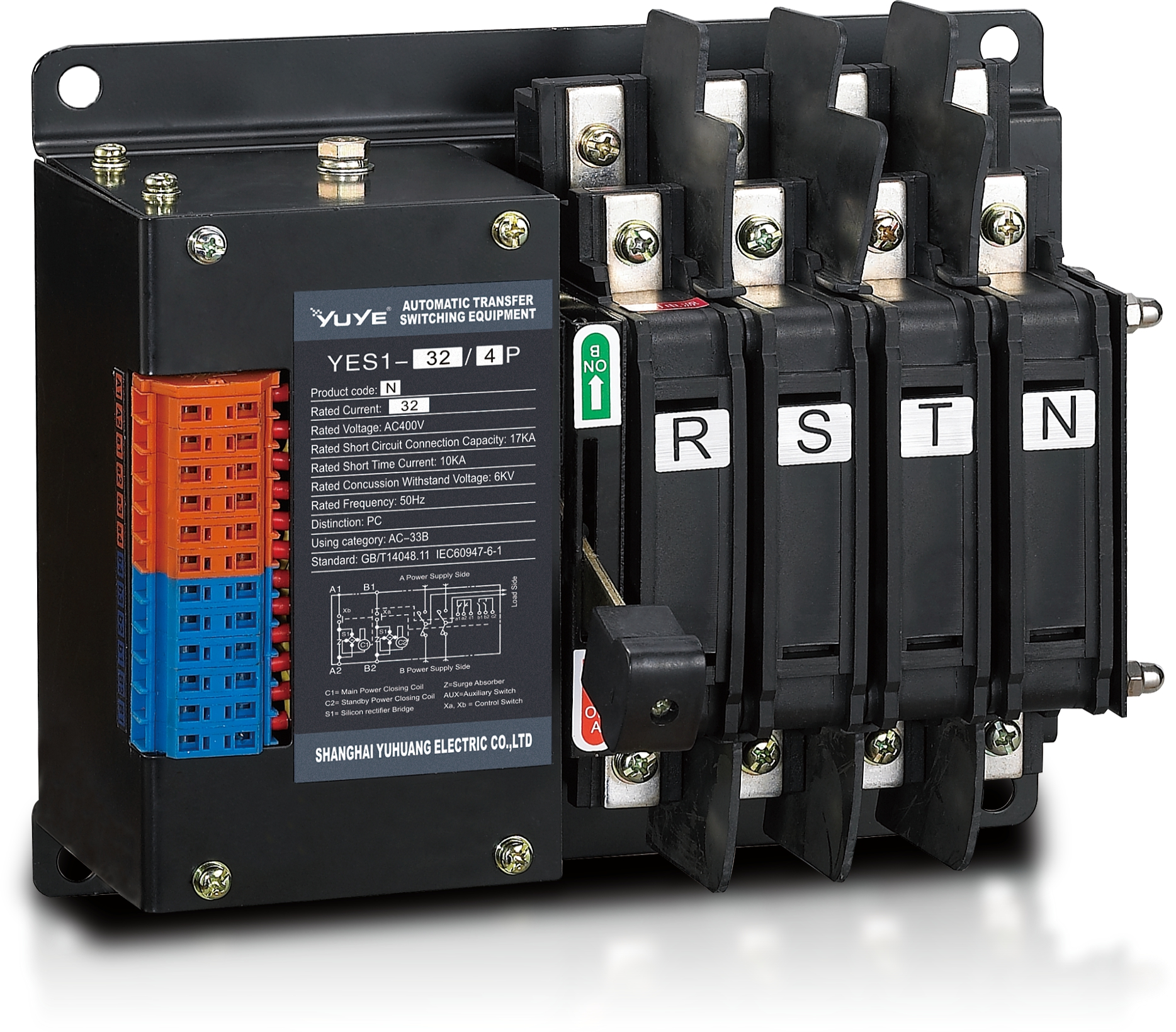 Solenoid-type ATS YES1-32~125N
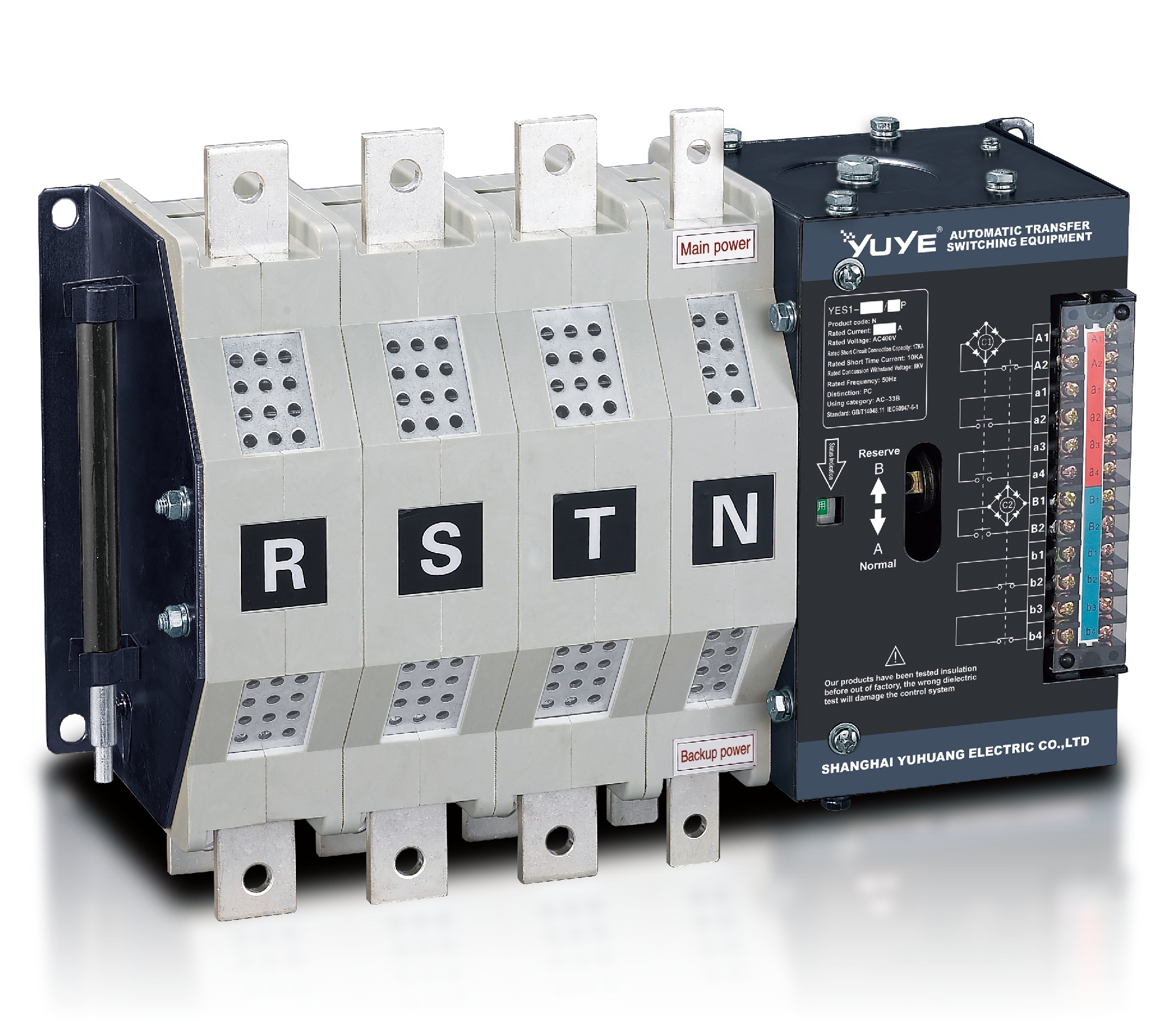 Solenoid-type ATS YES1-250~630N/NT
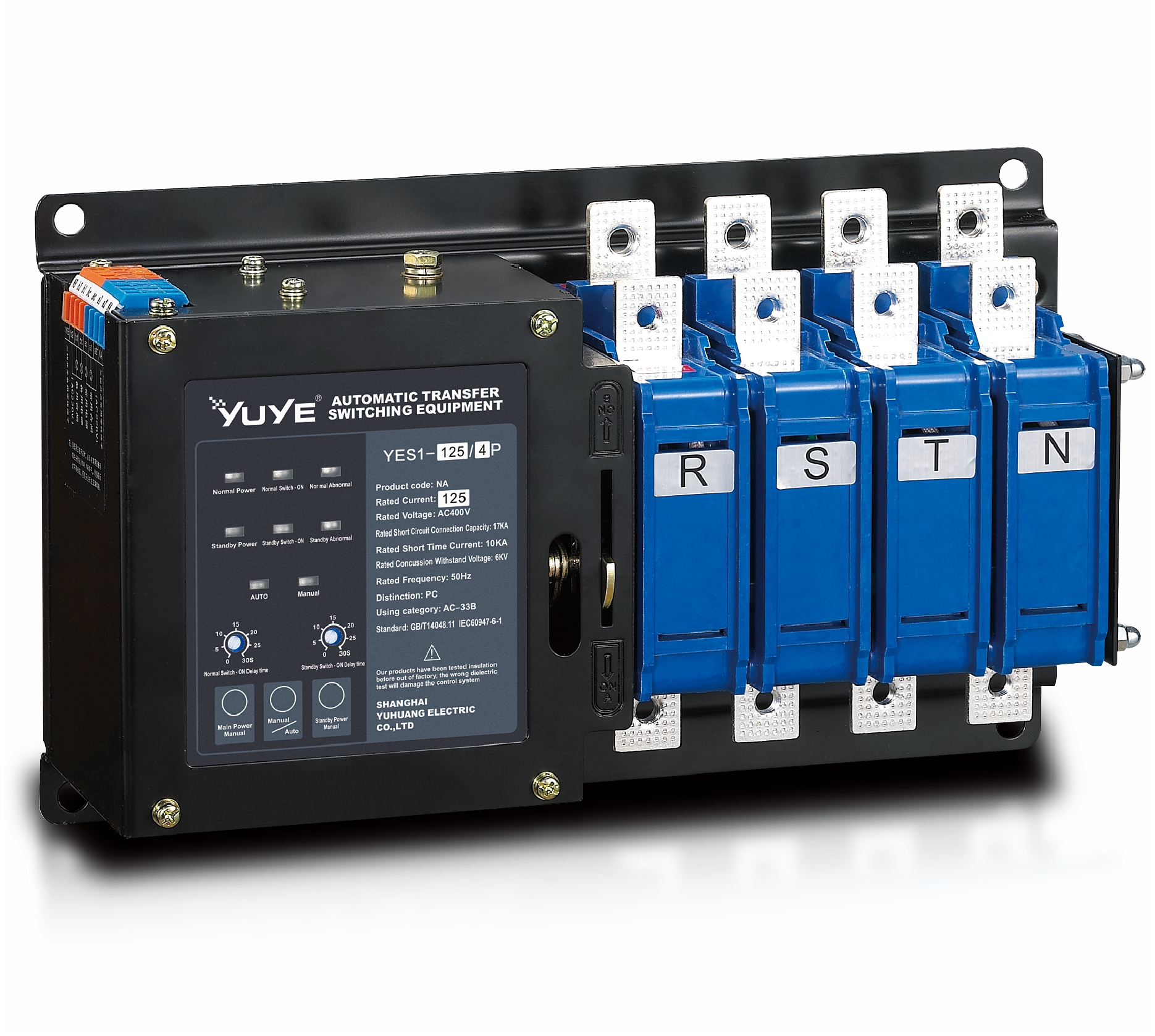 Solenoid-type ATS YES1-32~125NA
 Solenoid-type ATS YES1-63~630SN
 Solenoid-type ATS YES1-1250~4000SN
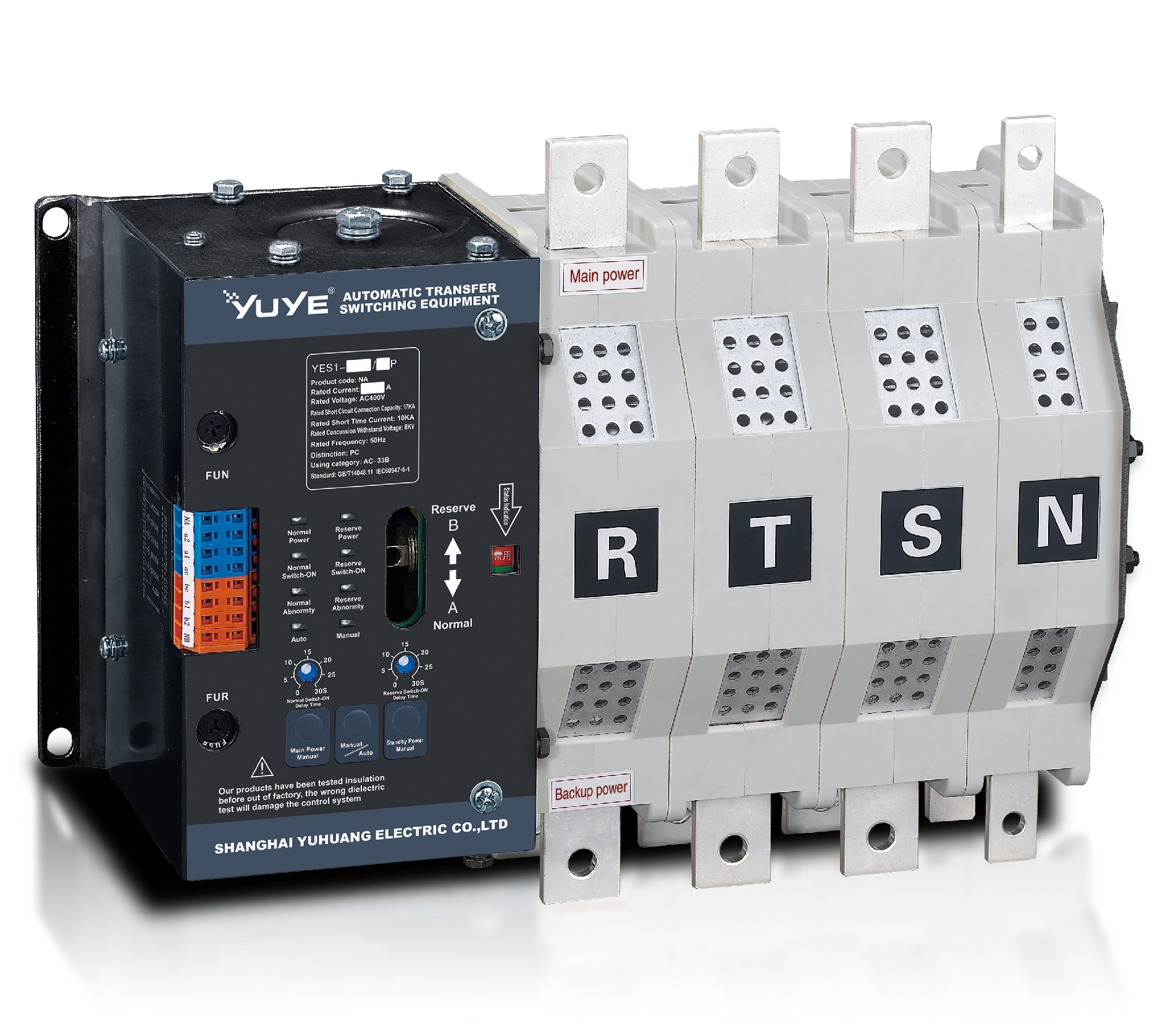 Solenoid-type ATS YES1-250~630NA/NAT
 Solenoid-type ATS YES1-63NJT
 PC ATS YES1-100~1600GN1/GN/GNF
 PC ATS YES1-2000~3200GN/GNF
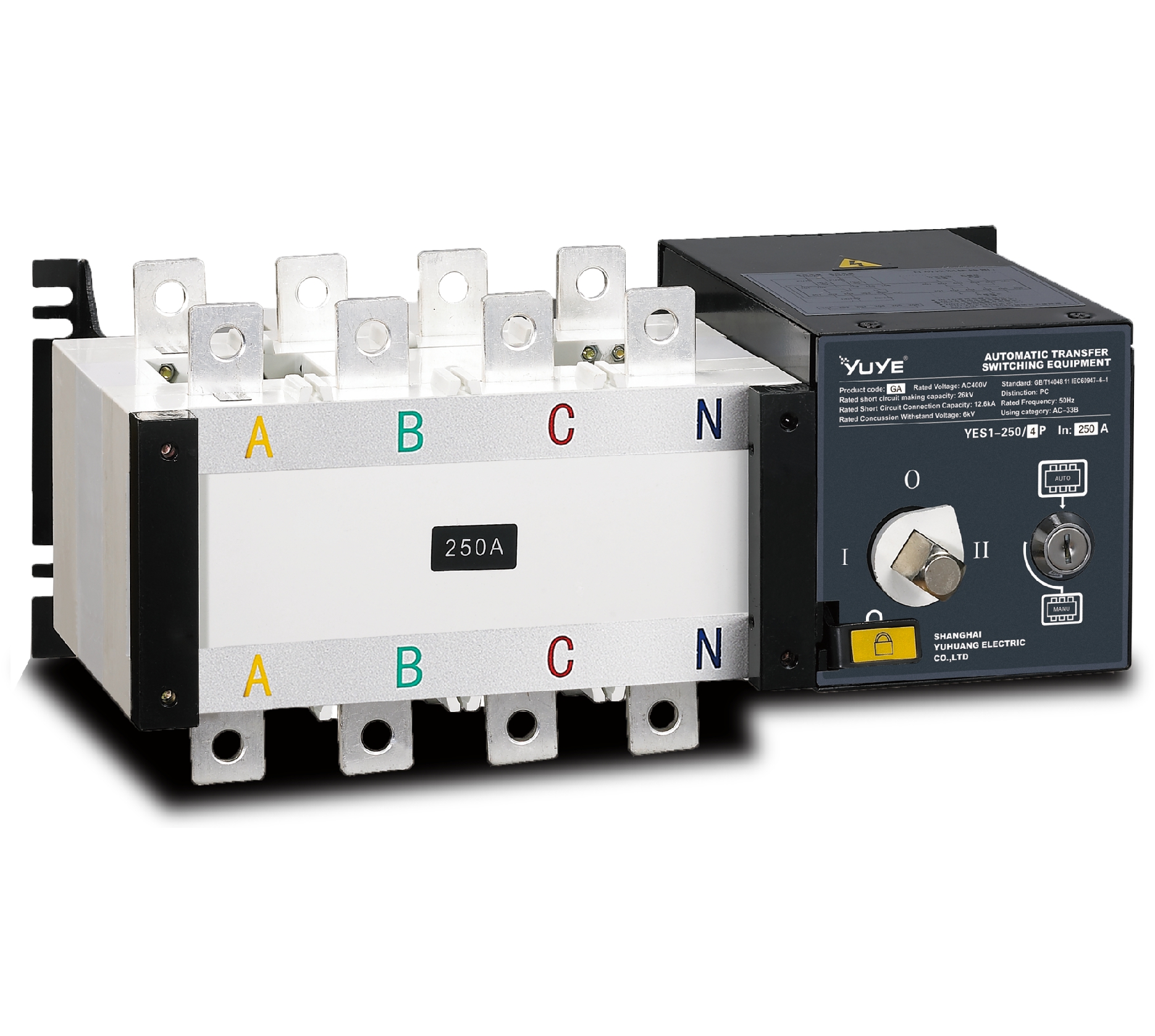 PC ATS YES1-100~3200GA1/GA
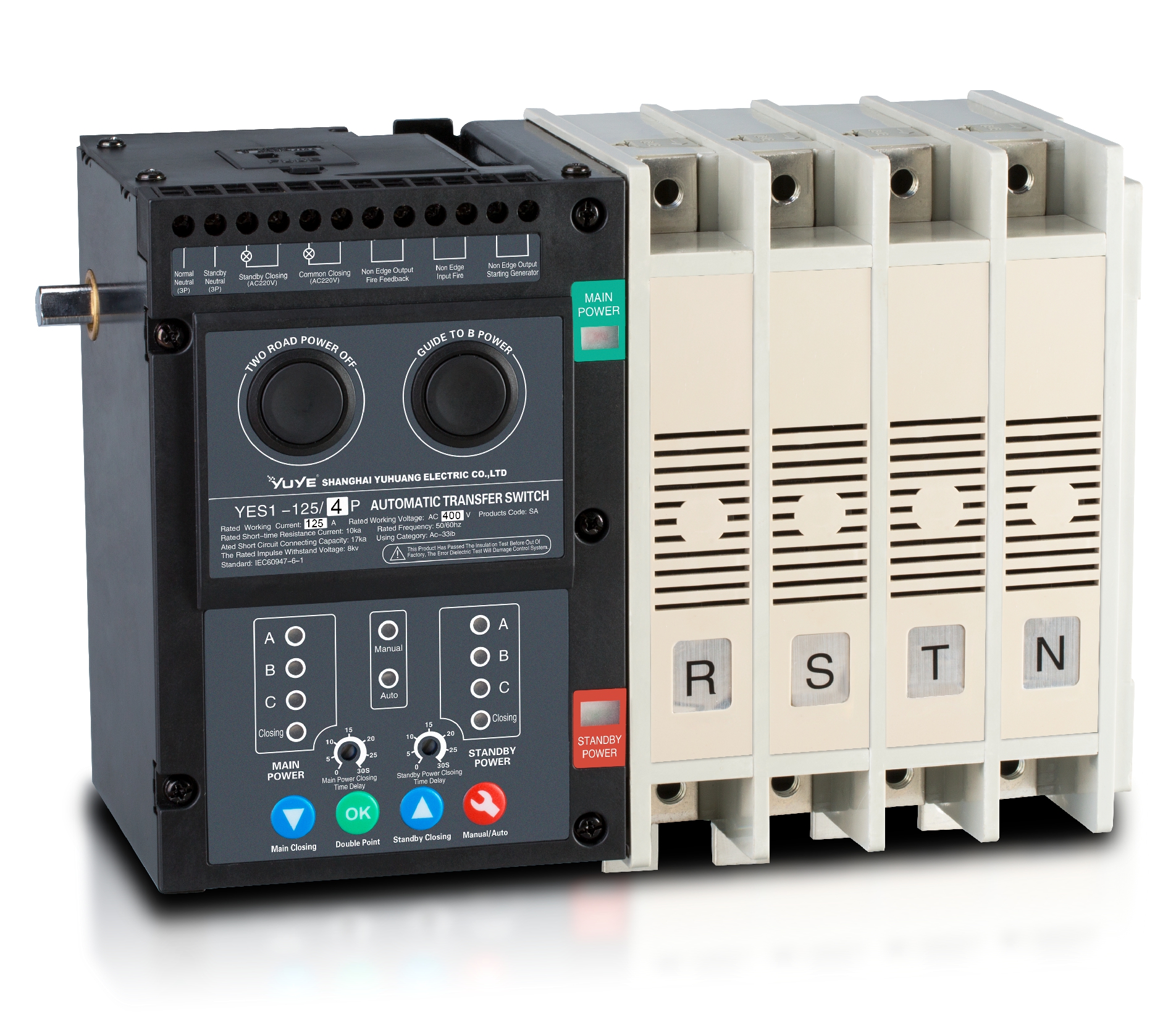 Solenoid-type ATS YES1-63~630SA
 Solenoid-type ATS YES1-63~630L/LA
 Solenoid-type ATS YES1-63~630LA3
 Solenoid-type ATS YES1-63MA
 PC ATS YES1-630~1600M
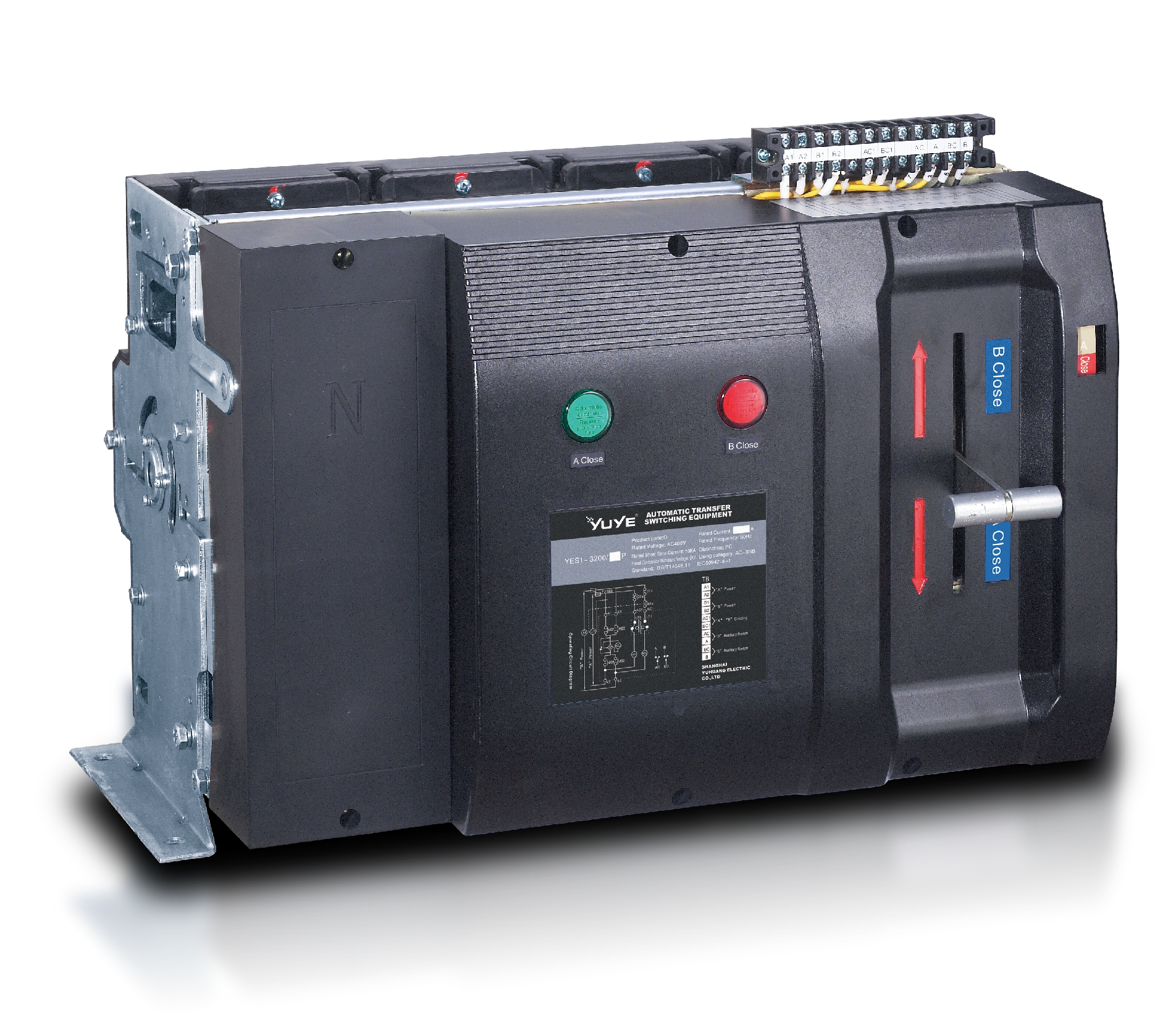 PC ATS YES1-3200Q
 Solenoid-type ATS YES1-4000~6300Q
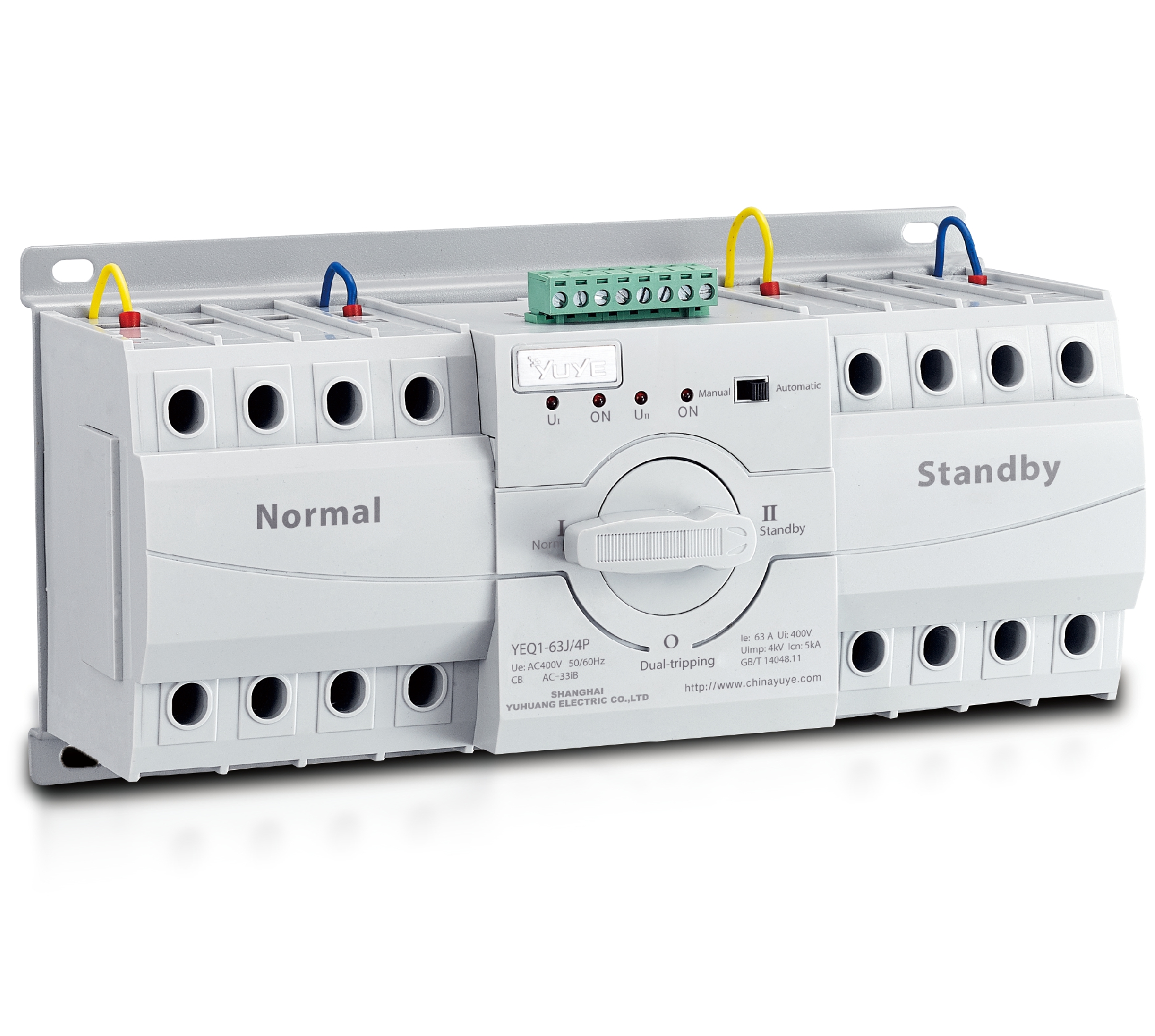 CB ATS YEQ1-63J
 CB ATS YEQ2Y-63
 CB ATS YEQ3-63W1
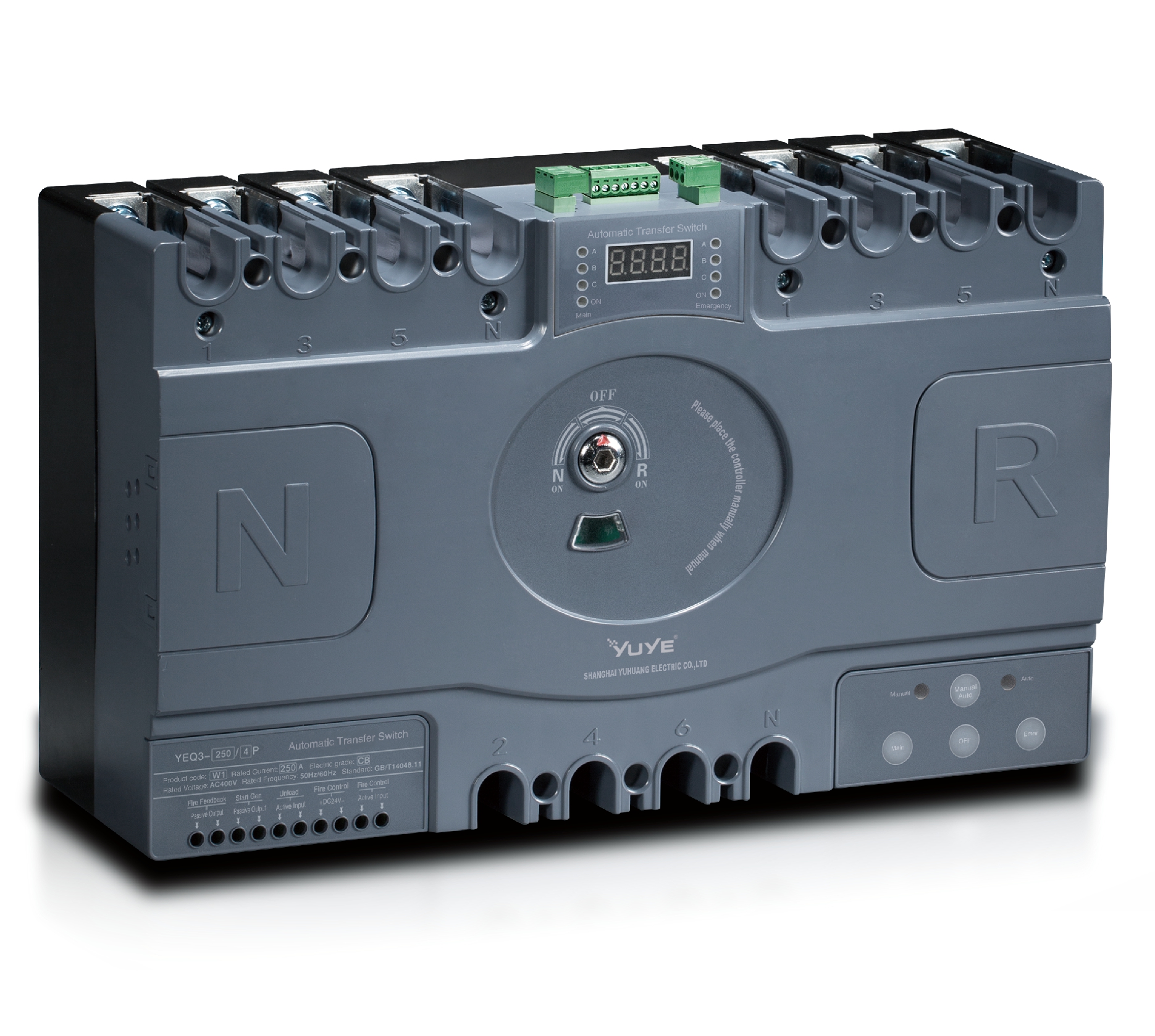 CB ATS YEQ3-125~630W1
 ATS controller Y-700
 ATS Controller Y-700N
 ATS Controller Y-701B
 ATS Controller Y-703N
 ATS Controller Y-800
 ATS Controller W2/W3 Series
 ATS switch Cabinet floor-to-ceiling
 ATS switch cabinet
 JXF-225A power Cbinet
 JXF-800A power Cbinet
 YEM3-125~800 Plastic Shell Type MCCB
 YEM3L-125~630 Leakage Type MCCB
 YEM3Z-125~800 Adjustable Type MCCB
 YEM1-63~1250 Plastic Shell Type MCCB
 YEM1E-100~800 Electronic Type MCCB
 YEM1L-100~630 Leakage Type MCCB
 Miniature circuit breaker YEMA2-6~100
 Miniature circuit breaker YEB1-3~63
 Miniature circuit breaker YEB1LE-3~63
 Miniature circuit breaker YEPN-3~32
 Miniature circuit breaker YEPNLE-3~32
 Miniature circuit breaker YENC-63~125
 Air Circuit Breaker YEW1-2000~6300
 Air Circuit Breaker YEW3-1600
 Load isolation switch YGL-63~3150
 Load Isolation Switch YGL2-63~3150
 Manual Changeover Switch YGL-100~630Z1A
 Manual Changeover Switch YGLZ1-100~3150
 YECPS2-45~125 LCD
 YECPS-45~125 Digital
 CNC Milling/Turning-OEM
 DC relay MDC-300M
 DC Isolation Switch YEGL3D-630


