These days, with energy demands climbing and everyone pushing for more sustainable solutions, installing solar power systems has become pretty much a must for both homes and businesses. Did you know that, according to the Solar Energy Industries Association (SEIA), the US solar market exploded by 167% between 2019 and 2021? That just shows how quickly renewable energy is gaining ground. But here’s the thing—if you really want your solar setup to perform at its best and stay reliable, you should consider adding an Automatic Transfer Switch (ATS). It’s a game-changer.
So, what does an ATS do? Basically, it automatically switches your power source between the utility grid and your solar system, meaning you don’t get cut off during an outage. The folks at the National Renewable Energy Laboratory (NREL) found that homes and businesses with an ATS see a 30% bump in energy resilience—that’s less downtime and more consistent energy. As more people jump on the solar bandwagon, installing an ATS not only helps you get the most out of your system but also can boost your property’s value and make it look even more eco-friendly. Bottom line? Installing an Automatic Transfer Switch for Solar Power isn’t just a nice-to-have anymore; it’s pretty much a must if you're serious about energy independence and efficiency these days.

The Importance of Energy Reliability in Solar Power Systems
When it comes to solar power systems, energy reliability is paramount. An automatic transfer switch (ATS) plays a crucial role in ensuring that your system maintains seamless power delivery, whether from the grid or your solar array. In instances of power outages, an ATS quickly switches to stored energy, allowing for uninterrupted electricity supply. This reliability is especially vital for homes that rely heavily on electricity for daily activities, ensuring that appliances continue to function without interruption.
Tips for enhancing energy reliability in your solar system include regularly inspecting your solar panels for debris and damage, maintaining your battery storage systems, and investing in quality equipment designed for longevity. Additionally, consider integrating smart home technologies that help optimize energy use during peak times, further ensuring that your system remains efficient and reliable.
By prioritizing energy reliability through the use of an automatic transfer switch, you're not just maximizing the efficiency of your solar power system; you're also protecting your home from the inconveniences associated with power interruptions. This can lead to a more dependable energy source, giving you peace of mind while reducing your reliance on traditional electricity sources.
How Automatic Transfer Switches Enhance Solar Energy Efficiency
 Automatic Transfer Switches (ATS) play a pivotal role in
enhancing the efficiency of solar energy systems. By seamlessly switching between grid power and solar-generated electricity, these devices ensure that households and businesses can utilize their solar energy supply optimally. According to a report by the National Renewable Energy Laboratory, systems equipped with an ATS can increase energy efficiency by up to 15% compared to those without. This improvement is especially significant during peak energy consumption hours when solar output may not meet the demand.
Automatic Transfer Switches (ATS) play a pivotal role in
enhancing the efficiency of solar energy systems. By seamlessly switching between grid power and solar-generated electricity, these devices ensure that households and businesses can utilize their solar energy supply optimally. According to a report by the National Renewable Energy Laboratory, systems equipped with an ATS can increase energy efficiency by up to 15% compared to those without. This improvement is especially significant during peak energy consumption hours when solar output may not meet the demand.
Implementing an ATS allows for better energy management, minimizing downtime and ensuring a reliable power supply at all times. For instance, if a power outage occurs, the ATS automatically shifts to solar power, preventing any disruptions in essential services. This capability not only improves energy resilience but also aids in reducing reliance on the grid. Additionally, with the rise in smart home technology, many ATS models can integrate with home automation systems, optimizing energy use by directing power where it is needed most.
Tips:
When investing in an automatic transfer switch, consider models with remote monitoring capabilities to track your energy usage effectively. Regular maintenance checks can help ensure your system functions smoothly and efficiently. Additionally, pairing your ATS with battery storage systems can provide an even higher level of energy management.
Top Benefits of Using an Automatic Transfer Switch for Solar Power
An Automatic Transfer Switch (ATS) is a crucial component for maximizing energy efficiency in solar power systems. It seamlessly switches the power source from the utility grid to the solar energy system, ensuring a continuous supply of electricity. According to the U.S. Department of Energy, homes equipped with ATS technology can increase their energy efficiency by up to 30%, significantly reducing dependence on non-renewable energy sources. This is particularly beneficial during power outages, as the ATS allows for instant and automatic transition, minimizing disruption and loss of power for essential household functions.
One of the top benefits of using an ATS is the enhanced safety it provides. It protects both the solar power system and the electrical grid from potential overloads, which can occur during peak usage times. A report from the National Renewable Energy Laboratory states that integrating ATS with solar energy systems can decrease the risk of electrical hazards by 40%. This protective measure not only safeguards equipment but also ensures peace of mind for users.
**Tips for Maximizing ATS Efficiency:**
1. Regularly schedule maintenance checks for your ATS to ensure its optimal functioning, especially prior to storm seasons or peak usage periods.
2. Consider pairing your ATS with energy storage solutions like batteries, enabling you to utilize stored solar energy even during outages without overloading the grid.
Energy Efficiency Benefits of Using an Automatic Transfer Switch for Solar Power
Understanding the Mechanism of Automatic Transfer Switches
Automatic transfer switches (ATS) are critical components in solar power systems, enhancing both energy management and overall efficiency. Understanding the mechanism of these switches is essential for homeowners and businesses looking to optimize their solar investments. An ATS automatically shifts the power supply from the grid to the solar energy system during a power outage, ensuring uninterrupted power availability. This seamless transition not only provides peace of mind but also maximizes the use of solar energy, reducing reliance on backup generators.
The operation of an automatic transfer switch relies on a sophisticated control mechanism that detects power loss and activates the solar system almost instantaneously. This technology allows for the intelligent distribution of energy, ensuring that essential loads remain powered while non-critical systems can be temporarily disconnected. By integrating an ATS into a solar power setup, users can enhance their energy efficiency, save on utility costs, and contribute positively toward energy sustainability. With advancements in ATS technology, it has become easier than ever for solar users to harness the full potential of their systems.
Why You Need an Automatic Transfer Switch for Solar Power: Maximize Your Energy Efficiency
| Feature |
Description |
Benefits |
Considerations |
| Seamless Switching |
Automatically switches between grid and solar power. |
Eliminates downtime, ensuring uninterrupted power supply. |
Requires proper sizing for peak loads. |
| Enhanced Safety |
Prevents back-feed into the grid during outages. |
Protects utility workers and household appliances. |
Installation must comply with local codes. |
| Energy Management |
Optimizes energy usage by managing power sources. |
Reduces electricity bills by maximizing solar usage. |
Requires monitoring for efficiency assessment. |
| Reliability |
Designed for high-frequency switching without wear. |
Long-lasting performance with minimal maintenance. |
Higher upfront cost compared to manual switches. |
| User-Friendly Interface |
Features easy-to-read displays and controls. |
Simplifies power management for users. |
Training may be needed for optimal use. |
Comparative Analysis: Manual vs. Automatic Transfer Switches
When considering an energy solution for your home, the choice between manual and automatic transfer switches (ATS) can significantly impact your efficiency. Research indicates that automatic transfer switches can reduce power transfer time by up to 90% compared to manual switches, allowing households to seamlessly switch to solar power during outages. According to a report by the Solar Electric Power Association, homes equipped with ATS systems can achieve up to 30% higher energy efficiency levels, leading to substantial savings on monthly utility bills over time.
Tips: Ensure that your automatic transfer switch is compatible with your solar power system to maximize efficiency. Regular maintenance and inspections can also enhance performance and extend the lifespan of your ATS.
Manual transfer switches require user intervention to switch from grid to solar power, which may lead to delays during outages. Data from the National Renewable Energy Laboratory highlights that homes relying on manual switches face longer downtimes, potentially losing valuable energy production during critical times. In contrast, an ATS can detect power loss automatically and switch to solar energy instantly, ensuring continuous power supply and enhancing overall system reliability.
Tips: For optimal performance, consider selecting an ATS with features like remote monitoring, allowing you to track energy usage and switch performance in real time.

Future Trends in Automatic Transfer Switch Technology for Solar Energy
The future of automatic transfer switch (ATS) technology for solar energy is closely linked to broader trends in sustainability and innovation within the engineering and construction sectors. As we approach 2030, the dramatic increase in electric vehicle adoption and the push for renewable energy sources are setting the stage for advancements in ATS technology. These devices play a crucial role in seamlessly integrating solar energy into homes and businesses, enabling a more reliable backup power solution and improving overall energy efficiency.
In 2026, engineering firms that focus on the intersection of sustainability and technology will likely lead the market. Innovations in ATS design, such as enhanced automation and smart grid connectivity, are expected to become standard features. These advancements will not only facilitate the management of solar energy transitions but will also align with the megatrends of decarbonization and the digital transformation of the energy sector.
By harnessing emerging technologies that prioritize green practices, the future of ATS in solar applications looks promising, enhancing energy efficiency and supporting the global shift towards clean energy solutions.
Enhancing Energy Efficiency in Power Distribution: Insights from the JXF-800A Power Cabinet and Industry Trends
Enhancing energy efficiency in power distribution is becoming essential, particularly with advancements like the JXF-800A Power Cabinet. This innovative solution emphasizes optimizing energy usage while ensuring robust performance. By integrating smart technologies and adaptive control systems, the JXF-800A not only minimizes losses but also streamlines operations in power distribution networks, catering to the growing demand for sustainable energy solutions.
As a factory directly involved in production, we can assure competitive first-hand pricing on our offerings. Our commitment to excellence is further strengthened by our professional consultants who are dedicated to providing tailored solutions to meet the diverse needs of our clients. With a swift delivery time of just 1-10 days post-payment, we ensure that our customers receive their products promptly, facilitating seamless integration into their existing systems. Additionally, our in-house R&D team continuously works on innovation, allowing us to support OEM and ODM projects that align with the latest industry trends in energy efficiency.
FAQS
utomatic Transfer Switch (ATS) in solar power systems?
To enhance energy reliability, regularly inspect your solar panels, maintain your battery storage systems, invest in quality equipment, and consider integrating smart home technologies to optimize energy use.
Systems equipped with an ATS can increase energy efficiency by up to 15% compared to those without, especially during peak energy consumption hours.
An ATS minimizes downtime by automatically shifting from grid power to solar energy during outages, ensuring a reliable power supply at all times and reducing reliance on the grid.
Integrating smart home technology with an ATS allows for optimized energy use by directing power to where it is needed most, enhancing overall energy management.
Look for ATS models with remote monitoring capabilities for effective energy usage tracking, and consider pairing your ATS with battery storage systems for improved energy management.
An ATS automatically detects power loss and shifts the power supply from the grid to the solar energy system almost instantaneously, maintaining power availability for essential loads.
Regular maintenance checks help ensure that the ATS functions smoothly and efficiently, thereby maximizing energy efficiency and reliability in the solar power system.
By enhancing energy efficiency and reducing reliance on backup generators, an ATS helps save on utility costs and contributes positively towards overall energy sustainability.
By maximizing the use of solar energy and minimizing reliance on traditional electricity sources, ATS contribute to sustainable energy practices and lower environmental impact.
Conclusion
The article "Why You Need an Automatic Transfer Switch for Solar Power: Maximize Your Energy Efficiency" emphasizes the critical role of energy reliability in solar power systems. It highlights how Automatic Transfer Switches for solar power can significantly enhance the efficiency of solar energy by ensuring a seamless transition between power sources. This technology guarantees that energy supply remains uninterrupted during outages, thereby maximizing the utilization of solar energy.
Furthermore, the article discusses the top benefits of using these switches, including improved system reliability, reduced downtime, and enhanced energy management. It also provides a comparative analysis of manual versus automatic transfer switches, outlining the advantages of automation in optimizing performance and user convenience. With a look towards future trends, the piece underscores the ongoing advancements in Automatic Transfer Switch technology that will further support solar energy development. As a high-standard manufacturer, One Two Three Electric Co., Ltd. is committed to producing reliable electrical solutions, including Automatic Transfer Switches for solar applications, to meet the growing demand for renewable energy systems.

 PC ATS YECT1-2000G
 PC ATS YES2-63~250GN1
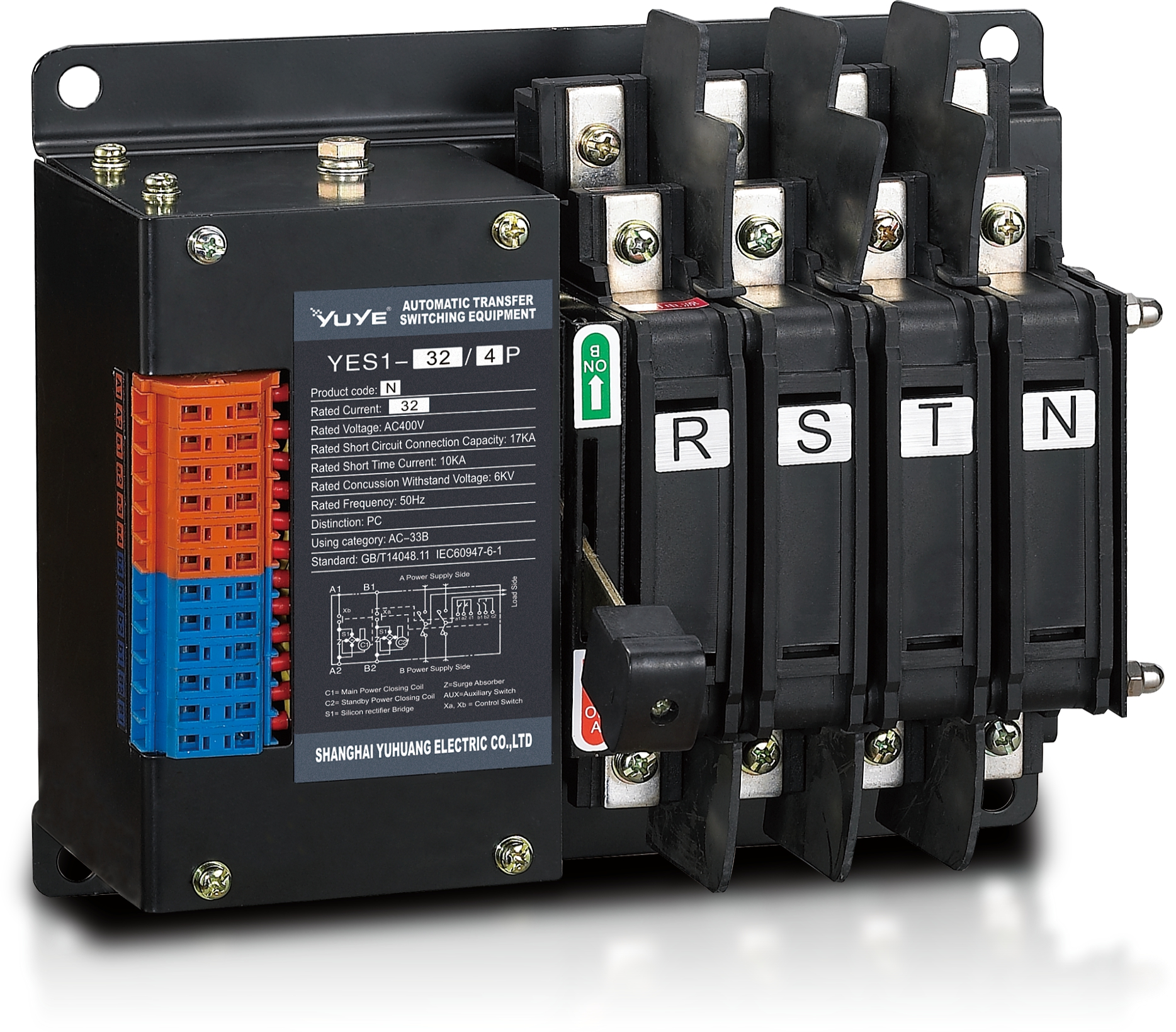 Solenoid-type ATS YES1-32~125N
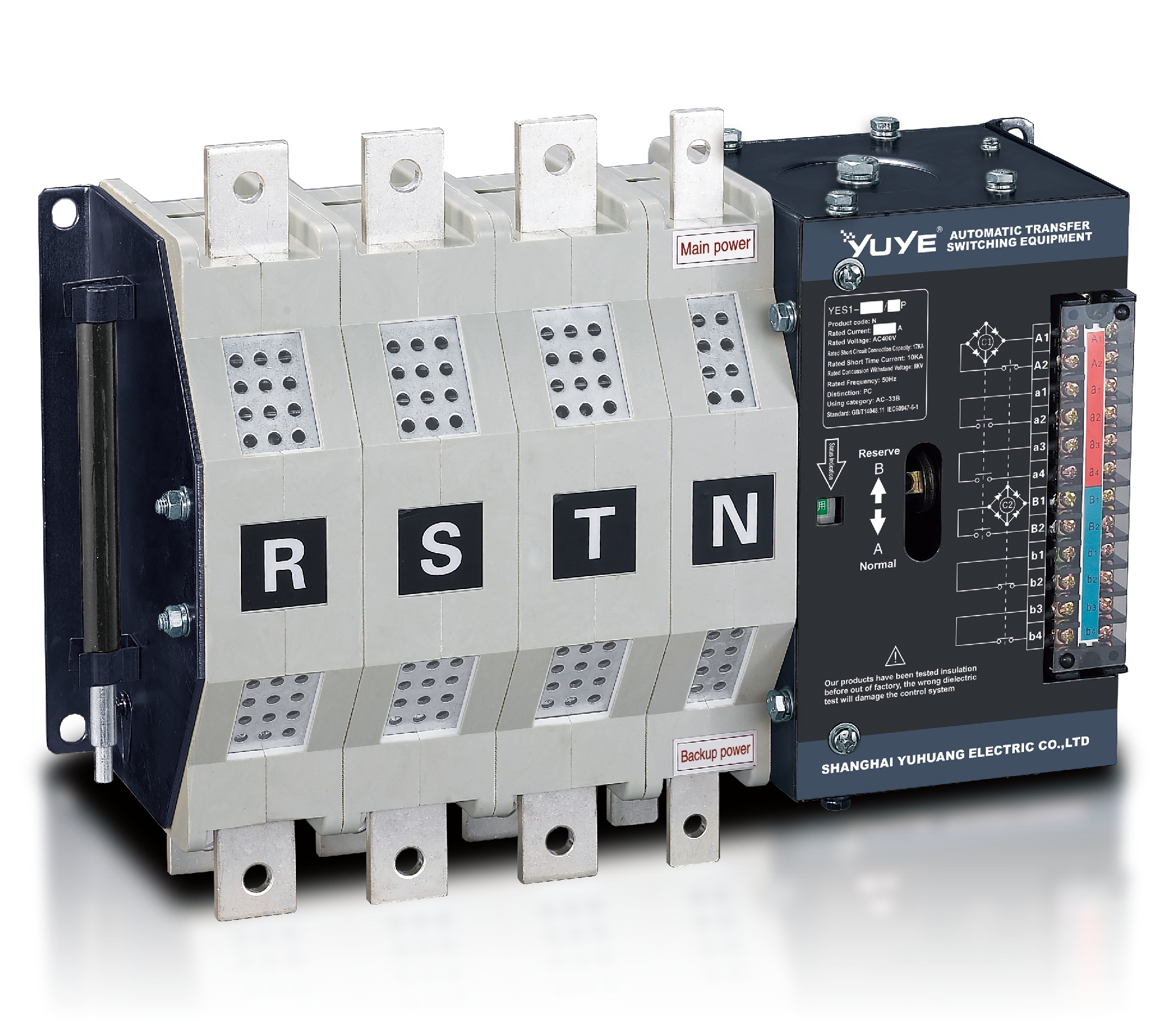 Solenoid-type ATS YES1-250~630N/NT
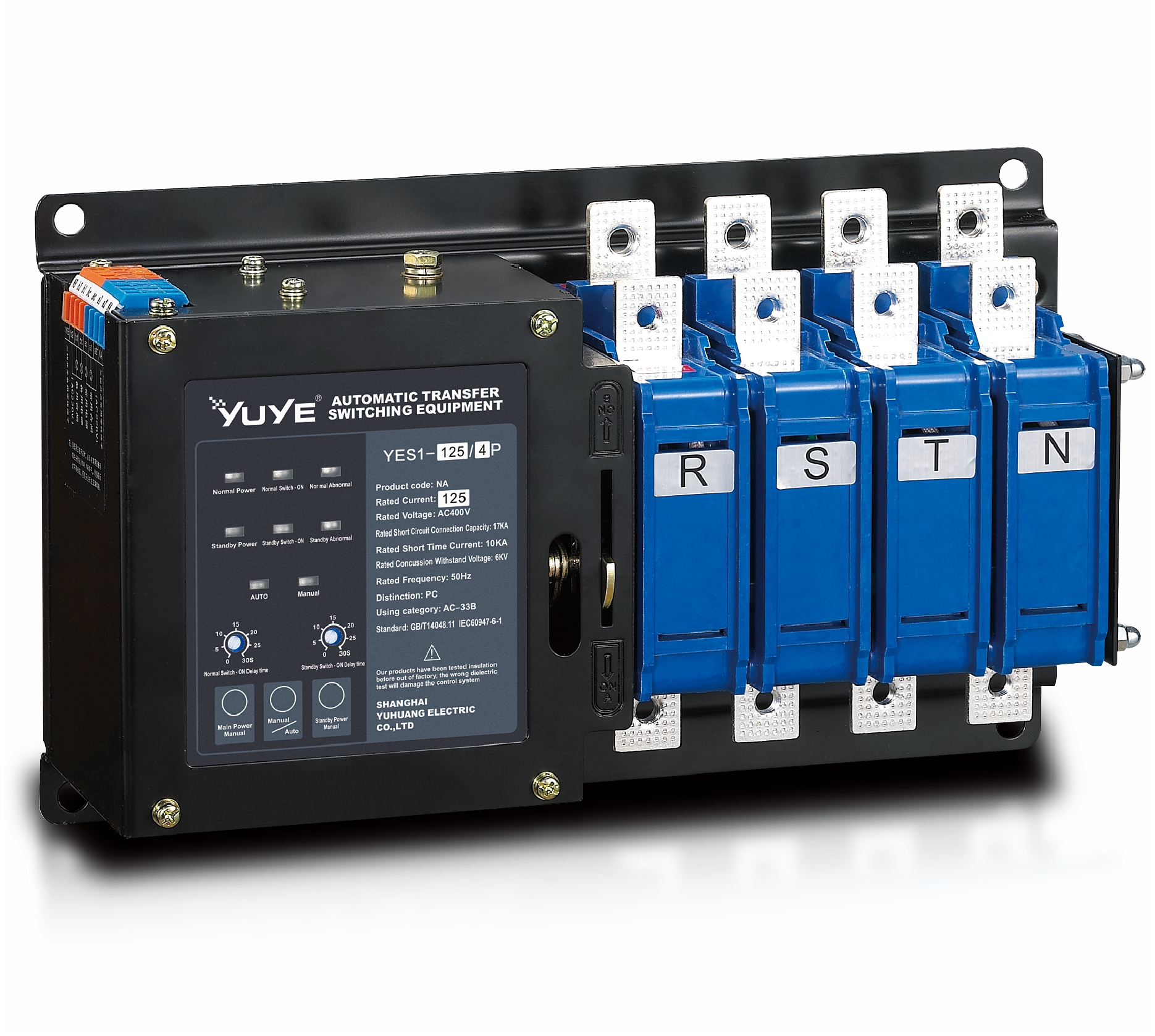 Solenoid-type ATS YES1-32~125NA
 Solenoid-type ATS YES1-63~630SN
 Solenoid-type ATS YES1-1250~4000SN
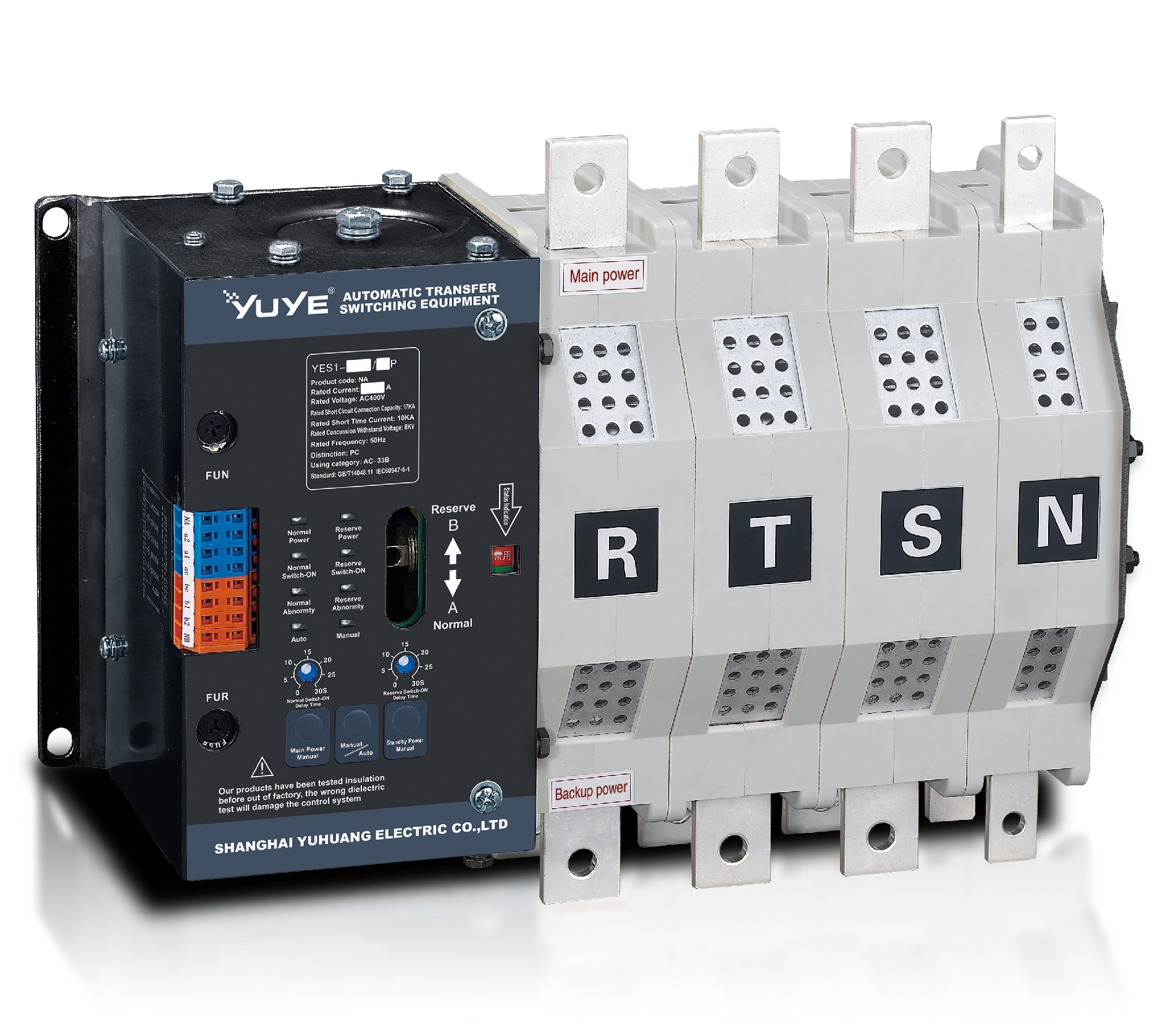 Solenoid-type ATS YES1-250~630NA/NAT
 Solenoid-type ATS YES1-63NJT
 PC ATS YES1-100~1600GN1/GN/GNF
 PC ATS YES1-2000~3200GN/GNF
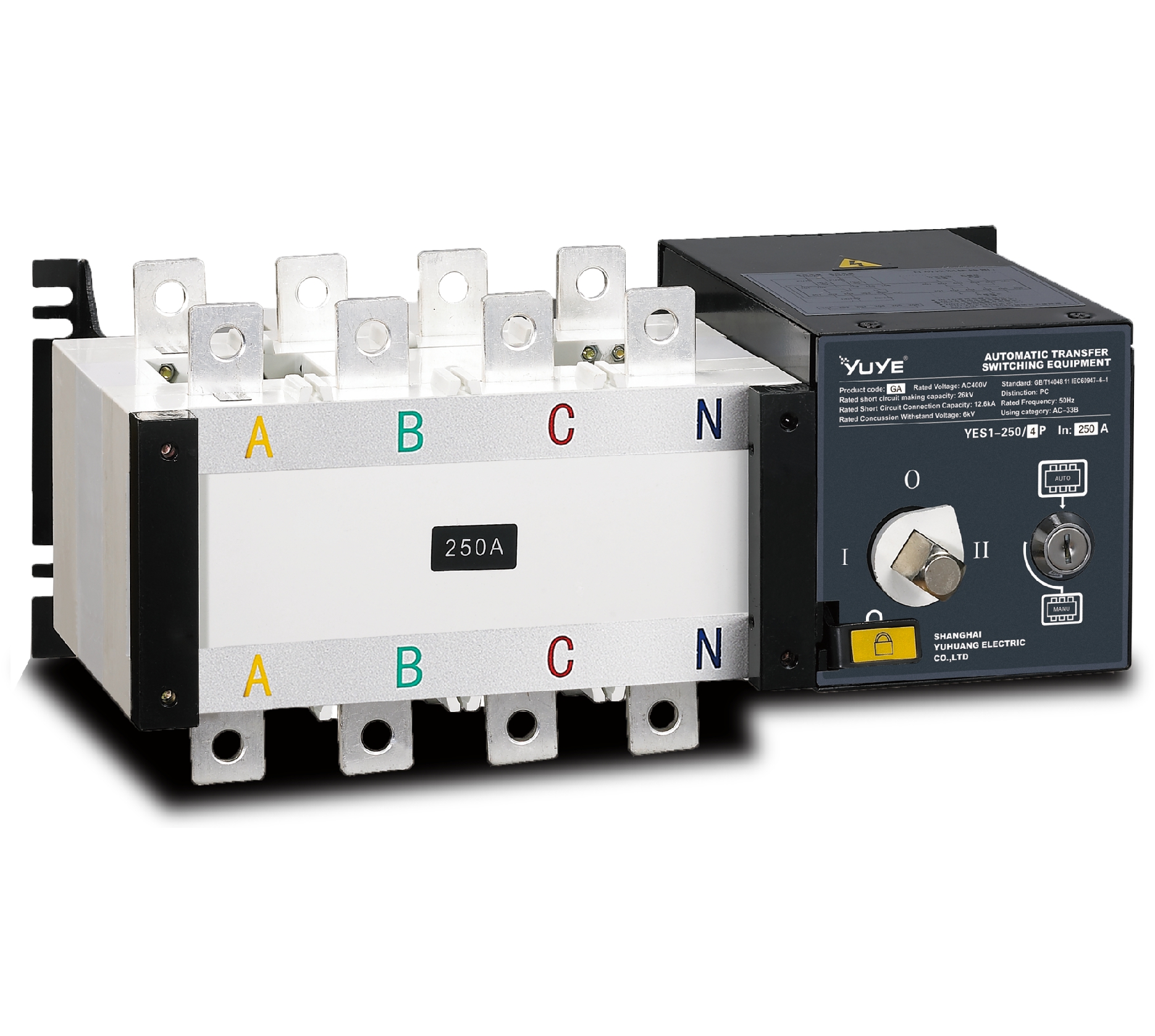 PC ATS YES1-100~3200GA1/GA
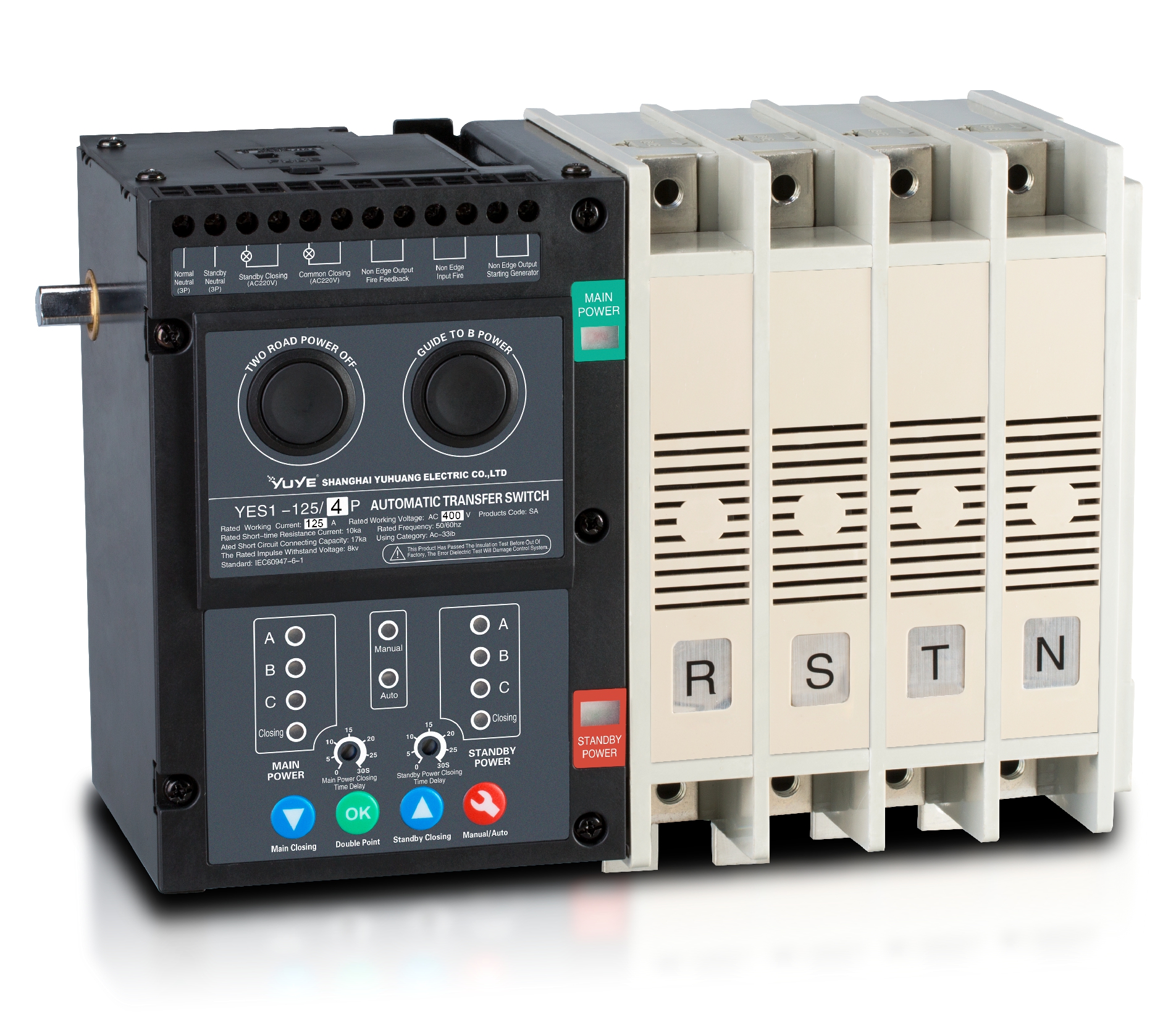 Solenoid-type ATS YES1-63~630SA
 Solenoid-type ATS YES1-63~630L/LA
 Solenoid-type ATS YES1-63~630LA3
 Solenoid-type ATS YES1-63MA
 PC ATS YES1-630~1600M
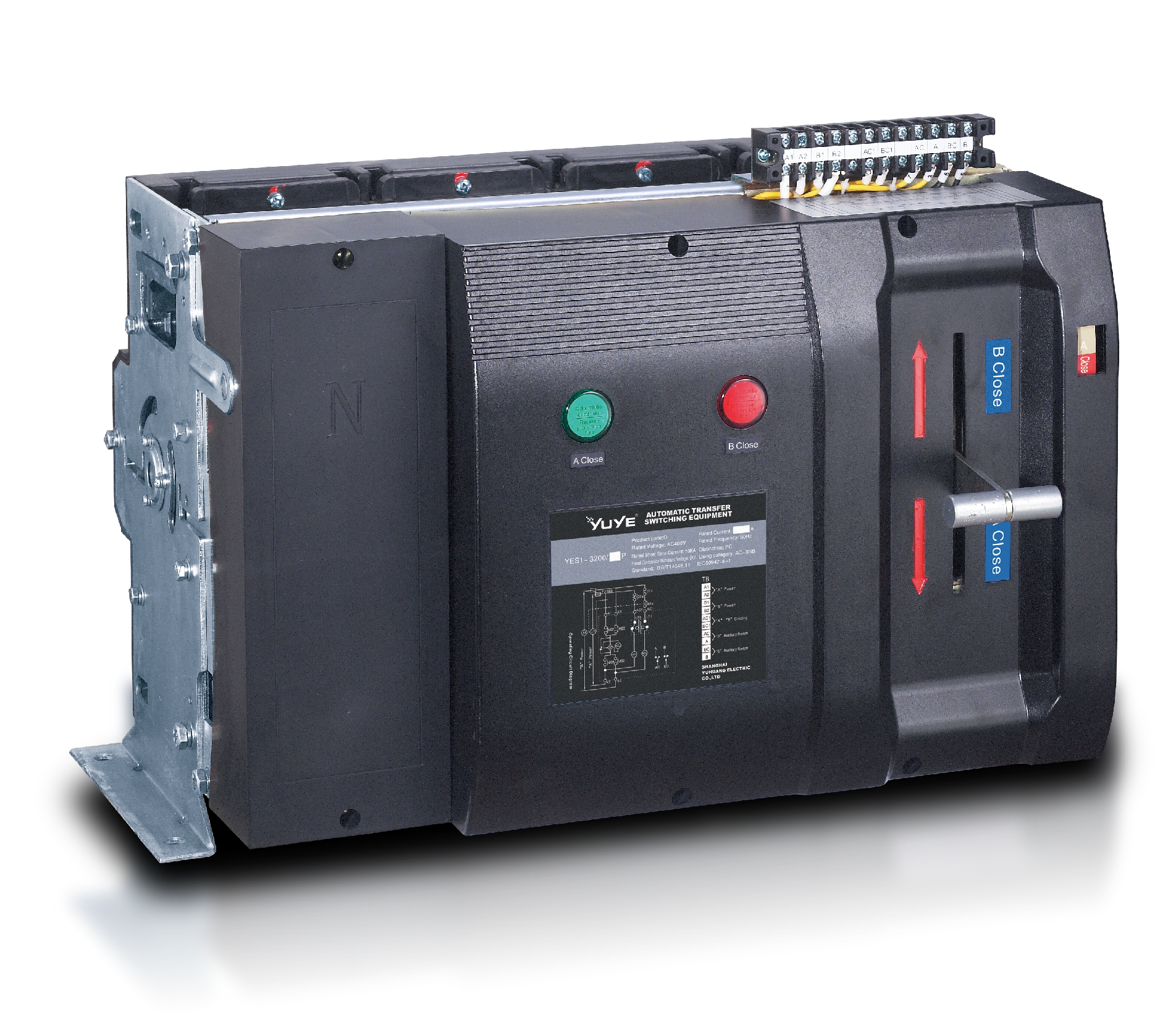 PC ATS YES1-3200Q
 Solenoid-type ATS YES1-4000~6300Q
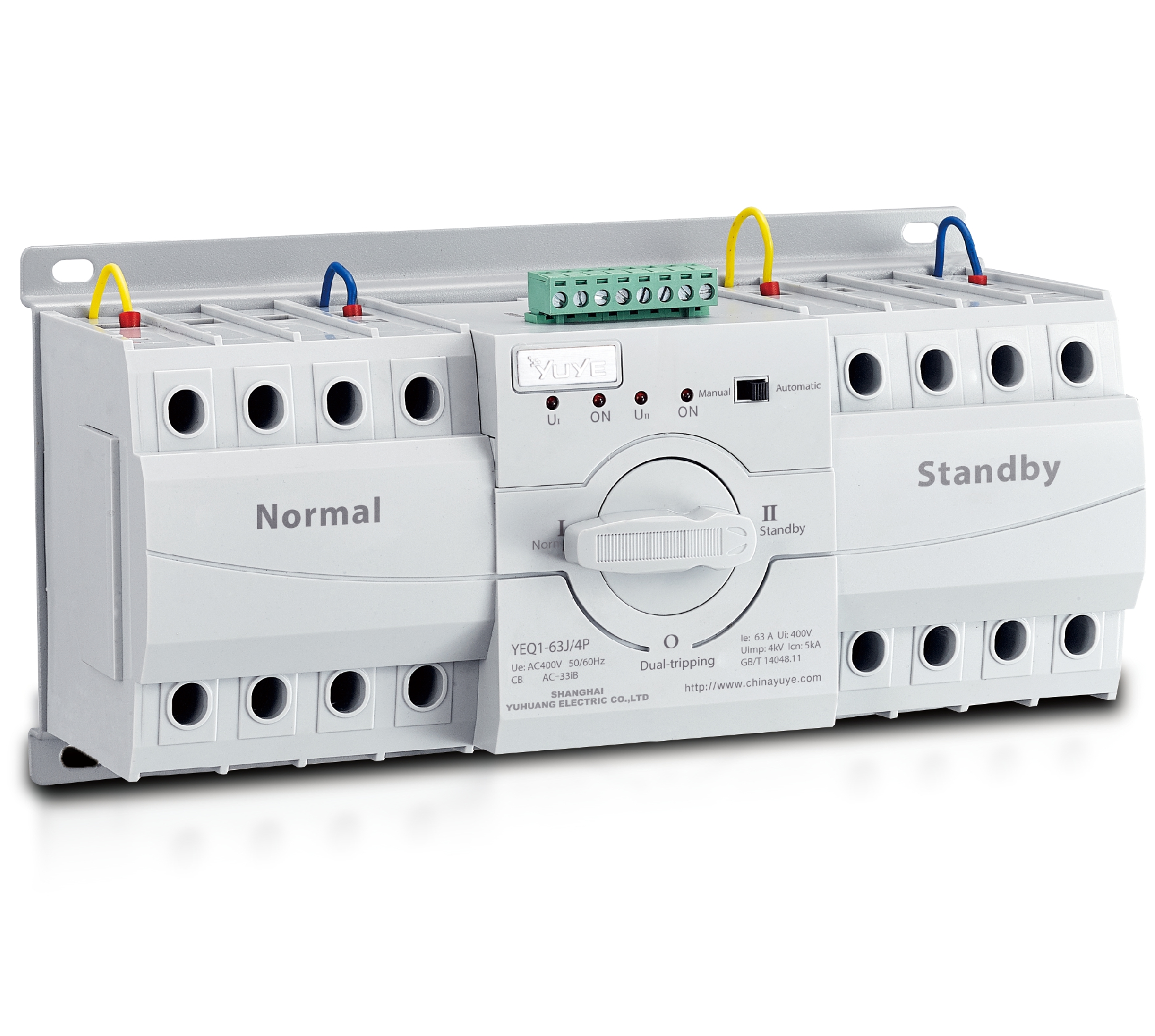 CB ATS YEQ1-63J
 CB ATS YEQ2Y-63
 CB ATS YEQ3-63W1
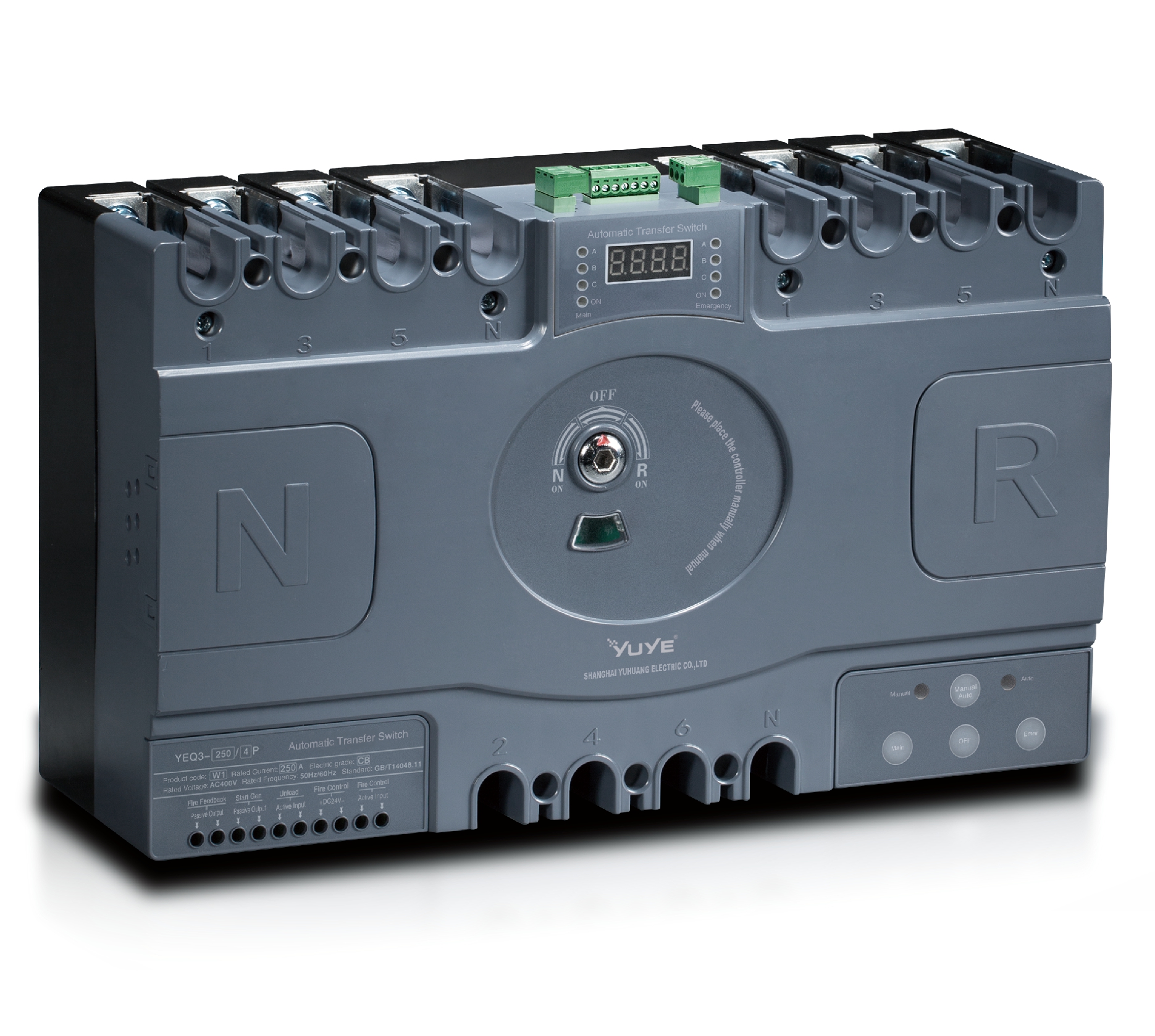 CB ATS YEQ3-125~630W1
 ATS controller Y-700
 ATS Controller Y-700N
 ATS Controller Y-701B
 ATS Controller Y-703N
 ATS Controller Y-800
 ATS Controller W2/W3 Series
 ATS switch Cabinet floor-to-ceiling
 ATS switch cabinet
 JXF-225A power Cbinet
 JXF-800A power Cbinet
 YEM3-125~800 Plastic Shell Type MCCB
 YEM3L-125~630 Leakage Type MCCB
 YEM3Z-125~800 Adjustable Type MCCB
 YEM1-63~1250 Plastic Shell Type MCCB
 YEM1E-100~800 Electronic Type MCCB
 YEM1L-100~630 Leakage Type MCCB
 Miniature circuit breaker YEMA2-6~100
 Miniature circuit breaker YEB1-3~63
 Miniature circuit breaker YEB1LE-3~63
 Miniature circuit breaker YEPN-3~32
 Miniature circuit breaker YEPNLE-3~32
 Miniature circuit breaker YENC-63~125
 Air Circuit Breaker YEW1-2000~6300
 Air Circuit Breaker YEW3-1600
 Load isolation switch YGL-63~3150
 Load Isolation Switch YGL2-63~3150
 Manual Changeover Switch YGL-100~630Z1A
 Manual Changeover Switch YGLZ1-100~3150
 YECPS2-45~125 LCD
 YECPS-45~125 Digital
 CNC Milling/Turning-OEM
 DC relay MDC-300M
 DC Isolation Switch YEGL3D-630


