You know, when it comes to renewable energy, solar power systems have really become a game-changer for sustainable electricity. But here’s the thing — their effectiveness really gets a boost when you include certain components, like the Automatic Transfer Switch for Solar Power. This little device is pretty much the unsung hero because it makes sure the switch between solar energy, the grid, or backup generators happens smoothly, keeping the power steady and reliable. As more folks, whether homes or businesses, jump on the solar bandwagon, it’s super important to understand how these switches work and what benefits they bring to the table.
These Automatic Transfer Switches do more than just manage energy efficiently. They’re vital for safety, too. Whenever there’s a power outage or fluctuation, they kick into gear automatically, switching to a backup source without missing a beat. This means less downtime and better protection for your equipment. As solar technology keeps improving and more people adopt these systems, it’s clear that Automatic Transfer Switches are a key part of building resilient, adaptable energy setups that can handle all kinds of demands and conditions. In this article, I’ll walk you through how these switches work, why they’re beneficial, and how to get them up and running in your solar setup.

Definition and Functionality of Automatic Transfer Switches
Automatic Transfer Switches (ATS) are critical components in solar power systems, ensuring a seamless transition between different power sources, such as from the grid to a generator or a solar setup. The primary functionality of an ATS is to monitor the power supply continuously and automatically switch to the backup source when a failure is detected. This ensures that essential devices and systems remain operational without interruption, providing peace of mind for homeowners and businesses relying on solar energy.
When configuring an ATS, it’s important to consider the load requirements of your solar power system. Ensure that the switch can handle the peak load demands to prevent any overload situations. Additionally, proper sizing and installation by qualified professionals will enhance the reliability and performance of the system.
Tips: Regular maintenance and testing of your ATS are crucial to ensure that it operates smoothly during power interruptions. Check connections for corrosion and ensure the switch triggers correctly during tests to confirm functionality. Familiarize yourself with the indicators and alarms on your ATS to stay informed about the operational status of your system.
Types of Automatic Transfer Switches Used in Solar Power Systems
Automatic transfer switches (ATS) play a crucial role in solar power systems by ensuring a seamless transition between the grid and backup power sources, enhancing reliability and efficiency. There are several types of ATS designed to cater to various requirements in solar energy applications. The most common types include open transition, closed transition, and soft loading switches, each offering unique functionalities suitable for different scenarios.
Open transition switches are the simplest and most widely used type. They disconnect the load from the grid before connecting to the backup source, creating a momentary loss of power during the transition. This approach is generally cost-effective and straightforward but may not be suitable for sensitive electronic equipment that requires uninterrupted power. In contrast, closed transition switches allow for a smoother transition, maintaining power to the load by briefly connecting both the grid and the alternative source before the grid disconnects. This minimizes downtime and is ideal for critical applications where every second of power is essential.
Finally, soft loading switches provide an innovative solution by allowing for a gradual transfer of load to the backup power source. This type of switch is particularly advantageous in scenarios where power fluctuations could adversely affect equipment performance. By controlling the connection process more precisely, soft loading switches help protect sensitive devices while ensuring a stable power supply. These varying types of ATS enable solar power systems to be tailored for specific needs, enhancing overall energy resilience and performance.
How Automatic Transfer Switches Enhance Solar Power Reliability
Automatic Transfer Switches (ATS) are crucial components in the integration of solar power systems, significantly enhancing their reliability. These devices facilitate seamless transitions between different power sources, commonly between solar energy and backup generators or the conventional electrical grid. When solar energy production dips, perhaps due to cloudy weather or nighttime, the ATS automatically engages the backup system, ensuring that power supply remains uninterrupted. This automatic switching not only prevents downtime but also provides peace of mind for users, knowing that their energy needs are consistently met.
Moreover, the use of ATS in solar power systems optimizes energy management and usage efficiency. By monitoring energy supply continuously, these switches ensure that the system can automatically select the most suited power source based on availability and demand. This enhances the performance of solar systems by allowing users to capitalize on renewable energy while maintaining a reliable backup plan. The combination of solar power and ATS technology leads to a robust energy solution that enhances resilience and promotes sustainable practices.
Installation Considerations for Automatic Transfer Switches
When considering the installation of automatic transfer switches (ATS) for solar power systems, several key factors need to be addressed to ensure optimal performance and reliability. First, it is crucial to assess the specific energy needs of the property, including the peak load requirements, to determine the appropriate capacity of the ATS. This will play a significant role in ensuring that the switch can handle the influx of power generated by the solar panels and supplement any outages from the grid.
Another essential consideration is the location of the automatic transfer switch. Installing the ATS in a dry, accessible area can facilitate both maintenance and reliability, minimizing the risk of water damage or corrosion. Additionally, it is important to comply with local electrical codes and regulations to ensure the system is safe and effective. Proper grounding and the use of weatherproof enclosures can further enhance the durability of the ATS, especially in regions prone to adverse weather conditions.
Choosing the right installation practices will ultimately support the longevity and efficiency of the solar power system as a whole.
Maintenance and Troubleshooting of Automatic Transfer Switches
Automatic transfer switches (ATS) are critical components in solar power systems, ensuring a seamless transition between grid power and backup energy sources. Proper maintenance and troubleshooting of these systems are essential to guarantee reliable operation and longevity.
Routine inspections should focus on the mechanical and electrical components of the ATS, including contacts, relays, and control circuits. Regular checks for loose connections, corrosion, and wear can prevent unexpected failures during critical moments when the switch is needed most.
When troubleshooting an ATS, it is important to follow a systematic approach. Start by verifying the power supply and ensuring that all circuit breakers are in the correct position. If the ATS fails to switch, this may indicate a failure in the control circuitry or an issue with the sensing mechanism.
Additionally, testing the operation of the relay and examining the software settings can identify problems that may not be immediately apparent. Keeping detailed maintenance records and performing periodic functional tests will help in diagnosing issues promptly and effectively, ensuring that the system is always ready to respond when needed.
The Role of Automatic Transfer Switches in Grid-Tied vs. Off-Grid Systems
Automatic Transfer Switches (ATS) play a crucial role in both grid-tied and off-grid solar power systems, enabling a seamless transition between different power sources. In grid-tied systems, the ATS ensures that solar energy generated during the day can be utilized effectively while allowing excess energy to be fed back into the grid. According to the U.S. Department of Energy, nearly 3.5 million residential solar photovoltaic systems are installed across the country, and the use of ATS technology can help enhance their efficiency by managing power flow dynamically. This minimizes the risk of system overloads and optimizes daily energy consumption.
In contrast, off-grid systems rely entirely on stored energy from renewable sources, such as solar panels. Here, ATS can facilitate the transition between solar energy and backup generators, ensuring reliability during periods of low sunlight. A report by Navigant Research highlights that off-grid solar systems are expected to reach a market size of $2.5 billion by 2025. The technological integration provided by ATS not only aids in energy management but also enhances the sustainability and resilience of energy systems in remote areas, making them vital components in the push towards clean energy solutions.
Future Trends in Automatic Transfer Switch Technology for Solar Energy
The evolution of automatic transfer switch (ATS) technology is poised to significantly impact solar energy systems in the coming years. As energy demands shift towards more sustainable sources, ATS devices are becoming increasingly sophisticated, integrating smart technology to enhance performance and reliability. Future advancements are likely to focus on improved communication capabilities, allowing ATS units to seamlessly interact with solar inverters and energy management systems. This connectivity will enable real-time monitoring and optimization of power distribution, ensuring that solar power can be efficiently harnessed and delivered to various applications.
Moreover, the rise of renewable energy sources is encouraging the development of more resilient and adaptive ATS solutions. Future trends may include the incorporation of artificial intelligence and machine learning algorithms that can anticipate fluctuations in energy production and consumption. By learning from historical data, these technologies can enable more proactive responses during peak demand periods or outages, enhancing the overall resilience of solar power systems. In addition, increased emphasis on energy storage integration could pave the way for more versatile ATS designs that can manage energy flows between solar arrays, batteries, and the grid, maximizing the use of generated solar energy.
Understanding Automatic Transfer Switches for Solar Power Systems
FAQS
TS) in solar power systems?
The most common types include open transition switches, closed transition switches, and soft loading switches, each designed for different application requirements.
An open transition switch disconnects the load from the grid before connecting to the backup source, resulting in a momentary loss of power during the transition.
Closed transition switches allow for a smooth transition by briefly connecting both the grid and backup source, minimizing downtime and making them ideal for critical applications.
Soft loading switches are advantageous in scenarios with power fluctuations, as they allow for a gradual transfer of load to the backup source, protecting sensitive equipment.
Routine maintenance ensures reliable operation and longevity of the ATS, helping to prevent unexpected failures when the switch is needed most.
Inspections should focus on mechanical and electrical components like contacts, relays, and control circuits, checking for loose connections, corrosion, and wear.
Start by verifying the power supply and checking circuit breakers, then look for control circuitry failures, sensing mechanism issues, and testing relay operations.
Maintaining detailed records aids in diagnostic processes and ensures prompt identification of issues, ensuring the system is always ready to respond when needed.
Periodic functional tests help identify potential problems that may not be immediately apparent, ensuring that the ATS operates reliably in critical situations.
Conclusion
Automatic Transfer Switches (ATS) play a crucial role in optimizing solar power systems by ensuring seamless electricity transition between solar energy and grid power. They are designed to detect power outages and automatically switch to an alternative power source, thereby enhancing reliability and minimizing downtime. The various types of ATS used in solar power systems cater to specific needs, whether in grid-tied or off-grid scenarios, while their installation and maintenance require careful consideration to ensure efficiency and longevity.
As solar technology advances, the future trends in Automatic Transfer Switch For Solar Power indicate a shift towards smarter, more efficient systems that integrate seamlessly with renewable energy sources. Proper maintenance and troubleshooting practices are essential to keep these systems functioning correctly, maximizing the benefits of solar power and ensuring continuous energy availability. Understanding the functionality and significance of ATS is vital for anyone looking to enhance their solar power solutions.

 PC ATS YECT1-2000G
 PC ATS YES2-63~250GN1
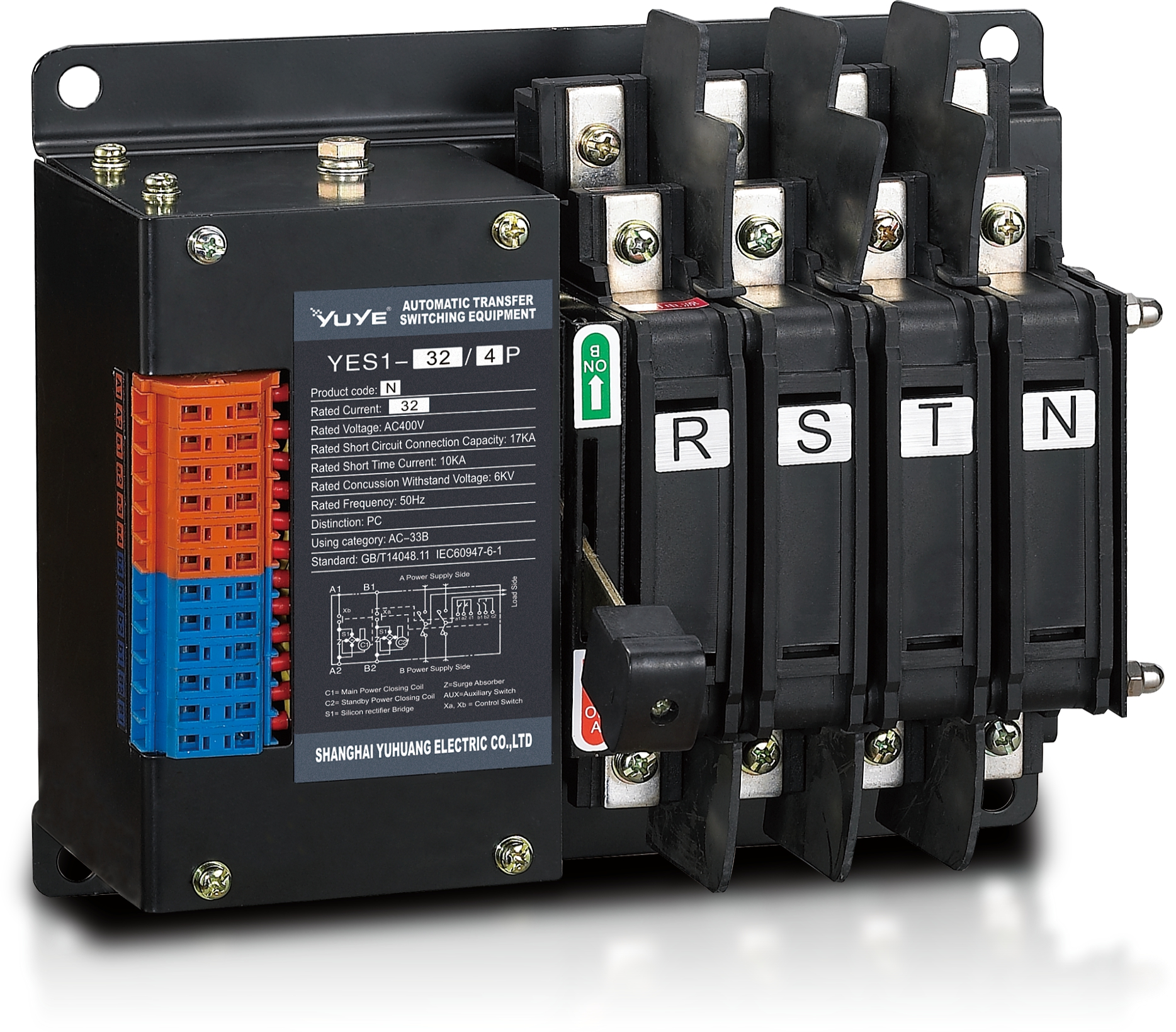 Solenoid-type ATS YES1-32~125N
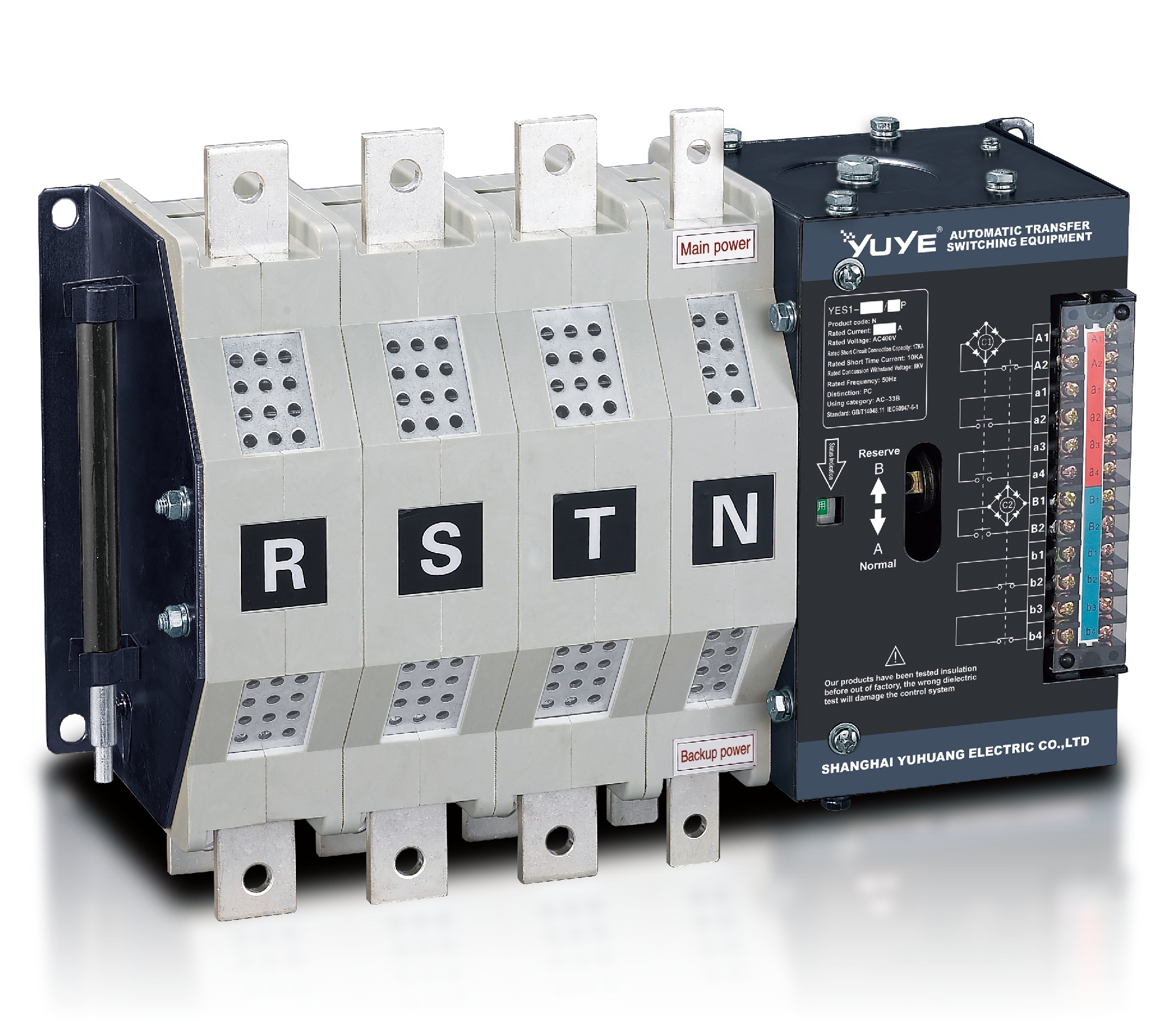 Solenoid-type ATS YES1-250~630N/NT
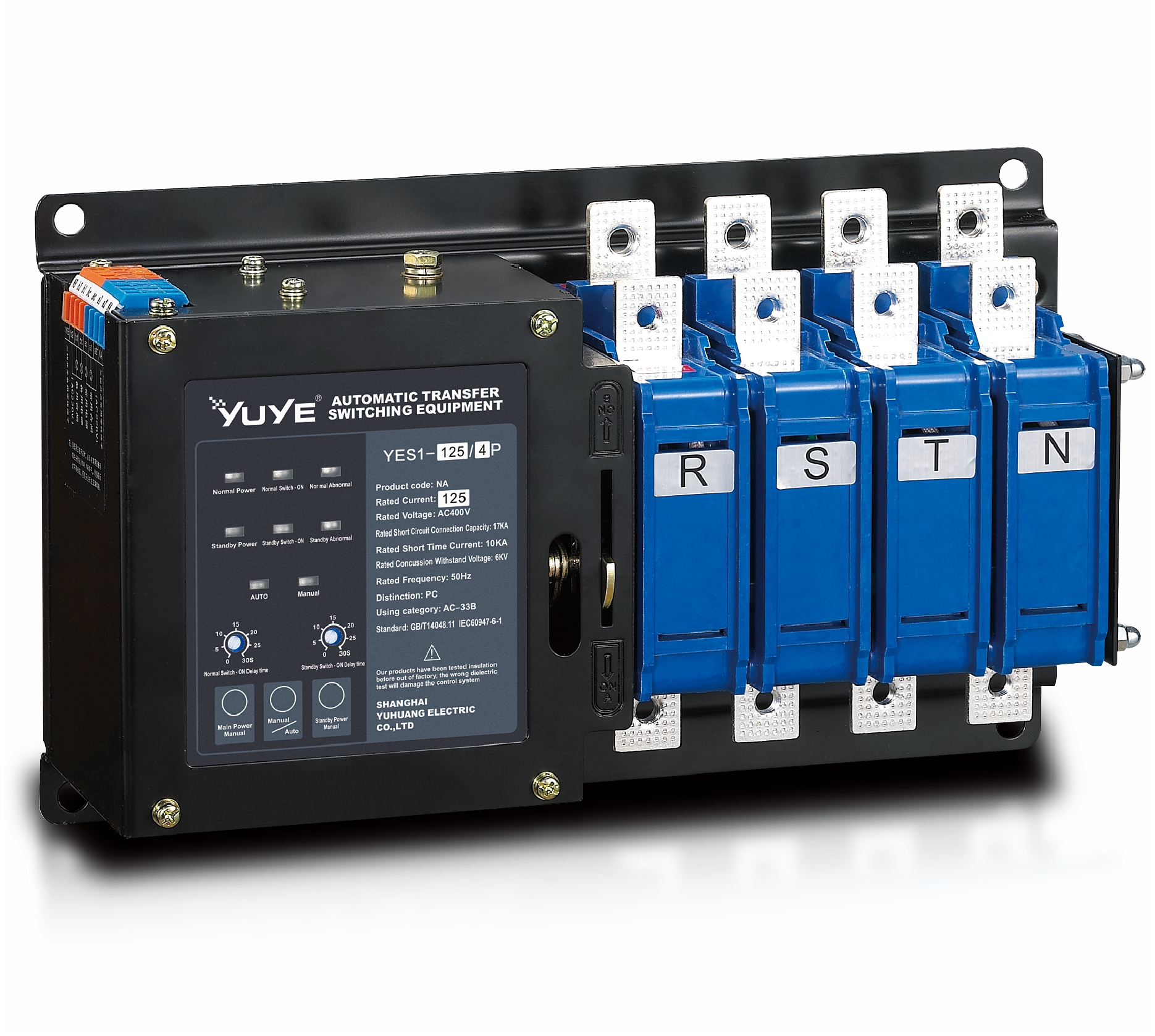 Solenoid-type ATS YES1-32~125NA
 Solenoid-type ATS YES1-63~630SN
 Solenoid-type ATS YES1-1250~4000SN
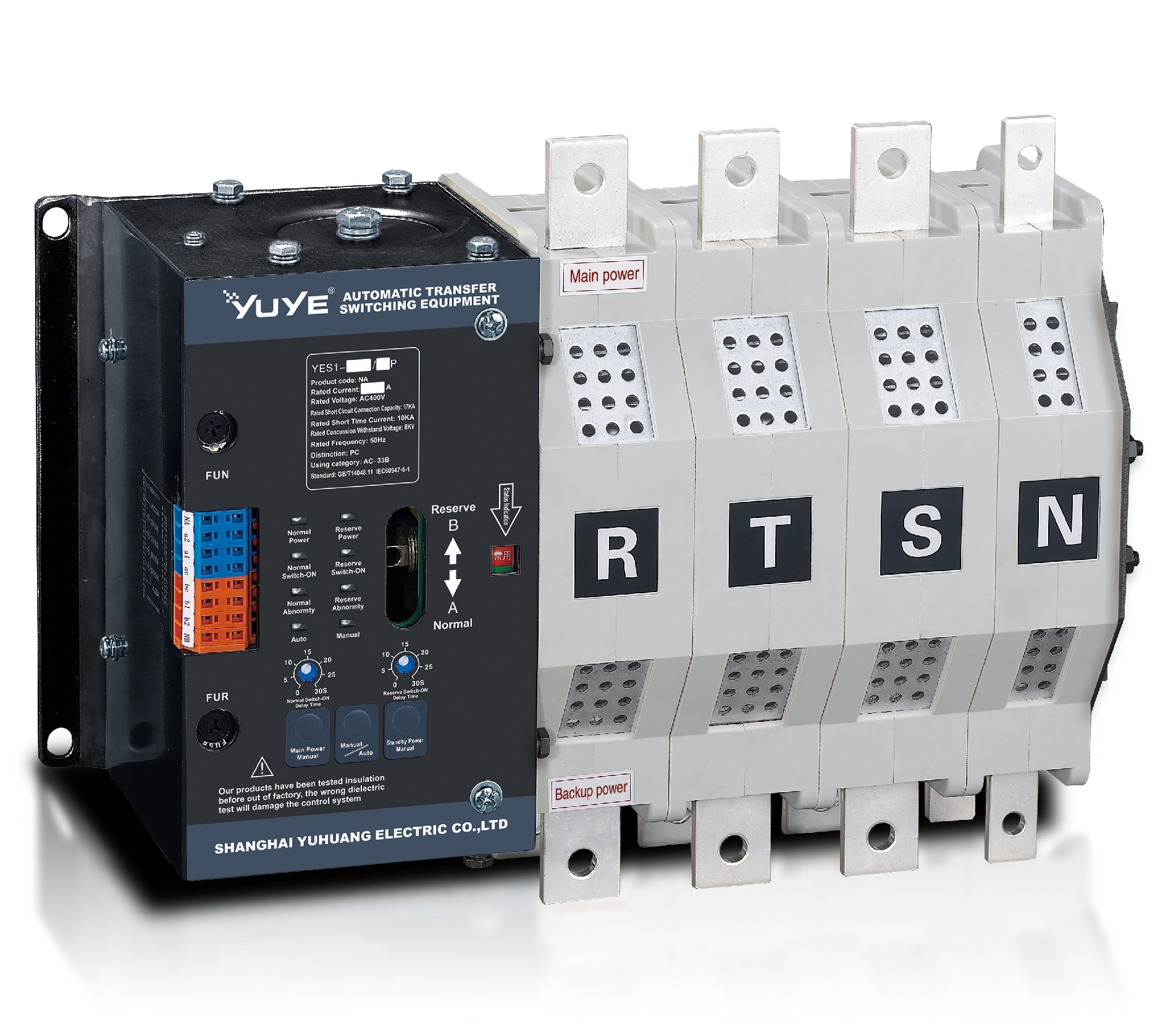 Solenoid-type ATS YES1-250~630NA/NAT
 Solenoid-type ATS YES1-63NJT
 PC ATS YES1-100~1600GN1/GN/GNF
 PC ATS YES1-2000~3200GN/GNF
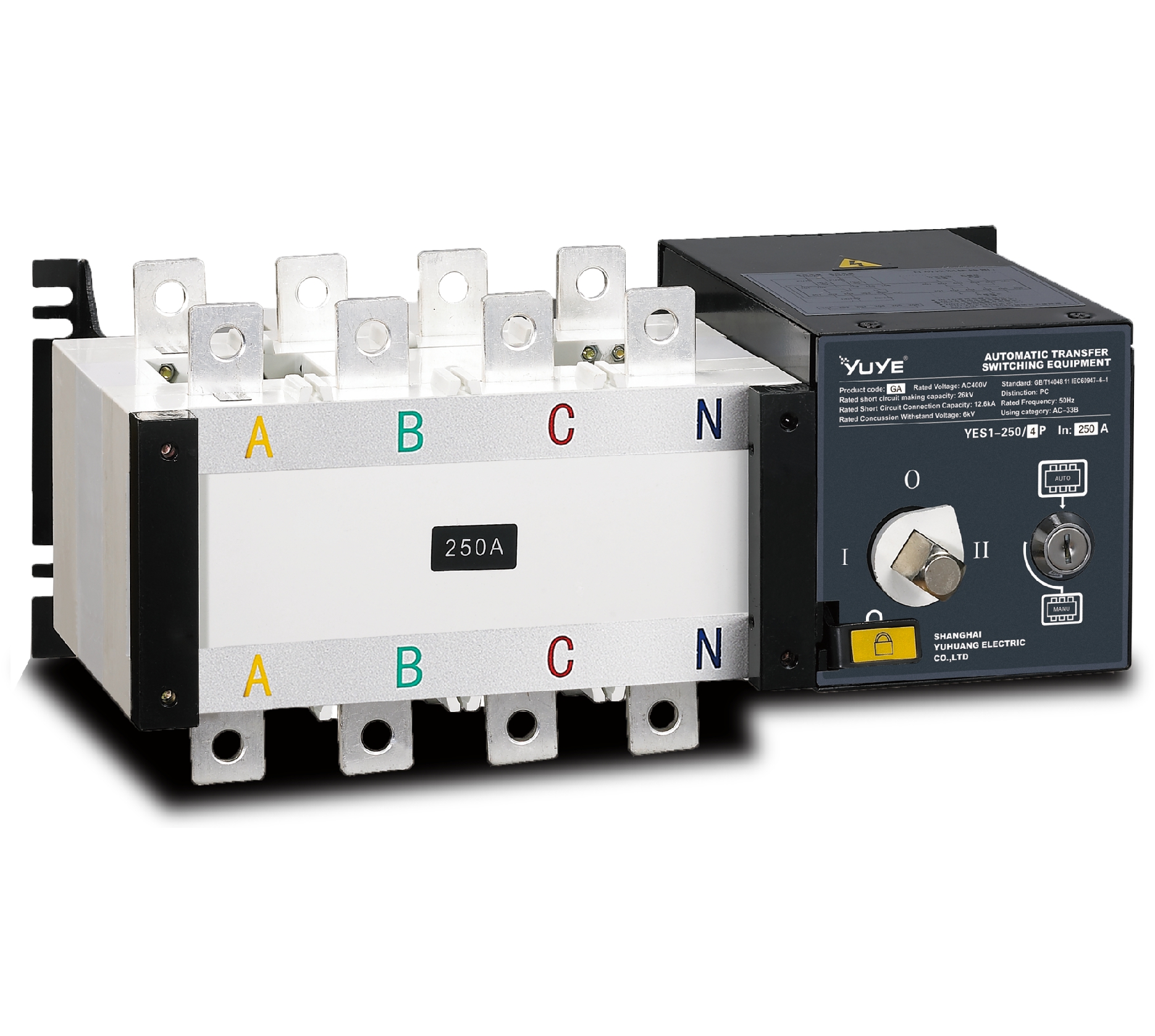 PC ATS YES1-100~3200GA1/GA
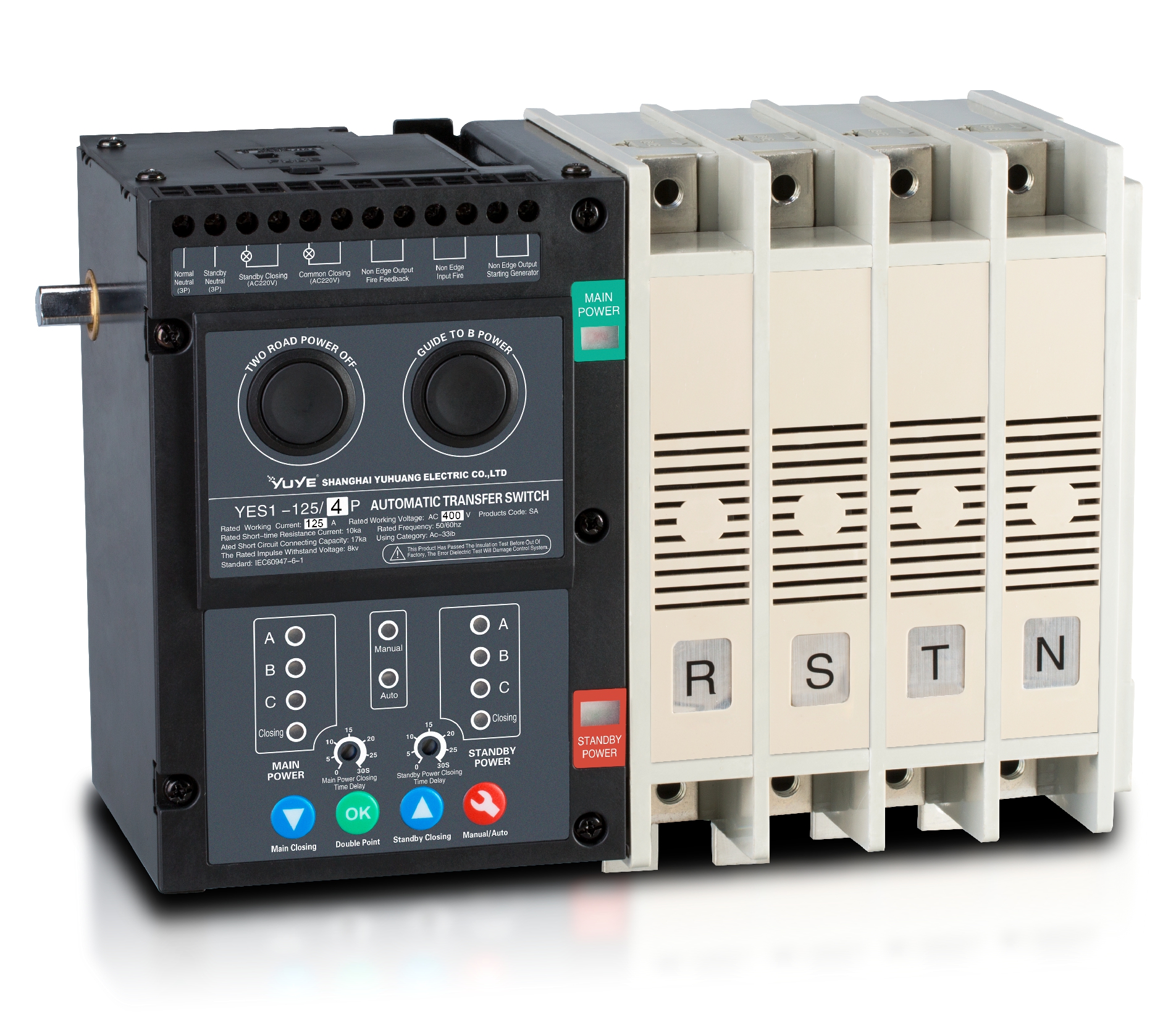 Solenoid-type ATS YES1-63~630SA
 Solenoid-type ATS YES1-63~630L/LA
 Solenoid-type ATS YES1-63~630LA3
 Solenoid-type ATS YES1-63MA
 PC ATS YES1-630~1600M
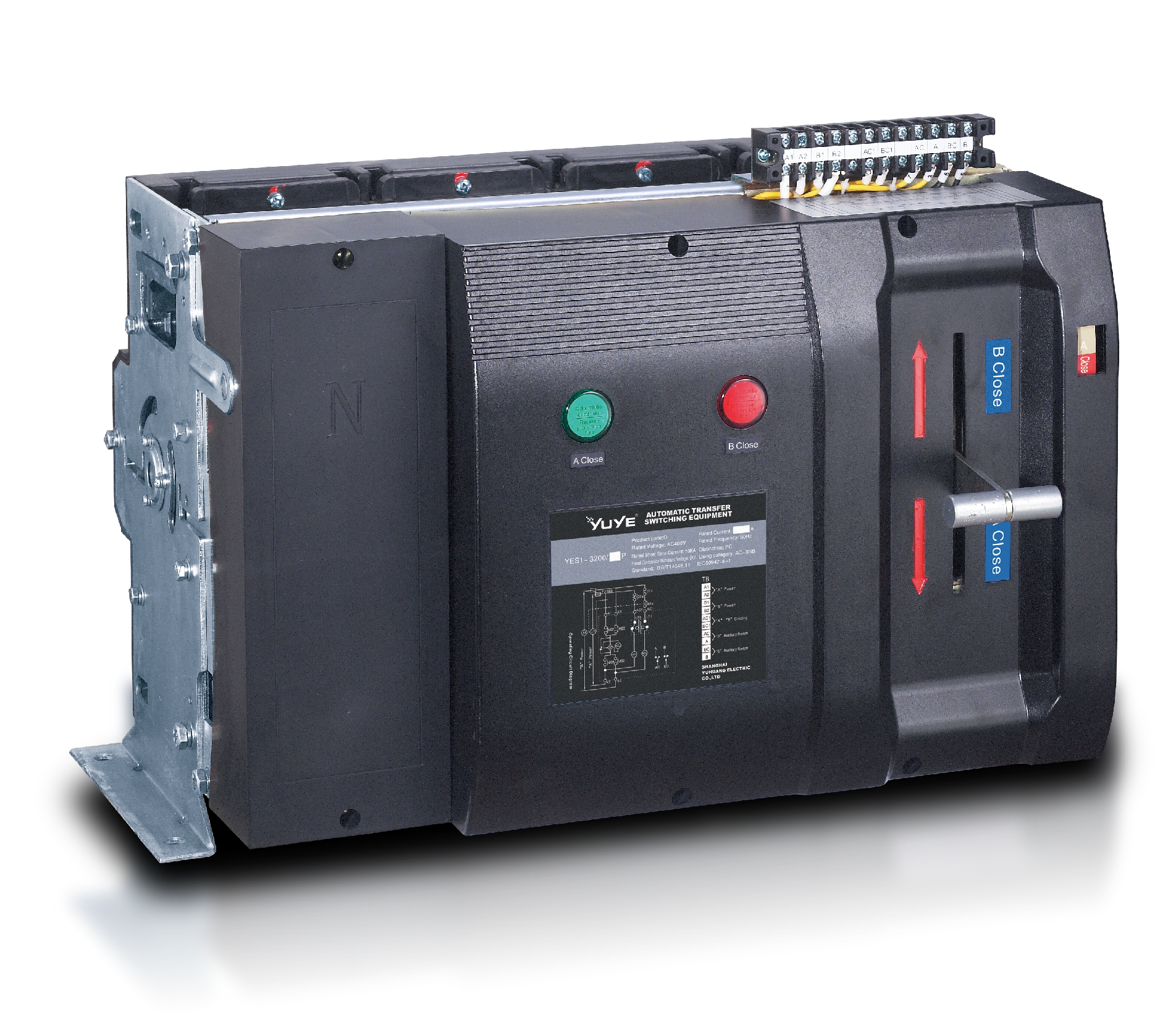 PC ATS YES1-3200Q
 Solenoid-type ATS YES1-4000~6300Q
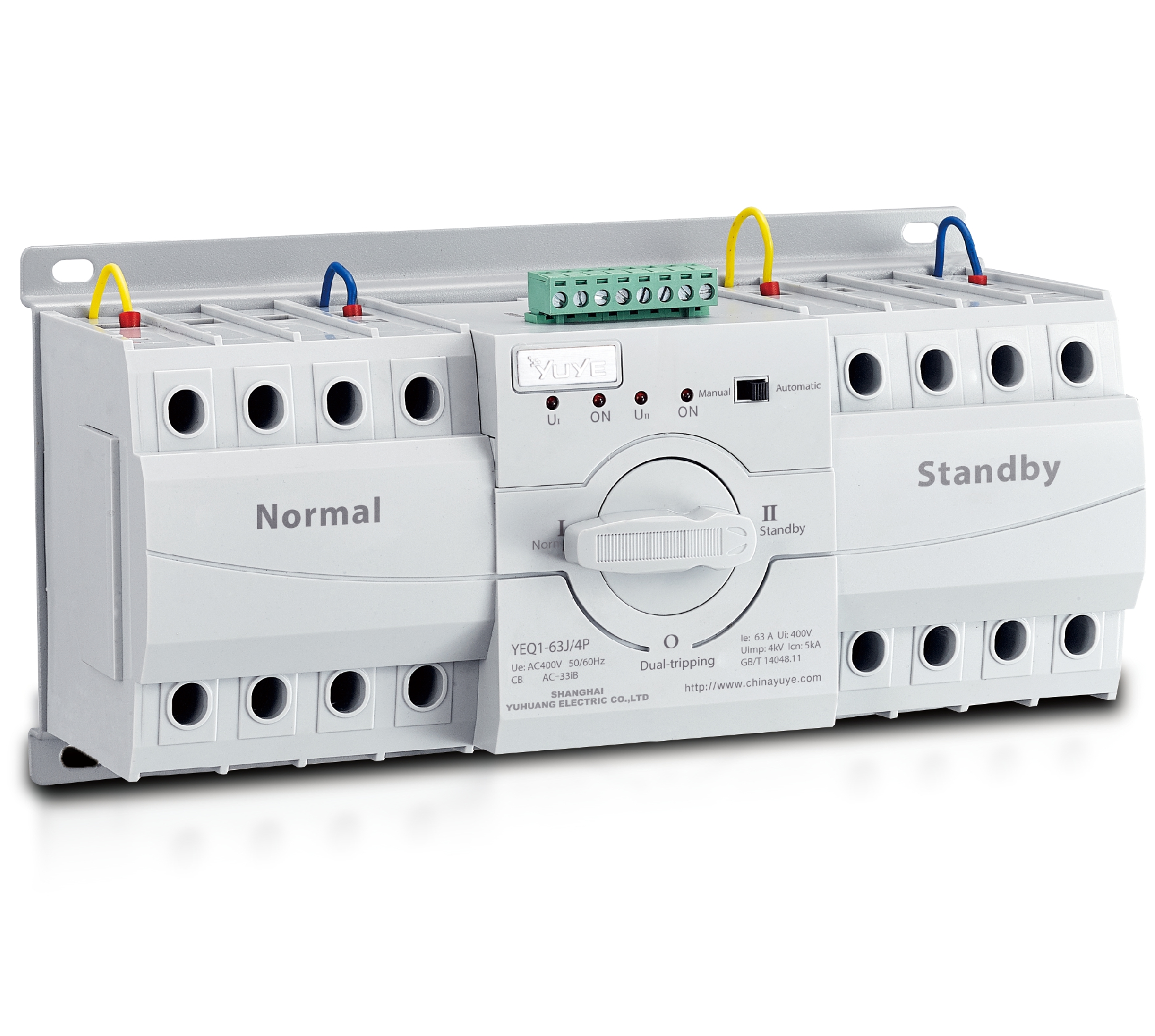 CB ATS YEQ1-63J
 CB ATS YEQ2Y-63
 CB ATS YEQ3-63W1
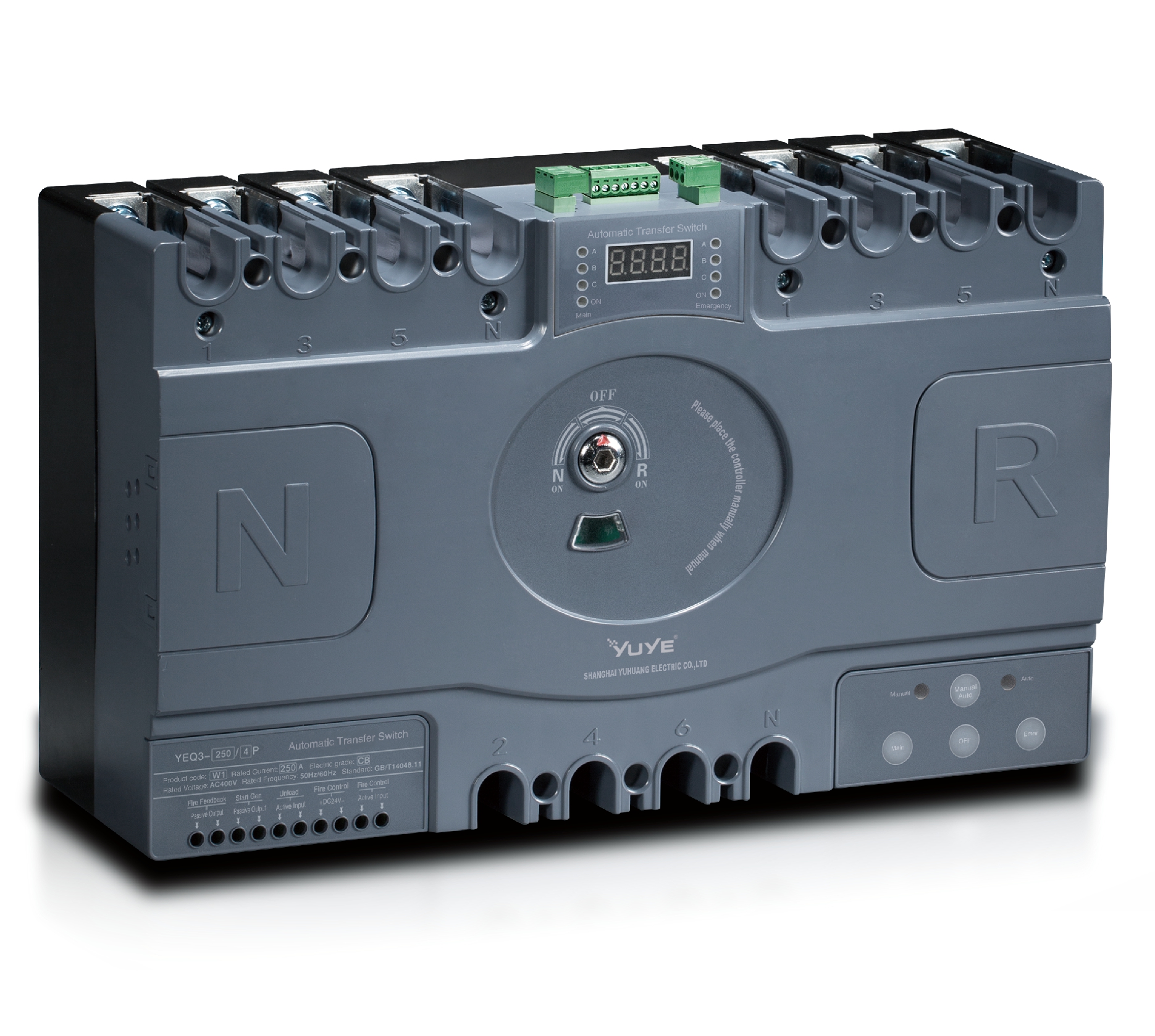 CB ATS YEQ3-125~630W1
 ATS controller Y-700
 ATS Controller Y-700N
 ATS Controller Y-701B
 ATS Controller Y-703N
 ATS Controller Y-800
 ATS Controller W2/W3 Series
 ATS switch Cabinet floor-to-ceiling
 ATS switch cabinet
 JXF-225A power Cbinet
 JXF-800A power Cbinet
 YEM3-125~800 Plastic Shell Type MCCB
 YEM3L-125~630 Leakage Type MCCB
 YEM3Z-125~800 Adjustable Type MCCB
 YEM1-63~1250 Plastic Shell Type MCCB
 YEM1E-100~800 Electronic Type MCCB
 YEM1L-100~630 Leakage Type MCCB
 Miniature circuit breaker YEMA2-6~100
 Miniature circuit breaker YEB1-3~63
 Miniature circuit breaker YEB1LE-3~63
 Miniature circuit breaker YEPN-3~32
 Miniature circuit breaker YEPNLE-3~32
 Miniature circuit breaker YENC-63~125
 Air Circuit Breaker YEW1-2000~6300
 Air Circuit Breaker YEW3-1600
 Load isolation switch YGL-63~3150
 Load Isolation Switch YGL2-63~3150
 Manual Changeover Switch YGL-100~630Z1A
 Manual Changeover Switch YGLZ1-100~3150
 YECPS2-45~125 LCD
 YECPS-45~125 Digital
 CNC Milling/Turning-OEM
 DC relay MDC-300M
 DC Isolation Switch YEGL3D-630


