Automatic Transfer Switching Equipment, or ATSE for short, is pretty much a lifesaver when it comes to keeping the lights on for businesses and essential services. I came across a report from the International Electrotechnical Commission, and it said that the demand for these systems is actually expected to jump by about 10% every year until 2025. That’s a pretty clear sign that more and more folks are realizing how crucial it is to have reliable backup power, especially now, when power outages can really hit the wallet hard.
Industry experts keep emphasizing just how vital ATSE is across different sectors. Take John Smith from PowerSafe Industries—he’s one of the go-to guys when it comes to power management. He explains, “Automatic Transfer Switching Equipment makes it possible for businesses to switch over to backup power smoothly without missing a beat, so operations stay safe and sound.” That said, it’s not perfect—getting ATSE to work perfectly with existing setups can be a real headache. A lot of facilities face hurdles trying to integrate these systems, which can leave some vulnerabilities open.
As industries keep evolving, the push for solid power solutions gets stronger. The thing is, these ATSE systems can be pretty complex, and if they’re not maintained or set up correctly, errors can creep in. So, it’s really important to understand how this equipment works if you wanna keep things running smoothly and cut down on unnecessary downtime.

Definition of Automatic Transfer Switching Equipment (ATSE)
Automatic Transfer Switching Equipment (ATSE) is vital for various applications. It ensures a seamless transition between power sources. This is crucial during power outages or emergencies. The equipment detects when the primary power source fails. It then quickly switches to a backup source, ensuring minimal disruption.
ATSE typically comprises relays, control circuits, and switching mechanisms. These components work together almost instantaneously. Many businesses rely on ATSE for uninterrupted power supply. Hospitals, data centers, and manufacturing plants often depend on this technology. However, some users may overlook maintenance. Neglecting this can lead to unexpected failures.
Understanding ATSE's operation is essential for effective usage. Users should be aware of the equipment's limitations. Regular testing is necessary to identify weaknesses. Familiarity with the system can enhance preparedness. Without proper knowledge, one may face significant challenges when power issues arise.
Automatic Transfer Switching Equipment Usage in Different Industries
Key Components of ATSE and Their Functions
Automatic Transfer Switching Equipment (ATSE) is crucial in ensuring continuous power supply. Its key components work together to provide a seamless transition between main and backup power sources. The heart of the ATSE is the transfer switch. This component senses when the main power fails and activates the backup power source.
Another essential part is the control panel. It monitors the power conditions and manages the operation of the transfer switch. Sensors play a vital role. They detect abnormal voltage or frequency and send signals to the control panel. This quick response is vital for preventing equipment damage.
Load management systems are also important. They ensure that power distribution meets the needs of various devices. However, not all installations run smoothly. Sometimes, components can malfunction, leading to unnecessary downtime. Regular maintenance is needed, but it can be overlooked. This oversight can cause significant issues during emergencies. Reflecting on these aspects can help improve overall system reliability.
How Automatic Transfer Switching Equipment Operates
Automatic transfer switching equipment (ATSE) plays a crucial role in power management. It ensures a seamless transition between different power sources. When the primary power supply fails, the ATSE automatically activates the backup power source. This action happens within seconds, minimizing disruption.
The operation of ATSE relies on sensors. These sensors monitor the main power source's health. If they detect an issue, the control circuitry triggers the switching mechanism. This mechanism then connects the backup supply. It is essential for critical systems such as hospitals and data centers. Without it, these facilities could face significant downtime.
However, the technology isn't infallible. Occasionally, sensors may fail or misread the power supply. These errors can lead to unnecessary switches or delays. It is vital to regularly test and maintain the equipment. Operators must be vigilant about routine checks. Understanding how ATSE functions helps in identifying potential issues.
Types of Automatic Transfer Switches and Their Applications
Automatic Transfer Switches (ATS)
come in different types. Each type serves specific needs. The most common types are open transition, closed transition, and soft loading switches.
Open transition switches
are simple and cost-effective. They quickly switch to backup power during outages. However, they may cause a brief power loss.
Closed transition switches
offer a seamless transition. This prevents any interruptions. They are more complicated and usually found in critical applications like hospitals.
Soft loading switches
allow for gradual load transfer, enhancing stability. But they require more sophisticated setups.
The applications of these switches vary widely. Open transition switches are suitable for residential and light commercial use.
Closed transition switches work well in facilities with sensitive equipment.
Soft loading switches find use in industrial settings where constant power is crucial. Each type has its pros and cons. Choosing the right one needs careful consideration of the specific requirements.
Benefits of Using Automatic Transfer Switching Equipment
Automatic Transfer Switching Equipment (ATSE) enhances power reliability. It automatically switches power sources when the primary source fails. This is crucial for businesses that cannot afford downtime. Hospitals and data centers rely on consistent power. Any interruption can lead to serious consequences. ATSE minimizes risks by ensuring a seamless transition to backup power.
One of the main benefits is increased efficiency. ATSE continuously monitors power sources. It reacts swiftly to outages, often in seconds. This reduces the potential for human error during power failures. Many facilities appreciate the peace of mind provided by automation. However, it's essential to recognize that maintenance is still required. Regular checks are necessary to ensure functionality. Neglecting this can lead to costly repairs.
Cost savings emerge as another notable advantage. While upfront costs can be high, the long-term savings are significant. By avoiding downtime, businesses save on lost revenue. Additionally, improved energy management may result in lower utility bills. ATSE can help identify inefficiencies in power usage. Yet, one must consider the initial investment required. Understanding the trade-offs is essential for effective decision-making.
Common Challenges and Maintenance of ATSE
Automatic Transfer Switching Equipment (ATSE) is vital for ensuring a reliable power supply. However, maintaining it poses common challenges. One prominent issue is wear and tear due to frequent cycling. Over time, mechanical components may degrade, leading to system failures. Regular inspections are crucial. Check connections and housings for signs of corrosion.
Another challenge is electrical surges. These can damage the equipment and affect performance. It's essential to monitor voltage levels consistently. Use surge protection devices to mitigate risks. Reactive measures often come too late. Proactive maintenance is key.
**Tip:** Schedule routine maintenance checks to identify problems early. Keeping detailed logs of past inspections can help spot recurring issues.
Temperature fluctuations can also impact ATSE performance. High heat might strain electrical components, while cold can tighten connections. Find a stable environment for your equipment. Ensure proper ventilation for cooling.
**Tip:** Install temperature gauges. They provide insight into operating conditions. Monitoring can prevent unexpected failures.
In conclusion, regular maintenance is necessary. Addressing wear, electrical surges, and temperature can significantly improve the longevity of your ATSE. Prepare for challenges ahead, and your equipment will serve reliably for years.
Future Trends in Automatic Transfer Switching Technology
The world of automatic transfer switching technology is evolving rapidly. Innovations aim to enhance reliability and efficiency. More facilities require seamless transitions during power outages. This growing demand pushes engineers to improve designs and functionalities. It's not just about switching power sources anymore; it's about ensuring consistent power flow.
Trends show an increasing focus on smart technologies. Devices are now equipped with IoT capabilities. This allows real-time monitoring and remote management. Users can analyze performance data quickly. However, this advancement raises questions about cybersecurity vulnerabilities. As technology progresses, more attention must be paid to protecting these systems from threats.
Sustainability is also becoming a significant factor. There is a push for greener energy solutions, integrating renewable sources. Automatic transfer switches can now work with solar and wind power. But integrating these technologies poses challenges. Compatibility, efficiency, and training for users are still areas needing improvement. The future holds promise, but also uncertainties that require careful consideration.
What is Automatic Transfer Switching Equipment and How Does it Work?
| Feature |
Description |
Benefits |
Future Trends |
| Functionality |
Automatically switches between power sources to ensure continuous power supply. |
Improved reliability and reduced downtime during power failures. |
Integration with smart grid technology for real-time monitoring. |
| Types |
Open transition, Closed transition, and Soft loading. |
Flexibility in design allows for varying operational needs. |
Innovation in energy storage and renewable energy integration. |
| Control Mechanism |
Can be manually operated or fully automated with sensors. |
Reduces human error and improves response time during outages. |
Smart technology for predictive maintenance and automated functionality. |
| Applications |
Used in data centers, hospitals, and critical infrastructure. |
Ensures that essential services remain operational during power interruptions. |
Increased adoption in residential applications with home power management systems. |
FAQS
utomatic Transfer Switching Equipment (ATSE)?
ATSE detects a power failure and automatically activates the backup source. This happens quickly, reducing downtime.
ATSE consists of relays, control circuits, and switching mechanisms. Each part plays a key role in its operation.
Neglecting maintenance can cause unexpected failures. Regular checks help ensure reliable performance during emergencies.
Common types include open transition, closed transition, and soft loading switches. Each type serves different needs.
It is a simple type that quickly switches to backup power. However, it may cause brief power interruptions.
Closed transition switches provide seamless power transfer. This is crucial for sensitive applications, like hospitals.
Soft loading switches are used in industries needing constant power. They allow gradual load transfer for stability.
Users must understand ATSE's limitations. Knowledge enhances preparedness for potential power issues and challenges.
Regular testing and familiarity with the ATSE system are vital. This helps identify weaknesses and improve response.
Conclusion
Automatic Transfer Switching Equipment (ATSE) is a crucial technology designed to ensure an uninterrupted power supply by automatically transferring power sources during outages. The main components of ATSE include transfer switches, controllers, and various sensors that work together to monitor power conditions and facilitate seamless transitions between power sources. This equipment operates by continuously assessing the availability of the primary power source and, in the event of a failure, swiftly shifting to a backup source, thus minimizing downtime.
There are different types of automatic transfer switches, each tailored for specific applications, such as residential, commercial, and industrial settings. The benefits of using ATSE include enhanced reliability, reduced operational risks, and improved power management. However, common challenges like maintenance requirements and potential failures must be addressed to ensure optimal performance. As technology advances, the future of Automatic Transfer Switching Equipment is expected to incorporate innovative features that enhance efficiency and adaptability in dynamic power environments.

 PC ATS YECT1-2000G
 PC ATS YES2-63~250GN1
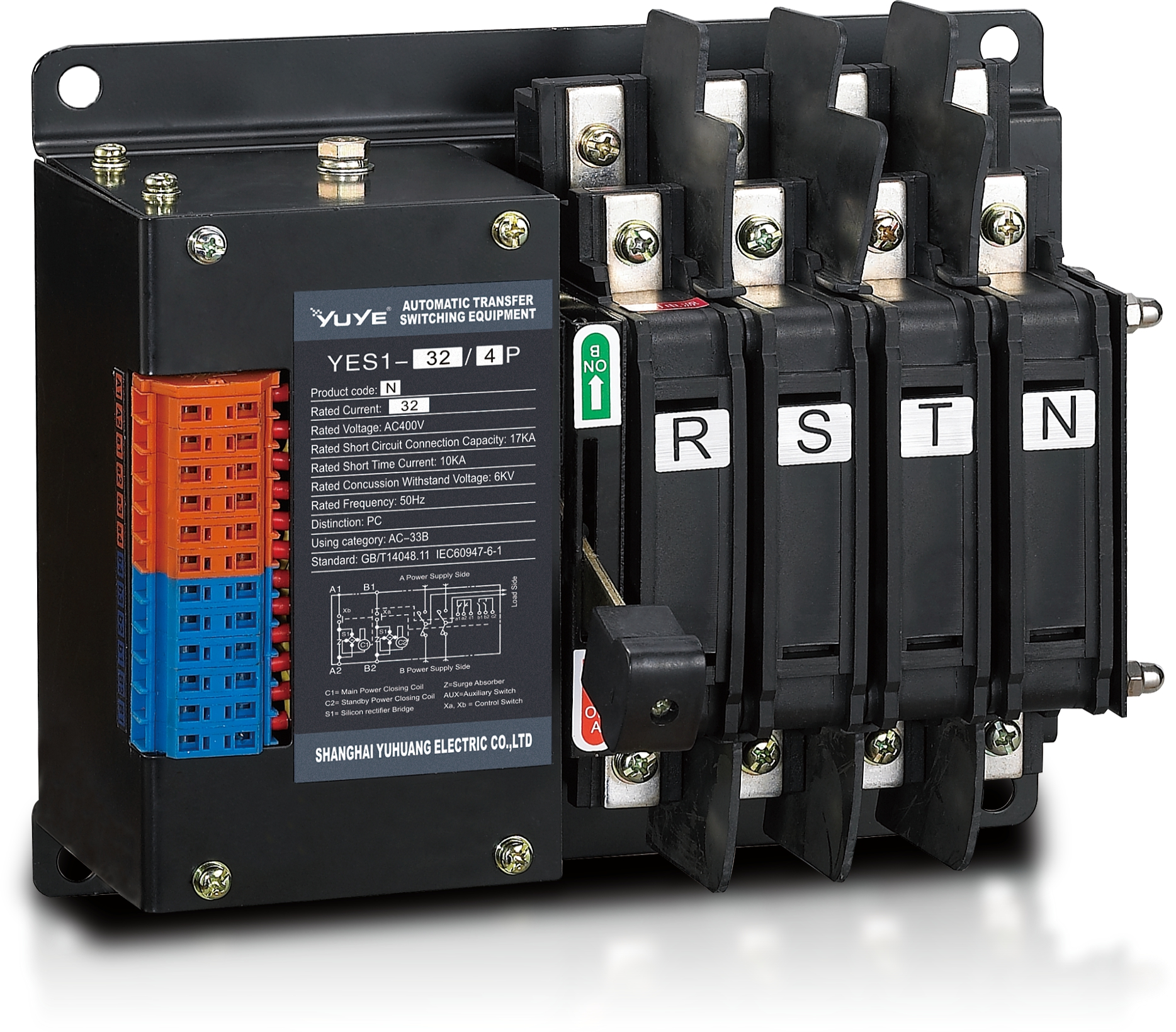 Solenoid-type ATS YES1-32~125N
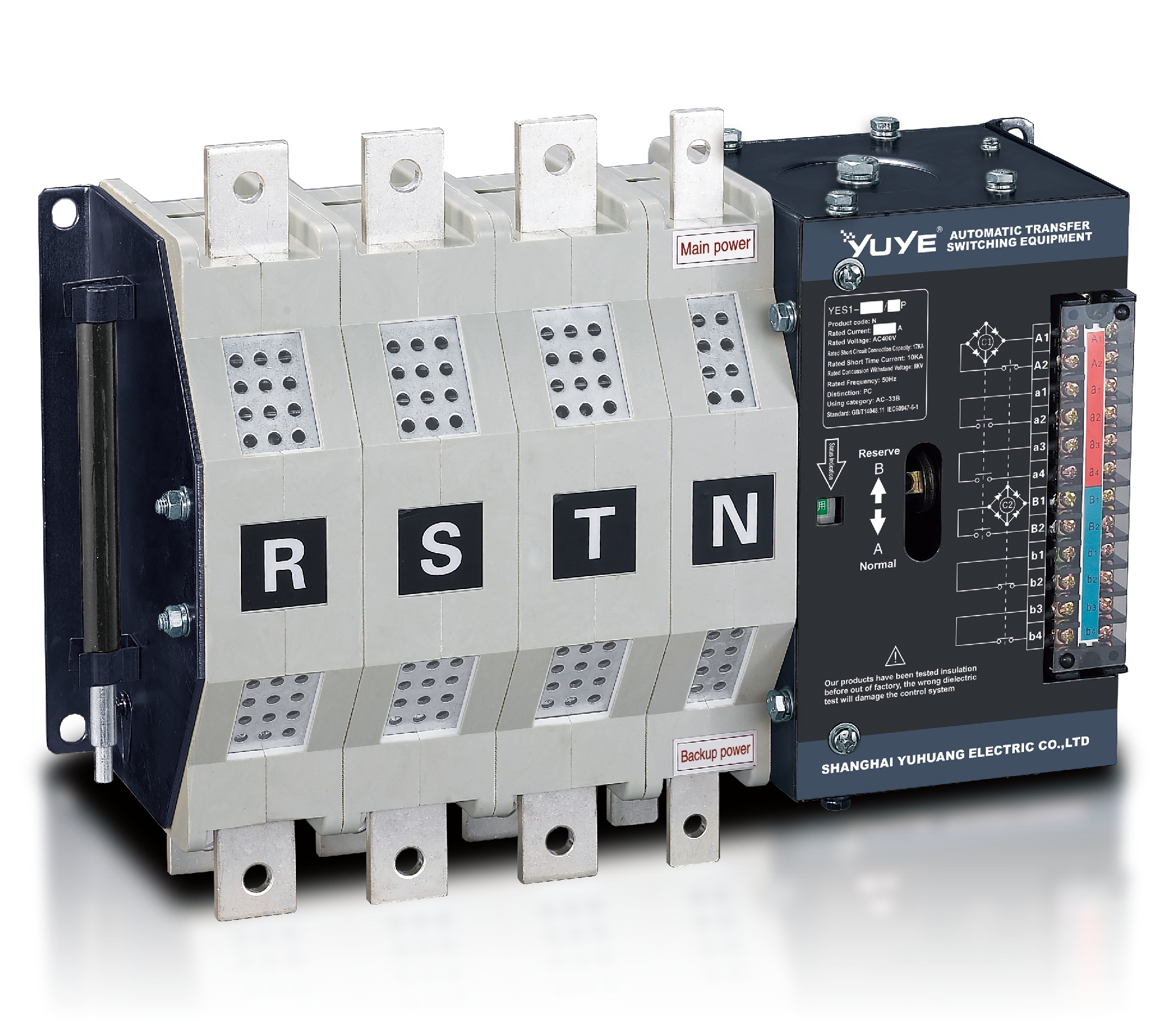 Solenoid-type ATS YES1-250~630N/NT
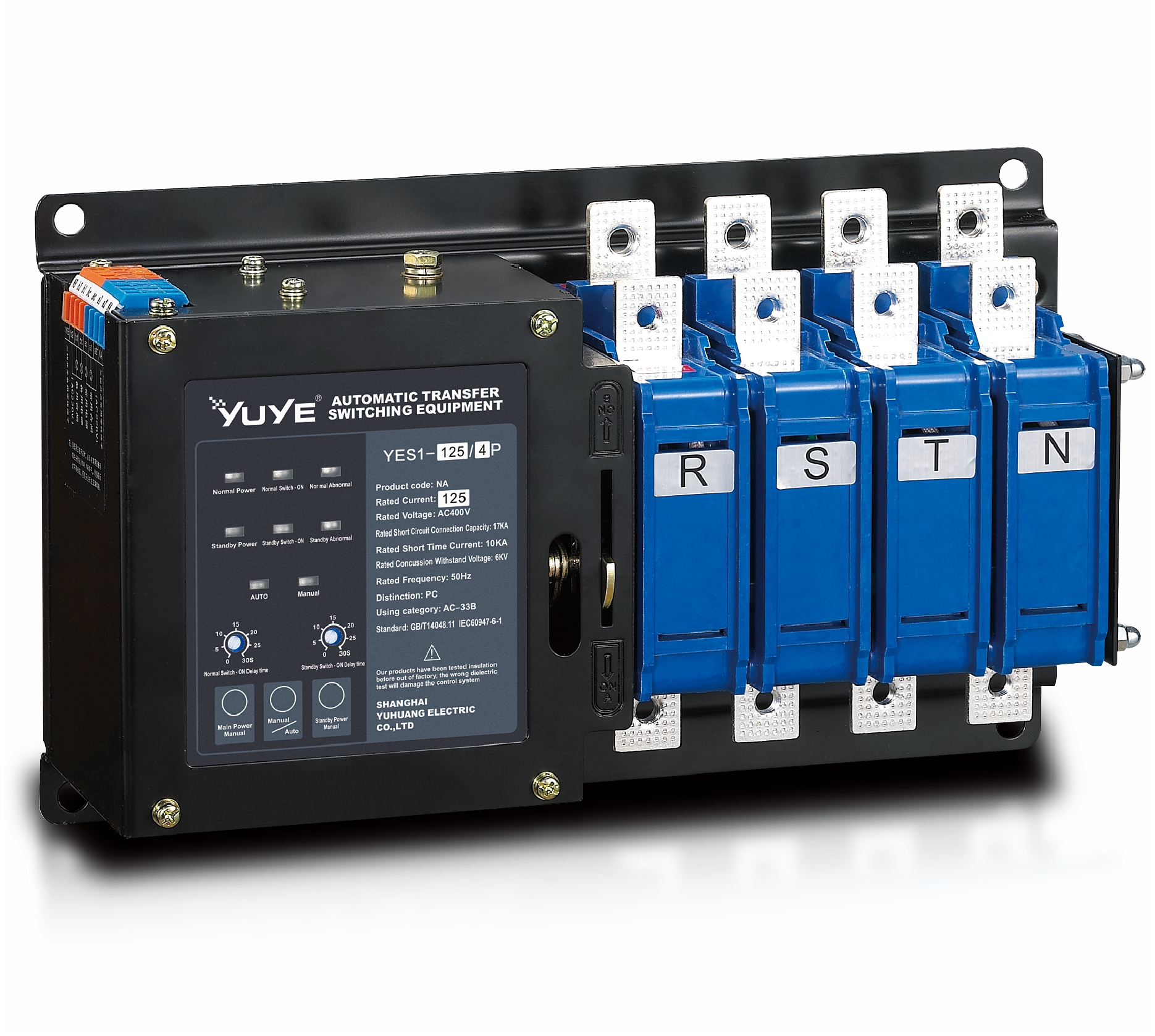 Solenoid-type ATS YES1-32~125NA
 Solenoid-type ATS YES1-63~630SN
 Solenoid-type ATS YES1-1250~4000SN
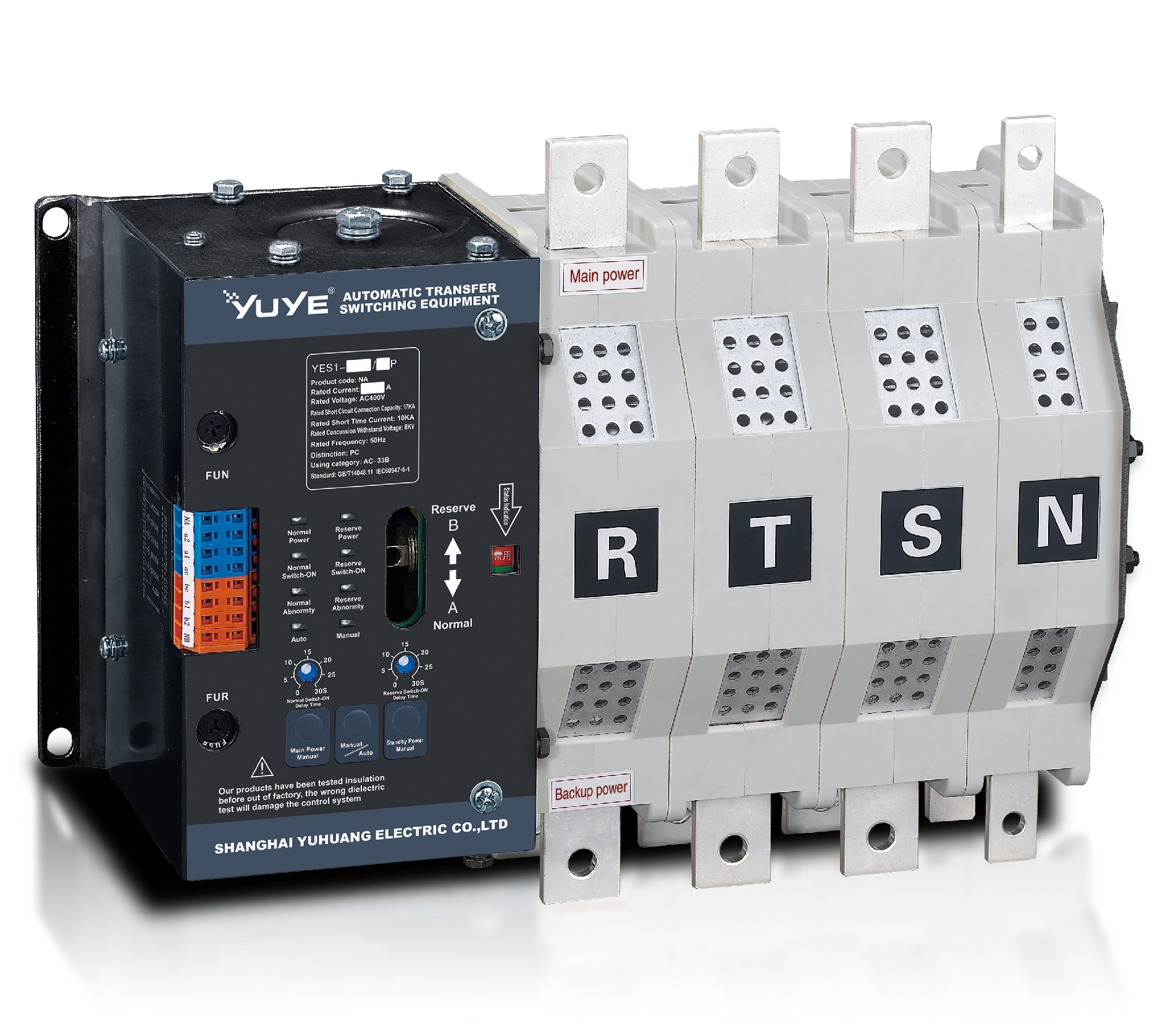 Solenoid-type ATS YES1-250~630NA/NAT
 Solenoid-type ATS YES1-63NJT
 PC ATS YES1-100~1600GN1/GN/GNF
 PC ATS YES1-2000~3200GN/GNF
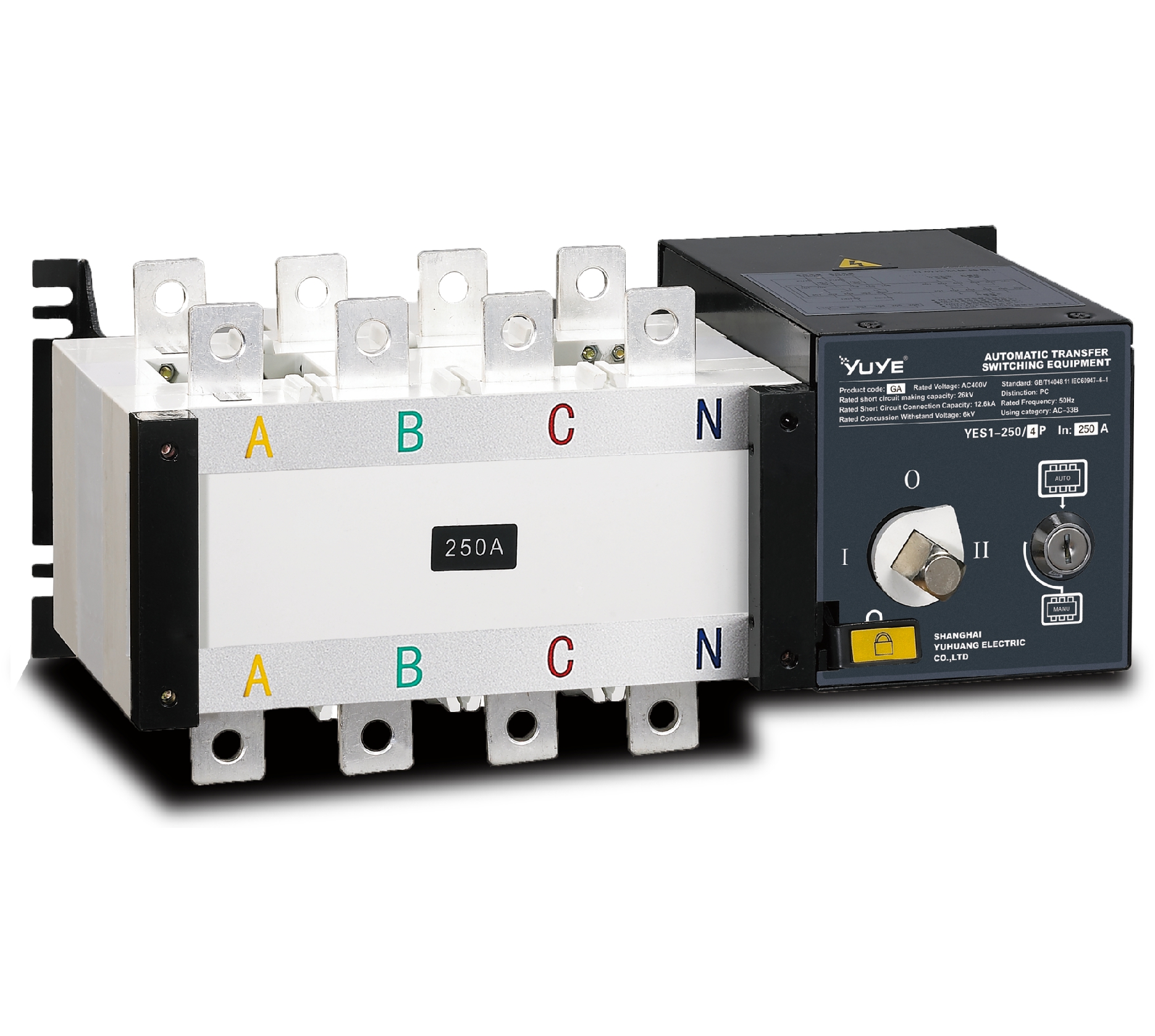 PC ATS YES1-100~3200GA1/GA
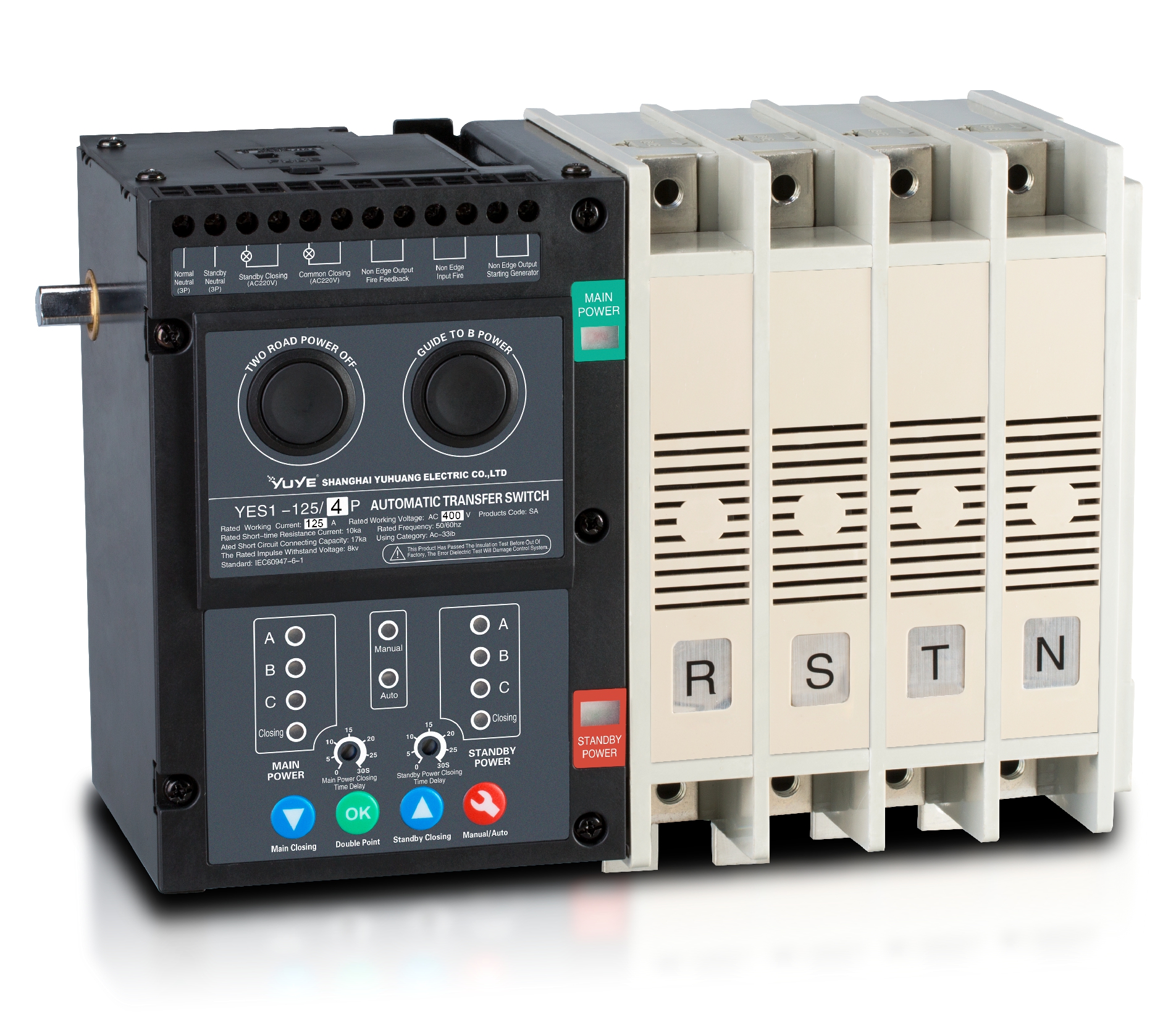 Solenoid-type ATS YES1-63~630SA
 Solenoid-type ATS YES1-63~630L/LA
 Solenoid-type ATS YES1-63~630LA3
 Solenoid-type ATS YES1-63MA
 PC ATS YES1-630~1600M
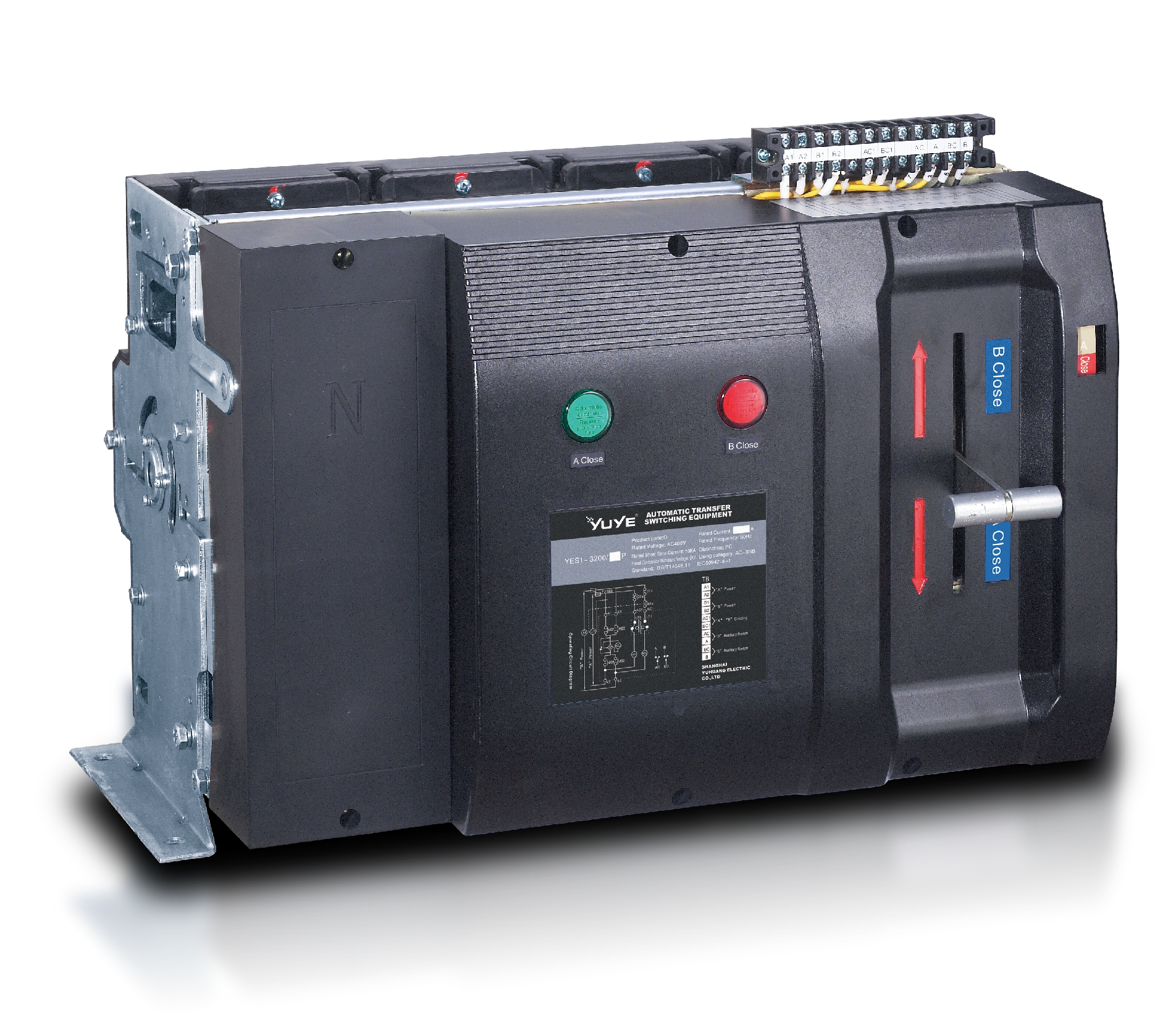 PC ATS YES1-3200Q
 Solenoid-type ATS YES1-4000~6300Q
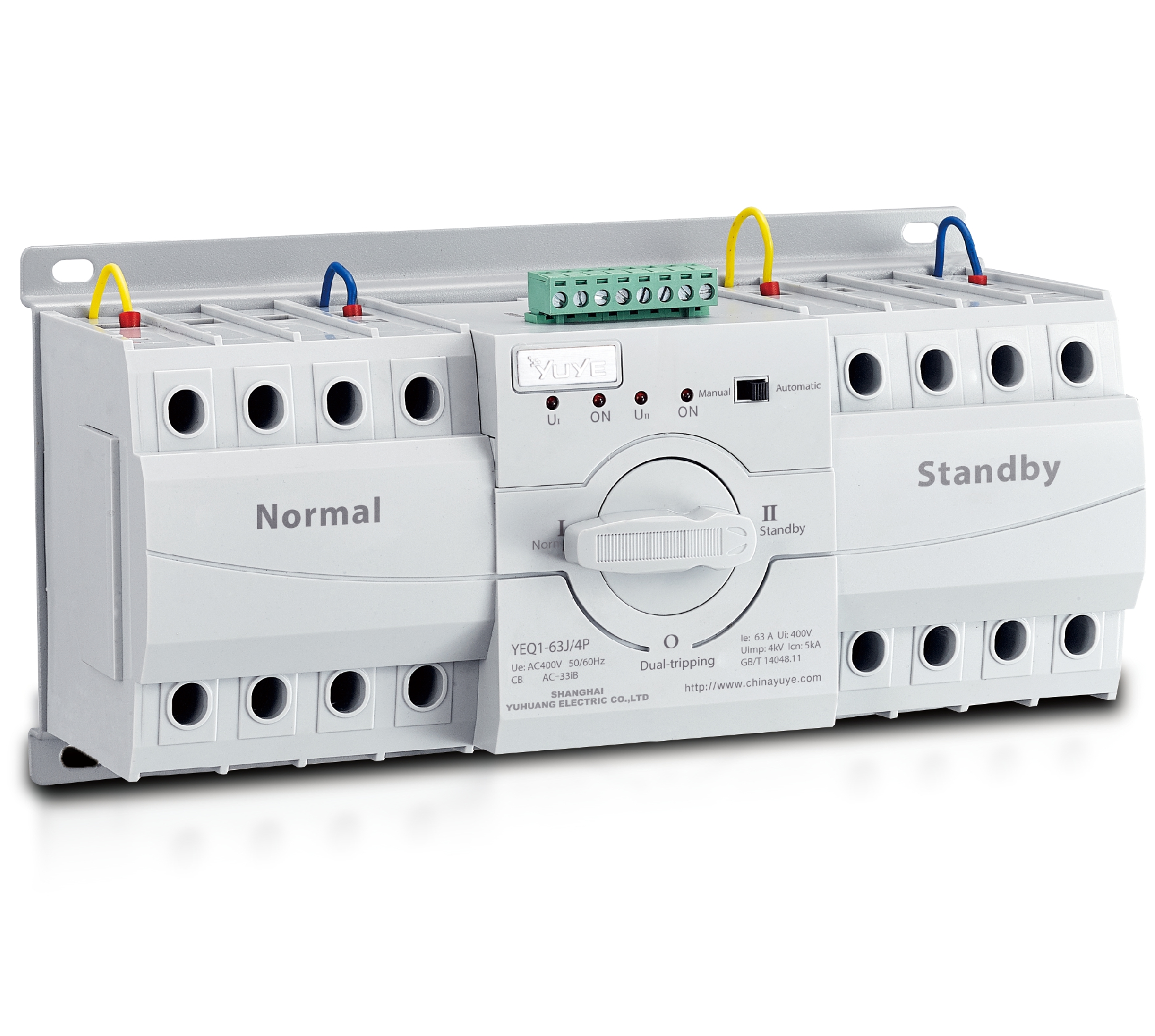 CB ATS YEQ1-63J
 CB ATS YEQ2Y-63
 CB ATS YEQ3-63W1
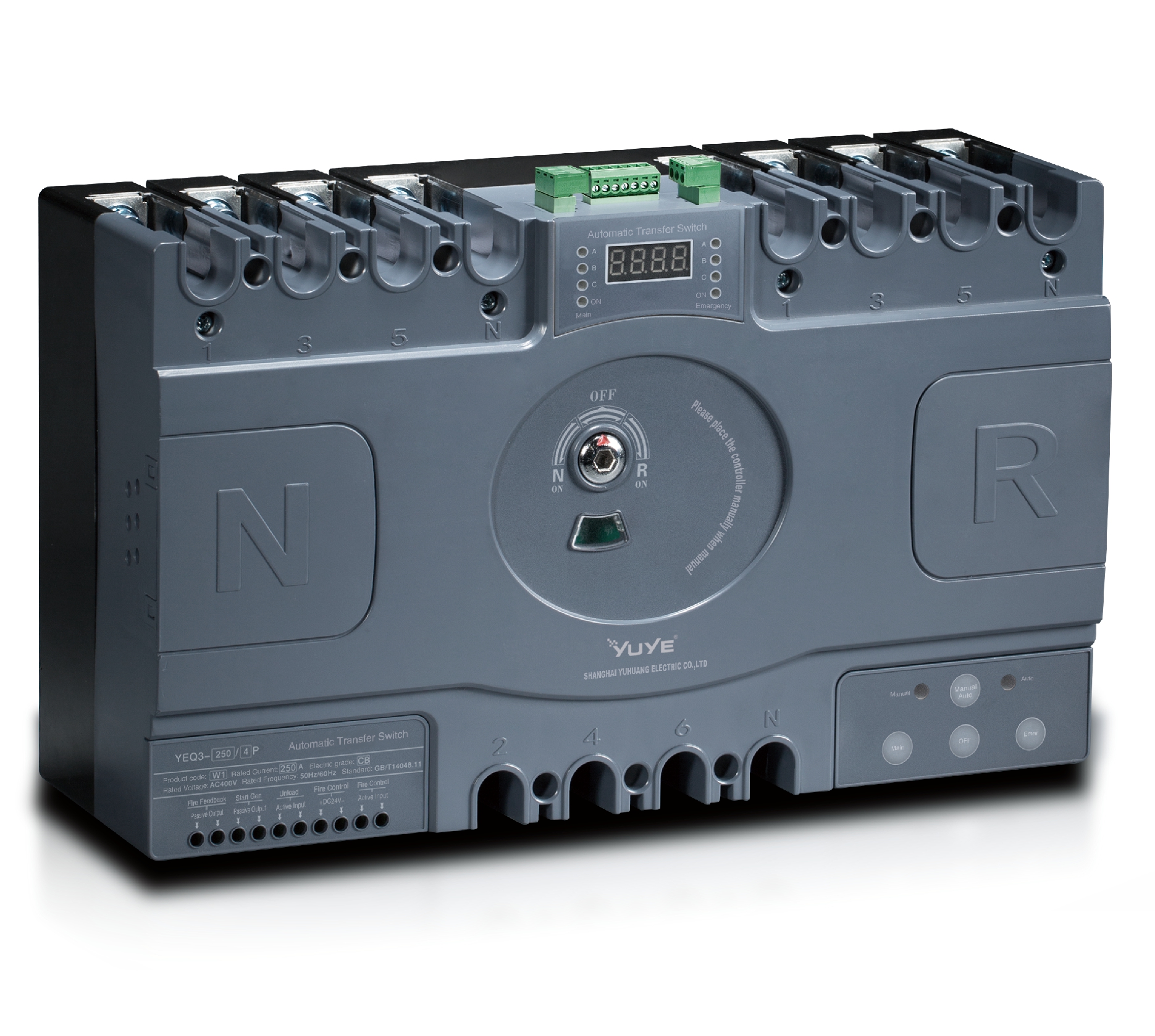 CB ATS YEQ3-125~630W1
 ATS controller Y-700
 ATS Controller Y-700N
 ATS Controller Y-701B
 ATS Controller Y-703N
 ATS Controller Y-800
 ATS Controller W2/W3 Series
 ATS switch Cabinet floor-to-ceiling
 ATS switch cabinet
 JXF-225A power Cbinet
 JXF-800A power Cbinet
 YEM3-125~800 Plastic Shell Type MCCB
 YEM3L-125~630 Leakage Type MCCB
 YEM3Z-125~800 Adjustable Type MCCB
 YEM1-63~1250 Plastic Shell Type MCCB
 YEM1E-100~800 Electronic Type MCCB
 YEM1L-100~630 Leakage Type MCCB
 Miniature circuit breaker YEMA2-6~100
 Miniature circuit breaker YEB1-3~63
 Miniature circuit breaker YEB1LE-3~63
 Miniature circuit breaker YEPN-3~32
 Miniature circuit breaker YEPNLE-3~32
 Miniature circuit breaker YENC-63~125
 Air Circuit Breaker YEW1-2000~6300
 Air Circuit Breaker YEW3-1600
 Load isolation switch YGL-63~3150
 Load Isolation Switch YGL2-63~3150
 Manual Changeover Switch YGL-100~630Z1A
 Manual Changeover Switch YGLZ1-100~3150
 YECPS2-45~125 LCD
 YECPS-45~125 Digital
 CNC Milling/Turning-OEM
 DC relay MDC-300M
 DC Isolation Switch YEGL3D-630


