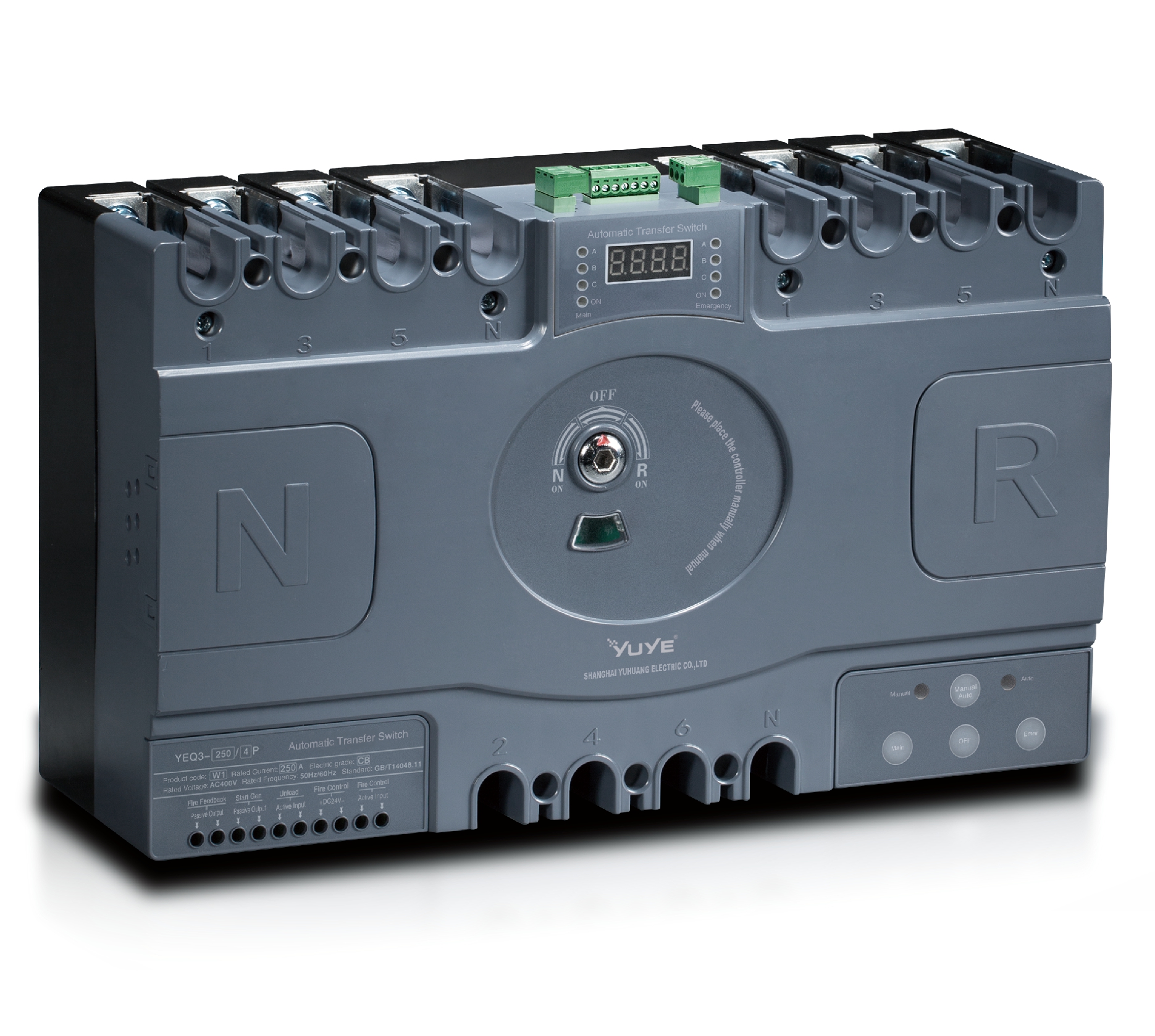
PC ATS YECT1-2000G
PC ATS YES2-63~250GN1
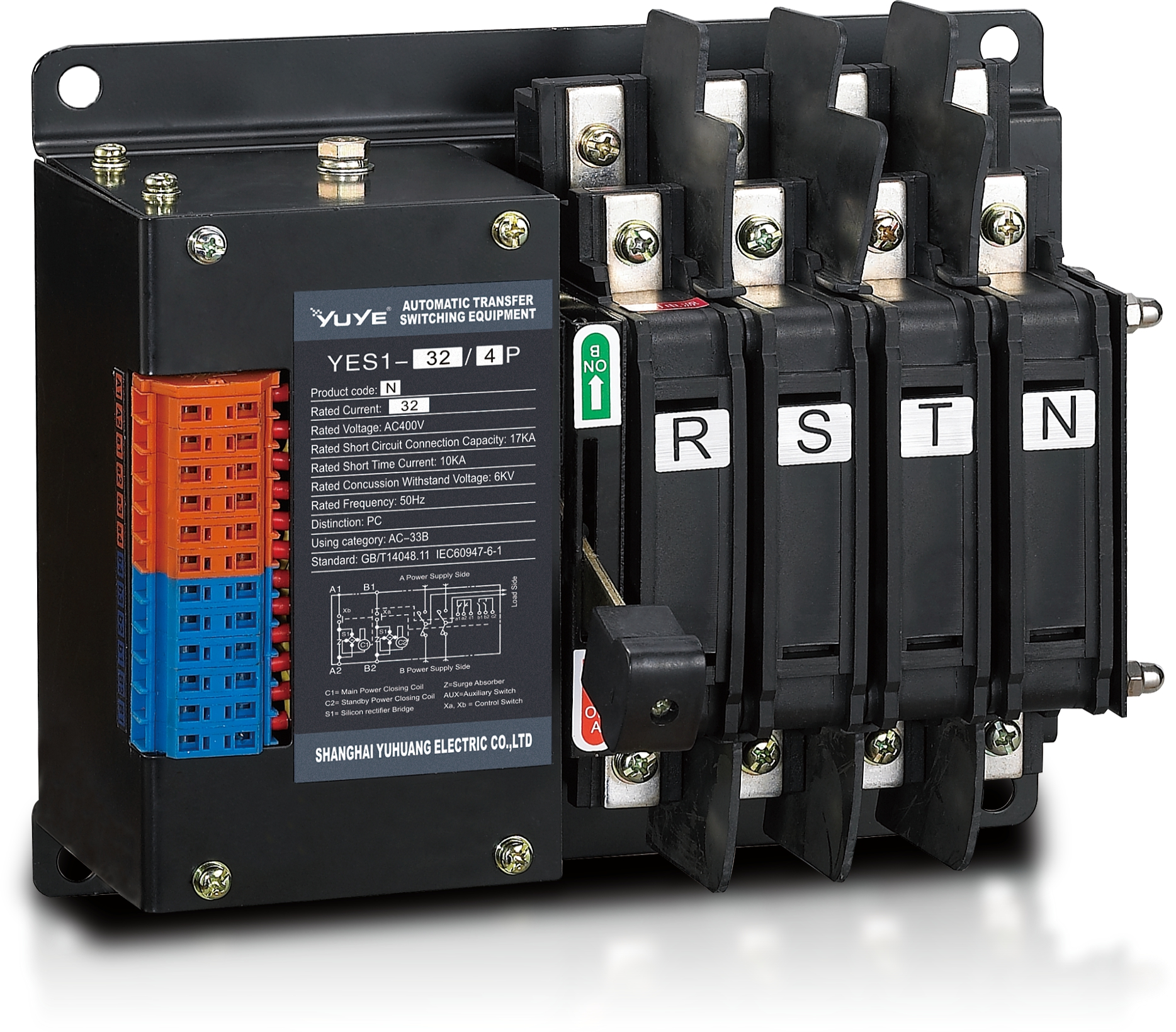
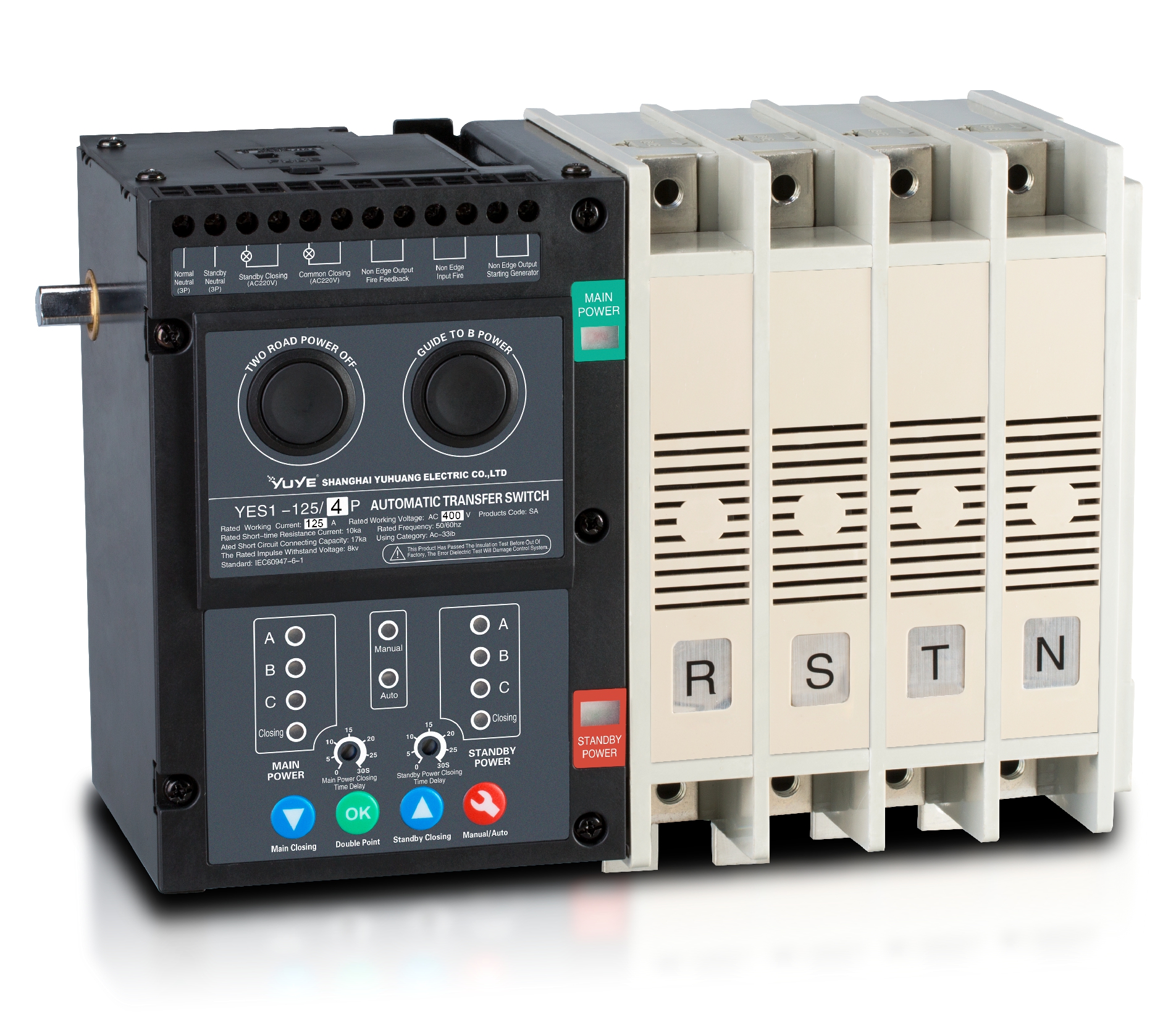
Solenoid-type ATS YES1-32~125N
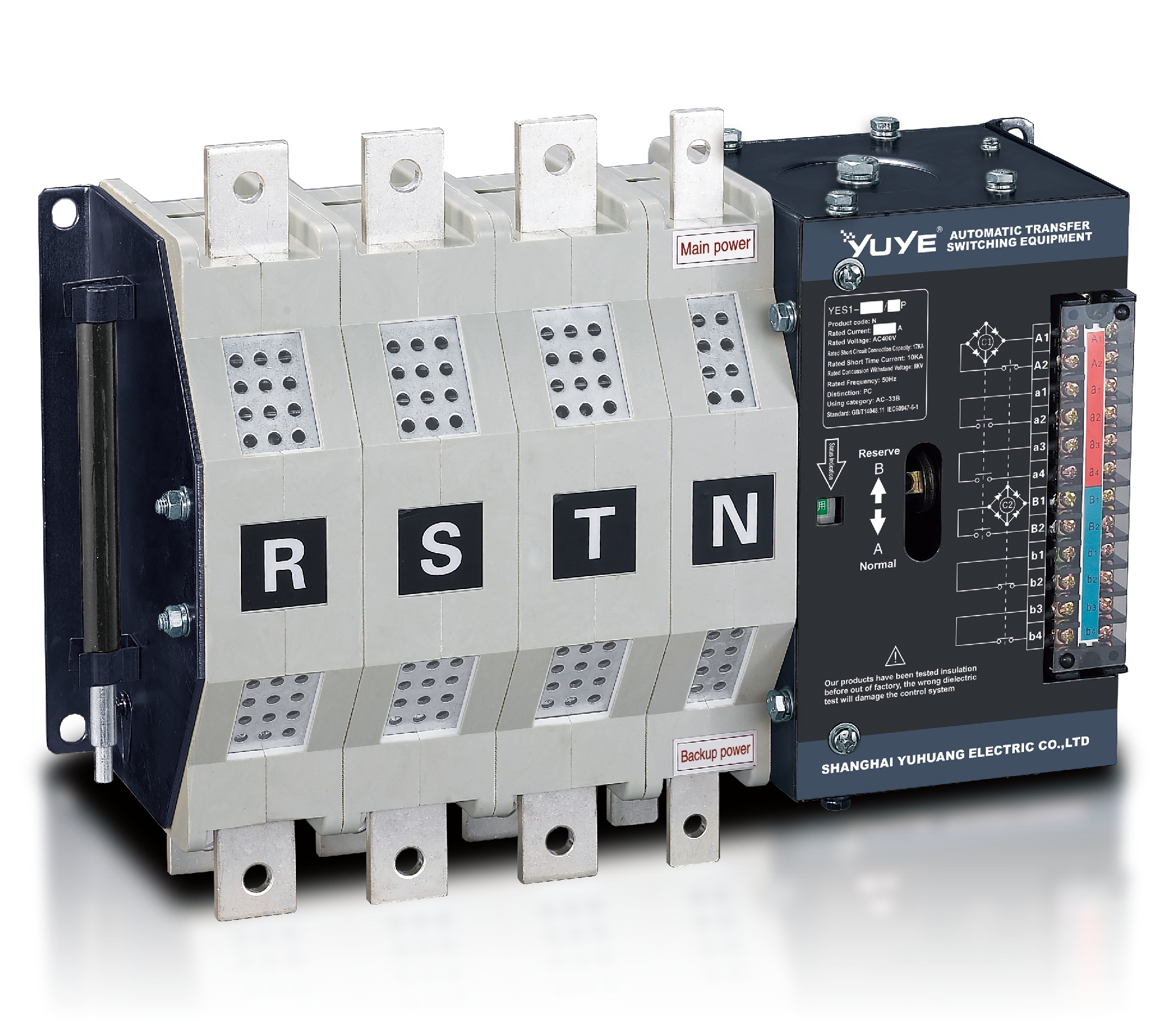
Solenoid-type ATS YES1-250~630N/NT
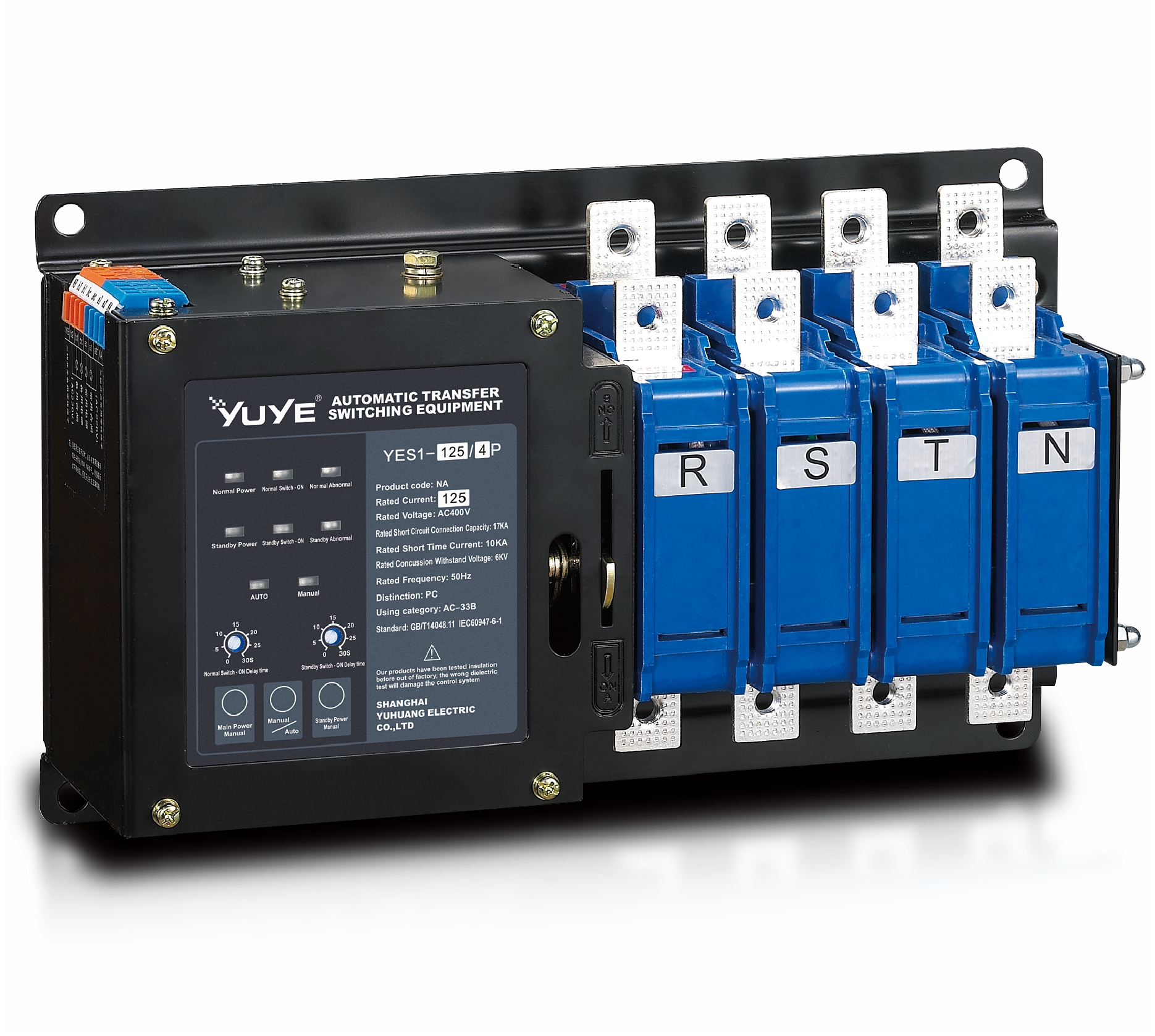
Solenoid-type ATS YES1-32~125NA
Solenoid-type ATS YES1-63~630SN
Solenoid-type ATS YES1-1250~4000SN
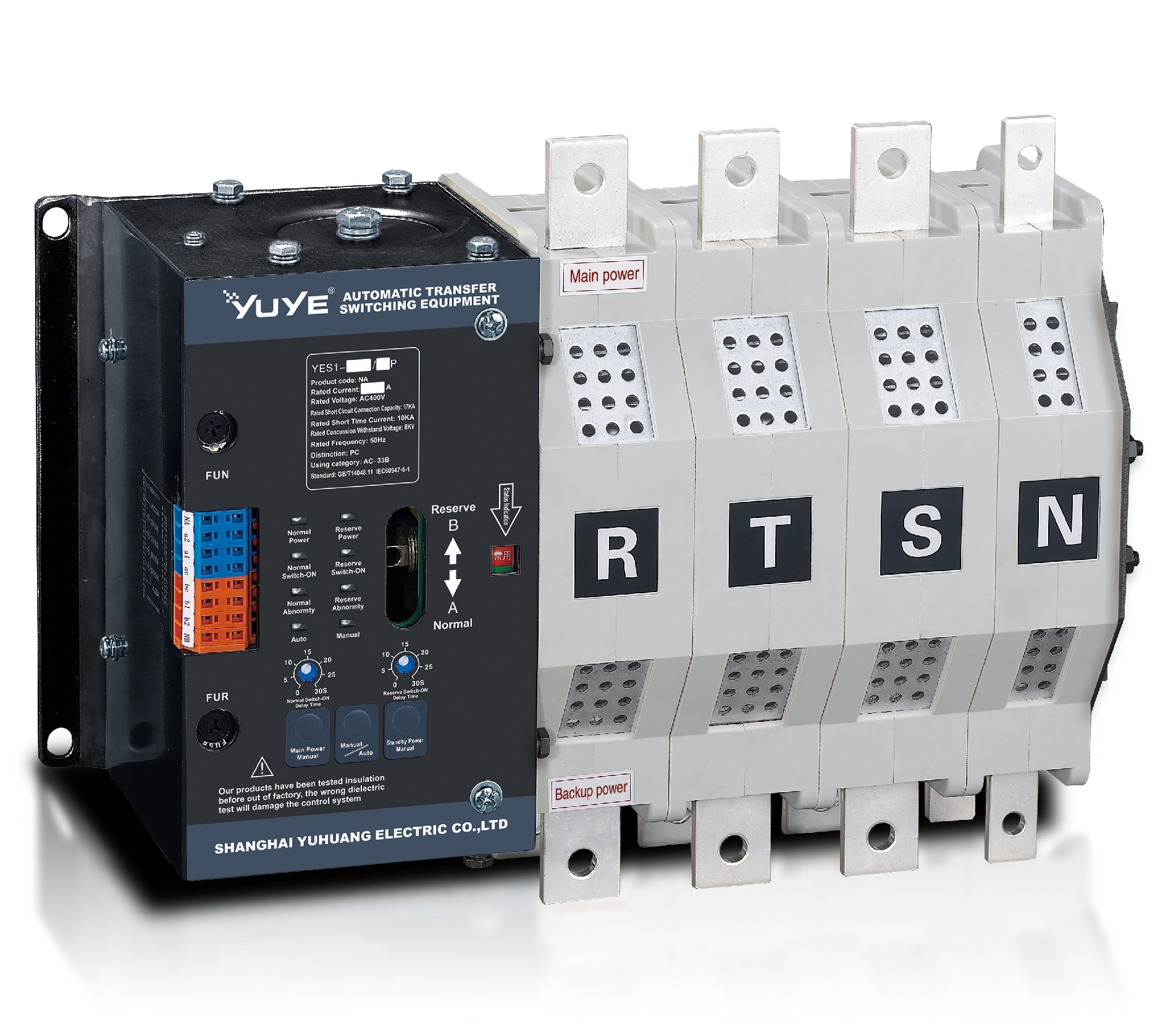
Solenoid-type ATS YES1-250~630NA/NAT
Solenoid-type ATS YES1-63NJT
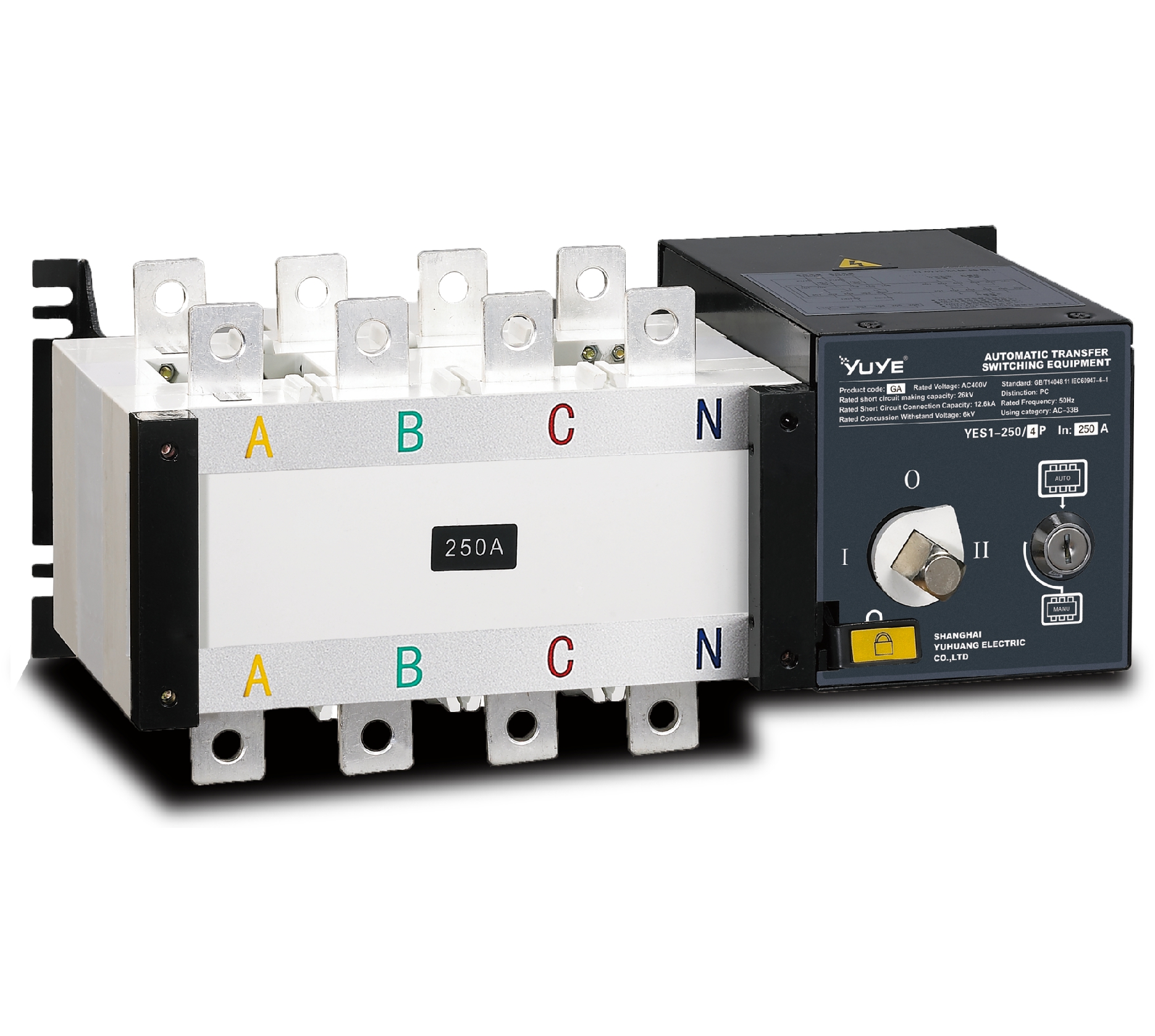
PC ATS YES1-100~1600GN1/GN/GNF
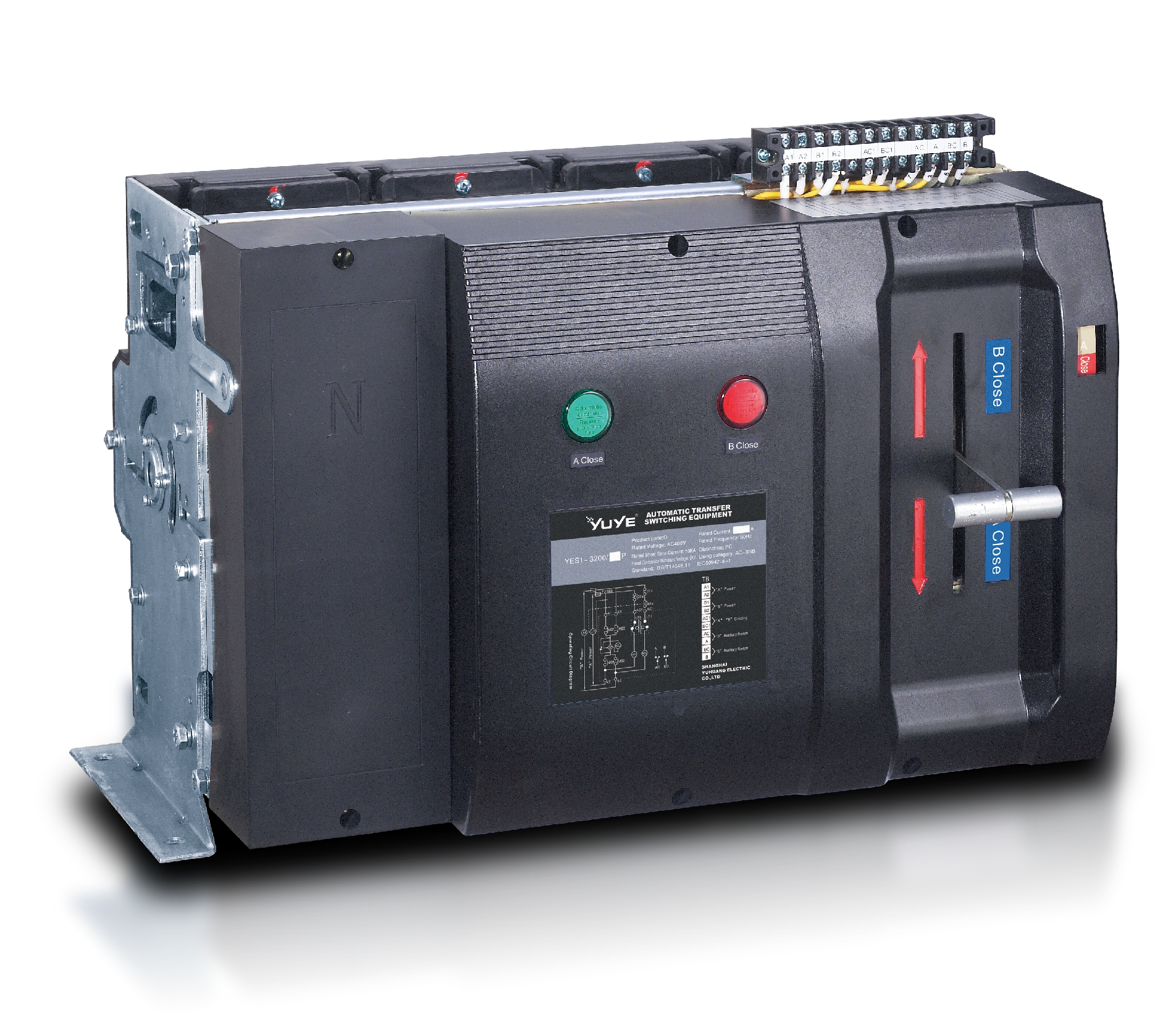
PC ATS YES1-2000~3200GN/GNF
PC ATS YES1-100~3200GA1/GA
Solenoid-type ATS YES1-63~630SA
Solenoid-type ATS YES1-63~630L/LA
Solenoid-type ATS YES1-63~630LA3
Solenoid-type ATS YES1-63MA
PC ATS YES1-630~1600M
PC ATS YES1-3200Q
Solenoid-type ATS YES1-4000~6300Q
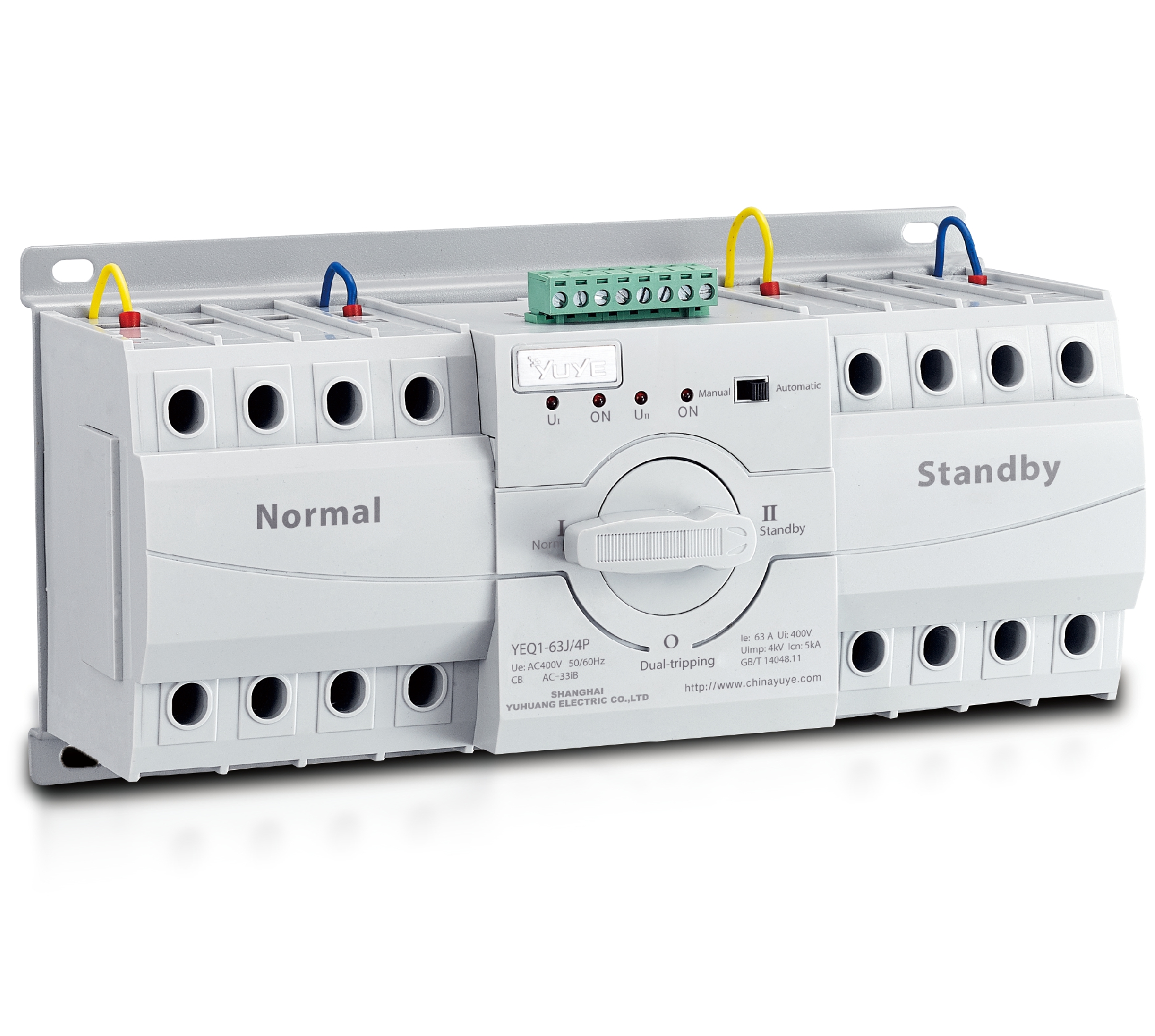
CB ATS YEQ1-63J
CB ATS YEQ2Y-63
CB ATS YEQ3-63W1
CB ATS YEQ3-125~630W1
ATS controller Y-700
ATS Controller Y-700N
ATS Controller Y-701B
ATS Controller Y-703N
ATS Controller Y-800
ATS Controller W2/W3 Series
ATS switch Cabinet floor-to-ceiling
ATS switch cabinet
JXF-225A power Cbinet
JXF-800A power Cbinet
YEM3-125~800 Plastic Shell Type MCCB
YEM3L-125~630 Leakage Type MCCB
YEM3Z-125~800 Adjustable Type MCCB
YEM1-63~1250 Plastic Shell Type MCCB
YEM1E-100~800 Electronic Type MCCB
YEM1L-100~630 Leakage Type MCCB
Miniature circuit breaker YEMA2-6~100
Miniature circuit breaker YEB1-3~63
Miniature circuit breaker YEB1LE-3~63
Miniature circuit breaker YEPN-3~32
Miniature circuit breaker YEPNLE-3~32
Miniature circuit breaker YENC-63~125When it comes to backup power options, Automatic Transfer Switching Equipment (or ATSE, for short) is a pretty important piece of the puzzle. These systems help make sure your power doesn’t cut out unexpectedly. If the main power goes down, the ATSE kicks in and switches over to your backup — so there’s no awkward downtime or disruptions. It’s a real lifesaver, especially when you’re counting on your electricity.
But here’s the thing — picking the right ATSE isn’t exactly a walk in the park. Not all of these systems are the same, and some just don’t handle heavier loads that well. That can lead to failures when you need them most, which nobody wants. So, it’s really worth taking some time to figure out what you actually need before buying one.
Good, reliable power backup isn’t just a ‘nice to have’ — it’s a must, whether for your home or your business. A well-chosen and properly working ATSE can really save you from costly downtime. But, and this is important, if you don’t do regular checks and maintenance, you might find yourself caught off guard by an unexpected failure. Take a moment to evaluate your current setup—do you trust it completely? Asking yourself that can help point you in the right direction and make sure you’re protected with a dependable power solution.
Automatic Transfer Switching Equipment (ATSE) plays a crucial role in ensuring continuous power supply during outages. Understanding the fundamentals of how this equipment functions is essential for anyone looking to invest in reliable power backup. At its core, an ATSE detects power failure and promptly switches to a backup generator. This process happens automatically, providing peace of mind during unforeseen circumstances.
Installation and maintenance of ATSE are vital. Improper installation can lead to delays in power switching, creating risk during critical moments. Regular tests are also necessary to ensure the system operates smoothly. Some users might overlook this, assuming the equipment will work flawlessly. Yet, like any technology, ATSE requires attention and care.
It's worth noting the importance of load assessments before applying ATSE. An incorrect load can cause additional strain on the equipment. Users should also consider their specific needs. Not all functions may be necessary for every setup. Identifying these details can ensure that the system is effective and efficient, minimising downtime when it matters most.
When considering automatic transfer switching equipment, reliability is crucial. Key features help ensure that power backups perform flawlessly. Look for an ATS with a robust construction. This durability protects it from harsh conditions. A dependable transfer switch will also feature fast response times. Ideally, it should switch to backup power within seconds of an outage.
Monitoring capabilities are another essential point. Some systems can provide real-time insights. This data helps in assessing performance and avoiding potential issues. Regular inspections are required to sustain reliability. An ATS with self-diagnostic functions can alert users about malfunctions. Still, human oversight remains necessary; technology isn't infallible.
Compatibility with various power sources is important too. Not all systems handle renewable energy well. Some may face challenges when switching between grid and generator. Users should assess their specific needs. Understanding the environment and usage scenarios can guide decisions. These points highlight the complexity in selecting a reliable ATS. Balancing features with personal requirements is often a challenge.
Automatic Transfer Switching Equipment (ATSE) plays a crucial role in ensuring reliable power backup. It automatically switches the power source from the main utility to a generator during an outage. This quick response time minimizes downtime and maintains essential services, making it invaluable for businesses and homes alike.
Choosing the right system can be daunting. Assessing your power needs is essential. Understand the load you need to support during an outage. Calculate the wattage of critical appliances and systems. This way, you won't end up with an over or underpowered setup. It's also vital to consider maintenance. Regular checks can prevent unexpected failures. Forgetting this can lead to inconveniences later.
Incorporating ATSE can enhance energy efficiency. Redundancy is a key benefit. A reliable backup ensures operations continue smoothly. However, installing such equipment involves costs. Evaluate your budget and long-term savings. Ignoring these factors might lead to regrets. A hasty decision can impact future power reliability. Taking the time to plan is worth it.
Automatic transfer switches (ATS) are essential for reliable power backup. They automatically switch the power source when the main supply fails. This ensures that critical systems stay operational. There are several types of ATS, each designed for specific applications.
One common type is the open transition ATS. It disconnects the source before connecting to the backup. This can create a momentary interruption in service. It is cost-effective and suitable for less critical applications. In contrast, closed transition ATS allows a seamless switch. This means no interruption occurs when transitioning between power sources. It is often used in hospitals and data centers, where power reliability is crucial.
Another type is the soft load ATS. It allows for the transfer of loads without interrupting power. This feature is beneficial for sensitive equipment. However, it may require careful planning. Each type serves different needs and has its advantages and downsides. A proper assessment is vital to determine the best fit for specific requirements.
Maintaining transfer switches is crucial for ensuring reliable power backup. A reported 25% of power outages cause disruptions. Regular maintenance can significantly reduce this risk. Check the battery health every six months. A weak battery can lead to failure in automatic switching.
Inspect mechanical components like contacts and enclosures. Corrosion can weaken connections. Surprisingly, about 30% of transfer switches show corrosion after a few years. Use a digital multimeter to measure continuity and ensure proper operation. Cleaning the components regularly can prevent buildup and ensure smooth function.
Test the switches under load conditions. A 2022 study found that 15% of transfer switches failed to perform correctly under stress. Document any irregularities during testing. Sometimes, issues can go unnoticed until an outage occurs. Keeping a log will help in identifying recurring problems. Regular maintenance is not just a precaution; it's a necessity to avoid costly failures.
When selecting automatic transfer switching equipment, reliability is paramount. First, consider the power rating. Ensure the equipment can handle your peak load. A unit that is undersized may fail during crucial moments. Look into the transfer time as well. Faster switching is essential during outages. Delays can lead to equipment damage and lost data.
Next, evaluate the control mechanisms. Some switches use manual controls, while others are fully automated. Automation can enhance reliability. However, manual intervention may sometimes be necessary. You might prefer a hybrid option to maintain control when needed.
Don't overlook maintenance requirements. Some equipment demands regular inspections or part replacements. This might not be feasible for everyone. Always check for warranties and support services available. These can save you from unexpected failures. Balancing upfront costs with long-term reliability can be challenging, but it’s a vital aspect of making an informed choice.
Automatic transfer switching systems are essential for ensuring power reliability. However, they can face issues that disrupt functionality. One common problem is failure to switch during a power outage. This may be due to faulty sensors or incorrect wiring. Regular testing can prevent this issue.
Another frequent concern is the inability to detect power restoration. This often happens if the system is not calibrated properly. It’s crucial to monitor settings and perform updates when necessary. Simple checks, like ensuring connections are tight, can make a big difference.
Users often overlook the importance of routine maintenance. Dust and debris can accumulate inside the unit, leading to overheating. Neglecting this can create a fire hazard. Taking time to inspect and clean the equipment can enhance longevity. These steps are vital for keeping the system in optimal condition.
| Issue | Possible Cause | Troubleshooting Steps | Prevention Tips |
|---|---|---|---|
| Transfer Switch Won't Activate | Power source issues | Check power supply connections and circuit breakers. | Regular inspection of power sources. |
| Generator Not Starting | Fuel supply problems | Ensure fuel tank is full and check for leaks. | Refuel regularly and check for fuel quality. |
| Load Not Transferring | Electrical issues | Inspect wiring and connections for damage. | Use quality components and perform routine checks. |
| Overheating | Insufficient ventilation | Ensure proper airflow around the unit. | Keep the area around the unit clear of debris. |
| Alarm Activation | System malfunction | Review alarm codes and reset the system. | Schedule regular maintenance and software updates. |
The solenoid-type ATS YES1-63~630SN stands out as a fundamental component in modern electrical distribution systems, designed for reliability and performance. Featuring rated voltages of AC 230V and AC 400V and a wide range of rated currents from 16A to 630A, this device meets diverse application needs across industries. Its multiple pole configurations, including 2P, 3P, and 4P, allow for flexible integration into various electrical systems.
This model operates using an excitation drive mode and boasts a three-position mechanism, enhancing its functionality and user adaptability. With certifications such as CE, CB, and CCC, it adheres to important safety and quality standards, which is essential for operators seeking assured performance. The standard compliance with IEC 60947-6-1 further aligns it with international best practices, making it a reliable choice for professionals in electrical engineering.
The applications of the solenoid-type ATS are vast, ranging from manufacturing plants to commercial buildings where efficient power management is crucial. The ability to handle multiple configurations and heavy loads ensures that it can cater to the demands of high-performance environments. As industries increasingly prioritize energy efficiency and operational continuity, devices like the ATS YES1-63~630SN play a critical role in supporting these objectives while providing significant benefits, including reduced downtime and improved safety in power distribution.
: It aims to enhance daily life. Users often report feeling more energized and organized.
Use it daily for best results. Consistency is key for noticeable improvements.
Some users experience mild discomfort initially. It's crucial to listen to your body and adjust usage.
Yes, many people combine it with different routines. Just ensure compatibility for your wellness goals.
Results are generally noticed within a few weeks. Every individual’s experience may vary significantly.
Consider adjusting your usage. Reflecting on your experience might highlight areas for improvement.
It's designed for a wide audience. However, individual needs vary, so personal reflection is advised.
Visit our website or engage with user communities. Sharing experiences can provide valuable insights.
While it suits many ages, younger users should consult guardians. Individual maturity levels affect usage.
Keep it in a cool, dry place. Avoid exposure to extreme temperatures to maintain its quality.
Automatic Transfer Switching Equipment (ATSE) is essential for ensuring reliable power backup, particularly during outages. This equipment automatically switches the power source from the primary supply to a backup generator, facilitating seamless transition and continuous power supply. Key features of reliable automatic transfer switches include fast switching times, durability, and integrated monitoring systems.
The benefits of utilizing Automatic Transfer Switching Equipment extend to enhanced uptime and increased operational efficiency for both residential and commercial applications. There are various types of ATSE, each catering to specific needs, and understanding these can aid in effective selection. Maintenance is crucial for optimal performance, which involves regular inspections and checks. When selecting ATSE, factors like load capacity, configuration, and environmental considerations should be evaluated. Troubleshooting common issues with these systems can prevent downtime and ensure that backup power functions efficiently when needed.