When it comes to power supply solutions, making sure you have an uninterrupted power source is, honestly, pretty crucial—especially in jobs that really can’t afford any downtime, like hospitals, data centers, or manufacturing plants. One of the coolest innovations tackling this issue is the Dual Power Automatic Transfer Switch, or DPTS for short. Industry experts are saying the market for these automatic transfer switches is about to see some serious growth, mainly because more and more sectors—think healthcare, data hubs, and factories—are demanding reliable power. Companies like One Two Three Electric Co., Ltd., who are known for making top-notch moulded case and air circuit breakers, are putting a huge emphasis on quality and performance when it comes to DPTS tech. Basically, this device can smoothly switch between two power sources, which not only keeps things running smoothly but also helps save energy. All in all, DPTS is becoming a key player in modern electrical setups—making sure everything stays online and efficient, no matter what.

Benefits of Dual Power Automatic Transfer Switches for Reliable Energy Supply
Dual Power Automatic Transfer Switches, or DPATS for short, are pretty much a must-have these days when it comes to keeping the lights on, especially in places like hospitals, data centers, or factories. Basically, these devices kick in automatically if one power source goes down — no fuss, no downtime. The International Electrotechnical Commission (IEC) even reports that a solid DPATS can cut system downtime by up to 99.9%. That’s a game-changer, right? It really boosts reliability and peace of mind.
And, it’s not just happening somewhere out there; more and more industries are jumping on the bandwagon. According to a Market analysis by Research and Markets, the global market for these switches is expected to grow at about 8.6% annually from 2023 to 2030. Businesses are catching on to how vital it is to have an uninterrupted power supply to stay productive and avoid those expensive shutdowns. Plus, these switches are not just reliable — they can also help save energy by smartly managing power between sources. Some studies even suggest this could lead to savings of up to 30% on energy bills. Pretty impressive, huh?
Understanding the Benefits and Applications of Dual Power Automatic Transfer Switches for Uninterrupted Power Supply
| Feature |
Description |
Benefits |
Applications |
| Automatic Switching |
Automatically switches to a backup power source when the primary fails. |
Ensures continuity of power without manual intervention. |
Critical infrastructure, hospitals, data centers. |
| Load Management |
Manages power distribution between multiple sources effectively. |
Optimizes energy use and reduces costs. |
Commercial buildings, manufacturing facilities. |
| Safety Features |
Includes surge protection and fault indicators to prevent damage. |
Protects equipment and ensures operational safety. |
Industrial sites, telecommunications. |
| Scalability |
Can be easily expanded to accommodate additional power sources. |
Future-proofs energy infrastructure. |
Growing businesses, renewable energy systems. |
| Remote Monitoring |
Allows operators to monitor switch performance and status remotely. |
Enables proactive maintenance and quick response to issues. |
Energy management systems, smart buildings. |
Key Features That Enhance the Functionality of Automatic Transfer Switches
 Automatic Transfer Switches, or ATs, with dual power capabilities are a real game-changer when it comes to keeping things running smoothly—especially in critical setups. One of the coolest features they have is the dual input setup, which essentially lets the switch switch effortlessly between two different power sources. So, if one fails or cuts out unexpectedly, the other kicks in automatically, ensuring your equipment keeps operating without missing a beat.
Another handy feature is their ability to automatically monitor the quality and availability of power. Modern, smarter ATs come with built-in monitoring systems that can spot issues like voltage dips or outages on the fly. This quick detection can really save the day—preventing damage to sensitive gear and keeping downtime at bay.
Quick Tip:
When you're shopping for a dual-input transfer switch, it's a good idea to pick one with built-in diagnostics. That way, you get real-time updates on its performance. Also, look for switches that are easy to operate—user-friendly interfaces make maintenance less of a headache. And don’t forget—regular testing and routine maintenance will help your transfer switch stay reliable and last longer.
Applications of Dual Power Transfer Switches in Critical Infrastructure
You know, dual power transfer switches, or DPTS for short, are pretty much the unsung heroes when it comes to keeping crucial infrastructure up and running smoothly. They’re designed to make switching between the main power supply and backup systems super seamless — so there’s no hiccup in service, even when the power goes out. This is especially important in industries like healthcare, telecom, and data centers, where reliable power isn’t just a convenience, it’s a necessity. Imagine hospitals—they need a constant power flow to keep life-saving machines working without a hitch. That’s where DPTS really shine, making sure things don’t go sideways during outages.
And it’s not just about keeping the lights on; these switches are also critical for public safety and emergency response. During a natural disaster or if the grid fails, emergency teams depend on steady power to coordinate their efforts effectively. Installing dual transfer switches can really cut down on downtime, giving critical systems that extra level of resilience. As more industries see how vital uninterrupted power is, we’re definitely going to see DPTS become more common. They’re slowly but surely becoming essential pieces in protecting and maintaining the safety and reliability of our modern world.
Comparative Analysis: Manual vs. Automatic Transfer Switches
When it comes to keeping the power flowing without interruptions, transfer switches are pretty much essential. If you stack up manual versus automatic transfer switches, there are some pretty big differences in how they work and how reliable they are. The National Fire Protection Association points out that automatic transfer switches (or ATS for short) are really good at cutting down downtime and boosting safety. They do this by automatically detecting when the power fails and switching over to a backup generator — all without someone having to press a button. This kind of quick, automated response is especially crucial in places like hospitals or data centers, where even a few seconds of outage can cost a ton — like, over $8,000 a minute in some cases.

Meanwhile, manual transfer switches are a whole different story. They need someone to step in and manually change the setup whenever there's a power outage. That means there's always a chance for human error or delays. According to a report from IEEE, it can take anywhere from 30 seconds to several minutes to get everything back up and running, depending on how fast and efficient the person managing it is. As more and more businesses depend on super reliable power, it’s pretty clear that automatic or dual-source transfer switches are the way to go. They’re faster, more dependable, and really suited for critical systems, which is why we're seeing more of these in important infrastructure today.
Maintenance Tips for Ensuring Optimal Performance of Transfer Switches
Keeping up with regular maintenance on dual power automatic transfer switches (ATS) is honestly a game-changer when it comes to avoiding power blackouts and making sure everything runs smoothly. If you stay on top of it, not only do these systems last longer, but they’re also way more reliable—saving you from those costly shutdowns that can really mess things up. Industry reports actually show that companies that take a proactive approach to maintaining their ATS equipment can cut down operational hiccups by up to 45%, which means a big boost in productivity.
One easy tip I’d suggest is to regularly check the key parts of the transfer switch—things like circuit boards, contacts, and batteries. It’s also super important to test how the switch performs under real load conditions now and then. Making sure all the connections are tight and free of corrosion can do wonders for keeping the power flowing smoothly. Plus, brands like One Two Three Electric Co., Ltd. stress the value of using quality parts, like their molded case circuit breakers and air circuit breakers, which are built tough and meant to last.
Another thing that often gets overlooked but is really essential is keeping good records of all inspections and repairs. According to the International Electrotechnical Commission, good documentation isn’t just about staying compliant—it also helps keep the system working better overall. Regularly checking and updating the status of your ATS means if something does go wrong, you’ll be able to act fast and keep your critical systems up and running without a hitch.
Benefits of Dual Power Automatic Transfer Switches
This bar chart illustrates the key benefits of Dual Power Automatic Transfer Switches for ensuring an uninterrupted power supply. Reliability is the top benefit, followed by maintenance, highlighting the effectiveness of these systems in providing a consistent energy source.
Future Trends in Dual Power Transfer Switch Technology and Applications
Looking ahead, the future of dual power transfer switch technology is really exciting, especially with how demand for reliable, uninterrupted power is growing. As industries depend more and more on a steady energy flow, we’re starting to see some pretty cool innovations in how these switches are built. They’re becoming faster and more dependable, making sure the switch from one power source to another happens smoothly without any hiccups. Plus, modern features like smart monitoring systems that connect to the Internet of Things (IoT) are catching on quick. These let us get real-time data, do some predictive maintenance, and keep everything running at its best.
On top of that, sustainability is playing a big role in shaping how these switches are developed. Manufacturers are now exploring eco-friendly materials and designs that conserve energy and reduce environmental impact — all without sacrificing performance. And with renewable energy sources like solar and wind becoming more mainstream, these dual power switches will be key to smoothly integrating those alternatives into our existing electrical grids. This not only makes the power system more resilient but also helps push global efforts to cut down carbon emissions. Honestly, it looks like dual power transfer switches are set to be a crucial part of the future energy landscape, making everything smarter, greener, and more reliable.
Exploring the Features and Benefits of the Dual Power Controller Y-700 for Optimal Performance
The Dual Power Controller Y-700 stands out as a remarkable innovation designed to optimize performance in automatic transfer switch (ATS) applications. Its core feature, a microprocessor, enables the Y-700 to execute complex measurements and control processes with high precision. According to the latest industry reports, the need for automatic voltage regulation has surged by over 30% in various sectors, highlighting the importance of efficient voltage management. The Y-700 is capable of accurately detecting two three-phase voltages, allowing it to swiftly identify voltage disparities like over-voltage, under-voltage, and phase loss, thereby ensuring seamless operation and reducing the risk of equipment damage.
Moreover, the Y-700's programmable communication features and adjustable delay settings enhance its versatility, catering to a wide range of operational requirements. The intelligent design significantly minimizes the possibility of human error during the measurement and control processes, which is a critical aspect in maintaining system integrity. Data from market analysis indicates that automated systems like the Y-700 can reduce operational downtime by up to 40%, proving to be an invaluable asset in safeguarding sensitive electrical equipment. With its ability to provide passive control switch outputs under abnormal voltage conditions—over, under, and frequency fluctuations—the Y-700 is suited for industries that demand robust and reliable power management solutions.
FAQS
utomatic Transfer Switches (DPATS)?
DPATS are essential in sectors like healthcare, data centers, and manufacturing, where continuous power supply is crucial for maintaining operations and avoiding costly downtime.
A robust DPATS can reduce system downtime by up to 99.9%, significantly enhancing operational reliability according to the International Electrotechnical Commission (IEC).
The global DPATS market is projected to grow at a compound annual growth rate (CAGR) of 8.6% from 2023 to 2030.
DPATS optimize power usage between multiple sources, leading to potential cost savings of up to 30% in energy expenses, as highlighted by the U.S. Department of Energy.
Future trends include advancements in design for improved response time and reliability, along with enhanced automation features such as smart monitoring systems integrated with IoT.
Manufacturers are focusing on eco-friendly materials and energy-efficient designs to minimize environmental impact while maximizing DPATS performance.
DPATS facilitate the integration of renewable energy sources like solar and wind into existing electrical systems, enhancing grid resilience and supporting carbon footprint reduction initiatives.
IoT integrated systems will provide real-time data analytics and predictive maintenance capabilities, ensuring optimal performance of DPATS in the future.
By ensuring a reliable power supply and minimizing interruptions, DPATS help maintain productivity across various industries that depend on continuous energy flow.
Conclusion
Understanding how Dual Power Automatic Transfer Switches (or DPATS, as folks often call ’em) can really make or break the reliability of your energy supply—especially when dealing with critical infrastructure—is pretty important. These switches are pretty cool because they switch between power sources so smoothly that you hardly notice any downtime during a power outage. What makes them even better? Features like smart monitoring systems and auto-controls that boost their performance and make everything more dependable.
Compared to manual transfer switches, DPATS are way more efficient and user-friendly—no wonder they’re the go-to choice for places like hospitals, data centers, and manufacturing plants. Of course, to keep them running smoothly, regular maintenance isn’t something you can skip. As technology keeps moving forward, the future for these switches looks bright. We can expect new innovations to make them even more efficient and adaptable, fitting in seamlessly with the high standards set by top manufacturers like One Two Three Electric Co., Ltd.

 PC ATS YECT1-2000G
 PC ATS YES2-63~250GN1
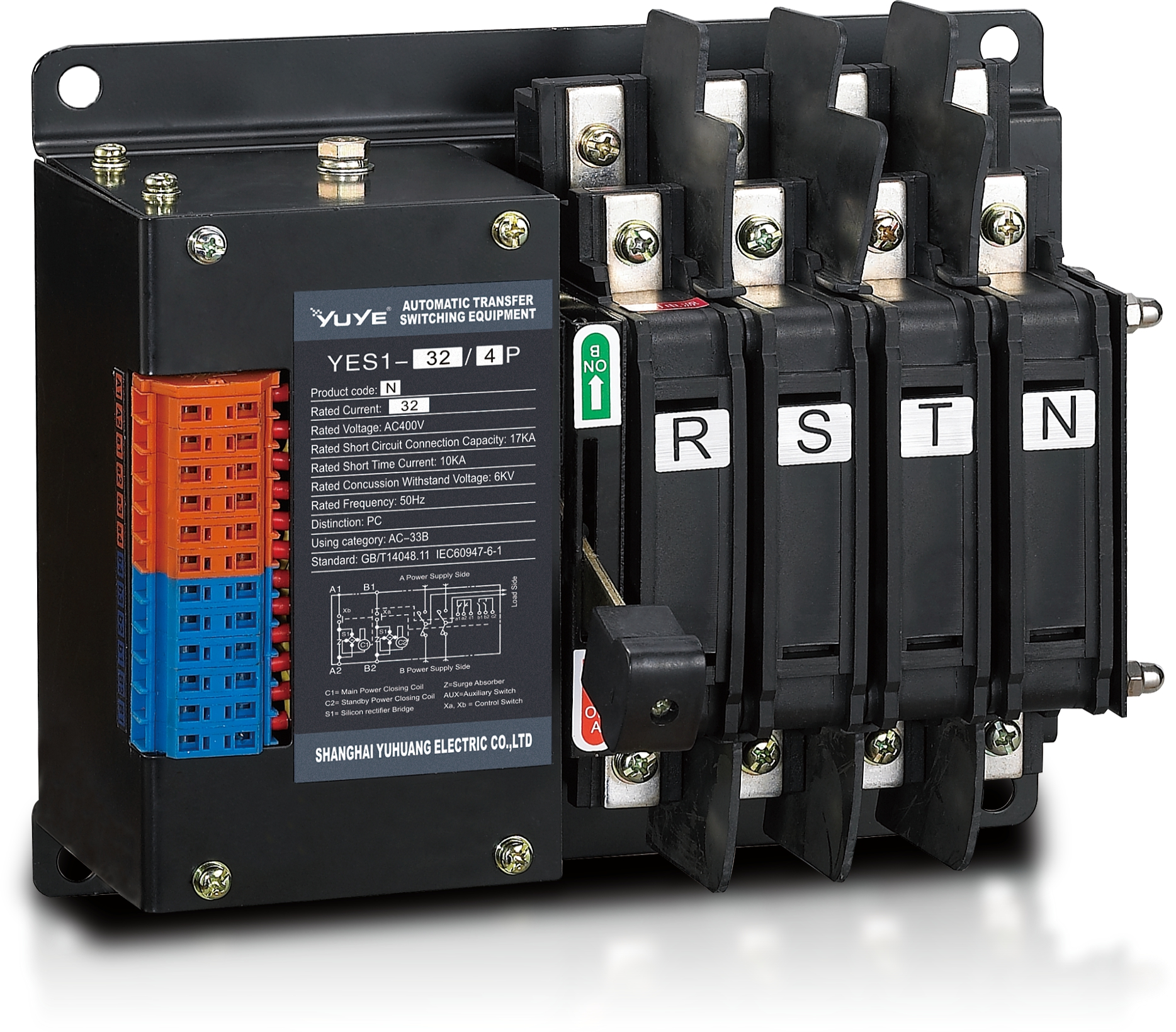 Solenoid-type ATS YES1-32~125N
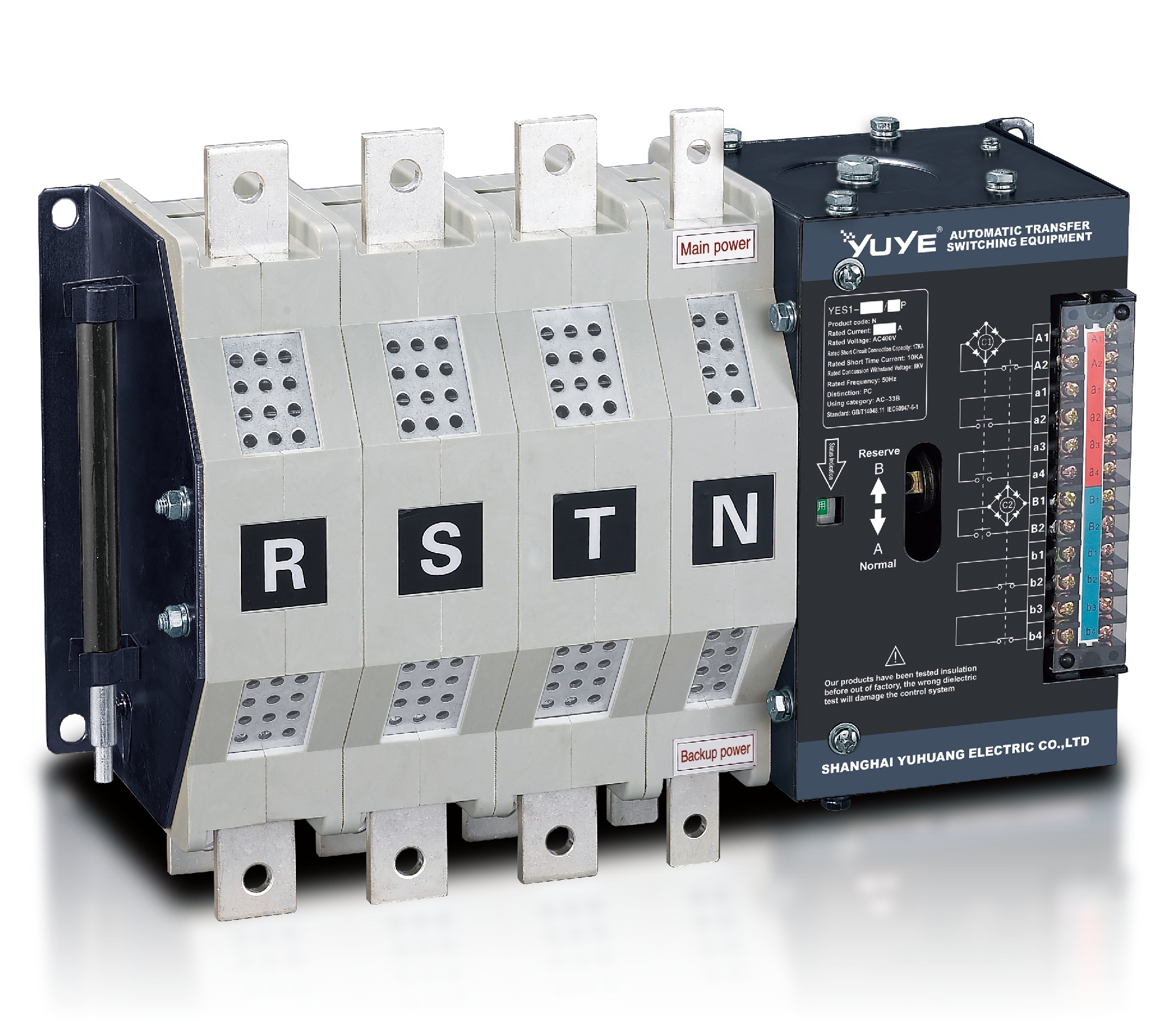 Solenoid-type ATS YES1-250~630N/NT
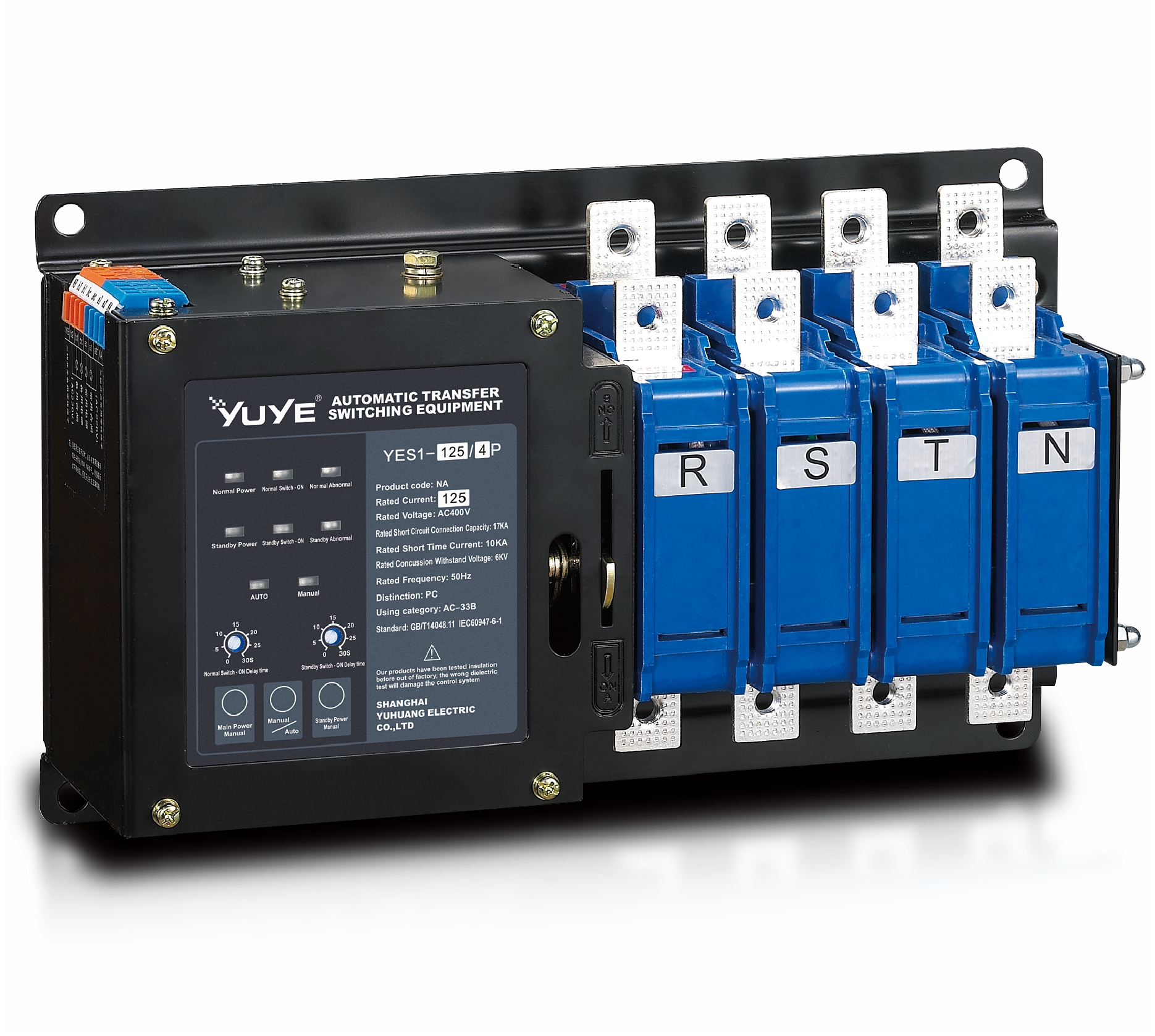 Solenoid-type ATS YES1-32~125NA
 Solenoid-type ATS YES1-63~630SN
 Solenoid-type ATS YES1-1250~4000SN
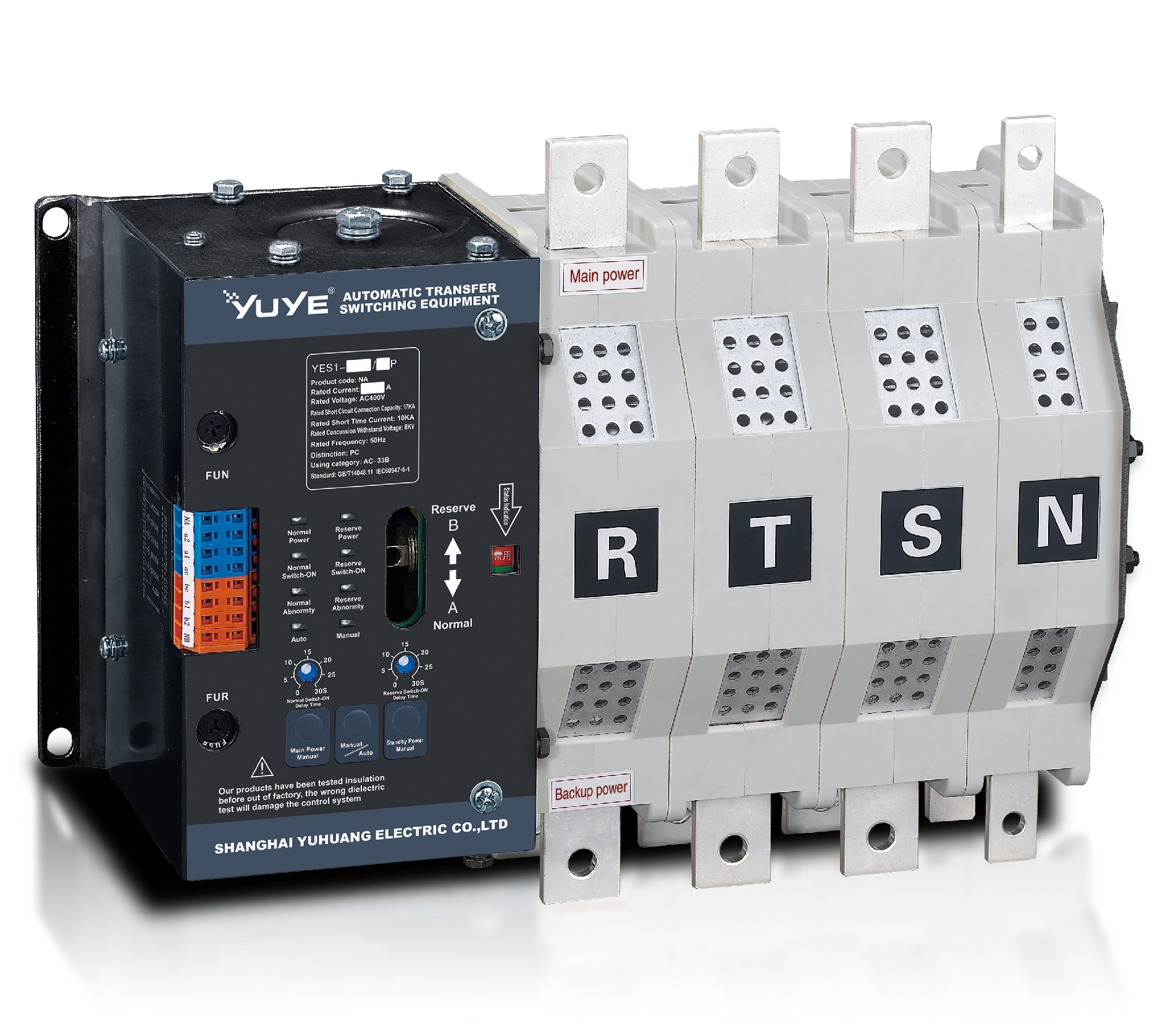 Solenoid-type ATS YES1-250~630NA/NAT
 Solenoid-type ATS YES1-63NJT
 PC ATS YES1-100~1600GN1/GN/GNF
 PC ATS YES1-2000~3200GN/GNF
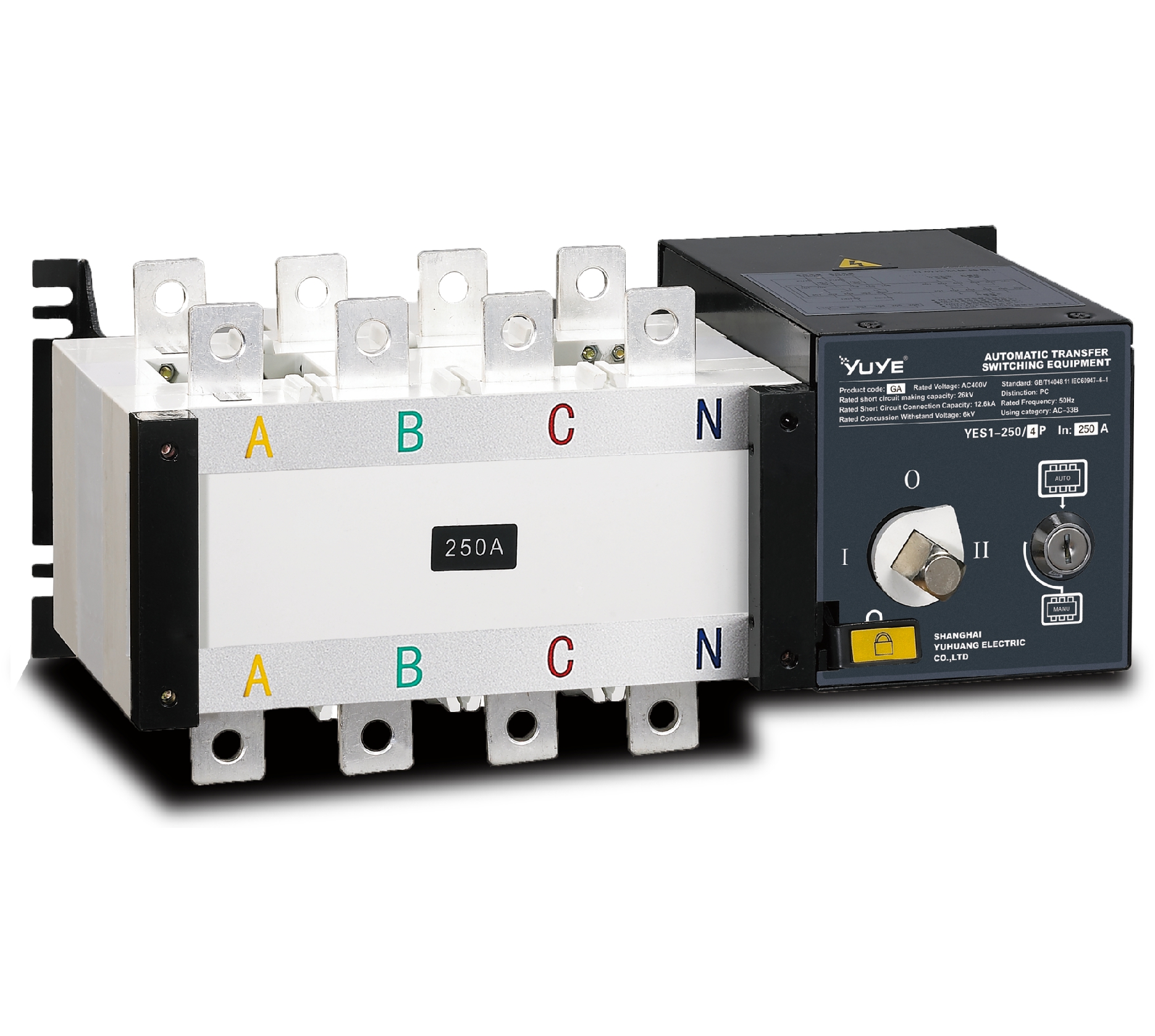 PC ATS YES1-100~3200GA1/GA
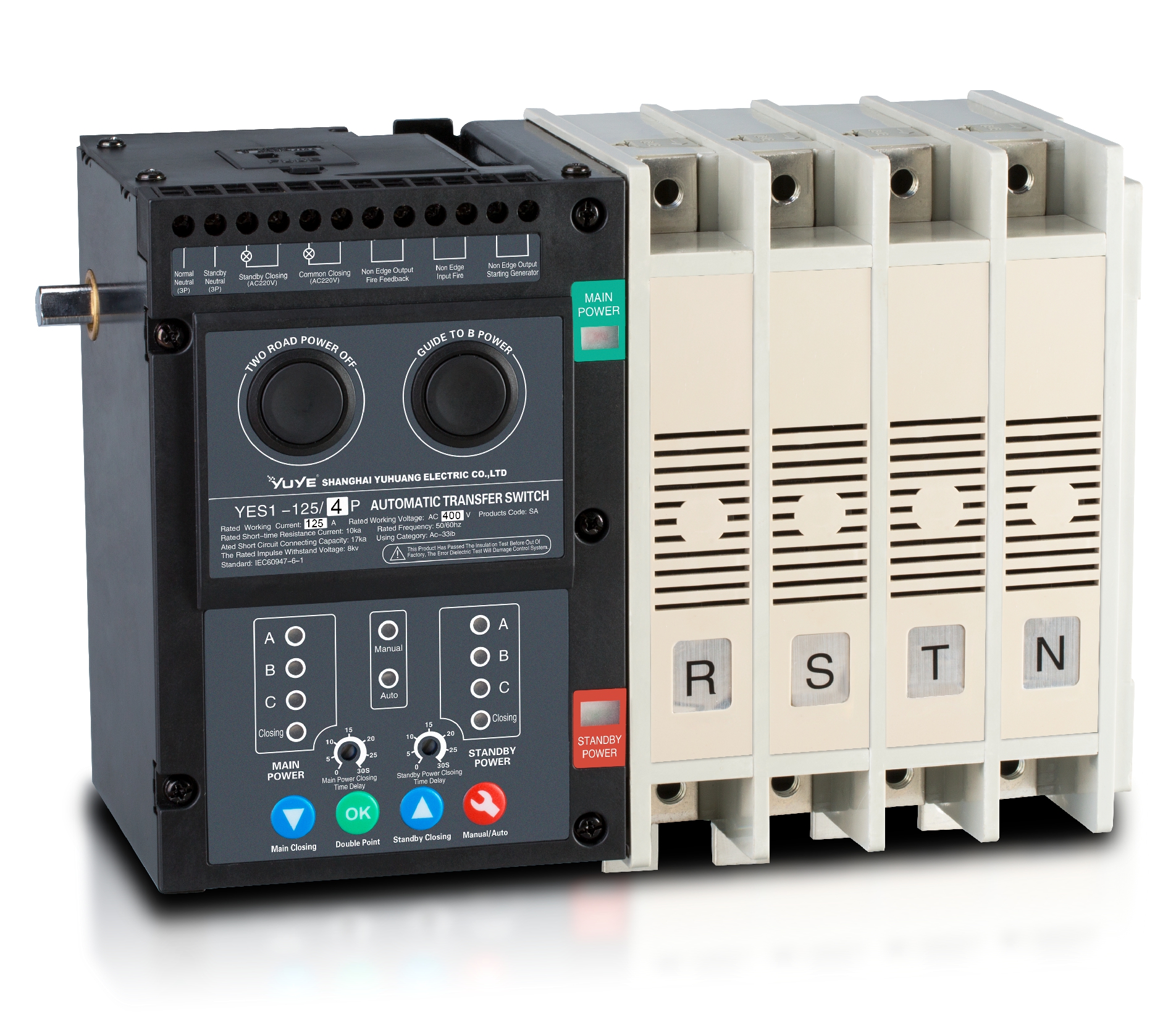 Solenoid-type ATS YES1-63~630SA
 Solenoid-type ATS YES1-63~630L/LA
 Solenoid-type ATS YES1-63~630LA3
 Solenoid-type ATS YES1-63MA
 PC ATS YES1-630~1600M
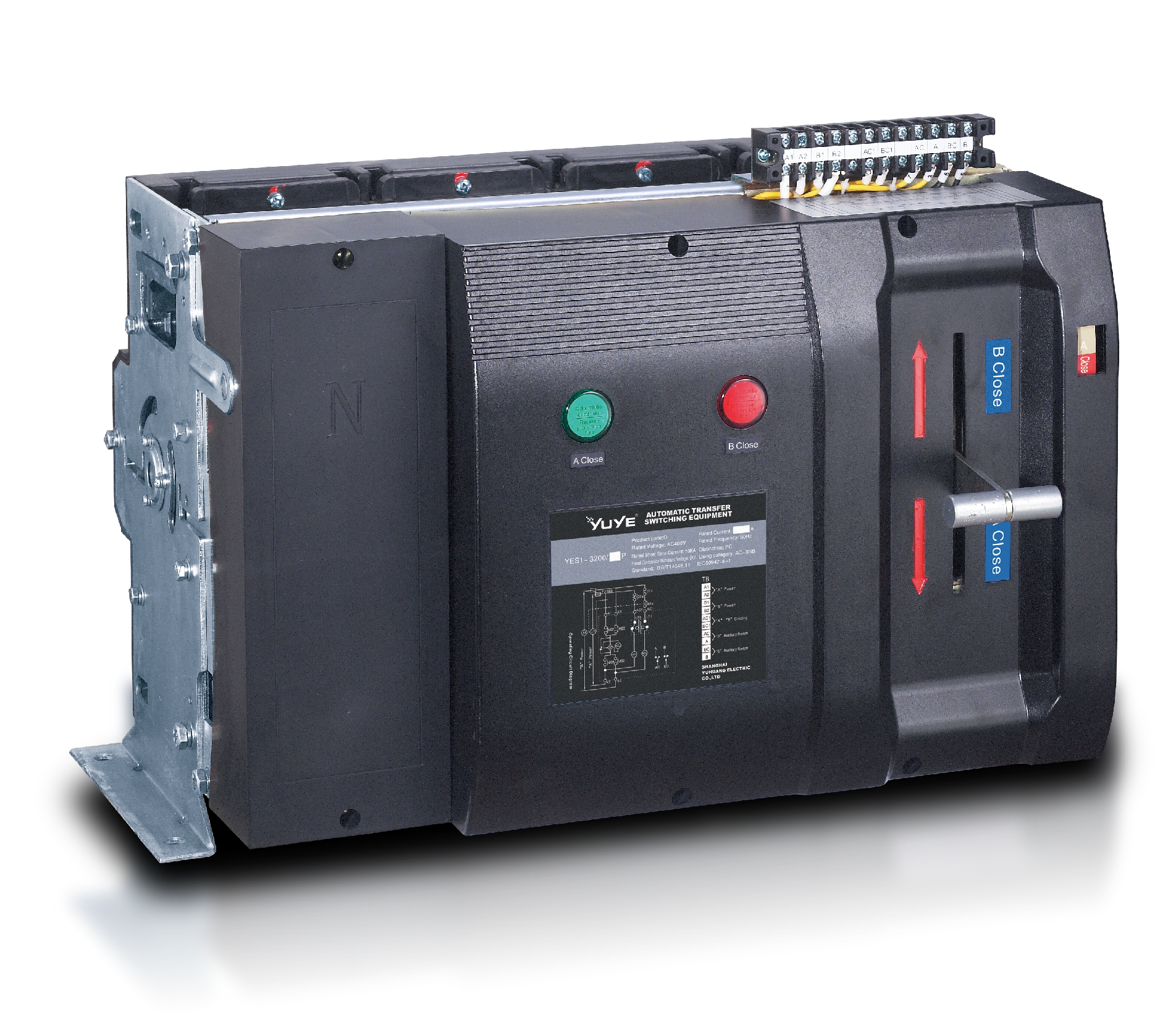 PC ATS YES1-3200Q
 Solenoid-type ATS YES1-4000~6300Q
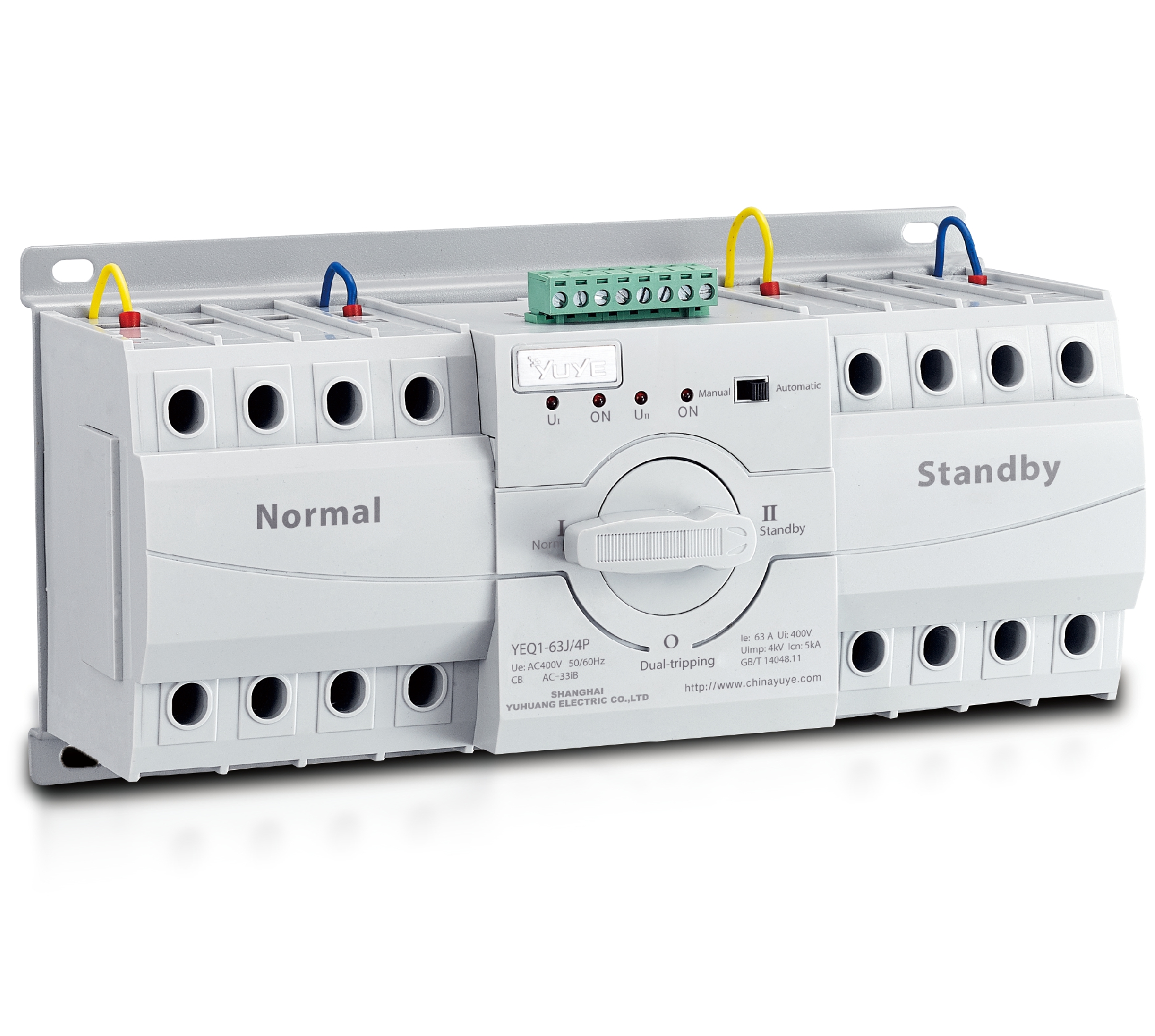 CB ATS YEQ1-63J
 CB ATS YEQ2Y-63
 CB ATS YEQ3-63W1
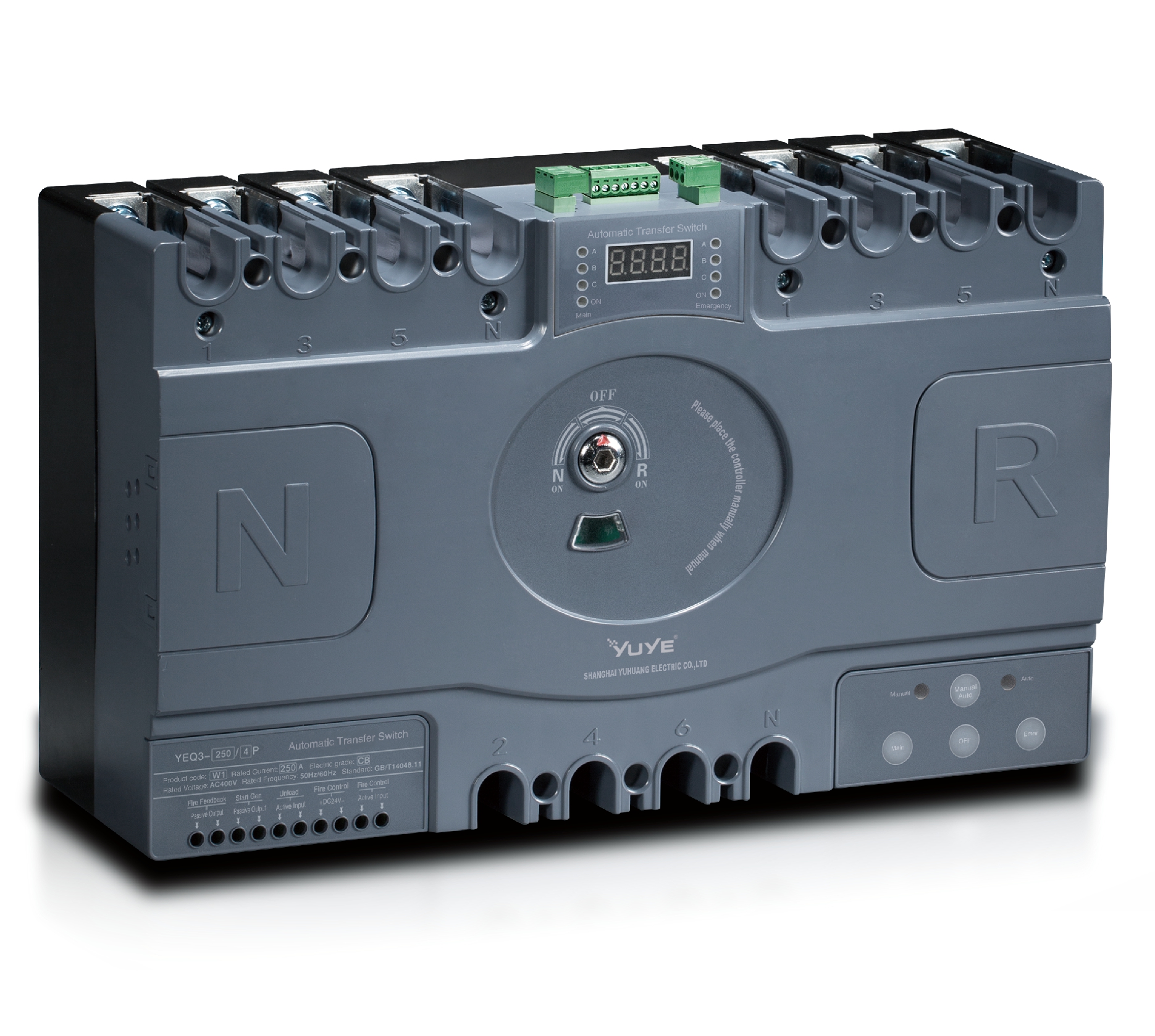 CB ATS YEQ3-125~630W1
 ATS controller Y-700
 ATS Controller Y-700N
 ATS Controller Y-701B
 ATS Controller Y-703N
 ATS Controller Y-800
 ATS Controller W2/W3 Series
 ATS switch Cabinet floor-to-ceiling
 ATS switch cabinet
 JXF-225A power Cbinet
 JXF-800A power Cbinet
 YEM3-125~800 Plastic Shell Type MCCB
 YEM3L-125~630 Leakage Type MCCB
 YEM3Z-125~800 Adjustable Type MCCB
 YEM1-63~1250 Plastic Shell Type MCCB
 YEM1E-100~800 Electronic Type MCCB
 YEM1L-100~630 Leakage Type MCCB
 Miniature circuit breaker YEMA2-6~100
 Miniature circuit breaker YEB1-3~63
 Miniature circuit breaker YEB1LE-3~63
 Miniature circuit breaker YEPN-3~32
 Miniature circuit breaker YEPNLE-3~32
 Miniature circuit breaker YENC-63~125
 Air Circuit Breaker YEW1-2000~6300
 Air Circuit Breaker YEW3-1600
 Load isolation switch YGL-63~3150
 Load Isolation Switch YGL2-63~3150
 Manual Changeover Switch YGL-100~630Z1A
 Manual Changeover Switch YGLZ1-100~3150
 YECPS2-45~125 LCD
 YECPS-45~125 Digital
 CNC Milling/Turning-OEM
 DC relay MDC-300M
 DC Isolation Switch YEGL3D-630


