0%

You know, in today’s constantly changing energy scene, there’s actually a growing need for reliable power solutions. Things like Automatic Transfer Switch (ATS) 220V systems are pretty much essential for making sure critical loads stay powered without a hitch — especially in industries where even a little downtime can hit the wallet hard. I read a report from the U.S. Energy Information Administration recently, and it says that while the overall reliability of our electricity has gotten better, the rising dependence on digital stuff makes having solid backup options more important than ever. One Two Three Electric Co., Ltd., which is really focused on top-notch Moulded Case Circuit Breakers and Air Circuit Breakers, totally gets these challenges. That’s why they’re offering some pretty innovative solutions that boost system resilience and keep things running smoothly. By using Automatic Transfer Switch ATS 220V systems, companies can really protect themselves from unexpected power outages, leading to a more stable and efficient electrical setup overall.

Understanding the Benefits of 220V Automatic Transfer Switches (ATS) for Reliable Power Solutions

The Basics of 220V Automatic Transfer Switches: An Overview

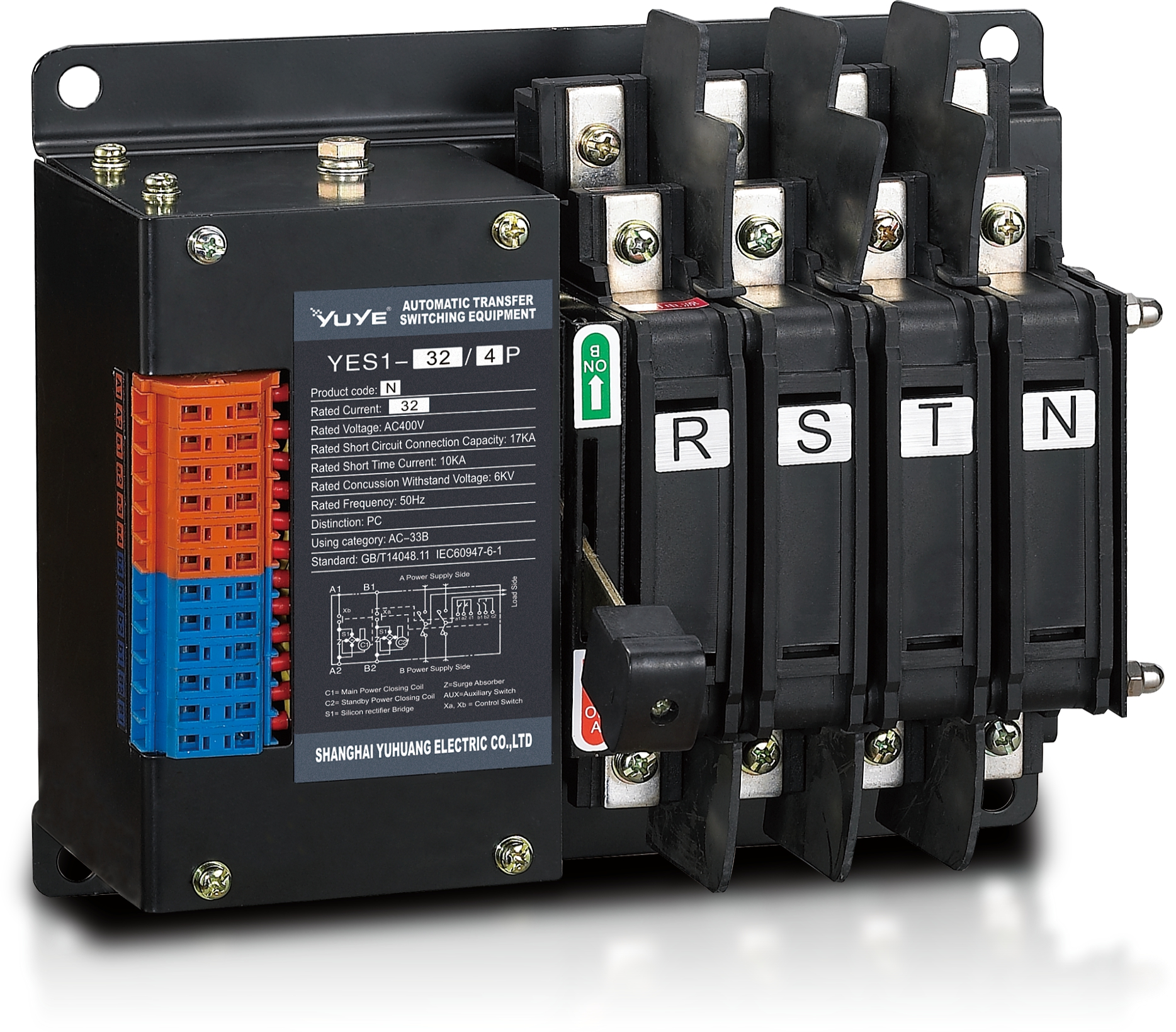
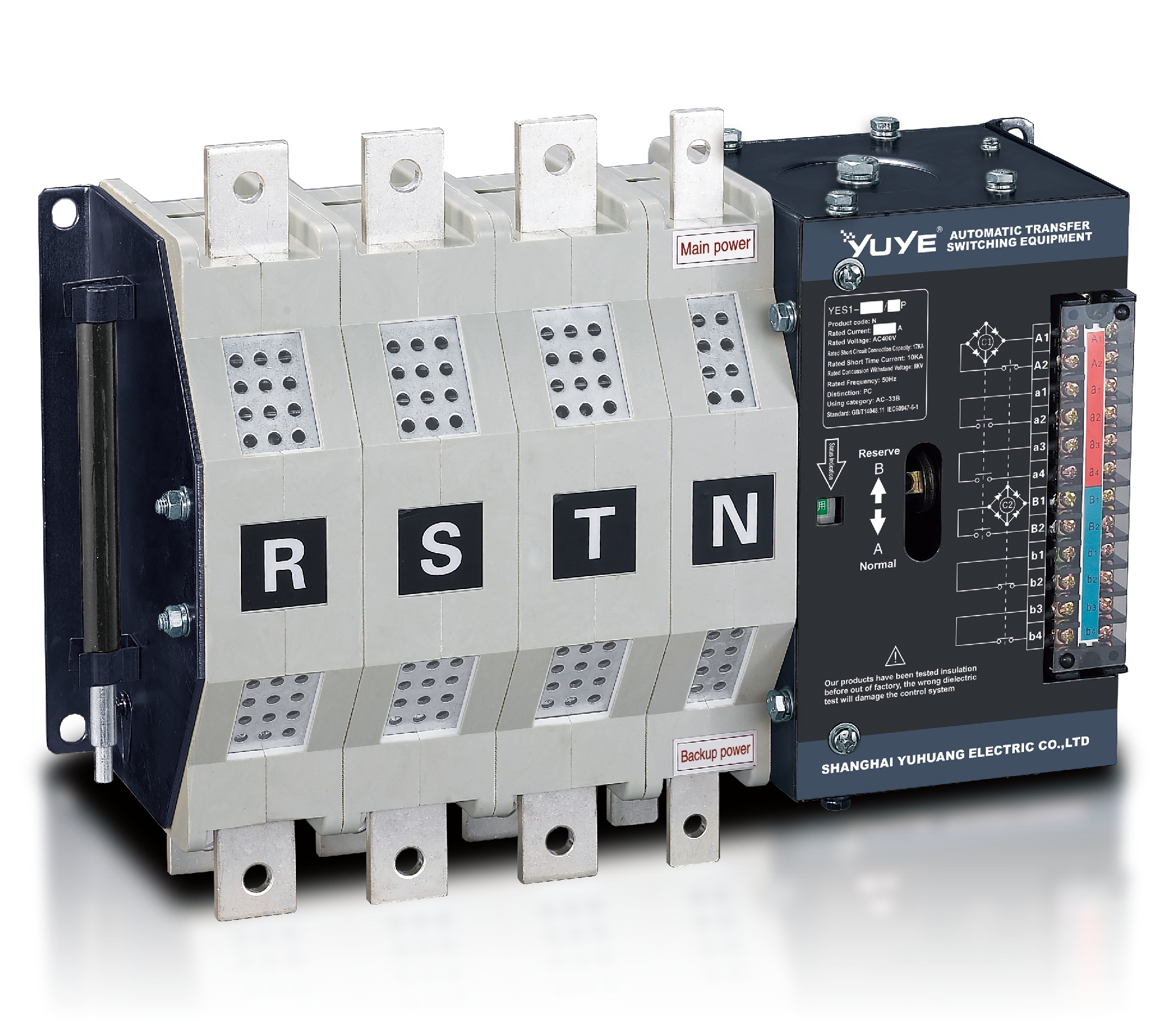
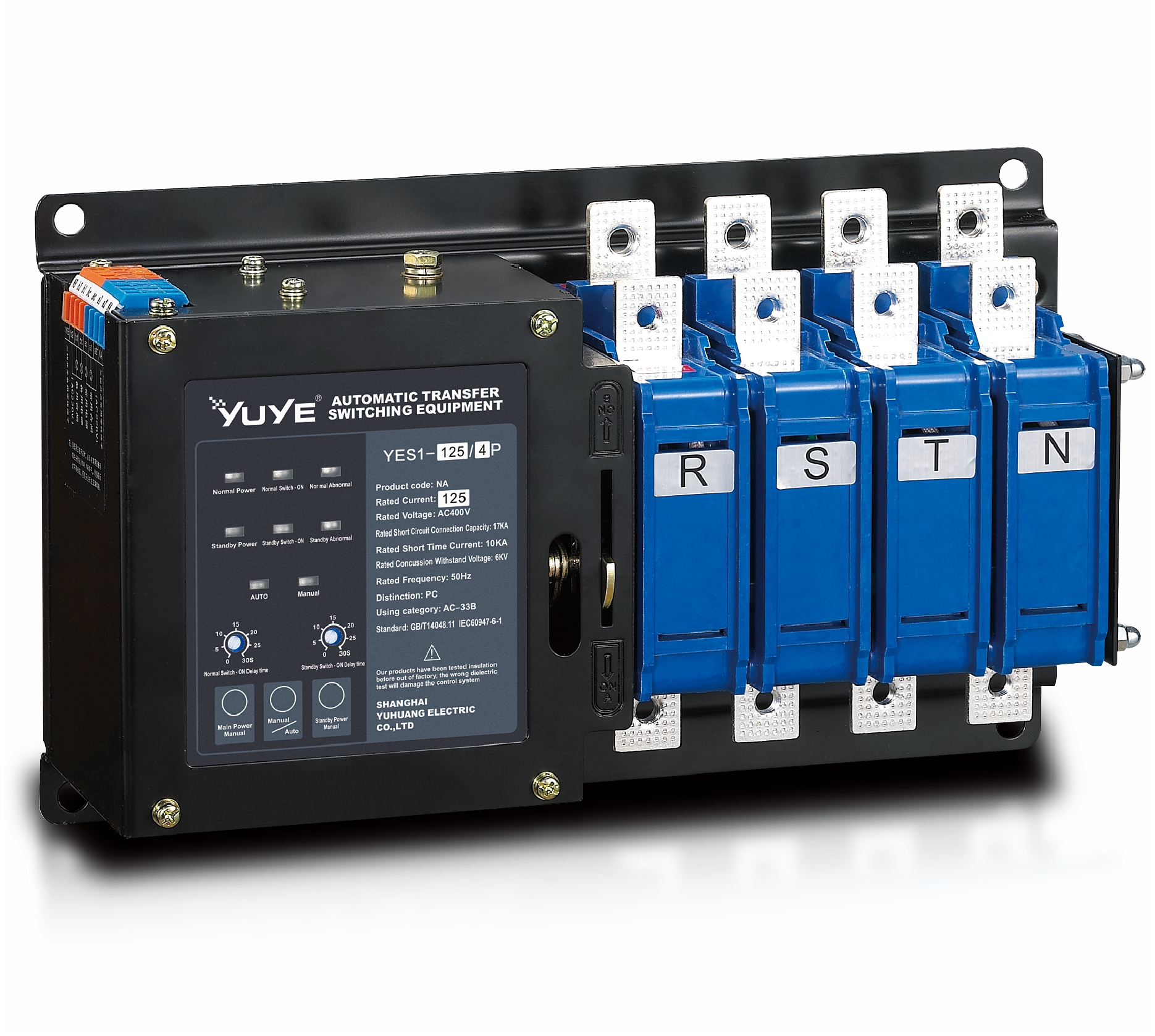
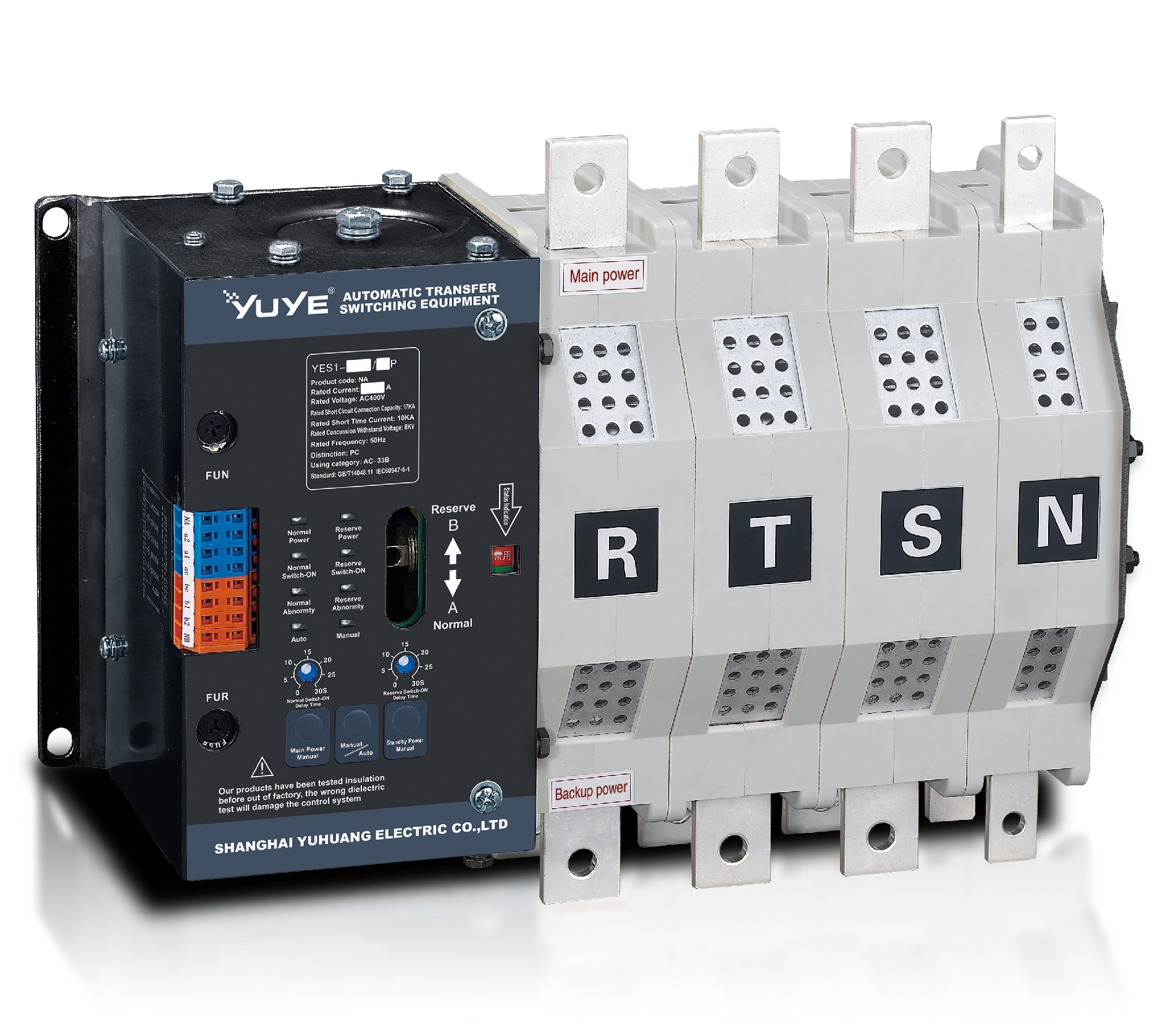
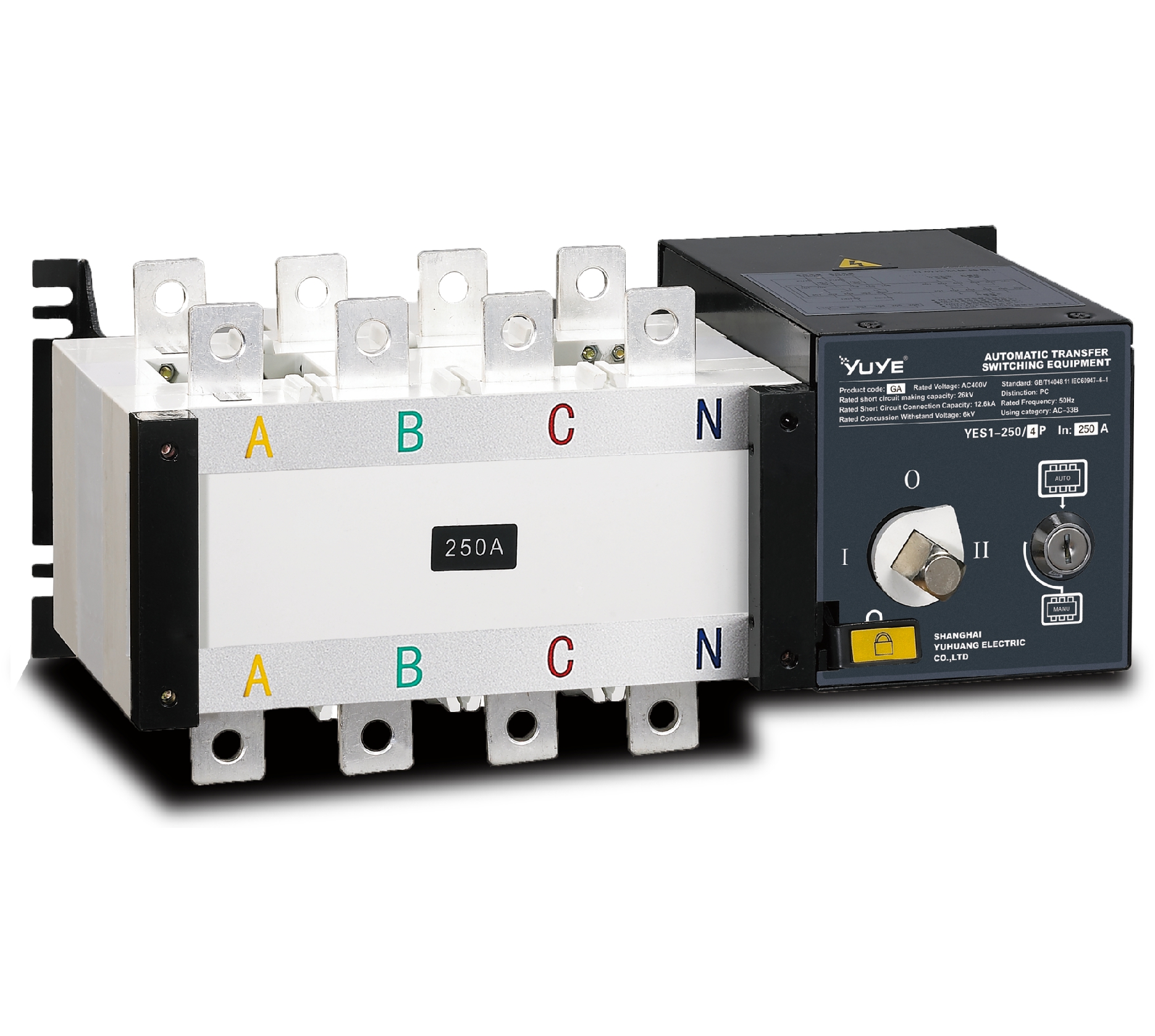
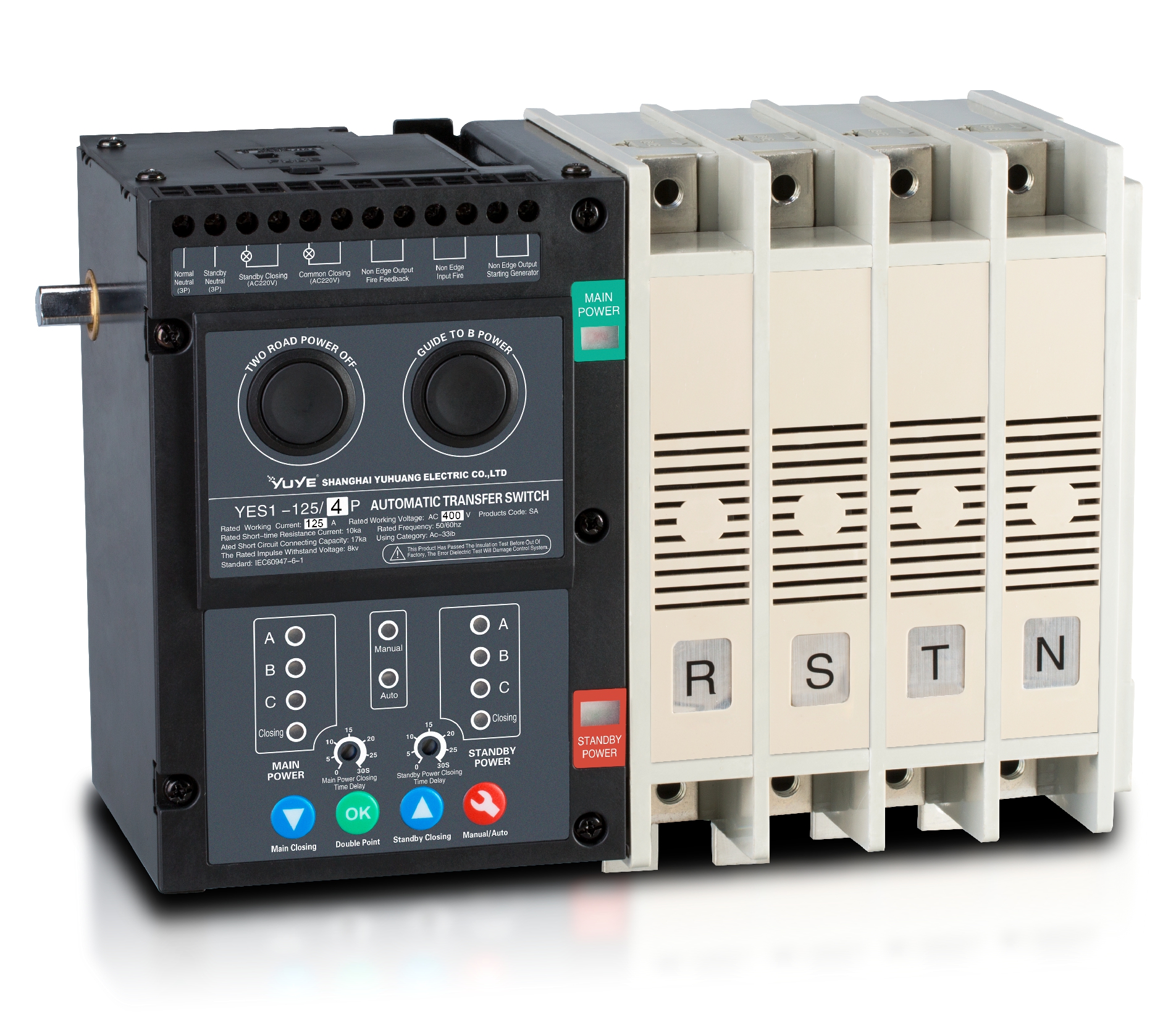
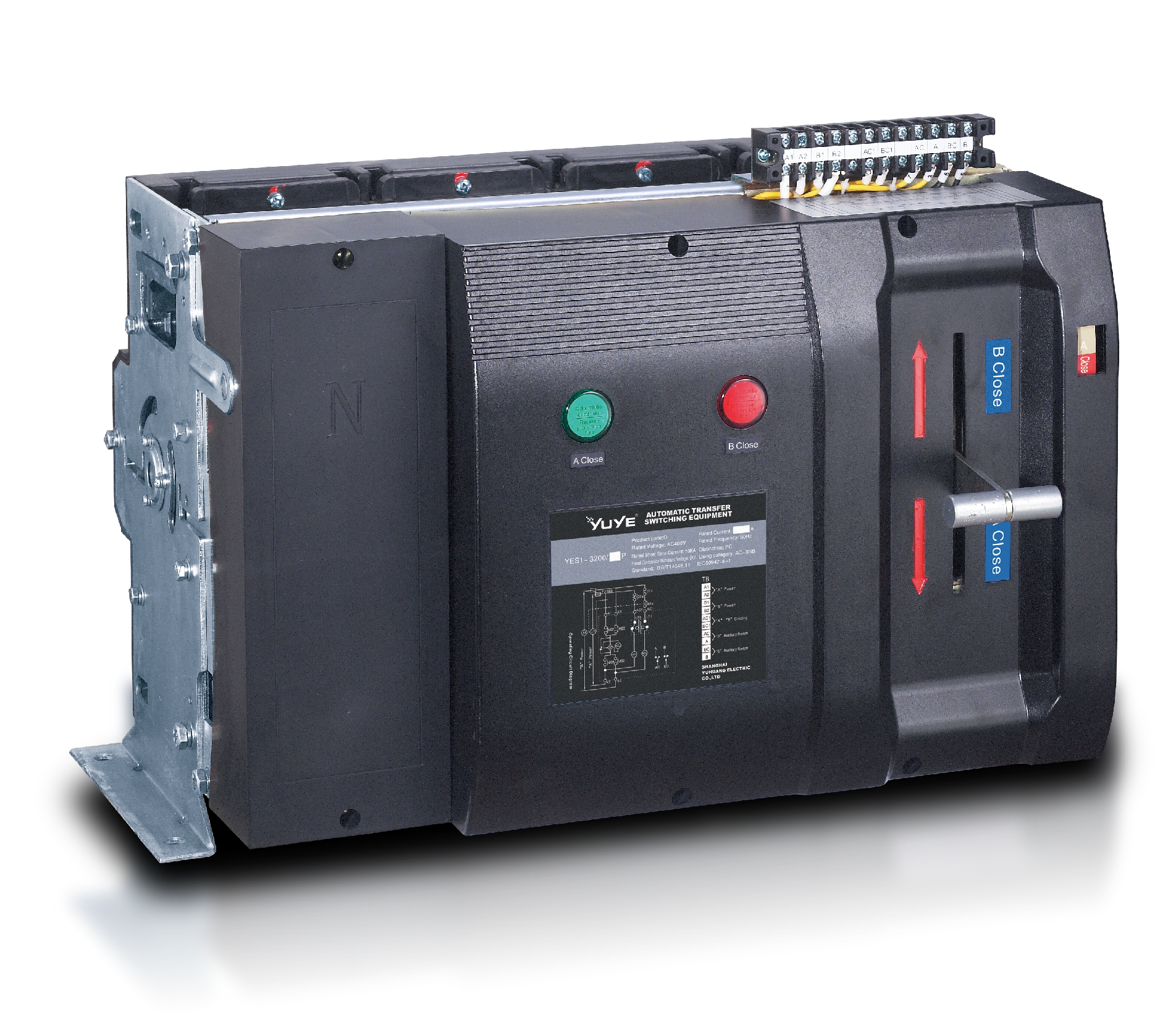
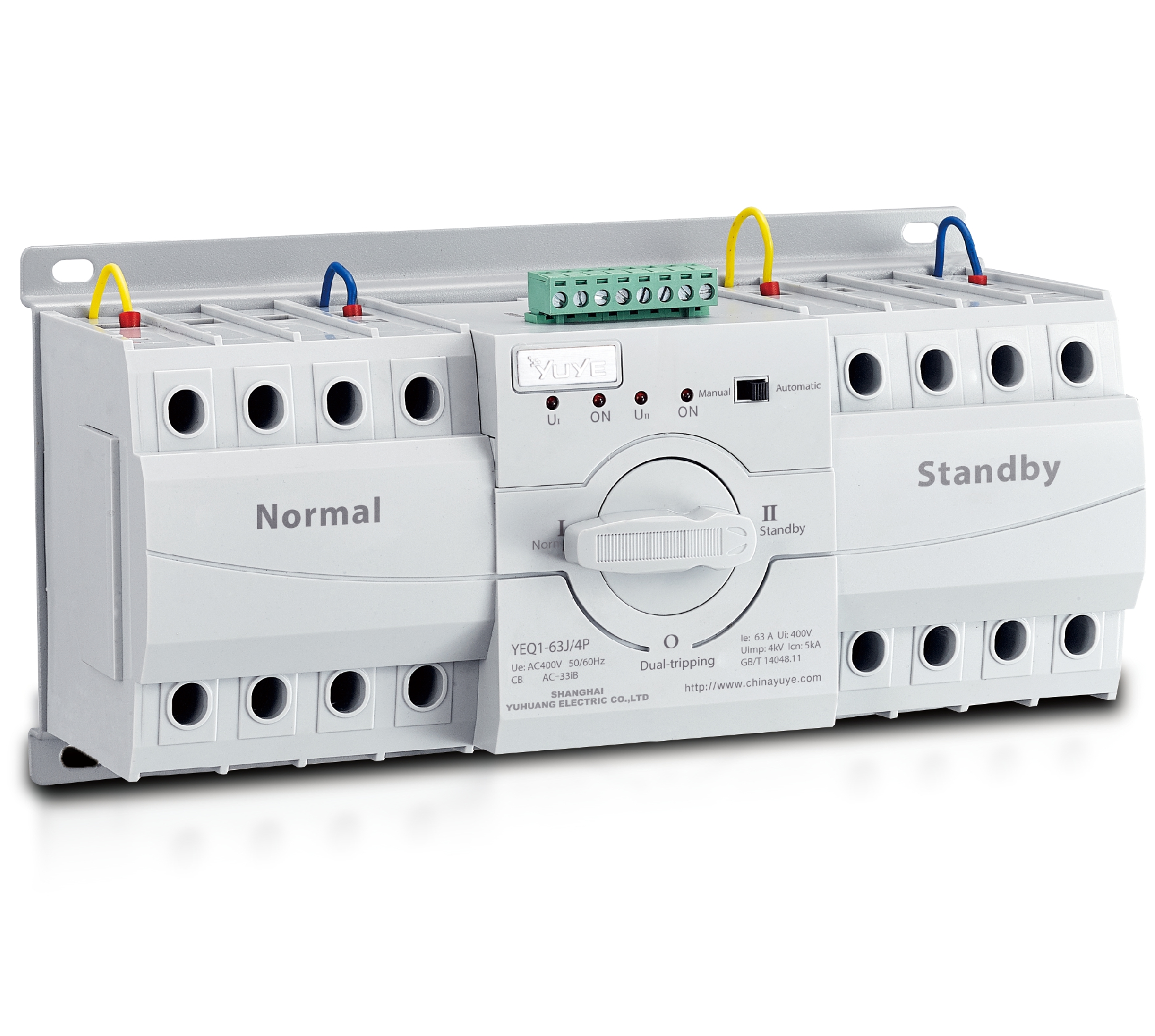
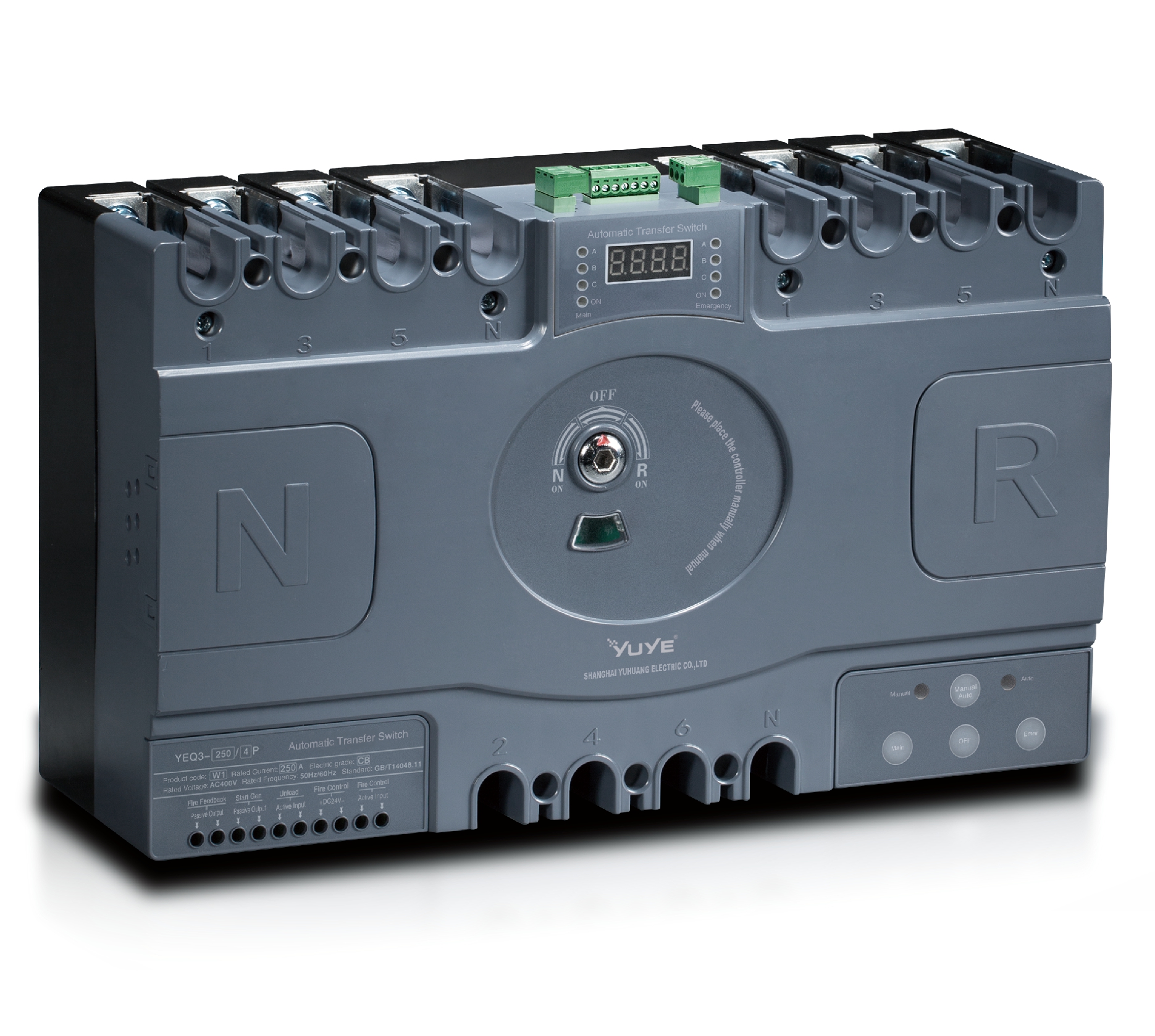
Automatic Transfer Switches, or ATS for short, are pretty essential gadgets when it comes to keeping the lights on. Basically, they automatically switch your power from the main source to a backup whenever there's an outage. Operating around 220V, these switches are super important whether it’s your home or a busy business, because let’s face it—reliable power is a must. They’ve got this neat trick of detecting power cuts instantly and switching over quickly, so your stuff keeps running smoothly without any annoying hiccups. This kind of seamless switch really matters a lot in places like hospitals, data centers, or factories, where even a tiny stoppage can cause big problems.

Lately, the market for Static Transfer Switches, or STS, has been booming. Experts are saying it’ll grow from about $688 million in 2024 to over $1.29 billion by 2033—that’s a Compound Annual Growth Rate of around 7.3%. Quite impressive, right? It just shows how much more folks are looking for dependable power solutions as we rely more and more on energy each day.

If you’re thinking about choosing an ATS, here are a couple of tips: Make sure it can handle the specific power needs of your equipment and your space. Don’t forget, regular maintenance is key to keep everything running like clockwork and avoid any surprises when you need it most. Also, it’s worth investing in models with extra features like remote monitoring or diagnostic tools—these can give you peace of mind knowing you’re always on top of how your system’s doing.

Understanding the Benefits of 220V Automatic Transfer Switches (ATS) for Reliable Power Solutions

Key Benefits of Using Automatic Transfer Switches for Reliable Power Supply

Automatic Transfer Switches (ATS) are pretty essential when it comes to keeping the power flowing smoothly, especially in places where any downtime is just not an option. One of the biggest perks of having an ATS is that it ensures there's no hiccup in power supply. If the power suddenly goes out, the ATS kicks in automatically — switching over to a standby generator without any delay. That means no need to scramble manually or worry about interruptions; it just does its thing, helping keep critical operations up and running. What’s really cool is that this automatic switch minimizes errors during stressful situations, making everything run more efficiently.

Plus, ATS units are a win for safety, too. They keep an eye on the power supply, and if something looks off — like a glitch or sudden fluctuation — they can disconnect the load from the utility. This helps protect sensitive equipment from damage that might happen because of weird power surges, and it also adds an extra layer of safety for everyone around — preventing electric shocks or fires. All in all, adding an ATS to your power setup is a smart move. It makes your system more reliable and safe, which is especially critical for businesses or facilities where even a tiny interruption can cause big problems.

How 220V ATS Enhances Operational Efficiency and Reduces Downtime

The 220V Automatic Transfer Switch (ATS) is pretty essential when it comes to keeping things running smoothly and avoiding unnecessary downtime in a bunch of different industries. Basically, it kicks in automatically to switch to a backup power source if the main one goes out. That way, critical systems keep ticking without a hitch. This is especially important in sectors like healthcare and manufacturing, where even a quick power outage can cause big headaches or setbacks.

On top of that, having a 220V ATS integrated into your power setup means less manual fuss when the power blips out. It makes things run more smoothly because you don't need someone running around flipping switches or fixing things on the spot. The automated features not only save time but also let your team focus on what really matters — their core work — rather than worrying about power interruptions. As industries are getting more tech-dependent, reliable power solutions like the 220V ATS are more critical than ever to keep everything up and running without a hitch. Basically, it’s all about making sure the operation keeps going, no matter what.

Understanding the Benefits of 220V Automatic Transfer Switches (ATS)

This chart illustrates the key benefits of 220V Automatic Transfer Switches (ATS), showcasing how they enhance operational efficiency, reduce downtime, provide cost savings, and simplify maintenance processes. Each category is represented by a percentage, indicating the degree of impact these switches have on overall power reliability.

Safety Features of Automatic Transfer Switches in Power Management

Automatic Transfer Switches, or ATS for short, are actually pretty essential when it comes to managing power — especially in places where you'd really hate to lose your electricity unexpectedly. One of the coolest things about them is their safety features. They’re built to help prevent accidents caused by sudden power fluctuations or failures. For example, according to the International Electrotechnical Commission (IEC), nearly 30% of electrical fires happen because of power outages or glitches. An ATS helps cut that risk by switching over to a backup power source automatically during an outage, so there’s no awkward delay, and it also stops circuits from getting overloaded.

Plus, modern ATS units usually come with some pretty impressive monitoring and diagnostic tools. The National Fire Protection Association (NFPA) points out that newer power management systems with up-to-date ATS tech have about half the risk of malfunction compared to older setups. Features like surge protection and overload detection mean not only does the power come back quickly, but any emerging issues are caught early — often before they cause serious trouble. So, if your business or facility uses a 220V ATS system, you're actually boosting your safety game quite a bit. It really helps cut down on system failures and prevents damage to vital equipment.

Understanding the Benefits of 220V Automatic Transfer Switches (ATS) for Reliable Power Solutions

Comparing Manual vs. Automatic Transfer Switches: Why ATS is Superior

Automatic transfer switches, or ATS for short, are pretty much essential nowadays when it comes to making sure power keeps flowing smoothly. Unlike manual switches where someone has to flip a switch during an outage, ATS does all the work automatically. It detects a power cut almost instantly and switches over seamlessly to backup power — no lag, no fuss. That kind of quick response really boosts reliability, especially for critical places like data centers, hospitals, or industrial sites where losing power isn’t an option.

Plus, since it all happens automatically, it reduces the chance for human mistakes, which can be a real risk in emergency situations. As technology keeps evolving, modern ATS units now come with smart features like remote monitoring and diagnostics. This means you can keep an eye on things from afar and do proactive maintenance, making everything run a lot more smoothly. All in all, it’s easy to see why more and more businesses are opting for ATS over manual switches — they just keep the lights on when it counts the most, even during power hiccups.

Understanding the Benefits of 220V Automatic Transfer Switches (ATS) for Reliable Power Solutions

Feature Automatic Transfer Switch (ATS) Manual Transfer Switch
Ease of Use Automatic operation; no user intervention required Requires manual intervention to switch power sources
Speed of Switching Typically switches in less than a minute May take several minutes depending on user action
Reliability High reliability; designed for constant monitoring Depends on the user's awareness and action
Maintenance Requires regular testing but less frequent repairs May need frequent monitoring and potential repairs
Cost Higher initial investment Lower initial cost but may incur higher long-term expenses
User Skill Requirement No special skills needed Requires knowledge of electrical systems

Installation and Maintenance Tips for Long-Lasting ATS Performance

When it comes to making sure power systems are reliable—especially in places where it really matters—installing and maintaining 220V Automatic Transfer Switches (or ATS for short) is super important. Getting these right the first time is key, so proper installation isn’t something to overlook. According to a report from the IEC, if ATS units aren’t installed properly, the chances of failures can go up by as much as 30%. That’s why it’s so critical to follow the manufacturer's instructions and bring in qualified electricians who really know their stuff about electrical systems. They can make sure everything’s set up correctly and securely.

And don’t forget about maintenance—keeping your ATS in tip-top shape is just as vital. The 2022 IEEE Power Systems Conference pointed out that doing regular inspections and upkeep can actually extend the lifespan of these units by anywhere from 20% to 40%. Things like checking for wear and tear, testing the switches, and making sure your backup power sources are working properly should become routine. Setting up a preventive maintenance plan not only helps avoid unexpected power outages but also boosts overall system reliability. That’s especially crucial in sectors like healthcare, data centers, and manufacturing, where downtime can be super costly and disruptive.

FAQS

: What is an

utomatic Transfer Switch (ATS)?

How does an ATS improve operational efficiency?

ATS enhances operational efficiency by eliminating the need for manual intervention during power outages, thereby reducing the risk of human error and ensuring essential operations remain functional.

What safety features do ATS provide?

ATS units offer advanced safety features such as automatic disconnection from the utility source during power abnormalities, surge protection, and overload detection to mitigate hazards associated with power fluctuations.

Why is ATS important for critical applications?

ATS is crucial for critical applications as it maintains uninterrupted power supply, which is essential for operations that cannot afford any downtime or disruptions.

How does an ATS protect sensitive equipment?

The ATS monitors the power supply and disconnects the load from the utility source when abnormalities are detected, safeguarding sensitive equipment from potential damage due to power fluctuations.

What is the risk of electrical fires related to power interruptions?

Nearly 30% of electrical fires are caused by power interruptions or failures; ATS mitigates this risk by providing a backup power source and preventing circuit overload.

How do modern ATS systems compare to older systems in terms of reliability?

Modern ATS technology has a 50% lower risk of malfunction compared to older systems, thanks to advanced monitoring and diagnostic capabilities.

What role does ATS play in safety protocols for businesses?

By incorporating ATS into their power management strategies, businesses can enhance their safety protocols, significantly reducing the likelihood of system failures and damage to critical equipment.

Can ATS solutions be implemented for different voltage levels?

Yes, ATS solutions such as 220V ATS can be implemented to enhance the safety and reliability of power supply in various business and facility settings.

How does an ATS contribute to emergency situations?

In emergency situations, an ATS ensures a fast and automatic transition to backup power, which helps maintain essential operations without manual intervention, thus reducing downtime.

Conclusion

So, I recently read this article called "Understanding the Benefits of 220V Automatic Transfer Switches (ATS) for Reliable Power Solutions," and honestly, it does a pretty good job explaining why these automatic transfer switches are such a game-changer when it comes to keeping power steady. It kicks things off by giving a simple rundown of how ATS technology works, then digs into why they're so beneficial—like how they boost efficiency and help cut down on downtime. The author also highlights some cool safety features built into these switches, which just shows they’re super important for good power management.

What I found especially helpful was the comparison between manual and automatic transfer switches. It’s pretty clear why most folks prefer the ATS—it just makes switching around power sources so much smoother, without that awkward interruption. There are even some practical tips on how to install and take care of these switches, so you get the most mileage out of your system. Overall, the article really emphasizes how crucial ATS is in today’s electrical setups, especially for industries that just can't afford to lose power. It’s a solid read if you wanna get a better handle on these systems and why they matter.

Noah

Noah

Noah is a dedicated marketing professional at One Two Three Electric Co., Ltd., a distinguished manufacturer renowned for its high standards in the development and production of molded case circuit breakers and air circuit breakers. With a profound expertise in electrical solutions, Noah......
Previous Exploring Innovative Alternatives to Automatic Transfer Switch Ats in Modern Power Solutions