Nowadays, with our world so dependent on electricity, having reliable power management solutions is more important than ever.
The Automatic Transfer Switch 220v is actually a pretty key component—especially for businesses and factories—to keep the power running smoothly without any hiccups.
 I came across a report from Research and Markets that says this market for automatic transfer switches is expected to grow a lot soon. That’s mainly because people are looking for smarter ways to save energy and are adding renewable sources of power.
One Two Three Electric Co., Ltd., a company known for making high-quality circuit breakers and air circuit breakers, is really leading the charge here.
By using the Automatic Transfer Switch 220v, companies can improve how they manage their electricity—they’ll experience fewer outages, keep things running without interruption, and boost overall efficiency.
In the end, it just helps businesses stay reliable and operational, you know?
I came across a report from Research and Markets that says this market for automatic transfer switches is expected to grow a lot soon. That’s mainly because people are looking for smarter ways to save energy and are adding renewable sources of power.
One Two Three Electric Co., Ltd., a company known for making high-quality circuit breakers and air circuit breakers, is really leading the charge here.
By using the Automatic Transfer Switch 220v, companies can improve how they manage their electricity—they’ll experience fewer outages, keep things running without interruption, and boost overall efficiency.
In the end, it just helps businesses stay reliable and operational, you know?
Understanding Automatic Transfer Switch 220v: Key Features and Functions
Automatic Transfer Switches, or ATS for short, are pretty much essential when it comes to managing power systems—think of them as your power's safety net, making sure everything keeps running smoothly without a hitch. The 220V version just takes this a step further, helping your setup switch effortlessly between main power and backup sources. One of the coolest things about an ATS is how it keeps an eye on the power supply all the time. When it notices there's an outage or glitch, it kicks into gear and switches everything over to the backup power almost instantly. That way, your stuff keeps working, and nobody has to worry about sudden interruptions.

Plus, modern ATS units come packed with extra features like load monitoring and customizable settings, so you can really tailor things to fit your particular needs—whether you're at home or running a business. Some even let you check the system remotely or run automatic tests, which is pretty handy because it means you can be confident your backup power is ready when you need it. As technology keeps evolving rapidly, integrating smart systems into power management is becoming more and more standard. It’s all about making our systems smarter, more reliable, and easier to manage — and honestly, it feels like the way things are headed for good reason.
The Importance of Reliable Power Management Solutions in Everyday Life
Reliable power management has become more important than ever — I mean, it touches everything in our daily lives, from keeping our homes safe to making sure businesses keep running smoothly. And with power outages happening more often these days — estimates say around 250,000 outages happen each year just in the US — it’s really smart to look into better power solutions. Things like Automatic Transfer Switches (ATS) for 220V systems are such a game-changer because they switch power sources automatically, making sure you stay connected no matter what. Industry experts say that managing power effectively can cut energy costs by up to 20%, so it’s definitely worth the investment, whether you're at home or running a business.

Here’s where companies like One Two Three Electric Co., Ltd. come in — they’re top-notch when it comes to making durable molded case circuit breakers and air circuit breakers that help keep your power systems solid. Combining these with reliable ATS units means your home or business can keep operating smoothly, even when something unexpected happens with the power. Plus, recent market studies predict the demand for automatic transfer switches is going to shoot up, mainly because folks are getting more aware of energy efficiency and the need for dependable power solutions in daily life. So if you’re serious about boosting your power backup and overall energy management, going with trusted brands like One Two Three Electric Co., Ltd. is definitely the way to go.
How Automatic Transfer Switches Enhance Home and Business Energy Security
Automatic transfer switches, or ATS for short, are pretty much essential when it comes to keeping homes and businesses running smoothly, especially during power outages. You know, the U.S. Department of Energy points out that American businesses lose about $150 billion every year just because of power failures. That’s a huge number, right? It really shows why having a reliable backup power system is such a smart move. What ATS does is pretty neat — it automatically switches from the main power source to a backup generator without any awkward gaps, so critical operations don’t skip a beat during emergencies.
On top of that, a report from MarketsandMarkets says the global market for these switches is expected to hit around USD 1.9 billion by 2026, growing at about 5.2% each year. And honestly, it makes sense — people are getting more conscious about energy management, and we’re seeing more folks adopting renewable energy sources. Using ATS not only helps save energy but also keeps things safer by preventing overloads and possible equipment damage when switching power sources. As energy security becomes more of a priority for everyone — whether it’s individuals or big organizations — we’ll probably see ATS technology playing an even bigger role, helping us better handle changing power demands and stay resilient during outages.
Understanding the Benefits of Automatic Transfer Switch 220v for Reliable Power Management
The chart above illustrates the benefits of utilizing a 220v Automatic Transfer Switch (ATS) for both residential and commercial energy management. It highlights key advantages such as Security, Efficiency, Cost Savings, Ease of Use, and Maintenance, showing their respective importance in effective power management systems.
Steps to Install and Configure Your 220v Automatic Transfer Switch Effectively
When it comes to making sure your power supply is reliable, setting up and configuring a 220V automatic transfer switch (ATS) is pretty much essential. First off, you gotta pick an ATS that fits your needs—that's the starting point. I read somewhere from the Electric Power Research Institute (EPRI) that if you match your ATS correctly, you could see a boost in power reliability of up to 30%. No joke. So, it’s really worth taking the time to figure out how much power you’re using and choosing a switch that can handle it all smoothly. And don’t forget to double-check the manufacturer’s specs to make sure it’s compatible with your backup power system—it’s better to be safe than sorry.
Once you've picked out the right switch, the fun part (well, the installation) begins. It’s super important to plan things out, especially the wiring and connections. Make sure you're following your local electrical codes—these rules are there for a reason. The NFPA (National Fire Protection Association) points out that about half of electrical failures come down to poor installation, so taking your time here really pays off. During the install, double-check all your connections and set up the ATS to automatically kick in and switch to backup power when the main source goes out. After everything’s wired up, do some quick tests—try it under different loads if you can—to make sure it all works like it should. Following these steps will seriously help you improve your power system’s reliability and keep things running smoothly.
Maintenance Tips for Longevity and Optimal Performance of Your Switch
When you're using your Automatic Transfer Switch (ATS) 220v, keeping up with regular maintenance is really key to making sure it works like it’s supposed to. A well-cared-for switch not only runs smoother but can also last a lot longer. I read somewhere—probably from ERCOT—that nearly 30% of power issues come down to equipment problems. That just goes to show how important it is to stay on top of things before problems happen. Simple monthly checks on the connections and making sure everything’s functioning properly can save you a lot of headaches down the line — it's all about catching little issues early before they become big ones.
Also, don’t forget to keep your switch clean and dry. Dust and moisture can speed up wear and tear, which nobody wants. NEMA recommends stuff like using protective covers, especially in bad weather, and having a pro give the whole system a good once-over at least twice a year. Doing these simple things can really help extend the life of your ATS, save you some cash on replacements, and keep your power running smoothly when you need it most. Trust me, a little bit of regular care goes a long way!
Understanding the Benefits of Automatic Transfer Switch 220v for Reliable Power Management - Maintenance Tips for Longevity and Optimal Performance of Your Switch
| Feature |
Description |
Benefits |
Maintenance Tips |
| Automatic Operation |
Automatically switches power sources during outages |
Increases reliability during power failures |
Regularly test the switch to ensure functionality |
| Load Management |
Balances power load for efficient distribution |
Reduces the risk of overload and electrical fires |
Inspect connections for wear or corrosion |
| Remote Monitoring |
Allows for monitoring power status from a distance |
Enhances convenience and responsiveness to outages |
Update software regularly to maintain monitoring capabilities |
| Safety Features |
Includes circuit breakers and alarms |
Protects equipment and ensures safe operation |
Check safety features annually for proper function |
| Durability |
Constructed with high-quality materials |
Long lifespan and reduced need for replacements |
Clean the switch enclosure to prevent dust buildup |
Comparative Analysis: Manual vs. Automatic Transfer Switches for Power Management
When you're thinking about managing power supply, choosing between
manual and automatic transfer switches
(or ATS for short) is pretty important if you want things to run smoothly.
Manual transfer switches need someone to step in and flip the switch when the power goes out, so they can feel a bit slow when you're in a rush.
On the flip side, automatic transfer switches are like having a smart system—they detect power outages all on their own and kick in within seconds, keeping everything running without you lifting a finger.
That means less downtime and safer equipment since there's no interruption to worry about.
If you're trying to pick the right type for your setup, a few things to keep in mind: look at how much power your place needs to handle—the size of the load is key.
Also, consider your budget, because automatic switches tend to cost a bit more upfront, but they can save you money in the long run by avoiding those pesky interruptions.
And don’t forget to make sure the ATS you choose plays nicely with your existing system so everything works together seamlessly.
If you’re serious about improving your power management, it’s worth doing a little homework on both options.
Manual switches might do the trick if you’re running a smaller operation or tight on cash, but
if uptime is a huge deal for you, automatic switches really shine.
Weighing out the pros and cons will help you make a smart choice that fits your needs and keeps things running smoothly.
Enhancing Power Management: Insights from Industry Reports on the PC Automatic Transfer Switch YES1-630G and Its Market Potential
The market for Automatic Transfer Switches (ATS) is evolving rapidly, particularly with the advent of advanced models like the YES1-630G. Industry reports indicate that the demand for reliable power management solutions is surging, driven by the increasing need for uninterrupted power supply across various sectors, including telecommunications, healthcare, and data centers. The YES1-630G, known for its robust performance and quick switchover capabilities, is positioned to capture a significant share of this growing market.
As the largest manufacturer of ATS in China, our company stands out by adhering to high quality standards and providing exceptional service. With a professional team dedicated to research and development, design, and production, we ensure that our products not only meet but exceed industry standards. Reports suggest that ATS installations are projected to grow at a compound annual growth rate (CAGR) of over 6% in the next five years, highlighting the increasing importance of power management solutions. Our capabilities in offering customized solutions, including tailored logos and packaging, further align with market needs, making us a preferred supplier.
In terms of supply chain efficiency, we emphasize rapid lead times, ensuring that our customers receive products swiftly—typically within 7 days for orders ranging from 1 to 100 pieces, with larger quantities negotiable. Our commitment to providing 24/7 online service underlines our understanding that, in the world of power management, “time is gold.” With the YES1-630G, clients not only gain a high-quality product but also a partner dedicated to enhancing their power management infrastructure.
FAQS
: Reliable power management is critical for ensuring home safety and business productivity, especially with the rise in power outages, which can affect daily operations.
ATS provide seamless transitions between power sources, ensuring uninterrupted operation during power disruptions, which enhances overall power reliability.
Effective power management solutions can potentially reduce energy costs by up to 20%, making them a worthwhile investment for both residential and commercial applications.
One Two Three Electric Co., Ltd. specializes in producing high-quality molded case circuit breakers and air circuit breakers that contribute to robust power management systems.
The demand for ATS is projected to grow significantly due to increasing awareness of energy efficiency and the critical need for reliable power management solutions.
Select an ATS based on your specific power requirements and load demand, ensuring that it complies with the manufacturer's specifications for compatibility with your backup power source.
Important steps include proper planning of electrical wiring, adherence to local electrical codes, securing all connections, and confirming that the ATS is configured to switch to backup power during outages.
Testing the ATS is crucial to ensure that it functions correctly under various load scenarios, confirming the reliability and efficiency of the power management system.
Approximately 50% of electrical system failures stem from improper installation, highlighting the importance of following correct installation practices.
Properly matched ATS systems can improve power reliability by up to 30%, emphasizing the need for careful selection based on load demands.
Conclusion
So, I was reading this article called "Understanding the Benefits of Automatic Transfer Switch 220v for Reliable Power Management," and honestly, it’s pretty eye-opening. It dives into what makes these switches so important—especially the Automatic Transfer Switch 220v—and how they play a crucial role in making sure power stays steady whether you're at home or running a business. Basically, these switches switch smoothly between power sources, which means you don’t have to worry about sudden outages messing things up. They really boost energy security and cut down on downtime when the power goes out.
The article also walks you through how to install and set up these switches for the best results, plus some handy tips on keeping them in good shape so they last longer. There’s even a comparison between automatic and manual transfer switches, showing why automatic ones are becoming more of a necessity these days—especially for businesses that really can’t afford power hiccups. At One Two Three Electric Co., Ltd., we’re all about making top-notch electrical products, and we totally get why these switches are such a game-changer for reliable power management.

 PC ATS YECT1-2000G
 PC ATS YES2-63~250GN1
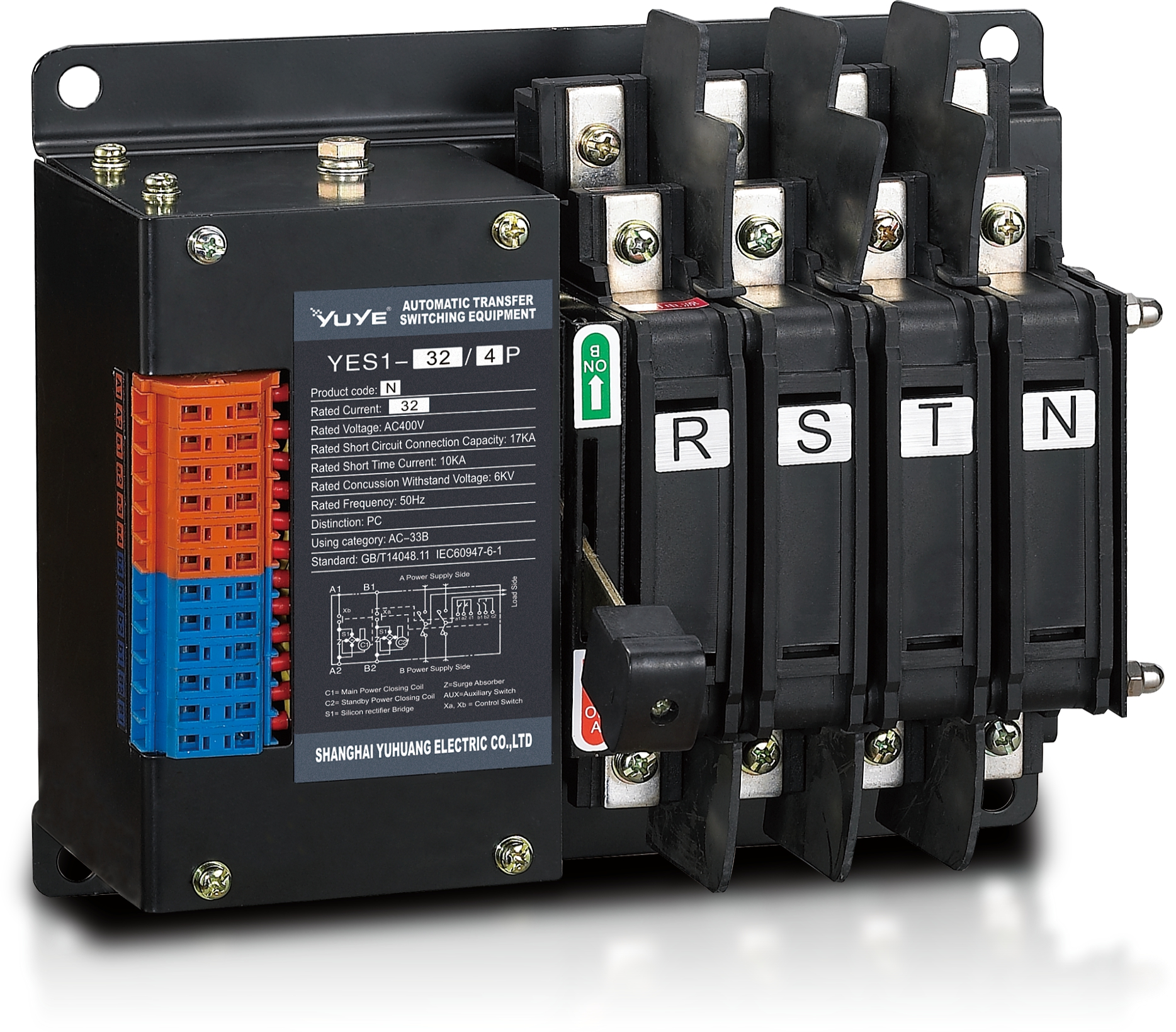 Solenoid-type ATS YES1-32~125N
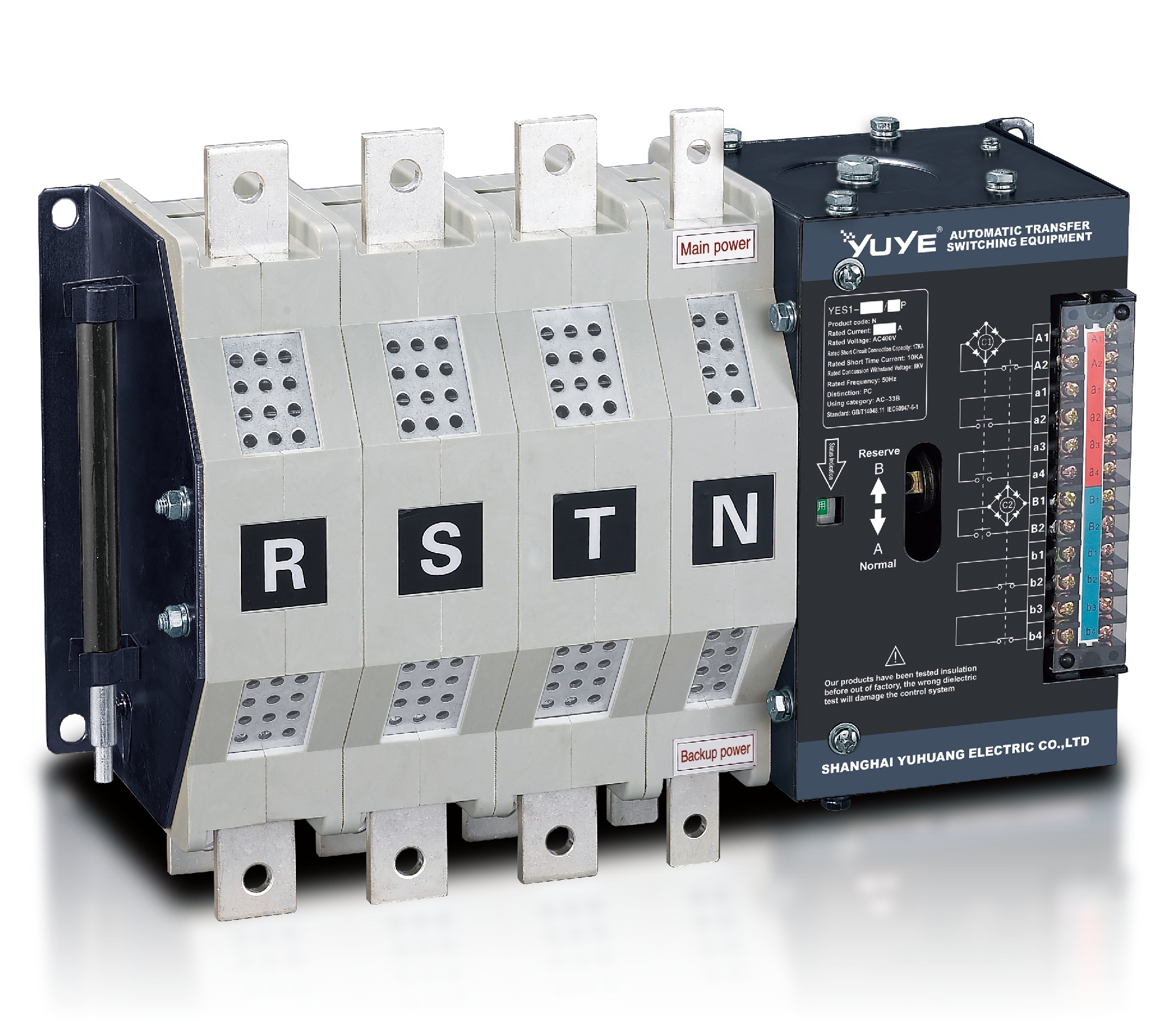 Solenoid-type ATS YES1-250~630N/NT
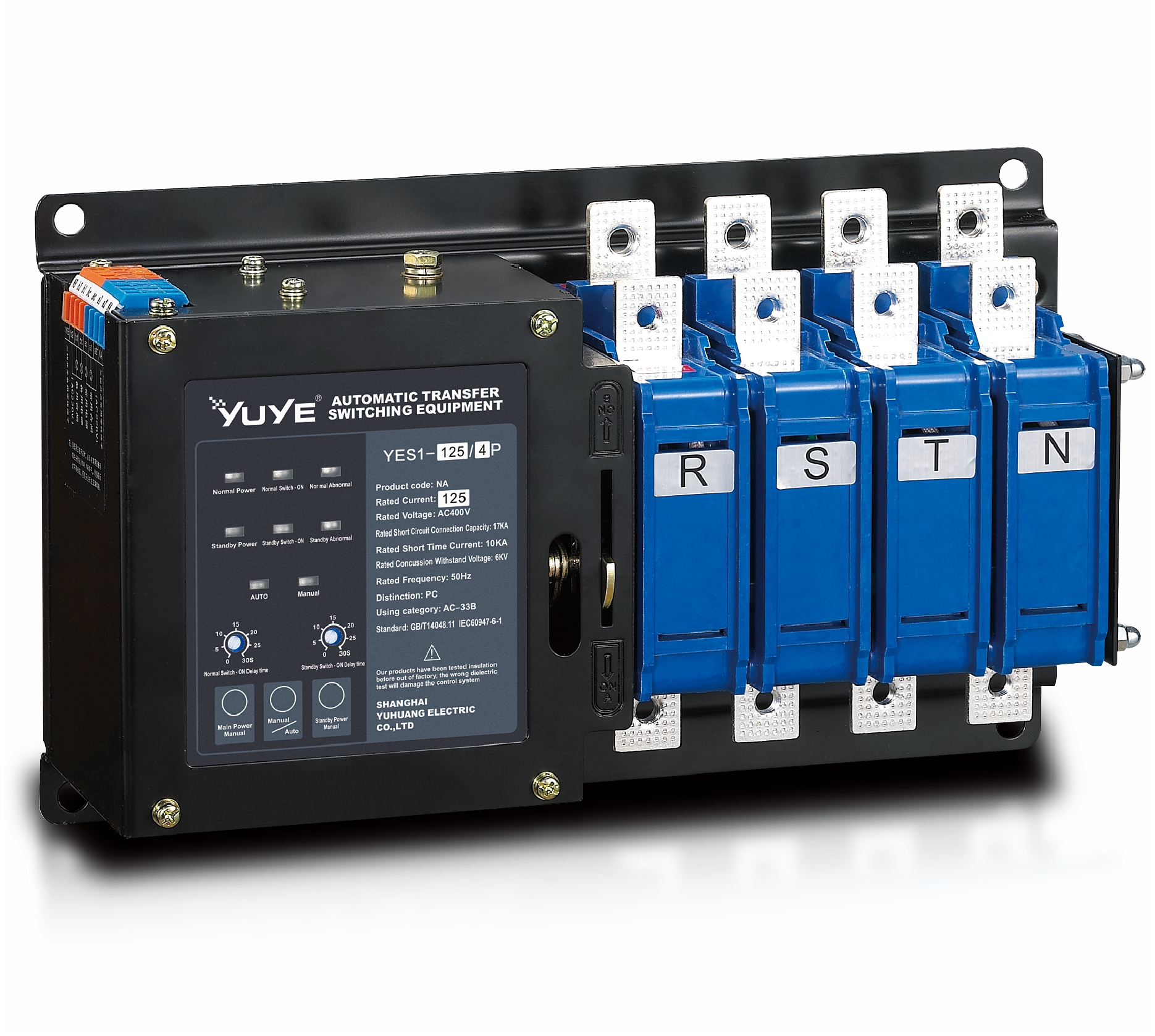 Solenoid-type ATS YES1-32~125NA
 Solenoid-type ATS YES1-63~630SN
 Solenoid-type ATS YES1-1250~4000SN
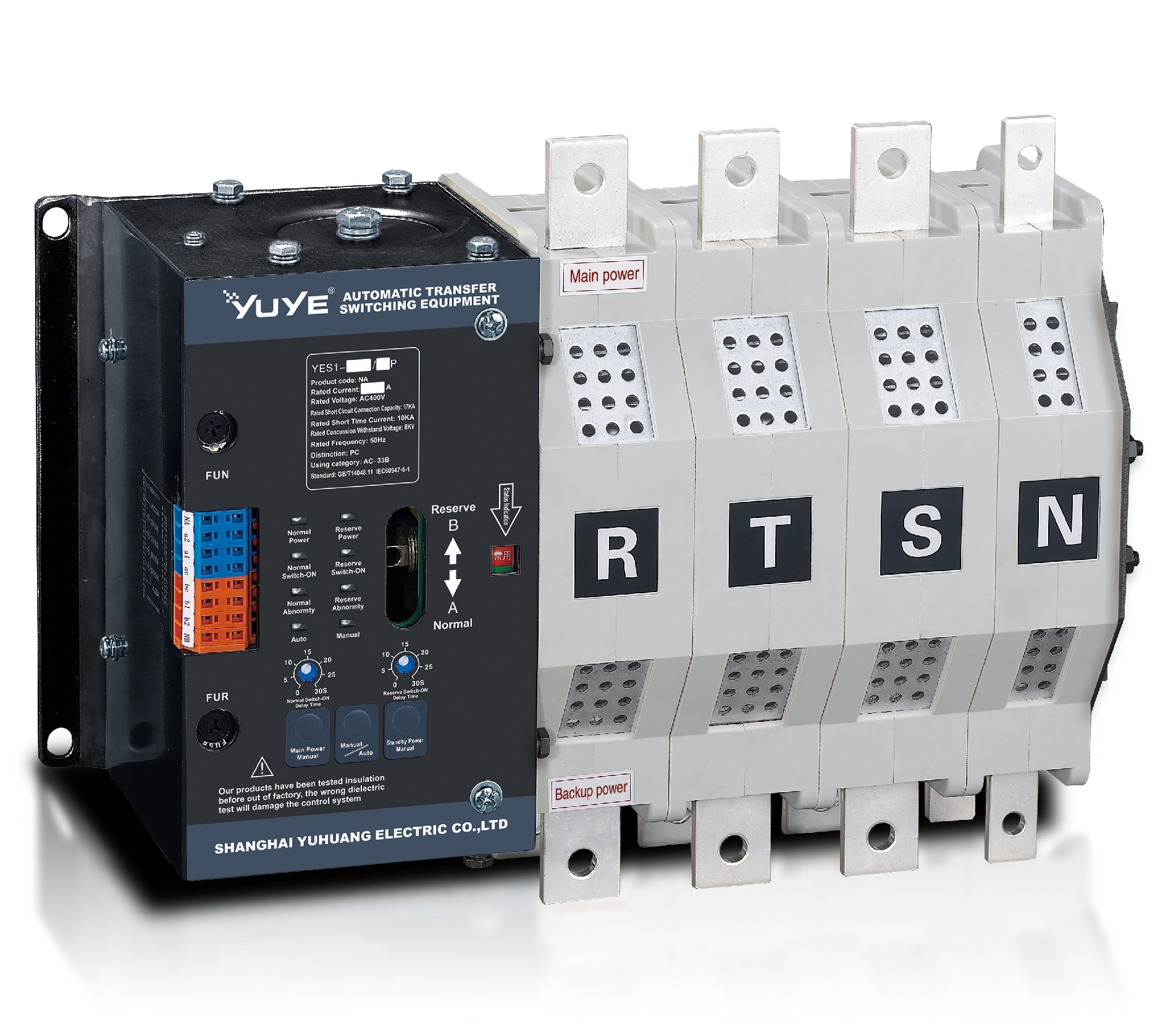 Solenoid-type ATS YES1-250~630NA/NAT
 Solenoid-type ATS YES1-63NJT
 PC ATS YES1-100~1600GN1/GN/GNF
 PC ATS YES1-2000~3200GN/GNF
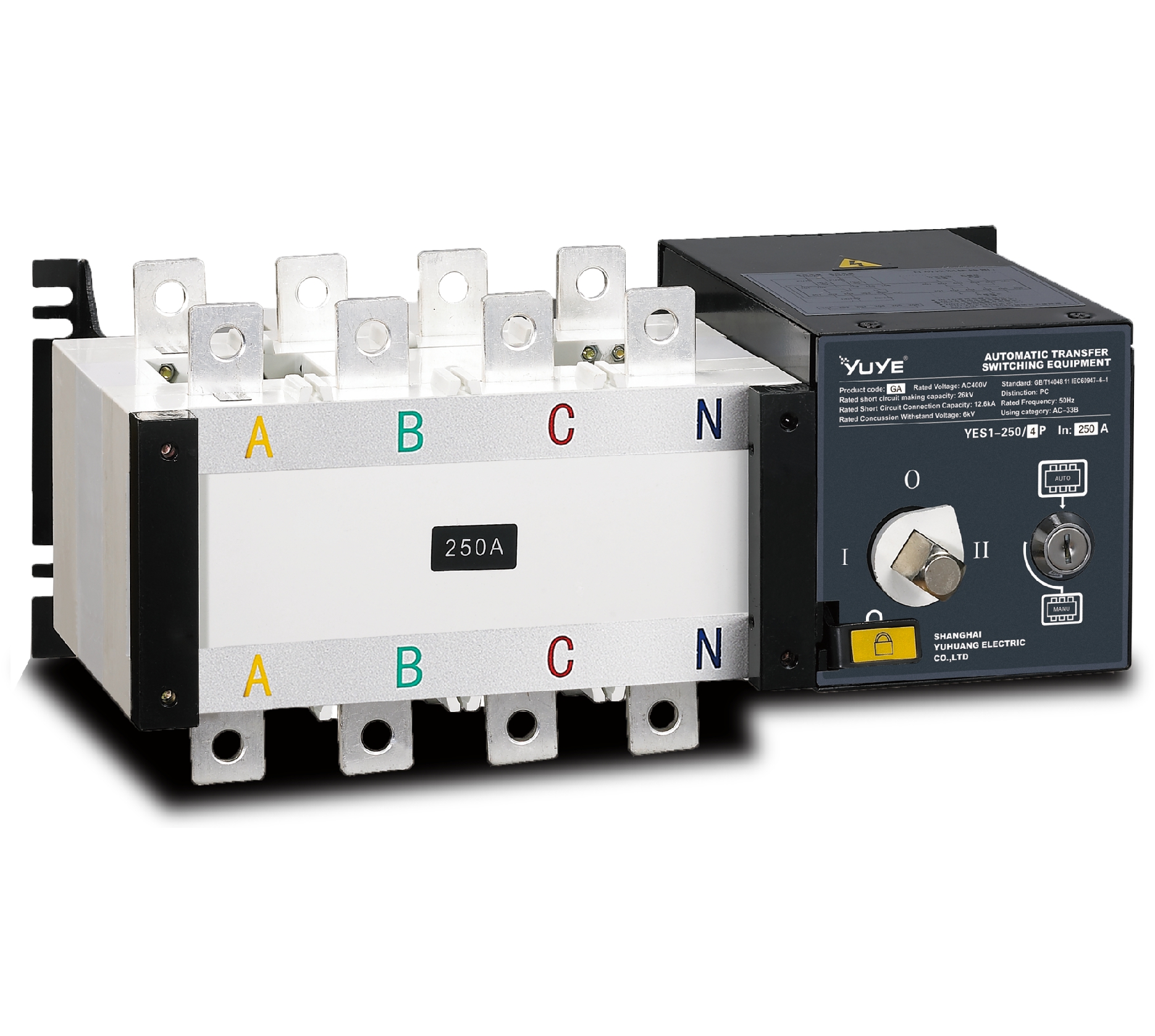 PC ATS YES1-100~3200GA1/GA
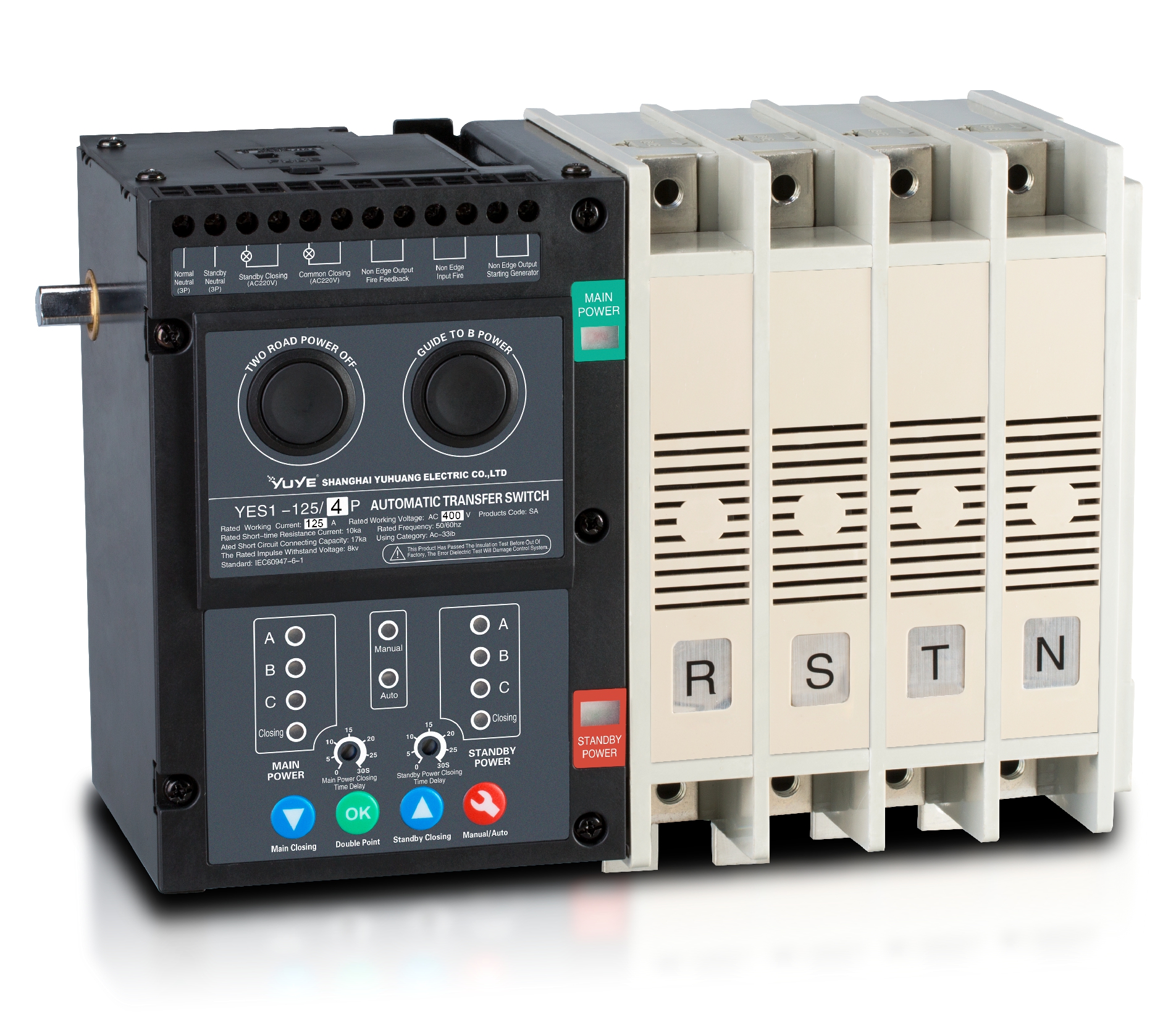 Solenoid-type ATS YES1-63~630SA
 Solenoid-type ATS YES1-63~630L/LA
 Solenoid-type ATS YES1-63~630LA3
 Solenoid-type ATS YES1-63MA
 PC ATS YES1-630~1600M
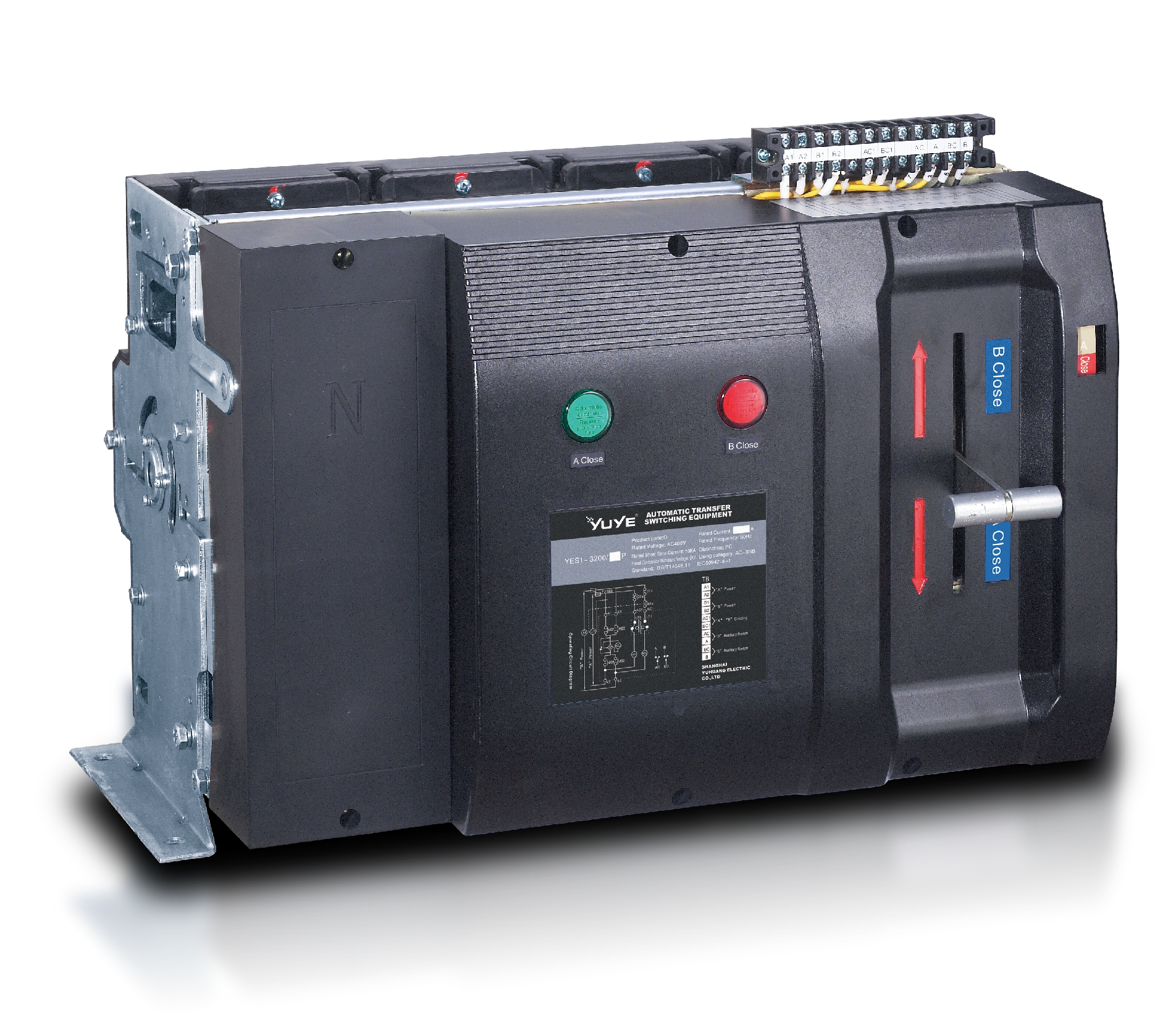 PC ATS YES1-3200Q
 Solenoid-type ATS YES1-4000~6300Q
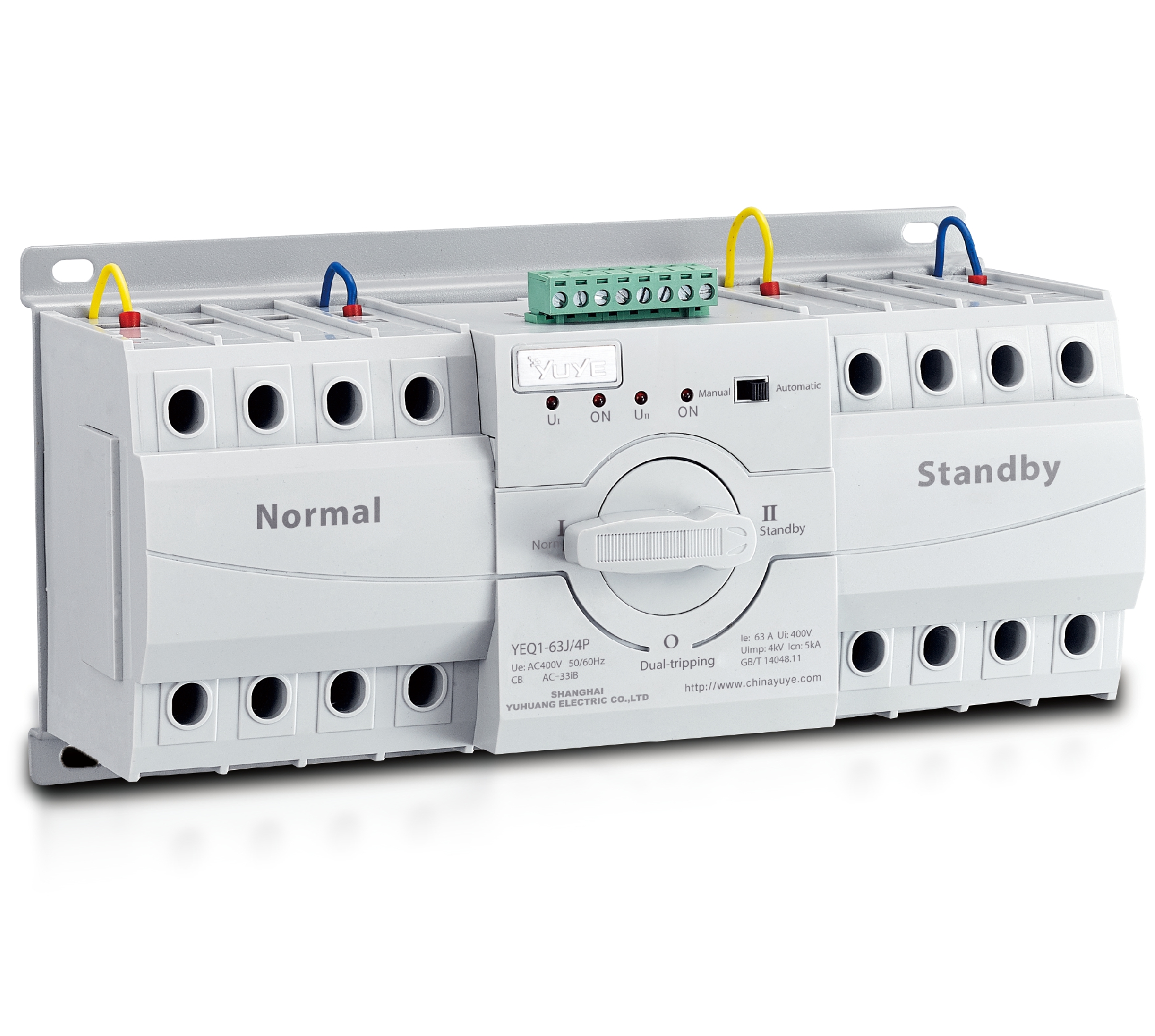 CB ATS YEQ1-63J
 CB ATS YEQ2Y-63
 CB ATS YEQ3-63W1
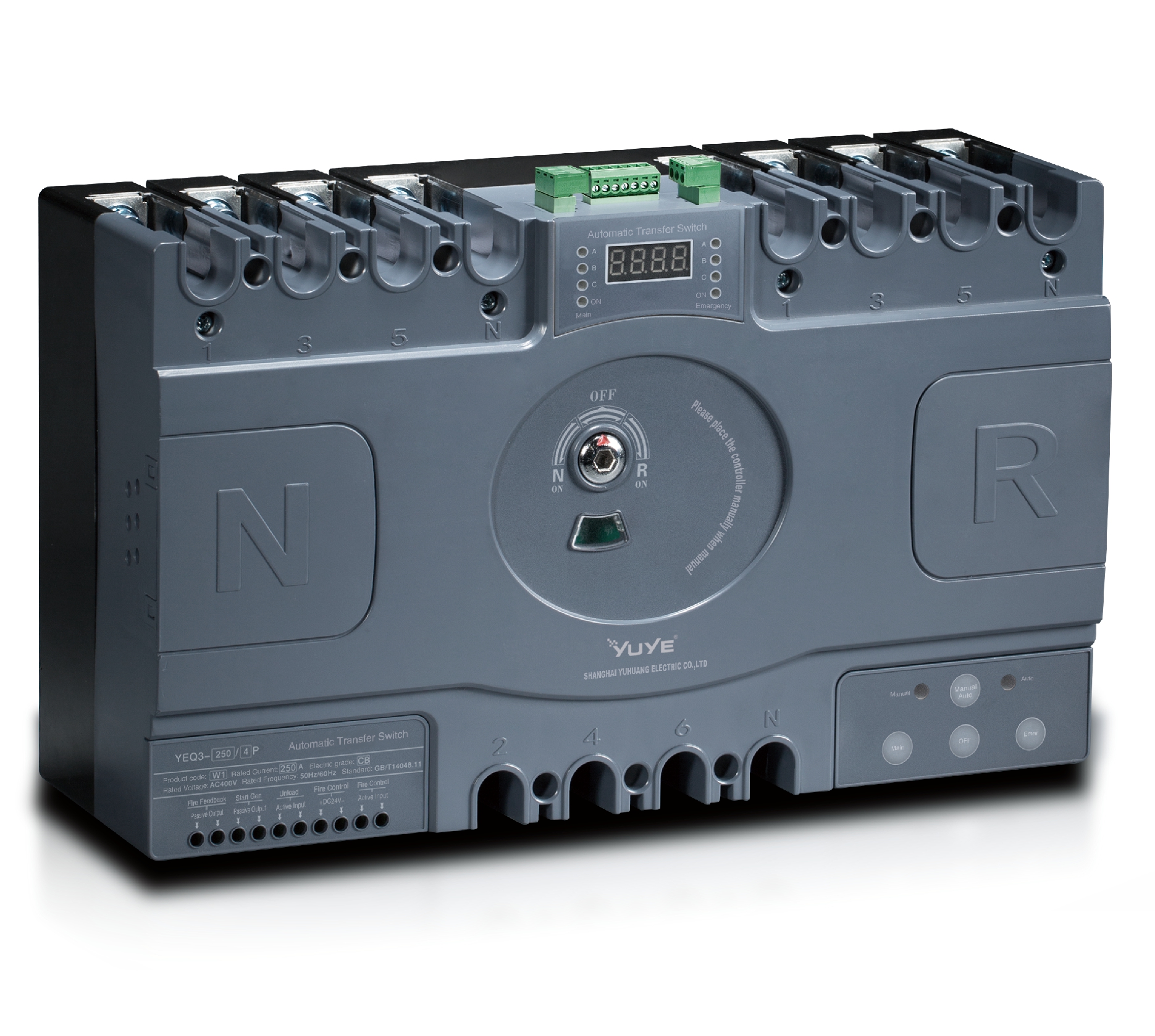 CB ATS YEQ3-125~630W1
 ATS controller Y-700
 ATS Controller Y-700N
 ATS Controller Y-701B
 ATS Controller Y-703N
 ATS Controller Y-800
 ATS Controller W2/W3 Series
 ATS switch Cabinet floor-to-ceiling
 ATS switch cabinet
 JXF-225A power Cbinet
 JXF-800A power Cbinet
 YEM3-125~800 Plastic Shell Type MCCB
 YEM3L-125~630 Leakage Type MCCB
 YEM3Z-125~800 Adjustable Type MCCB
 YEM1-63~1250 Plastic Shell Type MCCB
 YEM1E-100~800 Electronic Type MCCB
 YEM1L-100~630 Leakage Type MCCB
 Miniature circuit breaker YEMA2-6~100
 Miniature circuit breaker YEB1-3~63
 Miniature circuit breaker YEB1LE-3~63
 Miniature circuit breaker YEPN-3~32
 Miniature circuit breaker YEPNLE-3~32
 Miniature circuit breaker YENC-63~125
 Air Circuit Breaker YEW1-2000~6300
 Air Circuit Breaker YEW3-1600
 Load isolation switch YGL-63~3150
 Load Isolation Switch YGL2-63~3150
 Manual Changeover Switch YGL-100~630Z1A
 Manual Changeover Switch YGLZ1-100~3150
 YECPS2-45~125 LCD
 YECPS-45~125 Digital
 CNC Milling/Turning-OEM
 DC relay MDC-300M
 DC Isolation Switch YEGL3D-630


