In today’s world, where keeping your power running smoothly is more important than ever, the use of Switch Automatic Transfer Switches (SATS) has really taken off across different industries. I came across a report by Research and Markets that says the global market for these switches is expected to grow at about 6.2% annually from 2022 to 2027 – pretty impressive, right? It just shows how crucial they’ve become in making sure electrical systems stay reliable. One Two Three Electric Co., Ltd., a top-notch manufacturer known for their molded case circuit breakers and air circuit breakers, is really leading the charge here. Basically, SATS switches smoothly switch over during power outages, helping companies keep things running without a hitch and reducing the hassles that come with downtime. By bringing in the latest tech, businesses can boost their power reliability and make sure their critical systems stay up and running all the time. So yeah, getting to know the benefits of a Switch Automatic Transfer Switch is pretty key for any organization serious about managing their power effectively and keeping everything operational.

The Role of Transfer Switches in Modern Power Systems
Transfer switches might not be the most flashy part of modern power systems, but honestly, they’re absolutely essential for keeping things running smoothly and reliably. I read somewhere—according to a report by the National Electrical Manufacturers Association—that about 70% of power outages happen because of issues with electrical distribution gear. That’s quite a chunk, and it just goes to show how important devices like automatic transfer switches, or ATS, really are. These little devices step in seamlessly when the main power grid goes down, switching over to a backup generator without missing a beat. For businesses and critical services, that kind of reliability can be a total game-changer, preventing massive disruptions when they’re needed most.
And, you know what’s pretty interesting? As we shift more towards renewable energy sources, the use of transfer switches is expanding even further. The International Energy Agency mentioned that by 2024, nearly 30% of the world's electricity is expected to come from solar and wind. That’s a huge jump! As our power networks get more complicated, we need solid transfer solutions to keep everything running smoothly across different energy sources. Transfer switches are basically the backbone that makes all this mix-and-match of energy sources work without a hitch, making sure the whole system stays reliable and efficient, no matter what’s powering us at the time.
Key Advantages of Automatic Transfer Switches for Power Reliability
Automatic Transfer Switches, or ATS for short, are pretty much a must-have when it comes to keeping your power running smoothly, especially when unexpected outages hit. The cool thing about an ATS is how effortlessly it switches your power source from the utility to a backup, like a generator. No fuss, no hassle — it does this automatically, so you’re not left scrambling to switch things over. That way, your critical gadgets and systems stay up and running without any annoying gaps.
And honestly, safety's a big deal here too. These switches are designed to prevent dangerous backfeeding into the utility lines, which could be risky for workers fixing the lines or could mess up the equipment. When the power goes out, the ATS isolates the utility connection and switches over to backup power safely. Plus, many of these systems come with monitoring features — so you can get real-time updates on your power status. It’s nice to know what's happening, especially when you’re trying to get through storms or other emergencies. All in all, these devices help keep the lights on and everyone safe, no matter what’s going on outside.
Comparative Analysis: Manual vs. Automatic Transfer Switches
When it comes to managing power, transfer switches are kind of a big deal—they make switching between the main utility power and backup generators so much smoother. Manual transfer switches require someone to step in and flip the switch when the power goes out. They’re pretty budget-friendly for homes or small businesses where outages aren’t super common. But, let's be honest, relying on a person to do it can sometimes cause delays or even a few hazards, especially in really critical situations where seconds count.
On the flip side, automatic transfer switches (or ATS for short) are a game-changer. They detect power outages instantly and switch over automatically—no human needed! This means your power keeps flowing without that frantic rush to flip switches manually. Systems like hospitals, data centers, and emergency services really benefit from this because they need to stay up and running no matter what. Plus, since it’s all automatic, there's less chance of mistakes. Basically, it’s about peace of mind when it comes to power. Choosing between manual and automatic really depends on what you need—if you’re okay with a bit of manual effort and cost savings, manual might do; but if constant, reliable power is critical, then an ATS is where it’s at.

Ensuring Seamless Power Transition: How Switches Function
Automatic transfer switches, or ATS for short, are pretty much the unsung heroes when it comes to keeping the power on without a hitch during outages or voltage bumps. These little gadgets are set up to switch things over automatically—so no need to reach for a manual switch—between your main power source, like the grid, and a backup, such as a generator. That’s a huge deal, especially if you’re running something super critical like a hospital or a data center, where even a tiny blackout can cause chaos.
Here’s how it works: the ATS is constantly keeping an eye on the power coming in. If it notices something’s off or the main source fails, it kicks in and switches over to the backup almost instantly—usually within seconds. This means your stuff keeps running smoothly and you avoid any annoying downtime. Modern ATS systems also often come with features like remote monitoring and diagnostics, so you can keep an eye on things from afar and fix problems before they even cause trouble. Overall, having one of these switches in place just makes your power setup way more reliable and efficient—definitely worth considering if you want peace of mind.
Understanding the Benefits of Using Switch Automatic Transfer Switch for Reliable Power Management
Best Practices for Implementing Automatic Transfer Switches
If you're serious about keeping your power reliable, installing automatic transfer switches (ATS) is a smart move — especially in places where a continuous power supply really matters. First things first, you’ve gotta figure out exactly what your power needs are and pick the right size and setup for your ATS. Think about what loads are absolutely critical—these need to stay up and running during a blackout. Make sure the switch can handle the total load without getting overwhelmed. Picking the right ATS isn’t just about efficiency; it helps avoid equipment failures when things go south.
Once you've got the right model in place, don’t just forget about it! Regular check-ups and testing are key. Do routine inspections and run some mock scenarios so you’re confident the switch will handle real power transitions smoothly. Also, it’s super helpful to train your team on how to operate and troubleshoot the ATS. That way, if a power outage hits, everyone knows what to do — fast. Keeping up with these best practices really helps ensure your operations stay powered up and protected from unexpected disruptions.
Understanding the Benefits of Using Switch Automatic Transfer Switch for Reliable Power Management - Best Practices for Implementing Automatic Transfer Switches
| Feature |
Description |
Benefits |
Best Practices |
| Automatic Functionality |
Monitors power supply and switches automatically |
Maintains continuous power during outages |
Regular testing and maintenance |
| Seamless Transition |
Minimizes downtime during switchovers |
Reduces risk of equipment damage |
Implement redundancy in critical systems |
| Remote Monitoring |
Allows monitoring from a distance |
Improved response times for issues |
Use compatible software for alerts |
| Load Management |
Distributes power efficiently across loads |
Optimizes resource utilization |
Conduct load assessments regularly |
| Compliance and Safety |
Meets electrical codes and standards |
Ensures safety for personnel and equipment |
Stay informed about regulatory changes |
Future Trends in Power Management with Automation Technology
As automation tech keeps getting better, the future of power management is pretty clear — it’s all about smart solutions like Automatic Transfer Switches (ATS). By using Real-Time Operating Systems (RTOS), these systems can really step up for reliable power distribution, which is a big deal for both industrial and commercial settings. You know, it’s interesting to see how the RTOS market is expected to almost double — from around $1.6 billion in 2024 to over $3.1 billion by 2032. That just shows how much everyone is craving more efficient, automated ways to handle power. It’s part of a bigger trend, honestly, where industries are starting to see just how important these automated systems are in keeping things running smoothly and cutting down on downtime.

And then there’s the upcoming industrial expo — that’s going to be a major showcase of how AI and automation are actually shaping the future of manufacturing and power systems. Over 3,500 companies are expected to take part, and there are quite a few conferences lined up. It’s clear that big players are placing a lot of bets on innovation, especially AI integration. All this means better efficiency and more dependable power systems, but it also helps industries stay ahead of the curve in this rapidly changing energy world. As all these advancements roll out, it’s safe to say automation will become even more crucial in building a future that’s both sustainable and resilient.
Comprehensive Guide to Automatic Transfer Switch Equipment YECT1-2000G: Features, Benefits, and Applications
The YECT1-2000G automatic transfer switch (ATS) represents a significant advancement in power management solutions, catering to the growing demand for reliable and efficient electrical systems. With the increasing frequency of power outages and the rise in critical infrastructure demands, the need for robust ATS equipment has become paramount. According to industry reports, the global automatic transfer switch market is projected to grow at a CAGR of 6.5% from 2023 to 2030, indicating a strong trend toward enhanced power reliability and system resilience.
One of the standout features of the YECT1-2000G is its high-quality standards, provided by the largest ATS manufacturer in China. This company has established itself as a leading supplier through rigorous quality control and commitment to excellence. Their professional team excels in research and development, ensuring that every switch is designed for optimal performance and longevity. Moreover, their commitment to rapid lead times, with a typical shipping schedule of just 7 days for orders of up to 100 pieces, meets the urgent needs of clients who understand that “time is gold.”
Customization options further enhance the appeal of the YECT1-2000G. Customers can request tailored solutions such as custom logos, packaging, and graphics for orders as low as 100 pieces. This flexibility ensures that businesses can align their power management systems with their branding strategies while benefiting from the high performance of the ATS. With 24/7 online service and dedicated support, clients can feel confident that they are investing in a product that not only meets technical specifications but also addresses their unique operational requirements.
FAQS
: Transfer switches ensure reliability and efficiency in power management by seamlessly switching the power supply from the main grid to a backup generator during outages.
Approximately 70% of power outages can be attributed to issues with electrical distribution equipment, underscoring the importance of transfer switches.
An ATS is a device that automatically switches between utility power and backup power sources like generators, ensuring reliable power management during unexpected outages without manual intervention.
ATS units prevent backfeeding into utility lines during power failures, ensuring a safe transition to backup power and protecting utility workers and equipment.
The application of transfer switches is expanding due to increased reliance on renewable energy sources, facilitating smoother transitions between different power sources and enhancing overall energy infrastructure reliability.
Best practices include assessing specific power needs, selecting the appropriate ATS size and configuration, conducting regular maintenance and testing, and training personnel on operation and troubleshooting.
Maintaining power to critical systems minimizes disruption and is crucial for businesses and essential services, enabling them to continue operations during outages.
Many ATS systems come with monitoring capabilities that provide real-time feedback on power status, helping homeowners stay informed and prepared for power interruptions.
As power systems become more complex, especially with diverse energy sources, the need for robust transfer solutions increases to manage and integrate these sources efficiently.
Organizations should focus on assessing power needs, selecting the right ATS, conducting routine maintenance and testing, and training personnel for effective power management during disruptions.
Conclusion
Hey, I came across this article called "Understanding the Benefits of Using Switch Automatic Transfer Switch for Reliable Power Management," and I gotta say, it really dives into how crucial transfer switches are in today’s power setups. It talks about how Automatic Transfer Switches (ATS) are pretty much a game-changer when it comes to keeping the power running smoothly. The article even compares ATS to manual switches, pointing out how much more efficient they are—especially when it comes to switching over during outages without a hiccup. Plus, they cover some practical tips on how to implement these systems and discuss future trends, which are totally heading towards more automation in power management.
For companies like One Two Three Electric Co., Ltd.—who are already known for their high-quality stuff like molded case circuit breakers and air circuit breakers—bringing in Switch Automatic Transfer Switches could seriously take their power solutions to the next level. Using automation tech like this helps ensure a steady power supply and can really boost their operational efficiency. It’s all about staying ahead in an ever-evolving industry, right?

 PC ATS YECT1-2000G
 PC ATS YES2-63~250GN1
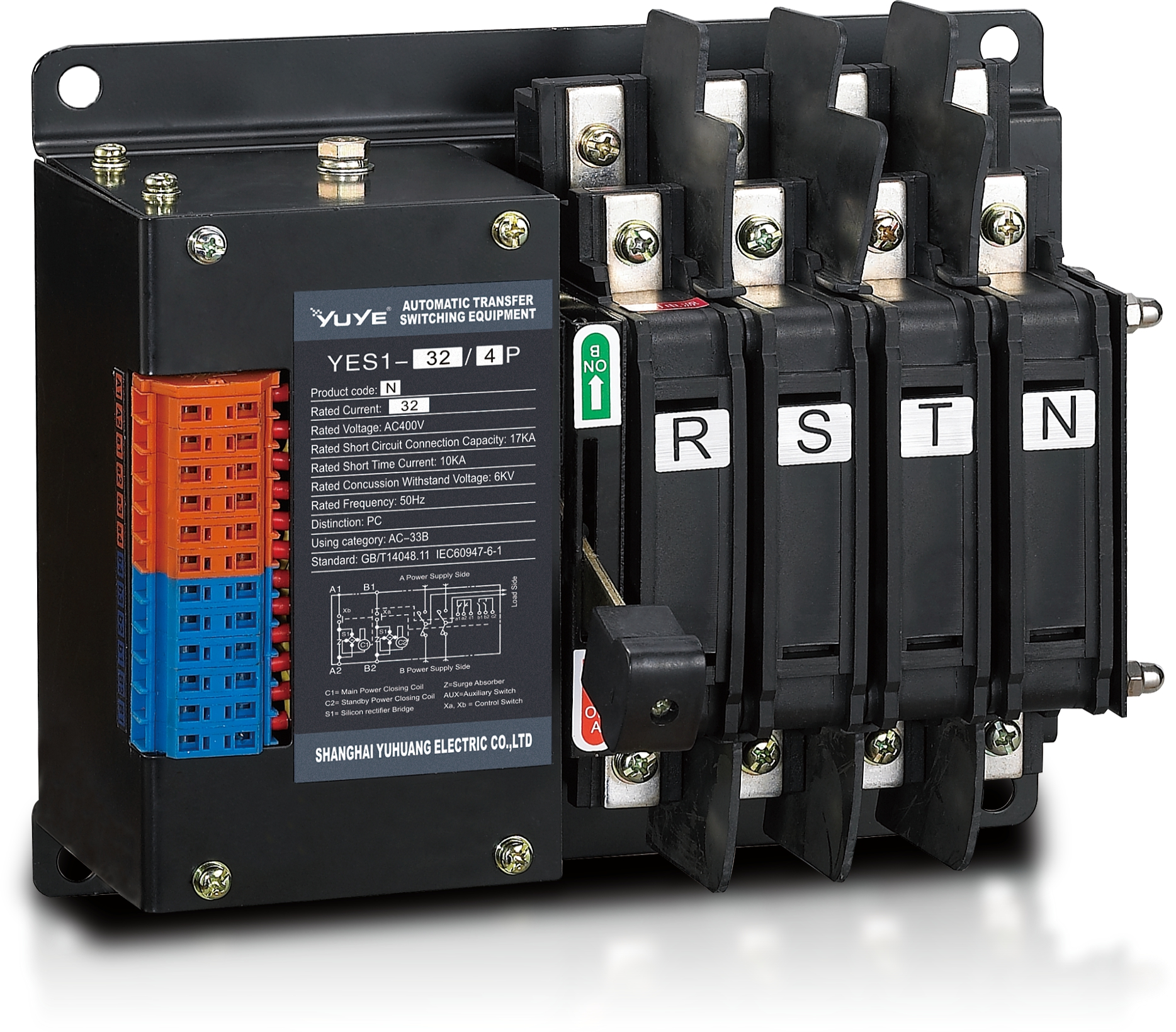 Solenoid-type ATS YES1-32~125N
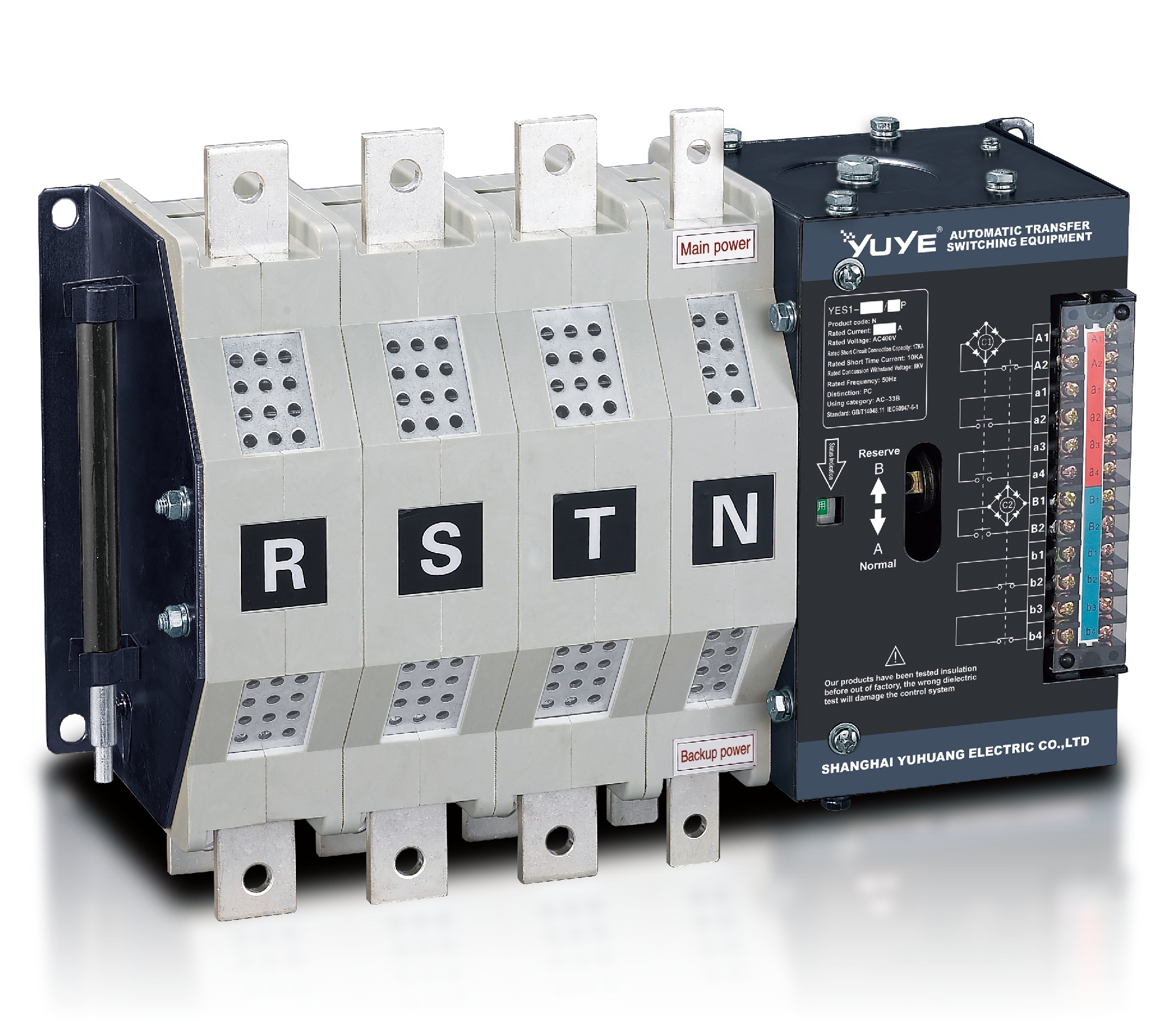 Solenoid-type ATS YES1-250~630N/NT
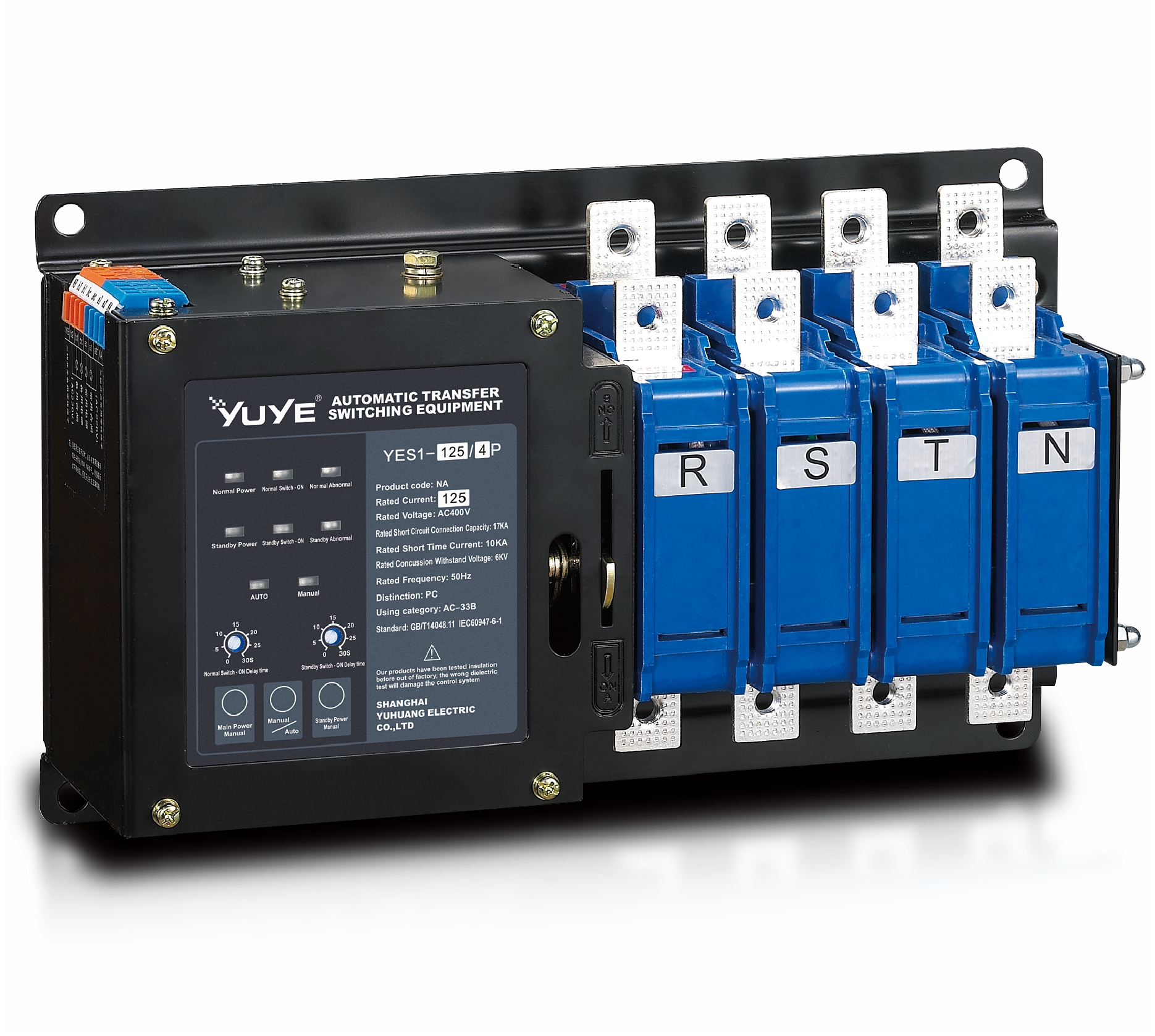 Solenoid-type ATS YES1-32~125NA
 Solenoid-type ATS YES1-63~630SN
 Solenoid-type ATS YES1-1250~4000SN
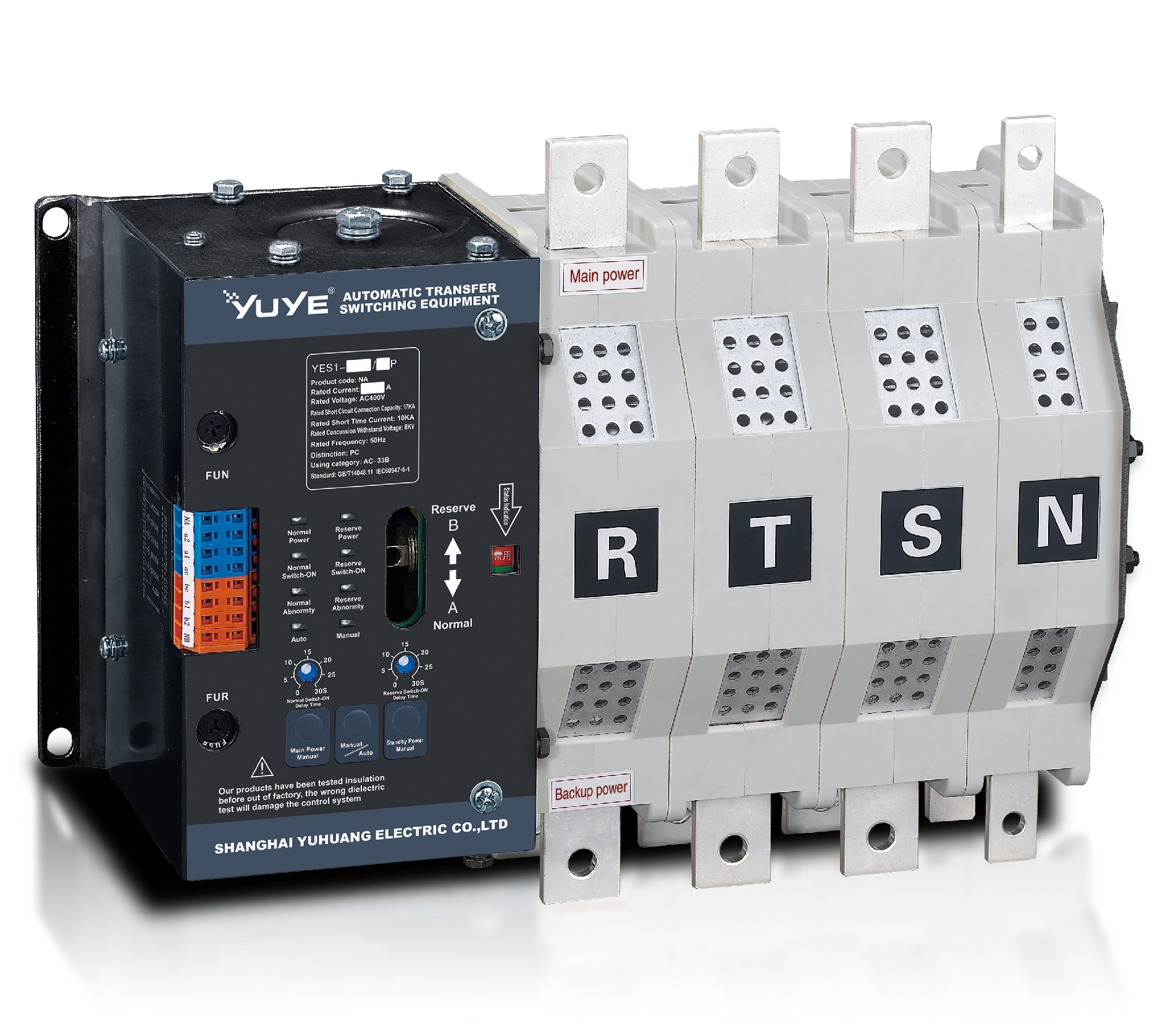 Solenoid-type ATS YES1-250~630NA/NAT
 Solenoid-type ATS YES1-63NJT
 PC ATS YES1-100~1600GN1/GN/GNF
 PC ATS YES1-2000~3200GN/GNF
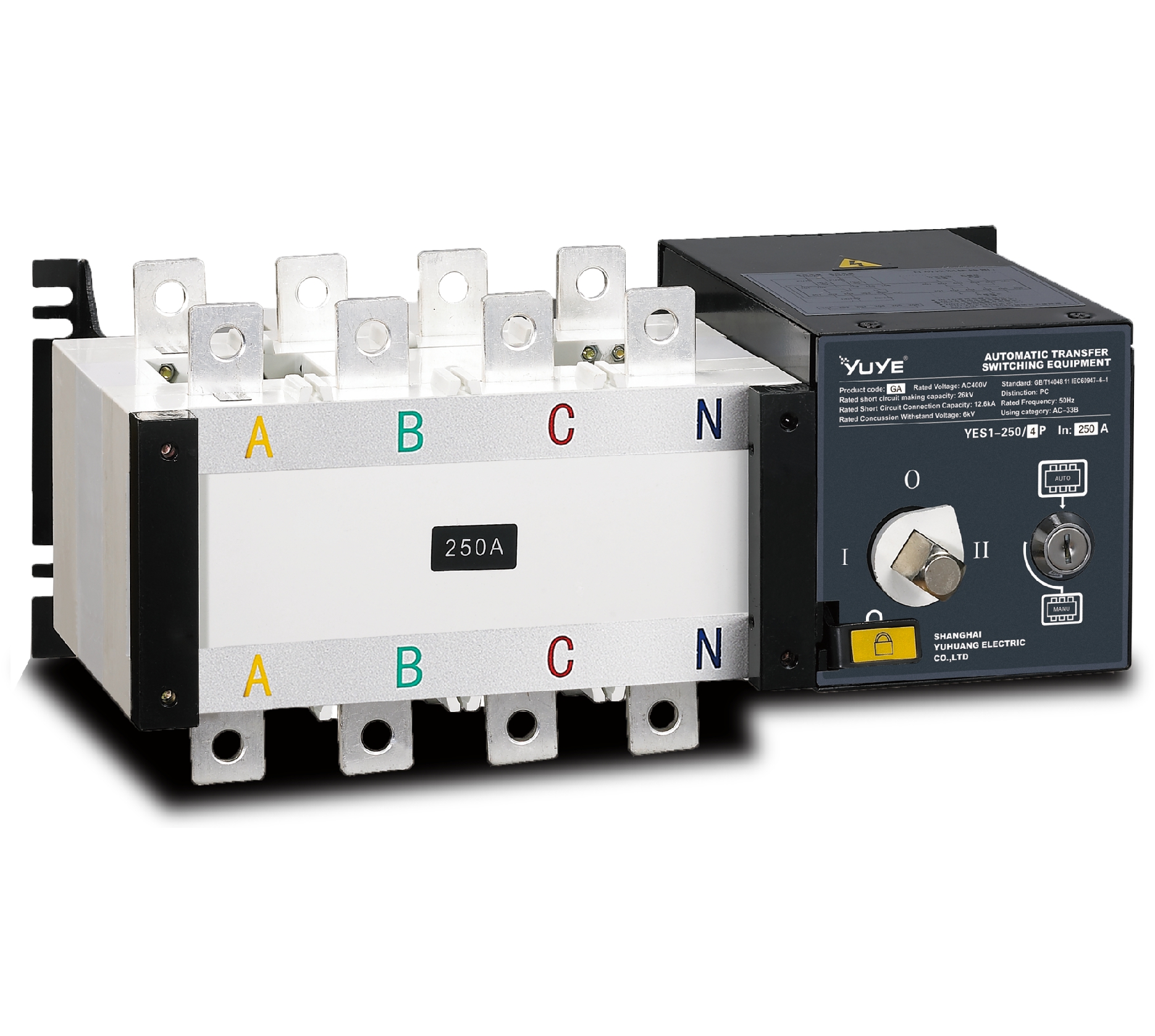 PC ATS YES1-100~3200GA1/GA
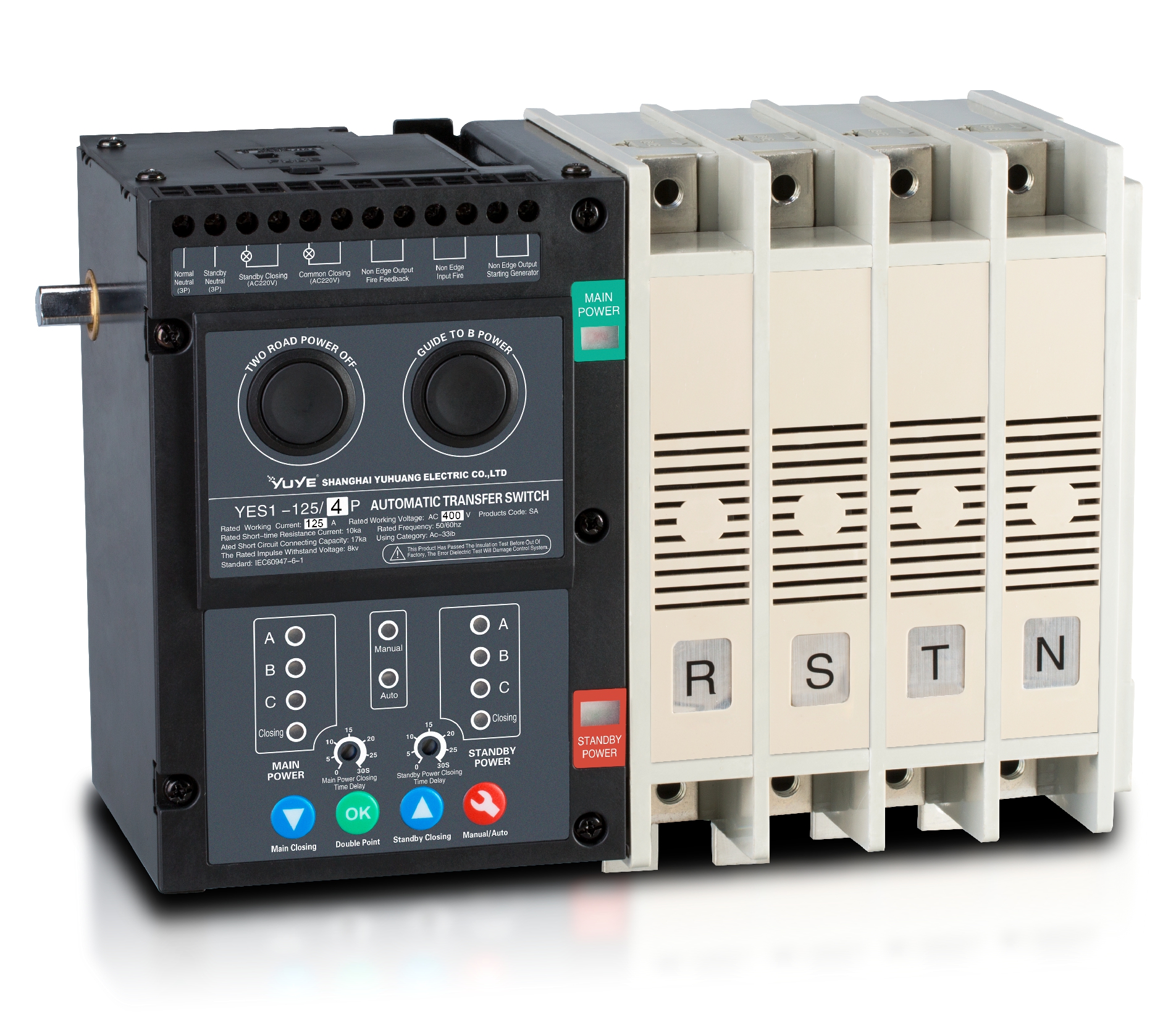 Solenoid-type ATS YES1-63~630SA
 Solenoid-type ATS YES1-63~630L/LA
 Solenoid-type ATS YES1-63~630LA3
 Solenoid-type ATS YES1-63MA
 PC ATS YES1-630~1600M
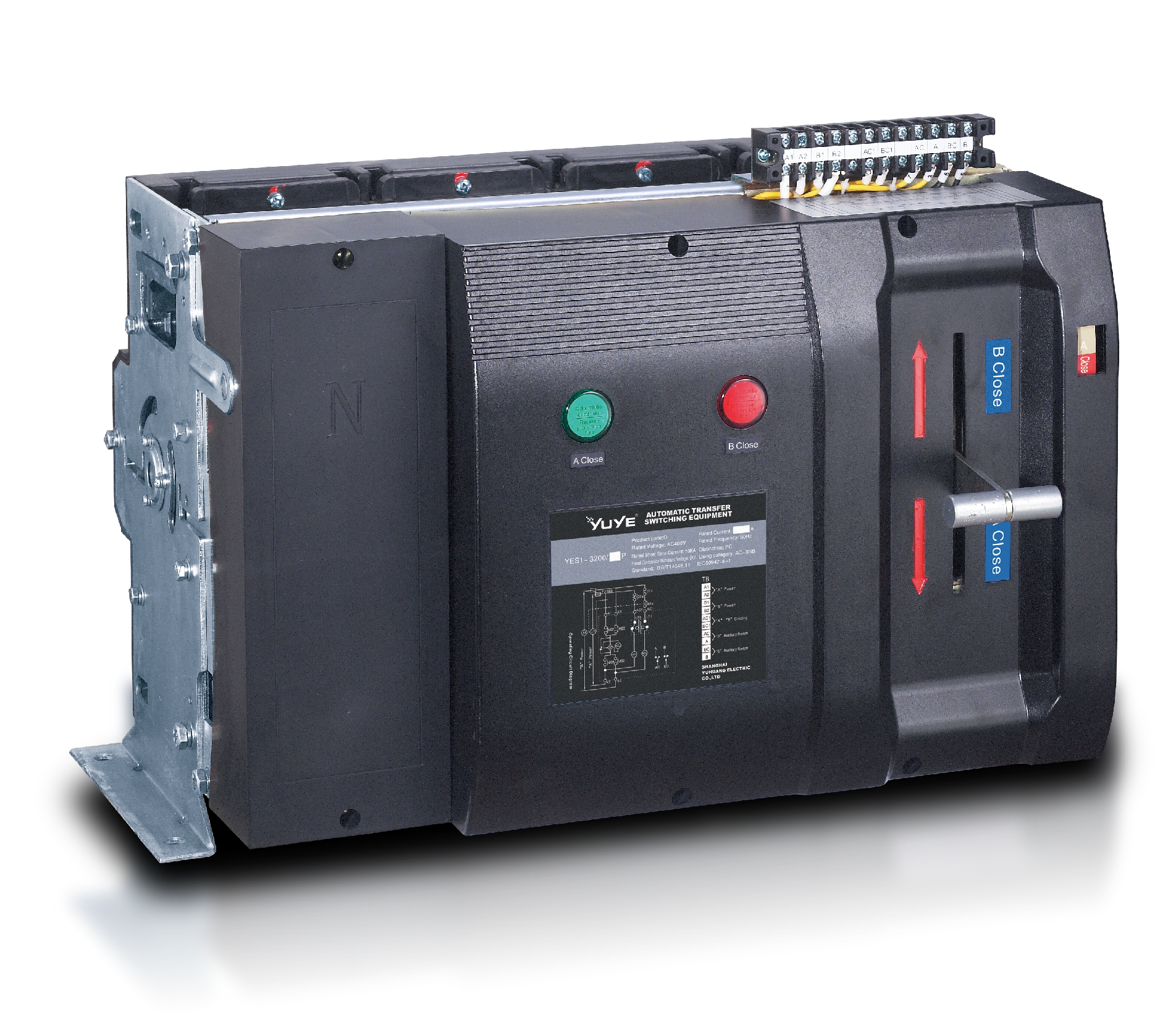 PC ATS YES1-3200Q
 Solenoid-type ATS YES1-4000~6300Q
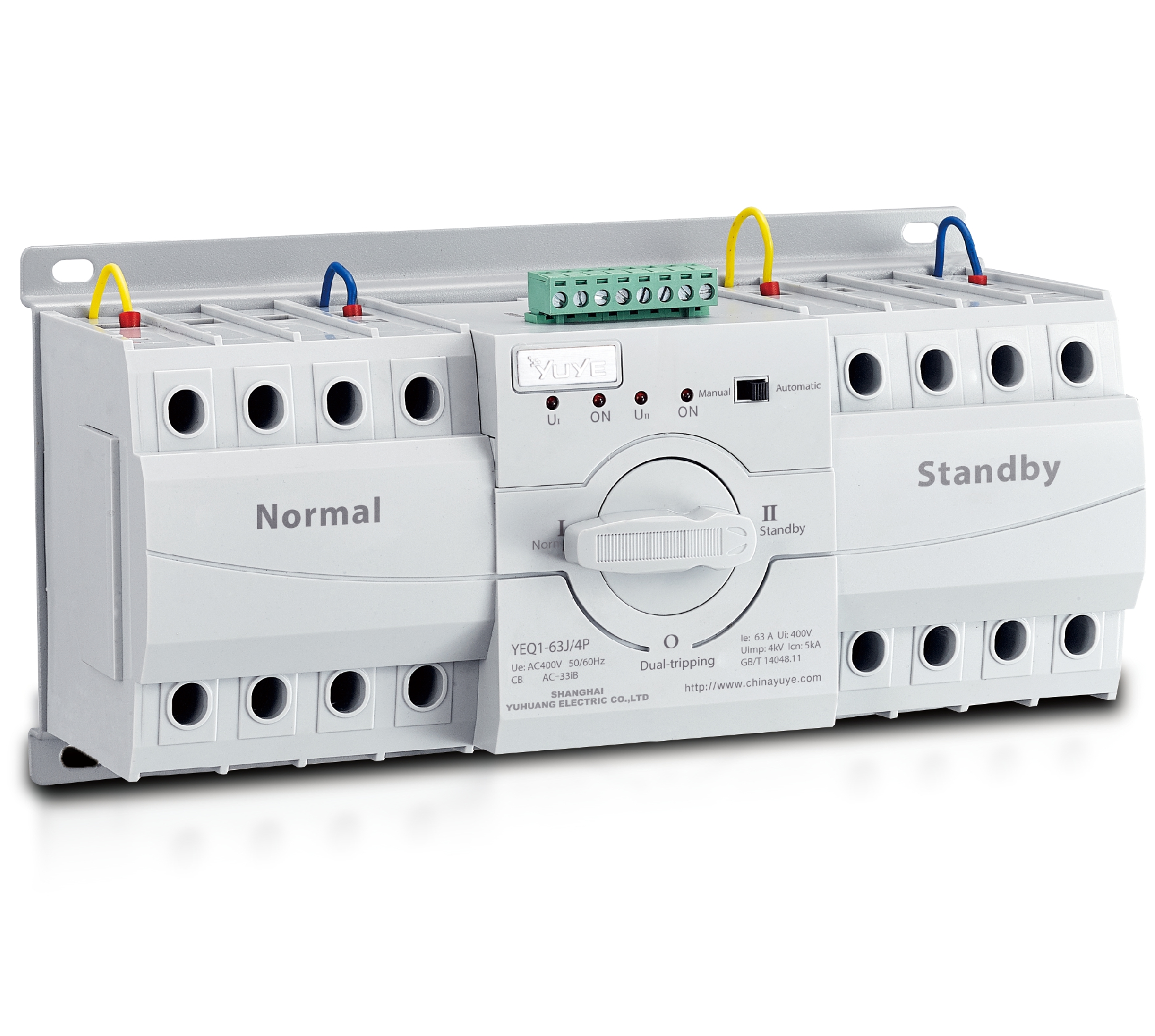 CB ATS YEQ1-63J
 CB ATS YEQ2Y-63
 CB ATS YEQ3-63W1
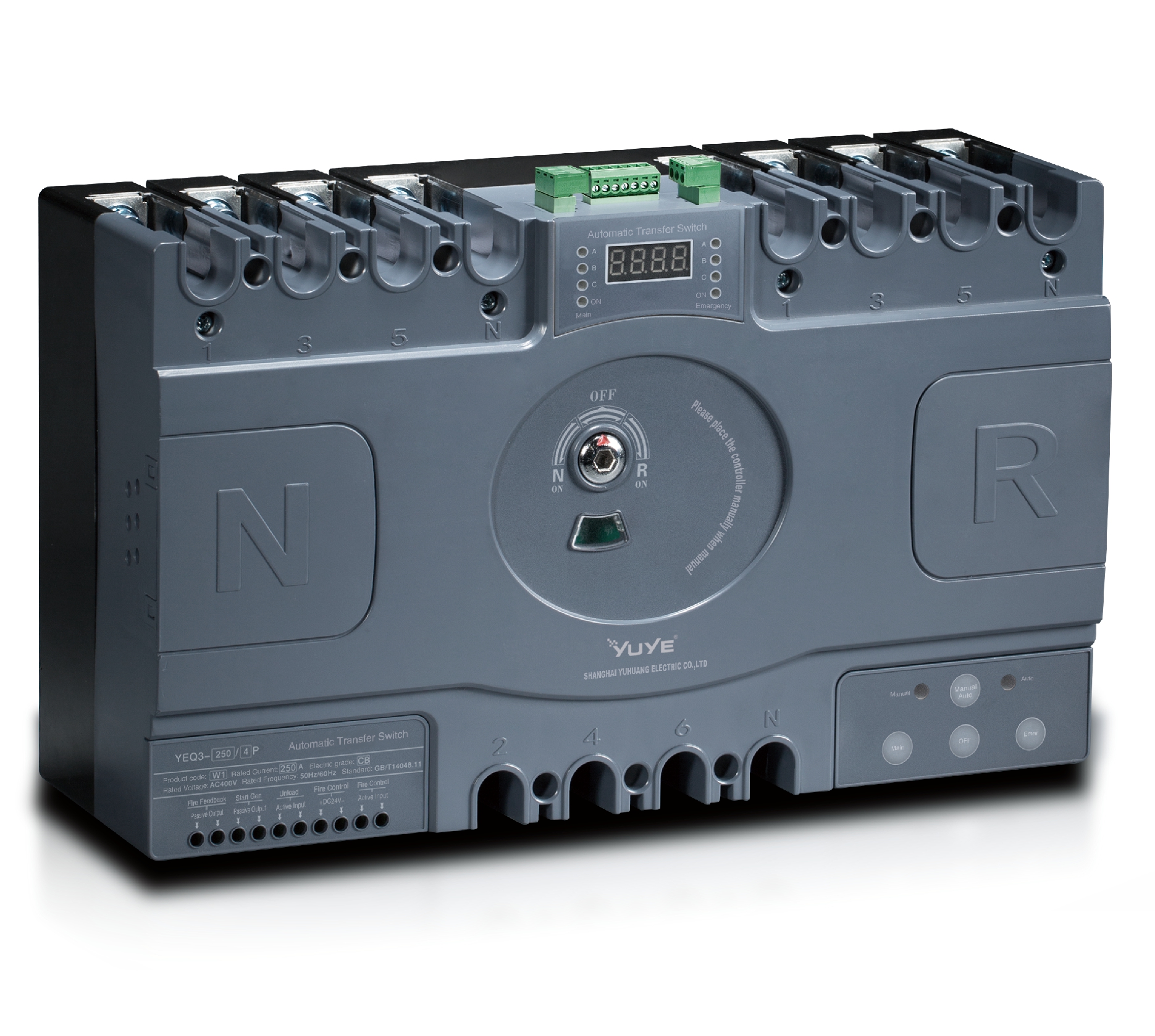 CB ATS YEQ3-125~630W1
 ATS controller Y-700
 ATS Controller Y-700N
 ATS Controller Y-701B
 ATS Controller Y-703N
 ATS Controller Y-800
 ATS Controller W2/W3 Series
 ATS switch Cabinet floor-to-ceiling
 ATS switch cabinet
 JXF-225A power Cbinet
 JXF-800A power Cbinet
 YEM3-125~800 Plastic Shell Type MCCB
 YEM3L-125~630 Leakage Type MCCB
 YEM3Z-125~800 Adjustable Type MCCB
 YEM1-63~1250 Plastic Shell Type MCCB
 YEM1E-100~800 Electronic Type MCCB
 YEM1L-100~630 Leakage Type MCCB
 Miniature circuit breaker YEMA2-6~100
 Miniature circuit breaker YEB1-3~63
 Miniature circuit breaker YEB1LE-3~63
 Miniature circuit breaker YEPN-3~32
 Miniature circuit breaker YEPNLE-3~32
 Miniature circuit breaker YENC-63~125
 Air Circuit Breaker YEW1-2000~6300
 Air Circuit Breaker YEW3-1600
 Load isolation switch YGL-63~3150
 Load Isolation Switch YGL2-63~3150
 Manual Changeover Switch YGL-100~630Z1A
 Manual Changeover Switch YGLZ1-100~3150
 YECPS2-45~125 LCD
 YECPS-45~125 Digital
 CNC Milling/Turning-OEM
 DC relay MDC-300M
 DC Isolation Switch YEGL3D-630


