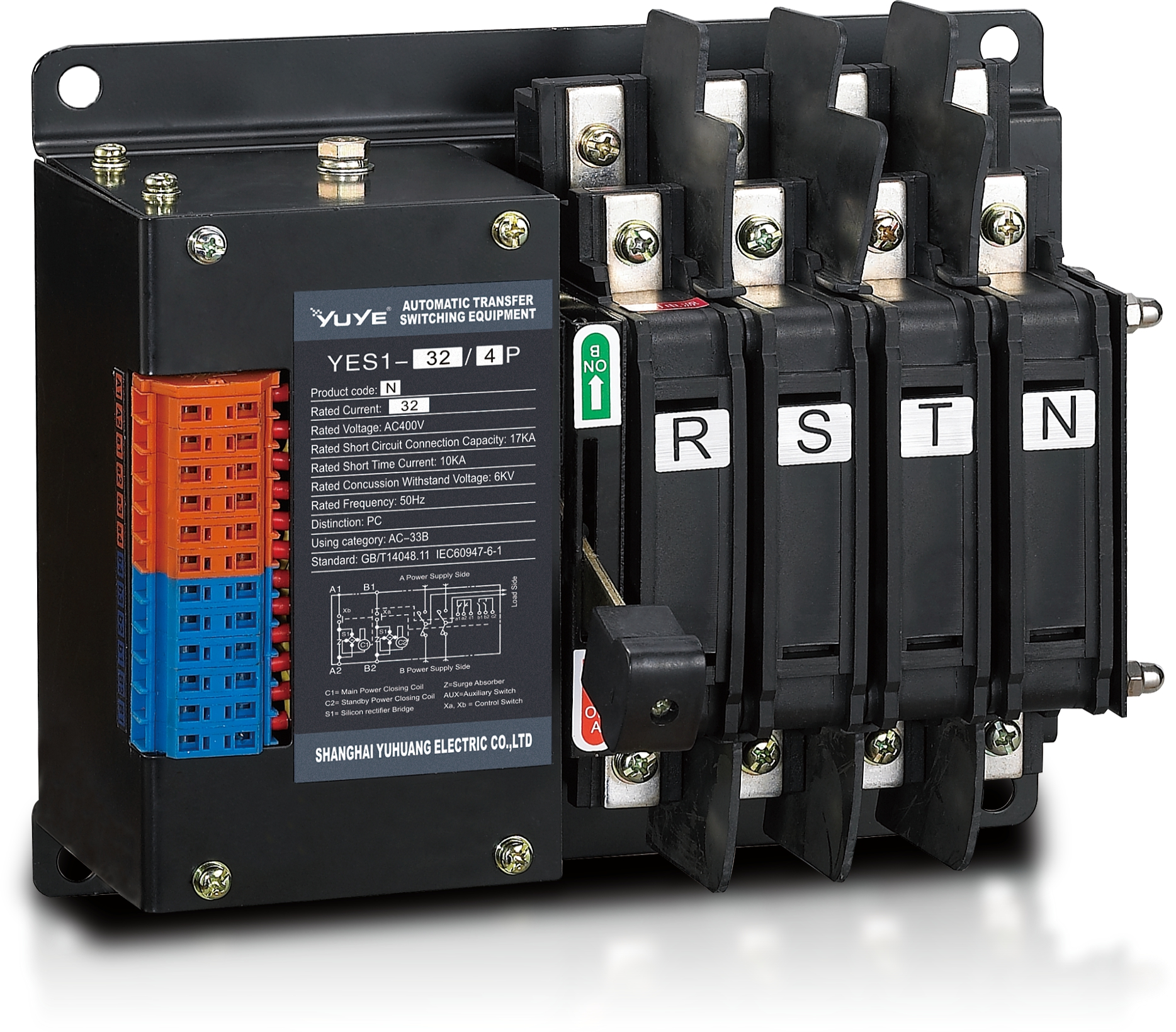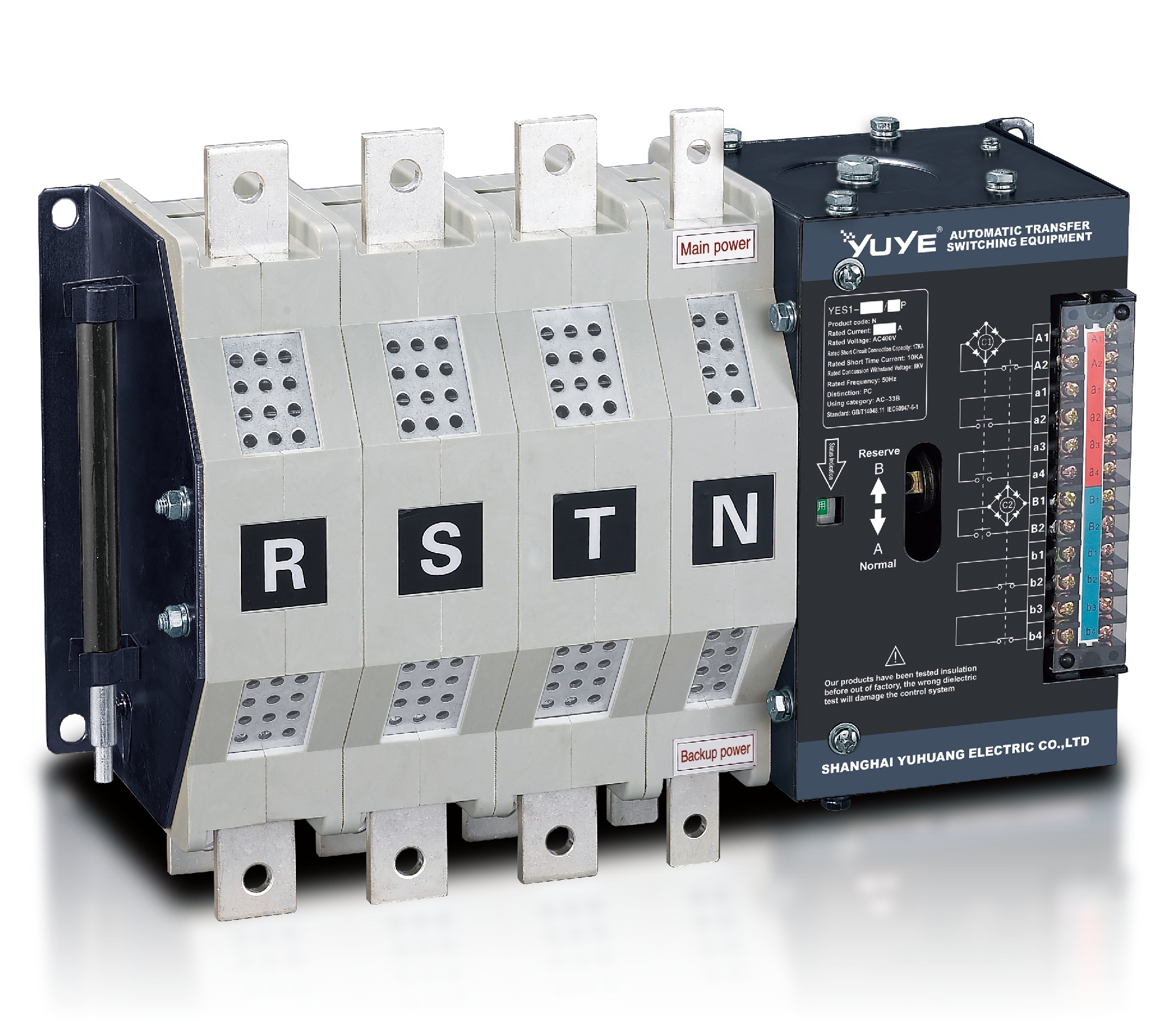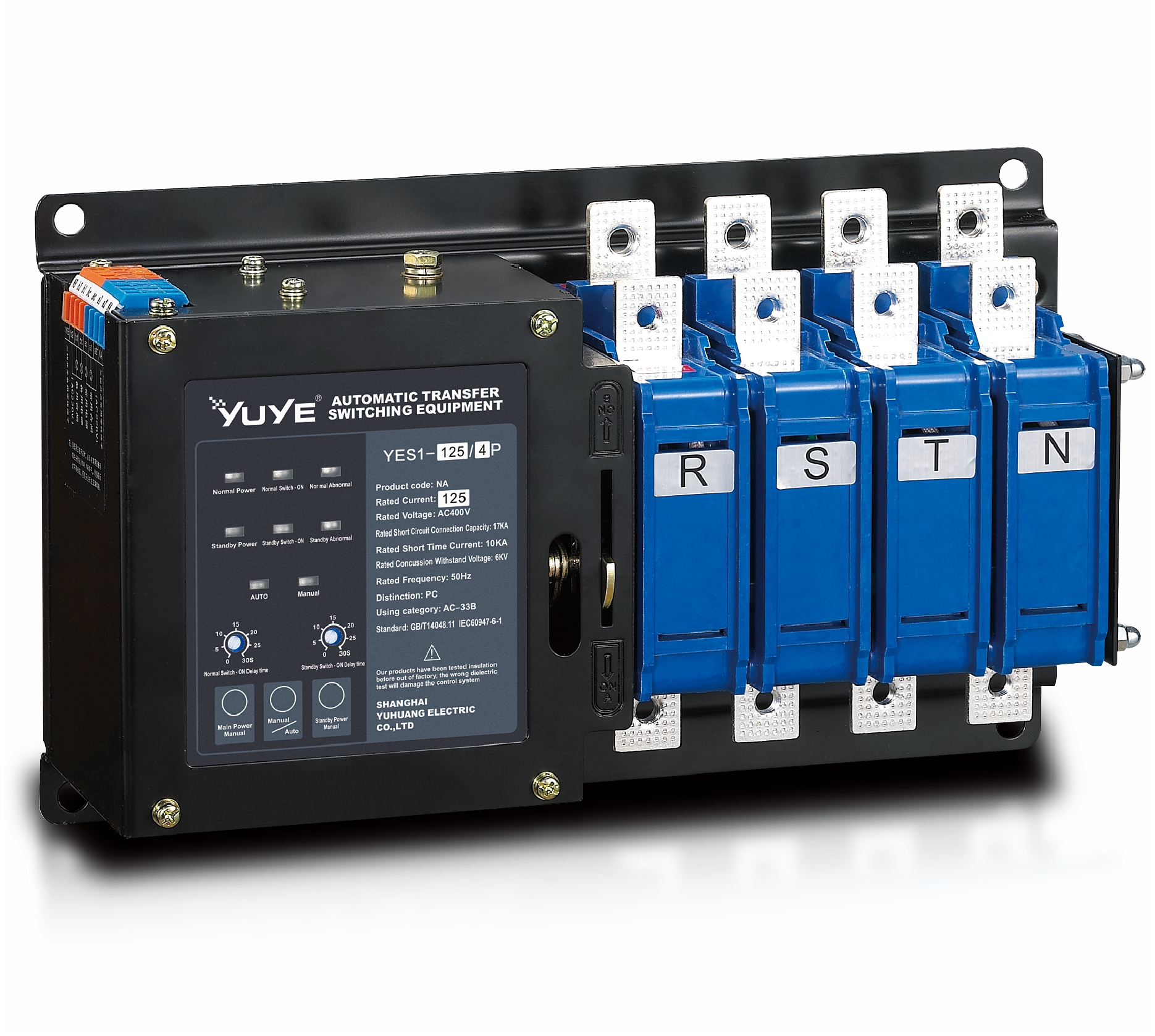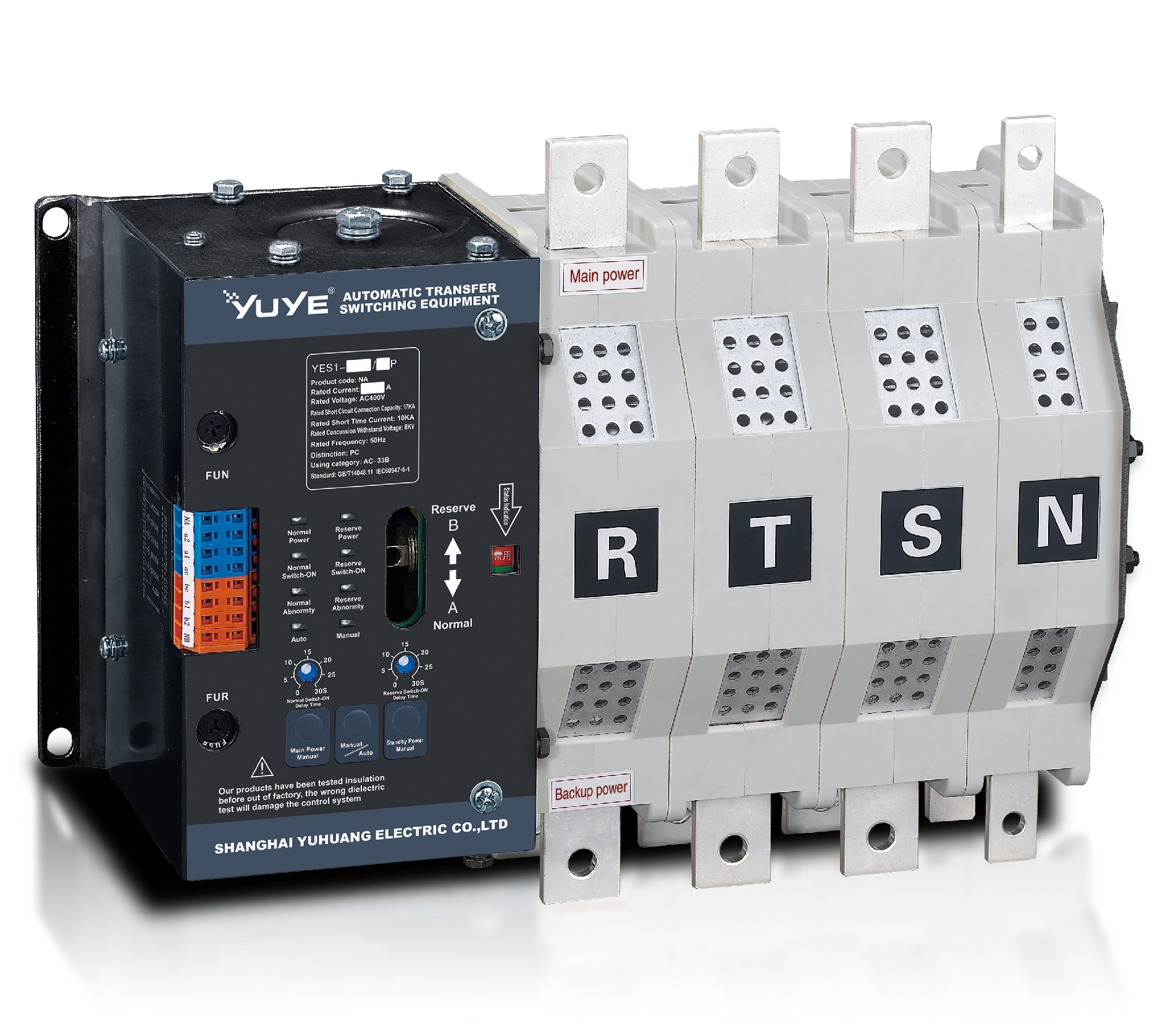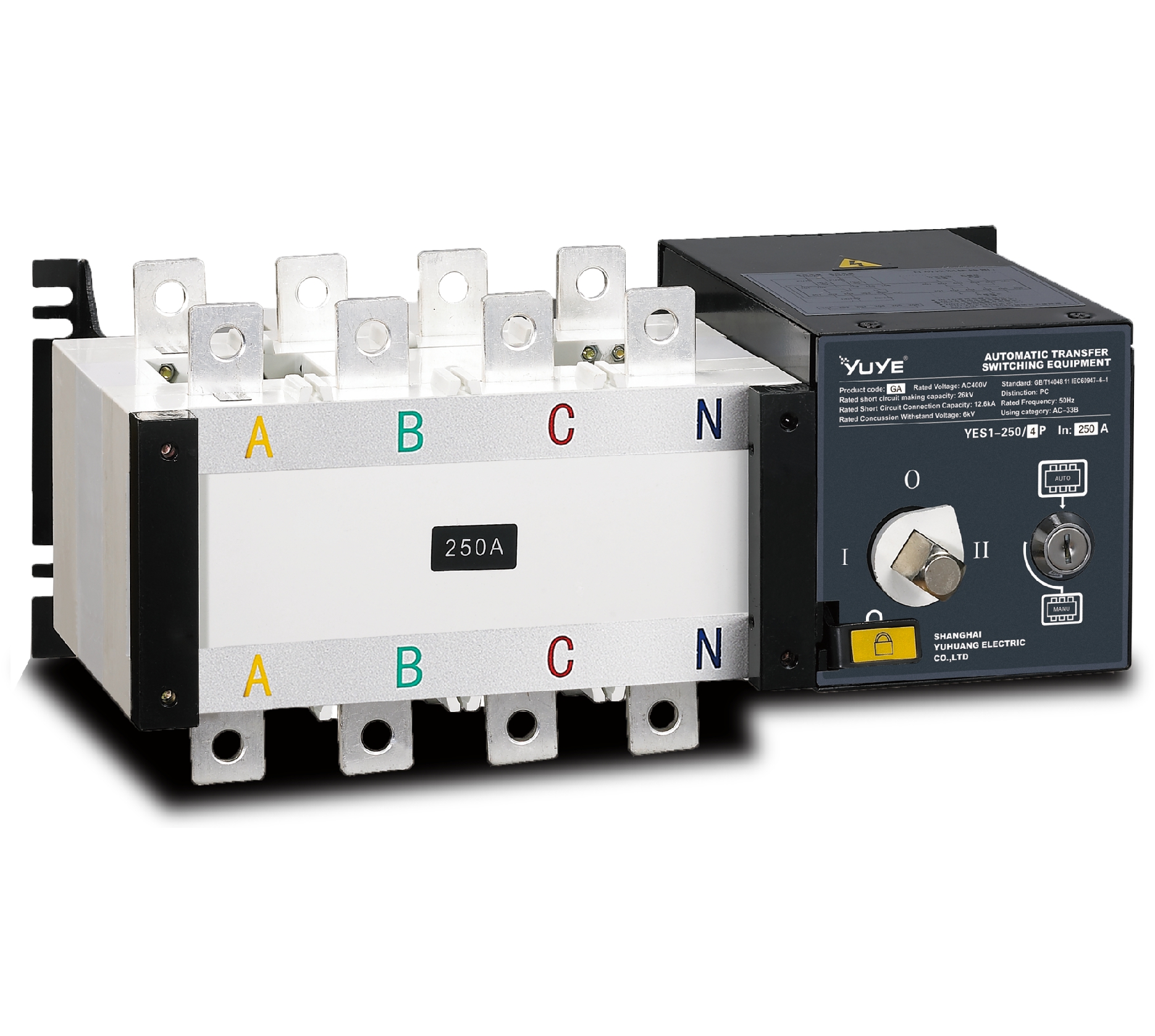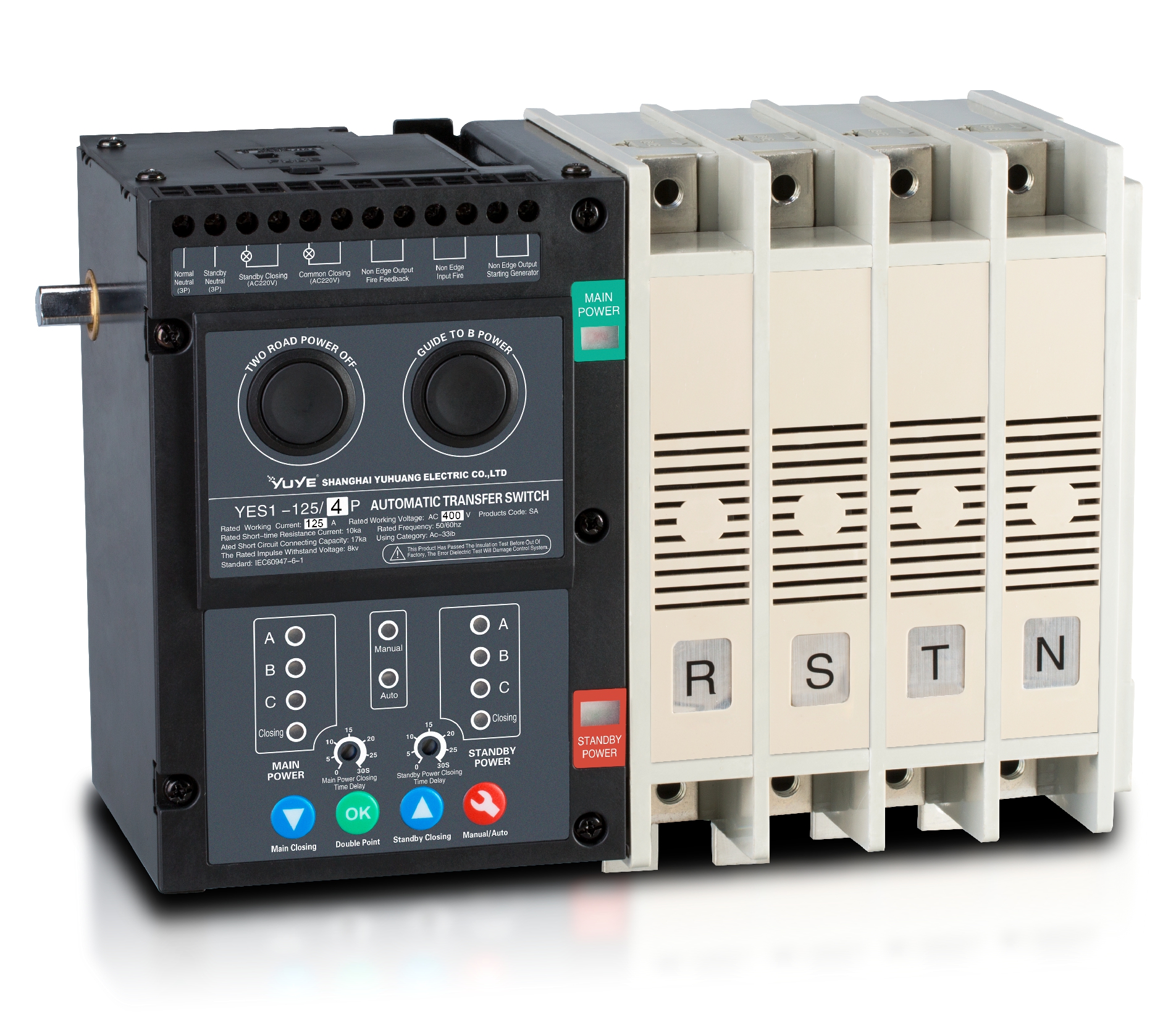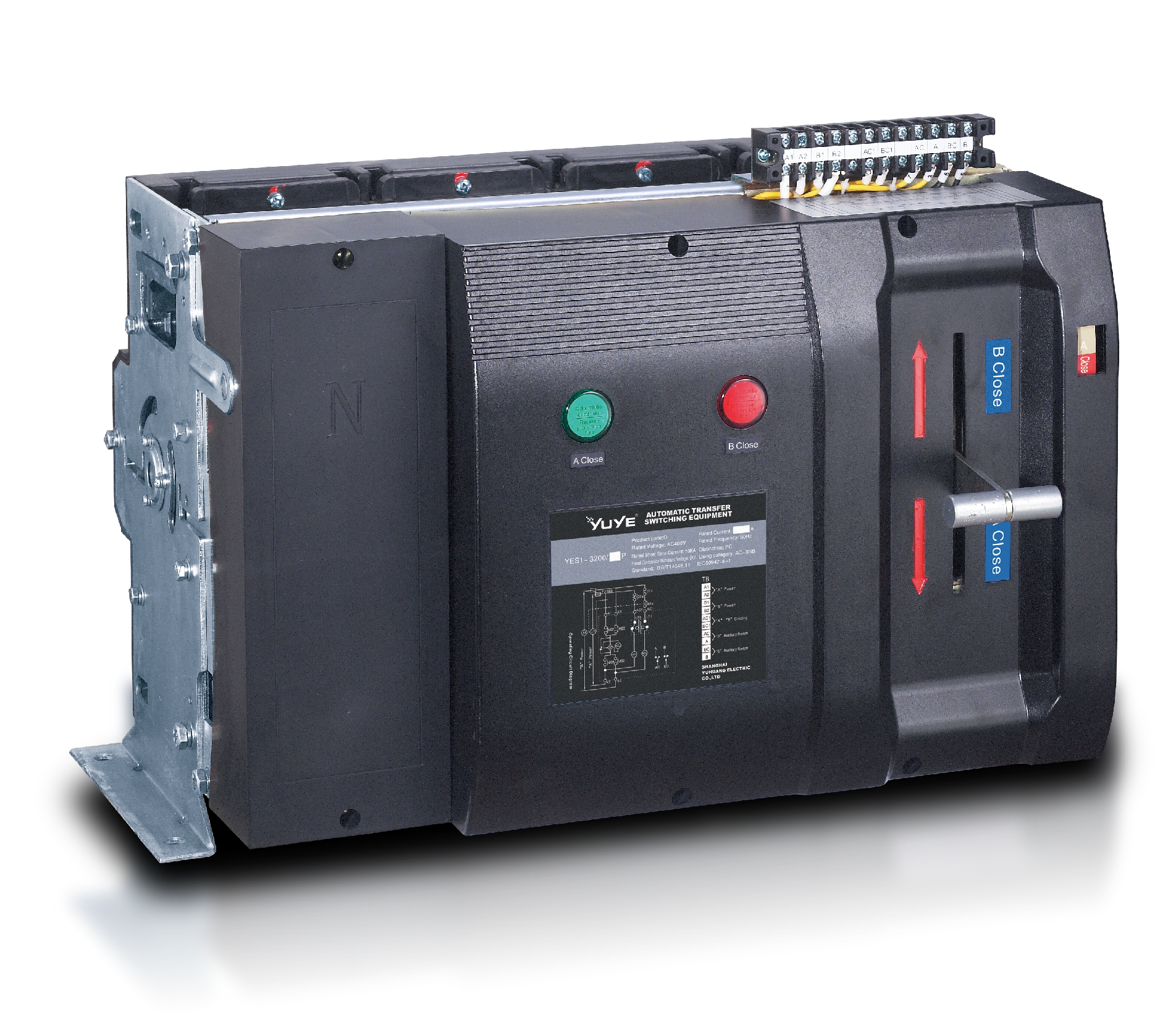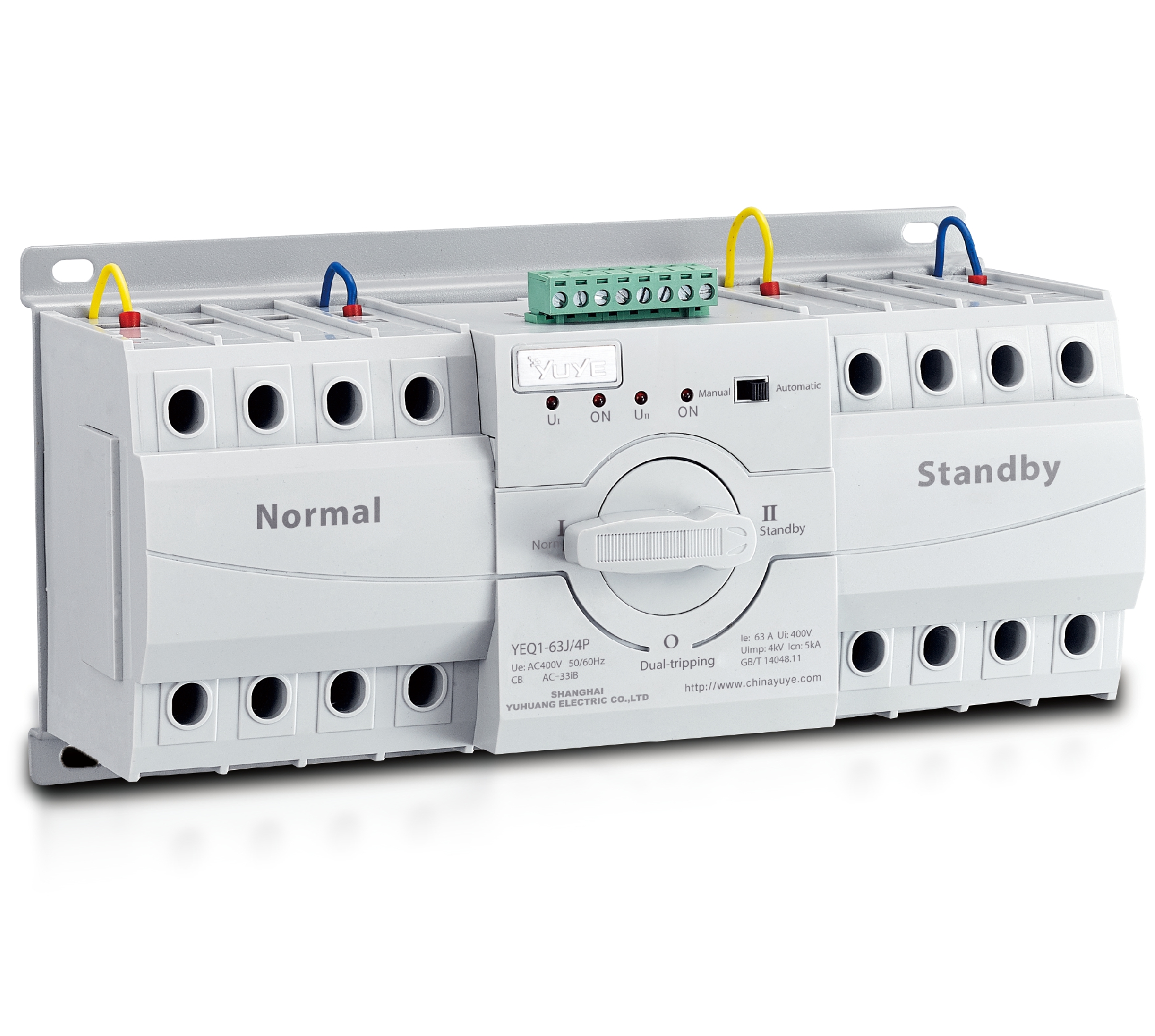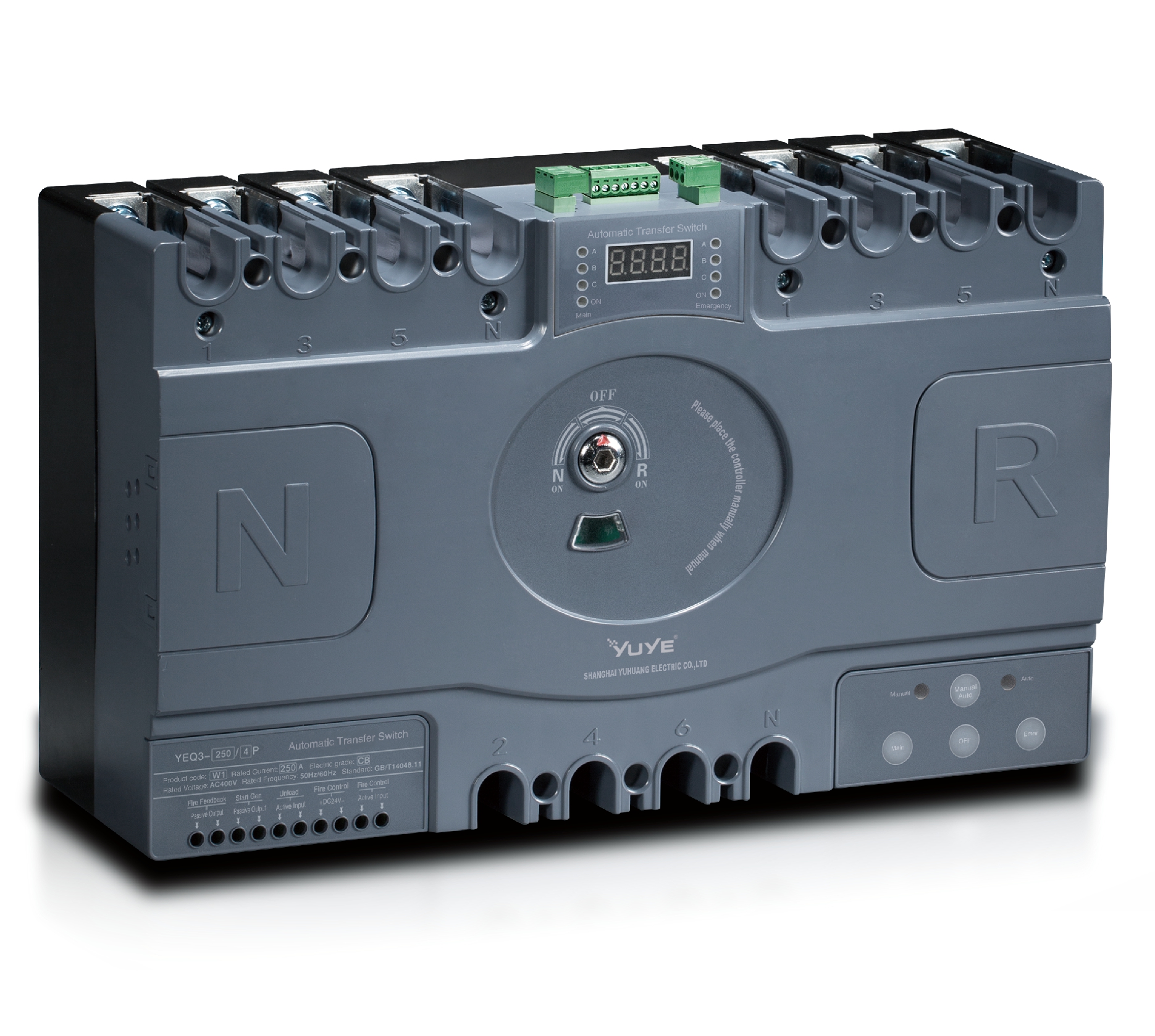
PC ATS YECT1-2000G
PC ATS YES2-63~250GN1
Solenoid-type ATS YES1-32~125N
Solenoid-type ATS YES1-250~630N/NT
Solenoid-type ATS YES1-32~125NA
Solenoid-type ATS YES1-63~630SN
Solenoid-type ATS YES1-1250~4000SN
Solenoid-type ATS YES1-250~630NA/NAT
Solenoid-type ATS YES1-63NJT
PC ATS YES1-100~1600GN1/GN/GNF
PC ATS YES1-2000~3200GN/GNF
PC ATS YES1-100~3200GA1/GA
Solenoid-type ATS YES1-63~630SA
Solenoid-type ATS YES1-63~630L/LA
Solenoid-type ATS YES1-63~630LA3
Solenoid-type ATS YES1-63MA
PC ATS YES1-630~1600M
PC ATS YES1-3200Q
Solenoid-type ATS YES1-4000~6300Q
CB ATS YEQ1-63J
CB ATS YEQ2Y-63
CB ATS YEQ3-63W1
CB ATS YEQ3-125~630W1
ATS controller Y-700
ATS Controller Y-700N
ATS Controller Y-701B
ATS Controller Y-703N
ATS Controller Y-800
ATS Controller W2/W3 Series
ATS switch Cabinet floor-to-ceiling
ATS switch cabinet
JXF-225A power Cbinet
JXF-800A power Cbinet
YEM3-125~800 Plastic Shell Type MCCB
YEM3L-125~630 Leakage Type MCCB
YEM3Z-125~800 Adjustable Type MCCB
YEM1-63~1250 Plastic Shell Type MCCB
YEM1E-100~800 Electronic Type MCCB
YEM1L-100~630 Leakage Type MCCB
Miniature circuit breaker YEMA2-6~100
Miniature circuit breaker YEB1-3~63
Miniature circuit breaker YEB1LE-3~63
Miniature circuit breaker YEPN-3~32
Miniature circuit breaker YEPNLE-3~32
Miniature circuit breaker YENC-63~125In today’s fast-changing energy world, having a solid AC Automatic Transfer Switch really can’t be overstated. I mean, just ask John Smith from Power Solutions Inc.—he’s one of the top experts around. He often points out, ‘You really need a reliable transfer switch to keep everything running smoothly without a hitch.’ And honestly, his words totally hit home because, lately, the need for smarter energy solutions is growing like crazy.
Looking ahead to 2026, there are tons of options for folks trying to pick the right switch. But let’s be real — deciding on the best one isn’t as simple as it sounds. Things like your power needs, how fast the switch kicks in, and safety features are super important. Sadly, a lot of people overlook these stuff, which ends up wasting energy or causing bigger problems down the line.
As we go through the choices out there, it’s worth acknowledging that picking the right switch isn’t always straightforward. Sometimes, misunderstandings about how much power you really need can lead to some pretty costly mistakes. The key? Taking your time, doing some research, and really thinking about what your setup requires. That way, you can make smarter decisions and avoid those annoying setbacks that could have been prevented.
Automatic Transfer Switches (ATS) play a crucial role in power management. They ensure a reliable power supply during outages. The technology has advanced significantly, enhancing operational efficiency. According to industry reports, the global ATS market size is expected to reach $3.2 billion by 2026, growing at a CAGR of 6.5%. This growth reflects the increasing demand for uninterrupted power sources.
ATS technology automatically switches from the primary power source to a backup system, often within seconds. This minimizes downtime for critical operations. In many cases, the setup of an ATS requires professional assessment. Not all environments require the same type of switch. The complexity increases with the size of the facility. Inadequate planning can lead to inefficiencies and increased operational costs.
Considering various options is essential. Some ATS may not be compatible with certain power systems. Additionally, maintenance and testing practices significantly influence reliability. A poorly maintained ATS can fail during a power outage, highlighting the need for regular inspections. Therefore, understanding your specific needs and the technology's capabilities is key to selecting the right ATS solution.
When choosing an automatic transfer switch (ATS), certain key features stand out. Look for reliable switching time. Fast response is crucial during outages. A switch that activates in seconds can save significant energy and maintain essential services. Ensure it also has good load capacity. This ensures it can handle your power demands without strain.
Another vital feature is the ability to monitor performance. Many ATS options offer real-time data. This feature helps identify issues before they escalate. Monitoring can also enhance maintenance planning, reducing downtime. Additionally, consider options with user-friendly interfaces. A clear display makes it easier to operate and diagnose any problems.
Tips: Always assess your specific power needs before deciding. Don't overlook compatibility with existing systems. Take time to read user reviews. They often reveal insights beyond specifications. Remember, finding the perfect ATS for your needs could take some trial and error. Reflect on what could work best for your setup.
When considering the best AC automatic transfer switches, examining the top brands in 2026 is crucial. The market is projected to grow significantly, driven by the increasing need for uninterrupted power supply across various sectors. According to a recent industry report, the global market for transfer switches is expected to reach $2.5 billion by 2026. This growth highlights the importance of reliable power solutions.
Several brands dominate this market, focusing on durability, efficiency, and innovative technology. A study showed that 60% of consumers prioritize ease of use and reliability when selecting their transfer switch. It's essential to look for models with quick switching capabilities to ensure minimal downtime. However, some users reported issues with compatibility, indicating that not all switches work seamlessly with every generator model. This reflects the need for careful evaluation of specifications.
While many brands tout their longevity and performance, users should be aware of potential shortcomings. Some models may not perform optimally under heavy loads. Furthermore, the assembly and installation process can be a challenge for some consumers. Recognizing these limitations can guide buyers in selecting a switch that truly meets their needs. Evaluating both specifications and real-user experiences can lead to better purchasing decisions.
When choosing between manual and automatic transfer switches (ATS), many factors come into play. Automatic transfer switches provide seamless transitions between power sources. They sense outages automatically, ensuring minimal disruption. In contrast, manual switches require human intervention. This can lead to delays during a power failure. It's critical to evaluate the role urgency plays in your situation.
Some users appreciate the simplicity of manual switches. They are often less costly and straightforward to operate. However, they demand constant supervision and can be prone to human errors. A missed switch can result in significant downtime. Automatic switches, while more complex, can save time and effort in critical situations.
Consider maintenance aspects as well. Manual switches typically have fewer components to fail. However, their reliance on human action may lead to overlooked checks. Automatic models may require periodic software updates, adding layers of complexity. Each option has unique advantages and challenges, making the choice tailored to individual needs.
When considering the installation of AC automatic transfer switches (ATS), it's crucial to evaluate several factors. The National Electrical Code (NEC) outlines requirements that affect installation. In 2021, about 30% of installations failed to meet these guidelines. Understanding these codes helps prevent costly retrofits later.
Location is a vital aspect. ATS must be easily accessible for maintenance. It should be installed in a location with proper ventilation. Overheating can reduce efficiency. According to industry studies, proper installation can improve lifespan by up to 40%. This is significant.
Additionally, the sizing of the ATS is essential. Miscalculating can lead to underperformance or frequent failures. Many installers overlook load calculations. This oversight can lead to unexpected outages. The wrong size can also stress the generator. A poorly chosen switch can result in operational inefficiencies. It's a complex balancing act. Proper assessment and planning are key to successful installation.
When evaluating Automatic Transfer Switch (ATS) models, a cost-benefit analysis is crucial. The initial investment varies significantly. Estimates suggest that basic models start around $2,000, while high-end systems can exceed $10,000. This price range often reflects features like load handling capacity and switching speed.
Operational costs also play a vital role. According to industry reports, routine maintenance expenses can account for up to 15% of the total ownership cost annually. Thus, a less expensive switch may require more frequent repairs. This could negate its lower initial price tag. Energy efficiency is another factor to consider; some models claim savings of 10-20% on energy bills. However, actual savings can differ due to installation configurations.
Potential buyers should also factor in reliability ratings. Reports indicate that up to 30% of ATS fail during critical power outages. Considering these statistics is important. Users may need to pay extra for advanced models with higher reliability. The right ATS choice is not solely about price; performance and longevity matter too. Balancing cost with these factors can lead to better long-term value.
| Model | Power Rating (kW) | Transfer Time (Sec) | Voltage (V) | Cost ($) | Warranty (Years) | Key Features |
|---|---|---|---|---|---|---|
| ATS 3000 | 30 | 4 | 120/240 | 500 | 5 | Smart Load Management |
| ATS 5000 | 50 | 6 | 120/240 | 750 | 7 | Dual Voltage Capability |
| ATS 10000 | 100 | 7 | 120/240 | 1200 | 10 | Remote Monitoring |
| ATS 15000 | 150 | 8 | 120/240 | 1500 | 10 | Advanced Surge Protection |
Automatic transfer switches (ATS) are vital for seamless power transition. Regular maintenance is essential for optimal performance. Start with inspecting connections. Look for any loose wires or corrosion. These issues can cause unreliable operations.
In addition, conduct routine testing. Monthly checks can identify problems early. Run the switch under load to ensure it operates correctly. Listen for unusual sounds during this process. They may indicate wear or malfunction.
Keep the area around the ATS clean. Dust accumulation can lead to overheating. Monitor the environment. Extreme temperatures can affect the unit’s efficiency. It’s essential to be proactive rather than reactive. Ignoring these maintenance tips can lead to bigger issues down the line.
: The product aims to improve users' daily convenience and efficiency. It simplifies tasks in everyday life.
Yes, it is designed for all skill levels. However, some features may require a learning curve.
Regular cleaning and checking components are essential. Neglecting maintenance can lead to decreased performance.
Some users report difficulties with specific functions. Troubleshooting guides can help resolve these problems.
Yes, it offers versatility. Users can adapt it for various tasks, though it may not excel at all.
Users can refer to the online support resources. Getting help from peers can also be beneficial.
Users should be cautious. Misuse can lead to unwanted results or malfunctions, reflecting the need for mindfulness.
Yes, there is a limited warranty. Users should review the warranty terms for coverage details.
Results vary based on usage. Some may notice improvements quickly, while others require patience and adjustment.
Refund policies exist, but conditions apply. Users are advised to read the terms carefully before purchasing.
The article "2026 Best AC Automatic Transfer Switch Options to Consider" provides a comprehensive overview of AC Automatic Transfer Switch (ATS) technology, highlighting the essential features prospective buyers should consider, such as reliability, speed of transfer, and ease of installation. It also delves into the comparative analysis of manual versus automatic transfer switches, emphasizing the advantages of automatic systems in terms of convenience and efficiency.
Furthermore, the article presents installation considerations and a cost-benefit analysis of various ATS models, enabling readers to make informed decisions based on their specific needs. Maintenance and troubleshooting tips are also discussed, ensuring that users can effectively maintain their AC Automatic Transfer Switches for optimal performance. Overall, the article serves as a valuable resource for anyone looking to invest in an ATS in 2026.