0%

At Control Automat Transfer Switch, we know that efficiency and reliability are pretty much everything. These switches are the unsung heroes when it comes to making sure power doesn't suddenly cut out. If you're running a business, understanding how they work is super important—trust me, it makes a big difference.

Picking up on best practices can really help extend your equipment’s lifespan, and doing regular maintenance checks can save you from those annoying—and costly—surprise failures. It’s also a good idea to train your team on how to operate these systems properly. If people don’t handle them right, it can lead to serious problems, and nobody wants that.

And hey, let’s be real—mistakes happen. Even tiny oversights can cause power disruptions, so it’s all about creating a culture where continuous improvement is the goal. When we embrace challenges instead of avoiding them, we often come up with smarter solutions. At Control Automat Transfer Switch, we believe that facing those challenges head-on can lead to better results for everyone involved.

Best Practices for Control Automat Transfer Switch Explained?

Understanding Control Automatic Transfer Switch Basics

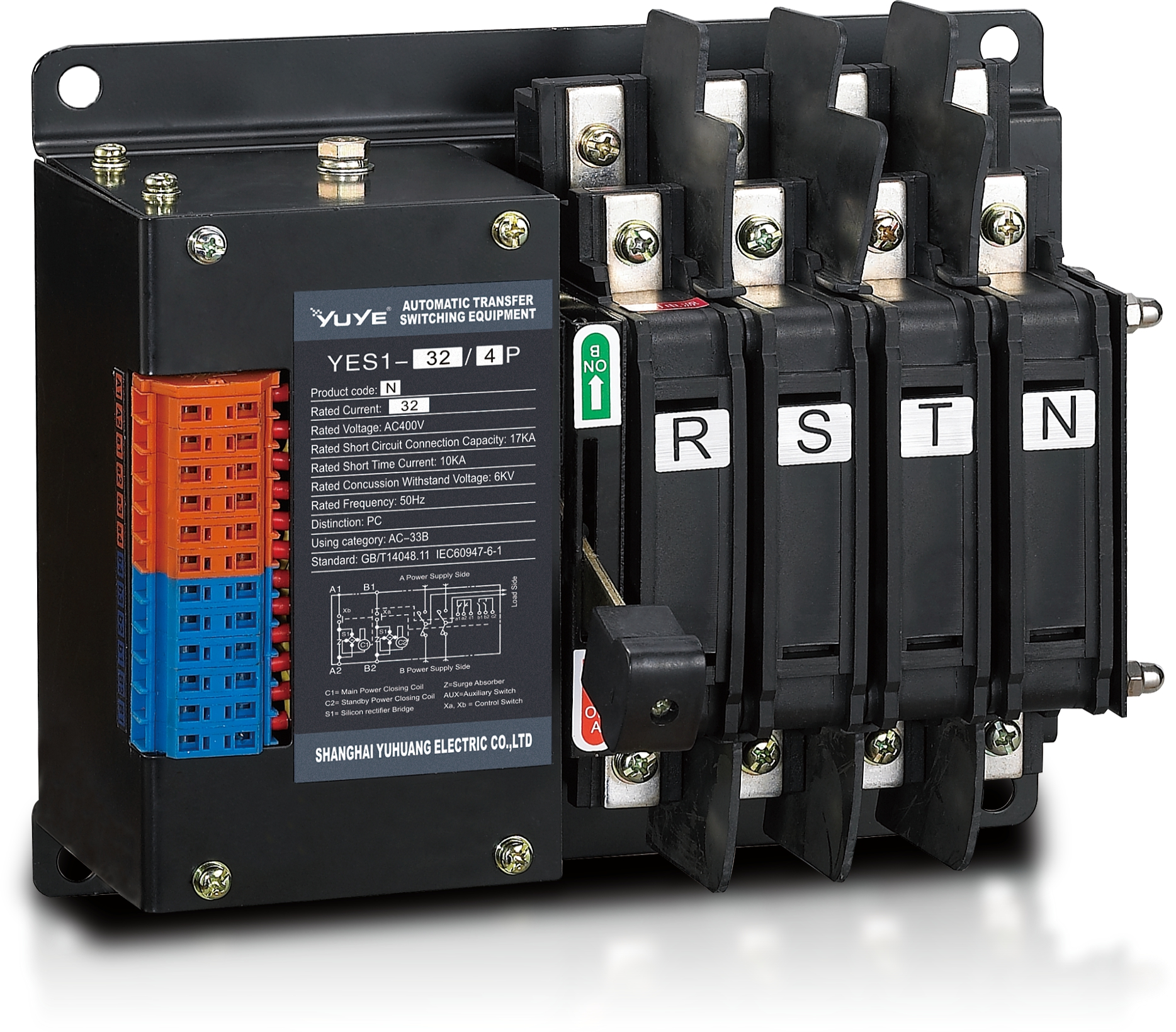
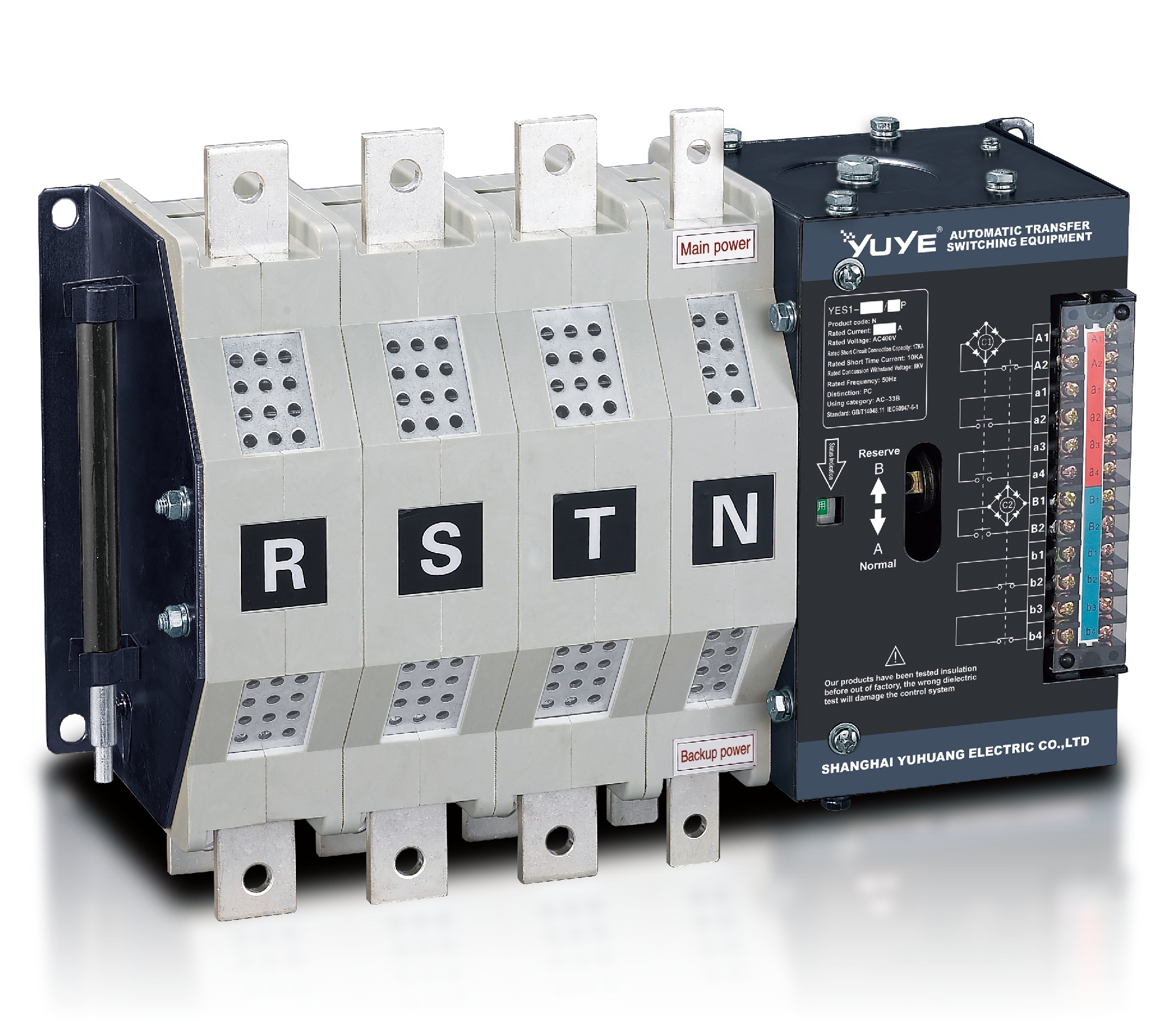
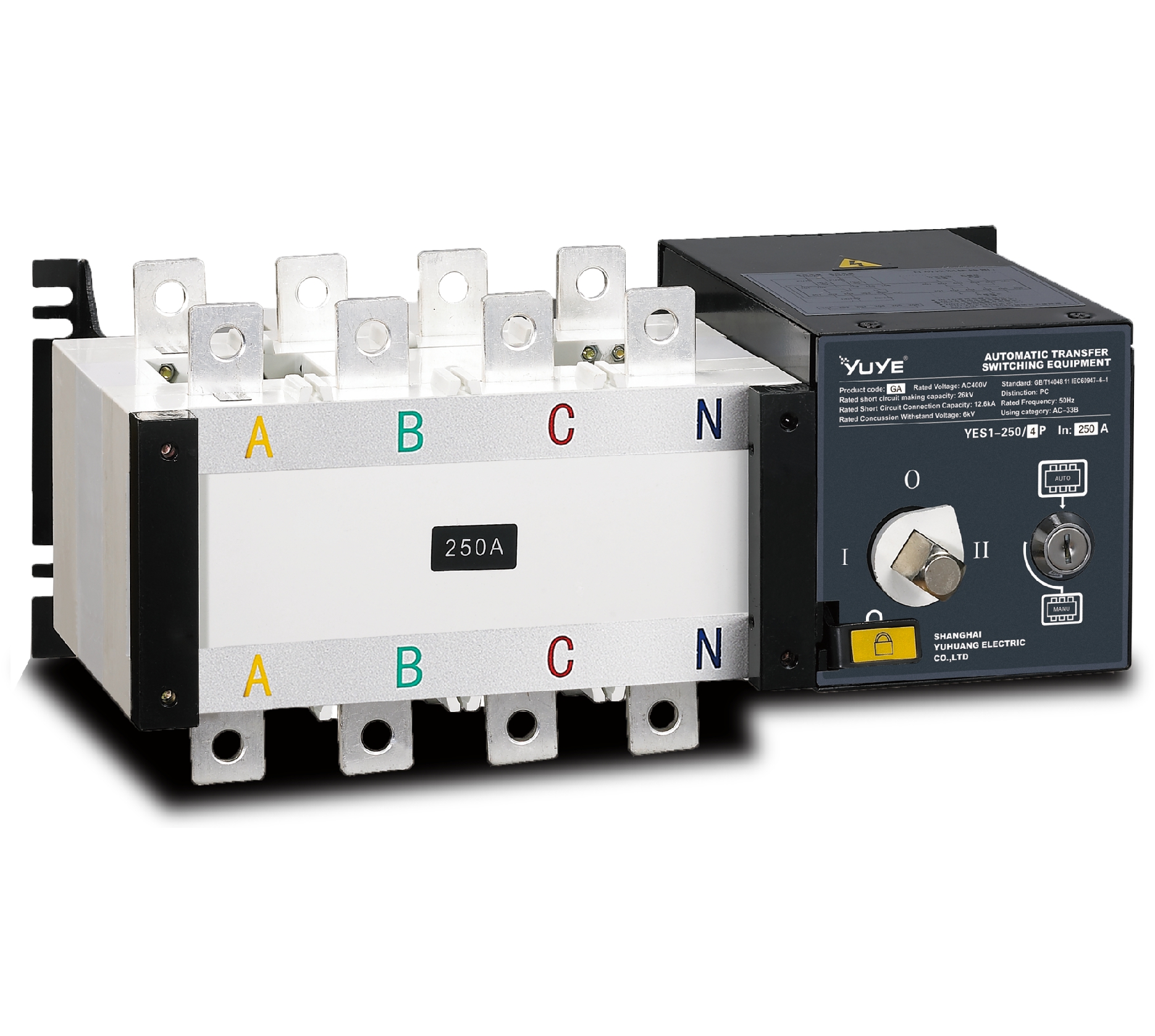
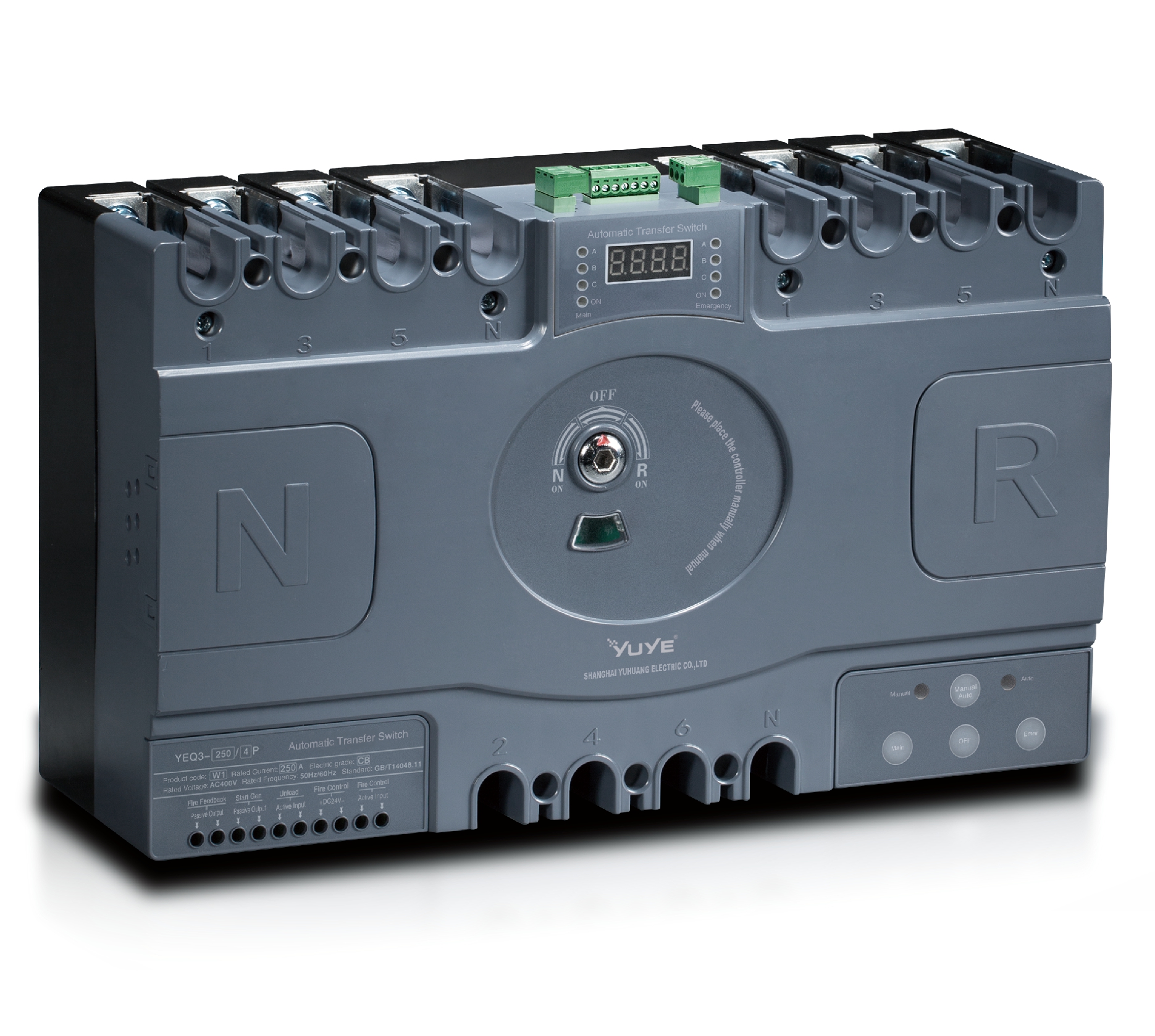
Understanding Control Automatic Transfer Switch (ATS) basics is essential for reliable power systems. An ATS is a critical component in facilities requiring uninterrupted power supply. It automatically switches to a backup generator when the main power source fails. This ensures that operations continue smoothly during outages. The design of an ATS must accommodate various voltage and current ratings to suit different environments.

In practice, the installation of an ATS can be complex. Proper sizing and selection are key to efficiency. Overestimating load requirements can lead to unnecessary expenses. On the other hand, underestimating can cause system failures. Regular maintenance is crucial, yet often overlooked. Neglecting this aspect can result in unexpected failures during emergencies. It’s vital to implement rigorous testing protocols to ensure reliability.

Training staff on ATS operation is equally important. Many users lack adequate understanding of its features. This gap can lead to mishaps in operational settings. One must also consider environmental factors like temperature and humidity. These can affect the ATS's performance significantly. Adapting systems to local conditions can often resolve unexpected issues. Recognition of these challenges is necessary for enhancing system resilience.

Key Components of Automatic Transfer Switch Systems

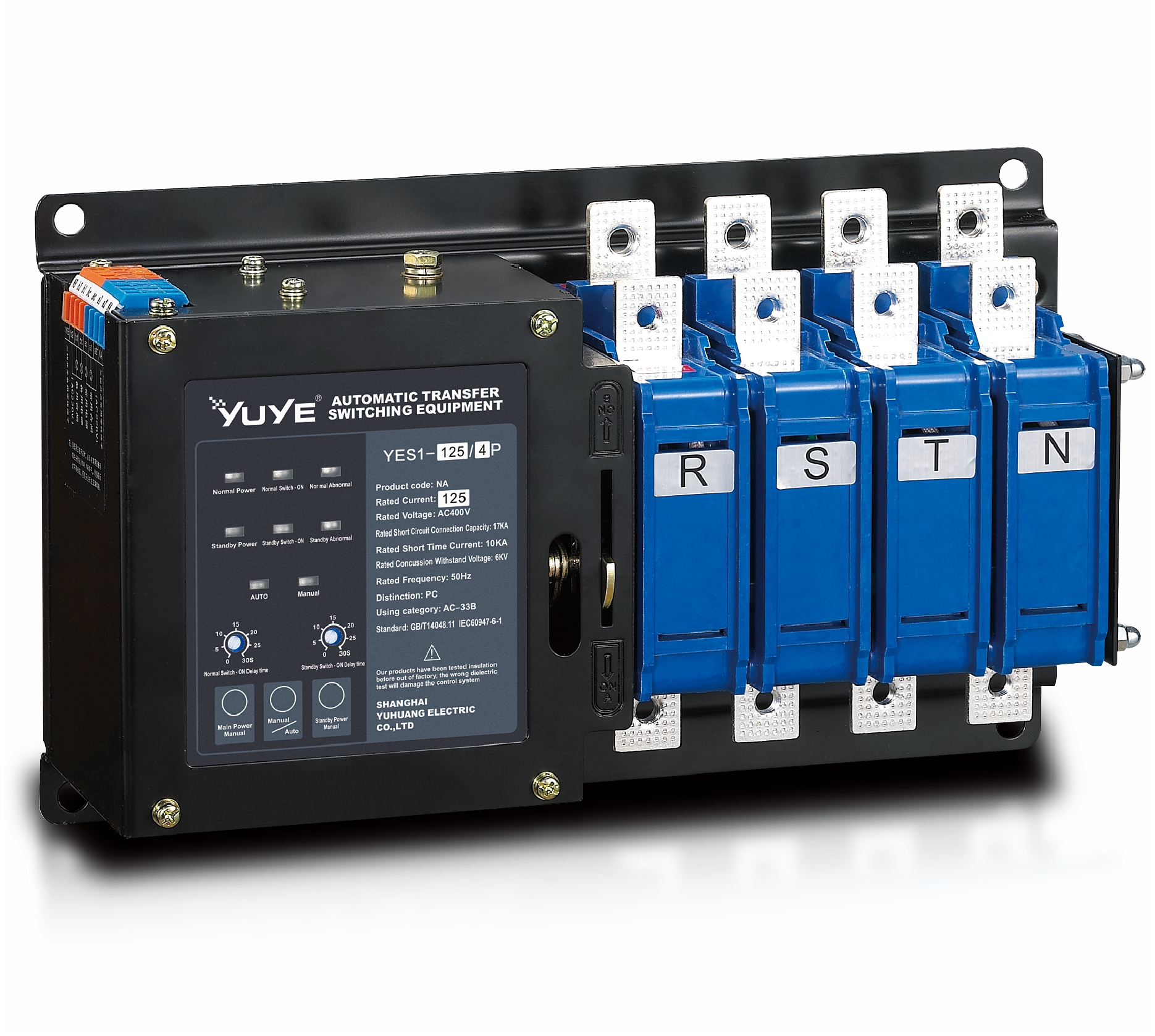
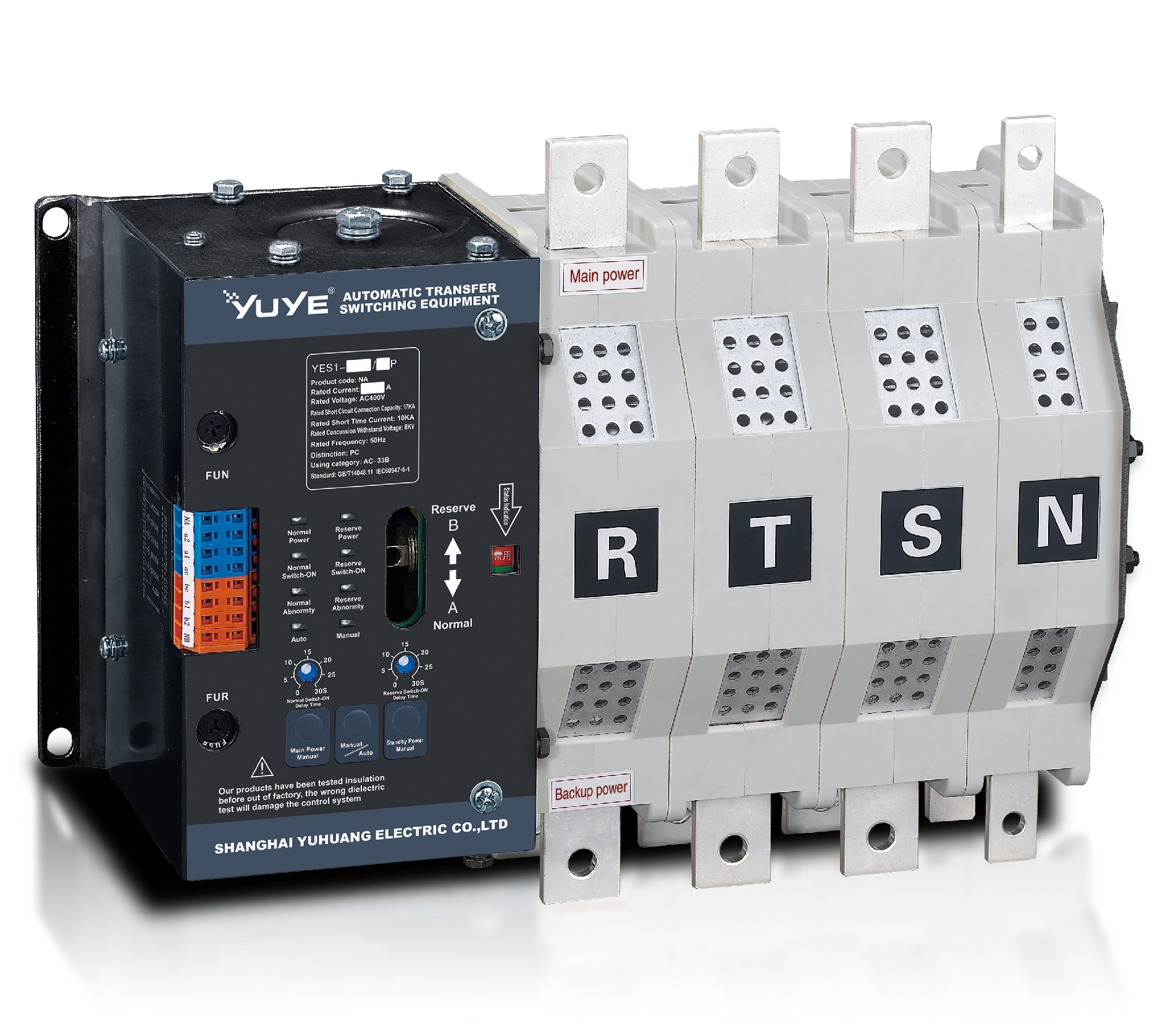
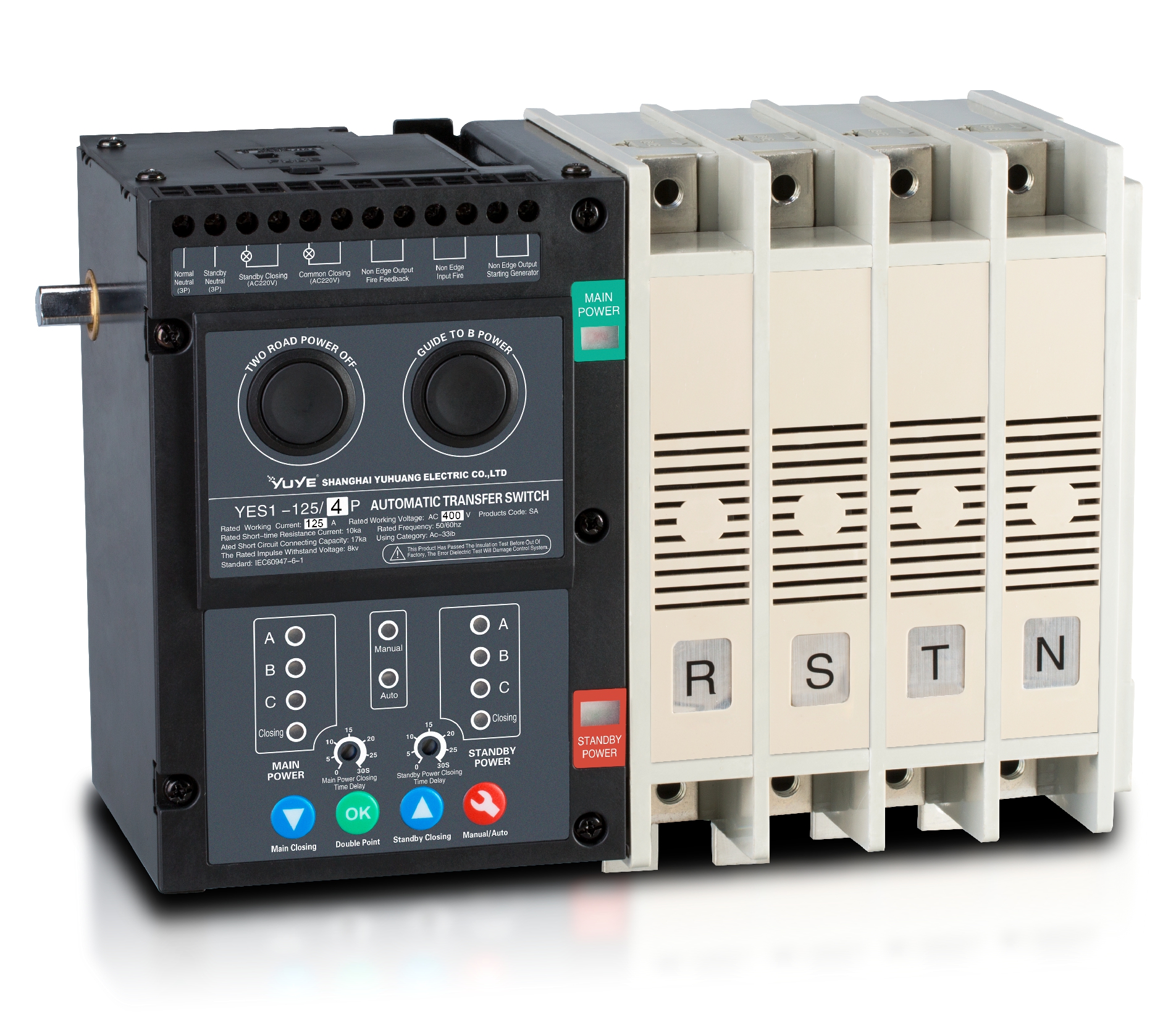
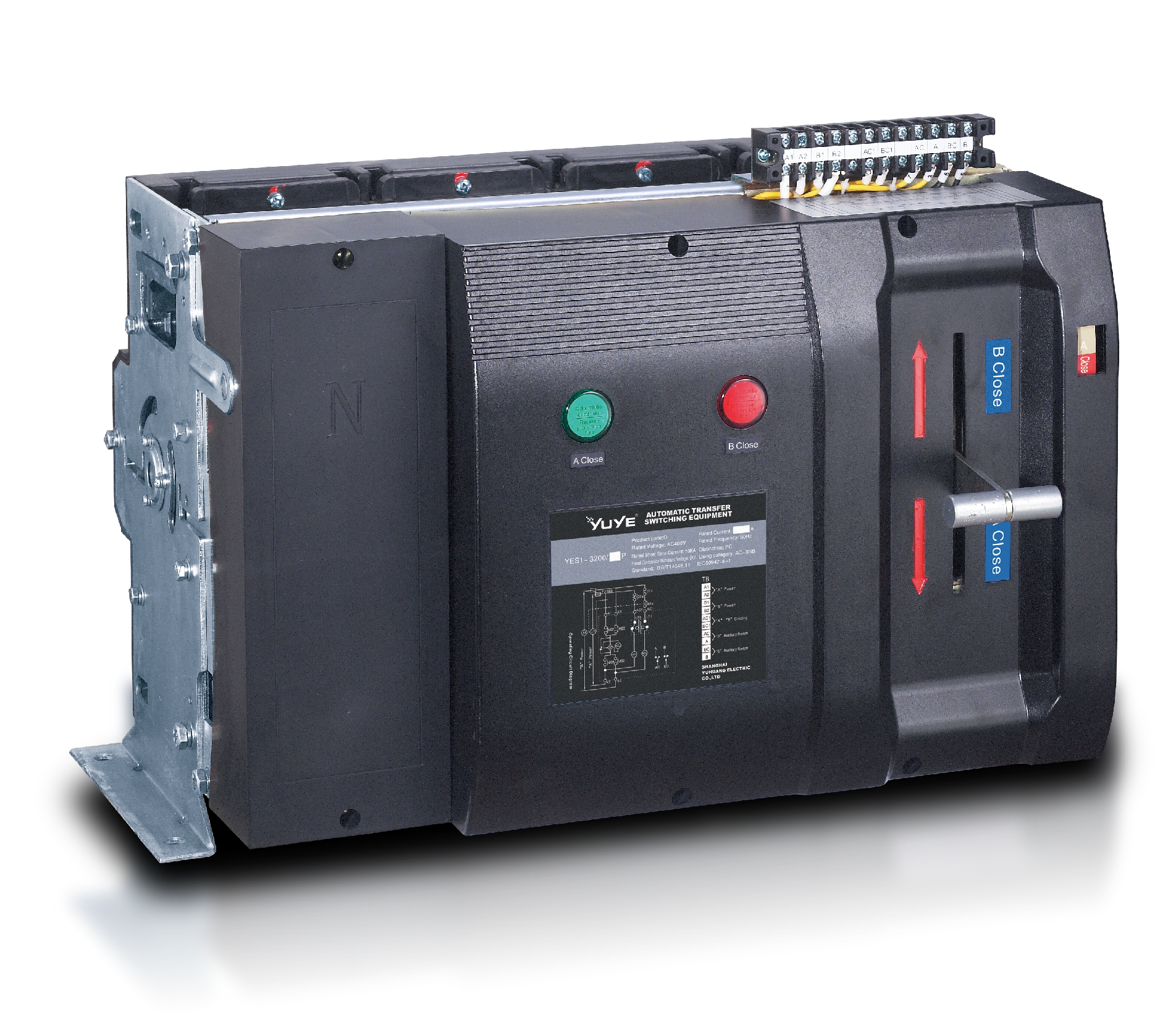
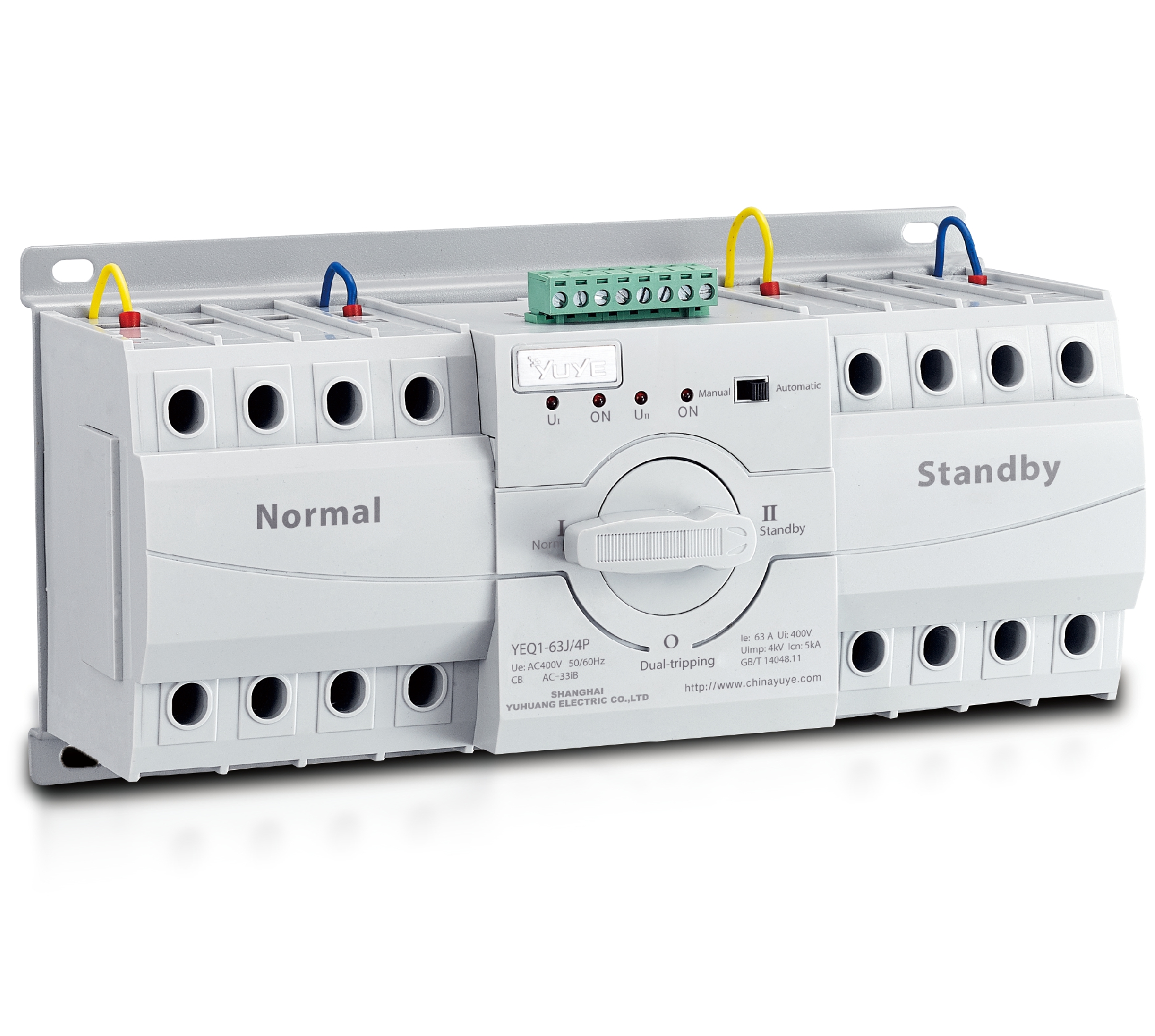
Automatic Transfer Switch (ATS) systems play a vital role in maintaining power supply during outages. An ATS quickly transfers the load to a backup power source, ensuring minimal disruption. Key components of these systems include the control panel, relays, and sensors. These parts work together seamlessly for reliable performance.

The control panel makes monitoring easy. It displays system status and alerts operators of any issues. Relays are crucial for switching between power sources. They respond to signals from sensors that detect power loss or restoration. This intricate communication helps avoid delays during emergencies.

However, improper installation can lead to failures. Some users overlook routine maintenance. This negligence can result in system malfunctions during critical moments. Understanding each component's function is essential. Regular checks and updates on connections can prevent issues. Simple practices can enhance reliability and longevity.

How Automatic Transfer Switches Operate During Power Outages

Best Practices for Control Automat Transfer Switch Explained?

During power outages, automatic transfer switches (ATS) play a crucial role in maintaining power supply. They detect outages and switch to backup power sources seamlessly. According to the Electric Power Research Institute, nearly 1 in 6 customers experience power outages lasting more than an hour each year. An ATS ensures that critical systems remain operational during these disruptions.

Understanding the components of ATS is essential. These systems consist of sensors, controls, and the switching mechanism. When a power failure occurs, the ATS senses the drop in voltage. Within seconds, it disconnects from the utility and connects to an alternative power source, like generators. This process is vital for hospitals, data centers, and emergency services.

Tips: Regular maintenance checks are essential for ATS. Ensure that all connections are tight and that the components function as expected. During a power outage, remember that not all ATS can handle high loads simultaneously. Understand your system's limits to avoid overloading it. It’s important to review power needs periodically, as requirements may change over time. Improved awareness can lead to better preparedness for unexpected outages.

Best Practices for Installing Automatic Transfer Switches

Installing an automatic transfer switch (ATS) requires careful planning and execution. According to the Electric Power Research Institute, improper installation can lead to severe operational failures. This can cause costly downtime, especially for critical systems. It is essential to follow the manufacturer’s guidelines precisely. Over 40% of installation issues stem from incorrect wiring. This is a common oversight that can be easily avoided.

Choosing the right location for the ATS is crucial. It should be easily accessible for maintenance. Moreover, an ideal installation site minimizes electrical risks. Industry reports indicate that nearly 30% of transfer switches are installed in locations that are hard to reach. This can lead to delays during emergencies. Additionally, proper grounding is often neglected. This oversight can create safety hazards and reduce the device's efficiency.

Testing the ATS pre-installation is another vital practice. Many professionals skip this step due to time constraints. However, simulations can reveal connection issues early. According to a study by the National Electrical Contractors Association, testing can reduce failure rates by at least 25%. It's essential to address these aspects for a reliable operation in the long term.

Best Practices for Installing Automatic Transfer Switches

Maintenance Tips for Ensuring Reliable Operation

Regular maintenance of control automatic transfer switches (ATS) is essential for ensuring reliable operation. Industry reports indicate that up to 30% of power outages result from equipment failure. This startling statistic highlights the need for consistent upkeep. Inspecting connections and components every six months can significantly reduce the risk of unexpected failures. During maintenance, technicians should check for corrosion and wear, which often go unnoticed.

Documentation is another crucial aspect of maintenance. Keeping a log of inspections and repairs allows for better tracking of performance and potential issues. Studies show that ATS systems with updated maintenance records operate 15% more efficiently. Properly calibrated systems minimize the risk of trip failures, which can lead to significant downtime. Don't overlook routine tests, such as monthly under-load checks. They can reveal underlying problems before they escalate.

Many facilities struggle with maintenance priorities. Some may neglect aging equipment, thinking it will function indefinitely. However, neglect leads to higher repair costs and longer outages. Refocusing on preventive measures can extend the life of ATS units. Regular training for staff on operational best practices can foster a proactive maintenance culture. Investing in these strategies can yield substantial long-term savings.

Common Issues and Troubleshooting Techniques

Best Practices for Control Automat Transfer Switch Explained?

When dealing with control automatic transfer switches, common issues can surface during operation. One frequent problem is failure to switch power sources. This can result from faulty wiring. Always double-check the connections and ensure they meet specifications. Another issue is the lack of proper maintenance. Dust and debris can accumulate, affecting performance. Cleaning the switch periodically can prevent these disruptions.

Unexpected noises are also a sign of trouble. Gurgling or hissing sounds might suggest internal issues. If this occurs, inspect the unit immediately. Ignoring these sounds can lead to worse problems down the line. Additionally, incorrect load management is a concern. Overloading the switch can trip the breaker. Ensure that loads are balanced and regularly monitored.

Troubleshooting these issues requires a systematic approach. Start with visual inspections to identify obvious faults. Checking error codes on the display can also provide insights. Occasionally, the manual might offer helpful guidance for specific problems. Being proactive in addressing these issues will enhance the reliability of your transfer switch. Stay informed and attentive to any irregularities that may arise.

Safety Standards for Automatic Transfer Switch Applications

Automatic Transfer Switches (ATS) are critical in maintaining power supply during outages. Safety standards play a vital role in their operation. According to the National Fire Protection Association (NFPA), nearly 75% of power interruptions can be mitigated with proper ATS systems. Understanding these safety standards is key for effective applications.

Proper installation and regular maintenance of ATS are essential. Adhering to the latest standards from the Institute of Electrical and Electronics Engineers (IEEE) ensures reliability. These standards cover load assessment, as well as how to handle emergency situations. Inadequacies during installation can lead to equipment failure and safety hazards.

Tips:

  • Always consult safety regulations before installation.
  • Schedule regular maintenance checks to avoid potential failures.
  • Educate staff about emergency procedures related to ATS.

Ignoring these standards could lead to significant risks. Data from the Electrical Safety Foundation International (ESFI) indicates that improper installations contribute to 30% of electrical fires. Ensuring compliance with safety standards not only protects the equipment but also the lives of those who rely on it. Proper protocols should never be overlooked; they are the backbone of a safe and efficient power management system.

FAQS

: What is the main topic of the articles?

: The articles cover various aspects of sustainability and environmental practices.

Why is sustainability important?

Sustainability ensures the well-being of future generations. It helps preserve resources and protect ecosystems.

How can individuals practice sustainability?

Individuals can reduce waste, recycle, and conserve energy. Small changes can lead to significant impacts.

What are some common misconceptions about sustainability?

Some believe sustainability is expensive or inconvenient. However, many sustainable choices are accessible and cost-effective.

How does climate change affect our lives?

Climate change can lead to extreme weather, food shortages, and health risks. Its effects are already visible.

What role do businesses play in sustainability?

Businesses can adopt eco-friendly practices and promote sustainability. Their choices influence consumer habits.

Can technology help in achieving sustainability?

Yes, technology can create efficient systems for energy use and waste management. However, it needs responsible application.

What are the challenges of promoting sustainability?

Some face resistance due to cost, awareness, or convenience. Changing mindsets requires persistent efforts.

How does community involvement contribute to sustainability?

Engaged communities can drive local initiatives. Collective action amplifies the impact of individual efforts.

What is one flaw in current sustainability practices?

Many initiatives lack long-term planning. Without sustainable frameworks, efforts may falter over time.

Conclusion

The article "Best Practices for Control Automat Transfer Switch Explained" provides a comprehensive overview of control automatic transfer switches (ATS). It begins by outlining the fundamental principles of ATS, emphasizing their role in ensuring a seamless power supply during outages. Key components, including sensors, controls, and switches, are discussed to highlight their significance in the system's operation.

Furthermore, the article delves into the operational mechanisms of ATS during power failures, offering insights into the transition process and the importance of reliability. Best practices for installation are provided to ensure optimal performance and longevity, alongside maintenance tips to prevent common issues. Troubleshooting techniques are also covered, equipping readers with the knowledge to handle potential problems effectively. Lastly, the article emphasizes adherence to safety standards, ensuring that at Control Automat Transfer Switch, users can operate their systems with confidence and security.

Blog Tags:

Emma

Emma

Emma is a dedicated marketing professional at One Two Three Electric Co., Ltd., a distinguished manufacturer renowned for its expertise in the development and production of molded case circuit breakers and air circuit breakers. With a profound understanding of the company’s core business and its......
Previous Exploring Innovative Alternatives to Automatic Transfer Switch Ats in Modern Power Solutions