These days, with the electrical world changing so fast, picking the right MCCB breaker is more important than ever if you want things to run safely and smoothly. As industries expand and the need for dependable power solutions grows, it's really key to understand what makes Moulded Case Circuit Breakers tick. Here at One Two Three Electric Co., Ltd., we’re all about designing and manufacturing top-quality MCCB breakers that suit a wide range of needs — all while sticking to the latest safety standards.
To help you out, we’ve put together this handy checklist. It’ll walk you through the must-know factors to consider when choosing an MCCB, so your choice not only covers what you need now but also keeps an eye on what’s coming down the line. Let’s dive into what to look for in an MCCB and see how we at One Two Three Electric Co., Ltd. can help you make the best call for your electrical setup.
Understanding MCCB Types and Their Unique Features
When you're trying to pick the right Molded Case Circuit Breaker (MCCB) for your electrical setup, it’s really helpful to understand the different types out there and what makes each one unique. MCCBs are super important because they protect your circuits from overloads and short circuits — but not all of them are the same. You’ve got thermal-magnetic, electronic, and hydraulic magnetic MCCBs, and each one has its own perks. For example, thermal-magnetic ones are pretty much all-rounders and work well in most situations. On the other hand, electronic MCCBs come with fancy features like adjustable trip settings and better monitoring, which can be a game-changer depending on what you need.

At One Two Three Electric Co., Ltd., we’re all about designing and making top-quality MCCBs. We make sure every product meets strict safety and reliability standards. Whether you’re looking for a simple overload protection or something more advanced with electronic controls, we’ve got you covered. Our goal is to stay innovative and precise in our manufacturing because we want our customers to get durable, high-performing breakers that will last and keep their electrical systems running smoothly — no matter the environment.
Common Problems Encountered with Different MCCB Types
When you're choosing the right Molded Case Circuit Breaker (or MCCB), it's really important to understand some of the common issues folks run into with different types. Trust me, getting this right is key to keeping your electrical system safe and running smoothly. A report from the International Electrotechnical Commission even points out that about a quarter of electrical failures in industrial setups happen because of incorrect MCCB selection. Things like nuisance trips, not enough current capacity, or environmental factors can seriously mess with how well your circuit breaker performs.

Now, one of the biggest headaches with MCCBs is nuisance tripping. Some studies show that nearly 30% of trips happen because of temporary overloads or slight fluctuations in current—things that usually shouldn’t trip the breaker at all. Plus, if you don’t think about the environment—like temperature and humidity—when choosing your MCCB, you might end up with some real operational headaches, especially in rough industrial conditions. Paying attention to detailed specs that match your environment can help prevent these issues, making your MCCB last longer and work more reliably.
And here’s another thing—using different types of MCCBs in the same system without checking if they’re compatible can cause problems, especially with other protective devices. The National Electrical Manufacturers Association highlights that poor coordination can prevent the system from properly isolating faults, which might lead to bigger damage and higher maintenance costs. So, it’s a good idea to carefully evaluate what your system needs and make sure that your MCCBs work well together with other components, to keep everything running smoothly and safely.
Key Considerations for Selecting an MCCB Type
Picking out the right Molded Case Circuit Breaker (MCCB) isn’t something to take lightly — it’s key for keeping your electrical system safe and running smoothly. When you're choosing an MCCB, it’s a good idea to think about what the actual application needs. Things like the current rating, voltage, and thermal settings are all important factors. And don’t forget to think about where the breaker will be installed. Different environments might call for extra protection against stuff like moisture, dust, or really high or low temperatures.
**Here's a handy tip:** Take a moment to understand the kind of load you're dealing with. Whether it’s resistive or inductive loads can make a pretty big difference in what MCCB you should go with. For example, inductive loads tend to draw more startup current, so you might need a breaker with a higher breaking capacity. Plus, features like adjustable trip settings can really add an extra layer of protection, especially against overloads or short circuits.
**Another thing to consider:** Make sure that the MCCB you're eyeing can fit in with your current setup and has room to grow as your needs evolve. These days, there are some really cool innovations—think compact sizes and smarter features—that help you keep up with changing energy management demands. It’s always a good idea to stay on top of new tech — these newer options often mean better reliability and efficiency for your whole electrical system.
Ultimate Checklist for Selecting the Right MCCB Breaker for Your Needs
| Criteria |
Description |
Importance Level |
| Rated Current (A) |
Choose based on the expected load. |
High |
| Voltage Rating (V) |
Ensure compatibility with the power supply. |
High |
| Breaking Capacity (kA) |
Select based on potential fault current. |
High |
| Thermal Overload Protection |
Provides protection against prolonged overloads. |
Medium |
| Short-Circuit Protection |
Critical for safeguarding against short circuits. |
High |
| Environmental Conditions |
Consider humidity, temperature, dust levels, etc. |
Medium |
| Number of Poles |
Determine based on the phase requirements. |
Medium |
| Physical Size |
Ensure it fits within your installation space. |
Low |
Troubleshooting Frequent MCCB Issues by Type
When you're picking out the right MCCB (that's a Molded Case Circuit Breaker, by the way), it's pretty important not to overlook some of the common issues that can pop up with these vital components. Honestly, many problems tend to be linked to certain types of MCCB designs. I came across a report from the International Electrotechnical Commission that said almost a quarter of MCCB failures are due to choosing the wrong size or type — which often results in nuisance trips or not providing enough protection. So, really taking the time to pick the right MCCB for your specific load can make a huge difference in avoiding headaches down the line.
On top of that, knowing a few troubleshooting tips for different MCCB types can help keep things running smoothly. For example, thermal-magnetic MCCBs are meant to shield against overloads or short circuits, but they can overheat if they aren’t rated correctly. According to some IEEE research I read, about 15% of breaker failures happen because of thermal stress buildup over time. That’s why regular thermal imaging checks can be a lifesaver. Basically, doing routine maintenance and making smart choices about your MCCB isn’t just about keeping everything working perfectly — it’s also about safety. Properly managed, you're less likely to face electrical mishaps in industrial or commercial setups.
Ultimate Checklist for Selecting the Right MCCB Breaker for Your Needs
This chart illustrates the frequency of common MCCB issues encountered during operation. Overheating and tripping are the most frequent problems, highlighting the importance of appropriate selection and maintenance of MCCB breakers.
Comparative Analysis of MCCB Types: Pros and Cons
When you're trying to pick out the right Molded Case Circuit Breaker (MCCB) for your setup, it’s pretty important to get a good grasp of the different types out there and what their pros and cons are. I was reading a recent report from Global Market Insights, and it turns out the MCCB market is expected to hit over USD 8 billion by 2026 — mainly because industries are more and more in need of solid electrical protection. Now, if we look at the common types, thermal magnetic MCCBs are pretty popular because they can handle overloads and short circuits, making them a solid choice for everyday industrial use. That said, they might not be super sensitive to smaller overloads, which can sometimes cause nuisance trips — you know, when it trips unnecessarily and causes a bit of a headache.
On the flip side, electronic MCCBs tend to be pricier, but they come with cool features like programmable settings and more precise fault detection. A study from Technavio mentions that these electronic types are becoming more popular, especially in sectors where reliable protection really matters — think data centers or other critical infrastructure. The catch is, they can be a bit more complex to set up, so you might need to spend some time learning how they work. So, if you’re choosing an MCCB, it’s really important to think about what kind of environment you’re dealing with and exactly what kind of protection you need. That way, you can make a smarter, more informed choice about which one’s right for you.
Best Practices for Maintaining Your Selected MCCB Type
Taking care of your MCCB (Molded Case Circuit Breaker) is super important if you wanna keep it running smoothly and last a long time. Usually, the best place to start is just giving it a good visual check now and then. Look out for any signs of wear, overheating, or physical damage — kinda like giving it a quick health check. Don’t forget to tighten those connections; loose terminals can cause extra resistance and heat, which might mess with how well the breaker works. It’s also a smart idea to schedule regular tests — catching issues early beats dealing with a big failure later on.
Oh, and besides just looking at it, keep it clean and dust-free. Dust can cause overheating and slow down the breaker’s response time. A soft brush or a gentle vacuum works great — just be careful not to damage anything. And don’t forget to consider the environment — things like humidity and temperature can really affect how the MCCB performs. If you follow these simple tips, you’ll boost its reliability, prevent costly outages, and keep your system safe and running efficiently. Trust me, a little maintenance goes a long way!
Maximizing Industrial Safety and Efficiency: A Deep Dive into Molded Case Circuit Breakers and Market Trends in Power Distribution
In the realm of industrial safety and efficiency, molded case circuit breakers (MCCBs) play a pivotal role in power distribution systems. With a rated current of 800A, the YEM1-800/3P molded case circuit breaker is specifically designed for circuits operating at AC 50/60HZ. Its robust build ensures reliable protection against overloads and short circuits, making it an essential component in various industrial applications.
As industries continue to evolve, so do the market trends around power distribution. Enhanced customization options allow for tailored solutions that meet specific operational requirements. For instance, the YEM1-800/3P offers customizable logos and packaging, along with graphic customization for orders over 1000 pieces. This flexibility not only helps businesses reinforce their brand identity but also ensures the equipment integrates seamlessly into existing systems.
Moreover, with lead times as short as 15 days for orders up to 1000 pieces, manufacturers can maintain production schedules without compromising on safety standards. By investing in high-quality MCCBs like the YEM1-800/3P, industries can optimize both safety protocols and operational efficiency, paving the way for a more resilient and productive future.
FAQS
: Common issues with MCCBs include improper sizing or selection, leading to nuisance tripping or insufficient protection, and susceptibility to overheating, especially in thermal-magnetic designs.
Improper sizing can result in nearly 25% of MCCB failures, as it may cause nuisance tripping or fail to provide adequate protection for the specific load requirements.
Choosing the right MCCB for specific load requirements and conducting regular inspections can significantly mitigate issues related to MCCBs.
A study by the IEEE indicates that 15% of circuit breaker malfunctions occur due to recurring thermal stress.
Regular visual inspections, checking connection tightness, cleaning dust and debris, and assessing environmental factors are essential maintenance practices.
Keeping MCCBs clean helps prevent overheating and ensures responsiveness, as dust accumulation can adversely affect their performance.
During inspections, look for signs of wear, overheating, physical damage, and ensure that connections are tight to avoid increased resistance and heat generation.
Factors such as humidity and temperature can impact the performance of MCCBs, making it important to consider environmental conditions during operation.
Scheduling routine tests helps identify any potential issues before they escalate into major problems, enhancing reliability and safety.
A soft brush or a vacuum can be used to gently clean the exterior and surrounding areas of the MCCB without causing damage.
Conclusion
When you're trying to pick the right MCCB breaker for your needs, it’s super important to get a sense of the different types out there and what makes each one special. We’ve put together a handy checklist that walks you through common issues you might run into with various MCCB types, and it points out what you should keep in mind to make a smart choice. We also talk about troubleshooting the usual problems based on the kind of breaker you choose, and we compare the pros and cons of each one — kinda like your quick reference guide. Oh, and we toss in some tips on how to keep your MCCB in top shape so it works smoothly and lasts longer.
At One Two Three Electric Co., Ltd., we’re passionate about designing and manufacturing high-quality moulded case circuit breakers that fit all kinds of needs. Follow our ultimate checklist, and you’ll be able to pick an MCCB that’s not only right for your situation but also sticks to industry standards for safety and dependability. Trust us, with a little guidance, selecting the right breaker doesn’t have to be a headache.

 PC ATS YECT1-2000G
 PC ATS YES2-63~250GN1
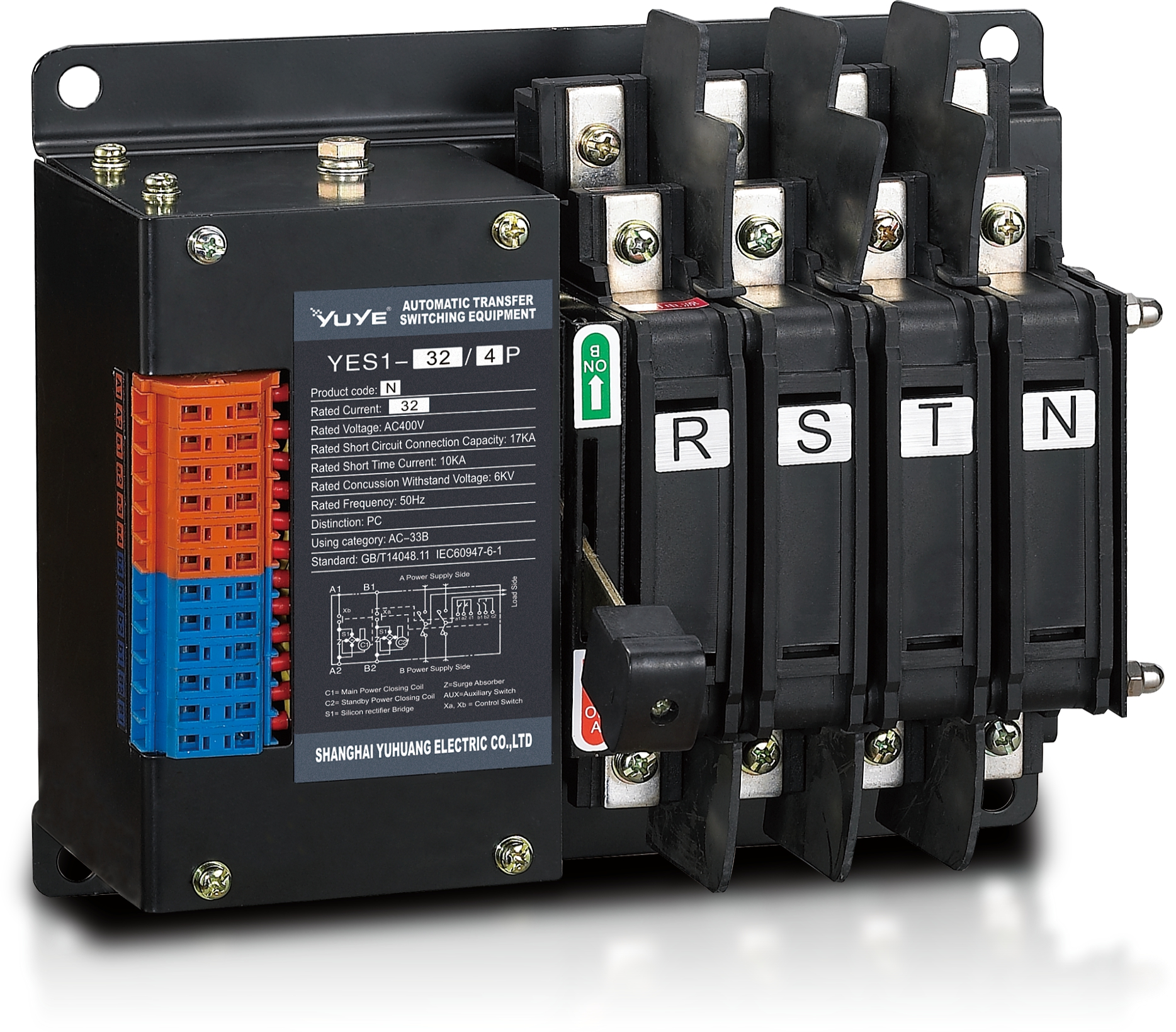 Solenoid-type ATS YES1-32~125N
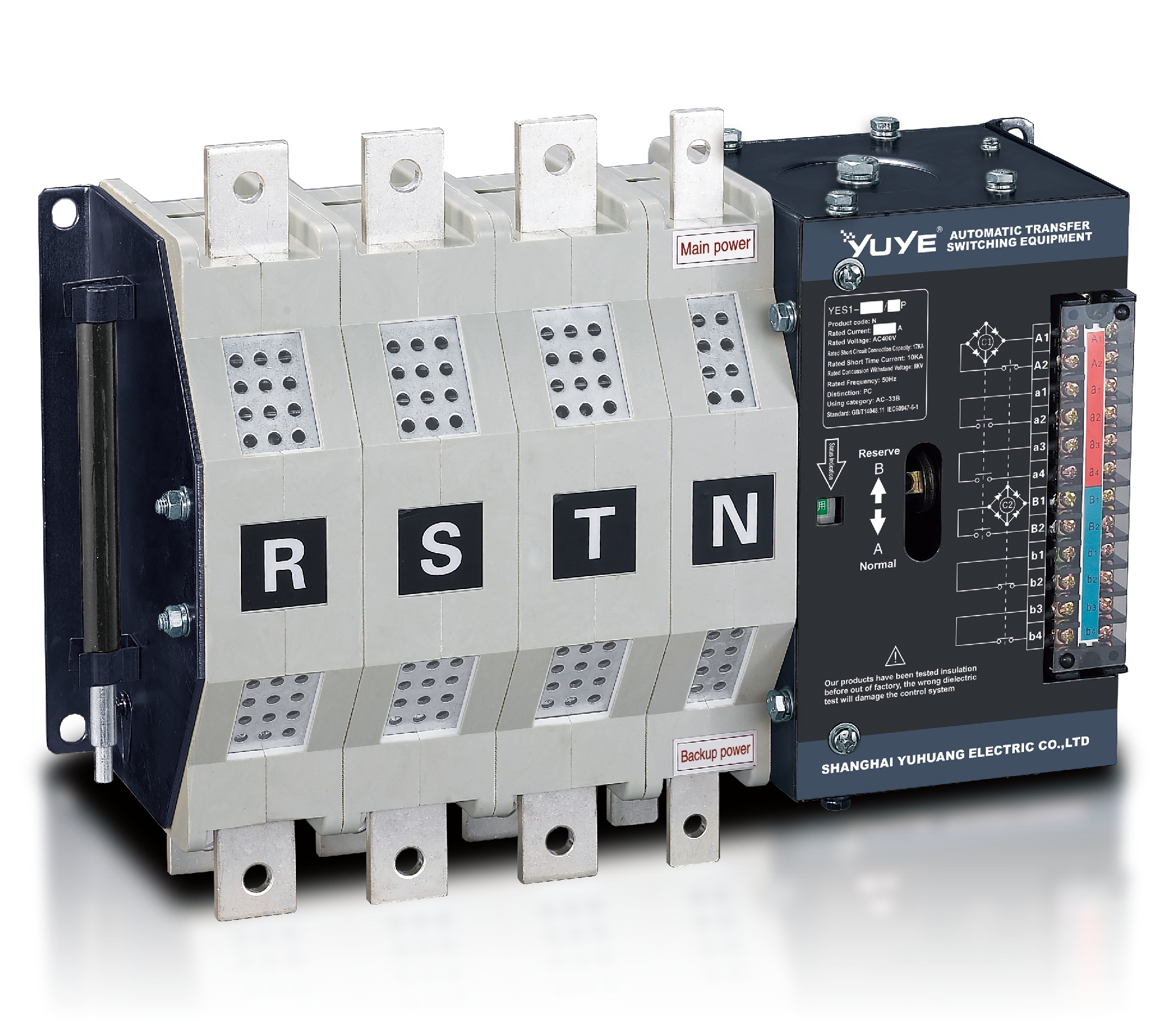 Solenoid-type ATS YES1-250~630N/NT
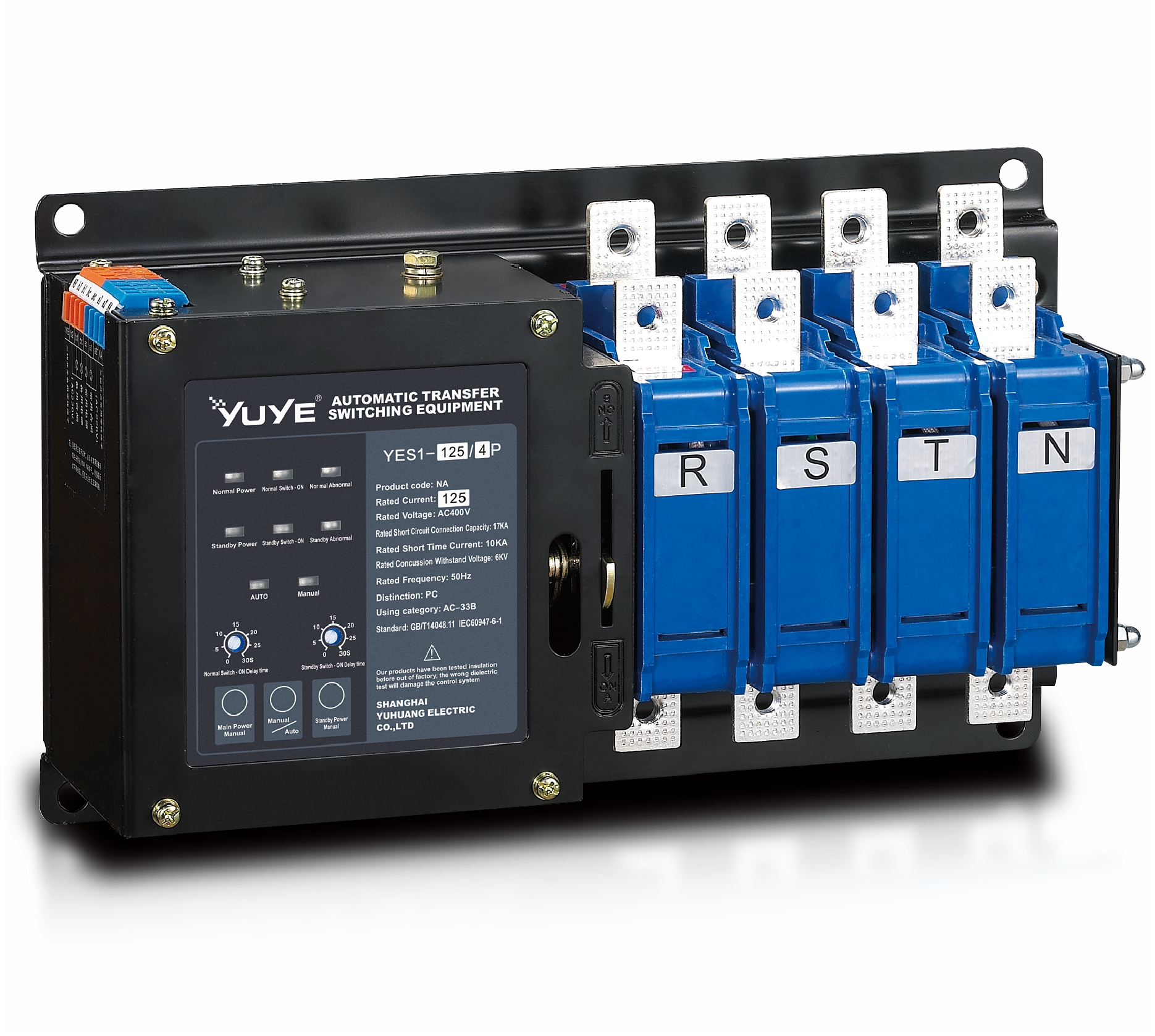 Solenoid-type ATS YES1-32~125NA
 Solenoid-type ATS YES1-63~630SN
 Solenoid-type ATS YES1-1250~4000SN
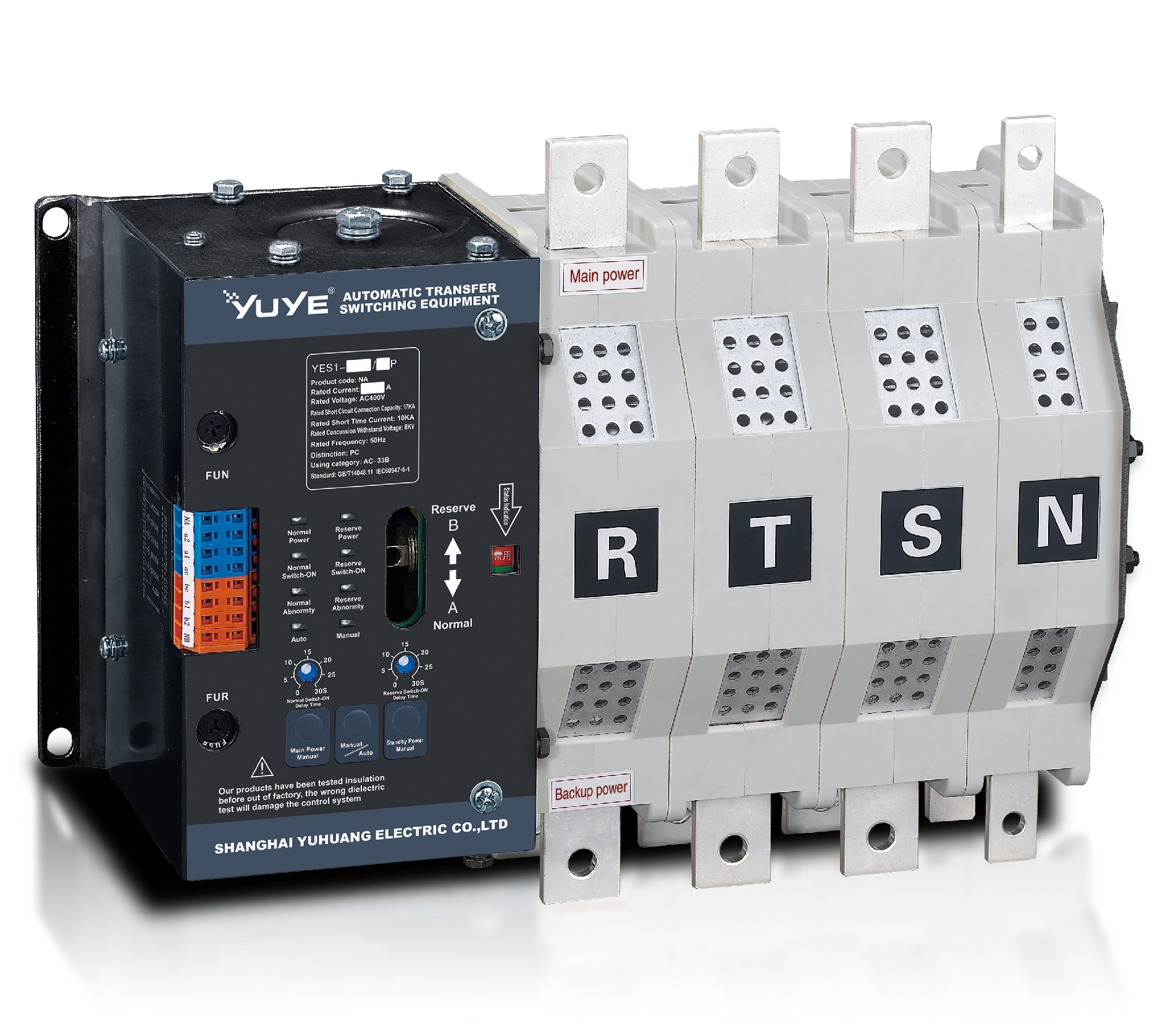 Solenoid-type ATS YES1-250~630NA/NAT
 Solenoid-type ATS YES1-63NJT
 PC ATS YES1-100~1600GN1/GN/GNF
 PC ATS YES1-2000~3200GN/GNF
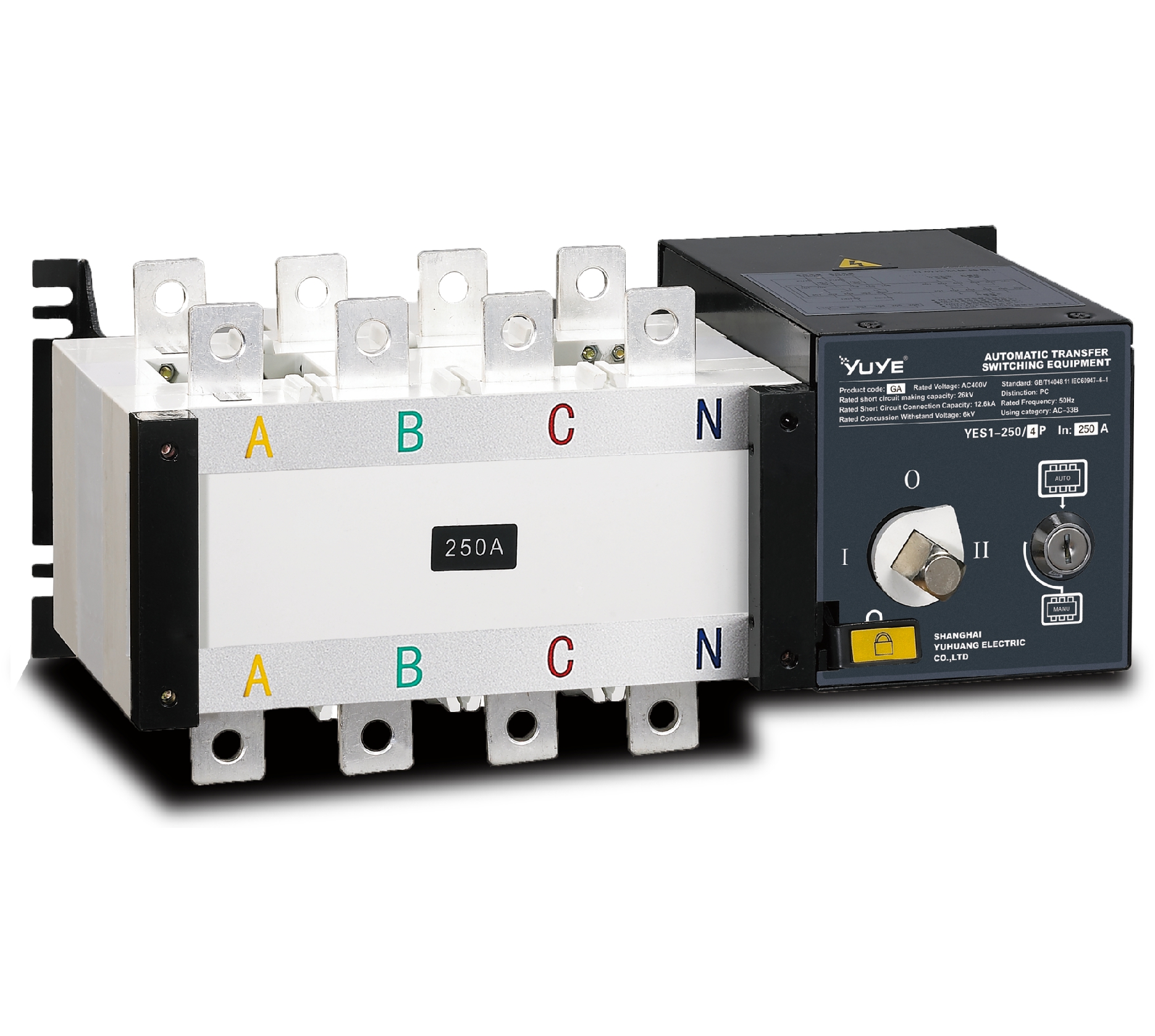 PC ATS YES1-100~3200GA1/GA
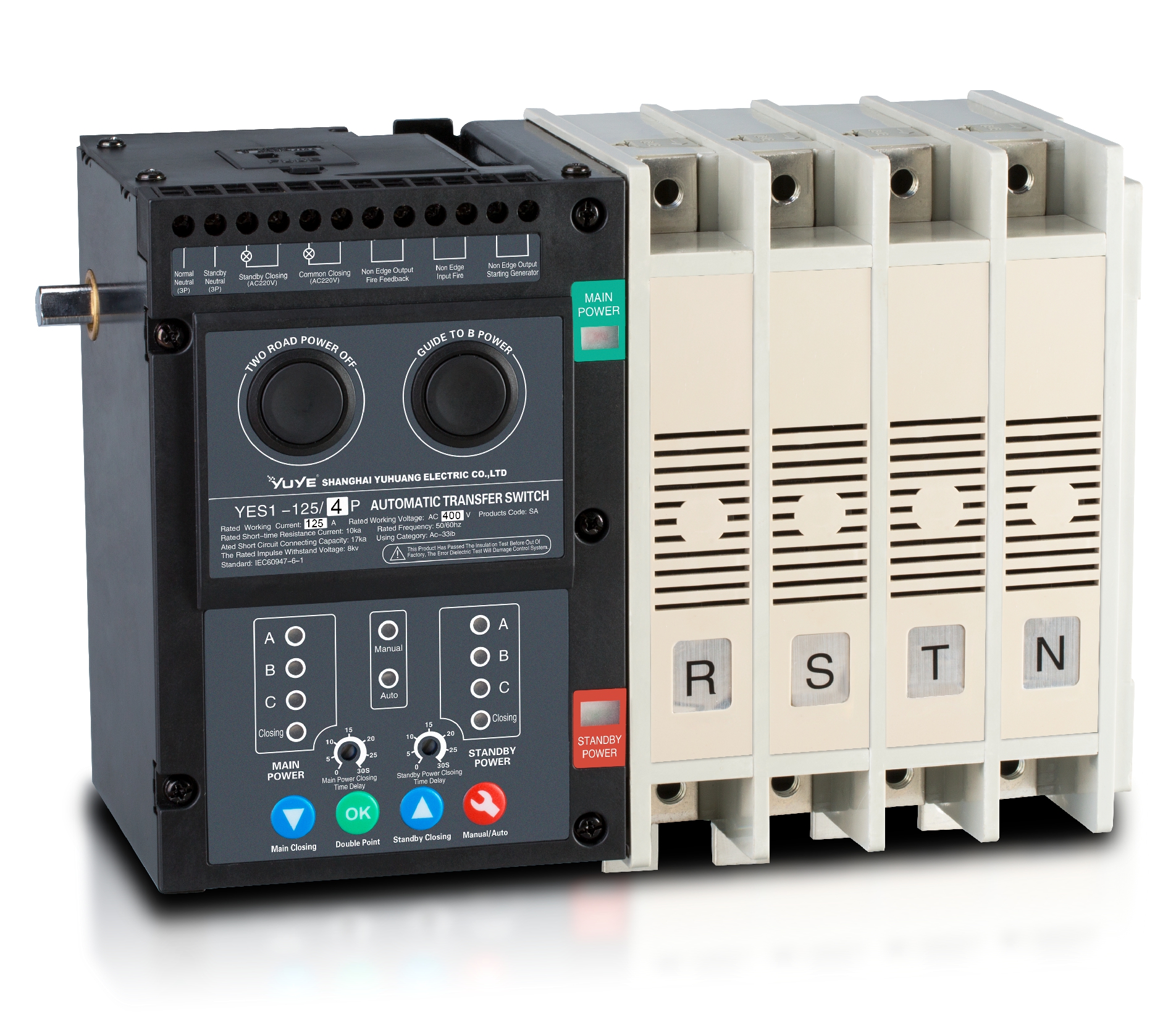 Solenoid-type ATS YES1-63~630SA
 Solenoid-type ATS YES1-63~630L/LA
 Solenoid-type ATS YES1-63~630LA3
 Solenoid-type ATS YES1-63MA
 PC ATS YES1-630~1600M
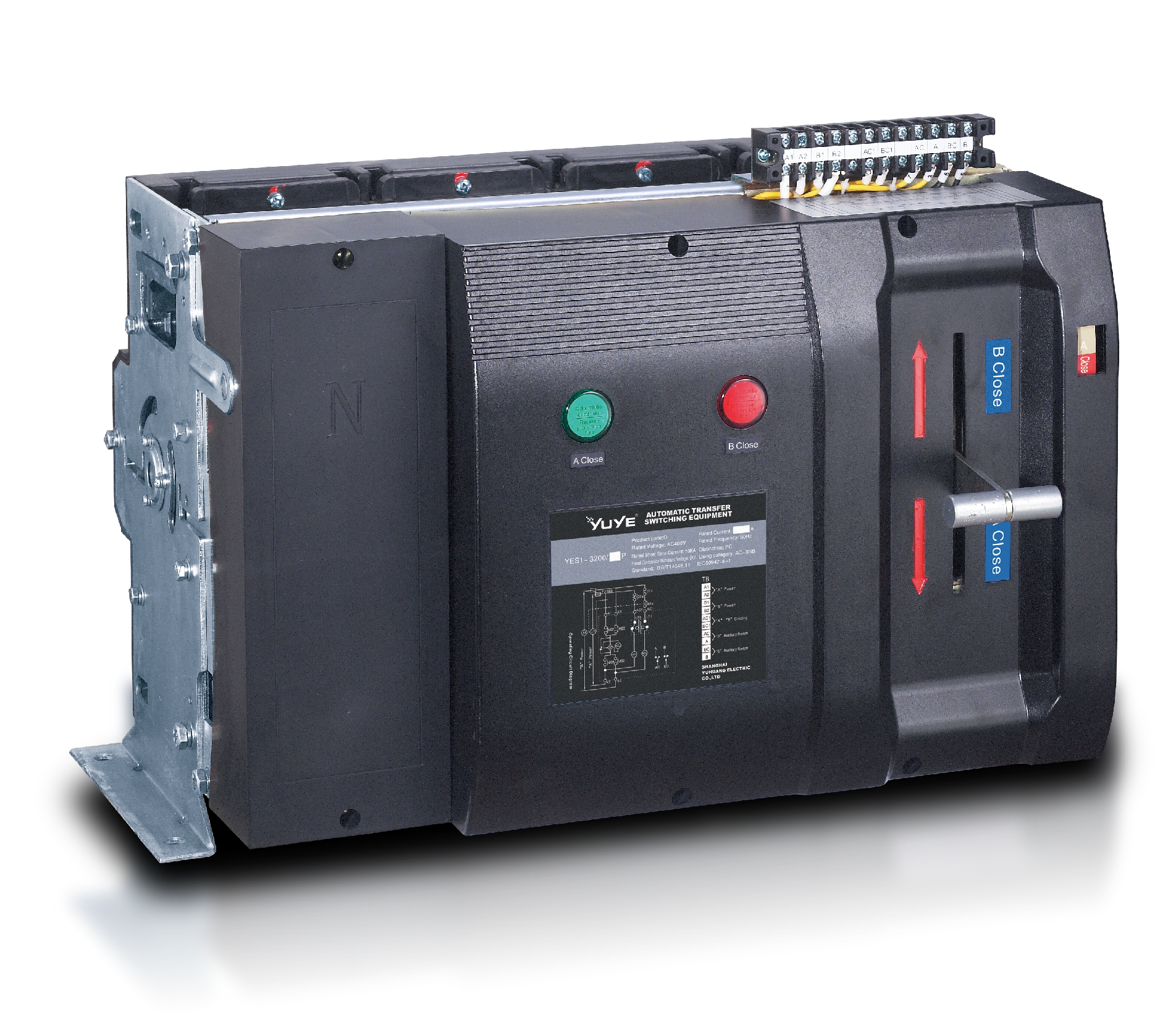 PC ATS YES1-3200Q
 Solenoid-type ATS YES1-4000~6300Q
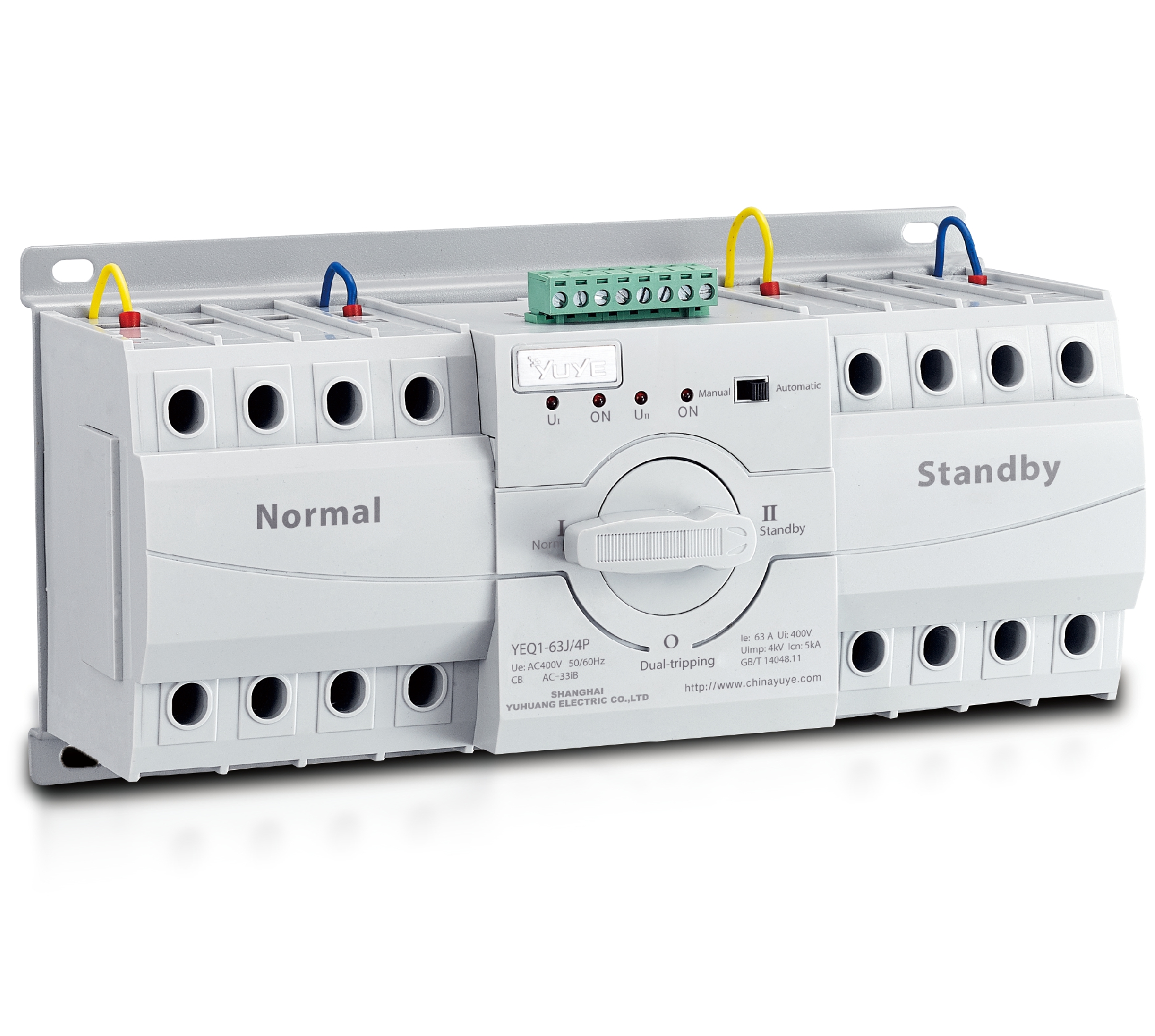 CB ATS YEQ1-63J
 CB ATS YEQ2Y-63
 CB ATS YEQ3-63W1
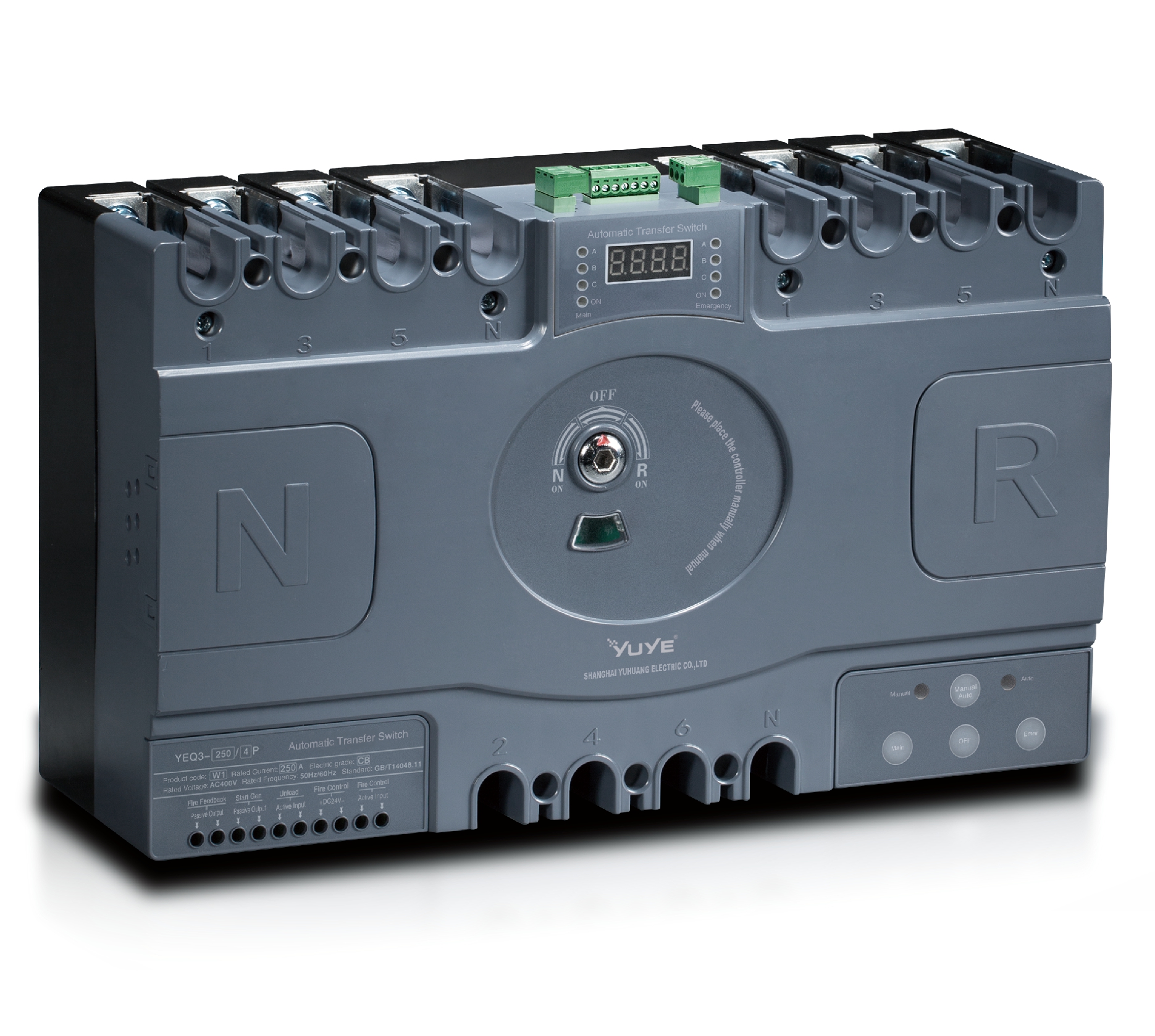 CB ATS YEQ3-125~630W1
 ATS controller Y-700
 ATS Controller Y-700N
 ATS Controller Y-701B
 ATS Controller Y-703N
 ATS Controller Y-800
 ATS Controller W2/W3 Series
 ATS switch Cabinet floor-to-ceiling
 ATS switch cabinet
 JXF-225A power Cbinet
 JXF-800A power Cbinet
 YEM3-125~800 Plastic Shell Type MCCB
 YEM3L-125~630 Leakage Type MCCB
 YEM3Z-125~800 Adjustable Type MCCB
 YEM1-63~1250 Plastic Shell Type MCCB
 YEM1E-100~800 Electronic Type MCCB
 YEM1L-100~630 Leakage Type MCCB
 Miniature circuit breaker YEMA2-6~100
 Miniature circuit breaker YEB1-3~63
 Miniature circuit breaker YEB1LE-3~63
 Miniature circuit breaker YEPN-3~32
 Miniature circuit breaker YEPNLE-3~32
 Miniature circuit breaker YENC-63~125
 Air Circuit Breaker YEW1-2000~6300
 Air Circuit Breaker YEW3-1600
 Load isolation switch YGL-63~3150
 Load Isolation Switch YGL2-63~3150
 Manual Changeover Switch YGL-100~630Z1A
 Manual Changeover Switch YGLZ1-100~3150
 YECPS2-45~125 LCD
 YECPS-45~125 Digital
 CNC Milling/Turning-OEM
 DC relay MDC-300M
 DC Isolation Switch YEGL3D-630


