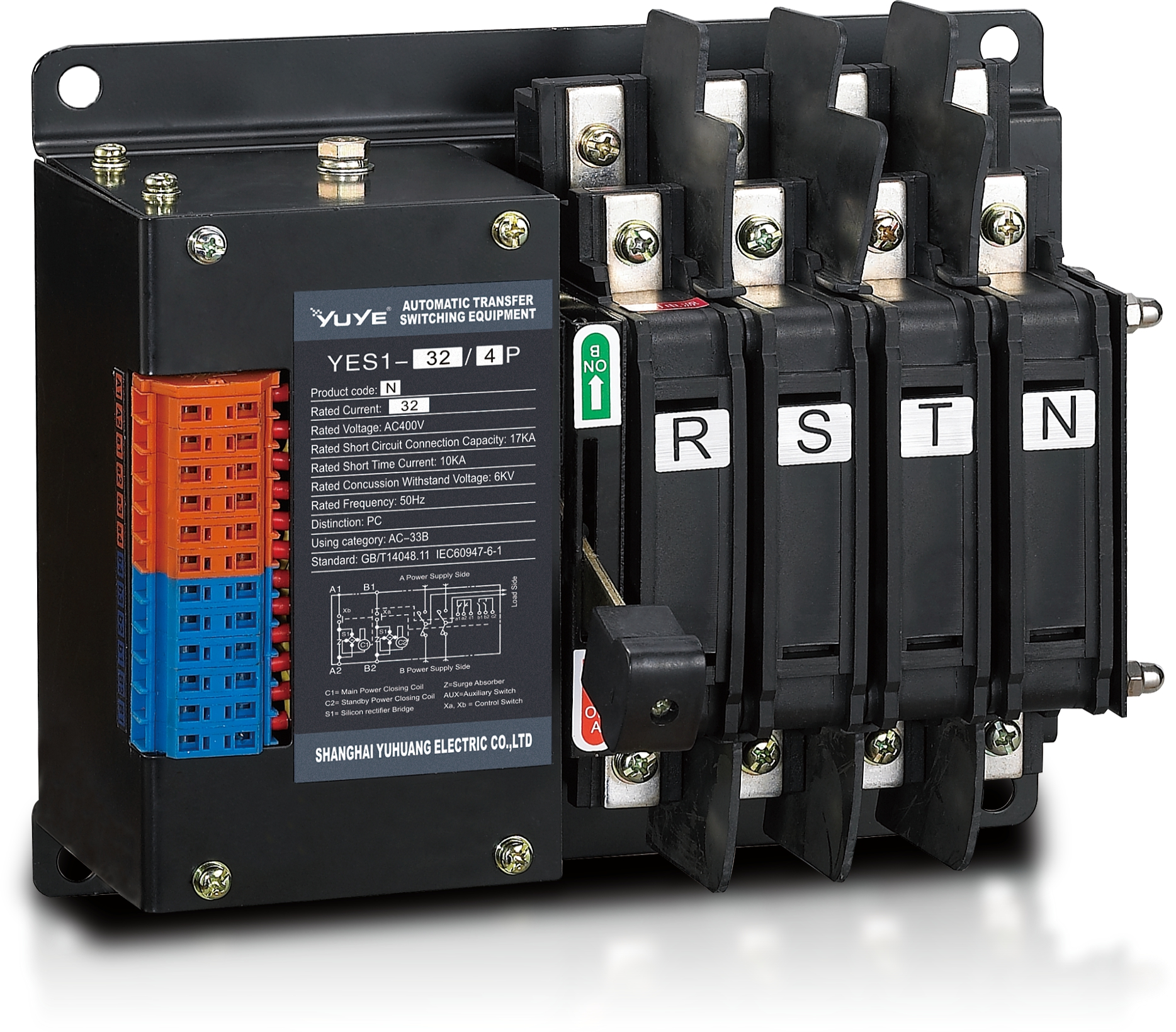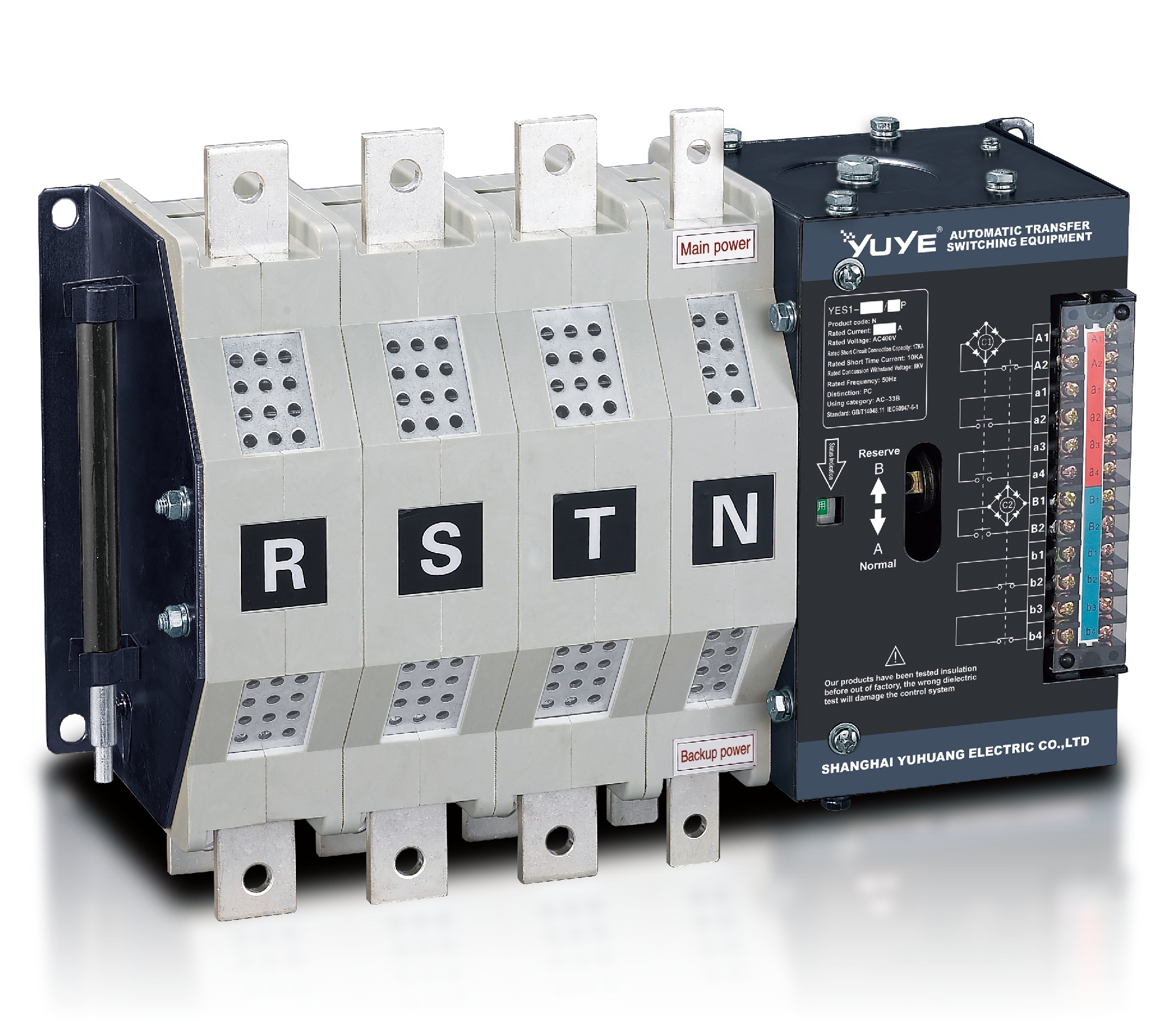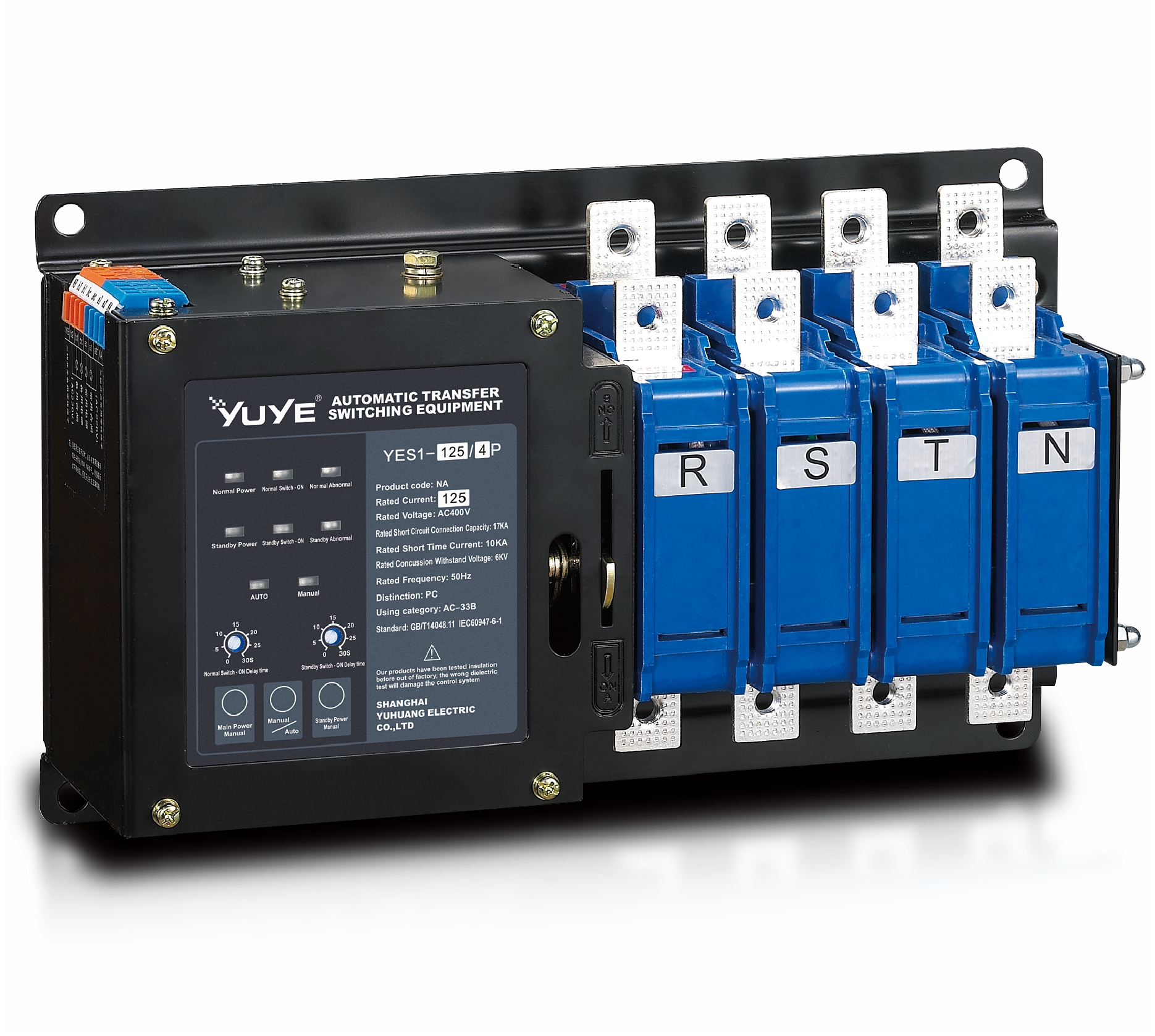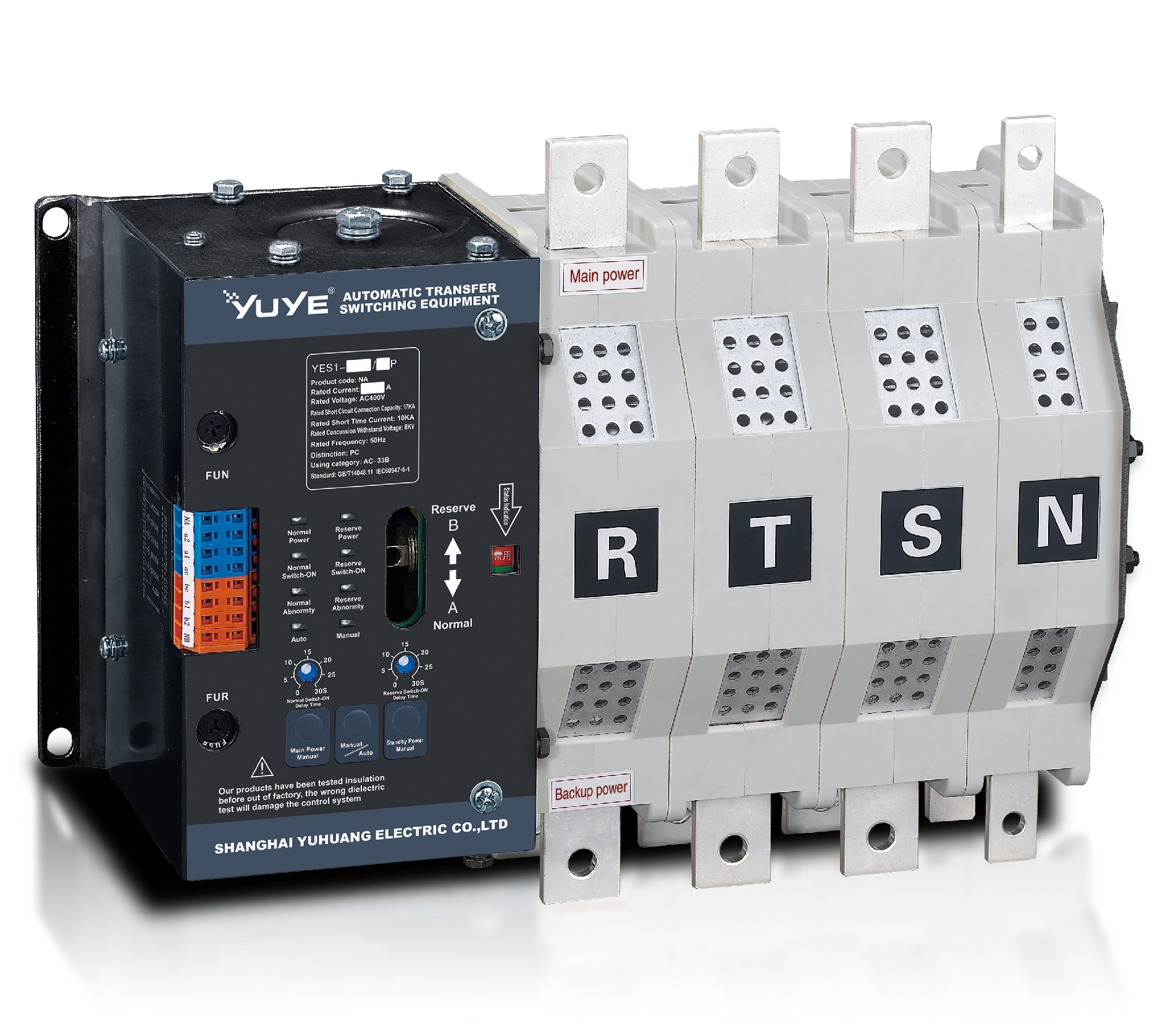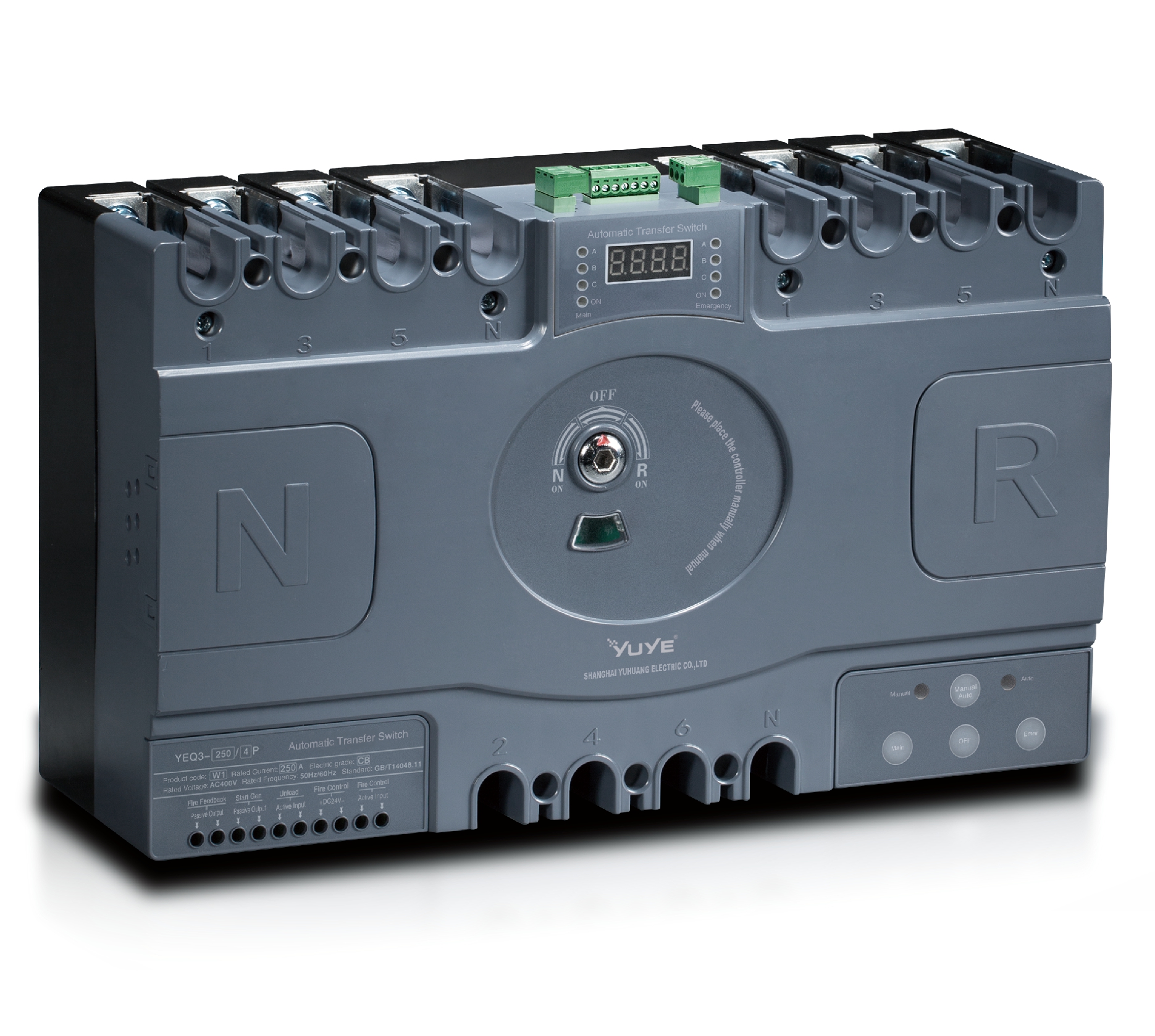
PC ATS YECT1-2000G
PC ATS YES2-63~250GN1
Solenoid-type ATS YES1-32~125N
Solenoid-type ATS YES1-250~630N/NT
Solenoid-type ATS YES1-32~125NA
Solenoid-type ATS YES1-63~630SN
Solenoid-type ATS YES1-1250~4000SN
Solenoid-type ATS YES1-250~630NA/NAT
Solenoid-type ATS YES1-63NJT
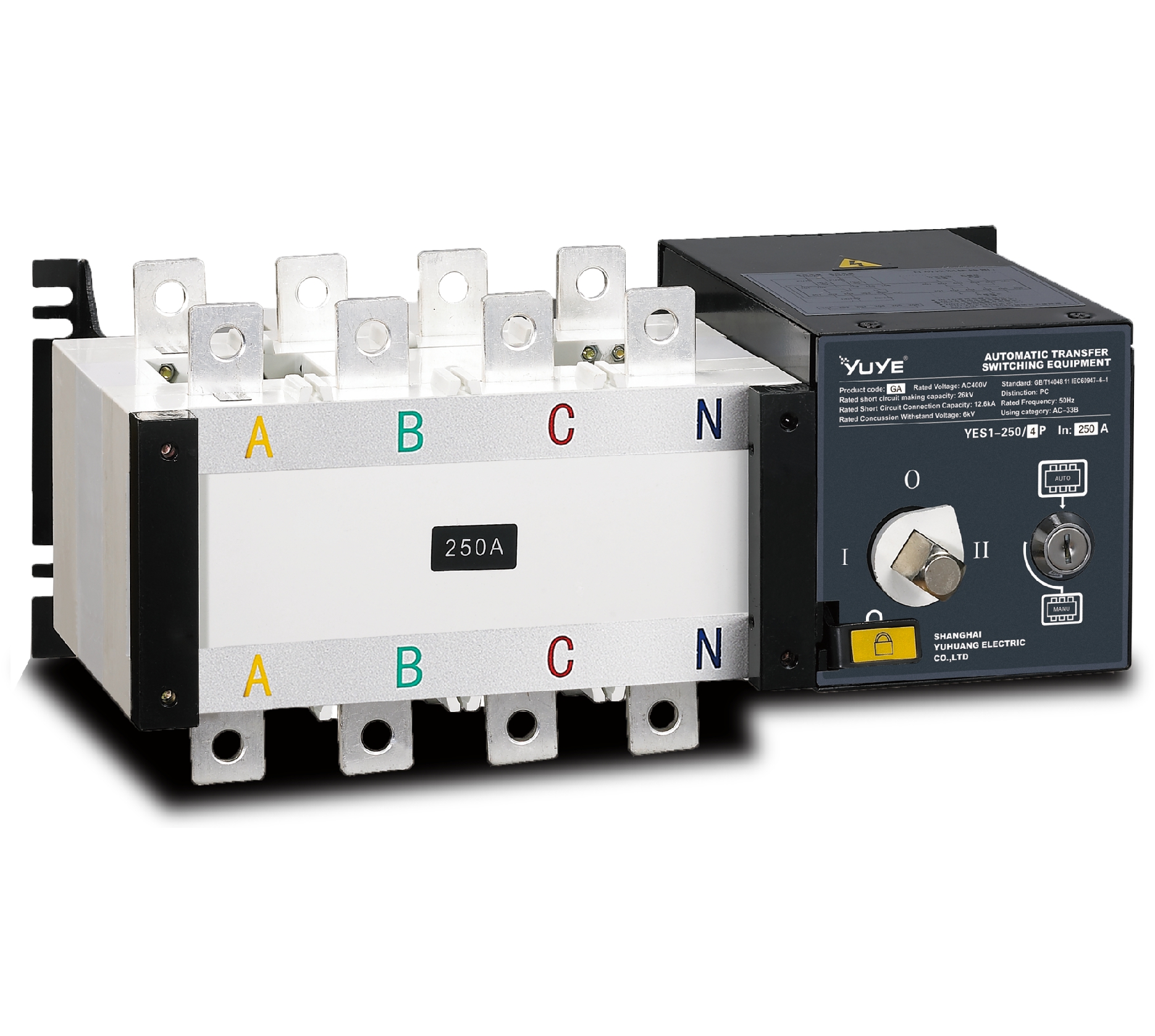
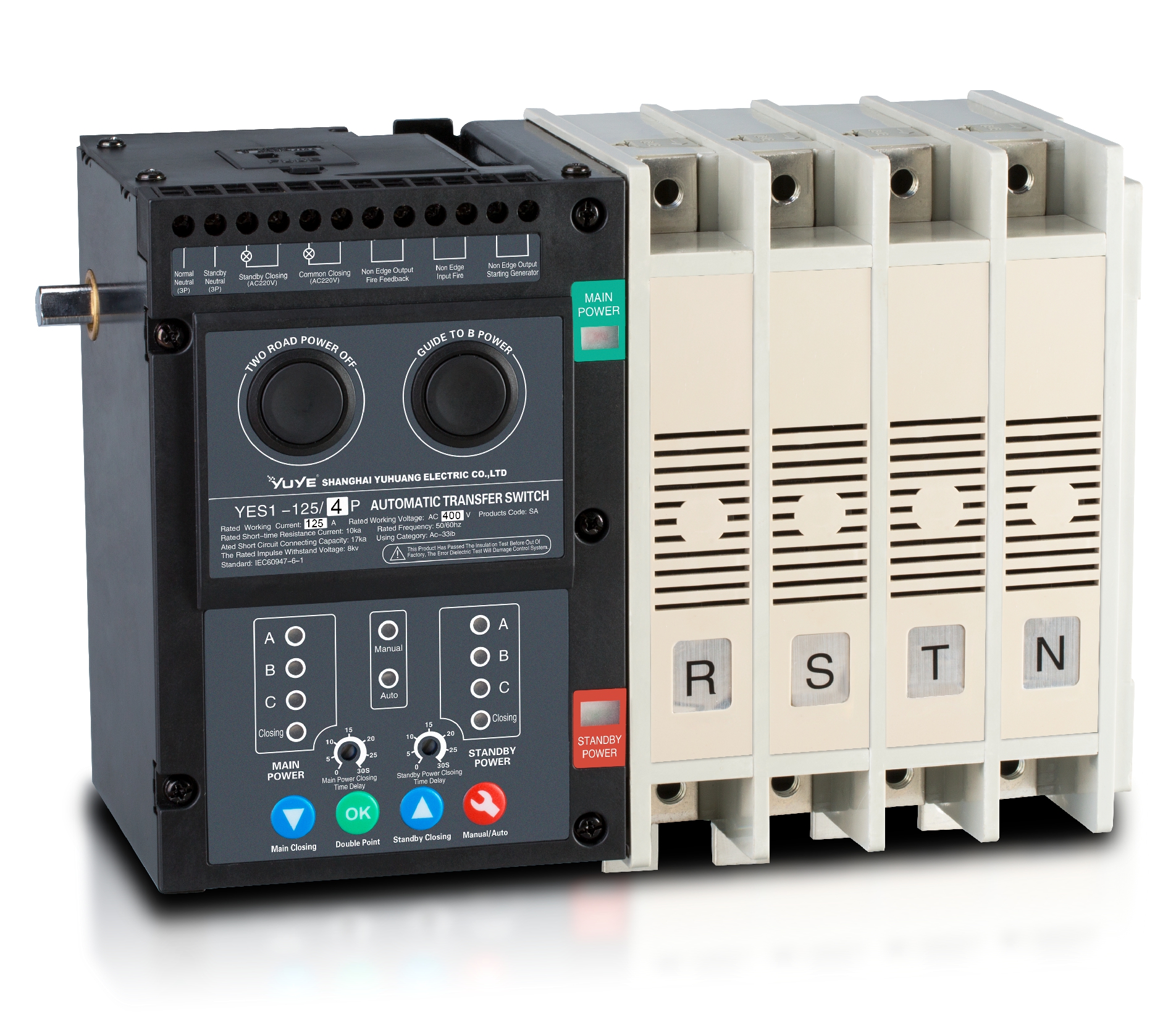
PC ATS YES1-100~1600GN1/GN/GNF
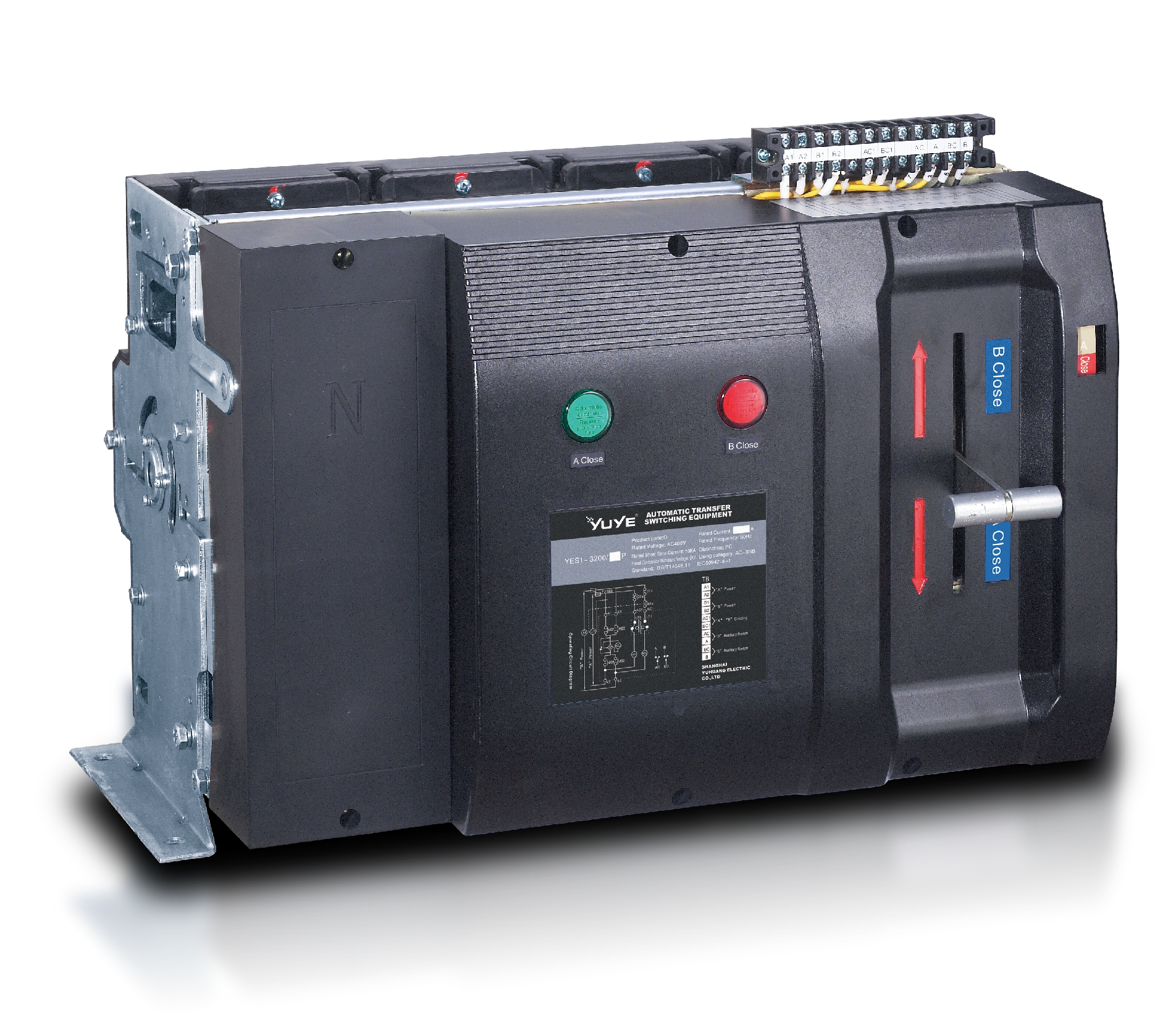
PC ATS YES1-2000~3200GN/GNF
PC ATS YES1-100~3200GA1/GA
Solenoid-type ATS YES1-63~630SA
Solenoid-type ATS YES1-63~630L/LA
Solenoid-type ATS YES1-63~630LA3
Solenoid-type ATS YES1-63MA
PC ATS YES1-630~1600M
PC ATS YES1-3200Q
Solenoid-type ATS YES1-4000~6300Q
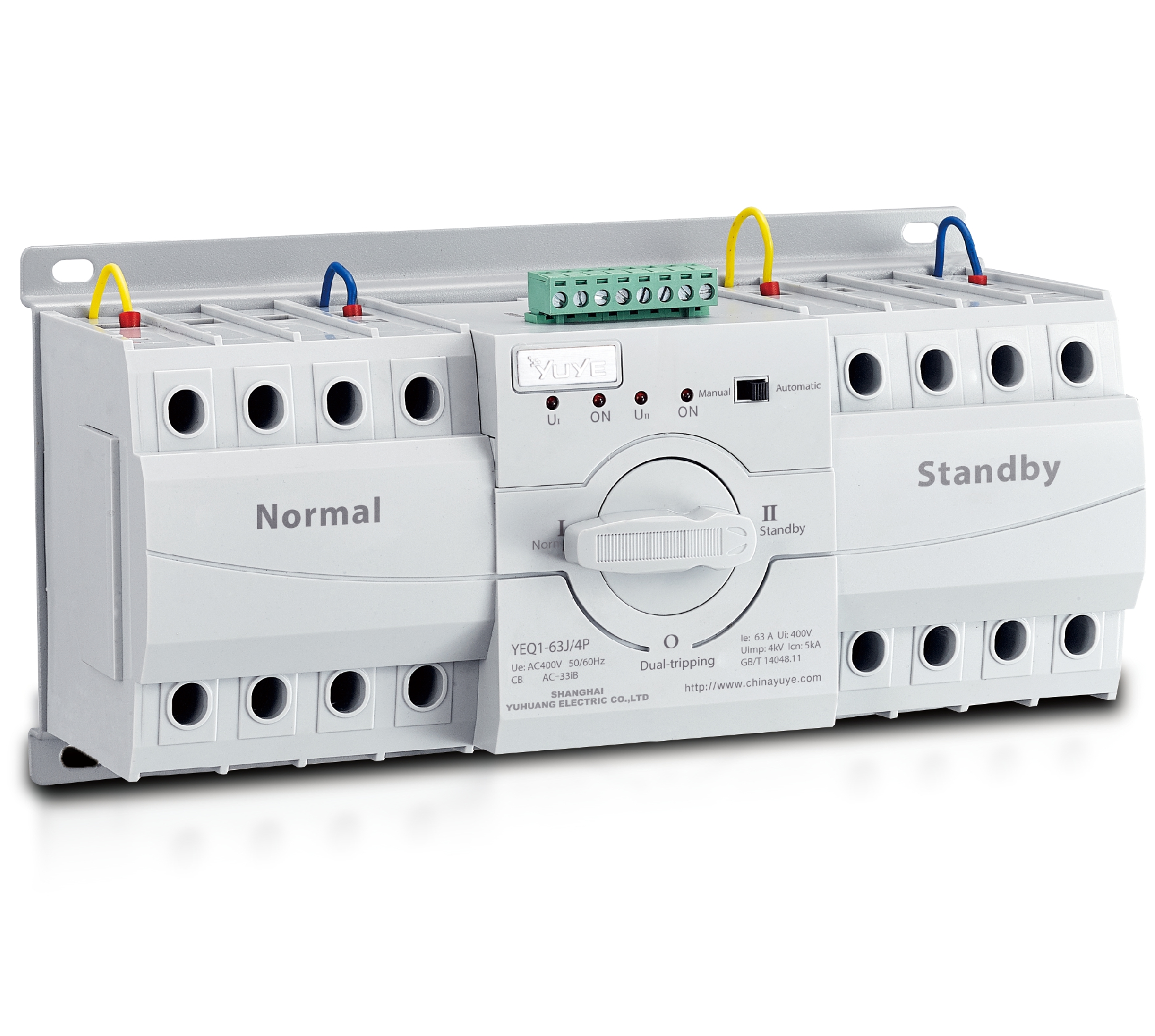
CB ATS YEQ1-63J
CB ATS YEQ2Y-63
CB ATS YEQ3-63W1
CB ATS YEQ3-125~630W1
ATS controller Y-700
ATS Controller Y-700N
ATS Controller Y-701B
ATS Controller Y-703N
ATS Controller Y-800
ATS Controller W2/W3 Series
ATS switch Cabinet floor-to-ceiling
ATS switch cabinet
JXF-225A power Cbinet
JXF-800A power Cbinet
YEM3-125~800 Plastic Shell Type MCCB
YEM3L-125~630 Leakage Type MCCB
YEM3Z-125~800 Adjustable Type MCCB
YEM1-63~1250 Plastic Shell Type MCCB
YEM1E-100~800 Electronic Type MCCB
YEM1L-100~630 Leakage Type MCCB
Miniature circuit breaker YEMA2-6~100
Miniature circuit breaker YEB1-3~63
Miniature circuit breaker YEB1LE-3~63
Miniature circuit breaker YEPN-3~32
Miniature circuit breaker YEPNLE-3~32
Miniature circuit breaker YENC-63~125In today's super busy world, having a dependable power supply is more important than ever. That’s where the Automatic Transfer Switch 63a really comes in handy — it’s quickly become a go-to solution for both homes and businesses. I mean, even industry experts like John Smith from Power Solutions Ltd. stress how crucial it is, saying, "The Automatic Transfer Switch 63a offers unmatched reliability during power outages." It’s pretty much a lifesaver when the lights go out!
This clever device switches power sources smoothly, so there's hardly any interruption — imagine a hospital where even a few seconds without power could be disastrous. For places like that, the Automatic Transfer Switch 63a isn’t just useful; it’s essential. It keeps things running smoothly during emergencies and even helps manage power more efficiently overall.
That said, not everyone really gets how important it is to pick the right specs or understands its full value. Sometimes people underestimate how a small device like this can make such a big difference in daily operations. Talking with professionals and figuring out your specific needs can definitely help you make smarter choices. Honestly, the Automatic Transfer Switch 63a isn’t just some gadget — it’s an investment in safety and peace of mind, really worth considering.
Automatic transfer switches (ATS) play a crucial role in modern power systems. They ensure that electrical systems have a reliable power source during outages. An ATS automatically switches between the main power line and a backup generator. This transition minimizes downtime for critical systems. You may not realize how vital these switches are until an unexpected power failure occurs.
When you choose a 63A ATS, you benefit from its capacity to handle substantial loads. These switches are designed to manage various equipment efficiently. However, understanding their proper installation is essential. Many users overlook this detail, leading to potential inefficiencies. Regular maintenance and periodic testing can also be neglected, resulting in unanticipated failures.
Some might find the upfront costs of a quality ATS daunting. Yet, the long-term advantages often outweigh these concerns. Reliability, reduced downtime, and improved safety offer significant value. Consider the implications of being unprepared during a blackout. An ATS could mean the difference between inconvenience and disaster.
Choosing a 63A automatic transfer switch (ATS) for power management ensures reliability and efficiency. A key feature of such devices is their ability to seamlessly switch between primary and backup power sources. This transition happens in only a few seconds, preventing downtime in critical situations. According to industry data, a well-functioning ATS can reduce downtime by up to 80%, making it a vital asset for businesses.
Another important feature is the overload protection mechanism. This prevents damage to connected equipment during power fluctuations. The ATS can handle high current loads up to 63A, ideal for heavy machinery and commercial appliances. Additionally, many models include smart monitoring capabilities. This feature provides real-time data on power usage, helping users optimize their energy efficiency.
**Tips:** Regular maintenance of the ATS is essential. It can extend its lifespan significantly. Users should inspect connections and test the functionality quarterly. Remember, even minor wear can lead to bigger issues later. Stay proactive to avoid unnecessary costs linked with power failures.
Automatic transfer switches (ATS) are crucial for power management. A 63A ATS provides reliable energy switching, ensuring uninterrupted power supply during outages. According to industry reports, automatic transfer switches can reduce potential downtime by up to 70%. This is vital for businesses that rely on continuous power.
One key benefit of using a 63A ATS is enhanced safety. These devices protect electrical systems from overloads and short circuits. By diverting power instantly, they minimize the risk of equipment damage. Data shows that facilities using ATS experience fewer operational disruptions. However, some installations may overlook proper maintenance, leading to failure in emergencies.
Cost savings is another advantage. Using an ATS can lower energy costs by optimizing power distribution. Companies can avoid losses from downtime or equipment damage. Reports indicate that properly implemented ATS can cut operational costs by 20%. Yet, organizations must commit to evaluating their power needs regularly to ensure the system remains efficient and effective.
When considering a 63A automatic transfer switch, installation is crucial. Make sure your installation site is accessible. It should allow for ample space around the switch. This helps during maintenance and troubleshooting. Ensure that the location is dry and free from moisture. Moisture can damage electrical components and lead to failures.
Careful planning of the electrical connections is essential. Use the right gauge wiring to handle the switch's load. Overestimating this can cause overheating. Underestimating can lead to performance issues. Ensure all connections are secure. Loose connections can result in sparks or even fire hazards.
One must also consider the environment. Extreme temperatures can affect the switch's performance. Installation in a place with stable conditions is ideal. In addition, check local codes regarding installation. These rules may vary widely and can confuse anyone without experience. It’s easy to overlook such details, but they are vital for safety. Ignoring them can lead to significant repercussions later.
Automatic Transfer Switches (ATS) are essential for ensuring uninterrupted power supply. A 63A automatic transfer switch is often used in commercial and industrial settings. These switches can seamlessly shift power sources during outages. According to a recent industry report, about 70% of businesses rank power reliability as a top priority.
One key application is in data centers. These facilities cannot afford downtime. A 63A ATS ensures that backup generators kick in swiftly, maintaining operations. It helps protect sensitive equipment, reducing potential data loss. Specifically, a well-implemented ATS can cut transition times to below 10 seconds, which is crucial for maintaining service availability.
Another common use is in healthcare. Hospitals must have reliable power. 63A automatic transfer switches help keep critical systems operational during blackouts. A study indicates that about 30% of power interruptions in hospitals can impact patient care. Using an ATS minimizes these risks, maintaining essential monitoring and life-support systems. However, organizations must regularly test and maintain these switches. Failure to do so can lead to vulnerabilities in an otherwise robust system.
Automatic Transfer Switches (ATS) play a crucial role in maintaining power continuity. To ensure your ATS operates optimally,
regular maintenance is key. It helps in identifying potential issues before they escalate.
Tips for Maintaining Your ATS:
Keep the area around the ATS clean. Dust and debris can affect its functionality.
Regularly check for loose connections. A simple visual inspection can help.
Listen for unusual sounds during operation. These could indicate underlying problems.
Test your transfer switch monthly.
Run it under different loads to ensure reliability. Consider scheduling professional servicing annually.
This can address issues you might overlook. Replace any worn parts promptly.
Delayed repairs can lead to costlier problems in the future.
When selecting a 63A automatic transfer switch, cost factors are crucial. The initial purchase price is essential. However, hidden expenses can arise. Installation costs may vary based on location and complexity. Some users overlook these, leading to budget overshooting.
Tip: Always request a detailed quote before proceeding. This includes price and potential installation costs.
Maintenance is another critical factor. Regular inspections ensure your system functions correctly. Neglect leads to failures and costly repairs. Some users invest in cheaper models, thinking it saves money. Yet, this can backfire if reliability suffers.
Tip: Consider long-term costs over initial savings. A reliable switch may cost more upfront but save you more down the road.
Warranties can also influence your choice. Some switches come with extended warranties, while others have minimal coverage. This difference can mean significant costs if repairs are needed.
Tip: Evaluate warranty terms carefully. A longer, more comprehensive warranty can provide peace of mind and financial security.
The CB ATS YEQ1-63J is a state-of-the-art power solution designed to maximize both efficiency and safety in various electrical applications. With a rated voltage of AC400V and a current range between 6A to 63A, this advanced circuit breaker offers versatility to accommodate a wide range of operational needs. Available in both 3P and 4P configurations, the YEQ1-63J ensures optimal compatibility with different systems, making it an ideal choice for both industrial and commercial settings.
In addition to its robust electrical capabilities, the YEQ1-63J boasts an electrical classification of CB Class, which signifies adhering to high safety standards. The motor type drive mode further enhances its performance by providing reliable protection for motors against overload and short-circuit conditions. Certified by CE, CB, and CCC, this model meets international safety regulations, ensuring that users can trust in its quality and operational integrity. Whether for upgrading existing infrastructure or implementing new installations, the YEQ1-63J stands out as a comprehensive solution for power management and protection.
: Signs include fatigue, irritability, and lack of motivation. Emotional exhaustion is also a key indicator.
Take regular breaks. Engage in physical activity. Mindfulness and deep breathing can also be helpful.
Quality sleep is vital. It improves mood and cognitive functions. Poor sleep can worsen anxiety and depression.
Having friends and family helps reduce stress. It provides a sense of belonging and emotional safety.
If feelings of sadness persist. Notice significant changes in behavior or daily routines. Seeking help is a strength.
Try journaling, exercising, or pursuing hobbies. Engaging with nature can also boost your mood.
Absolutely. It can lead to physical health issues, fatigue, and strained relationships. Ignoring emotions is risky.
Regular self-check-ins are beneficial. Consider it weekly or monthly. It encourages growth, awareness, and positive change.
Break tasks into smaller steps. Prioritize what needs urgent attention. It’s okay to ask for help.
Eating a balanced diet can improve mood. Certain nutrients support brain health. Skipping meals might lead to irritability.
An Automatic Transfer Switch 63A is a crucial component for ensuring reliable power management, particularly in environments where consistent electricity supply is essential. This type of switch facilitates seamless transitions between primary and backup power sources, enhancing functionality and operational efficiency. Key features include automatic detection of power loss and restoration, a user-friendly interface, and robust performance in various applications.
Benefits of utilizing a 63A automatic transfer switch include improved power reliability and reduced downtime, making it ideal for both residential and commercial settings. When considering installation, it's important to evaluate system specifications, local codes, and maintenance requirements to ensure longevity. Furthermore, understanding cost factors will aid in budget planning and selecting the right unit that meets specific power needs while optimizing performance.