In today’s fast-changing energy world, making sure your power stays on without a hitch is more important than ever—whether you’re running a home or a business. As companies rely more and more on tech and automation, having a reliable power system isn’t just a convenience anymore; it’s kinda essential, you know? That’s where a 3 Phase Automatic Transfer Switch (or ATS) really shines. It’s designed to switch smoothly between your main power source and your backup, so your operations keep running smoothly, even when there’s a power outage or fluctuations from the grid.
Now, picking out the best 3 Phase ATS for your specific setup can feel pretty overwhelming. There are so many options out there, and factors like how much load your system needs to handle, the switch configurations, and safety standards can make your head spin. That’s why it’s super important to really evaluate your choices before making a call. In this guide, I’ll share some key tips and things to think about when choosing a 3 Phase Automatic Transfer Switch. The goal is to help you make a smart, well-informed decision that fits right into your whole power management plan. Get it right, and you’ll not only boost efficiency and protect your equipment, but you’ll also have peace of mind knowing your power is always taken care of—and that’s pretty priceless, right?

Understanding Automatic Transfer Switch Basics
When selecting the best three-phase automatic transfer switch (ATS) for your needs, it is essential first to understand the fundamental concepts of automatic transfer switches. An ATS is a device that automatically transfers the power supply from the primary source to a backup source in the event of a power failure. This process ensures that critical systems remain operational, making it a vital component for businesses and facilities that cannot afford downtime.
Choosing the right ATS involves considering several factors, including the power rating, transfer time, and load requirements. It’s also important to look for a manufacturer known for producing reliable and high-quality equipment. For example, One Two Three Electric Co., Ltd. specializes in developing and manufacturing essential electrical components, including moulded case circuit breakers and air circuit breakers. Their expertise in electrical engineering ensures that their automatic transfer switches meet high standards of performance and safety, allowing businesses to operate smoothly even during power disruptions. By prioritizing quality and understanding ATS basics, you can make an informed decision that best serves your operational needs.
The Importance of 3 Phase Systems in Power Management
Three-phase systems are crucial in modern power management as they provide more efficient energy distribution and enhanced reliability compared to single-phase systems. According to a report from the International Energy Agency (IEA), three-phase systems are known to reduce power losses by up to 30%, making them the preferred choice for industrial and commercial applications. This efficiency is particularly significant in large facilities where energy demands are high, ensuring that equipment operates smoothly without the risk of overload.
Moreover, three-phase systems can support higher loads, which is vital as industries increasingly rely on automation and advanced machinery. A study from the Electric Power Research Institute (EPRI) indicated that the adoption of three-phase systems can lead to an overall improvement in operational efficiency by 25% in manufacturing processes. Additionally, these systems offer better voltage stability and reduced flicker, which are crucial for sensitive equipment. Thus, selecting a robust three-phase automatic transfer switch becomes essential in managing power effectively and ensuring uninterrupted operations across various sectors.
Key Features to Look for in a 3 Phase Automatic Transfer Switch
When selecting the best 3 Phase Automatic Transfer Switch (ATS) for your needs, it's essential to focus on key features that ensure efficient power management, especially during outages. According to industry reports, the demand for robust power solutions has surged, with the market projected to grow significantly as more businesses and homes equip themselves with reliable backup systems. Look for ATS models that offer seamless switching between power sources, as this is crucial for minimizing downtime and maintaining operations.
Another critical feature is overload protection. Data suggests that the global proactive maintenance market will reach a value exceeding $25 billion by 2026, emphasizing the importance of investing in equipment that safeguards electrical systems from damage. Additionally, consider options that provide monitoring capabilities and integration with renewable energy sources, aligning with the trend towards sustainable energy solutions. Advanced models even allow remote management, providing flexibility in monitoring and controlling the power setup from anywhere. These features not only enhance reliability but also ensure that your power system meets evolving energy needs effectively.
Assessing Your Power Needs and Load Requirements
When choosing the best three-phase automatic transfer switch (ATS) for your specific needs, assessing your power needs and load requirements is crucial. A comprehensive analysis of your electrical load will not only help in selecting the right ATS but also ensure optimal performance and reliability. According to a report by the American National Standards Institute (ANSI), proper sizing of an ATS should take into account not only the total wattage of all connected devices but also peak load conditions, which can fluctuate significantly in commercial and industrial settings.
In practice, consider the NEMA guidelines, which suggest calculating the total demand load in kilowatts (kW) for your facility based on continuous and non-continuous loads. This data allows for the selection of an ATS that can handle the maximum expected load, typically rated 125% of the calculated demand according to the National Electrical Code (NEC). Additionally, understanding the power quality requirements of your equipment can influence the choice of an ATS, with some models available that offer advanced features such as surge protection and reactive power compensation, essential for sensitive electronics found in data centers and healthcare facilities.
Evaluating Compatibility with Existing Equipment
When selecting a 3 phase automatic transfer switch (ATS), evaluating compatibility with your existing equipment is crucial. Start by assessing the specifications of your current power systems, including voltage, current ratings, and control voltages. Ensure that the ATS you choose can seamlessly integrate with your generators or other power sources. Additionally, consider the phase configuration of your electrical system— an ATS designed for a three-phase system will be different from a single-phase model.
Tips: Before making a purchase, consult your equipment's technical manuals or manufacturer specifications. This will help you avoid costly missteps and ensure that your ATS operates efficiently within your setup. Don't forget to analyze the system’s loading requirements; this can impact not only your ATS choice but also its long-term performance.
Don’t overlook the importance of future expandability. If you plan to upgrade or expand your equipment, select an ATS that can accommodate increased capacity or additional circuits. This foresight can save you time and resources in the long run while ensuring your operations remain uninterrupted during power transitions.
Installation Considerations for Optimal Performance
When selecting a three-phase automatic transfer switch (ATS), installation considerations are paramount for ensuring optimal performance. First, it is crucial to assess the location for installation to guarantee that the ATS is situated in a dry, ventilated area, away from extreme temperatures and moisture. This not only aids in prolonging the life span of the equipment but also minimizes the risk of malfunction. Additionally, the installation site should provide sufficient space for maintenance access and service personnel, ensuring that the ATS can be easily monitored and repaired if necessary.
Moreover, proper electrical configurations during installation significantly impact the performance of the ATS. It is essential to match the switch’s amperage rating with the electrical load requirements of the facility. Incorrect sizing can lead to overheating or frequent tripping, affecting overall efficiency. Grounding the ATS properly is another critical factor; inadequate grounding can result in electrical noise and interference, impairing the switch's functionality. By focusing on these installation considerations, users can enhance the reliability and effectiveness of their three-phase automatic transfer switch, ultimately ensuring seamless power management.
2025 How to Choose the Best 3 Phase Automatic Transfer Switch for Your Needs - Installation Considerations for Optimal Performance
| Specification |
Consideration |
Importance Level |
| Voltage Rating |
Ensure compatibility with local power supply |
High |
| Current Capacity |
Assess load requirements for your application |
Critical |
| Transfer Time |
Evaluate needed speed for power restoration |
Medium |
| Enclosure Type |
Consider indoor vs outdoor installation |
High |
| Control Type |
Manual vs automatic controls |
High |
| Safety Features |
Look for circuit breakers and overload protection |
Critical |
| Brand Reliability |
Research user reviews and ratings |
Medium |
Maintenance and Troubleshooting Tips for Longevity
When it comes to ensuring the longevity of your 3 phase automatic transfer switch (ATS), regular maintenance and troubleshooting play a crucial role. Following a systematic maintenance schedule can help you identify potential issues before they escalate. One effective tip is to conduct routine visual inspections; look for signs of wear, loose connections, or corrosion. Regularly checking the control panel for any error codes or alarms is important as well.
Another essential aspect of maintenance is cleaning the ATS components. Dust and debris can accumulate, causing overheating or electrical failure. Use appropriate cleaning materials to ensure that all parts, including the circuit breakers and terminals, remain free of contaminants. Additionally, consider testing the switch during peak load conditions to ensure it performs correctly under stress. Don’t forget to keep a log of all maintenance activities. This documentation helps in tracking the performance over time and is useful for troubleshooting any future issues.
For troubleshooting, it’s essential to be proactive. If you encounter issues like power flickering or failure to switch, first verify the input voltage to ensure it’s within the acceptable range. Check for any tripped breakers and reset them as needed. If problems persist, consult the manufacturer’s manual for specific error codes or consider reaching out to a qualified technician for a detailed inspection. Implementing these tips not only extends the life of your ATS but also enhances reliability in critical power supply situations.
Leveraging the Efficiency of Manual Changeover Switch YGL-100~630Z1A: Insights from 2023 Electrical Equipment Market Trends
The YGL-100~630Z1A manual changeover switch stands out in the evolving landscape of electrical equipment, particularly in terms of efficiency and reliability. With a rated current range from 100A to 630A and designed for an operating voltage of AC 400V, this switch exemplifies the growing demand for robust components in an era where energy efficiency is paramount. According to a recent industry report, the electrical equipment market is projected to reach approximately $700 billion by 2025, highlighting the crucial role that reliable switching solutions, like the GL series, play in modern electrical systems.
The YGL-100~630Z1A manual transfer switch is specially designed to meet IEC60947-3 standards, providing a safe and effective means of connecting and breaking circuits in power systems. Its mechanical life of 20,000 operations and electrical life of 1,500 cycles reflect its durability, catering to the demands of various industrial applications. As the industry shifts towards more sustainable practices, users prioritize products that not only fulfill safety standards but also enhance operational efficiency. Furthermore, with a rated frequency of 50Hz and a use category of AC-22B, this switch is perfectly suited for infrequent circuit interruption, positioning it as an essential component in energy management strategies across diverse sectors.
As organizations seek to leverage advanced electrical solutions, the YGL-100~630Z1A serves as a prime example of how manual changeover switches can contribute to overall system effectiveness. By facilitating effective electrical isolation and enhancing the reliability of power distribution, products like this are becoming indispensable in achieving operational excellence in the electrical equipment market.
FAQS
utomatic Transfer Switch (ATS)?
Overload protection safeguards electrical systems from damage, which is crucial for maintaining operational efficiency and preventing costly repairs.
Assess the specifications of your current power systems, including voltage, current ratings, and control voltages, and ensure the ATS can integrate with your generators or other power sources.
Ensure that the ATS is specifically designed for your electrical system's phase configuration—three-phase systems require different models compared to single-phase systems.
Consult your equipment's technical manuals or manufacturer specifications to ensure compatibility and operational efficiency.
Understanding loading requirements impacts the ATS choice and its long-term performance, ensuring that the system can handle expected loads effectively.
Choose an ATS that can accommodate increased capacity or additional circuits to prepare for potential upgrades and expansions in your equipment.
Remote management capabilities provide flexibility in monitoring and controlling the power setup from anywhere, improving operational oversight.
Monitoring capabilities enable real-time tracking of power consumption and system performance, facilitating proactive maintenance and reducing downtime.
Consider ATS options that can integrate with renewable energy sources, aligning with the increasing focus on sustainable energy solutions for power management.
Conclusion
In the rapidly evolving landscape of power management, selecting the right 3 Phase Automatic Transfer Switch (ATS) is crucial for ensuring efficiency and reliability. Understanding the basics of automatic transfer switches and the significance of three-phase systems plays a foundational role in this decision-making process. Key features to consider include compatibility with existing equipment, as well as assessing your specific power needs and load requirements.
Moreover, installation considerations are paramount for achieving optimal performance from your ATS. Regular maintenance and troubleshooting practices will contribute to the longevity and reliability of your power systems. As a high-standard manufacturer, One Two Three Electric Co., Ltd. specializes in the development and production of circuit breakers and can provide valuable insights into integrating a 3 Phase Automatic Transfer Switch into your operations, ensuring seamless transitions and robust power management.

 PC ATS YECT1-2000G
 PC ATS YES2-63~250GN1
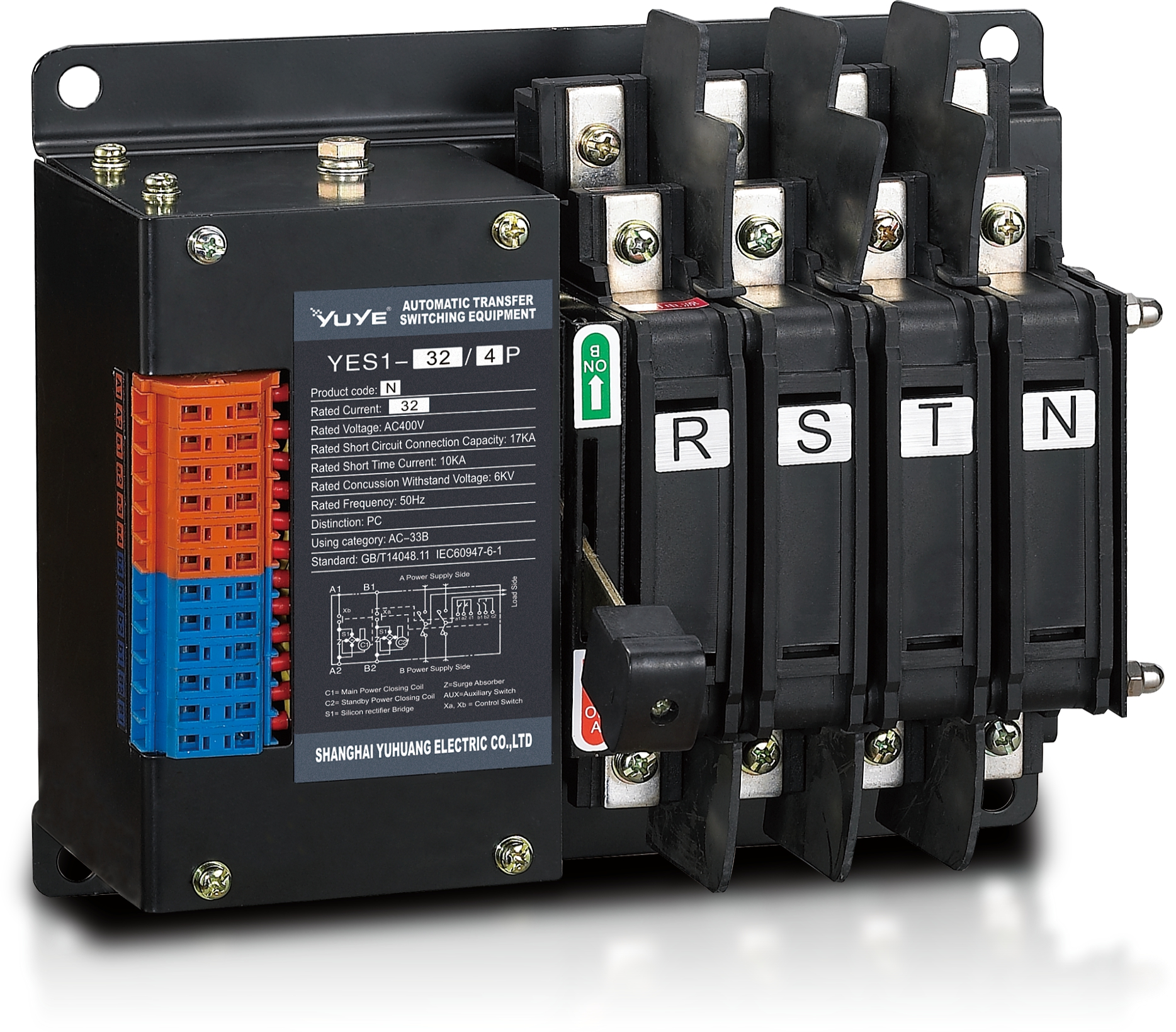 Solenoid-type ATS YES1-32~125N
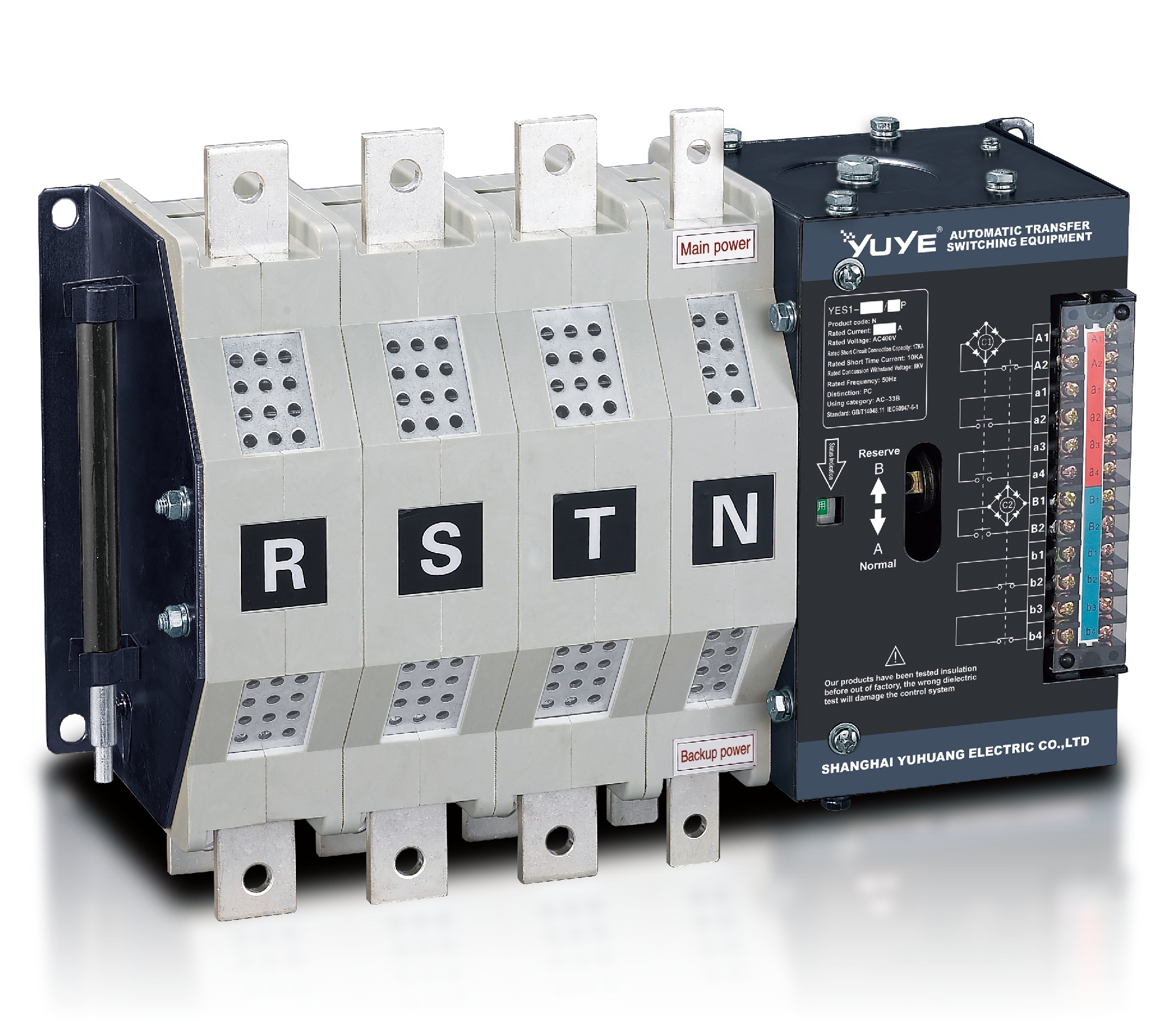 Solenoid-type ATS YES1-250~630N/NT
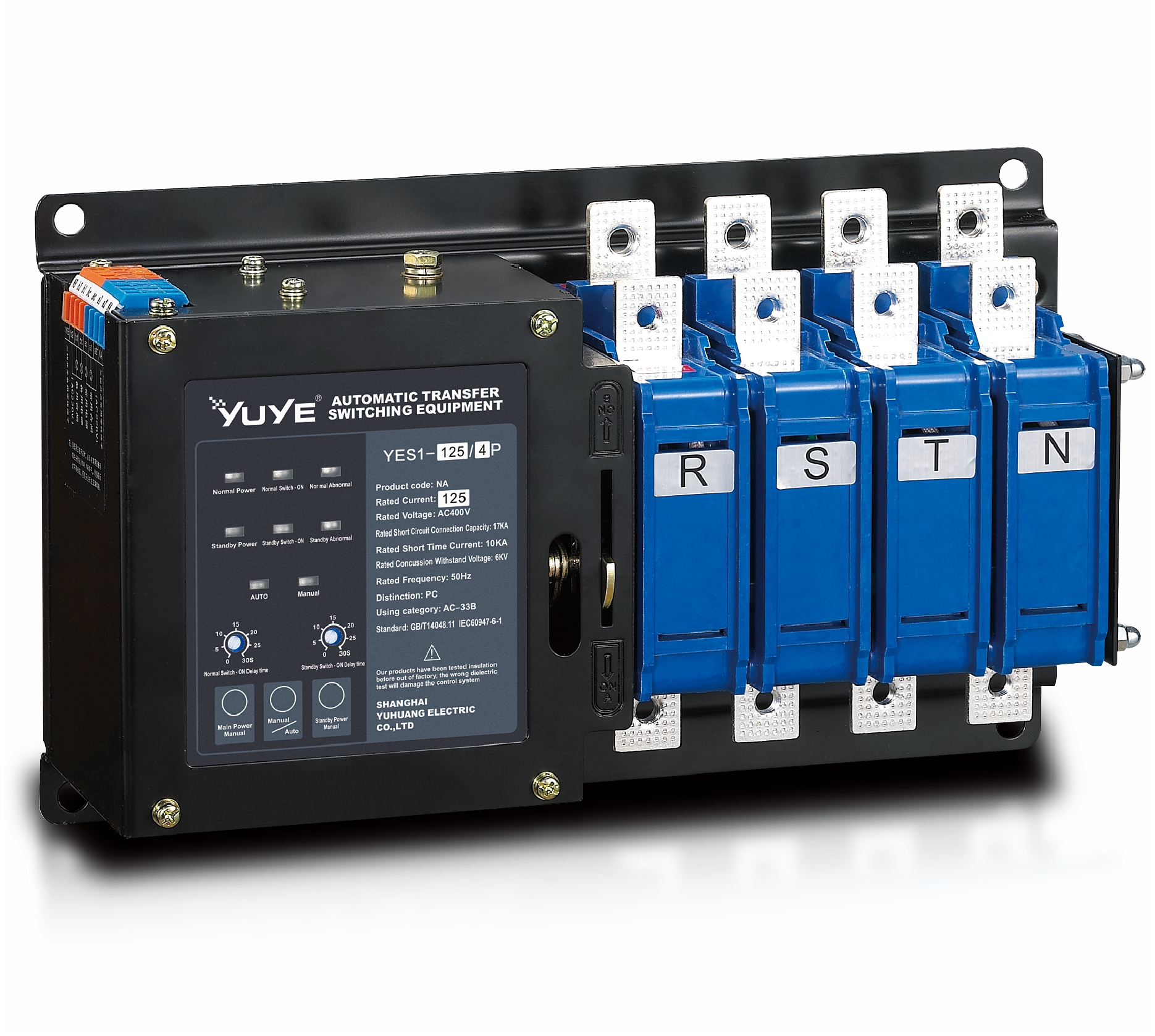 Solenoid-type ATS YES1-32~125NA
 Solenoid-type ATS YES1-63~630SN
 Solenoid-type ATS YES1-1250~4000SN
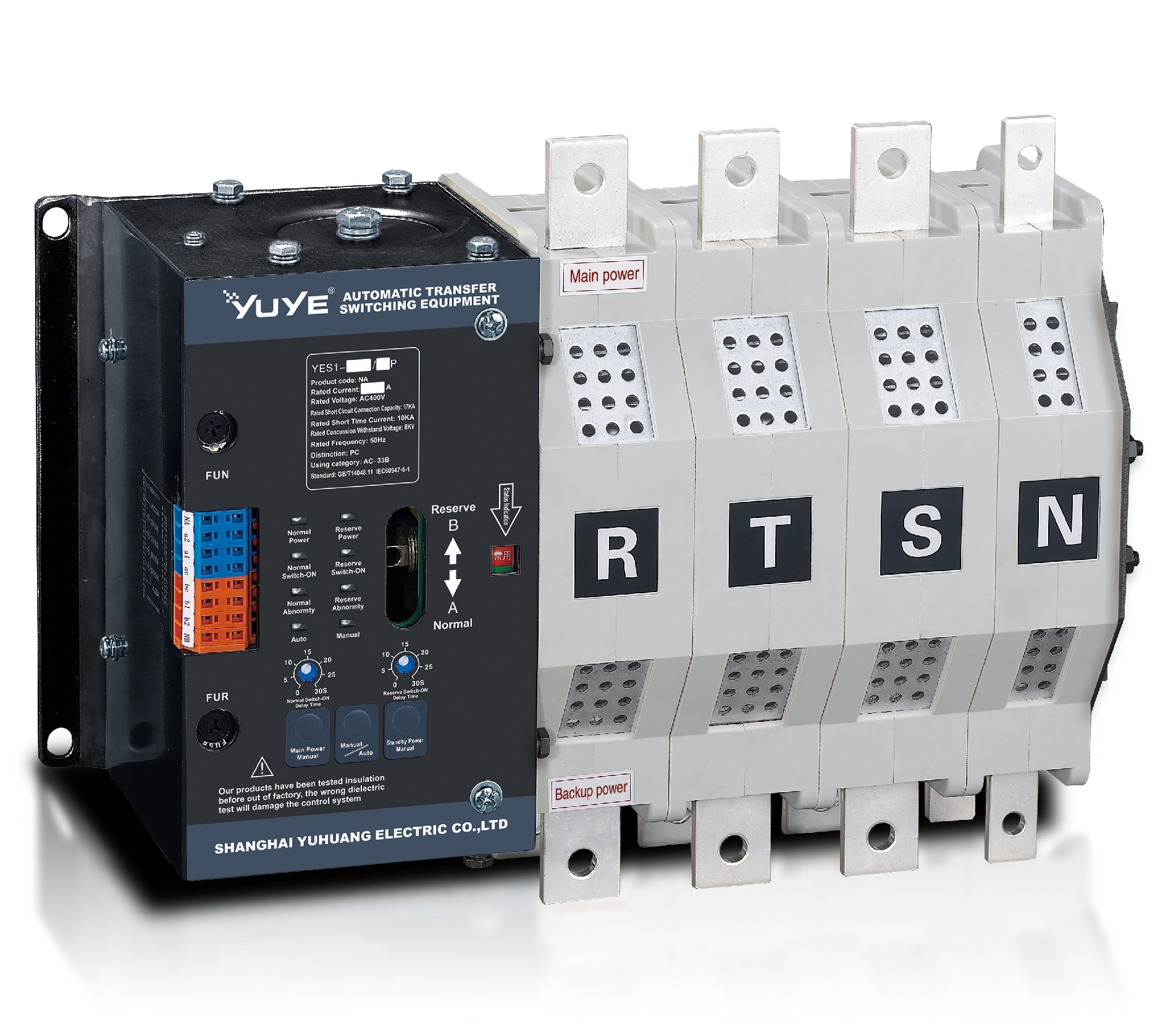 Solenoid-type ATS YES1-250~630NA/NAT
 Solenoid-type ATS YES1-63NJT
 PC ATS YES1-100~1600GN1/GN/GNF
 PC ATS YES1-2000~3200GN/GNF
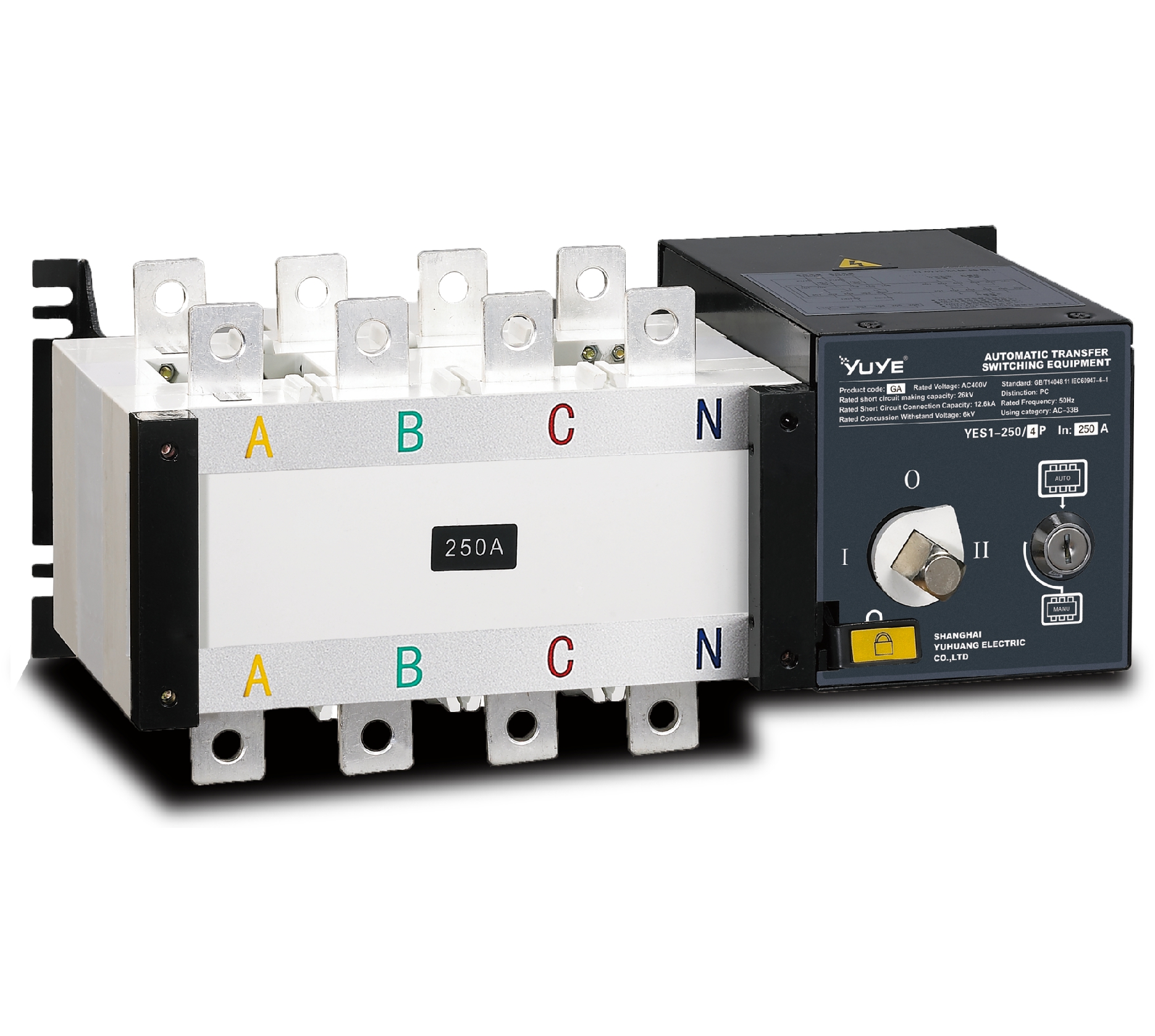 PC ATS YES1-100~3200GA1/GA
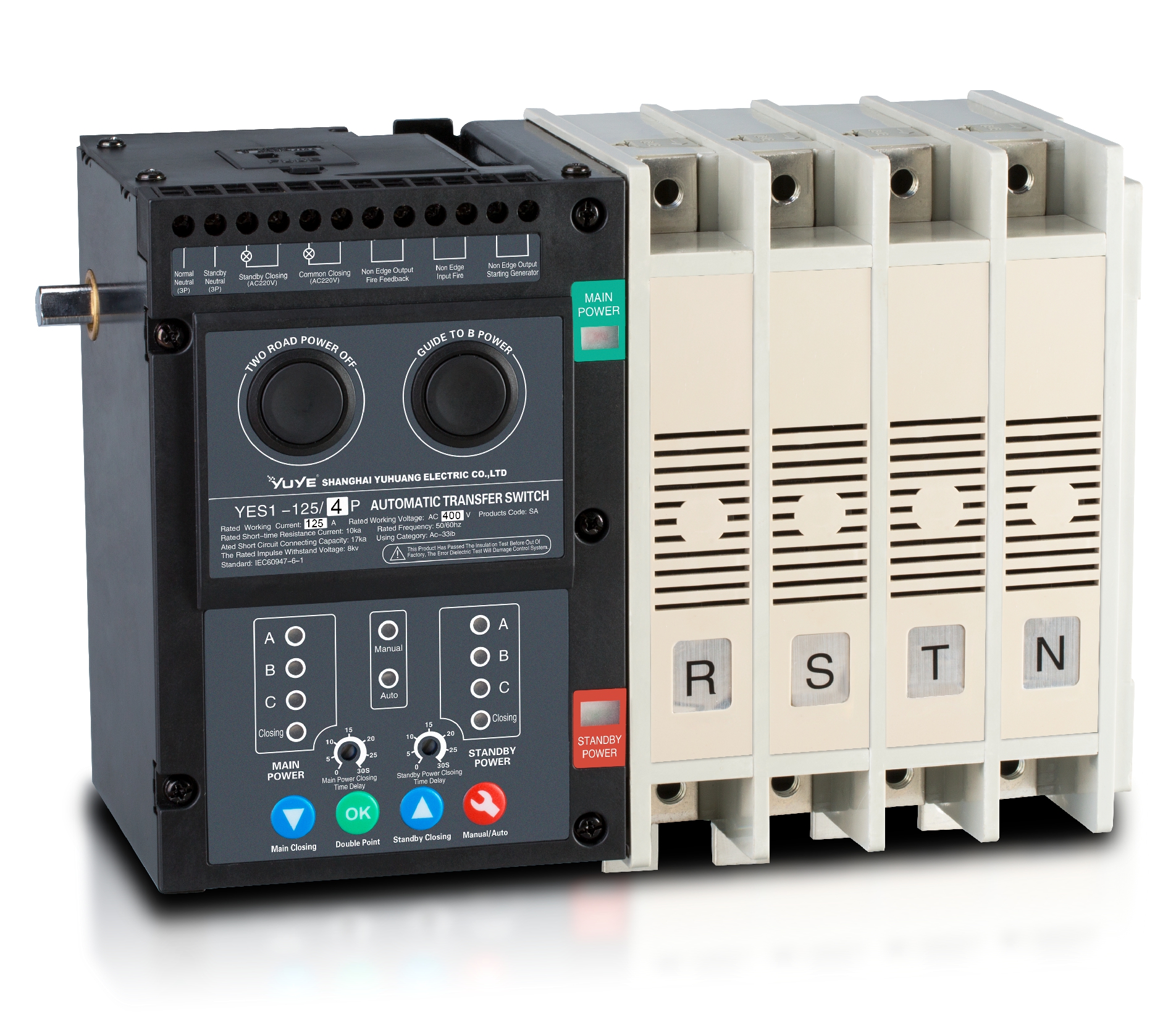 Solenoid-type ATS YES1-63~630SA
 Solenoid-type ATS YES1-63~630L/LA
 Solenoid-type ATS YES1-63~630LA3
 Solenoid-type ATS YES1-63MA
 PC ATS YES1-630~1600M
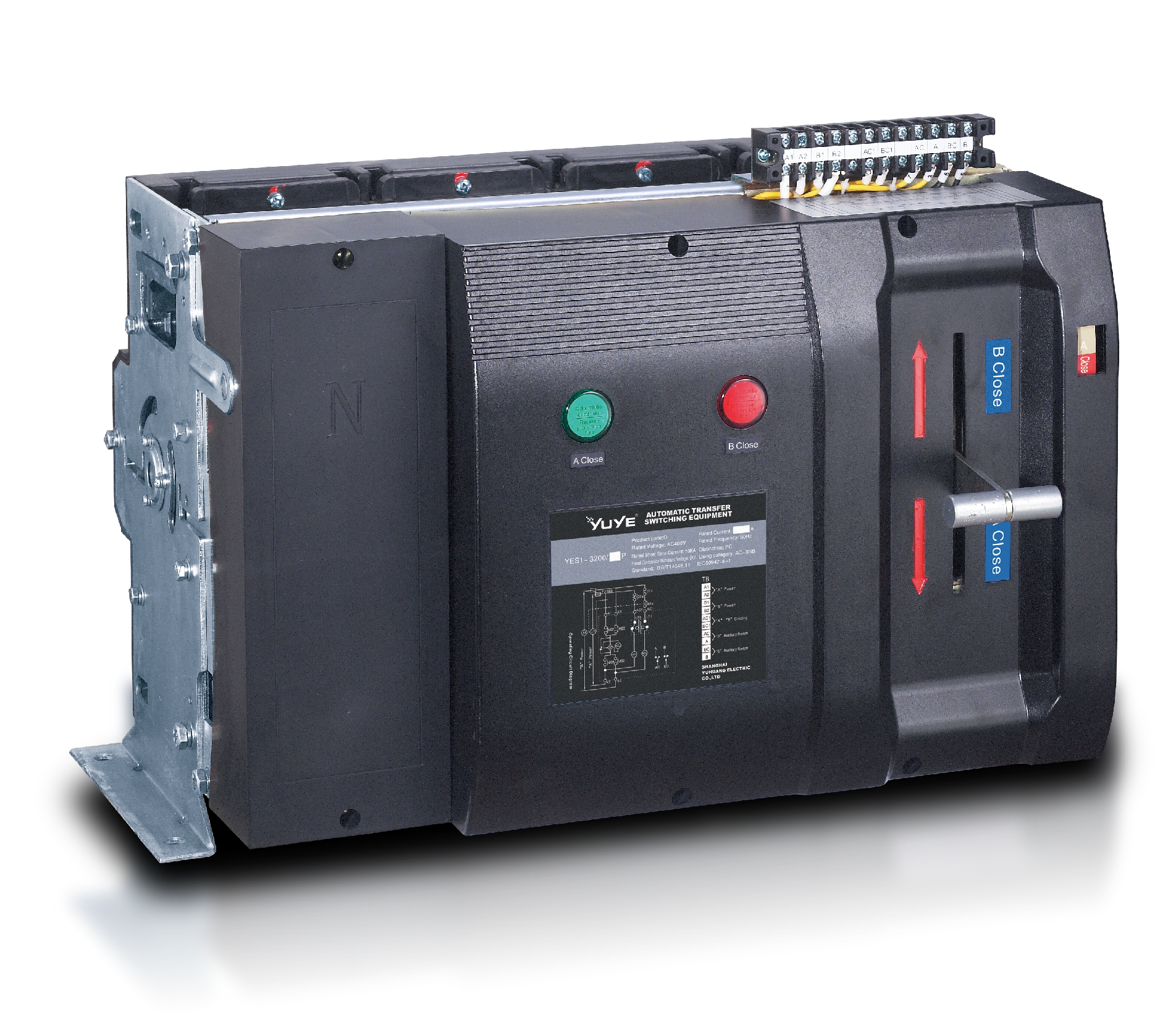 PC ATS YES1-3200Q
 Solenoid-type ATS YES1-4000~6300Q
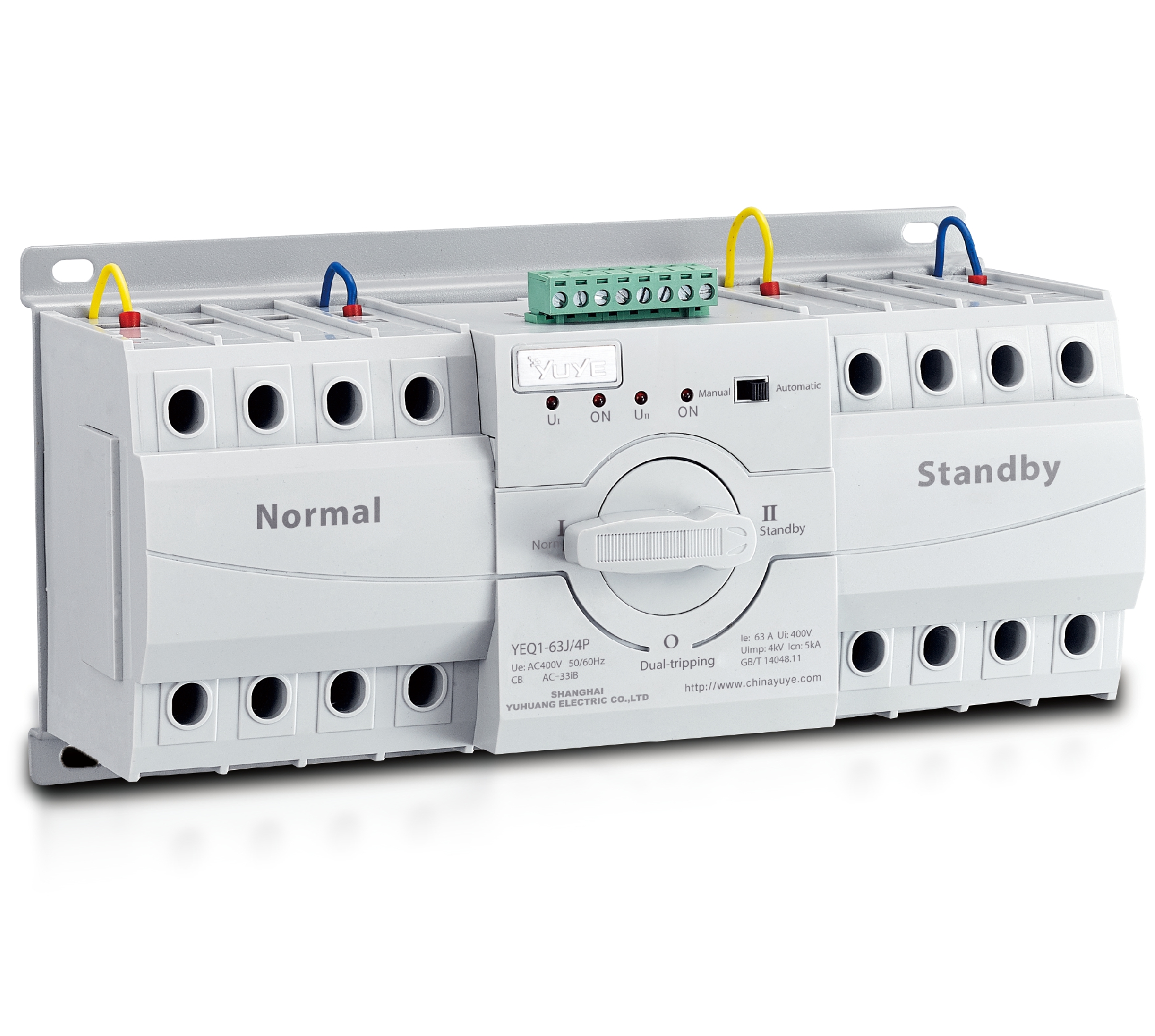 CB ATS YEQ1-63J
 CB ATS YEQ2Y-63
 CB ATS YEQ3-63W1
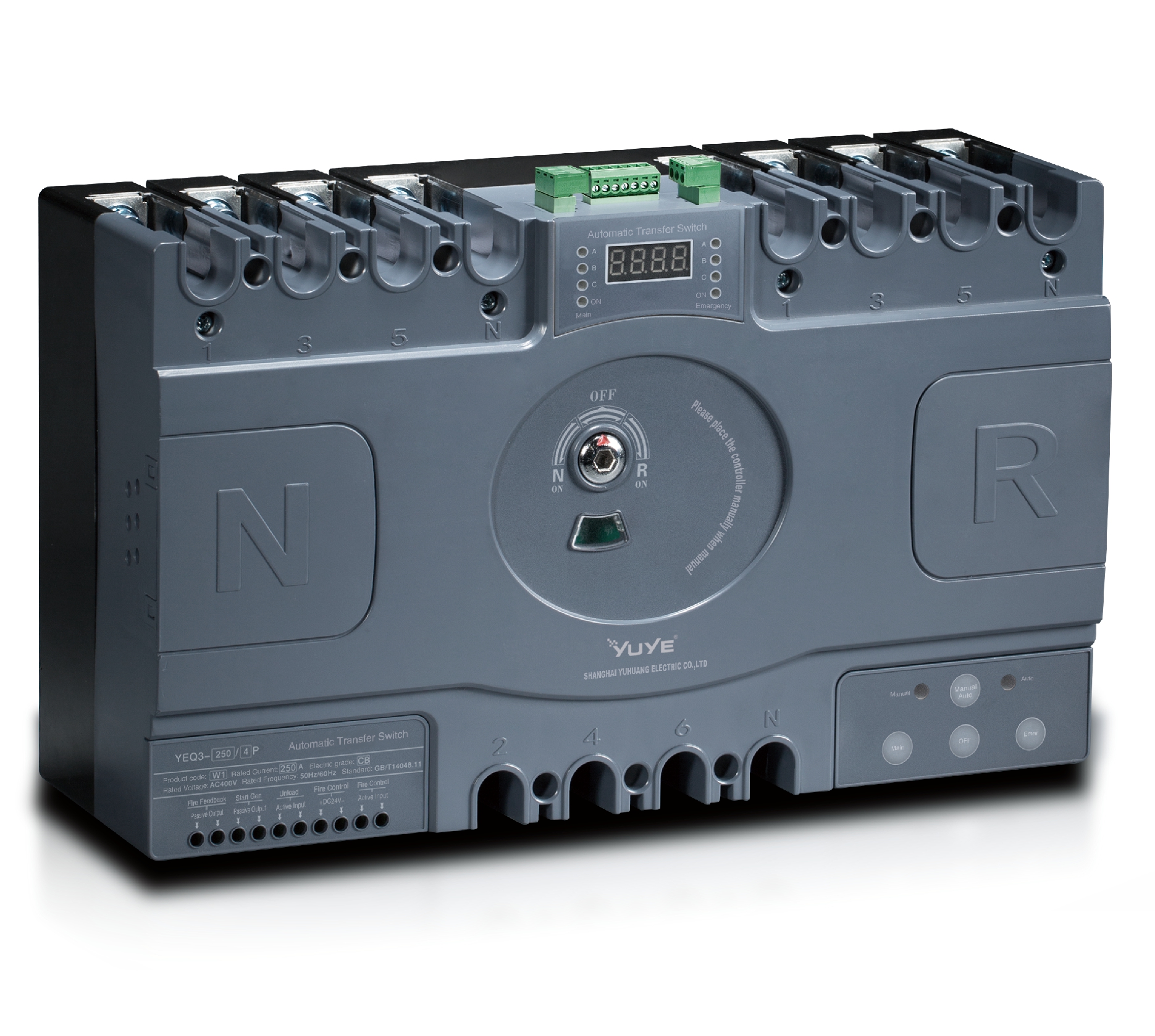 CB ATS YEQ3-125~630W1
 ATS controller Y-700
 ATS Controller Y-700N
 ATS Controller Y-701B
 ATS Controller Y-703N
 ATS Controller Y-800
 ATS Controller W2/W3 Series
 ATS switch Cabinet floor-to-ceiling
 ATS switch cabinet
 JXF-225A power Cbinet
 JXF-800A power Cbinet
 YEM3-125~800 Plastic Shell Type MCCB
 YEM3L-125~630 Leakage Type MCCB
 YEM3Z-125~800 Adjustable Type MCCB
 YEM1-63~1250 Plastic Shell Type MCCB
 YEM1E-100~800 Electronic Type MCCB
 YEM1L-100~630 Leakage Type MCCB
 Miniature circuit breaker YEMA2-6~100
 Miniature circuit breaker YEB1-3~63
 Miniature circuit breaker YEB1LE-3~63
 Miniature circuit breaker YEPN-3~32
 Miniature circuit breaker YEPNLE-3~32
 Miniature circuit breaker YENC-63~125
 Air Circuit Breaker YEW1-2000~6300
 Air Circuit Breaker YEW3-1600
 DC Isolation Switch YEGL3D-630
 Load isolation switch YGL-63~3150
 Load Isolation Switch YGL2-63~3150
 Manual Changeover Switch YGL-100~630Z1A
 Manual Changeover Switch YGLZ1-100~3150
 YECPS2-45~125 LCD
 YECPS-45~125 Digital
 CNC Milling/Turning-OEM
 DC relay MDC-300M


