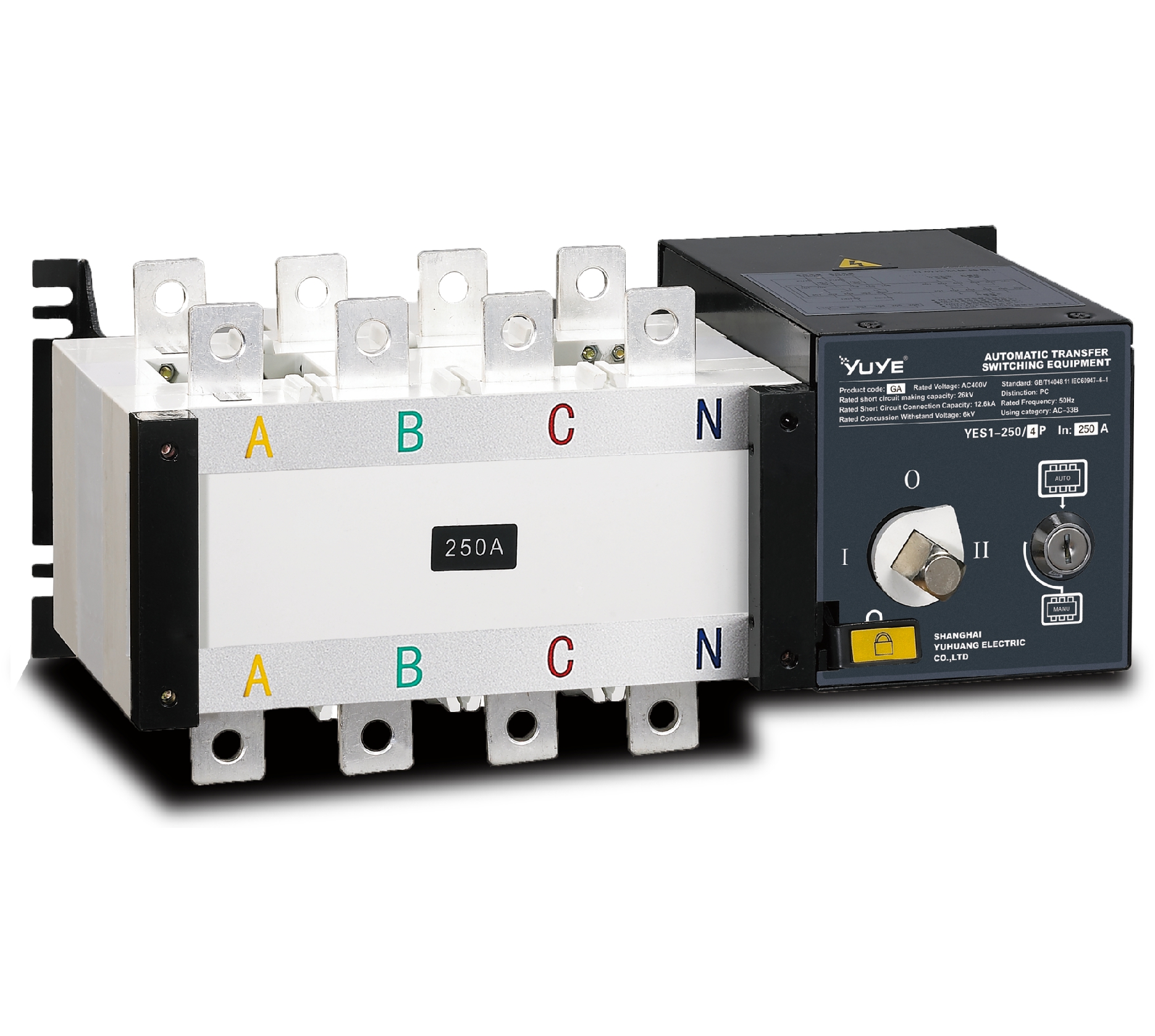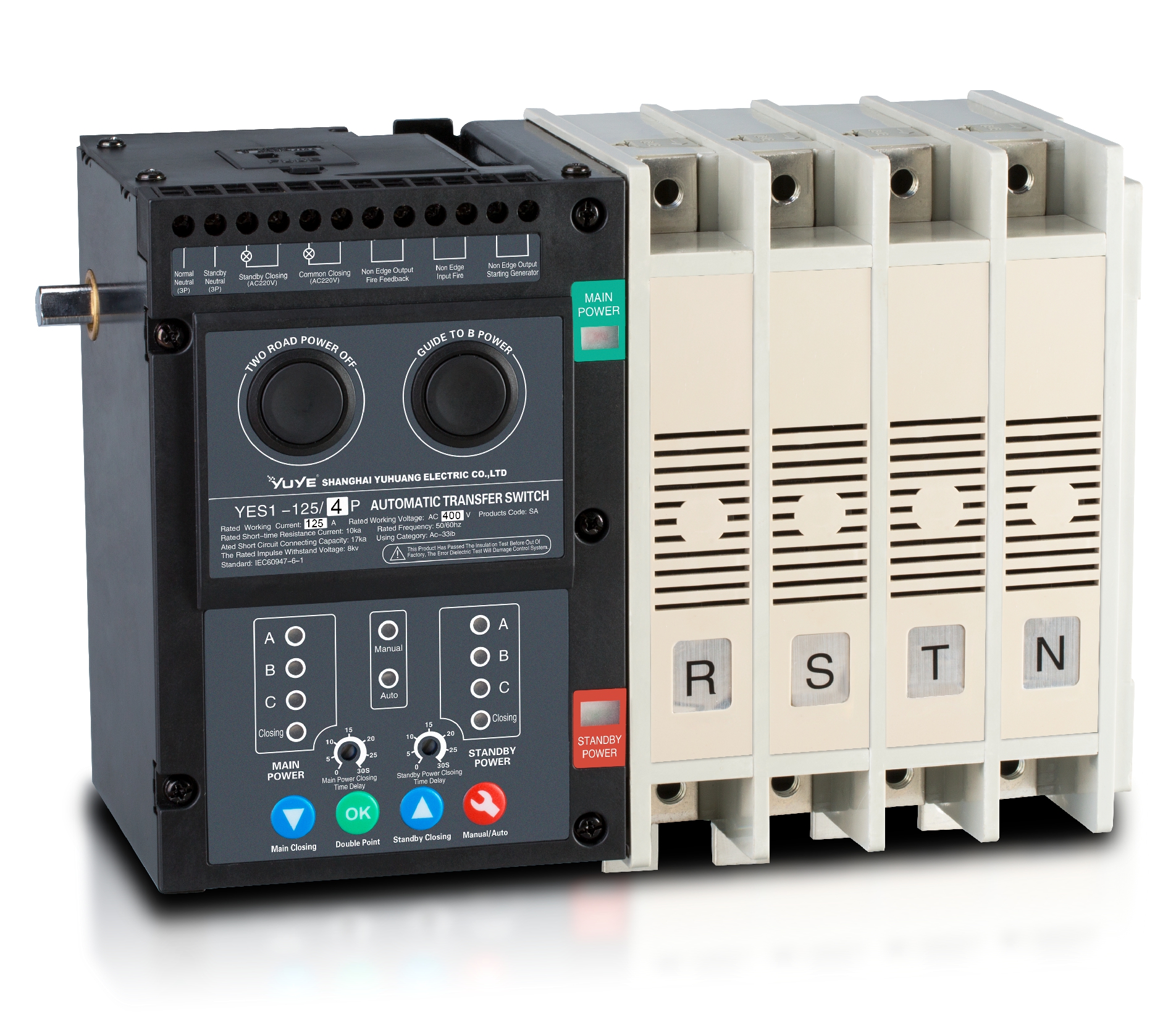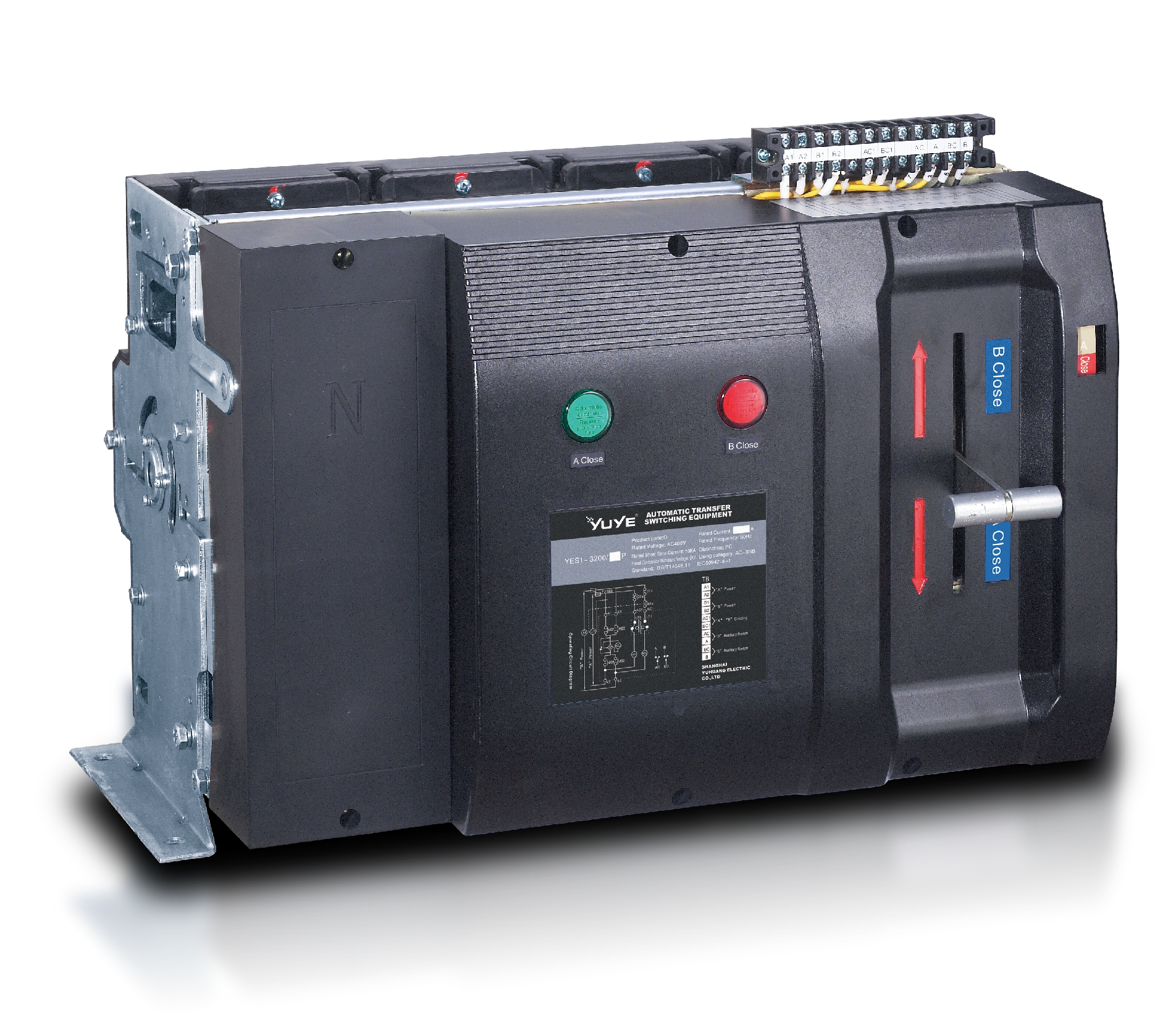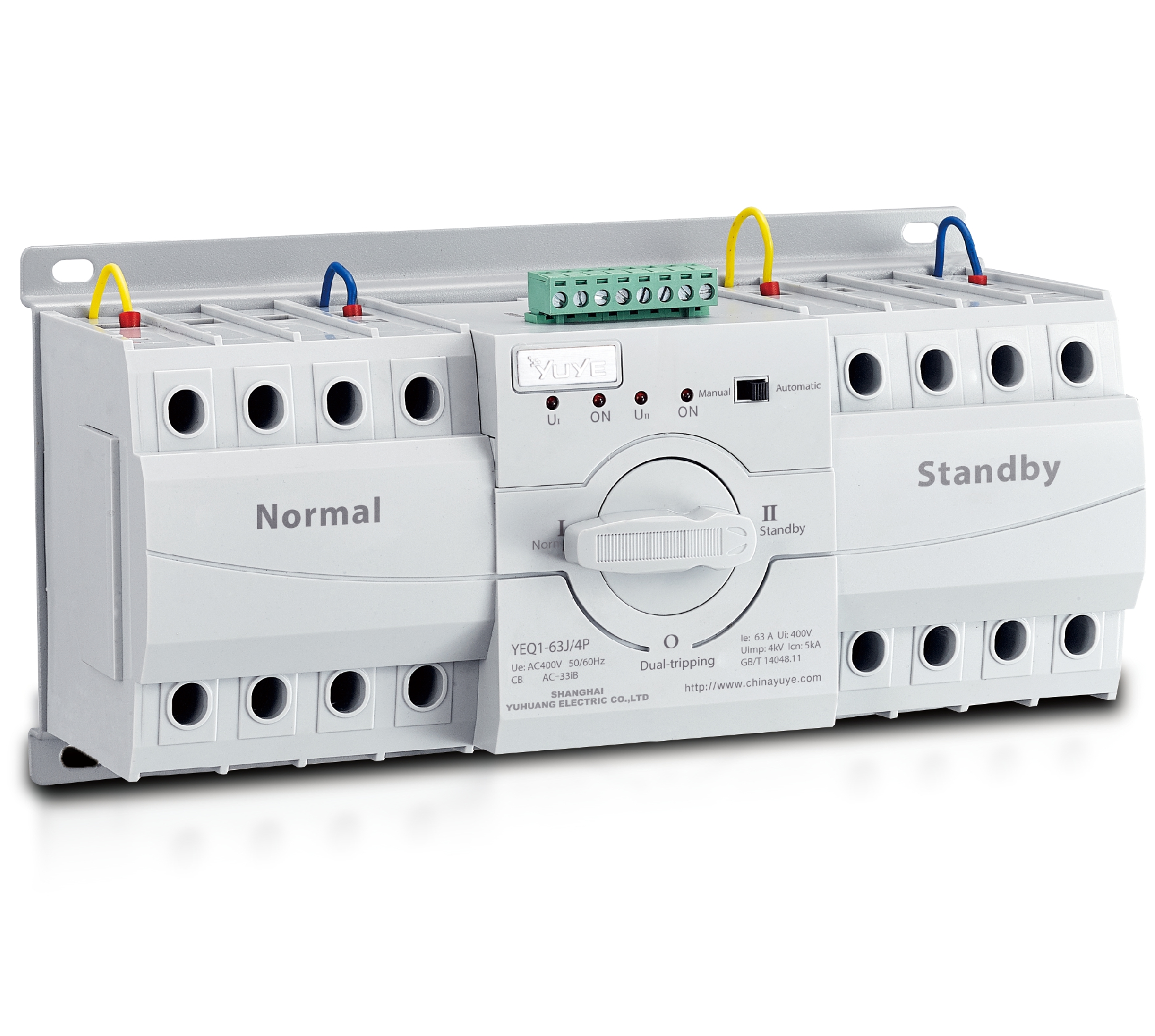
PC ATS YECT1-2000G
PC ATS YES2-63~250GN1
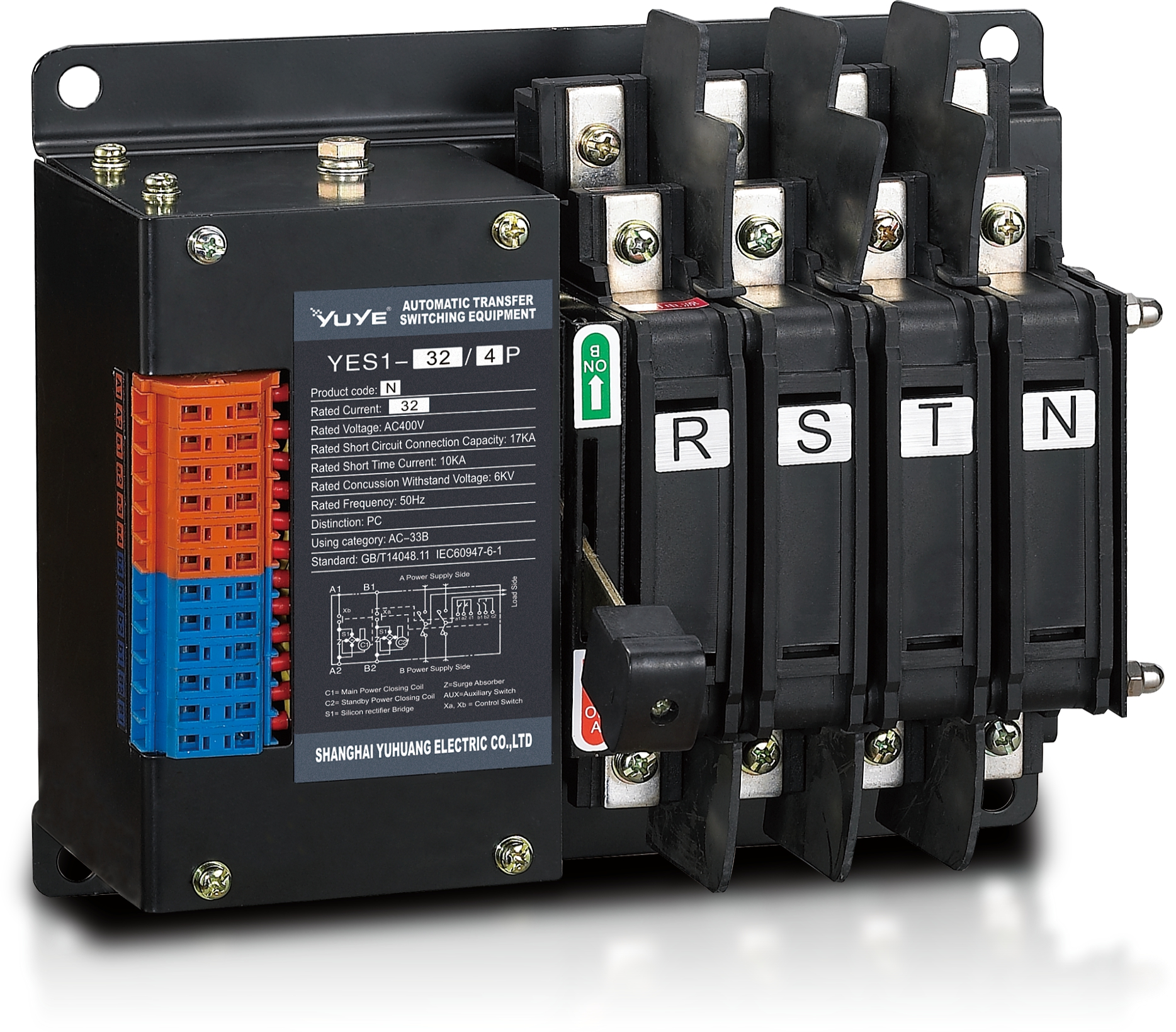
Solenoid-type ATS YES1-32~125N
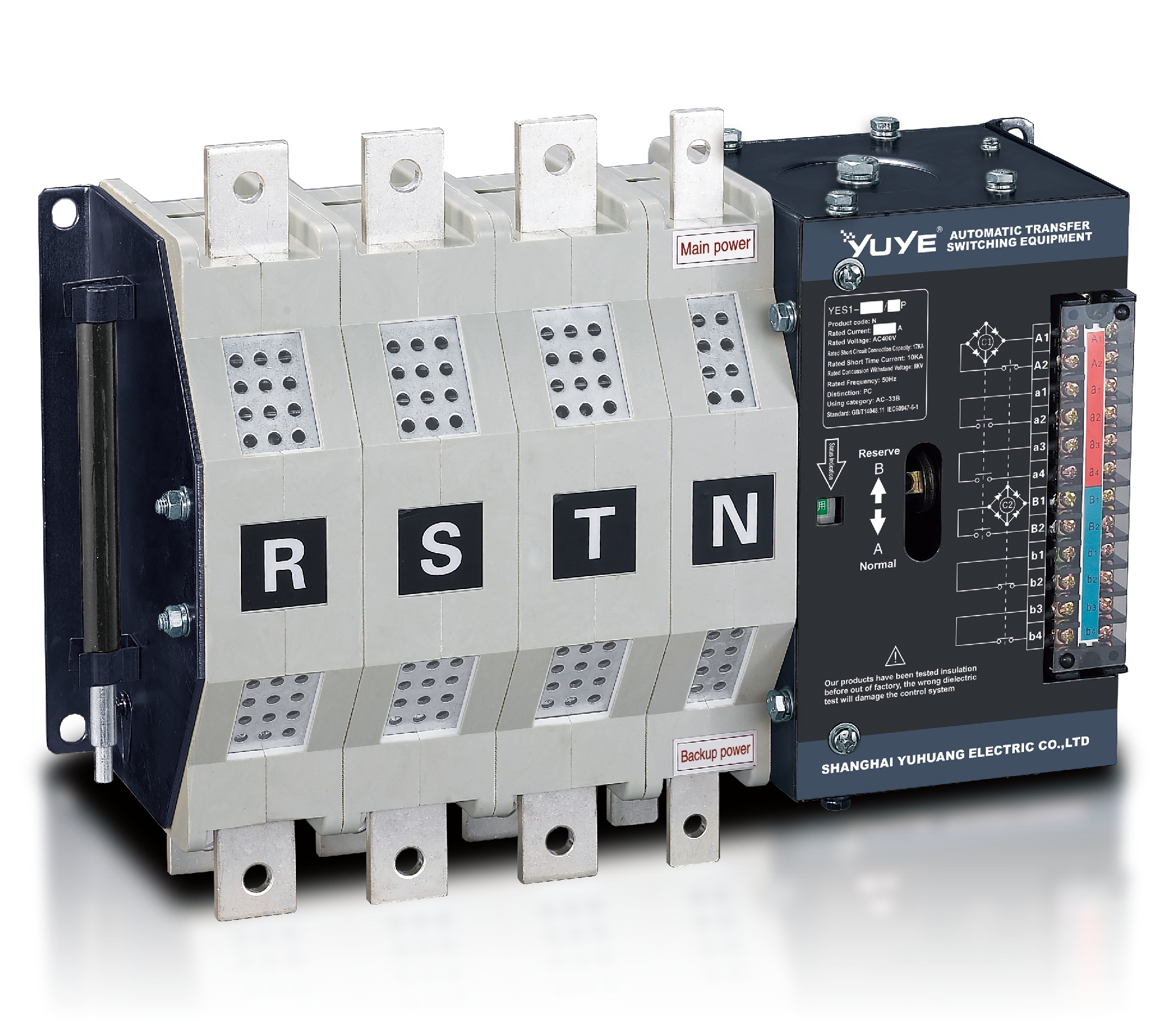
Solenoid-type ATS YES1-250~630N/NT
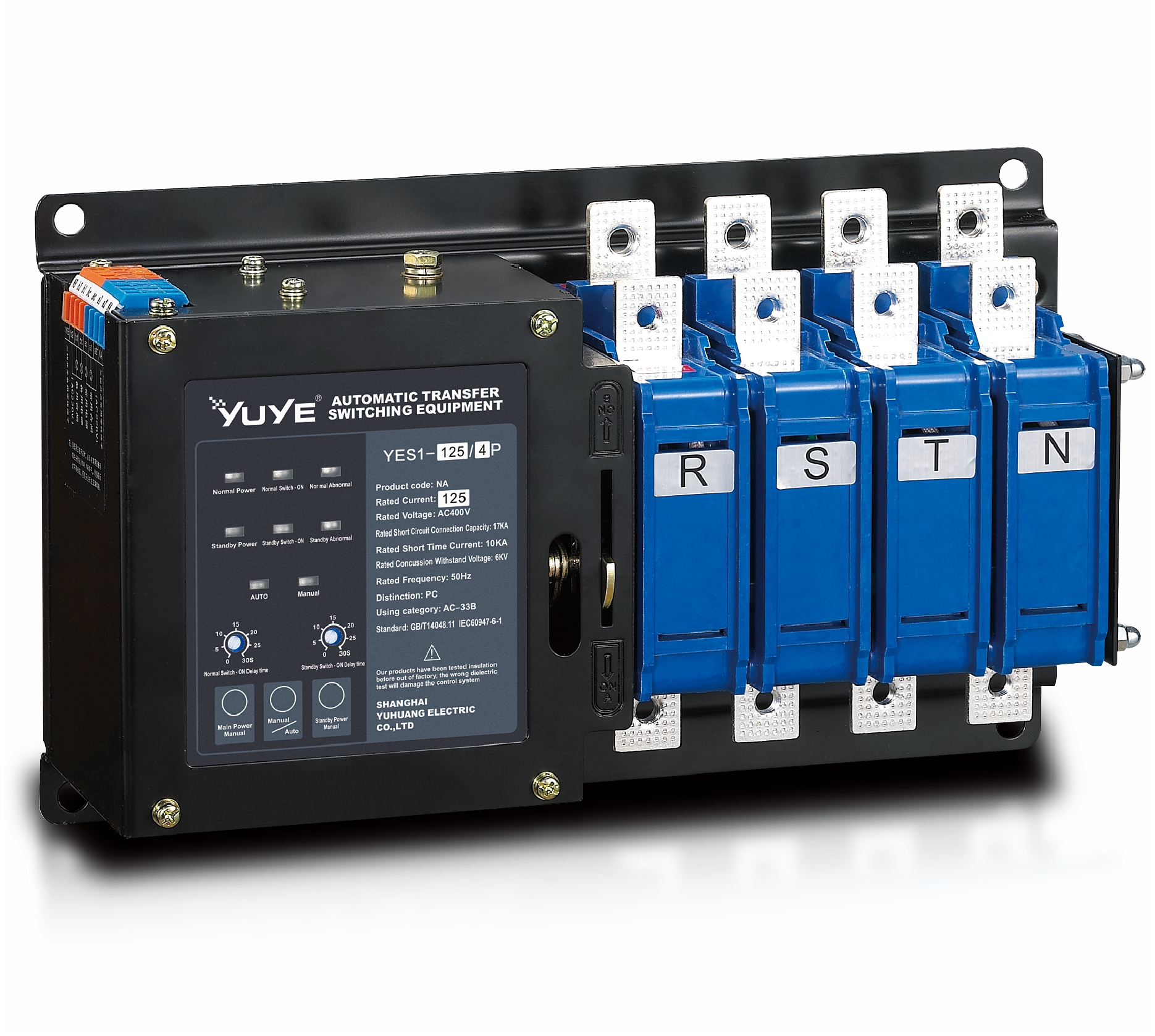
Solenoid-type ATS YES1-32~125NA
Solenoid-type ATS YES1-63~630SN
Solenoid-type ATS YES1-1250~4000SN
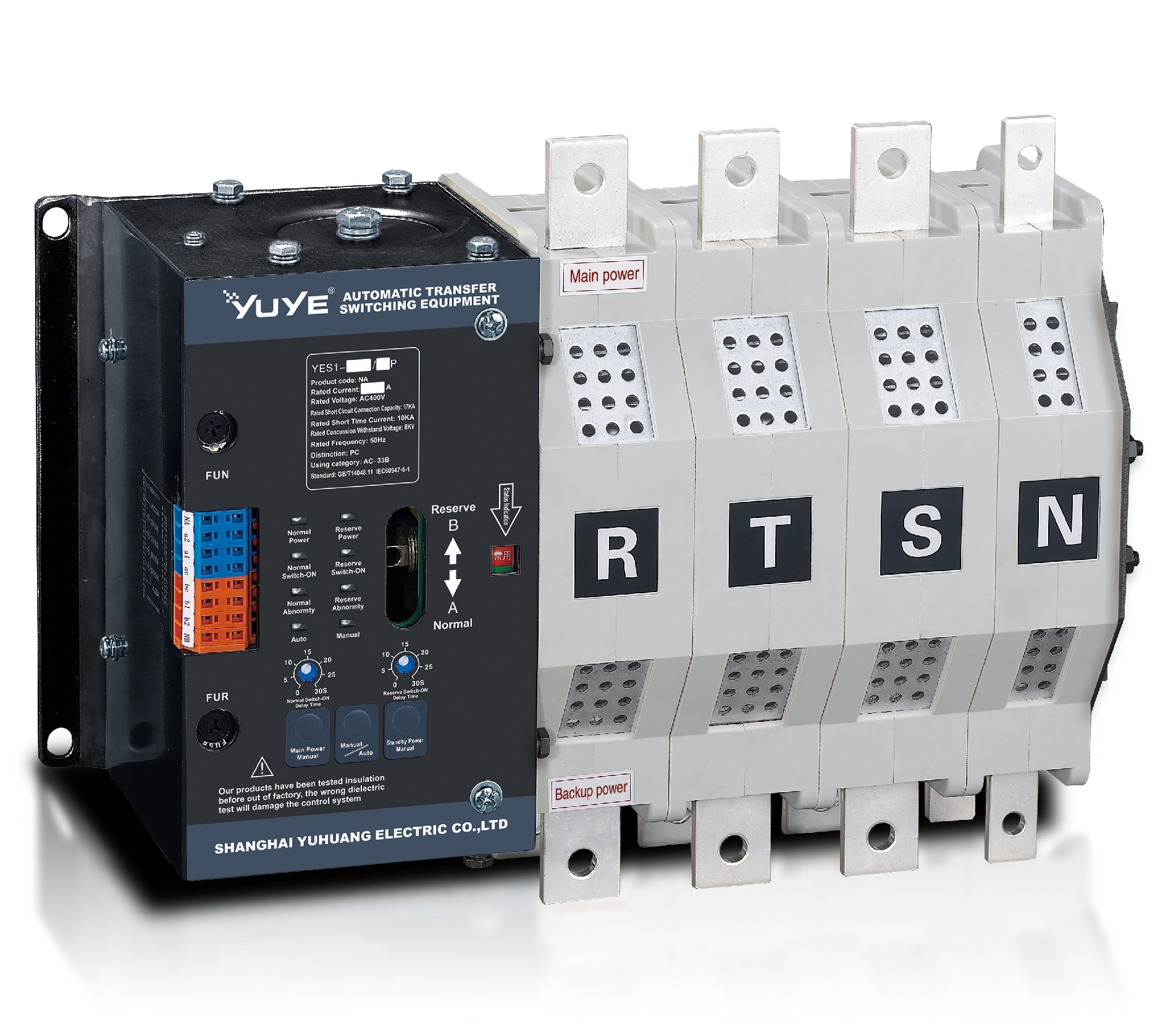
Solenoid-type ATS YES1-250~630NA/NAT
Solenoid-type ATS YES1-63NJT
PC ATS YES1-100~1600GN1/GN/GNF
PC ATS YES1-2000~3200GN/GNF
PC ATS YES1-100~3200GA1/GA
Solenoid-type ATS YES1-63~630SA
Solenoid-type ATS YES1-63~630L/LA
Solenoid-type ATS YES1-63~630LA3
Solenoid-type ATS YES1-63MA
PC ATS YES1-630~1600M
PC ATS YES1-3200Q
Solenoid-type ATS YES1-4000~6300Q
CB ATS YEQ1-63J
CB ATS YEQ2Y-63
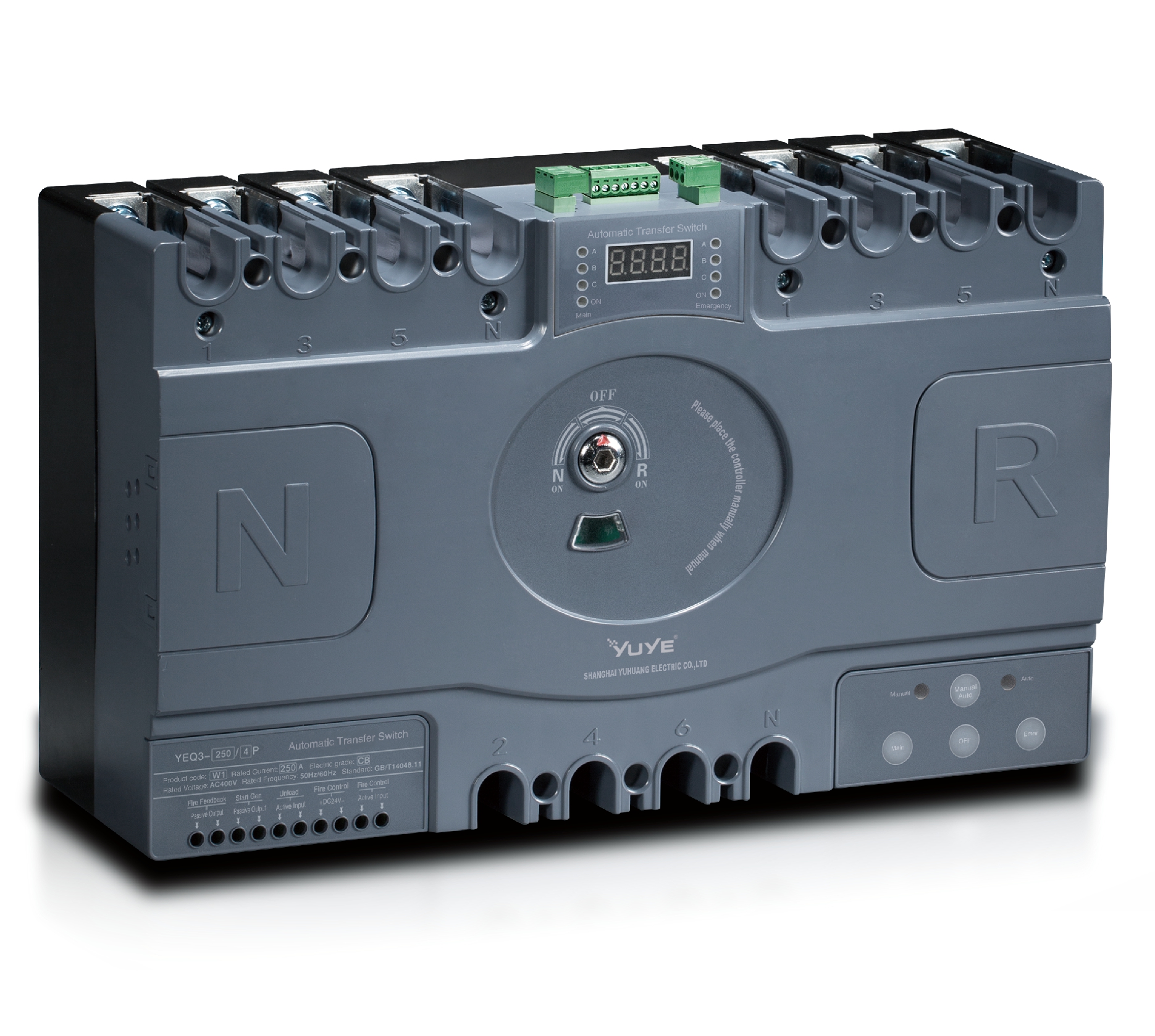
CB ATS YEQ3-63W1
CB ATS YEQ3-125~630W1
ATS controller Y-700
ATS Controller Y-700N
ATS Controller Y-701B
ATS Controller Y-703N
ATS Controller Y-800
ATS Controller W2/W3 Series
ATS switch Cabinet floor-to-ceiling
ATS switch cabinet
JXF-225A power Cbinet
JXF-800A power Cbinet
YEM3-125~800 Plastic Shell Type MCCB
YEM3L-125~630 Leakage Type MCCB
YEM3Z-125~800 Adjustable Type MCCB
YEM1-63~1250 Plastic Shell Type MCCB
YEM1E-100~800 Electronic Type MCCB
YEM1L-100~630 Leakage Type MCCB
Miniature circuit breaker YEMA2-6~100
Miniature circuit breaker YEB1-3~63
Miniature circuit breaker YEB1LE-3~63
Miniature circuit breaker YEPN-3~32
Miniature circuit breaker YEPNLE-3~32
Miniature circuit breaker YENC-63~125Picking the right Dualpower Automatic Transfer Switch is super important if you want things to run smoothly when the power's out. It’s not just about convenience — it can actually impact your home safety and your business too. The right switch makes switching over during outages totally seamless, and it can even boost your energy resilience.
Honestly, there’s a lot to consider here. Are you thinking about your energy needs? How big is your backup generator? Understanding these details is key — it’s what helps you make an informed choice. The market’s got all sorts of options, which can be kinda overwhelming, right? Finding the perfect match isn’t always straightforward.
Take a moment to think about what you specifically need. Maybe your requirements don’t line up exactly with what's available, or maybe your space’s layout adds some complexity to installation. It’s all about taking a step back and weighing these factors. In the end, a little thoughtful research will help you find the best Dualpower Automatic Transfer Switch to suit your situation — no need to stress about it too much!
Understanding Dualpower Automatic Transfer Switch Basics is crucial for reliable power management. These switches are designed to automatically transfer power from the main source to a backup power supply. This is essential during power outages or disruptions. A Dualpower switch provides peace of mind, ensuring that essential systems remain operational.
When selecting a Dualpower Automatic Transfer Switch, consider your specific needs. Power requirements vary widely. Analyze what equipment will require backup power. Identify the wattage and voltage specifications carefully. This helps you choose a switch that can handle your maximum load.
**Tips:** Always consult an expert for installation advice. A poorly installed switch can cause issues. Regular maintenance checks are also vital. They minimize risks and prolong the life of your switch. Remember, not all switches are created equal. Assess their features and compatibility with your current setup. This will guide you to a more informed decision.
Selecting a dualpower automatic transfer switch (ATS) is crucial for ensuring reliable power management. Key considerations include the switch's capacity and the load it will support. Reports indicate that businesses often underestimate their power needs. This can lead to inadequate system performance during outages. Understanding your peak power requirements is essential.
Consider the environmental conditions where the ATS will be installed. Manufacturing data shows that humidity, temperature, and dust can affect switch performance. Choose a model designed for your specific environment. Look for features like weatherproof enclosures if necessary.
Tips: Always consult with an engineer. They can help you analyze your power load. Review maintenance requirements too. Some models are easier to service than others. Remember to evaluate the warranty options. A longer warranty period can indicate manufacturer confidence in their product. Keep these details in mind to avoid future disappointments.
Identifying your power needs is crucial when selecting a dualpower automatic transfer switch (ATS). Start by assessing the total load requirement for your facility. According to industry reports, the average commercial building consumes about 14 kWh per square foot annually. This figure may vary. Accurate measurements are necessary to avoid under or overestimating your needs.
Understand the critical loads that must remain powered during an outage. These usually include lighting, HVAC systems, and essential equipment. The National Fire Protection Association recommends that businesses prioritize equipment that maintains safety and business continuity. However, many business owners often overlook smaller devices that also require backup power.
Consider peak power demands too. Reports from the Energy Information Administration indicated that peak electrical demand can increase by up to 30% during certain hours. Failing to account for this can lead to overload. Your ATS needs to handle those peaks efficiently. Any gaps in understanding power loads can lead to frustrating outages or excessive costs. Be meticulous in this process.
Choosing the right dual power automatic transfer switch (ATS) is crucial for seamless power management. Different transfer switch types offer unique features. For example, manual switches require user intervention during a power outage. They may be less expensive but can slow down the response time. Automatic switches react promptly, minimizing downtime. They continuously monitor power sources, switching automatically when needed.
Considering the features is essential. Some models include digital displays for monitoring voltage and current. This feature keeps you informed about power quality. Others come with remote monitoring capabilities. This allows you to check status from afar. However, not all features are necessary for every user. Assessing your specific needs is vital. Overcomplicating your setup can lead to confusion and inefficiency. A foggy understanding of your requirements can result in choosing the wrong model.
While safety is a primary concern, not every switch offers the same level of protection. Some lack essential overload protection features. Skipping these key aspects can lead to serious issues. It’s important to reflect on what features truly matter for your application. Balancing complexity and usability can pose a challenge. Finding the perfect unit demands time and thoughtful consideration.
When considering a dual power automatic transfer switch, compatibility with your existing electrical system is crucial. Start by evaluating your current setup. Check your voltage ratings and phase requirements. Is your system single-phase or three-phase? This assessment helps ensure that the transfer switch can handle the load without causing issues.
Tips: Always consult with a professional electrician when assessing compatibility. It saves time and reduces risks. Look for signs of wear in your existing systems. This can indicate potential problems that a new switch might exacerbate.
Consider the settings of your electrical panel. Space constraints could affect the size of the transfer switch you choose. Not all switches fit all panels. This aspect requires careful planning. Reflect on the future needs of your electrical load. Will you expand or add new appliances? Making the right choice today can lead to fewer headaches tomorrow.
Tips: Measure existing space before purchasing. Take note of any obstructions near the panel. Document all electrical loads to create a detailed inventory. It helps identify potential upgrades or adjustments you may need later.
| Dimension | Description | Importance | Example Value |
|---|---|---|---|
| Power Rating (kVA) | The maximum power the switch can handle. | Critical for ensuring the switch can support your load. | 20 kVA |
| Voltage Rating (V) | The voltage levels the switch is rated for. | Ensures compatibility with your electrical system. | 240 V |
| Transfer Time (seconds) | Time taken to switch from primary to backup power. | Important for minimizing downtime during outages. | 1-2 seconds |
| Number of Poles | The number of circuits the switch can control. | Determines how many loads can be managed. | 4 poles |
| Control Type | Manual, automatic, or remote control options. | Affects ease of use and system integration. | Automatic |
| Enclosure Type | Indoor vs. outdoor rated. | Necessary for environmental suitability. | Outdoor rated |
Installing a dual-power automatic transfer switch (ATS) involves careful planning. Start with understanding your power needs. Consider the wattage requirements of essential appliances. Ensure the transfer switch can handle the total load. Selecting the right size is crucial. An undersized switch may fail during peak demand. This can be problematic when you need power the most.
Maintenance is equally important for the longevity of your ATS. Regularly inspect the wiring and connections. Look for any signs of wear or damage. Dust and dirt can accumulate, affecting performance. Cleaning the switch periodically can prevent failures. Checking the battery backup, if applicable, is vital. A dead battery can leave you without power during an outage.
Don't overlook the surrounding environment. Ensure the switch is placed in a sheltered area. Exposure to harsh weather can degrade components. Proper ventilation is necessary to prevent overheating. Sometimes, users neglect these details, leading to unexpected issues. Being proactive in installation and maintenance goes a long way.
When considering a dualpower automatic transfer switch, cost is a significant factor. Prices can vary widely based on power capacity, features, and installation complexity. It's essential to assess your specific needs. A simple switch may be less expensive. However, advanced models come with additional features. Evaluate which options are necessary for your situation.
Installation costs can also add up quickly. Hiring a licensed electrician is often recommended. This can ensure safety and compliance with local codes. On average, installation may cost more than the switch itself. You might need to factor in any necessary electrical upgrades. It’s wise to gather multiple quotes to avoid surprises.
Budgeting should account not just for immediate costs. Consider long-term expenses, too. Maintenance is crucial for longevity. Some switches may require more frequent servicing. This can lead to unexpected costs later. Reflect on the total cost of ownership rather than just initial expenses. Balancing short-term spending with long-term benefits is key.
Load isolation switches, specifically the YGL-63~3150 series, play a crucial role in maintaining safety and reliability within electrical systems. Designed to operate at a rated voltage of up to 400V and a frequency of 50Hz, these switches are pivotal for connecting and breaking circuits in power systems. With a rated current range from 63A to 3150A, they support extensive applications in various industrial and commercial settings, ensuring that equipment can be safely disconnected from the power supply for maintenance or emergencies.
Compliance with international standards, such as IEC 60947-3, indicates the robustness and reliability of the YGL series. These load isolation switches are available in multi-pole configurations, including 3-pole and 4-pole options, ensuring versatility for different circuit requirements. The importance of such devices cannot be overstated; industry reports highlight that improper isolation measures can lead to significant safety hazards and equipment failures, costing businesses considerably in downtime and repairs.
Moreover, as industries continue to innovate and expand, the demand for reliable electrical components like the YGL series is expected to grow. The increasing complexity of electrical systems, combined with the need for stringent safety protocols, underscores the functionality of load isolation switches in preventing electrical accidents and ensuring smooth operation across various sectors. The YGL-63~3150 encapsulates the necessary features that meet these demands, marking it an essential component of contemporary power system infrastructure.
: The product aims to improve daily routines and enhance efficiency. It helps users manage their time better.
Yes, it's designed for a wide range of users. However, some may need guidance initially.
Key features include tracking, scheduling, and reminders. Users can customize settings for personal needs.
On average, the battery lasts about a week. Performance may vary based on usage patterns.
A limited warranty is provided. Users should read the terms carefully to understand coverage details.
Yes, it supports connectivity with several devices. Compatibility may depend on the specific models used.
Users can refer to the support section for troubleshooting. Some issues may require reflection and patience.
Regular cleaning and software updates are recommended. Neglecting these could impact the product's performance.
When selecting a Dualpower Automatic Transfer Switch, it's essential to start with a solid understanding of its basic functions and features. Key considerations include identifying your specific power needs and load requirements, which will guide you in evaluating the different types of transfer switches available. Assessing compatibility with your existing electrical systems is crucial to ensure seamless integration.
Furthermore, potential buyers should focus on installation and maintenance tips to optimize performance and longevity. Cost considerations and budgeting for both the purchase and installation of the transfer switch are also important factors to keep in mind. By carefully examining these aspects, you can make an informed decision that meets your power management needs effectively.