0%

In today’s fast-paced world of power management, it’s more important than ever to have a reliable energy supply. Making the right choice when it comes to a Dual Power Automatic Transfer Switch (DPATS) isn’t just about smooth switching during outages — it’s also key to keeping operations running efficiently across different industries. According to a recent report from Research and Markets, the global market for automatic transfer switches is expected to hit around $3 billion by 2025, which shows just how much more companies are investing in smarter power management solutions.

How to Choose the Right Dual Power Automatic Transfer Switch for Your Needs

Industry veteran John Smith, the CTO at Power Solutions Inc., really emphasizes how crucial it is to pick the right DPATS. He says, “The perfect transfer switch can be the difference between staying up and running or dealing with costly downtime.” His point really hits home — it’s all about doing your homework by understanding what your specific power needs are and comparing the features of different switches, so you get something that actually fits your situation.

As more organizations start to see how vital solid power management is, getting a good grip on what factors matter when choosing a Dual Power Automatic Transfer Switch will be super important. That way, businesses can make smarter, more informed decisions that keep up with both today’s needs and whatever the future throws at them.

Understanding the Basics of Dual Power Automatic Transfer Switches

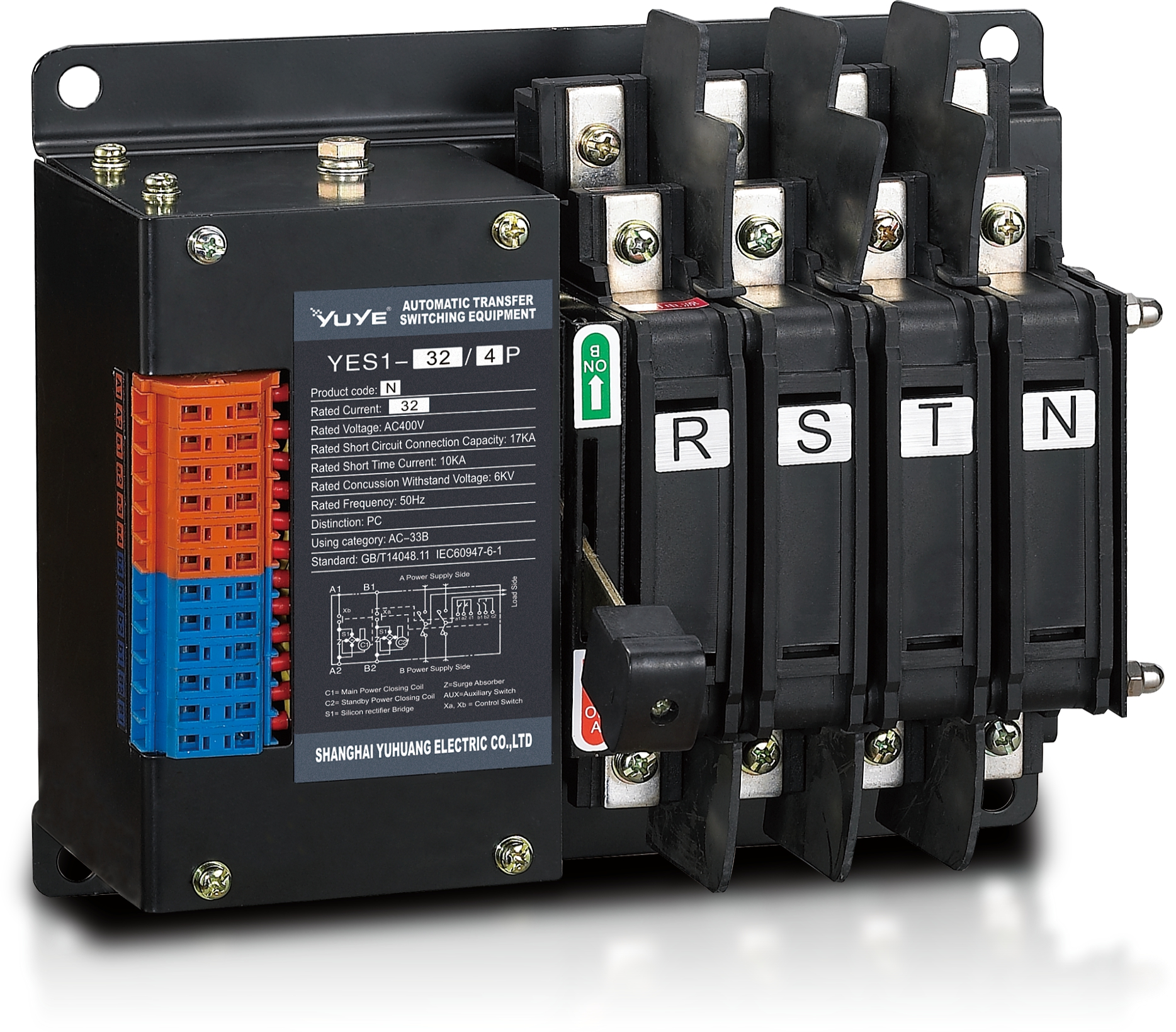
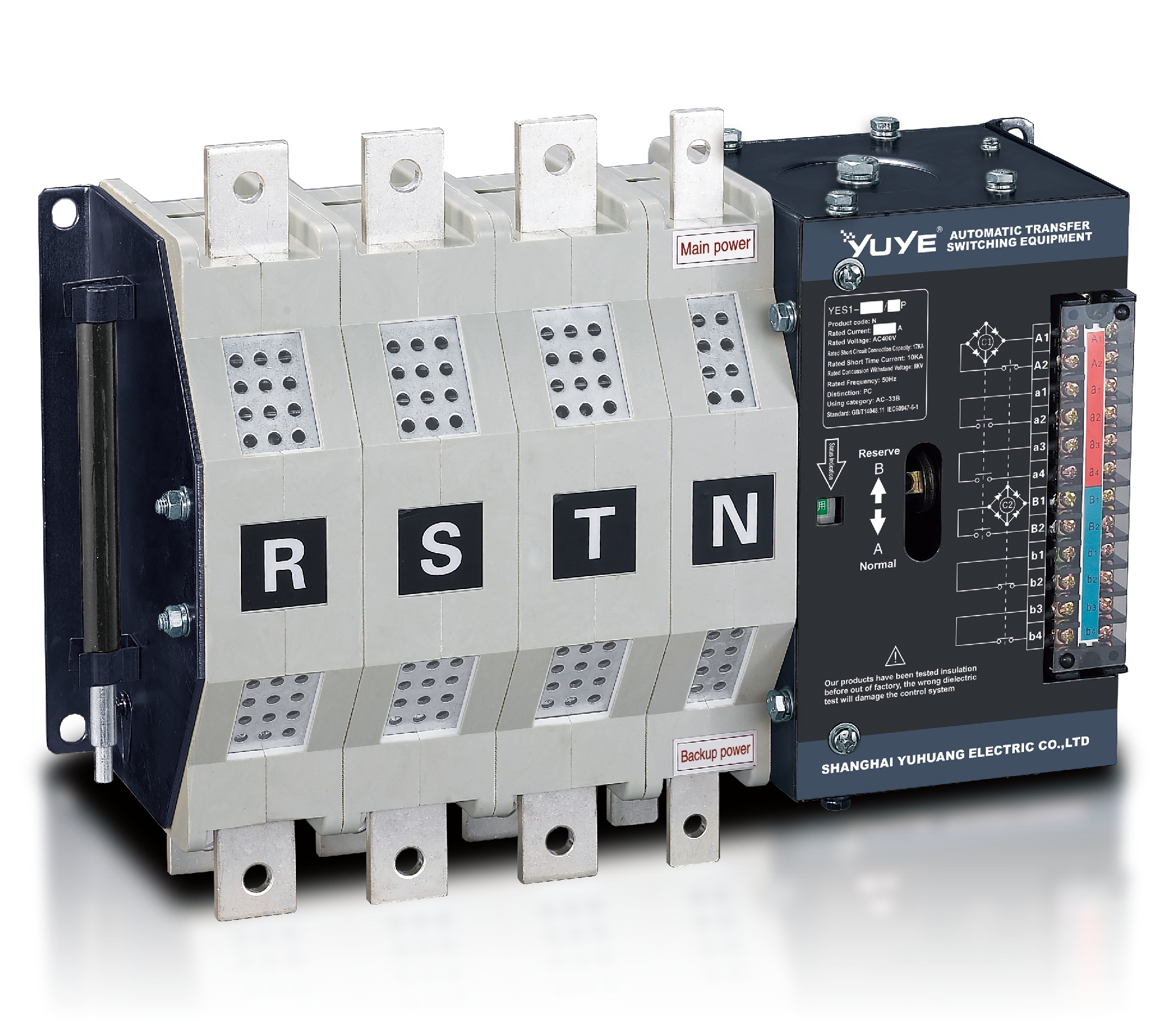
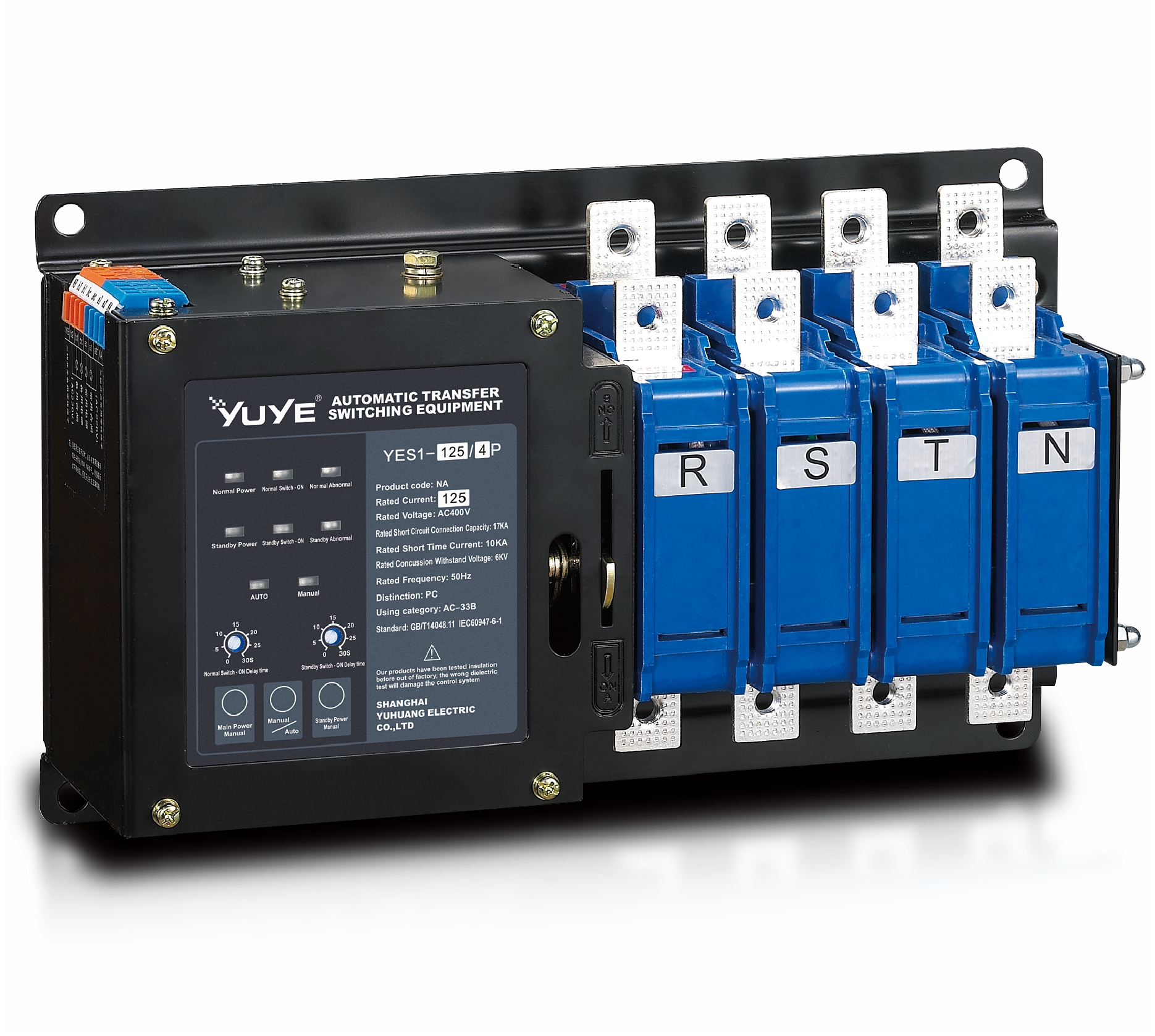
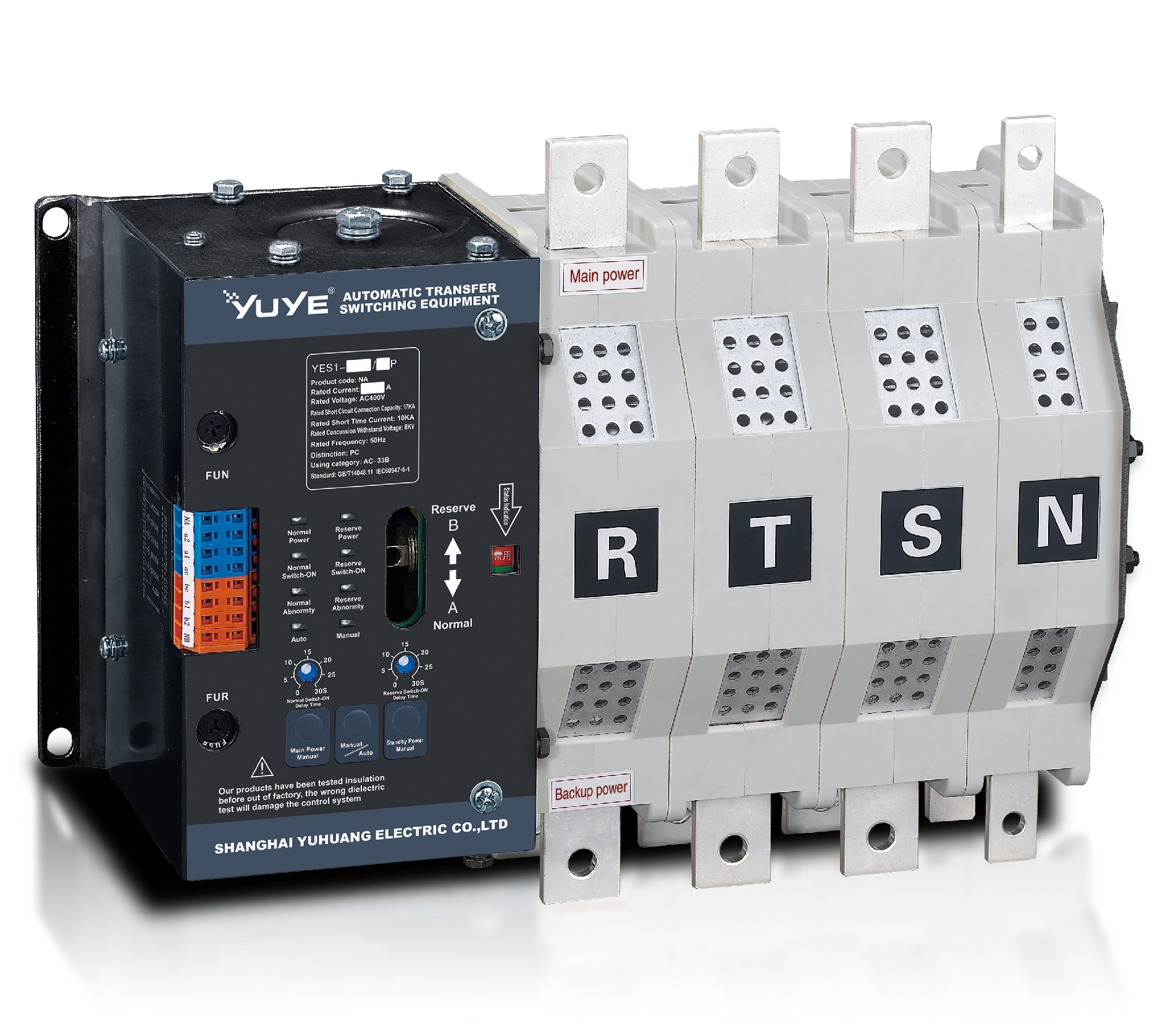
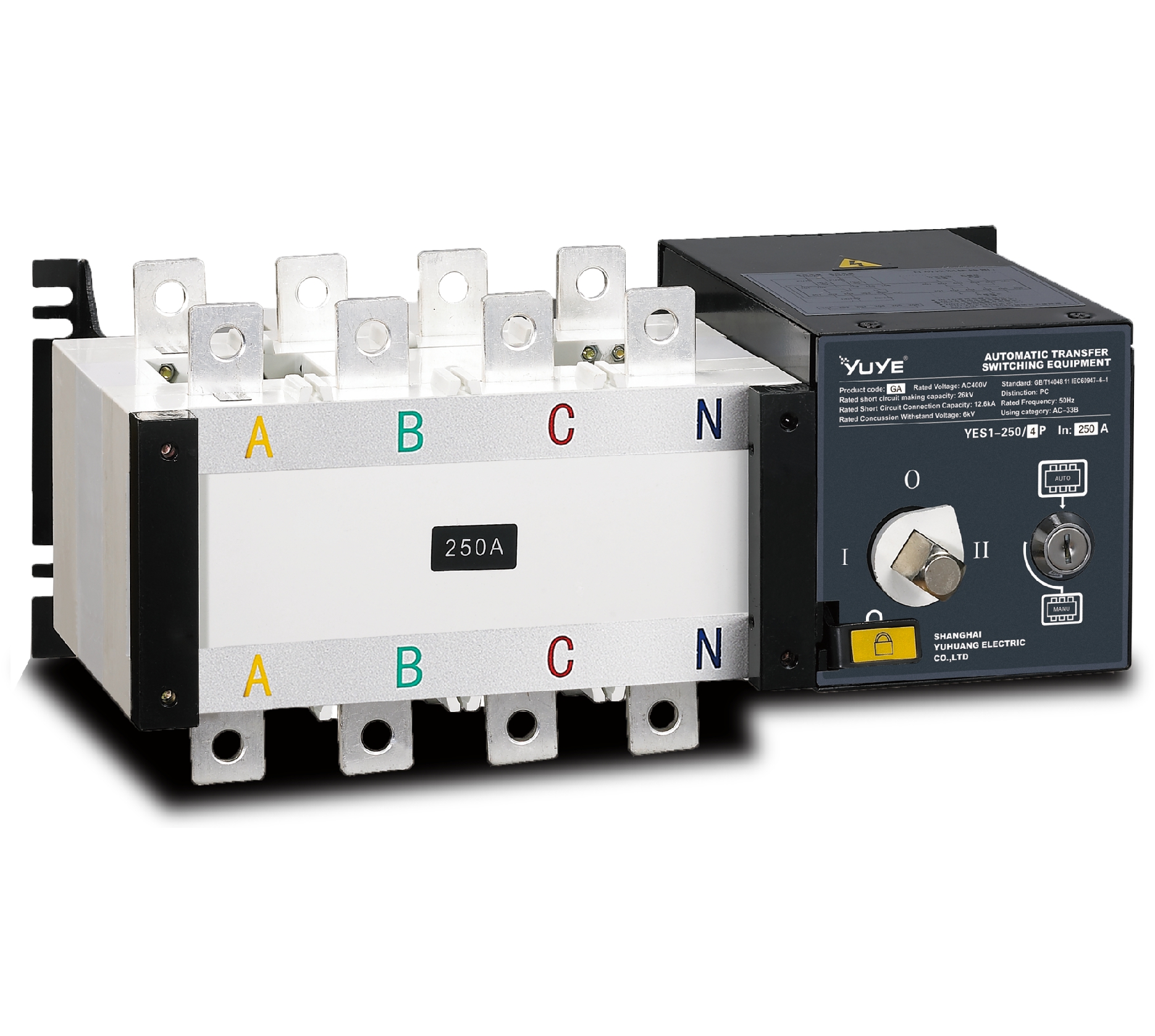
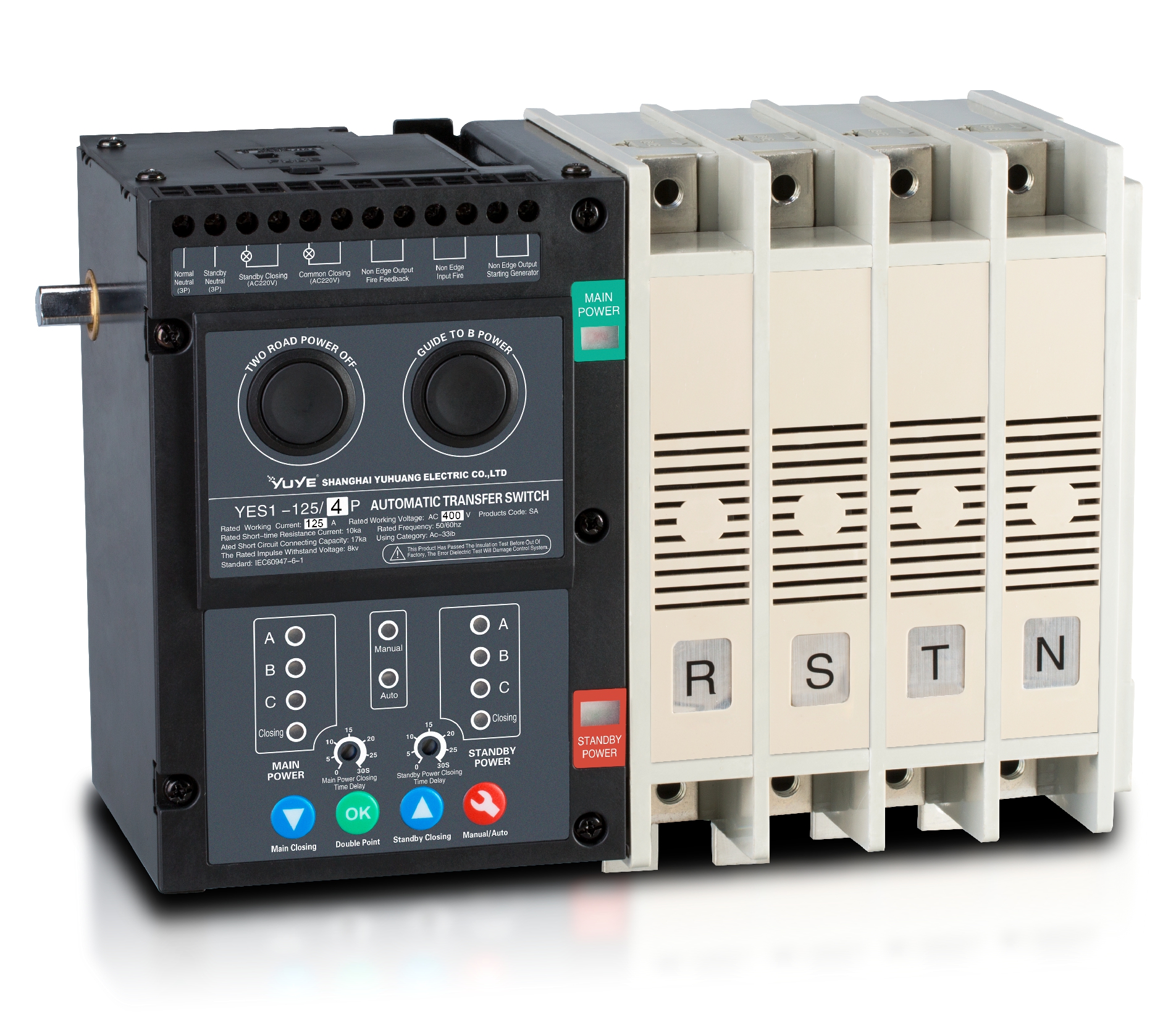
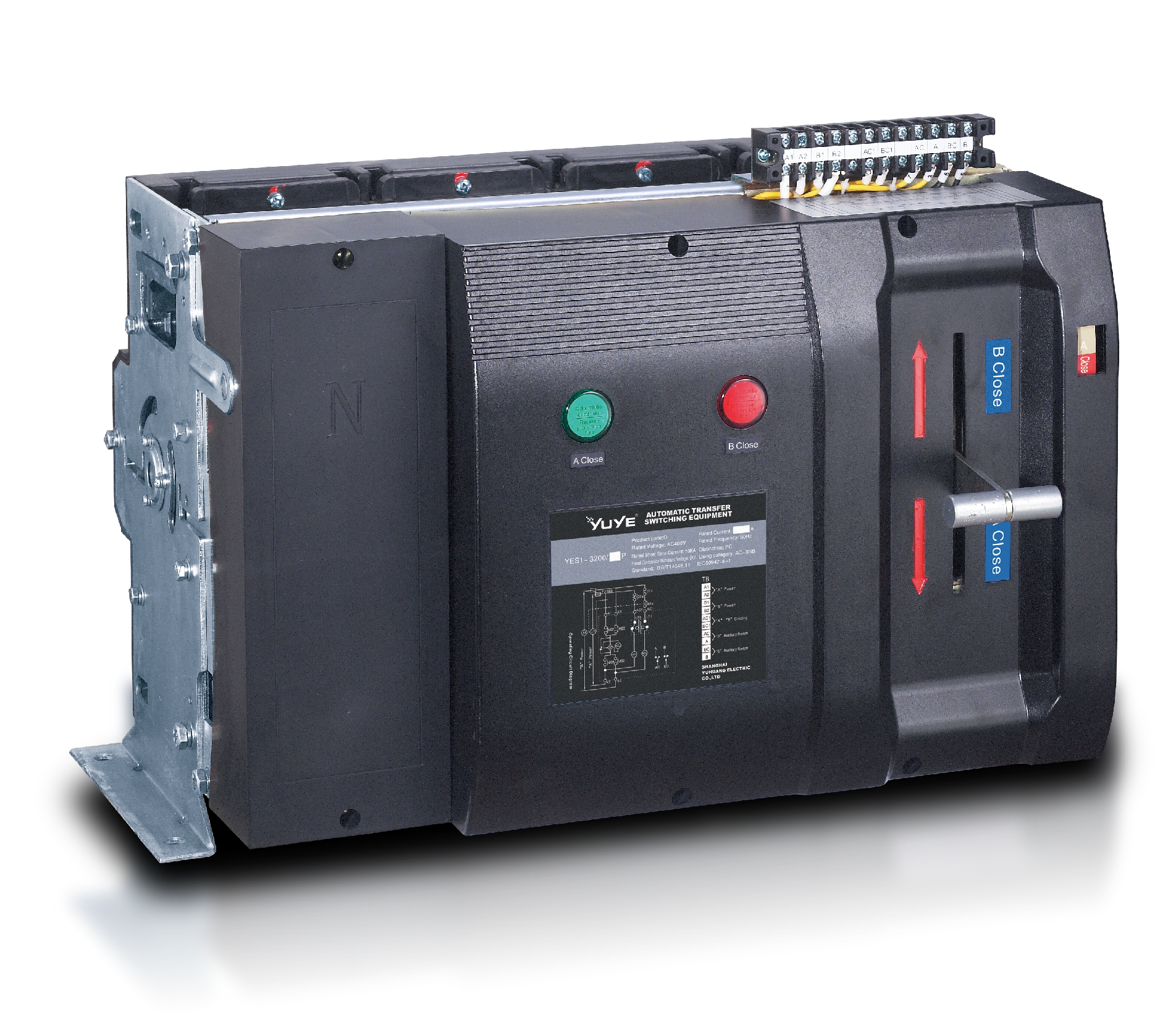
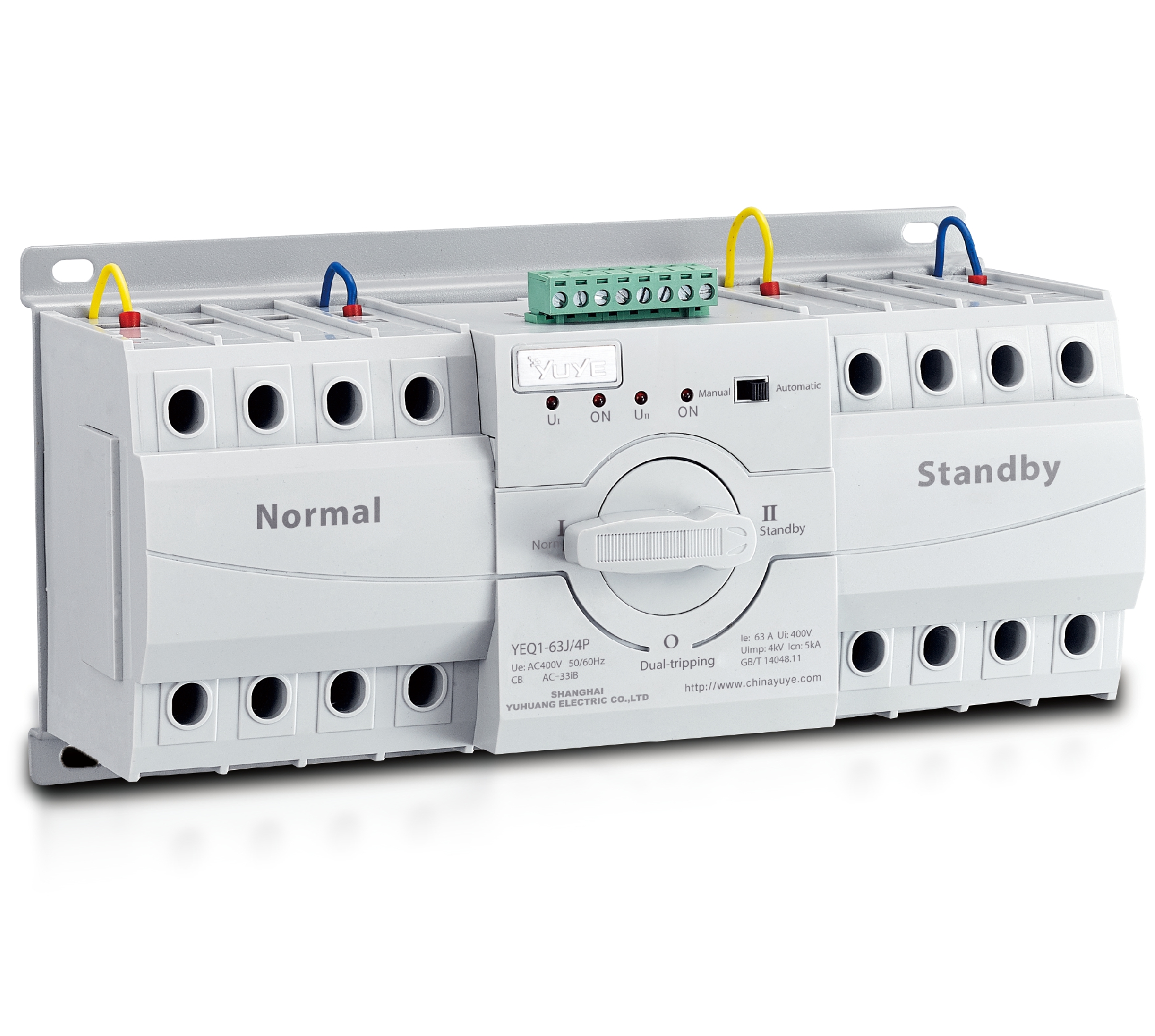
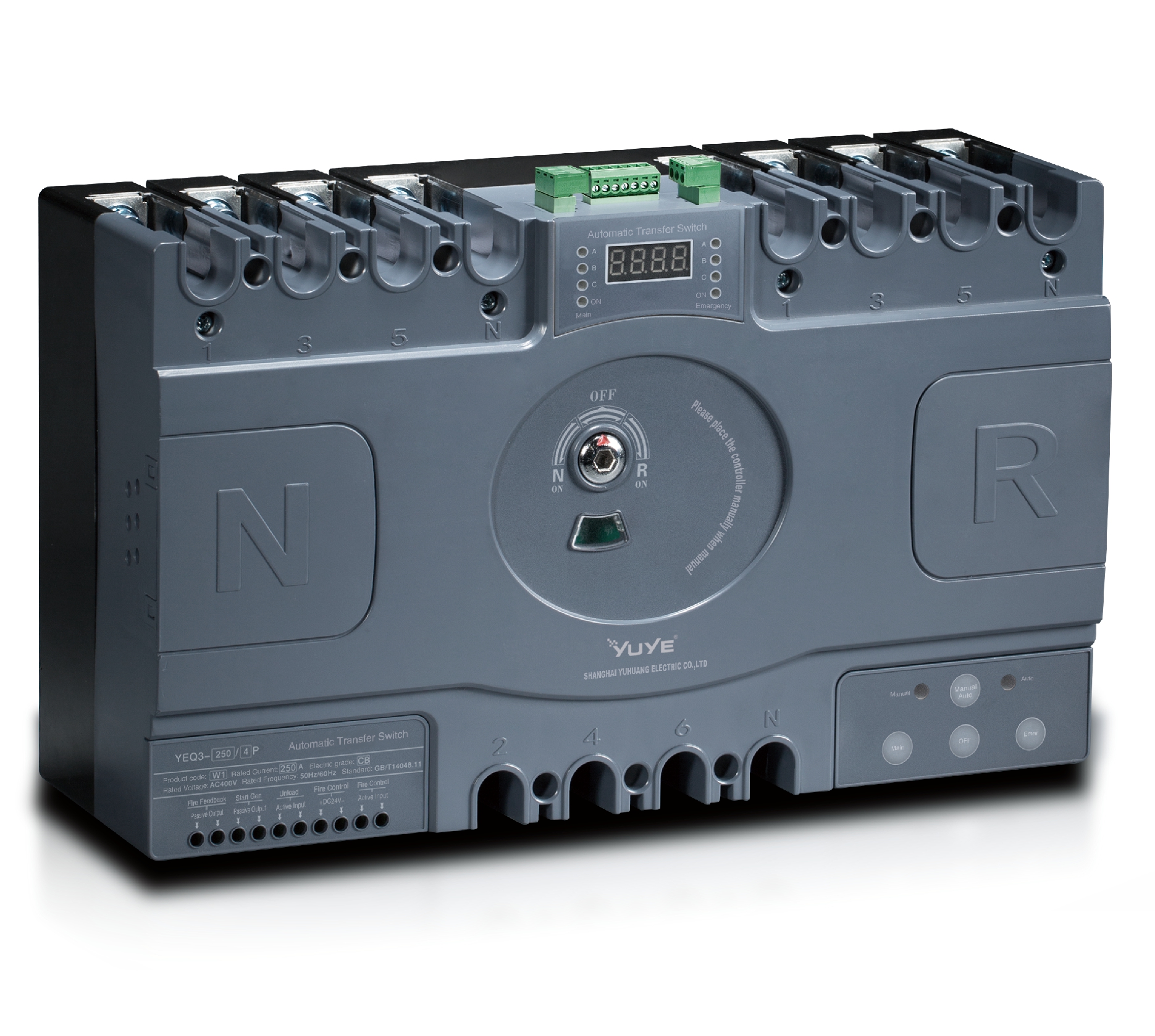
When it comes to choosing the right dual power automatic transfer switch (ATS) for your needs, it's essential to have a fundamental understanding of how these devices operate. Dual power ATS units are designed to ensure continuous power supply by automatically switching between two different power sources. This is particularly crucial in critical applications where downtime is not an option, such as in healthcare facilities, data centers, and industrial environments. Recognizing the operational requirements and load types can greatly influence your selection process.

At One Two Three Electric Co., Ltd., we specialize in high-standard manufacturing of essential electrical components, including moulded case circuit breakers and air circuit breakers. Understanding the characteristics of these components is vital when considering ATS systems.

A well-matched ATS can seamlessly integrate with your current electrical infrastructure, thereby enhancing reliability and efficiency. By evaluating the specifications and ensuring compatibility with your power sources, you can select an ATS that not only meets your needs but also aligns with the quality standards we uphold at One Two Three Electric Co., Ltd.

Key Factors to Consider When Choosing a Transfer Switch

When selecting a dual power automatic transfer switch (ATS), there are several key factors to consider to ensure it meets your specific needs. First, assess the power requirements of your home or facility. This includes understanding the total load you need to support during a power outage. The rating of the transfer switch should be adequate to handle peak loads without causing disruptions. Look for models that offer a suitable amperage rating and consider future expansion needs as well.

Another important aspect is the switching time. For critical applications, such as hospitals or data centers, a transfer switch that provides rapid switching capabilities—ideally within seconds—can be crucial. Additionally, you should also evaluate the safety features incorporated into the ATS. Features like overload protection, fault indicators, and advanced monitoring systems can enhance the reliability and safety of your power supply during outages. Take time to compare different brands and models, and consult with professionals if necessary, to make an informed decision that aligns with your operational goals.

Comparing Different Types of Transfer Switches: Manual vs. Automatic

How to Choose the Right Dual Power Automatic Transfer Switch for Your Needs

When selecting a dual power automatic transfer switch (ATS), it’s crucial to understand the distinction between manual and automatic transfer switches. Manual transfer switches require users to intervene during a power outage, making them a cost-effective choice for smaller applications or homes that can handle a temporary power interruption. They are straightforward in operation, but depend on the user’s presence to switch the power source, which may not be suitable for critical systems that require uninterrupted power supply.

On the other hand, automatic transfer switches are designed for seamless transitions between power sources. When an outage occurs, an ATS detects the loss of utility power and automatically switches to the backup generator, ensuring that the power remains uninterrupted. This type is ideal for businesses, medical facilities, or any application where constant power is essential. While they tend to be more expensive than manual switches, the reliability and convenience they provide often justify the investment, particularly in situations where downtime can lead to significant loss or safety risks.

Sizing Your Transfer Switch: Calculating Power Requirements

When selecting a dual power automatic transfer switch (ATS), sizing your transfer switch is a crucial step that directly impacts its efficiency and effectiveness. To begin, you must calculate your power requirements by identifying the total wattage of all the appliances and systems you intend to connect to the switch. This includes not only essential devices like refrigerators and HVAC systems but also any additional equipment that may require backup power during an outage. It's essential to create a comprehensive list and sum the wattages to avoid underestimating your needs.

Once you have a clear understanding of your total wattage requirements, consider the starting surges of your appliances, as some devices draw significantly more power at startup compared to their running wattage. This is particularly true for motors and compressors. To accommodate these surges, you may need to increase your ATS rating accordingly. As a rule of thumb, adding an extra 25% to your calculated wattage can provide a safe margin for these temporary spikes, ensuring that your transfer switch can handle both the normal operational load and any surges effectively.

Evaluating Safety and Compliance Standards for Transfer Switches

When selecting a dual power automatic transfer switch (ATS), a critical aspect to consider is its safety and compliance with established safety standards. Ensuring that the transfer switch meets the latest safety regulations, such as those set by the National Electrical Code (NEC) and Underwriters Laboratories (UL), is essential to protect against electrical hazards. Proper certification signals that the equipment has undergone rigorous testing to withstand adverse conditions, thus providing a safer environment for both users and properties.

Moreover, evaluating the transfer switch's performance under electromagnetic fields is equally crucial, especially in contexts like electric vehicles and automated systems. As technology advances, the interaction between electromagnetic fields and various electrical components becomes complex, necessitating a thorough safety assessment to prevent interference and ensure reliable operation. Manufacturers should prioritize these factors in their design processes to promote a culture of safety and compliance within the industry, ultimately fostering trust in the systems that rely on these critical components.

Maintenance Tips for Long-lasting Performance of Your Transfer Switch

How to Choose the Right Dual Power Automatic Transfer Switch for Your Needs

When it comes to ensuring reliable power continuity through a Dual Power Automatic Transfer Switch (ATS), regular maintenance is crucial for long-lasting performance. According to a report by the National Electrical Manufacturers Association (NEMA), proper upkeep of transfer switches can enhance their operational lifespan by up to 30%. Routine inspections should include checking the mechanical and electrical components for wear and tear, ensuring that connections are tight and free from corrosion.

Moreover, testing the operation of the ATS under load conditions is vital. The Institute of Electrical and Electronics Engineers (IEEE) suggests that transfer switches should be exercised at least once a month to verify that they respond correctly to power loss and restoration. Cleaning the internal components and ensuring that the control panel is functioning properly can prevent unexpected failures. Keeping an eye on environmental factors, such as dust and humidity, can also mitigate risks to the switch's performance, as these conditions can lead to premature wear. Taking these maintenance steps will not only extend the life of the ATS but will also provide peace of mind in critical power situations.

FAQS

: What is the purpose of a dual power automatic transfer switch (

TS)?

What key factors should I consider when choosing a dual power ATS?

When selecting a dual power ATS, consider the power requirements of your facility, the switching time needed for critical applications, and the safety features of the ATS, such as overload protection and advanced monitoring systems.

How do I calculate my power requirements for a transfer switch?

To calculate your power requirements, identify the total wattage of all appliances and systems you intend to connect to the switch, including starting surges of appliances, which may require a higher ATS rating.

Why is the switching time important for an ATS?

The switching time is critical because, for applications like hospitals and data centers, a rapid switching capability—ideally within seconds—can prevent downtime and ensure continuous power during outages.

How much wattage should I account for when sizing my ATS?

When sizing your ATS, you should account for the total wattage of all devices and add an extra 25% to accommodate starting surges of appliances, ensuring the transfer switch can handle both normal loads and temporary spikes in power demand.

What are some essential safety features to look for in a dual power ATS?

Essential safety features to look for in a dual power ATS include overload protection, fault indicators, and advanced monitoring systems, which enhance the reliability and safety of the power supply during outages.

How does the compatibility of an ATS with existing electrical infrastructure affect its performance?

A well-matched ATS can seamlessly integrate with your current electrical infrastructure, enhancing reliability and efficiency, making it vital to evaluate specifications and compatibility with power sources before selection.

What role does One Two Three Electric Co., Ltd. play in the ATS market?

One Two Three Electric Co., Ltd. specializes in the high-standard manufacturing of essential electrical components, such as moulded case circuit breakers and air circuit breakers, which are important for ensuring quality in ATS systems.

Why is it essential to consult with professionals when selecting an ATS?

Consulting with professionals can help you make an informed decision by comparing different brands and models, ensuring that the ATS aligns with your operational goals and meets your specific needs.

What should I do if my power requirements change in the future?

If your power requirements change, consider future expansion needs when selecting your ATS, ensuring that it has the capacity to accommodate additional load demands as they arise.

Conclusion

Choosing the right Dual Power Automatic Transfer Switch is crucial for ensuring consistent power supply and reliability in your electrical systems. Understanding the basics of these switches involves recognizing the functions they serve, such as automatically switching between primary and backup power sources during outages. Key factors to consider include the power requirements of your systems, the types of transfer switches available—manual versus automatic—and compliance with safety standards, all of which can greatly impact performance and reliability.

When selecting a Dual Power Automatic Transfer Switch, it is important to size it correctly to meet your specific power needs and adhere to relevant safety regulations. Additionally, regular maintenance can significantly enhance the lifespan and efficiency of the switch. At One Two Three Electric Co., Ltd., we specialize in high-quality electrical solutions, including advanced transfer switches that adhere to stringent industry standards, ensuring peace of mind for our customers.

Blog Tags:

Noah

Noah

Noah is a dedicated marketing professional at One Two Three Electric Co., Ltd., a distinguished manufacturer renowned for its high standards in the development and production of molded case circuit breakers and air circuit breakers. With a profound expertise in electrical solutions, Noah......
Previous Exploring Innovative Alternatives to Automatic Transfer Switch Ats in Modern Power Solutions