Nowadays, with how quickly the electrical world is changing, picking the right miniature circuit breaker is more important than ever. It’s really about making sure your setup’s safe, efficient, and reliable across all sorts of applications. I came across a recent market report from Research and Markets—that the global circuit breaker scene is expected to hit a whopping $XX billion by 2025.
This growth is mainly fueled by the rising need for energy-saving solutions and the ever-increasing focus on safety standards in electrical work. One Two Three Electric Co., Ltd., a top-tier manufacturer that specializes in moulded case and air circuit breakers, totally gets how vital it is to choose the perfect miniature breaker to suit specific electrical needs.
This guide is here to help you understand what to look for when selecting circuit breaker miniatures. Hopefully, it’ll give you the confidence to make smart choices for your particular setup, making sure everything runs smoothly and safely.
Understanding the Basics of Miniature Circuit Breakers and Their Functionality
When it comes to electrical systems, understanding how miniature circuit breakers (or MCBs) work is pretty important if you want to make the right choices for your setup. Basically, these little guys are built to safeguard your circuits from overloads and short circuits — which, let’s be honest, can save you from a fire or damaging your equipment. They trip whenever something's off, keeping both your wiring and everyone around it safe. It’s good to get familiar with the different kinds of MCBs out there—like type B, C, and D—since each one’s suited for different jobs, whether you're lighting up a room or running a motor.
As the tech world keeps pushing forward, especially with compact stuff like Mini-ITX motherboards, MCBs have also come a long way. These days, they’re smarter and more reliable, packed with features that just make them better at what they do. When you're picking out an MCB, it’s worth thinking about things like the kind of load you're dealing with, the current it’s rated for, and how quickly it trips — all these little details matter. Taking the time to choose the right one means your electrical system will run safer and more smoothly, giving you peace of mind and saving you headaches down the line.
Key Factors to Consider When Selecting a Miniature Circuit Breaker
When you're picking out a miniature circuit breaker (or MCB for short) for your electrical setup, there are actually a few important things to keep in mind. First off, you wanna look at the breaker’s current rating — that’s usually given in amperes (A). According to IEC standards, you should choose an MCB based on how much load you're expecting it to handle. They typically come in ratings like 6A up to 63A, so picking the right one just means you avoid tripping it unnecessarily, which is super important for keeping things running smoothly and safely.

But it’s not just about current ratings — you also need to think about whether you're dealing with AC or DC power, and what kind of environment it’ll be used in. MCBs come in different types—like Type B, C, or D—each with their own trip characteristics, meaning how fast they react to overloads or short circuits. For example, the Electrical Safety Foundation International (ESFI) says that Type C breakers are usually better for things like motors and inductive loads because they can handle temporary surges of power without tripping right away. Taking all this into account will help you pick an MCB that fits your specific needs, keeps everything running safely, and stays in line with industry standards.
The Importance of Current Rating in Choosing the Right Breaker
When you're picking out a mini circuit breaker (MCB), one of the biggest things you wanna pay attention to is its current rating. Basically, that's the maximum current it can handle before it trips, protecting your wiring from overloads or short circuits. Getting the right rating is super important so everything runs smoothly and safely. I mean, if the rating's set too high, you risk overheating, which could lead to serious issues like fires or equipment failure. On the other hand, if it's too low, the breaker might trip way too often, messing up your power and causing a lot of annoying interruptions.
To figure out what’s right for your setup, you should look at the total power consumption of all your appliances and gadgets that’ll be on the circuit. Don’t forget that some devices, like motors or compressors, tend to draw a lot more power right when they start up—that’s called a surge—and that can momentarily push the current beyond the normal running level. So, you wanna choose an MCB that can handle those quick peaks without constantly tripping, but still keeping your circuit safe. If you're unsure, it’s a smart move to chat with a qualified electrician or check the manufacturer’s specs to make sure you’re getting a breaker that’s just right for your needs. That way, you get good protection and peace of mind, without any unnecessary hassle.
Assessing Environmental Conditions for Circuit Breaker Selection
When you're trying to pick the right miniature circuit breaker (or MCB) for your electrical setup,
there's one thing that often gets overlooked: thinking about the environment where it'll be installed.
Like, did you know that industry reports say about 30% of circuit breaker failures happen
because people didn’t consider weather conditions properly? Things like crazy temperature swings, humidity, or dust can
really mess with how these breakers work and how long they last. So, it’s super important to evaluate the
surroundings carefully before making a choice.
At One Two Three Electric Co., Ltd., we totally get how crucial environmental factors are when it comes
to picking the right circuit breaker. Our team's got heaps of experience in making moulded case and air circuit breakers,
which allows us to customize solutions based on where they’re going.
For instance, if you're dealing with high humidity, your MCB should probably have corrosion-resistant materials
and tight seals to keep out moisture. And if it’s outdoor, you want breakers with UV protection and rated to handle temperature
swings — because neglecting those can shorten their lifespan by up to 20%,
research shows. Knowing these little details really helps ensure your electrical system stays safe and runs smoothly for longer.
Common Mistakes to Avoid When Choosing Miniature Circuit Breakers
When you're picking out miniature circuit breakers (MCBs) for your electrical setup, it's super important to watch out for some common mistakes that can cause problems or even pose safety risks. One big mistake people often make is not paying enough attention to the actual electrical load of their system. Honestly, a lot of folks just look at the ratings on the MCBs without thinking about what their devices really need. That can lead to breakers tripping all the time under normal use, or worse, not providing enough protection if there's an overload—both situations that can put your equipment and safety in jeopardy.
Another thing people often forget is checking the breaking capacity of the breaker. You’ve gotta pick an MCB that can handle the short-circuit currents it might face. Ignoring this can be pretty serious—like damaging your wiring or even causing a fire. Also, don’t forget to consider where and how your system is set up—things like temperature and humidity matter too. Picking a model that suits your environment can make a big difference in how well it performs. If you’re mindful of these little things, you’ll end up with a more reliable and efficient electrical system overall.
Miniature Circuit Breaker Selection Criteria
Tips for Maintenance and Upgrading Your Circuit Breakers
Keeping your circuit breakers in good shape and upgrading them when needed is honestly key to making sure your electrical system stays reliable and runs smoothly. Doing regular maintenance is a smart move—it can catch potential problems before they turn into big headaches, like outages or damage to your equipment. It’s a good idea to schedule routine inspections and tests just to see if anything’s worn out or needs a tweak, and to make sure every breaker is working properly. Also, labeling your electrical panel clearly can save you a lot of trouble down the line. When you know exactly what each breaker controls—whether it’s a specific room or an appliance—it makes fixing things much easier and safer.
With all the recent improvements in infrastructure—like the $2.7 million investment to boost electrical reliability in Hopewell Township—upgrading your circuit breakers can really make a difference. Today, modern smart panels are a fantastic option instead of traditional setups. They can handle more circuits without you having to do tons of rewiring, which cuts down on costs and complexity. This makes them a pretty attractive choice whether you’re upgrading your home or a business. Plus, getting on board with these new techs not only boosts system reliability but also helps you stay prepared for future needs. All in all, it’s about keeping things safe, efficient, and ready for whatever comes next.

Enhancing Electrical Safety: The Growing Demand for Miniature Circuit Breakers in Smart Grid Solutions
The rising tide of smart grid solutions is driving significant advancements in electrical safety, particularly through the implementation of miniature circuit breakers (MCBs). These compact devices not only protect electrical circuits from overload and short circuit conditions but also play a crucial role in enhancing the reliability of modern energy systems. According to a report by MarketsandMarkets, the global MCB market is projected to reach $5 billion by 2025, growing at a compound annual growth rate (CAGR) of 6.7% as more utilities adopt smart grid technologies.
With the increasing complexity of power distribution networks, the demand for MCBs is more pronounced than ever. They offer an indispensable layer of protection that ensures uninterrupted service for consumers while minimizing potential hazards. The integration of MCBs in smart grids facilitates rapid fault detection and isolation, a critical feature in maintaining grid stability and preventing cascading failures. Furthermore, the customization options available—such as personalized packaging and branding—allow manufacturers to meet the specific needs of their clients, fulfilling minimum order volumes that encourage larger scale deployments.
As the industry evolves, manufacturers should consider the lead times associated with MCB production. The estimated lead times vary based on order quantities, ranging from 5 days for smaller orders (1-100 pieces) to negotiable terms for orders exceeding 1000 pieces. This flexibility is increasingly important in the dynamic landscape of smart grid implementations, allowing suppliers to respond quickly to the urgent needs of their customers while maintaining stringent safety standards.
FAQS
: The current rating indicates the maximum amount of current the breaker can handle before tripping, protecting the electrical circuit from overloads and short circuits, ensuring efficient and safe operation.
If the current rating is too high, it can lead to overheating, resulting in catastrophic failures or fire hazards.
An excessively low current rating may cause frequent trips, interrupting power supply and leading to inconvenience.
Assess the total load of the appliances and devices you intend to connect, considering any instant power surge required during startup.
Common mistakes include overlooking the specific electrical load, not assessing the breaking capacity for short-circuit currents, and ignoring environmental conditions that may affect MCB performance.
Regular maintenance helps identify potential issues before they escalate, reducing the risk of outages and equipment damage.
Proper labeling enables swift identification of each breaker during repairs or upgrades, simplifying troubleshooting and enhancing safety.
Smart panels can manage more circuits efficiently, reduce overall costs and complexities related to electrical upgrades, and enhance reliability to meet future demands.
Consider ongoing infrastructure improvements and efficiency enhancements that modern circuit breakers can provide, ensuring the electrical system remains reliable and meets future requirements.
Consulting with a qualified electrician can ensure you choose a breaker that aligns perfectly with your electrical demands, providing optimal protection and performance.
Conclusion
When you're choosing the right miniature circuit breaker for your electrical setup, it's really important to get a good grip on what these devices do and how they work. Basically, MCBs are there to protect your circuits from overloads and short circuits — think of them as the safety guards that keep everything running smoothly and safely. A couple of things you really want to pay attention to are the current rating — that's kind of the main thing that decides if it’s the right fit — and also the environmental conditions around the breaker, since things like heat, humidity, or dust can actually mess with its performance.
Oh, and a little heads-up: try not to make the common mistake of underestimating how much electrical load you'll need or ignoring regular maintenance. Those things can really make a difference in how dependable your breakers are over time. Regular check-ups and upgrades are super important, especially as your needs change. At One Two Three Electric Co., Ltd., we’re all about making high-quality MCBs. Our goal is to give you reliable, efficient solutions to keep your electrical systems running safe and smooth — because let’s face it, no one wants unexpected outages or hazards, right?

 PC ATS YECT1-2000G
 PC ATS YES2-63~250GN1
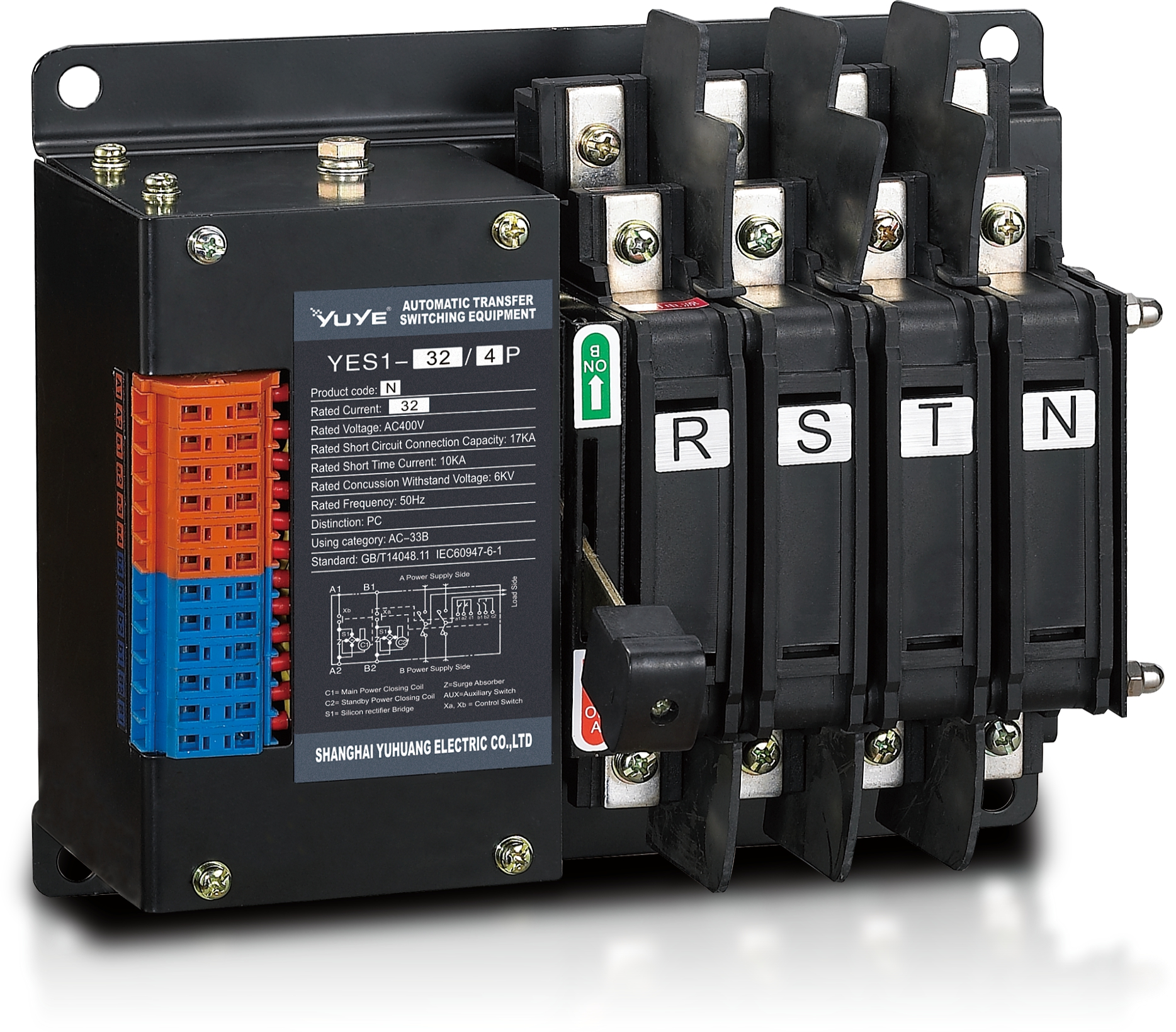 Solenoid-type ATS YES1-32~125N
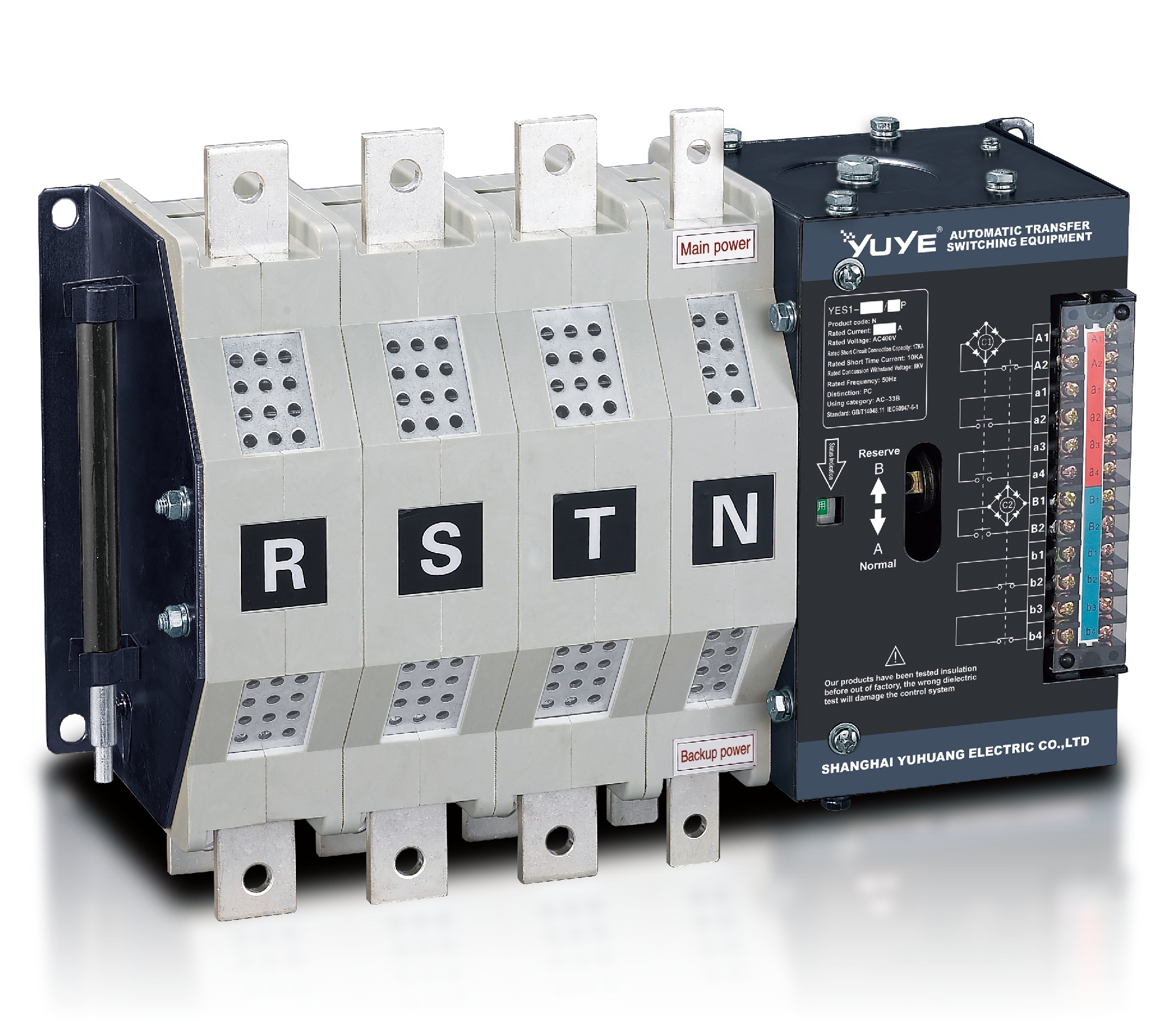 Solenoid-type ATS YES1-250~630N/NT
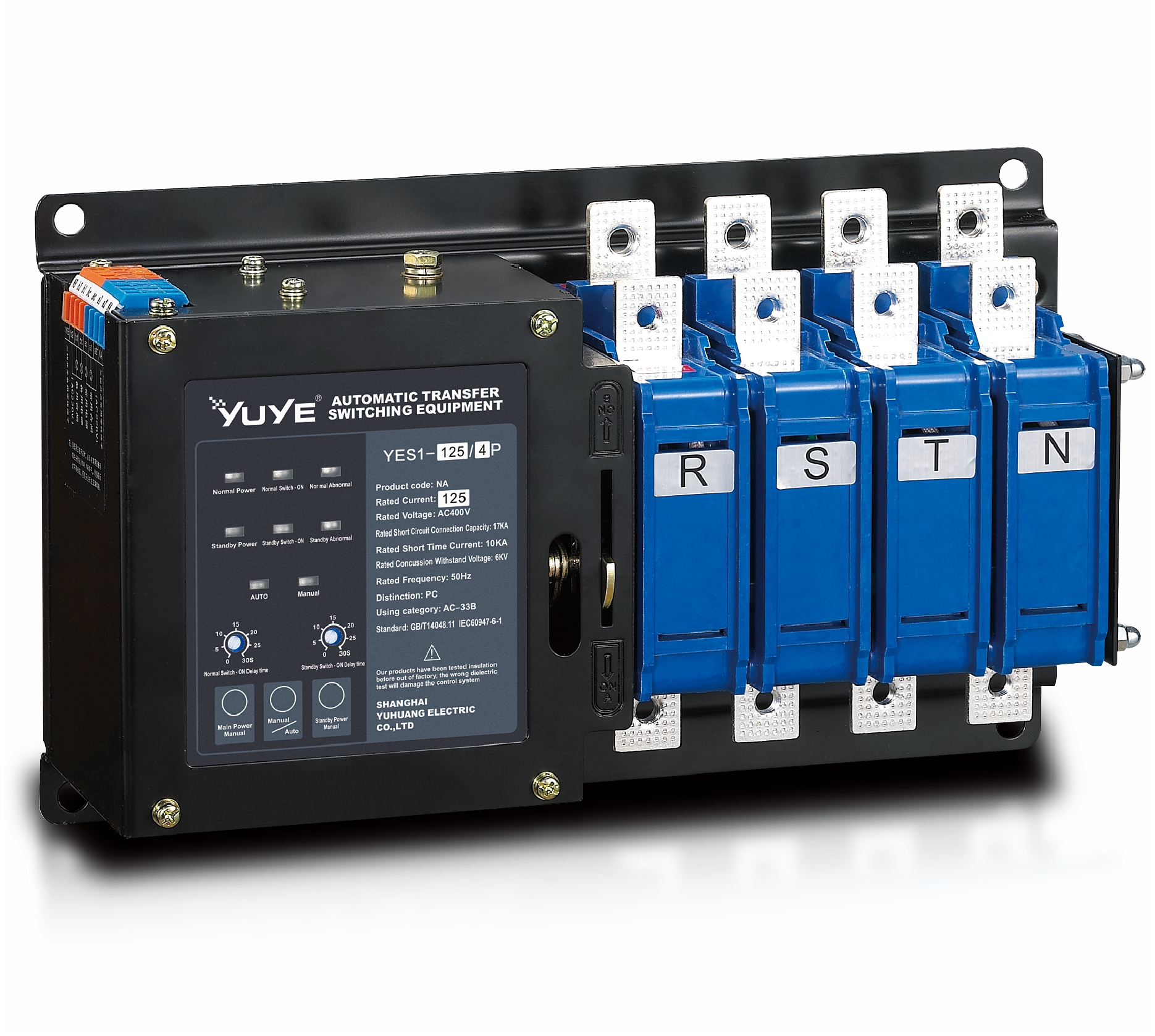 Solenoid-type ATS YES1-32~125NA
 Solenoid-type ATS YES1-63~630SN
 Solenoid-type ATS YES1-1250~4000SN
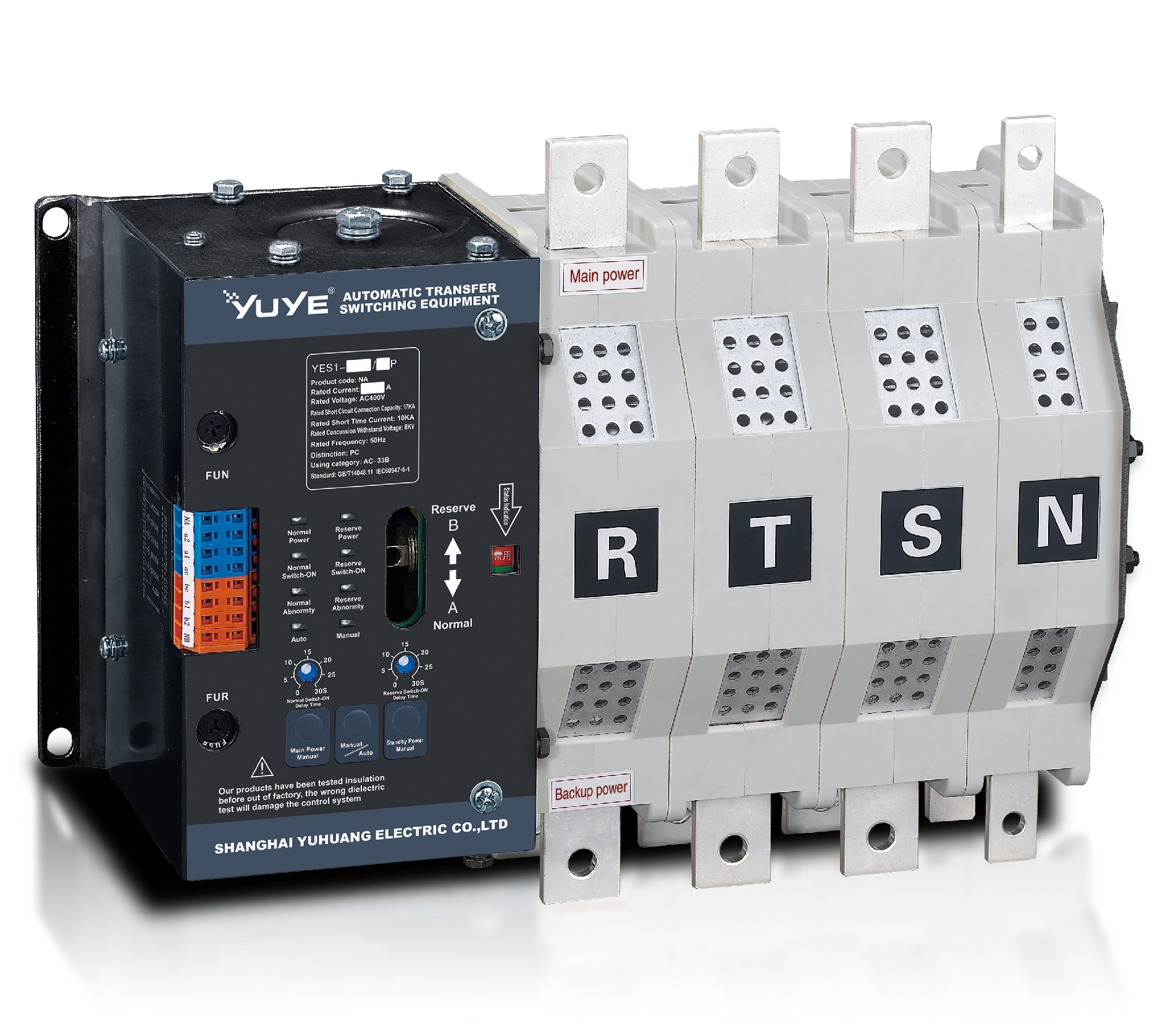 Solenoid-type ATS YES1-250~630NA/NAT
 Solenoid-type ATS YES1-63NJT
 PC ATS YES1-100~1600GN1/GN/GNF
 PC ATS YES1-2000~3200GN/GNF
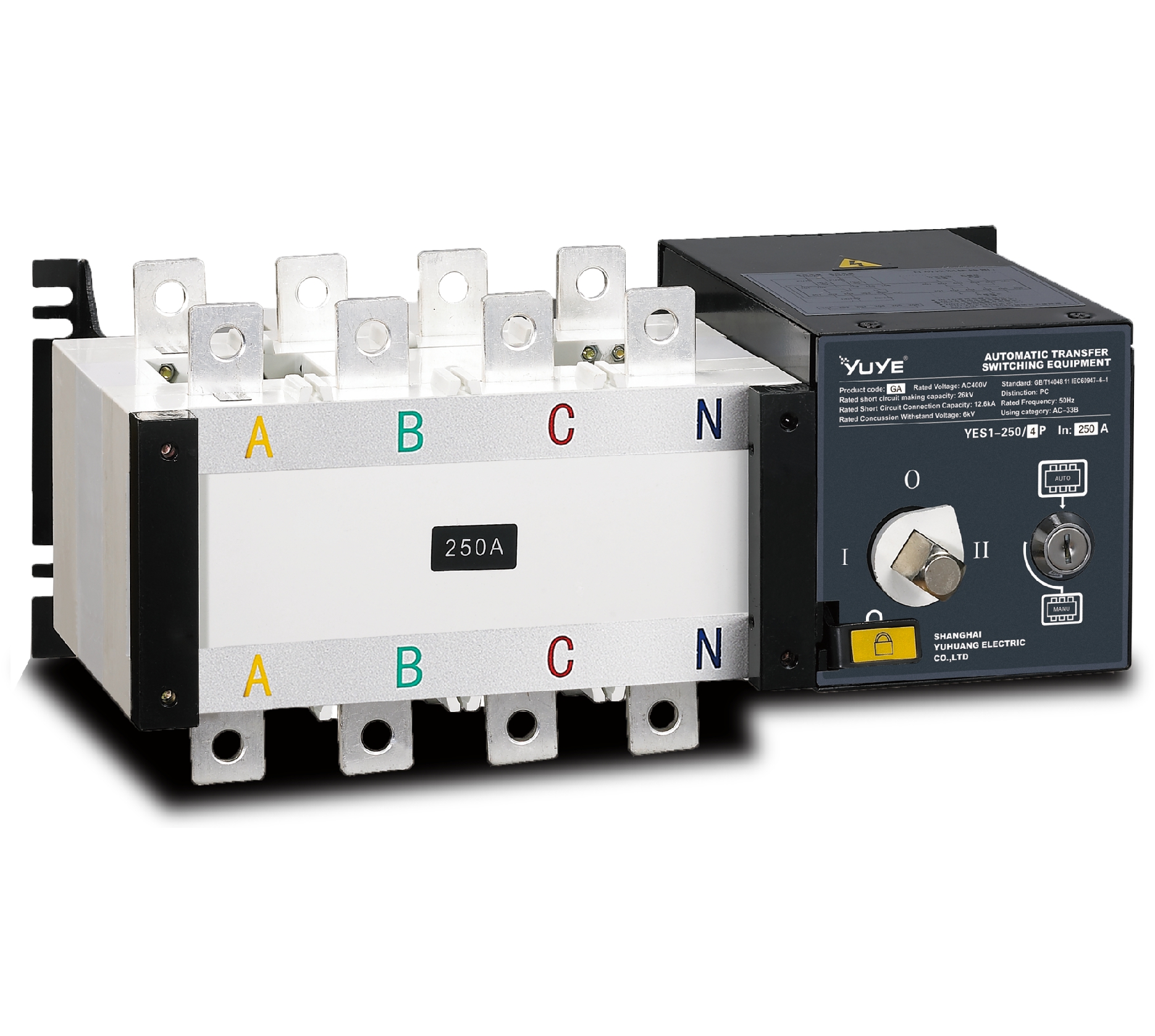 PC ATS YES1-100~3200GA1/GA
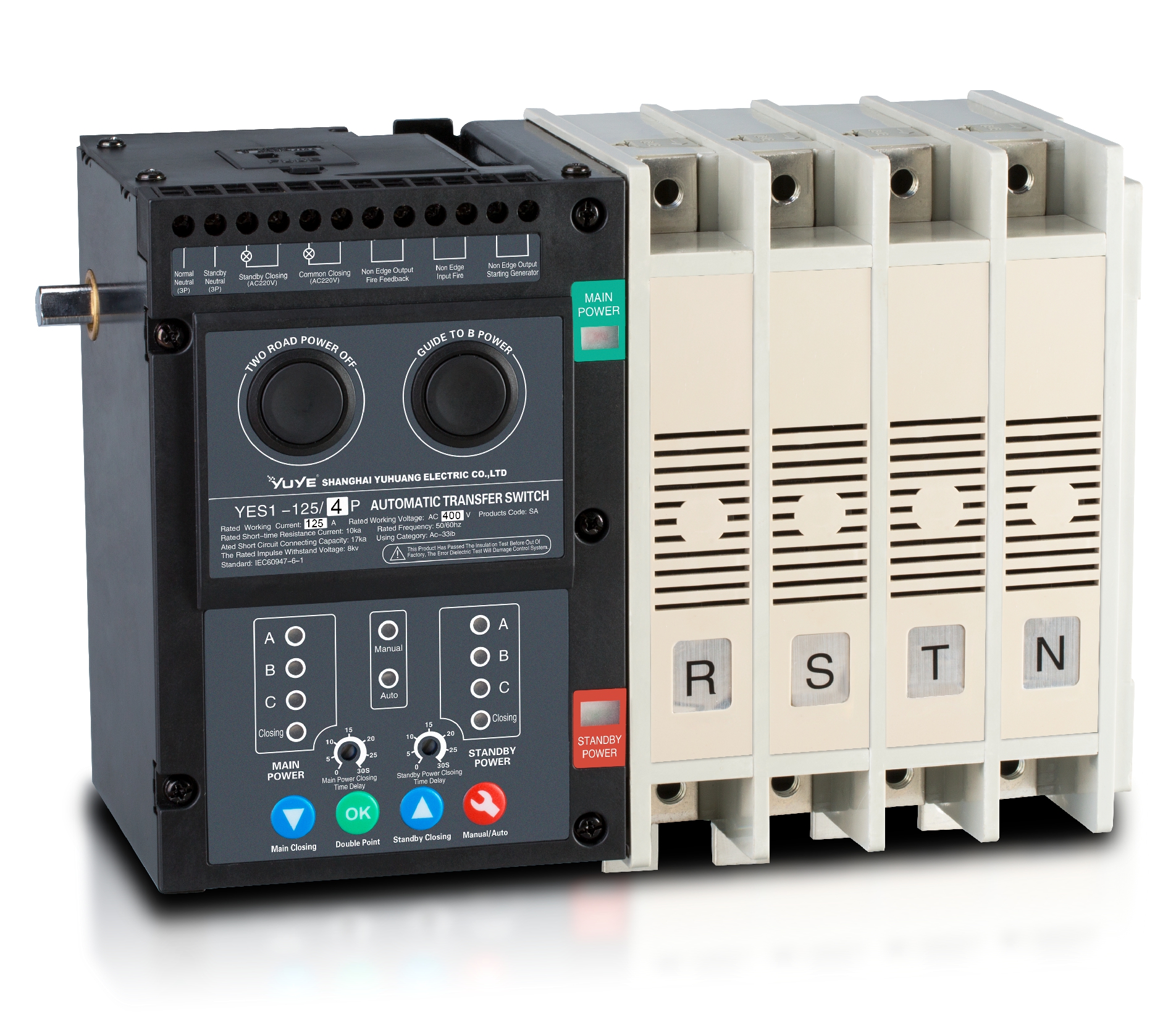 Solenoid-type ATS YES1-63~630SA
 Solenoid-type ATS YES1-63~630L/LA
 Solenoid-type ATS YES1-63~630LA3
 Solenoid-type ATS YES1-63MA
 PC ATS YES1-630~1600M
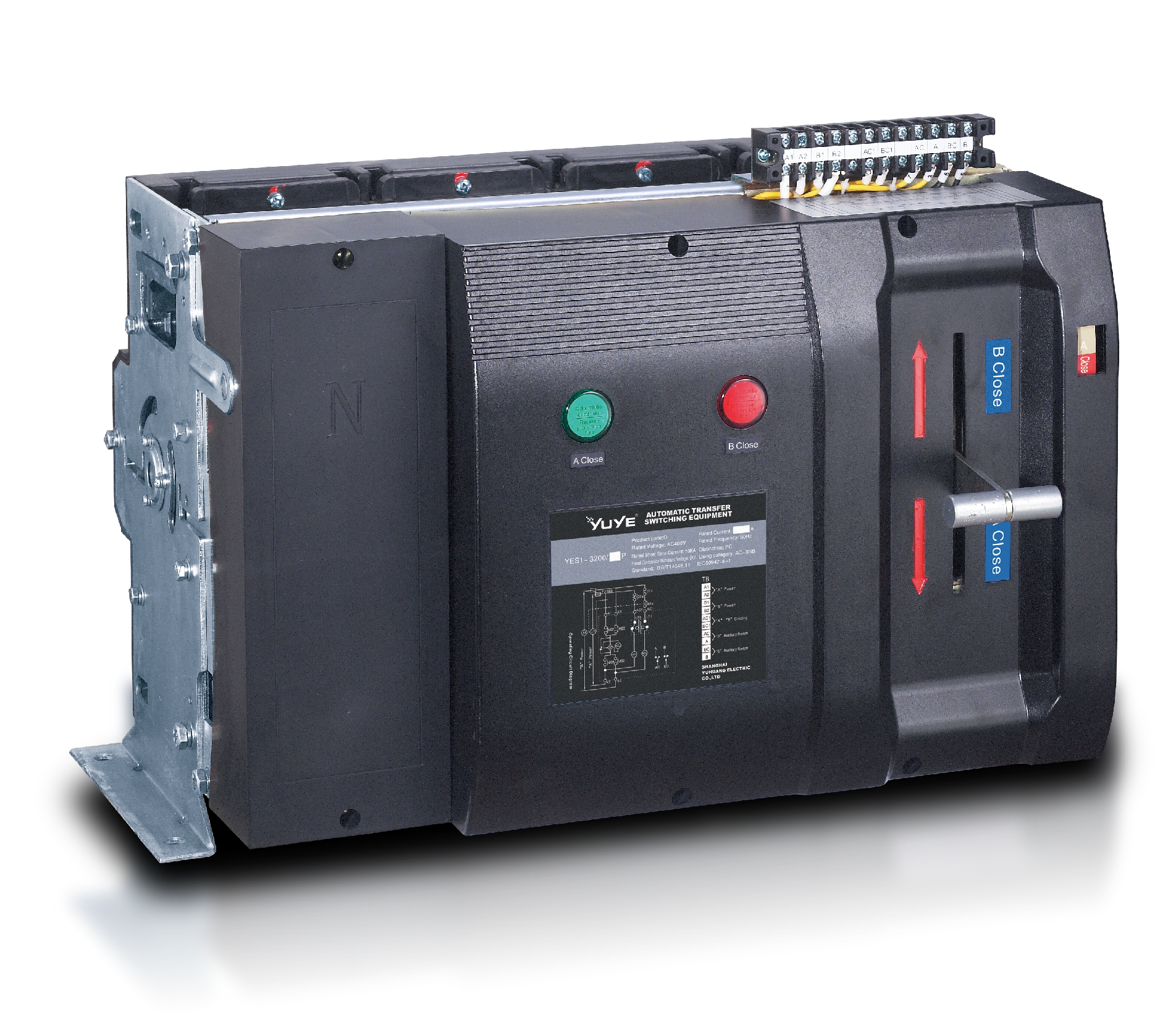 PC ATS YES1-3200Q
 Solenoid-type ATS YES1-4000~6300Q
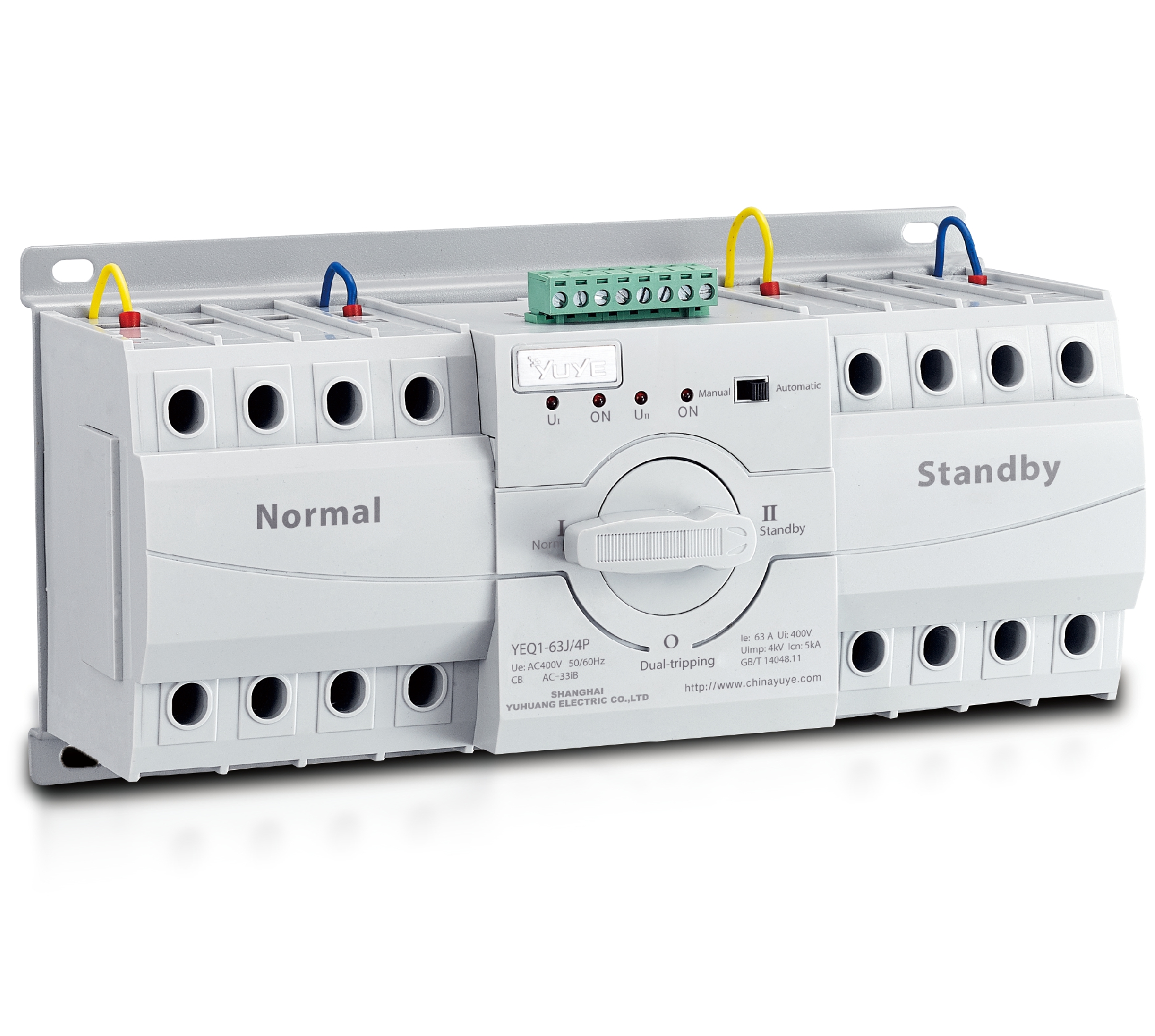 CB ATS YEQ1-63J
 CB ATS YEQ2Y-63
 CB ATS YEQ3-63W1
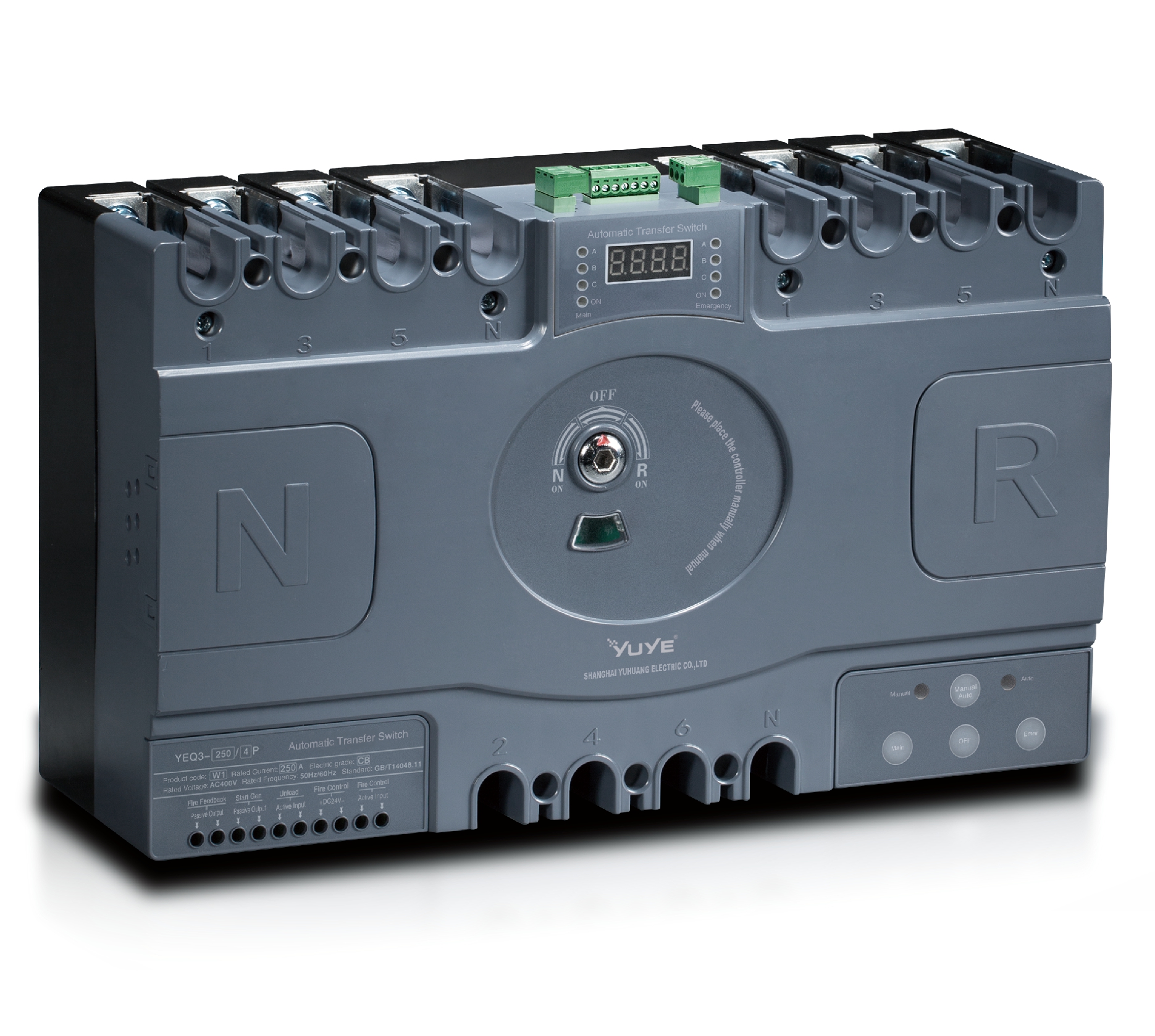 CB ATS YEQ3-125~630W1
 ATS controller Y-700
 ATS Controller Y-700N
 ATS Controller Y-701B
 ATS Controller Y-703N
 ATS Controller Y-800
 ATS Controller W2/W3 Series
 ATS switch Cabinet floor-to-ceiling
 ATS switch cabinet
 JXF-225A power Cbinet
 JXF-800A power Cbinet
 YEM3-125~800 Plastic Shell Type MCCB
 YEM3L-125~630 Leakage Type MCCB
 YEM3Z-125~800 Adjustable Type MCCB
 YEM1-63~1250 Plastic Shell Type MCCB
 YEM1E-100~800 Electronic Type MCCB
 YEM1L-100~630 Leakage Type MCCB
 Miniature circuit breaker YEMA2-6~100
 Miniature circuit breaker YEB1-3~63
 Miniature circuit breaker YEB1LE-3~63
 Miniature circuit breaker YEPN-3~32
 Miniature circuit breaker YEPNLE-3~32
 Miniature circuit breaker YENC-63~125
 Air Circuit Breaker YEW1-2000~6300
 Air Circuit Breaker YEW3-1600
 Load isolation switch YGL-63~3150
 Load Isolation Switch YGL2-63~3150
 Manual Changeover Switch YGL-100~630Z1A
 Manual Changeover Switch YGLZ1-100~3150
 YECPS2-45~125 LCD
 YECPS-45~125 Digital
 CNC Milling/Turning-OEM
 DC relay MDC-300M
 DC Isolation Switch YEGL3D-630


