Picking the right Automatic Transfer Switch, like the ATS 630A, is super important if you want smooth power performance. I recently came across industry expert John Smith from Power Solutions, who said, 'Choosing the right ATS can honestly make or break your entire operation.' That really drives home how critical it is to make an informed decision.
When it comes to power systems, reliability is everything. An ATS 630A doesn’t just boost efficiency—it also helps cut down on those pesky downtimes we all hate. But here’s the thing: you’ve gotta evaluate your needs carefully. Things like how much load you're dealing with, the space you have for installation, and your budget all come into play. Every choice counts. Picking the wrong ATS could lead to major operational headaches and, worse, extra costs.
And don’t forget to really understand what features matter most. For example, some models come with monitoring functions that others don’t, and installation can vary quite a bit. A few models might be missing key functionalities, which sometimes gets overlooked. Reflecting on past choices can help you make smarter calls down the line. So yeah, choosing the right ATS 630A isn’t just about picking something off the shelf — it takes some careful thought and attention to all those little details that add up.

Choosing the Right Voltage Rating for ATS 630A Selection
When selecting an Automatic Transfer Switch (ATS) with a 630A rating, voltage is critical. Different applications require various voltage levels. Often, facilities operate at standard voltages like 208V, 380V, or 480V. Knowing the right voltage prevents equipment damage and ensures smooth transitions during power outages.
A useful tip: always consult your system’s electrical specifications. This information guides the voltage selection. If the voltage is mismatched, the ATS may fail to operate correctly. This can lead to frustrating downtime and potential safety hazards.
Another point to consider is the phase type. Is your system single-phase or three-phase? This impacts ATS performance. Many opt for three-phase power but adapting to single-phase could be necessary for specific installations. Therefore, always verify your current system setup to avoid costly errors.
To sum it up, focus on identifying the proper voltage rating. This decision directly affects your operational reliability. Thoughtful consideration here means fewer surprises later on.
Understanding Load Requirements and Power Distribution Needs
Choosing an Automatic Transfer Switch (ATS) requires a clear understanding of load requirements and power distribution needs. Assessing your total power load is crucial. Calculate the wattage of all essential devices and systems. Consider starting loads as well. Larger motors often require more power at startup. This ensures your ATS can handle sudden demands without failure.
Tips: Always create a detailed list of all equipment. Check the specifications to know their power requirements.
Evaluate your facility’s energy usage patterns too. Different times of day may have varying power needs. A well-sized ATS can manage these fluctuations efficiently. Avoid oversizing your ATS, as it may not perform optimally. An oversized unit can lead to increased costs.
Tips: Monitor energy consumption over a week or month. Look for peaks in usage that may affect performance.
Think about future expansion. Your power needs may grow, so factor this into your decision. An ATS should be adaptable to changes in load requirements. Reflect on this; you may need to revise your initial calculations. Choosing the right ATS is not just about current demands but also about future flexibility.
Evaluating Transfer Switch Specifications: Automatic vs Manual
Choosing between an automatic and manual transfer switch is crucial. Automatic Transfer Switches (ATS) provide seamless switching during power interruptions. They detect outages and switch to backup power without user intervention. Manual Transfer Switches require human action, leading to potential delays. Reliability is key in this choice. Reports indicate that nearly 70% of businesses using ATS had fewer downtime incidents.
When evaluating ATS specifications, consider the transfer time. Most models switch within seconds, but some may take longer. Operating environment also matters. Dusty or wet locations can affect performance. Look for units with higher ingress protection ratings. A higher rating ensures durability in less-than-ideal conditions. Performance can vary widely, so research is vital.
Tips: Always check the load capacity. An ATS must handle your maximum load. Underestimating this can lead to failures or outages. Additionally, user training is essential with manual switches. A lack of training can slow response times significantly. Final thoughts? Understand your needs thoroughly before selecting.
Importance of UL Certification and Compliance Standards in ATS
When selecting an Automatic Transfer Switch (ATS) rated at 630A, the focus on UL certification and compliance standards is crucial. UL certification ensures the product meets strict safety standards. This helps to prevent potential hazards during operation. An ATS that lacks certification might pose risks. It could compromise both safety and performance.
Compliance with industry standards reflects quality and reliability. Non-certified switches can lead to unexpected failures. For instance, an untested ATS may not handle surge loads well. This could result in power interruptions, affecting essential services. The certification process is not always perfect. Sometimes, products can slip through the cracks. So, buyers must conduct thorough research.
Investing in a certified ATS means long-term reliability. It offers peace of mind, knowing the product is designed for safety. Look for detailed compliance documentation from suppliers. Inspecting this information helps in making informed decisions. Without this diligence, the choice could lead to regret later. Consider the implications of a poor decision. The impact can reach far beyond the initial cost.
Analyzing Environmental Conditions for ATS 630A Installation
When installing an Automatic Transfer Switch (ATS) with a capacity of 630A, environmental conditions play a crucial role. Factors like temperature, humidity, and exposure to elements must be assessed. A humid environment can lead to corrosion, impacting the switch’s longevity. Think about where the ATS will be placed. If it’s outdoors, ensure it has proper weatherproofing. The risks are substantial if overlooked.
Vibration and dust are other issues to consider. Sites near heavy machinery face challenges. Dust can accumulate, causing malfunctions. Regular maintenance could mitigate this risk, but how often will maintenance be scheduled? It's important to have a routine in place. Positioning the ATS away from any vibration sources can also help protect its functionality.
Noise levels in the area matter too. If the ATS operates in a quiet environment, consider insulation. This helps to minimize sound pollution. Are you prepared to address potential complaints about noise? Finally, check for adequate access. Future maintenance might require space for personnel and tools. Planning ahead makes a difference. Think through all these conditions carefully before making a final installation decision.
Reviewing Key Features: Surge Protection and Maintenance Access
When choosing an Automatic Transfer Switch (ATS) rated for 630A, two features stand out: surge protection and maintenance access. Surge protection is essential. Over 70% of electrical damages occur due to transient voltage surges. These surges can damage sensitive equipment. An ATS with robust surge protection can prevent costly repairs and downtime. Look for devices that meet industry standards like IEEE 587. They often provide multiple levels of protection.
Maintenance access is also crucial. Easy access to components can reduce service downtime significantly. According to a report by the Electric Power Research Institute (EPRI), inadequate access can lead to extended outages during repairs. An ATS designed for maintenance ease often includes features like front-facing connections and modular designs. This setup allows technicians to perform checks quickly without dismantling several parts.
Yet, many options lack transparency in maintenance instructions. Too often, users face challenges when accessing internal parts. It’s vital to consider how user-friendly a system is before installing. Not all systems prioritize this feature. An informed choice can enhance performance over the long term.
Cost Analysis: Initial Investment vs Long-term Operational Savings
When choosing an Automatic Transfer Switch (ATS) rated for 630A, cost is a critical factor. The initial investment might seem high, but it's essential to consider long-term savings. An ATS can prevent costly downtime during power outages. This reliability translates into savings that protect your operations and bottom line.
Initial expenses for a quality ATS include equipment purchase and installation. While these costs can be significant, they pay off over time. An efficient switch reduces maintenance expenses, and operational costs become lower. This switch can also increase energy efficiency, resulting in additional savings.
However, not all automatic transfer switches provide equal benefits. Some may underperform, leading to unexpected costs later. It's crucial to analyze the long-term value versus the upfront price. The right choice may require a deeper look into specifications and features. Consider your power needs carefully. Reflect on your operational demands to make an informed decision that truly fits your requirements.
Comprehensive Guide to the Manual Changeover Switch YGLZ1-100~3150: Features, Applications, and Benefits
The YGLZ1-100~3150 manual changeover switch offers a crucial solution for reliable power management in various industrial applications. Operating at a rated frequency of 50Hz and a voltage of up to AC 400V, this switch accommodates current ratings up to 3150A, making it an ideal choice for load isolation in power systems. Industry standards, such as IEC60947-3, underline its compliance, reflecting the switch's robustness and reliability in handling infrequent electrical circuit connections and disconnections.
Key features of the YGL series isolator include its suitability for use in demanding environments where electrical isolation is paramount. The switch is categorized for operational use under conditions like AC-22B and AC-21B, ensuring versatility across different settings. According to market analysis reports, the demand for such isolators is driven by the increasing emphasis on safety and efficiency in electrical installations, particularly in sectors like manufacturing and large-scale energy distribution.
In addition to its technical specifications, the YGLZ1-100~3150 manual changeover switch stands out for its operational efficiency, significantly reducing downtime during maintenance activities. Effective load isolation not only ensures the safety of personnel but also enhances the longevity of equipment, as indicated by recent industry studies showing a 15-20% reduction in maintenance-related disruptions. This product represents a vital component in the evolving landscape of electrical management systems, promoting both safety and operational efficiency in industrial environments.
FAQS
: You can hike many trails, enjoy picnics, or go cycling. Nature walks are also great options.
Always tell someone your route. Carry a basic first aid kit. Wear proper shoes and check the weather.
Pack water, snacks, sunscreen, and a map. Also, include a light jacket in case it gets cold.
Yes, following signs helps keep you safe. It prevents getting lost and protects the natural habitat.
Check forecasts before heading out. Dress in layers, and always carry rain gear if rain is possible.
Stay calm and back away slowly. Do not feed or approach animals. Respect their space for safety.
Many parks offer guided tours, group hikes, and team competitions. These can help foster social connections.
Carry out whatever you bring in. Follow the Leave No Trace principles. Educate others on conservation.
Yes, maps provide essential information about trails. They can help you find your way back if lost.
Start with shorter trails and easy activities. Gradually increase intensity as you build strength and stamina.
Conclusion
When selecting an Automatic Transfer Switch (ATS) 630A, it is crucial to start by determining the appropriate voltage rating that matches your power requirements. Understanding the load requirements and power distribution needs is essential to ensure optimal performance and reliability. Additionally, evaluating the specifications of the transfer switch—whether automatic or manual—can significantly influence the operational efficiency of your system.
Compliance with UL certification and industry standards should not be overlooked, as it guarantees safety and reliability. Furthermore, analyzing environmental conditions during installation, alongside reviewing essential features such as surge protection and maintenance access, will enhance the longevity and efficiency of the ATS 630A. Finally, conducting a thorough cost analysis that weighs initial investment against long-term operational savings can aid in making an informed decision that balances quality and budget constraints.

 PC ATS YECT1-2000G
 PC ATS YES2-63~250GN1
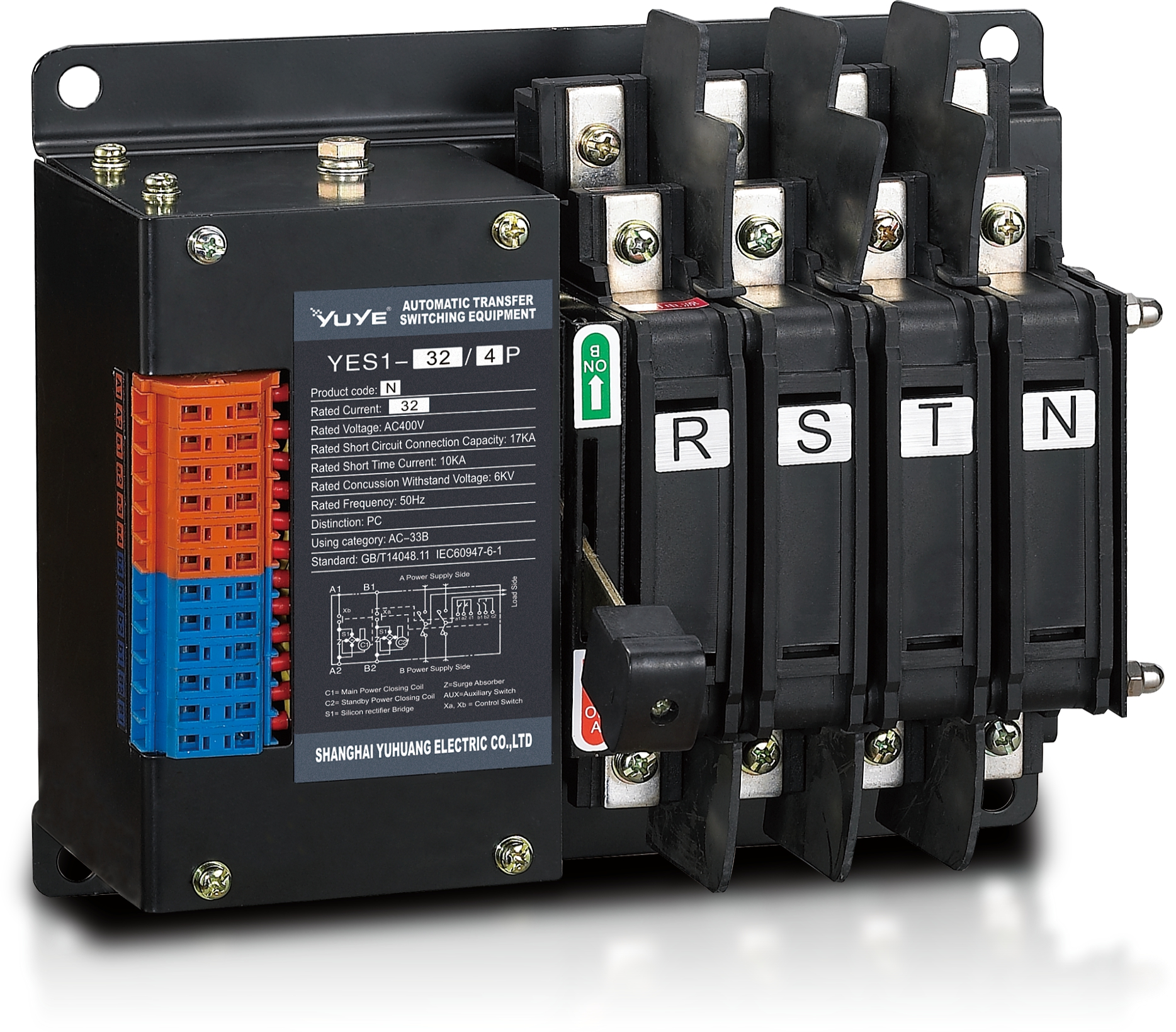 Solenoid-type ATS YES1-32~125N
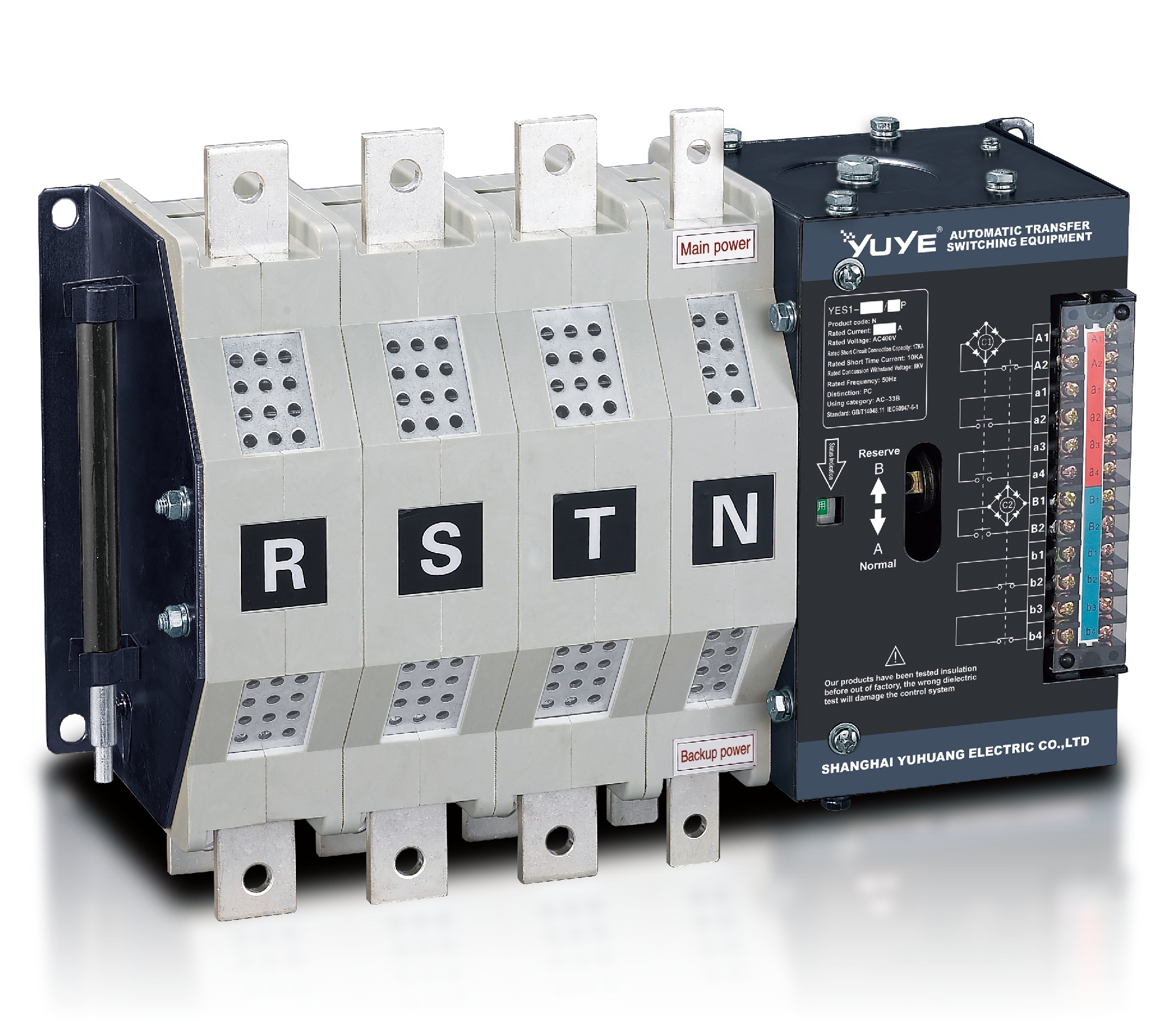 Solenoid-type ATS YES1-250~630N/NT
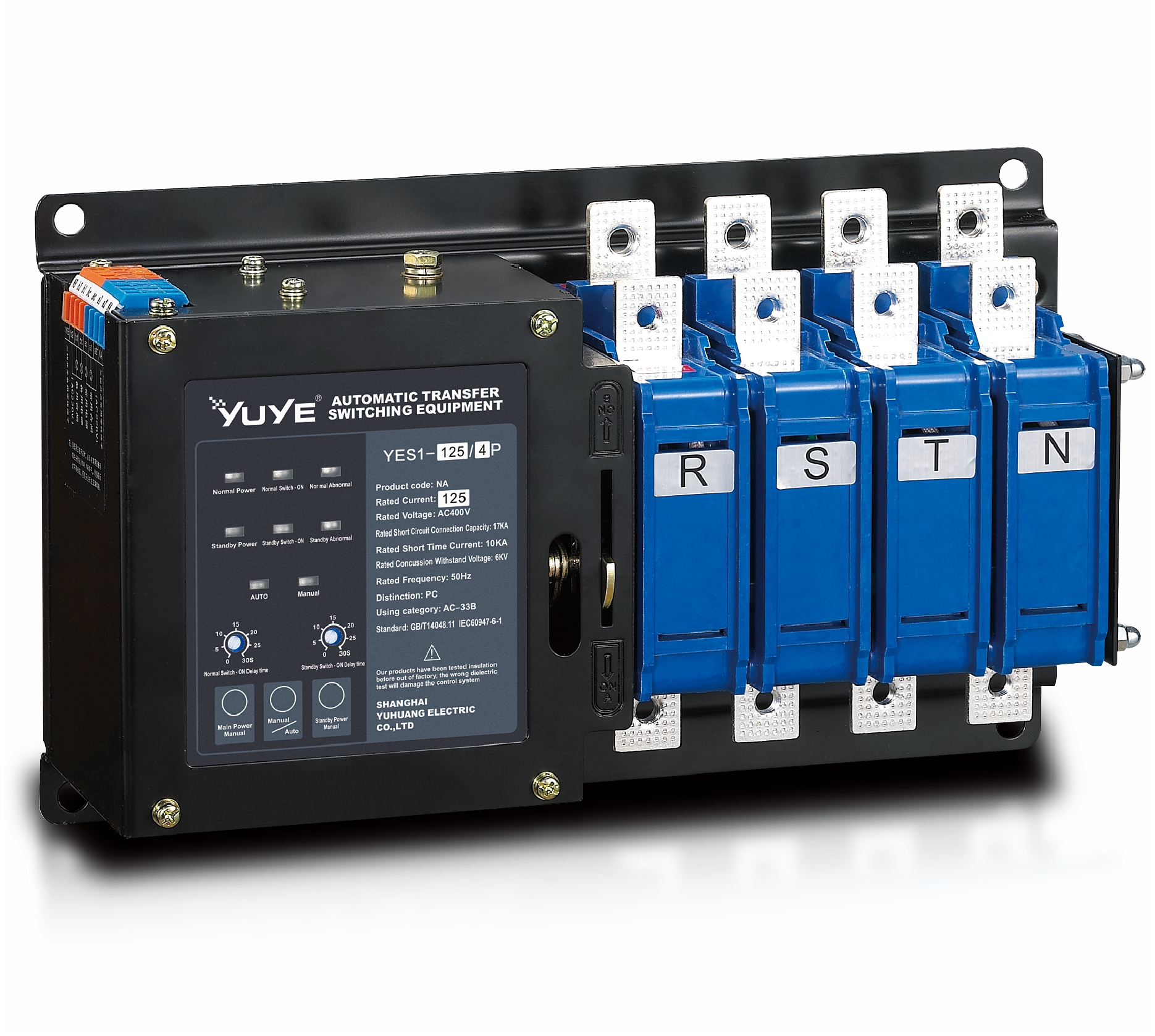 Solenoid-type ATS YES1-32~125NA
 Solenoid-type ATS YES1-63~630SN
 Solenoid-type ATS YES1-1250~4000SN
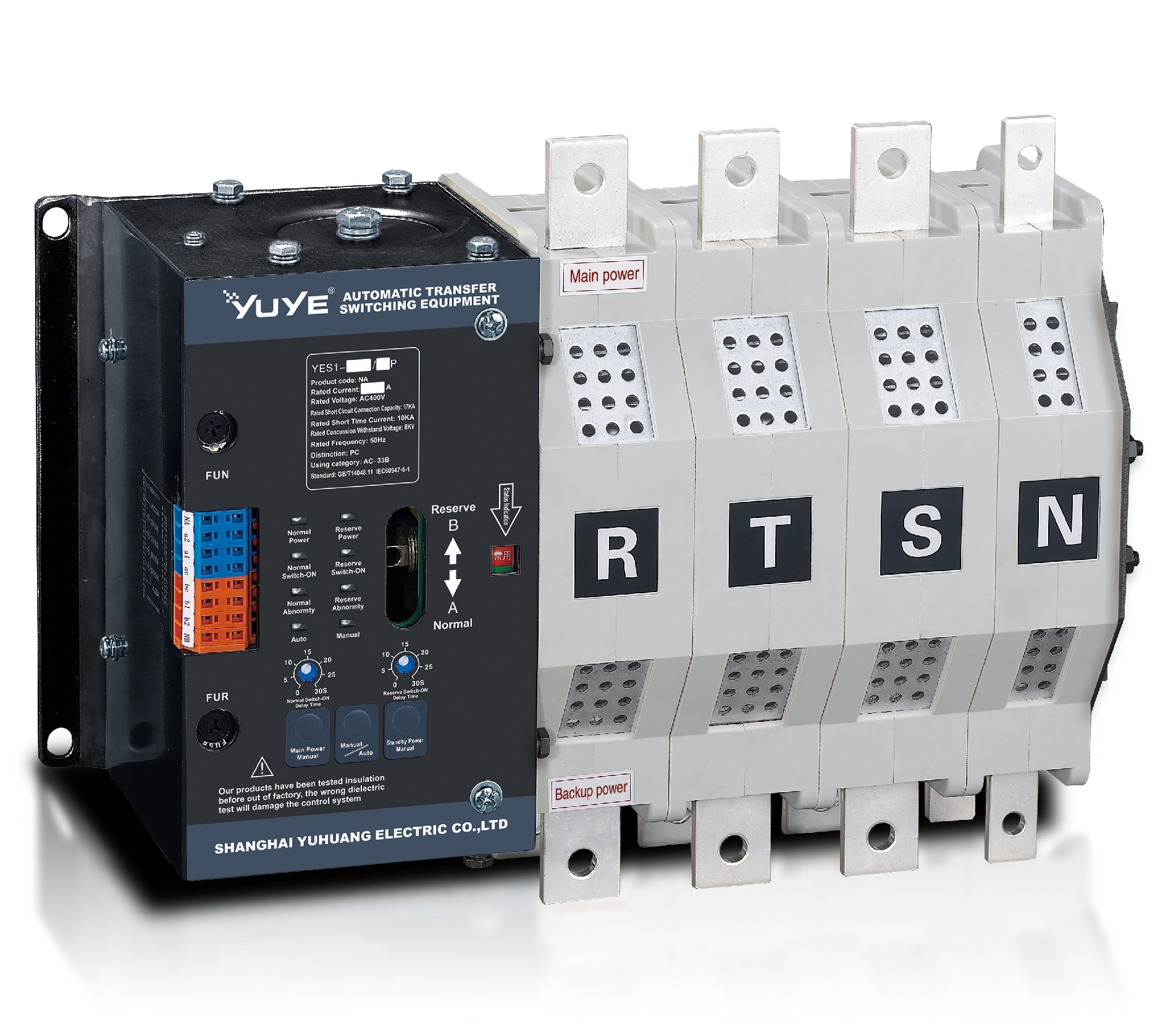 Solenoid-type ATS YES1-250~630NA/NAT
 Solenoid-type ATS YES1-63NJT
 PC ATS YES1-100~1600GN1/GN/GNF
 PC ATS YES1-2000~3200GN/GNF
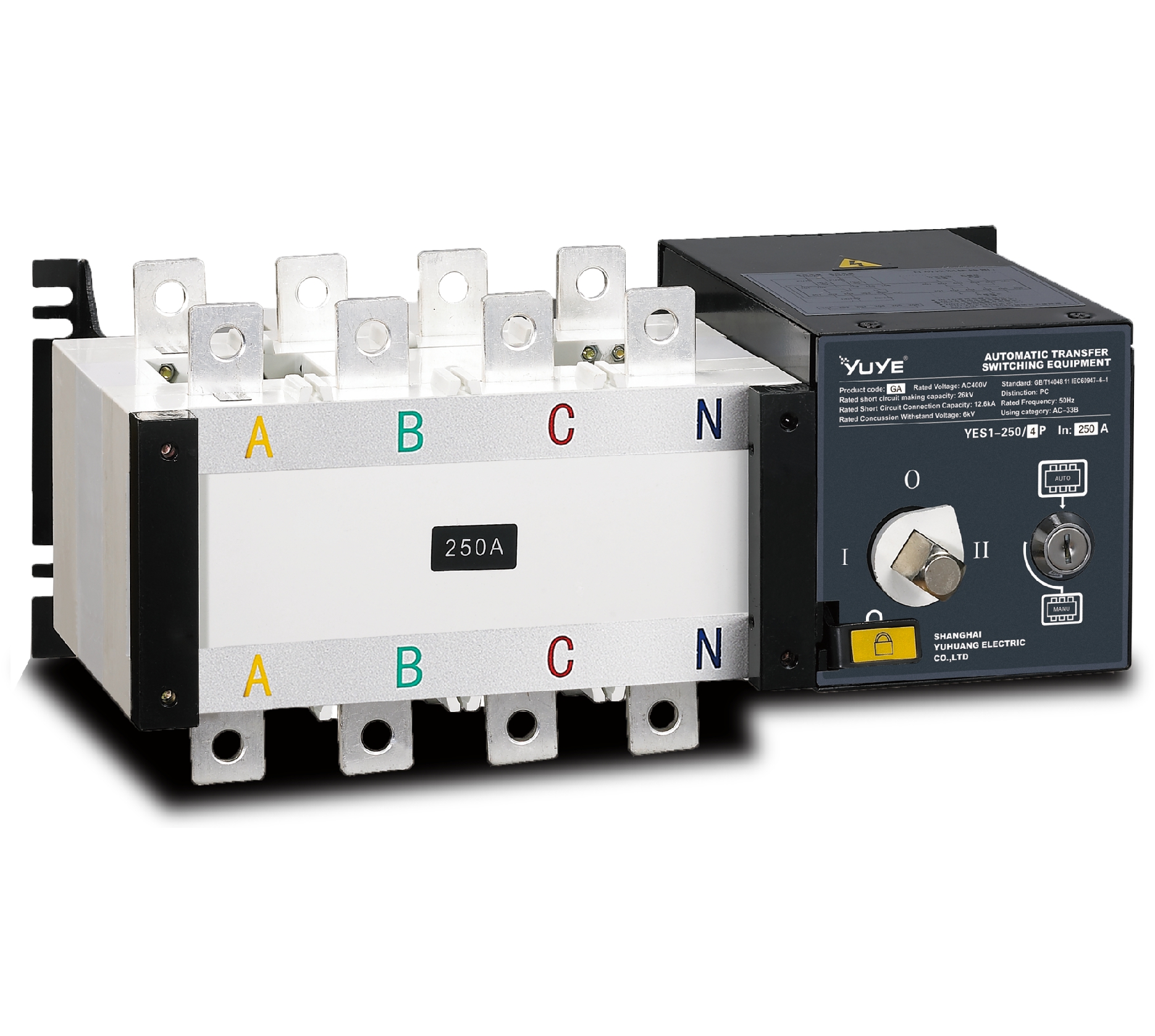 PC ATS YES1-100~3200GA1/GA
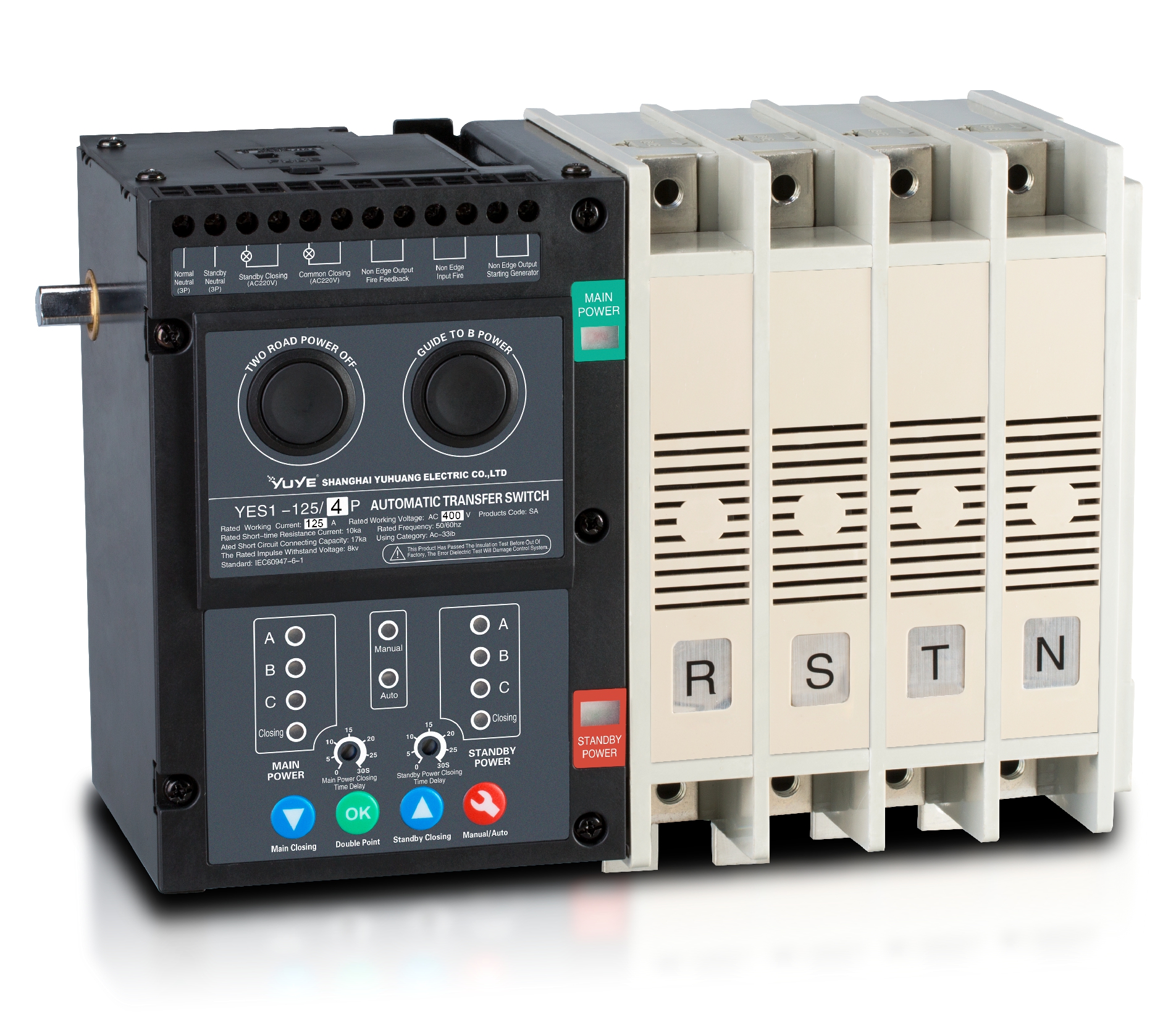 Solenoid-type ATS YES1-63~630SA
 Solenoid-type ATS YES1-63~630L/LA
 Solenoid-type ATS YES1-63~630LA3
 Solenoid-type ATS YES1-63MA
 PC ATS YES1-630~1600M
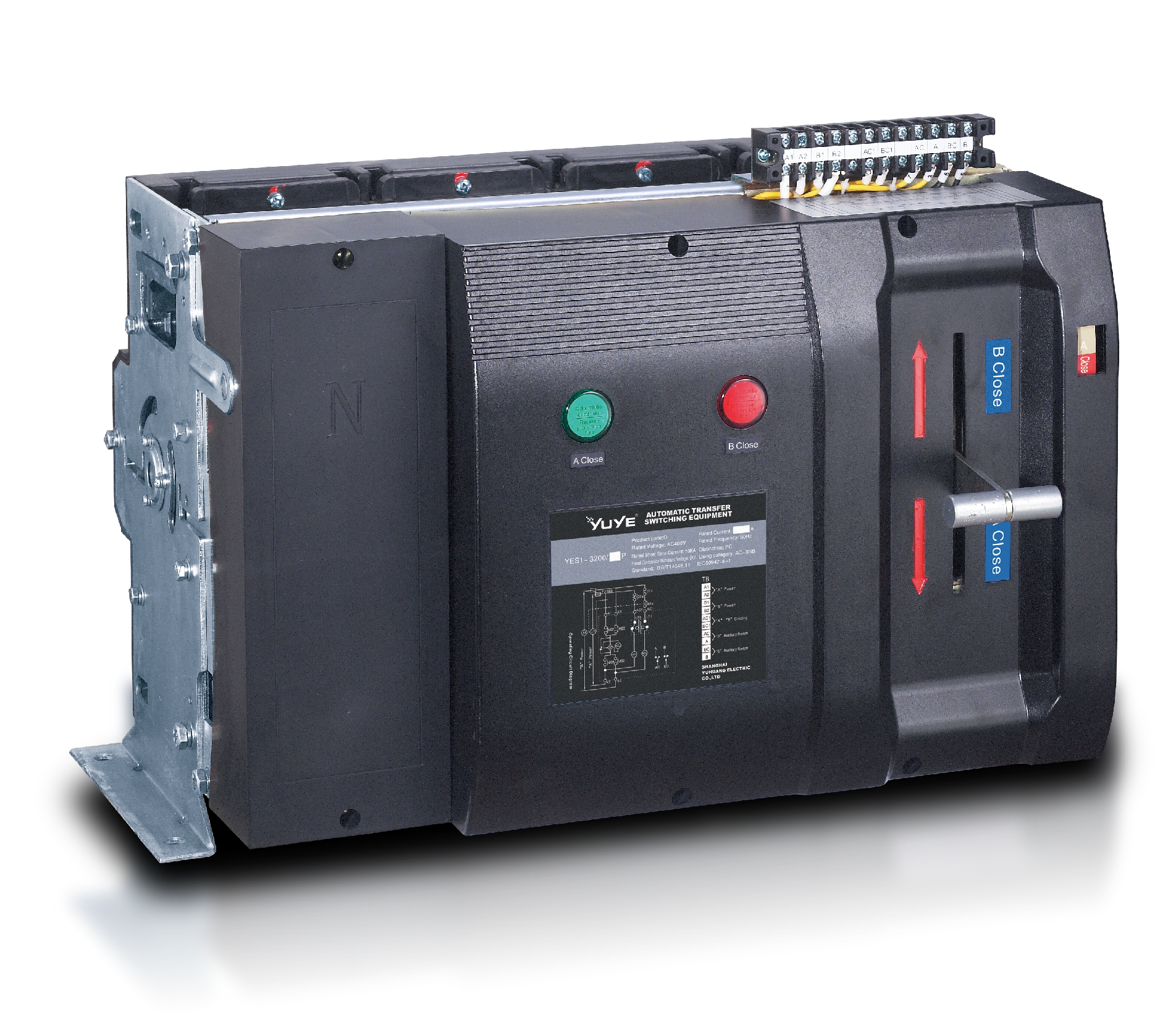 PC ATS YES1-3200Q
 Solenoid-type ATS YES1-4000~6300Q
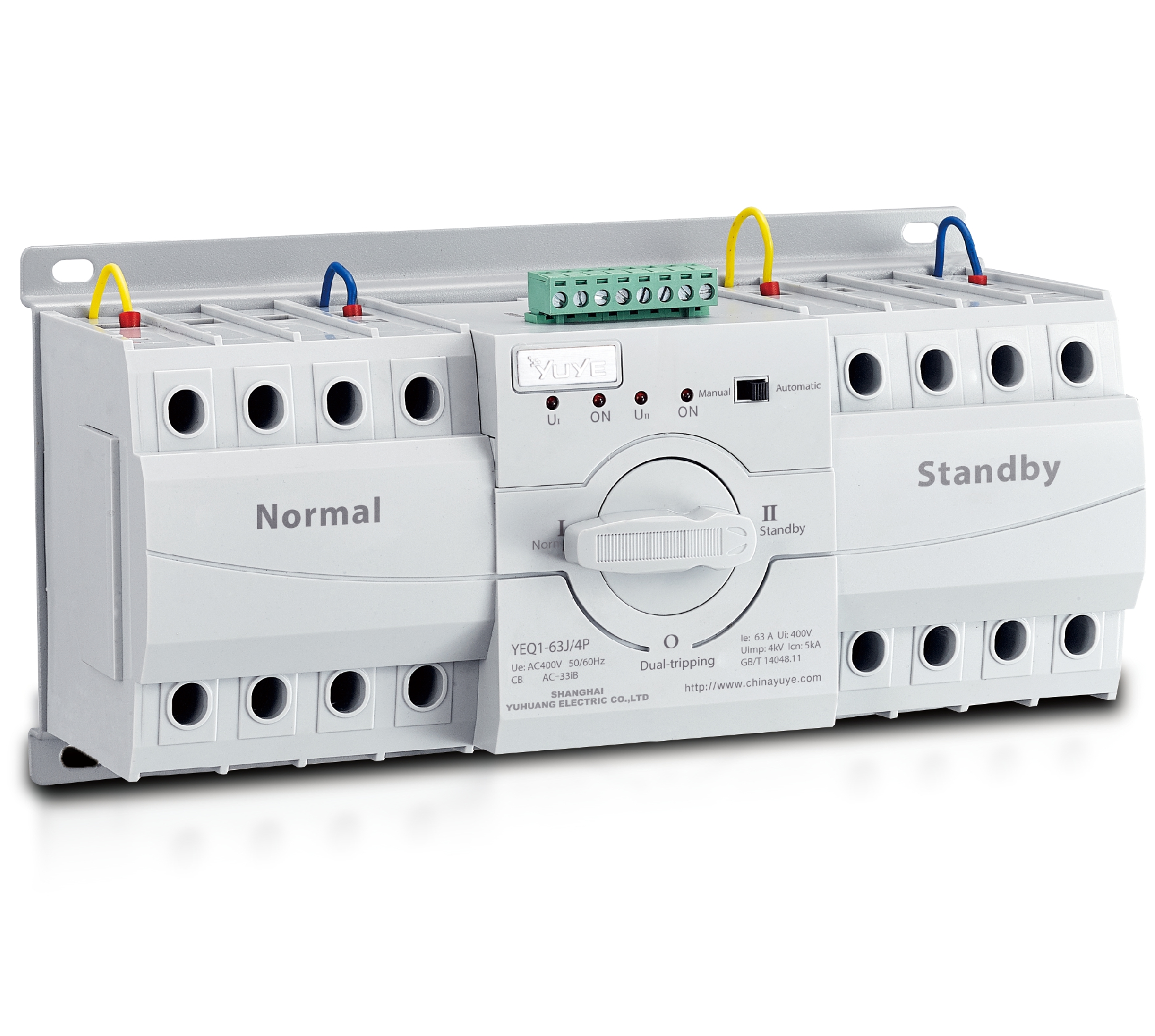 CB ATS YEQ1-63J
 CB ATS YEQ2Y-63
 CB ATS YEQ3-63W1
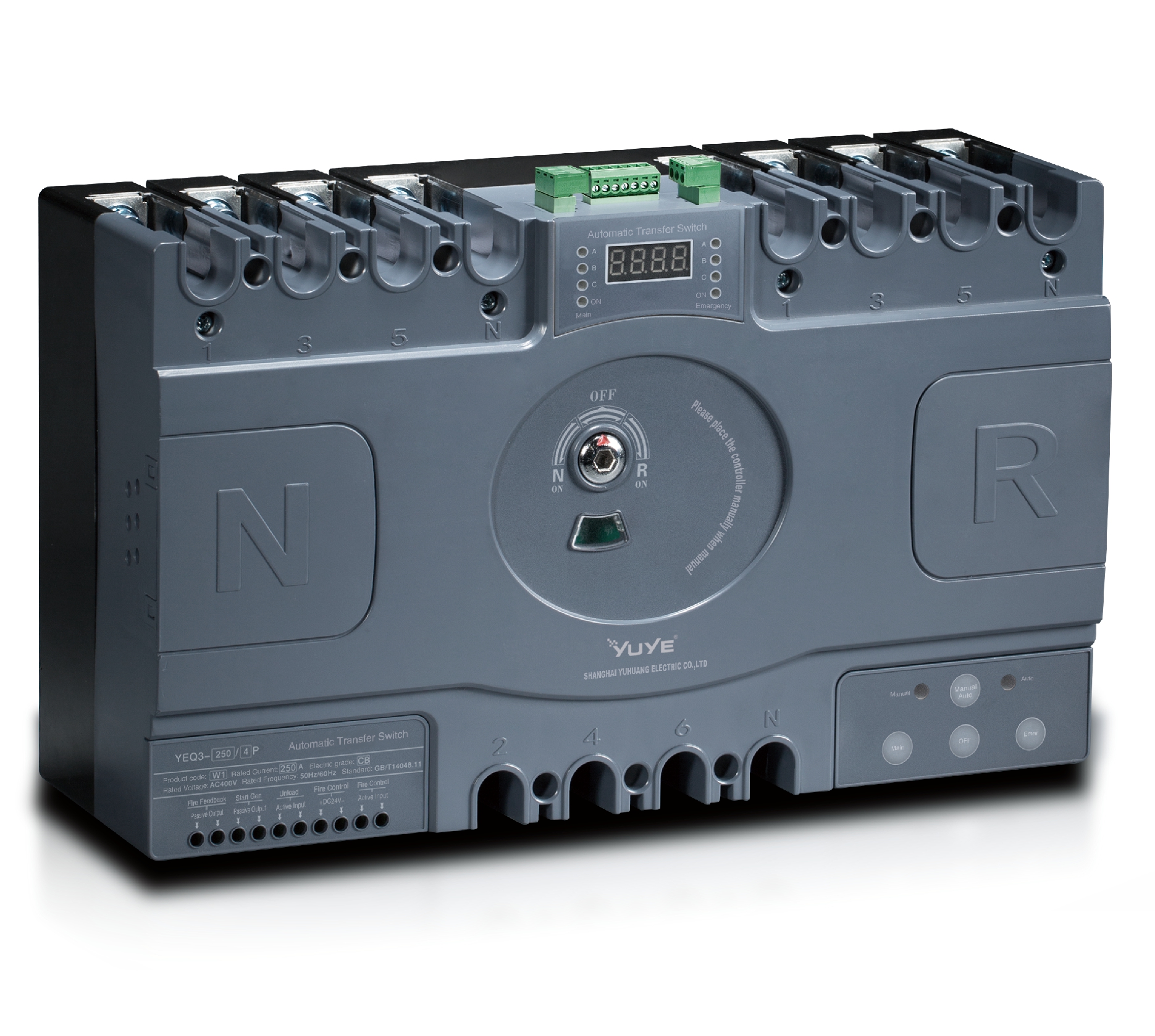 CB ATS YEQ3-125~630W1
 ATS controller Y-700
 ATS Controller Y-700N
 ATS Controller Y-701B
 ATS Controller Y-703N
 ATS Controller Y-800
 ATS Controller W2/W3 Series
 ATS switch Cabinet floor-to-ceiling
 ATS switch cabinet
 JXF-225A power Cbinet
 JXF-800A power Cbinet
 YEM3-125~800 Plastic Shell Type MCCB
 YEM3L-125~630 Leakage Type MCCB
 YEM3Z-125~800 Adjustable Type MCCB
 YEM1-63~1250 Plastic Shell Type MCCB
 YEM1E-100~800 Electronic Type MCCB
 YEM1L-100~630 Leakage Type MCCB
 Miniature circuit breaker YEMA2-6~100
 Miniature circuit breaker YEB1-3~63
 Miniature circuit breaker YEB1LE-3~63
 Miniature circuit breaker YEPN-3~32
 Miniature circuit breaker YEPNLE-3~32
 Miniature circuit breaker YENC-63~125
 Air Circuit Breaker YEW1-2000~6300
 Air Circuit Breaker YEW3-1600
 Load isolation switch YGL-63~3150
 Load Isolation Switch YGL2-63~3150
 Manual Changeover Switch YGL-100~630Z1A
 Manual Changeover Switch YGLZ1-100~3150
 YECPS2-45~125 LCD
 YECPS-45~125 Digital
 CNC Milling/Turning-OEM
 DC relay MDC-300M
 DC Isolation Switch YEGL3D-630


