Picking the right Automatic Transfer Switch for your solar setup is pretty important if you want everything to run smoothly. Basically, this device kicks in and switches your power source from the solar panels to your home’s electrical system whenever needed. Having a good transfer switch means your energy use gets more efficient, and it also keeps the lights on during power outages—pretty essential, right?
When you're trying to choose an Automatic Transfer Switch for your solar system, think about what energy needs are most important to you. Which appliances do you simply HAVE to keep running during an outage? The size or capacity of the switch really matters here. If it’s too small, it just won't handle your critical loads, and that’s a huge pain.
Another thing is compatibility—this part can get a bit tricky. Are you running an Off-Grid setup or a Grid-Tied system? Each one needs different specifications, so it’s worth digging into the details. Honestly, doing some research can feel overwhelming, but getting good advice really makes a difference. Picking the wrong switch can lead to a lot of frustration, or even cost you extra money. So, when unsure, don’t hesitate to talk to a professional—that little step can save you a lot of hassle later on.

Understanding Automatic Transfer Switches in Solar Systems
Automatic transfer switches (ATS) play a crucial role in solar energy systems. They seamlessly switch power sources to ensure a constant power supply. An ATS is especially important when integrating solar panels with traditional grid systems. It automatically detects power outages and enables backup generators or batteries to supply electricity without delay.
Understanding how an ATS functions is essential for homeowners considering solar energy. It monitors incoming power and makes quick decisions for switching. However, it’s not always straightforward. Some units may not handle the specific loads of your home effectively. This can lead to overloading or inefficient switching.
When choosing an ATS, consider the size of your solar setup. An adequate switch can handle the capacity of your solar panels and the load of your appliances. But you might need to reflect on your energy consumption patterns. Sometimes, it’s easy to overlook the actual requirements. You may end up with a switch that's either too strong or weak for your setup. Doing careful calculations and seeking advice can help avoid such pitfalls.
Comparative Analysis of Automatic Transfer Switch (ATS) for Solar Systems
This chart illustrates a comparative analysis of key features to consider when choosing an Automatic Transfer Switch (ATS) for solar systems. The ratings reflect how each feature is perceived in terms of importance on a scale from 1 to 10, providing insights into what potential buyers might evaluate when selecting an ATS for their solar installations.
Key Functions of an Automatic Transfer Switch
An automatic transfer switch (ATS) plays a crucial role in solar systems. It transfers the power source from the grid to the solar system when required. This function helps maintain a consistent energy supply. Research shows that about 30% of installation errors stem from poor ATS selection. Choosing the right ATS ensures your solar setup is reliable.
Key functions of an ATS include load management. It automatically balances the load between solar and grid sources. During peak usage, the ATS can shift to the grid, preventing power interruptions. Data from industry reports reveal that systems with efficient load management can improve energy reliability by up to 40%. Also, consider the periodic self-test feature. It checks the system’s functionality automatically. This helps identify issues before they escalate.
Another aspect to think about is the integration capacity. As technologies evolve, compatibility is vital. Some ATS may not adapt to future upgrades in solar technology. Therefore, a flexible solution is necessary. A mismatch in technology can lead to energy losses. An ATS's ability to accommodate evolving systems impacts overall efficiency and performance. Your choice significantly affects the solar system's efficacy in the long run.
Important Specifications to Consider When Choosing
Choosing the right automatic transfer switch (ATS) for solar systems is crucial. You should focus on several important specifications. One key aspect is the switch's amperage rating. Many systems require switches rated for at least 60 amps. This is essential for handling the expected power load efficiently.
Another critical specification is the transfer switch's type. Manual transfer switches can be more affordable, but they require human operation. In contrast, automatic transfer switches can detect outages and switch sources without intervention. According to industry reports, over 70% of solar system users prefer automatic solutions for convenience and reliability.
You should also consider the voltage rating. Most residential systems operate at 120/240 volts, while commercial setups may need up to 480 volts. It's essential to ensure the ATS matches your system's requirements. Finally, examine the switch’s response time. Faster switches minimize downtime during outages, which is vital for uninterrupted energy supply. Balancing these factors will help you make a better decision, but it can be challenging to determine the best option based solely on specifications.
Sizing Your Automatic Transfer Switch for Solar Power
When sizing an automatic transfer switch (ATS) for solar power systems, it’s essential to consider several key factors. The ATS needs to handle the total capacity of your solar array and associated loads. According to industry reports, the average residential solar power system is around 6 kW. Yet, some can exceed 10 kW due to energy demands.
One crucial aspect is the power rating of the ATS itself. Many experts recommend choosing a switch rated at least 20% higher than your maximum system output. This prevents potential overload during peak production. Additionally, it’s important to factor in potential future expansions. If you plan on increasing your solar capacity, it’s wise to size your ATS accordingly from the outset.
Another detail often overlooked is the response time of the ATS. Reports indicate that many systems have a response time ranging from 1 to 30 seconds. A longer delay can lead to energy loss and inefficiencies. This can be particularly detrimental during critical power outages. Choosing an ATS with a quicker response time could mitigate these issues effectively. It's a detail that can make a difference in your overall energy reliability.
Assessing the Cost and Budget for Your AT Switch
When considering an Automatic Transfer Switch (ATS) for solar systems, budget plays a crucial role. According to industry reports, the cost of a properly sized ATS can range from $1,000 to $10,000. This wide variance depends on power capacity and features. More advanced models with smart technology are often more expensive but can provide better functionality.
Assessing your budget involves more than just the initial purchase. Installation costs can be significant, typically accounting for 20-30% of the ATS cost. Many homeowners overlook these additional expenses. They must ensure their budget covers these factors for a seamless installation process.
It is also vital to consider long-term savings. A well-chosen ATS can increase the lifespan of the solar system. Some estimates suggest that proper switching systems can enhance efficiency by 10-20%. However, if you choose a cheaper model, the risk of malfunctions increases. These issues could result in costly repairs or downtime. Balancing cost and quality is essential for an effective solar setup. Always weigh your options carefully.
Installation and Maintenance Tips for Automatic Transfer Switches
When installing an automatic transfer switch (ATS) for a solar system, careful planning is essential. Begin by assessing your energy demands. Identify the critical loads that require backup power. This might include lights, refrigerators, and medical equipment. Brighter LEDs are energy-efficient, providing longer backup durations. If you overlook some appliances, you risk overloading the system.
During installation, follow safety regulations. Make sure to switch off all power sources before connecting. Proper grounding is crucial for avoiding electrical hazards. Pay attention to the wire sizes; they must match the capacity of your ATS. If unsure, consult a professional to prevent costly mistakes.
Maintenance is key for longevity. Check connections regularly to ensure they are secure and free from corrosion. Scheduled tests of the ATS can reveal potential issues before they arise. Clean the exterior to prevent dust buildup. Sometimes simple maintenance can go unnoticed, yet it’s vital for performance. Remember, an ATS is only as reliable as the care it receives.
Common Brands and Models of Automatic Transfer Switches for Solar
Choosing the right automatic transfer switch (ATS) for solar systems is crucial. The market features various brands and models. Many offer different functionalities and specifications. Data from industry reports indicate that over 55% of solar installations now incorporate ATS for seamless power transitions. This ensures that households maintain electrical supply during outages.
Common models include those with dual sensing features. These can detect both grid and generator power. Studies show that users prefer ATS capable of handling varying power loads efficiently. For instance, a report highlighted that models supporting 20-200 amp loads have gained popularity. This range suits most residential solar systems.
However, imperfections exist in the selection process. Not all ATS are compatible with every solar setup. Some users find mismatches in voltage requirements, causing headaches. Additionally, the installation process can vary greatly among different models. A survey indicated that improper installations lead to about 15% of ATS failures. Therefore, it’s important to evaluate specifications closely before making a decision.
Leveraging Insights from Industry Reports: The Impact of PC ATS YES2-63~250GN1 on Power Distribution Efficiency and Reliability
The integration of automatic transfer switches (ATS) into power distribution systems has proven to enhance both efficiency and reliability significantly. The model YES2-63~250GN1 exemplifies this advancement, offering features such as rapid transfer time (≤2 seconds) that are crucial in maintaining uptime for critical loads. With a rated current range of 63A to 250A and compatible with standard voltages of 400V/50Hz, this ATS model allows for flexibility in diverse applications, including commercial and industrial environments. The switch's ability to seamlessly transition between power sources mitigates the risks associated with power interruptions, a crucial factor in sectors where downtime can lead to substantial financial losses.
According to a recent industry report, the demand for efficient power distribution systems is on the rise, driven by the increasing reliance on uninterrupted power supply in facilities such as hospitals, data centers, and manufacturing plants. The report highlights that implementing advanced ATS technology can reduce operational costs by up to 20%, with notable improvements in energy efficiency. The YES2-63~250GN1's integrated testing capability, along with its various pole configurations (3P and 4P), ensures that operators can maintain compliance and performance standards without extensive manual intervention.
The technological advancements in ATS also contribute to enhanced grid reliability. Industry analyses indicate that systems using modern automatic transfer switches experience fewer outages, thereby improving overall resilience against external power fluctuations. By leveraging insights from these reports, it becomes evident that the YES2-63~250GN1 not only supports efficient power management but also aligns with the movement towards smarter and more sustainable electrical systems.
FAQS
: It aims to enhance user experience and provide practical solutions.
Follow the provided instructions carefully. Start with small tasks to build familiarity.
Some users may experience mild discomfort. It varies from person to person.
You can access the support section on the website. Be prepared to explain your problem clearly.
Yes, there is a limited warranty. Make sure to keep your purchase receipt for claims.
It depends on individual needs. Regular usage typically yields better results.
Sharing is possible but not recommended. Personal preferences vary widely among users.
Consider reaching out to customer service for potential solutions. Reflect on your expectations.
Yes, check the packaging for specific details. Expired products may not function as intended.
Use a soft cloth for cleaning. Avoid harsh chemicals to ensure longevity.
Conclusion
Choosing the right Automatic Transfer Switch for solar systems is crucial for ensuring efficient power management and seamless operation during outages. Understanding the key functions of these switches, such as their role in switching between grid and solar power, lays the foundation for making an informed decision. When selecting an Automatic Transfer Switch Solar, it's essential to consider important specifications like power capacity, responsiveness, and safety features.
Sizing your transfer switch correctly is vital to match your solar power system's output, while also assessing costs and budgeting for your investment. Additionally, installation and maintenance tips can help prolong the lifespan of your switch. With a variety of common models available, educating yourself on both specifications and best practices will lead to a more reliable solar energy experience.

 PC ATS YECT1-2000G
 PC ATS YES2-63~250GN1
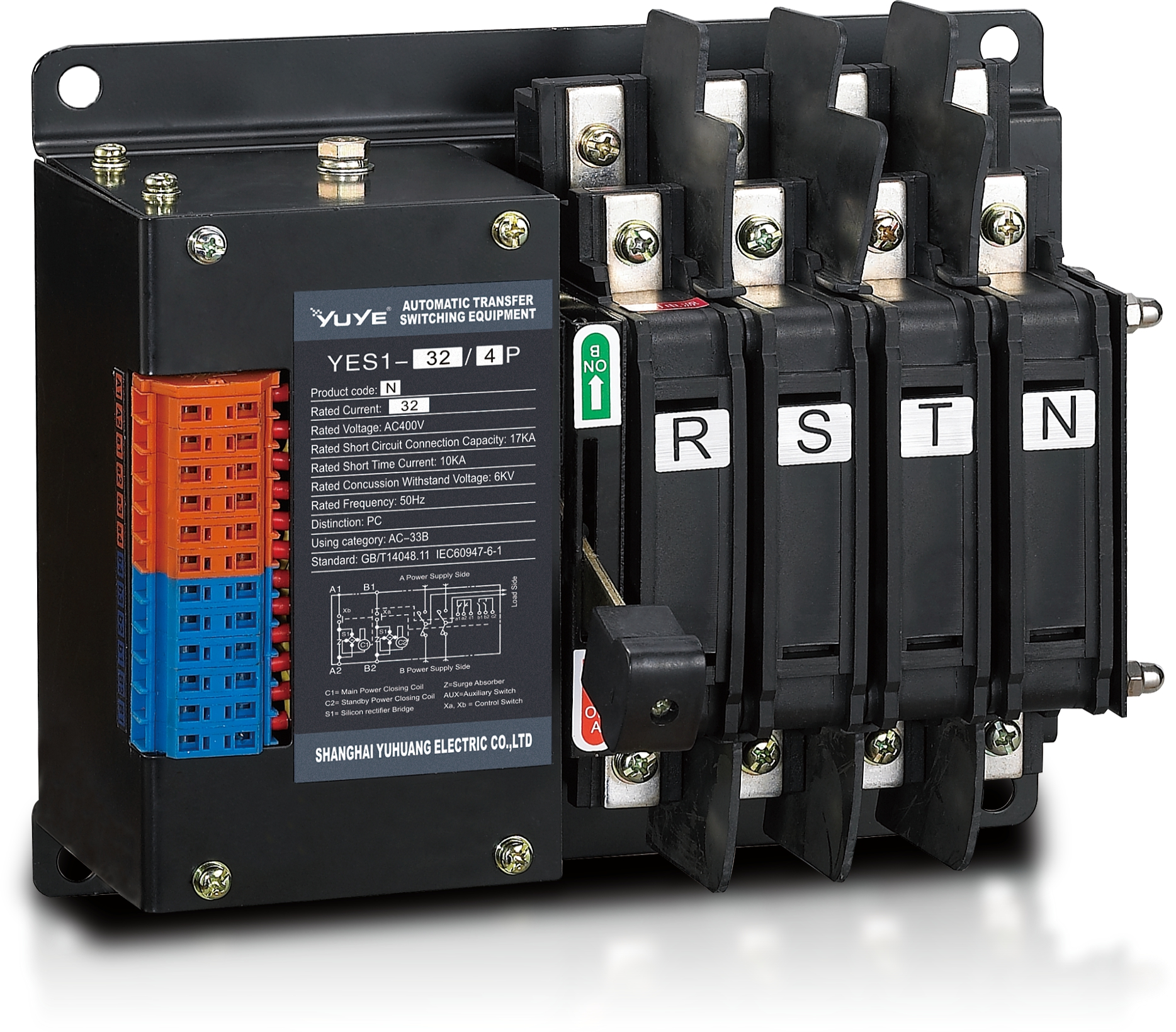 Solenoid-type ATS YES1-32~125N
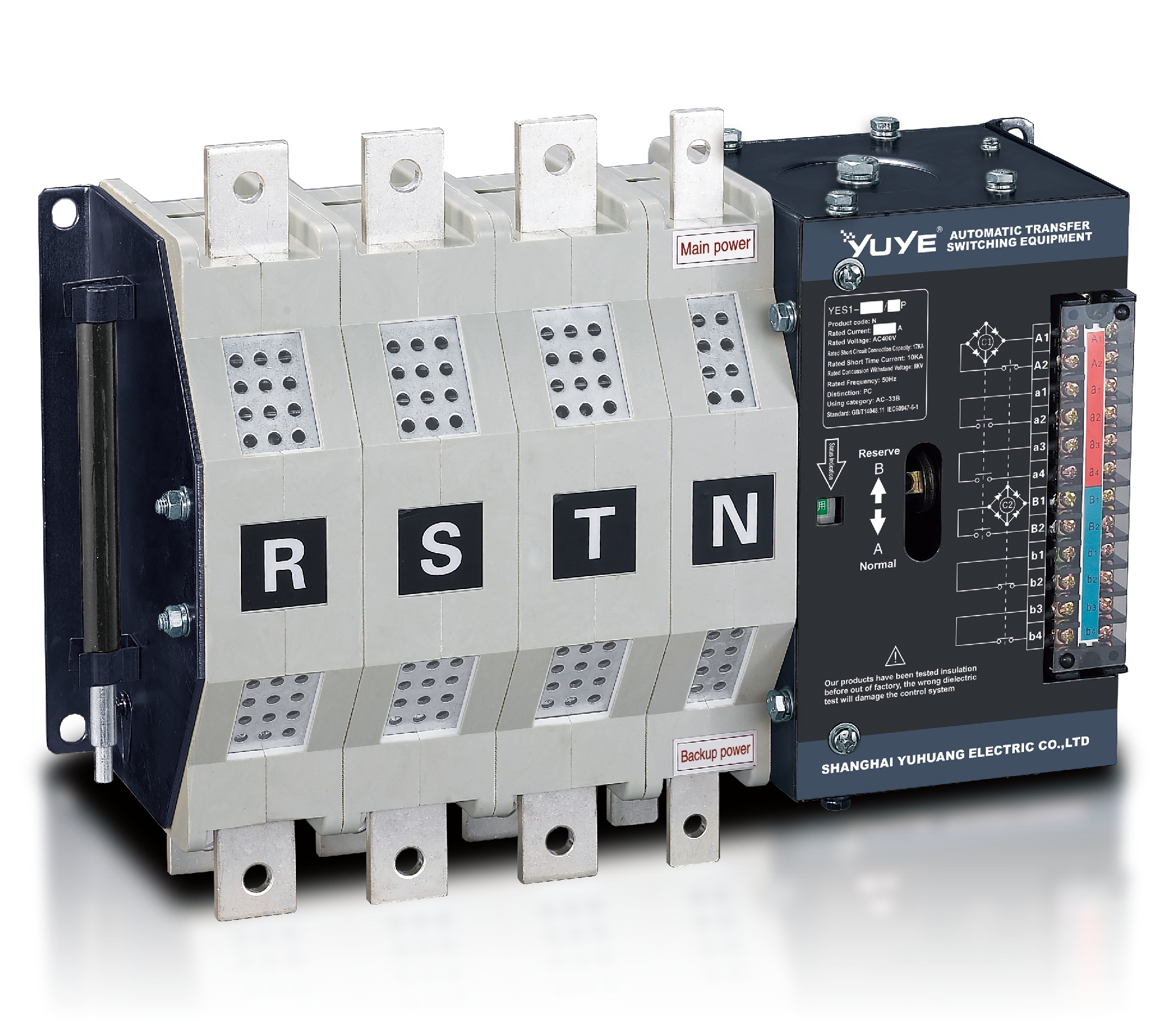 Solenoid-type ATS YES1-250~630N/NT
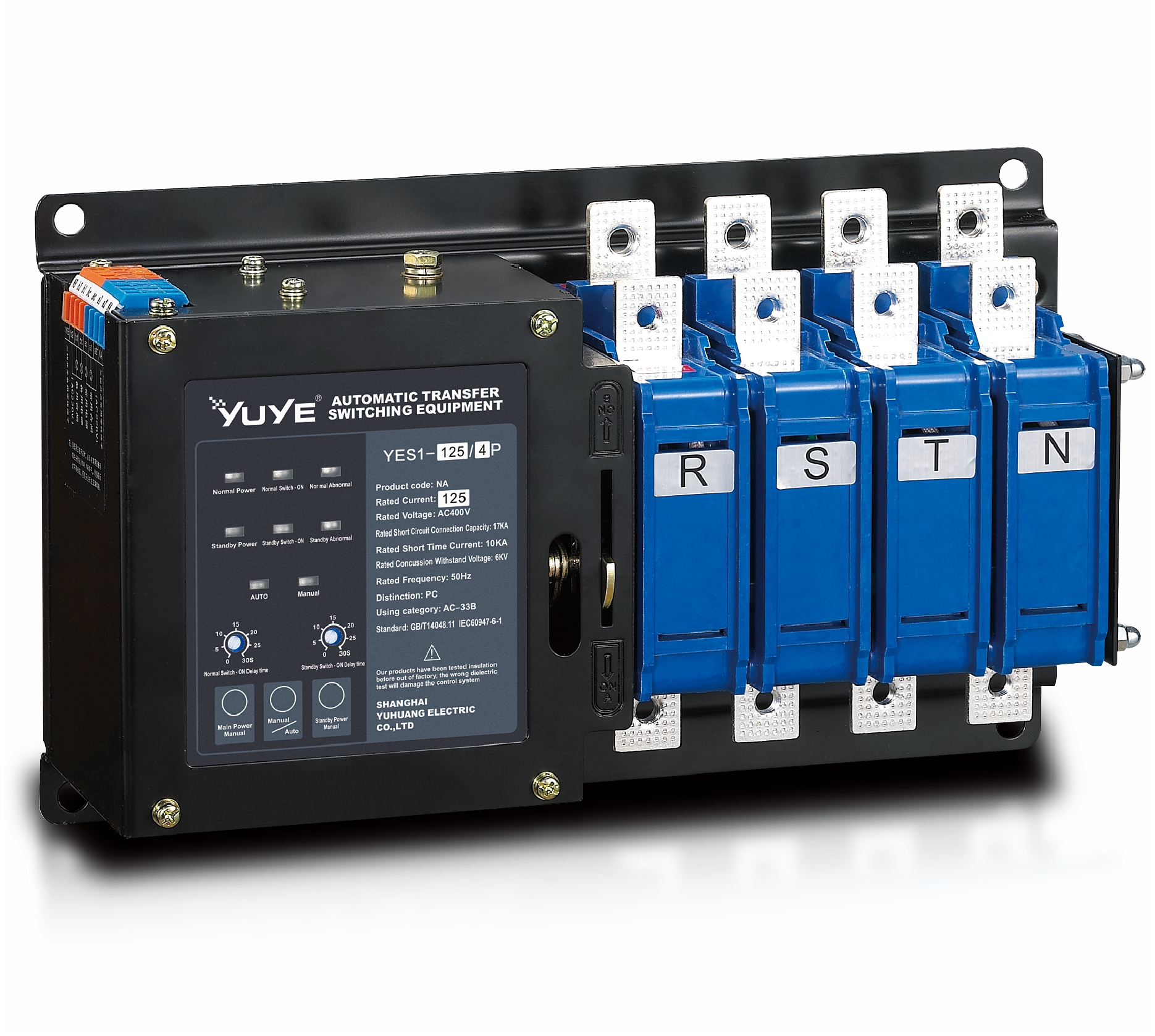 Solenoid-type ATS YES1-32~125NA
 Solenoid-type ATS YES1-63~630SN
 Solenoid-type ATS YES1-1250~4000SN
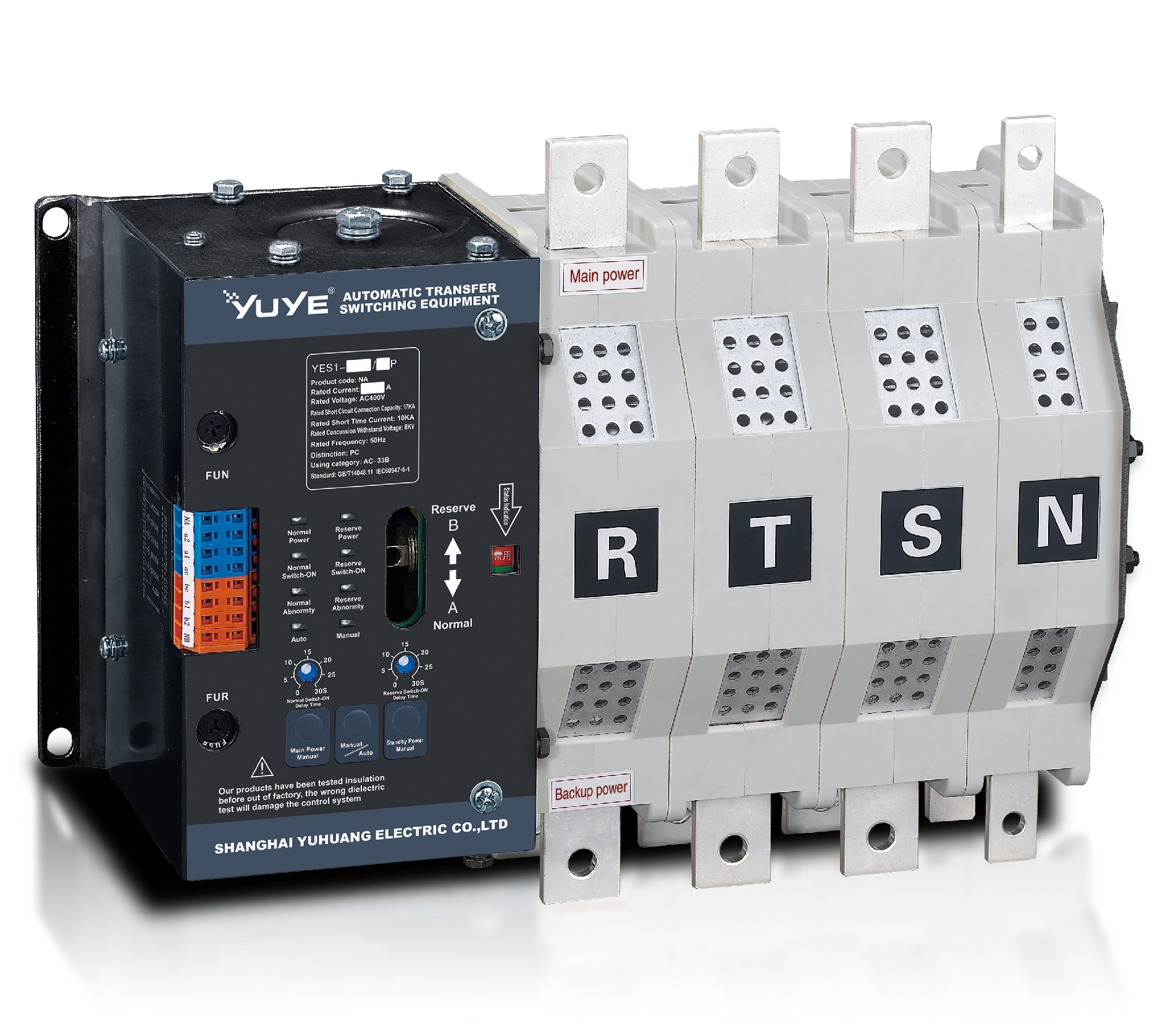 Solenoid-type ATS YES1-250~630NA/NAT
 Solenoid-type ATS YES1-63NJT
 PC ATS YES1-100~1600GN1/GN/GNF
 PC ATS YES1-2000~3200GN/GNF
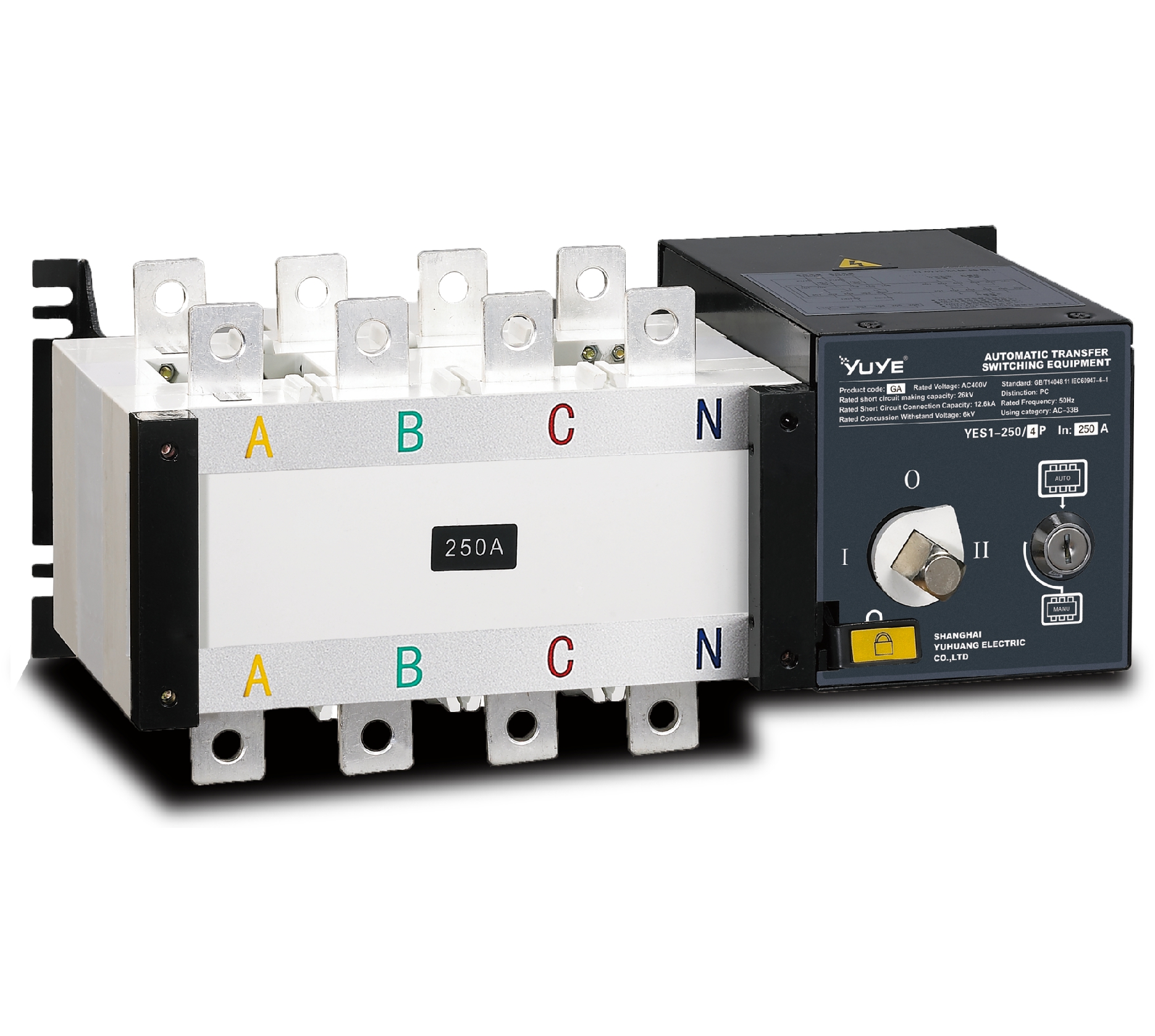 PC ATS YES1-100~3200GA1/GA
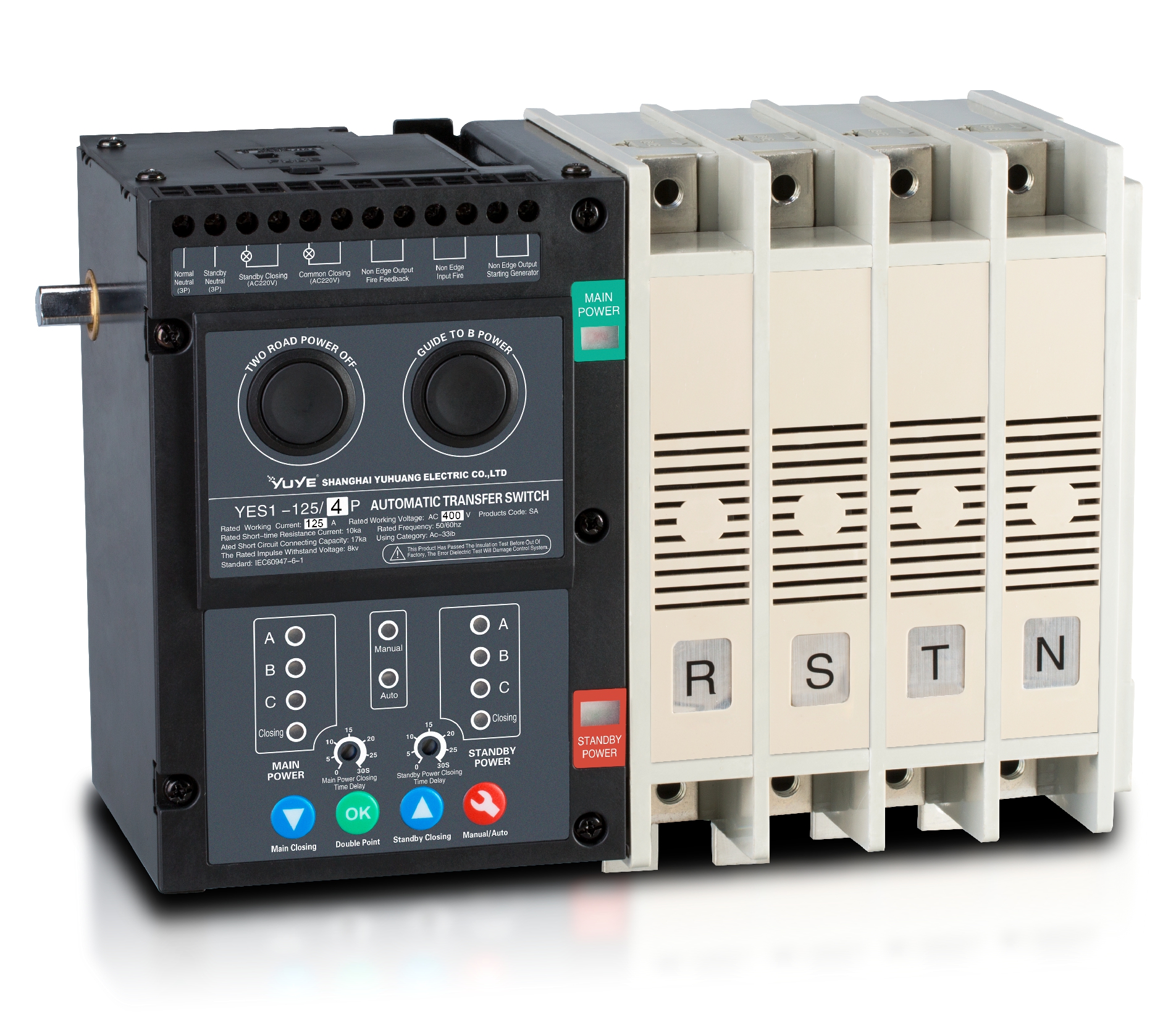 Solenoid-type ATS YES1-63~630SA
 Solenoid-type ATS YES1-63~630L/LA
 Solenoid-type ATS YES1-63~630LA3
 Solenoid-type ATS YES1-63MA
 PC ATS YES1-630~1600M
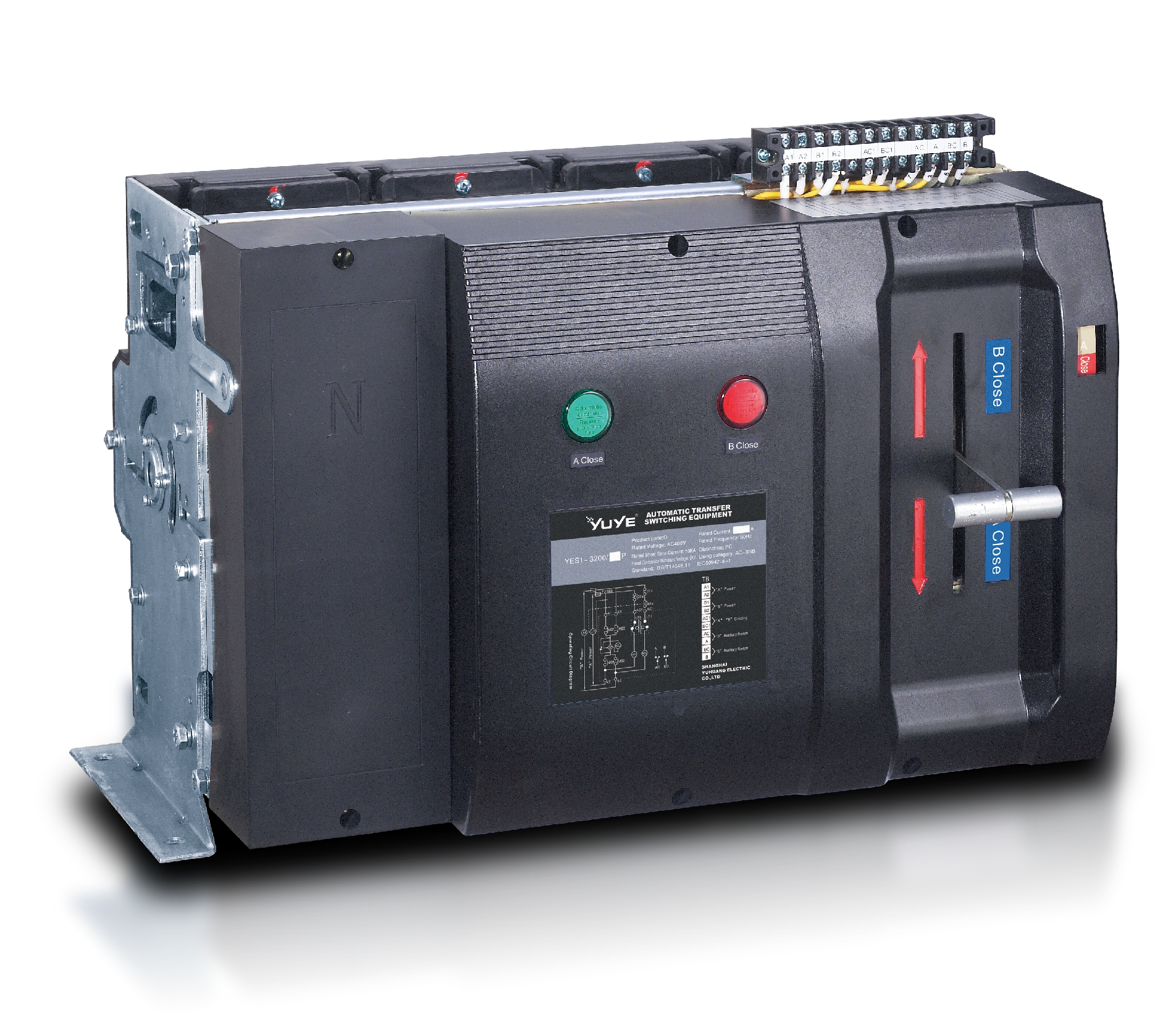 PC ATS YES1-3200Q
 Solenoid-type ATS YES1-4000~6300Q
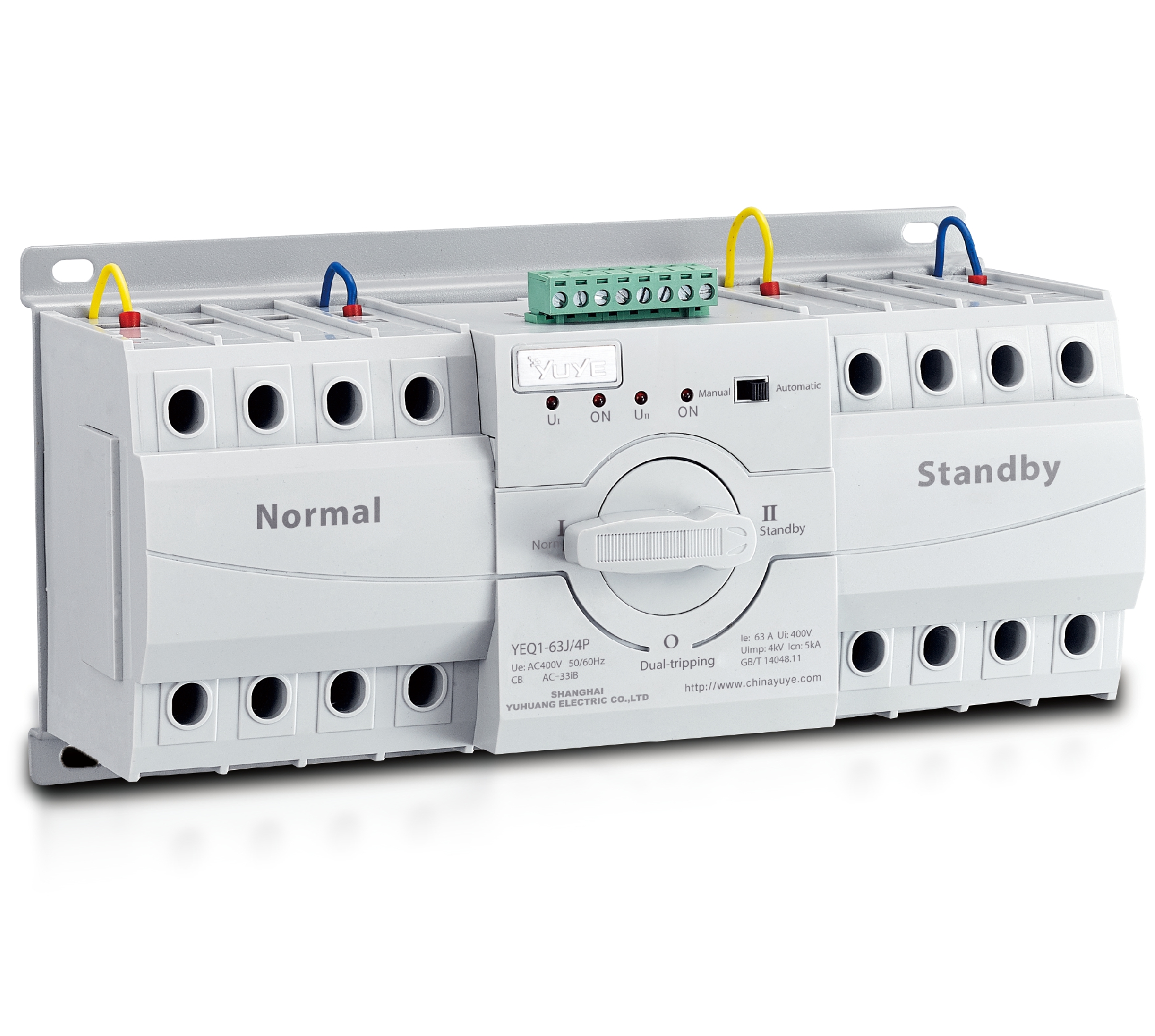 CB ATS YEQ1-63J
 CB ATS YEQ2Y-63
 CB ATS YEQ3-63W1
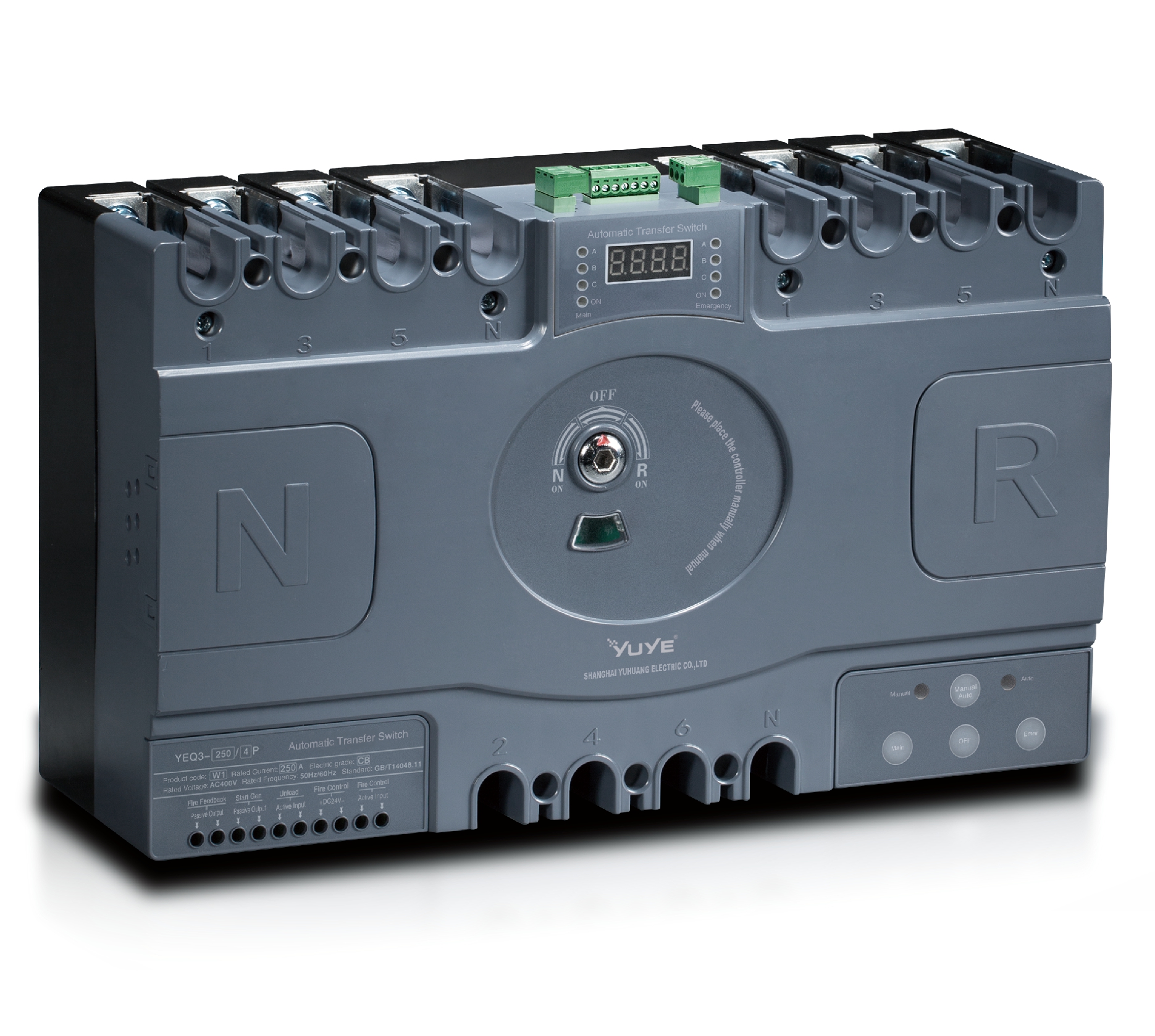 CB ATS YEQ3-125~630W1
 ATS controller Y-700
 ATS Controller Y-700N
 ATS Controller Y-701B
 ATS Controller Y-703N
 ATS Controller Y-800
 ATS Controller W2/W3 Series
 ATS switch Cabinet floor-to-ceiling
 ATS switch cabinet
 JXF-225A power Cbinet
 JXF-800A power Cbinet
 YEM3-125~800 Plastic Shell Type MCCB
 YEM3L-125~630 Leakage Type MCCB
 YEM3Z-125~800 Adjustable Type MCCB
 YEM1-63~1250 Plastic Shell Type MCCB
 YEM1E-100~800 Electronic Type MCCB
 YEM1L-100~630 Leakage Type MCCB
 Miniature circuit breaker YEMA2-6~100
 Miniature circuit breaker YEB1-3~63
 Miniature circuit breaker YEB1LE-3~63
 Miniature circuit breaker YEPN-3~32
 Miniature circuit breaker YEPNLE-3~32
 Miniature circuit breaker YENC-63~125
 Air Circuit Breaker YEW1-2000~6300
 Air Circuit Breaker YEW3-1600
 Load isolation switch YGL-63~3150
 Load Isolation Switch YGL2-63~3150
 Manual Changeover Switch YGL-100~630Z1A
 Manual Changeover Switch YGLZ1-100~3150
 YECPS2-45~125 LCD
 YECPS-45~125 Digital
 CNC Milling/Turning-OEM
 DC relay MDC-300M
 DC Isolation Switch YEGL3D-630


