In today's world, where reliable power is more critical than ever, companies really can’t afford to take chances with outages. Power disruptions are becoming more frequent, and that’s where a Dual Power Automatic Transfer Switch, or DPATS, comes in handy. If you’ve looked into the latest reports from Markets and Markets, you’ll see the market for these switches is expected to hit around $1.2 billion by 2025. That’s a clear sign that everyone’s craving steady, uninterrupted power across different sectors.
Using a DPATS basically guarantees a smooth switch between power sources, meaning your important systems stay up and running without a hitch. These switches can handle multiple sources, making them perfect for places like hospitals and data centers where downtime is just not an option. Industry giants like Eaton point out that dependable power isn’t just a luxury anymore — it’s an absolute must. Still, surprisingly, tons of organizations haven’t caught on to how upgrading to a DPATS can actually save them headaches down the line.
Now, I get it — choosing the right system can feel pretty overwhelming. There’s a lot of specs to consider, and messing up can be costly. The trick is to really take the time to evaluate what your specific needs are. Trust me, making an informed choice can protect your operations from those surprise power failures we all dread. In an age where we’re so dependent on technology, having a DPATS isn’t just a good idea; it’s pretty much essential.

Understanding Dual Power Automatic Transfer Switch Basics
Understanding Dual Power Automatic Transfer Switches can be crucial for many users. These devices ensure uninterrupted power supply during outages. They automatically switch from the main power source to a backup source, such as a generator. This seamless transition helps maintain critical operations in homes and businesses.
When choosing a dual power automatic transfer switch, consider the capacity it can handle. It’s important to determine your specific power needs. Installation can be complex, requiring proper planning and skilled technicians.
Many users may overlook the importance of routine maintenance. Neglecting this can lead to malfunction during an emergency. Overall, dual power automatic transfer switches offer convenience and security.
However, users must weigh their options carefully. Cost, installation complexity, and ongoing maintenance are vital factors in decision-making. Reflections on these aspects can help prevent future issues and enhance reliability.
Key Benefits of Dual Power Automatic Transfer Switches
Dual power automatic transfer switches (ATS) provide vital support for uninterrupted power supply. They automatically switch power sources during outages, ensuring essential services remain operational. This reliability is crucial for businesses and facilities that cannot afford downtime. It guarantees the safety and functionality of equipment, which can prevent costly disruptions.
One key benefit of dual power ATS is enhanced flexibility. They allow reliable switching between multiple power sources. Whether from utility grids or backup generators, this adaptability meets various energy needs. Another advantage is improved safety. Such systems reduce risks associated with manual power transfer. This automatic mechanism minimizes human error, a factor that can lead to accidents.
**Tips:** Regular maintenance of your ATS is essential. Check connections and settings periodically. This practice helps identify potential issues before they escalate. Consider conducting annual inspections with professionals. They can assess the performance and recommend upgrades if necessary. Noticing small details can save significant expenses later.
How Dual Power Transfer Switches Enhance System Reliability
When evaluating power systems, reliability is paramount. A dual power automatic transfer switch (ATS) offers significant advantages. According to a study by the Electrical Power Research Institute, systems with dual power sources experience a 30% decrease in downtime. This is critical for industries where continuous operation is necessary.
Dual power transfer switches enhance reliability through automatic switching. If one power source fails, the ATS quickly shifts to the backup source. This seamless transition prevents disruptions. Moreover, the system continuously monitors both sources. It detects issues before they escalate. In fact, some reports indicate that early detection can increase repair efficiency by 40%. However, not all facilities utilize these systems effectively. Many overlook regular maintenance checks.
Despite the clear benefits, challenges remain. Installation can be costly and complex. A poorly implemented switch can lead to failure. Even with advanced technology, human error during setup can compromise effectiveness. Ensuring staff are trained properly is crucial. The potential for power outages looms, but dual power ATS adoption brings hope against unexpected failures.
Applications for Dual Power Automatic Transfer Switches
Dual Power Automatic Transfer Switches (ATs) find diverse applications in various sectors. These switches are essential in critical infrastructure. Hospitals heavily rely on them. They ensure that backup power kicks in without delay during outages. This can save lives when every second counts. Data centers also use them. Any downtime can lead to significant losses in data and revenue.
In construction sites or remote operations, a reliable power supply is crucial. A dual power AT ensures construction can proceed even during power interruptions. Educational institutions need dependable power as well. Any disruption can affect students and faculty. They can't afford to lose essential learning time.
Yet, with these benefits come challenges. Not all setups are the same. You must evaluate your specific needs. Some may find installation complex or costly. Regular maintenance is also necessary to prevent unexpected failures. The balance between reliability and cost is always a tricky one to navigate.
Factors to Consider When Choosing a Transfer Switch
When selecting a dual power automatic transfer switch, various factors demand your attention. First, assess the power requirements of your home or business. Calculate the wattage of essential devices. This helps in avoiding overloading.
Another important factor is the switch's installation. Ensure it meets local codes. A professional installation can prevent future issues. Consider the environment too. Think about whether your switch can handle extreme weather conditions.
**Tips:** Evaluate budget versus features. Sometimes, cheaper options lead to more repairs. Think long-term. Also, consider the ease of operation. A user-friendly interface can save time and frustration.
Reflect on maintenance needs. Some transfer switches require regular checks. Neglecting this may lead to malfunctions during critical times. Balancing these considerations may be challenging but ultimately valuable.
Why Choose a Dual Power Automatic Transfer Switch for Your Needs? - Factors to Consider When Choosing a Transfer Switch
| Factor |
Description |
Importance Level |
| Power Capacity |
The maximum electrical load the switch can handle. |
High |
| Transfer Time |
The time it takes to switch power sources during outages. |
Medium |
| Control Features |
Automation level, remote monitoring, and control capabilities. |
High |
| Durability |
Ability to withstand environmental factors and heavy use. |
High |
| Installation Complexity |
Ease of installation and integration into existing systems. |
Medium |
| Cost |
Initial purchase price and long-term operational costs. |
High |
Maintenance and Safety Tips for Dual Power Transfer Switches
When considering a dual power automatic transfer switch, maintenance is crucial. Regular checks on connections can prevent major failures. Many reports indicate that nearly 30% of power outages are tied to poor maintenance practices. A well-maintained switch ensures reliability and extends the lifespan of the system.
Testing the switch is essential. Monthly tests can identify issues before they become serious. It's recommended that your testing team documents each test, noting any irregularities. Data from industry experts suggests that organizations that conduct regular tests reduce downtime by up to 40%. Keeping an eye on the battery life is also vital. Batteries can unexpectedly fail, leading to system outages.
Safety measures shouldn't be overlooked. Installing surge protection devices can shield your equipment from power spikes. A survey revealed that over 25% of companies experienced equipment damage due to surges. Always ensure proper ventilation for the transfer switch to avoid overheating. Finally, user training on operating the system is often neglected, leading to increased risks. Training can significantly improve safety and operational efficiency.
Cost Considerations and ROI for Dual Power Transfer Solutions
Investing in a dual power automatic transfer switch (ATS) can yield significant returns. A recent industry report indicates that facilities with such systems experience up to 30% less downtime during power outages. This reduction translates directly into savings, as downtime often costs businesses an average of $5,600 per minute. These statistics highlight the economic advantages of a dual power setup.
Cost considerations are crucial. While initial expenses can be high, the long-term savings on energy bills and maintenance are noteworthy. A dual power ATS optimizes energy usage, potentially reducing electricity costs by as much as 20%. Maintenance costs can also drop since these systems are designed for durability and efficiency. Yet, upfront costs can be daunting for some, and businesses must weigh immediate financial impacts against future savings.
Moreover, a dual power system can enhance safety and reliability. Studies suggest that over 80% of companies that invest in these solutions report improved power stability. However, some firms may overlook the importance of thorough planning and training for personnel. Navigating the installation can pose challenges without the right expertise. Addressing these factors is essential to maximize the benefits of a dual power ATS and ensure a reliable power supply.
Maximizing Performance with the ATS Controller Y-700: A Comprehensive Guide to Features and Benefits
The ATS Controller Y-700 stands out as a powerful solution for enhancing operational efficiency in various environments. Designed to operate within a wide voltage range of DC 8.0V to 35.0V, the Y-700 ensures a stable power supply, making it ideal for systems requiring constant performance without the need for battery charging. This controller operates effectively under both AC and DC applications, supporting power supply voltages from 160V to 280V while maintaining low energy consumption, with a standby mode requiring less than 2W.
One of the key features of the Y-700 is its programmable relay output, which can handle loads of up to 16A/7A at 250V AC. This flexibility allows users to customize their output parameters according to specific operational needs, enhancing the overall performance of connected systems. Moreover, the controller supports advanced communication protocols like RS485 and MODBUS, enabling seamless integration into existing setups and providing reliable connectivity for monitoring and control. With the Y-700, users can maximize their system's capabilities while ensuring reliability and efficiency, making it an invaluable addition to any power management strategy.
FAQS
: The product aims to enhance daily convenience. It simplifies tasks for users.
Follow the instructions carefully. Start with gradual adjustments to get used to it.
Review the troubleshooting section. Common problems often have simple fixes.
While it is generally user-friendly, younger users may need guidance. Adults should supervise.
Cleaning is straightforward. Use a damp cloth and mild detergent for maintenance.
Regularly check for updates. Keeping it current ensures optimal performance.
Some users may find it less effective in specific situations. Reflection on personal usage helps.
Return policies vary. Check the terms and conditions for details on unsatisfactory products.
It includes user-friendly controls and practical functionalities. Each feature enhances overall experience.
Conclusion
A Dual Power Automatic Transfer Switch (ATS) is an essential component for ensuring seamless power management in various applications. Understanding the basics of Dual Power ATS reveals its pivotal role in switching power sources automatically when one source fails, minimizing downtime. The key benefits include enhanced system reliability, as these switches maintain power supply continuity and help prevent damage to sensitive equipment.
When considering the use of a Dual Power ATS, it is crucial to evaluate factors such as application needs, installation requirements, and maintenance practices. Proper maintenance and safety tips are vital to ensure optimal performance and longevity. Additionally, understanding the cost considerations and potential return on investment can guide users in making informed decisions about implementing Dual Power Automatic Transfer Switch solutions in their operations.

 PC ATS YECT1-2000G
 PC ATS YES2-63~250GN1
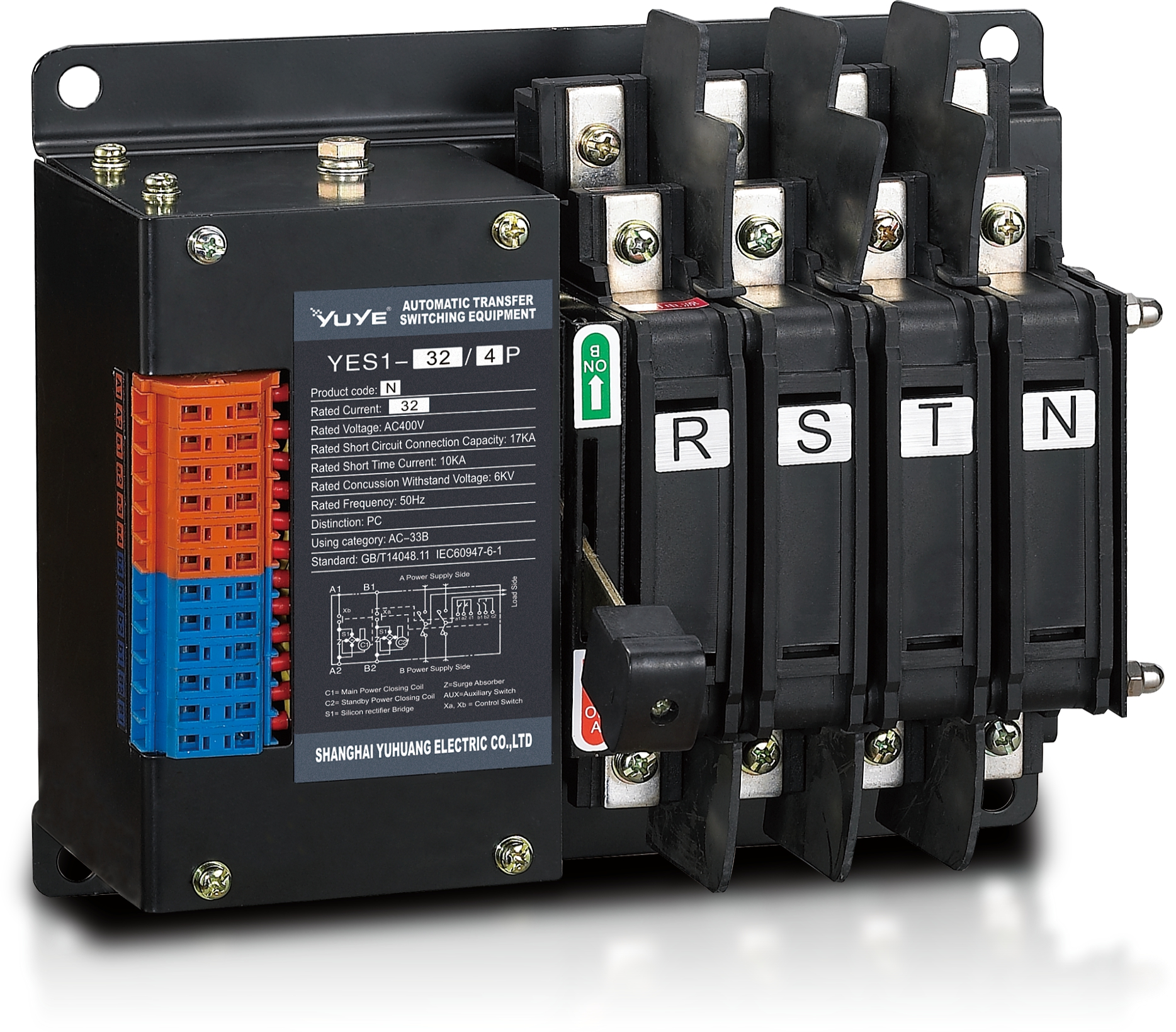 Solenoid-type ATS YES1-32~125N
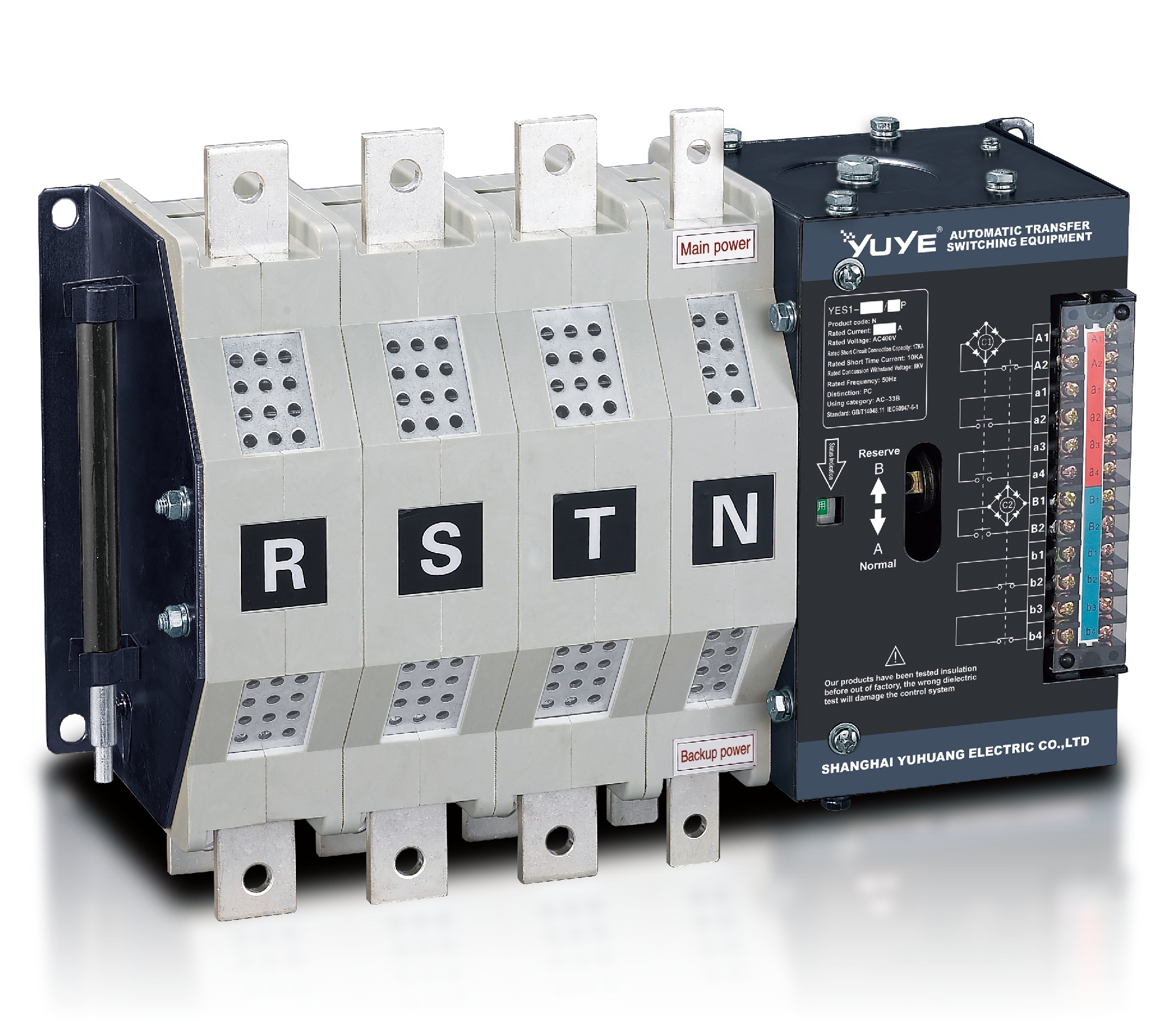 Solenoid-type ATS YES1-250~630N/NT
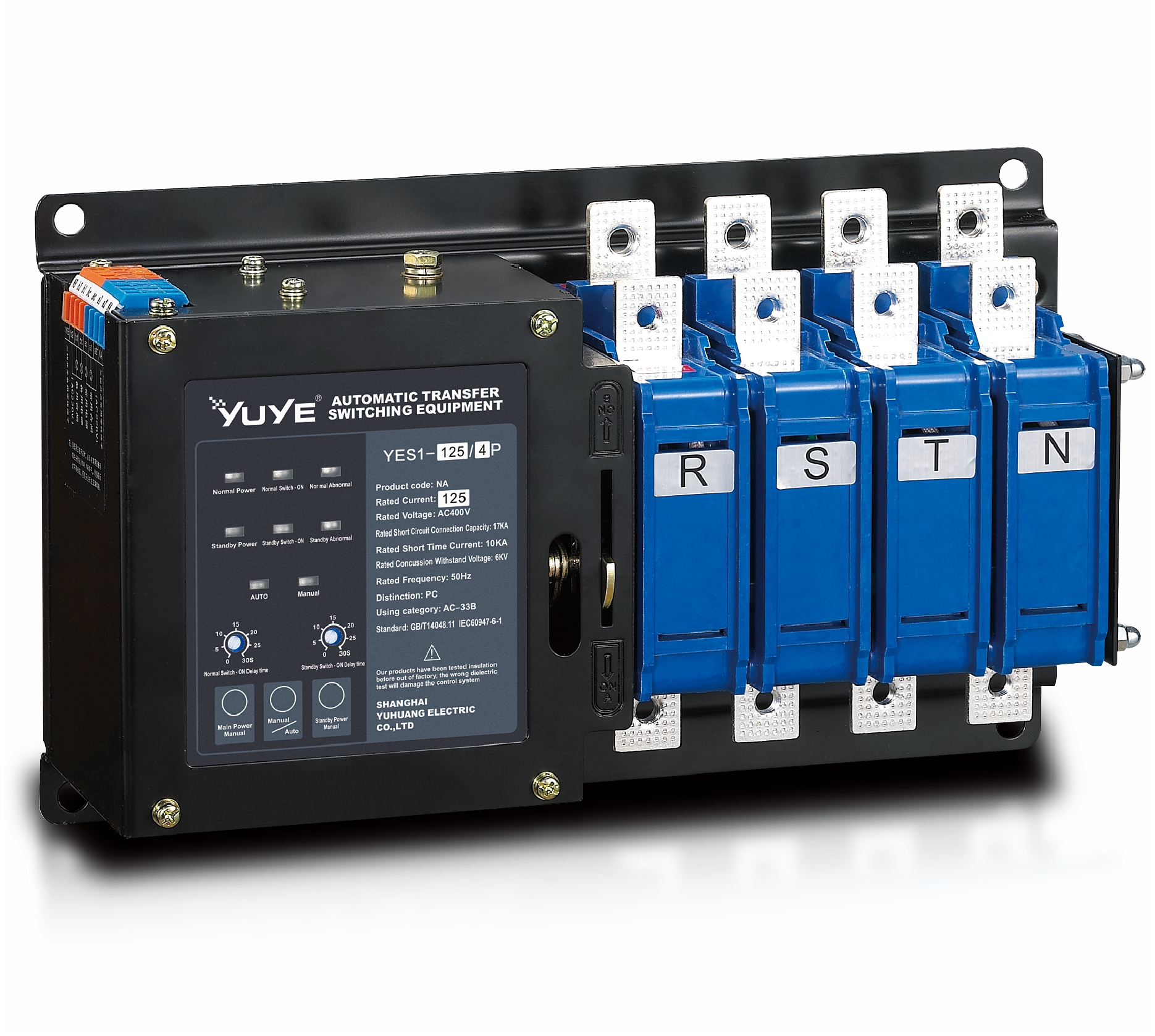 Solenoid-type ATS YES1-32~125NA
 Solenoid-type ATS YES1-63~630SN
 Solenoid-type ATS YES1-1250~4000SN
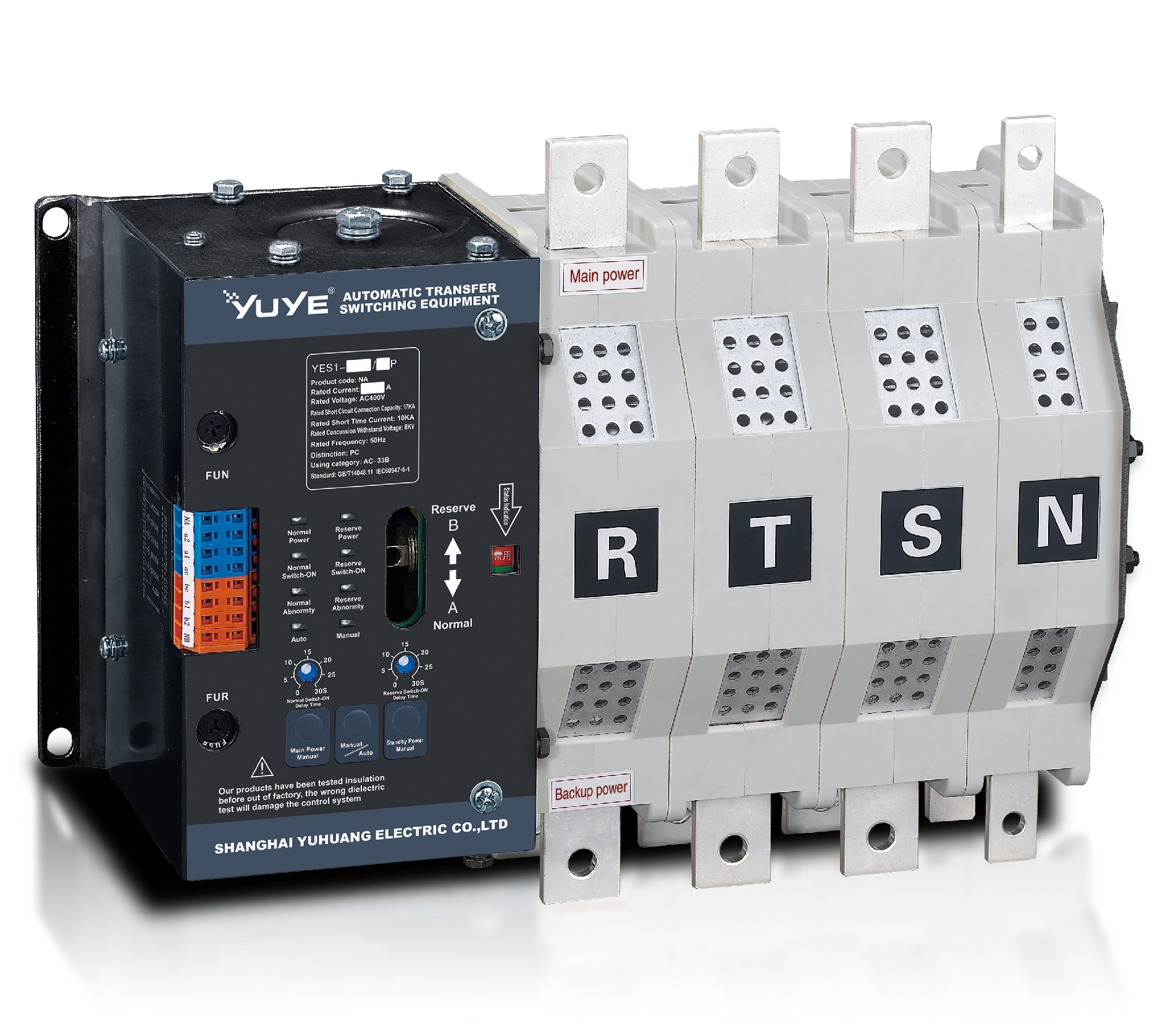 Solenoid-type ATS YES1-250~630NA/NAT
 Solenoid-type ATS YES1-63NJT
 PC ATS YES1-100~1600GN1/GN/GNF
 PC ATS YES1-2000~3200GN/GNF
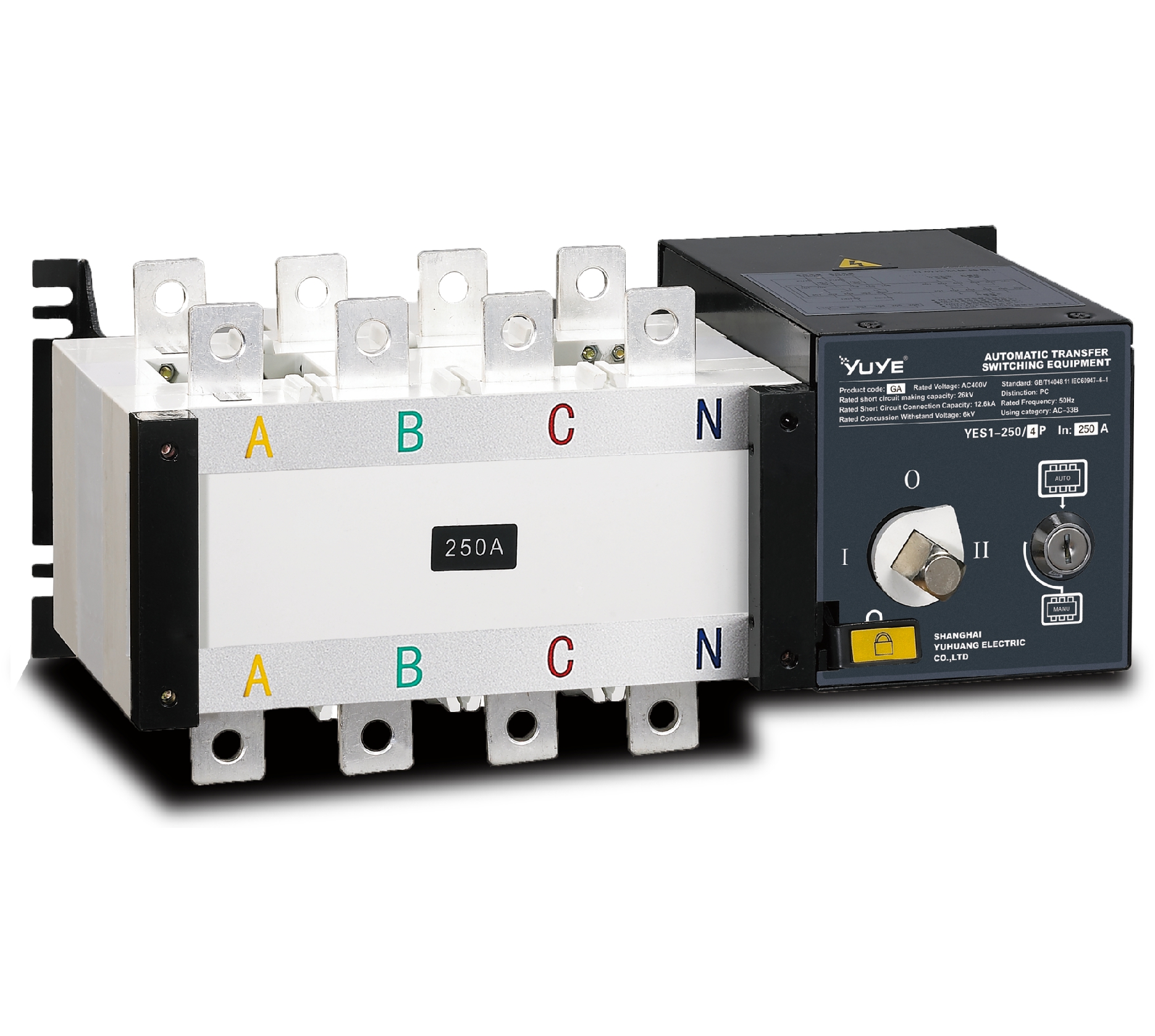 PC ATS YES1-100~3200GA1/GA
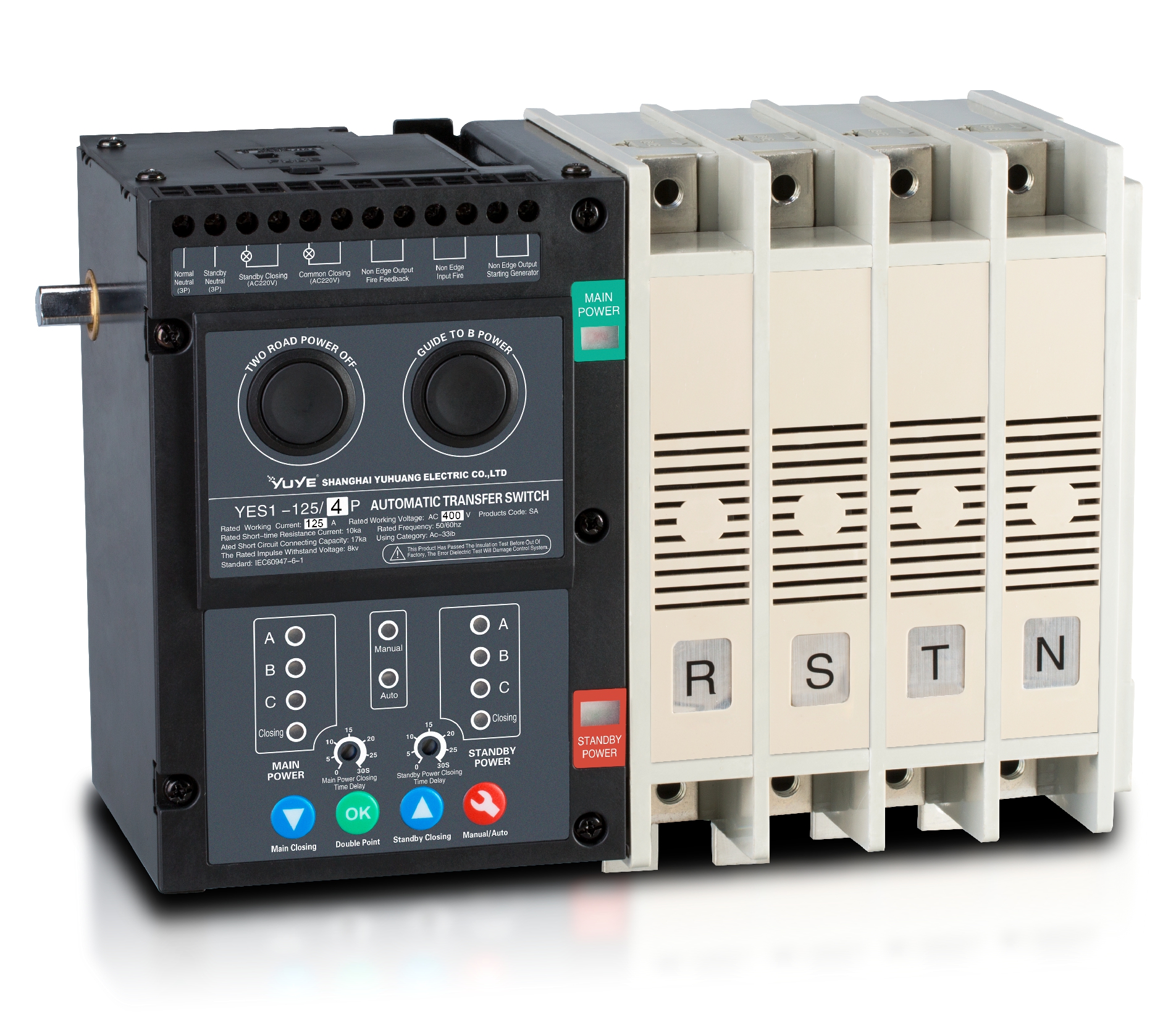 Solenoid-type ATS YES1-63~630SA
 Solenoid-type ATS YES1-63~630L/LA
 Solenoid-type ATS YES1-63~630LA3
 Solenoid-type ATS YES1-63MA
 PC ATS YES1-630~1600M
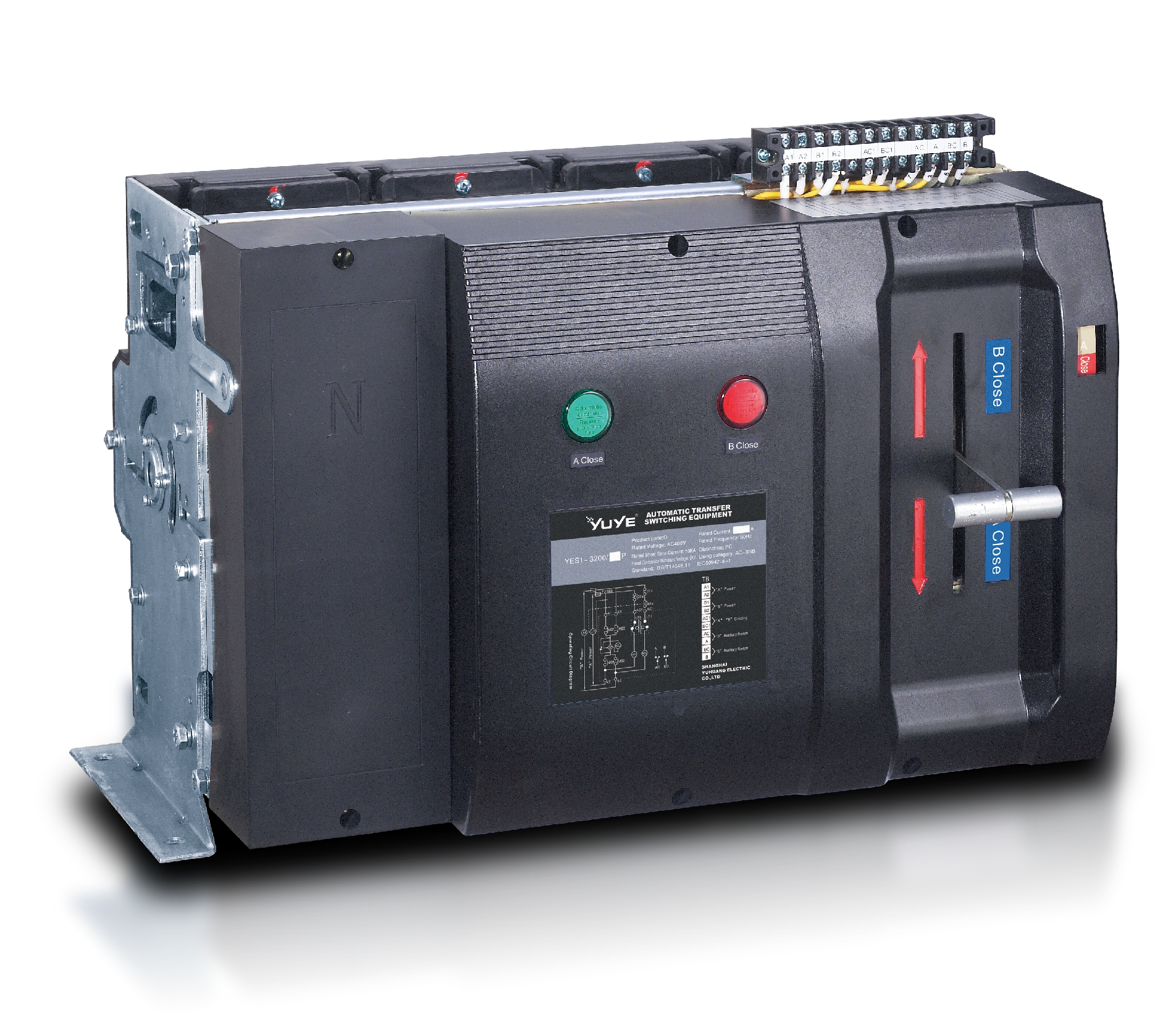 PC ATS YES1-3200Q
 Solenoid-type ATS YES1-4000~6300Q
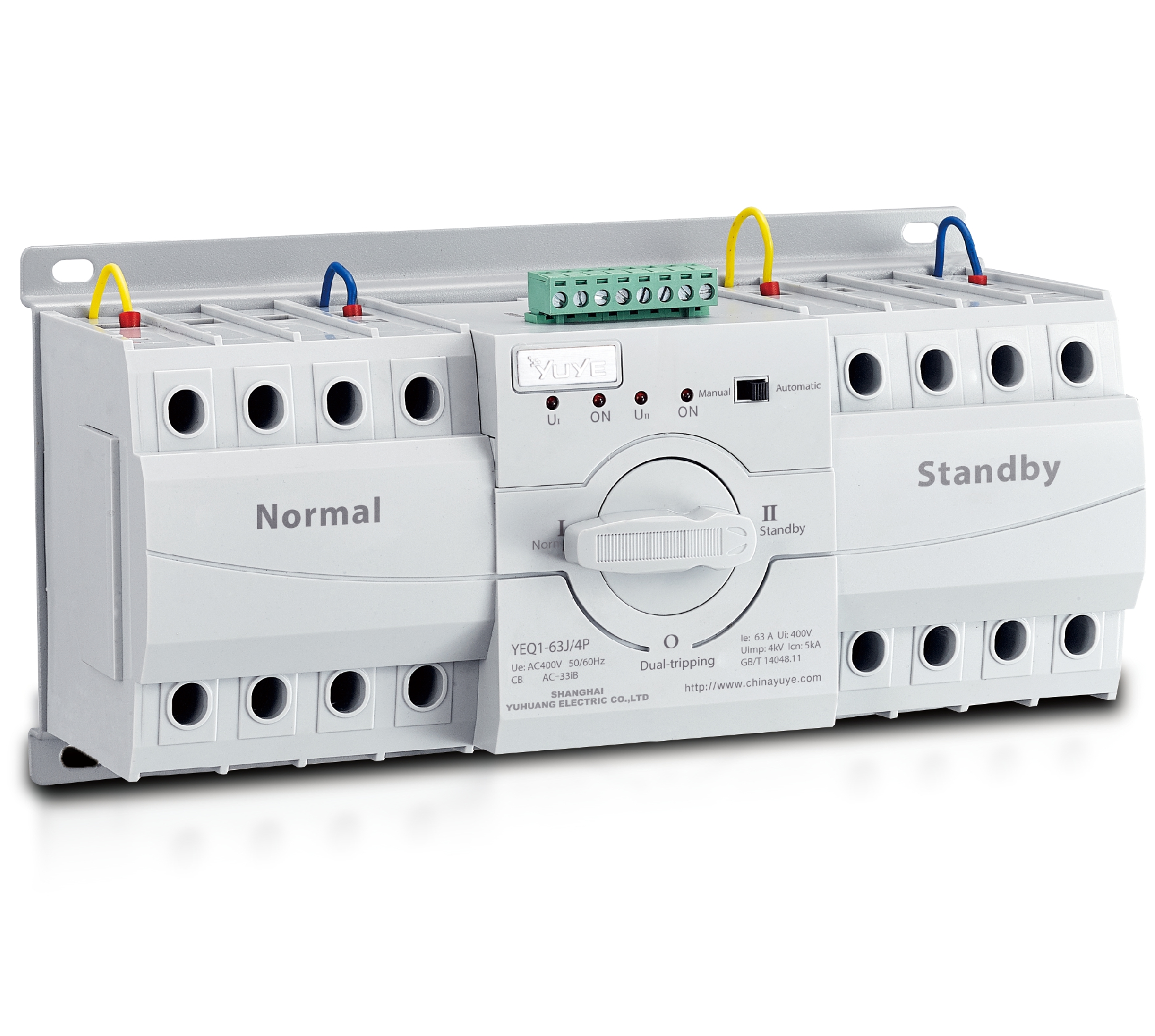 CB ATS YEQ1-63J
 CB ATS YEQ2Y-63
 CB ATS YEQ3-63W1
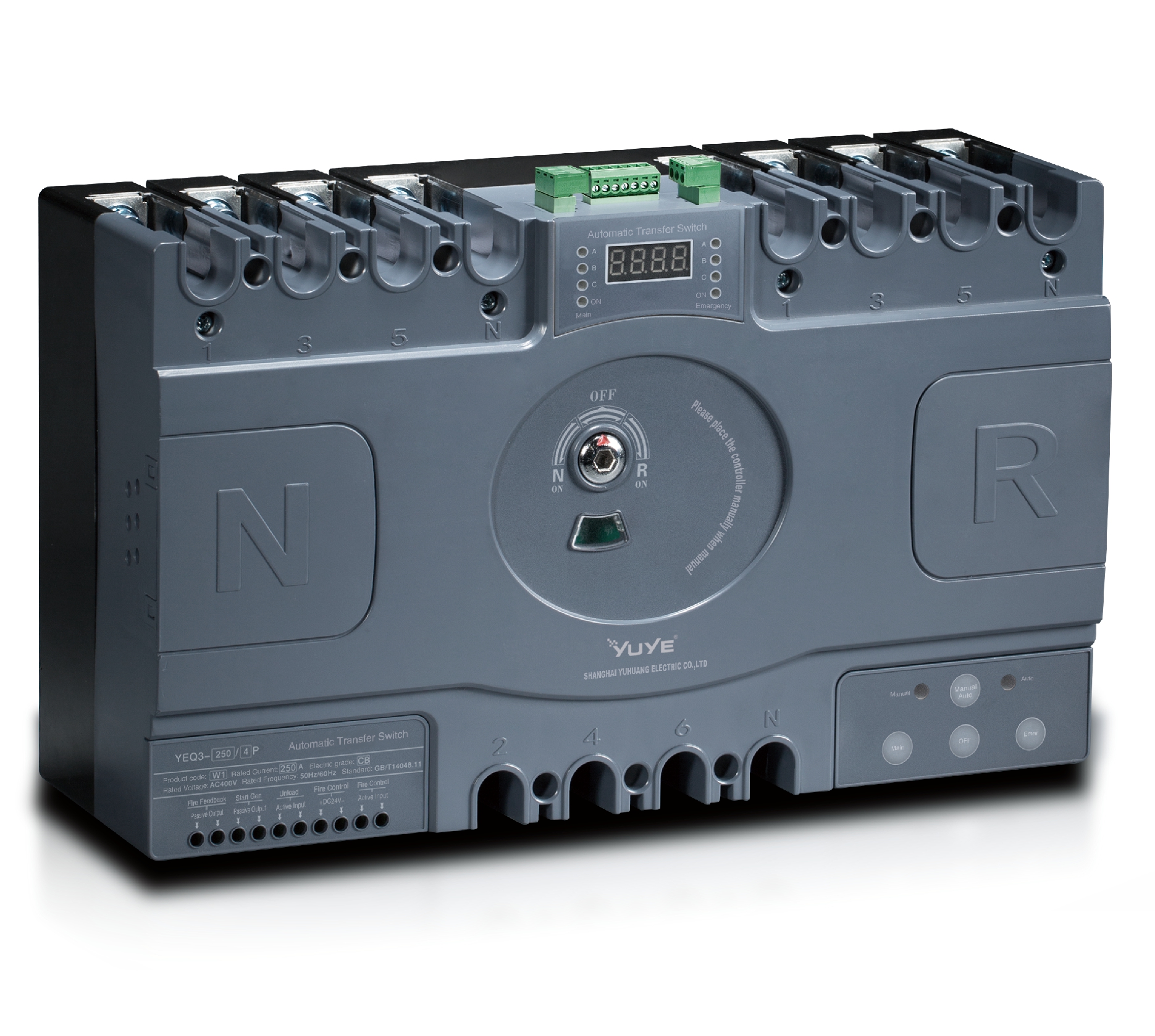 CB ATS YEQ3-125~630W1
 ATS controller Y-700
 ATS Controller Y-700N
 ATS Controller Y-701B
 ATS Controller Y-703N
 ATS Controller Y-800
 ATS Controller W2/W3 Series
 ATS switch Cabinet floor-to-ceiling
 ATS switch cabinet
 JXF-225A power Cbinet
 JXF-800A power Cbinet
 YEM3-125~800 Plastic Shell Type MCCB
 YEM3L-125~630 Leakage Type MCCB
 YEM3Z-125~800 Adjustable Type MCCB
 YEM1-63~1250 Plastic Shell Type MCCB
 YEM1E-100~800 Electronic Type MCCB
 YEM1L-100~630 Leakage Type MCCB
 Miniature circuit breaker YEMA2-6~100
 Miniature circuit breaker YEB1-3~63
 Miniature circuit breaker YEB1LE-3~63
 Miniature circuit breaker YEPN-3~32
 Miniature circuit breaker YEPNLE-3~32
 Miniature circuit breaker YENC-63~125
 Air Circuit Breaker YEW1-2000~6300
 Air Circuit Breaker YEW3-1600
 Load isolation switch YGL-63~3150
 Load Isolation Switch YGL2-63~3150
 Manual Changeover Switch YGL-100~630Z1A
 Manual Changeover Switch YGLZ1-100~3150
 YECPS2-45~125 LCD
 YECPS-45~125 Digital
 CNC Milling/Turning-OEM
 DC relay MDC-300M
 DC Isolation Switch YEGL3D-630


