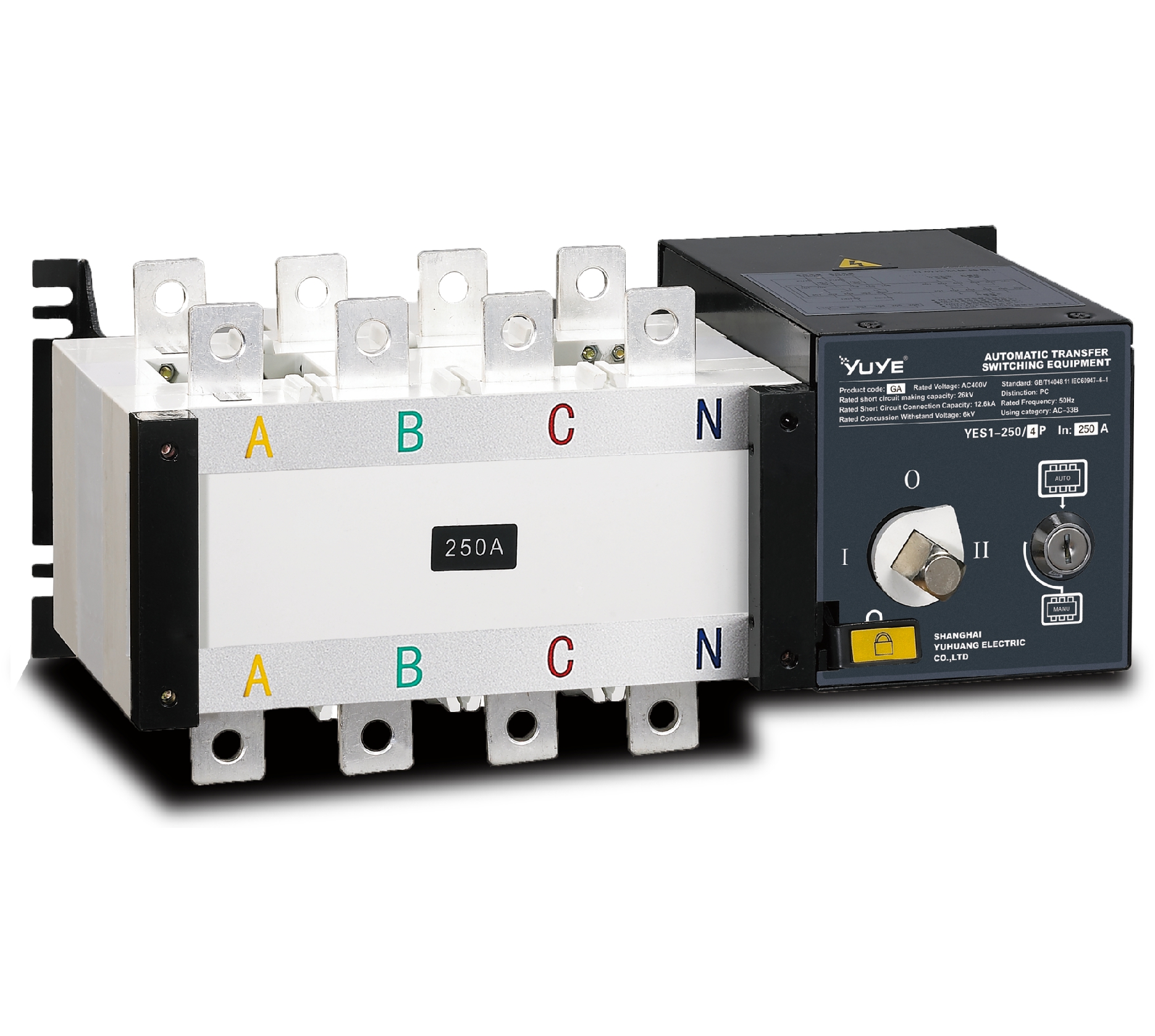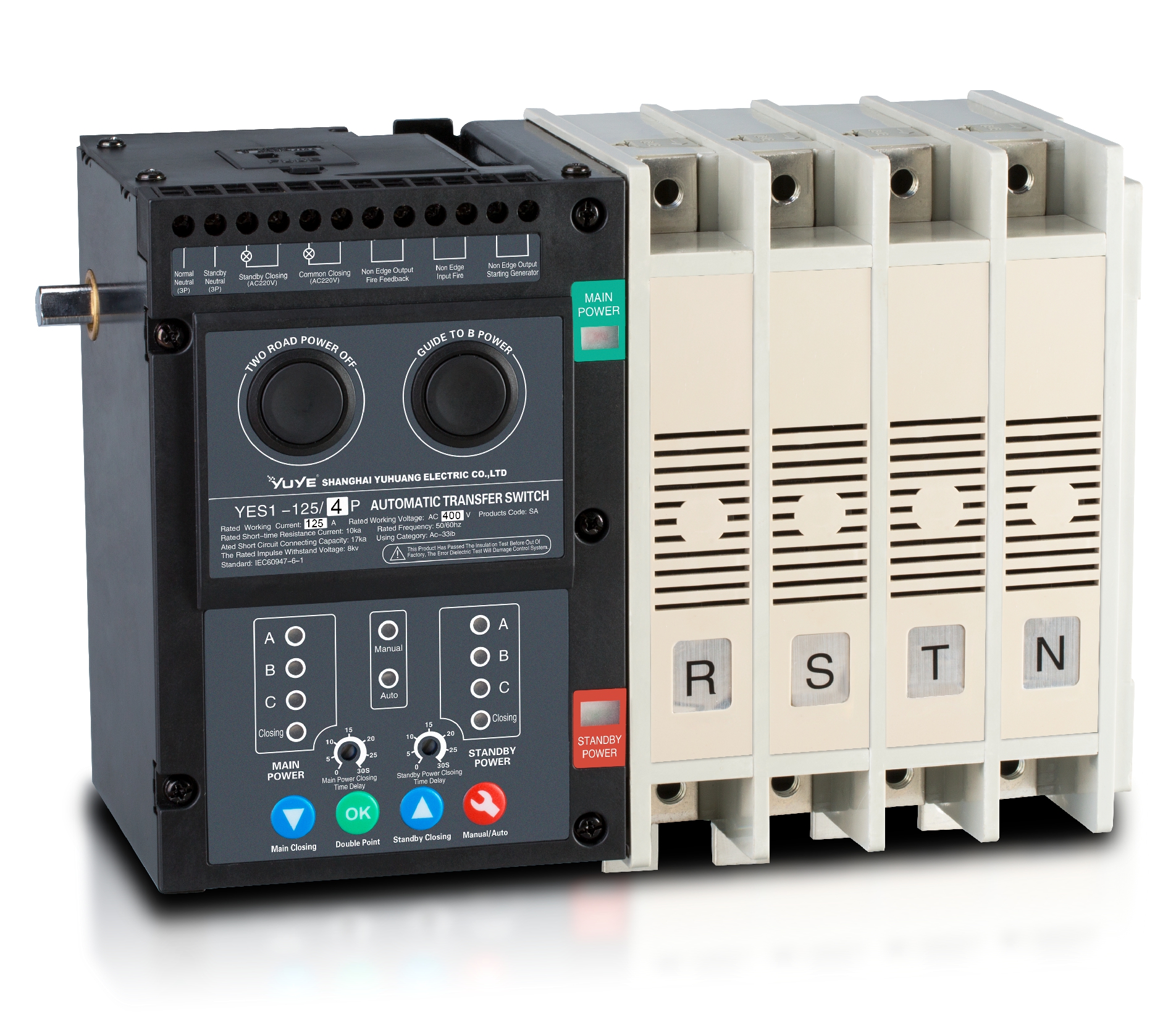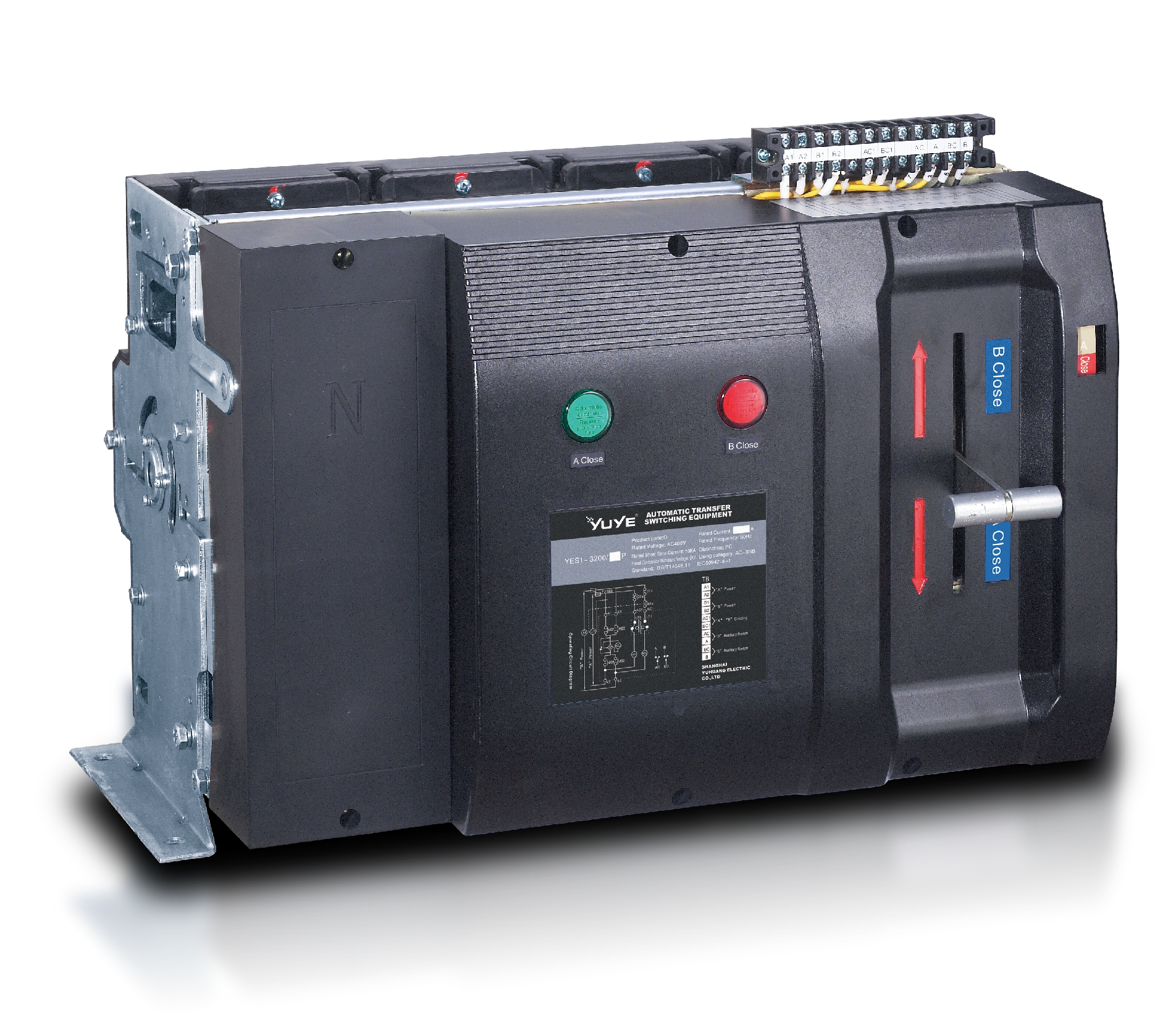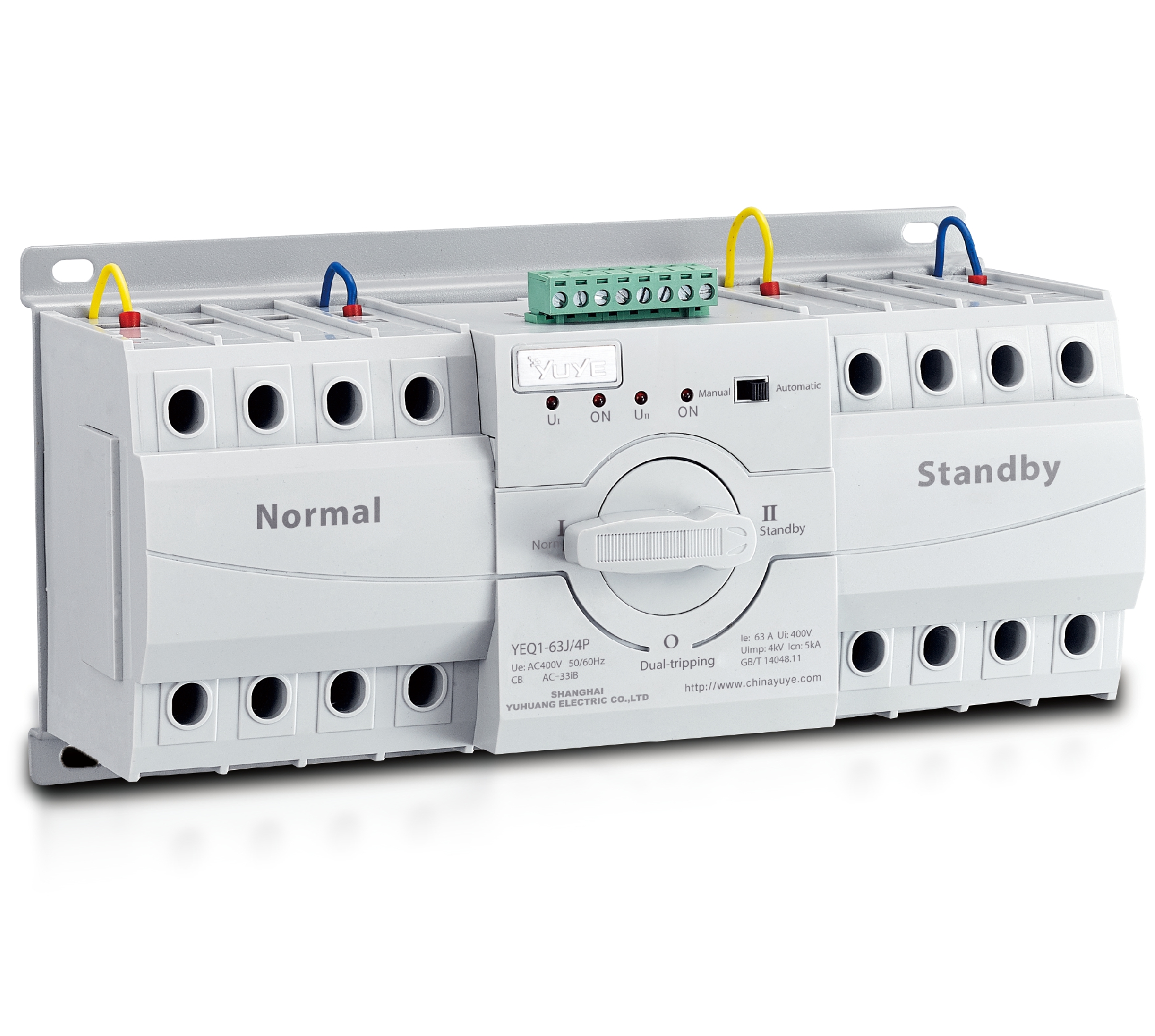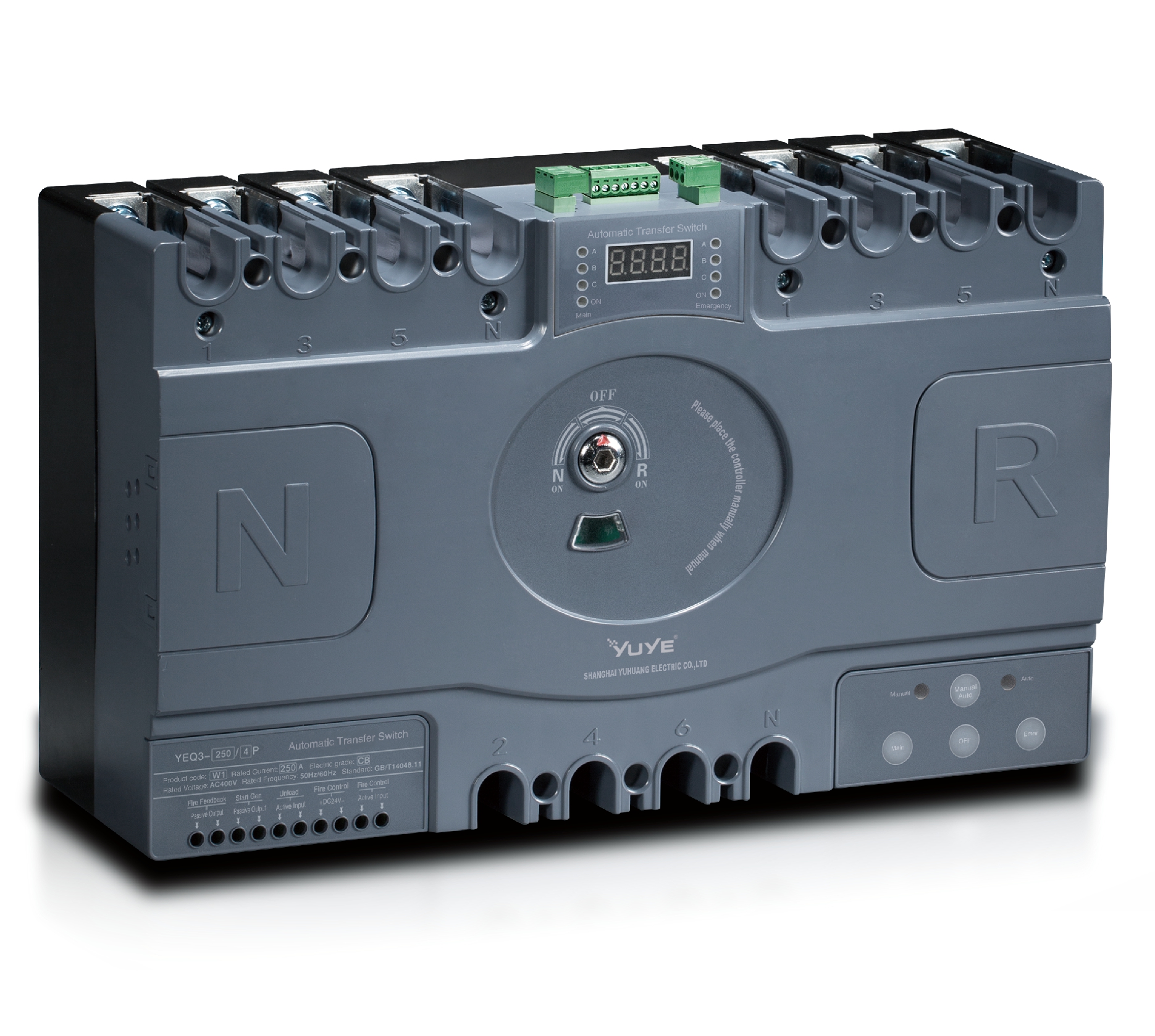
PC ATS YECT1-2000G
PC ATS YES2-63~250GN1
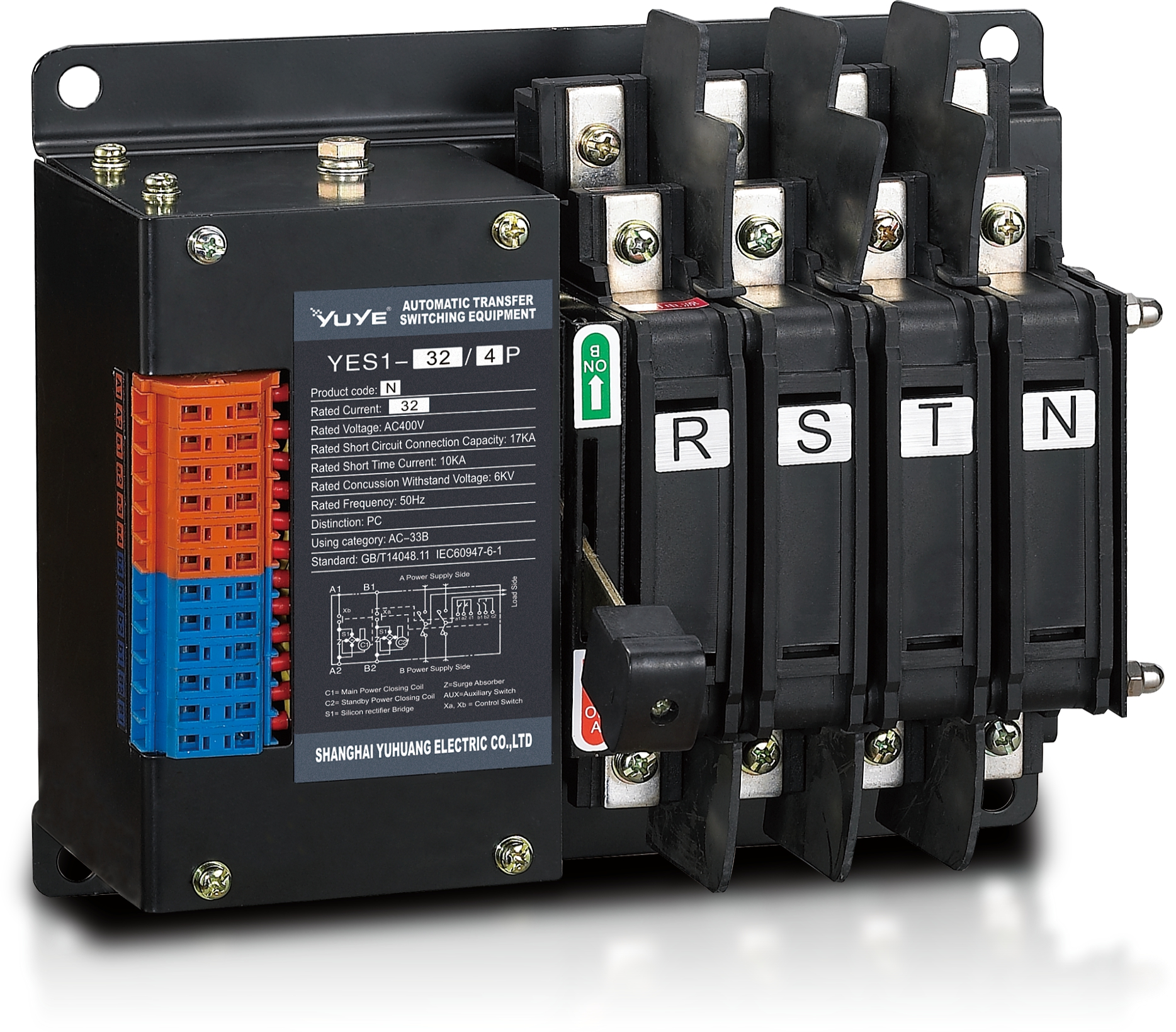
Solenoid-type ATS YES1-32~125N
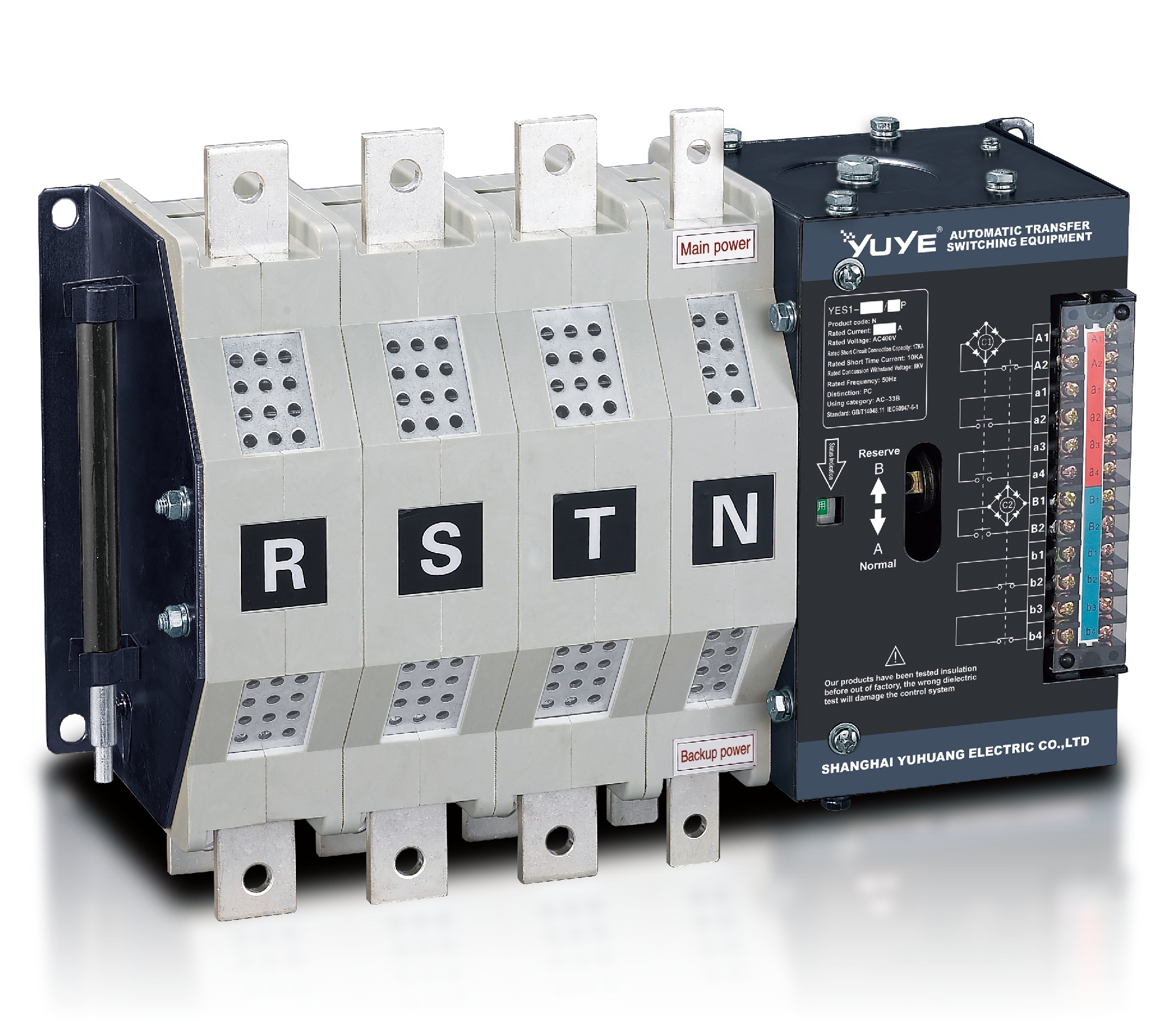
Solenoid-type ATS YES1-250~630N/NT
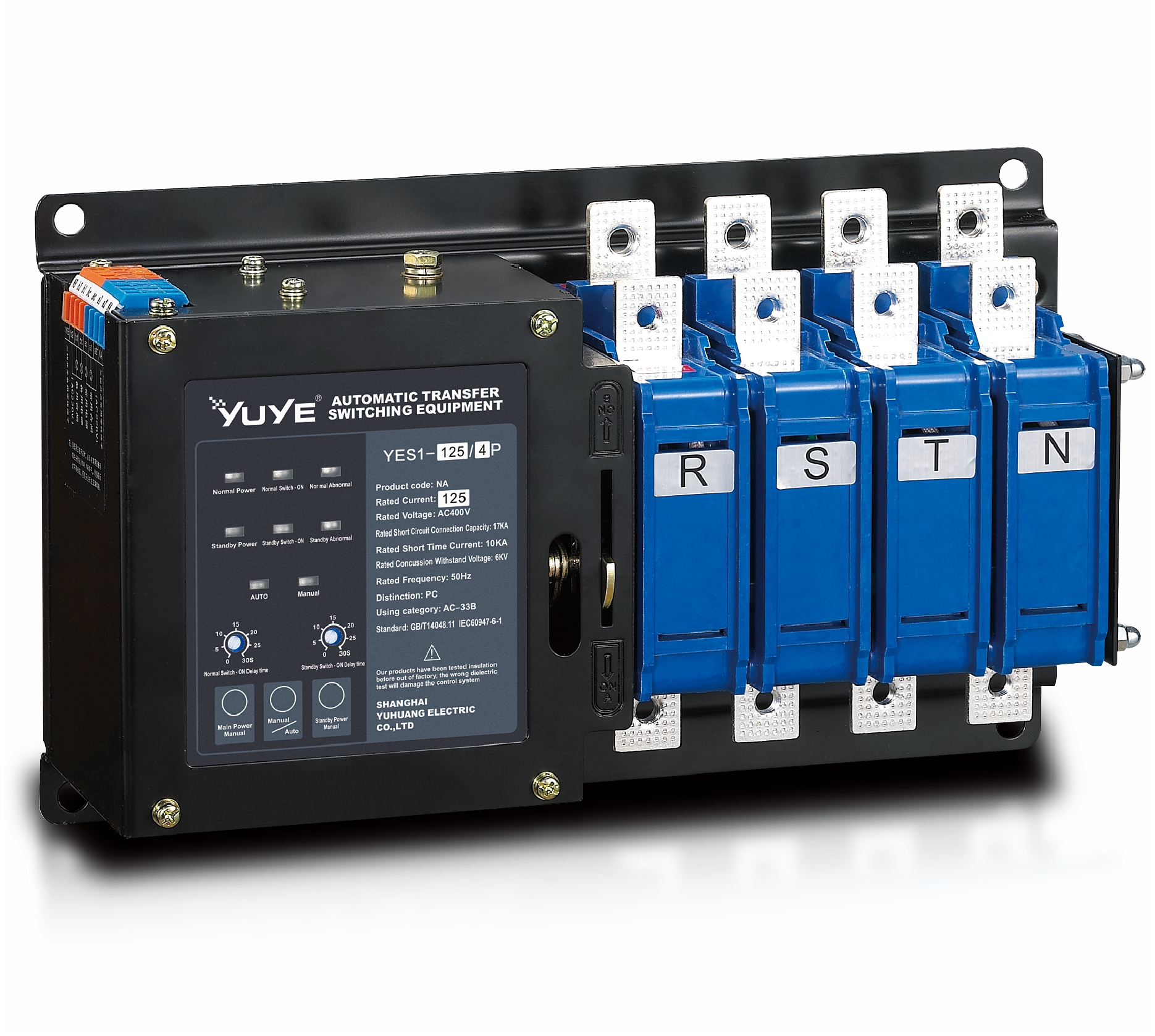
Solenoid-type ATS YES1-32~125NA
Solenoid-type ATS YES1-63~630SN
Solenoid-type ATS YES1-1250~4000SN
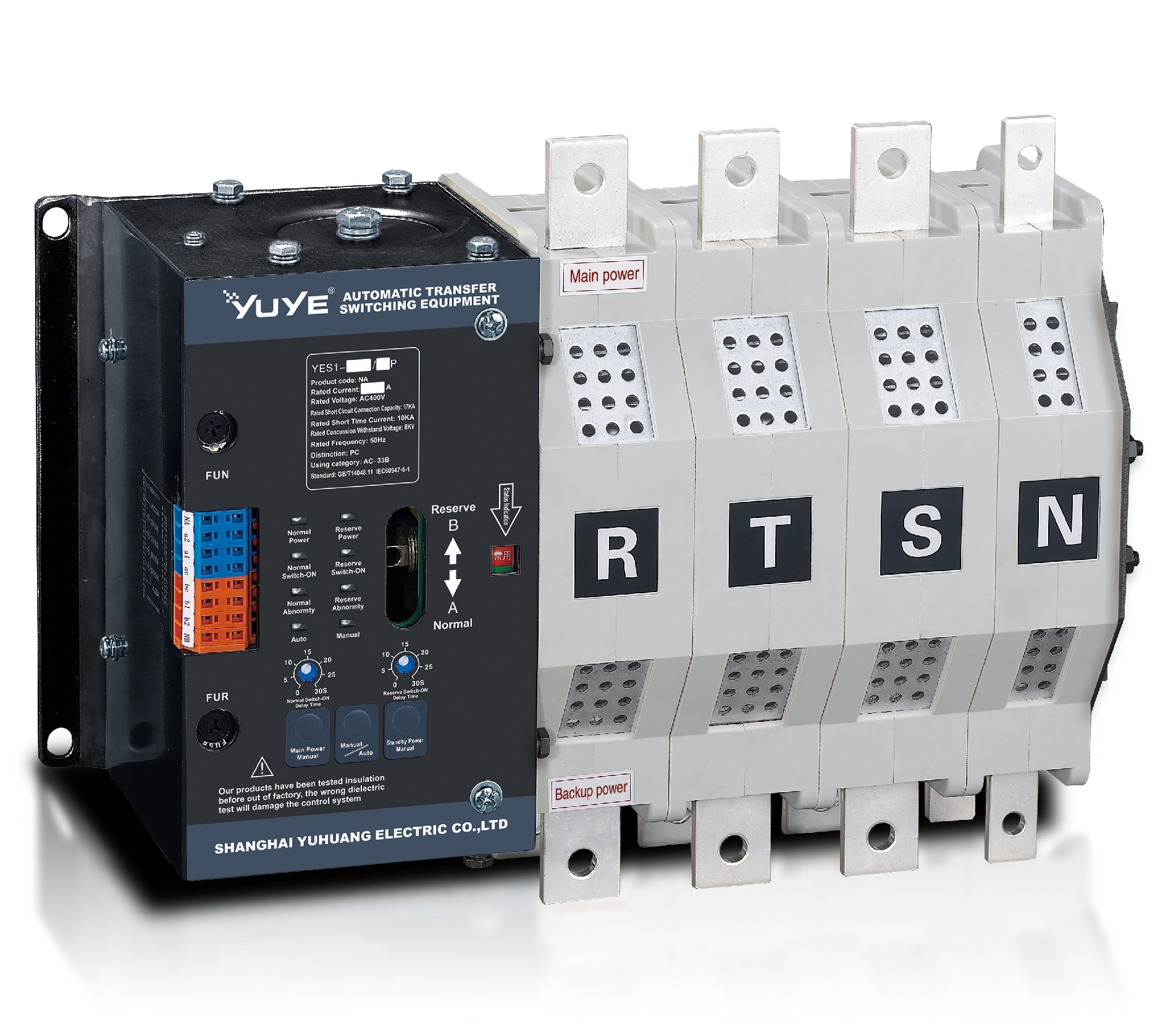
Solenoid-type ATS YES1-250~630NA/NAT
Solenoid-type ATS YES1-63NJT
PC ATS YES1-100~1600GN1/GN/GNF
PC ATS YES1-2000~3200GN/GNF
PC ATS YES1-100~3200GA1/GA
Solenoid-type ATS YES1-63~630SA
Solenoid-type ATS YES1-63~630L/LA
Solenoid-type ATS YES1-63~630LA3
Solenoid-type ATS YES1-63MA
PC ATS YES1-630~1600M
PC ATS YES1-3200Q
Solenoid-type ATS YES1-4000~6300Q
CB ATS YEQ1-63J
CB ATS YEQ2Y-63
CB ATS YEQ3-63W1
CB ATS YEQ3-125~630W1
ATS controller Y-700
ATS Controller Y-700N
ATS Controller Y-701B
ATS Controller Y-703N
ATS Controller Y-800
ATS Controller W2/W3 Series
ATS switch Cabinet floor-to-ceiling
ATS switch cabinet
JXF-225A power Cbinet
JXF-800A power Cbinet
YEM3-125~800 Plastic Shell Type MCCB
YEM3L-125~630 Leakage Type MCCB
YEM3Z-125~800 Adjustable Type MCCB
YEM1-63~1250 Plastic Shell Type MCCB
YEM1E-100~800 Electronic Type MCCB
YEM1L-100~630 Leakage Type MCCB
Miniature circuit breaker YEMA2-6~100
Miniature circuit breaker YEB1-3~63
Miniature circuit breaker YEB1LE-3~63
Miniature circuit breaker YEPN-3~32
Miniature circuit breaker YEPNLE-3~32
Miniature circuit breaker YENC-63~125Picking the right 100A Automatic Transfer Switch isn’t something to take lightly if you want smooth energy management. A good quality transfer switch can make all the difference when the power goes out—helping to switch over seamlessly. It really adds a layer of safety and reliability, whether it’s for your home or a business.
When you’re shopping for a 100A Automatic Transfer Switch, it’s best to think about your specific needs. Consider the load requirements, and take a good look at your electrical setup because every situation is kind of unique—there’s no one-size-fits-all answer here.
Also, don’t forget to check out the features. Some switches are super easy to install and maintain, which might be a plus. And if you’re into tech, there are models with advanced monitoring options, but honestly, not every extra feature is necessary for everyone. It’s all about figuring out what you actually need so you don’t end up overcomplicating things. Oh, and going with a trusted name like Generac or Eaton can really help—these companies know their stuff, and they can guide you toward making a good choice you won’t regret.
Automatic Transfer Switch (ATS) systems are crucial for ensuring reliable power. They consist of switches that automatically switch between power sources. This is essential during outages. An ATS can manage momentary power loss, keeping essential services running. Users need to know how they work.
Choosing the right 100A ATS can be tricky. Understand your power needs first. Calculate the total wattage of devices. Overestimating can lead to unnecessary expenses. An undersized switch might fail during critical moments. Consider the environment too. Will it be indoors or outdoors? Weather conditions matter.
Installation requires careful consideration. Ensure proper placement for easy access. Miscommunication with the installer can lead to issues. It's important to have a qualified professional handle the setup. Regular maintenance checks are necessary as well. They can prevent potential failures. Don't ignore the importance of these basic functions.
Choosing the right 100A automatic transfer switch (ATS) can be tricky. It requires careful consideration of key specifications. Voltage rating is crucial. Most residential systems operate at 120/240V. Ensure compatibility with your generator and utility supply.
Load capacity is another important aspect. A 100A switch handles 100 amps of current. But what if your needs grow? Look for switches that can accommodate future expansion. Consider features like surge protection. This helps safeguard your equipment during power fluctuations.
Installation requirements matter too. Some switches need professional installation. Others may be simpler. Ensure the chosen model fits your space and meets local codes. Don't forget about maintenance. Regular checks can help avoid problems. There may be hidden costs in upkeep. Reflect on your specific needs and long-term plans. This will guide you in making a more informed choice.
When choosing the right 100A automatic transfer switch, analyzing load requirements is crucial. Start by determining the total wattage of your essential appliances. Consider the starting and running watts needed for equipment like refrigerators, HVAC systems, and medical devices. This ensures you can handle peak loads without issues. It's important to make a detailed list. Missing appliances could lead to overloads.
Next, assess your power sources. Do you have a generator to back up your system? It’s imperative to match the generator’s output with your transfer switch. A mismatch can cause failures or hazards. There’s often debate on whether to opt for a single-phase or three-phase system. Each option has its pros and cons. Reflect on your specific needs.
There are complexities here. Not all installations are straightforward. Local regulations or codes may affect your choices. Take time to delve into these details. Mistakes are common, but knowledge can prevent future problems. Balancing load requirements and power sources can be challenging. Embrace the process. It’s essential to make informed decisions.
When selecting a 100A automatic transfer switch, it's crucial to understand the types available. There are two main categories:
open-transition and closed-transition switches.
Open-transition switches disconnect the utility power before starting the generator.
This process is faster but can lead to a brief power interruption. Some may find this unacceptable in critical applications.
On the other hand, closed-transition switches allow for a seamless transfer between the utility and generator power.
This type offers more reliability for sensitive equipment. However, closed-transition switches can be more complex and may require additional maintenance.
Choosing between these options depends on specific needs and the environment.
Each type has its pros and cons.
Open-transition switches have a simpler design, which can be advantageous for straightforward installations.
In contrast, closed-transition switches may provide peace of mind for those with delicate operations.
Balancing these factors is key. It's important to reflect on your individual requirements before making a decision.
There isn't a one-size-fits-all solution.
When choosing a 100a automatic transfer switch (ATS), response time is crucial. It determines how quickly the switch reacts to a power failure. Quick response ensures minimal downtime for sensitive equipment. Look for models with a response time of less than 30 seconds. This can make a significant difference in maintaining operations.
Reliability is another key factor. An ATS should perform consistently under various conditions. It should have a sturdy construction to withstand harsh environments. Regular maintenance checks can help ensure long-term reliability. This way, you're not waiting too long during an unforeseen event.
**Tips:** Test your ATS under different conditions to understand its performance. Ensure that the installation is done correctly to minimize potential issues. Lastly, don't overlook the importance of a good user manual. A clear guide helps in troubleshooting problems efficiently.
When considering the installation of a 100A automatic transfer switch (ATS), a few factors should be prioritized. Positioning the ATS away from potential hazards is crucial. Ensure it’s in a dry, accessible area. This will make maintenance easier. If possible, install it near the main power source. This reduces the length of wiring.
Regular maintenance of the ATS is necessary. Check the connections for corrosion or wear. Dust and debris can accumulate around the switch. Cleaning these areas can prevent malfunction. It’s essential to perform routine tests to ensure functionality. Some users may overlook this step, leading to future issues.
Lastly, documentation is vital. Keep a log of installation details and maintenance tasks. This can help identify patterns over time. When problems arise, historical data can guide troubleshooting. ATS systems require thoughtful installation and continued attention. Pay attention to details to ensure reliability.
When selecting a 100A automatic transfer switch, budget considerations are crucial. The cost can vary significantly based on features and specifications. Basic models may be affordable, but advanced options come with a higher price tag. Features like remote monitoring and enhanced safety measures can drive up costs. Be clear about your power needs.
Tips: Always compare prices from different sources. Look for discounts or bulk purchase options.
Installation costs are another factor. Hiring a professional can add to expenses. Make sure to include these in your budget. DIY installation might save money, but it can lead to mistakes. Weigh the risks carefully before deciding.
Tips: Check local installation codes. It may save future costs.
Lastly, remember maintenance costs. Regular upkeep can prevent bigger expenses later. Choose a switch that is easy to maintain. Sometimes more expensive options offer better longevity. Reflect on what you really need. Your initial investment can pay off in the long run.
The manual changeover switch YGL-100~630Z1A is a versatile and reliable component designed for use in power systems, particularly for AC circuits at a frequency of 50Hz. With a rated current capacity ranging from 100A to 630A and a working voltage of AC 400V, this switch is suitable for various applications where infrequent circuit connectivity and electrical isolation are necessary. The switch complies with IEC60947-3 standards, ensuring that it meets rigorous safety and operational benchmarks.
One of the notable features of the YGL-100~630Z1A is its robust mechanical lifespan of up to 20,000 operations, which significantly enhances its durability and reliability in demanding environments. Additionally, the electrical life of 1,500 operations ensures the switch can handle frequent switching without compromising performance. Its use category is classified as AC-22B, making it well-suited for industrial applications where switching under load is common.
The versatility of this manual transfer switch allows it to be effectively employed in various sectors, including commercial buildings, manufacturing facilities, and power distribution networks. Its innovative design facilitates ease of operation while maintaining high safety standards, making it an essential choice for professionals looking to integrate seamless power management solutions.
: The content aims to inform readers about specific topics in an engaging manner.
Break down complicated concepts into smaller parts. Use simple language to explain them.
Staying within legal boundaries protects everyone involved. It ensures safe and fair practices.
Yes, but be cautious. Opinions should be based on facts and respectful dialogue.
Use vivid details and relatable examples. This keeps readers interested and connected.
Acknowledge errors and learn from them. Reflection can lead to better future results.
Regularly seek new information. This keeps your understanding fresh and relevant.
Absolutely, different perspectives enrich discussions. Listen actively and consider all angles.
Use short sentences and clear words. This helps ensure your message is understood.
Review your work and identify patterns. Diversify your language for a more dynamic style.
Choosing the right 100A Automatic Transfer Switch (ATS) involves understanding its fundamental components and specifications. It's essential to analyze load requirements and identify suitable power sources to ensure the switch can handle the necessary electrical demands. There are various types of ATS tailored for 100A applications, each with unique features to enhance reliability and optimize response times during power outages.
Installation and maintenance are critical aspects to consider for the longevity and efficient operation of ATS systems. Budgeting for a 100A Automatic Transfer Switch requires careful consideration of cost factors, ensuring that the chosen model meets all operational needs without compromising on quality. By evaluating these elements, users can make informed decisions that will help safeguard their power reliability.