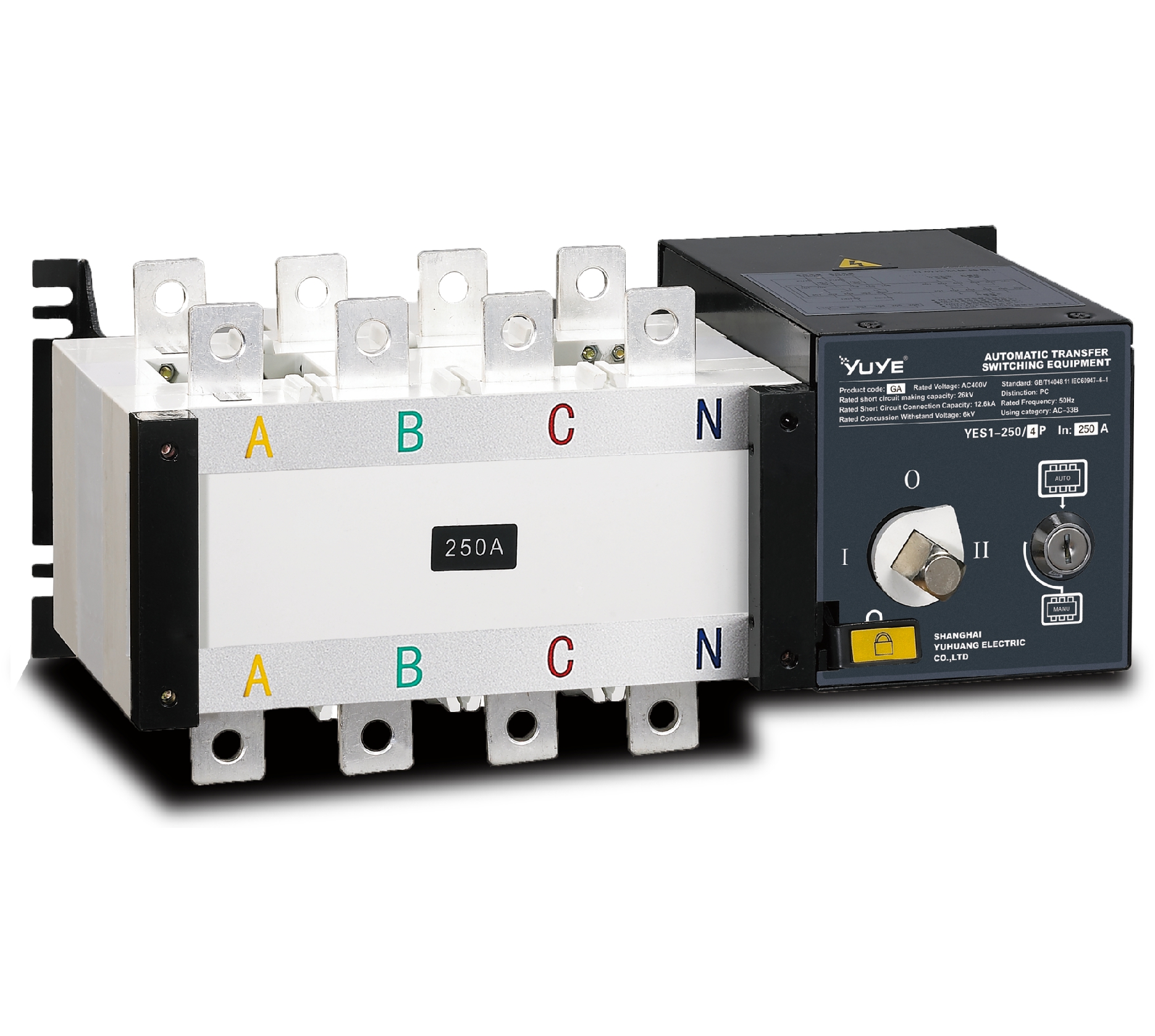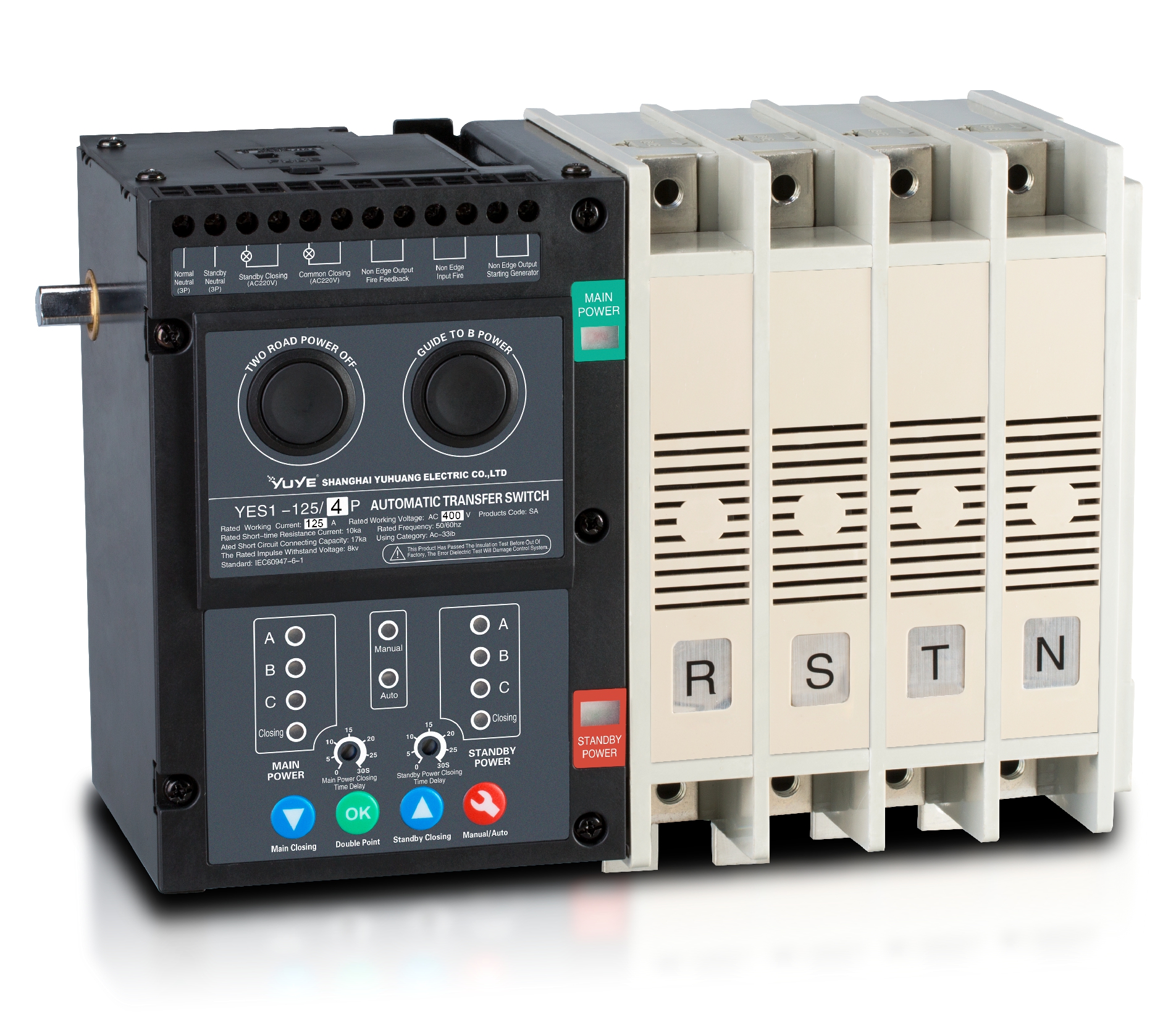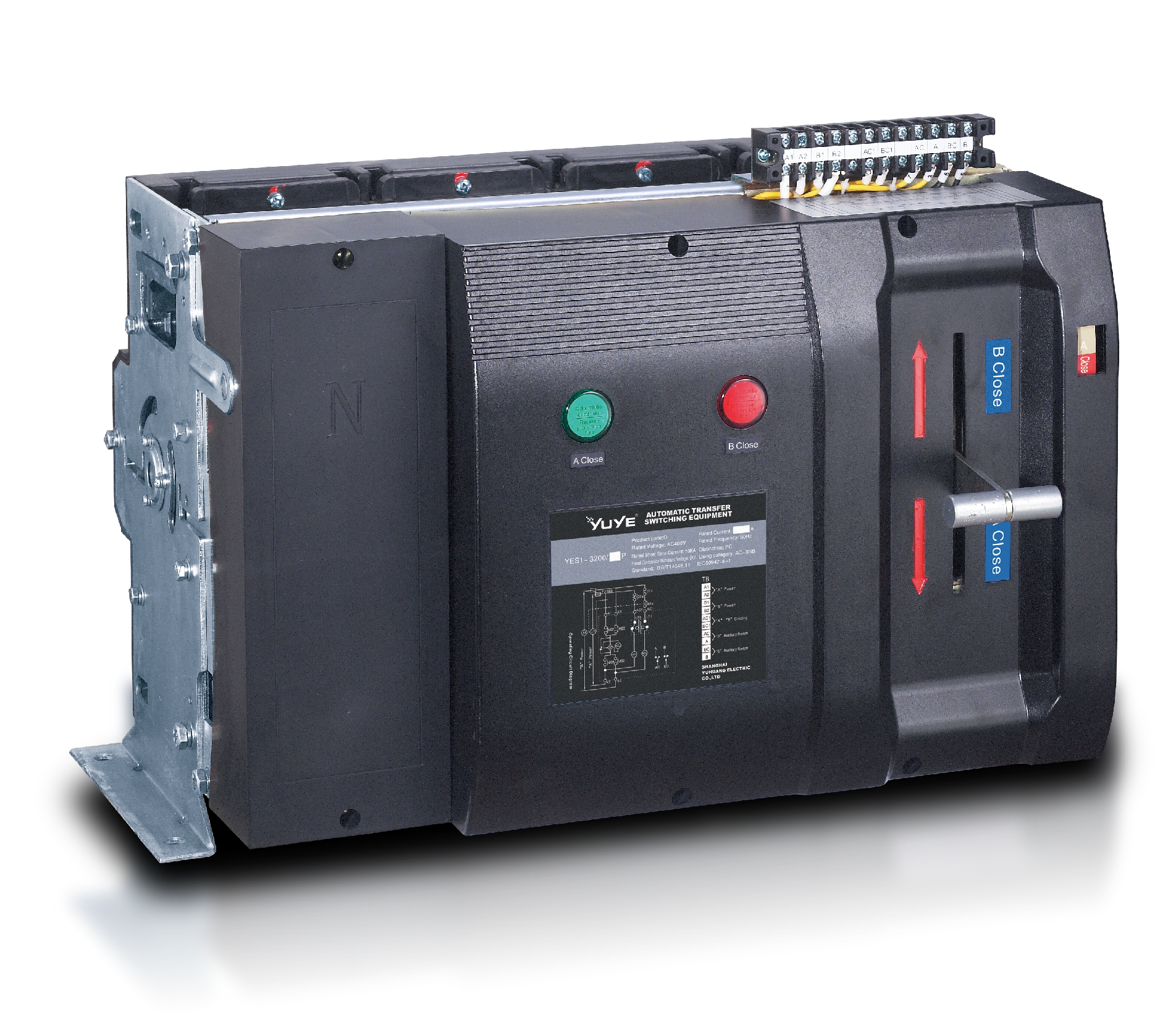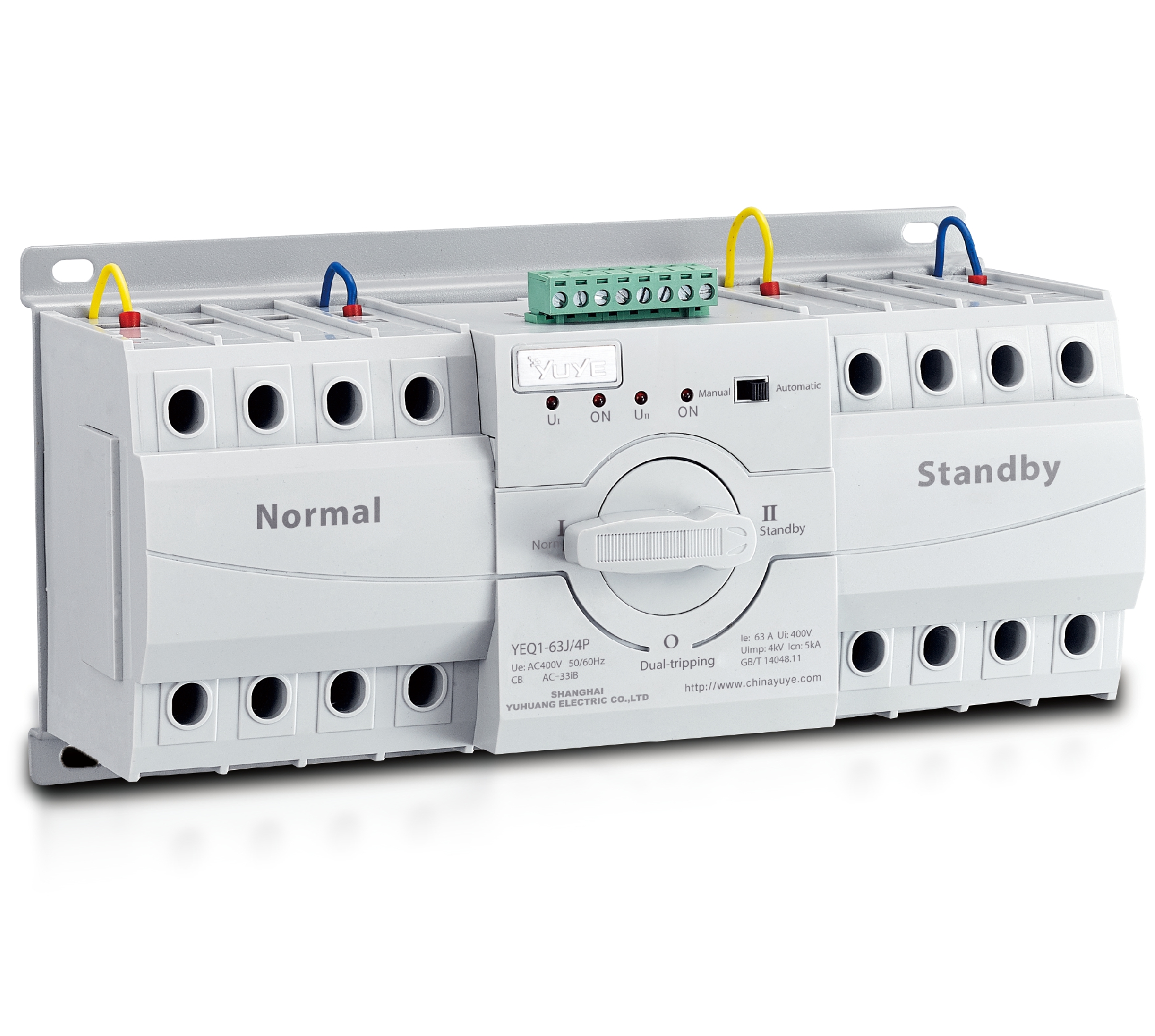
0%

Picking the right Dualpower Automatic Transfer Switch isn’t just a quick decision—it takes some careful thought. These switches are pretty crucial because they keep your power running smoothly when the lights go out. Honestly, the whole process can feel a bit overwhelming; there’s a lot to consider, like understanding exactly what you need and what features matter most.

You’ve got to keep in mind a bunch of factors—things like the power rating, voltage, and phase setup. Not every switch works in every situation, either. You might come across a model that sounds perfect on paper, but then you realize it doesn’t support your system well enough. It’s super important to check compatibility so you don’t run into problems down the line.

And don’t forget to look at the brand’s reputation and how good their customer service is. Sometimes, choosing a trusted name makes life a lot easier. Reading reviews can also give you some real-world insights. Honestly, think about what you really need—that’s what’ll guide you best. All in all, picking out a Dualpower Automatic Transfer Switch isn’t a decision to take lightly. Taking some time to weigh your options really pays off in the end.

How to Choose the Right Dualpower Automatic Transfer Switch?

Understanding Dualpower Automatic Transfer Switch Basics

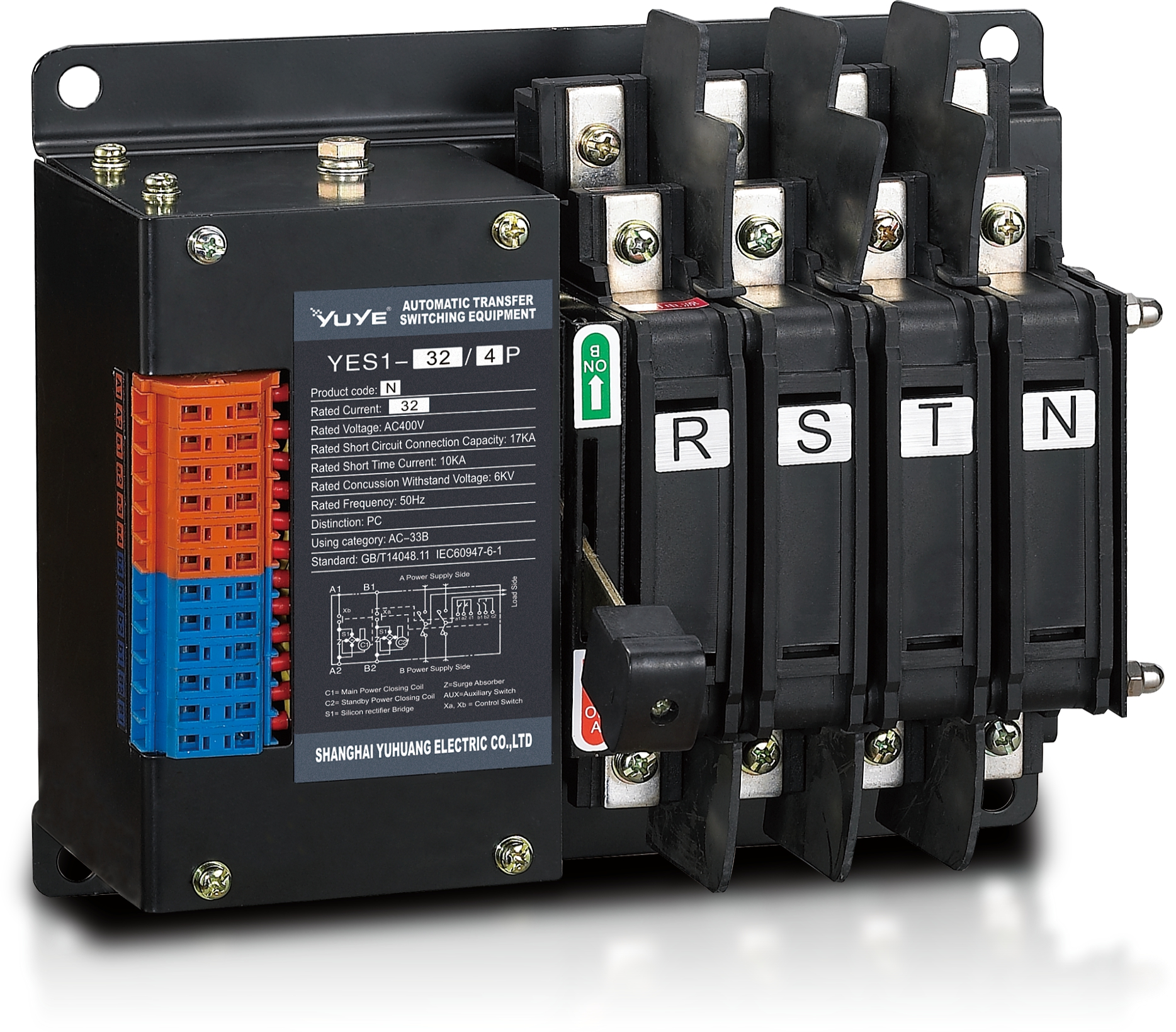
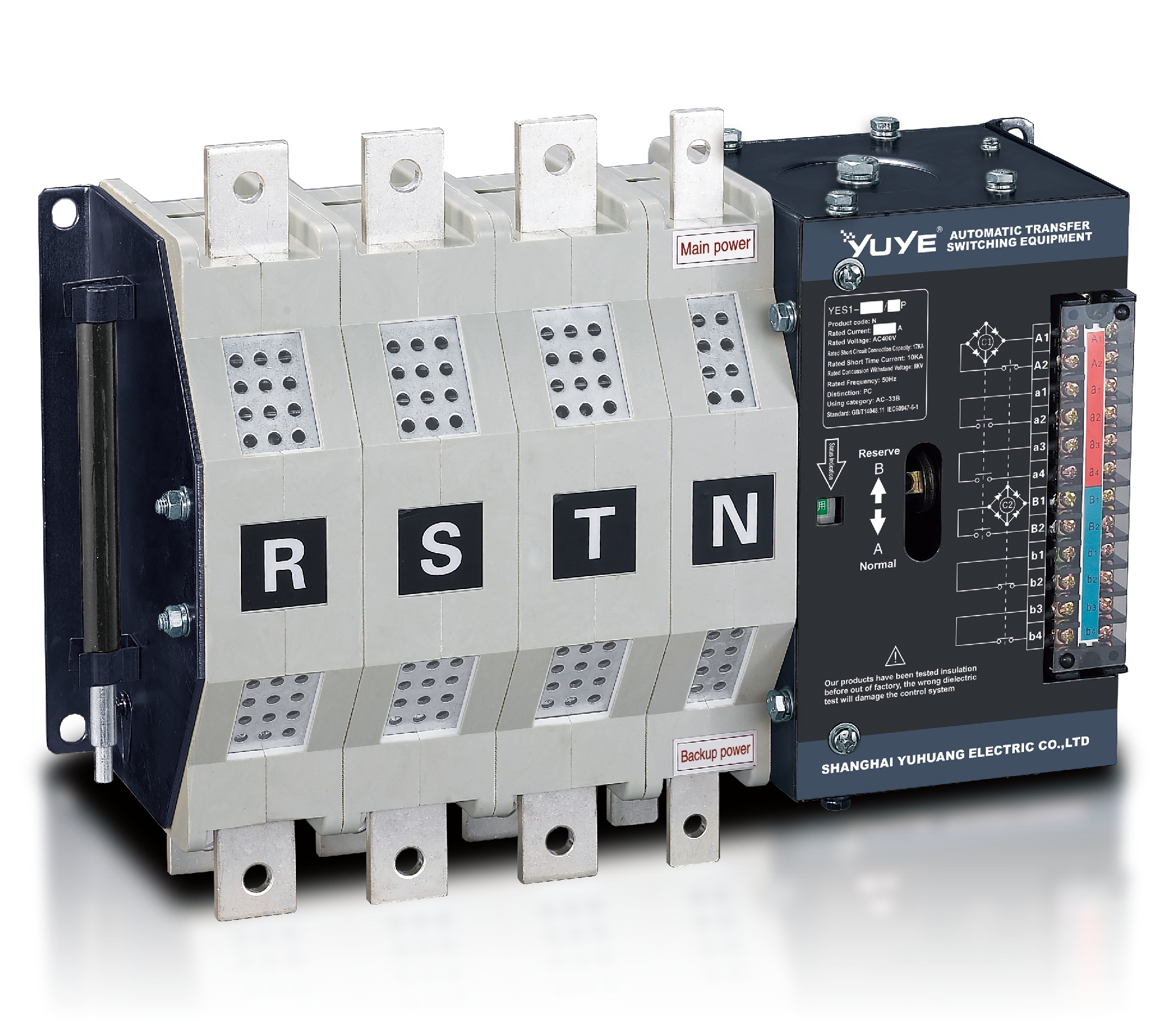
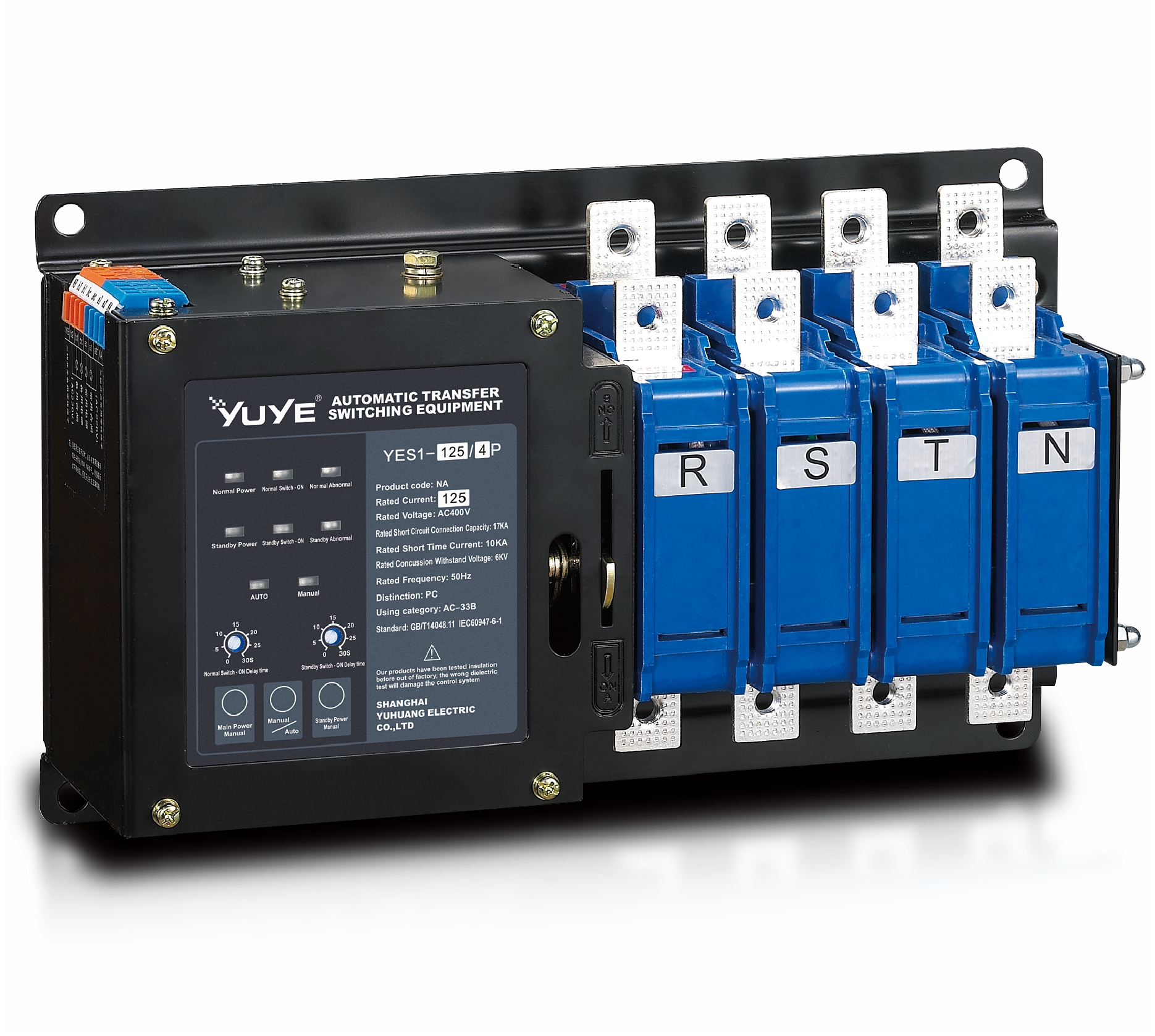
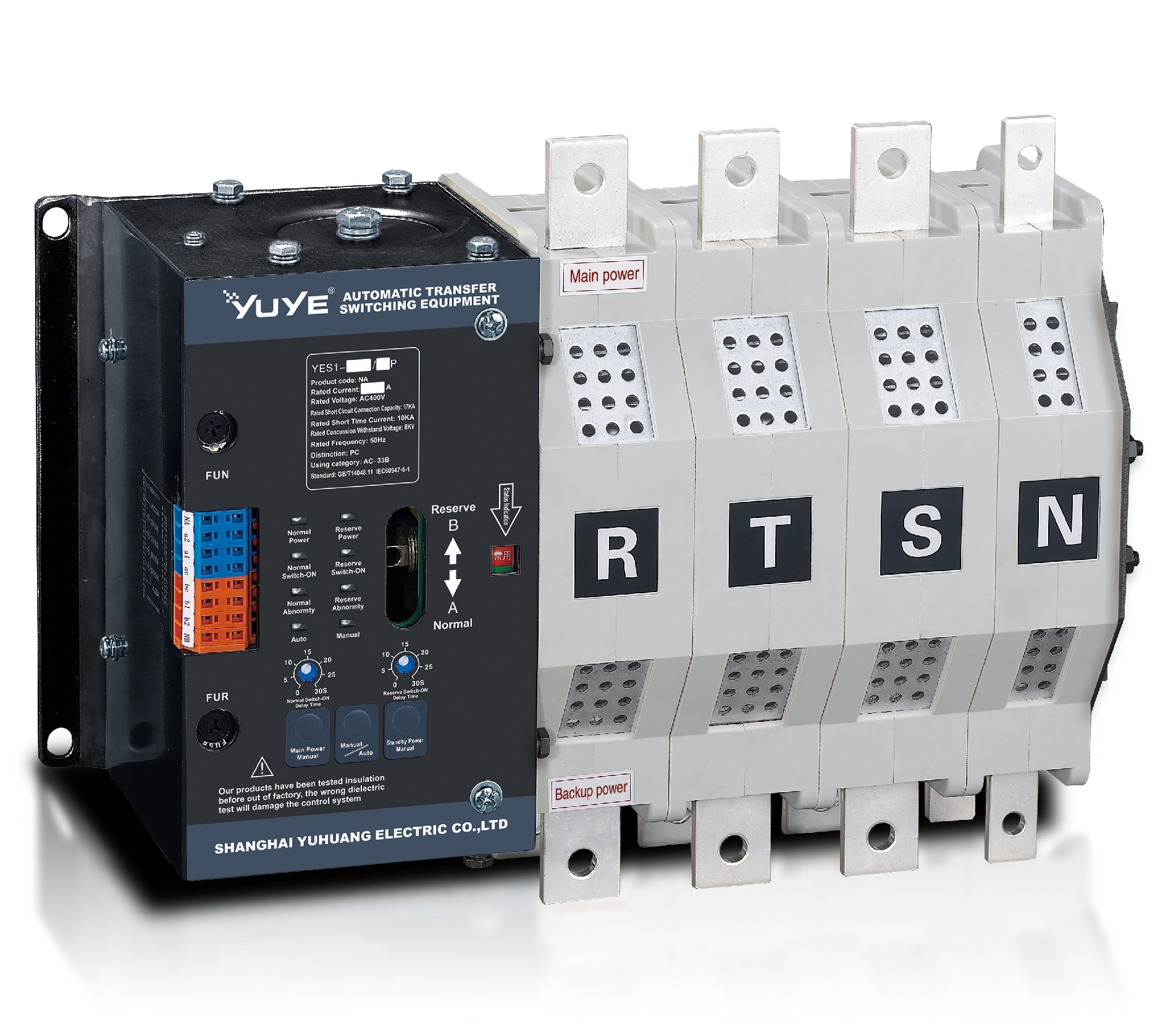
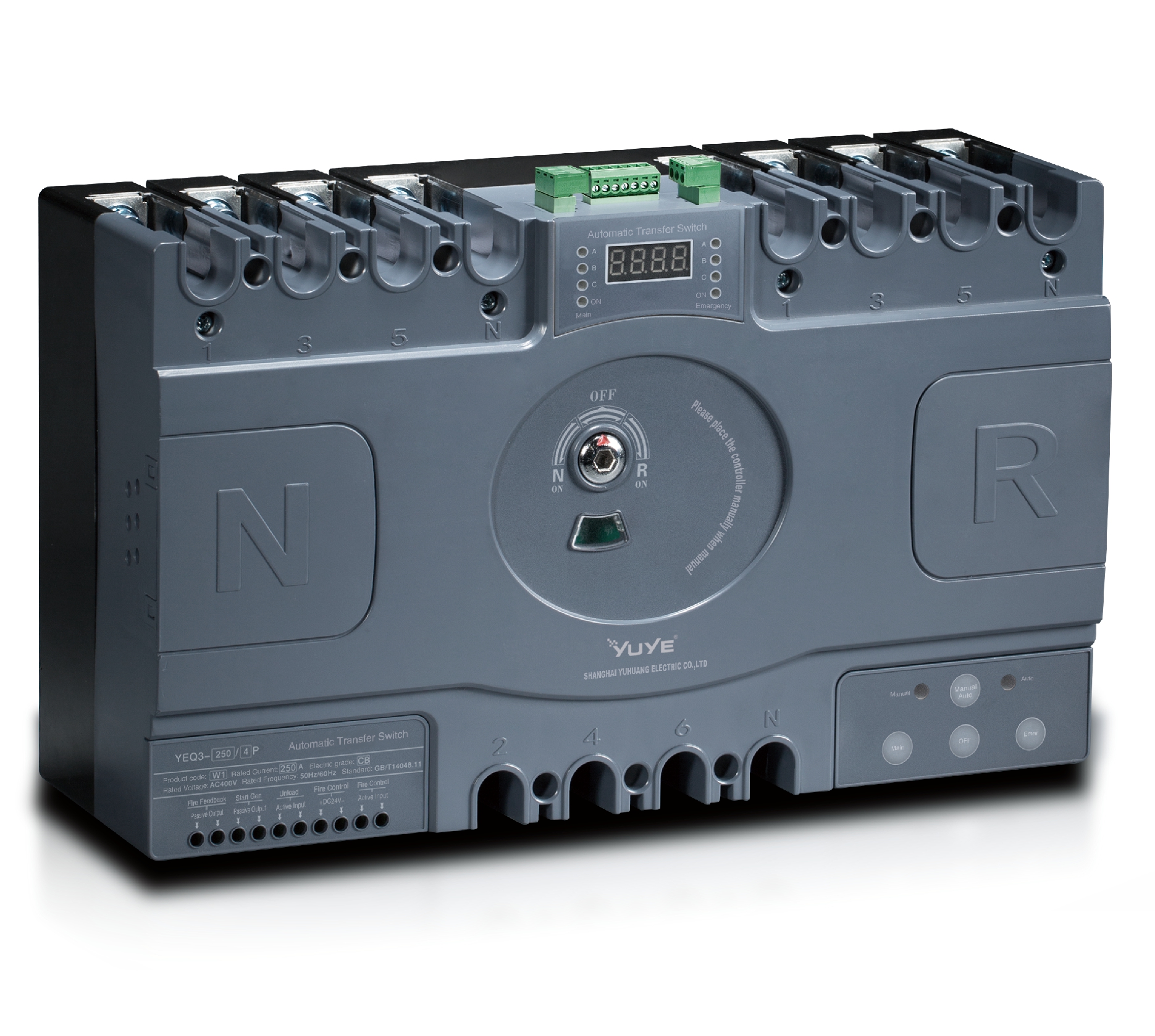
When selecting a dualpower automatic transfer switch (ATS), understanding its basics is crucial. A dualpower ATS is designed to provide seamless power transition between two sources. This ensures that critical loads remain powered during outages. In fact, studies show that around 30% of businesses experience power interruptions each year. These outages can lead to significant financial losses.

In terms of specifications, a reliable ATS should include features like load monitoring and fault protection. Load monitoring helps prevent overloads, while fault protection safeguards equipment. In 2022, the average cost of unplanned outages was reported to reach over $150,000 per incident for medium-sized businesses. This statistic highlights the importance of choosing the right ATS.

Consider the environment where the ATS will operate. Factors like humidity, temperature, and dust levels can affect performance. Many systems require vents for cooling. However, improper placement can lead to failures. A 2021 report indicated that 15% of ATS failures were linked to environmental factors. Thus, careful planning is key.

Key Features to Look for in Dualpower Transfer Switches

Choosing the right dual power automatic transfer switch (ATS) can be a daunting task. It's essential to know what features to prioritize. A reliable ATS should offer seamless performance during power outages. Look for a transfer switch that has a fast response time. Ideally, it should switch within seconds, ensuring minimal interruption.

Another crucial feature is load management. The transfer switch should handle your power needs effectively. Make sure it can manage your essential appliances. A suitable switch offers various load capacities. This variety allows flexibility in handling different power sources. Also, consider the ease of installation and operation. A user-friendly interface makes setup and monitoring simple, even for non-experts.

Durability is another key aspect. Transfer switches experience wear over time. Investing in a switch made with robust materials can save you headaches later. However, pay attention to maintenance needs. Some models require more upkeep than others. This factor can influence your long-term costs and operational efficiency. Don't overlook customer feedback when researching options. Real-user experiences provide insight into the switch you are considering.

How to Choose the Right Dualpower Automatic Transfer Switch? - Key Features to Look for in Dualpower Transfer Switches

Feature Description Importance
Transfer Switch Type Types include open transition, closed transition, and others. Critical for determining power transition speed and reliability.
Amperage Rating Ensure the switch can handle the total load. Prevents overloads and ensures efficiency.
Number of Poles Common configurations are single-phase and three-phase. Matches your electrical system setup.
Automatic vs. Manual Automatic switches operate without human intervention. Automation improves response time during outages.
Control Features Remote monitoring, digital displays, etc. Enhances usability and maintenance ease.
Enclosure Rating IP rating indicates the level of protection. Critical for installations in harsh environments.
Warranty and Support Assess warranty duration and customer service quality. Ensures peace of mind over the product lifecycle.

Assessing Power Requirements for Your Automatic Transfer Switch

Choosing the right automatic transfer switch is crucial. Assessing your power requirements is the first step. Determine how much power your equipment needs. Often, users underestimate this need, leading to inadequate performance.

Evaluate the total wattage of your essential appliances. Include lighting, HVAC systems, and any medical equipment. For example, a home with a central air conditioning unit requires more power than a basic setup.

Think about peak usage times. During storms, when most people use energy, you will require ample power. Additionally, consider future needs. Will you add appliances later? If so, choose a unit with a higher capacity than your current demands. Remember, a hasty choice can result in frustrating outages. It’s better to partner with an expert before making a decision.

Types of Dualpower Transfer Switches: A Comparative Overview

How to Choose the Right Dualpower Automatic Transfer Switch?

When selecting a dualpower automatic transfer switch (ATS), it's vital to understand the different types available. Each type caters to specific needs and scenarios. You might encounter open transition switches, which are quite straightforward. They switch power sources without any electrical connection during the transition. This method is simple, but it may cause power interruption.

Another option is the closed transition switch. This type connects both sources briefly during the switch. It minimizes downtime, but not all systems can handle this parallel operation. If you are managing critical systems, this option could be worth considering. However, closed transition switches can be more complex to install and require careful monitoring.

There are also bypass isolation switches, which offer flexibility. They allow maintenance without affecting power supply. This is beneficial, but installations can be tricky. Many overlook the need for proper placement and adequate space. This can lead to inefficiencies or potential hazards. Each type presents its pros and cons, making informed decision-making crucial in ensuring reliability and safety.

Installation Considerations for Dualpower Automatic Transfer Switches

When installing a Dualpower automatic transfer switch, location is key. Ensure it's in a well-ventilated area. Avoid damp spaces or direct sunlight. This helps maintain optimal performance. Consider accessibility for maintenance. If it’s hard to reach, repairs will be a hassle.

Wiring is another critical factor. Verify that your electrical system can handle the switch’s load. Overloading can lead to malfunction. It’s wise to consult a professional for proper sizing. Certain models may require specific wiring methods. Read the installation manual thoroughly before beginning.

Lastly, inspect local codes and regulations. Compliance is essential for safety and functionality. Some regions have specific requirements for placement and installation. Failing to adhere can lead to issues later. It’s important to take time to understand these regulations. Rushing through this step may cause future complications.

Maintenance Tips for Ensuring Longevity of Transfer Switches

How to Choose the Right Dualpower Automatic Transfer Switch?

Regular maintenance of an automatic transfer switch (ATS) is crucial for its longevity. Dust and dirt can accumulate, leading to potential failures. Cleaning the exterior regularly helps prevent this. Check for any debris around the switch as well. Small issues today can turn into bigger problems down the line.

Inspecting the connections is another vital step. Loose or corroded terminals can cause overheating. Ensure all connections are tight and clean. It’s important to use the right tools to avoid damage. Sometimes, these small details can be overlooked. A schedule for inspections can ensure that nothing is missed.

Testing the switch is also key. Run manual tests periodically to confirm the switch operates correctly. This can catch issues early. Remember to review the owner's manual for specific procedures. Don't skip any steps. Rushing can lead to mistakes. Performing maintenance with care can significantly increase the switch's lifespan.

Common Mistakes to Avoid When Choosing a Dualpower Switch

Choosing the right dualpower automatic transfer switch can be challenging. Many people overlook key features that are crucial for their setup. One common mistake is not assessing the power requirements accurately. It’s vital to understand your load capacity. A switch that is too small can lead to overloads. Conversely, one that is too large may waste energy.

Another frequent error is neglecting the installation environment. Outdoor units require different specifications than indoor ones. Ensure the switch is rated for its intended location. Also, users often fail to consider future needs. As your energy demands grow, your switch should accommodate that expansion. Not planning for growth can lead to costly replacements down the line.

Lastly, proper research on safety features is often ignored. Some models include vital protection mechanisms. Overlooking these can result in system failures. Users should always verify product certifications. Many assume all switches are created equal, but that’s simply not true. It’s crucial to take the time to read reviews and consult professionals if necessary. This can significantly save time and money in the long run.

Power Reliability Comparison: Automatic Transfer Switch Options

This chart compares the power reliability of different Dualpower automatic transfer switch options. The data reflects average reliability percentages based on various evaluations, providing a visual representation to aid in selecting the right automatic transfer switch.

Key Benefits and Applications of the Manual Changeover Switch YGLZ1-100~3150 in Electrical Systems

The Manual Changeover Switch YGLZ1-100~3150 plays a crucial role in electrical systems, particularly in enhancing the safety and efficiency of operational processes. This switch is designed to manage load isolation, providing a reliable means to connect and disconnect circuits in power systems. It effectively supports applications where infrequent circuit connections and disconnections are required, making it an ideal choice for both industrial and commercial electrical setups.

With a rated current of up to 3150A and operating at 400V AC with a frequency of 50Hz, the YGL series isolator is engineered to comply with stringent international standards, ensuring durability and performance. Users can take advantage of its two operational modes: AC-22B and AC-21B, which cater to various load types, thereby offering flexibility in handling different electrical requirements. This adaptability allows electrical systems to operate smoothly, mitigating the risk of overloads or electrical failures.

In addition to its circuit management capabilities, the Manual Changeover Switch YGLZ1-100~3150 emphasizes safety through effective electrical isolation. By facilitating secure disconnection from live circuits, it protects both personnel and equipment during maintenance procedures. This feature is particularly important in environments where uninterrupted service is critical, underscoring the switch's value as a reliable and essential component in modern electrical infrastructure.

FAQS

: What is the main purpose of this product?

: It aims to enhance daily life through convenience and efficiency.

Who can benefit from this product?

Anyone seeking to simplify tasks can find it useful.

How do I use it?

Follow the simple instructions provided. It’s user-friendly.

Are there any safety considerations?

Yes, always use as directed. Avoid misuse.

What should I do if it malfunctions?

Check troubleshooting tips. If issues persist, seek assistance.

Can I use it outdoors?

Yes, but ensure it’s suitable for outdoor conditions.

How often should I clean it?

Regular cleaning is advised for optimal performance. Aim for weekly.

Is it durable?

It is designed for long-term use, but care is needed.

Can it improve my productivity?

Many users report increased efficiency while using it.

What if I'm not satisfied with it?

Consider your needs carefully. If dissatisfied, review return options.

Conclusion

Choosing the right Dualpower Automatic Transfer Switch involves understanding its fundamental features and assessing your specific power requirements. It is crucial to familiarize yourself with the key characteristics such as transfer speed, load capacity, and safety features that enhance performance and reliability. A comparative overview of the different types of Dualpower transfer switches can aid in making an informed decision, ensuring that the switch aligns with your energy needs.

Installation considerations are also vital; proper setup can significantly impact the effectiveness of the transfer switch. Regular maintenance is essential for longevity, helping avoid common pitfalls such as oversizing or underestimating power needs. By being aware of these factors, you can make a well-informed choice that will ensure seamless power management for your home or business.

Emma

Emma

Emma is a dedicated marketing professional at One Two Three Electric Co., Ltd., a distinguished manufacturer renowned for its expertise in the development and production of molded case circuit breakers and air circuit breakers. With a profound understanding of the company’s core business and its......
Previous Exploring Innovative Alternatives to Automatic Transfer Switch Ats in Modern Power Solutions