In the fast-changing world of power management, getting a good handle on how Automatic Transfer Switches (ATS) work is more important than ever. As technology keeps evolving and our dependence on steady power sources grows, picking the right ATS can really make a difference—helping things run smoothly and keeping systems reliable. I heard John Smith, a top expert in circuit protection, say something pretty spot-on: “An Automatic Transfer Switch isn’t just another gadget; it’s basically the heartbeat of your emergency power setup.” That really highlights just how critical ATS units are when it comes to protecting your electrical systems.
Looking ahead to 2025, things are set to get even more interesting—new smart tech and better integration with renewable energy sources are going to shake things up. We now have options from manual switches to fully automated systems, which means choosing the right one isn’t as straightforward as it used to be. Making the right call here is super important because a good ATS can slash downtime and maintenance costs while giving you peace of mind.
So, by understanding what an ATS does, what new tech is coming, and how to pick the right model, you’ll be in a much better spot to handle any power problems that come your way. This guide is here to give you the essential info you need to make smart choices when selecting an ATS in 2025.

Understanding Automatic Transfer Switches: A Comprehensive Overview
Automatic transfer switches (ATS)
play a crucial role in ensuring uninterrupted power supply in various settings, from residential homes to large commercial facilities. According to a report by the International Electrotechnical Commission (IEC), the global market for automatic transfer switches is projected to reach $1.6 billion by 2025, driven by an increasing reliance on backup power systems and the rising frequency of power outages. An ATS automatically switches the load between the main power source and a backup source, such as a generator, thereby safeguarding vital equipment and avoiding costly downtime.
Understanding the functionality of ATS is essential for selecting the right model for your needs. Generally, these switches can be classified into two categories: open transition and closed transition switches. Open transition switches are more common, allowing for a brief power interruption when switching sources, while closed transition switches provide a seamless transfer.
Additionally, recent advancements in technology have enhanced the reliability and efficiency of ATS, with some models featuring advanced monitoring and control systems. According to the latest Energy Management Report, facilities that implement automatic transfer switches can experience up to a 30% reduction in operational disruptions caused by power failures. Consequently, investing in a quality ATS is pivotal for professionals looking to enhance reliability and efficiency in their power management strategies.
Key Features to Look for in an Automatic Transfer Switch
When selecting an automatic transfer switch (ATS) in 2025, there are several key features to prioritize to ensure reliability and efficiency in power management. First and foremost, consider the switch's transfer time. A rapid transfer time is crucial for minimizing downtime during power outages, especially in critical applications such as healthcare facilities or data centers. Look for an ATS that guarantees transfer within seconds to ensure a seamless transition between the primary power source and the backup generator.
Another critical feature to evaluate is the load capacity of the ATS. It is essential to match the switch's rating with the expected load to prevent overloading, which can lead to equipment failure or safety hazards. Additionally, assess the monitoring capabilities offered by the ATS. Advanced models provide real-time data on power status and fault conditions, enabling proactive maintenance and enhancing overall system reliability. Features such as remote monitoring and control can greatly improve convenience and response times in emergency scenarios, making them vital for both residential and commercial use.
Types of Automatic Transfer Switches: Which One is Right for You?
When selecting an automatic transfer switch (ATS), understanding the various types available is crucial to making an informed decision. The primary types of automatic transfer switches include open transition, closed transition, and static transfer switches. Open transition switches are the most common type, switching the load from one power source to another with a brief interruption in power. This type is ideal for applications where a momentary power drop is acceptable, such as in residential backup power scenarios.
In contrast, closed transition switches offer a more seamless transition between sources, allowing for a brief overlap of power from both sources before switching occurs. This is particularly beneficial in critical applications, such as hospitals or data centers, where even a slight interruption could lead to significant issues. Lastly, static transfer switches provide instantaneous switching between multiple sources without any interruption, making them suitable for highly sensitive electronic equipment. Choosing the right type of ATS depends on your specific needs, including the sensitivity of your equipment, the importance of uninterrupted power, and your budget.
The Comparison of Different Types of Automatic Transfer Switches in 2025
This chart illustrates the compatibility ratings of different types of automatic transfer switches (ATS) based on their performance and suitability for various applications in 2025. Open transition switches are the most compatible, followed by closed transition types. Soft load and delay transition switches have moderate compatibility, while manual transfer switches are the least compatible in this comparison.
Evaluating the Power Requirements for Your Automatic Transfer Switch
When considering the best automatic transfer switch (ATS) for your needs in 2025, evaluating your power requirements is a critical first step. Start by determining the total wattage of the equipment and appliances you intend to connect to the ATS. This involves making a comprehensive list of all necessary devices, including their wattage ratings, and calculating a cumulative total. It is essential to consider not only the running wattage but also the starting wattage for appliances with high inrush currents, such as refrigerators and air conditioners. This will help ensure that the selected ATS can handle the load without risking overload or failure.
Next, think about your future power needs. As technology evolves and energy demands change, you may find yourself needing additional capacity. Consider potential expansions that might require more power, such as adding new devices or increasing the usage of existing ones. Selecting an ATS with a higher capacity than your current needs can provide flexibility and peace of mind, preventing the need for an upgrade shortly after installation. Additionally, understanding the types of power sources—such as generators or solar systems—that the ATS will manage is crucial for ensuring seamless operation during power outages or emergencies. By carefully assessing your current and future power requirements, you can make an informed choice that will serve you well for years to come.
Installation and Maintenance Tips for Optimal Performance
When it comes to selecting the best automatic transfer switch (ATS) in 2025, proper installation and ongoing maintenance are crucial for optimal performance. According to a report by the Electrical Safety Foundation International, approximately 80% of power outages are caused by external factors, which underscores the importance of having a reliable ATS system to ensure seamless transitions during power disruptions. The installation process should involve a thorough assessment of your power needs, ensuring that the ATS is compatible with both your generator and your electrical system. Engaging a certified electrician to carry out the installation will help mitigate any risks and ensure compliance with local codes.
Tips: Regularly inspect the transfer switch for signs of wear and tear, such as corrosion or loose connections. Scheduled maintenance checks should occur at least biannually to ensure that all components are functioning correctly. It is recommended to test the ATS under load conditions routinely to verify that it performs as expected during an outage. According to the National Electrical Manufacturers Association, conducting these routine checks can enhance the lifespan of the switch and reduce the likelihood of unexpected failures.
In addition to installation and routine checks, it is essential to keep communication lines open with your service provider. A proactive approach can help identify potential issues before they escalate. As per the National Fire Protection Association, equipment failure is a leading cause of home and business fires; therefore, diligent monitoring and immediate responsiveness to any warning signs can help maintain safety and efficiency in your electrical system.
Top Brands and Models of Automatic Transfer Switches in 2025
In 2025, the market for automatic transfer switches (ATS) continues to evolve, driven by advancements in technology and an increasing demand for reliable power management solutions. According to a recent industry report by MarketsandMarkets, the global automatic transfer switch market is projected to grow from $2.8 billion in 2020 to nearly $4.5 billion by 2025, reflecting a compound annual growth rate (CAGR) of 9.5%. This growth is primarily attributed to the rising need for uninterrupted power supply systems across various sectors, including commercial, industrial, and residential applications.
Several top brands are leading the way with their innovative models that cater to diverse customer needs. Among the most sought-after features in 2025 are enhanced smart connectivity options, which allow users to monitor and control their ATS remotely via mobile applications or web platforms. Moreover, energy efficiency is at the forefront of market demand, as businesses and homeowners prioritize sustainability. Research suggests that models equipped with advanced load management capabilities can reduce energy consumption by over 15%, making them a desirable choice. As organizations increasingly adopt IoT technologies, compatibility with smart grids and renewable energy sources is also becoming a crucial consideration for consumers when selecting the most effective automatic transfer switch for their needs.
Cost Considerations and Budgeting for Your Automatic Transfer Switch
When selecting an automatic transfer switch (ATS) in 2025, understanding the cost implications is crucial for effective budgeting.
According to a recent market analysis by Allied Market Research, the global ATS market is projected to reach approximately $2.5 billion by 2025, indicating a significant growth trajectory driven by increasing demand for reliable power solutions.
The average cost of an automatic transfer switch ranges from $500 to $3,000, depending on its capacity and features.
It’s essential to factor in installation costs, which can add an additional 20-30% to your total expenditure, as professional installation is often necessary to ensure optimal functionality.
Moreover, considering the long-term savings associated with an ATS can influence budgeting decisions. Reports indicate that facilities equipped with efficient automatic transfer switches can reduce energy costs by up to 15% by minimizing downtime and improving power management.
Additionally, investing in an ATS can prevent costly outages, with the average cost of downtime for businesses estimated at $5,600 per minute.
By factoring in these cost considerations and potential savings, you can make a more informed decision when choosing the best ATS that meets your needs while staying within your budgetary constraints.
FAQS
Maintenance checks should be scheduled at least biannually to ensure all components are functioning correctly.
Regular inspections should look for signs of wear and tear such as corrosion or loose connections.
Testing the ATS under load conditions ensures that it performs as expected during an outage, which is critical for reliable power management.
Keeping communication lines open with your service provider helps identify potential issues before they escalate, ensuring timely resolution and maintaining system efficiency.
Diligent monitoring and immediate responsiveness to warning signs can help prevent equipment failure, which is a leading cause of home and business fires.
Trends include advancements in technology, increased demand for reliable power management, enhanced smart connectivity, and a focus on energy efficiency and sustainability.
Consumers are prioritizing smart connectivity for remote monitoring, energy efficiency, advanced load management capabilities, and compatibility with smart grids and renewable energy sources.
Conclusion
In "The Ultimate Guide to Choosing the Best Automatic Transfer Switch in 2025," readers are provided with a thorough understanding of Automatic Transfer Switches (ATS) and their pivotal role in ensuring seamless power transitions. The guide covers essential features to consider when selecting an ATS, along with an exploration of different types tailored to specific needs. Evaluating power requirements is crucial for optimal functionality, and the article emphasizes the importance of proper installation and maintenance to enhance performance.
Additionally, the guide outlines the top brands and models available in 2025, alongside important cost considerations to help readers establish a suitable budget for their Automatic Transfer Switch. This comprehensive overview aims to empower users with the knowledge needed to make informed decisions and effectively integrate an ATS into their power management systems.

 PC ATS YECT1-2000G
 PC ATS YES2-63~250GN1
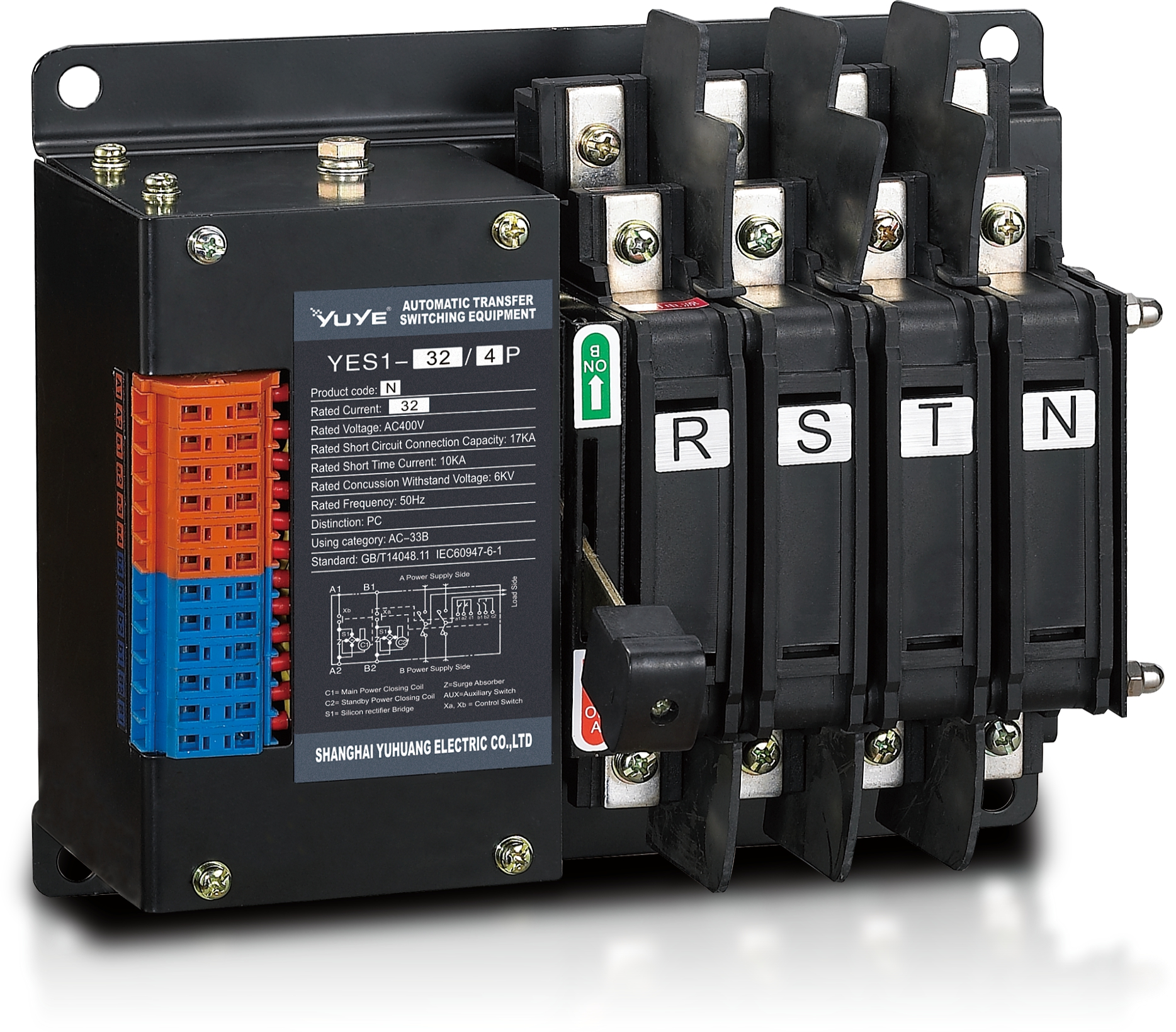 Solenoid-type ATS YES1-32~125N
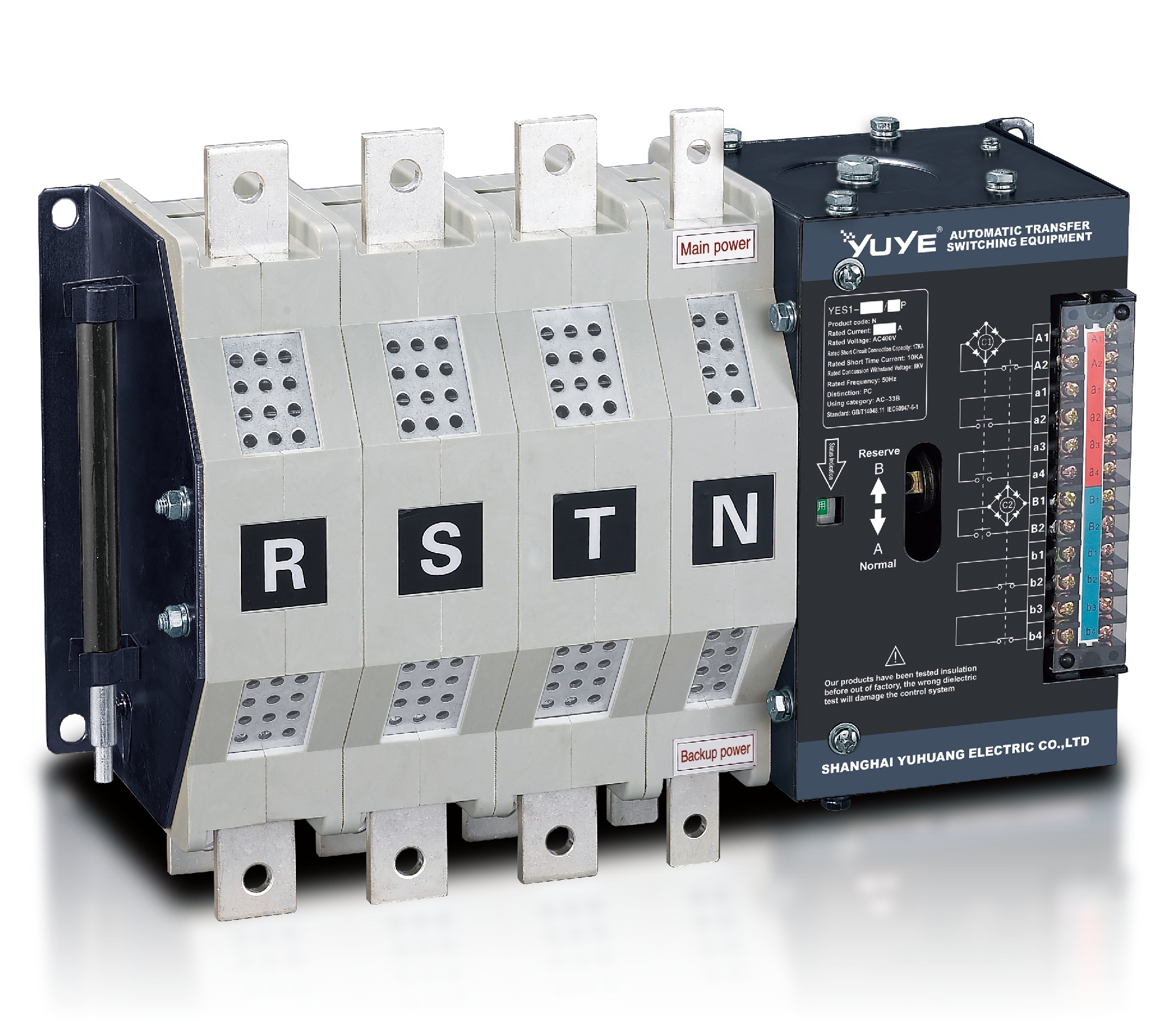 Solenoid-type ATS YES1-250~630N/NT
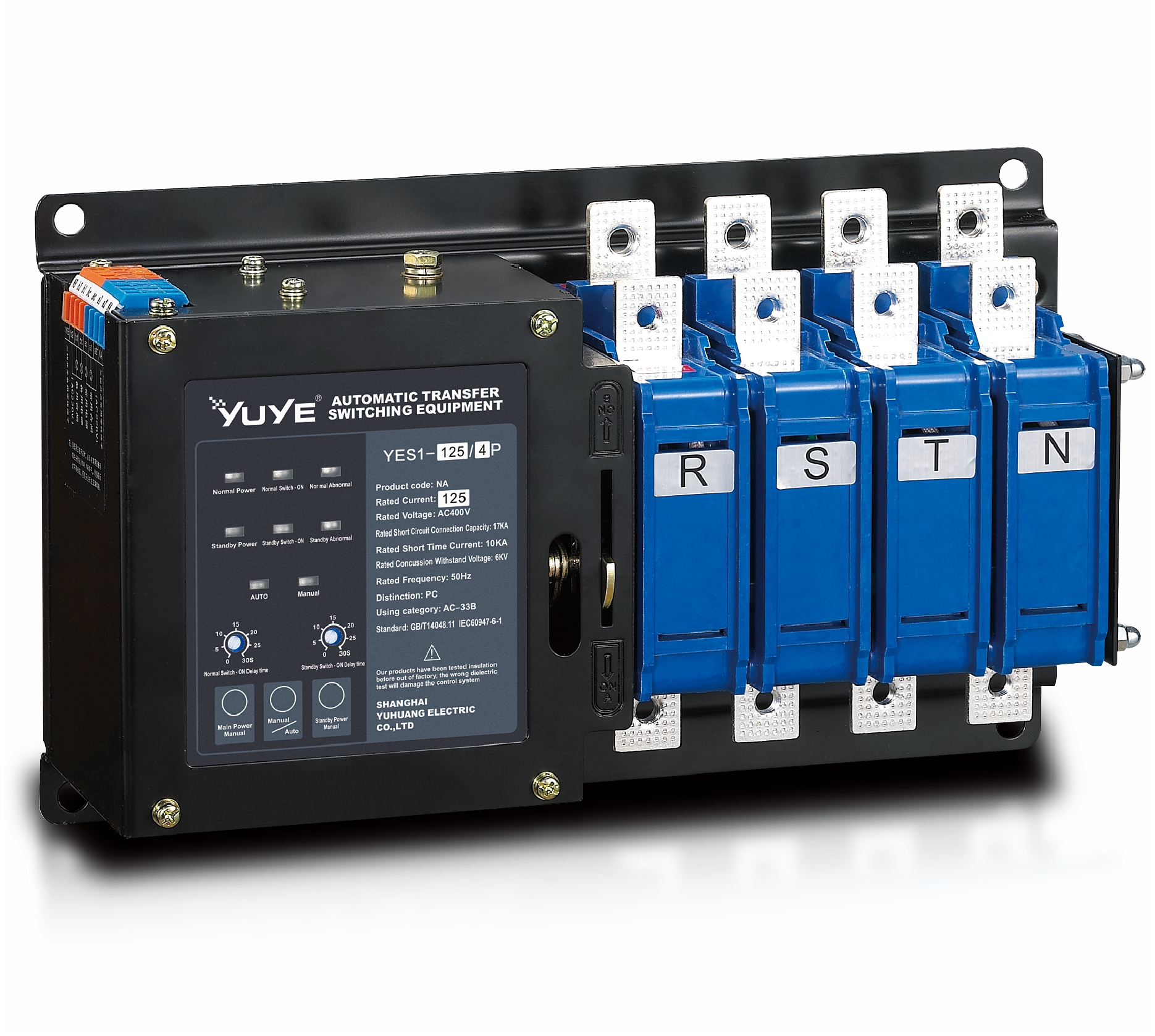 Solenoid-type ATS YES1-32~125NA
 Solenoid-type ATS YES1-63~630SN
 Solenoid-type ATS YES1-1250~4000SN
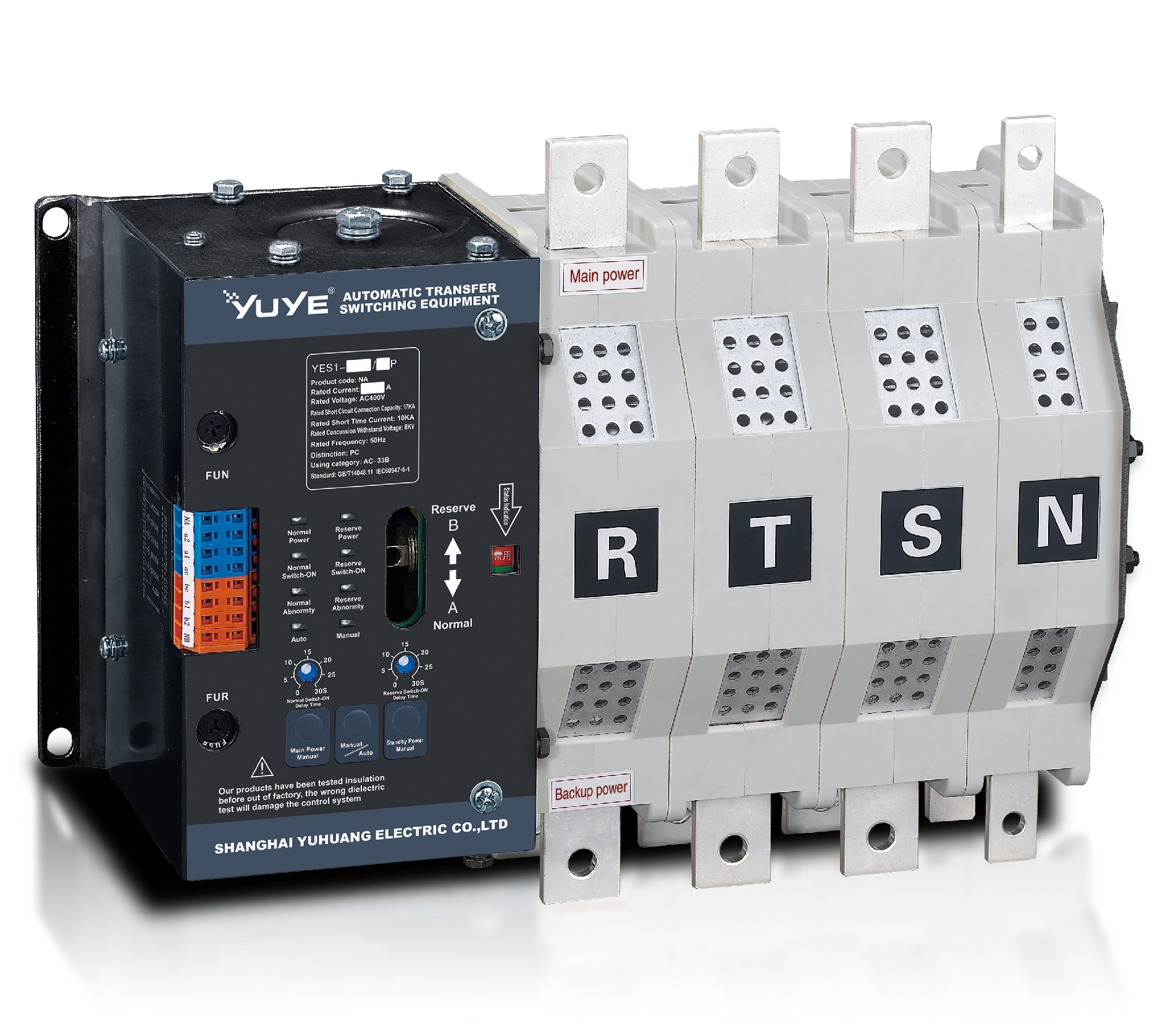 Solenoid-type ATS YES1-250~630NA/NAT
 Solenoid-type ATS YES1-63NJT
 PC ATS YES1-100~1600GN1/GN/GNF
 PC ATS YES1-2000~3200GN/GNF
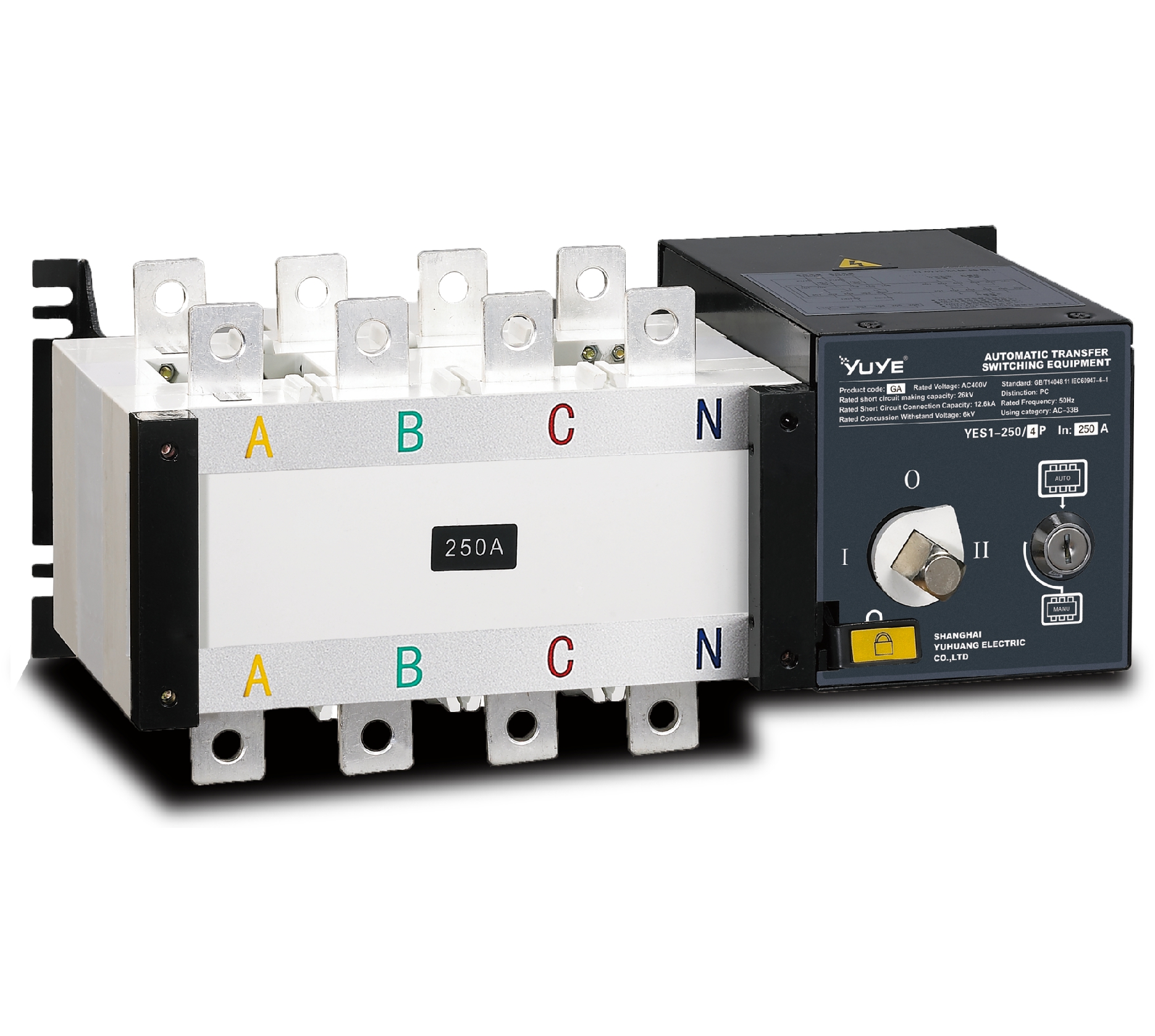 PC ATS YES1-100~3200GA1/GA
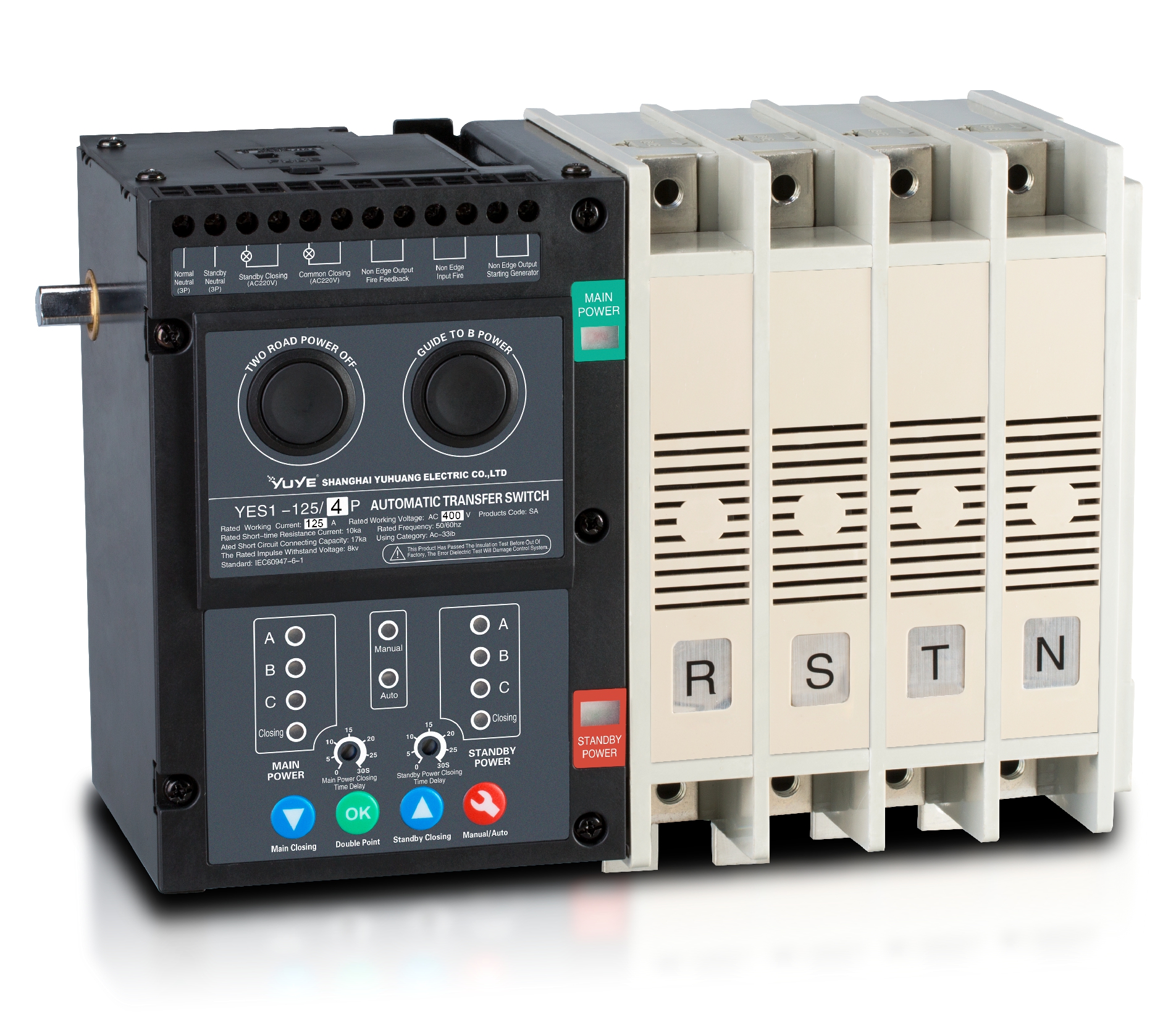 Solenoid-type ATS YES1-63~630SA
 Solenoid-type ATS YES1-63~630L/LA
 Solenoid-type ATS YES1-63~630LA3
 Solenoid-type ATS YES1-63MA
 PC ATS YES1-630~1600M
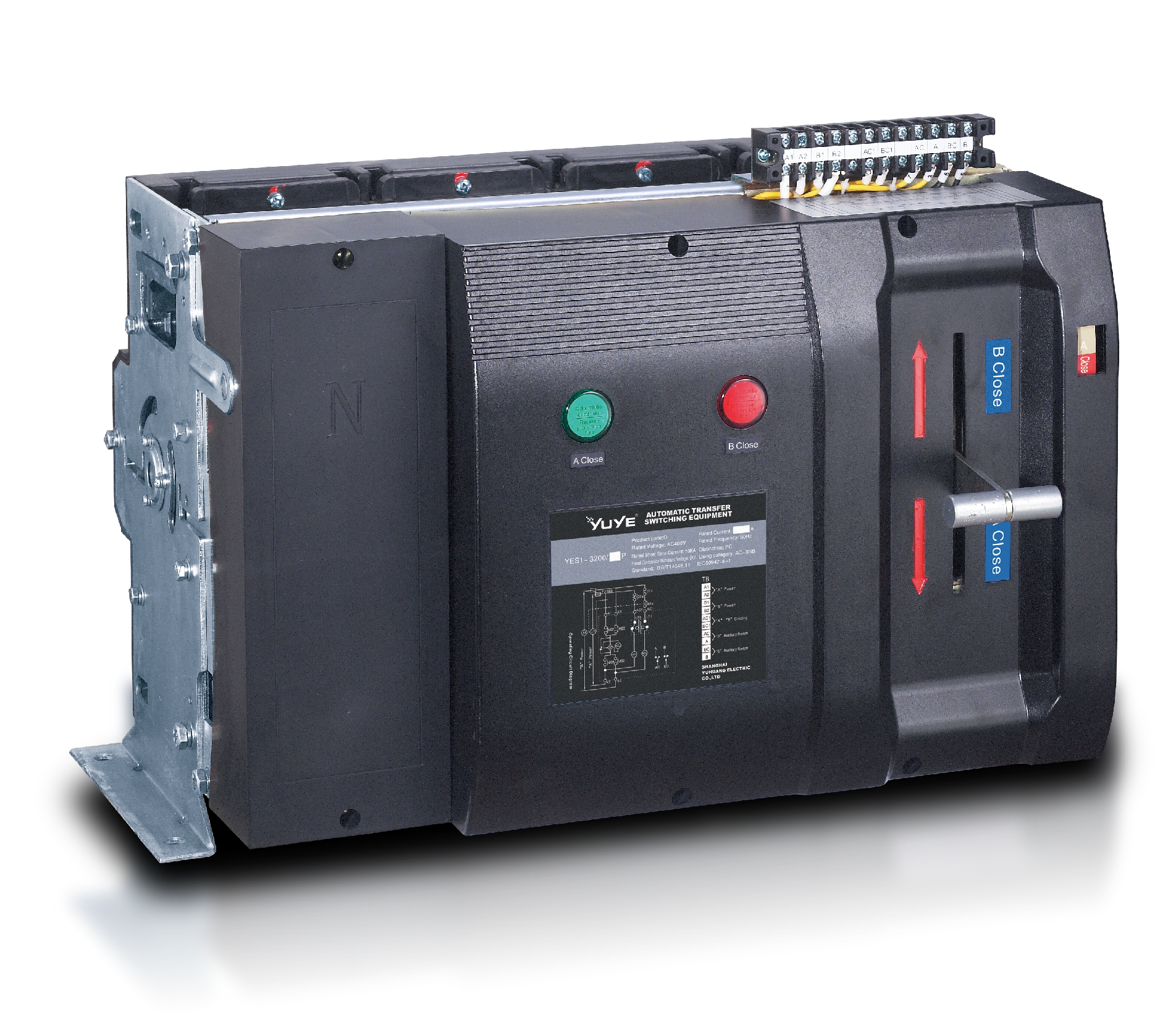 PC ATS YES1-3200Q
 Solenoid-type ATS YES1-4000~6300Q
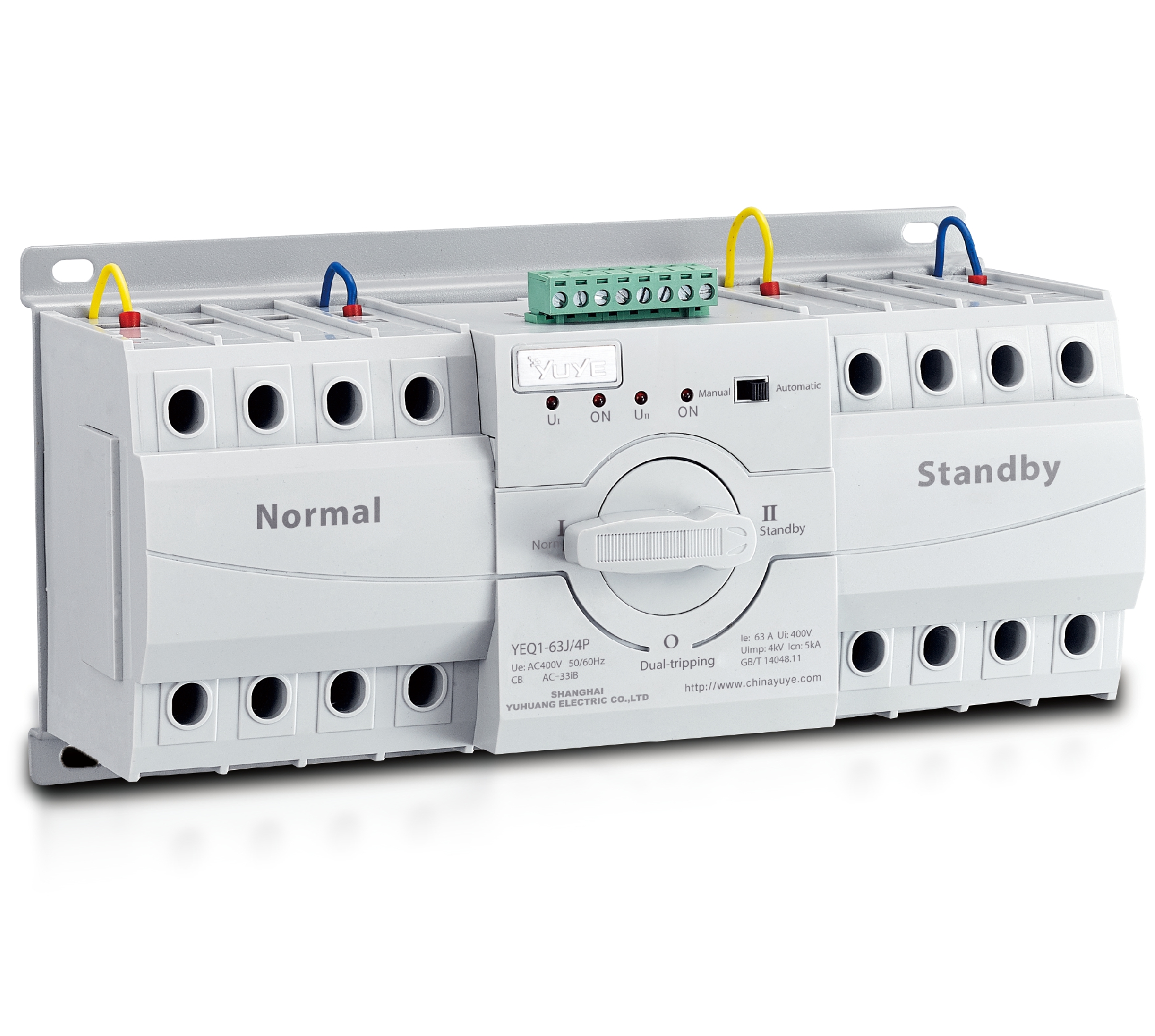 CB ATS YEQ1-63J
 CB ATS YEQ2Y-63
 CB ATS YEQ3-63W1
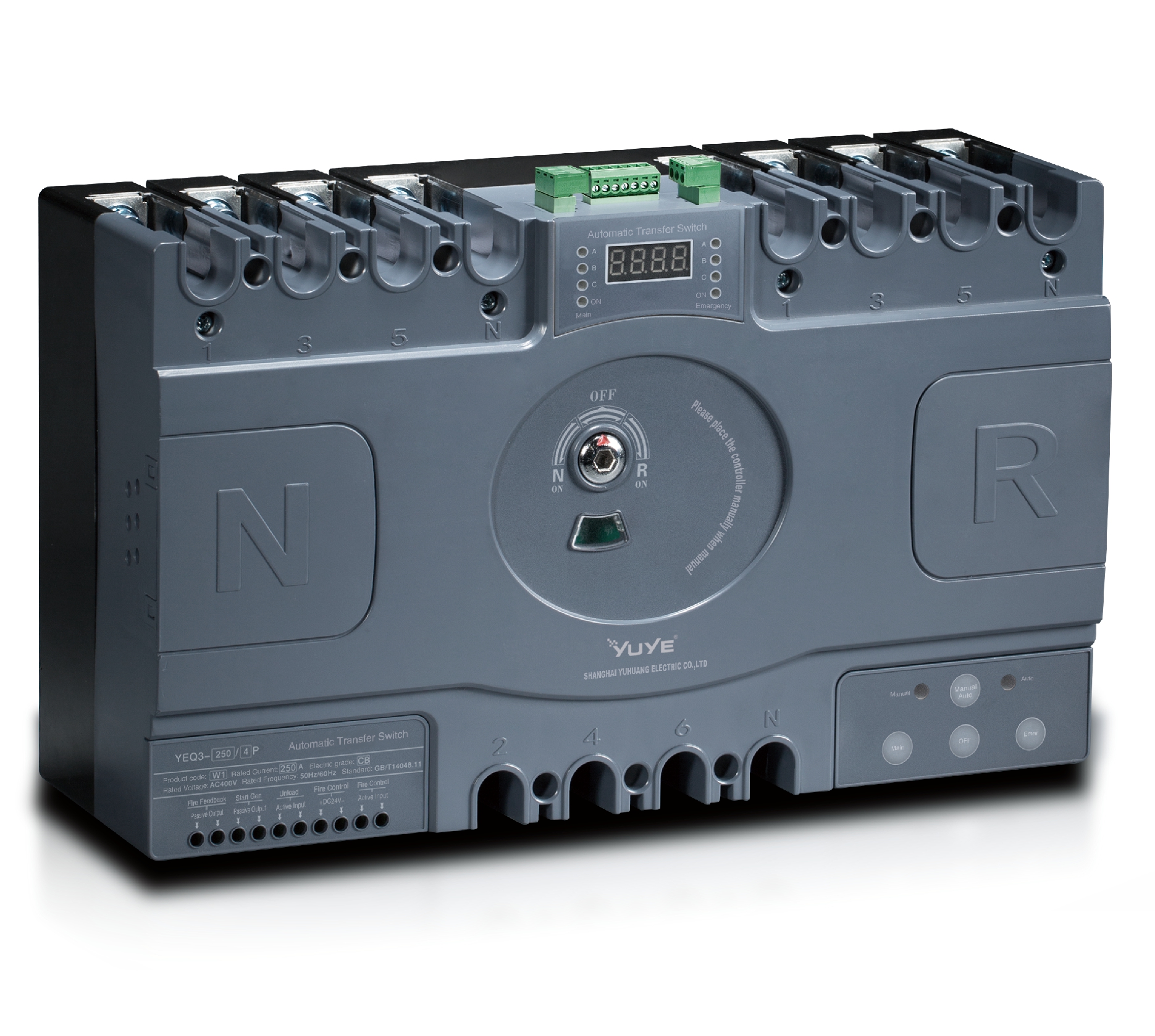 CB ATS YEQ3-125~630W1
 ATS controller Y-700
 ATS Controller Y-700N
 ATS Controller Y-701B
 ATS Controller Y-703N
 ATS Controller Y-800
 ATS Controller W2/W3 Series
 ATS switch Cabinet floor-to-ceiling
 ATS switch cabinet
 JXF-225A power Cbinet
 JXF-800A power Cbinet
 YEM3-125~800 Plastic Shell Type MCCB
 YEM3L-125~630 Leakage Type MCCB
 YEM3Z-125~800 Adjustable Type MCCB
 YEM1-63~1250 Plastic Shell Type MCCB
 YEM1E-100~800 Electronic Type MCCB
 YEM1L-100~630 Leakage Type MCCB
 Miniature circuit breaker YEMA2-6~100
 Miniature circuit breaker YEB1-3~63
 Miniature circuit breaker YEB1LE-3~63
 Miniature circuit breaker YEPN-3~32
 Miniature circuit breaker YEPNLE-3~32
 Miniature circuit breaker YENC-63~125
 Air Circuit Breaker YEW1-2000~6300
 Air Circuit Breaker YEW3-1600
 Load isolation switch YGL-63~3150
 Load Isolation Switch YGL2-63~3150
 Manual Changeover Switch YGL-100~630Z1A
 Manual Changeover Switch YGLZ1-100~3150
 YECPS2-45~125 LCD
 YECPS-45~125 Digital
 CNC Milling/Turning-OEM
 DC relay MDC-300M
 DC Isolation Switch YEGL3D-630


