In today's electrical safety landscape, selecting the appropriate Circuit Breaker is crucial for ensuring maximum protection and efficiency in both residential and industrial applications. According to a recent report by the National Electrical Manufacturers Association (NEMA), circuit breakers account for nearly 75% of the global switching devices market, emphasizing their pivotal role in proactive electrical management.
 One Two Three Electric Co., Ltd., a high-standard manufacturer specializing in the development and production of Moulded Case Circuit Breakers and Air Circuit Breakers, stands at the forefront of this industry, providing high-quality products designed to meet diverse consumer needs. With a growing focus on energy efficiency and safety, understanding the specific requirements for different circuit breakers can significantly enhance system reliability and operational efficiency, making this guide essential for informed decision-making.
Understanding the Different Types of Circuit Breakers Available
Choosing the right circuit breaker is crucial for ensuring maximum safety and efficiency in electrical systems. Understanding the different types of circuit breakers available is the first step. Typically, circuit breakers are categorized into molded case circuit breakers (MCCB), air circuit breakers (ACB), and miniature circuit breakers (MCB). According to industry data, molded case circuit breakers are widely used for their adjustable trip settings, making them ideal for medium voltage applications. Air circuit breakers, on the other hand, are suitable for high voltage environments and provide superior protection against overload and short-circuiting.
Tips: When selecting a circuit breaker, consider the specific electrical load requirements of your installation. Ensure the breaker's specifications match or exceed the load to prevent overheating and potential failures. Additionally, examine the environment where the circuit breaker will be installed—humidity, dust, and temperature extremes can impact performance.
One Two Three Electric Co., Ltd. specializes in developing high-standard molded case and air circuit breakers, which cater to varying operational requirements with proven reliability. Industry reports indicate that the right choice of circuit breaker can reduce maintenance costs by up to 20%, emphasizing the importance of selecting a breaker that aligns with your energy demands and safety standards. Always consult with a professional to ensure compliance and optimal performance.
Evaluating Load Requirements for Optimal Breaker Selection
When evaluating load requirements for optimal circuit breaker selection, it’s crucial to understand the energy demands of your system. A study on hybrid renewable energy systems, specifically evaluating PV and wind turbine technologies, highlights the importance of accurately determining load capacity to ensure that electrical infrastructure supports both safety and efficiency. For instance, when integrating distributed generation units like horizontal and vertical axis wind turbines, it becomes essential to assess the anticipated load to prevent circuit overloads and potential safety hazards.
Incorporating modified optimization techniques can also enhance the performance of electrical distribution networks. Reports have demonstrated that precise sizing and placement of distributed generation can improve system reliability and protection adaptations.
Optimally selecting the circuit breaker in light of these load requirements not only ensures compliance with safety standards but also enhances the overall efficiency of the system. By leveraging data-driven insights, professionals can make informed decisions, leading to a safer and more efficient electrical infrastructure that meets modern energy demands effectively.
Safety Standards and Compliance Considerations for Circuit Breakers
When selecting circuit breakers, safety standards and compliance are paramount to ensure the protection of both property and lives. Adhering to national and local electrical codes guarantees that the chosen breakers will function effectively in mitigating risks associated with electrical faults. Familiarize yourself with standards such as the National Electrical Code (NEC) in the U.S. or the International Electrotechnical Commission (IEC) guidelines, as they provide vital safety requirements and testing protocols.
Tips: Always verify that the circuit breakers you consider are certified by recognized testing laboratories, ensuring quality and compliance with safety regulations. Additionally, evaluate the manufacturer's specifications for trip characteristics, as these will significantly impact the breaker’s performance during overload or short-circuit situations.
Another crucial aspect is understanding the application of these devices in your electrical system. Different environments may necessitate specific types of circuit breakers, such as Ground Fault Circuit Interrupters (GFCIs) in wet areas or Surge Protective Devices (SPDs) for equipment sensitive to voltage spikes.
Tips: When in doubt, consult with a licensed electrician who can guide you through the selection process and help navigate compliance with the local codes, ensuring your installation is both safe and efficient.
Assessing Environmental Factors Impacting Circuit Breaker Performance
When selecting a circuit breaker, understanding the environmental factors that influence performance is crucial for maximizing safety and efficiency. According to a report from the National Fire Protection Association (NFPA), around 49% of electrical failures leading to fires are attributed to equipment malfunction, including circuit breakers failing to trip under fault conditions. Factors such as humidity, temperature, and exposure to corrosive elements can significantly affect the reliability of these critical devices.
Temperature swings, for instance, can impact circuit breaker functionality. The International Electrotechnical Commission (IEC) highlights that operating a circuit breaker outside its specified temperature range can result in reduced breaking capacity and increased wear on internal contacts. It is recommended that circuit breakers should be chosen based on local climate conditions; for example, in areas with extreme heat, circuit breakers rated for higher temperatures are necessary to ensure their performance.
Additionally, environmental pollutants like dust and chemicals can lead to premature failure due to insulation degradation. The Institute of Electrical and Electronics Engineers (IEEE) suggests that choosing circuit breakers with suitable ingress protection (IP) ratings can mitigate these risks. Selecting breakers designed for specific environmental conditions ensures longevity and minimizes risk, making it essential to factor in these environmental elements during the selection process.

Comparing Cost vs. Long-Term Efficiency of Circuit Breakers
When selecting a circuit breaker, understanding the balance between cost and long-term efficiency is crucial. While lower-priced breakers can initially seem attractive, they may not withstand future demands or provide adequate protection over time. Investing in a higher-quality circuit breaker often results in not just enhanced safety but also improved efficiency, which translates to long-term savings on maintenance and energy costs.
Moreover, data shows that breakers with advanced features, such as smart technology and self-monitoring capabilities, can prevent costly outages and extend the lifespan of electrical systems. Although upfront costs may be higher, these features offer significant benefits that justify the initial investment. Businesses and homeowners alike should carefully analyze their specific power needs and consider the potential savings in energy and repair costs when making their choice. This data-driven approach ensures that the selected circuit breaker delivers both safety and efficiency, aligning with financial planning and energy conservation goals.
How to Choose the Right Circuit Breaker for Maximum Safety and Efficiency
| Circuit Breaker Type |
Average Cost ($) |
Average Lifespan (Years) |
Tripping Mechanism |
Efficiency Rating |
| Standard Circuit Breaker |
30 |
10 |
Thermal |
85% |
| Dual Function Circuit Breaker |
50 |
15 |
Thermal and Magnetic |
90% |
| Ground Fault Circuit Interrupter (GFCI) |
60 |
7 |
Electronic |
95% |
| Arc Fault Circuit Interrupter (AFCI) |
80 |
10 |
Electronic |
93% |
| Smart Circuit Breaker |
120 |
20 |
Electronic with Monitoring |
98% |
Understanding the Benefits and Features of the Molded Case Circuit Breaker YEM1-800/4P for Reliable Electrical Protection
The Molded Case Circuit Breaker (MCCB) YEM1-800/4P is engineered for circuits operating at AC 50/60Hz and boasts a rated current capacity of 800A, making it an excellent choice for a wide range of electrical protection applications. As the demand for reliable and efficient electrical systems increases, the importance of high-quality circuit breakers cannot be overstated. According to industry reports, the global MCCB market is projected to grow significantly, driven by infrastructural advancements and an increasing need for circuit protection in various sectors, including residential, commercial, and industrial.
The YEM1-800/4P also offers customization options that cater to specific operational needs, allowing businesses to tailor the product to their branding needs. With a minimum order quantity of 1000 pieces, clients can opt for customized logos, packaging, and graphics, enhancing the product's appeal and functionality. Furthermore, the lead time for orders up to 1000 pieces is approximately 15 days, while larger orders can be negotiated, ensuring that businesses can manage their inventory and project timelines efficiently.
Investing in the YEM1-800/4P not only guarantees robust electrical protection but also aligns with the industry's shift toward more specialized and adaptable components. As electrical systems become more complex, selecting a reliable MCCB that meets specific requirements is crucial for ensuring safety and operational efficiency in any electrical installation.
FAQS
: The main types of circuit breakers are molded case circuit breakers (MCCB), air circuit breakers (ACB), and miniature circuit breakers (MCB).
Molded case circuit breakers are widely used for their adjustable trip settings, making them ideal for medium voltage applications.
Air circuit breakers are suitable for high voltage environments and provide superior protection against overload and short-circuiting.
When selecting a circuit breaker, consider the specific electrical load requirements of your installation. The breaker's specifications should match or exceed the load to prevent overheating and failures.
Factors such as humidity, dust, and temperature extremes can impact the performance of circuit breakers, so these should be examined during installation.
Adhering to safety standards and compliance is crucial to ensure the protection of property and lives, as it guarantees that circuit breakers will function effectively in mitigating risks associated with electrical faults.
Always verify that the circuit breakers you consider are certified by recognized testing laboratories to ensure quality and compliance with safety regulations.
Different environments may require specific types of circuit breakers, such as Ground Fault Circuit Interrupters (GFCIs) in wet areas or Surge Protective Devices (SPDs) for equipment sensitive to voltage spikes.
Consult with a licensed electrician when in doubt about selecting circuit breakers or navigating compliance with local codes to ensure safe and efficient installation.
Selecting the right circuit breaker can reduce maintenance costs by up to 20%, highlighting the importance of choosing a breaker that aligns with energy demands and safety standards.
Conclusion
Choosing the right circuit breaker is crucial for ensuring maximum safety and efficiency in electrical systems. This article explores the various types of circuit breakers available, emphasizing the importance of evaluating load requirements to make an informed selection. Safety standards and compliance considerations are vital for maintaining high-quality performance, and understanding environmental factors that may impact circuit breaker efficiency is essential for optimal functionality.
Furthermore, the comparison of cost versus long-term efficiency of circuit breakers will aid in making a financially sound decision. As a high-standard manufacturer specializing in moulded case circuit breakers and air circuit breakers, One Two Three Electric Co., Ltd. is poised to provide quality solutions tailored to meet diverse needs, ensuring that every circuit breaker installation prioritizes safety and operational effectiveness.

 PC ATS YECT1-2000G
 PC ATS YES2-63~250GN1
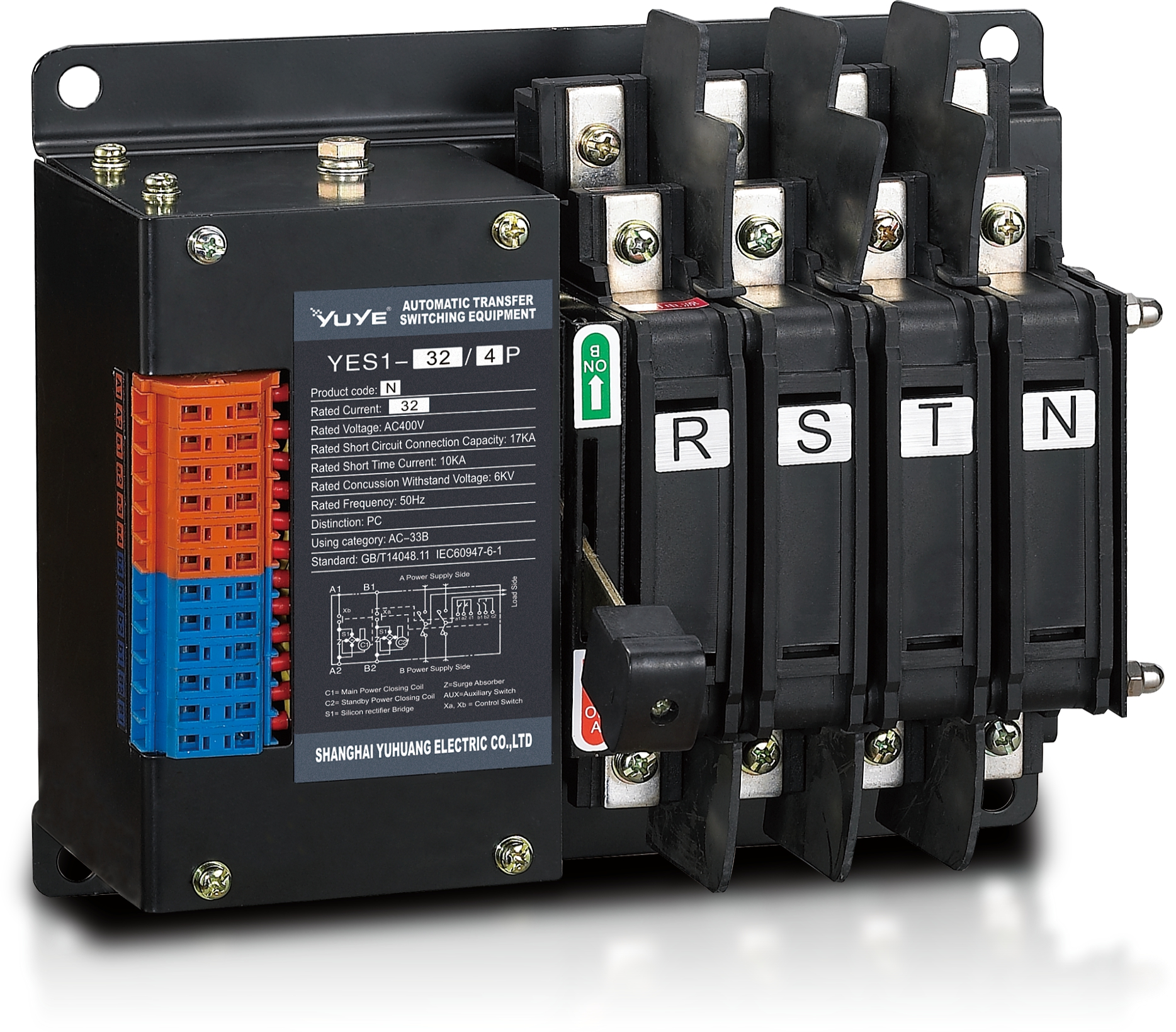 Solenoid-type ATS YES1-32~125N
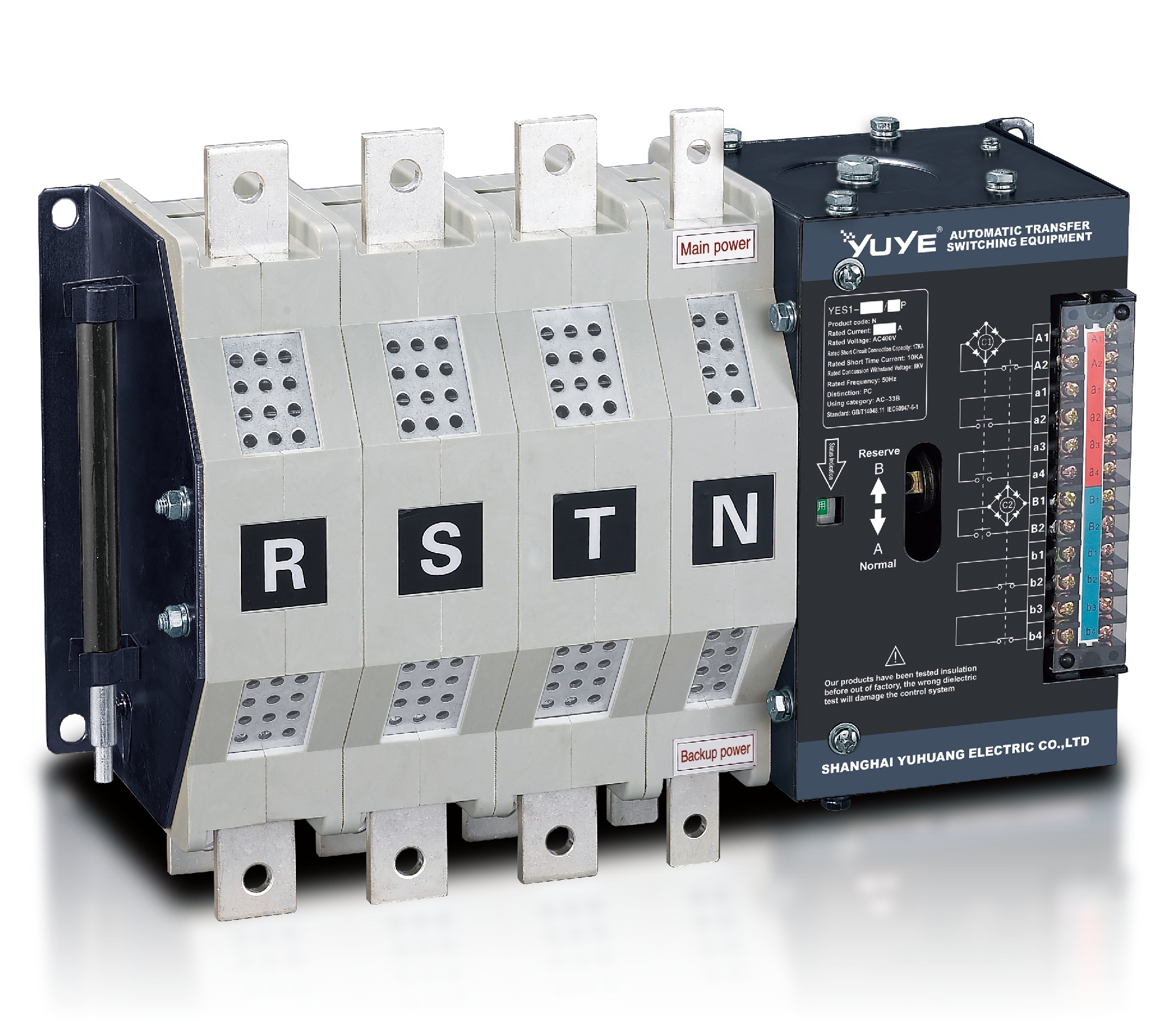 Solenoid-type ATS YES1-250~630N/NT
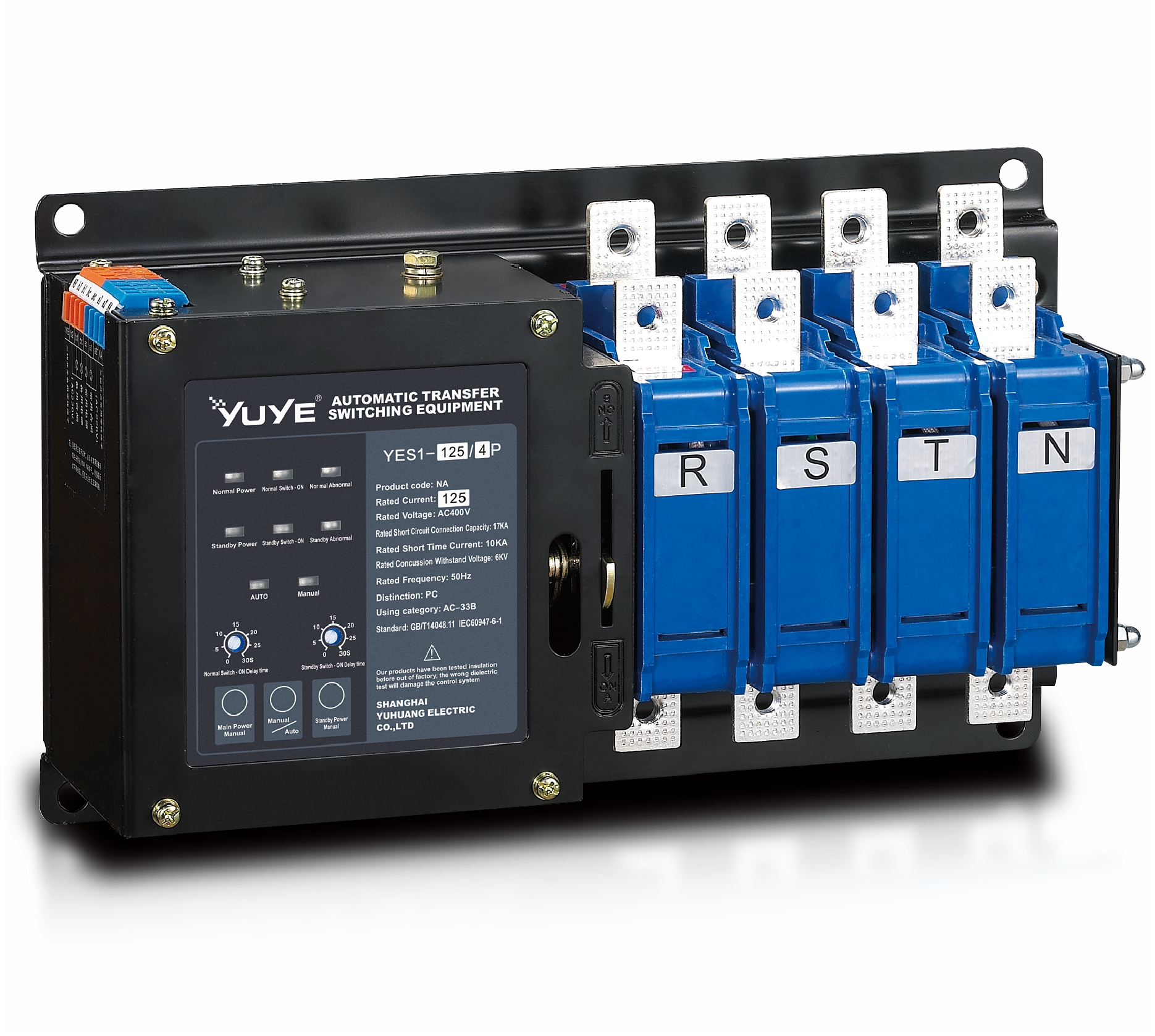 Solenoid-type ATS YES1-32~125NA
 Solenoid-type ATS YES1-63~630SN
 Solenoid-type ATS YES1-1250~4000SN
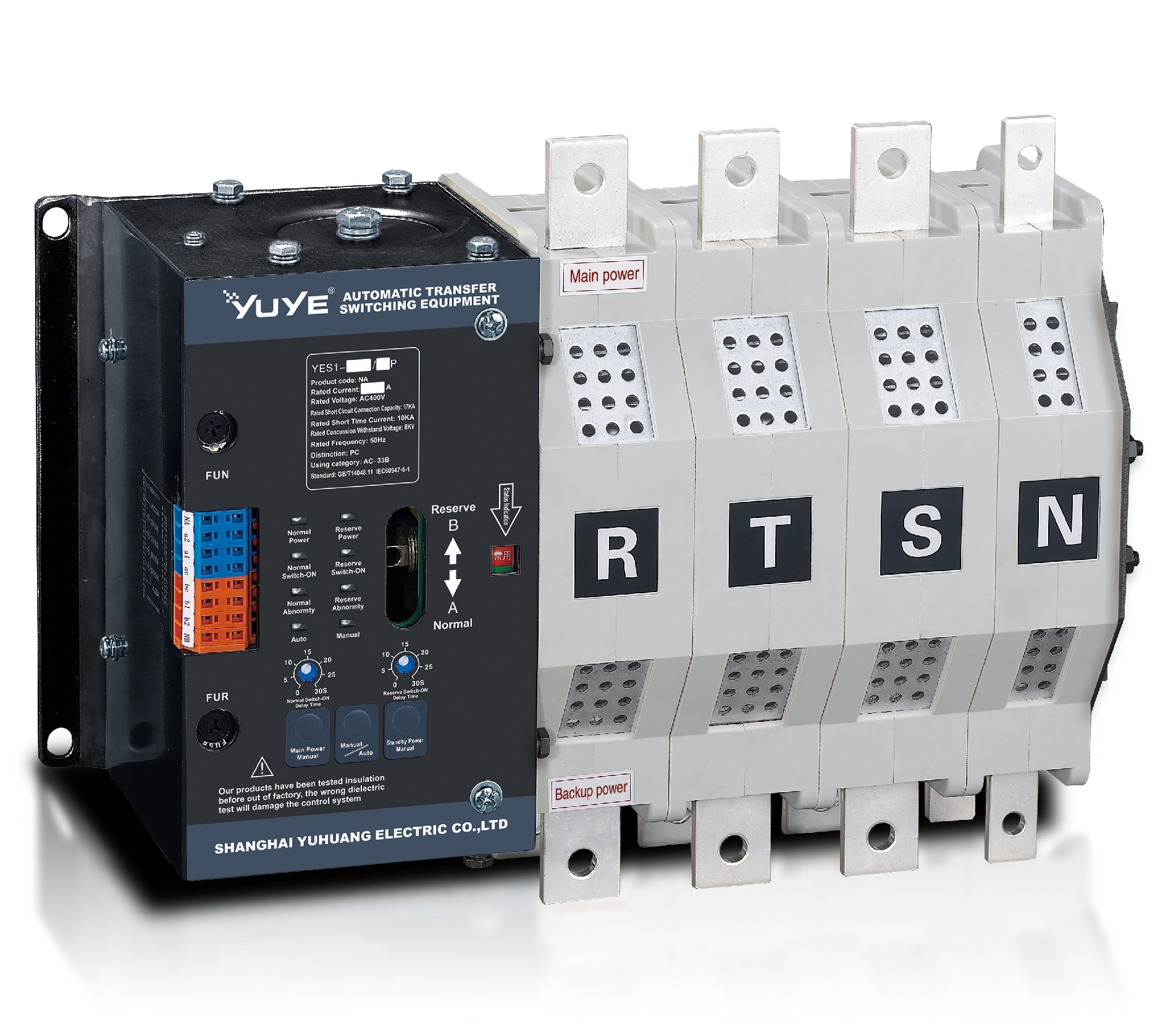 Solenoid-type ATS YES1-250~630NA/NAT
 Solenoid-type ATS YES1-63NJT
 PC ATS YES1-100~1600GN1/GN/GNF
 PC ATS YES1-2000~3200GN/GNF
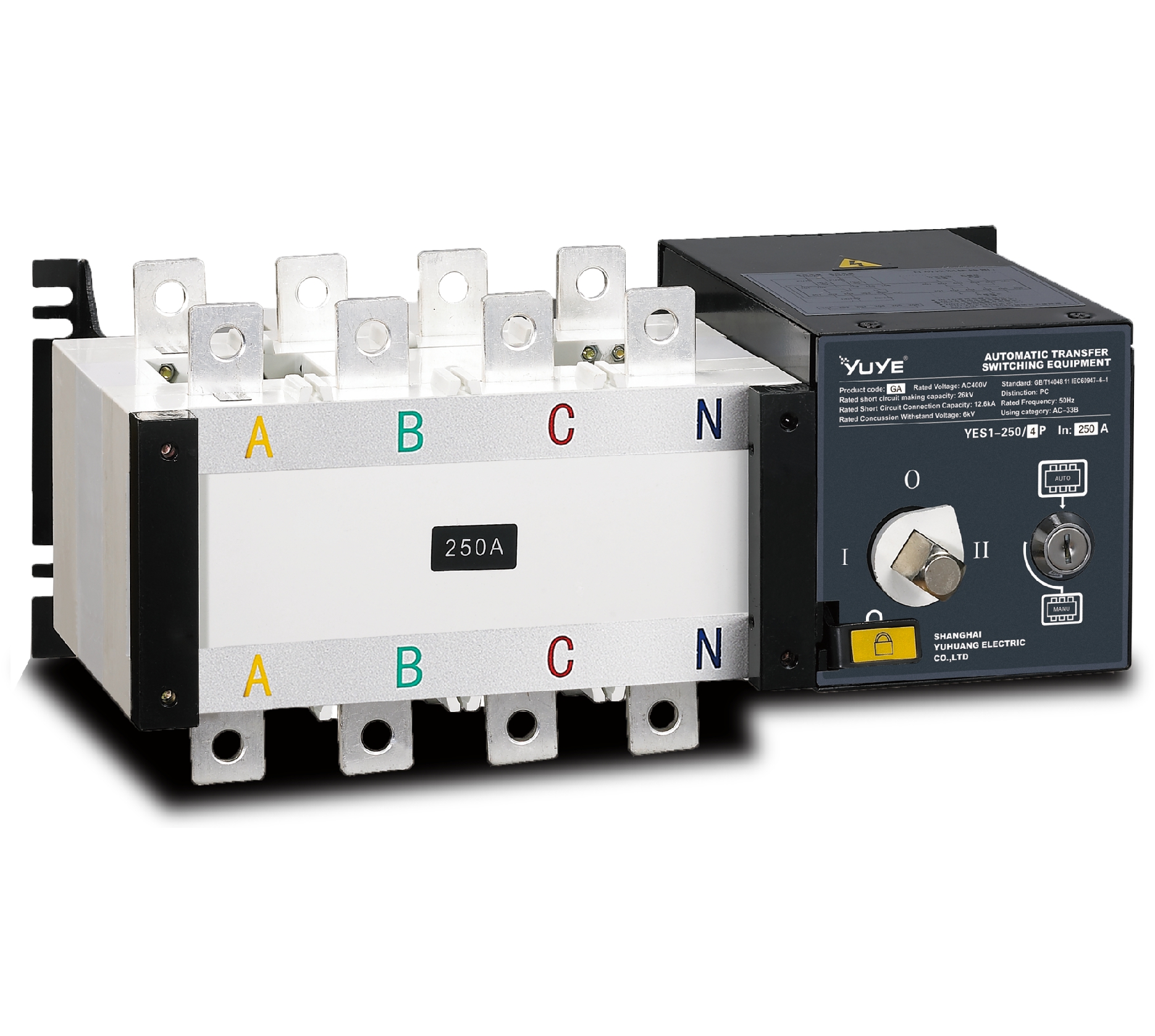 PC ATS YES1-100~3200GA1/GA
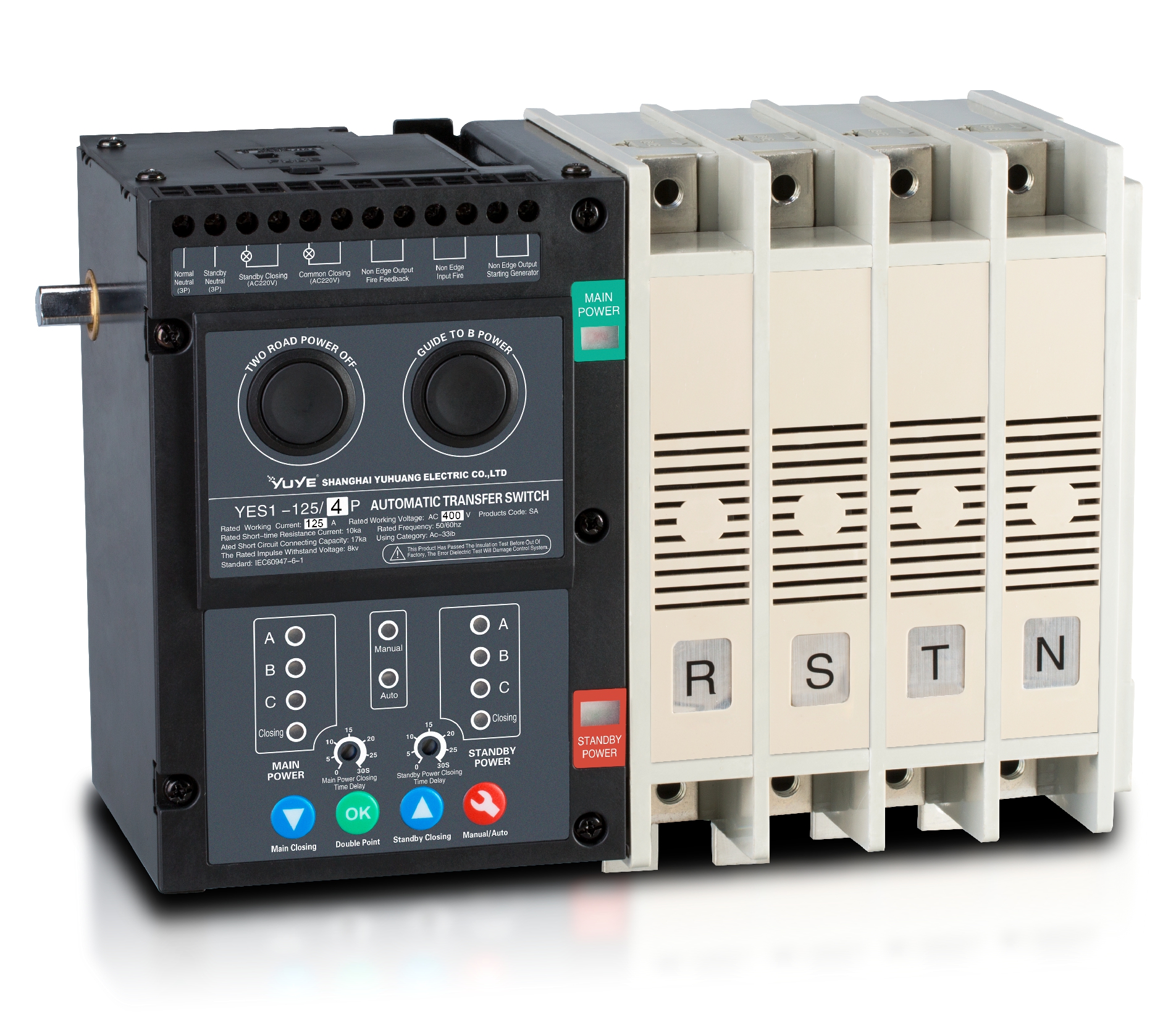 Solenoid-type ATS YES1-63~630SA
 Solenoid-type ATS YES1-63~630L/LA
 Solenoid-type ATS YES1-63~630LA3
 Solenoid-type ATS YES1-63MA
 PC ATS YES1-630~1600M
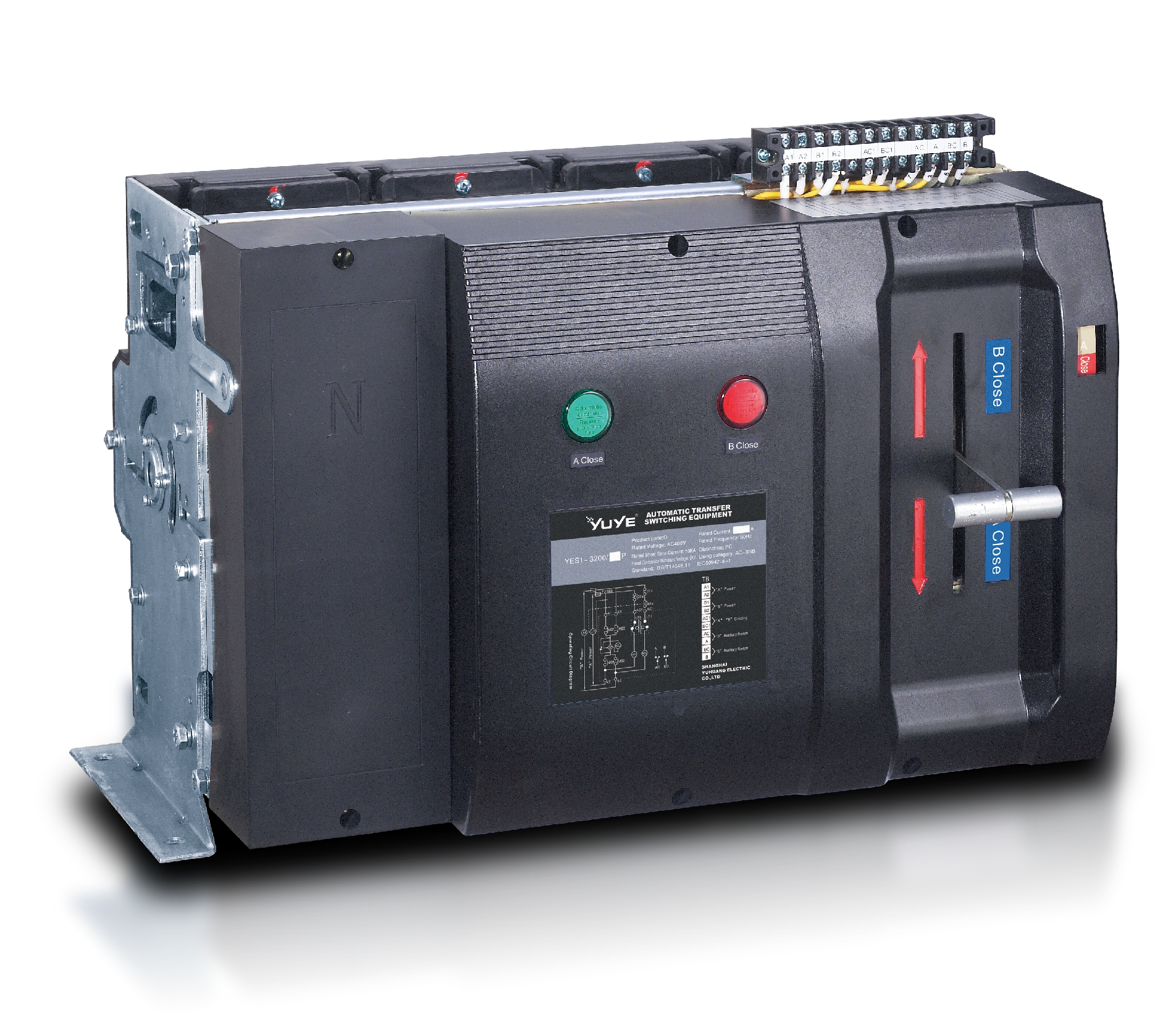 PC ATS YES1-3200Q
 Solenoid-type ATS YES1-4000~6300Q
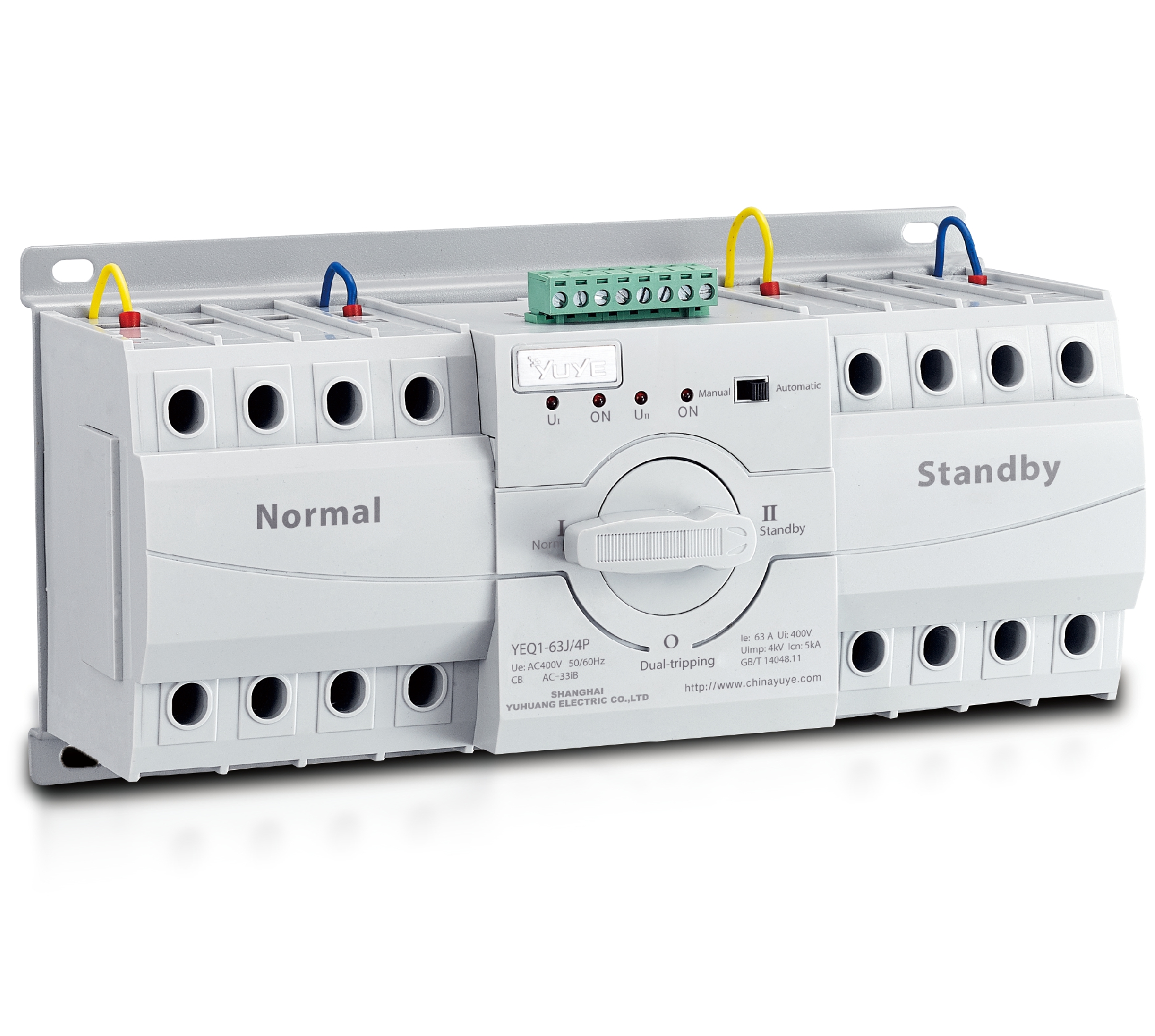 CB ATS YEQ1-63J
 CB ATS YEQ2Y-63
 CB ATS YEQ3-63W1
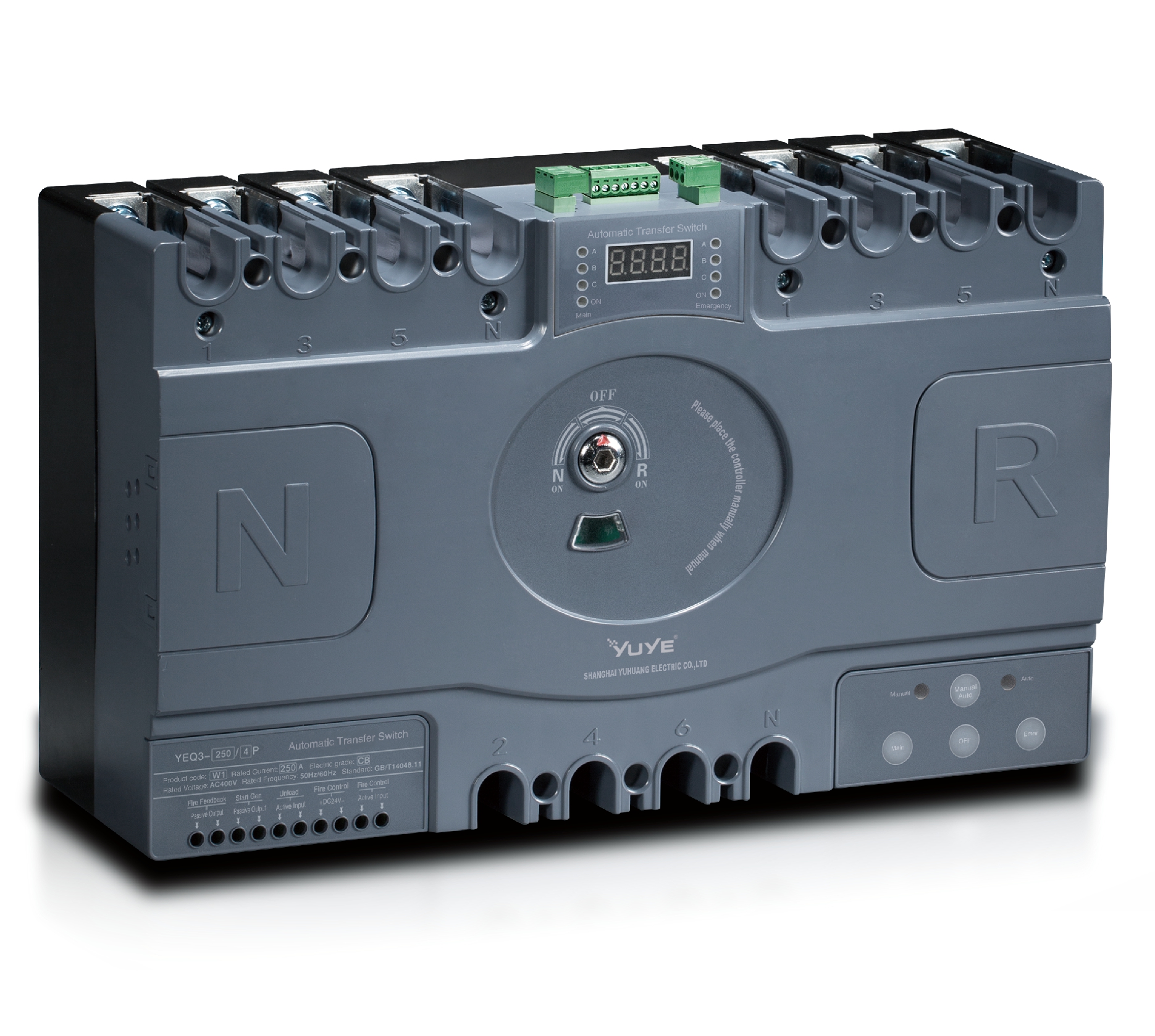 CB ATS YEQ3-125~630W1
 ATS controller Y-700
 ATS Controller Y-700N
 ATS Controller Y-701B
 ATS Controller Y-703N
 ATS Controller Y-800
 ATS Controller W2/W3 Series
 ATS switch Cabinet floor-to-ceiling
 ATS switch cabinet
 JXF-225A power Cbinet
 JXF-800A power Cbinet
 YEM3-125~800 Plastic Shell Type MCCB
 YEM3L-125~630 Leakage Type MCCB
 YEM3Z-125~800 Adjustable Type MCCB
 YEM1-63~1250 Plastic Shell Type MCCB
 YEM1E-100~800 Electronic Type MCCB
 YEM1L-100~630 Leakage Type MCCB
 Miniature circuit breaker YEMA2-6~100
 Miniature circuit breaker YEB1-3~63
 Miniature circuit breaker YEB1LE-3~63
 Miniature circuit breaker YEPN-3~32
 Miniature circuit breaker YEPNLE-3~32
 Miniature circuit breaker YENC-63~125
 Air Circuit Breaker YEW1-2000~6300
 Air Circuit Breaker YEW3-1600
 Load isolation switch YGL-63~3150
 Load Isolation Switch YGL2-63~3150
 Manual Changeover Switch YGL-100~630Z1A
 Manual Changeover Switch YGLZ1-100~3150
 YECPS2-45~125 LCD
 YECPS-45~125 Digital
 CNC Milling/Turning-OEM
 DC relay MDC-300M
 DC Isolation Switch YEGL3D-630


