When you're trying to pick the right Manufacturers Circuit Breaker for your business, it’s a decision that really can make a difference in how safe and efficient your operations are. At One Two Three Electric Co., Ltd., we totally get how tricky this choice can be—after all, we’re experts in making high-quality molded case and air circuit breakers. The market's pretty crowded with options, so it’s important to think about things like what you need the breaker for, the kind of load you’ve got, and what safety rules you have to follow. In this blog, I’ll walk you through the main points to consider, so you can make a smart choice that fits your specific needs and keeps everything safe. Picking the right circuit breaker not only boosts your system’s performance but also helps your business run smoother and more reliable in the long run.
Understanding Different Types of Circuit Breakers: A Comprehensive Overview
When you're figuring out which circuit breakers to pick for your business, it's really important to understand the different types out there. These things are super crucial—they help protect your electrical circuits from overloads and short circuits, after all. You’ll often hear about Moulded Case Circuit Breakers (or MCCBs) and Air Circuit Breakers (ACBs). From what I’ve read, demand for MCCBs is actually expected to rise quite a bit, especially because a lot of industries and infrastructure projects are booming right now. On the flip side, ACBs are popular in bigger facilities—they handle higher currents and come with some solid safety features. They’re really built for tougher environments.

A couple of tips I’d give? First, make sure you really understand your electrical load needs. Picking a breaker that’s too weak or too strong can cause all sorts of issues. And second, think about where you're installing these. MCCBs are usually better suited for indoor settings, while ACBs are tougher and can handle harsher conditions like exposure to dust or moisture.
And honestly, going with a reputable manufacturer can make all the difference. Companies like One Two Three Electric Co., Ltd. are known for their quality MCCBs and ACBs, so choosing such a trusted supplier can give you peace of mind knowing your electrical system is safe and running smoothly.
Key Factors to Consider When Selecting Circuit Breakers for Industrial Applications
So, when you're picking out circuit breakers for industrial settings, there are quite a few things you want to keep in mind to make sure everything runs smoothly and safely. First off, take a close look at the electrical load you're dealing with—what kind of equipment are you hooking up? Pay attention to things like voltage, current ratings, and whether the load is inductive or resistive, because those details will help you choose the right specs.
It’s also super important to think about the environment where the breaker will be used—stuff like humidity, dust, or really extreme temperatures can play a big role in how long your breakers last and how reliable they are.
Another key thing is checking out the breaker’s breaking capacity—that’s basically how much fault current it can handle and still stop safely without getting wrecked. Figuring out the worst-case short-circuit scenarios in your setup can help you pick a breaker that has enough protection. Plus, features like trip settings and time delay options are worth considering — they can help the breaker act just right during different load conditions. And don’t forget, always go for breakers that meet industry standards and safety regs—that way, you’re covered. If you take the time to think through these factors, you're more likely to pick a breaker that not only fits your needs but also keeps things running efficiently and safely.
Analyzing Current Ratings and Interrupting Capacities for Optimal Safety and Performance
When you're picking out the right circuit breaker for your business, it’s so important to get a good handle on the current ratings and interrupting capacities. Basically, the current rating shows how much load a breaker can handle without tripping, while the interrupting capacity is all about how well it can safely handle a fault or short circuit. Taking the time to understand these specs helps make sure your breaker can handle your electrical needs and shield your equipment from surges or damage.
Here’s a pro tip: always double-check the amperage of your circuits and compare it to what the breaker can handle. You want to pick one that not only matches your setup but also has a little extra margin —
And when it comes to interrupting capacity, make sure your breaker can handle any potential short circuits. That way, you avoid any disastrous failures and keep everything running smoothly. If your business experiences fluctuating loads, you might wanna look into adjustable or multi-use circuit breakers—they can really adapt to different situations.
Another tip: chat with your electrical engineer or the manufacturer to figure out the right interrupting capacity for your specific setup. Knowing this stuff upfront really helps cut down on risks and keeps your equipment and wiring in good shape for the long run.
The Importance of Compliance Standards: UL, IEC, and NEMA Ratings Explained
When you're picking out the right circuit breaker from a manufacturer for your business, it’s really important to get a grasp on the compliance standards involved. Stuff like UL (Underwriters Laboratories), IEC (International Electrotechnical Commission), and NEMA (National Electrical Manufacturers Association) ratings—these basically tell you how reliable and safe the electrical components are. For example, UL ratings show that a product has been tested for safety and performance down in the US. The IEC ratings, on the other hand, give you a global sense of whether the standards are being met. And NEMA ratings focus more on how well circuit breakers hold up in different environmental conditions and operational situations—making sure they can handle all sorts of settings without a hitch.

At One Two Three Electric Co., Ltd., we take these standards seriously. We make sure our molded case circuit breakers and air circuit breakers not only meet but often go beyond UL, IEC, and NEMA requirements. When you choose circuit breakers that comply with these standards, you're doing your part to keep your operations running smoothly and safely—cutting down on electrical mishaps and boosting productivity. Knowing what these ratings mean might seem like a lot, but honestly, it’s a game-changer for making smart, informed decisions that really line up with your business goals.
Cost-Benefit Analysis: Investing in Quality Circuit Breakers for Long-Term Reliability
When you're choosing circuit breakers for your business, it's really important to think about their long-term reliability. Honestly, doing a solid cost-benefit analysis can make a big difference when picking a manufacturer—since high-quality parts can save you a ton on maintenance and avoid those frustrating downtimes. Going for top-notch circuit breakers not only boosts safety but also helps you stay within electrical standards, which keeps your assets and your team safe and sound.
On top of that, it’s definitely worth looking into how high voltage and medium voltage circuit breakers perform in real-world situations—like in transformers or switchgear. Getting a grip on these performance details helps you figure out which type suits your needs best. Investing in dependable circuit breakers isn’t just about keeping things running smoothly; it’s also about aligning with your bigger strategic goals. So, honestly, it pays off to prioritize quality, even if it costs a bit more upfront—it’ll pay off in the long run.
Future Trends in Circuit Breaker Technology: Smart Features and Energy Efficiency Innovations
Looking ahead, it’s pretty clear that circuit breaker tech is heading more and more towards smart features and energy-saving stuff. As companies try to cut down on costs and keep things safe, smart circuit breakers are quickly becoming a must-have in modern electrical setups. These newfangled devices do a lot more than just protect against overloads or short circuits—they connect to the internet, so you can monitor and control them straight from your phone or a web app. This kind of instant access means businesses can catch and fix electrical hiccups on the fly, which means less downtime and smoother operations.
And let’s not forget, energy efficiency is a big deal these days—everyone’s focused on going green. That’s why manufacturers are making circuit breakers that not only save energy but also help reduce waste and work well with renewable energy sources. Cool innovations like digital monitoring can spot where energy’s being wasted, so companies can tweak their practices and be more sustainable. As energy costs keep climbing and stricter environmental rules pop up, investing in this kind of tech doesn’t just make sense financially—it gives businesses an edge while doing the planet a favor.
Future Trends in Circuit Breaker Technology: Smart Features and Energy Efficiency Innovations
This chart illustrates the projected growth in the adoption of various smart features and energy efficiency innovations in circuit breakers over the next five years, highlighting key trends in the industry.
FAQS
: Key factors to consider include the specific electrical load, type of equipment connected, voltage, current ratings, and the nature of the load (inductive or resistive).
The operational environment, including conditions like humidity, dust, or extreme temperatures, can significantly impact the reliability and lifespan of circuit breakers.
Breaking capacity refers to the circuit breaker's ability to interrupt fault currents without sustaining damage, ensuring adequate protection for the system.
Trip settings and time delays allow circuit breakers to operate safely under varying load conditions, helping to prevent unnecessary interruptions or damage.
Compliance with industry standards ensures the safety and reliability of circuit breakers in industrial settings, protecting assets and personnel.
A cost-benefit analysis helps evaluate the long-term reliability and maintenance costs of circuit breakers, encouraging businesses to choose quality components over cheaper options.
Performance metrics provide insights into the effectiveness of different circuit breakers in applications like transformers and switchgear, aiding in the selection process.
Investing in quality circuit breakers enhances safety, reduces maintenance costs, minimizes downtime, and ensures compliance with electrical standards.
Prioritizing quality promotes operational sustainability and aligns with broader strategic goals, making it a critical consideration in the purchasing process.
Quality circuit breakers can significantly reduce maintenance costs, making them a more economical choice in the long run compared to cheaper alternatives.
Conclusion
Hey there! If you’ve ever tried to pick the right circuit breaker for your business, you know it can get pretty overwhelming. That’s why we wrote this blog — *How to Choose the Right Manufacturer’s Circuit Breaker for Your Business Needs*. We start by breaking down the different types of circuit breakers out there, so you get the basics down first. Then, we jump into the factors that really matter — like current ratings and interrupting capacity — stuff that keeps everything running safely and smoothly. We also talk about how important it is to stick to standards like UL, IEC, and NEMA, because, let’s face it, safety and compliance shouldn’t be any afterthoughts.
We even do a little deep dive into the cost versus benefits — showing how investing in high-quality circuit breakers from reputable manufacturers actually pays off over time in terms of reliability. Plus, we peek into the future with some cool trends, like smart circuit breakers and energy-efficient tech, which are really shaping the way electrical safety and sustainability are evolving in factories and industrial sites. Oh, and by the way, One Two Three Electric Co., Ltd. is always up to date, offering top-notch moulded case and air circuit breakers that are built to handle these modern demands. So, whether you're new to this or just looking to upgrade, we’ve got you covered!

 PC ATS YECT1-2000G
 PC ATS YES2-63~250GN1
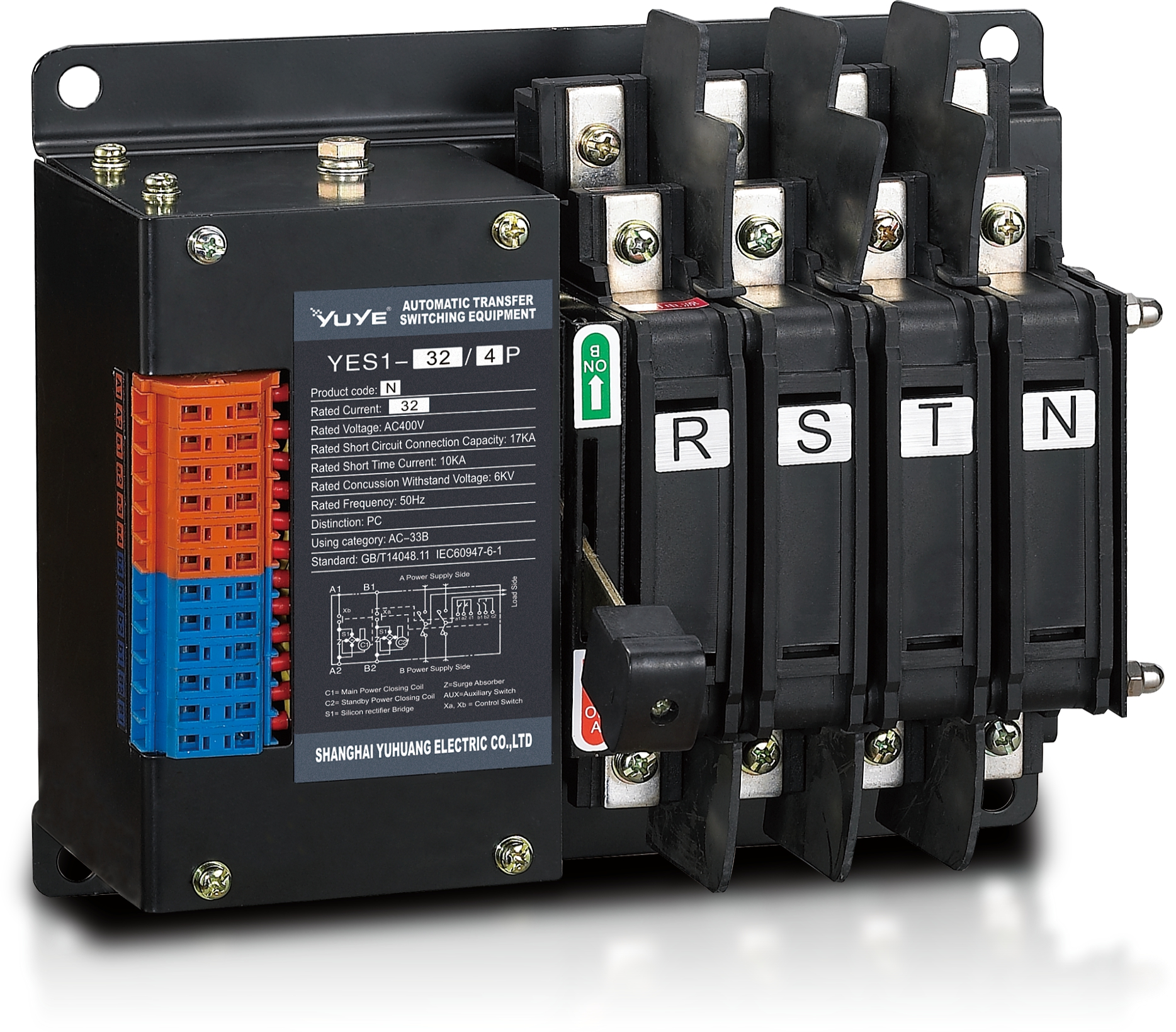 Solenoid-type ATS YES1-32~125N
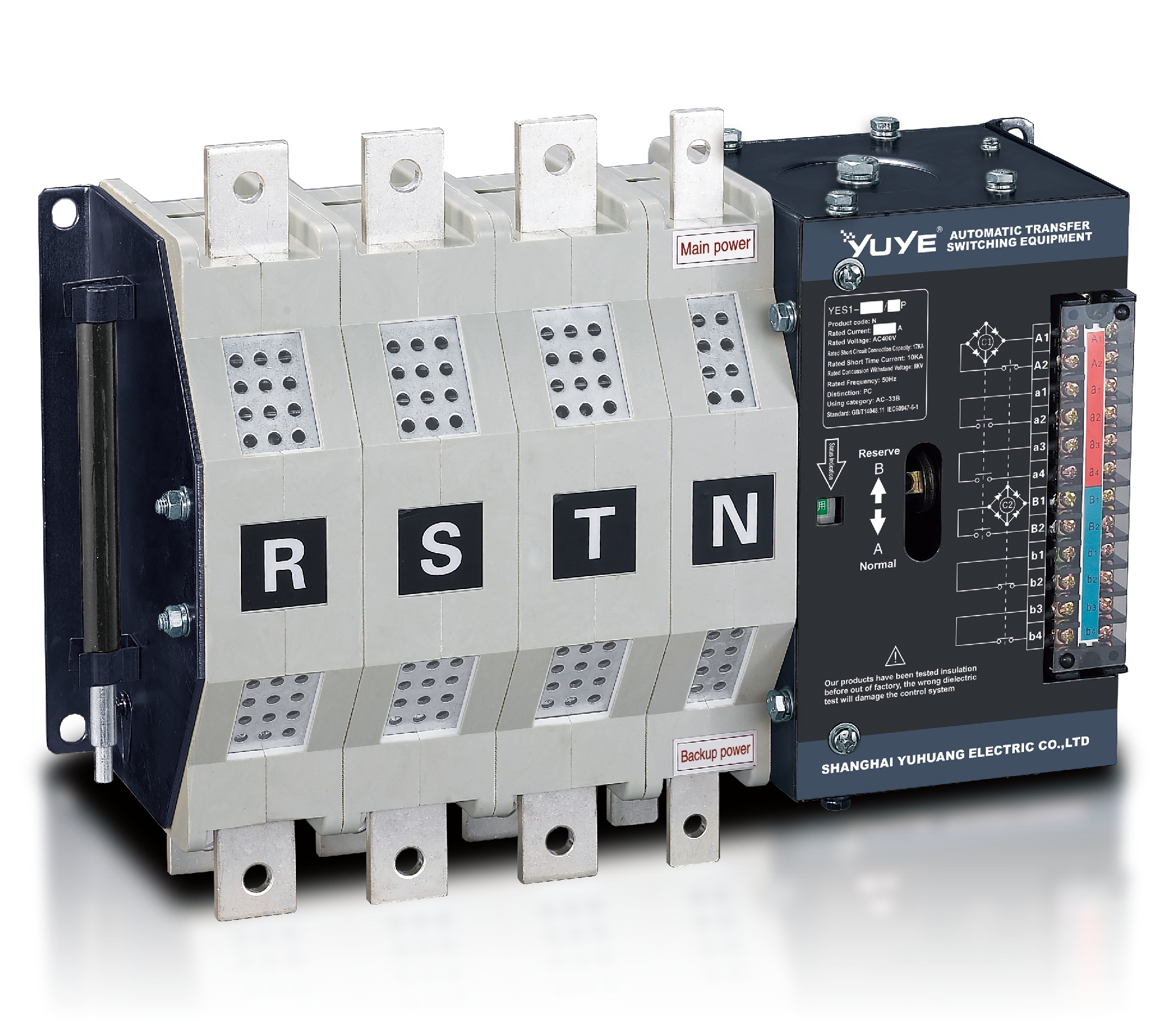 Solenoid-type ATS YES1-250~630N/NT
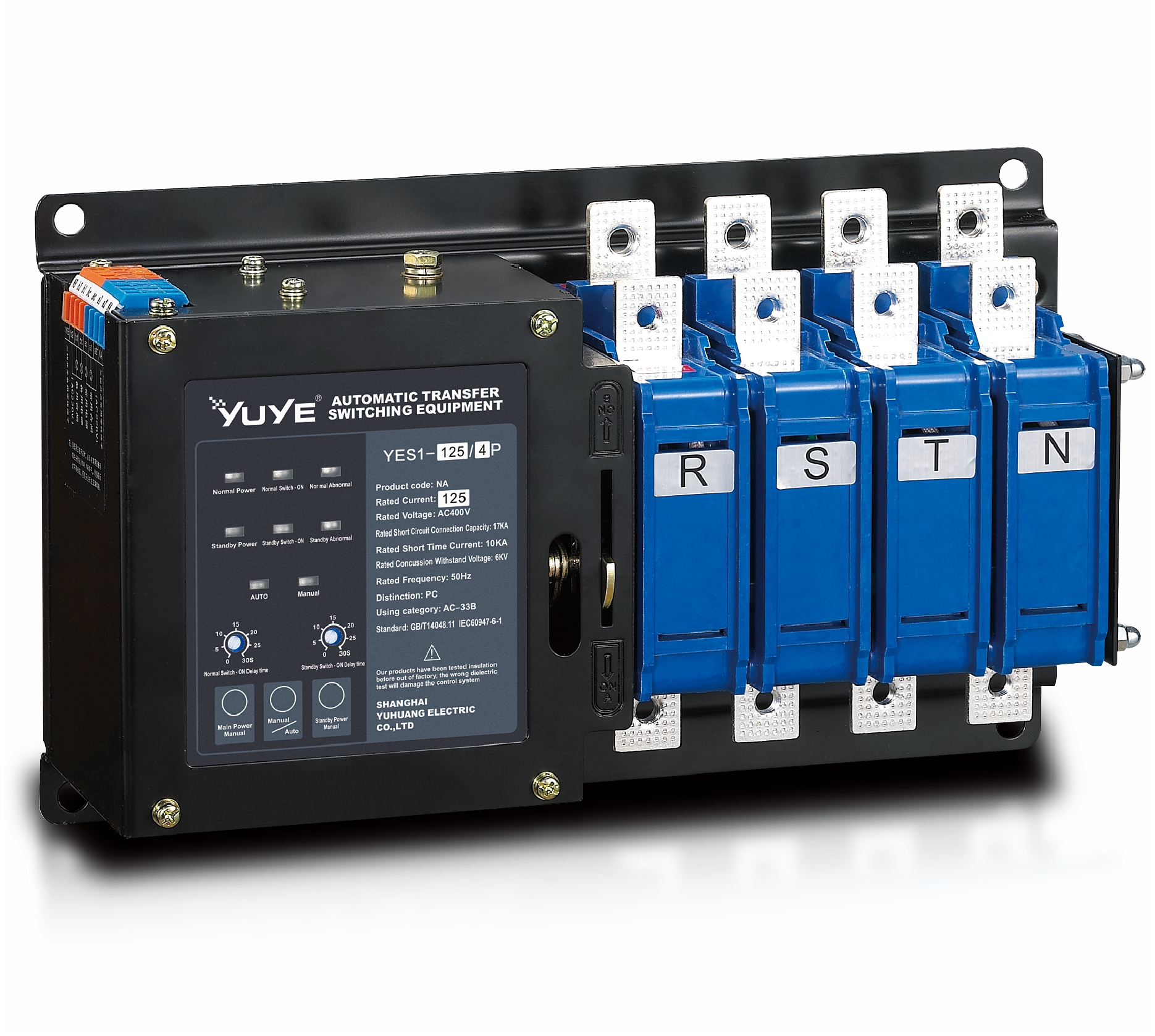 Solenoid-type ATS YES1-32~125NA
 Solenoid-type ATS YES1-63~630SN
 Solenoid-type ATS YES1-1250~4000SN
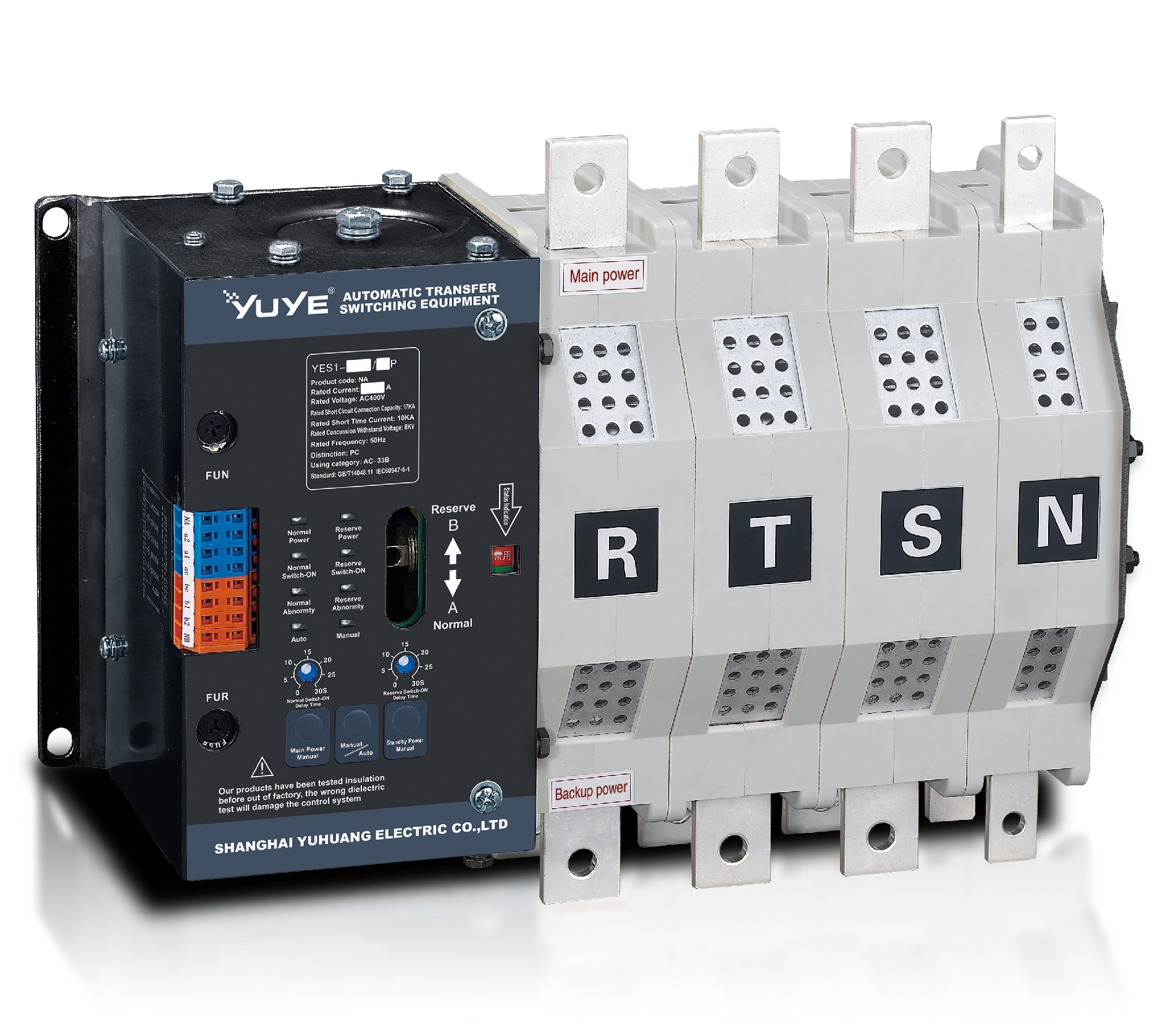 Solenoid-type ATS YES1-250~630NA/NAT
 Solenoid-type ATS YES1-63NJT
 PC ATS YES1-100~1600GN1/GN/GNF
 PC ATS YES1-2000~3200GN/GNF
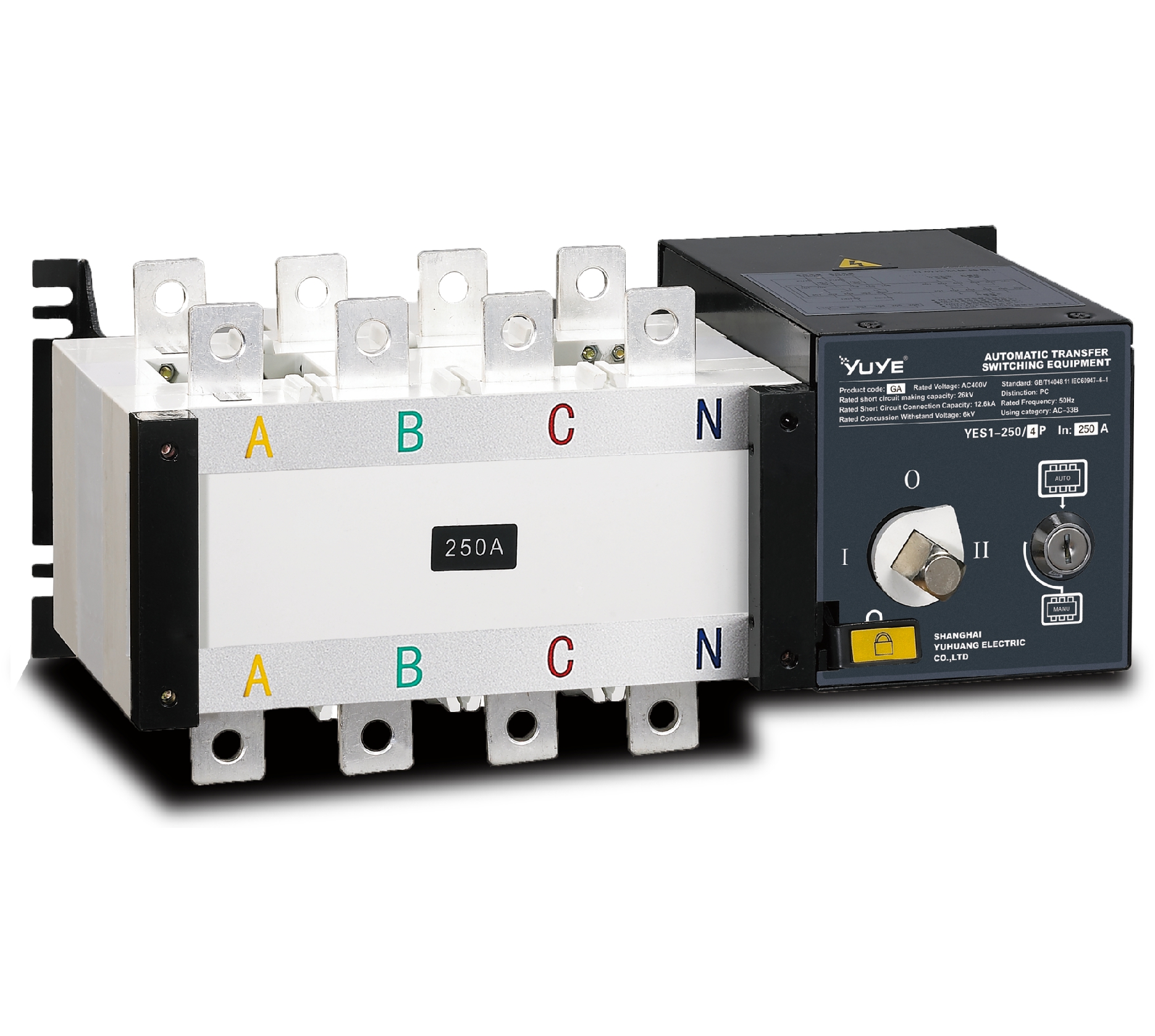 PC ATS YES1-100~3200GA1/GA
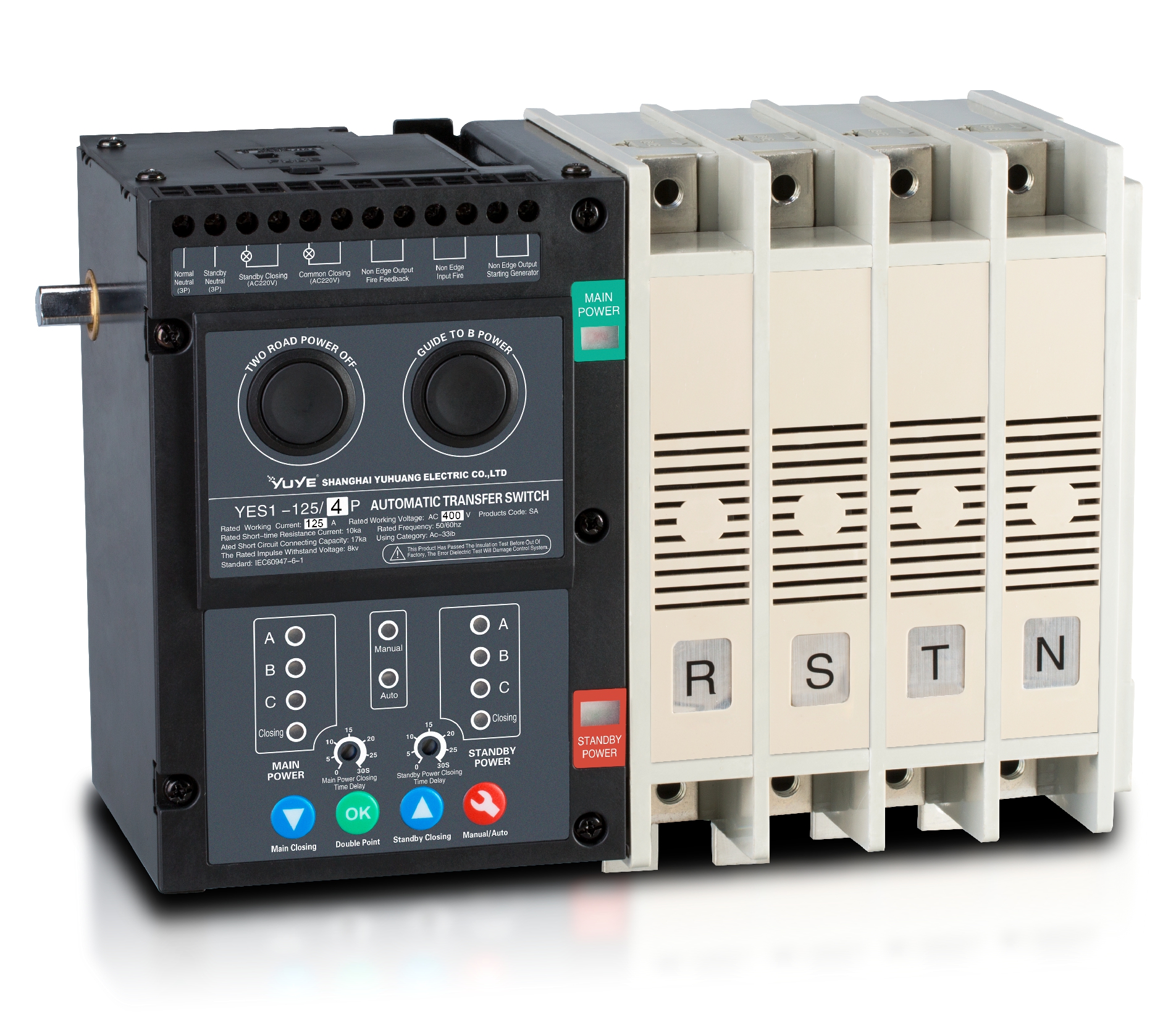 Solenoid-type ATS YES1-63~630SA
 Solenoid-type ATS YES1-63~630L/LA
 Solenoid-type ATS YES1-63~630LA3
 Solenoid-type ATS YES1-63MA
 PC ATS YES1-630~1600M
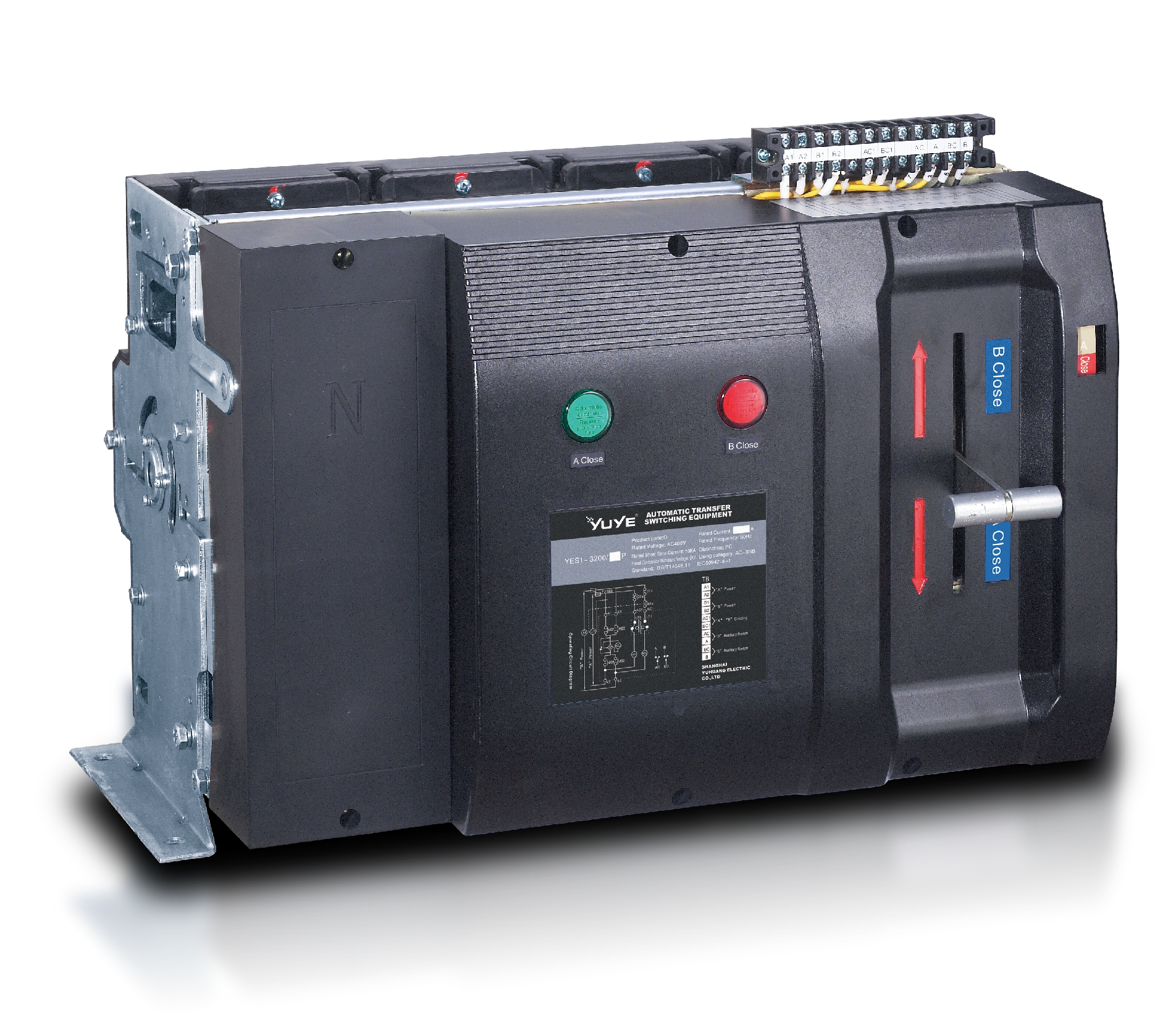 PC ATS YES1-3200Q
 Solenoid-type ATS YES1-4000~6300Q
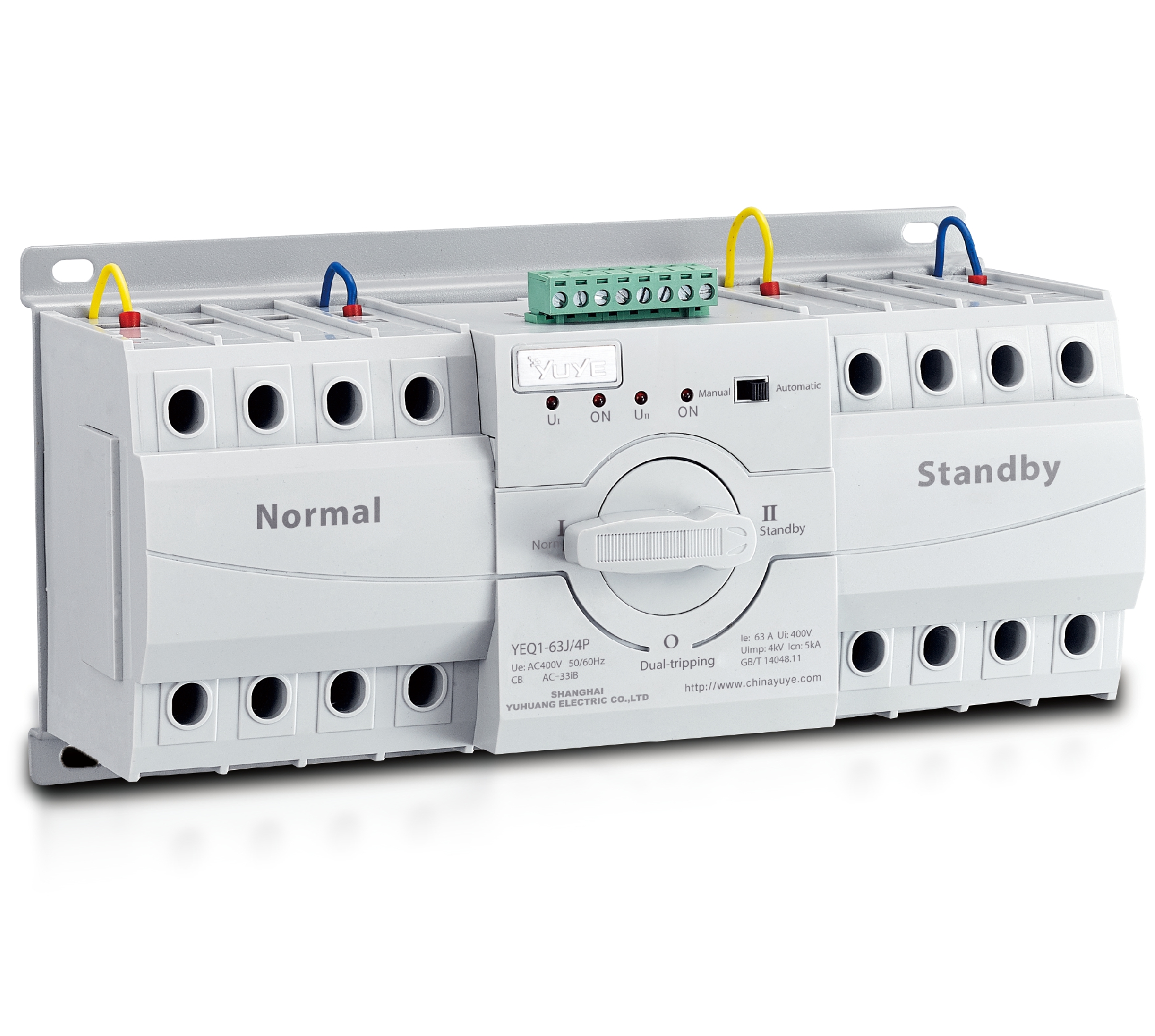 CB ATS YEQ1-63J
 CB ATS YEQ2Y-63
 CB ATS YEQ3-63W1
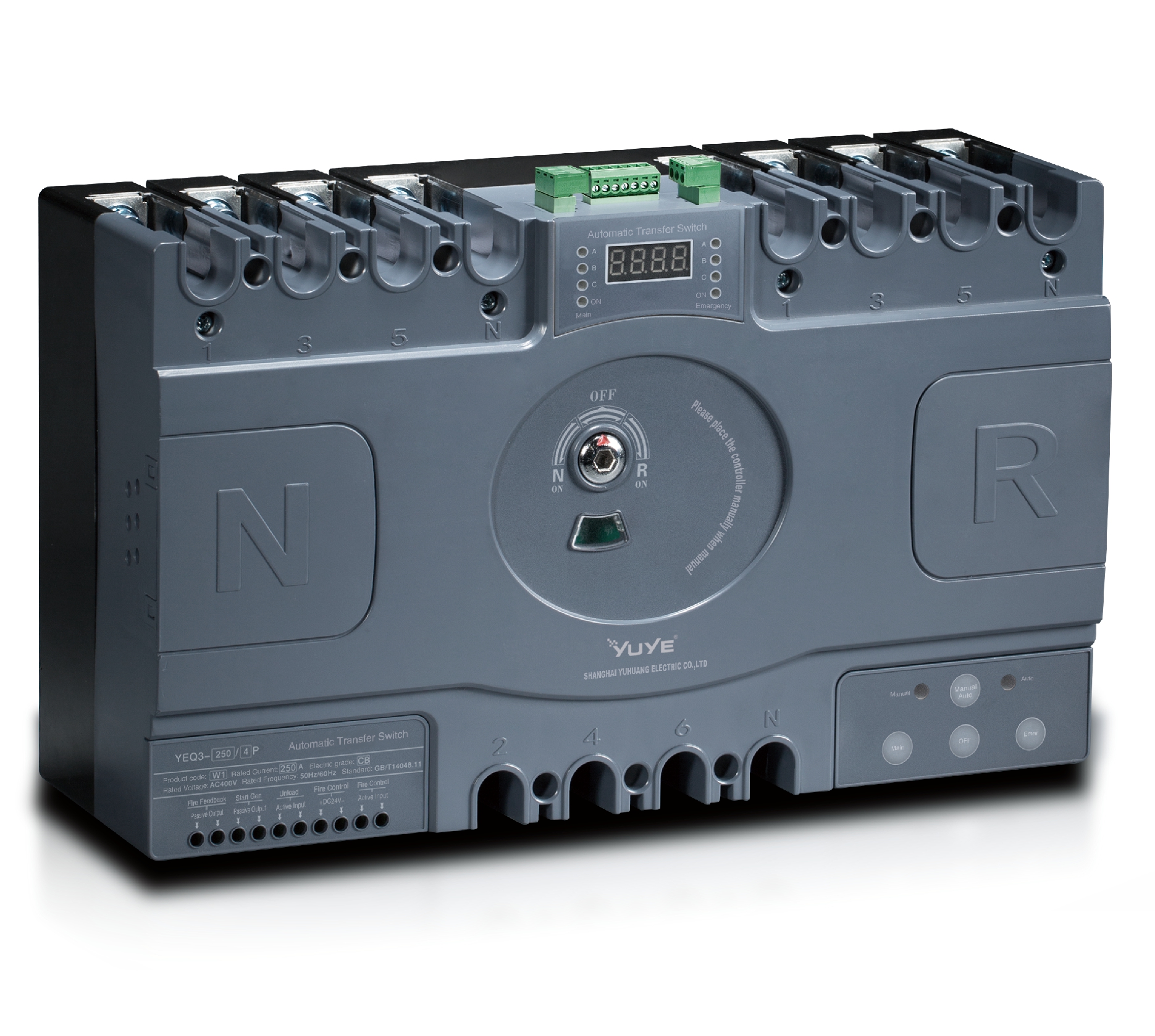 CB ATS YEQ3-125~630W1
 ATS controller Y-700
 ATS Controller Y-700N
 ATS Controller Y-701B
 ATS Controller Y-703N
 ATS Controller Y-800
 ATS Controller W2/W3 Series
 ATS switch Cabinet floor-to-ceiling
 ATS switch cabinet
 JXF-225A power Cbinet
 JXF-800A power Cbinet
 YEM3-125~800 Plastic Shell Type MCCB
 YEM3L-125~630 Leakage Type MCCB
 YEM3Z-125~800 Adjustable Type MCCB
 YEM1-63~1250 Plastic Shell Type MCCB
 YEM1E-100~800 Electronic Type MCCB
 YEM1L-100~630 Leakage Type MCCB
 Miniature circuit breaker YEMA2-6~100
 Miniature circuit breaker YEB1-3~63
 Miniature circuit breaker YEB1LE-3~63
 Miniature circuit breaker YEPN-3~32
 Miniature circuit breaker YEPNLE-3~32
 Miniature circuit breaker YENC-63~125
 Air Circuit Breaker YEW1-2000~6300
 Air Circuit Breaker YEW3-1600
 Load isolation switch YGL-63~3150
 Load Isolation Switch YGL2-63~3150
 Manual Changeover Switch YGL-100~630Z1A
 Manual Changeover Switch YGLZ1-100~3150
 YECPS2-45~125 LCD
 YECPS-45~125 Digital
 CNC Milling/Turning-OEM
 DC relay MDC-300M
 DC Isolation Switch YEGL3D-630


