0%

When it comes to designing automatic transfer switches, having the right expertise really makes all the difference in making sure they’re reliable and work smoothly. John Smith, who’s a top engineer over at PowerTech Solutions, points out, “A solidly designed switch helps cut down on downtime and makes the whole system more resilient.” That really highlights just how important careful planning is during the design process.

Getting the design right isn’t just about big features; it’s about paying attention to all the little details. Designers need to think about power loads, switch setups, and safety precautions. Every part needs to work perfectly together so things don’t go wrong down the line. It’s surprisingly easy to overlook small stuff, but those tiny details can sometimes cause big issues later on.

Even experienced folks encounter challenges in this space. Industry standards are always changing, and new tech keeps popping up. That’s why staying updated and continuously learning is so crucial. The goal is to create a design that not only meets today’s needs but also stays ahead of future requirements, constantly pushing the boundaries of what’s possible.

Essential Tips for Designing an Automatic Transfer Switch

Understanding Automatic Transfer Switch Functionality

Essential Tips for Designing an Automatic Transfer Switch

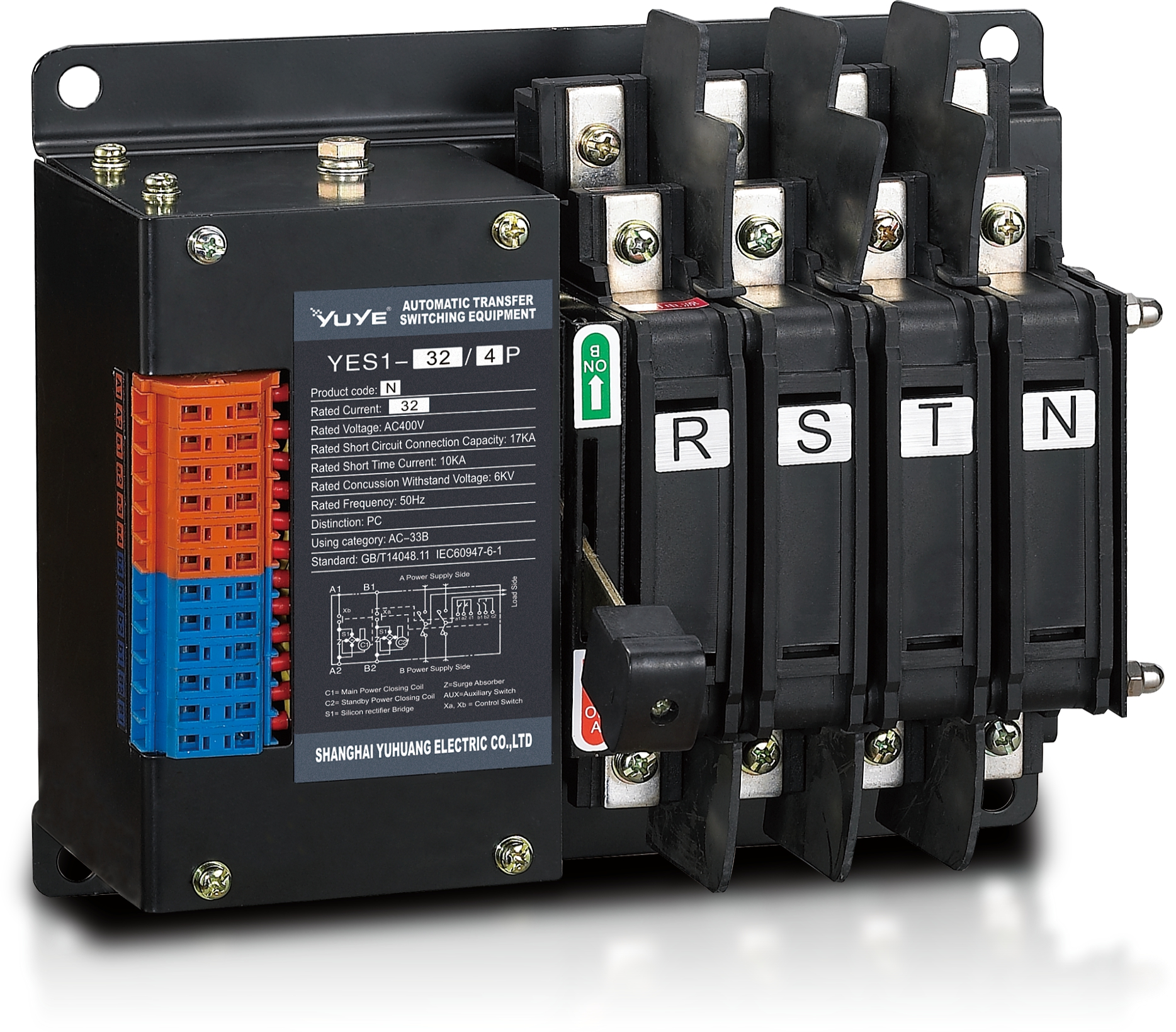
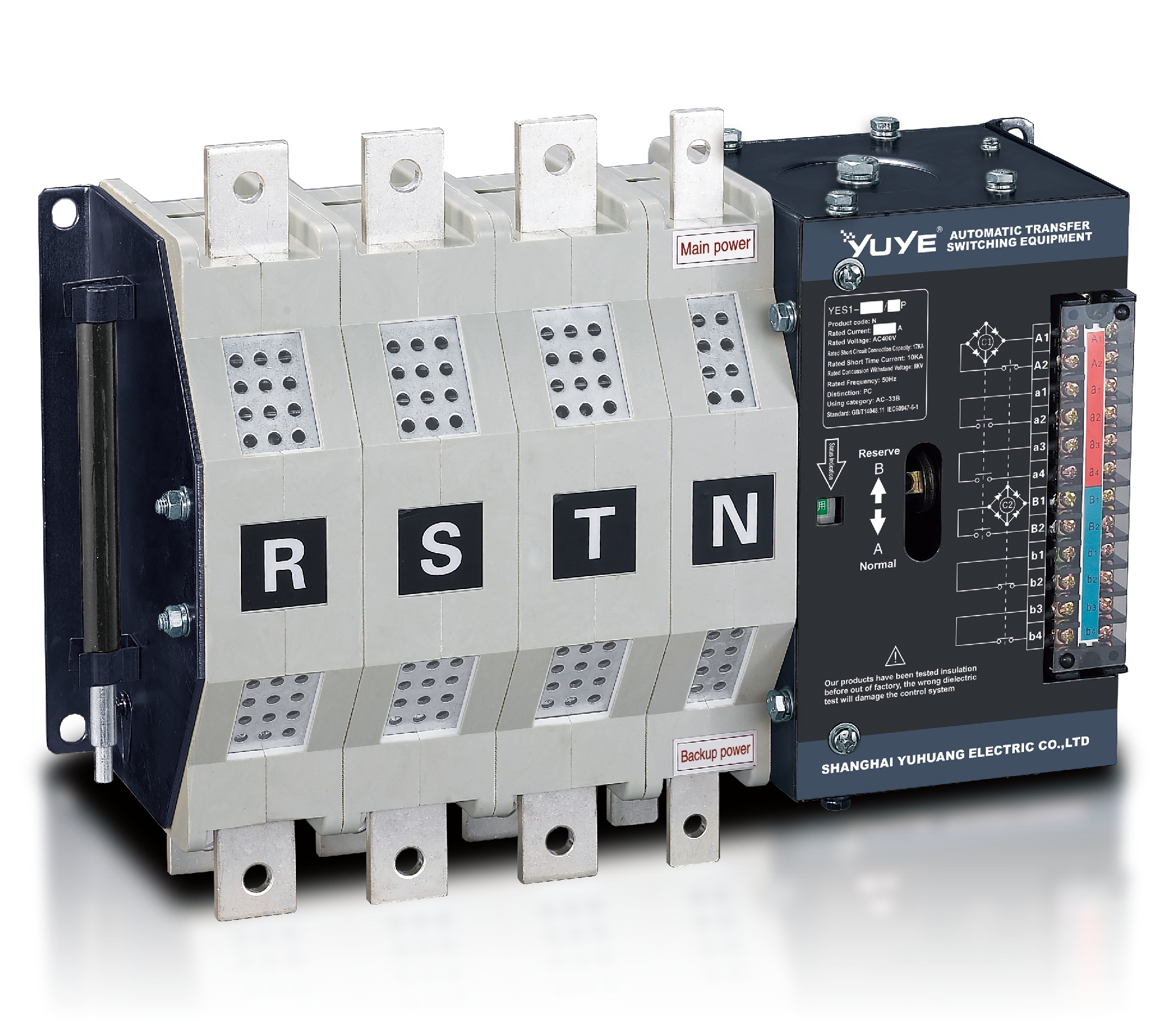
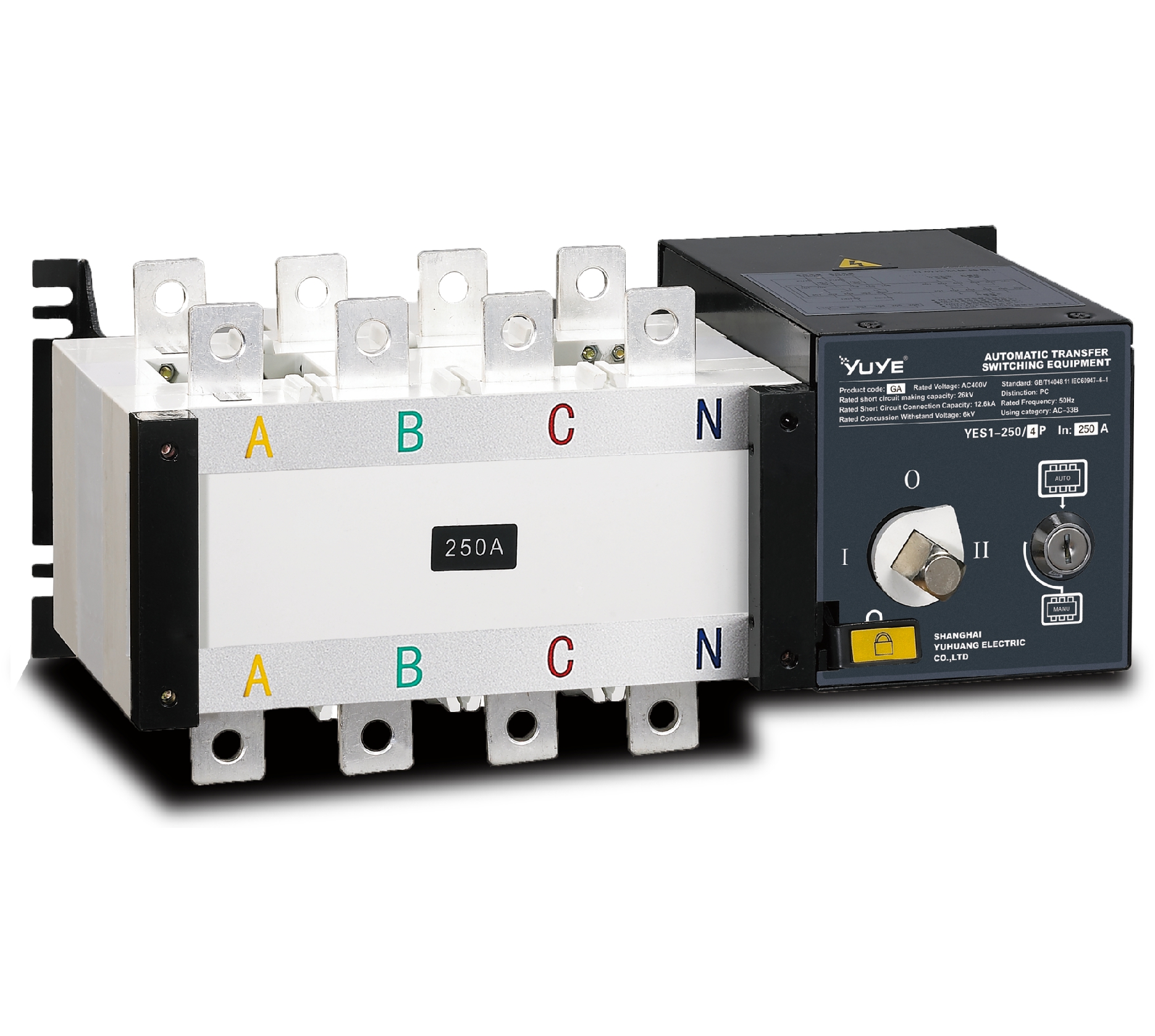
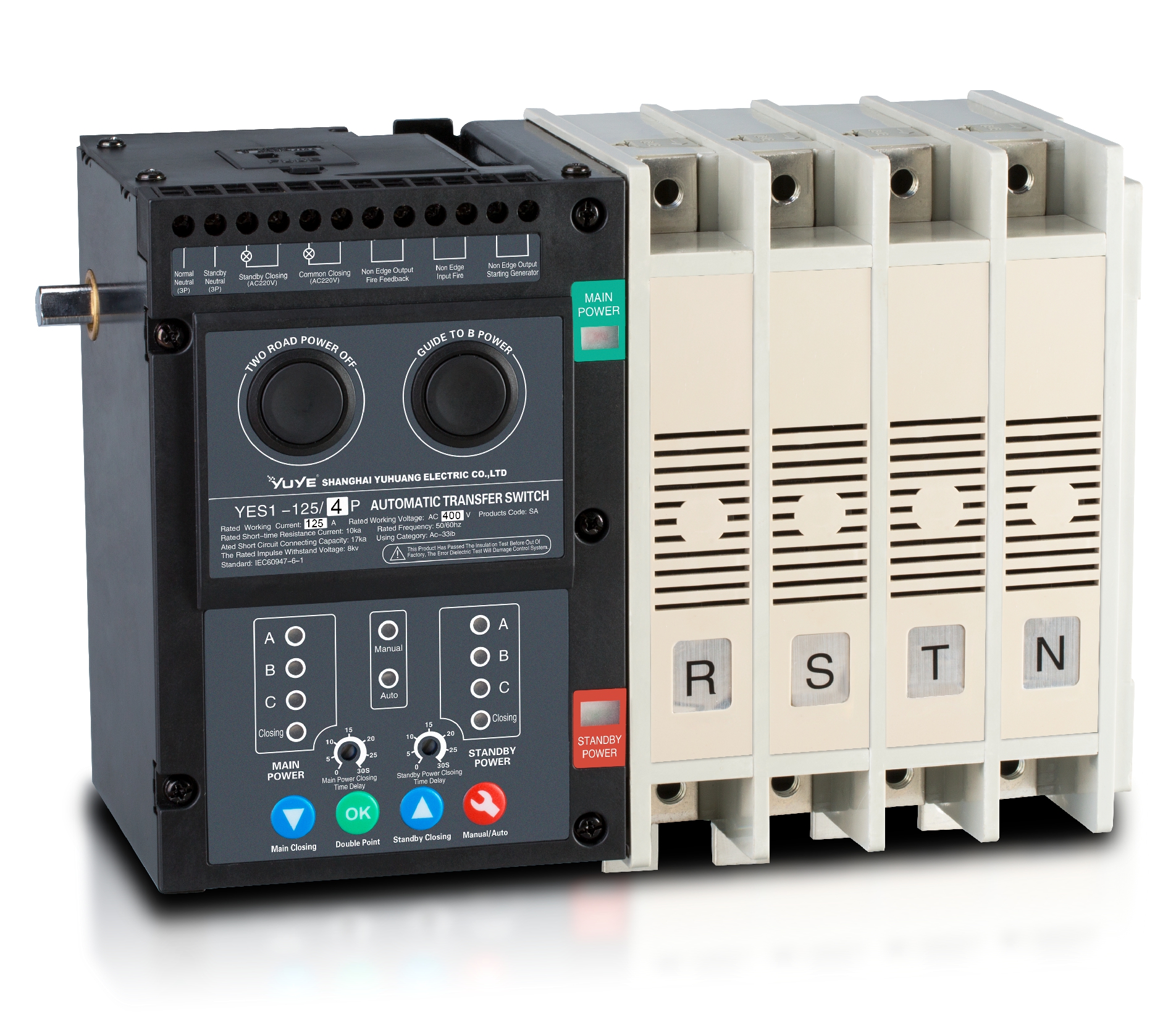
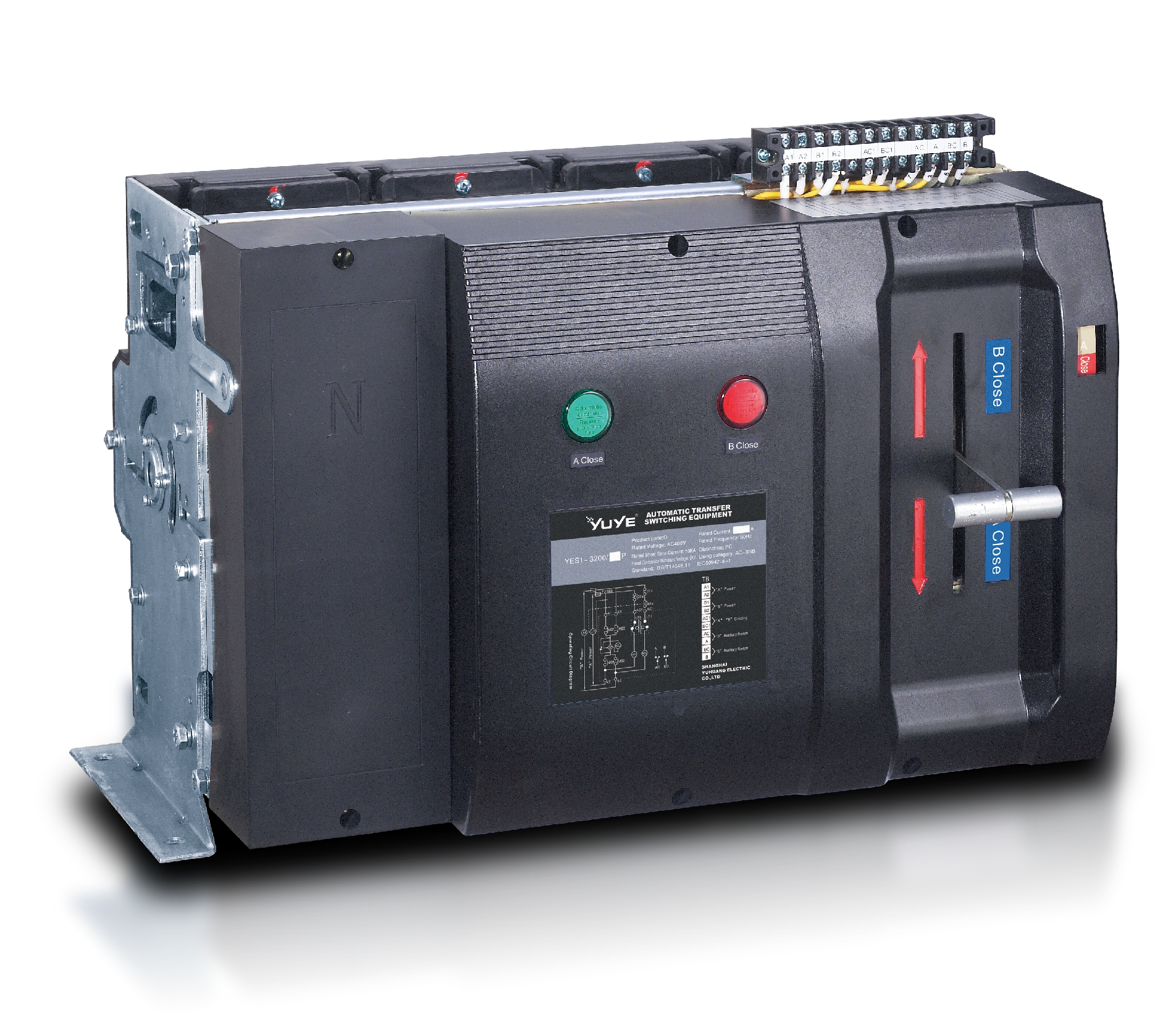
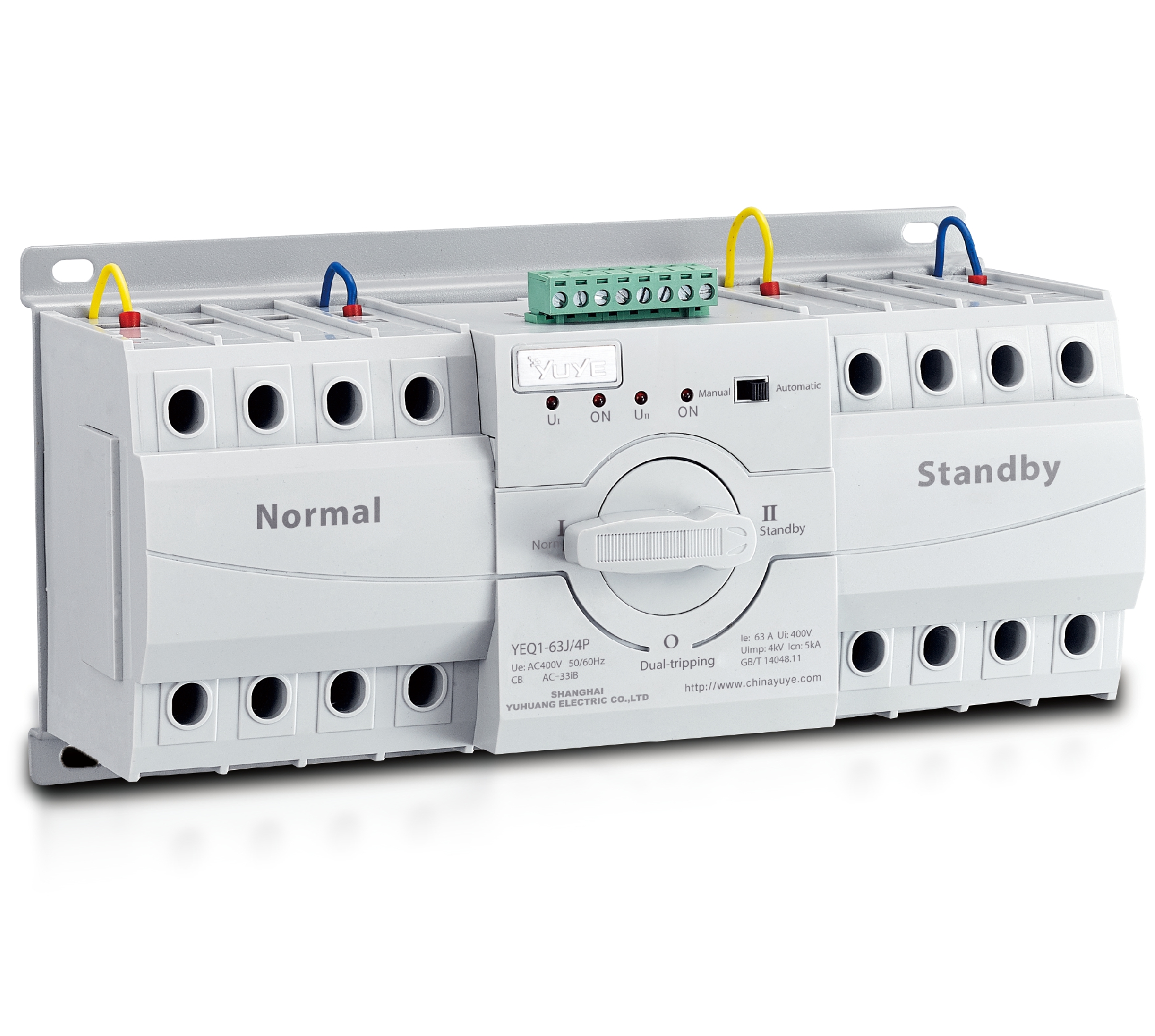
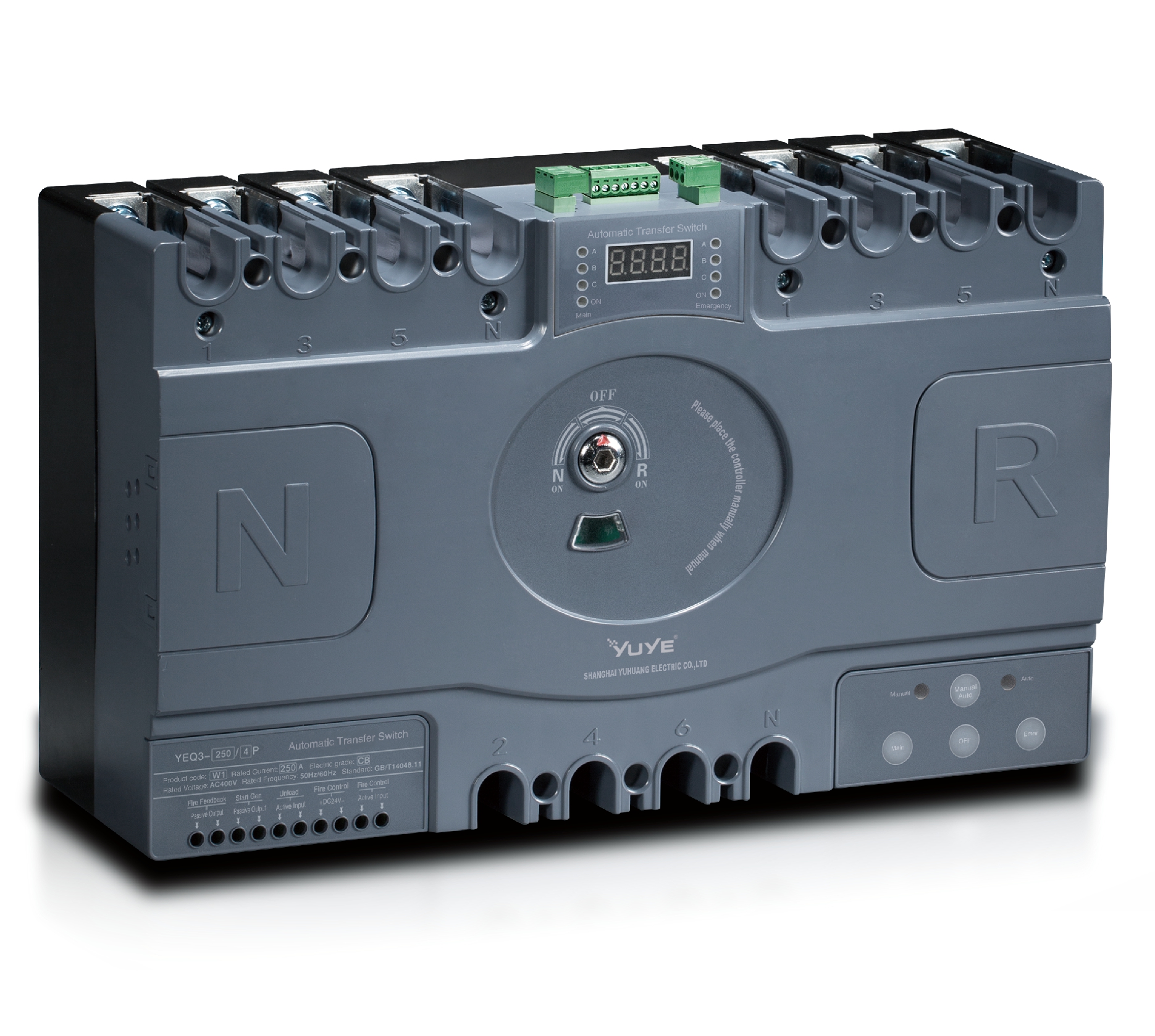
Automatic Transfer Switches (ATS) play a vital role in ensuring a smooth transition between power sources. Understanding their functionality is key for effective design. These switches monitor power supply and can automatically switch to a backup source during outages. They help maintain power continuity for critical systems, such as hospitals and data centers.

When designing an ATS, consider load capacity. Make sure the switch can handle the total load during an attempted switch-over. Also, think about maintenance access. Is the installation location convenient for technicians? An inaccessible switch can lead to delays in restoration.

Another important tip is to incorporate fault detection features. This allows the ATS to identify issues quickly. Regular maintenance is necessary, but automatic alerts can prevent failures. Don't underestimate the importance of testing. Periodic testing of the switch is essential to ensure functionality during an emergency. This decision can save valuable time and resources when every second matters.

Key Components of an Automatic Transfer Switch

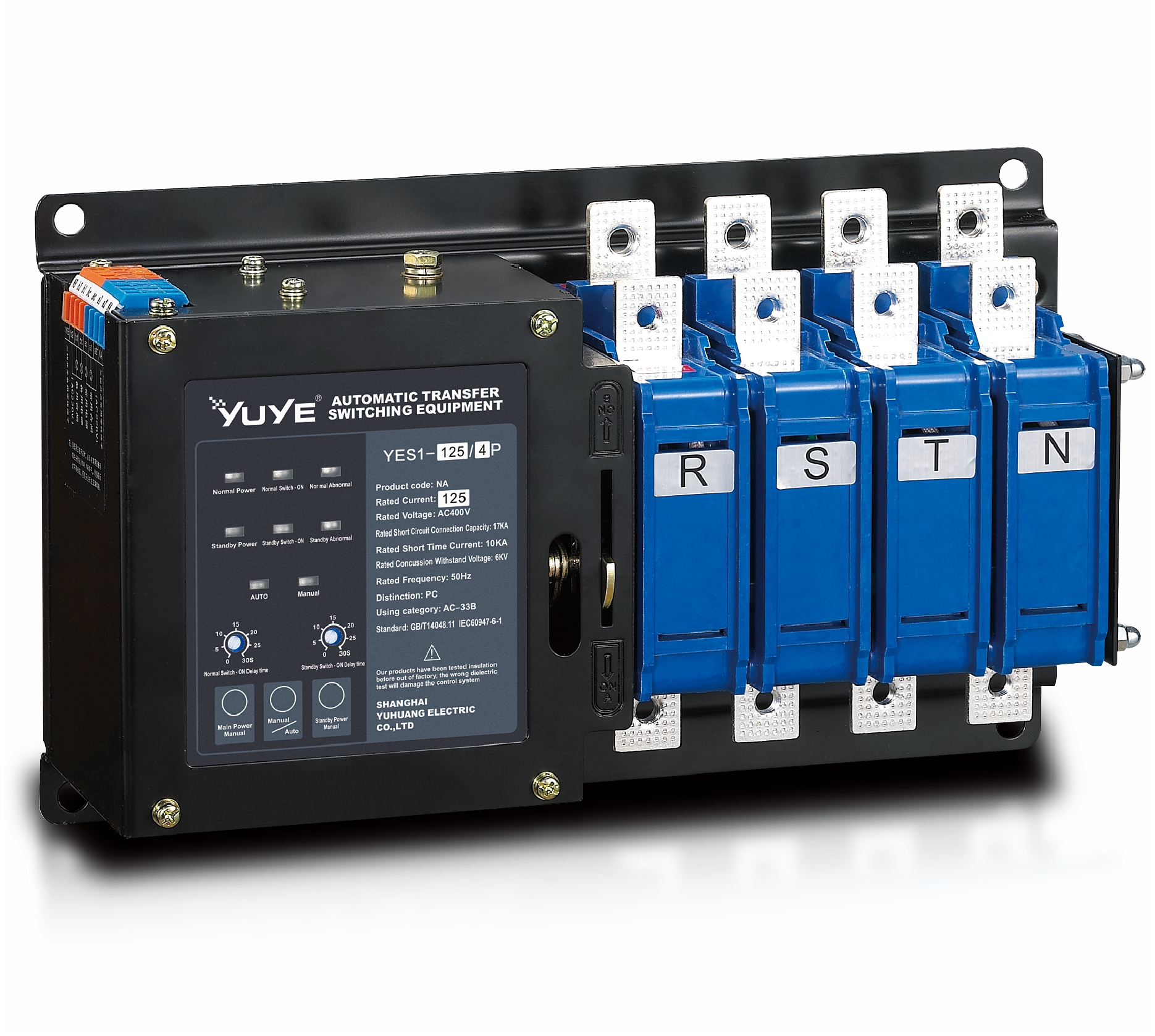
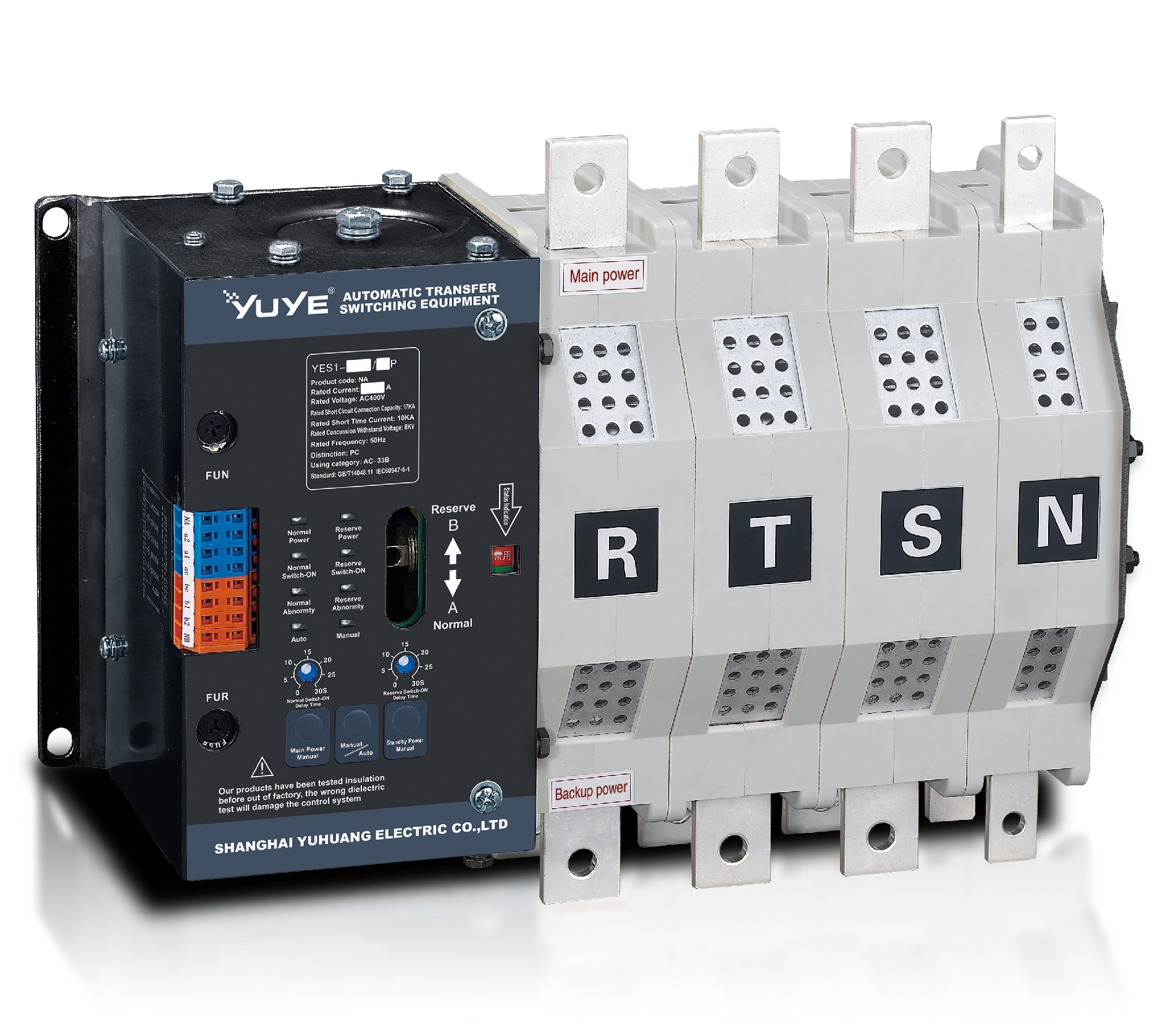
Designing an automatic transfer switch (ATS) involves understanding its key components. An ATS is crucial for switching power sources seamlessly. The two main components are the control panel and motorized switches. Each part must function together to ensure reliability.

The control panel governs the entire operation. It monitors the primary power and detects outages. When failure occurs, it triggers the motorized switch to connect to the backup source. Users often overlook the importance of proper calibration. A poorly calibrated panel can cause delays during power shifts. This necessitates regular testing and adjustment.

Motorized switches handle the actual transfer of power. They must be durable and responsive. Insufficient research into these components can lead to unexpected failures. For instance, a switch that cannot handle high loads can fail during critical times. It's vital to choose the right ratings to prevent such issues. This process requires careful consideration and sometimes mistaken choices. Reflections on past installations often reveal that attention to detail is essential.

Step-by-Step Design Process for Automatic Transfer Switches

Designing an automatic transfer switch (ATS) involves several critical steps. Start by determining the power requirements. According to a recent industry report, accurate sizing of the ATS is crucial. Overloading can lead to failures. Consider the type of load, whether it's resistive or inductive. Each type has different requirements.

Next, focus on the control logic. This step requires assembling various components. Choose reliable relays and sensors. An ATS must switch power without delay. Delays can cause damage to equipment. Reports show that a switch with a response time under 30 seconds decreases failure risks.

Finally, perform comprehensive testing after installation. Simulate outages to see how the system performs. Some designs may not work as expected during a blackout. This reveals potential flaws. Adjustments may be needed after testing. Less than 15% of ATS installations pass all tests on the first try. Continuous improvement matters in the design process. Addressing shortcomings early avoids larger issues later.

Safety Considerations in Automatic Transfer Switch Design

When designing an automatic transfer switch (ATS), safety is paramount. Grounding is essential. An effective grounding system prevents electrical shocks. It also helps in the accurate detection of faults. Without proper grounding, appliances could be exposed to hazardous voltage levels. This can lead to severe damage and injuries.

Another critical aspect is the enclosure design. Materials should be durable and resistant to environmental factors. Using weatherproof enclosures protects the internal components. However, designers often overlook air circulation. Ensuring proper ventilation is vital to prevent overheating. Inadequate airflow can cause failure during operation. Risks multiply if the switch is constantly under stress.

Maintenance needs to be a priority. Regular inspection can identify wear and tear. However, reminders are often forgotten. This leads to unforeseen failures when systems are needed most. A simple schedule can help ensure that necessary checks are made. It is easy to overlook these details until it’s too late. Evaluating risks and implementing solutions can save resources and lives.

Safety Considerations in Automatic Transfer Switch Design

Selecting the Right Specifications for Your Automatic Transfer Switch

Selecting the right specifications for your automatic transfer switch (ATS) is crucial. A well-designed ATS ensures smooth power transition during outages. According to industry reports, 30% of power failure events are caused by outdated switching equipment. Choosing an ATS that meets your power requirements is fundamental.

Consider load capacity. Many systems operate between 30A and 4000A. Evaluating the total load helps avoid overload conditions. Regular maintenance is key too; reports show that improper maintenance increases the failure rate by 20%. An ATS should also offer flexibility. This allows integration with future upgrades or changes in power needs.

Sensitivity features are also important. Some switches can detect when utility power is inadequate and respond quickly. However, users often overlook this when selecting an ATS. With increased reliance on technology, a rapid response time is essential. Look for switches with advanced monitoring features. Data indicates that systems with intelligent monitoring can reduce downtime significantly, sometimes by more than 50%.

Common Challenges in Automatic Transfer Switch Implementation

Essential Tips for Designing an Automatic Transfer Switch

Designing an automatic transfer switch (ATS) is not without its challenges. One common issue is ensuring proper load balancing. When power shifts between the main source and a backup generator, an imbalance can occur. This can lead to equipment damage and operational disruptions. Understanding the specific load requirements is crucial. Many overlook this initial assessment, leading to problems later.

Another challenge involves the integration of various components. Each part of the ATS must work seamlessly with others. If components are incompatible, it can cause failures. Regular testing and updates can help. It's vital to document and reassess the entire system periodically. Often, teams may neglect this routine, assuming everything functions correctly.

Lastly, installation issues can arise. A poorly installed switch may lead to safety hazards. Many overlook local codes or guidelines that govern installation. This oversight increases risks. It's essential to consult with professionals during the design phase. Ignoring this can result in costly mistakes that are hard to fix later. Connections must be secure, and interfaces need to be user-friendly.

Maintenance Best Practices for Automatic Transfer Switches

Automatic transfer switches (ATS) are vital for reliable power distribution. Regular maintenance is key to ensure these systems function properly. Inspecting the ATS at least twice a year can help catch issues early. Look for signs of wear, loose connections, or corrosion. Each inspection should include testing the operation in simulated power loss scenarios.

Cleaning is often overlooked. Dust and debris can hinder performance. Use a soft cloth to wipe down the exterior. For interior parts, vacuum carefully to avoid damage. It’s important to keep the environment around the ATS clean. Check if the area is free from moisture and extreme temperatures.

Documentation might seem tedious but it's essential. Keep track of maintenance dates and any issues found. Make notes for future reference. Reflect on past problems and update your maintenance strategies. This process not only helps with compliance but also builds a reliable history. An ATS is a long-term investment, so treat it as one.

Understanding the Benefits and Applications of the Solenoid-type ATS YES1-63NJT in Modern Electrical Systems

The solenoid-type ATS YES1-63NJT stands out as a crucial component in modern electrical systems, particularly in applications requiring reliable switching and control. With a rated current range from 16A to 63A and a configuration of 2 poles, it efficiently handles various electrical loads, making it ideal for industrial and commercial setups. This device operates at both 50Hz and 60Hz, ensuring compatibility with diverse electrical environments. Designed for longevity, the solenoid-type ATS boasts an electrical life exceeding 1500 cycles and a mechanical life of at least 4500 cycles, evidencing its durability and reliability in continuous operation.

The ATS YES1-63NJT is characterized by its integral design and dual-position functionality. Operating at rated insulation voltage of 690V, it can handle working voltages of AC110V and 220V, catering to different operational requirements. Its application in categories such as AC-31B highlights its robust capability to manage specific load types effectively. This versatility, combined with its efficient performance metrics, positions the solenoid-type ATS as an invaluable asset within modern electrical infrastructure, delivering both safety and efficiency in power management.

FAQS

: What types of products can be purchased?

: A variety of goods are available, including clothing, electronics, and home items.

How can payments be made?

Payments can typically be made via credit cards, digital wallets, or bank transfers.

Are returns accepted?

Yes, returns are often allowed within a specified period, usually around 30 days.

How long does shipping usually take?

Shipping times vary, but expect 3 to 7 days for most orders.

Is customer support available?

Yes, customer support is usually accessible through email and phone during business hours.

Can I track my order?

Yes, tracking information is generally provided once the order has shipped.

Are there discounts for bulk purchases?

Bulk purchase discounts are sometimes available, depending on the quantity bought.

What should I do if my order arrives damaged?

Contact customer support immediately to report the issue and seek a solution.

Can I update my order details after placing it?

Depending on the system's speed, changes may or may not be possible.

What if my preferred item is out of stock?

You might have the option to sign up for notifications once the item becomes available again.

Conclusion

Designing an Automatic Transfer Switch (ATS) requires a thorough understanding of its functionality and key components. The design process involves several steps, including selecting the right specifications tailored to the specific application, ensuring compliance with safety regulations, and addressing common implementation challenges. Safety considerations are paramount, as they ensure the reliable operation of the ATS during power failures.

Additionally, maintenance best practices play a crucial role in prolonging the lifespan and efficiency of Automatic Transfer Switches. Regular inspection, testing, and timely repairs help mitigate risks associated with power transitions. By following these essential tips for Automatic Transfer Switch Design, engineers and technicians can create dependable systems that effectively maintain power continuity for critical applications.

Blog Tags:

Noah

Noah

Noah is a dedicated marketing professional at One Two Three Electric Co., Ltd., a distinguished manufacturer renowned for its high standards in the development and production of molded case circuit breakers and air circuit breakers. With a profound expertise in electrical solutions, Noah......
Previous Exploring Innovative Alternatives to Automatic Transfer Switch Ats in Modern Power Solutions