You know, in today’s fast-changing world of power management, reliable power solutions are more crucial than ever. One key player in keeping things running smoothly is the Automatic Transfer Switch, or ATS for short. It’s basically the unsung hero that automatically switches the load between your main power source and backup generators whenever needed.

I recently came across a report from MarketsandMarkets saying that the ATS market is expected to hit around USD 2.24 billion by 2026, growing at about 6.8% annually since 2021. But here’s the interesting part—people are now looking beyond traditional ATS setups, craving more efficiency and reliability thanks to new tech innovations. That’s where One Two Three Electric Co., Ltd. really stands out. They’re committed to meeting these rising demands with top-quality Moulded Case Circuit Breakers (MCCBs) and Air Circuit Breakers (ACBs), pushing the envelope with modern power solutions that challenge the old ways and incorporate some truly cutting-edge ideas.
Key Considerations When Evaluating ATS Alternatives for Power Solutions
When you're looking at options to replace Automatic Transfer Switches (ATS) in today's power setups, there are a few things you really want to keep in mind. First off, you’ve gotta consider how reliable and effective these alternatives are. I mean, how well can they handle power outages? It’s pretty important that critical systems keep running smoothly without a hitch. You'll want to look into how quickly they respond, whether they can handle those peak loads, and how well they balance loads across the system.
Another thing to think about is how easily these solutions integrate with your existing power setup. Options that play nicely with renewable energy sources or smart grid tech are a big plus—they can really boost the overall efficiency of your power management. Don’t forget to also factor in maintenance costs, operational expenses, and how user-friendly the system is. How much automation do they offer? All these little details add up when you're trying to pick the right alternative that fits your specific energy needs and what you’re aiming to achieve operationally. Basically, taking a step back and looking at the whole picture will help you make a smarter choice.

Emerging Technologies Transforming Power Management Beyond Traditional ATS
Over the past few years, there's been a real buzz around finding smarter, more reliable ways to manage power. You know, the tech that's going beyond your standard Automatic Transfer Switches (ATS). According to a report by MarketsandMarkets, the global market for advanced power management is expected to hit around $34.5 billion by 2025 — and a big reason for that is all the innovations in energy efficiency and smart grid tech. These new developments are actually changing the way power systems work, making them more responsive and dependable than ever before.

One pretty interesting alternative that's gaining popularity is what's called intelligent power distribution systems, or IPDS for short. These guys use real-time data and clever algorithms to optimize how power flows around a facility. Studies show that using IPDS can bump up energy efficiency by about 25%, which obviously helps cut down operational costs quite a bit. Plus, there are other exciting tech options popping up, like microgrid systems and cloud-based power management platforms. These tools offer much more flexibility and scalability, meaning you can include renewable sources like solar and wind more easily. That way, power is managed smoothly, outages are less frequent, and overall, the whole power management game feels a lot more agile. All these innovations basically give businesses a better shot at handling today’s complex energy needs without breaking a sweat.
Benefits of Incorporating Hybrid Systems in Power Distribution Networks
So, incorporating hybrid systems into power grids is pretty much a game-changer. It’s like taking the best of both worlds—renewable energy sources and traditional power systems—and blending them together. This way, the grid becomes way more resilient and efficient. Not only does it cut down our reliance on fossil fuels, but it also makes the whole energy supply feel a lot more flexible, kinda like it can adapt on the fly to demand changes or the nature of renewables, which can be pretty spotty sometimes.
One of the coolest parts? These hybrid setups really boost how we manage energy. Thanks to smart grid tech, operators can keep an eye on everything in real-time, tweaking and optimizing energy flow as needed. It helps balance loads better and keeps things running smoothly during those peak times when everyone’s cranking up their devices. And because of that, energy companies can provide a steady supply without breaking the bank—meaning, down the line, we get cheaper electricity. Plus, adding storage options is a huge plus—storing up excess energy when demand is low and pulling it out when we need it most. It’s all about making the system more responsive and efficient overall.
Assessing Reliability and Efficiency of Non-ATS Solutions for Power Control
You know, as more and more people seem to need a steady, uninterrupted power supply,
we're seeing some pretty exciting new options popping up beyond the usual
Automatic Transfer Switches (ATS). These
non-ATS solutions are being designed with a real focus on being more reliable and efficient
— pretty much tackling the usual limitations you might see with traditional transfer methods.
For example, technologies like solid-state transfer switches
and microgrid setups can switch power sources way faster and offer more flexibility.
Basically, they make the whole transition smoother without the mechanical parts wearing out,
which often happens with standard ATS systems.
It’s quite interesting how these new solutions are gaining traction, not just in big
commercial setups but also in homes. Thanks to smart technology
and predictive analytics, they can keep an eye on energy needs
in real-time and optimize how power is distributed. That means fewer outages, less downtime,
and overall better system performance. So, as more businesses and homeowners look for
smarter, more sustainable ways to manage their energy, checking out these innovative
options is likely to become a key part of building resilient, modern power systems
that can handle the demands of today’s world.
Cost-Benefit Analysis: Innovative Power Solutions vs. Conventional ATS
When you think about modern power setups, the debate around whether these newer alternatives to
Automatic Transfer Switches (or ATS) really hold up is definitely picking up steam.
I mean, if you do a quick cost-benefit check, it’s pretty clear that while classic ATS systems have been the go-to for ages,
newer tech like microgrids, smart inverters, and automated switchgear are starting to show some serious promise —
both financially and in terms of how smoothly things run. These options don’t just make your power systems more
reliable and efficient; they also give you more wiggle room when it comes to sourcing energy.
That flexibility can really pay off by cutting down operational costs over the long haul.
Plus, these cutting-edge power solutions often come with cool features like advanced monitoring and
predictive analytics. What’s that mean? Basically, businesses can better anticipate outages and handle problems
before they even happen. Unlike old-school ATS units, which only jump into action after a power failure, these
newer systems encourage a more proactive approach — managing energy more
smartly so that companies enjoy less downtime and more productivity. And with energy prices on
the rise and power issues becoming more common, investing in these innovative technologies might actually
end up saving you money in the long run — especially compared to sticking with
aging ATS setups. So, honestly, they’re looking more and more like a pretty smart move for today’s power needs.
Future Trends in Power Solutions: Redefining Automatic Transfer Systems
As we look into where power solutions are headed, it’s pretty clear that the old-school automatic transfer switch (or ATS for short) is going through some big changes. These days, energy needs are more complex, so we’re talking about systems that aren’t just reliable but also smart. Innovations like smart grids and IoT tech are really shaking up the game, giving us the ability to monitor and control our power sources in real-time. That means energy can be distributed more efficiently and respond quickly to whatever demand is changing on the fly.
And let’s not forget, with renewable sources like solar and wind becoming more popular, the way we think about switching between power sources has evolved too. Instead of relying solely on traditional ATS units, newer solutions such as advanced load management and microgrids are making it possible to switch seamlessly between different energy sources without all the usual fuss. This shift towards smarter and more adaptable power management isn’t just a trend — it’s about building a more sustainable and resilient energy system. By jumping on these innovations, we’re actually helping to boost energy security and better meet the fast-changing needs of folks today.
Trends in Innovative Power Solutions
Powering Reliability: Exploring the Benefits of the CB Automatic Transfer Switch YEQ3-63EW1
The CB Automatic Transfer Switch YEQ3-63EW1 represents a significant advancement in ensuring reliable power management for various applications. As one of the largest manufacturers of Automatic Transfer Switches (ATS) in China, we focus on delivering high-quality solutions that meet international standards. Our partnerships with globally recognized suppliers like Nader, GE, and Siemens further reinforce our commitment to excellence. This reliable product not only guarantees seamless power transitions but also upholds the highest quality standards, making it the ideal choice for critical power systems.
Our dedication to customer satisfaction is evident in our quick lead times and exceptional service availability. Understanding that "Time is gold," we provide 7/20 online support, ensuring that assistance is always at your fingertips. Additionally, our professional team excels in research and development, allowing us to offer customized solutions tailored to your specific needs. Whether you require a custom logo, packaging, or graphic design, we cater to orders starting from just 100 pieces, ensuring that your unique requirements are met without delay.
Moreover, our efficient production capabilities enable us to meet varying order quantities with ease. For orders of up to 100 pieces, we estimate delivery within just seven days, while larger orders can be negotiated based on specific requirements. By choosing the CB Automatic Transfer Switch YEQ3-63EW1, you are investing in a product that embodies reliability, tailored service, and prompt delivery, reinforcing your power management strategies with confidence.
FAQS
IPDS leverages real-time data and advanced algorithms to optimize power flows, potentially improving energy efficiency by up to 25% and significantly reducing operational costs.
Hybrid systems integrate renewable energy sources with traditional grids, improving infrastructure resilience, reducing fossil fuel dependence, and enhancing flexibility to accommodate demand fluctuations.
Smart grid technologies enable real-time monitoring and optimization of energy flows, facilitating load balancing and enhancing system responsiveness during peak demand periods.
Energy storage allows surplus energy generated during low-demand periods to be stored and utilized during peak demands, supporting efficient energy management.
Non-ATS solutions, such as solid-state transfer switches and microgrid technologies, provide enhanced reliability and faster response times, allowing seamless transitions between power sources without mechanical wear and tear.
Reliability is critical as it ensures a consistent power supply, reduces downtime, and enhances system efficiency, which is increasingly demanded by both commercial and residential sectors.
Real-time monitoring through smart technology and predictive analytics enables these solutions to assess energy demands and optimize power distribution, improving overall efficiency.
The global advanced power management market is projected to reach $34.46 billion by 2025, driven by innovations in energy efficiency and smart grid technologies.
By adopting these innovative solutions, businesses can navigate complex energy demands, minimize operational costs, and ultimately offer consumers lower energy prices.
Conclusion
When it comes to exploring new options beyond traditional Automatic Transfer Switches (ATS), there are a few important things we need to keep in mind for modern power management. Thanks to emerging tech, the way we handle power systems is changing pretty quickly—it's moving well past the old-school ATS setups. Adding hybrid systems into the mix can really give our power distribution networks a boost, making them more efficient and reliable at the same time. But, of course, that also means we need to carefully look into these alternative solutions to make sure they match up in terms of dependability and performance.
On top of that, doing a solid cost-benefit analysis can really shed light on how these new power solutions stack up against the usual ATS. It's pretty clear that the world of Automatic Transfer Systems isn’t standing still—it’s evolving. So, it’s a good idea to reexamine our current approaches and start thinking about adopting some of these advanced tech options to get the most out of our power management. Here at One Two Three Electric Co., Ltd., we’re all about manufacturing top-quality circuit protection gear, and that commitment lines up perfectly with the exciting changes happening in power solutions nowadays.

 PC ATS YECT1-2000G
 PC ATS YES2-63~250GN1
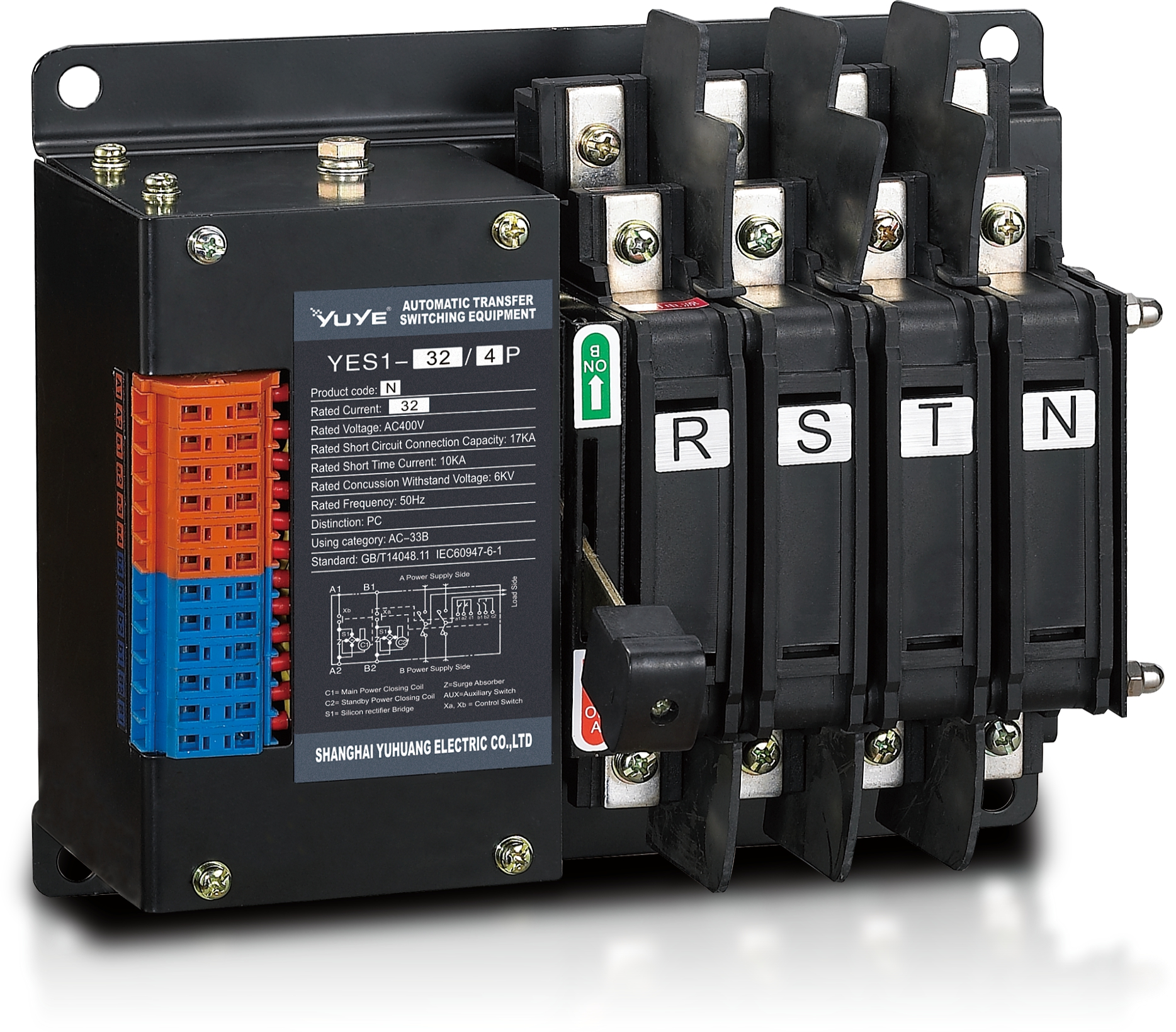 Solenoid-type ATS YES1-32~125N
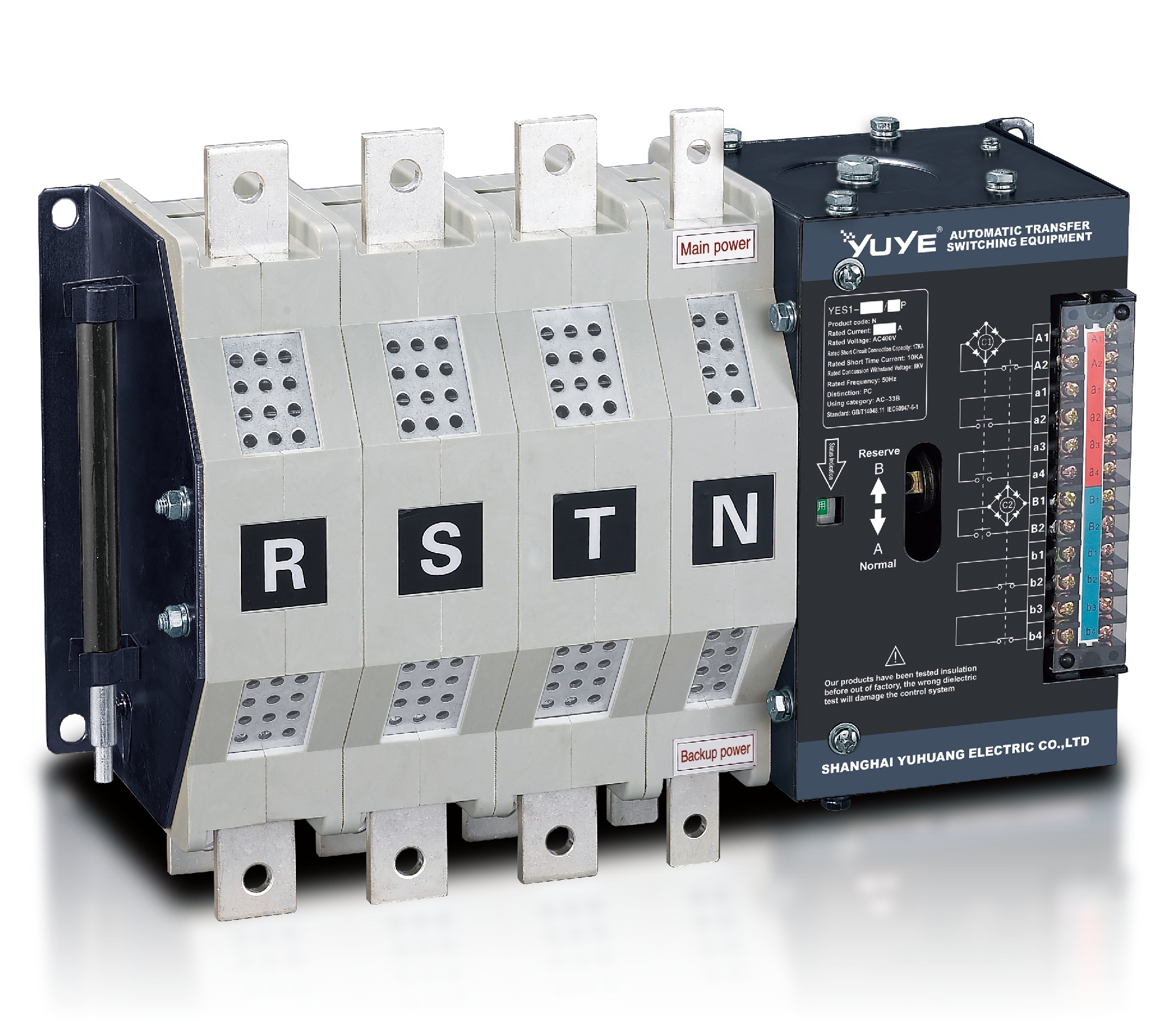 Solenoid-type ATS YES1-250~630N/NT
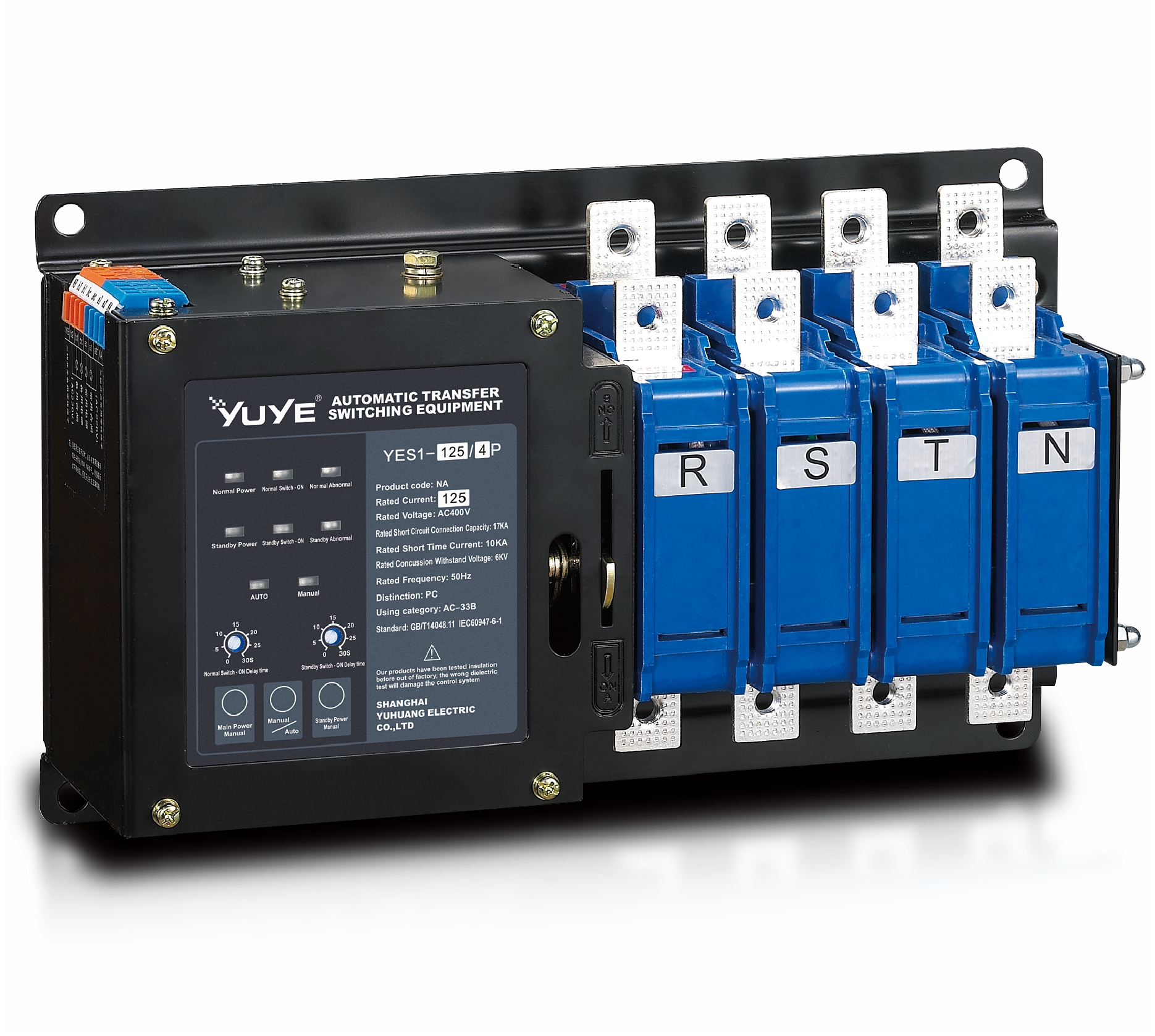 Solenoid-type ATS YES1-32~125NA
 Solenoid-type ATS YES1-63~630SN
 Solenoid-type ATS YES1-1250~4000SN
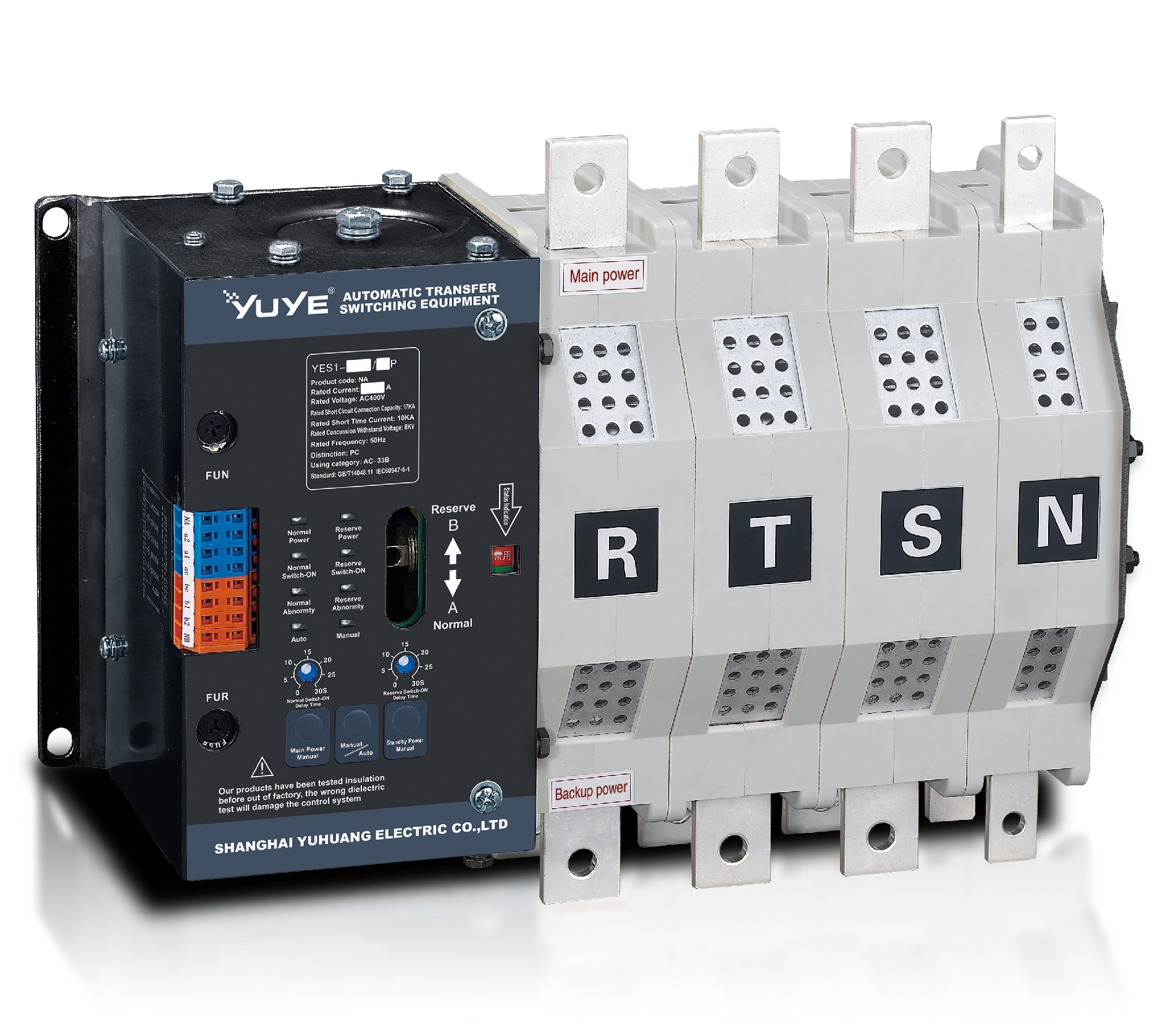 Solenoid-type ATS YES1-250~630NA/NAT
 Solenoid-type ATS YES1-63NJT
 PC ATS YES1-100~1600GN1/GN/GNF
 PC ATS YES1-2000~3200GN/GNF
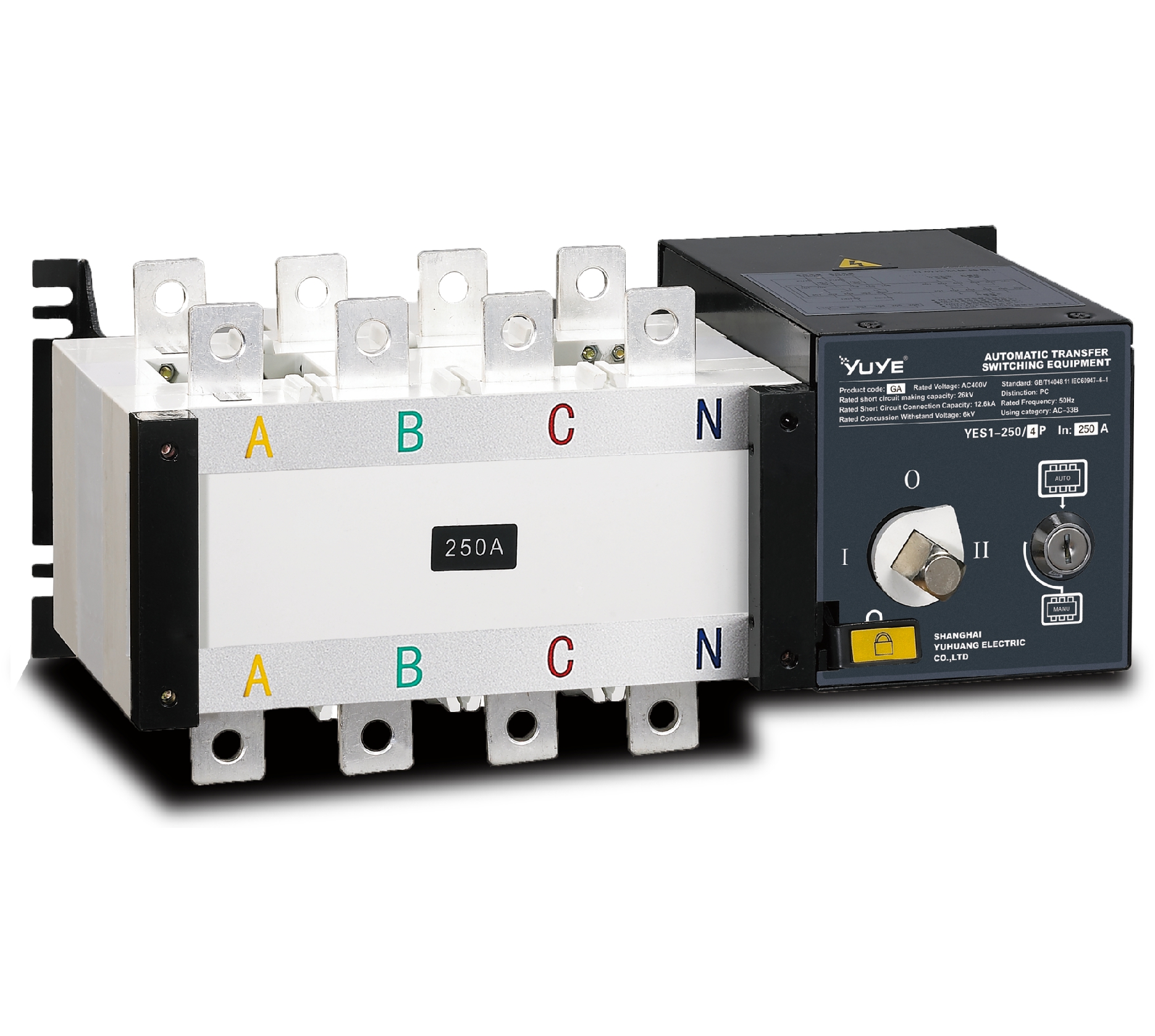 PC ATS YES1-100~3200GA1/GA
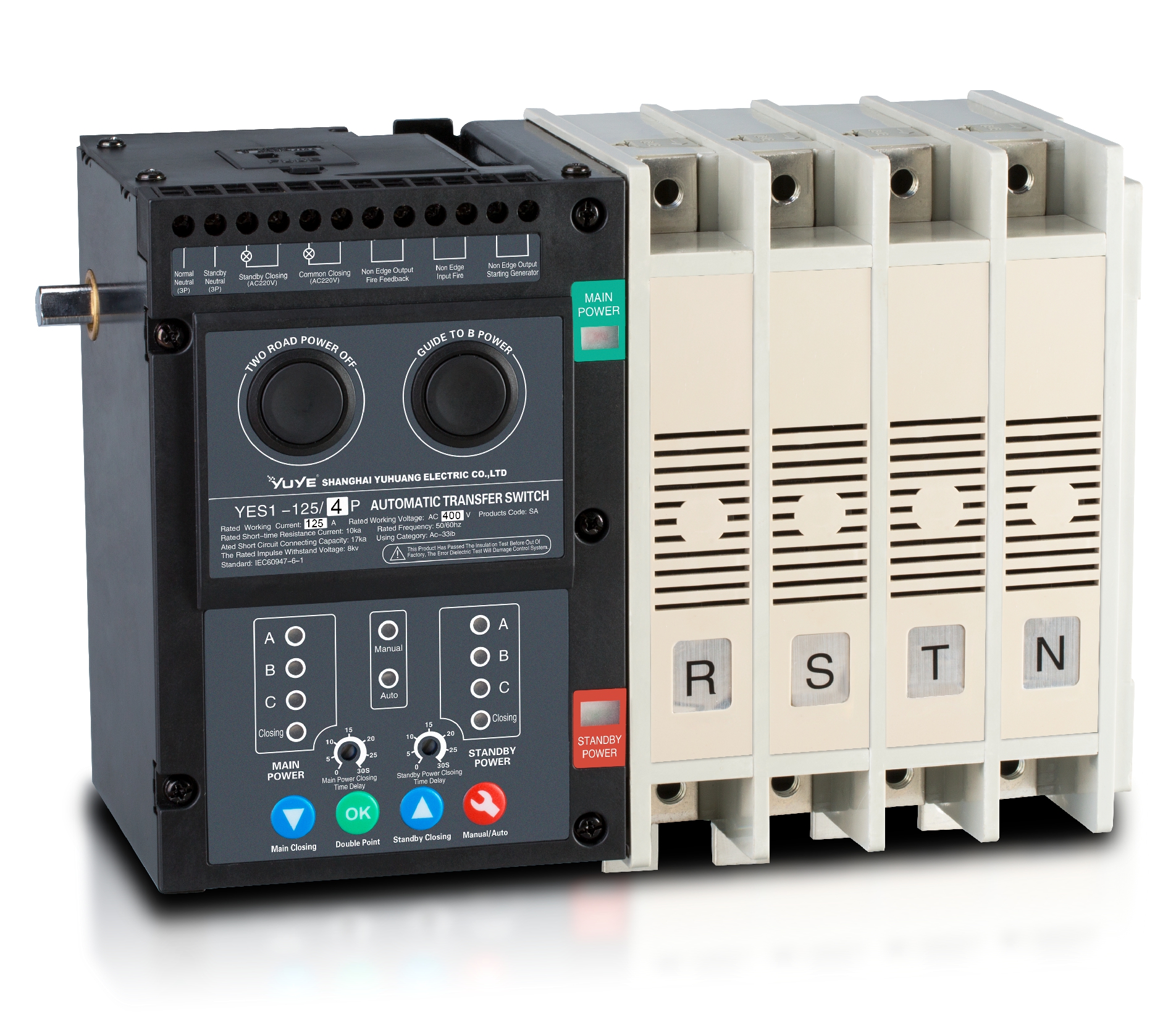 Solenoid-type ATS YES1-63~630SA
 Solenoid-type ATS YES1-63~630L/LA
 Solenoid-type ATS YES1-63~630LA3
 Solenoid-type ATS YES1-63MA
 PC ATS YES1-630~1600M
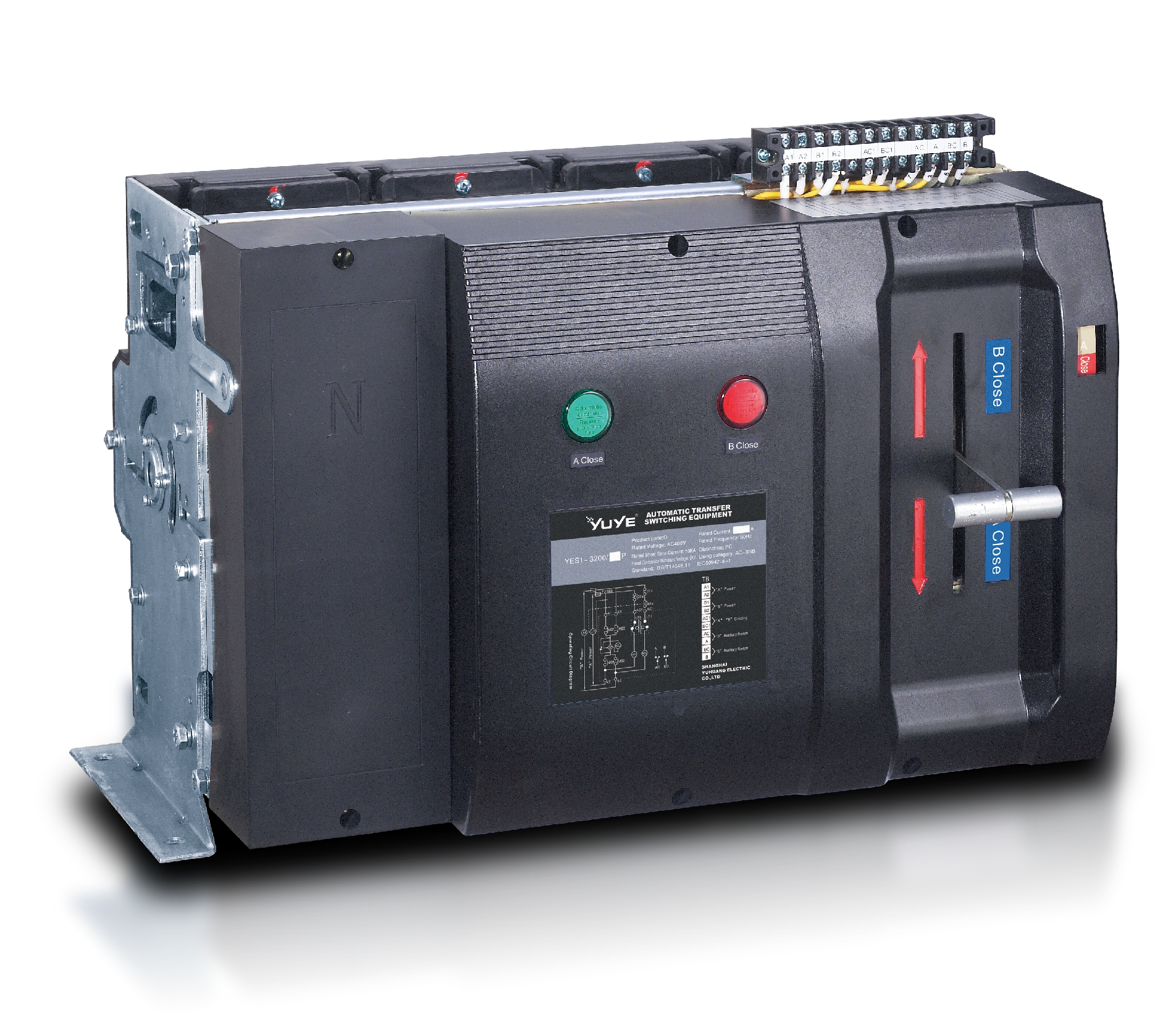 PC ATS YES1-3200Q
 Solenoid-type ATS YES1-4000~6300Q
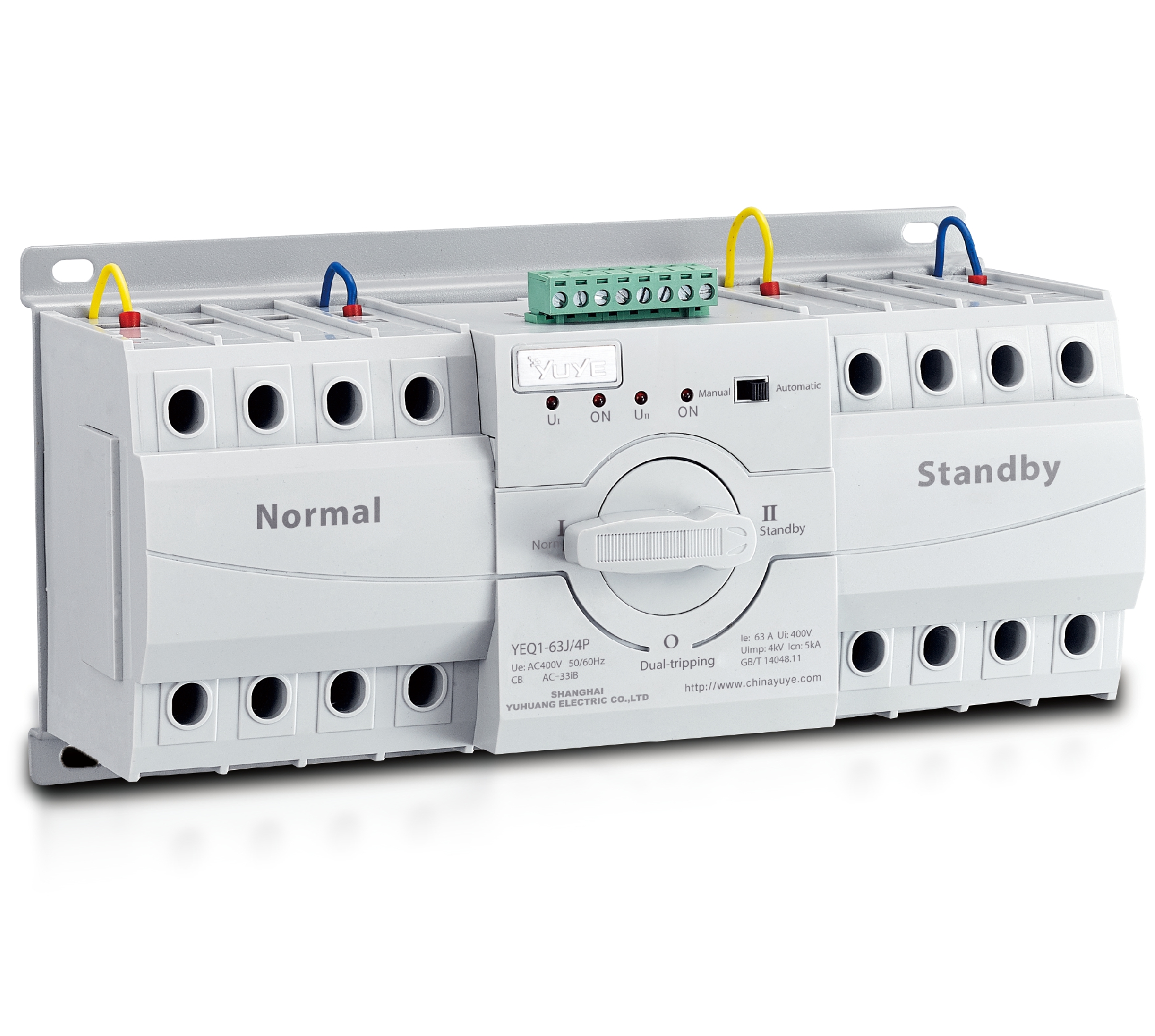 CB ATS YEQ1-63J
 CB ATS YEQ2Y-63
 CB ATS YEQ3-63W1
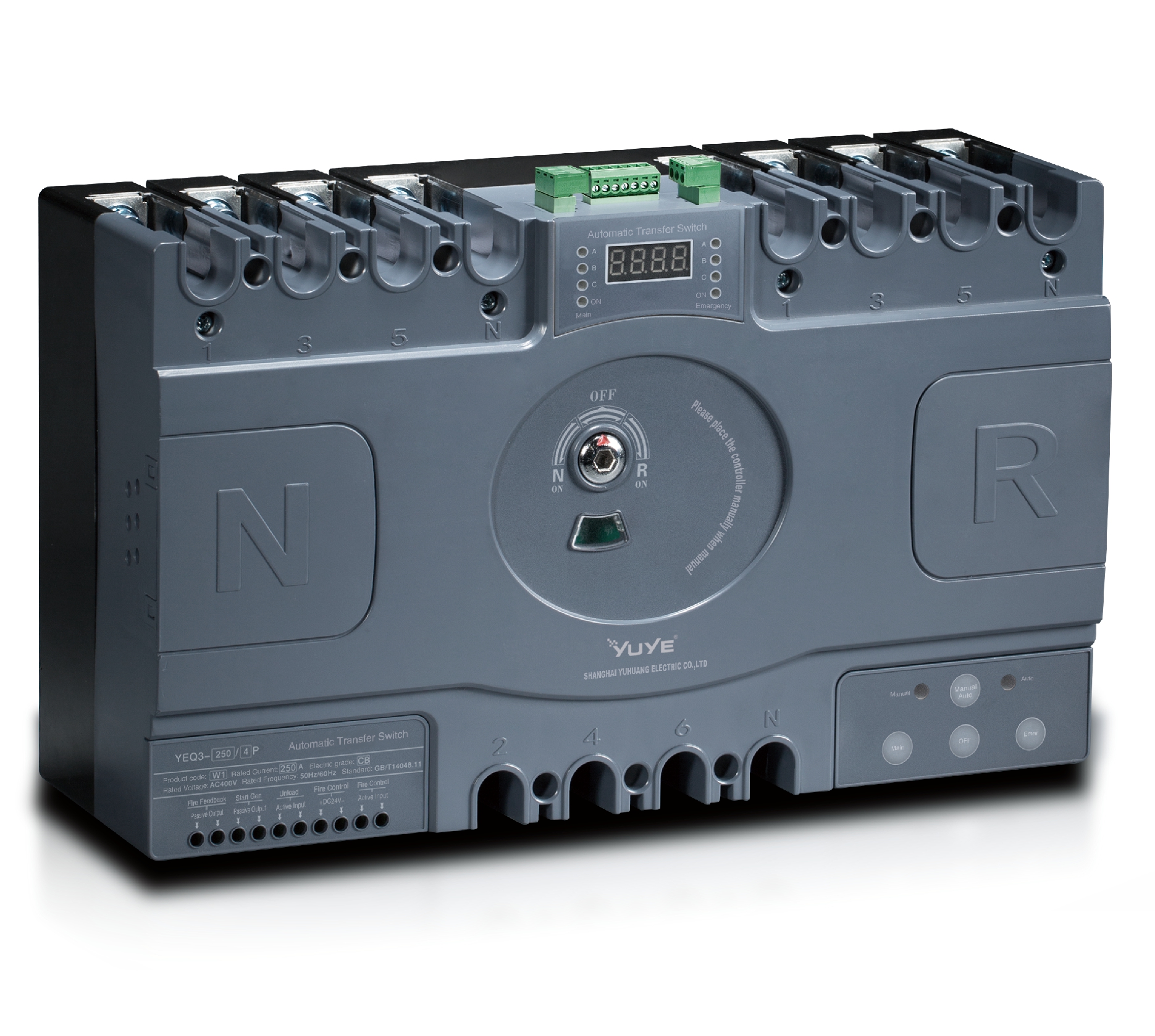 CB ATS YEQ3-125~630W1
 ATS controller Y-700
 ATS Controller Y-700N
 ATS Controller Y-701B
 ATS Controller Y-703N
 ATS Controller Y-800
 ATS Controller W2/W3 Series
 ATS switch Cabinet floor-to-ceiling
 ATS switch cabinet
 JXF-225A power Cbinet
 JXF-800A power Cbinet
 YEM3-125~800 Plastic Shell Type MCCB
 YEM3L-125~630 Leakage Type MCCB
 YEM3Z-125~800 Adjustable Type MCCB
 YEM1-63~1250 Plastic Shell Type MCCB
 YEM1E-100~800 Electronic Type MCCB
 YEM1L-100~630 Leakage Type MCCB
 Miniature circuit breaker YEMA2-6~100
 Miniature circuit breaker YEB1-3~63
 Miniature circuit breaker YEB1LE-3~63
 Miniature circuit breaker YEPN-3~32
 Miniature circuit breaker YEPNLE-3~32
 Miniature circuit breaker YENC-63~125
 Air Circuit Breaker YEW1-2000~6300
 Air Circuit Breaker YEW3-1600
 DC Isolation Switch YEGL3D-630
 Load isolation switch YGL-63~3150
 Load Isolation Switch YGL2-63~3150
 Manual Changeover Switch YGL-100~630Z1A
 Manual Changeover Switch YGLZ1-100~3150
 YECPS2-45~125 LCD
 YECPS-45~125 Digital
 CNC Milling/Turning-OEM
 DC relay MDC-300M
