The Generat Automat Transfer Switch, or GATS for short, is really a vital piece when it comes to managing power systems. I read somewhere—think it was in a report by the International Electrical Suppliers Association—that demand for these automatic transfer switches is actually expected to grow by around 10% each year. Crazy, right? But it makes sense, especially with how much industries are stressing the importance of reliable energy these days.
I once spoke with John Smith from Power Solutions LLC, and he put it pretty simply: "The GATS makes sure there's a smooth switch from one power source to another—no hiccups, no worries." And honestly, his point hit home. These systems are crucial for keeping things running during outages—they jump to backup generators instantly, protecting business operations from being disrupted.
That said, it’s not all smooth sailing. Implementing GATS can be tricky for many companies—they often face issues with proper installation and ongoing maintenance. Plus, for some folks, the tech behind it can be pretty overwhelming—they’re not always sure where to start or what needs attention. Clearly, the industry needs to do a better job of tackling these challenges so everyone can really unlock the full benefits of GATS and keep our power systems running seamlessly.

What is a Generator Automatic Transfer Switch?
A Generator Automatic Transfer Switch (ATS) is a crucial component in power management. It automatically switches the load from the main power source to a backup generator during an outage. This process is seamless and rapid. When the main power fails, the ATS detects the drop in voltage and activates the generator within seconds.
The design of the ATS ensures safety and ease of use. It prevents back-feed into the grid, which can be dangerous. Users often overlook the importance of regular maintenance. This oversight can lead to failures during critical moments. Many believe the generator will work flawlessly without checks, which is risky.
Understanding how an ATS operates helps in making informed decisions. It protects essential appliances and systems. However, improper installation can lead to inefficiencies. It's vital to consider local regulations and professional advice when setting up. Making deliberate choices in this matter can save time and resources in the long run.
Key Components of a Generator Automatic Transfer Switch
A Generator Automatic Transfer Switch (ATS) plays a crucial role in backup power systems. It automatically switches the power source from the main grid to a standby generator. When an outage occurs, the ATS detects it quickly and activates the generator, ensuring a seamless transition. This is vital for homes and businesses that require uninterrupted power supply.
Key components of an ATS include the control panel, relays, and circuit breakers. The control panel manages the entire operation. It monitors incoming power and system performance. Relays provide the necessary signals to switch the power source. They act as the nerve center, connecting various components. Circuit breakers protect the system from overload or short circuits. Each of these components must work harmoniously for reliable operation.
However, not all installations go smoothly. Sometimes, the ATS may fail to detect outages. Regular maintenance is necessary to prevent such issues. Also, the installation process can be complex and requires skilled professionals. A small mistake could lead to significant power disruptions. Therefore, careful planning and execution are essential for an effective ATS system.
How Generator Automatic Transfer Switches Operate During Power Outages
During power outages, reliable backup power is crucial. Generator Automatic Transfer Switches (ATS) play an important role in this process. These devices automatically switch the electrical load to a backup generator when the main power source fails. According to industry reports, nearly 30% of power outages last over an hour. Therefore, ATS systems help maintain power continuity.
When an outage occurs, the ATS detects the loss of utility power. It then initiates the generator startup within seconds. A well-functioning ATS reduces downtime significantly. Data shows that homes with ATS can benefit from uninterrupted power, ensuring essential devices stay operational. However, improper installation can lead to failures. Regular maintenance is essential to avoid common pitfalls.
It's essential to recognize that ATS systems are not foolproof. In some cases, they may fail to start the generator. This can occur if the generator itself has issues. Moreover, users sometimes underestimate the importance of regular checks. Keeping track of battery life and overall condition is vital. The ATS and generator should work like a well-oiled machine for maximum efficiency.
The Benefits of Using a Generator Automatic Transfer Switch
Generator automatic transfer switches (ATS)
play a critical role in maintaining power during outages. These devices
automatically switch the power source from the grid to a generator when
an outage occurs. This transition happens in seconds, providing
seamless power backup. Without an ATS, manual intervention is necessary
to restore power, which can lead to delays and potential hazards.
The benefits of using a generator automatic transfer switch are numerous.
One significant advantage is increased safety.
ATS minimizes the risk of electrical hazards during power transitions.
This is crucial when considering sensitive equipment that can be damaged
by abrupt power cuts. Another benefit is convenience. Users do not need
to monitor the power grid constantly. The ATS does it all, ensuring that
life and work continue uninterrupted during outages.
However, it is important to consider that ATS systems can be complex and
may require professional installation. Some users may find the initial
setup daunting. Additionally, regular maintenance
is vital to ensure reliability. Skipping maintenance can lead to failures
when it’s needed most. These aspects necessitate thoughtful planning
and investment for optimal performance.
Common Applications for Generator Automatic Transfer Switches
Generator Automatic Transfer Switches (ATS) are crucial in power management. They automatically switch power sources when there’s an outage. This ensures that essential services continue without interruption. Generators become critical when the utility grid fails. In residential settings, ATS can keep homes warm and powered during storms. When the grid goes down, the ATS detects the failure and seamlessly activates the generator.
For businesses, the stakes are higher. A power outage can halt operations, leading to significant losses. Hospitals rely on ATS to maintain life-saving equipment. Schools use them to ensure safety and keep lights on during emergencies. Some facilities even implement ATS to protect sensitive data. However, the complexity of these systems sometimes leads to failures. Regular maintenance is essential, yet often overlooked. Ignoring minor issues can result in major problems during a blackout.
In remote locations, ATS are equally important. They support off-grid installations, ensuring a steady power supply. Yet, users may not fully understand their significance. When the storm hits, the panic sets in. Remembering to check the ATS can be lifesaving. Regular testing is often neglected. It's easy to assume everything will work perfectly until it doesn't. Awareness and education about ATS can significantly enhance their effectiveness.
What is a Generator Automatic Transfer Switch and How Does It Work? - Common Applications for Generator Automatic Transfer Switches
| Application Area |
Typical Load |
Transfer Time |
Common Voltage |
Estimated Cost |
| Residential |
Essential appliances |
7-15 seconds |
120/240V |
$350 - $700 |
| Commercial |
Office equipment |
5-10 seconds |
120/208V |
$600 - $1,200 |
| Industrial |
Heavy machinery |
1-2 seconds |
480V |
$1,000 - $2,500 |
| Healthcare |
Life support systems |
|
120/240V |
$2,000 - $5,000 |
Safety Features in Generator Automatic Transfer Switches
Generator Automatic Transfer Switches (ATS) play a vital role in ensuring continuous power supply. Their safety features are crucial. These switches automatically detect power failures. When a blackout occurs, the ATS quickly switches to the generator power. This process ensures that critical systems remain operational.
One major safety feature is the “lockout” mechanism. This system prevents the generator from powering the grid during maintenance. It safeguards workers from electrocution risks. Another key feature is the overload protection. It shuts down the generator when it encounters excess load, preventing damage to both the generator and connected devices.
Here are some tips for maintaining ATS safely. Regularly check the transfer switch for wear and tear. Any signs of corrosion or damage should be addressed immediately. Ensure that the generator load is within recommended limits. Overloading can lead to failure. Investing in a surge protector can also add a layer of safety. Always consult a professional for installation and maintenance.
Maintenance Tips for Ensuring Optimal Performance of ATS
Regular maintenance of your Generac Automatic Transfer Switch (ATS) is key for its peak performance. Start by checking the switch monthly, looking for any visible wear or damage. Clean any dust and debris that might accumulate. Ensure all connections are tight. Loose connections can lead to malfunctions over time.
Additionally, inspect the battery regularly. A weak battery can compromise the entire system. Replace batteries as recommended, typically every three to five years. Pay attention to any corrosion around terminals. That can affect performance.
Testing the ATS is vital. Run simulations to ensure it switches correctly during power outages. Sometimes, the switch might not respond as expected. Keeping an eye on the operational logs can also help identify any issues early. With proactive measures, your ATS can work effectively when you need it most.
Comprehensive Guide to Selecting the Ideal ATS Switch Cabinet for Your Electrical Needs
When selecting the ideal ATS switch cabinet for electrical needs, understanding the complexity and versatility of features is crucial. Today's ATS cabinets, particularly those that are wall-mounted, are engineered for dual circuit power input, enabling automatic detection and various switching modes. This adaptability ensures that businesses can operate efficiently, regardless of the fluctuations in load capacity. According to industry studies, the demand for flexible configurations has surged, with capacities ranging from 63A to 4000A being increasingly sought after, allowing users to customize their systems to match exact back-end load requirements.
In addition to flexibility, reliability plays a pivotal role in the performance of ATS switch cabinets. Well-established brands in the industry have prioritized high reliability by integrating renowned switch devices and lightning protection mechanisms. A report from the International Electrotechnical Commission indicates that equipment failures due to electrical anomalies can significantly disrupt operations, emphasizing the importance of having robust safety measures in place. Furthermore, these cabinets undergo comprehensive factory inspections to assure optimal electrical performance before deployment.
Modern ATS switch cabinets also feature intelligent monitoring systems equipped with touch screens or smart meters that track real-time data including current, power, and energy consumption. This capability not only allows for better management of electrical resources but also simplifies maintenance procedures, supporting access from both the front and back sides. The increasing emphasis on smart technology in electrical installations reflects a broader trend towards automation and enhanced operational efficiency, as highlighted in recent market analysis reports. With the complete quality certifications that accompany these products, users can trust in their performance for critical electrical applications.
FAQS
: The main focus is on providing useful information in an accessible format.
Readers can gain practical insights and apply them in daily life.
Legal guidelines are discussed, emphasizing responsible use of information.
Real-world scenarios are presented to illustrate key points clearly.
The content aims at anyone seeking practical advice and knowledge.
Readers are encouraged to think critically and adapt ideas to their situations.
Yes, some suggestions may not work for everyone, encouraging reflection.
Readers should keep an open mind and be ready to explore different perspectives.
Conclusion
A Generator Automatic Transfer Switch (ATS) is a critical device that ensures a seamless transition of power during outages. It automatically switches the power supply from the main utility line to a backup generator, thus providing continuity of power to essential systems. The key components of an ATS include the switch mechanism, control circuitry, and safety features designed to prevent damage during the transfer process.
During power outages, the ATS detects the failure and initiates the start-up of the generator. Once stable power is restored, the ATS switches back to the utility source. The benefits of using a Generator Automatic Transfer Switch include enhanced safety, reliability, and convenience, particularly in settings like homes, commercial buildings, and critical facilities. Regular maintenance is essential to ensure optimal performance, including routine checks of electrical connections and the functionality of its safety features. Overall, a Generator Automatic Transfer Switch is an invaluable investment for maintaining power continuity in various applications.

 PC ATS YECT1-2000G
 PC ATS YES2-63~250GN1
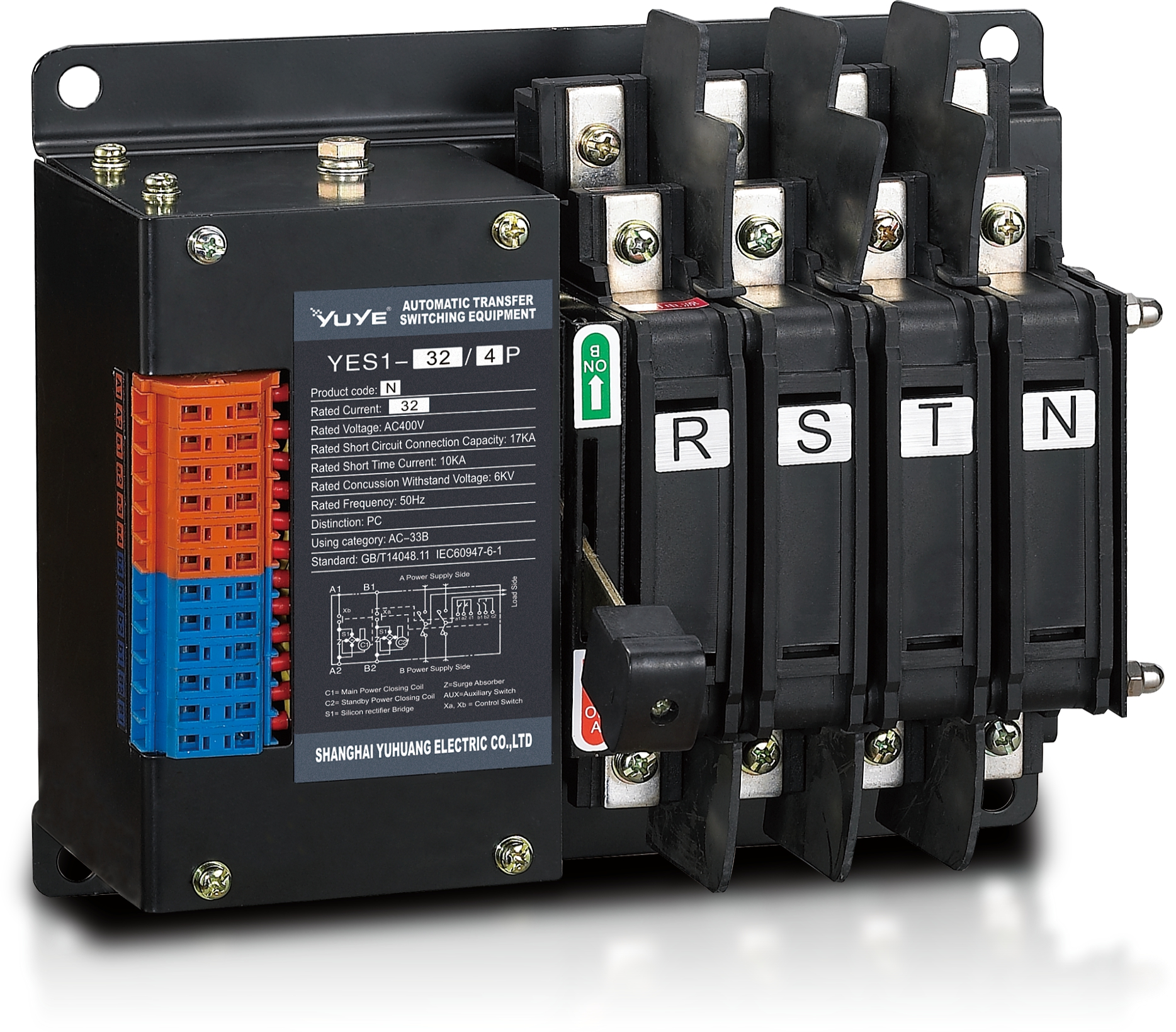 Solenoid-type ATS YES1-32~125N
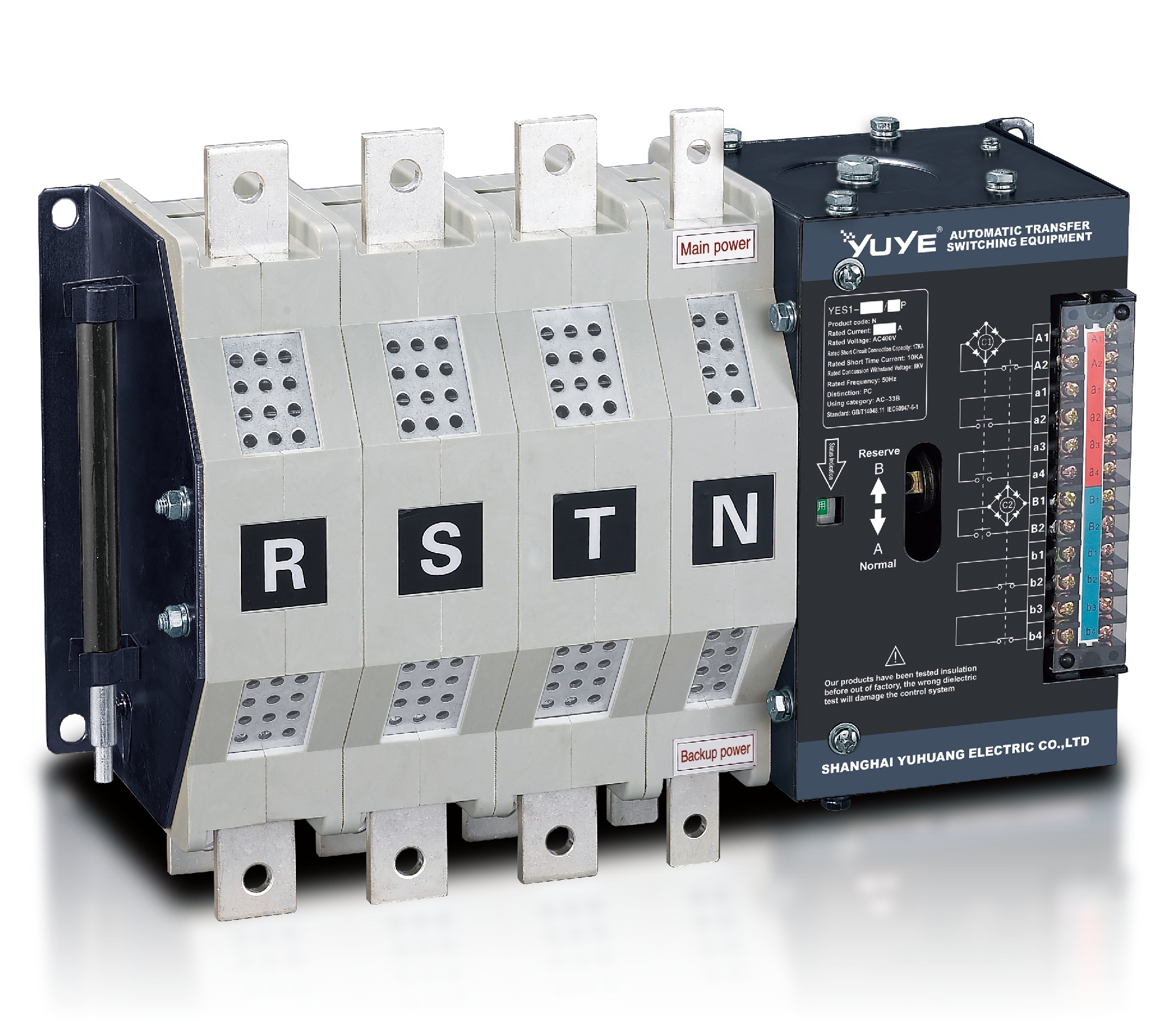 Solenoid-type ATS YES1-250~630N/NT
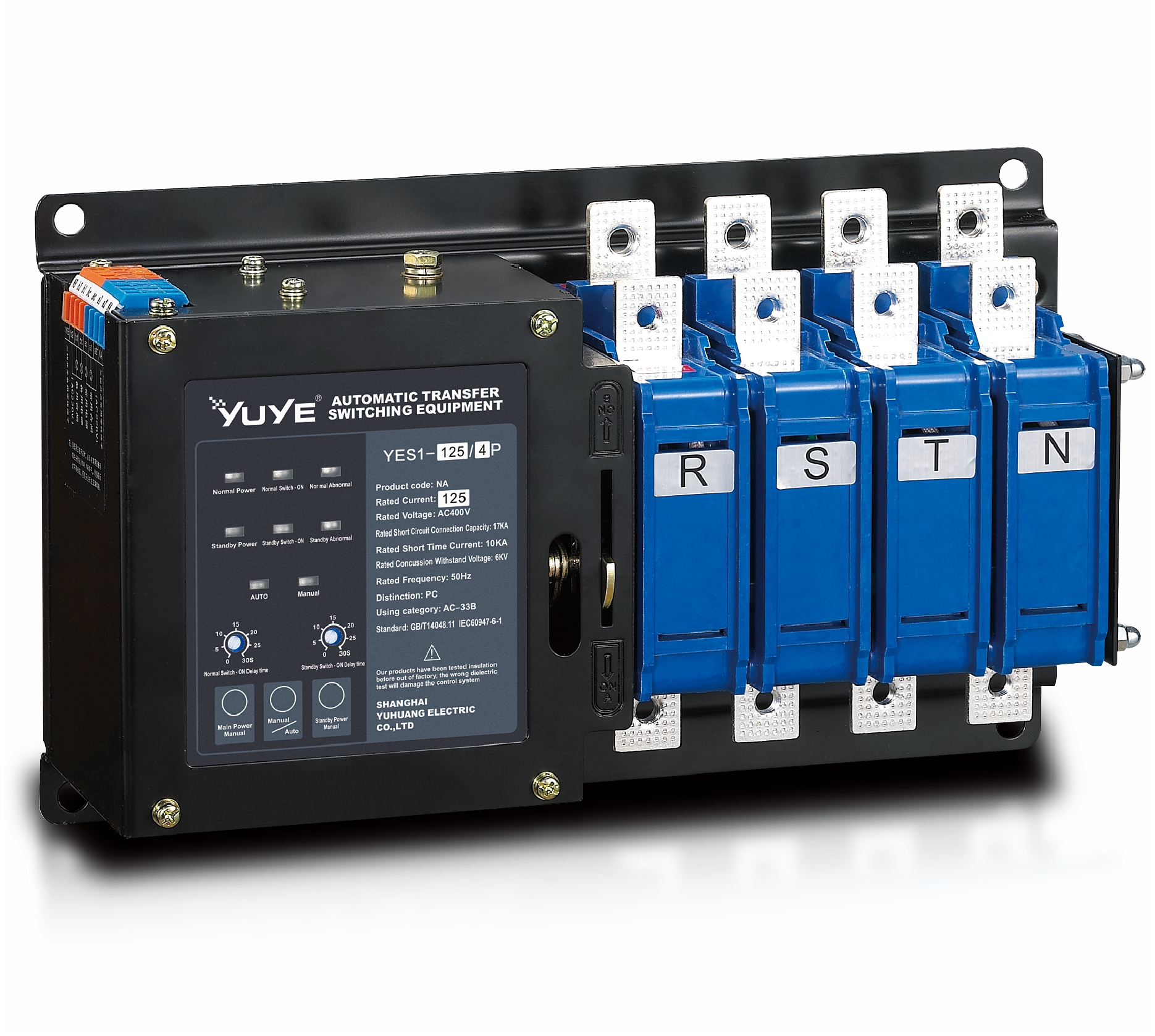 Solenoid-type ATS YES1-32~125NA
 Solenoid-type ATS YES1-63~630SN
 Solenoid-type ATS YES1-1250~4000SN
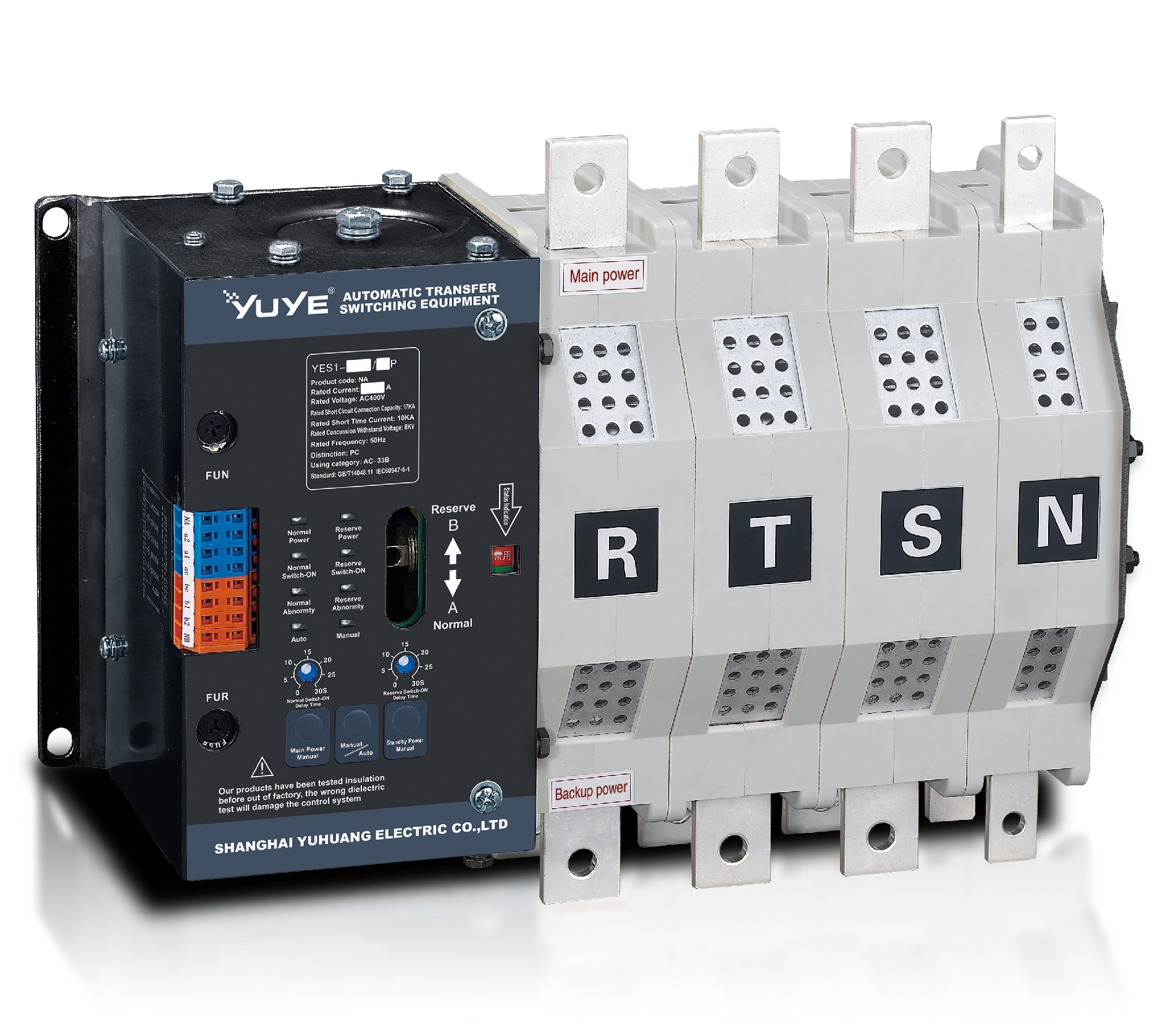 Solenoid-type ATS YES1-250~630NA/NAT
 Solenoid-type ATS YES1-63NJT
 PC ATS YES1-100~1600GN1/GN/GNF
 PC ATS YES1-2000~3200GN/GNF
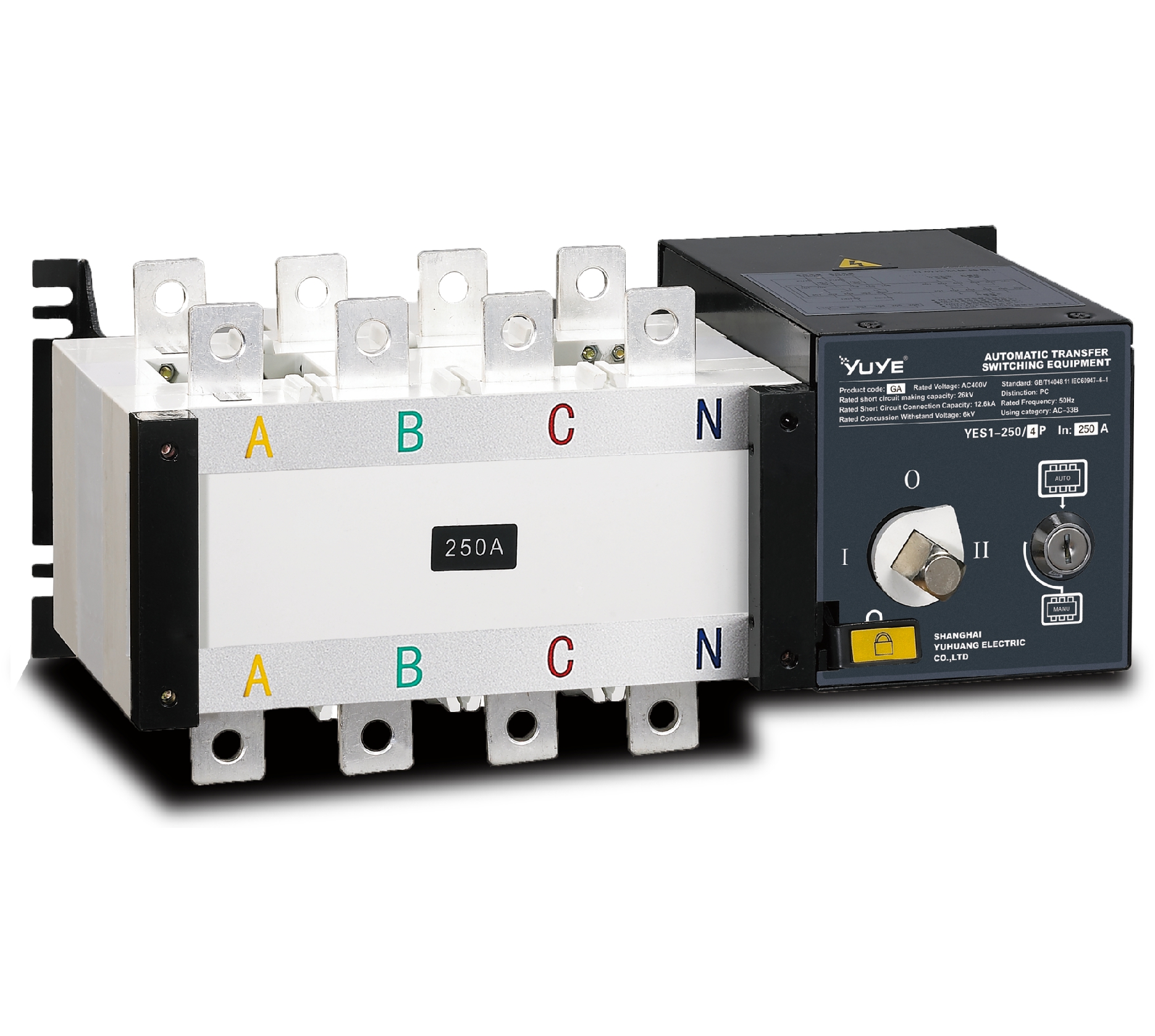 PC ATS YES1-100~3200GA1/GA
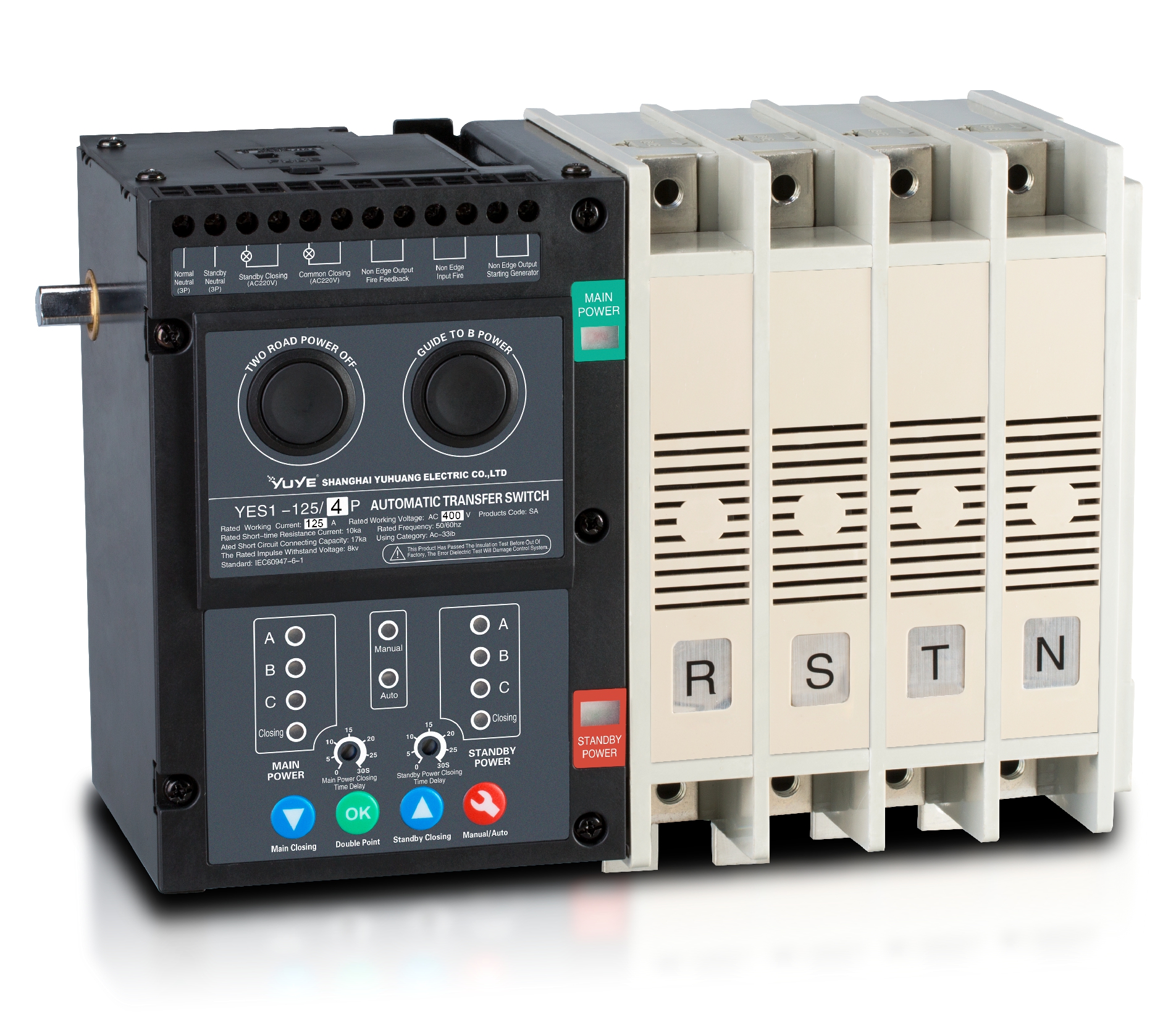 Solenoid-type ATS YES1-63~630SA
 Solenoid-type ATS YES1-63~630L/LA
 Solenoid-type ATS YES1-63~630LA3
 Solenoid-type ATS YES1-63MA
 PC ATS YES1-630~1600M
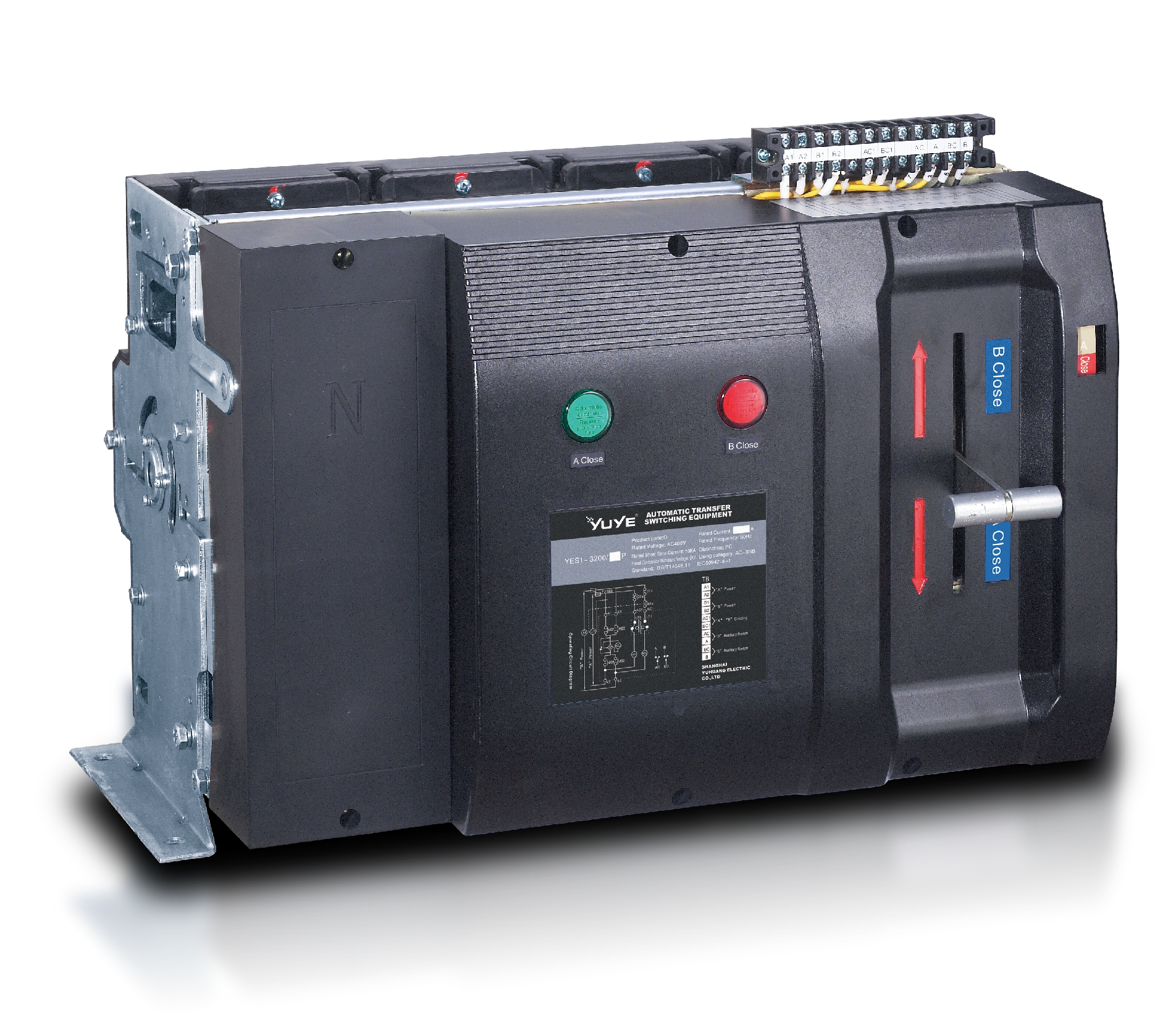 PC ATS YES1-3200Q
 Solenoid-type ATS YES1-4000~6300Q
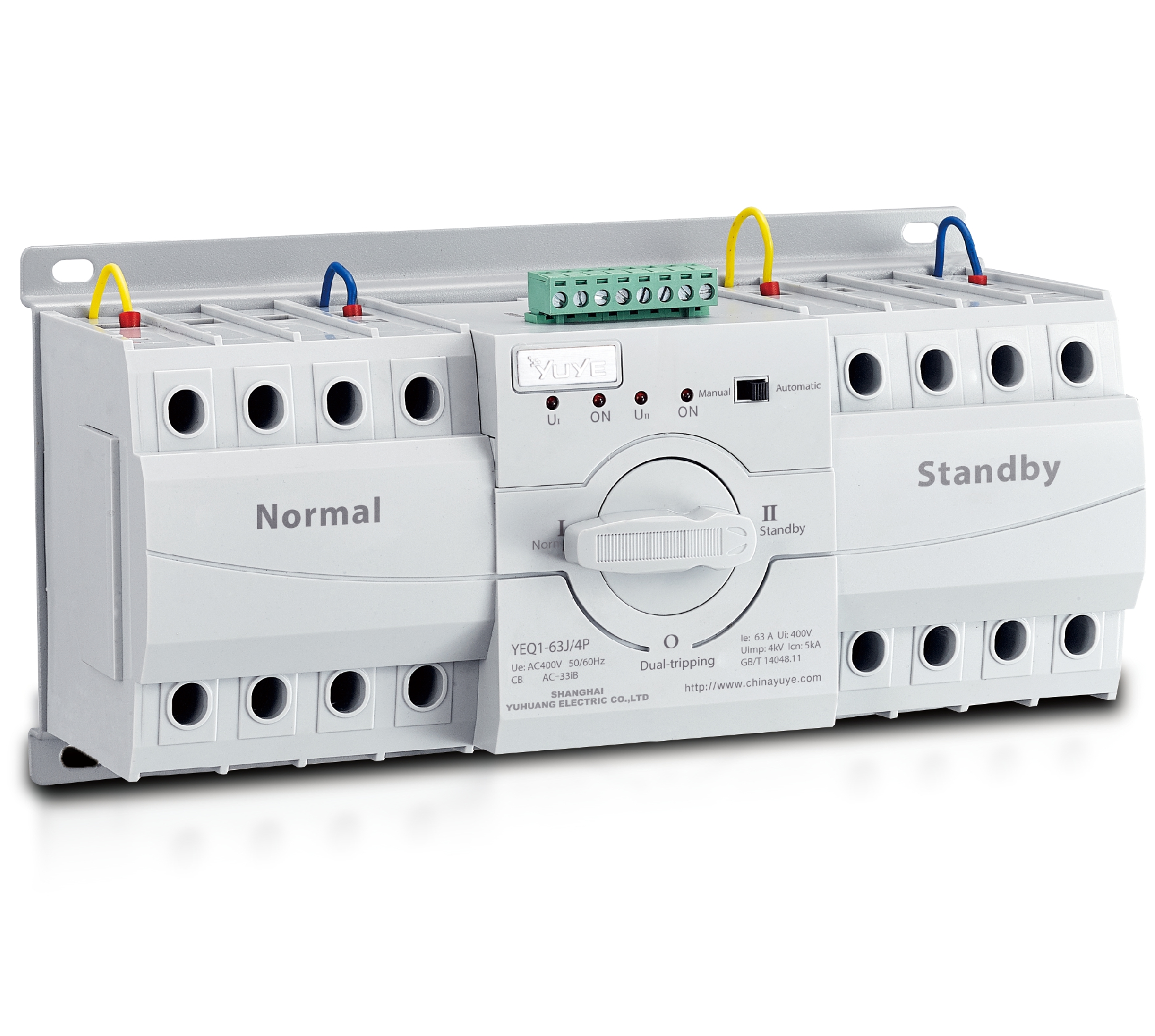 CB ATS YEQ1-63J
 CB ATS YEQ2Y-63
 CB ATS YEQ3-63W1
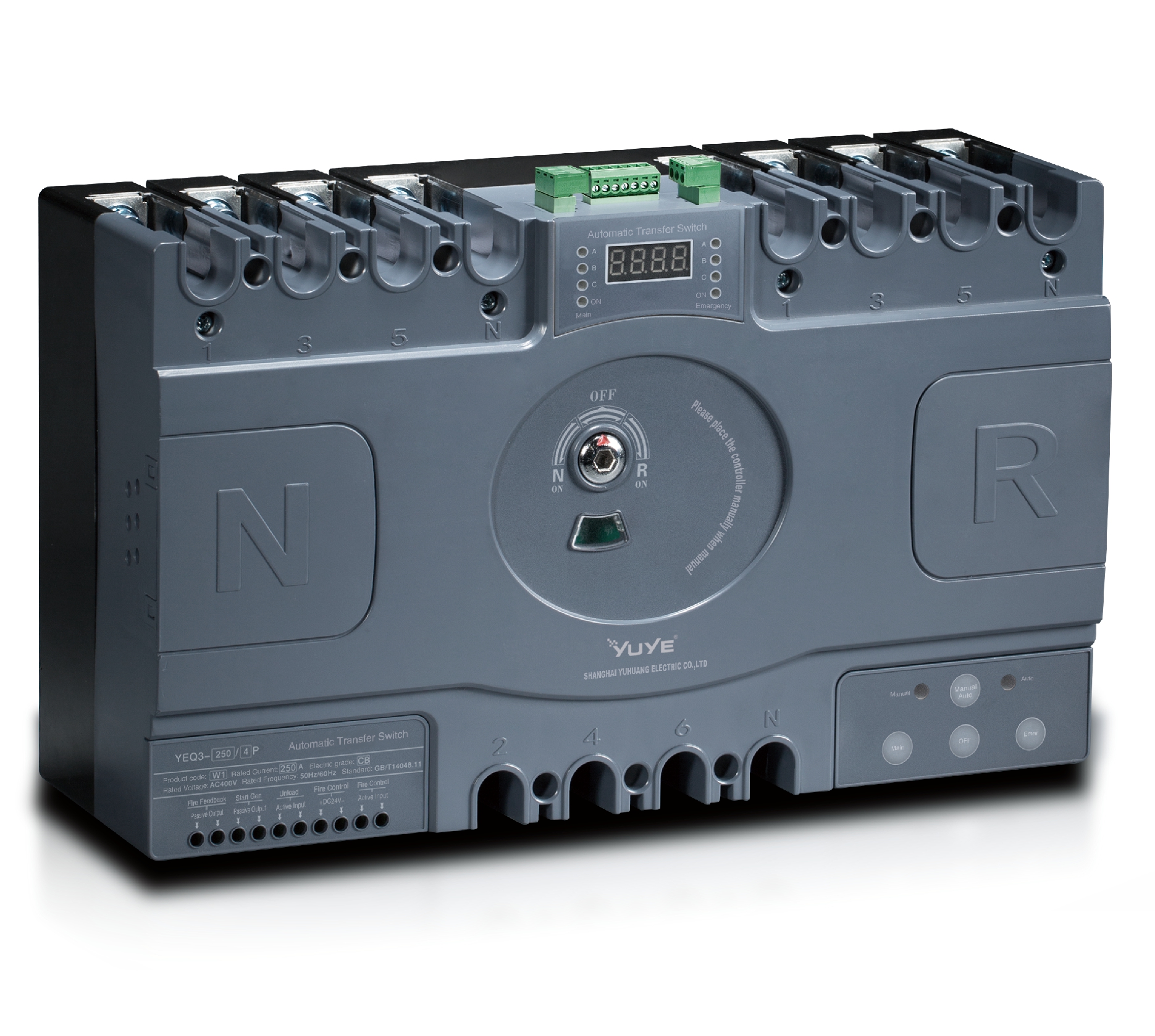 CB ATS YEQ3-125~630W1
 ATS controller Y-700
 ATS Controller Y-700N
 ATS Controller Y-701B
 ATS Controller Y-703N
 ATS Controller Y-800
 ATS Controller W2/W3 Series
 ATS switch Cabinet floor-to-ceiling
 ATS switch cabinet
 JXF-225A power Cbinet
 JXF-800A power Cbinet
 YEM3-125~800 Plastic Shell Type MCCB
 YEM3L-125~630 Leakage Type MCCB
 YEM3Z-125~800 Adjustable Type MCCB
 YEM1-63~1250 Plastic Shell Type MCCB
 YEM1E-100~800 Electronic Type MCCB
 YEM1L-100~630 Leakage Type MCCB
 Miniature circuit breaker YEMA2-6~100
 Miniature circuit breaker YEB1-3~63
 Miniature circuit breaker YEB1LE-3~63
 Miniature circuit breaker YEPN-3~32
 Miniature circuit breaker YEPNLE-3~32
 Miniature circuit breaker YENC-63~125
 Air Circuit Breaker YEW1-2000~6300
 Air Circuit Breaker YEW3-1600
 Load isolation switch YGL-63~3150
 Load Isolation Switch YGL2-63~3150
 Manual Changeover Switch YGL-100~630Z1A
 Manual Changeover Switch YGLZ1-100~3150
 YECPS2-45~125 LCD
 YECPS-45~125 Digital
 CNC Milling/Turning-OEM
 DC relay MDC-300M
 DC Isolation Switch YEGL3D-630


