In today’s world, let's be honest—having a reliable power supply is more important than ever, whether you’re at home or running a business. According to the U.S. Energy Information Administration, we’re talking about almost 3 million power outages happening each year—and they don’t just mess with your TV time, they impact millions of households and companies. That’s why there’s been a real surge in demand for solutions that keep the power flowing without a hitch. One key player in making that happen is the Generator Automatic Transfer Switch, or GATS for short. It’s like having a smart system that automatically takes over when the power grid goes down.

Basically, a GATS makes switching between the main power and your backup generator smooth as butter—no more messing around or manual flicking of switches. Market research from MarketsandMarkets says the global transfer switch market could hit around $1.75 billion by 2026. That’s a pretty clear sign that folks are really starting to see these systems as a must-have for keeping things running smoothly. Thanks to some pretty clever tech, these switches make sure your critical stuff keeps working—safe, automatic, and efficient—so you don’t have to worry when the lights go out.
Nowadays, investing in a Generator Automatic Transfer Switch isn’t just a luxury anymore; it’s pretty much a necessity if you want your home or business to stay resilient. As more people and companies try to safeguard their operations and peace of mind from unexpected blackouts, understanding how these systems work can really help you make smarter choices about keeping the power on—no matter what surprises come your way.
Understanding the Functionality of Automatic Transfer Switches in Power Systems
Automatic Transfer Switches (ATS) play a crucial role in ensuring a seamless and reliable power supply, particularly in systems reliant on backup generators. When the primary power source fails, the ATS automatically shifts the load to the backup generator, minimizing downtime and protecting sensitive equipment. This switch not only monitors the incoming power conditions but also ensures that the generator is operational before transferring the load, safeguarding both the generator and the connected systems from potential overloads and faults.
**Tips:** When selecting an ATS, consider the power rating and the number of circuits it will manage to ensure it meets your power demands. Regular maintenance checks are essential to ensure that the switch functions correctly, especially before storm season or extended power outages.
Moreover, ATS can integrate with monitoring systems to provide real-time updates on power status, alerting users to any issues before they escalate. This proactive approach not only enhances the reliability of your power supply but also ensures peace of mind, knowing that your critical systems remain operational during outages.
**Tips:** Invest in an ATS with advanced features like remote monitoring capabilities to enhance operational oversight and response times during power interruptions.
Power Supply Reliability with Automatic Transfer Switches
This chart illustrates the reliability of power supply systems with and without Automatic Transfer Switches (ATS) based on survey data from various facilities.
Key Benefits of Installing a Generator Automatic Transfer Switch for Home Use
Installing a generator automatic transfer switch (ATS) is crucial for ensuring a reliable power supply at home. An ATS provides seamless transition from the main power source to a backup generator when an outage occurs, eliminating the need for manual intervention. This ensures that your home remains powered during emergencies, protecting your appliances and maintaining comfort. With an ATS, your generator can start automatically, significantly reducing downtime and enhancing safety.
Here are some tips to consider when installing an automatic transfer switch. First, ensure that the ATS is compatible with your generator's capacity to prevent overload. Proper sizing not only enhances efficiency but also prolongs the life of your generator. Secondly, hire a licensed electrician for installation to comply with local electrical codes and ensure the setup is safe. Regular maintenance checks of your ATS and generator are also advisable to confirm they are functioning correctly and ready for use during an outage.
In addition to convenience, an ATS can also provide peace of mind. Knowing that your home is equipped to handle power outages without manual intervention allows you to focus on more important matters. With a reliable power supply, you can safeguard your home, keep essential appliances running, and ensure the comfort of your family, no matter the situation.

Industry Statistics on Power Outages and the Role of Transfer Switches
Power outages are a common issue that can significantly impact both residential and commercial operations. According to the U.S. Energy Information Administration (EIA), the average American household experiences about 1.3 outages per year, with an average duration of over 3 hours. This translates to a significant amount of lost productivity and inconvenience for families and businesses alike. Industry reports indicate that severe weather events, equipment failures, and human error remain the top causes of these disruptions, underscoring the importance of having a reliable power backup solution.
Implementing a generator automatic transfer switch (ATS) is crucial for ensuring uninterrupted power supply during outages. The National Fire Protection Association (NFPA) highlights that using an ATS can reduce the risks associated with manual generator startup and ensure a seamless transition of power. Furthermore, a report by the Institute of Electrical and Electronics Engineers (IEEE) indicates that the likelihood of damage from power fluctuations can be mitigated by using quality transfer switches. This statistic illustrates how an ATS not only enhances safety but also protects electrical systems from potential surges and failures during a power loss.
Comparative Analysis: Manual vs. Automatic Transfer Switches for Reliability
When considering the reliability of power supply systems, the choice between manual and automatic transfer switches (ATS) is crucial.
Manual transfer switches require human intervention to switch from the utility to a backup generator during a power outage, which can lead to delays and potential errors.
In contrast, automatic transfer switches seamlessly detect power interruptions and switch to backup power without any manual input.
This immediate response ensures that critical systems remain operational during outages, making ATS the superior choice for reliability in powering essential equipment.
One Two Three Electric Co., Ltd. recognizes the importance of dependable power solutions and specializes in manufacturing high-quality electrical components, including circuit breakers that work in tandem with automatic transfer switches.
Our advanced molded case circuit breakers and air circuit breakers are designed for optimal performance and safety, enhancing the efficiency of power management systems.
By incorporating our state-of-the-art products, businesses can achieve greater stability and confidence in their power supply infrastructure, minimizing disruptions caused by unexpected outages.
Critical Safety Standards and Compliance for Generator Transfer Switch Installations
When installing a generator automatic transfer switch (ATS), adherence to critical safety standards is paramount. These standards ensure that the installation not only meets legal requirements but also guarantees the safety of personnel and equipment. Various organizations, such as the National Fire Protection Association (NFPA) and the National Electrical Code (NEC), provide guidelines that dictate how transfer switches should be installed, operated, and maintained. Compliance with these standards is crucial for minimizing risks associated with electrical hazards, such as short circuits and overloads, which can lead to catastrophic failures.
Additionally, compliance with safety standards involves using high-quality materials and components that are certified for safety and reliability. This includes ensuring that the ATS can handle the expected load and is properly rated for the specific generator in use. Regular inspections and maintenance further enhance safety, as they help identify potential issues before they become serious problems. By prioritizing compliance, homeowners and businesses can safeguard their systems and ensure a reliable power supply during outages, thereby protecting both their assets and the wellbeing of individuals on-site.
Why You Need a Generat Automat Transfer Switch for Reliable Power Supply - Critical Safety Standards and Compliance for Generator Transfer Switch Installations
| Feature |
Description |
Safety Standard |
Compliance Requirement |
| Automatic Switch |
Automatically transfers power supply during outages |
UL 1008 |
Ensure compliance for safe transfer of power |
| Load Management |
Optimizes generator load for efficiency |
NFPA 70 |
Adhere to electrical code regulations |
| Safety Lockout |
Prevents accidental startup during maintenance |
OSHA Standards |
Mandatory lockout/tagout procedures |
| Surge Protection |
Protects appliances from voltage spikes |
IEEE C62.41 |
Required for reliable electrical installations |
| Indicator Lights |
Provides visual confirmation of power status |
IEC 60364 |
Guidelines for safe electrical installations |
Common Misconceptions About Generator Transfer Switches and Their Importance
When it comes to ensuring a reliable power supply, many people harbor misconceptions about generator transfer switches. One common misunderstanding is the belief that a transfer switch is only necessary for large commercial generators. However, according to the National Electric Code (NEC), any generator installation that supplies power to a building requires a transfer switch to prevent back-feed, which can be dangerous for utility workers and could damage your generator. In fact, as noted by the American Society of Electrical Engineers, approximately 60% of electrical accidents involving generators occur due to improper installation without a transfer switch.

Another misconception concerns the cost and complexity of these switches. Many homeowners assume they can manage without a transfer switch to save on expenses, but this can lead to significant risks and potential fines for code violations. Research from the Generator Manufacturers Association indicates that the proper installation of a transfer switch can save home and property owners up to 25% in potential repair costs associated with generator issues. Furthermore, using a transfer switch can enhance the longevity of your generator by ensuring it operates within safe parameters.
Tips:
1. Always consult with a licensed electrician when installing a generator transfer switch to ensure compliance with local codes.
2. Regularly test your transfer switch to ensure it’s functioning properly, especially before storm season or planned power outages.
3. Invest in a manual transfer switch if you have a portable generator; it's a cost-effective solution to protect your home from electrical hazards.
A Comprehensive Guide to the DC Isolation Switch YEGL3D-630: Features, Benefits, and Applications
The DC Isolation Switch YEGL3D-630 is designed to provide exceptional reliability and efficiency in various applications. With rated currents available from 80A to 630A, this switch is versatile enough to meet a wide range of power requirements. It is specifically engineered for DC systems, supporting rated voltages of up to 1000V and 1500V, making it ideal for renewable energy installations such as solar power systems and other high-voltage DC applications.
This isolation switch boasts impressive features, including a rated insulation voltage of 2000V and a rated impulse withstand voltage of 12kV, ensuring safety and compliance with stringent electrical standards like GB/T 14048.3 and IEC 60947-3. The YEGL3D-630 also emphasizes longevity with an electrical life of up to 500 cycles for frame currents ≤ 315A and 400 cycles for higher currents. Its mechanical life is equally notable, with the ability to withstand 10,000 forward rotations and 3,000 side rotations, enhancing its durability and performance in demanding environments.
In summary, the YEGL3D-630 is not just a switch; it is a critical component for ensuring the safety and efficiency of DC electrical systems. Its robust design and comprehensive features make it a valuable choice for engineers and system integrators looking to optimize their electrical installations.
FAQS
utomatic Transfer Switch (ATS)?
An ATS monitors incoming power conditions and ensures that the backup generator is operational before transferring the load, protecting both the generator and connected systems from potential overloads and faults.
When selecting an ATS, it's important to consider the power rating and the number of circuits it will manage to ensure it meets your specific power demands.
Regular maintenance checks are essential to ensure that the ATS functions correctly, especially before storm season or extended power outages, which helps maintain its reliability.
Yes, ATS can integrate with monitoring systems to provide real-time updates on power status, alerting users to any issues before they escalate, thus enhancing the reliability of the power supply.
An automatic transfer switch offers immediate response to power interruptions without manual input, ensuring that critical systems remain operational during outages, whereas manual switches require human intervention and can lead to delays.
It is beneficial to invest in an ATS with advanced features like remote monitoring capabilities to enhance operational oversight and response times during power interruptions.
High-quality electrical components, such as circuit breakers designed for optimal performance and safety, can enhance the efficiency of power management systems when used in conjunction with ATS, increasing overall stability and confidence in power supply infrastructure.
Conclusion
The article "Why You Need a Generat Automat Transfer Switch for Reliable Power Supply" highlights the critical role that automatic transfer switches (ATS) play in maintaining a stable power supply during outages. It delves into the functionality of these systems, emphasizing their key benefits for residential use, including seamless power transitions and enhanced safety. The piece also presents industry statistics on power outages, illustrating the increasing necessity for such devices. A comparative analysis of manual versus automatic transfer switches underscores the reliability and convenience afforded by the latter.
Moreover, the article addresses important safety standards and compliance measures for installation, dispelling common misconceptions about generator transfer switches. As a high-standard manufacturer like One Two Three Electric Co., Ltd. specializes in electrical components, it is essential to recognize the significance of integrating a Generat Automat Transfer Switch in modern power systems for both safety and efficiency.

 PC ATS YECT1-2000G
 PC ATS YES2-63~250GN1
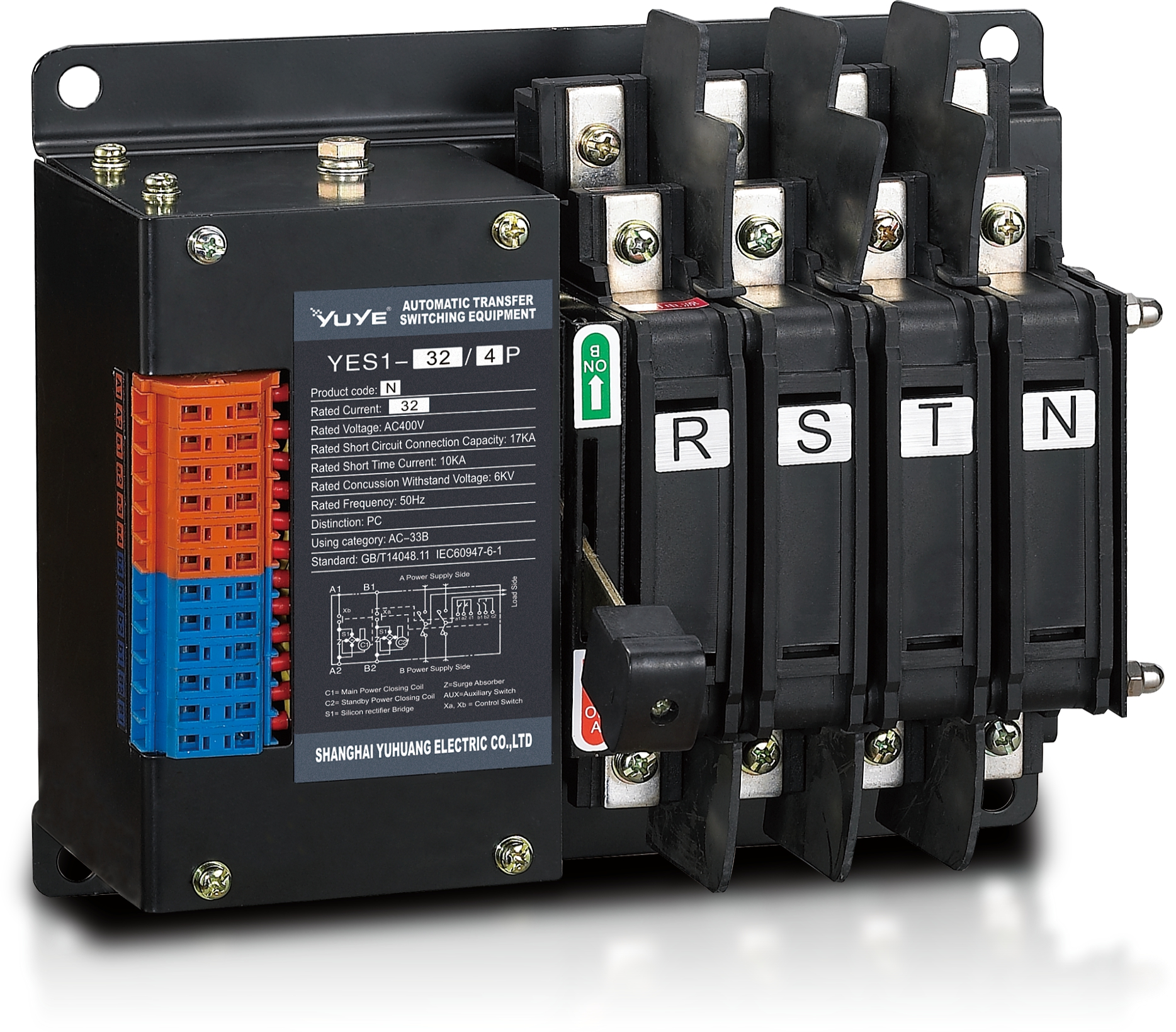 Solenoid-type ATS YES1-32~125N
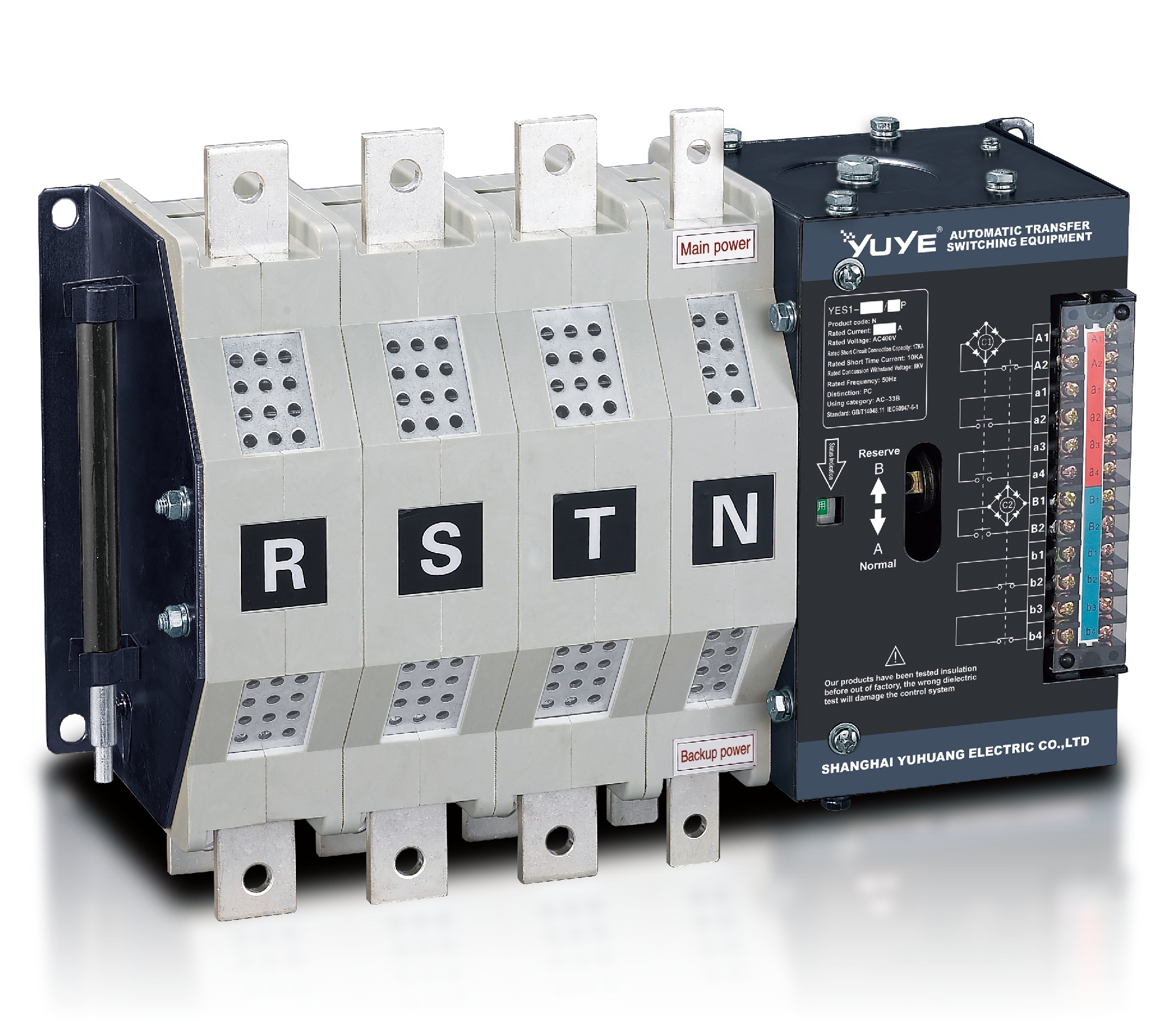 Solenoid-type ATS YES1-250~630N/NT
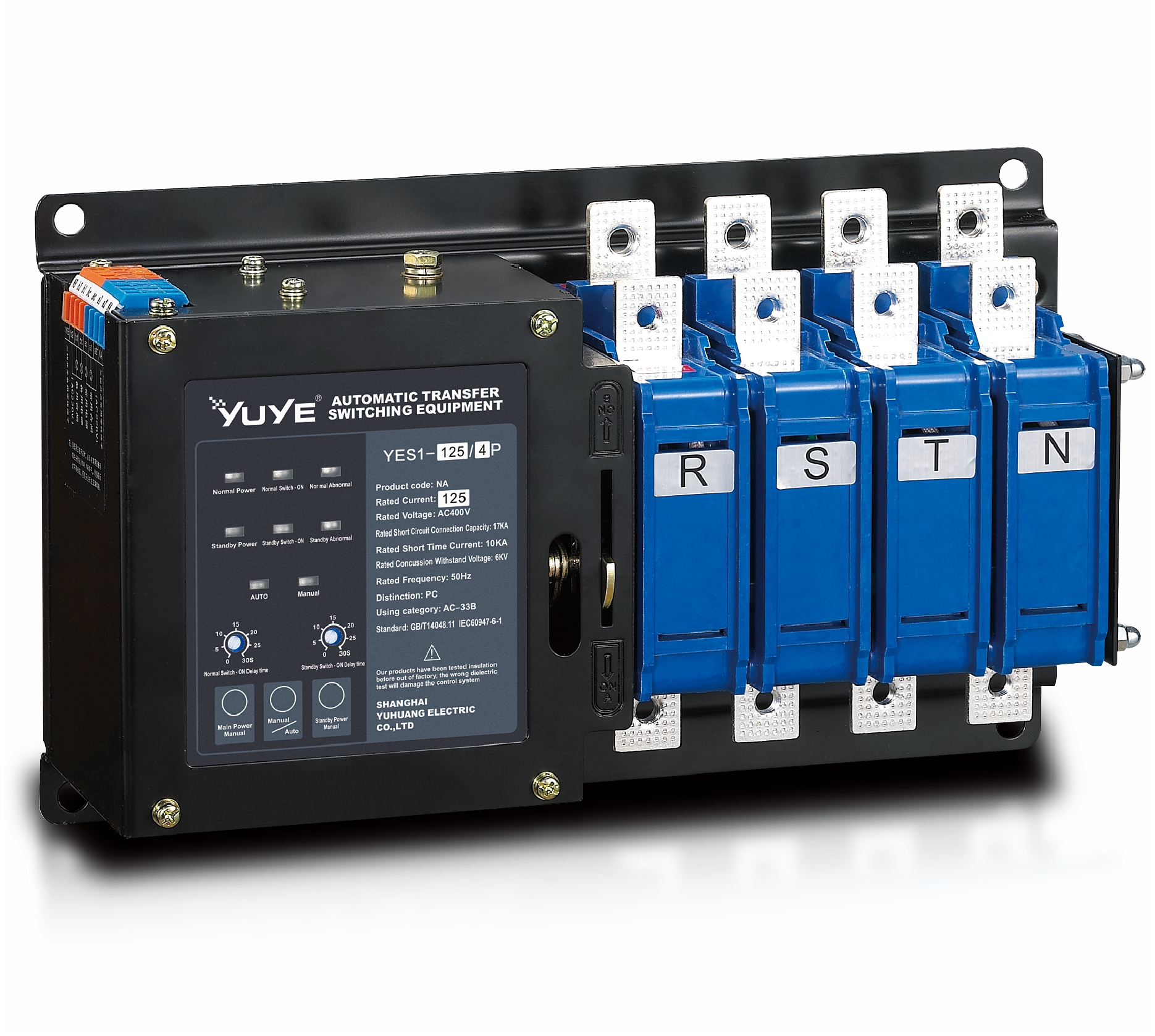 Solenoid-type ATS YES1-32~125NA
 Solenoid-type ATS YES1-63~630SN
 Solenoid-type ATS YES1-1250~4000SN
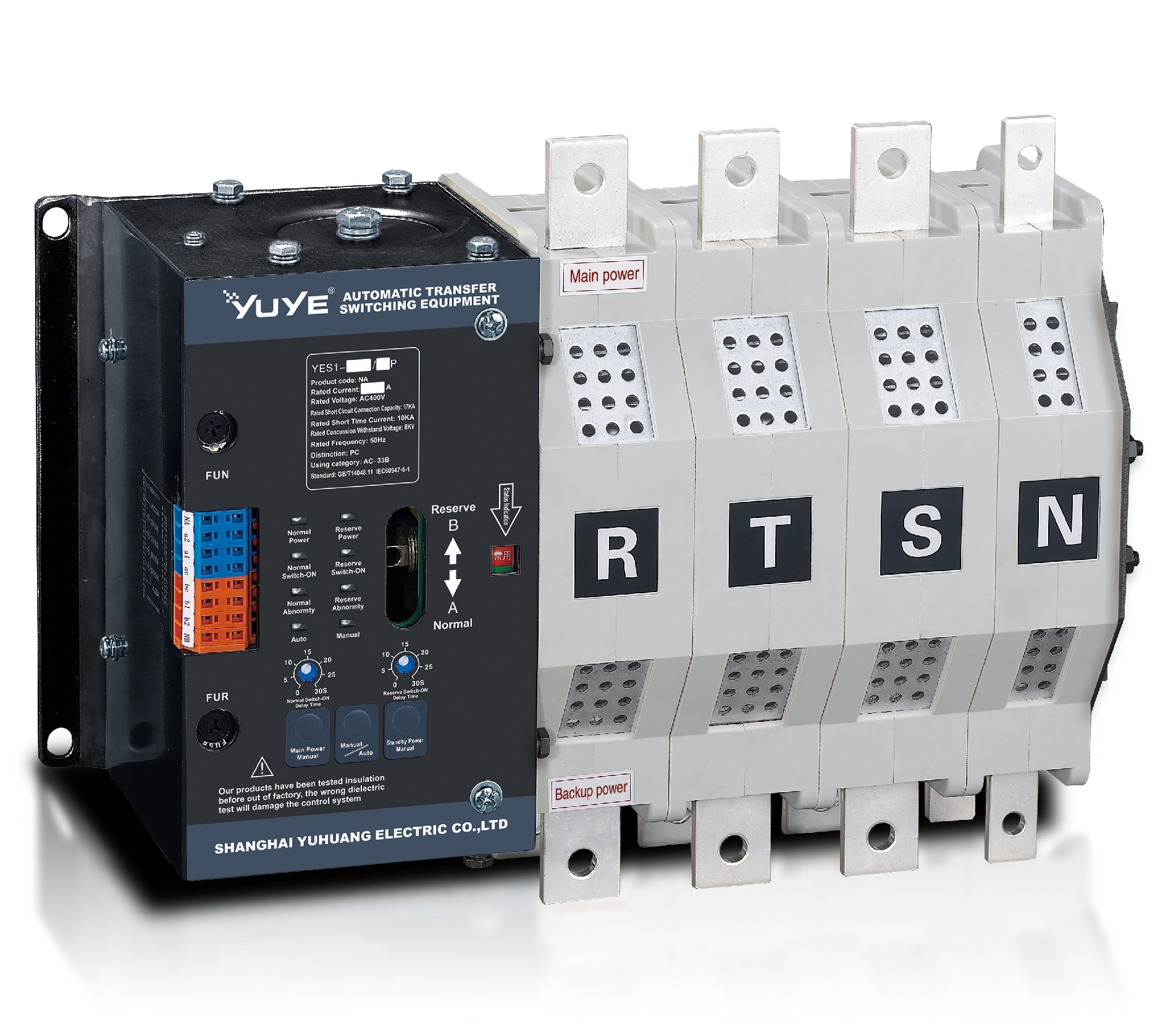 Solenoid-type ATS YES1-250~630NA/NAT
 Solenoid-type ATS YES1-63NJT
 PC ATS YES1-100~1600GN1/GN/GNF
 PC ATS YES1-2000~3200GN/GNF
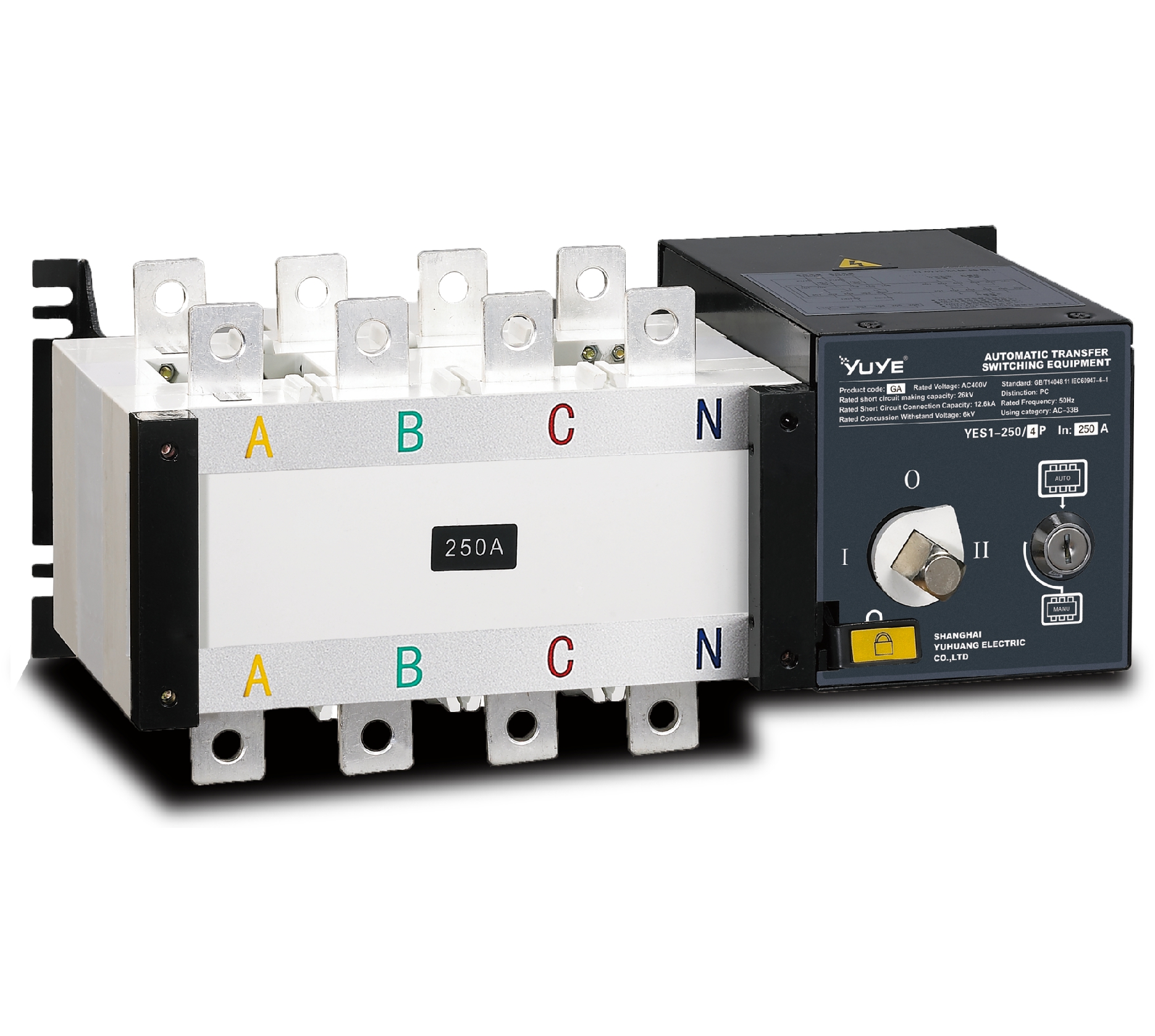 PC ATS YES1-100~3200GA1/GA
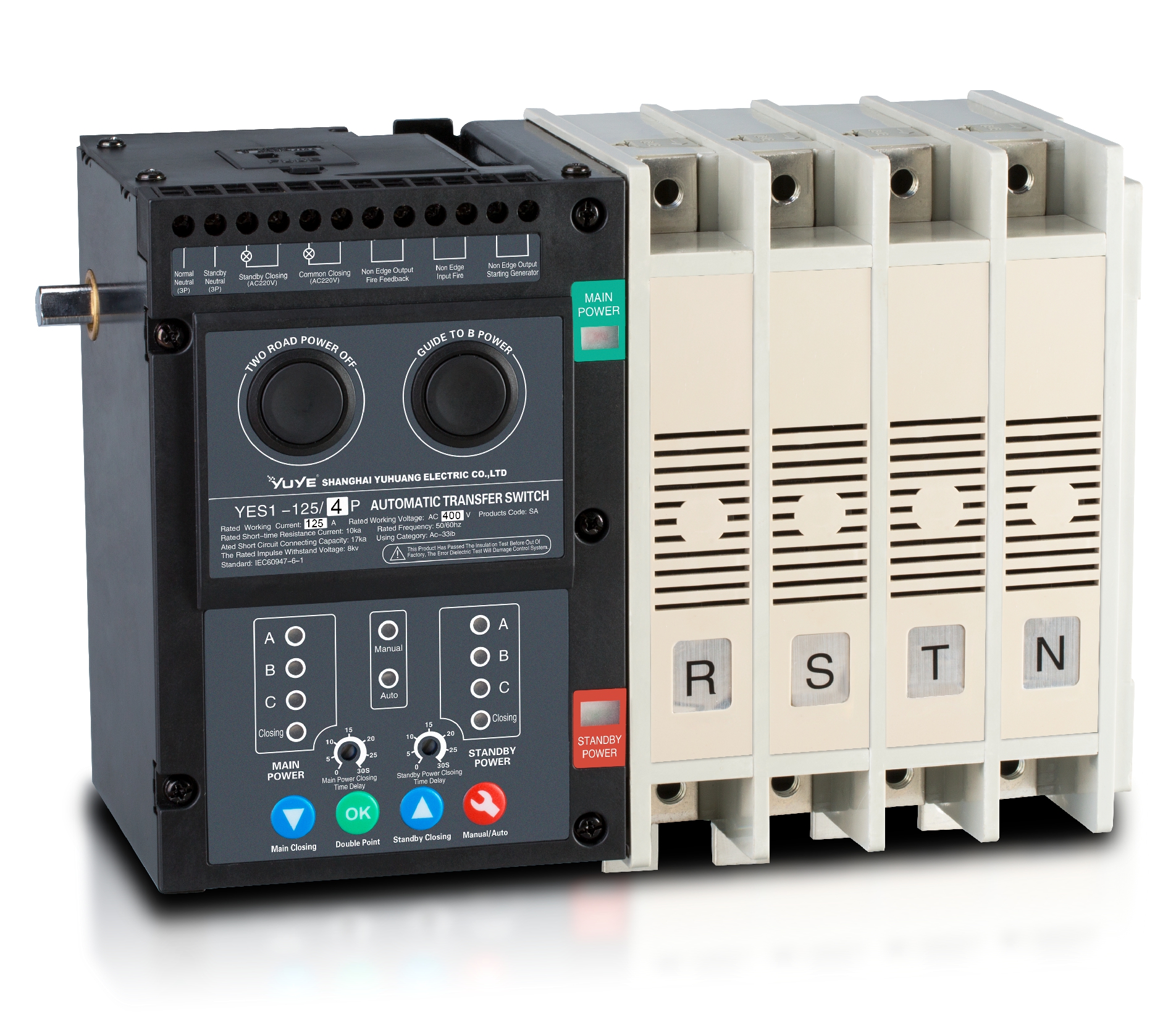 Solenoid-type ATS YES1-63~630SA
 Solenoid-type ATS YES1-63~630L/LA
 Solenoid-type ATS YES1-63~630LA3
 Solenoid-type ATS YES1-63MA
 PC ATS YES1-630~1600M
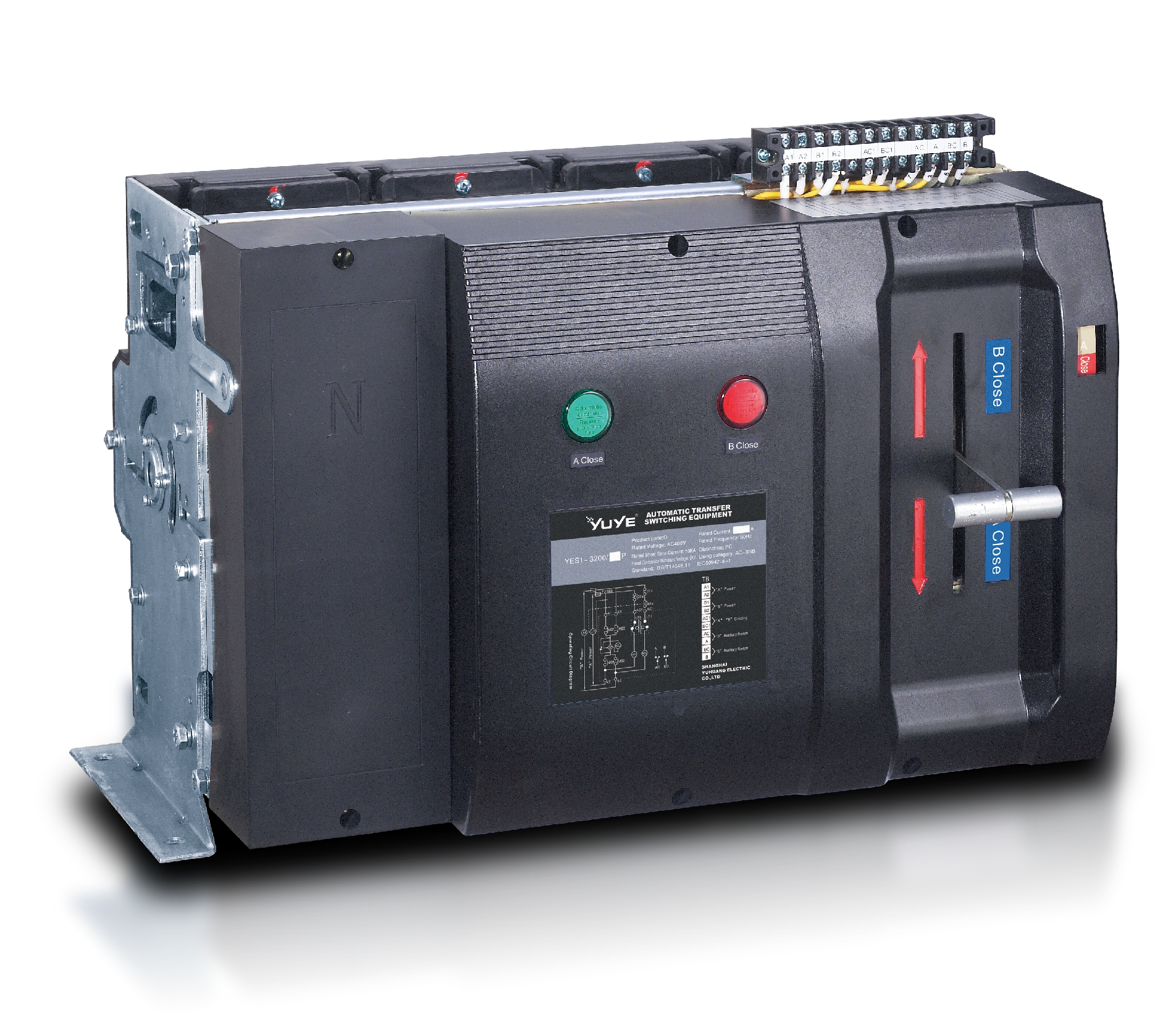 PC ATS YES1-3200Q
 Solenoid-type ATS YES1-4000~6300Q
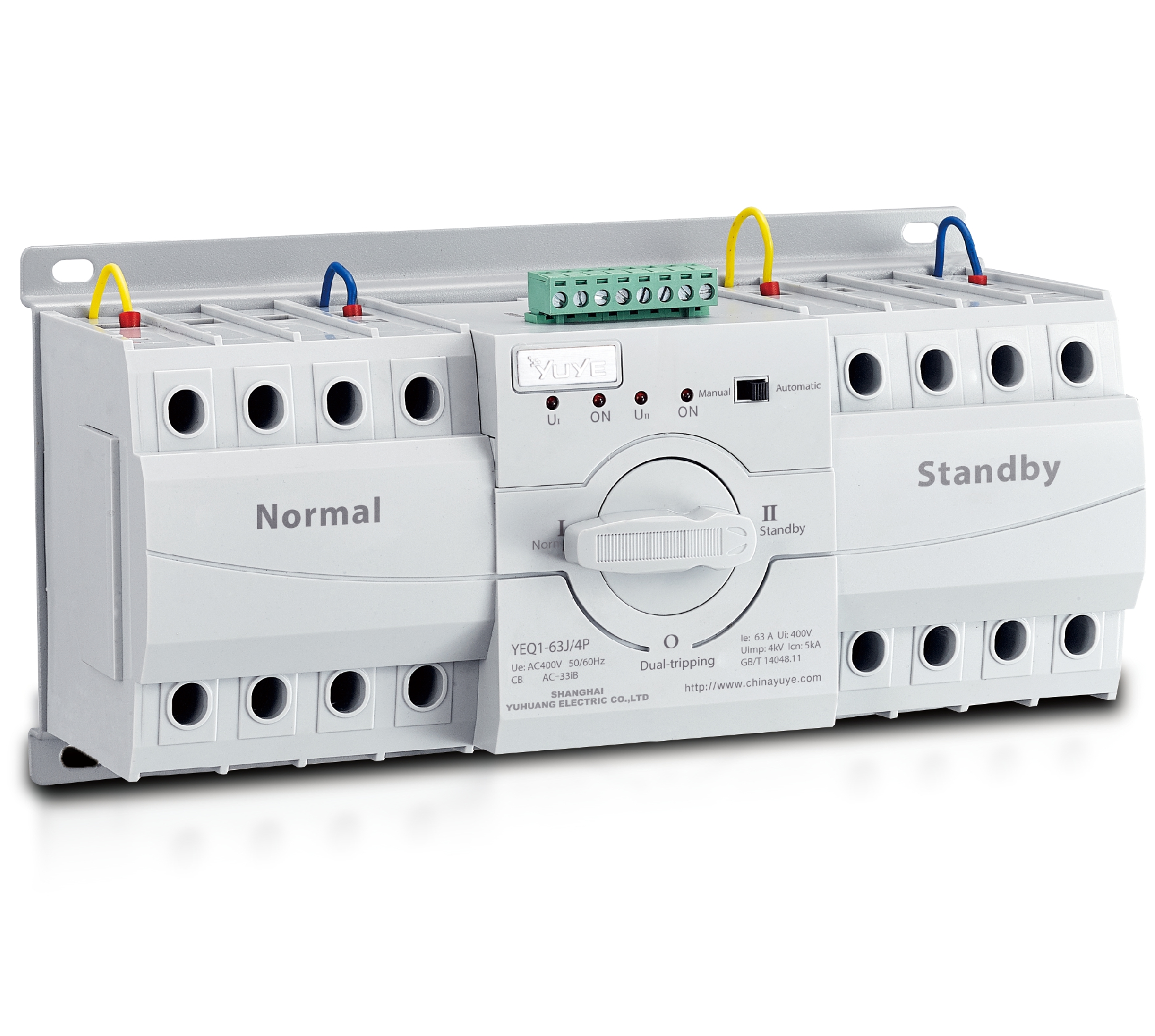 CB ATS YEQ1-63J
 CB ATS YEQ2Y-63
 CB ATS YEQ3-63W1
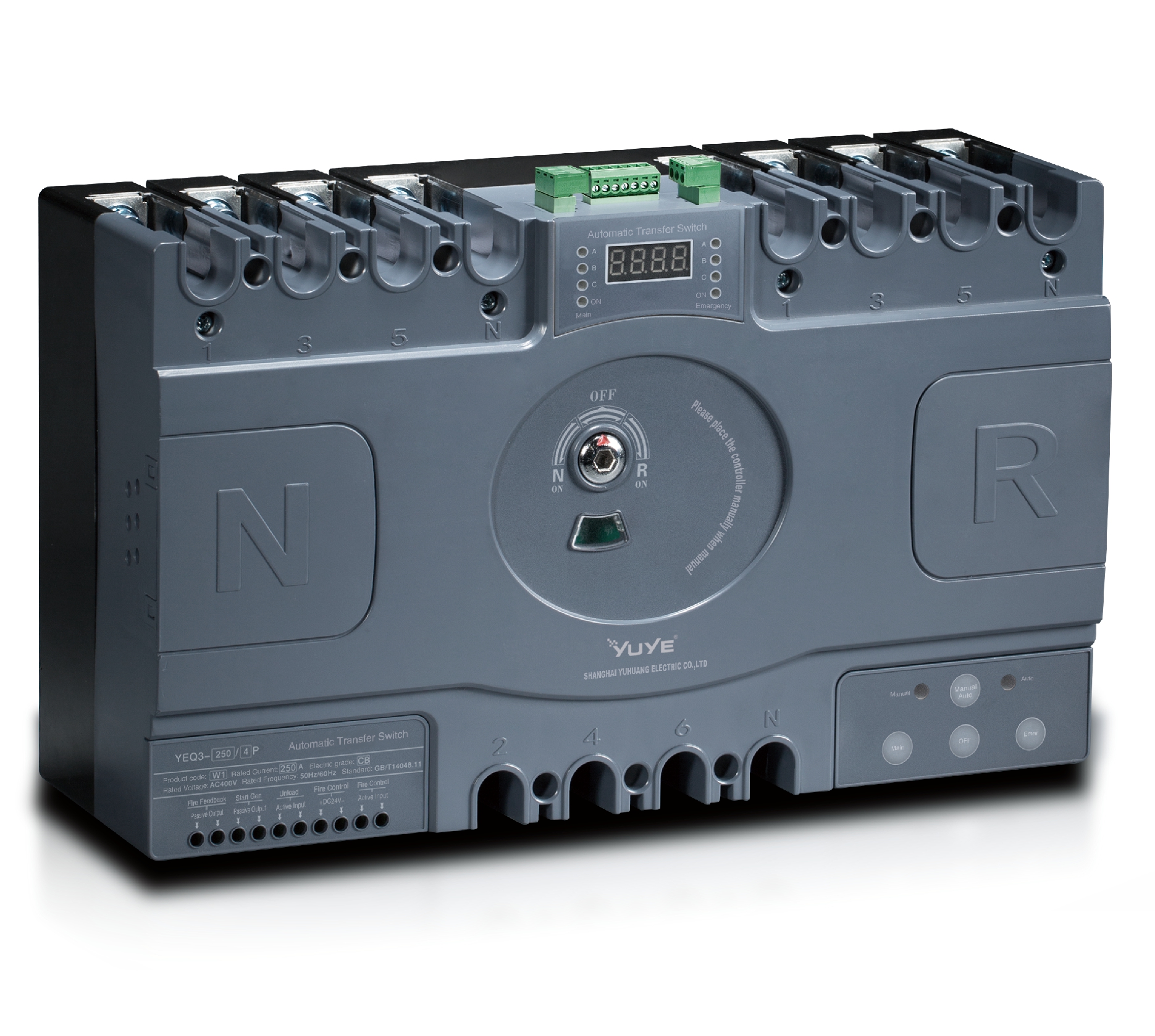 CB ATS YEQ3-125~630W1
 ATS controller Y-700
 ATS Controller Y-700N
 ATS Controller Y-701B
 ATS Controller Y-703N
 ATS Controller Y-800
 ATS Controller W2/W3 Series
 ATS switch Cabinet floor-to-ceiling
 ATS switch cabinet
 JXF-225A power Cbinet
 JXF-800A power Cbinet
 YEM3-125~800 Plastic Shell Type MCCB
 YEM3L-125~630 Leakage Type MCCB
 YEM3Z-125~800 Adjustable Type MCCB
 YEM1-63~1250 Plastic Shell Type MCCB
 YEM1E-100~800 Electronic Type MCCB
 YEM1L-100~630 Leakage Type MCCB
 Miniature circuit breaker YEMA2-6~100
 Miniature circuit breaker YEB1-3~63
 Miniature circuit breaker YEB1LE-3~63
 Miniature circuit breaker YEPN-3~32
 Miniature circuit breaker YEPNLE-3~32
 Miniature circuit breaker YENC-63~125
 Air Circuit Breaker YEW1-2000~6300
 Air Circuit Breaker YEW3-1600
 Load isolation switch YGL-63~3150
 Load Isolation Switch YGL2-63~3150
 Manual Changeover Switch YGL-100~630Z1A
 Manual Changeover Switch YGLZ1-100~3150
 YECPS2-45~125 LCD
 YECPS-45~125 Digital
 CNC Milling/Turning-OEM
 DC relay MDC-300M
 DC Isolation Switch YEGL3D-630


