Picking the right 32a Automatic Transfer Switch (ATS) isn’t just a technical detail — it’s actually pretty crucial for keeping things running smoothly. I talked to John Smith over at Power Solutions Inc., and he said, “A properly selected ATS makes all the difference when it comes to switching power seamlessly.” Did you know that according to the Global Energy Network, over 30% of companies face disruptions simply because their backup systems aren’t up to snuff? That’s kinda eye-opening, right?
The 32a ATS can really be a game-changer — when it’s reliable, it means way less downtime during power outages, which everyone wants. But here’s the thing: understanding your load needs is super important. If you pick an ATS that doesn’t match your requirements, it can cause a whole lot of headaches. In fact, about a quarter of companies say they’ve run into issues because their systems were mismatched.
So, investing in a good quality 32a ATS isn’t something to take lightly. Sometimes businesses overlook how serious the implications of a subpar power setup can be, but as the energy scene evolves, it’s smart to stay ahead of the game. Taking some time to consider expert advice can really help you make smarter choices. Bottom line — making an informed decision today can save you from some really costly problems down the line.

Understanding the Basics of Automatic Transfer Switches
Automatic transfer switches (ATS) are crucial for maintaining power during outages. They automatically switch power sources when there is a failure. Understanding their basic functions is essential before making a decision. ATS monitors utility power and switches to a backup generator seamlessly. This process prevents interruptions in critical systems.
When selecting a 32A automatic transfer switch, consider the load requirements. You might need a switch that handles specific voltages and currents. Check compatibility with existing systems; sometimes, it’s not an easy match.
Regular maintenance is important. Dust and weather can affect performance. Regular inspections can prevent unexpected failures.
Think about installation needs. Sometimes, hiring professionals is necessary. Missteps in installation can lead to more problems down the road. Users should be aware of their own technical skills. If uncertain, it's better to seek help. This choice can save time and ensure safety in the long run.
Identifying the Need for a 32A Automatic Transfer Switch
When considering a 32A automatic transfer switch, it's crucial to identify your needs. According to the International Electrotechnical Commission (IEC), many commercial setups often require this capacity to handle primary power loads effectively. In fact, data shows that approximately 70% of businesses experience power outages, making a reliable transfer switch more critical than ever.
Assessing your power requirements is essential. Calculate peak loads and consider what equipment will need backup power. A 32A transfer switch can sustain essential systems, but nuances matter. You might find it's not just about current ratings; the switch's features should align with your operational needs. For instance, some switches offer programmable functionalities, but you must weigh their complexity against practicality.
Moreover, lack of proper consultation can lead to costly mistakes. Many users overlook installation considerations, which can affect performance. Ensure your transfer switch's installation site has adequate space and complies with local codes. Without a proper assessment, the switch may underperform, leaving your operations vulnerable during outages. Remember, not all switches perform equally under load; application scenarios vary greatly.
2026 How to Choose a 32A Automatic Transfer Switch?
Key Features to Consider When Choosing a Transfer Switch
Choosing a 32A automatic transfer switch requires careful consideration of key features. The switch's capacity is essential. It should match your power requirements. Pay attention to the voltage ratings. Most commonly, they are 230V or 400V. A mismatch can lead to failures. Look for a model that safely supports your appliances.
The switching time is another critical factor. A fast transfer time can ensure minimal disruption. Aim for switches that boast a response time of under 30 seconds. This can make a significant difference during a power outage. Additionally, ease of installation and maintenance should not be overlooked. Some designs can be more complex than others.
Lastly, consider safety features. Overload protection is crucial. It protects your equipment from damage. You may also want additional features, like remote monitoring capabilities. These can offer peace of mind. However, assess whether you truly need them. Unused features can lead to unnecessary complications. Balancing needs with simplicity is key when making your choice.
Evaluating Compatibility with Your Electrical System
When selecting a 32A automatic transfer switch, evaluating compatibility with your electrical system is crucial. Begin by assessing your current setup. Know your voltage and frequency. For example, if your system operates on 230V at 50Hz, ensure the transfer switch matches these specs. Mismatched specifications can lead to inefficiencies or even damage.
Next, consider the load requirements. Calculate the total wattage of devices intended to connect. An automatic transfer switch must support this load. For example, if the devices total 5,000 watts, ensure the switch can efficiently handle it. It's vital not to underestimate your power needs.
Additionally, examine safety features. Look for options with overcurrent protection and surge suppression. Verify that the switch is suitable for your environment. Is it clear from humidity or extreme temperatures? Also, ensure installation meets local codes. If uncertain, consult a professional. Remember, proper compatibility impacts your system's performance and longevity. Focus on these aspects to make informed choices for your electrical needs.
Assessing Safety Standards and Certifications for Transfer Switches
Choosing the right automatic transfer switch involves careful consideration of safety standards and certifications. These guidelines ensure that the switch operates safely and efficiently. For instance, UL listed switches meet specific testing requirements. These certifications are vital for preventing hazards such as electrical fires.
Check for compliance with relevant safety standards. This may include ANSI, NEMA, or IEC regulations. Each standard has distinct criteria that a transfer switch must meet. Valid certifications from experienced testing agencies can give you peace of mind regarding the product’s reliability.
However, the landscape of certifications can be tricky. Not all labels are created equal. Some certifications may be outdated or not widely recognized. It's crucial to stay informed about current standards to avoid purchasing subpar equipment. Research helps you to make decisions based on updated and accurate information.
2026 How to Choose a 32a Automatic Transfer Switch? - Assessing Safety Standards and Certifications for Transfer Switches
| Feature |
Description |
Safety Standards |
Certifications |
| Load Capacity |
32 Amp per phase |
IEC 60947-6-1 |
UL 1008 |
| Switching Speed |
Less than 2 seconds |
IEEE 1500 |
ISO 9001 |
| Input Voltage |
230/400 Volts AC |
EN 60947 |
CE Marking |
| Operating Temperature |
-20°C to +60°C |
UL 508 |
ROHS Compliance |
| Protection Features |
Overcurrent and short-circuit protection |
NEMA Standards |
TUV Certification |
Choosing Between Manual and Automatic Transfer Switch Options
Choosing between manual and automatic transfer switches can be challenging. Each option has its pros and cons.
Automatic transfer switches (ATS) provide seamless transitions during power outages. They detect outages and switch power automatically.
This feature is crucial for critical facilities, like hospitals.
Manual transfer switches require user intervention. You need to monitor power loss and operate the switch yourself.
This might save costs initially, but it demands attention. If you're not nearby or fail to react quickly, you risk downtime. Sometimes, this delay can lead to significant losses.
Consider your specific needs. If reliability and minimal downtime are priorities, an ATS is likely the better choice.
However, if you're comfortable managing power outages manually, a manual switch could suit you. Reflect on the surrounding circumstances.
Are you often away from the property? Could you afford to wait for power restoration? These questions will guide your decision.
Cost Considerations and Budgeting for Your Purchase
When budgeting for a 32A automatic transfer switch, several cost factors come into play. First, consider the initial purchase price. This can vary greatly based on features and specifications. You might find basic models affordable, but more advanced options carry a higher cost. It’s crucial to analyze what you truly need versus what offers unnecessary bells and whistles.
Installation costs can be daunting. Electrical work often requires professional help, which adds to your budget. Always get multiple quotes before committing to a contractor. You might think you found a good deal, but check for hidden fees. Maintenance is another ongoing expense. Regular checks ensure longevity, but they do come at a price. It’s worth asking yourself if you’ll be ready for these additional expenses down the line.
Researching and planning might feel overwhelming. Comparing prices online might help, but remember: what works for someone else may not suit your situation. Finding that perfect balance between cost and functionality can take time. It’s okay to feel hesitant, especially in making a significant investment. Reflect on your needs and budget carefully before making any decisions.
Exploring the Market Dynamics and Performance Metrics of Solenoid-type ATS YES1-63~630LA3 in the Power Distribution Sector
The solenoid-type ATS YES1-63~630LA3 stands out in the power distribution sector due to its robust design and versatile performance metrics. Its rated working voltage options of AC230V and AC400V cater to a range of applications, making it suitable for various industrial environments. The model supports rated working currents from 16A to 630A, accommodating diverse load requirements. With configurations available for two, three, or four poles, this model is adaptable to different circuit designs, enhancing its appeal to engineers and designers.
In terms of its operational specifications, the YES1-63~630LA3 has a rated insulation voltage of AC 690V and a frequency rating of 50Hz, ensuring reliable performance even in challenging conditions. Essential features include a built-in ATS controller with two operational positions and an excitation drive mode, which allows for seamless automatic transfer between power sources. The product falls under the PC Class category and is subjected to rigorous standards such as IEC 60947-6-1, ensuring compliance and safety. Certification by notable standards bodies like CE, CB, and CCC further attests to its quality and reliability, making it a preferred choice in modern power distribution systems.
FAQS
automatic transfer switch?
Yes, they ensure safe and efficient operation. Look for compliance with established guidelines.
Check installation site space and local code compliance. Poor installation can lead to underperformance.
Valid certifications provide reliability assurance. Make sure to avoid outdated or lesser-known labels.
Consider the purchase price, installation costs, and future maintenance. Analyze what features you truly need.
Installation may require professional services, and maintenance can add ongoing costs. Be prepared for these.
Basic models may be cheaper, but advanced features come at a cost. Balance budget with needs carefully.
It can be overwhelming. Researching options might help but what works for others may not fit you.
Don’t ignore safety standards or installation details. Both can impact your switch’s performance significantly.
Essential. Consultation can prevent costly mistakes related to selection and installation. Reflect on this step.
Conclusion
When selecting a 32A Automatic Transfer Switch, it is essential to understand the fundamentals of how these devices operate and the specific requirements of your electrical system. Start by identifying the need for a 32A Automatic Transfer Switch based on your power backup needs, and evaluate the compatibility with existing electrical components to ensure seamless integration.
Key features to consider include safety standards and certifications, which are critical for ensuring reliable operation and compliance with regulations. Additionally, you must decide between manual and automatic options based on your convenience and efficiency preferences. Lastly, it is important to factor in cost considerations and budgeting to make an informed purchase that meets your needs without overspending. Overall, a thorough evaluation of these aspects will help you choose the right 32A Automatic Transfer Switch for your specific situation.

 PC ATS YECT1-2000G
 PC ATS YES2-63~250GN1
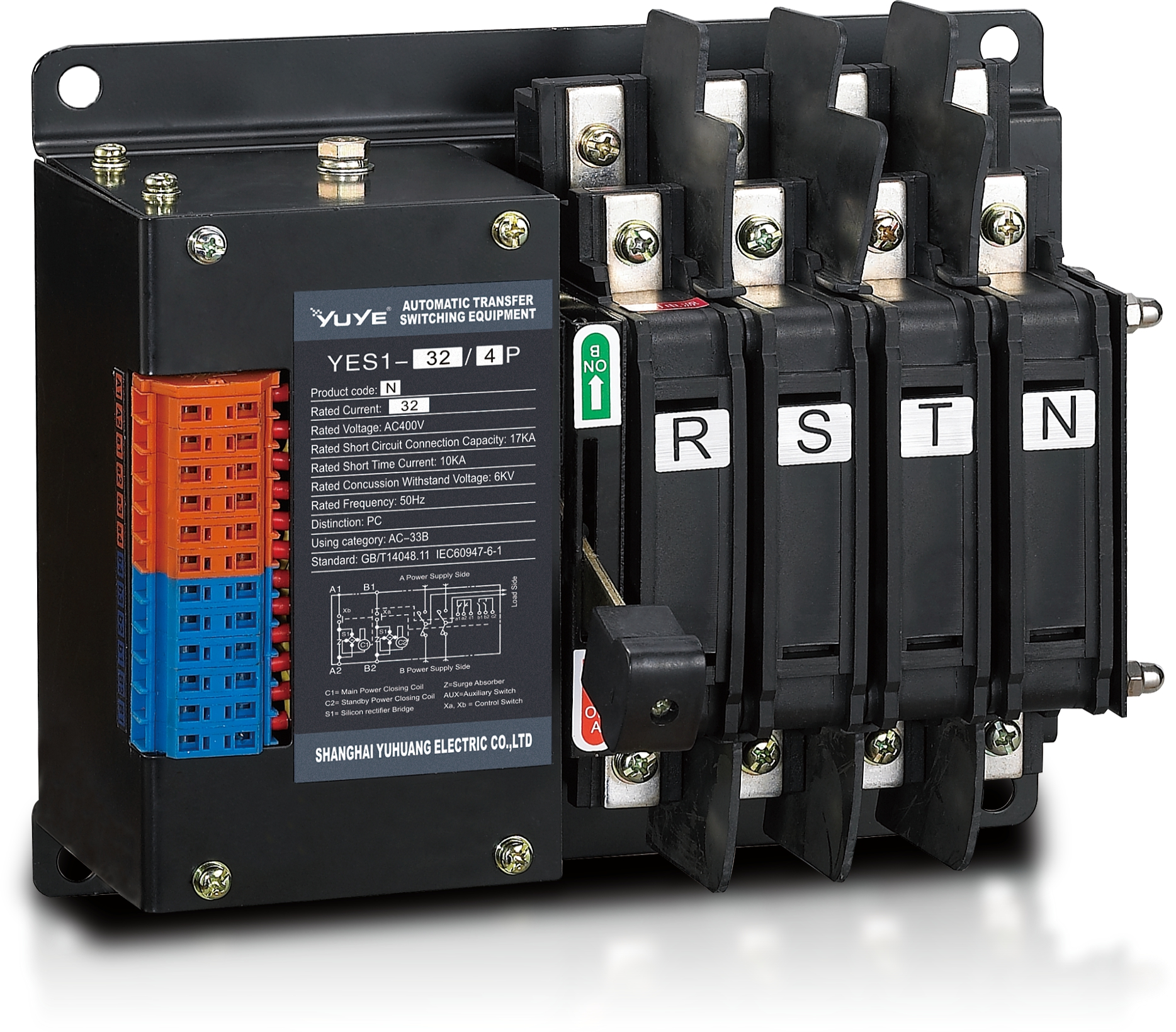 Solenoid-type ATS YES1-32~125N
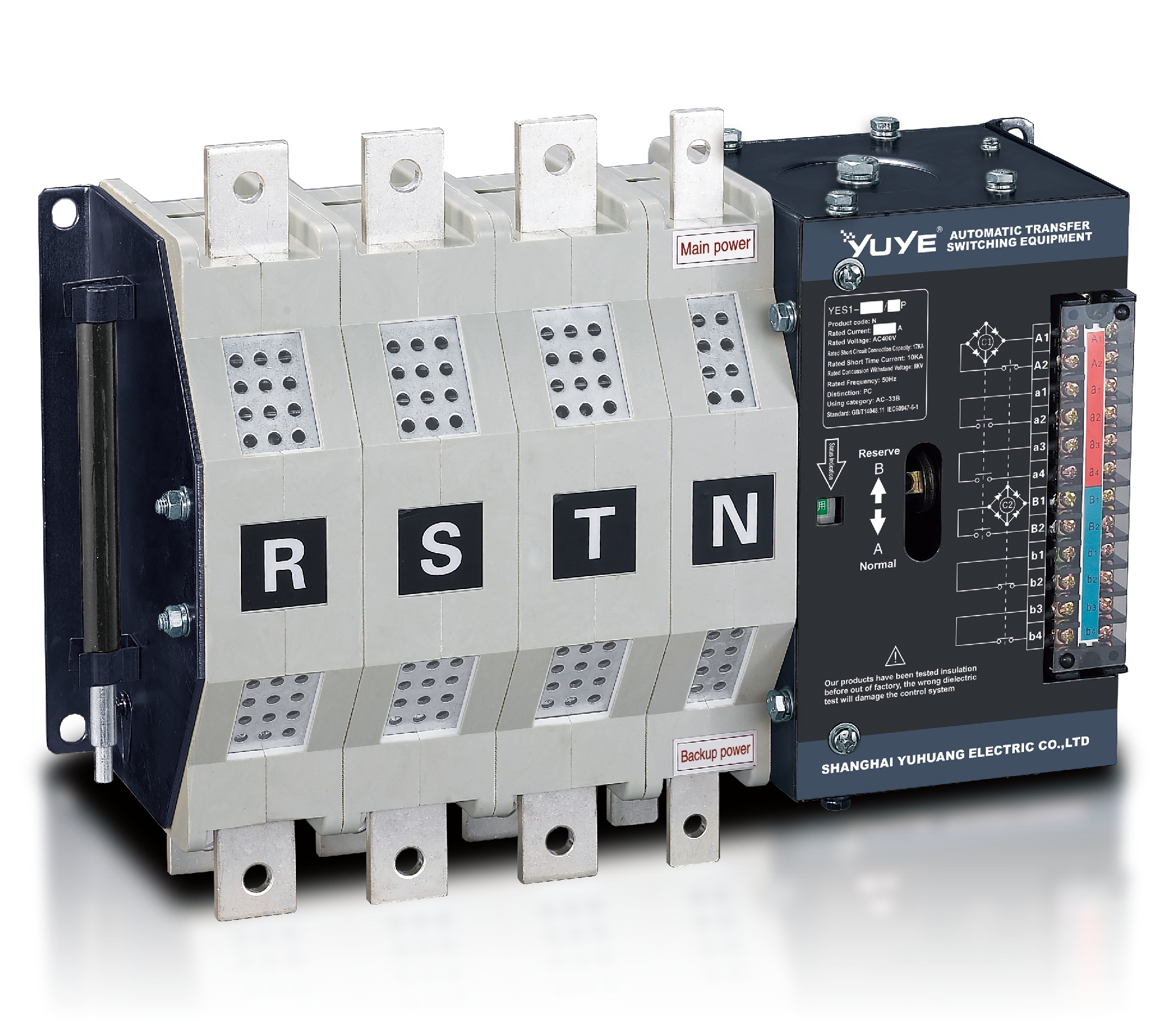 Solenoid-type ATS YES1-250~630N/NT
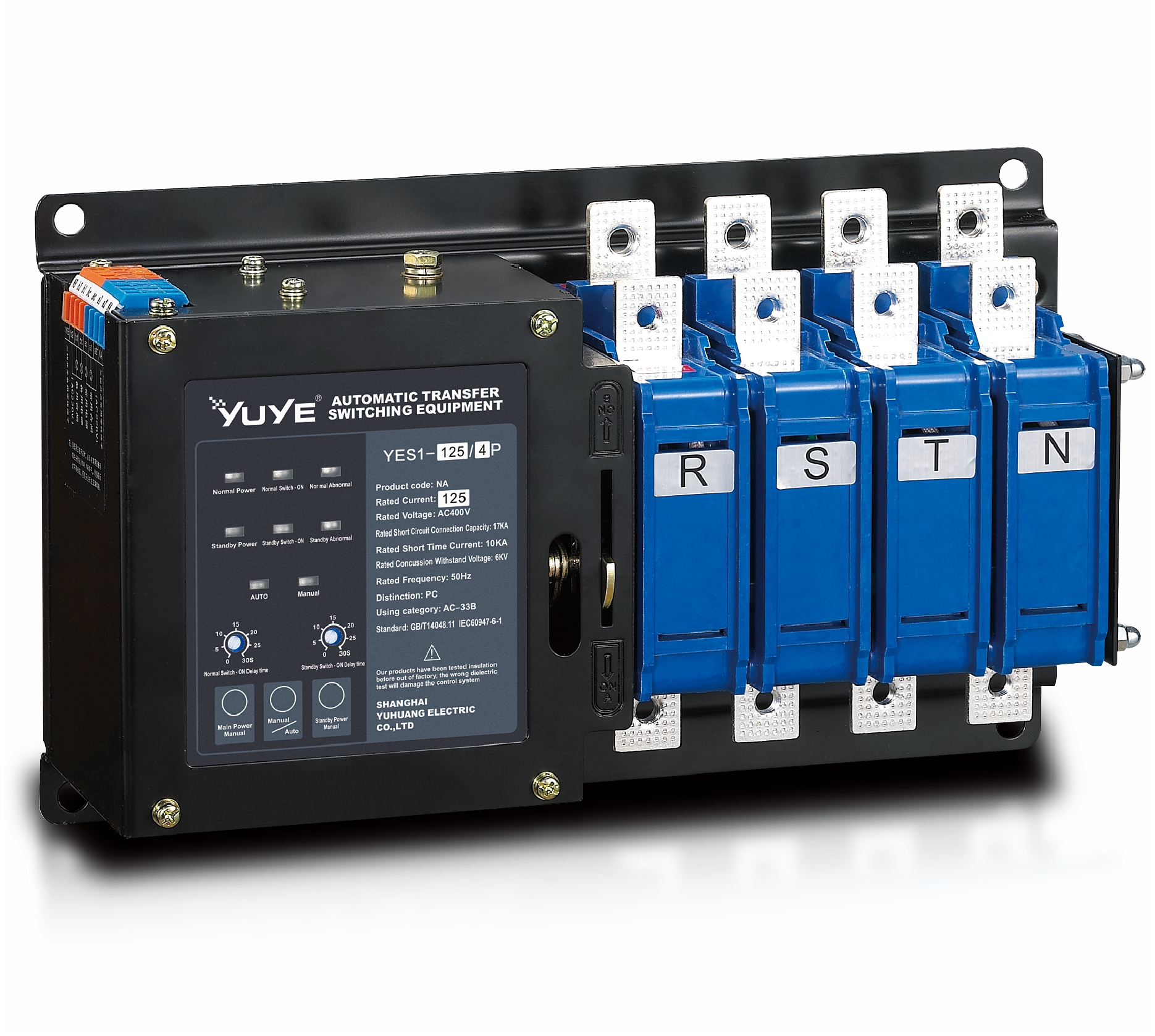 Solenoid-type ATS YES1-32~125NA
 Solenoid-type ATS YES1-63~630SN
 Solenoid-type ATS YES1-1250~4000SN
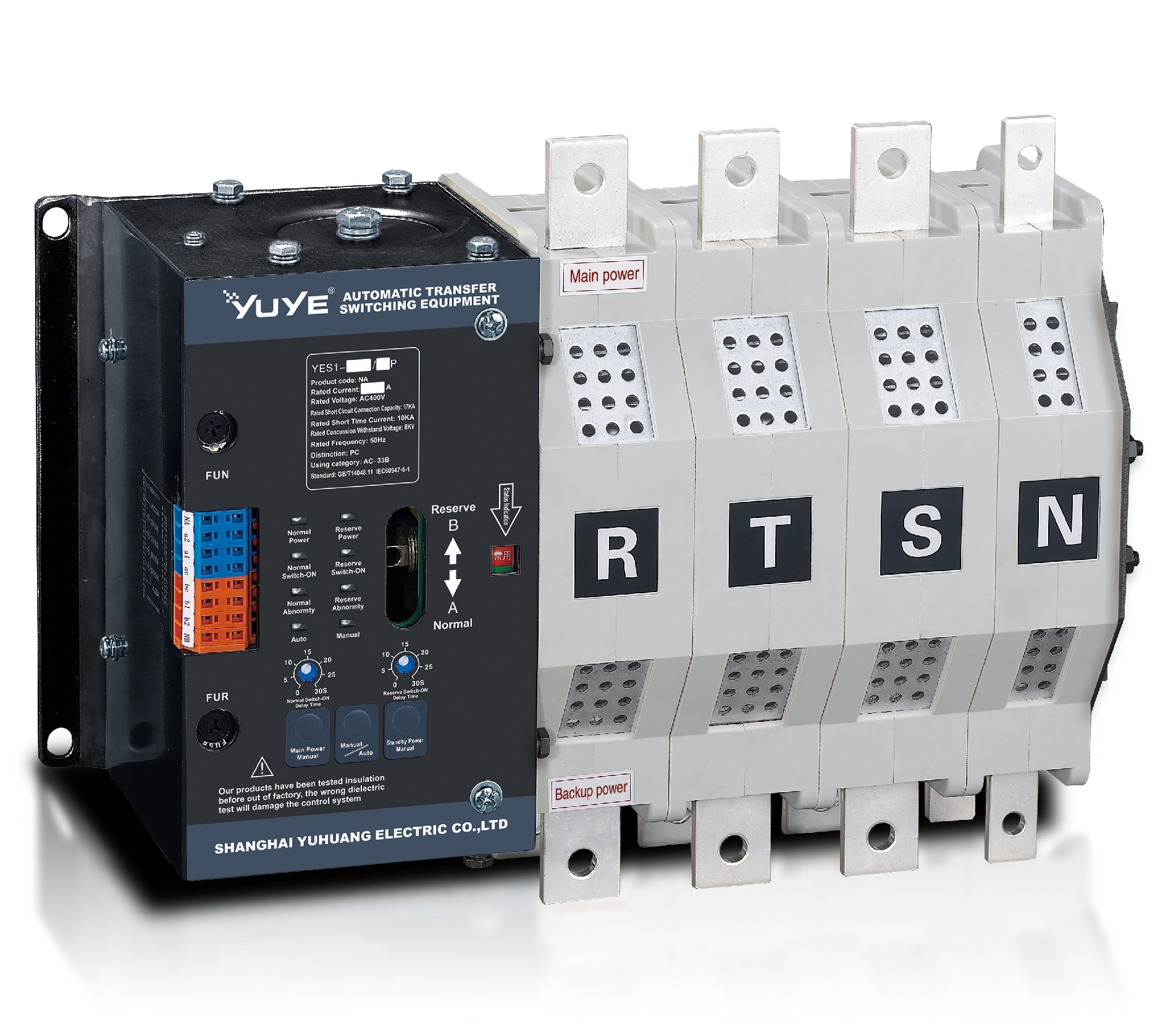 Solenoid-type ATS YES1-250~630NA/NAT
 Solenoid-type ATS YES1-63NJT
 PC ATS YES1-100~1600GN1/GN/GNF
 PC ATS YES1-2000~3200GN/GNF
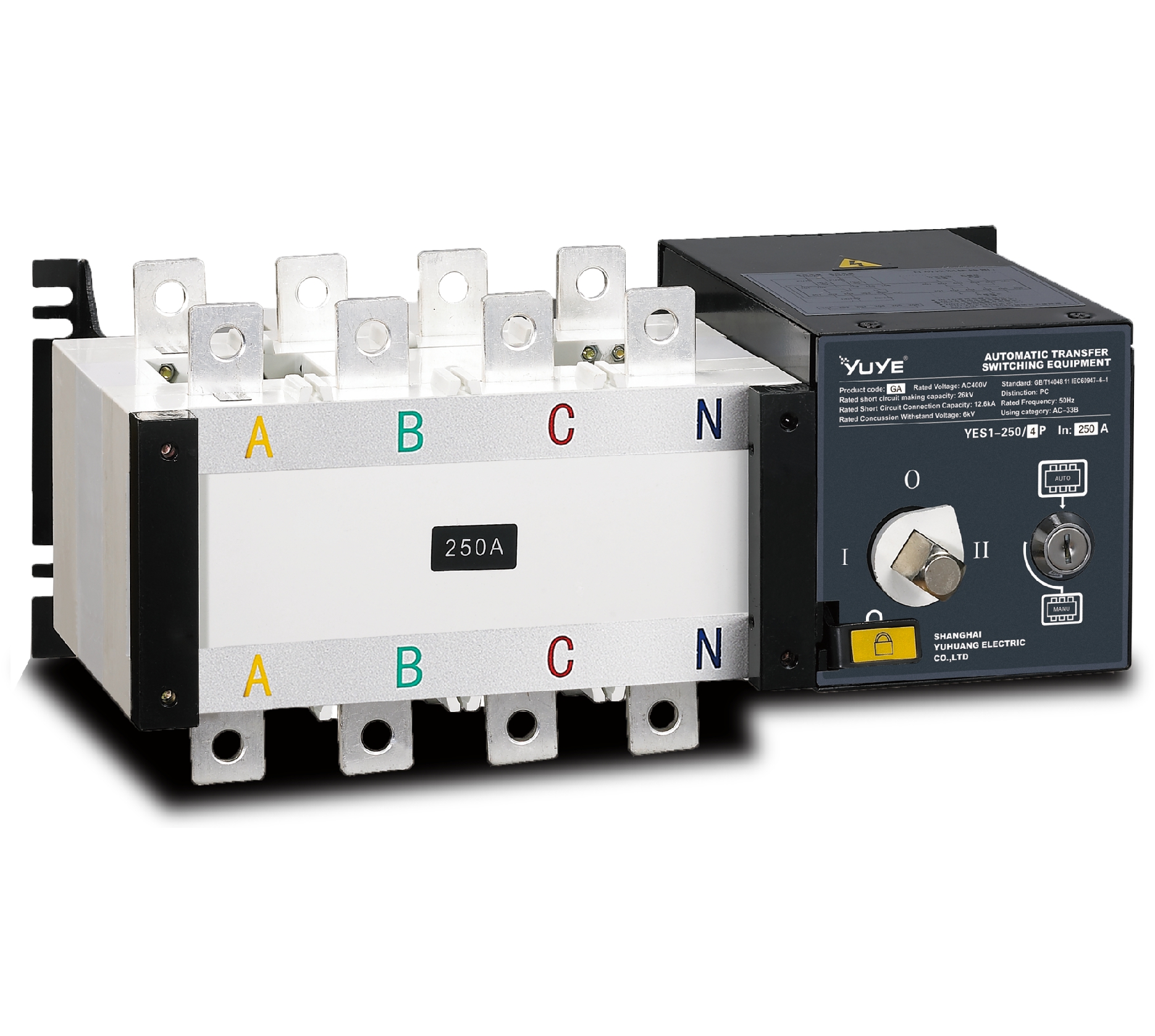 PC ATS YES1-100~3200GA1/GA
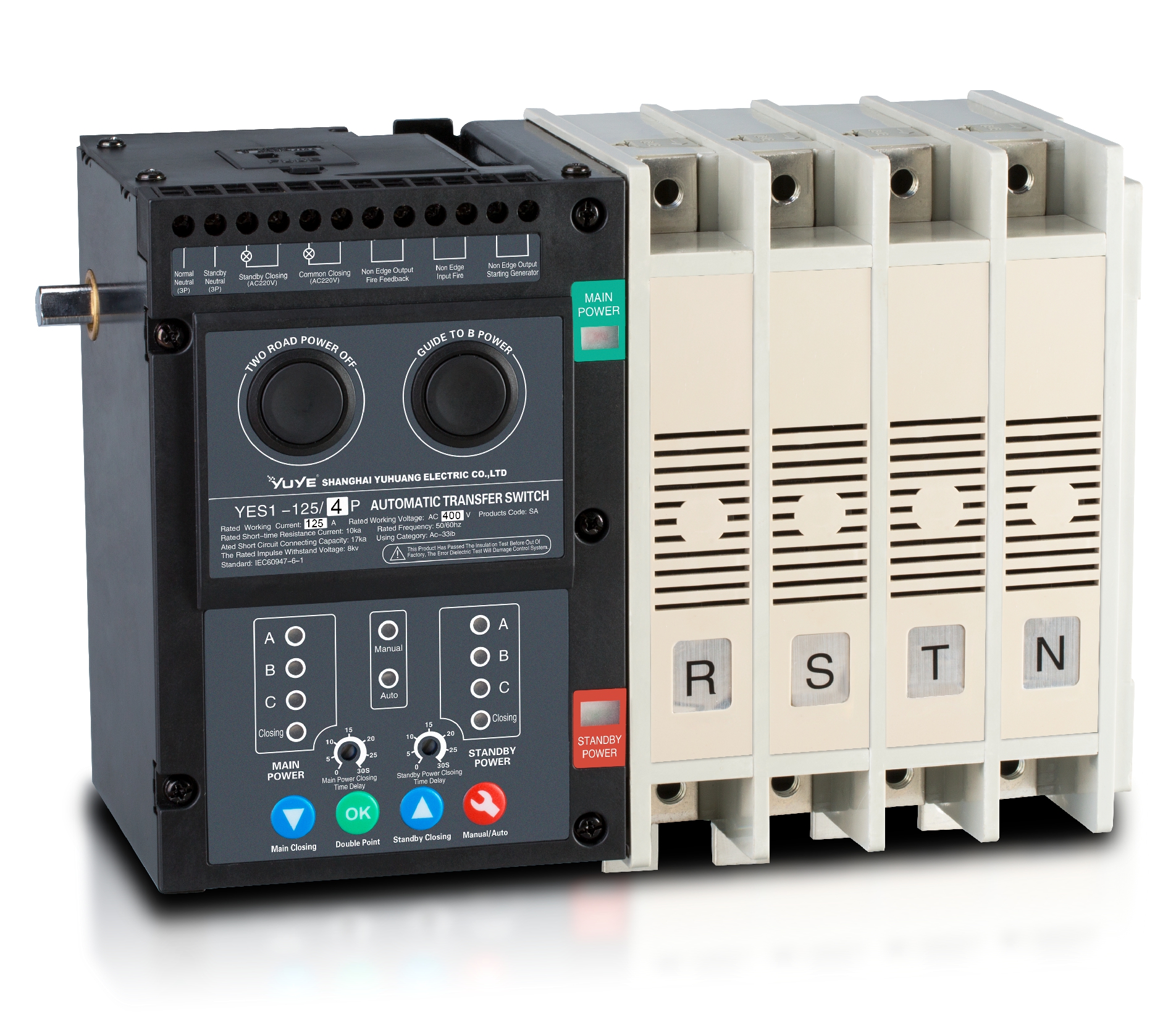 Solenoid-type ATS YES1-63~630SA
 Solenoid-type ATS YES1-63~630L/LA
 Solenoid-type ATS YES1-63~630LA3
 Solenoid-type ATS YES1-63MA
 PC ATS YES1-630~1600M
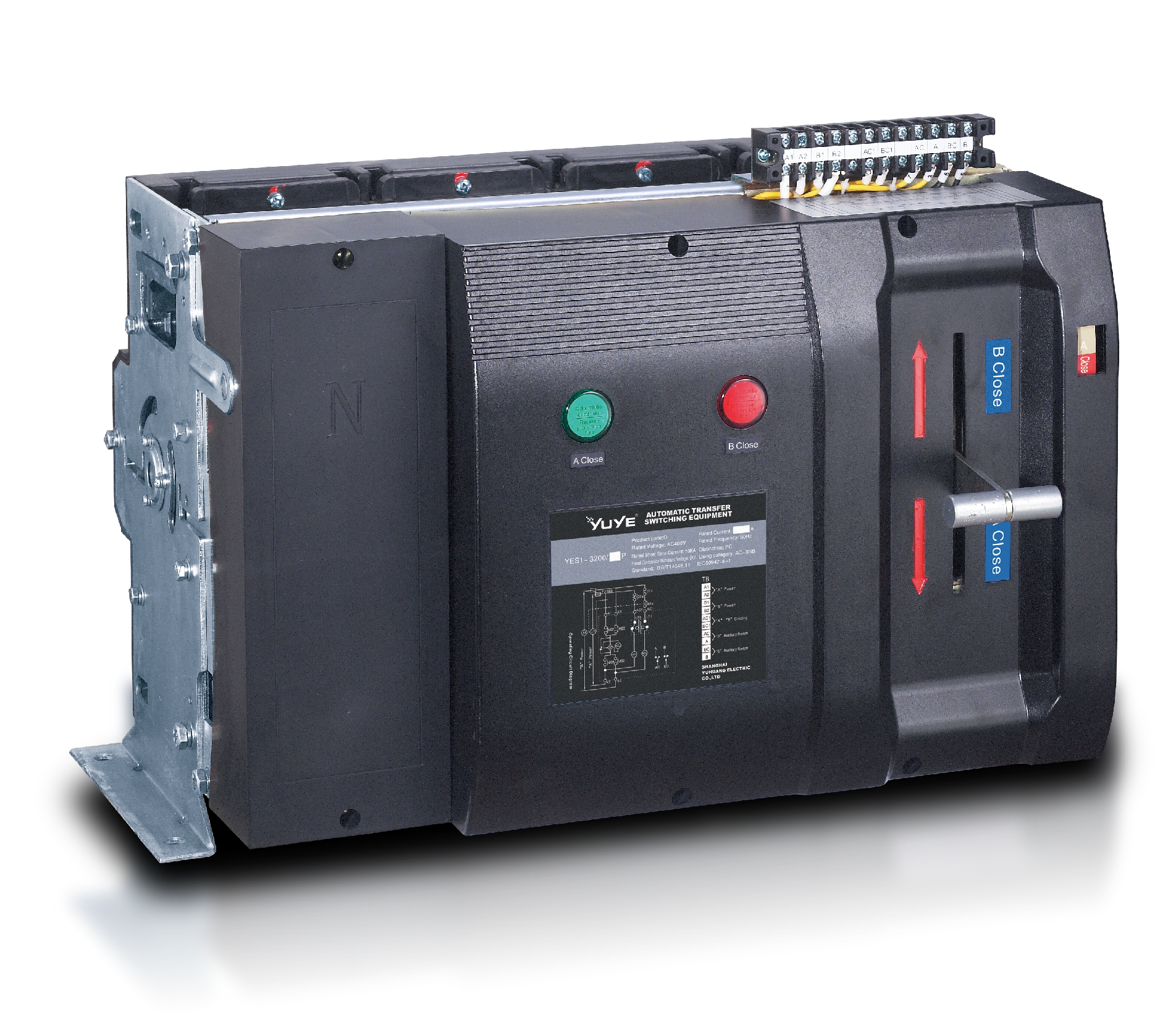 PC ATS YES1-3200Q
 Solenoid-type ATS YES1-4000~6300Q
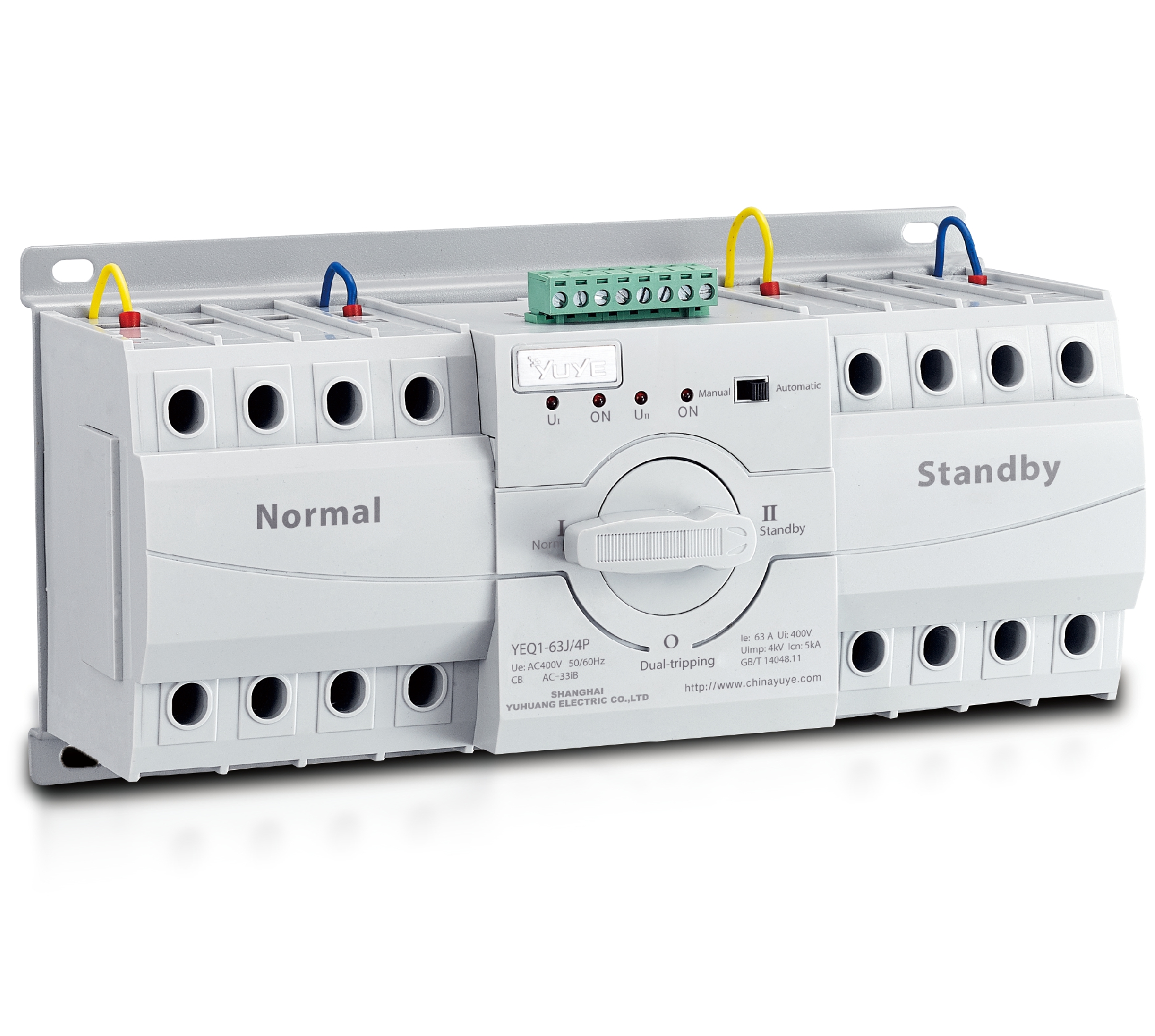 CB ATS YEQ1-63J
 CB ATS YEQ2Y-63
 CB ATS YEQ3-63W1
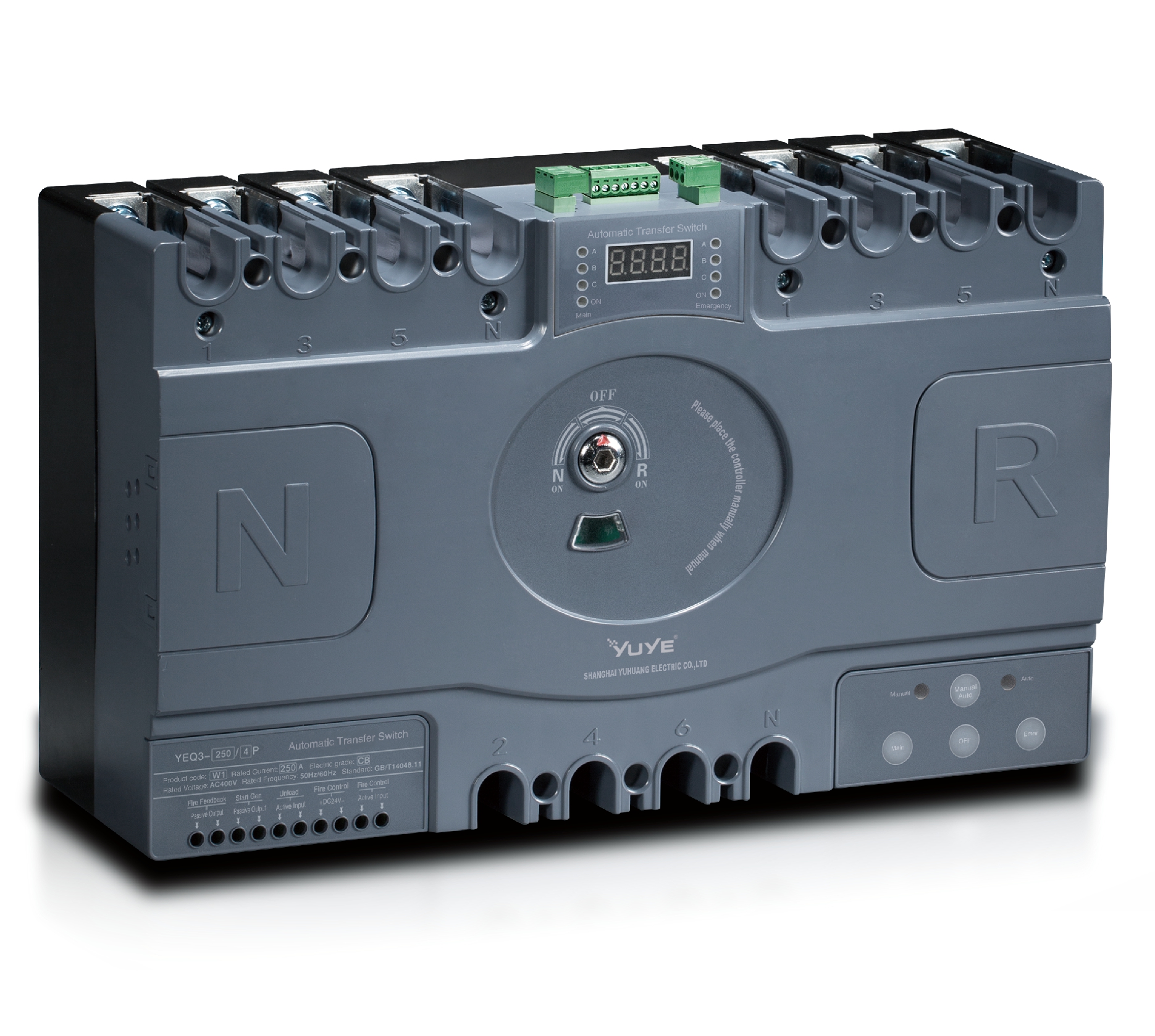 CB ATS YEQ3-125~630W1
 ATS controller Y-700
 ATS Controller Y-700N
 ATS Controller Y-701B
 ATS Controller Y-703N
 ATS Controller Y-800
 ATS Controller W2/W3 Series
 ATS switch Cabinet floor-to-ceiling
 ATS switch cabinet
 JXF-225A power Cbinet
 JXF-800A power Cbinet
 YEM3-125~800 Plastic Shell Type MCCB
 YEM3L-125~630 Leakage Type MCCB
 YEM3Z-125~800 Adjustable Type MCCB
 YEM1-63~1250 Plastic Shell Type MCCB
 YEM1E-100~800 Electronic Type MCCB
 YEM1L-100~630 Leakage Type MCCB
 Miniature circuit breaker YEMA2-6~100
 Miniature circuit breaker YEB1-3~63
 Miniature circuit breaker YEB1LE-3~63
 Miniature circuit breaker YEPN-3~32
 Miniature circuit breaker YEPNLE-3~32
 Miniature circuit breaker YENC-63~125
 Air Circuit Breaker YEW1-2000~6300
 Air Circuit Breaker YEW3-1600
 Load isolation switch YGL-63~3150
 Load Isolation Switch YGL2-63~3150
 Manual Changeover Switch YGL-100~630Z1A
 Manual Changeover Switch YGLZ1-100~3150
 YECPS2-45~125 LCD
 YECPS-45~125 Digital
 CNC Milling/Turning-OEM
 DC relay MDC-300M
 DC Isolation Switch YEGL3D-630


