In today’s world, reliable power isn’t just a convenience — it’s pretty much essential. When it comes to making sure that power switches smoothly from one source to another, the design of an Automatic Transfer Switch (ATS) really matters. John Thompson, who’s a top expert in ATS design at Power Solutions Inc., puts it simply: “A well-designed ATS boosts uptime and keeps things safe.” It’s a reminder that paying attention to quality makes all the difference.
On the flip side, a poorly designed system can cause a bunch of issues. Failures there aren’t just annoying — they’re costly and can even mess with operations. For example, if load management isn’t handled right, the system could get overloaded. Or, confusing wiring might slow things down during an emergency, which is the last thing you want. That’s why careful planning is so important to avoid these problems.
The world of ATS design is changing fast with new technology pushing things forward. Still, many companies don’t always pay attention to the key details, and that can lead to serious consequences. Finding the right balance between making the system functional and keeping it safe is super important. In the end, a solid ATS isn’t just about compliance — it’s a smart investment in keeping your operations steady and reliable.

Importance of Automatic Transfer Switches in Power Systems
Automatic transfer switches (ATS) play a vital role in modern power systems. They ensure a seamless shift between primary and backup power sources during outages. In the United States, about 80% of businesses rely on some form of backup power. A well-designed ATS minimizes downtime, which is crucial for operational continuity.
Data from the Electric Power Research Institute highlights that improper ATS design can lead to malfunctions, causing significant financial losses. Companies lose an average of $5,600 per minute during power interruptions. That number is staggering. Each second counts, and a poorly designed ATS can contribute to prolonged outages.
Safety and efficiency are also impacted. A lack of proper design can result in electrical hazards, and increased maintenance costs. In certain cases, 30% of ATS installations may not meet the required safety standards, putting users at risk. Each facility needs to evaluate its unique power demands to avoid such pitfalls. Thoughtful design is essential to prevent issues that could potentially be catastrophic.
Understanding the Functionality of Automatic Transfer Switches
Automatic transfer switches (ATS) play a vital role in maintaining power reliability. They automatically switch to a backup power source when the main power fails. This design prevents disruption, ensuring safety and functionality. An ATS can be critical for essential services like hospitals, data centers, and communication hubs. When the primary grid fails, every second counts.
Understanding how ATS works is essential for efficient operation. The switch monitors power availability continuously. If it detects a failure, it quickly triggers the backup generator. Proper design means selecting the right components and ensuring accurate operation. It’s not just about switching; it's about safety. A poorly designed switch can fail, leading to financial loss or worse.
Tips for a better ATS design include using durable materials. Ensure that the components can withstand harsh conditions. Regular maintenance checks are crucial. This includes testing the switch regularly to ensure reliability. Over time, components can wear down or become outdated. Keeping an eye on performance can prevent unexpected failures. Remaining diligent is key to a functional automatic transfer switch.
Key Components of a Well-Designed Automatic Transfer Switch
When designing an automatic transfer switch (ATS), focusing on key components is essential. The ATS connects a primary power source and a backup generator. It seamlessly switches between these sources during a power outage. A well-designed ATS includes an enclosure that protects the internal components. Proper grounding is also crucial for safety.
Another vital component is the control panel. It should have clear indicators for power status. This allows quick assessment of operating conditions. Circuit breakers within the switch provide reliable protection against overloads.
Tips: Regularly inspect and maintain your ATS. Ensure the connections are tight and the components are clean. Also, test the system under load to verify its functionality.
Inadequate designs might overlook important features. For example, some ATS may lack surge protection. Choosing the right materials is also crucial. Some setups use inferior wiring that may fail under stress. Regular audits of the ATS can reveal such weaknesses. Making adjustments can enhance performance significantly.
Common Design Flaws in Automatic Transfer Switches and Their Impact
The design of automatic transfer switches (ATS) plays a vital role in ensuring reliable power supply. However, many designs contain common flaws that can lead to significant operational issues. One frequent mistake is inadequate sizing. If an ATS is not properly rated for the load, it may fail during peak demand times. This can result in power outages or equipment damage.
Another critical design flaw is poor integration with existing systems. An ATS must work seamlessly with generators and other devices. If these connections are not well thought out, it can create delays during power transitions. Delays in switching may cause systems to reset or lose data. It's essential to consider all components during the design phase. Overlooking minor details can lead to major failures.
Inadequate training for maintenance personnel is another glaring issue. Staff need to understand how the ATS works and how to troubleshoot it. Without sufficient knowledge, small problems can escalate. It's a reminder that even the best technology cannot replace skilled human oversight. Proper design must address not only the hardware but also the people who will manage it.
Impact of Common Design Flaws in Automatic Transfer Switches
This chart illustrates the percentage impact of various common design flaws that can occur in Automatic Transfer Switches (ATS). Proper design is crucial to prevent failure and ensure reliable operation during power outages.
Regulatory Standards and Guidelines for Automatic Transfer Switch Design
Automatic Transfer Switches (ATS) play a vital role in ensuring uninterrupted power supply. Their design must adhere to strict regulatory standards. These guidelines include requirements from agencies like the National Electric Code (NEC). Compliance ensures safety and reliability during power outages.
Recent reports show that an estimated 30% of power outages are due to equipment failure. An inadequately designed ATS can exacerbate this issue. The design should allow for seamless transition between power sources. The National Fire Protection Association (NFPA) provides additional guidelines to minimize risks. Using proper materials and technologies affects overall performance.
Overlooking design principles can lead to catastrophic failures. Regular inspections and updates to ATS are essential. According to industry studies, a functioning ATS can reduce downtime by up to 80%. This highlights the importance of adhering to established standards. Design should incorporate redundancy and ease of maintenance. Inadequate designs might catch users off guard, leading to costly repairs. Proper education on these standards is key for minimizing vulnerabilities.
Why is Proper Design of an Automatic Transfer Switch Crucial? - Regulatory Standards and Guidelines for Automatic Transfer Switch Design
| Dimension |
Description |
Regulatory Standard |
Importance |
| Voltage Rating |
The maximum voltage the switch can handle. |
UL 1008 |
Ensures safety by preventing electrical overload. |
| Current Capacity |
The maximum current the transfer switch can support. |
ANSI C62.41 |
Critical for system reliability during power failures. |
| Transfer Time |
The time taken to switch from one power source to another. |
IEEE 1547 |
Minimizes downtime in critical applications. |
| Environmental Ratings |
The temperature and moisture tolerance of the switch. |
NEMA 250 |
Prevents malfunction in harsh conditions. |
| Mechanical Durability |
The lifespan and reliability of the mechanical components. |
ISO 9001 |
Ensures long-term operation without failures. |
Best Practices for Ensuring Reliability and Safety in Design
The design of an automatic transfer switch (ATS) is vital for maintaining system reliability. According to recent industry reports, improper design can increase the risk of failures by over 30%. This statistic highlights the importance of focusing on best practices in ATS design.
One crucial aspect is redundancy. Adding backup components can mitigate potential failures. Studies indicate that systems with dual ATS configurations have 50% fewer outage incidents. However, many designs still overlook this detail. Simple oversights can lead to significant downtime during emergencies.
Another critical area is load management. An ATS must manage power distribution smartly. If it fails to accurately gauge load demands, it risks overloading circuits. Statistics show that overloading is a leading cause of equipment failure. Engineers should also consider environmental factors. High humidity or extreme temperatures can impact performance. Design choices in these areas must reflect real-world conditions.
Enhancing reliability also involves regular testing and updates. Yet, some systems are left unchecked for years. Ignoring routine maintenance can create a false sense of security. Proper design might seem straightforward, but it requires constant attention and refinement. There is often a gap between theoretical knowledge and practical application, which warrants ongoing evaluation and improvement.
Future Trends in Automatic Transfer Switch Technology and Design
The future of automatic transfer switch (ATS) technology is evolving rapidly. As energy demands increase, so do consumer expectations for reliability and efficiency. Recent reports indicate that the global ATS market is projected to grow by 6.5% annually. This growth is driven by increased integration of renewable energy sources. The integration demands more advanced automatic transfer switches that can handle complex energy systems.
Modern designs focus on smart technologies, such as IoT connectivity. A survey revealed that 40% of companies aim to implement smart ATS solutions by 2025. These systems allow for real-time monitoring and automation, enhancing efficiency. However, many existing designs still rely on outdated technology. This creates gaps that could lead to failures during power outages.
Manufacturers face challenges in keeping up with rapid technological advancements. Many struggle to balance cost and efficiency. Additionally, usability remains a concern. Training workers to use complex systems is essential yet often overlooked. Such shortcomings may hinder the benefits smart ATS can offer, highlighting the need for a holistic approach to design and technology adoption.
Optimizing Power Distribution: A Comprehensive Guide to the CB ATS YEQ3-125~630W1 Switchgear Solutions
In the evolving landscape of power distribution, the CB ATS YEQ3-125~630W1 switchgear solutions stand out for their versatility and efficiency. With a rated voltage of AC400V and a current capacity ranging from 63A to 630A, this switchgear is tailored for various applications across industries. The modular design, available in frame classes of 125, 250, and 630, allows for customization to suit specific operational requirements, making it an essential component in modern electrical systems.
One of the key features of the YEQ3-125~630W1 is its four-pole configuration, which ensures effective power distribution while enhancing operational reliability. The motor-type drive mode further increases its efficiency, ensuring that power is distributed seamlessly. According to the International Electrotechnical Commission (IEC) report IEC 60947-6-1, adherence to established standards in switchgear construction and operation is crucial for ensuring safety and performance in electrical installations. This switchgear not only complies with these stringent standards but is also certified by CE, CB, and CCC, reinforcing its commitment to quality and safety in power distribution.
With the increasing demand for reliable and efficient power distribution solutions, the YEQ3-125~630W1 offers a compelling choice for operators seeking to enhance their electrical systems' performance and safety. Industry reports indicate that standardized equipment like this can significantly reduce downtime and maintenance costs, ultimately leading to greater operational efficiency and productivity in various sectors.
FAQS
: The product aims to enhance daily living through improved efficiency and convenience.
Anyone looking to simplify tasks can benefit. Busy individuals may find it particularly useful.
Key features include user-friendly design, portability, and adaptability. These characteristics set it apart.
Users should follow the guidelines carefully. Misuse may lead to less effective results.
Yes, it is versatile. It performs well at home, the office, or while traveling.
Try troubleshooting first. If issues persist, reaching out for support may be necessary.
Generally, a warranty is included. However, understanding its limitations is important.
Routine cleaning and proper storage are essential. Neglect may affect performance over time.
Yes, some modifications can enhance personal experience. However, be cautious with significant changes.
Many overlook proper usage instructions. Others fail to fully explore available features.
Conclusion
The proper design of an Automatic Transfer Switch (ATS) is essential for ensuring the reliability and safety of power systems. ATSs play a crucial role in seamlessly transferring electrical loads between primary and backup power sources during outages, thereby maintaining continuity of service. A well-designed ATS incorporates key components such as contactors, control circuits, and monitoring systems, which all contribute to its functionality.
However, common design flaws can lead to significant issues, including operational failures and safety hazards. Adhering to regulatory standards and guidelines is vital in the ATS design process, as it ensures compliance and enhances performance. Best practices involve rigorous testing and regular maintenance to guarantee the switch's reliability. Looking ahead, advancements in technology are poised to further improve Automatic Transfer Switch design, integrating smart features for enhanced monitoring and automation.

 PC ATS YECT1-2000G
 PC ATS YES2-63~250GN1
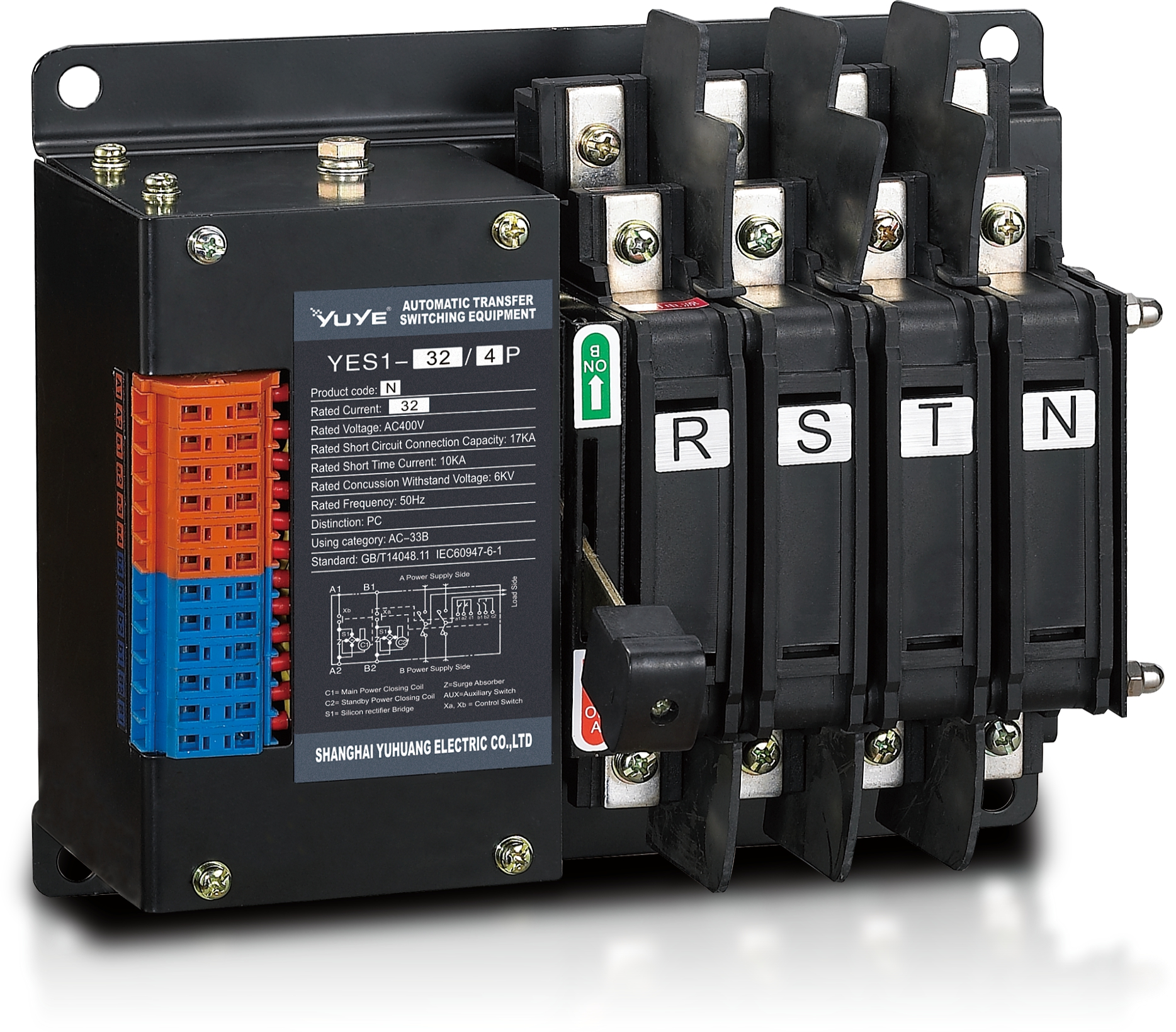 Solenoid-type ATS YES1-32~125N
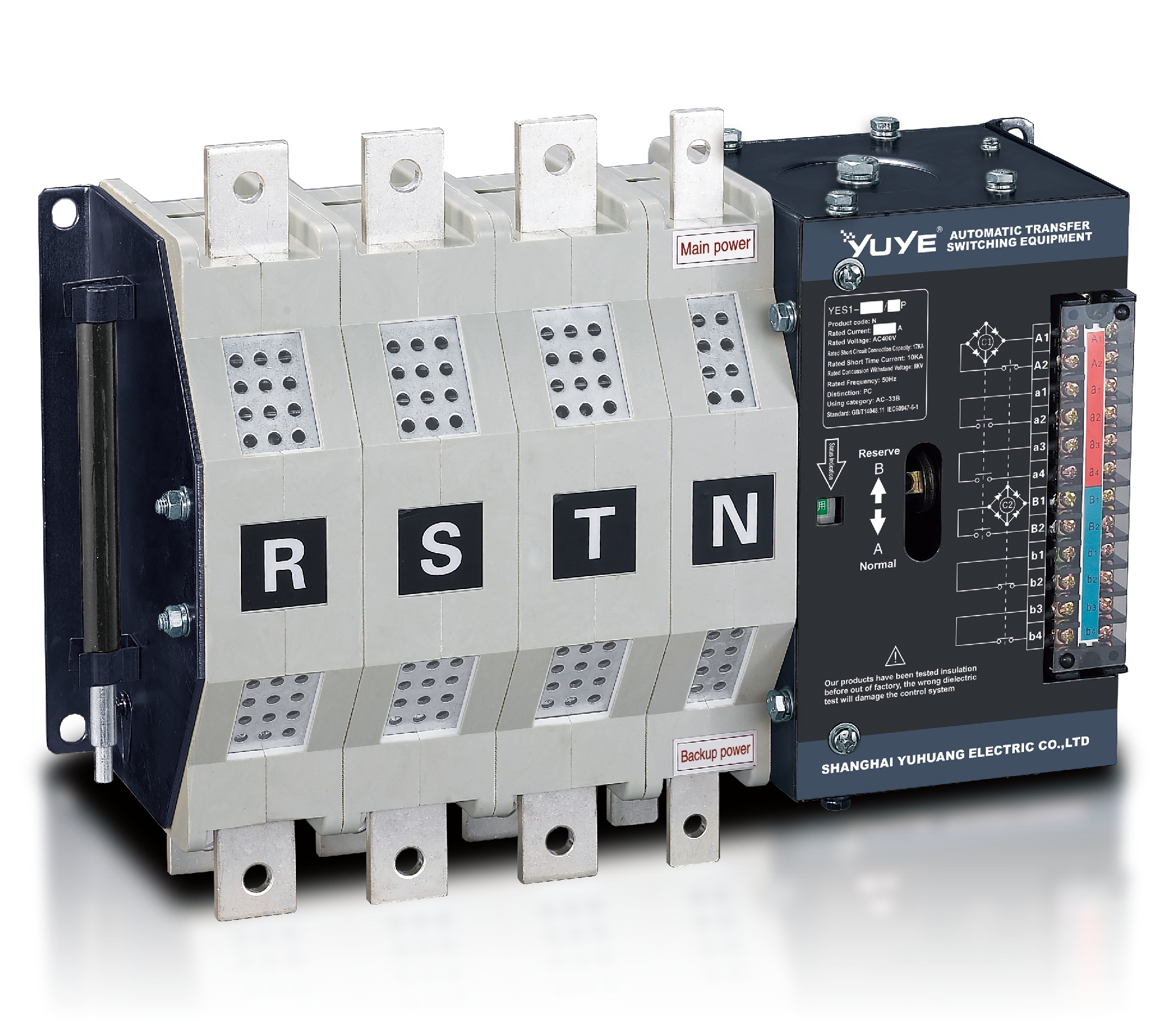 Solenoid-type ATS YES1-250~630N/NT
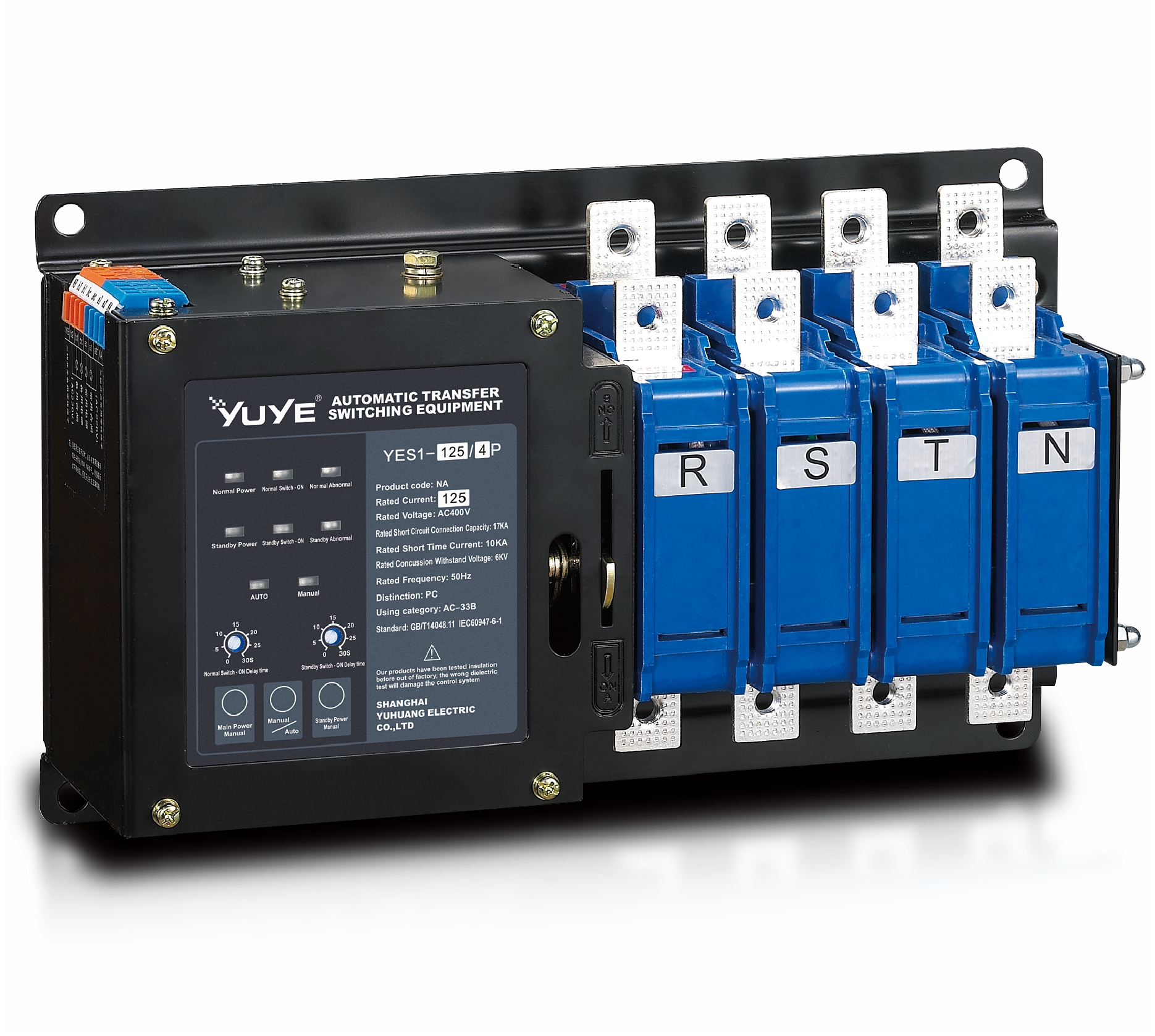 Solenoid-type ATS YES1-32~125NA
 Solenoid-type ATS YES1-63~630SN
 Solenoid-type ATS YES1-1250~4000SN
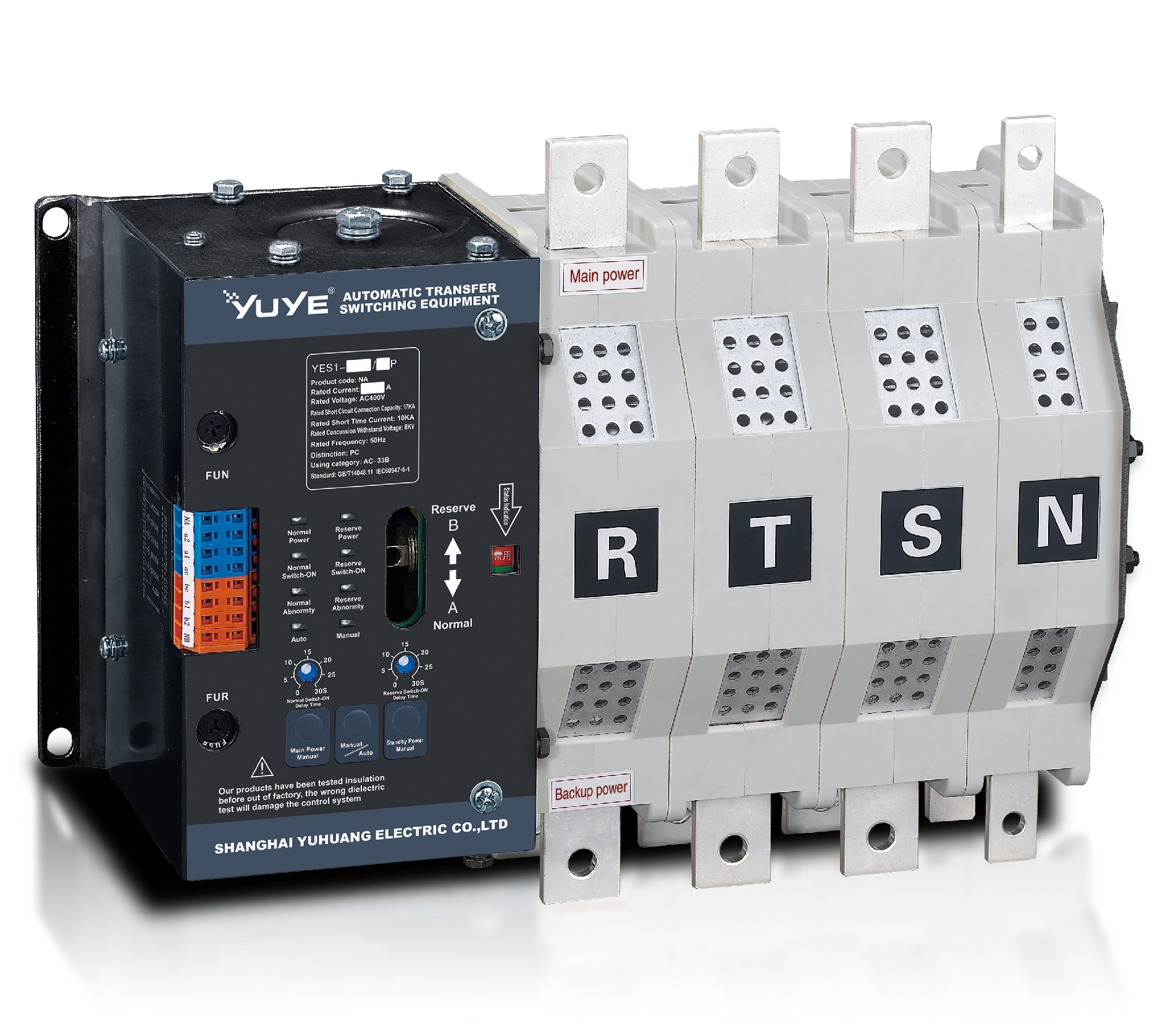 Solenoid-type ATS YES1-250~630NA/NAT
 Solenoid-type ATS YES1-63NJT
 PC ATS YES1-100~1600GN1/GN/GNF
 PC ATS YES1-2000~3200GN/GNF
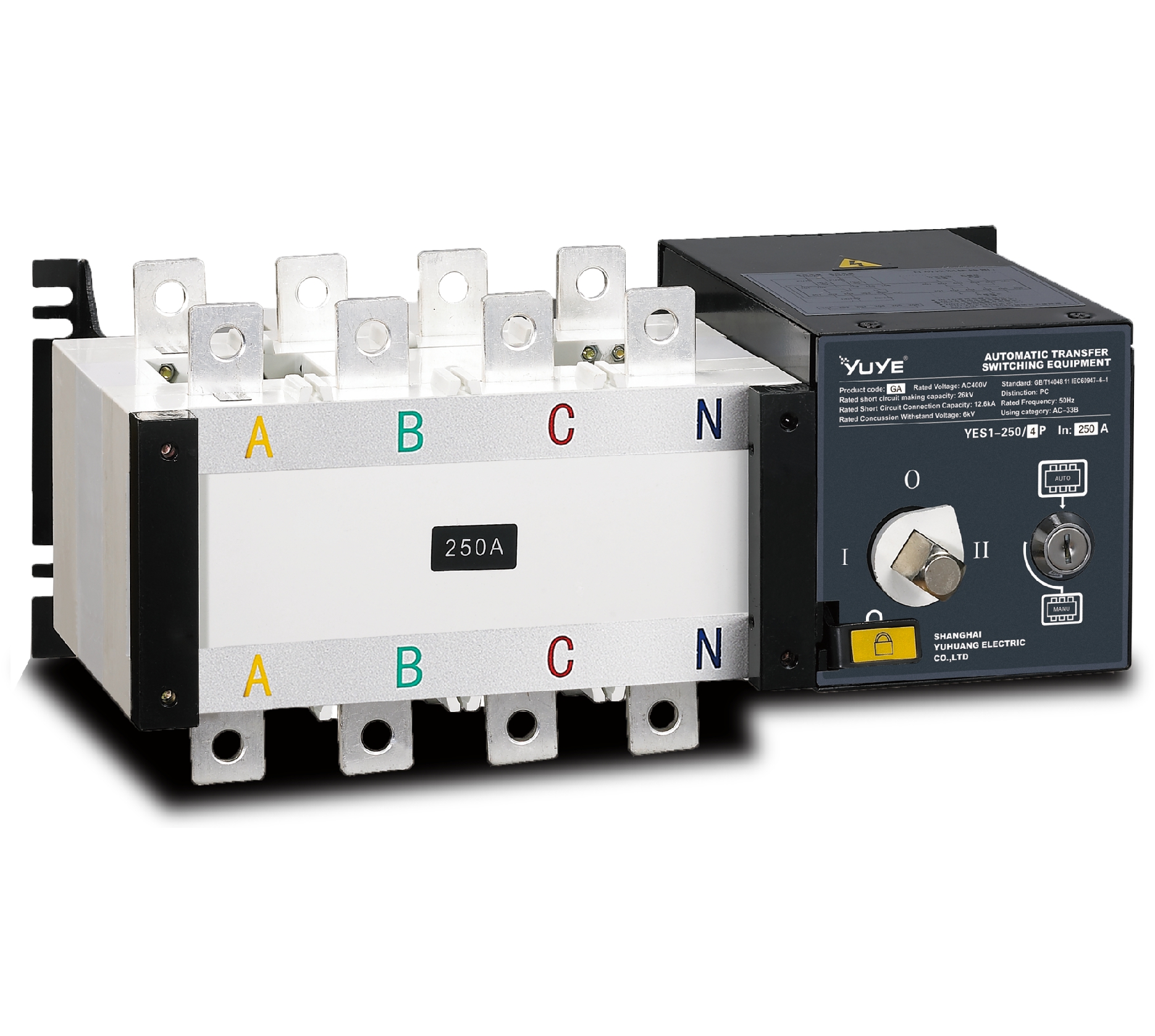 PC ATS YES1-100~3200GA1/GA
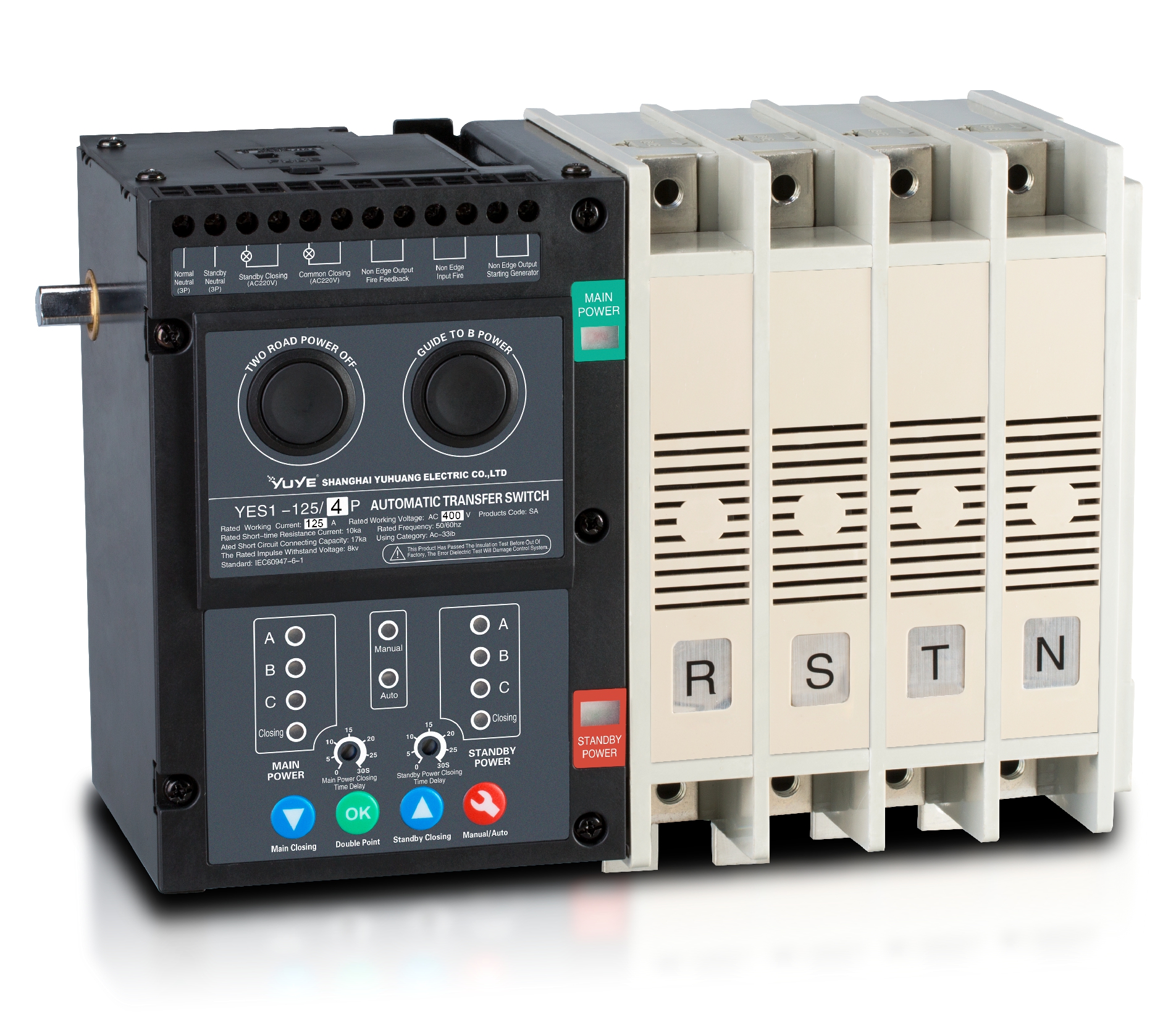 Solenoid-type ATS YES1-63~630SA
 Solenoid-type ATS YES1-63~630L/LA
 Solenoid-type ATS YES1-63~630LA3
 Solenoid-type ATS YES1-63MA
 PC ATS YES1-630~1600M
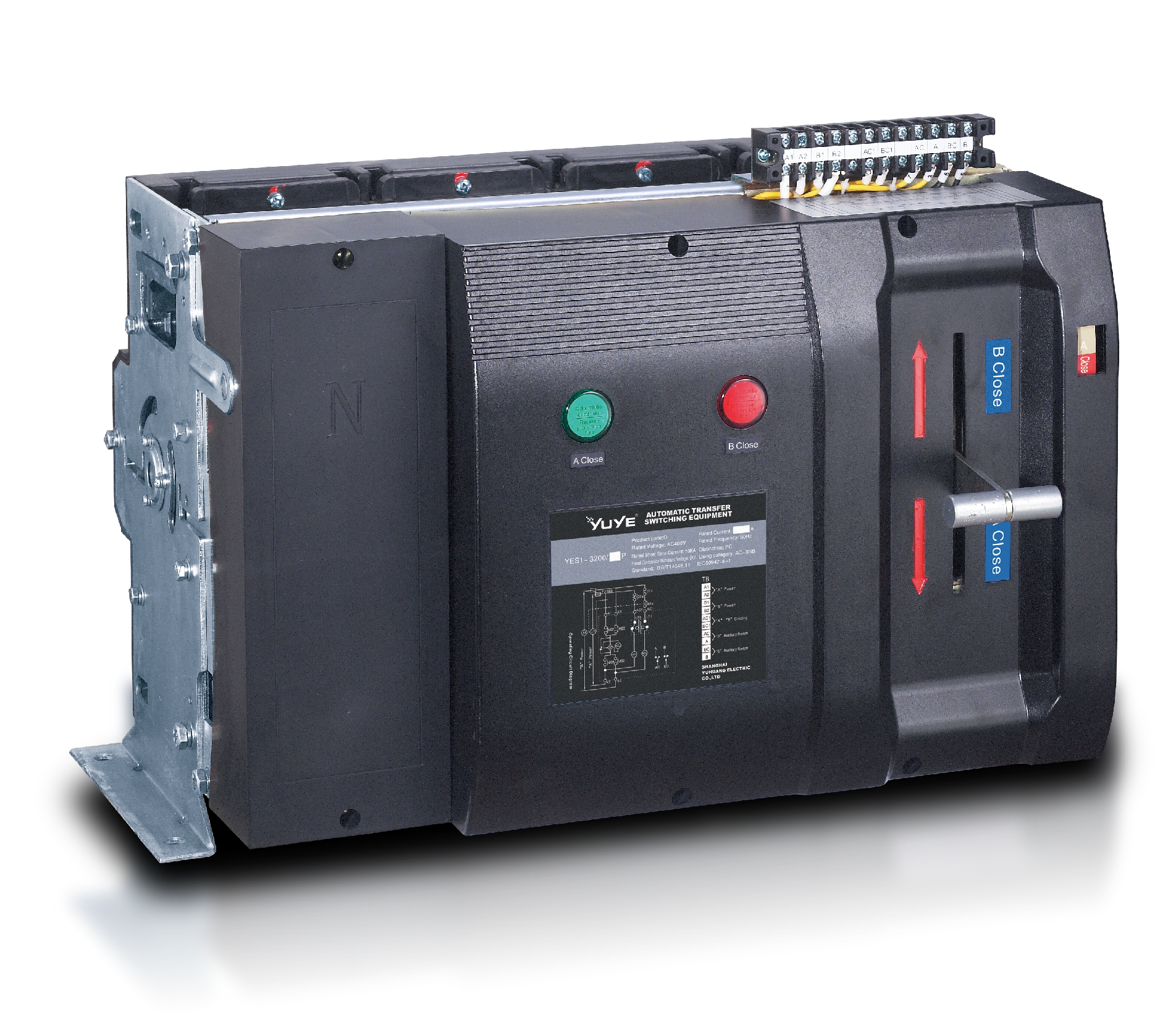 PC ATS YES1-3200Q
 Solenoid-type ATS YES1-4000~6300Q
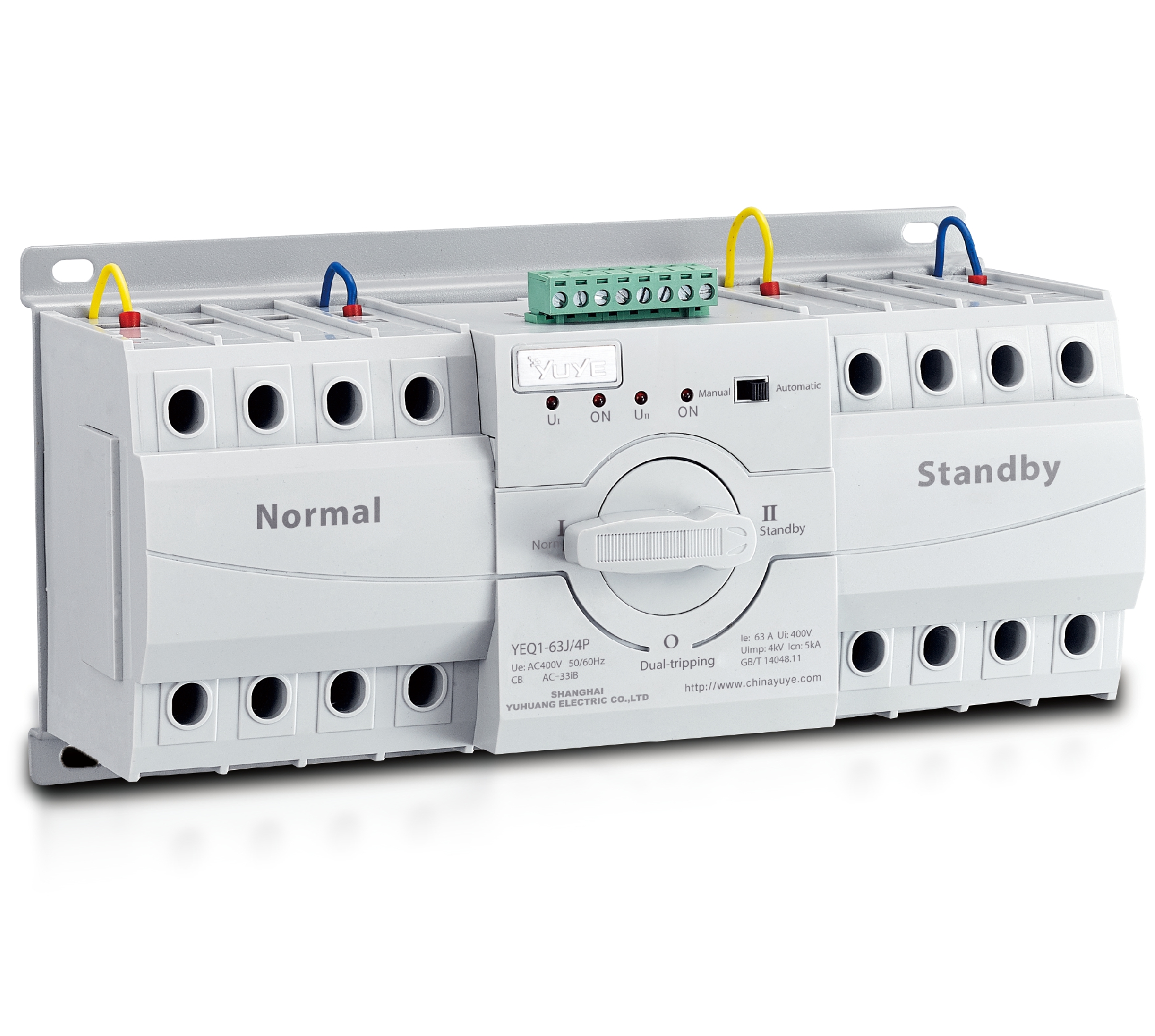 CB ATS YEQ1-63J
 CB ATS YEQ2Y-63
 CB ATS YEQ3-63W1
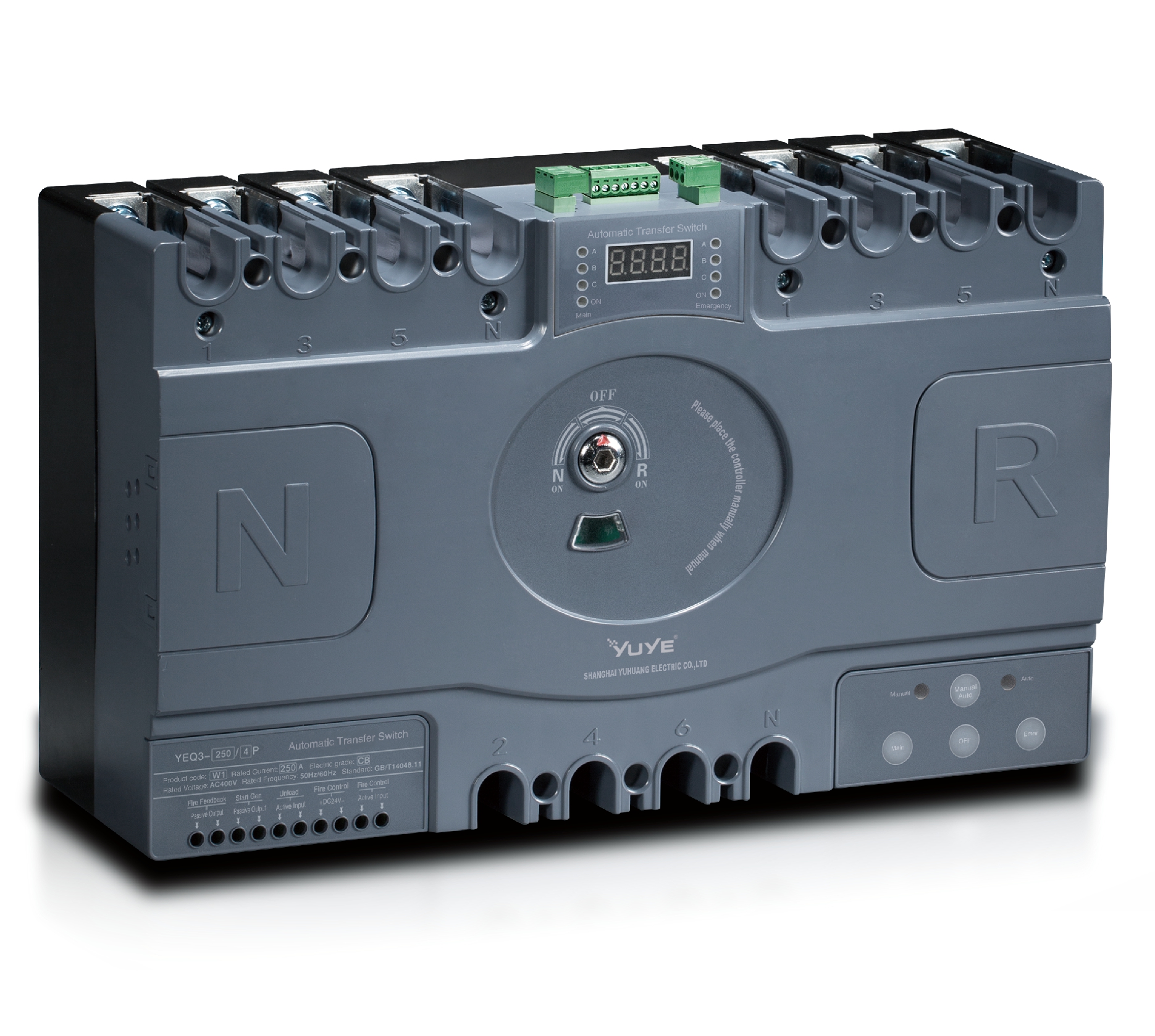 CB ATS YEQ3-125~630W1
 ATS controller Y-700
 ATS Controller Y-700N
 ATS Controller Y-701B
 ATS Controller Y-703N
 ATS Controller Y-800
 ATS Controller W2/W3 Series
 ATS switch Cabinet floor-to-ceiling
 ATS switch cabinet
 JXF-225A power Cbinet
 JXF-800A power Cbinet
 YEM3-125~800 Plastic Shell Type MCCB
 YEM3L-125~630 Leakage Type MCCB
 YEM3Z-125~800 Adjustable Type MCCB
 YEM1-63~1250 Plastic Shell Type MCCB
 YEM1E-100~800 Electronic Type MCCB
 YEM1L-100~630 Leakage Type MCCB
 Miniature circuit breaker YEMA2-6~100
 Miniature circuit breaker YEB1-3~63
 Miniature circuit breaker YEB1LE-3~63
 Miniature circuit breaker YEPN-3~32
 Miniature circuit breaker YEPNLE-3~32
 Miniature circuit breaker YENC-63~125
 Air Circuit Breaker YEW1-2000~6300
 Air Circuit Breaker YEW3-1600
 Load isolation switch YGL-63~3150
 Load Isolation Switch YGL2-63~3150
 Manual Changeover Switch YGL-100~630Z1A
 Manual Changeover Switch YGLZ1-100~3150
 YECPS2-45~125 LCD
 YECPS-45~125 Digital
 CNC Milling/Turning-OEM
 DC relay MDC-300M
 DC Isolation Switch YEGL3D-630


