Taking good care of your Circuit Breaker Box isn’t just a good idea—it’s actually pretty essential for keeping your home or business safe and running smoothly. When you do regular maintenance, you're not only protecting your property from electrical problems but also helping your system last longer. At One Two Three Electric Co., Ltd., we’re serious about this stuff. We’re a top-tier manufacturer that specializes in making
Moulded Case Circuit Breakers and Air Circuit Breakers, so we totally get how important it is to have your electrical setup super safe and reliable.
In this guide, we’re going to walk you through some simple but crucial maintenance tips that every property owner should keep in mind. Follow these steps, and you’ll be reducing potential hazards and making sure everything runs without a hitch. Ready? Let’s jump into some best practices for keeping your Circuit Breaker Box in tip-top shape—to make sure it’s safe and performs like a champ.
Understanding the Importance of Circuit Breaker Maintenance for Home Safety
Taking good care of your circuit breaker box is actually pretty important if you want your home to be safe. Did you know that, according to the Electrical Safety Foundation International (ESFI), almost 50,000 house fires happen each year in the U.S. because of electrical issues? And a lot of those could be prevented if our circuit breakers are in tip-top shape. Just doing regular check-ups can help catch stuff like loose connections or rust before it becomes a real problem—that kind of stuff can mess with the circuit and even cause a fire if you're not careful.
Making routine maintenance part of your home safety routine can really cut down on the chances of an electrical fire happening. The National Fire Protection Association (NFPA) points out that homes without working smoke alarms are actually twice as likely to see fire-related fatalities. So, keeping your breakers in good shape isn’t just about convenience — it seriously boosts your home's safety. Also, it’s not a bad idea to bring in a licensed electrician now and then to give everything a proper once-over. Sometimes they catch stuff you don’t notice, which just makes everything safer for you and your loved ones.
Identifying Signs of Wear and Tear on Your Circuit Breaker Box
Taking care of your circuit breaker box is pretty important, especially if you want to stay safe and keep everything running smoothly. First off, keep an eye out for any physical damage—think cracks, dents, or rust spots—these can really mess with the insulation and might cause electrical problems down the line. Also, make sure the cover is tightly in place; an exposed breaker isn’t just unsafe, it can be pretty dangerous too.
You should also watch out for rust or discoloration on the breakers. That’s usually a sign they’ve been exposed to moisture, which isn’t great because it can lead to shorts or overloads. Oh, and if you notice your breakers are tripping all the time, that’s a red flag — it could be something deeper happening either inside the box or in your wiring. When that happens, it’s probably a good idea to call in a licensed electrician to check things out. Doing regular visual checks and knowing what warning signs to look for can really help keep your home safe and extend the life of your electrical system.

Essential Tools and Materials for Circuit Breaker Box Maintenance
Taking good care of your circuit breaker box is super important if you want your electrical system to be safe and run smoothly. Honestly, having the right tools on hand can totally make things easier — stuff like a voltage tester, a good screwdriver set, and a flashlight for checking things out in the dark. Did you know? According to the National Fire Protection Association, electrical issues are responsible for over 15% of home fires. That’s a pretty big deal, so keeping your box clean from dust and dirt can really help lower the fire risk.
And hey, when you're messing around in there, it's a smart move to wear insulating gloves and safety goggles. OSHA recommends those for a reason — they really help prevent nasty electrical shocks or injuries. To keep everything running smoothly, you might want to have some contact cleaner and silicone spray around — they’re great for keeping the parts in good shape. Also, it’s a good idea to check on your breaker box about twice a year, as suggested by the Electrical Safety Foundation International. That way, you can catch small issues before they become big (and dangerous) problems.
Step-by-Step Guide to Cleaning and Inspecting Your Circuit Breaker Box
Taking care of your circuit breaker box is pretty important if you want to keep things safe and running smoothly with your electrical setup. Just doing some regular cleaning and inspections can help dodge problems down the line and even make your breaker last longer. When you get started, make sure you turn off the main power before opening up the box—that way, you won’t accidentally get zapped. Once it’s safe, peek inside for dust or debris lurking around. A soft brush or a vacuum with a brush attachment works great for a gentle clean. Keeping it dust-free is key because too much dirt can cause overheating or make the breakers trip unexpectedly.
While you're at it, check for any rust or corrosion on the connections and terminals. If you notice any, that could mean there's moisture hanging around or maybe the area isn’t ventilated well enough. Also, give those wire connections a quick tug—tighten anything that's loose to keep everything secure.
A couple of tips: always grab insulated tools when you’re poking around to avoid shocks. And it might be worth calling in a professional for a check-up every few years—an expert could catch problems that aren’t obvious. Oh, and don’t forget to keep an eye on those breaker indicators. If some breakers keep tripping, that’s usually a sign something isn’t right and needs fixed ASAP.
How to Properly Maintain Your Circuit Breaker Box for Optimal Safety
| Maintenance Task |
Frequency |
Description |
Tools Needed |
| Visual Inspection |
Monthly |
Check for any visible signs of wear, rust, or damage. |
None |
| Dust Cleaning |
Quarterly |
Remove dust and debris with a dry cloth or vacuum. |
Cloth, vacuum |
| Tightening Connections |
Annually |
Ensure all connections are tight to prevent overheating. |
Screwdriver, torque wrench |
| Testing Breakers |
Biannually |
Test each breaker by switching them on and off. |
None |
| Labeling Circuits |
When Needed |
Ensure all circuits are clearly labeled for easy identification. |
Label maker, marker |
Safety Precautions to Observe When Maintaining Your Circuit Breaker
Taking good care of your circuit breaker box is super important – not just to keep your home running smoothly, but also to stay safe. Did you know that, according to the National Fire Protection Association (NFPA), electrical problems are a major cause of house fires? They’re responsible for nearly 50,000 fires each year! So, it’s definitely worth following some safety tips when you’re doing any maintenance on your breaker box to avoid accidents?
First off, always switch off the main power before you start messing with the box. It’s a no-brainer, but it’s the best way to stay safe. Make sure you’re using insulated tools and wear rubber-soled shoes—that little bit of extra caution can go a long way. Also, keep the area around the breaker box dry and clutter-free — nobody wants to trip or accidentally cause a short.
The Electrical Safety Foundation International (ESFI) suggests checking your breaker box once a year. Look for things like rust, burn marks, or loose wires — these could be signs of trouble brewing. Keeping your breaker box clean and free of dust not only makes it safer but can also help it last longer. And hey, if you’re ever unsure about what you’re doing, don’t hesitate to call in a licensed electrician. Better safe than sorry, right?
When to Call a Professional for Circuit Breaker Issues and Repairs
 When you're dealing with circuit breaker problems, it’s really important to know when to call in a pro. These breakers are there to protect your electrical system from overloads or short circuits, but let’s be honest — sometimes they just don’t work right. If you find that your breakers keep tripping all the time, or you hear weird noises, or even catch a whiff of a burning smell, those are pretty clear signs something’s off. Ignoring these clues can be dangerous and could even lead to a fire. Trust me, it’s better to get it checked out sooner rather than later.
Also, take a good look at your breaker box — how old it is and how it’s holding up. If it’s really old or showing signs of wear and tear, it’s probably time for an upgrade. A licensed electrician can give everything a proper inspection to make sure it’s safe and up to code. Doing regular maintenance and catching issues early can save you from bigger headaches down the line, keeping your home safe and running smoothly.
Innovative Protection and Efficiency: Exploring the Benefits of the YEM1E-630 Molded Case Circuit Breaker
The YEM1E-630 Molded Case Circuit Breaker (MCCB) exemplifies innovative protection and efficiency in electrical systems. With a capacity range of 160A to 800A, the YEM1E series caters to a variety of applications, making it a versatile choice for industries requiring reliable circuit protection. The significance of using MCCBs like the YEM1E series is underscored by the increasing emphasis on energy efficiency in industrial operations; a recent report by the International Energy Agency indicates that electrical efficiency improvements could reduce global energy demand by up to 40% by 2040. This underlines the importance of high-performance circuit breakers in optimizing energy consumption.
The YEM1E-630, specifically, offers both three and four pole configurations, tailoring to diverse electrical systems while ensuring enhanced safety and reliability. Its cutting-edge design includes features such as advanced thermal and magnetic trip mechanisms, which provide superior protection against overloads and short circuits. A study from the Electrical Safety Foundation International highlights that proper selection and maintenance of circuit breakers can decrease electrical failures by 70%, emphasizing the necessity of reliable products like the YEM1E series in maintaining operational efficiency and safety in modern electrical installations.
Additionally, customization options for the YEM1E series, including logo, packaging, and graphic designs, enable businesses to align these essential components with their branding strategies. With a minimum order of just one unit and a lead time that accommodates varying purchase quantities, the YEM1E-630 circuit breaker stands out as a practical and prestigious choice for enterprises aiming for excellence in electrical system management.
FAQS
: Signs include physical damage like cracks or corrosion, rust or discoloration on breakers, and frequent tripping of breakers, which may suggest deeper problems.
Proper maintenance is crucial for ensuring the safety and reliability of your electrical system, which can help prevent electrical failures that could lead to home fires.
Always turn off the main power supply, use insulated tools, wear rubber-soled shoes, and ensure the workspace is dry and clutter-free.
The Electrical Safety Foundation International (ESFI) recommends performing inspections at least once a year for signs of corrosion, burning, or loose connections.
You should call a professional if you notice frequent tripping of breakers, unusual noises, or a burning smell, as these can indicate serious underlying problems.
If your circuit breaker box shows signs of wear or is outdated, consider consulting a professional for an upgrade or thorough inspection to ensure safety and functionality.
Ignoring issues such as frequent tripping or burning smells can result in more serious risks, including electrical overloads or fires.
Keeping the box free of dust and obstructions enhances its efficiency and prolongs its lifespan, reducing the risk of electrical issues.
It is advised to use insulated tools to minimize the risk of electrical shock during maintenance.
Frequent tripping often signifies underlying issues in the circuit breaker box or wiring that require professional assessment.
Conclusion
Taking care of your circuit breaker box is really important if you want your home to stay safe. Doing regular check-ups can help spot any signs of wear and tear early on—stuff that might lead to bigger problems like electrical fires if left unchecked. It's a good idea for homeowners to have some basic tools and supplies on hand for cleaning and inspecting their breaker boxes, and just following a simple step-by-step guide can make a big difference in making sure everything's in tip-top shape.
Now, a quick heads-up: safety should always come first when you're doing this kind of work. Electrical systems can be tricky and potentially dangerous if you're not careful. If anything seems complicated or beyond what you're comfortable handling, don’t hesitate to call in a professional. Also, a little tip—companies like One Two Three Electric Co., Ltd. make high-quality circuit breakers, which really highlights just how important it is to use reliable parts if you want your electrical system to stay safe and smooth-running.

 PC ATS YECT1-2000G
 PC ATS YES2-63~250GN1
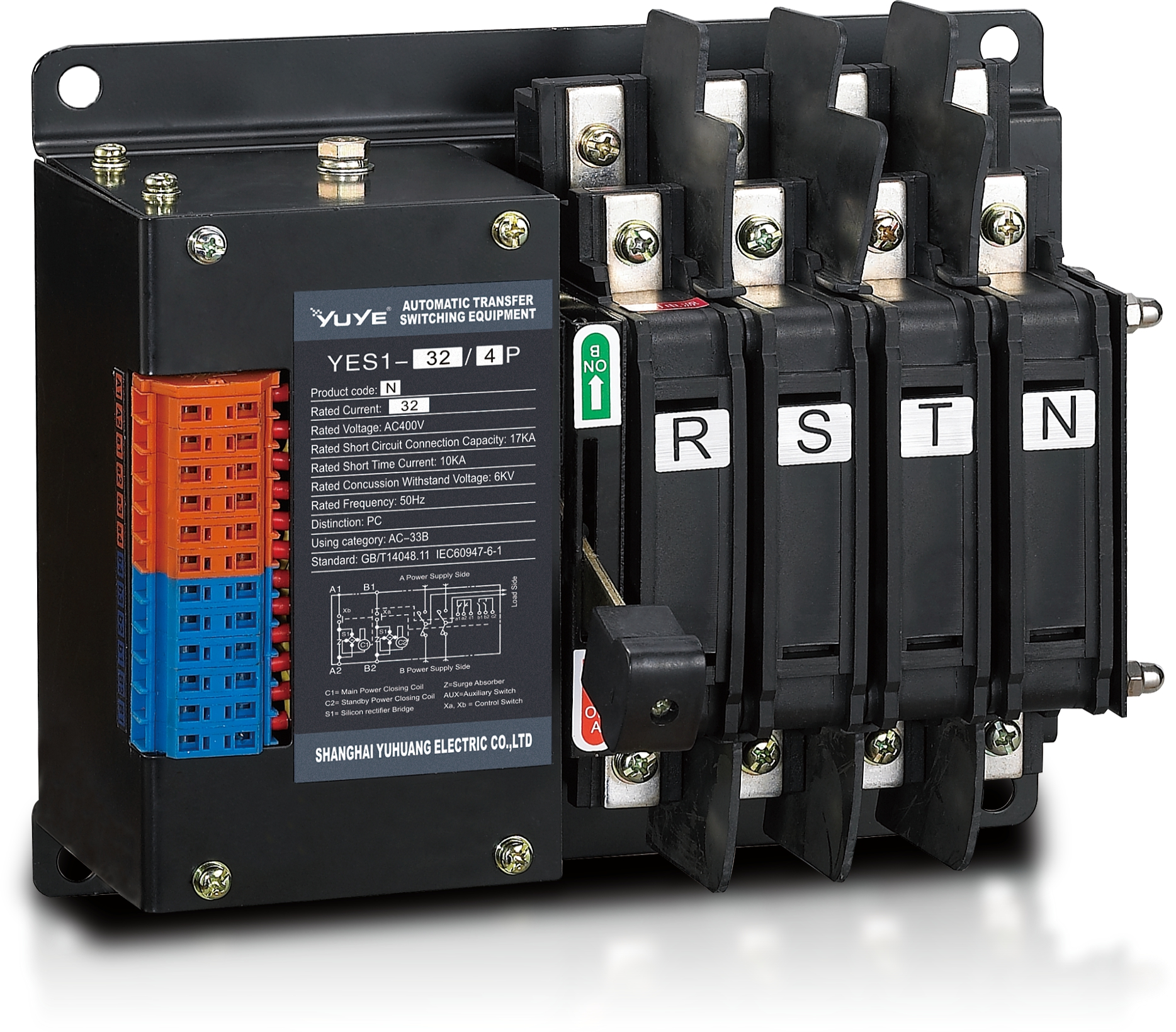 Solenoid-type ATS YES1-32~125N
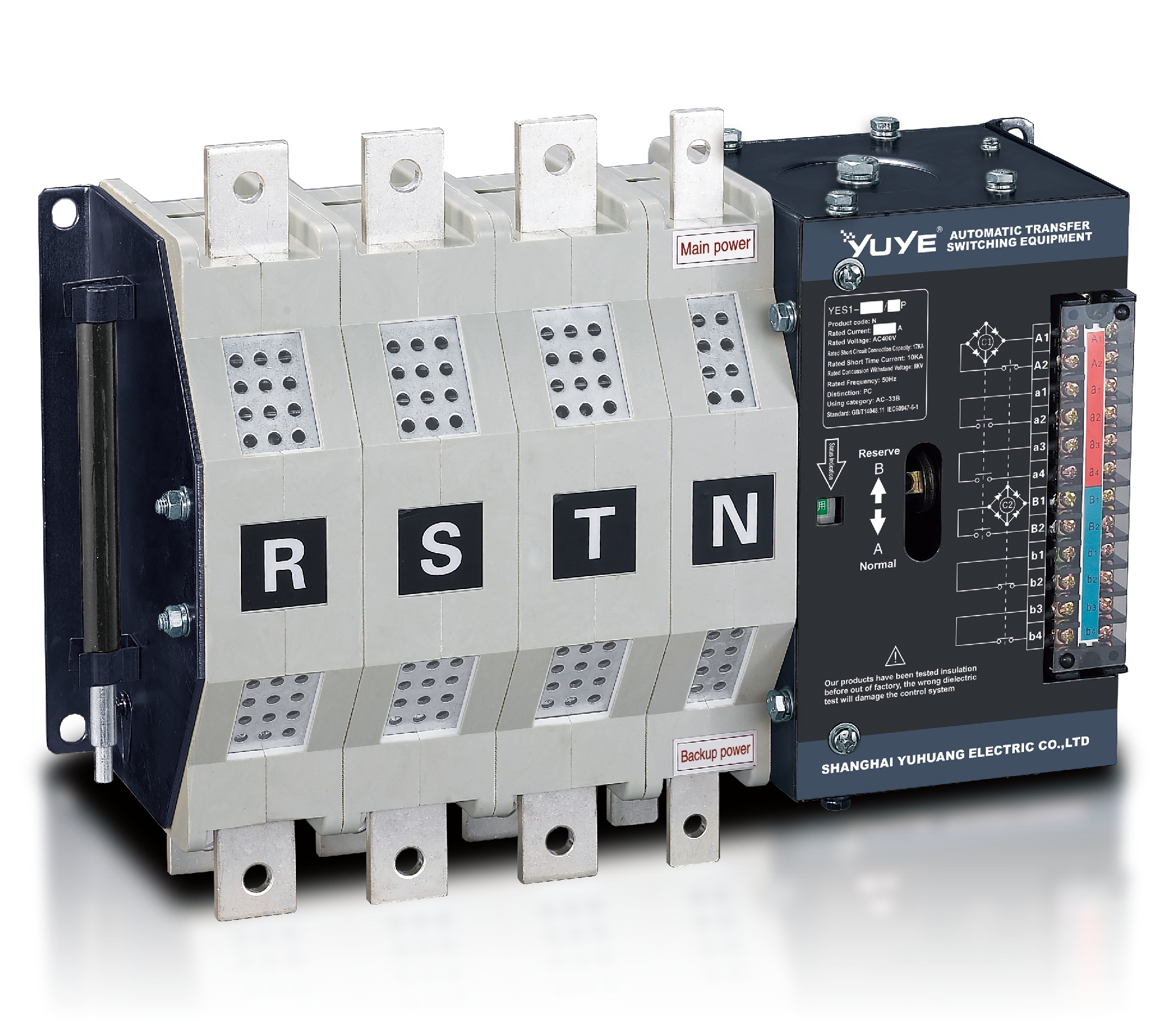 Solenoid-type ATS YES1-250~630N/NT
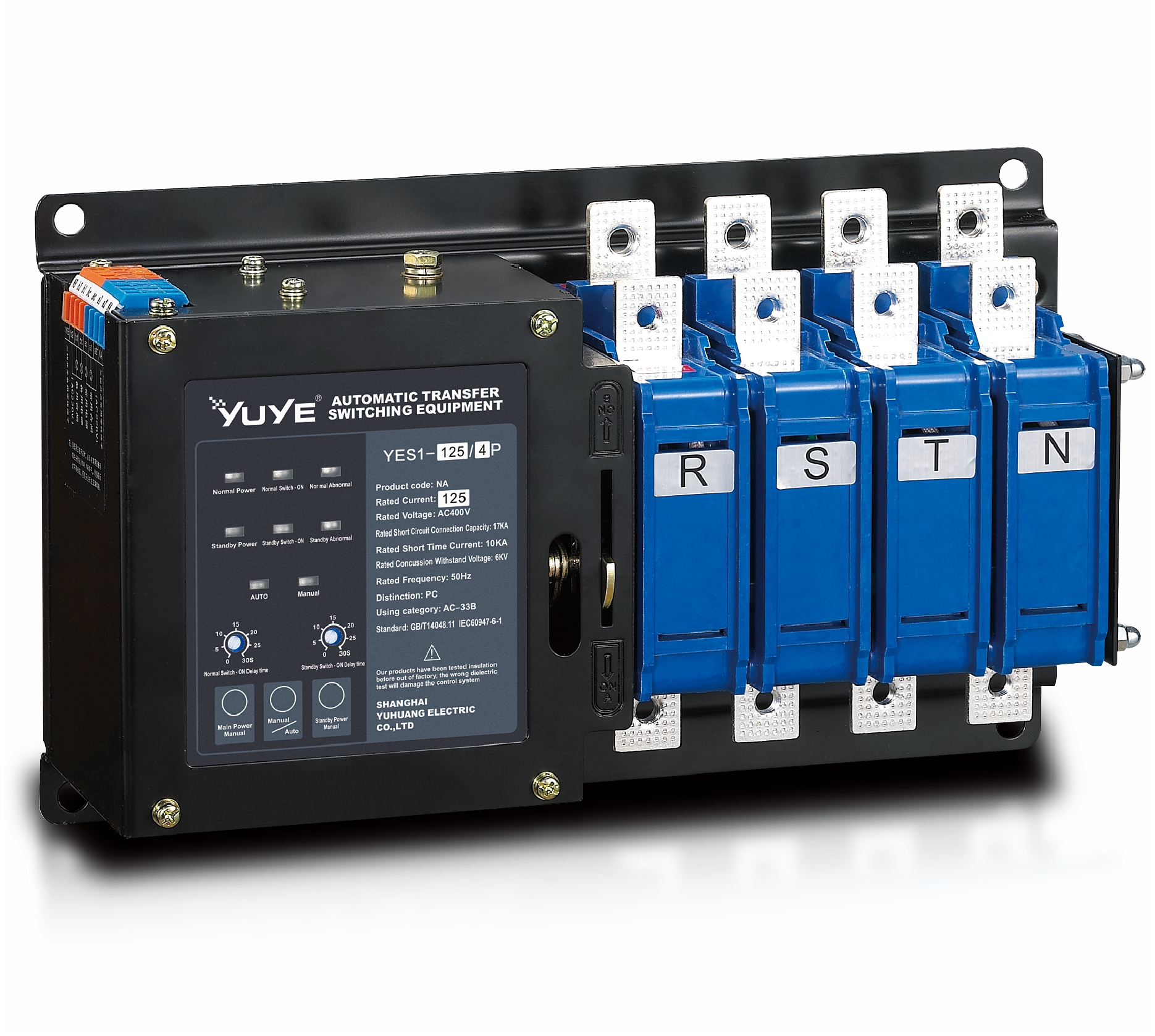 Solenoid-type ATS YES1-32~125NA
 Solenoid-type ATS YES1-63~630SN
 Solenoid-type ATS YES1-1250~4000SN
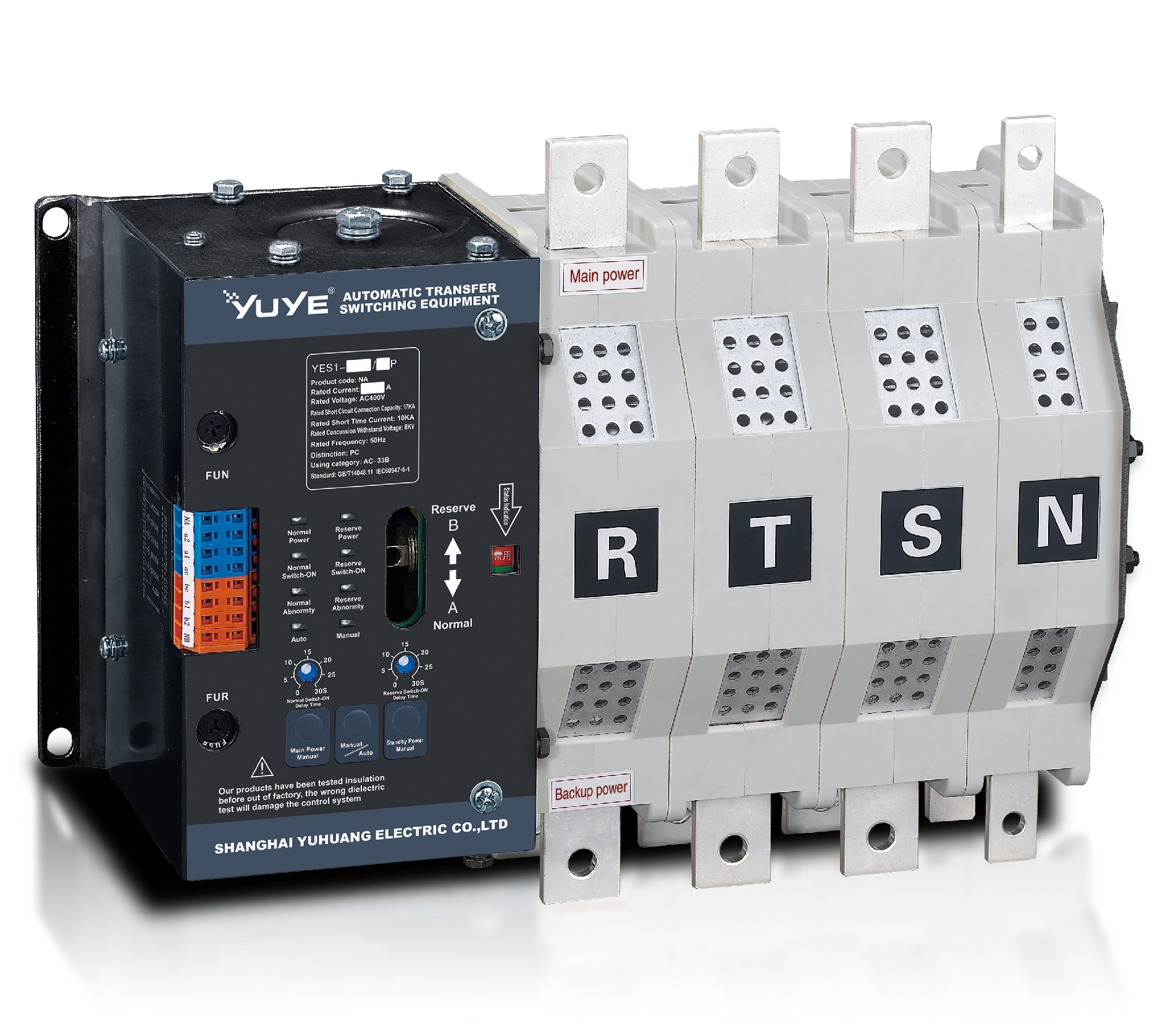 Solenoid-type ATS YES1-250~630NA/NAT
 Solenoid-type ATS YES1-63NJT
 PC ATS YES1-100~1600GN1/GN/GNF
 PC ATS YES1-2000~3200GN/GNF
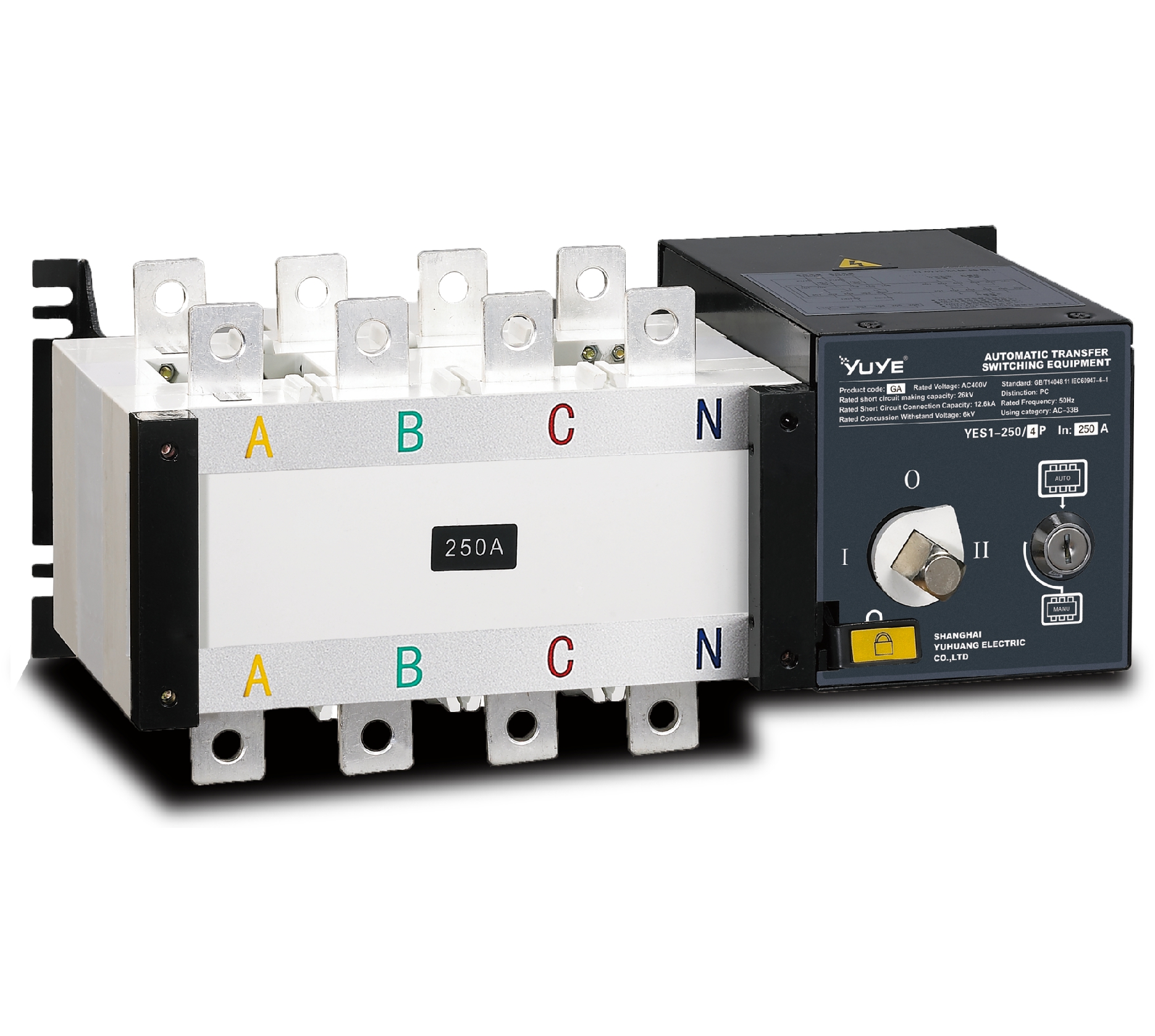 PC ATS YES1-100~3200GA1/GA
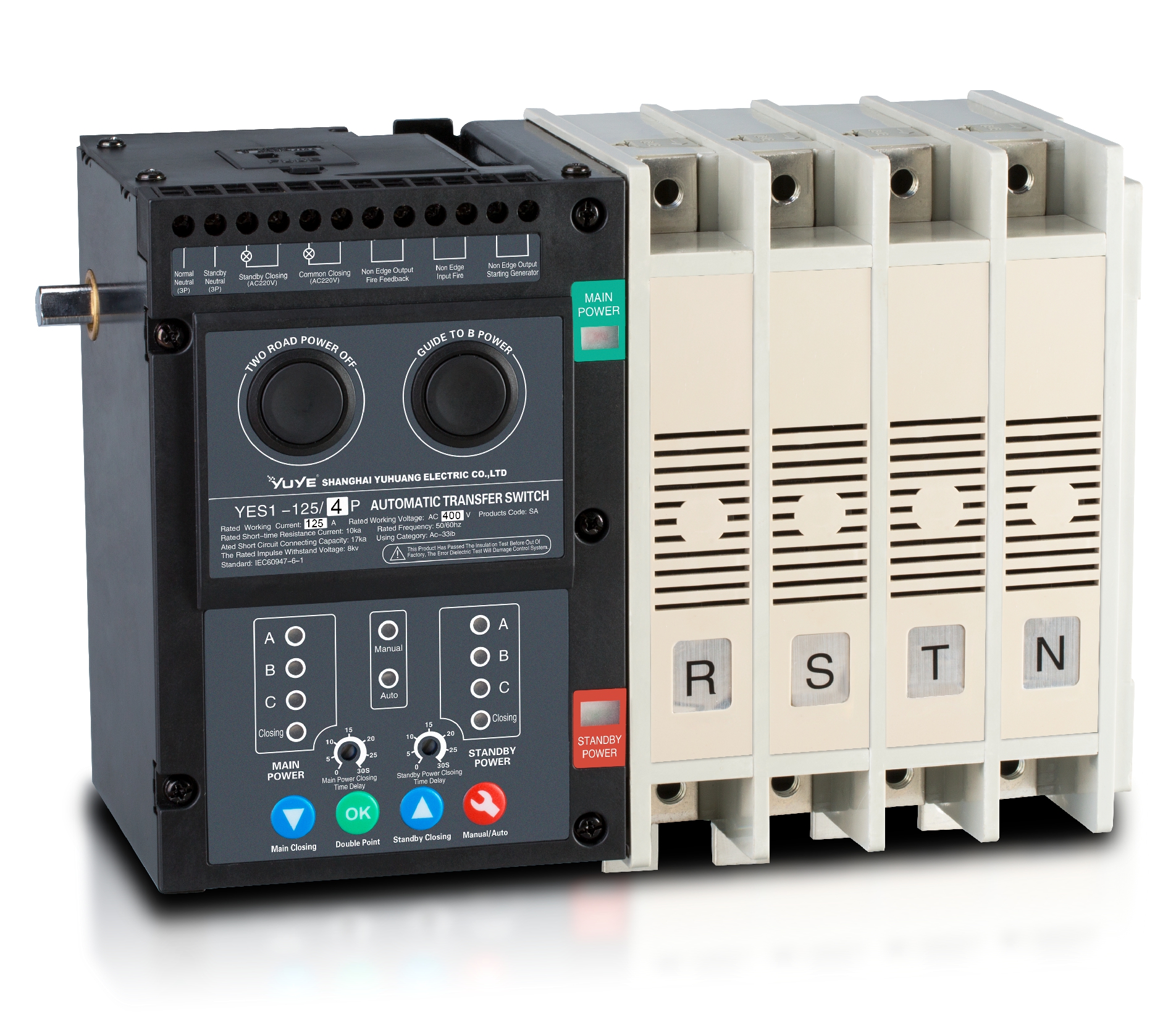 Solenoid-type ATS YES1-63~630SA
 Solenoid-type ATS YES1-63~630L/LA
 Solenoid-type ATS YES1-63~630LA3
 Solenoid-type ATS YES1-63MA
 PC ATS YES1-630~1600M
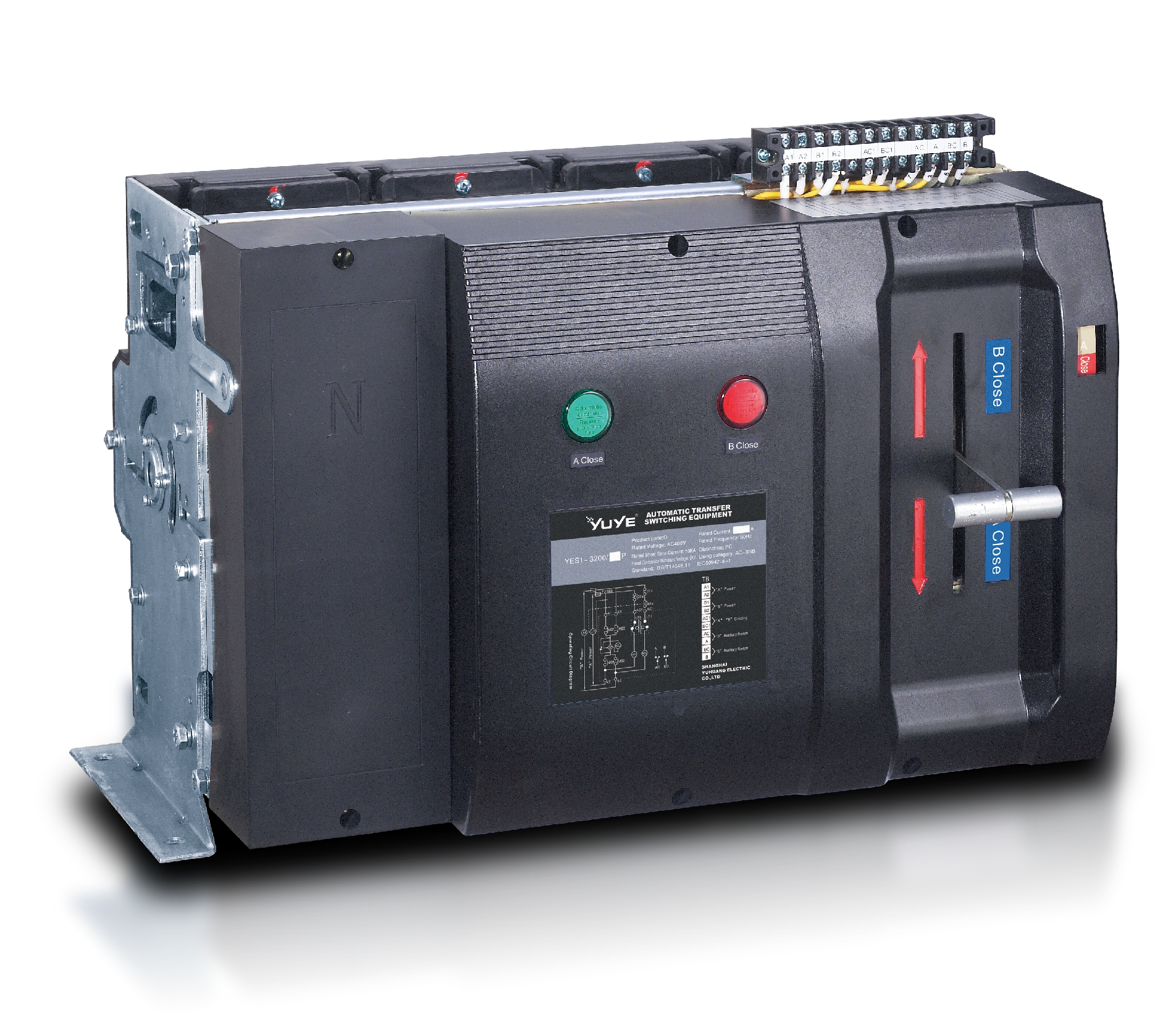 PC ATS YES1-3200Q
 Solenoid-type ATS YES1-4000~6300Q
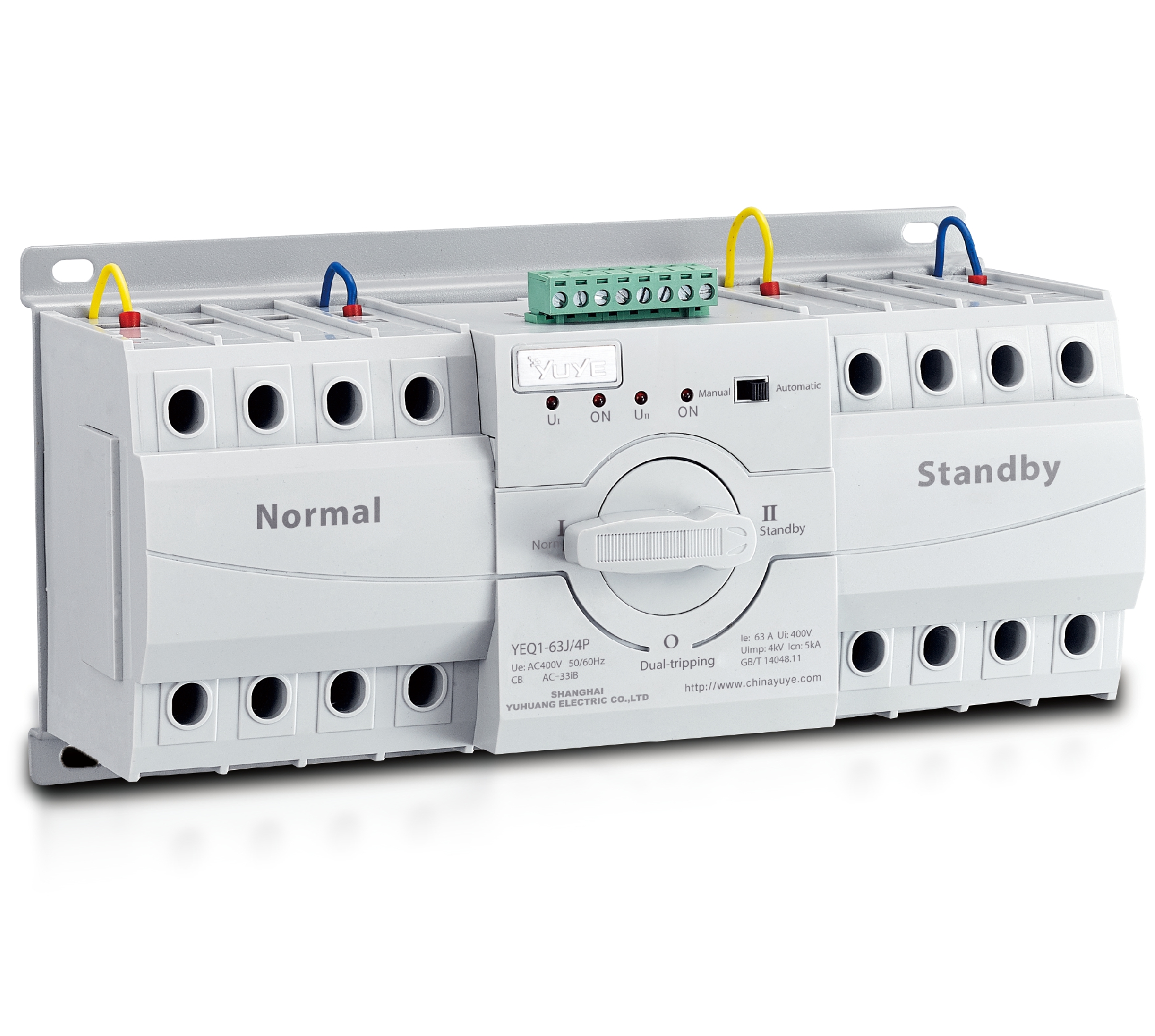 CB ATS YEQ1-63J
 CB ATS YEQ2Y-63
 CB ATS YEQ3-63W1
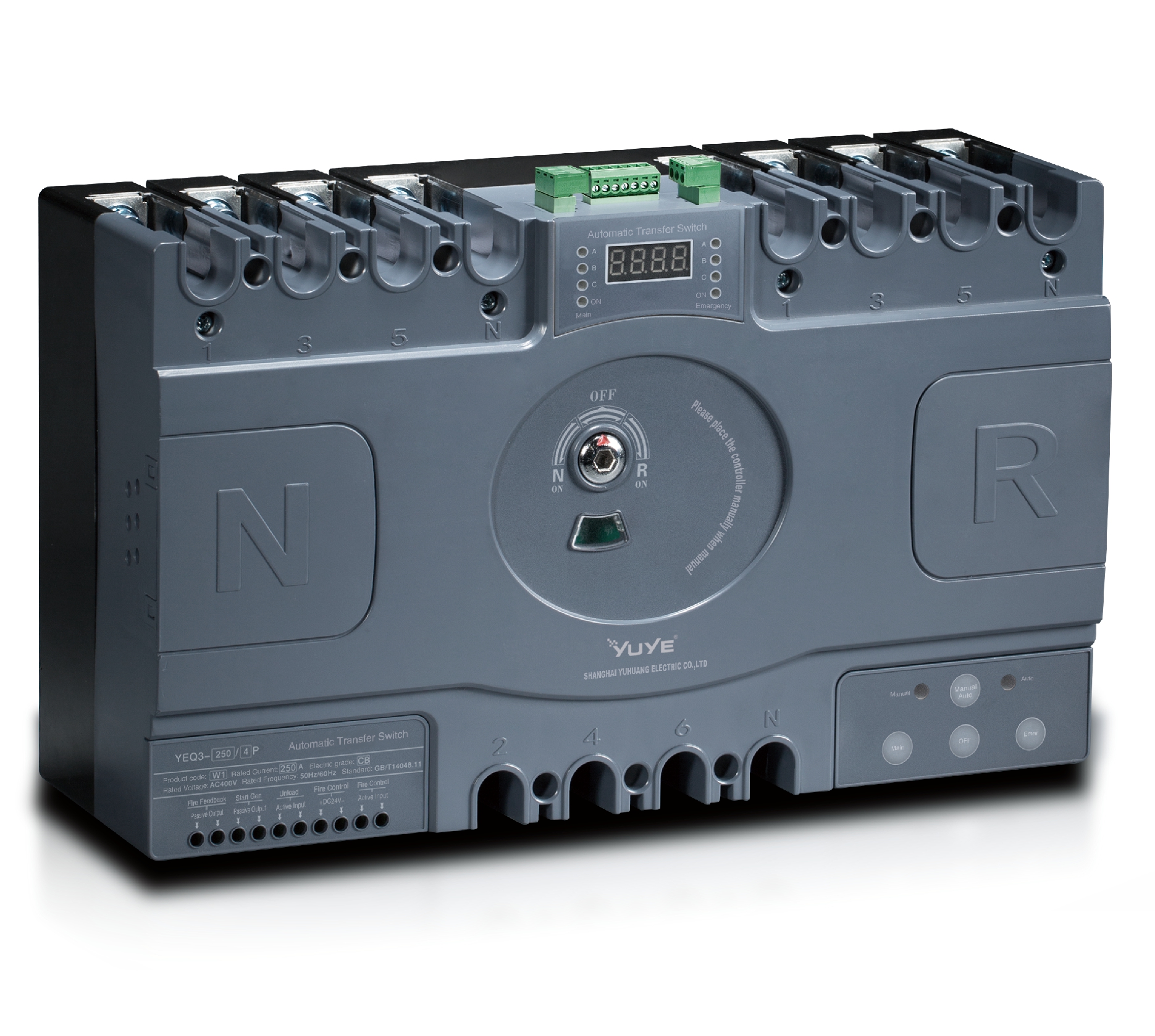 CB ATS YEQ3-125~630W1
 ATS controller Y-700
 ATS Controller Y-700N
 ATS Controller Y-701B
 ATS Controller Y-703N
 ATS Controller Y-800
 ATS Controller W2/W3 Series
 ATS switch Cabinet floor-to-ceiling
 ATS switch cabinet
 JXF-225A power Cbinet
 JXF-800A power Cbinet
 YEM3-125~800 Plastic Shell Type MCCB
 YEM3L-125~630 Leakage Type MCCB
 YEM3Z-125~800 Adjustable Type MCCB
 YEM1-63~1250 Plastic Shell Type MCCB
 YEM1E-100~800 Electronic Type MCCB
 YEM1L-100~630 Leakage Type MCCB
 Miniature circuit breaker YEMA2-6~100
 Miniature circuit breaker YEB1-3~63
 Miniature circuit breaker YEB1LE-3~63
 Miniature circuit breaker YEPN-3~32
 Miniature circuit breaker YEPNLE-3~32
 Miniature circuit breaker YENC-63~125
 Air Circuit Breaker YEW1-2000~6300
 Air Circuit Breaker YEW3-1600
 Load isolation switch YGL-63~3150
 Load Isolation Switch YGL2-63~3150
 Manual Changeover Switch YGL-100~630Z1A
 Manual Changeover Switch YGLZ1-100~3150
 YECPS2-45~125 LCD
 YECPS-45~125 Digital
 CNC Milling/Turning-OEM
 DC relay MDC-300M
 DC Isolation Switch YEGL3D-630


