In today's world, reliable power supply is crucial for both homes and businesses. The ATS Automatic Transfer Switch stands out as a key solution to ensure uninterrupted electricity. This device automatically switches to a backup power source during outages, providing peace of mind.
Understanding the benefits of ATS Automatic Transfer Switch can help everyone make informed decisions. Many people underestimate the importance of power continuity. An unexpected outage can disrupt operations and even cause losses. This is where the ATS Automatic Transfer Switch truly shines. It is designed to enhance efficiency and reliability.
Investing in an ATS Automatic Transfer Switch offers numerous advantages. However, not everyone recognizes these benefits right away. Some may hesitate, thinking it unnecessary. Yet, when power is lost, the difference becomes clear. With the right switch, businesses and homes can maintain operations smoothly. Exploring these ten benefits reveals why an ATS Automatic Transfer Switch is essential for modern power management.

What is an ATS and How Does It Function?
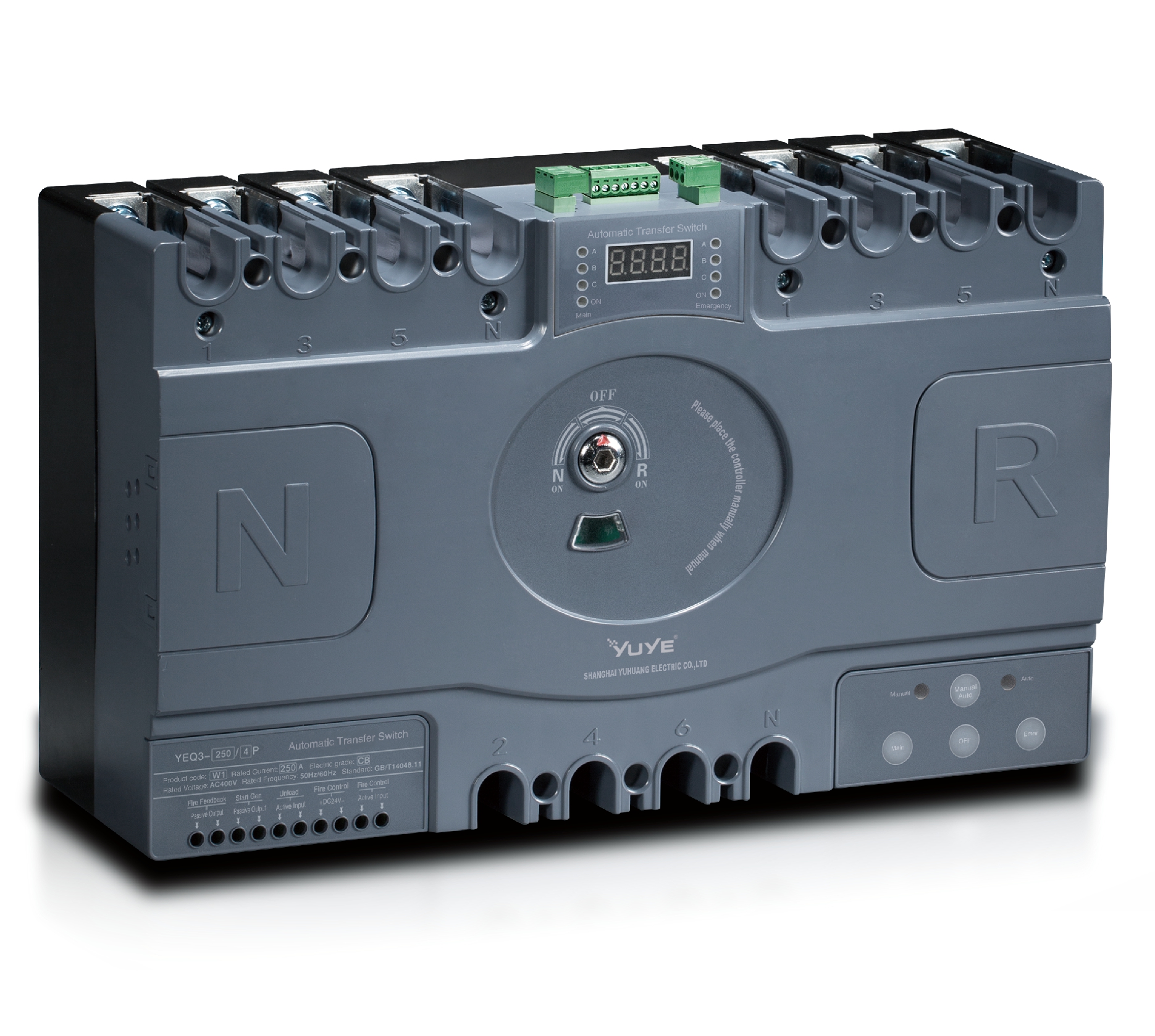
An Automatic Transfer Switch (ATS) is a key component in electrical systems. It ensures a seamless switch between the main power supply and a backup generator. When the main power fails, the ATS detects it and quickly activates the generator. This process is crucial for maintaining power in critical situations.
The operation of an ATS is relatively straightforward. It monitors the incoming electricity supply continuously. If a disruption occurs, the switch engages, redirecting power to the generator. The ATS runs self-diagnostics periodically. However, this system isn't infallible; occasional malfunctions can occur, leading to delays in power restoration. Not all systems have robust monitoring, making regular checks necessary.
These switches offer significant benefits, such as improved reliability and reduced downtime. They help safeguard sensitive equipment from power interruptions. Yet, their installation can be complex. Proper sizing and configuration are essential but often overlook these aspects, leading to inefficiencies. Users should reflect on their specific needs and the ATS's capabilities. Understanding how the ATS functions can help ensure optimal performance.
The Importance of Reliability in Power Systems
In modern power systems, reliability is paramount. An Automatic Transfer Switch (ATS) ensures that a backup power supply activates during outages. According to the National Fire Protection Association (NFPA), failure of backup systems can lead to significant incidents. An ATS prevents operational interruptions by seamlessly switching from primary to backup sources.
Power outages can cost businesses thousands in lost productivity. The U.S. Department of Energy reports that outages account for $150 billion annually in economic losses. An ATS significantly reduces the downtime that businesses experience. It also maintains system integrity, allowing critical systems to stay online.
Tip: Regular maintenance of your ATS is essential for reliability. Schedule checks every six months to ensure it functions efficiently.
Investing in an ATS can enhance safety in critical infrastructure. During power disruptions, systems without ATS are at risk of failure. However, proper installation and testing are often overlooked. Make it a priority to address these details; they could save your business from unforeseen challenges.
Tip: Train your staff on emergency procedures involving the ATS. Increased awareness can improve response times during outages.
Seamless Transition: Eliminating Downtime with ATS
Automatic Transfer Switches (ATS) play a crucial role in ensuring a seamless transition during power outages. When your primary power source fails, an ATS kicks in automatically. This switch allows for real-time monitoring of power sources. It detects outages quickly, often in mere seconds. This eliminates downtime, ensuring that essential services remain operational. This is especially vital for hospitals, data centers, and emergency services.
Imagine a hospital during a blackout. Patients depend on life-saving equipment. An ATS activates the backup generator immediately. This rapid response saves lives and maintains critical functions. It's not just about power; it's about safety and reliability. However, there may be instances where the ATS can grapple with load management. If the load exceeds capacity, it could face challenges. Continuous monitoring and periodic testing are vital to avoid potential failures in critical moments. Keeping the system maintained ensures consistent performance. Regular check-ups are needed to reflect on any weaknesses in the system.
Cost Efficiency: Savings Through Automatic Transfer Switches
Automatic Transfer Switches (ATS) play a vital role in cost efficiency for many businesses. By minimizing downtime during power outages, they save money on lost productivity. When electricity goes out, an ATS quickly switches to backup power. This ensures operations continue seamlessly. Imagine a hospital relying on ATS technology. It cannot afford interruptions in patient care; lives depend on it.
Moreover, ATS systems help avoid expensive equipment damage. A sudden power loss can lead to data corruption and hardware failures. An ATS mitigates these risks by providing an immediate transition to backup power. This proactive solution can lead to long-term savings. However, the initial investment may seem daunting. Businesses must weigh the upfront costs against potential losses from outages.
In addition, ATS systems can reduce energy costs by optimizing power usage. With smart technology, they can manage energy consumption more effectively. Yet, many organizations neglect to update their systems. This oversight could lead to inefficiencies and increased expenses. Regular evaluations of the ATS can uncover hidden savings and opportunities for improvement. Addressing these gaps is essential for maximizing the benefits of automatic transfer switches.
Enhanced Safety Features of ATS in Electrical Systems
Automatic Transfer Switches (ATS) play a crucial role in enhancing safety within electrical systems. These devices automatically transfer power from the primary source to a backup source during power outages. According to a report by the Electric Power Research Institute, ATS reduces downtime by 80%. This is vital for industries reliant on constant power supply, like healthcare and data centers.
The safety features of ATS include circuit protection and monitoring. These systems detect faults and immediately switch to backup power. Research shows that 65% of electrical failures are due to human error or equipment malfunction. With ATS, these risks are minimized. The built-in alarms and indicators provide real-time feedback, allowing operators to respond swiftly to issues. However, reliance on technology can lead to complacency. Staff training remains essential, as operators must remain vigilant even with automation in place.
Periodic testing and maintenance of ATS are also necessary. Reports indicate that around 30% of ATS installations fail during their first test due to lack of maintenance. This highlights the need for a proactive approach to electrical safety. Regular inspections can identify potential weaknesses. Even the safest systems require oversight to prevent failures that could compromise safety.
Integration with Renewable Energy Sources for Sustainability
Automatic Transfer Switches (ATS) play a crucial role in integrating renewable energy sources, enhancing sustainability efforts. They manage the seamless transition between primary and backup power sources. This capability is vital in a world where energy security is critical. According to a 2022 report by the International Energy Agency, global renewable energy capacity reached 3,064 GW, highlighting the growing need for efficient power management solutions.
A well-implemented ATS can optimize the use of solar and wind energy. In essence, it ensures that renewable sources are prioritized, reducing dependence on fossil fuels. Data from the U.S. Department of Energy indicates that employing ATS can lead to a 30% increase in renewable energy utilization. However, many facilities still rely on traditional systems, overlooking the potential benefits. Some installations face challenges, such as improper sizing of switches or lack of maintenance, leading to inefficiencies.
Moreover, integrating ATS with renewable energy systems opens up opportunities for energy storage. This allows excess energy generated during peak times to be stored for later use. A report by Navigant Research forecasts a 40% reduction in energy costs for businesses adopting these technologies. Despite the advantages, many companies are hesitant to invest, often citing high upfront costs as a barrier. The road ahead requires thoughtful planning and discussion about sustainability investments.
Top 10 Benefits of ATS Automatic Transfer Switch with Renewable Energy Integration
This chart illustrates the top 10 benefits of integrating ATS Automatic Transfer Switches with renewable energy sources. Each benefit is given a score reflecting its significance in enhancing system reliability, sustainability, and cost-effectiveness.
Maintenance and Longevity Benefits of Using ATS
Automatic Transfer Switches (ATS) play a significant role in ensuring power reliability. They provide seamless transitions between power sources, especially during outages. This functionality not only enhances the performance of electrical systems but also positively impacts maintenance practices.
Regular switching between power sources can prevent wear and tear often associated with overused components. Reducing the burden on generators allows for better functionality and longevity.
Moreover, an ATS simplifies maintenance routines. It helps in diagnosing issues efficiently, sometimes pinpointing faults quickly. This means technicians can intervene sooner, addressing problems before they escalate. Regular inspections and testing processes are easier to implement with an ATS in place. However, incorrect settings or neglect can lead to failures, requiring a careful balance of use and oversight.
The lifespan of electrical systems greatly benefits from the presence of an ATS. It can minimize risk factors that lead to premature equipment failure. Familiarity with the system's operation is crucial. Yet, there is always a chance of human error, which can negate these benefits. Therefore, continuous training and awareness are necessary for maintaining effectiveness and efficiency.
Unlocking Efficiency in HVAC Systems: The Impact of CB ATS YEQ3-63W1 on Energy Consumption and Performance Metrics
The demand for efficient HVAC systems has never been more critical, especially with rising energy costs and increasing environmental concerns. The CB ATS YEQ3-63W1 stands out as a game-changer in the realm of HVAC performance and energy efficiency. Designed to accommodate a rated voltage of AC400V and a current range from 6A to 63A, this innovative device ensures optimal functionality across various motor types. Its four-pole configuration allows for versatile applications, making it an essential fixture in modern HVAC systems.
The YEQ3-63W1 is classified as a CB Type, which signifies its reliability in managing electrical currents safely and effectively. With certifications like CE, CB, and CCC, users can trust in its compliance with international standards, assuring both performance and safety. Utilizing this advanced model can significantly impact energy consumption metrics, contributing to lower operational costs and enhanced performance in HVAC installations. By integrating the YEQ3-63W1 into your system, you can unlock remarkable efficiency, ensuring that energy is utilized more effectively while maintaining optimal temperature control and overall system reliability.
FAQS
: The article aims to inform readers about specific topics and provide insights.
This content targets individuals seeking knowledge on related subjects or specific interests.
Readers can implement suggestions in everyday situations for better understanding and results.
Yes, the advice may not suit everyone's unique circumstances. Reflect on personal relevance.
Regularly review the content. It could reveal new insights over time.
Absolutely. New developments may alter the context. Stay updated.
Some may overlook key details. Careful reading and reflection are essential.
Not necessarily. Take time to process and evaluate the information.
Join discussions, ask questions, or explore supplementary resources for deeper understanding.
Conclusion
The article "Top 10 Benefits of ATS Automatic Transfer Switch Explained" provides a comprehensive overview of the functionalities and advantages of ATS Automatic Transfer Switch systems. An ATS is a key component in power management, ensuring a seamless transition between power sources, which significantly enhances the reliability of electrical systems. By eliminating downtime during power outages, these switches contribute to operational efficiency and continuous power supply.
Additionally, the article discusses how ATS contributes to cost efficiency through reduced maintenance needs and operational savings, while also improving safety features within electrical infrastructures. It highlights the integration of ATS with renewable energy sources, promoting sustainability. Lastly, the focus on maintenance and longevity emphasizes the durability and essential role of ATS Automatic Transfer Switches in modern power systems, making them a valuable investment for consistent and reliable energy management.

 PC ATS YECT1-2000G
 PC ATS YES2-63~250GN1
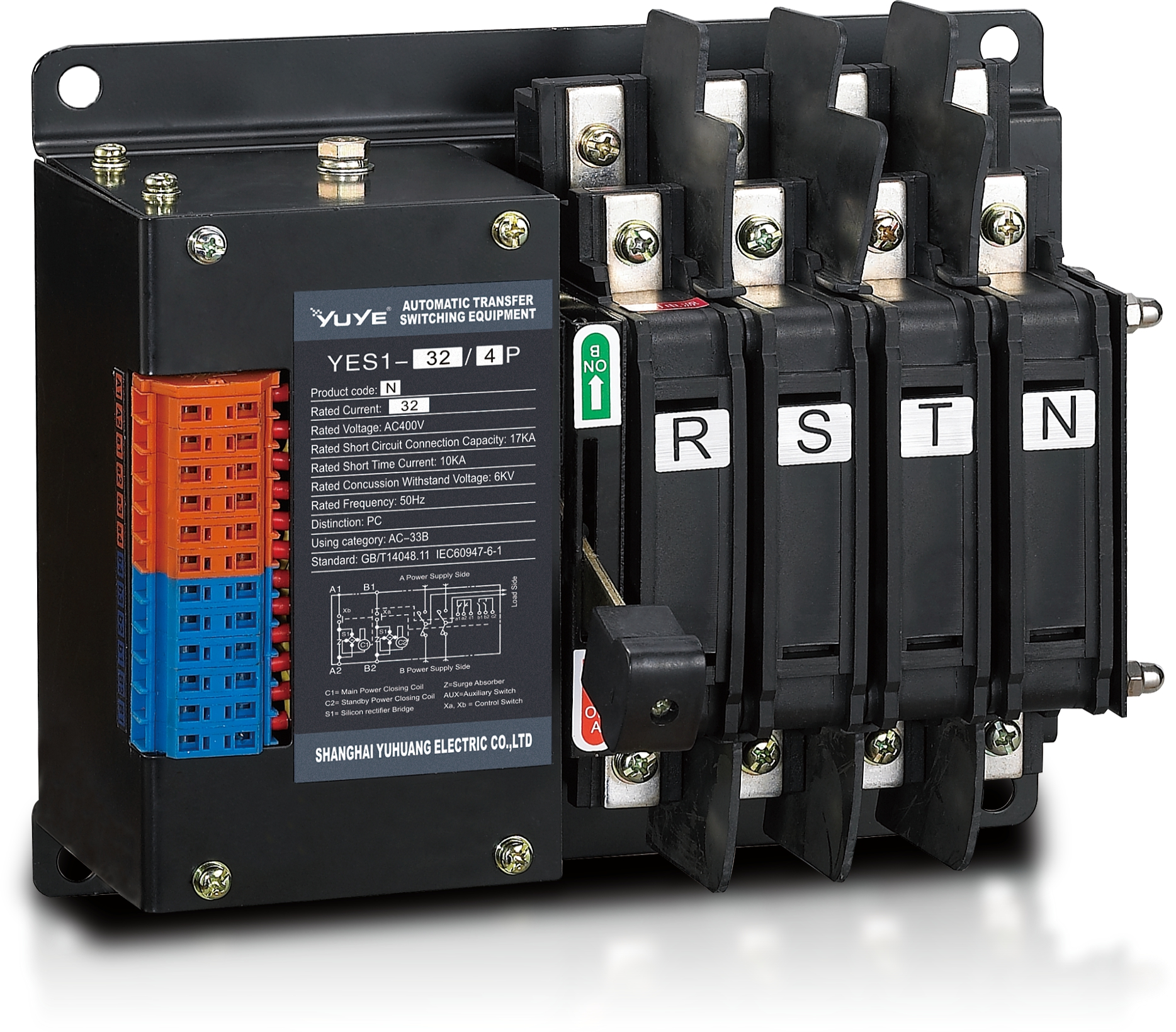 Solenoid-type ATS YES1-32~125N
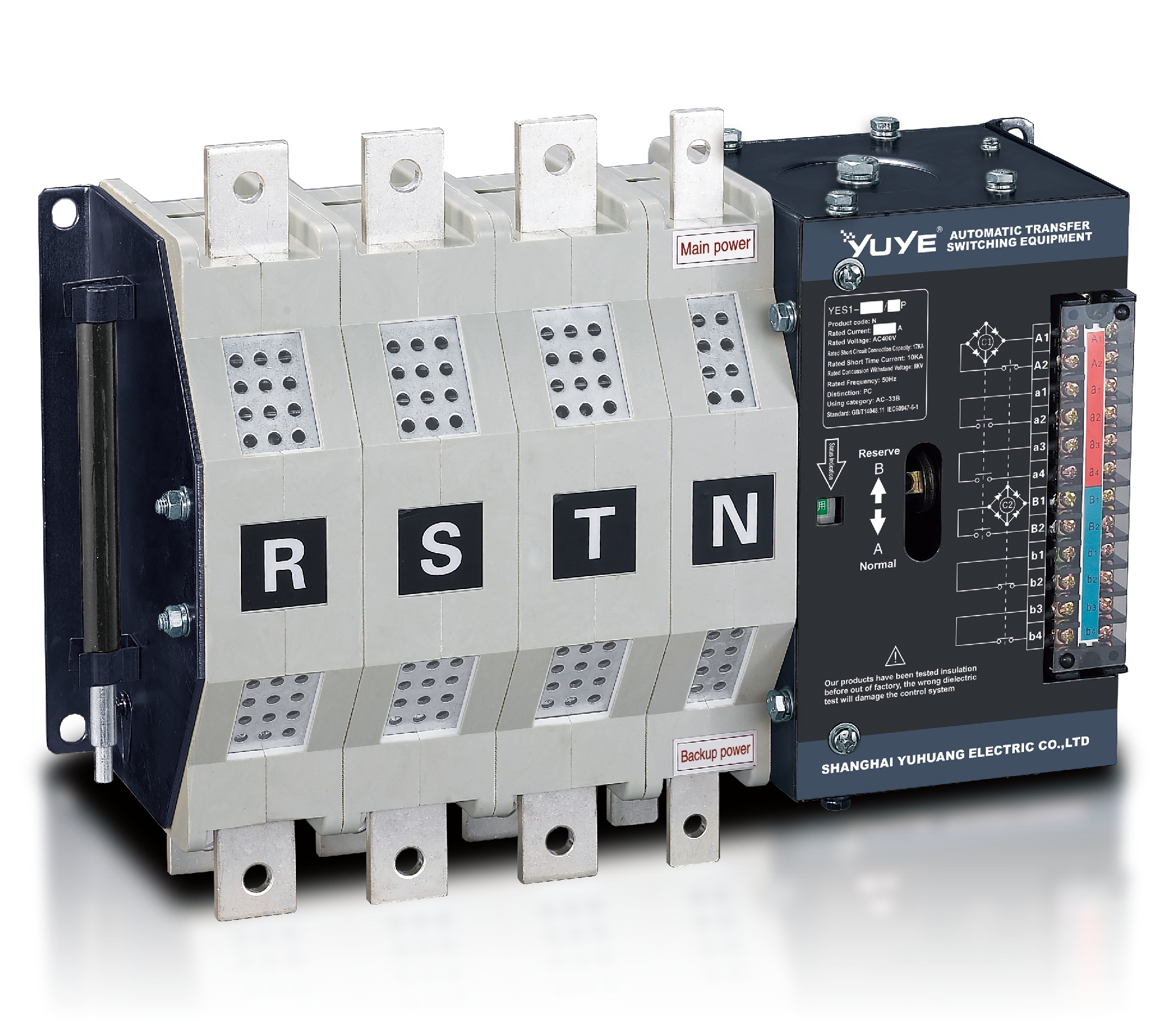 Solenoid-type ATS YES1-250~630N/NT
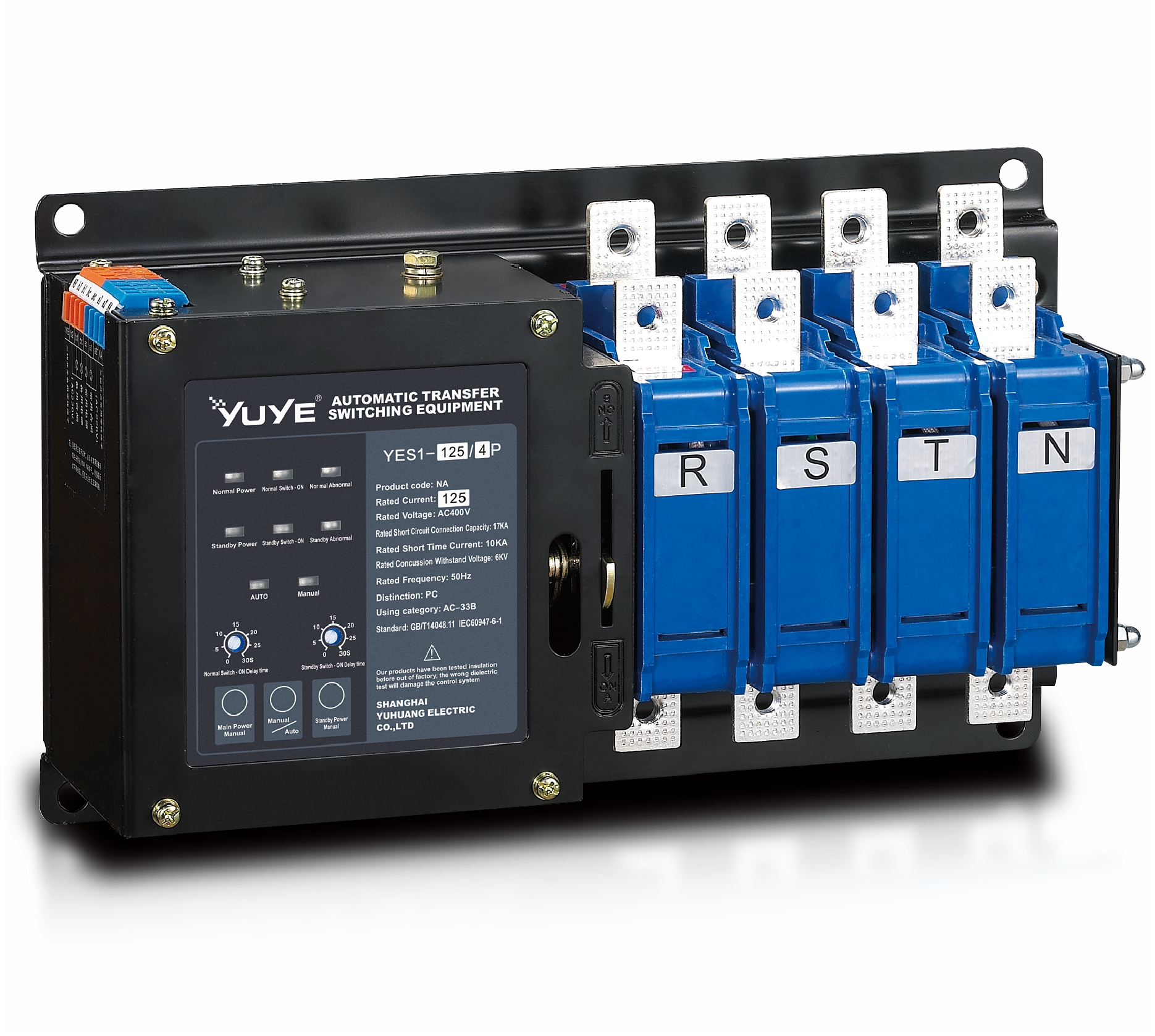 Solenoid-type ATS YES1-32~125NA
 Solenoid-type ATS YES1-63~630SN
 Solenoid-type ATS YES1-1250~4000SN
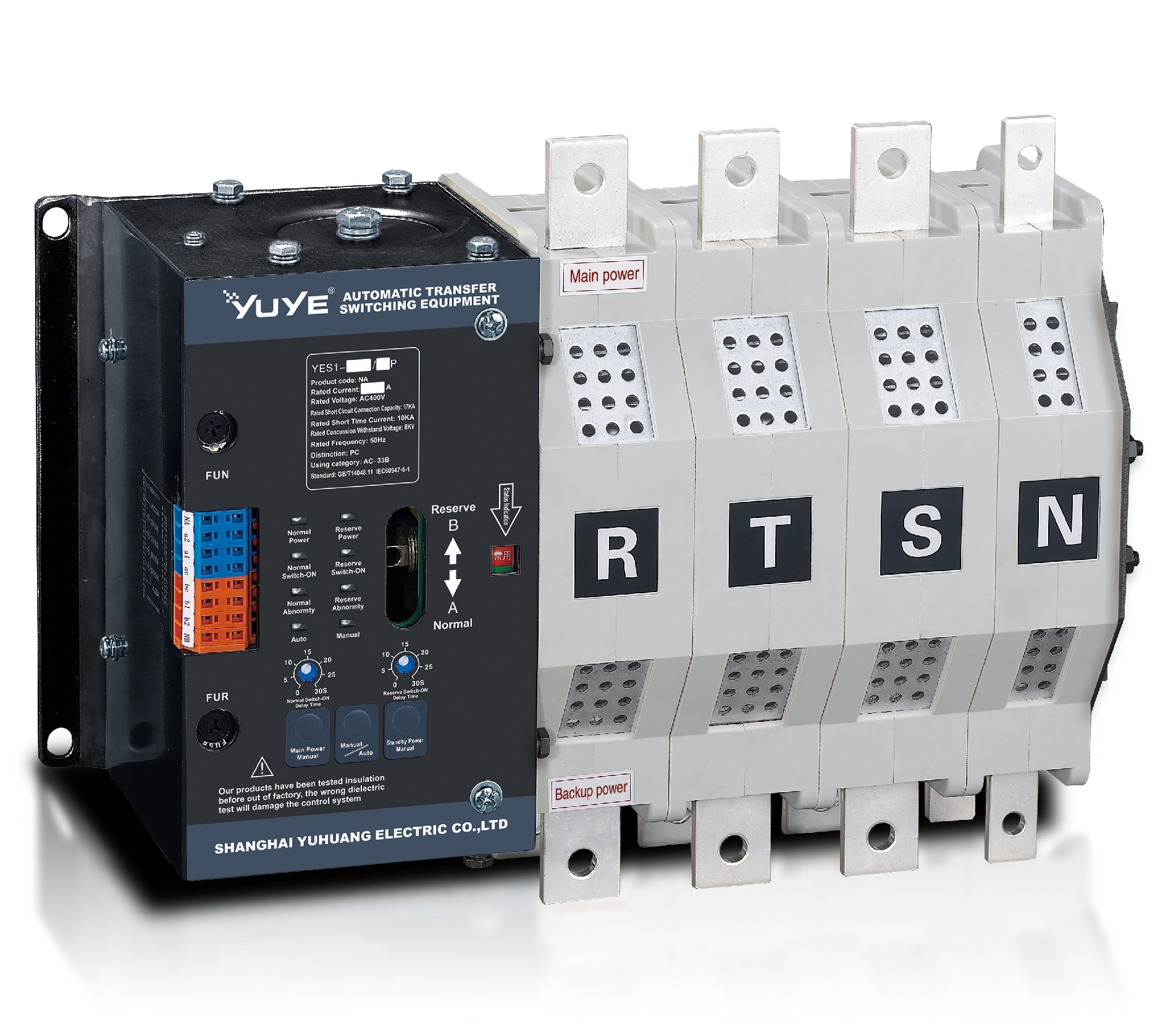 Solenoid-type ATS YES1-250~630NA/NAT
 Solenoid-type ATS YES1-63NJT
 PC ATS YES1-100~1600GN1/GN/GNF
 PC ATS YES1-2000~3200GN/GNF
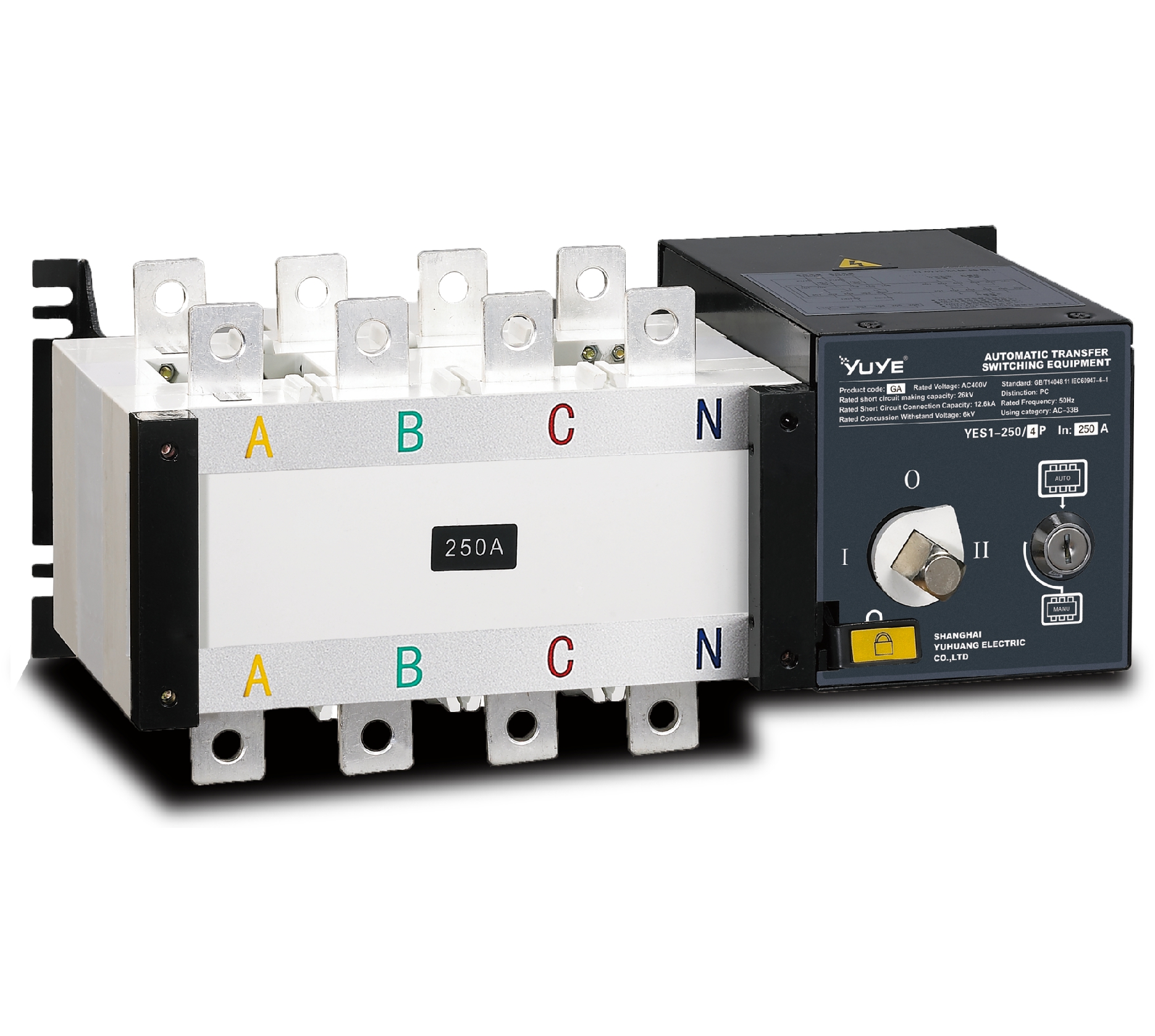 PC ATS YES1-100~3200GA1/GA
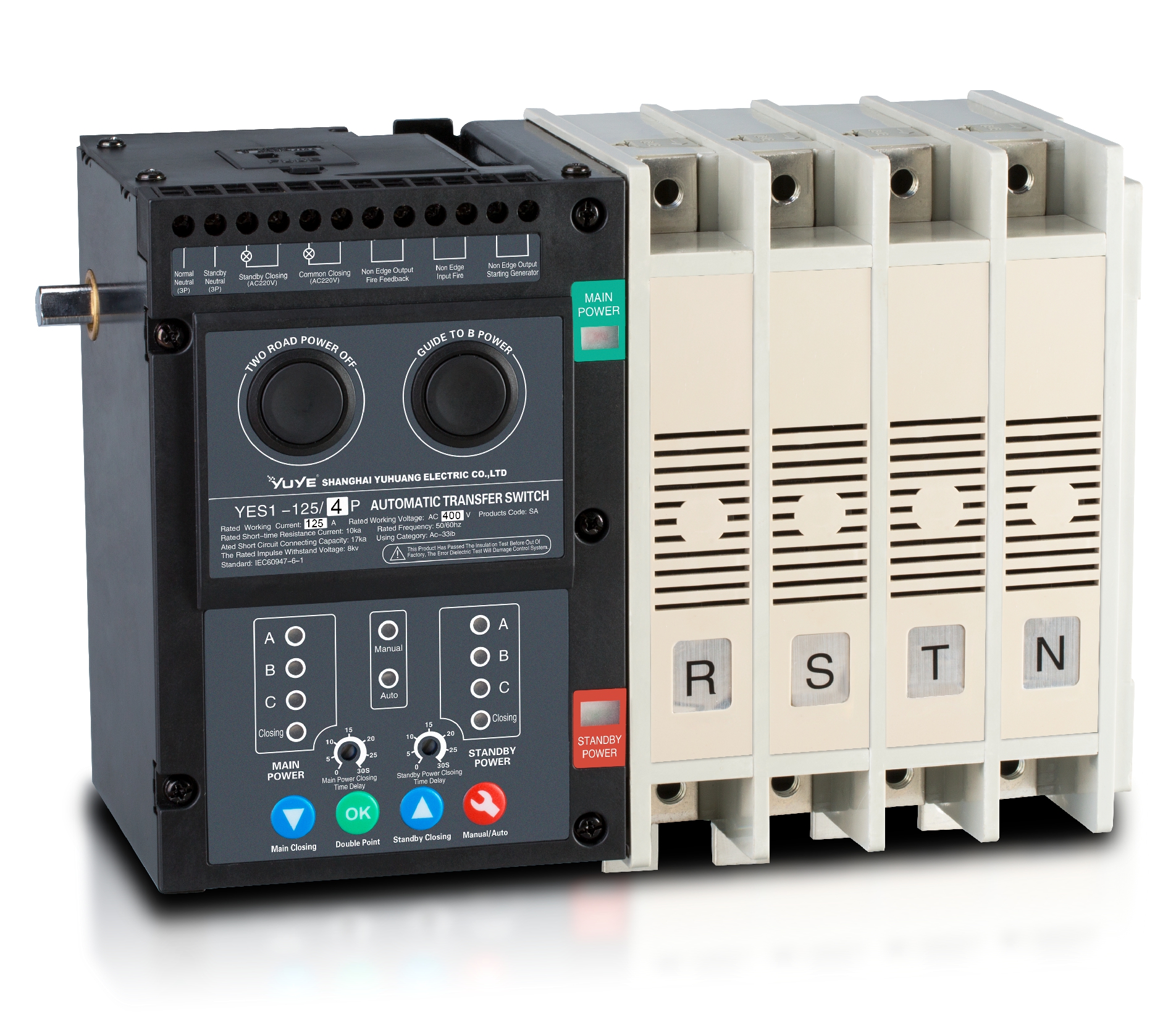 Solenoid-type ATS YES1-63~630SA
 Solenoid-type ATS YES1-63~630L/LA
 Solenoid-type ATS YES1-63~630LA3
 Solenoid-type ATS YES1-63MA
 PC ATS YES1-630~1600M
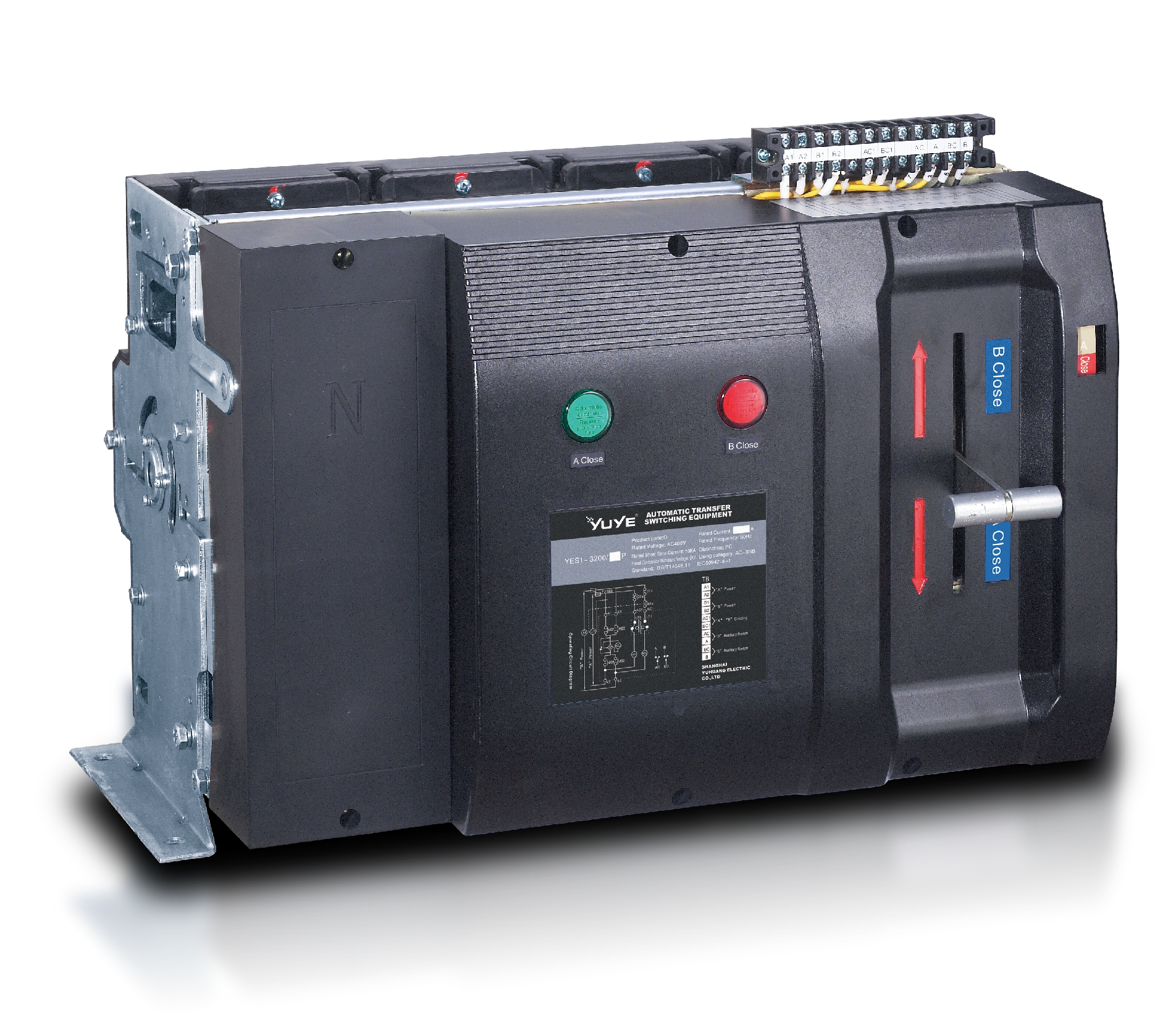 PC ATS YES1-3200Q
 Solenoid-type ATS YES1-4000~6300Q
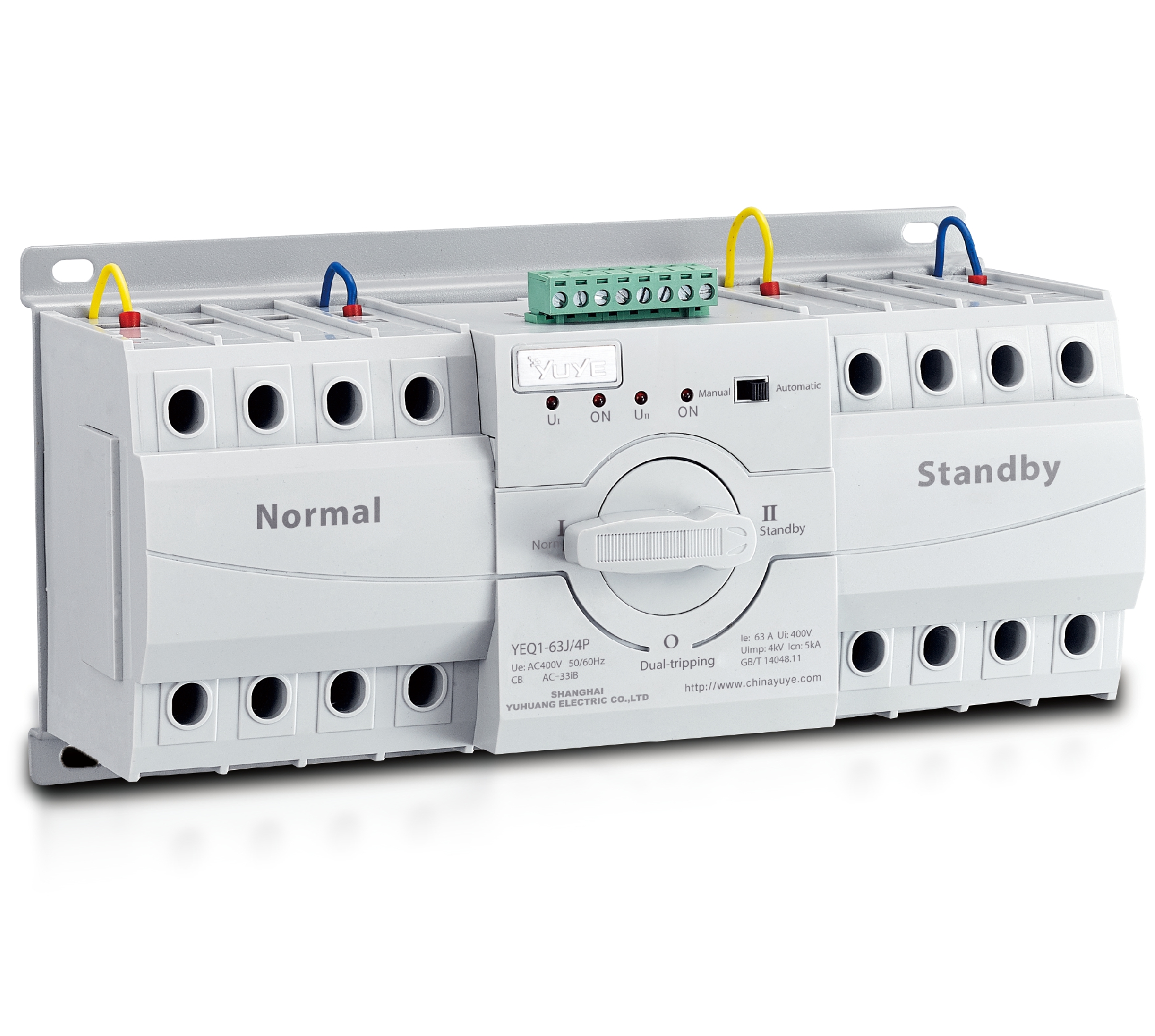 CB ATS YEQ1-63J
 CB ATS YEQ2Y-63
 CB ATS YEQ3-63W1
 CB ATS YEQ3-125~630W1
 ATS controller Y-700
 ATS Controller Y-700N
 ATS Controller Y-701B
 ATS Controller Y-703N
 ATS Controller Y-800
 ATS Controller W2/W3 Series
 ATS switch Cabinet floor-to-ceiling
 ATS switch cabinet
 JXF-225A power Cbinet
 JXF-800A power Cbinet
 YEM3-125~800 Plastic Shell Type MCCB
 YEM3L-125~630 Leakage Type MCCB
 YEM3Z-125~800 Adjustable Type MCCB
 YEM1-63~1250 Plastic Shell Type MCCB
 YEM1E-100~800 Electronic Type MCCB
 YEM1L-100~630 Leakage Type MCCB
 Miniature circuit breaker YEMA2-6~100
 Miniature circuit breaker YEB1-3~63
 Miniature circuit breaker YEB1LE-3~63
 Miniature circuit breaker YEPN-3~32
 Miniature circuit breaker YEPNLE-3~32
 Miniature circuit breaker YENC-63~125
 Air Circuit Breaker YEW1-2000~6300
 Air Circuit Breaker YEW3-1600
 Load isolation switch YGL-63~3150
 Load Isolation Switch YGL2-63~3150
 Manual Changeover Switch YGL-100~630Z1A
 Manual Changeover Switch YGLZ1-100~3150
 YECPS2-45~125 LCD
 YECPS-45~125 Digital
 CNC Milling/Turning-OEM
 DC relay MDC-300M
 DC Isolation Switch YEGL3D-630


