Lately, there's been a noticeable jump in how much folks are looking into Automat Transfer Switch Control systems. You know, these systems are really finding their way into the energy world more and more. I came across a study from 2022 by the Energy Management Association — they mentioned that companies using these switches have seen energy efficiency jump by up to 30%. Pretty impressive, right?
I also heard John Simmons from PowerReliant say, “Efficient power transfer control is pretty much essential for today’s operations.” That kinda puts into perspective just how important it is for businesses to get on board with this tech. The perks are huge—better safety, less downtime, and reliability that you can count on.
Now, I get it—some companies are still on the fence about jumping in. The upfront costs can seem intimidating, no doubt. But when you think about the long-term savings and how much smoother operations run, it really makes sense. Honestly, it's all about weighing your immediate needs against what’s coming down the line. Considering an Automat Transfer Switch Control system might be just what your business needs now or later.

Top 10 Benefits of Automatic Transfer Switch Control Systems
Automatic Transfer Switch Control Systems (ATS) provide many advantages for homes and businesses alike. These systems ensure a seamless power supply during outages. They automatically switch to a backup generator when the main power fails. This feature significantly reduces downtime. Additionally, the systems can monitor power quality, helping prevent equipment damage.
One key benefit is enhanced safety. Manual switching poses risks, especially during adverse weather. An ATS mitigates these risks by performing the switch with precision. The reliability of these systems is another point of consideration. Power failures happen unexpectedly, leading to data loss or equipment failure. With an automatic system, organizations can safeguard their operations.
Cost savings are worth noting. Without an ATS, restoring power may take longer, leading to financial losses. However, an automatic system minimizes this delay. Maintenance can be a concern, too. Some setups require regular checks, which can be tedious. It's important to weigh these factors carefully. While most benefits seem clear, there might be overlooked challenges. Engaging with professionals can provide better insights into specific needs.
Enhanced Reliability in Power Supply Through Seamless Transfer
In today's world, energy reliability is crucial for homes and businesses. An automatic transfer switch (ATS) control system plays a vital role in ensuring a seamless power supply. These systems seamlessly switch from the main power source to a backup generator during an outage. Such a change occurs almost instantly, minimizing downtime and disruptions. Power supply becomes more dependable when systems operate efficiently.
However, it's essential to ensure that these systems are regularly maintained. Automatic transfer switches can occasionally fail without proper care. Regular inspection can help identify potential issues before they escalate into significant problems. Without proper checks, unexpected failures can occur during critical times. This unpredictability can lead to frustrations for end-users, who rely on consistent power access.
Enhanced reliability isn't just about the technology itself. It's about understanding how to use and maintain it. Proper training for users on operating the ATS ensures better outcomes. Investing time in understanding these systems can prevent many issues. An unreliable power supply can severely impact operations, and it can cost greatly in the long run if not managed well.
Top 10 Benefits of Automatic Transfer Switch Control Systems
Reduced Downtime with Faster Response Times During Outages
Automated transfer switch control systems significantly reduce downtime during power outages. When a blackout occurs, these systems respond rapidly, switching power sources in just seconds. This swift action minimizes disruptions to essential services, whether in hospitals or data centers. Every second counts during an outage. The faster the system reacts, the less impact on operations.
Imagine a hospital's emergency room. Lives depend on a constant power supply. With an automated transfer switch, backup generators activate immediately. This seamless transition ensures critical medical equipment remains operational. However, not all systems perform flawlessly. Occasionally, delays can occur due to technical glitches. Organizations should continuously evaluate their systems to prevent such issues.
Another advantage is the reduction of human error. Manual switchovers can lead to mistakes. An automated system eliminates this risk. Yet, a lack of regular maintenance can lead to unexpected failures. Without proper checks, the reliability of these systems diminishes. It's crucial to prioritize routine inspections to keep systems functioning optimally.
Improved Efficiency in Power Management and Distribution
The integration of automatic transfer switch control systems significantly enhances power management efficiency. In fact, studies from the International Energy Agency reveal that optimized power distribution can lead to a 20% reduction in energy waste. This reduction is crucial, especially in facilities where every watt counts, like hospitals and data centers.
These systems improve response times during power outages. They switch to backup power sources in milliseconds, minimizing disruptions. According to a report by the Electric Power Research Institute, the rapid transition decreases operational downtime by up to 40%. However, not all facilities implement these systems effectively. Some installations lack proper maintenance, leading to decreased reliability when needed the most.
Deploying these systems requires thoughtful planning. Power demands vary greatly across industries. Customizing solutions can avoid unnecessary costs. A one-size-fits-all approach may lead to overcapacity or inadequate backup solutions. The National Institute of Standards and Technology emphasizes the importance of continuous assessment in optimizing performance. Monitoring usage patterns can highlight inefficiencies needing attention. Such practices ensure long-term reliability and savings in energy costs.
Increased Safety Measures through Remote Monitoring Capabilities
Automated Transfer Switch Control Systems enhance safety with advanced remote monitoring.
These systems allow operators to oversee power distribution from afar. This capability reduces risks associated with
manual operations. For instance, during storms or emergencies, real-time data can track potential failures.
Operators can respond swiftly, avoiding catastrophic outcomes.
Despite these advantages, there are challenges. Although remote systems minimize human error, reliance on technology can create vulnerabilities.
If the network fails, operators might lose crucial information. This highlights the need for backup systems that ensure constant monitoring.
Engineers are constantly evaluating how to improve these aspects.
Operators must also be trained to understand these systems fully. Some may struggle with the nuances of technology. If they encounter issues,
they should feel confident to troubleshoot. Continuous education is key to maximizing safety.
An effective system depends on well-informed operators who can react to unexpected situations.
Cost Savings from Improved Energy Efficiency and Reduced Labor
Automated transfer switch control systems significantly reduce labor costs. With fewer manual interventions needed, the workforce can focus on more strategic tasks. This shift enhances productivity in organizations. Employees can spend time on projects that drive innovation, rather than routine maintenance.
Improved energy efficiency further cuts operational expenses. These systems can seamlessly switch to backup power during outages, minimizing downtime. This ensures that businesses remain operational without disruption.
However, integrating these systems requires thoughtful planning and investment. Organizations must evaluate their specific needs and potential setbacks. Too often, the implementation can overlook critical aspects, leading to higher costs in the future. Balancing initial investments with long-term savings can be a tricky consideration.
Compliance with Industry Standards and Reliability Regulations
Automated transfer switch (ATS) control systems play a crucial role in today's power management landscape. These systems help ensure compliance with various industry standards and reliability regulations. A well-designed ATS can switch loads seamlessly between power sources, providing uninterrupted service. This feature is vital for critical infrastructures like hospitals and data centers.
Reliability regulations demand that power systems operate without failure. Many ATS control systems include advanced monitoring features. These features allow for real-time diagnostics, highlighting potential issues before they escalate. Compliance with safety standards is essential. Without adherence, facilities can face severe penalties. Yet, some organizations still neglect this aspect. They often underestimate the importance of routine testing and maintenance.
Moreover, while automatic systems reduce human error, they are not infallible. Some organizations may overlook updating software or training staff adequately. This negligence leads to vulnerabilities. An ATS must be regularly assessed for compliance. This is a crucial step many overlook. When systems fail to meet standards, the consequences can be dire. Investing in a robust ATS can help mitigate these risks, but it requires ongoing attention.
Advanced Control Features for Customization and Automation
Automation technology is reshaping the way we manage power systems. An Automatic Transfer Switch (ATS) control system offers advanced features for customization and automation. This means you can tailor settings to fit specific needs. You can adjust parameters easily, ensuring optimal performance.
Customization is key to effective automation. Users can modify operation settings based on real-time conditions. For instance, you might want the system to trigger under specific voltage levels. This ‘set it and forget it’ approach maximizes efficiency. Sometimes, however, users overlook unique environmental factors that could impact performance. Regularly reviewing these settings encourages better results.
Tips: Always validate the control settings periodically. It ensures that everything runs smoothly. Also, consider having a backup plan for rare outages. Not all scenarios are predictable. An automated system still requires human insight and occasional adjustments. A combination of technology and personal oversight often yields the best outcomes.
Top 10 Benefits of Automat Transfer Switch Control Systems
| Benefit |
Description |
Impact |
| Improved Reliability |
Automatic transfer switches ensure seamless power transitions without human intervention. |
Reduces downtime and increases system reliability. |
| Enhanced Safety |
Minimizes manual handling of controls, reducing electrical hazards. |
Protects personnel and equipment from electrical issues. |
| Customizable Settings |
Flexibility to configure operations based on specific site requirements. |
Optimizes usage based on individual operational needs. |
| Remote Monitoring |
Ability to monitor system status from remote locations. |
Enhances management capabilities and response times. |
| Energy Efficiency |
Optimizes the power usage by automating power source switching. |
Reduces operational costs and boosts sustainability efforts. |
| Automated Testing |
Automatic system tests ensure readiness without manual checks. |
Increases confidence in system performance. |
| Integration Capabilities |
Easily integrates with existing power and control systems. |
Enhances overall system functionality. |
| User-Friendly Interfaces |
Intuitive controls make operation straightforward for users. |
Improves operational efficiency and minimizes training time. |
| Scalability |
Systems can be scaled up or down based on changing requirements. |
Allows for future growth and adaptability. |
| Cost Savings |
Reduces maintenance costs and system failures. |
Enhances overall financial performance of electrical systems. |
Unlocking Precision and Performance: A Comprehensive Guide to the ATS Controller Y-800
The ATS Controller Y-800 stands at the forefront of precision and performance in automated control systems, designed to meet the rigorous demands of modern applications. With a programmable output relay capacity of 10A for both 277VAC and 250VAC passive outputs, this controller is optimized for versatility across various industrial environments. Its robust specifications ensure reliability and safety, adhering to stringent EMC test criteria as per GB/T 14048.11-2024 and IEC/EN 60947-6-1 standards.
The design of the Y-800 features a compact outline dimension of 260mm by 180mm, with a depth of 55mm, allowing for easy integration into existing systems. The carefully engineered pore size of 167mm by 236mm facilitates effective heat dissipation and airflow, helping to maintain optimal operational conditions. Rated for a working temperature range of -20 to +70 degrees Celsius and a humidity span from 20 to 93% RH, this controller is capable of handling a variety of challenging environmental conditions. Furthermore, with a storage temperature tolerance of -30 to +80 degrees Celsius, users can expect uninterrupted performance and enhanced longevity.
In terms of physical durability, the Y-800 is classified with an IP20 protection level, offering a significant barrier against dust and solid objects, although not rated for moisture protection. Weighing approximately 1 kg, this lightweight but sturdy controller is engineered to simplify installation and maintenance while providing high levels of functionality. For professionals in engineering and automation sectors seeking precision, the ATS Controller Y-800 exemplifies a significant advancement in controller technology, promising punctual and accurate performance for numerous applications.
FAQS
: The article aims to provide valuable information on a specific topic.
The target readers are individuals interested in learning more about the subject.
You can implement these tips in daily life or work activities for better results.
Yes, several pitfalls often arise. Awareness can help minimize these issues.
Beginners should start slowly. Focus on small, achievable goals for progress.
Yes, as new research emerges, recommendations may evolve. Always check for updates.
It's normal to face challenges. Reflect on these difficulties and seek further clarification.
The article does not include visual aids. Consider finding supplementary visuals online.
Regular review is beneficial. Revisiting can reinforce concepts and motivate change.
Staying curious and seeking new perspectives helps maintain interest and understanding.
Conclusion
Automatic Transfer Switch Control systems play a crucial role in enhancing the reliability and efficiency of power supply management. By facilitating seamless transfers between power sources, these systems significantly reduce downtime during outages, allowing for faster response times that are vital for maintaining operations. The improved efficiency in power distribution not only ensures a reliable energy flow but also leads to cost savings through enhanced energy utilization and minimized labor costs.
Moreover, the advanced features of Automatic Transfer Switch Control systems, such as remote monitoring capabilities, increase safety measures by allowing for real-time oversight of power systems. Compliance with industry standards and reliability regulations is seamlessly integrated, ensuring that operations are both safe and up-to-date. Overall, the implementation of these systems offers customization and automation options, further contributing to effective power management.

 PC ATS YECT1-2000G
 PC ATS YES2-63~250GN1
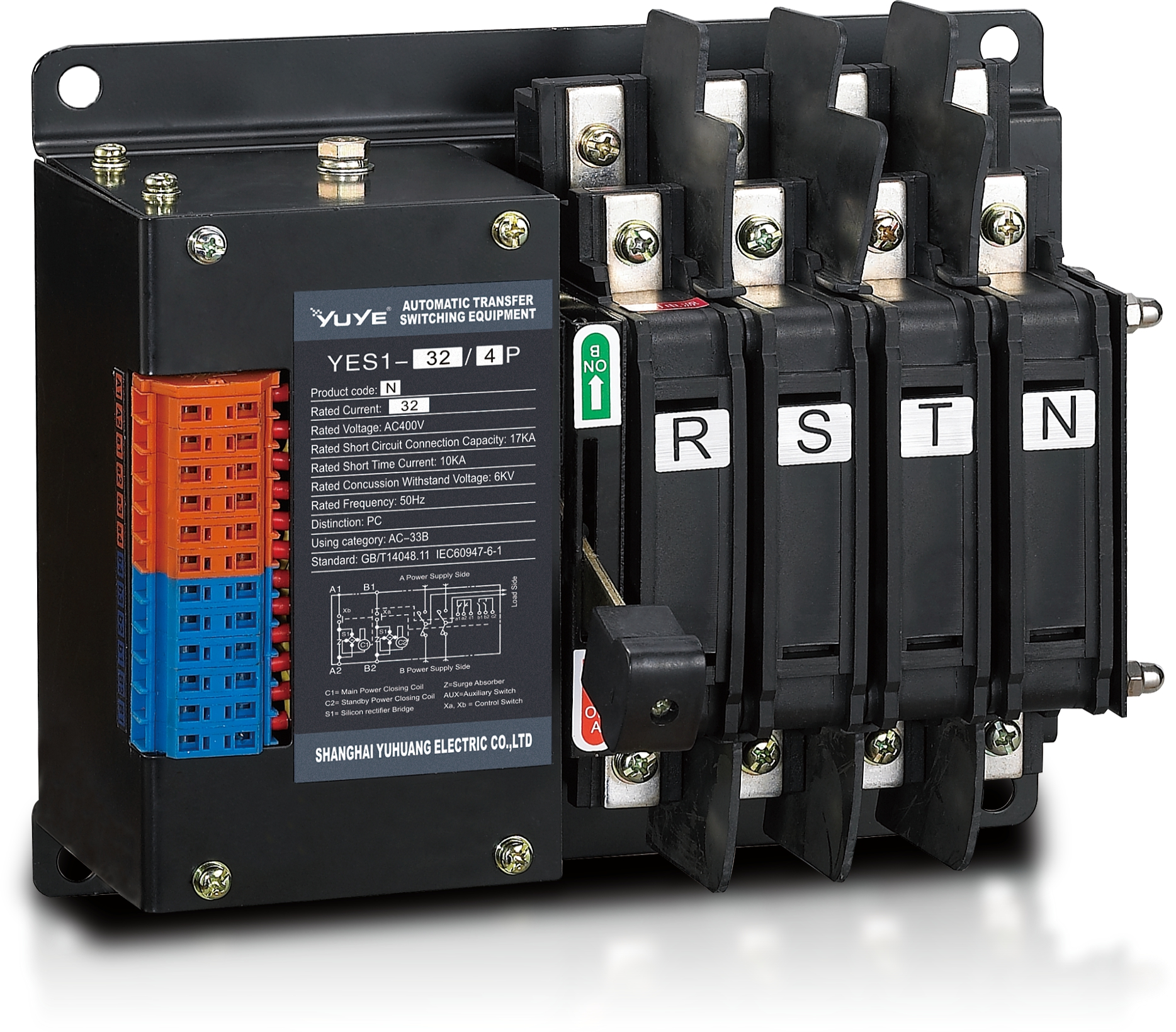 Solenoid-type ATS YES1-32~125N
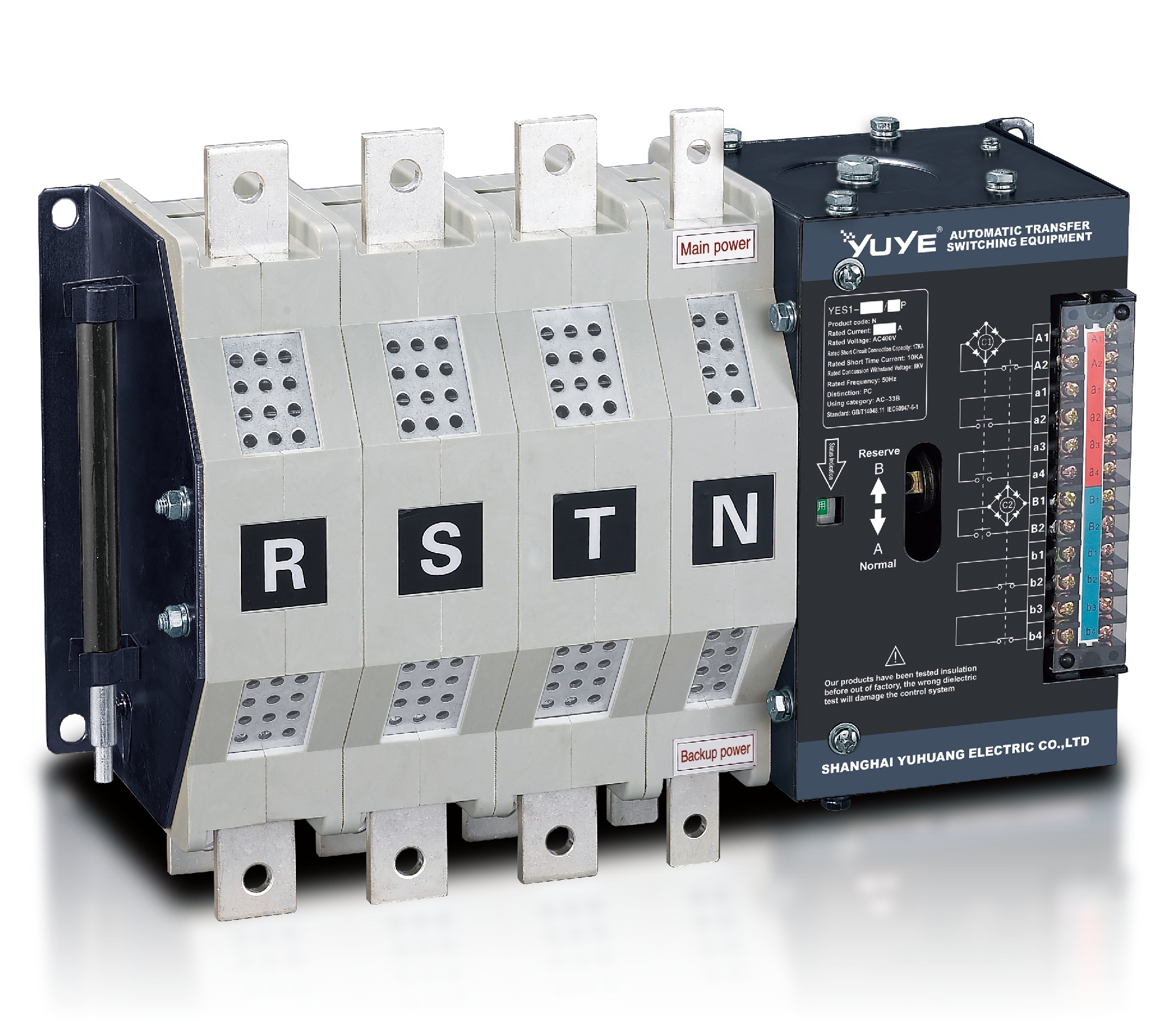 Solenoid-type ATS YES1-250~630N/NT
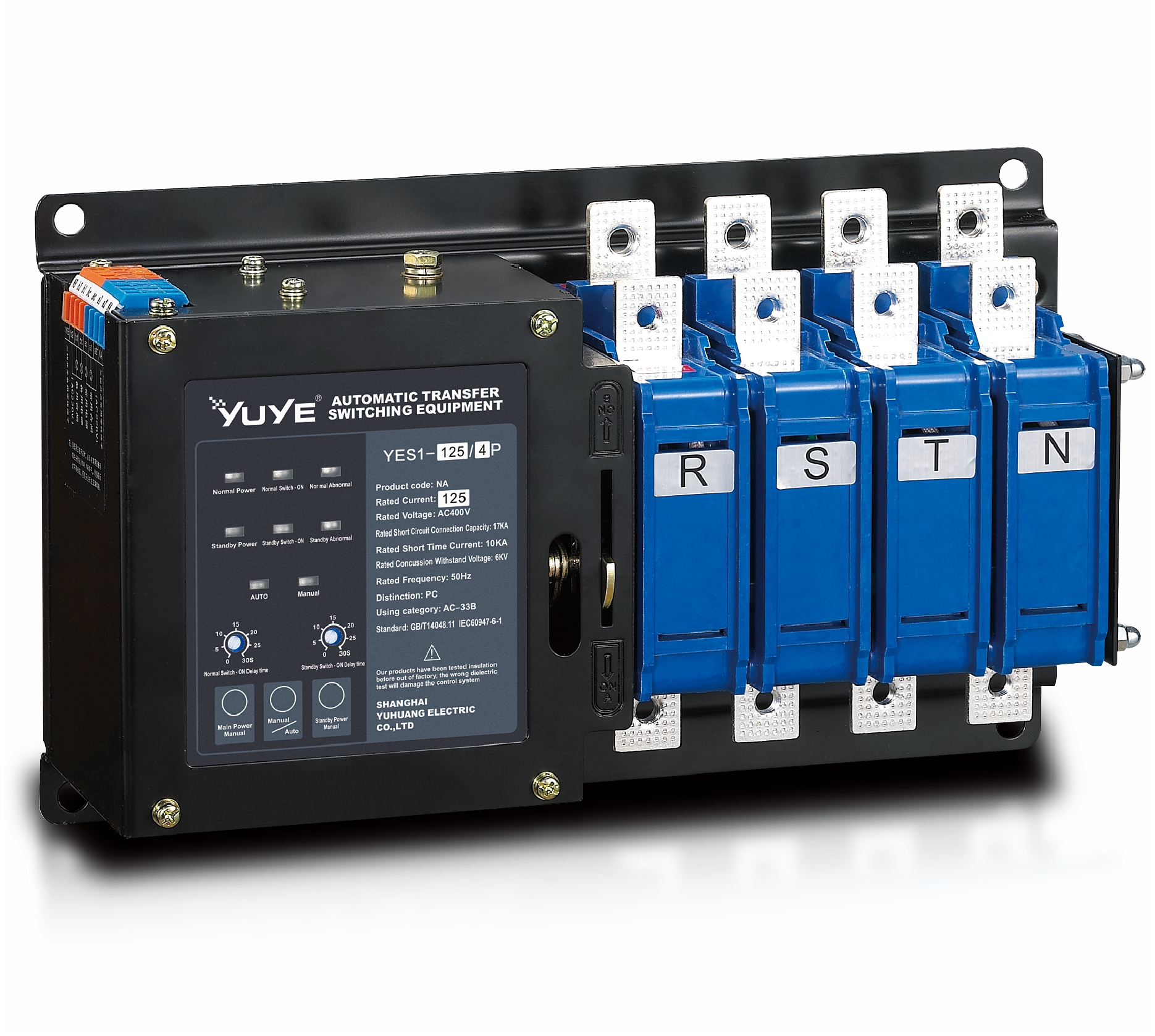 Solenoid-type ATS YES1-32~125NA
 Solenoid-type ATS YES1-63~630SN
 Solenoid-type ATS YES1-1250~4000SN
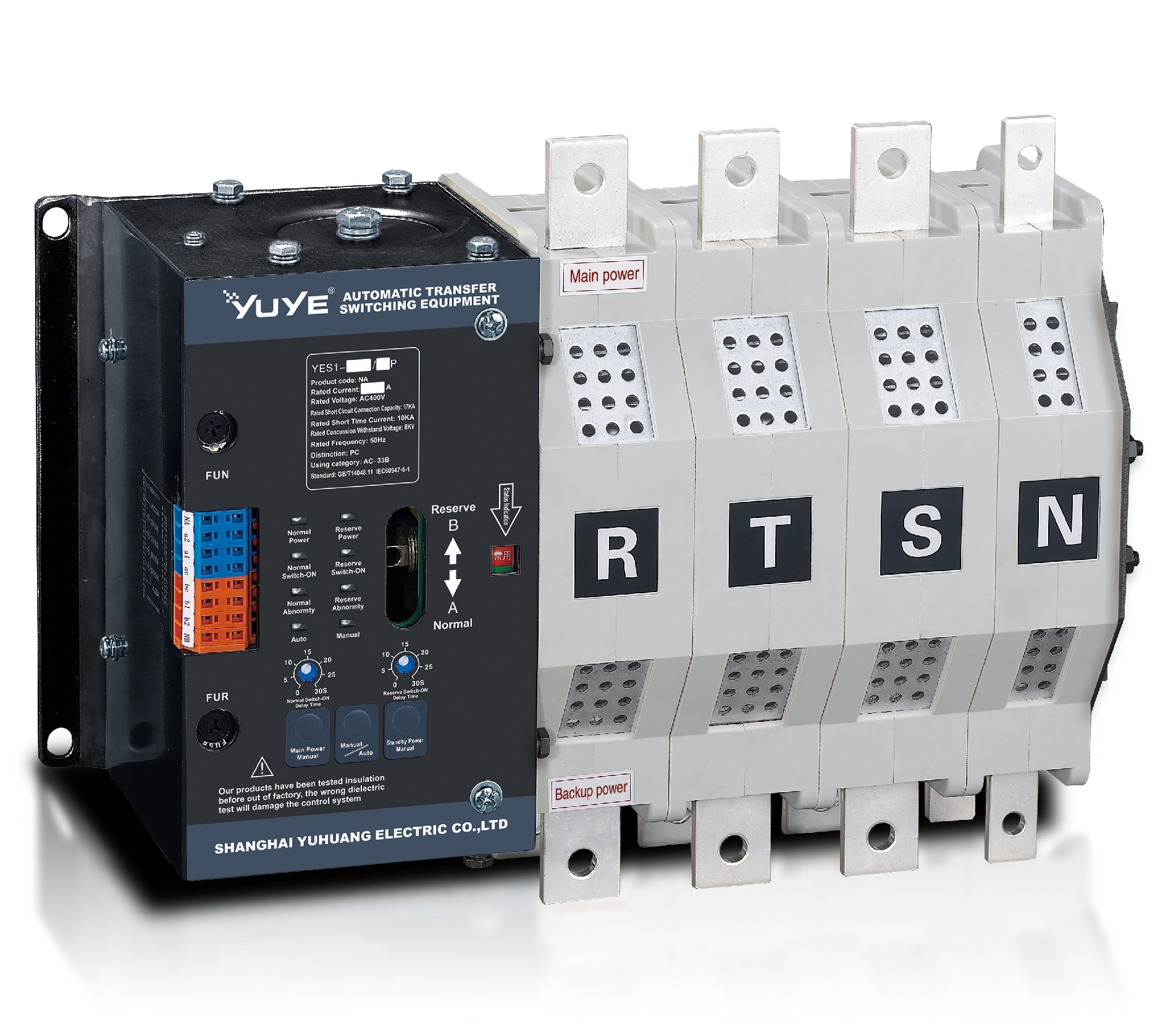 Solenoid-type ATS YES1-250~630NA/NAT
 Solenoid-type ATS YES1-63NJT
 PC ATS YES1-100~1600GN1/GN/GNF
 PC ATS YES1-2000~3200GN/GNF
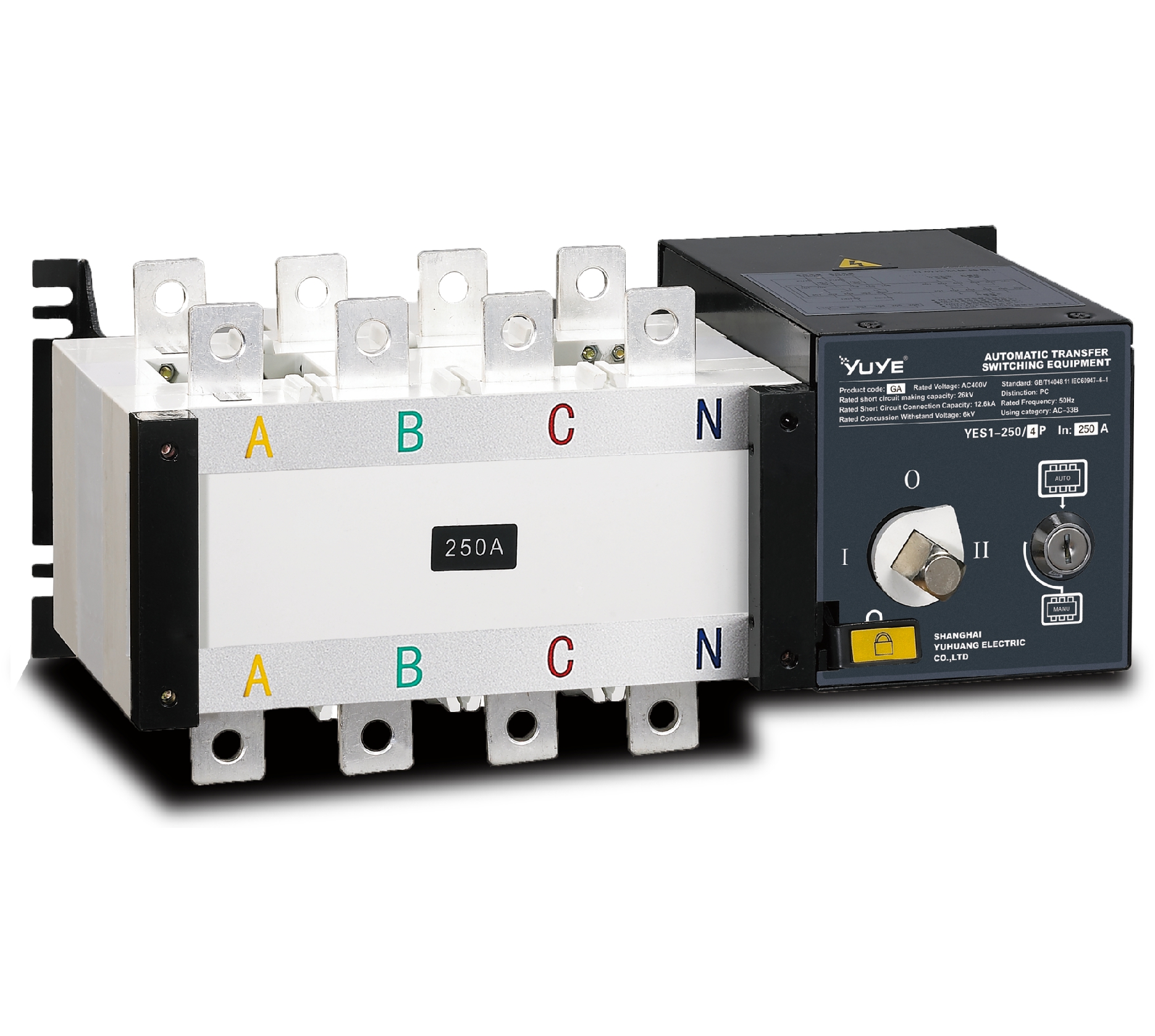 PC ATS YES1-100~3200GA1/GA
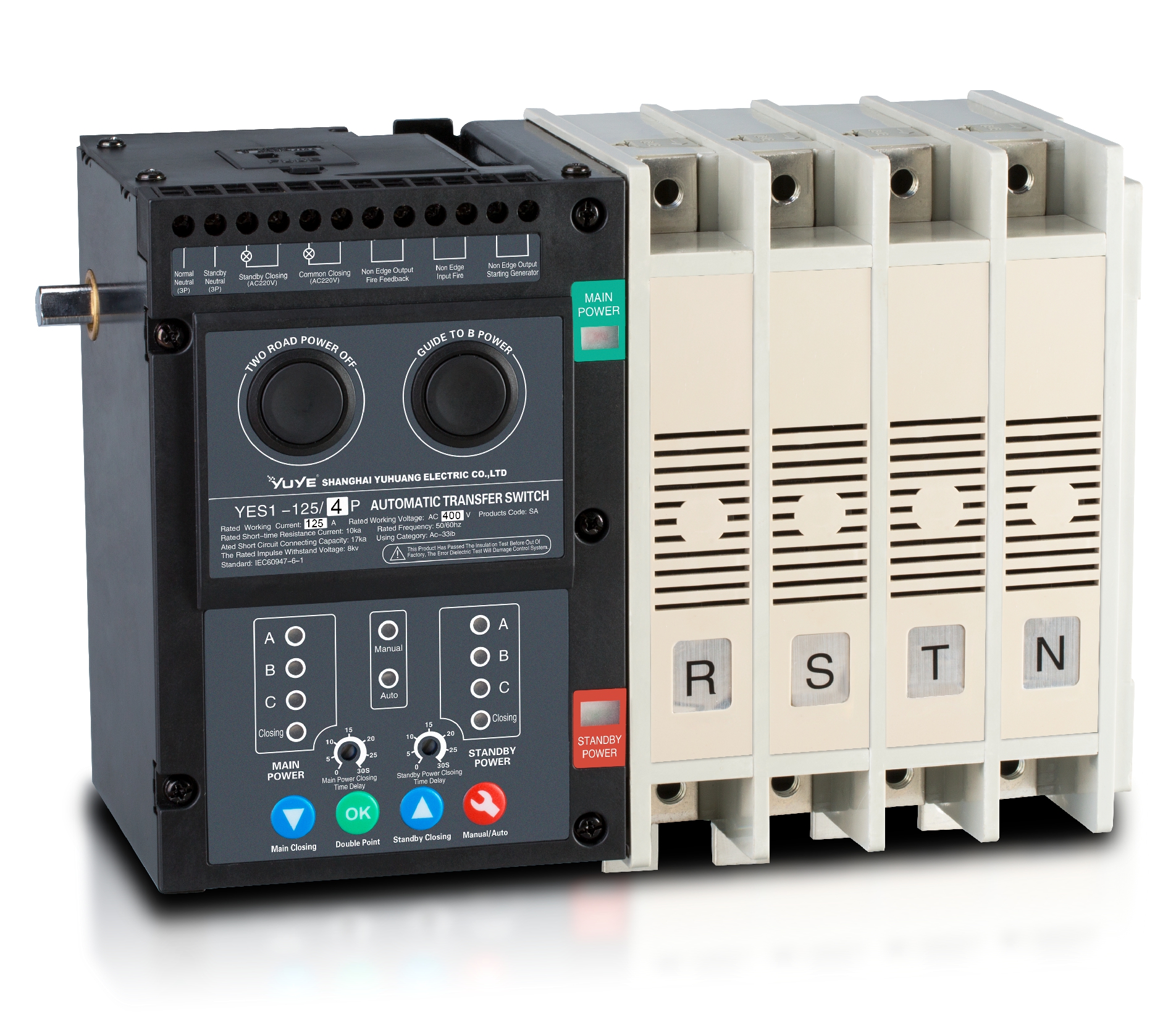 Solenoid-type ATS YES1-63~630SA
 Solenoid-type ATS YES1-63~630L/LA
 Solenoid-type ATS YES1-63~630LA3
 Solenoid-type ATS YES1-63MA
 PC ATS YES1-630~1600M
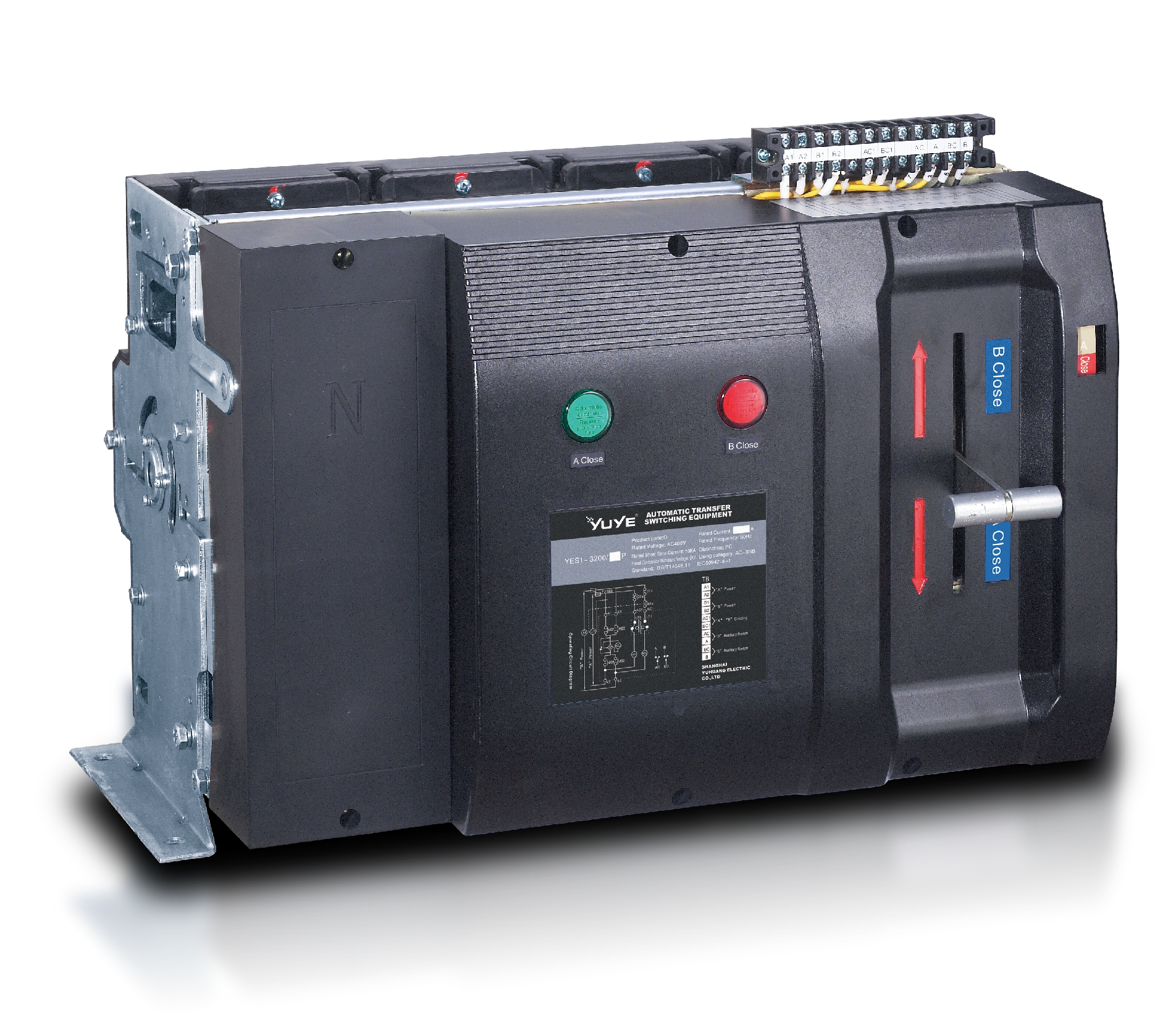 PC ATS YES1-3200Q
 Solenoid-type ATS YES1-4000~6300Q
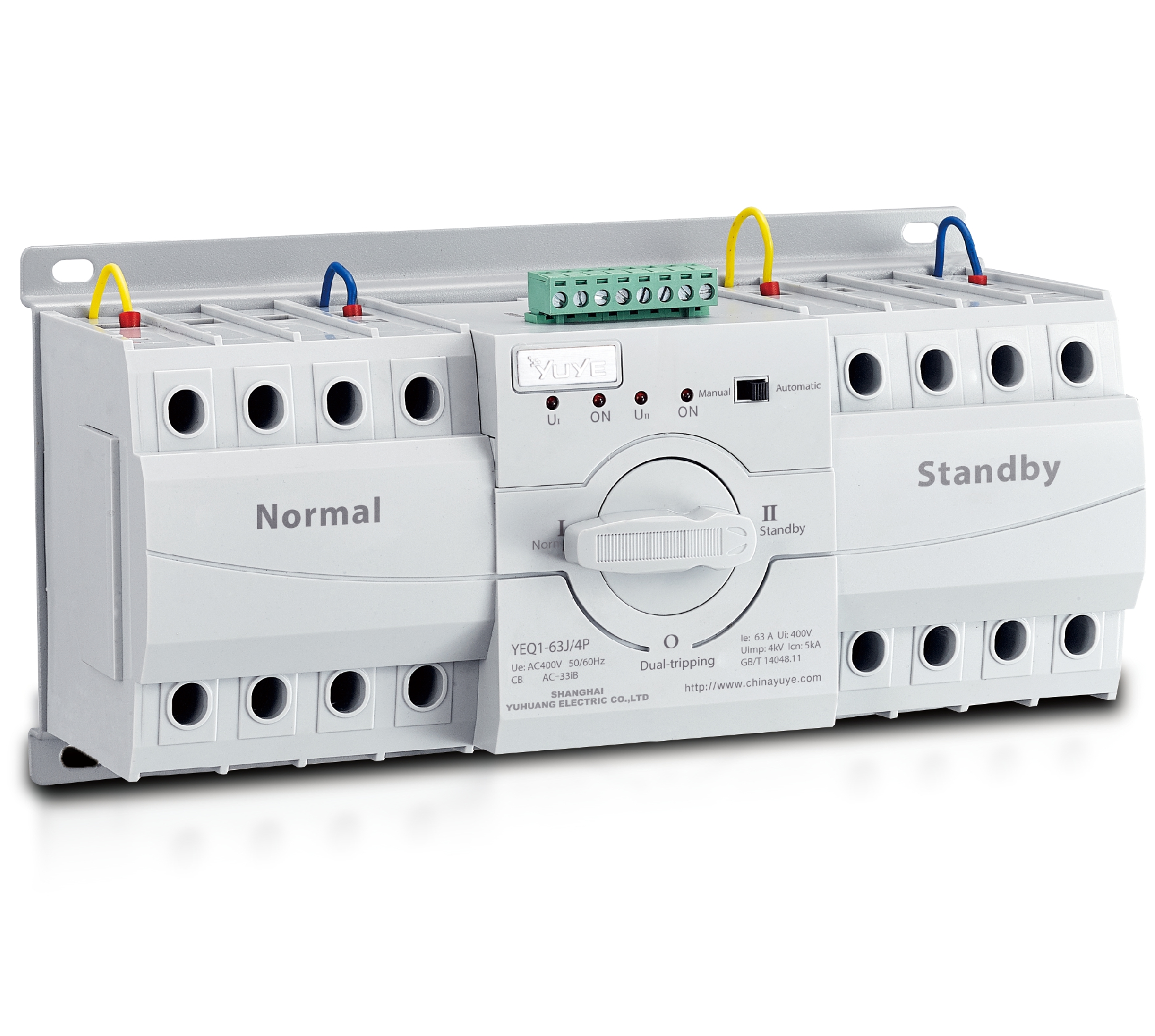 CB ATS YEQ1-63J
 CB ATS YEQ2Y-63
 CB ATS YEQ3-63W1
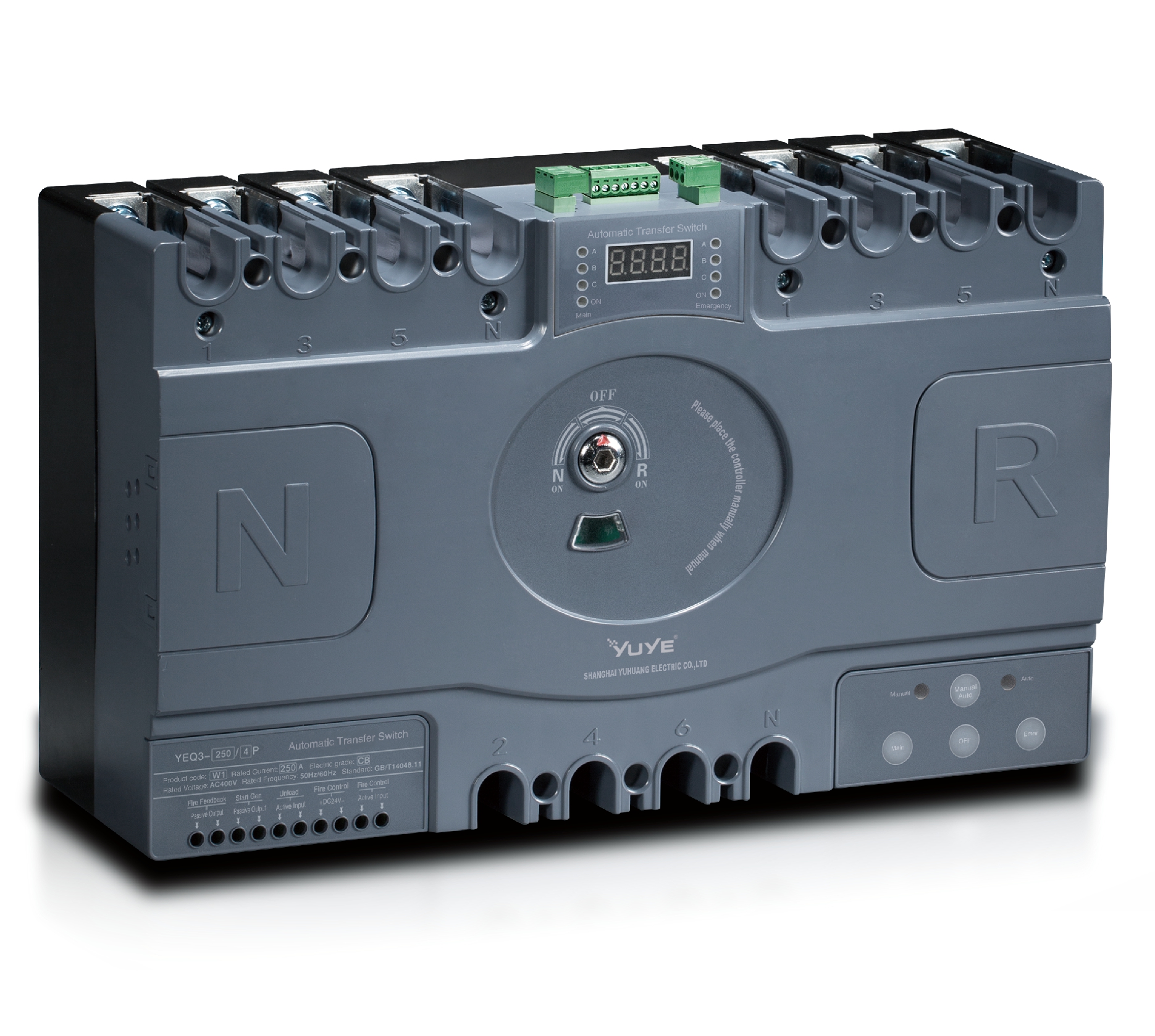 CB ATS YEQ3-125~630W1
 ATS controller Y-700
 ATS Controller Y-700N
 ATS Controller Y-701B
 ATS Controller Y-703N
 ATS Controller Y-800
 ATS Controller W2/W3 Series
 ATS switch Cabinet floor-to-ceiling
 ATS switch cabinet
 JXF-225A power Cbinet
 JXF-800A power Cbinet
 YEM3-125~800 Plastic Shell Type MCCB
 YEM3L-125~630 Leakage Type MCCB
 YEM3Z-125~800 Adjustable Type MCCB
 YEM1-63~1250 Plastic Shell Type MCCB
 YEM1E-100~800 Electronic Type MCCB
 YEM1L-100~630 Leakage Type MCCB
 Miniature circuit breaker YEMA2-6~100
 Miniature circuit breaker YEB1-3~63
 Miniature circuit breaker YEB1LE-3~63
 Miniature circuit breaker YEPN-3~32
 Miniature circuit breaker YEPNLE-3~32
 Miniature circuit breaker YENC-63~125
 Air Circuit Breaker YEW1-2000~6300
 Air Circuit Breaker YEW3-1600
 Load isolation switch YGL-63~3150
 Load Isolation Switch YGL2-63~3150
 Manual Changeover Switch YGL-100~630Z1A
 Manual Changeover Switch YGLZ1-100~3150
 YECPS2-45~125 LCD
 YECPS-45~125 Digital
 CNC Milling/Turning-OEM
 DC relay MDC-300M
 DC Isolation Switch YEGL3D-630


