In today's fast-changing world of power management, you really can't overlook the importance of Automat Transfer Switch Control. As we get closer to 2025, the need for reliable, efficient power systems is only going up — companies across the board see the value in adopting smarter tech that can switch seamlessly during outages. I recently came across comments from Dr. Emily Carter, a top expert in the field, who said, 'The future of energy resilience is all about automation—solutions that react quickly when power fails and also help keep things running smoothly overall.'
The Automat Transfer Switch Control system plays a crucial role here. It smartly manages how power is distributed and switches things over automatically, which basically means businesses can stay operational even when the grid acts up. In this guide, I’ll walk you through the key aspects of Automat Transfer Switch Control — from how it’s designed to how you can implement it and what trends are emerging that might shape its future.
For organizations aiming to keep the lights on no matter what, understanding how Automat Transfer Switch Control works is going to be essential. With expert tips and the latest strategies, we hope to give you the insights you need to upgrade and optimize your power management systems without too much hassle.

Understanding Automatic Transfer Switches and Their Importance
Automatic Transfer Switches (ATS) are crucial components in power management systems, especially in ensuring seamless transitions between primary and backup power sources. With their ability to detect power failures and switch to an alternative source within seconds, ATS enhance the reliability of power supply in critical environments like hospitals, data centers, and industrial facilities. According to the International Electrotechnical Commission, the market for ATS is expected to reach USD 4.5 billion by 2025, driven by the increasing demand for uninterrupted power supply solutions.
Understanding how ATS work is vital for effective power management. These devices monitor voltage levels continuously and engage backup generators when an outage occurs. Their integration not only minimizes downtime but also protects sensitive equipment from damage due to sudden power losses. A study by the Electric Power Research Institute shows that systems equipped with ATS experience a 50% reduction in downtime during outages compared to those without.
Tips for selecting the right ATS include assessing your power needs based on critical load requirements and future expansion. Ensure that the ATS is compatible with your existing power sources and has adequate safety certifications. Regular maintenance and testing of the ATS can further enhance its reliability, ensuring that your power management strategy remains robust against unforeseen disruptions.
Key Components of Automatic Transfer Switch Control Systems
Automatic Transfer Switch (ATS) control systems are crucial for maintaining seamless power management. These systems automatically switch the power supply between the utility grid and backup generators, ensuring that critical loads remain operational during power outages. The key components of an ATS control system include the control panel, relays, timers, and sensors. The control panel serves as the nerve center, providing interface controls, status indicators, and alarms, while relays perform the actual switching of electrical loads. Timers help in managing the delay between the loss of utility power and the activation of the backup generator, thus preventing unnecessary interruptions.
When implementing ATS control systems, it's essential to consider the power needs of your facility. Make sure to assess the maximum load that your ATS will handle and choose components that can withstand it.
Tip: Regular maintenance checks can help identify potential issues before they become critical, ensuring your power management remains reliable. Additionally, implementing advanced monitoring technologies can enhance system performance by providing real-time data and alerts about power conditions, allowing for swift responses to any anomalies.
Sensitivity to environmental factors can also affect ATS performance. Ensure that components are rated for their installation environment, whether it's indoors or exposed to outdoor conditions.
Tip: Always consult with experienced professionals when designing or upgrading your ATS system to optimize reliability and efficiency.
How Automatic Transfer Switches Ensure Reliable Power Management
Automatic Transfer Switches (ATS) play a crucial role in ensuring reliable power management by seamlessly transitioning power sources during outages or disturbances. According to industry reports, approximately 90% of power interruptions in commercial facilities are linked to utility outages, which can result in significant financial losses.
An ATS automatically manages the switching process, reducing downtime and ensuring the continuity of operations. This technology is vital for industries where uninterruptable power is essential, such as healthcare and data centers, where even a momentary loss of power can lead to catastrophic consequences.
To enhance the reliability of your power management system, consider these tips:
First, invest in regular maintenance checks for your ATS to ensure optimal performance. Research indicates that proactive maintenance can extend the life of these systems by up to 25%.
Second, implement a comprehensive monitoring system to track power usage and switching events, which can provide valuable insights into potential issues before they become critical.
Lastly, ensure that your ATS is compatible with renewable energy sources, as the integration of solar or wind power is becoming increasingly important in modern power management strategies.
In conclusion, leveraging the capabilities of Automatic Transfer Switches is essential for any organization looking to maintain operational stability and mitigate the risks associated with power failures. With the proper setup and maintenance, ATS can significantly enhance the resilience of power management systems, ultimately safeguarding critical operations.
Installation Guidelines for Automatic Transfer Switch Systems
The installation of Automatic Transfer Switch (ATS) systems is an essential aspect of modern power management, especially in critical applications like healthcare facilities, data centers, and industrial operations. According to a report by the International Electrotechnical Commission, the global market for ATS is projected to grow at a CAGR of 7.6% from 2022 to 2028, driven largely by the increasing demand for reliable power sources. Proper installation is crucial to ensure that these systems function effectively during power outages, maintaining continuity and operational efficiency.
When installing an ATS, it is imperative to adhere to the National Electrical Code (NEC) standards, which provide guidelines on the safe installation of electrical components. Each system should be correctly sized according to load requirements, taking into consideration factors such as generator capacity and anticipated power demands. Moreover, a thorough understanding of electrical connections and control wiring is necessary for seamless integration. A study by the Electric Power Research Institute highlights that improperly configured transfer switches can lead to critical power failures, emphasizing the importance of meticulous installation protocols to prevent potential energy disruptions.
Additionally, routine testing and maintenance should be incorporated into the installation process. The National Fire Protection Association recommends regular inspections, at least once every six months, to ensure the ATS operates safely and efficiently. By prioritizing professional installation and ongoing maintenance, organizations can significantly enhance the reliability of their power management systems, thereby minimizing downtime and ensuring business continuity in the event of unexpected outages.
Common Challenges in Automatic Transfer Switch Control
Automatic Transfer Switches (ATS)
play a crucial role in ensuring uninterrupted power supply by automatically switching to backup generators during an outage.
However, several common challenges can arise in their control systems, which may hinder reliable power management.
One significant issue is synchronization between the main power source and the backup generator.
If the phases or voltage levels are not properly aligned, the ATS can fail to engage seamlessly, leading to potential equipment damage or loss of productivity.
Another challenge lies in the complexity of programming and configuration for different operational needs.
Many facilities require customized settings based on their load requirements and specific energy needs;
thus, improper configuration can result in inefficiencies or failure to operate at critical moments.
Additionally, the maintenance of the ATS itself is often overlooked.
Regular inspections and testing are vital to ensure the system is functioning as intended,
yet they can be neglected due to time constraints or budget limitations.
This lack of proactive maintenance can lead to unexpected failures, emphasizing the need for a comprehensive management strategy to tackle these common challenges effectively.
Future Trends in Automatic Transfer Switch Technology
The advancement of automatic transfer switch (ATS) technology is crucial for enhancing power management systems in various sectors, including commercial, industrial, and residential applications. As the demand for reliable and uninterrupted power supply grows, the integration of smarter and more efficient solutions is becoming a priority. Future trends indicate a shift towards intelligent control systems that utilize artificial intelligence and machine learning algorithms to predict power failures and optimize switching processes. These systems will not only reduce downtime but also enhance the overall resilience of power networks.
Moreover, the incorporation of IoT (Internet of Things) devices into ATS technology will allow for real-time monitoring and data analytics. This connectivity will facilitate remote management, enabling operators to respond swiftly to power anomalies and perform predictive maintenance. Furthermore, advancements in sensor technology will contribute to increased accuracy in performance monitoring, ultimately leading to better energy efficiency and resource allocation. As automatic transfer switches continue to evolve, their role in future energy management strategies will be vital, ensuring a seamless transition between power sources and reinforcing the stability of power supplies across various infrastructures.
Maintenance Practices for Optimal Performance of Transfer Switches
To ensure optimal performance of transfer switches, regular maintenance practices are essential. According to the Electrical Power Research Institute (EPRI), up to 70% of transfer switch failures are attributed to inadequate maintenance. It is crucial to establish a routine maintenance schedule that includes visual inspections, operational tests, and cleaning of the equipment. These tasks help to identify potential issues before they escalate, thereby minimizing downtime and ensuring reliable power management.
One key practice is to perform regular functional tests under load conditions. This not only verifies the operational readiness of the transfer switch but also ensures that it can handle the electrical demand during actual power outages. The National Fire Protection Association (NFPA) recommends that these tests should occur at least twice a year. Additionally, keeping detailed records of maintenance activities enhances accountability and provides valuable insights for future maintenance planning.
Tips: Always check the battery voltage and connections during inspections as weak batteries can lead to transfer switch failures. It is also advisable to clean the switch contacts regularly to prevent corrosion and maintain optimal conductivity. Lastly, consulting with certified professionals for complex issues can prolong the life of your equipment and enhance overall system reliability.
Understanding the Benefits and Features of the ATS Controller Y-703N for Enhanced Automation Control
The ATS Controller Y-703N emerges as a pivotal solution in enhancing automation control, particularly when paired with a dual power transfer switch (TSE) to create a robust automatic transfer switch (ATSE). This technology is indispensable in environments where uninterrupted power supply is paramount, such as data centers and critical infrastructure facilities. According to the International Energy Agency (IEA), the reliability of power systems is directly related to operational efficiency, and ensuring power continuity can significantly mitigate downtime which, on average, costs companies up to $260,000 per hour.
One of the standout features of the Y-703N ATS controller is its capability to detect various abnormal conditions in power supply, including overvoltage, undervoltage, phase loss, and frequency anomalies. By effectively monitoring these parameters, the Y-703N ensures swift dynamic response to potential electrical hazards, allowing for immediate transfer to a backup power source in accordance with predetermined operational modes. This proactive management of electrical supply stands to prevent costly damage to equipment and reduce the risk of service interruptions, as identified in reports by the National Institute of Standards and Technology (NIST), where organizations with robust power management systems reported 50% fewer incidents of outages.
Enhanced by its intelligent control features, the Y-703N not only safeguards the load side but also streamlines operational workflows. As organizations increasingly adopt automation technologies, the demand for sophisticated ATS solutions like the Y-703N continues to grow. Industry forecasts indicate that the global market for automatic transfer switches is expected to expand significantly, showcasing the importance of such systems in the modern landscape of automated power management.
FAQS
utomatic Transfer Switch (ATS) control system?
The key components of an ATS control system include the control panel, relays, timers, and sensors, which work together to manage power supply seamlessly.
It's essential to assess the maximum load your ATS will handle and choose components that can withstand that load, ensuring reliability during power transitions.
Common challenges include synchronization issues between the main power source and backup generator, complexity in programming for different operational needs, and neglect of maintenance practices.
Regular maintenance is crucial because a significant percentage of transfer switch failures are attributed to inadequate maintenance; routine checks can prevent unexpected failures and ensure operational readiness.
Functional tests should be performed at least twice a year under load conditions to verify operational readiness and ensure the transfer switch can handle electrical demands during outages.
Routine maintenance tasks should include visual inspections, operational tests, cleaning of equipment, and checking battery voltage and connections to prevent failures.
Enhancing reliability can be achieved by implementing advanced monitoring technologies for real-time data and alerts, consulting experienced professionals during design or upgrades, and maintaining consistent maintenance practices.
Conclusion
The article "2025 Top Guide to Automat Transfer Switch Control for Reliable Power Management" delves into the essential role of Automatic Transfer Switches (ATS) in maintaining consistent power supply. It highlights the importance of understanding ATS and their critical components, such as control systems that facilitate seamless transitions between power sources. The guide provides insights into how automat transfer switch control systems enhance reliability in power management, along with installation guidelines and maintenance practices necessary for optimal performance.
Furthermore, the article addresses common challenges faced in ATS control and discusses future trends shaping the evolution of this technology. Emphasizing the significance of robust maintenance strategies, it underscores the necessity of keeping automat transfer switch control systems well-functioning to ensure uninterrupted power supply, which is vital for both residential and commercial applications.

 PC ATS YECT1-2000G
 PC ATS YES2-63~250GN1
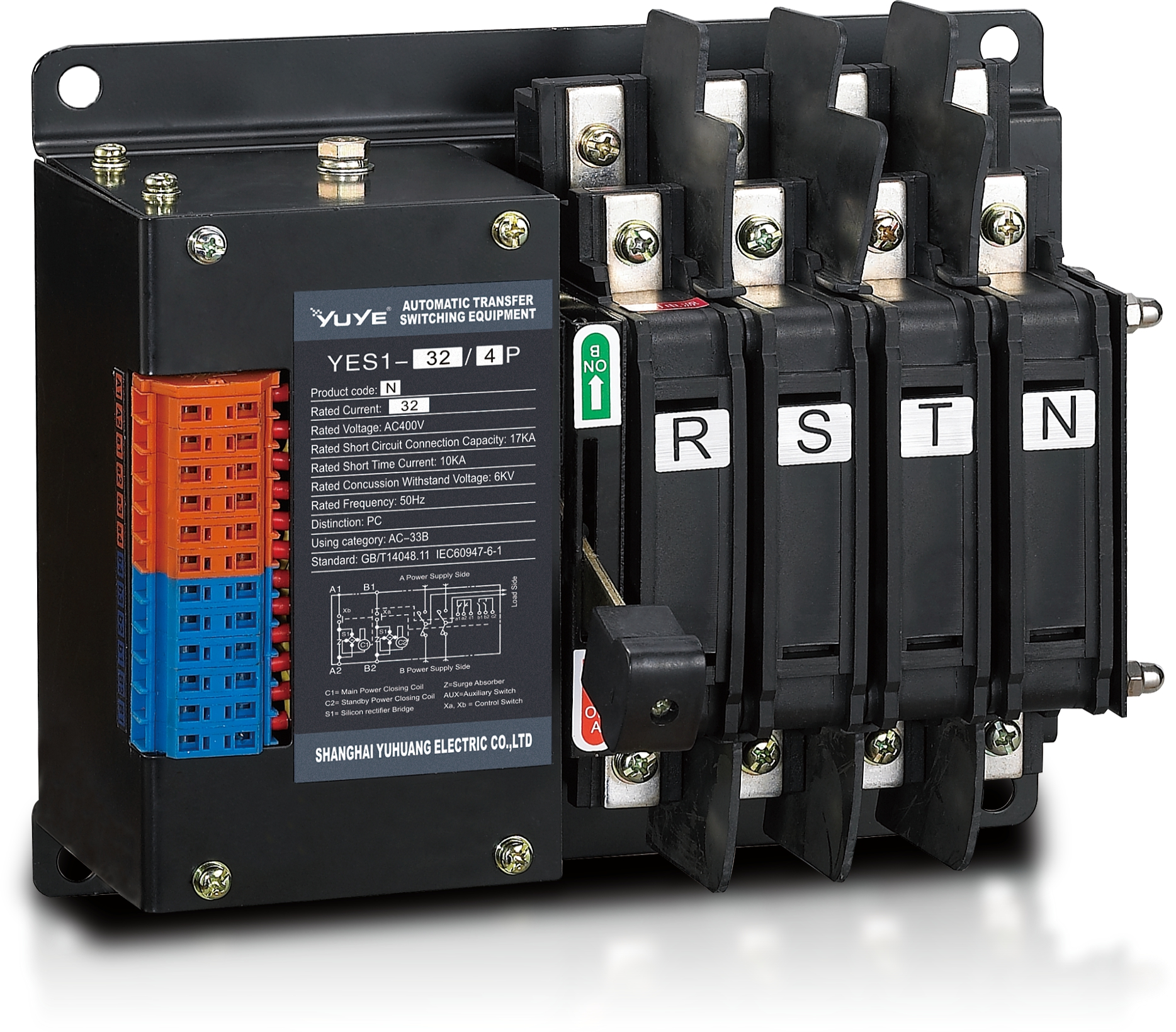 Solenoid-type ATS YES1-32~125N
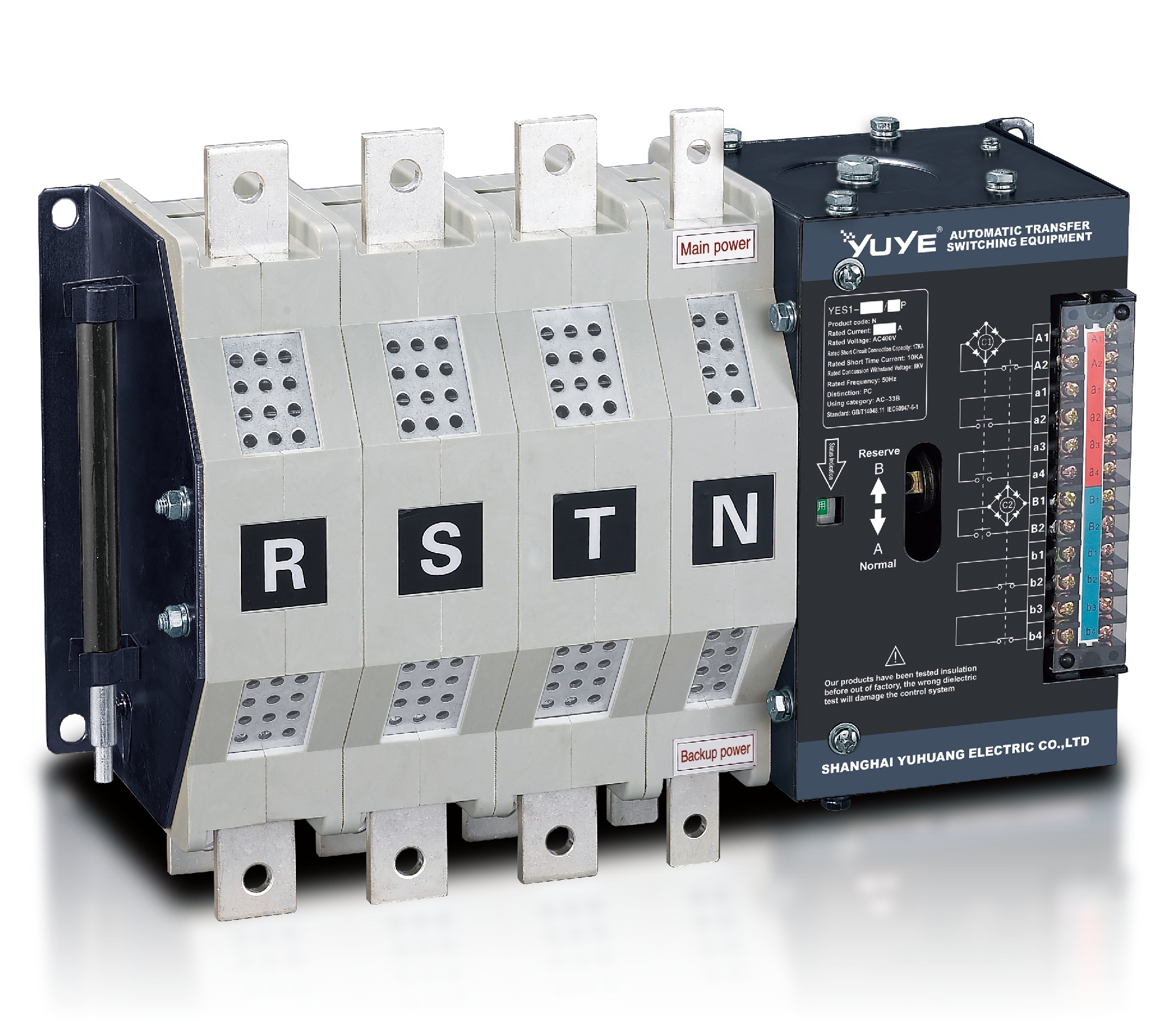 Solenoid-type ATS YES1-250~630N/NT
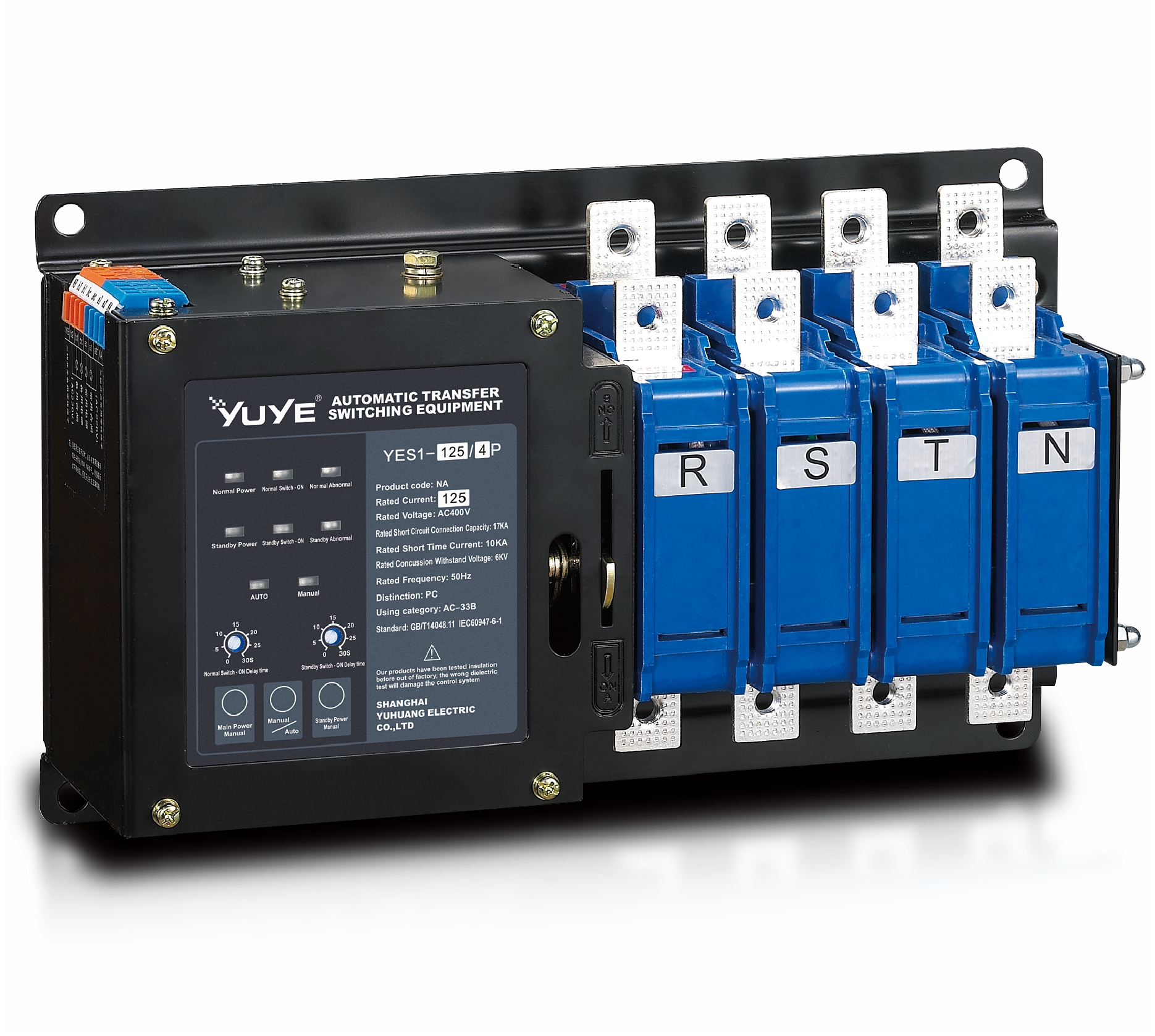 Solenoid-type ATS YES1-32~125NA
 Solenoid-type ATS YES1-63~630SN
 Solenoid-type ATS YES1-1250~4000SN
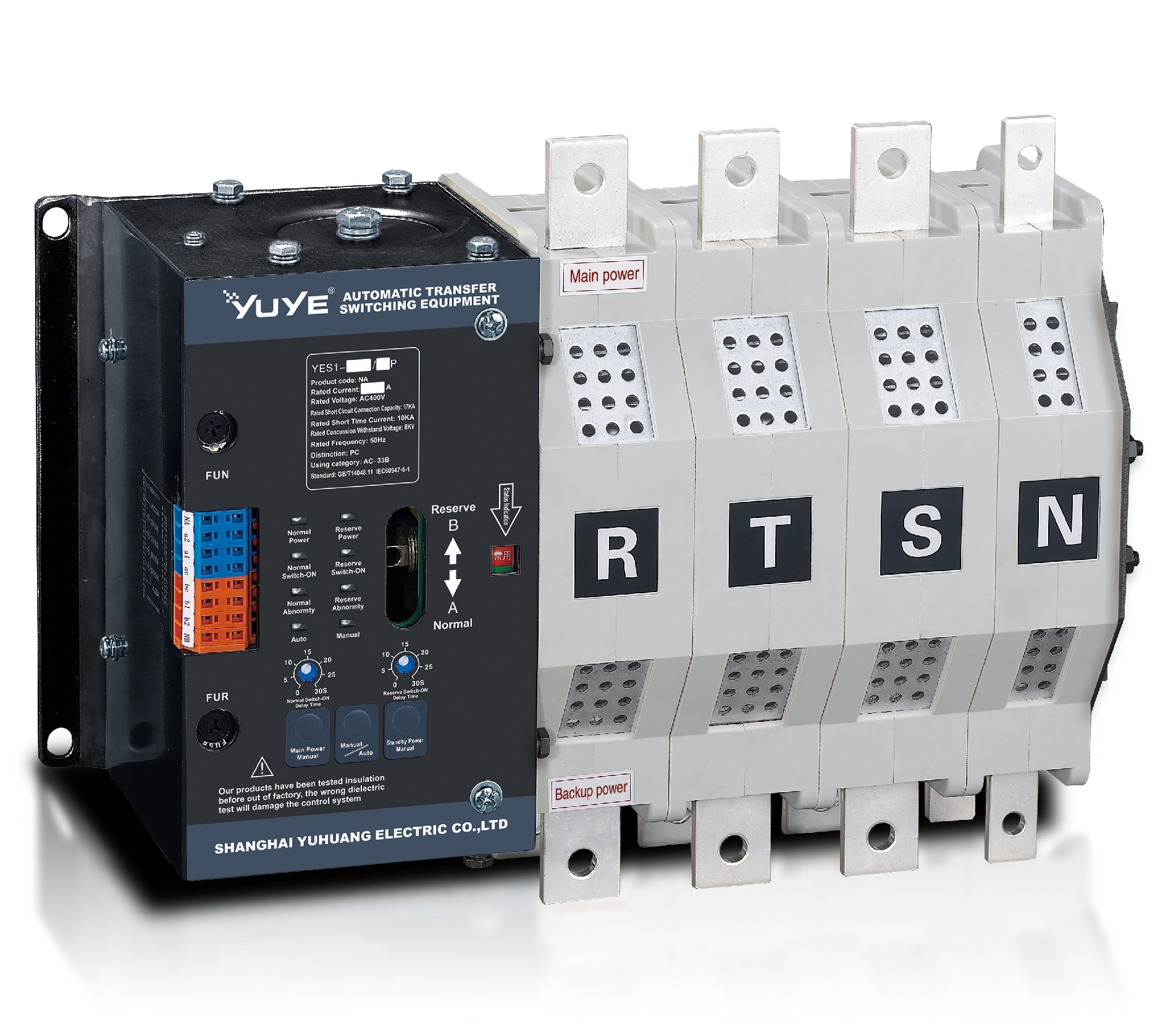 Solenoid-type ATS YES1-250~630NA/NAT
 Solenoid-type ATS YES1-63NJT
 PC ATS YES1-100~1600GN1/GN/GNF
 PC ATS YES1-2000~3200GN/GNF
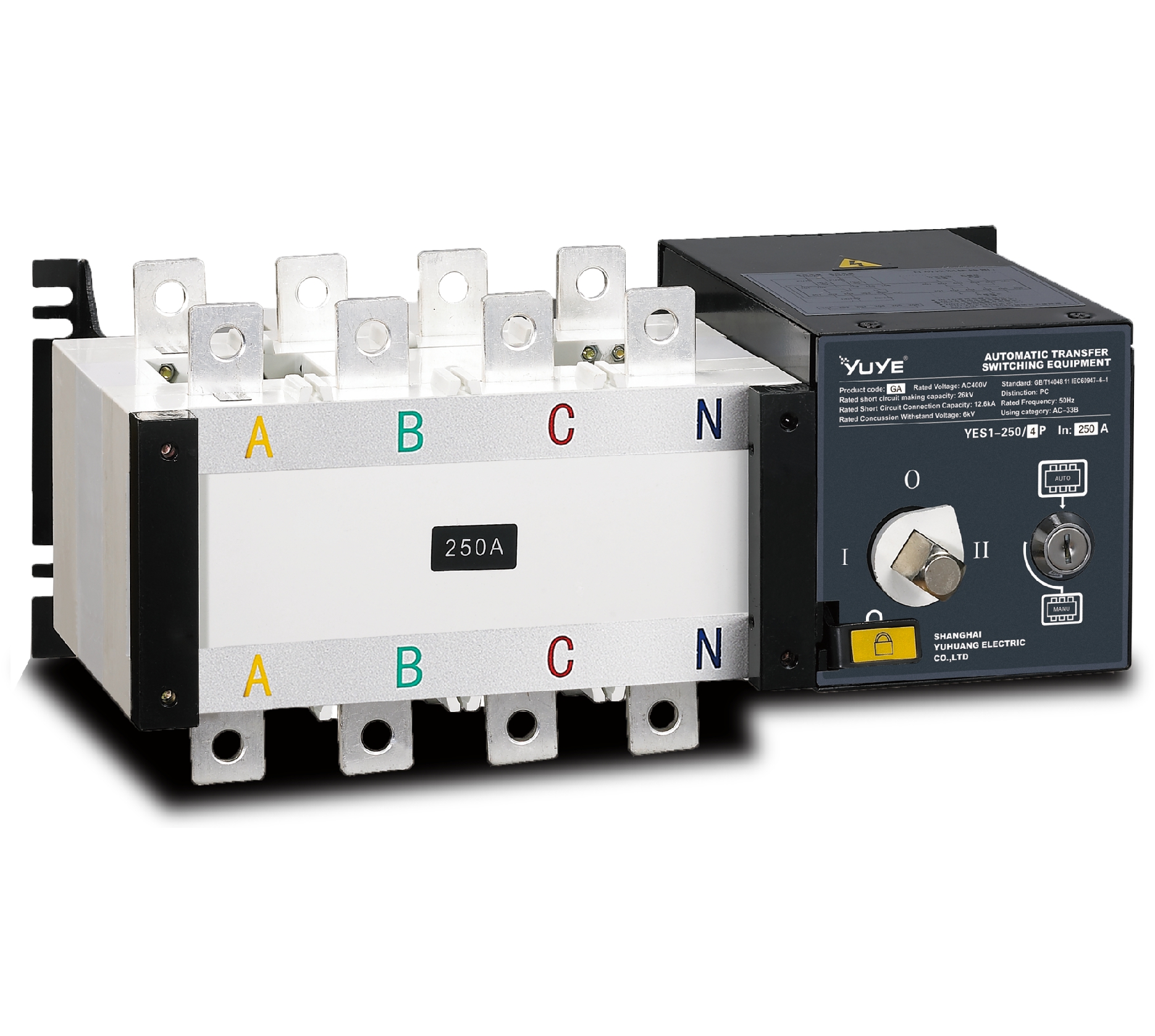 PC ATS YES1-100~3200GA1/GA
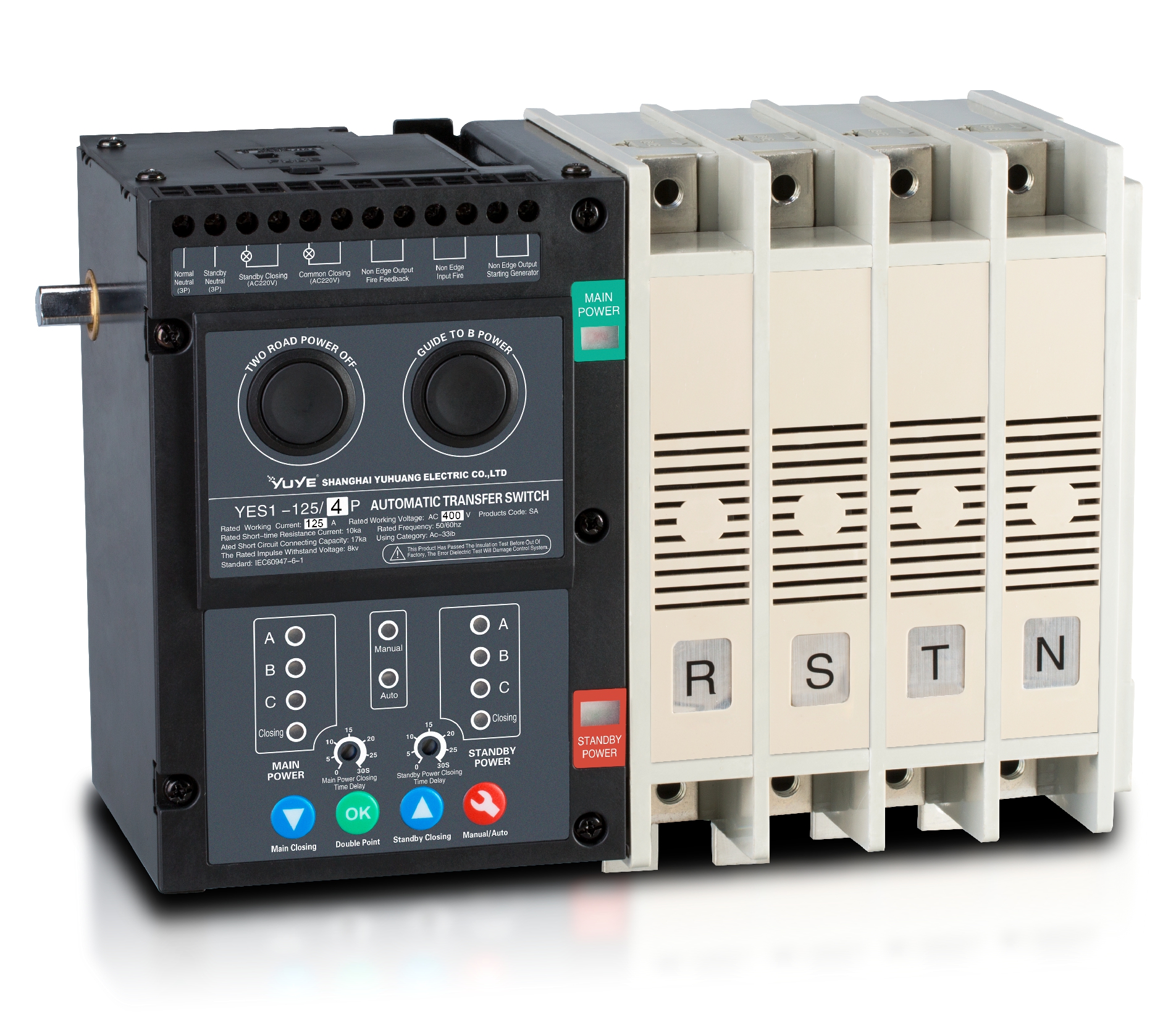 Solenoid-type ATS YES1-63~630SA
 Solenoid-type ATS YES1-63~630L/LA
 Solenoid-type ATS YES1-63~630LA3
 Solenoid-type ATS YES1-63MA
 PC ATS YES1-630~1600M
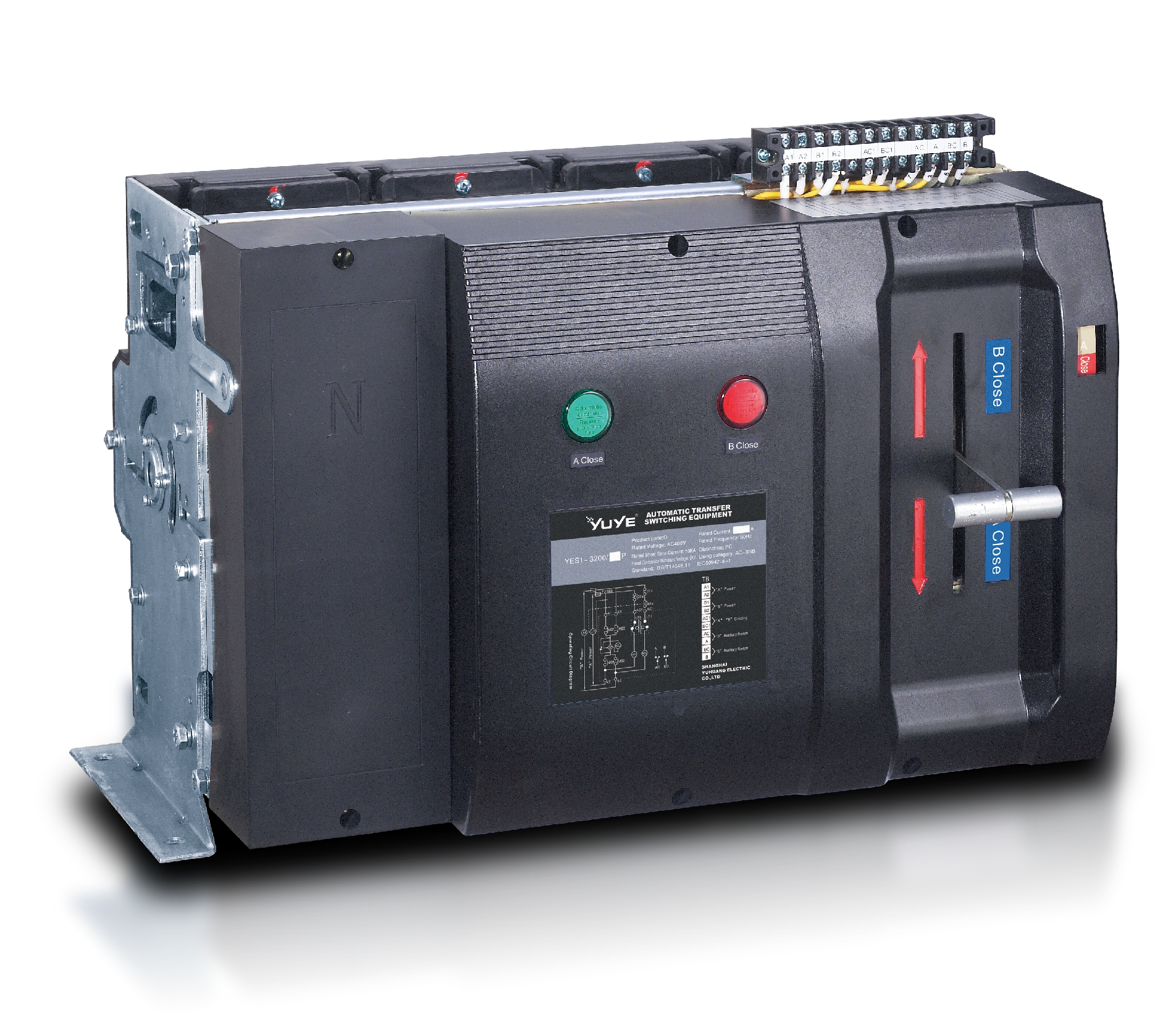 PC ATS YES1-3200Q
 Solenoid-type ATS YES1-4000~6300Q
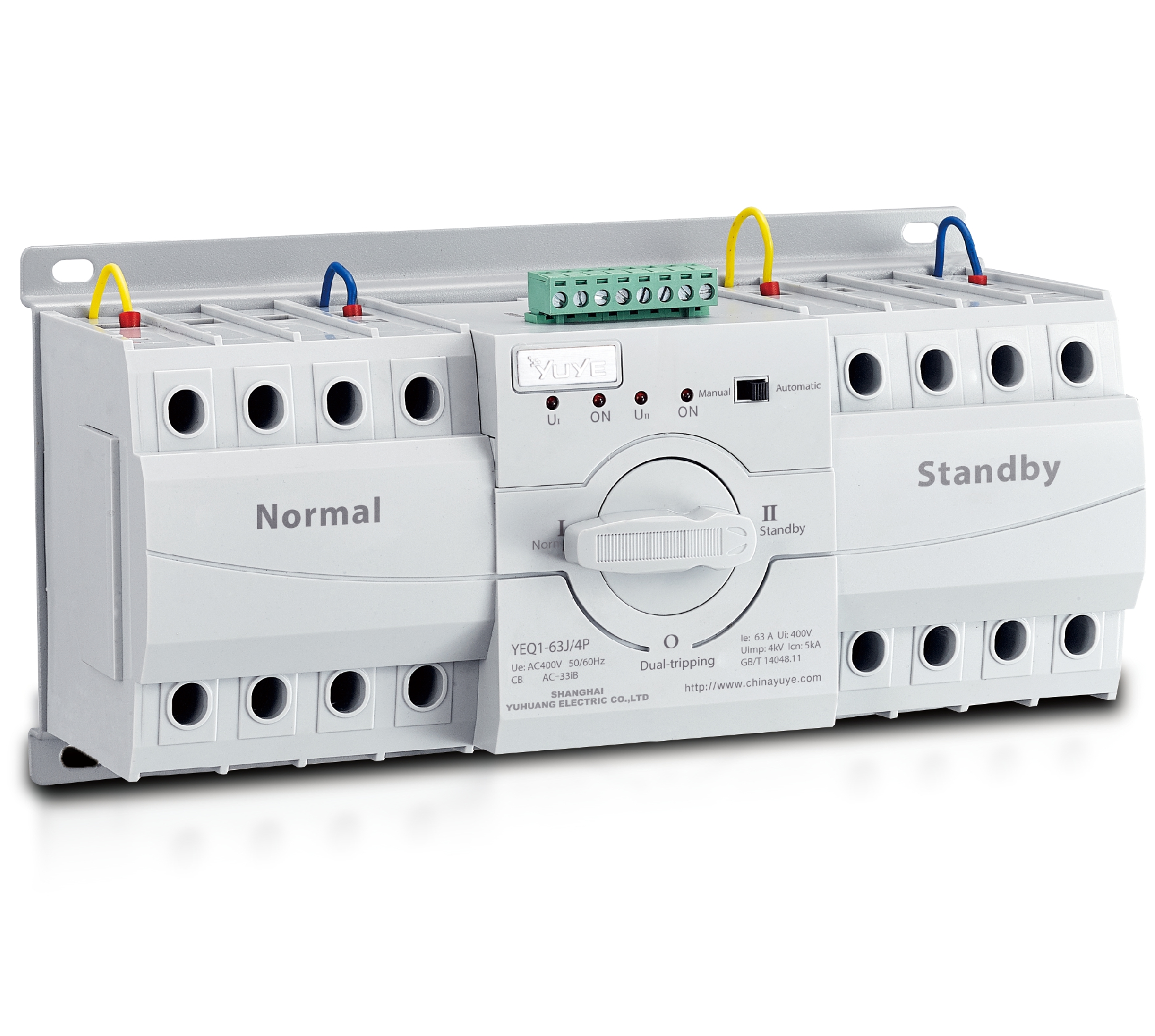 CB ATS YEQ1-63J
 CB ATS YEQ2Y-63
 CB ATS YEQ3-63W1
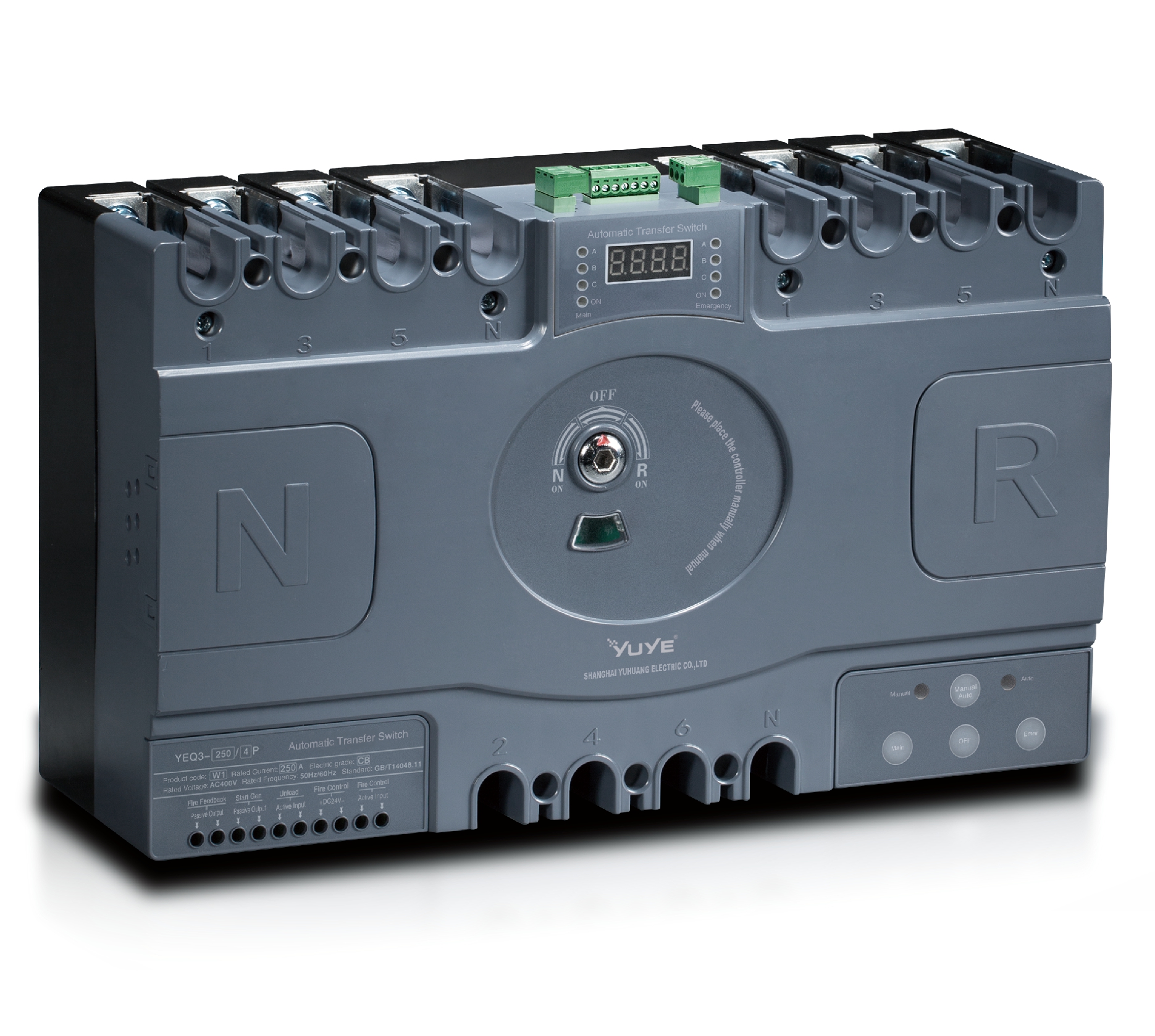 CB ATS YEQ3-125~630W1
 ATS controller Y-700
 ATS Controller Y-700N
 ATS Controller Y-701B
 ATS Controller Y-703N
 ATS Controller Y-800
 ATS Controller W2/W3 Series
 ATS switch Cabinet floor-to-ceiling
 ATS switch cabinet
 JXF-225A power Cbinet
 JXF-800A power Cbinet
 YEM3-125~800 Plastic Shell Type MCCB
 YEM3L-125~630 Leakage Type MCCB
 YEM3Z-125~800 Adjustable Type MCCB
 YEM1-63~1250 Plastic Shell Type MCCB
 YEM1E-100~800 Electronic Type MCCB
 YEM1L-100~630 Leakage Type MCCB
 Miniature circuit breaker YEMA2-6~100
 Miniature circuit breaker YEB1-3~63
 Miniature circuit breaker YEB1LE-3~63
 Miniature circuit breaker YEPN-3~32
 Miniature circuit breaker YEPNLE-3~32
 Miniature circuit breaker YENC-63~125
 Air Circuit Breaker YEW1-2000~6300
 Air Circuit Breaker YEW3-1600
 Load isolation switch YGL-63~3150
 Load Isolation Switch YGL2-63~3150
 Manual Changeover Switch YGL-100~630Z1A
 Manual Changeover Switch YGLZ1-100~3150
 YECPS2-45~125 LCD
 YECPS-45~125 Digital
 CNC Milling/Turning-OEM
 DC relay MDC-300M
 DC Isolation Switch YEGL3D-630


