When you're choosing a 3-phase Automatic Transfer Switch (or ATS for short) for your business or facility, it’s super important to pick the right one. Why? Well, because it’s what keeps your power running smoothly even when the electricity goes out. Basically, an ATS automatically switches your power load between the main utility and a backup source like a generator—so you don’t have to do it manually. Since electrical systems can get pretty complicated and there are tons of options out there, understanding what you actually need becomes a big deal if you want things to run reliably.
In this guide, I’ll walk you through 10 handy tips to help you find the perfect 3-phase ATS for your situation. Every facility has its own power needs—things like how big your load is, how fast the switch needs to happen, and what kind of environment you’re working in all matter. If you keep these factors in mind, you’ll boost the safety, efficiency, and overall resilience of your power setup. That way, no matter what weird external issues pop up, your operations stay smooth and steady.

Understanding the Functionality of a 3 Phase Automatic Transfer Switch
A 3 Phase Automatic Transfer Switch (ATS) is crucial for ensuring a continuous and reliable power supply, particularly in installations where downtime can lead to significant operational disruptions. The primary function of an ATS is to automatically switch the load to a backup power source when it detects a failure in the primary power supply. According to a report by the Global Market Insights, the demand for automatic transfer switches is projected to grow at a compound annual growth rate (CAGR) of 5.7% by 2026, driven by the increasing need for uninterrupted power in industries such as healthcare, data centers, and manufacturing.
The functionality of a 3 Phase ATS extends beyond mere power switching; it plays a pivotal role in maintaining electrical system efficiency and safety. For instance, these devices are equipped with advanced monitoring systems that detect voltage fluctuations and overloads, providing critical data that can be utilized for optimizing energy management. Moreover, a 2022 survey from the Power Quality Research Institute highlighted that nearly 40% of power quality issues are linked to inadequate power transfer solutions. This emphasizes the necessity for high-quality ATS systems to minimize disruptions and enhance the reliability of power systems across various sectors. By understanding these functionalities, businesses can make informed decisions that align their operational needs with power management strategies.
Identifying Your Power Requirements for the Transfer Switch
Identifying your power requirements is a crucial first step when selecting a 3-phase automatic transfer switch (ATS). This process begins with assessing the total load that the switch will need to handle. A comprehensive inventory of all electrical devices and systems that will connect to the ATS is essential. By calculating the wattage of each device and considering their operational needs, you can determine the minimum required capacity for the transfer switch. This ensures that the switch can manage the load efficiently without risking overload or equipment damage.
Moreover, understanding the nature of your power needs is equally important. Consider whether your power demands are continuous, peak, or are subject to fluctuation during specific times. For instance, industrial operations might experience varying loads based on production schedules, while commercial buildings may have a more stable load profile. Additionally, factor in any future expansion plans that might require an increase in capacity. By thoroughly evaluating your current and anticipated power requirements, you can choose a 3-phase automatic transfer switch that is tailored to meet your operational demands reliably and effectively.
Comparing Different Transfer Switch Technologies Available
When selecting a 3-phase automatic transfer switch (ATS), understanding the different technologies available is crucial to meet your specific power management needs. The two primary types of transfer switches are mechanical and electronic. Mechanical switches rely on electromechanical components to switch power sources, offering reliable performance in industrial settings. In contrast, electronic transfer switches utilize microprocessors, enabling smarter functionality and features like load management and communication capabilities. According to a recent industry report, around 45% of companies are opting for electronic solutions due to their enhanced capabilities in remote monitoring and control.
One essential tip when choosing a transfer switch is to assess the operational environment. For instance, if your facility deals with frequent power outages, an ATS with faster switching times may be necessary to minimize downtime. Look for models with response times under 10 seconds, as this can significantly impact your operations. Additionally, consider the switch's capacity and compatibility with your existing electrical systems, as choosing incompatible equipment may lead to costly upgrades and inefficiencies.
Another critical aspect is ensuring your switch complies with relevant standards and certifications, such as UL or ISO certifications, providing peace of mind regarding safety and performance. Investing in an ATS that meets these criteria will not only safeguard your operations but also enhance the longevity of your electrical systems. Engaging with industry professionals and leveraging available data can help streamline the selection process, ensuring that you are equipped with a switch tailored to your unique requirements.
Evaluating Switching Speed and Reliability for Your Needs
When selecting a 3-phase automatic transfer switch (ATS), evaluating switching speed and reliability should be at the forefront of your decision-making process. The switching speed of an ATS determines how quickly it can transfer power from the primary source to the backup generator during an outage. In critical applications where downtime can lead to significant losses, such as hospitals or data centers, a rapid switching speed—often measured in milliseconds—is essential. A slower switch may leave sensitive equipment vulnerable to interruptions, so understanding the operational requirements of your equipment can guide you in choosing the right switch that meets your speed requirements.
Reliability is another crucial factor that cannot be overlooked. An automatic transfer switch must function seamlessly over time to ensure consistent power delivery. Consider the thermal and electrical ratings that align with your specific application, as well as the environmental conditions in which the switch will operate. Components designed to withstand varying weather conditions or operational stresses often last longer and provide greater protection against failures. Additionally, look for features such as robust manufacturing standards and built-in diagnostics, which can enhance reliability and ensure that your ATS performs optimally when needed most.
Assessing Safety Features and Compliance Standards
When selecting a three-phase automatic transfer switch (ATS), assessing safety features and compliance with industry standards is paramount. The National Electrical Manufacturers Association (NEMA) and the Institute of Electrical and Electronics Engineers (IEEE) provide critical guidelines that ensure reliability and safety in electrical distribution systems. According to the IEEE 493 standard, which addresses overall system reliability, choosing an ATS that meets these compliance standards can significantly reduce the risk of failure during power interruptions.
Safety features are another essential consideration. The ATS should be equipped with protection mechanisms such as overcurrent protection, ground fault detection, and comprehensive surge protection. The Occupational Safety and Health Administration (OSHA) states that electrical equipment must be designed to minimize electrical hazards, which reinforces the importance of selecting switches that adhere to these stringent safety protocols. Reports indicate that businesses with robust safety features in their electrical systems experience up to 35% fewer electrical hazards, underscoring the financial and operational benefits of investing in compliant and well-engineered automatic transfer switches.
Moreover, it is critical to evaluate the environmental conditions where the ATS will be installed. For instance, switches must be constructed to endure environmental stresses such as extreme temperatures, humidity, and dust, as outlined in the Underwriters Laboratories (UL) certification standards. Choosing an ATS designed for specific installation environments can further enhance safety and operational reliability, ultimately ensuring that businesses maintain continuous power flow even during outages.
Considering Size and Installation Space for the Switch
When selecting a 3 phase automatic transfer switch (ATS), one of the most critical factors to consider is the size and installation space available. The ATS must fit seamlessly into the designated area without causing disruptions to your electrical system. Measuring the available space accurately will help in choosing a switch that meets your needs while allowing for adequate airflow and maintenance access.
It's also essential to take into account not just the dimensions of the switch, but also the layout of your electrical infrastructure. Ideally, the ATS should be positioned in a way that simplifies wiring and minimizes the distance to the power source. This will not only reduce installation costs but also enhance the overall efficiency of your power management system.
Remember, the complexity of installation can vary significantly based on the switch's configuration and features. Make sure to assess your environment and have sufficient clearance around the ATS to accommodate future upgrades or maintenance. Moreover, consulting with a professional can provide insights into the most suitable switch size and configuration that fits your installation space perfectly.
Analyzing Cost vs. Long-Term Benefits of the Transfer Switch
When selecting a 3-phase automatic transfer switch (ATS), understanding the balance between initial costs and long-term benefits is essential. According to industry reports, the average upfront cost of a 3-phase ATS can range from $2,000 to $15,000 depending on its specifications and capacity. However, this initial investment can be justified by considering the significant long-term savings in operational efficiency and reliability. For instance, a well-chosen automatic transfer switch can enhance system uptime by as much as 99.999% by effectively managing power transitions and preventing outages.
Moreover, a recent study by the National Electrical Manufacturers Association (NEMA) indicates that businesses can save up to $300,000 over a 10-year period through reduced downtime and maintenance costs when utilizing a high-quality ATS. The report highlights that the lower operational failures and increased productivity resulting from seamless power transitions lead to greater overall profitability. Thus, while the cost of a 3-phase ATS may seem high at first glance, its long-term benefits, including improved operational efficiency and lower risk of equipment failure, provide a compelling argument for making this investment an integral part of any power management strategy.
Cost vs. Long-Term Benefits of 3 Phase Automatic Transfer Switches
Enhancing Electrical Safety and Efficiency: Insights from the Latest Market Analysis on Load Isolation Switches YGL-63~3150
In today's rapidly evolving electrical landscape, safety and efficiency are paramount. The load isolation switch, particularly the YGL-63~3150 model, exemplifies advancements in electrical safety protocols. Designed for AC applications at a frequency of 50Hz with a rated voltage of 400V, this isolator caters to current ratings ranging from 63A to an impressive 3150A. Its primary function is to facilitate the connection and disconnection of infrequent electrical circuits, ensuring safe and efficient operation within power systems.
The YGL-63~3150 adheres to the IEC 60947-3 standard, emphasizing its commitment to reliability and safety in electrical isolation. Available in 3-pole and 4-pole configurations, this model provides versatility for various applications. The robust construction of the GL series isolator guarantees optimal performance in diverse conditions, making it an essential component for modern electrical installations. Investing in such innovative load isolation switches not only enhances safety but also significantly boosts operational efficiency, aligning with the current market demands for improved electrical infrastructure.
FAQS
utomatic Transfer Switch (ATS)?
The demand for automatic transfer switches is projected to grow due to the increasing need for uninterrupted power in industries such as healthcare, data centers, and manufacturing, with a compound annual growth rate of 5.7% anticipated by 2026.
The two primary types of transfer switch technologies are mechanical and electronic. Mechanical switches rely on electromechanical components, while electronic switches utilize microprocessors for enhanced functionalities like load management and communication.
Switching speed impacts the selection of a transfer switch as it determines how quickly the device can transfer power during an outage. Faster switching speeds, often under 10 seconds, are crucial in applications where downtime can lead to significant losses.
Factors to consider include the operational environment, switching speed, capacity, compatibility with existing electrical systems, and compliance with relevant standards and certifications for safety and performance.
Reliability is essential in an automatic transfer switch as it must function seamlessly over time to ensure consistent power delivery. Features like robust manufacturing standards and built-in diagnostics can enhance reliability and performance when needed.
Conclusion
When selecting a 3 Phase Automatic Transfer Switch, it is crucial to understand its functionality and how it meets your specific power requirements. Start by evaluating your power needs, as this will guide you in choosing the appropriate switch size and technology. Different transfer switch technologies offer various features, so it's important to compare them based on switching speed and reliability, ensuring that they align with your operational needs.
In addition to performance factors, safety features and compliance standards should be thoroughly assessed to guarantee safe operations. Installation space is another practical consideration; ensuring that the switch fits in your desired location is essential for efficient setup. Lastly, weigh the initial costs against long-term benefits to make a financially sound decision that meets your power management needs effectively. By taking these factors into account, you can make an informed choice regarding the right 3 Phase Automatic Transfer Switch for your requirements.

 PC ATS YECT1-2000G
 PC ATS YES2-63~250GN1
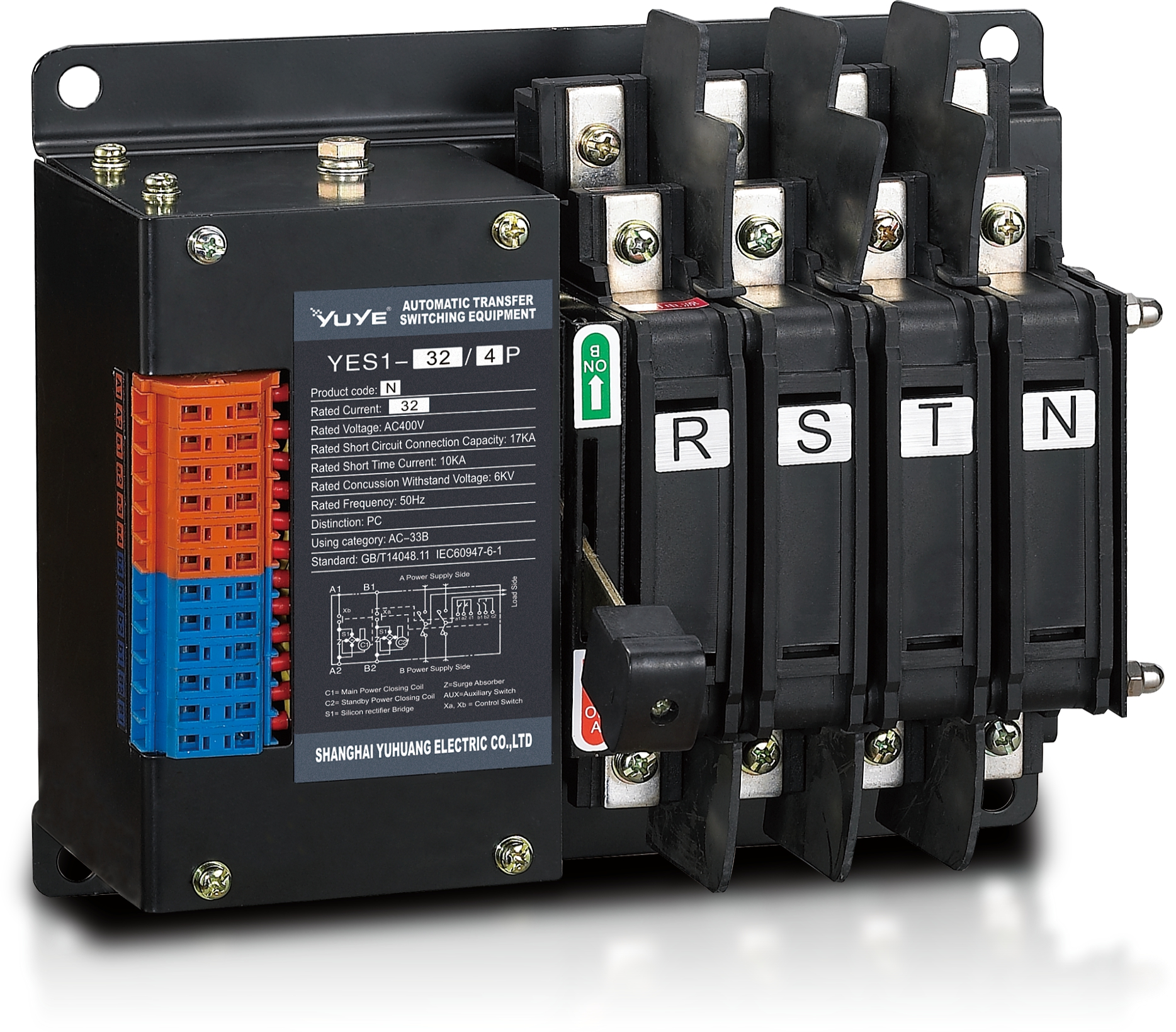 Solenoid-type ATS YES1-32~125N
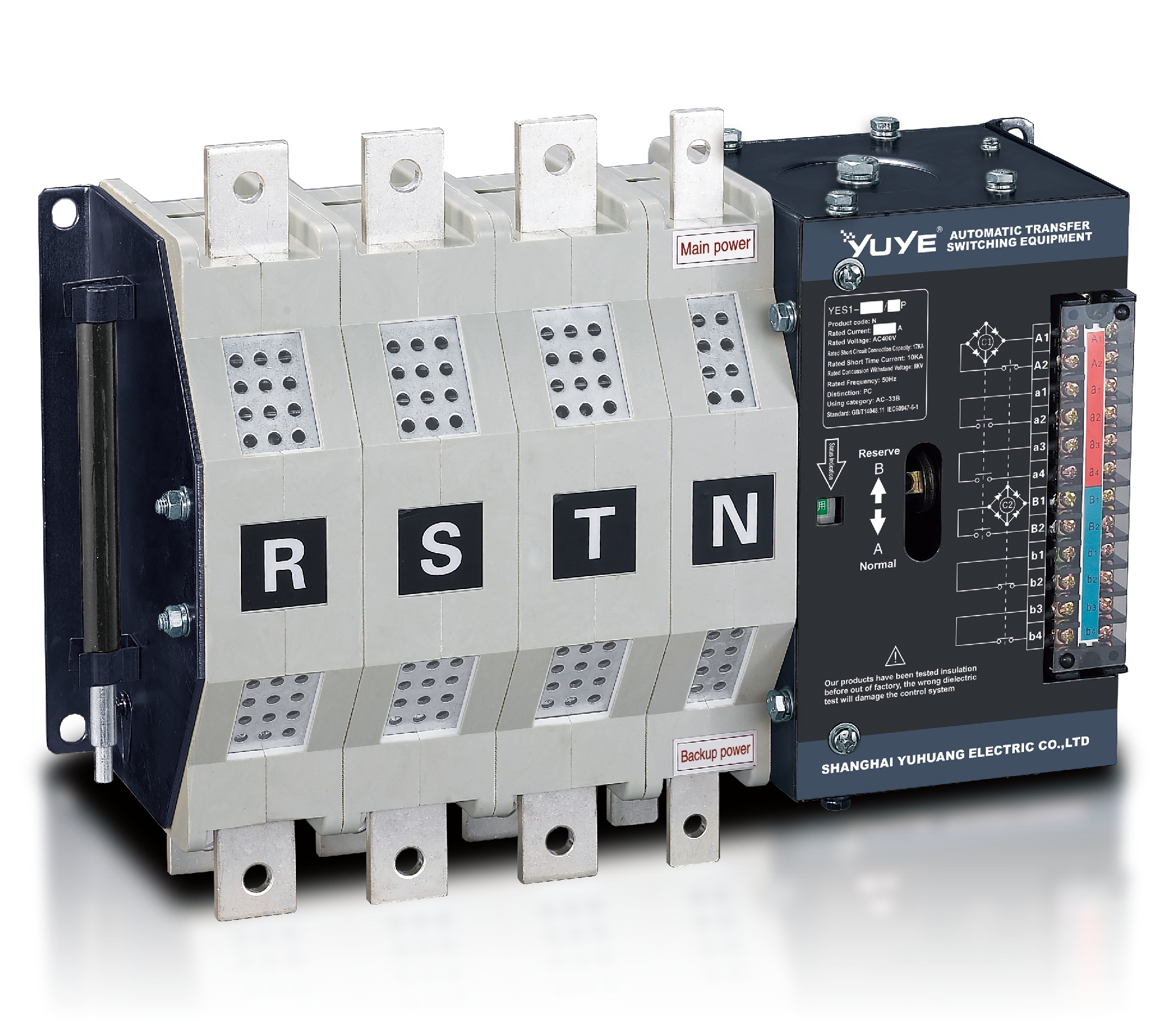 Solenoid-type ATS YES1-250~630N/NT
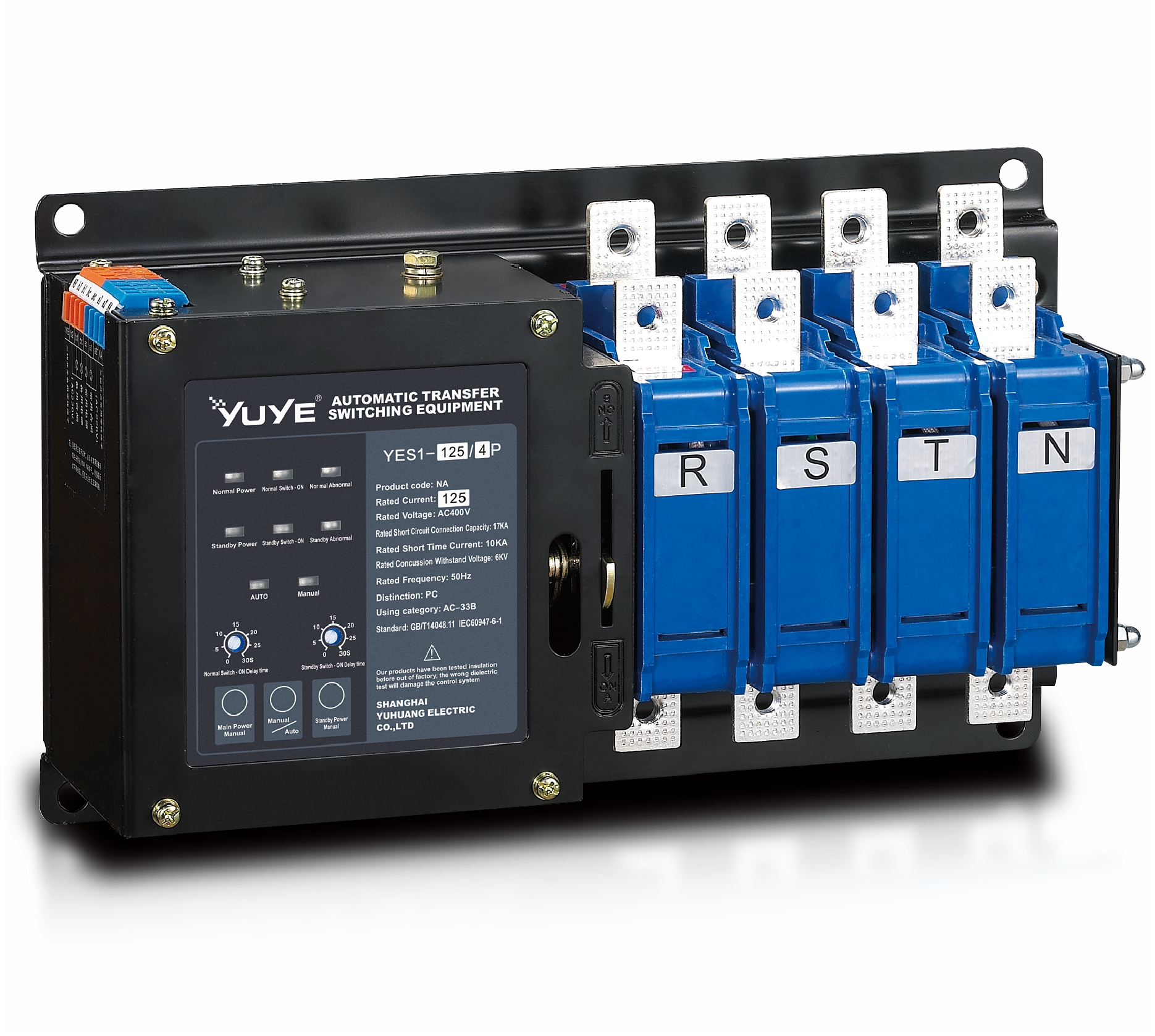 Solenoid-type ATS YES1-32~125NA
 Solenoid-type ATS YES1-63~630SN
 Solenoid-type ATS YES1-1250~4000SN
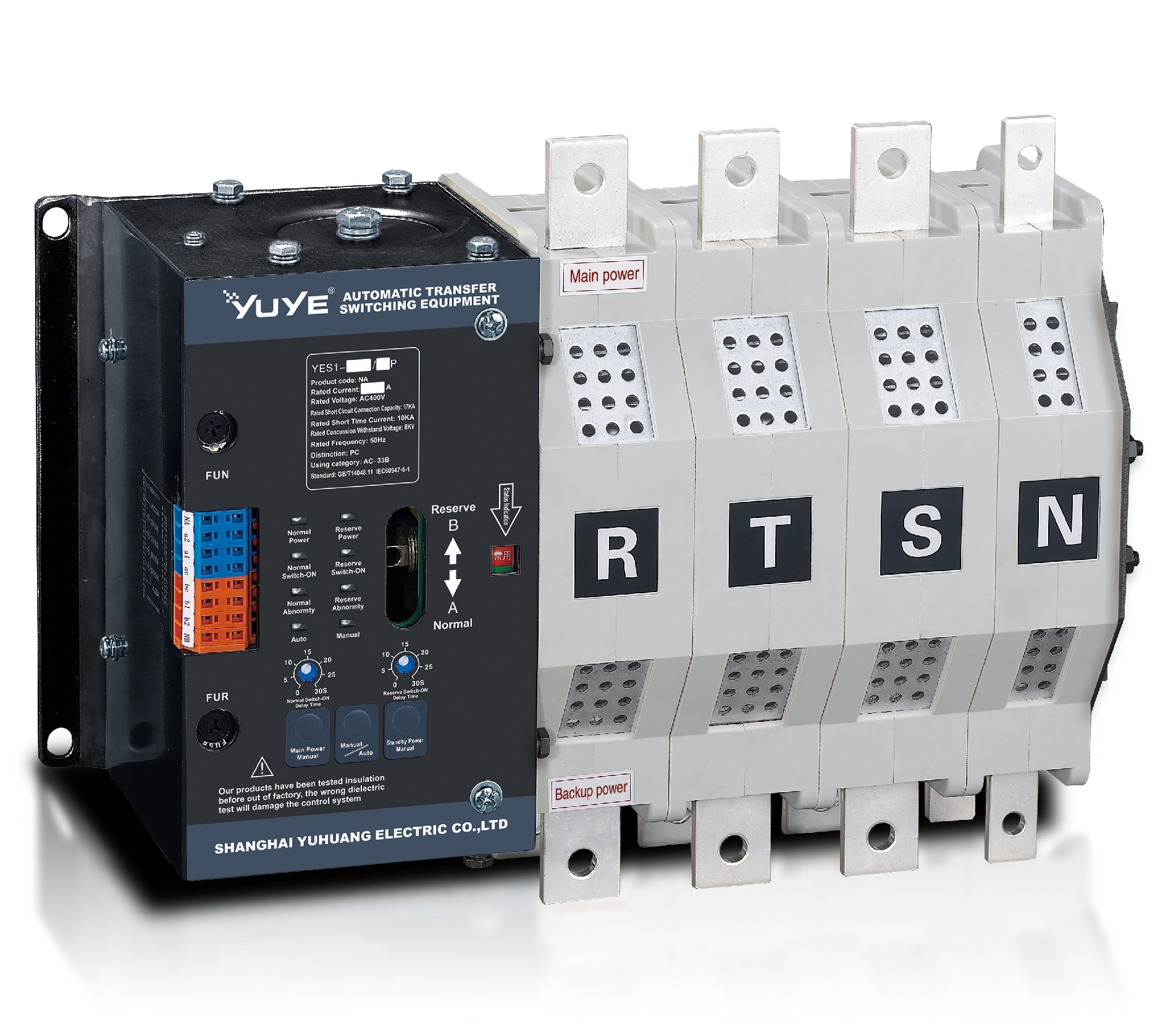 Solenoid-type ATS YES1-250~630NA/NAT
 Solenoid-type ATS YES1-63NJT
 PC ATS YES1-100~1600GN1/GN/GNF
 PC ATS YES1-2000~3200GN/GNF
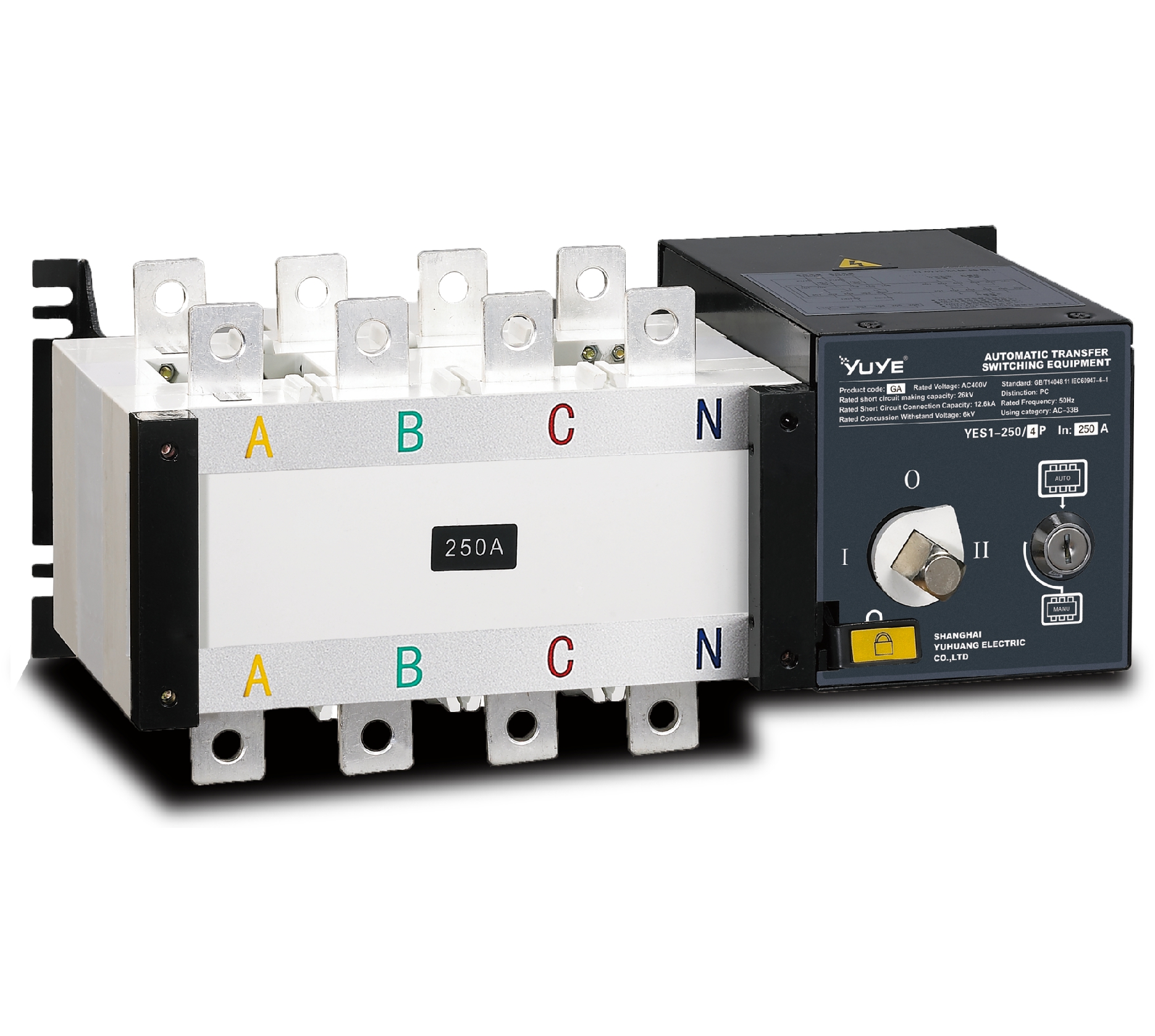 PC ATS YES1-100~3200GA1/GA
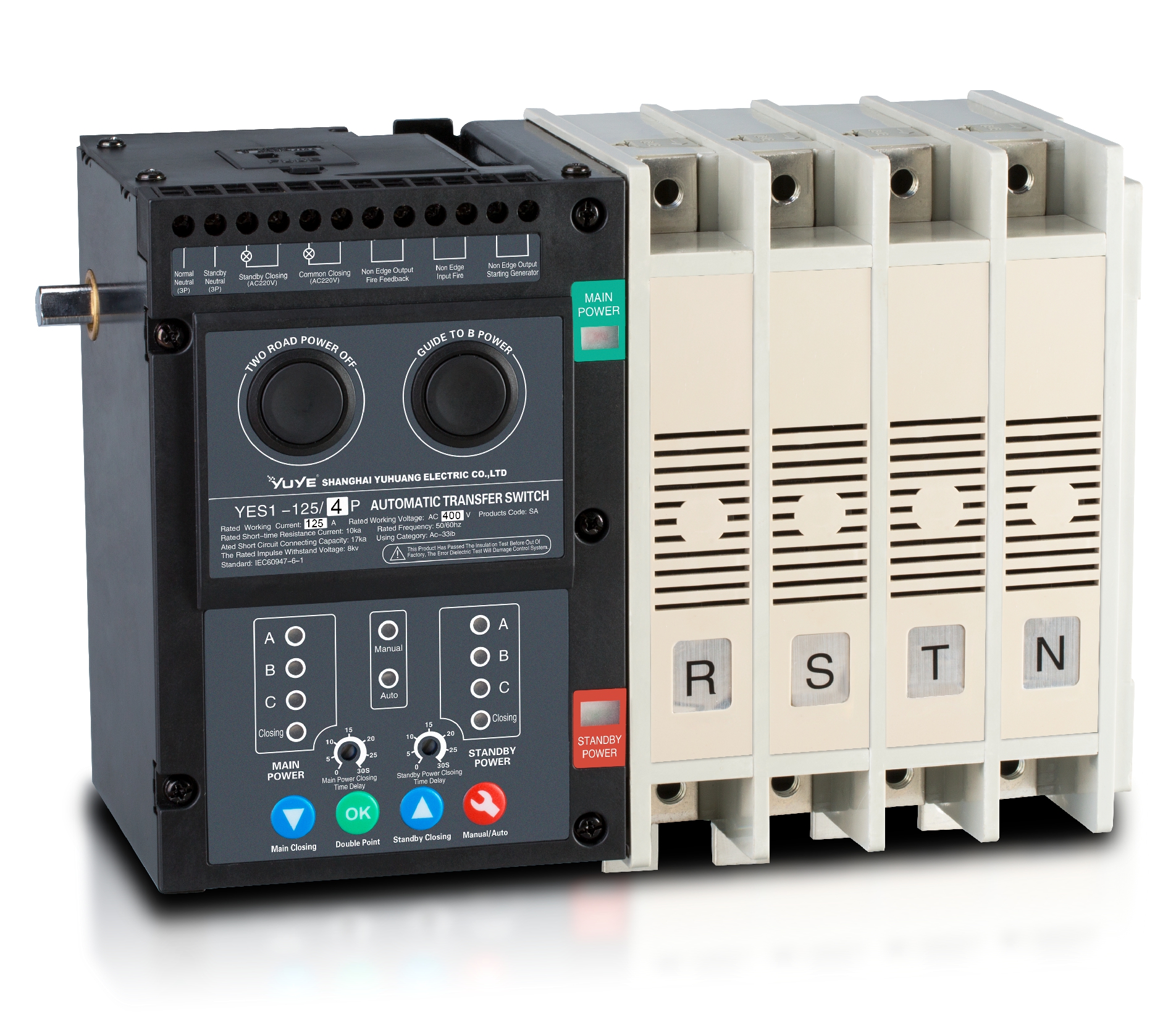 Solenoid-type ATS YES1-63~630SA
 Solenoid-type ATS YES1-63~630L/LA
 Solenoid-type ATS YES1-63~630LA3
 Solenoid-type ATS YES1-63MA
 PC ATS YES1-630~1600M
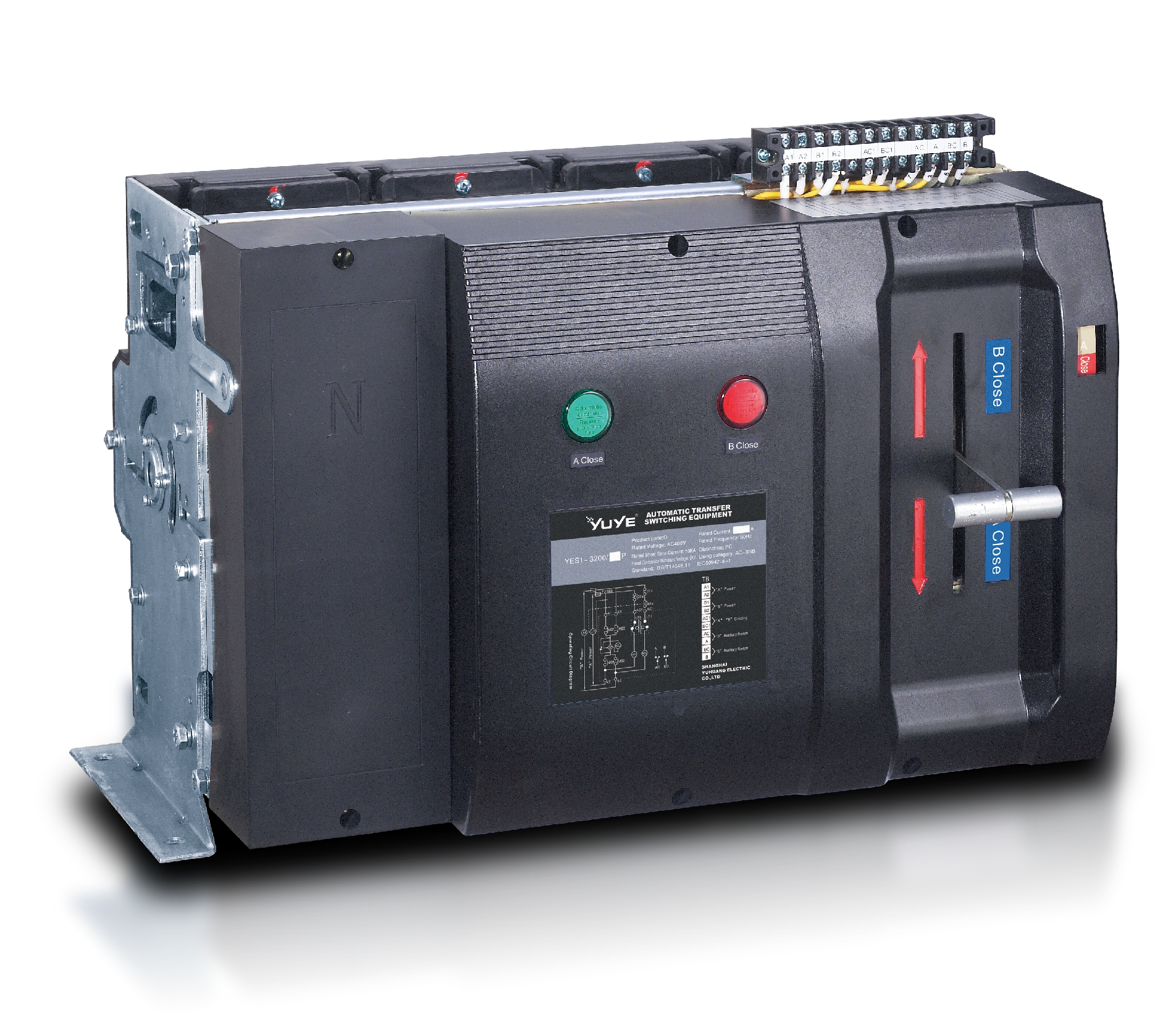 PC ATS YES1-3200Q
 Solenoid-type ATS YES1-4000~6300Q
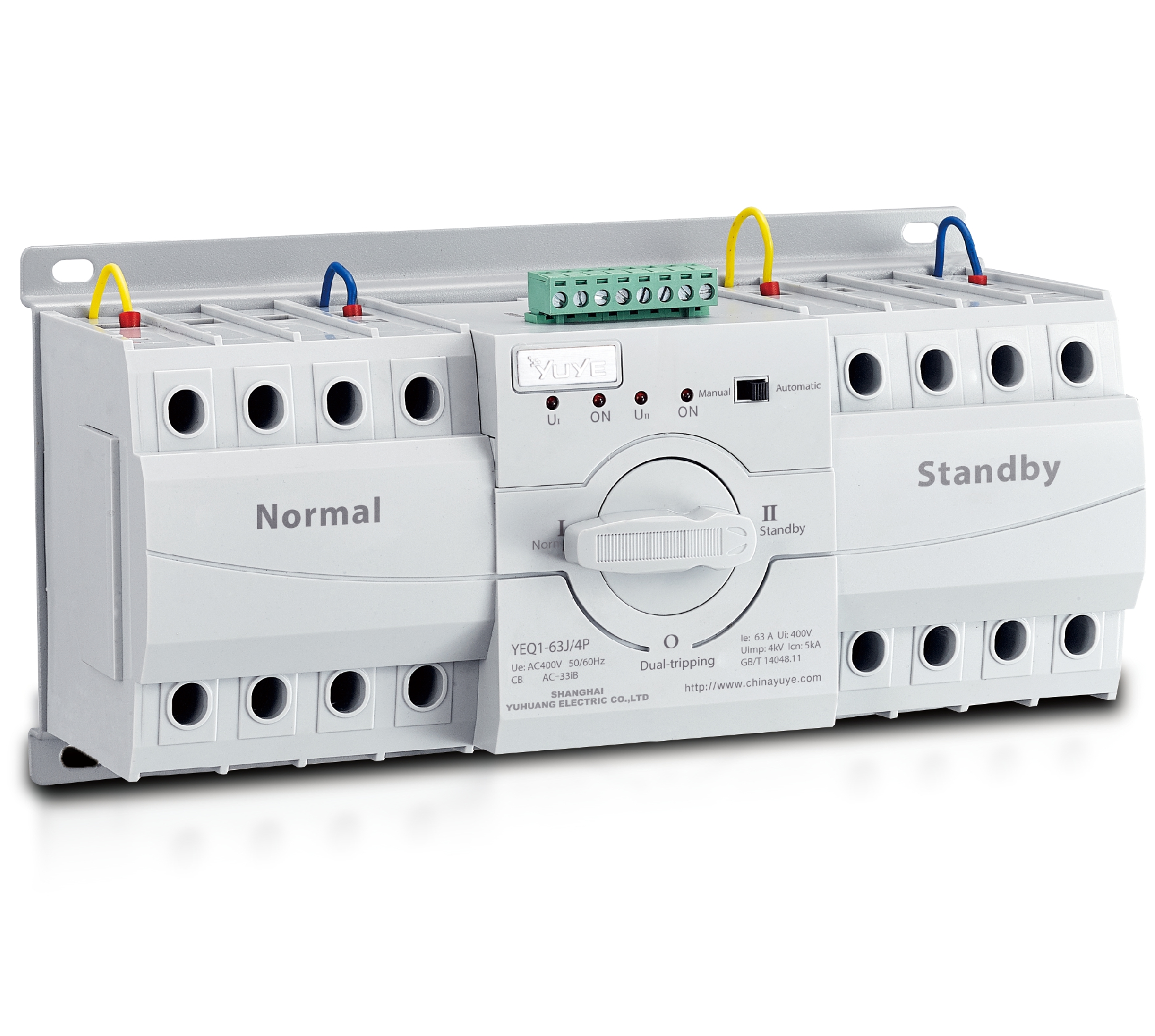 CB ATS YEQ1-63J
 CB ATS YEQ2Y-63
 CB ATS YEQ3-63W1
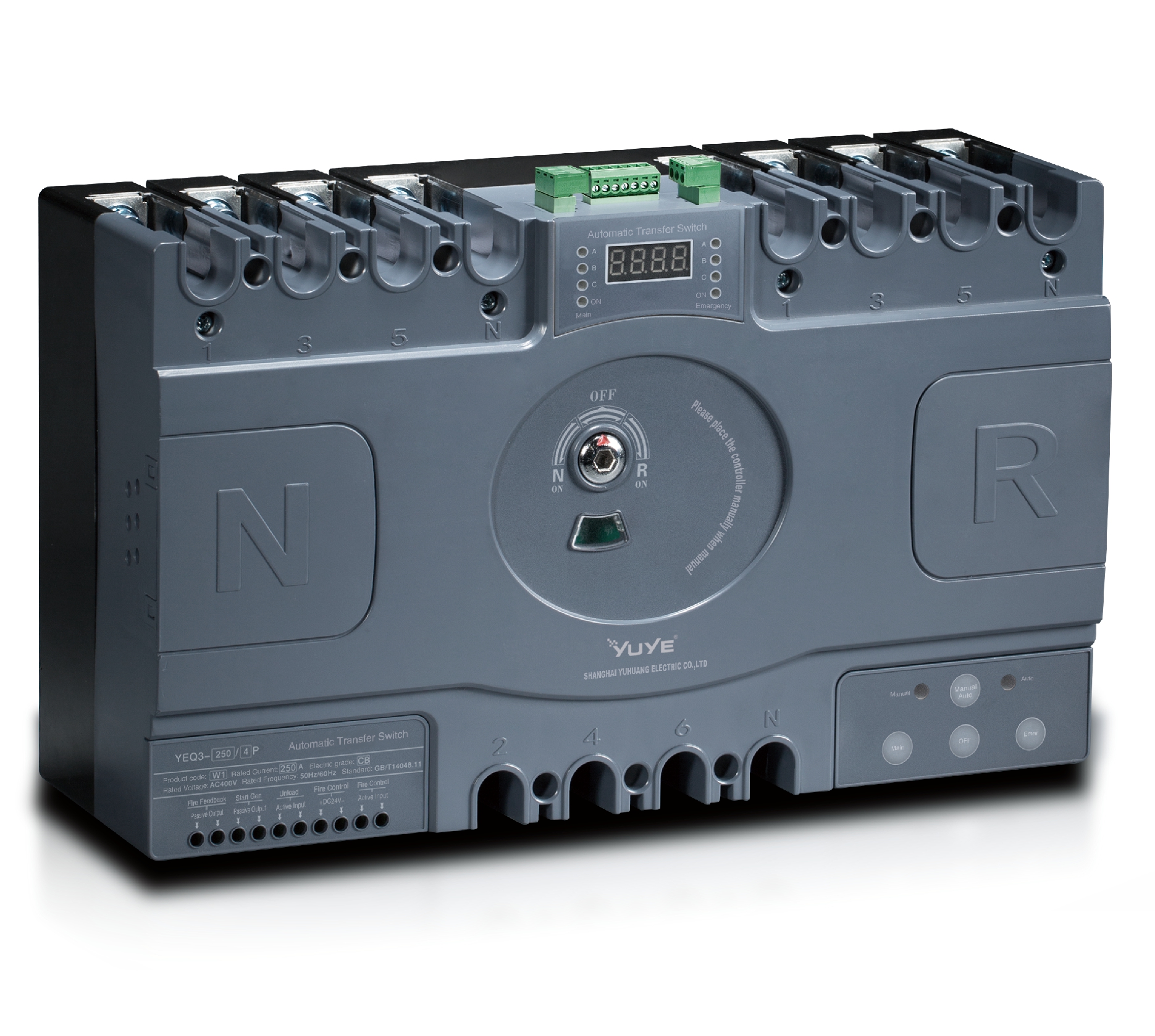 CB ATS YEQ3-125~630W1
 ATS controller Y-700
 ATS Controller Y-700N
 ATS Controller Y-701B
 ATS Controller Y-703N
 ATS Controller Y-800
 ATS Controller W2/W3 Series
 ATS switch Cabinet floor-to-ceiling
 ATS switch cabinet
 JXF-225A power Cbinet
 JXF-800A power Cbinet
 YEM3-125~800 Plastic Shell Type MCCB
 YEM3L-125~630 Leakage Type MCCB
 YEM3Z-125~800 Adjustable Type MCCB
 YEM1-63~1250 Plastic Shell Type MCCB
 YEM1E-100~800 Electronic Type MCCB
 YEM1L-100~630 Leakage Type MCCB
 Miniature circuit breaker YEMA2-6~100
 Miniature circuit breaker YEB1-3~63
 Miniature circuit breaker YEB1LE-3~63
 Miniature circuit breaker YEPN-3~32
 Miniature circuit breaker YEPNLE-3~32
 Miniature circuit breaker YENC-63~125
 Air Circuit Breaker YEW1-2000~6300
 Air Circuit Breaker YEW3-1600
 Load isolation switch YGL-63~3150
 Load Isolation Switch YGL2-63~3150
 Manual Changeover Switch YGL-100~630Z1A
 Manual Changeover Switch YGLZ1-100~3150
 YECPS2-45~125 LCD
 YECPS-45~125 Digital
 CNC Milling/Turning-OEM
 DC relay MDC-300M
 DC Isolation Switch YEGL3D-630


